
If you're comparing 7taps and Spekit, you're weighing two different philosophies of enablement. The right choice depends on questions most comparison articles skip:
Is your primary need to create training content faster, or to surface the right knowledge at the right moment?
Are you enabling a broad workforce (frontline, deskless, cross-departmental), or a revenue team?
Do your people need to learn new skills, or do they need instant access to deal intelligence while selling?
Is your biggest bottleneck content production, or content adoption?
Would your team benefit more from structured learning paths or from AI that coaches reps during live deals?
In short, here's what we recommend:
7taps is the microlearning platform built for L&D teams who need to produce training fast and reach learners wherever they work. Its card-based course builder, AI content generation, and low-friction delivery (no app, no login, no LMS required) let instructional designers go from a training need to a deployed course in minutes rather than weeks. With delivery via link, QR code, Slack, Teams, SMS, or WhatsApp, 7taps reaches deskless and frontline workers that traditional LMS platforms miss. The trade-off: 7taps is a content creation and delivery platform, not a sales intelligence tool. It can train reps on product knowledge, but it can't tell them which accounts are in-market or what a prospect said on their last call.
Spekit is the AI sales enablement platform designed to make every rep perform like the company's best. Instead of building courses, Spekit embeds knowledge, coaching, and deal intelligence inside the tools reps already use (Salesforce, Gong, Gmail, Outlook) through a browser-native AI layer called Sidekick. When a competitor comes up on a call, the relevant battlecard appears. When a deal changes stage, the right play surfaces automatically. Spekit solves the adoption problem that plagues traditional enablement: reps don't have to find the knowledge because the knowledge comes to them. The limitation: Spekit's depth is concentrated on revenue teams, particularly those running Salesforce and Gong. And the intelligence it surfaces is only as current as the content your enablement team maintains.
Both platforms help teams access knowledge more effectively. But there's a deeper question neither fully answers: where does the intelligence itself come from? Training content and enablement knowledge are only as valuable as the data behind them. That's where a different kind of platform enters the picture.
ZoomInfo is an AI GTM platform that provides the buyer intelligence, deal context, and data foundation that enablement tools deliver downstream. Built on a large B2B dataset (500M contacts, 100M companies, 135M+ verified phone numbers, and 200M+ verified business emails), ZoomInfo's GTM Context Graph fuses this data with your CRM records, conversation transcripts, and behavioral signals to reveal not just what happened in a deal, but why. Through GTM Workspace, sellers get AI-generated account briefs, prioritized action feeds, and AI-drafted outreach grounded in real buyer context. Marketers and RevOps teams build and execute plays from GTM Studio, while the API and MCP let any tool tap into the same intelligence. For revenue teams, ZoomInfo doesn't just surface existing knowledge. It generates the intelligence that makes selling effective.
If giving your sellers AI-driven buyer intelligence sounds like the enablement layer you've been missing, see how ZoomInfo works.
7taps vs. Spekit vs. ZoomInfo at a glance
7taps | Spekit | ZoomInfo | |
|---|---|---|---|
Primary function | Microlearning content creation and delivery | AI sales enablement in the flow of work | AI-powered GTM intelligence and execution |
Target user | L&D professionals and instructional designers | Sales enablement teams and revenue leaders | Sales, marketing, and RevOps teams |
How reps access it | Link, QR code, Slack, Teams, SMS, WhatsApp | Chrome extension embedded in Salesforce, Gong, Gmail | GTM Workspace, Chrome extension, API, MCP |
AI capability | AI course generation and content transformation | AI Sidekick for coaching, content recommendations, and deal actions | GTM Context Graph with AI agents for prospecting, outreach, and deal execution |
Content model | Card-based micro-courses built by L&D teams | Speks (knowledge units) maintained by enablement teams | AI-generated account briefs, outreach, and action feeds from live buyer data |
Learning/training | Structured learning paths with spaced repetition | Learning paths embedded in workflow tools | ZoomInfo University for platform training; no general L&D capability |
Data foundation | None (content-driven, not data-driven) | Syncs with Salesforce and Gong for deal context | 500M contacts, 100M companies, intent signals, conversation intelligence |
Pricing | Free tier; Starter at $4,995/year; Enterprise custom | Quote-based, no public pricing | Quote-based, consumption pricing; free Lite tier available |
Best for | Broad workforce training across departments | Revenue team enablement and sales coaching | Buyer intelligence, prospecting, and AI-driven deal execution |
Two different problems, two different tools
7taps and Spekit both fall under "enablement," but they solve problems that barely overlap.
7taps answers: How do I create effective training content quickly and get it to people who may not have a computer, a login, or five minutes to spare? It fits the L&D professional at a mid-market or enterprise company juggling compliance training, new hire onboarding, safety refreshers, and leadership development, often for deskless workers who can't access an LMS. The platform's card-based format is modeled on social media scrolling: learners swipe through 5-15 cards per course, typically finishing in under five minutes.
Spekit answers: How do I get the right knowledge, coaching, and deal intelligence to sales reps in the moment they need it, without asking them to leave their workflow? It fits the enablement leader at a B2B company with a Salesforce-centric revenue stack and reps who never log into the content portal. Spekit embeds guidance inside Salesforce, Gong, Gmail, and Outlook via a Chrome extension. When a rep opens an opportunity in Salesforce, relevant playbooks, battlecards, and process guidance appear without a search query.
If you're training nurses on clinical procedures via QR codes at their stations, 7taps is the clear choice. If you're coaching sellers on objection handling during live deals, Spekit owns that space. The confusion arises because both platforms touch sales training, but they do it at different layers.
Content creation: 7taps leads, Spekit organizes
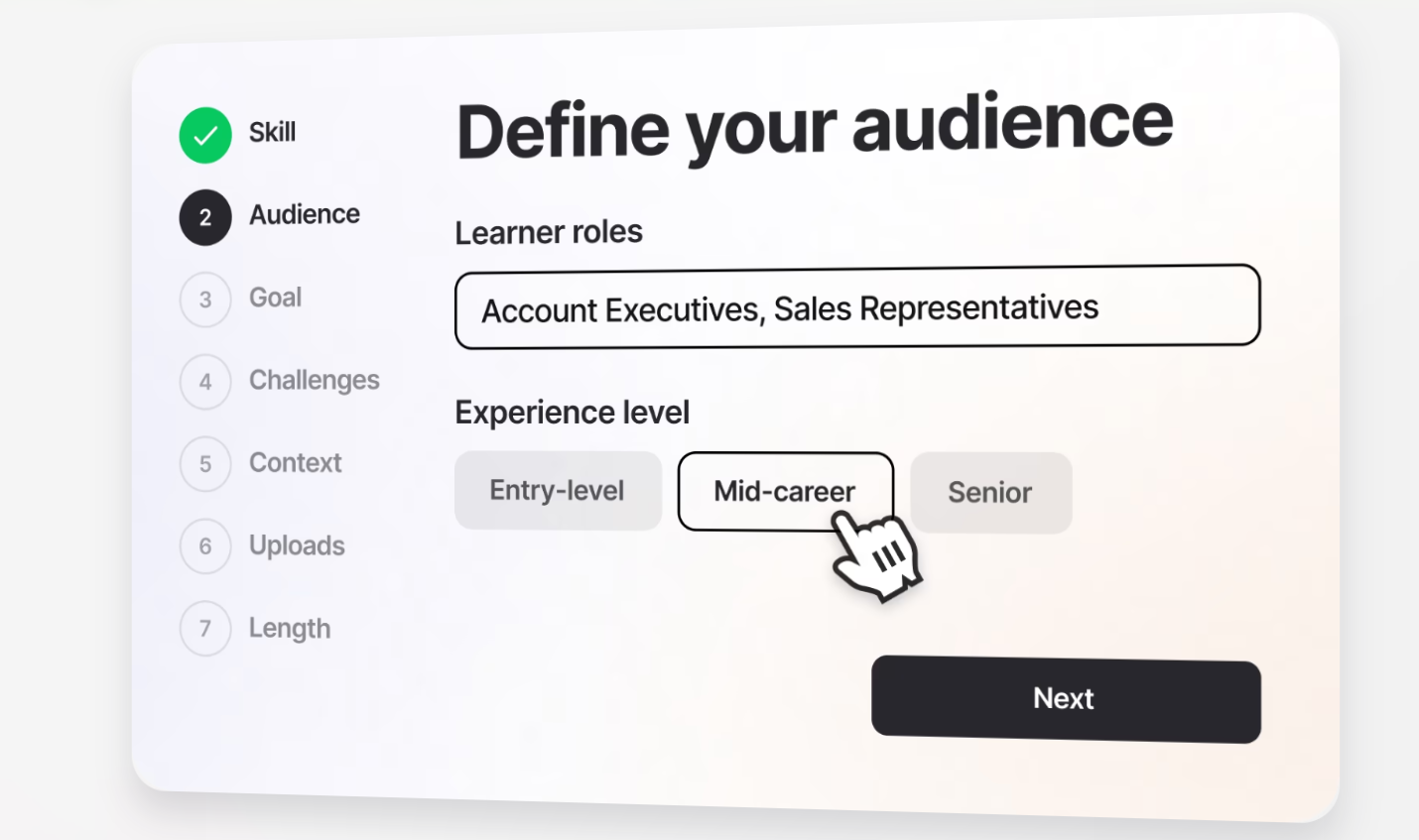
7taps is, at its core, a content creation engine. The platform's AI Copilot asks seven questions about skill, audience, goal, and challenges before generating a full learning path of up to five courses. The Microlearning Transformer converts existing PDFs, Word documents, audio files, and YouTube videos into structured micro-courses in 1-3 minutes.
Source: 7taps
The card types go beyond standard quiz-and-text formats. Submit Cards capture real-world application evidence (a photo or voice recording of the learner performing a task). Role-Play Cards generate AI-driven dialogue scenarios for conversational practice in 40+ languages. These move training from knowledge recall into behavior change, which is the harder and more valuable problem in corporate L&D.
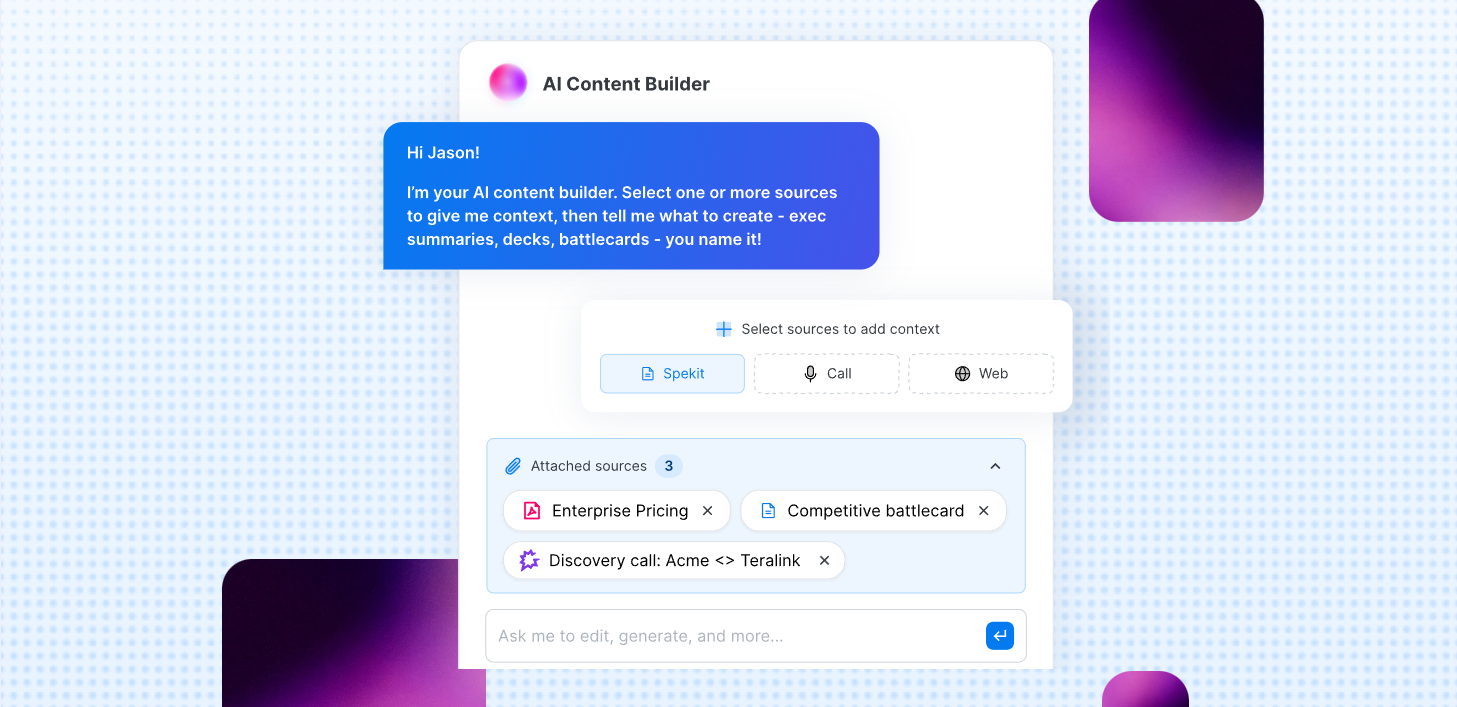
Spekit takes a different approach. Rather than building courses, enablement teams create Speks (modular knowledge units that can be anything from a product FAQ to a competitive battlecard to a process walkthrough). The AI Content Builder generates Speks from existing documents, templates, and deal context. Speks live in a centralized Knowledge Engine and flow automatically into every rep-facing surface: Sidekick answers, Learning Paths, Deal Rooms, and embedded Salesforce guidance.
Source: Spekit
The structural difference: 7taps excels at producing polished, pedagogically sound learning experiences. Spekit excels at keeping a living knowledge base current and surfacing the right piece at the right moment. If your training challenge is content production, 7taps wins. If your challenge is content rot and adoption, Spekit's governance layer (flagging stale content, tracking what's used versus ignored, propagating updates from a single source) addresses it more directly.
Delivery philosophy: push vs. pull vs. intelligence
How each platform gets information to the people who need it reveals a philosophical divide.
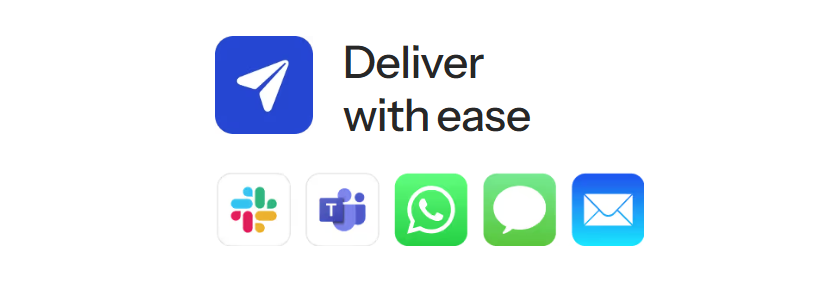
7taps pushes content to learners through the channels they already use. A course can be delivered via link, QR code, email, Slack, Microsoft Teams, SMS, WhatsApp, iFrame embed, or LMS via Dynamic SCORM. No app download, no account creation, no password. A nurse scans a QR code on a supply room wall and completes a 3-minute refresher on a new procedure. A field worker receives a safety course via SMS before arriving at a job site. McConnell Dowell replaced paper handouts with QR-code training at construction sites, earning recognition for their workplace safety learning program.
Source: 7taps
This low-friction access is 7taps' most cited differentiator. For organizations with frontline, deskless, or partner workforces who don't have reliable system access, it solves a real problem.
Spekit embeds knowledge inside the tools reps already use. Instead of sending reps to a portal or pushing a notification, Spekit surfaces guidance contextually. The Chrome extension works across Salesforce, Gong, Gmail, Outlook, LinkedIn, and any browser-based tool. When a rep drafts an email to a prospect, Spekit's AI Sidekick detects the deal context and recommends relevant content. When a competitor is mentioned on a recorded Gong call, the approved response appears. The philosophy: reps don't visit a new platform; the platform comes to them.
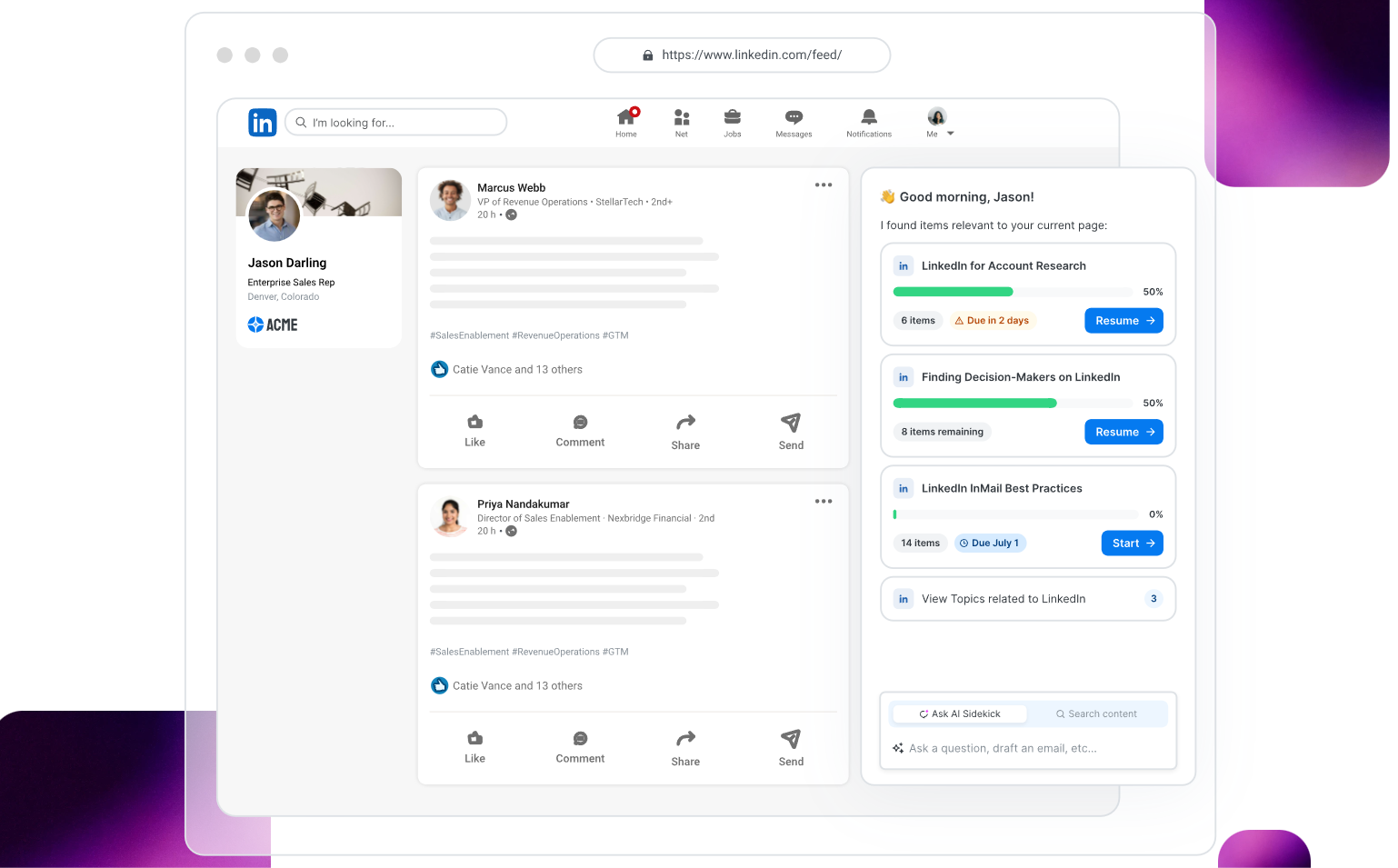
Source: Spekit
ZoomInfo generates intelligence and delivers it through an AI-powered execution workspace. Rather than surfacing knowledge that a human created and maintains, ZoomInfo's GTM Workspace synthesizes live buyer data into actionable intelligence: AI-generated account briefs pulling CRM history, company news, and stakeholder context into a 10-second summary. An Action Feed streams in-market buyer signals with pre-drafted actions on every signal. AI agents research accounts, generate follow-ups, monitor deal signals, and draft outreach, all from the GTM Context Graph that processes 1.5B+ data points daily.
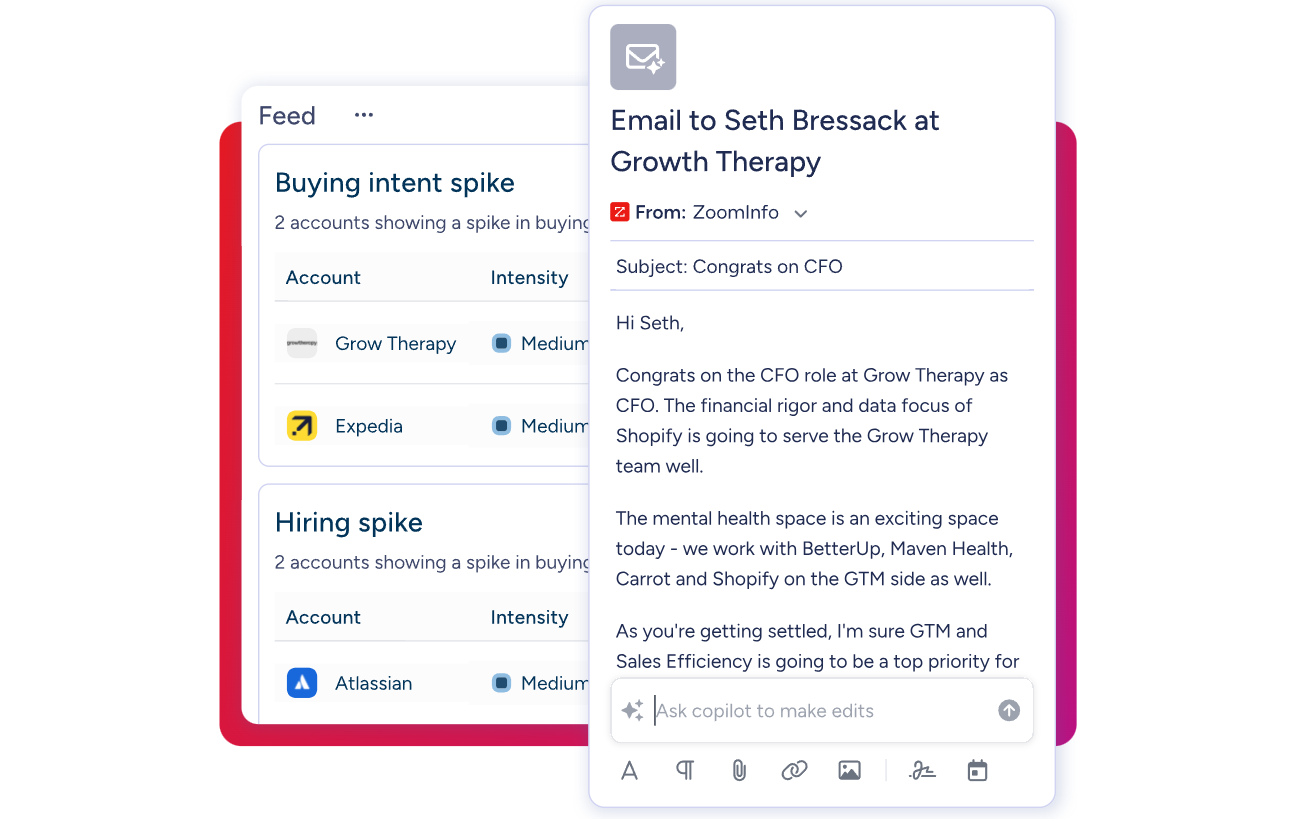
The distinction matters. 7taps and Spekit both depend on humans to create and maintain the knowledge. ZoomInfo generates intelligence from data: who's in-market, what they're researching, who the decision-makers are, and what happened on the last call. For a seller, the difference is between reading a battlecard someone wrote last quarter and receiving a real-time account brief that reflects what the CFO said yesterday.
Spekit saw opportunities at higher-scoring accounts 43% more likely to turn into qualified pipeline, moving 58% faster through qualification, after adopting ZoomInfo's intelligence layer. (Spekit Case Study)
Sales enablement: where Spekit and ZoomInfo converge
If your primary goal is enabling a revenue team, the comparison narrows to Spekit and ZoomInfo. The question becomes whether you need a knowledge management layer or an intelligence layer.
Spekit's strength is governed knowledge delivery. The platform excels when your enablement team has invested in creating battlecards, playbooks, methodology frameworks, and process documentation, and needs to ensure reps actually use them. The Knowledge Engine centralizes all GTM content, the AI Content Builder keeps it current, and the Governance Dashboard flags when critical messaging goes stale. Learning Paths built from the same Speks that power the knowledge base mean that when content changes, the training reflects it automatically.
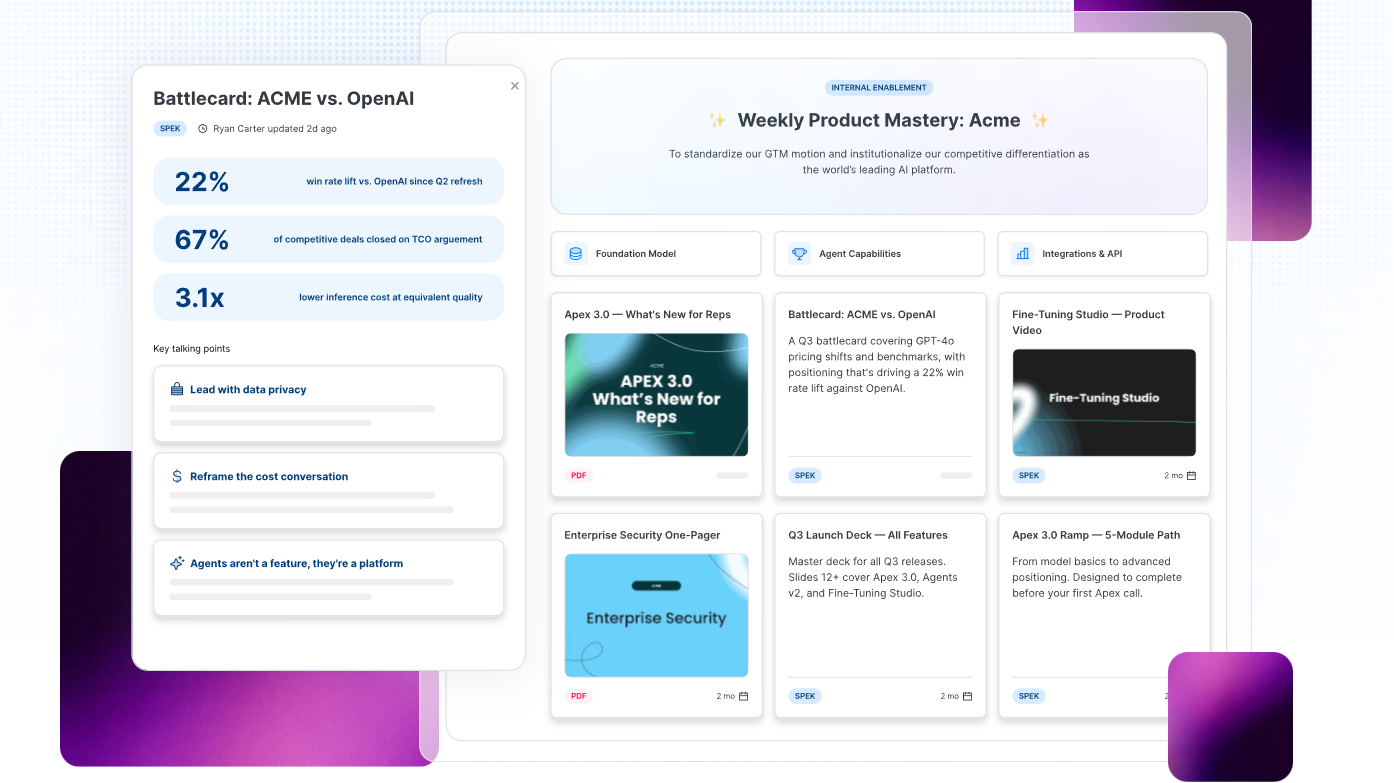
Source: Spekit
The deal intelligence layer, added through the Cquence acquisition in December 2024 and deepened by the Gong integration, connects call summaries and opportunity data to coaching recommendations. Spekit can now surface what happened on the last call and suggest next steps, pulling from both Gong transcripts and Salesforce opportunity data.
ZoomInfo's strength is the intelligence itself. Where Spekit surfaces knowledge your team created, ZoomInfo generates buyer intelligence from its B2B dataset and your first-party data. GTM Workspace provides sellers with:
Contact and company data with 120M direct dials and 200M+ verified business emails, verified at up to 95% accuracy
Buyer Intent signals tracking which accounts are researching relevant topics, drawn from 210 million IP-to-Organization pairings
An AI Assistant that generates 10-second account briefs pulling CRM history, company news, ZoomInfo signals, and stakeholder context
AI-generated outreach personalized from full account context
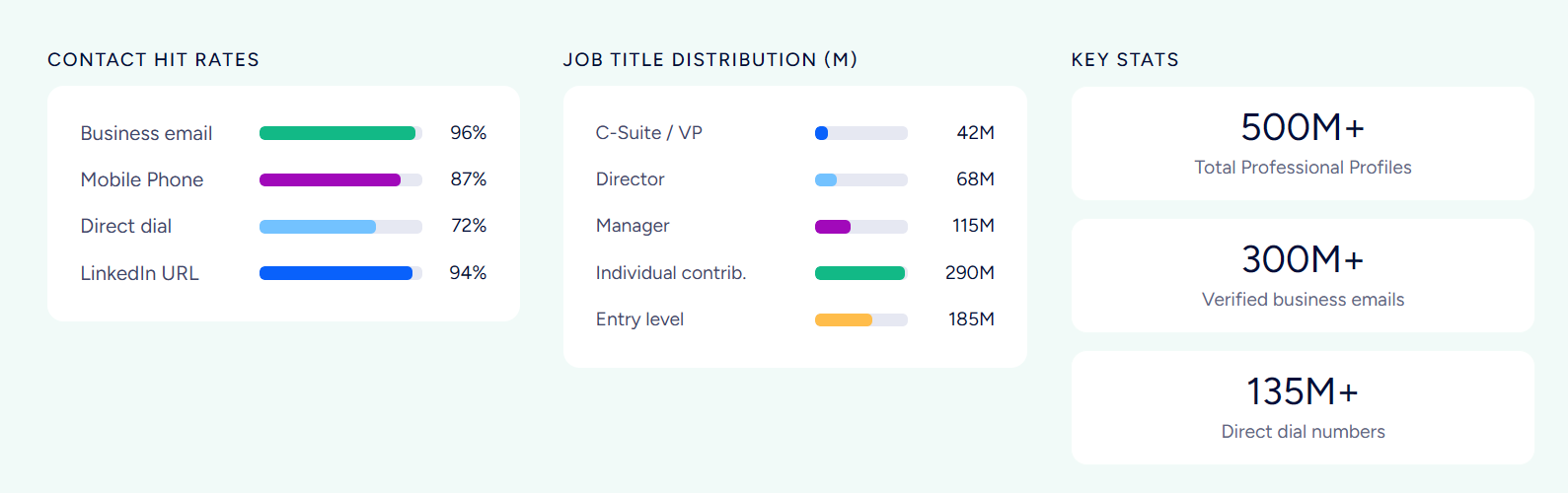
The practical difference: Spekit can tell a rep "here's the approved competitive response when Competitor X comes up." ZoomInfo can tell a rep "Competitor X just hired three new VPs, their intent signals spiked on your product category last week, and the VP of Engineering at your target account just changed jobs. Here's their direct dial and a drafted email referencing the specific challenge their company is publicly facing."
Seismic's sales team attributed 39% of active pipeline to opportunities identified or influenced by ZoomInfo signals, boosted productivity by 54%, and saved 11.5 hours per week. (Seismic Case Study)
For teams that already have strong internal knowledge but lack buyer data and deal intelligence, ZoomInfo fills the gap that no enablement tool can. For teams that have the data but struggle to get institutional knowledge to reps in the flow of work, Spekit addresses that. The two are more complementary than competitive: Spekit is a ZoomInfo customer, using ZoomInfo's intelligence to power its own sales motion.
Workforce scope: broad enablement vs. revenue focus
This is where 7taps earns its spot in the conversation. Spekit and ZoomInfo are built for revenue teams. 7taps serves the entire organization.
7taps supports any department, any role, any industry. Use cases span compliance training, healthcare education, construction safety, retail product training, distributor training, new hire onboarding, and leadership development. 15,000+ L&D teams use 7taps, including clients across all top 5 Fortune 500 companies.
Spekit started in Salesforce training and expanded to revenue enablement broadly. The platform works well for sales, customer success, and RevOps teams, with functionality extending to company-wide knowledge management. But the deepest value (deal intelligence, competitive coaching, buyer experience personalization) concentrates in revenue-facing roles, and the Salesforce integration remains the foundation of the platform's deal context capabilities.
ZoomInfo is built for go-to-market teams. Sales development, account executives, account management, RevOps, and demand generation are the five personas the homepage targets. If you need to train warehouse workers on forklift safety or onboard new nurses on clinical protocols, ZoomInfo has nothing for you. If you need to identify which accounts are in-market, build targeted prospect lists, and execute multi-channel outreach campaigns, ZoomInfo is designed for that.
Analytics reveal different definitions of success
Each platform measures success differently, reflecting what it values.
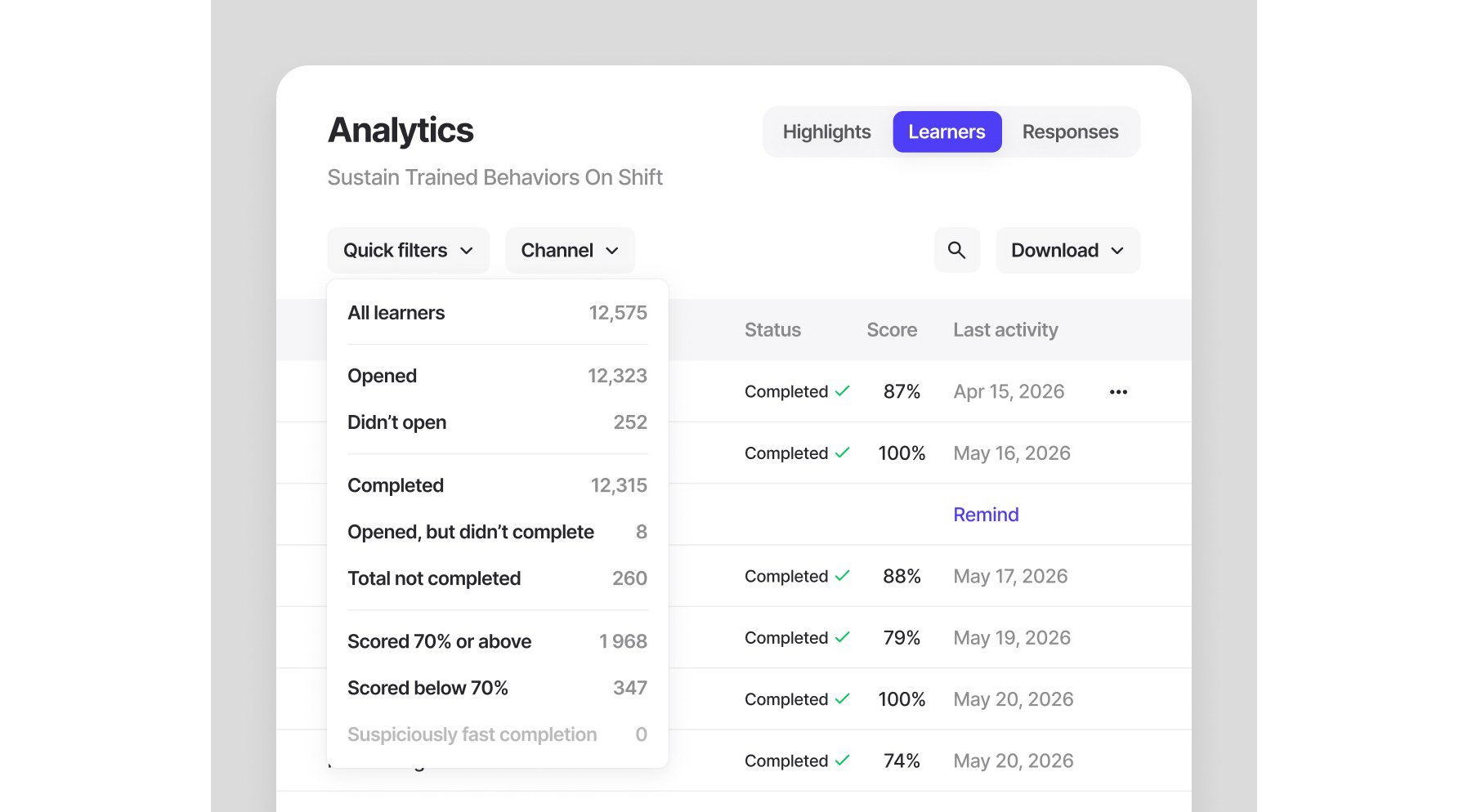
7taps tracks learning outcomes. Course Analytics show open rates, completion rates, and quiz scores at the individual learner level. Learning Path Analytics flag specific courses where learners disengage. Learner Management aggregates data across all courses and Learning Paths per individual. The platform captures card-level responses (every quiz, poll, form, rating, and checklist answer with timestamps), which matters for compliance audits and instructional improvement. These analytics answer: did people complete the training, and did they demonstrate understanding?
Source: 7taps
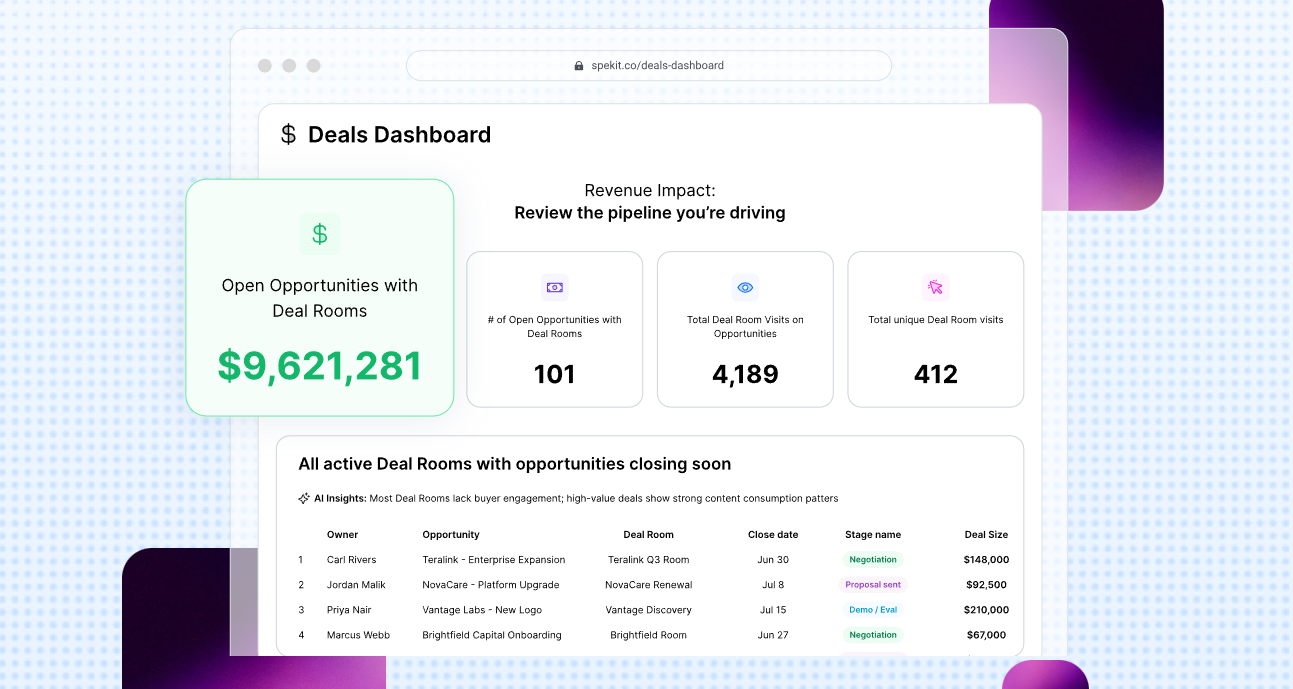
Spekit tracks enablement adoption and content usage. The Analytics platform provides three dashboards: content engagement (what gets used, what gets ignored), revenue impact (content correlated with closed-won deals via Salesforce), and knowledge retention (Learning Path completion and Knowledge Check performance). Spekit's governance layer adds content freshness tracking, search-with-no-results detection, and expert identification. Where Spekit's analytics fall short, according to G2 reviewers, is in drawing direct lines from content usage to pipeline and revenue outcomes. Executive-level enablement reporting requires manual assembly.
Source: Spekit
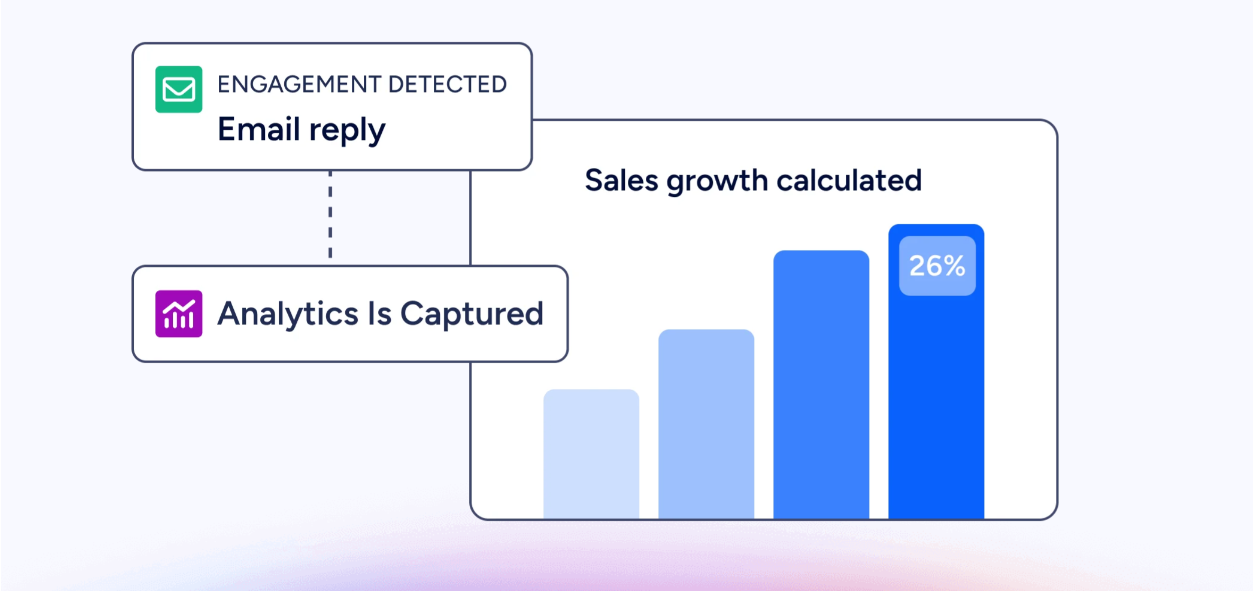
ZoomInfo tracks buyer behavior and deal outcomes. GTM Studio analytics show engagement, funnel progression, and top-performing segments across campaigns. The GTM Context Graph captures deal momentum, buying committee engagement, and signal correlations across your entire pipeline. This is a different type of analytics: not "did reps use the content?" but "which deals are moving, which are stalling, and why?"
Integration depth reflects each platform's world
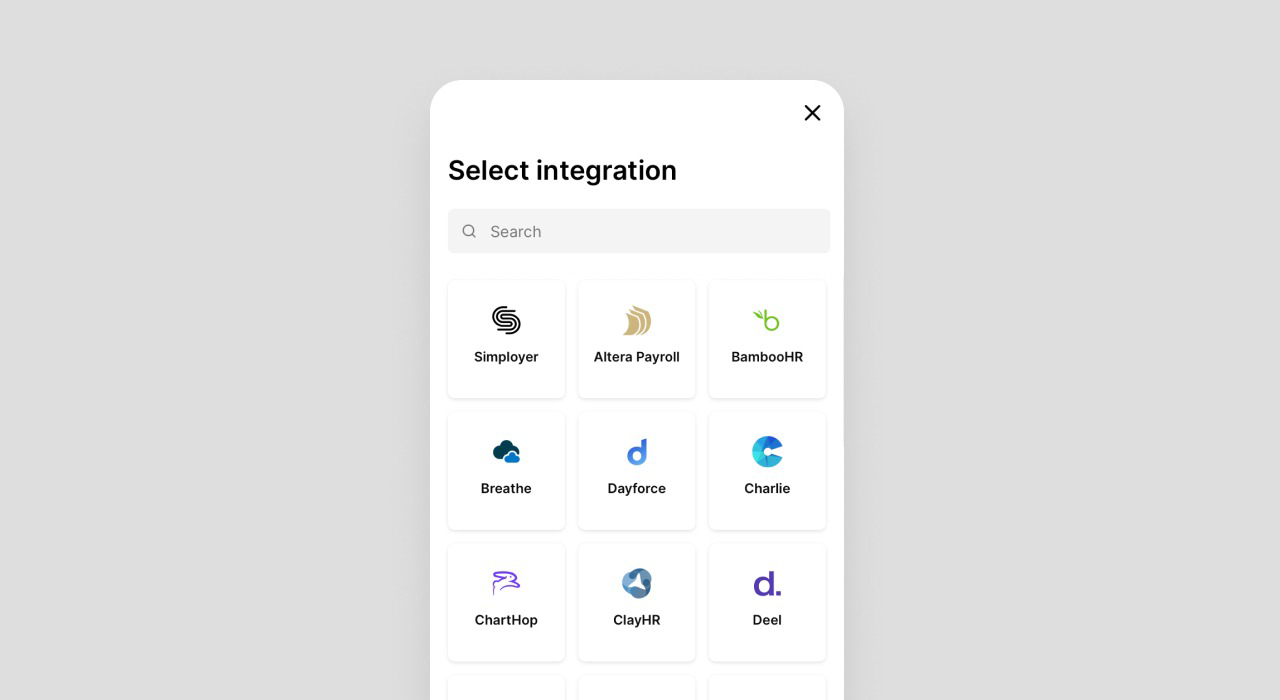
7taps integrates with the L&D ecosystem. SCORM 1.2, SCORM 2004, and xAPI support connect 7taps to any compliant LMS (Moodle, Canvas, Blackboard, Cornerstone, SAP SuccessFactors, Workday Learning, Docebo, TalentLMS). 45+ HRIS integrations automate learner management. SAML 2.0 SSO authenticates learners across every sharing method. However, 7taps has no public REST API, no Zapier or Make integration, and no native CRM connections.
Source: 7taps
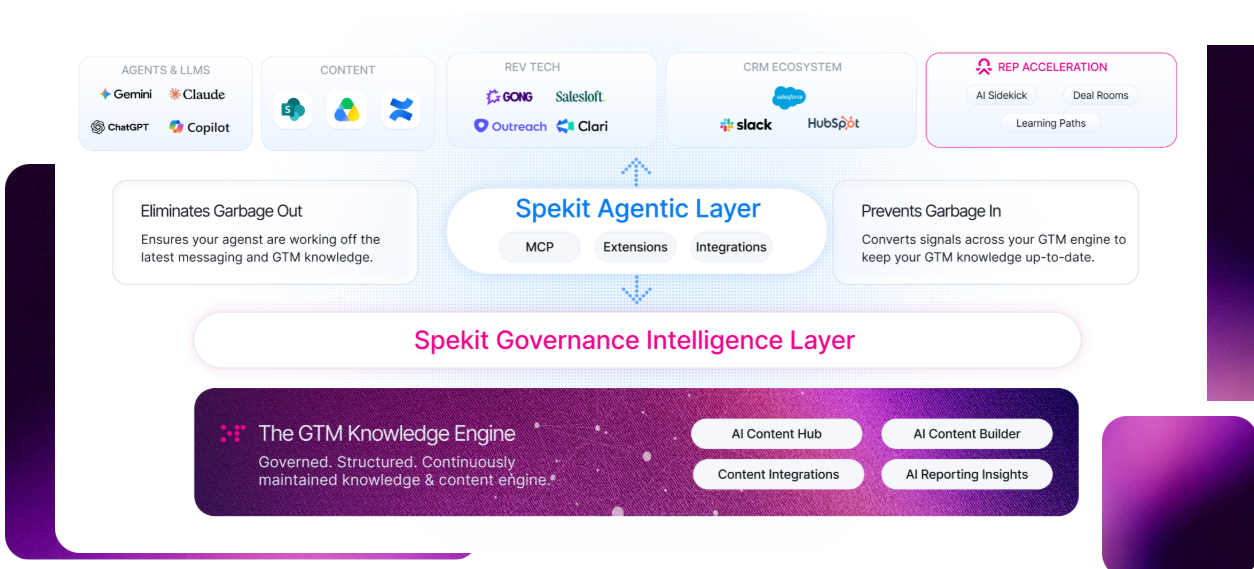
Spekit integrates with the revenue stack. The Salesforce integration is a native, no-code, two-way sync that automatically tracks changes to the Salesforce org. The Gong integration surfaces call summaries and next steps contextually. Content syncs from Google Drive, SharePoint, and Confluence. SSO works through Okta, PingOne, and Azure Active Directory with SCIM and JIT provisioning. The Chrome extension works across any browser-based tool. Spekit's API exists but is governed by a separate license agreement and isn't publicly documented.
Source: Spekit
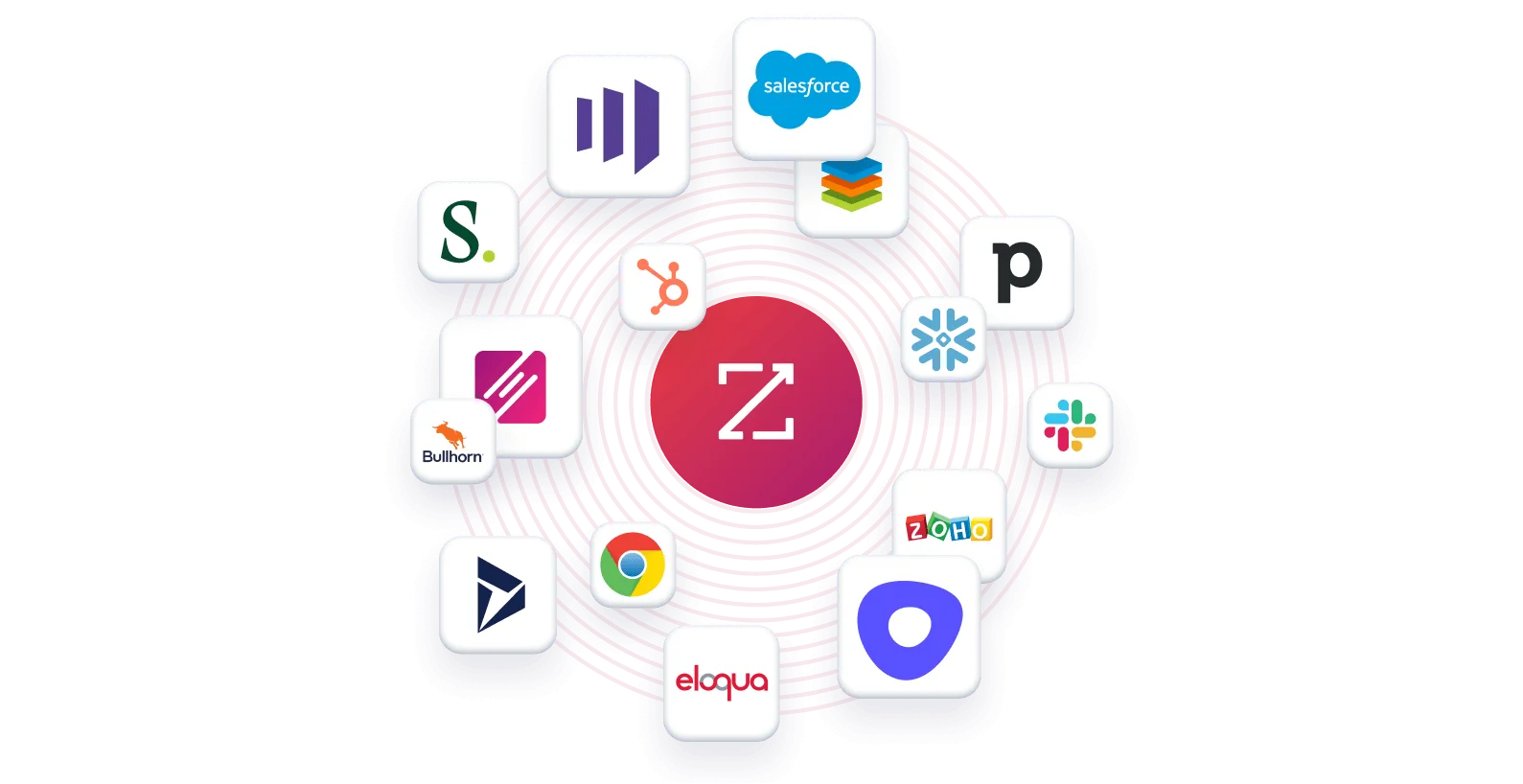
ZoomInfo integrates with the go-to-market stack broadly. The ZoomInfo Marketplace lists 172+ integration partners. Native CRM integrations cover Salesforce, HubSpot, and Microsoft Dynamics 365. Cloud data platforms (AWS, Google Cloud, Snowflake, Databricks) receive ZoomInfo data directly. The Enterprise API provides structured programmatic access, and the MCP server connects AI models directly to ZoomInfo's data. ZoomInfo is designed to be infrastructure: the same intelligence works in its own products, in your CRM, in your AI agents, and in any custom application.
Pricing structures match their target buyers
7taps uses a hybrid model with a free-forever tier (1 creator, 2 shareable courses, 500 active learners), a Starter plan at $4,995/year (1 creator, unlimited courses and learners, email/Slack/Teams delivery), and a custom-quoted Enterprise tier. No per-learner fees on any plan. The gap between Free and Starter is notable: Capterra reviewers call individual subscriptions "a little expensive" and suggest a mid-tier option. Organizations that outgrow Free but don't need Enterprise features face a pricing cliff.
Spekit does not publish pricing. The pricing page shows only a demo request form. Contracts are governed by individual Order Forms with seat-based licensing. No free trial or free plan is publicly available. Auto-renewal is standard, and early termination requires paying all remaining fees through the end of the subscription term. The lack of pricing transparency makes self-directed evaluations harder.
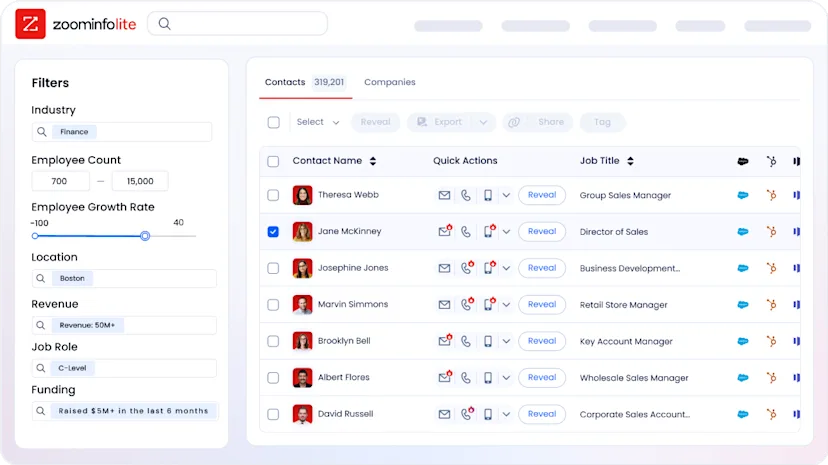
ZoomInfo uses consumption-based pricing with no publicly listed prices. A permanent ZoomInfo Lite free tier provides access to the B2B database with 10 monthly export credits. A 7-day free trial offers broader access. Paid plans are organized by product line (Sales, Marketing) with three tiers each (Professional, Advanced, Enterprise), differentiated by features rather than volume. API access is included in all relevant plans.
For L&D teams evaluating microlearning tools, 7taps' free tier and transparent Starter pricing make evaluation simple. For revenue leaders evaluating enablement or intelligence platforms, both Spekit and ZoomInfo require a sales conversation, which is standard for enterprise software in this category.
Security and compliance comparison
All three platforms hold enterprise-grade certifications, though the depth varies.
7taps holds SOC 2 Type 2, ISO 27001, and GDPR compliance. Data is encrypted at rest using AES-256 and in transit using TLS 1.2+. The AI data policy confirms customer data is not used to train AI models. Penetration testing occurs at least annually. For a company of roughly 37 employees, this certification stack signals deliberate enterprise readiness.
Spekit has completed SOC 2 Type II certification and passed Salesforce's security review as a certified vendor. GDPR and CCPA/CPRA compliance are referenced in their data handling policies. A dedicated Trust Center and Vulnerability Disclosure Program are maintained.
ZoomInfo holds the broadest certification stack: ISO 27001, ISO 27701, SOC 2 Type II, TRUSTe GDPR, and TRUSTe CCPA, all renewed annually. ZoomInfo is a registered data broker in California and Vermont and operates a dedicated Trust Center. For regulated industries handling sensitive B2B data, ZoomInfo's privacy infrastructure (including ISO 27701, the privacy-specific standard) provides an additional layer of assurance.
7taps vs. Spekit vs. ZoomInfo: Which should you choose?
The right platform depends on who you're enabling, what they need, and where your biggest gaps are.
Choose 7taps if:
Your primary need is creating training content for a broad workforce, not just sales
You have deskless, frontline, or partner workers who can't access an LMS
Speed of content creation is your biggest bottleneck
You want science-backed microlearning with structured spaced repetition
Your budget requires transparent, predictable pricing with a free starting point
Choose Spekit if:
You need to get sales playbooks, battlecards, and process guidance to reps in their workflow
Content adoption (not content creation) is your biggest enablement challenge
Your revenue stack runs on Salesforce and Gong
You want a governed knowledge base with AI-powered content management
Just-in-time coaching during live deals is a priority
Choose ZoomInfo if:
Your sellers need buyer intelligence, not just internal knowledge
Identifying in-market accounts and reaching decision-makers is a primary challenge
You want AI that generates deal-specific outreach from live buyer data, not templates
Your GTM motion requires intent signals, verified contact data, and conversation intelligence in one platform
You need an intelligence layer that works in any tool via API and MCP, not just one application
Start with ZoomInfo Lite for free or request a demo of the full platform.
The most effective enablement strategies combine these layers rather than choosing one. Train your teams on methodology and product knowledge with a platform like 7taps. Keep that knowledge current and accessible in the flow of work with a platform like Spekit. And ensure the intelligence behind every selling conversation is current and verified with ZoomInfo. The companies winning deals in 2026 aren't just enabling their reps faster. They're enabling them with better intelligence.
7taps vs. Spekit vs. ZoomInfo FAQ
What is the fundamental difference between 7taps, Spekit, and ZoomInfo?
7taps is a microlearning content creation and delivery platform for corporate L&D teams, designed to produce and distribute training across any department and any workforce type. Spekit is an AI sales enablement platform that embeds knowledge, coaching, and deal intelligence inside the tools revenue teams already use (Salesforce, Gong, Gmail). ZoomInfo is an AI GTM platform that provides the underlying buyer intelligence, verified contact data, and deal context that powers go-to-market execution.
Which platform is best for training deskless or frontline workers?
7taps is the clear choice for deskless and frontline workers. Courses open in one click on any device with no app download, no login, and no LMS required. Delivery via QR code, SMS, and WhatsApp reaches workers on manufacturing floors, construction sites, retail stores, and healthcare facilities. Spekit and ZoomInfo are not designed for this use case.
Can Spekit replace a traditional LMS?
Spekit's Learning Paths and Knowledge Engine can replace a separate LMS for sales-focused training, according to their documentation. However, Spekit does not offer formal certification tracking, compliance audit trails, or the broad SCORM/xAPI interoperability that regulated industries require. 7taps, while not a full LMS either, offers SCORM 1.2, SCORM 2004, and xAPI export for LMS integration, plus structured quiz scoring and Learning Path analytics designed for compliance workflows.
How does ZoomInfo differ from a sales enablement platform like Spekit?
Spekit surfaces knowledge and coaching that your enablement team creates and maintains. ZoomInfo generates intelligence from its B2B dataset and your first-party data. Spekit tells reps "here's the approved battlecard for this competitor." ZoomInfo tells reps "this account's intent signals spiked last week, here are the three decision-makers with verified direct dials, and here's an AI-drafted email based on the concern the VP raised on the last recorded call." The two platforms are complementary, and Spekit is itself a ZoomInfo customer.
Which platform has the most transparent pricing?
7taps is the most transparent, with a permanently free tier (1 creator, 2 courses, 500 learners) and a published Starter price of $4,995 per year. ZoomInfo offers a free Lite tier with 10 monthly export credits. Spekit does not publish any pricing or offer a free tier; all pricing requires a sales conversation.
Do any of these platforms work together?
Yes. 7taps and ZoomInfo address different needs entirely (training content vs. buyer intelligence), so there is no overlap. Spekit and ZoomInfo are complementary: Spekit delivers knowledge in the sales workflow, while ZoomInfo provides the buyer data and deal intelligence that informs selling. Spekit is a named ZoomInfo customer. 7taps could complement either platform by handling structured training and onboarding for any team, including revenue teams, while Spekit or ZoomInfo handles the in-workflow intelligence layer.
Which platform is best for a company with fewer than 50 employees?
7taps' free tier is the lowest-risk starting point for small teams needing training. ZoomInfo Lite provides free access to B2B prospecting data. Spekit does not offer a self-serve option and targets mid-market to enterprise organizations with dedicated enablement functions. Small companies without a formal enablement team would likely get more immediate value from 7taps (for training) and ZoomInfo (for prospecting) than from Spekit.
Which platform has the strongest AI capabilities?
Each platform applies AI to a different problem. 7taps uses AI for content generation (converting documents into micro-courses, generating learning paths from performance goals). Spekit uses AI for contextual coaching and content recommendations inside sales tools, grounded in the company's approved GTM knowledge. ZoomInfo uses AI at the intelligence layer: the GTM Context Graph processes 1.5B+ data points daily to identify in-market accounts, reason about deal dynamics, generate account briefs, and draft personalized outreach from live buyer data. ZoomInfo's AI operates on the broadest data foundation of the three.
Related breakdowns to help you choose:
