
Choosing between Acuity Scheduling and Square Appointments for your service business comes down to five questions:
Do you need detailed scheduling customization, or do you want a single system that handles booking, payments, and POS together?
Is collecting payments at the time of booking a priority, or do you mostly charge clients in person?
Are you a solo practitioner looking for a free plan, or a multi-location business needing team management?
Do you want to choose your own payment processor, or are you comfortable being locked into one?
Is HIPAA compliance, branding control, or industry-specific scheduling logic a deciding factor?
Here's what we recommend:
Acuity Scheduling is designed for service professionals who want control over their booking setup. It lets you configure separate availability rules, intake forms, and pricing for each service type, run group classes alongside individual appointments, and sell packages, subscriptions, and gift certificates from your booking page.
With three payment processor options (Stripe, Square, and PayPal), HIPAA compliance on its Premium plan, and branding customization, Acuity gives appointment-based businesses the flexibility to match the tool to their workflow. The tradeoff: Acuity stays focused on scheduling. It has no built-in POS hardware, no inventory management, and no native marketing or loyalty programs.
Square Appointments is the right pick for businesses that want scheduling, payment processing, and point-of-sale hardware under one roof. Its free plan for solo practitioners includes unlimited appointments, a booking website, and automated reminders, making it the easiest starting point for new businesses.
As you grow, Square Appointments connects to Square Marketing, Square Loyalty, Square Payroll, and Square's POS hardware. The tradeoff: payment processor lock-in. You must use Square for all transactions. And while the scheduling features cover the essentials, businesses with complex booking rules may find them limited next to a dedicated scheduling platform.
Both platforms solve the same core problem: getting clients booked and paid. But for B2B service businesses (consultants, agencies, professional services firms), there's a step that comes before the booking page loads: finding the right prospects and reaching them. That's the gap ZoomInfo fills.
ZoomInfo is a B2B sales intelligence platform that helps service businesses identify, reach, and engage their ideal clients before those clients visit a booking page.
Its database covers 500M contacts, 100M companies, 135M+ verified phone numbers, and 200M+ verified business email addresses. ZoomInfo's Context Graph combines this data with your CRM records, conversation transcripts, and behavioral signals to show which prospects are actively researching and ready to buy.
For consultants, agencies, and professional services firms that depend on outbound prospecting to fill their calendars, ZoomInfo shifts the question from "how do I manage my bookings?" to "how do I make sure the right people are booking in the first place?"
If filling your calendar with qualified B2B prospects is the bottleneck, see how ZoomInfo works.
Acuity Scheduling vs. Square Appointments at a glance
Acuity Scheduling | Square Appointments | ZoomInfo | |
|---|---|---|---|
Primary function | Appointment scheduling with detailed customization | Scheduling + POS + payments ecosystem | B2B prospect identification and outreach |
Per-service booking rules | Full (separate availability, intake forms, pricing per service) | Basic (service duration and pricing) | N/A |
Group/class scheduling | Yes, with capacity limits, waitlists, and resource management | Yes (Plus plan and above) | N/A |
Payment processors | Stripe, Square, or PayPal (your choice) | Square only (required) | N/A |
POS hardware | Tap-to-pay via Stripe (U.S. only) | Full hardware lineup (Reader, Terminal, Register, Stand) | N/A |
Calendar sync | Google, Outlook, iCloud, Office 365 (two-way) | Google Calendar (paid plans) | N/A |
HIPAA compliance | Yes (Premium plan, $49/month) | No | N/A |
Loyalty/retention tools | Packages, subscriptions, gift certificates, coupons | Square Loyalty program (Plus plan) | N/A |
Client prospecting | No | No | 500M contacts, 135M+ verified phones, buyer intent signals |
Free plan | 7-day trial only | Yes, for individuals | ZoomInfo Lite (permanent free tier) |
Starting price | $16/month (annual) | $0/month (free for solo users) | Custom-quoted |
Best for | Service businesses needing booking flexibility and payment choice | Businesses wanting scheduling + POS in one Square ecosystem | B2B service firms that need to find and reach prospects before scheduling |
Scheduling flexibility is where Acuity pulls ahead
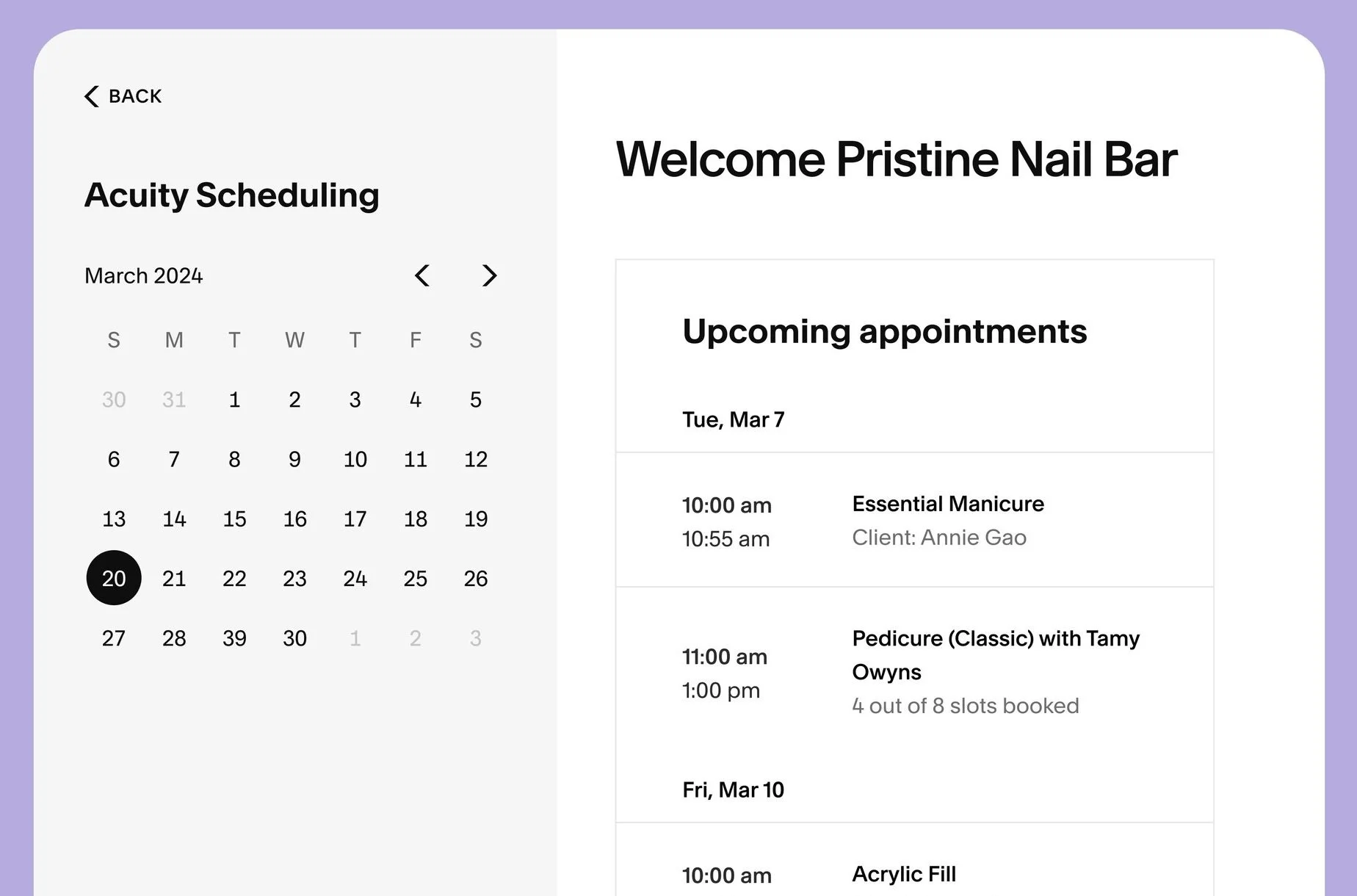
Acuity Scheduling was built for businesses where every appointment type has its own rules.
Source: Acuity Scheduling
A massage therapist who offers 30-minute sessions on weekdays and 90-minute deep tissue only on Saturdays can configure separate availability windows for each service type.
A photography studio can assign specific rooms to specific shoots, so the system catches resource conflicts automatically. A coaching practice can require a detailed intake form for first-time clients while skipping it for returning ones.
This granularity extends to how the calendar fills. Acuity's gap minimization setting clusters new bookings next to existing ones, reducing the scattered gaps that eat into productive hours. You can set buffer times before and after appointments per service type. A "Look Busy" setting hides some open availability from clients to create the appearance of higher demand, an unusual feature among scheduling tools.
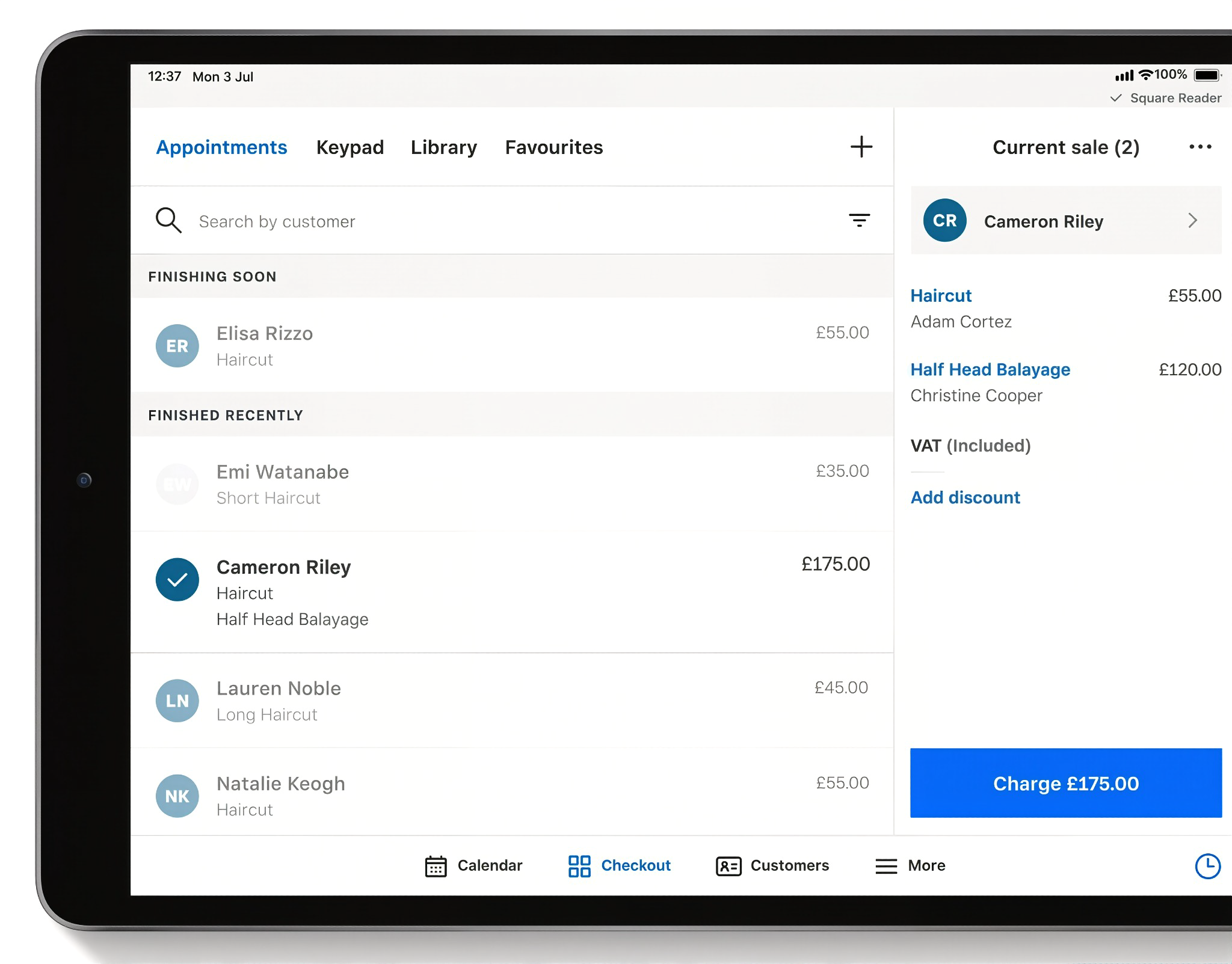
Square Appointments handles the basics well. You can define services, set durations and prices, and manage staff calendars from one dashboard.
Source: Square Appointments
The calendar prevents double-booking and supports recurring schedules with one-time overrides. But the configuration is flatter. You set availability at the staff level, not per service type. Buffer times and booking rules lack the per-appointment granularity Acuity offers.
For a solo hairstylist or a barbershop with simple booking needs, Square's approach is sufficient. For a multi-service wellness studio where a prenatal massage class, an individual reiki session, and a couples workshop each need different booking logic, Acuity avoids workarounds.
Square wins on payments and point-of-sale
Square Appointments was born from a payments company, and it shows.
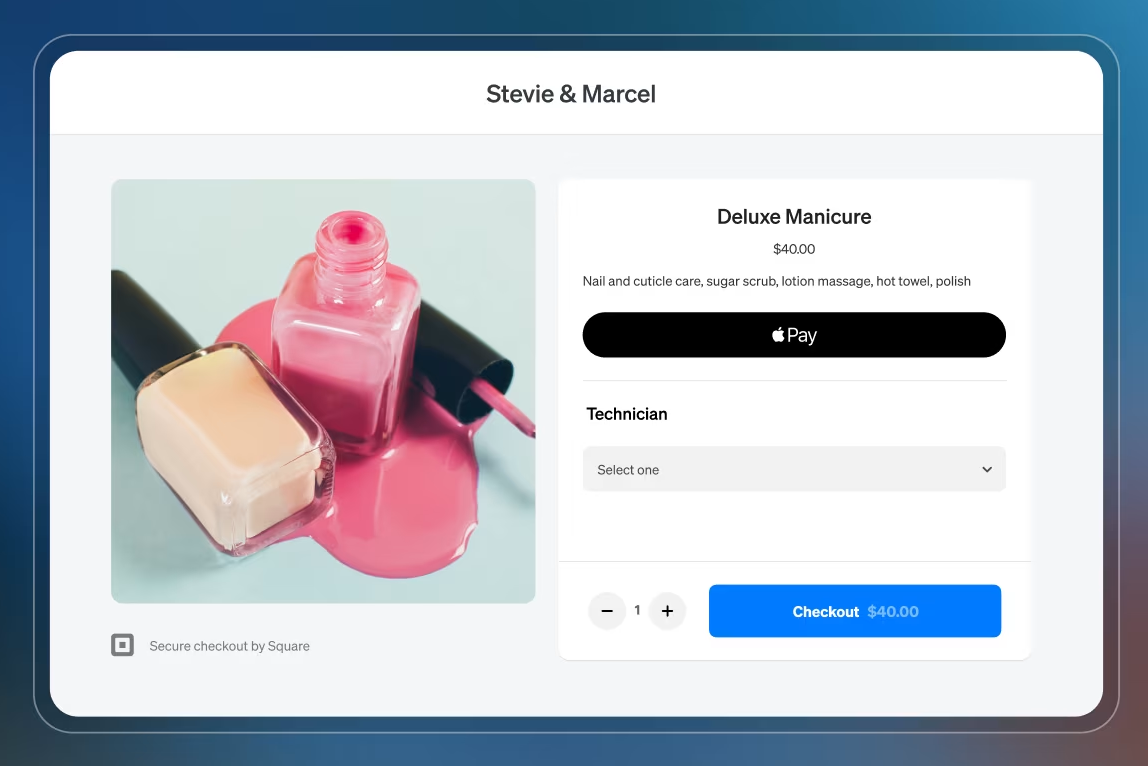
Every Square Appointments account includes payment processing that accepts credit cards, debit cards, contactless payments (Apple Pay, Google Pay), Cash App Pay, and Afterpay.
Source: Square Appointments
The hardware lineup includes the Square Reader (a portable Bluetooth card reader), Square Terminal (standalone payment device with receipt printer), Square Register (dual-display POS station), and Square Stand (iPad-based countertop setup). For businesses that don't want hardware, Tap to Pay turns a compatible iPhone or Android phone into a payment terminal.
The checkout ties directly to the appointment. When a client's session ends, the staff member opens the appointment, adds any retail products, and processes the payment without leaving the app. Tips split automatically across staff members based on the services each provided. Offline mode lets you accept payments without an internet connection, processing them when connectivity returns.
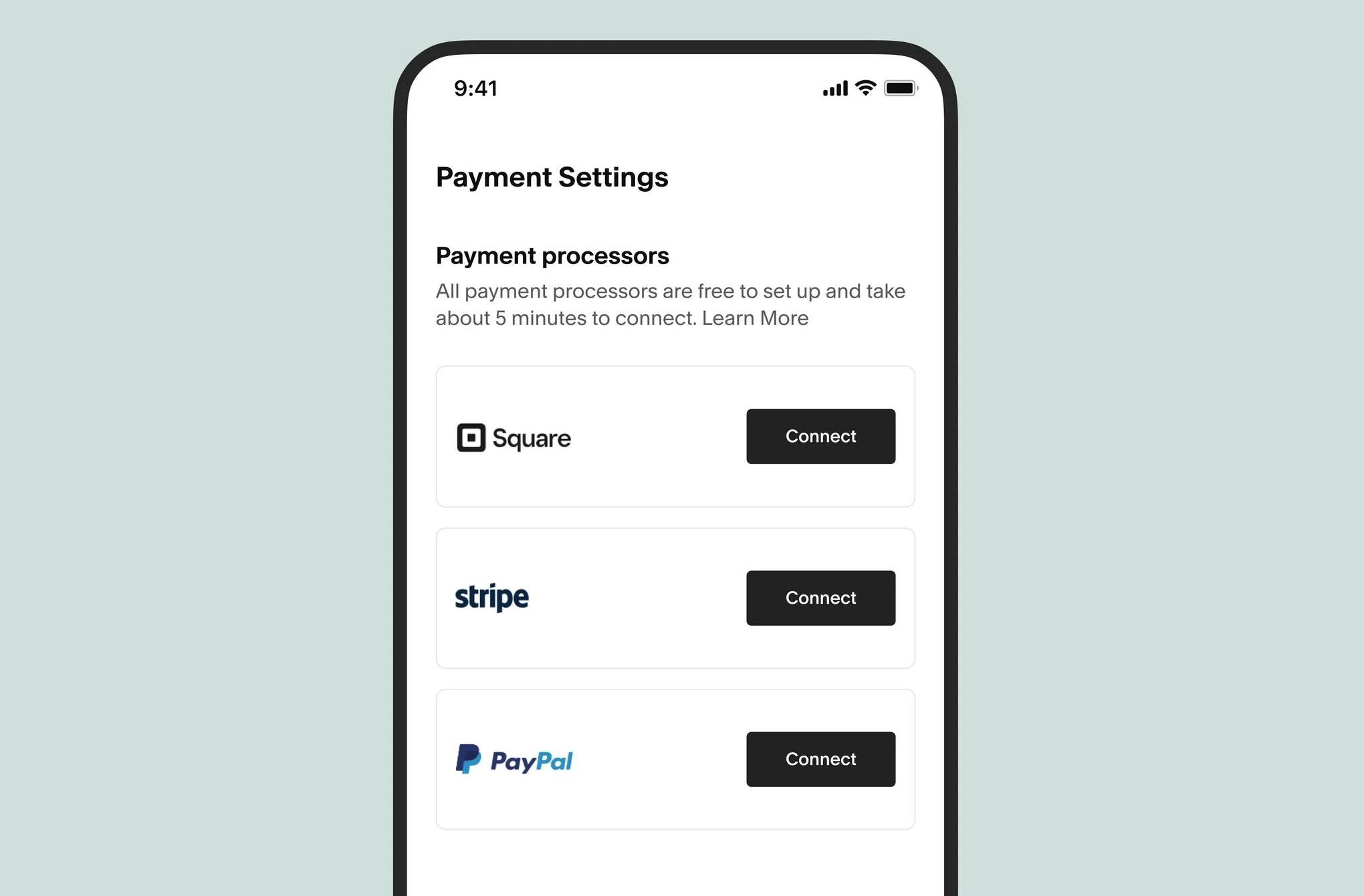
Acuity handles payments through Stripe, Square, or PayPal, giving businesses a choice of processor. It supports deposits, prepayments, and card-on-file charging. The Acuity POS feature, launched in late 2025, added tap-to-pay through Stripe and card reader support through Square, but it's U.S.-only and doesn't match the breadth of Square's hardware lineup.
Source: Acuity Scheduling
The key distinction: Acuity lets you choose your payment processor. Square requires you to use Square. For businesses with existing merchant accounts or those shopping for better processing rates, Acuity's flexibility matters. For businesses that want scheduling, payments, POS hardware, inventory, and marketing from one vendor, Square's integration is hard to beat.
No-show protection takes different approaches
No-shows cost service businesses real money. Both platforms address the problem, but with different tools.
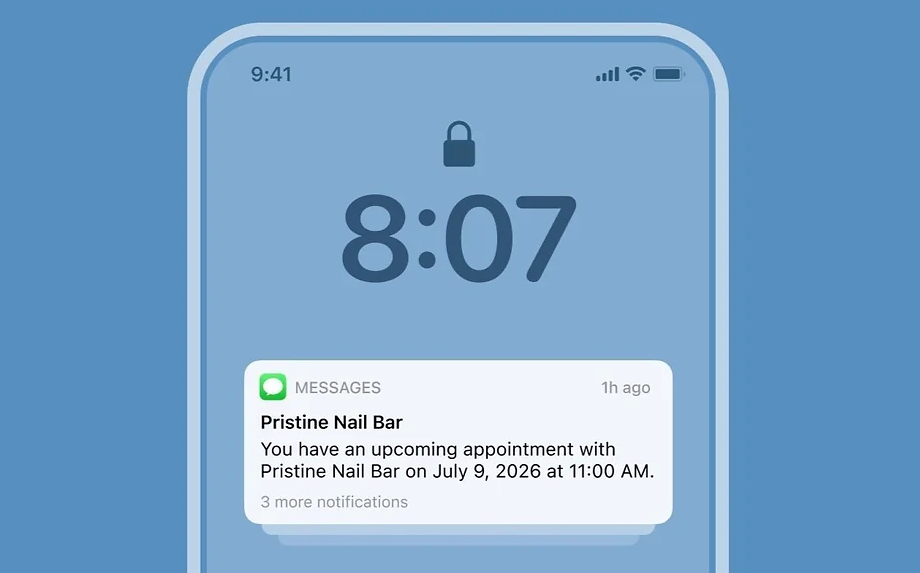
Acuity Scheduling combines automated email and SMS reminders, upfront deposits or prepayment, and enforced cancellation policies. According to Acuity's 2025 survey of 500 businesses, 75% reduced no-shows after adopting the platform.
Source: Acuity Scheduling
Reminders can run on multiple channels (email on all plans, SMS on Standard and above) and fire at different intervals per appointment type. Separate timing on each channel gives businesses more control than a single notification.
One limitation: SMS reminders aren't available on Acuity's Starter plan ($16/month). Businesses on that tier get email reminders only, which weakens no-show prevention for the most budget-conscious users.
Square Appointments tackles no-shows through card-on-file requirements, cancellation fees, and automated reminders via email and SMS.
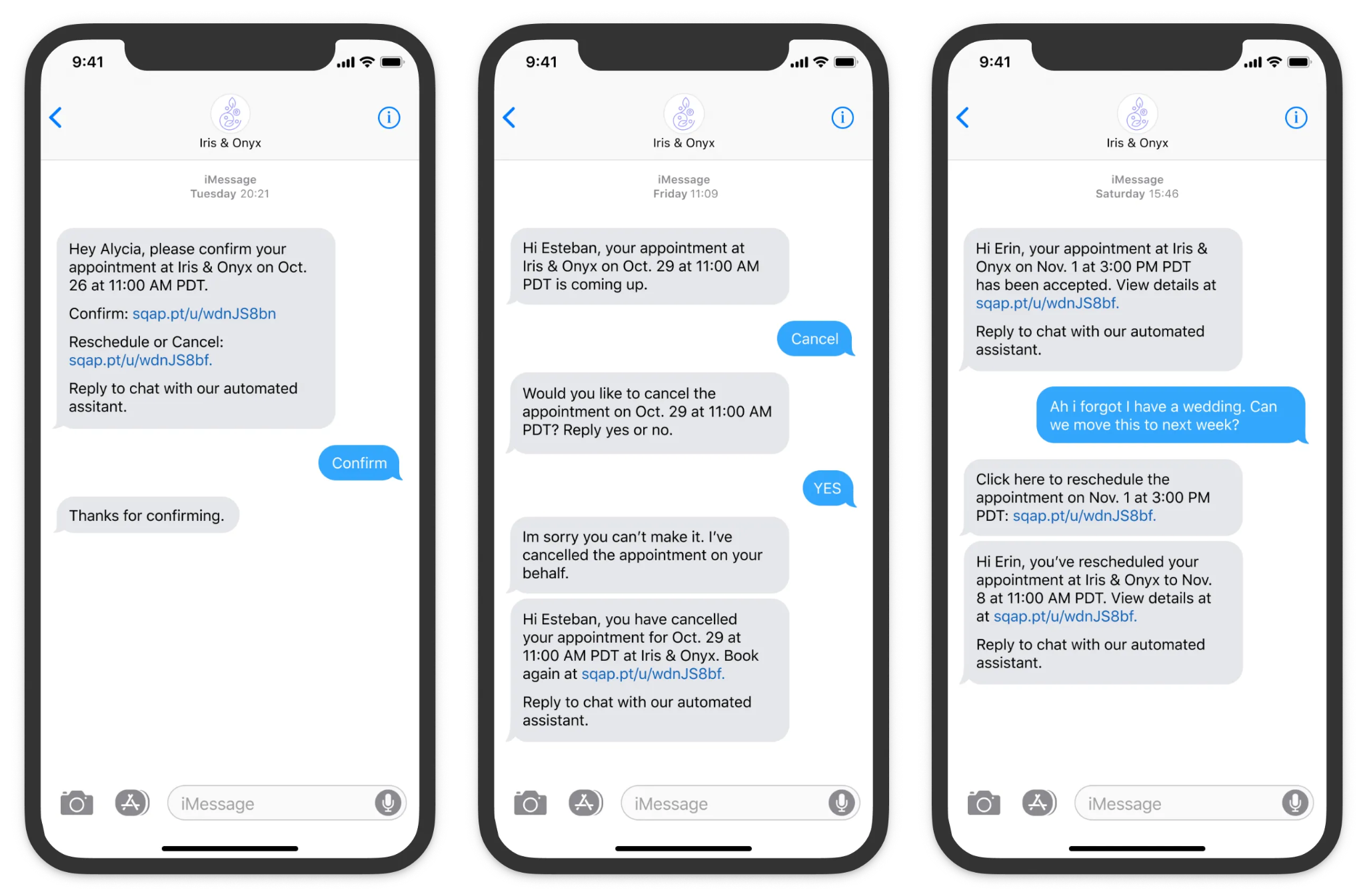
The Square Assistant, an AI-powered messaging tool, handles client requests to confirm, cancel, or reschedule via text, functioning as a 24/7 virtual receptionist. Businesses can require prepayment or deposits at booking, and the cancellation policy charges the stored card automatically for late cancellations or no-shows.
Source: Square Assistant
Square's waitlist feature (Plus plan and above) adds another layer: when a client cancels, the system notifies waitlisted clients about the opening, helping fill the gap before it becomes lost revenue.
Both platforms reduce no-shows effectively. Acuity offers more configurability per appointment type. Square offers the AI assistant and waitlist that Acuity lacks.
Client management reflects different priorities
Both platforms create client profiles automatically when someone books. The profiles store contact information, appointment history, and notes. But the depth and emphasis differ.
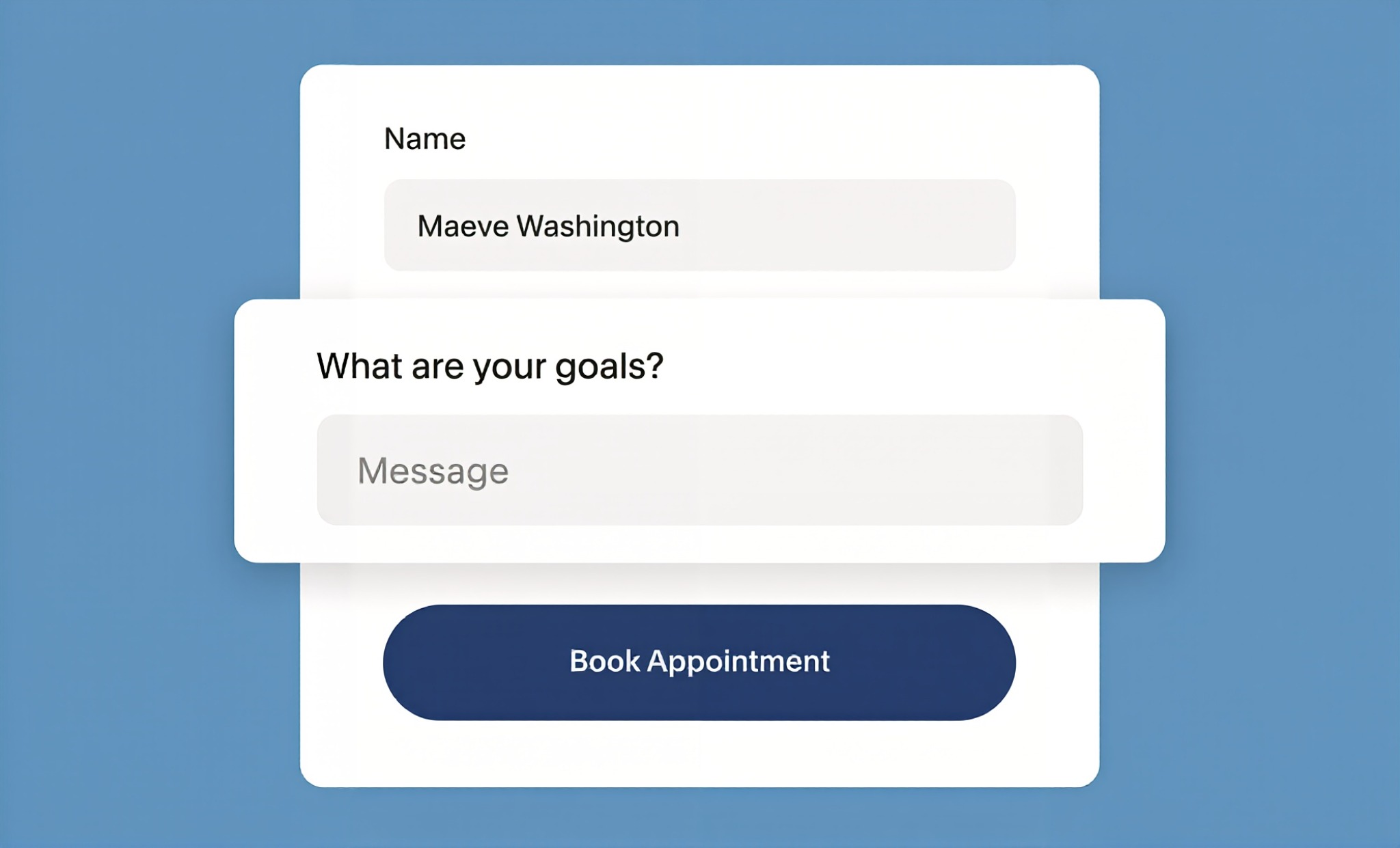
Acuity treats client management as an extension of the booking workflow. Custom intake forms tie directly to appointment types, so a first-time wellness consultation can require health history while a follow-up session collects only a signature.
Source: Acuity Scheduling
Acuity stores responses in the client profile alongside private notes visible only to staff. Returning clients can create accounts and log in for faster rebooking, a feature Acuity highlights as absent from competitors like Calendly.
Square Appointments builds its client management around the transaction. Each profile tracks appointment history and purchase history together, connecting what services a client received with what they bought and how they paid. The client portal lets clients book, reschedule, and manage their own appointments. Private notes work the same way.
Where Square goes further is in what it does with that data. Because the client directory feeds into Square Marketing and Square Loyalty, businesses can segment their customers and send targeted campaigns or reward repeat visits without exporting data to a separate tool. Acuity integrates with email marketing platforms like Mailchimp, ActiveCampaign, and ConvertKit, but the connection isn't as native.
Filling your calendar with the right clients is the harder problem
Acuity and Square both assume you already know who your clients are. You build a booking page, share it, and wait for people to schedule. That works when your business runs on referrals, walk-ins, or inbound traffic.
But for B2B service businesses (management consultants, IT services firms, marketing agencies, financial advisors serving corporate clients), the bottleneck isn't managing a full calendar. It's filling the calendar with qualified prospects. You can build the best booking page available, and it won't matter if the right people never see it.
ZoomInfo operates at this earlier stage. Instead of managing appointments, it helps B2B service businesses identify the companies and decision-makers they should target.
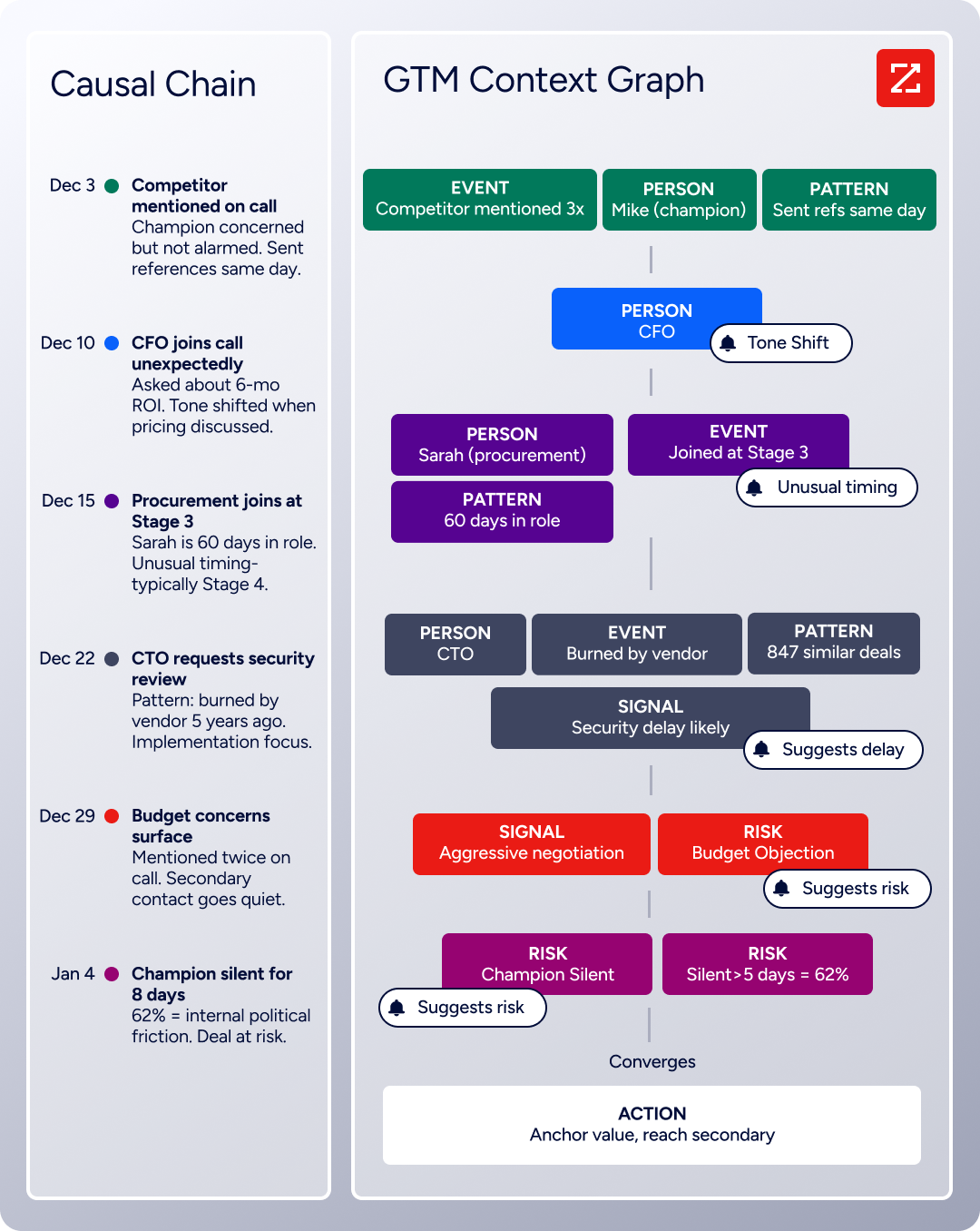
The platform's Context Graph processes 1.5B + data points daily to surface not just contact information but buying signals: which companies are researching solutions in your category, which executives just changed roles, and which accounts match your proven win patterns.
Source: ZoomInfo
For a consulting firm, that might mean identifying 50 companies whose newly hired CFOs are researching operational efficiency, then reaching out before the competition does. For a B2B training provider, it might mean finding companies that just raised funding and are scaling their teams. The outreach starts in ZoomInfo; the scheduling happens in Acuity or Square once the prospect says yes.
Seismic's sales team attributed 39% of active pipeline to opportunities identified or influenced by ZoomInfo signals, boosted productivity by 54%, and saved 11.5 hours per week. (Seismic Case Study)
This isn't a replacement for scheduling software. It's the step that makes your scheduling software busier with the right clients.
Pricing models favor different business stages
The pricing structures tell you who each platform was built for.
Acuity Scheduling uses flat-rate subscriptions with no per-transaction fees from Acuity itself (payment processor fees are separate):
Plan | Monthly (annual) | Calendars | Key additions |
|---|---|---|---|
Starter | 1 | Payments, email reminders, intake forms, mobile app | |
Standard | Up to 6 | SMS reminders, packages, subscriptions, gift certificates, video conferencing | |
Premium | Up to 36 | HIPAA BAA, multi-timezone, remove branding, custom API/CSS | |
Enterprise | Custom | Unlimited | SSO, VIP account management, 99.9% uptime SLA |
Acuity's pricing page states no setup fees, no cancellation fees, and no support fees. A 7-day free trial is available with no credit card required.
Square Appointments uses a tiered model with per-location pricing and variable processing rates:
Plan | Monthly (per location) | Processing (in-person) | Key additions |
|---|---|---|---|
Free | $0 | 2.6% + 15¢ | Unlimited calendars, booking website, reminders, basic POS |
Plus | $49 | 2.5% + 15¢ | Cancellation policies, waitlist, classes, packages, Square Assistant, loyalty |
Premium | $149 | 2.4% + 15¢ | Resource management, multi-location, future bookings report, 24/7 phone support |
Square's free plan is useful for solo practitioners. It includes unlimited staff calendars, automated reminders, and a booking website. Both paid plans offer a 30-day free trial. The per-location pricing adds up for multi-site businesses.
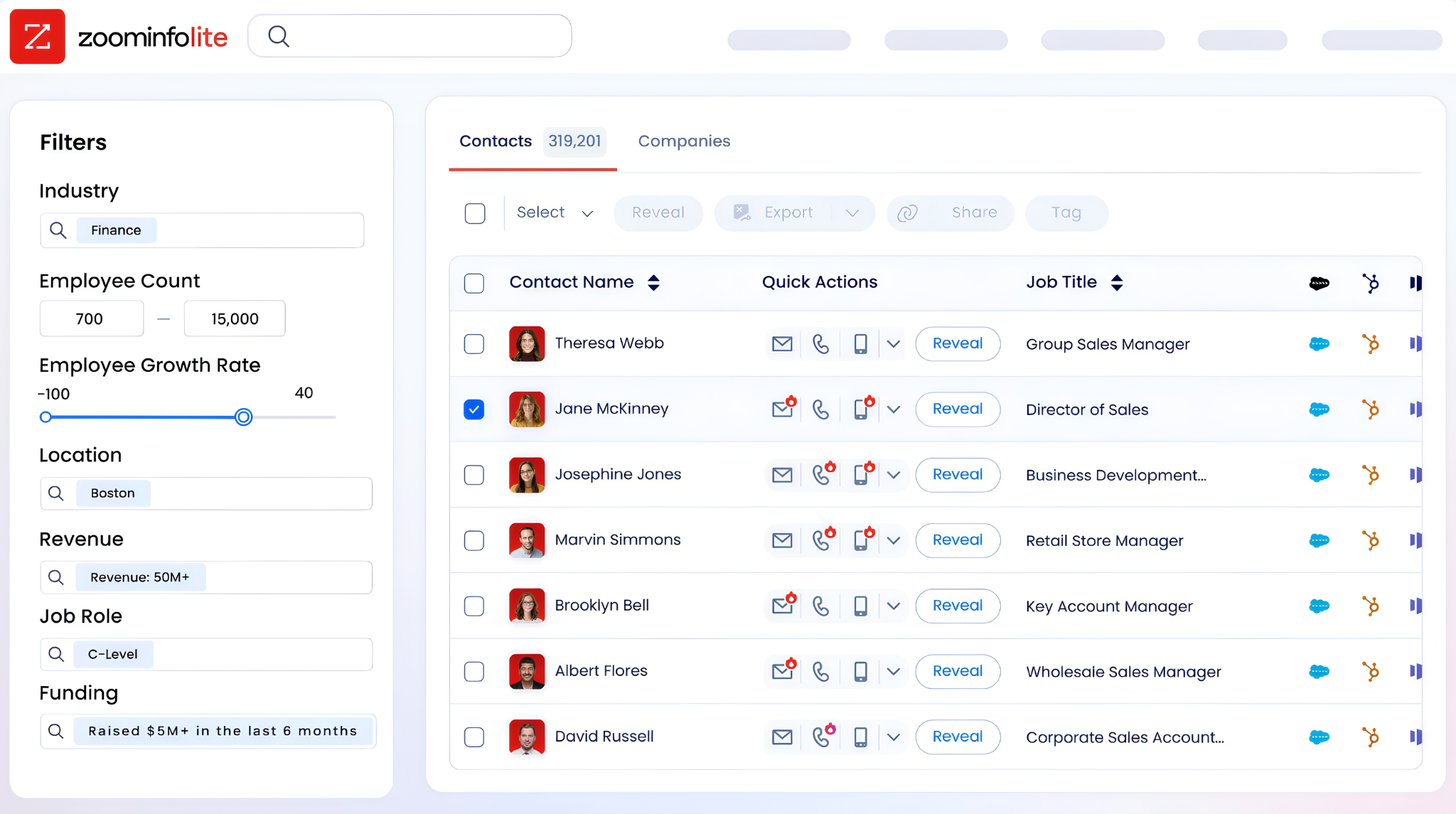
ZoomInfo uses custom-quoted, consumption-based pricing based on seats, credits, and feature tier. There's no published price list. ZoomInfo Lite provides a permanent free tier with access to the B2B database and 10 monthly export credits, and a 7-day free trial is available for paid plans.
Source: ZoomInfo
The math: a solo practitioner who just needs to take bookings starts with Square's free plan, paying nothing until they process a payment.
A multi-service business that needs per-appointment customization and payment processor choice starts with Acuity at $16/month. A B2B service firm that needs to find prospects before it can schedule them evaluates ZoomInfo separately, as a pipeline investment rather than a scheduling cost.
Integrations and ecosystem comparison
Square Appointments and Acuity Scheduling take opposite approaches to integrations.
Square built a walled garden. Every Square product (POS, Marketing, Loyalty, Payroll, Online Store, Banking) connects natively, so scheduling, payments, client data, and marketing share one database.
Third-party integrations exist through the Square App Marketplace (QuickBooks, Mailchimp, WooCommerce, Xero, and others), but the ecosystem rewards staying inside Square. Calendar sync, for example, is limited to Google Calendar and requires a paid plan.
Acuity built an open system. Two-way calendar sync works with Google Calendar, Outlook, iCloud, and Office 365 on all plans.
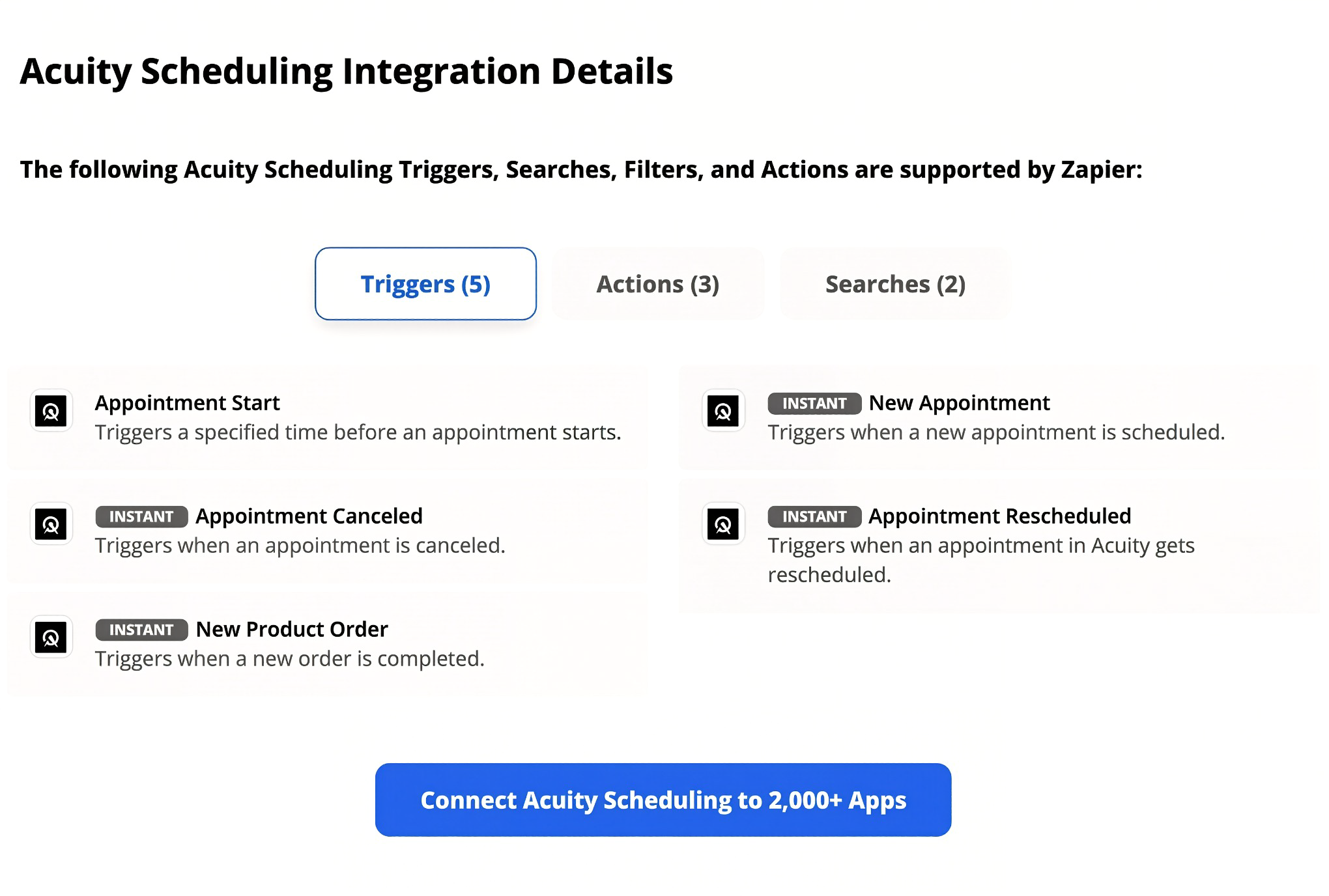
Native integrations cover email marketing (Mailchimp, ActiveCampaign, ConvertKit, Constant Contact, Drip), video conferencing (Zoom, Google Meet, GoToMeeting), accounting (FreshBooks), CRM (Zoho CRM), and social booking (Facebook, Instagram). Zapier extends the reach to 500+ additional apps. As a Squarespace company, Acuity also has native website integration for Squarespace users.
Source: Acuity Scheduling
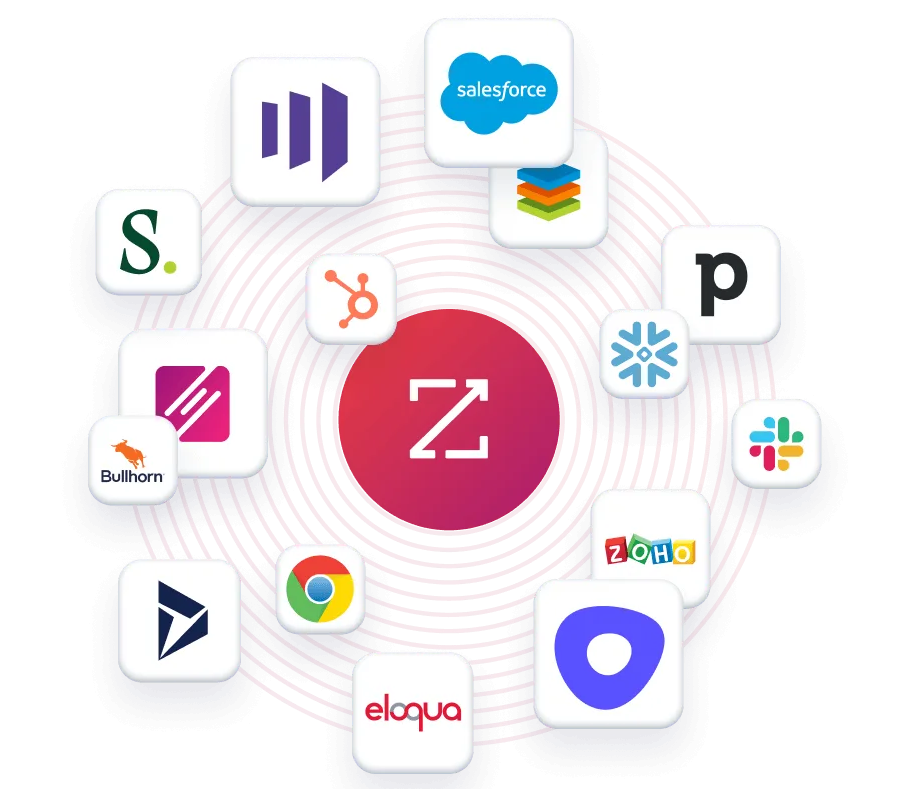
ZoomInfo's App Marketplace lists 172+ integration partners spanning CRM (Salesforce, HubSpot, Microsoft Dynamics 365), data warehouses (Snowflake, Databricks, AWS, Google Cloud), marketing automation (Marketo, Eloqua), and sales engagement (Salesloft, Outreach).
Source: ZoomInfo
The MCP server and Enterprise API make ZoomInfo's data available inside any tool or AI agent, including Claude and ChatGPT.
For a B2B service firm, the workflow might look like this: ZoomInfo identifies target accounts and pushes them into Salesforce. A sales rep reaches out. The prospect agrees to a discovery call. The rep sends an Acuity or Square booking link. The appointment data syncs to Google Calendar. The cycle repeats. Each tool handles its part of the pipeline.
Who should choose what
The right tool depends on where your business needs the most help.
Choose Acuity Scheduling if:
You run a multi-service business where each service needs its own booking rules, intake forms, and availability
You want to choose your own payment processor (Stripe, Square, or PayPal)
HIPAA compliance is required for your practice
Branding control matters, and you want your booking page to look like your business, not like a scheduling tool
You sell packages, subscriptions, or gift certificates alongside appointments
You need two-way calendar sync with Outlook, iCloud, or Office 365
Choose Square Appointments if:
You want scheduling, payments, POS, marketing, and loyalty in one system
You're a solo practitioner who needs a free plan that works
In-person payment hardware (card readers, terminals, registers) matters to your checkout experience
You value simplicity and fast setup over scheduling customization
You're already using Square for payment processing
You want an AI assistant that handles appointment confirmations and rescheduling via text
Add ZoomInfo if:
You're a B2B service business that needs to find and reach prospects, not just manage inbound bookings
Your calendar has open slots because finding qualified clients is the bottleneck, not managing them
You want to identify which companies are researching solutions in your category
Your sales process involves outbound prospecting before scheduling discovery calls
You need verified contact data, direct-dial phone numbers, and buyer intent signals to drive pipeline
See how ZoomInfo fills your pipeline with the right prospects.
Acuity and Square both handle the booking. The question is whether your growth challenge is managing appointments or generating them. For service businesses that rely on referrals and inbound traffic, a scheduling tool is all you need. For B2B service firms where outbound prospecting drives revenue, the real leverage is in what happens before the booking link gets sent.
Acuity Scheduling vs. Square Appointments FAQ
What is the main difference between Acuity Scheduling and Square Appointments?
Acuity Scheduling is a dedicated booking platform with per-service customization, multiple payment processor options, and HIPAA compliance. Square Appointments combines scheduling with Square's payment processing, POS hardware, marketing, and loyalty tools. Acuity offers more booking flexibility; Square offers a broader business management ecosystem.
Which platform is cheaper for a solo practitioner?
Square Appointments offers a free plan for individual users that includes unlimited appointments, a booking website, automated reminders, and payment processing. Acuity Scheduling has no free plan (only a 7-day free trial), with paid plans starting at $16/month. For solo practitioners on a tight budget, Square costs less to start.
Can I use my own payment processor with either platform?
Only with Acuity Scheduling. Acuity supports Stripe, Square, and PayPal, letting you choose the processor with the best rates for your business. Square Appointments requires you to use Square for all payment processing, with no option for a third-party processor.
Which platform is better for reducing no-shows?
Both platforms offer automated email and SMS reminders, cancellation policies, and the ability to require deposits or prepayments.
Acuity provides more configurability per appointment type and reports that 75% of its users reduced no-shows. Square adds a waitlist to fill cancelled slots and an AI-powered Square Assistant that handles confirmations and rescheduling via text. The right choice depends on whether you prioritize per-service reminder customization or automated waitlist management.
Does either platform offer HIPAA compliance?
Only Acuity Scheduling. A HIPAA Business Associate Agreement is available on the Premium plan ($49/month annual) and the Enterprise plan. Square Appointments does not offer HIPAA compliance on any tier. Healthcare practitioners, therapists, and wellness providers handling protected health information should choose Acuity.
How does ZoomInfo relate to scheduling software?
ZoomInfo is not a scheduling tool. It is a B2B intelligence platform that helps service businesses find and reach potential clients before they visit a booking page.
For B2B service firms (consultants, agencies, professional services), ZoomInfo identifies target companies and decision-makers, surfaces buying intent signals, and enables outreach. Once a prospect agrees to a meeting, the scheduling happens in Acuity or Square. The tools are complementary, not competitive.
Which platform has better calendar sync?
Acuity Scheduling supports two-way sync with Google Calendar, Outlook, iCloud, and Office 365 on all paid plans. Square Appointments syncs with Google Calendar on paid plans only and does not support Outlook or iCloud. If you use Microsoft Outlook or Apple Calendar, Acuity provides broader coverage.
Can I manage multiple locations with either platform?
Both platforms support multi-location businesses, but the pricing differs. Acuity's Premium plan ($49/month) supports up to 36 calendars, and the Enterprise plan offers unlimited calendars under one dashboard. Square Appointments charges per location: $49/month on Plus, $149/month on Premium. For businesses with many locations, Acuity's flat-rate pricing is typically more cost-effective.
