
Choosing between Ortto (formerly Autopilot) and Marketo Engage for your marketing automation often comes down to five questions:
Do you need a platform your marketing team can run on its own, or do you have dedicated marketing operations staff?
Are you orchestrating simple lifecycle journeys or managing complex, multi-stakeholder B2B buying cycles?
Is your priority unifying customer data with marketing execution, or tying marketing to a sales-driven revenue engine?
Do you need a platform you can launch in days, or are you willing to invest months for enterprise depth?
How important is it that your marketing automation connects to verified buyer data and real-time purchase intent signals?
In short, here's what we recommend:
Ortto is the right choice for small-to-midmarket teams that want marketing automation, a customer data platform, analytics, and customer support in one place, without needing a dedicated admin. Its visual journey builder, no-code CDP, and multi-channel orchestration (email, SMS, push, in-app) let lean marketing teams build campaigns independently. However, it lacks a native CRM, doesn't yet support custom objects, and its contact-based pricing climbs as your database grows.
Adobe Marketo Engage is the enterprise standard for B2B marketing automation. Its campaign engine handles nested programs, multi-dimensional lead scoring with decay logic, engagement programs with content exhaustion tracking, and native CRM sync with Salesforce and Microsoft Dynamics. But that power demands a steep learning curve, a dedicated administrator, and enterprise budgets with no published pricing.
Both platforms automate what happens after you have a prospect's attention. Neither solves the problem that comes before: finding the right buyers, knowing when they're in-market, and understanding why deals move or stall. That's a different capability.
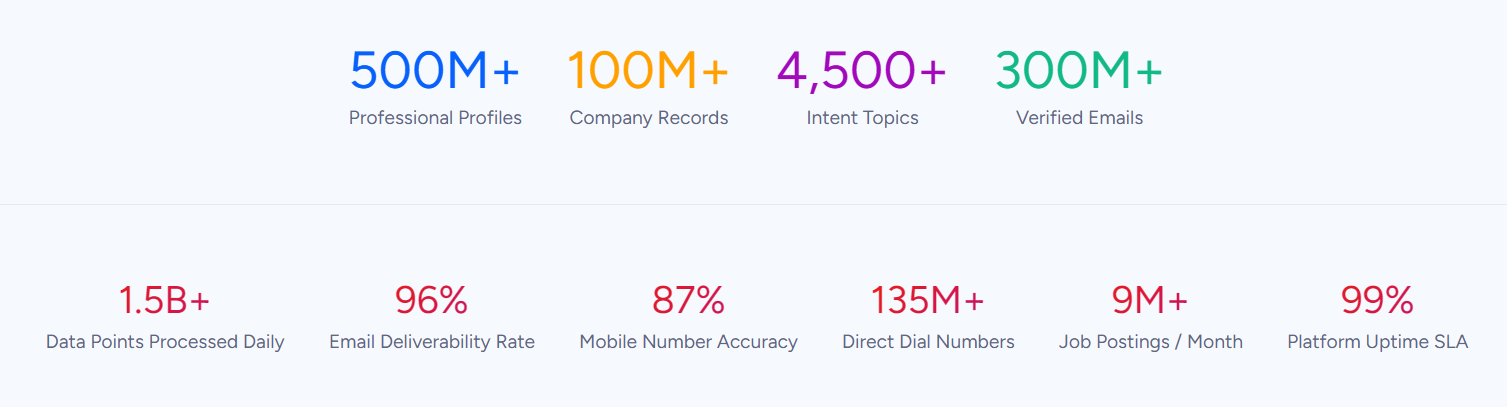
ZoomInfo is an AI-powered go-to-market platform built on B2B data at scale: 500M contacts, 100M companies, 135M+ verified phone numbers, and 200M+ verified business emails. Its GTM Context Graph (an intelligence layer processing 1.5B+ data points daily) fuses this data with your CRM records, conversation transcripts, and behavioral signals to capture not just what happened, but why. That intelligence reaches your team through GTM Workspace for sellers, GTM Studio for marketers and RevOps, or APIs and MCP in any tool you already use. For B2B teams whose marketing automation runs on incomplete data, ZoomInfo provides the buyer intelligence that makes those campaigns deliver.
If you want to see how verified buyer data and intent signals can improve your marketing automation, explore ZoomInfo's platform.
Ortto vs. Marketo Engage vs. ZoomInfo at a glance
Ortto | Adobe Marketo Engage | ZoomInfo | |
|---|---|---|---|
Core strength | Unified CDP + automation + analytics + support | Enterprise B2B marketing automation depth | B2B data, buyer intent, and GTM intelligence |
Learning curve | Low; onboard in days | Steep; months to full proficiency | Moderate; role-specific onboarding paths |
CRM integration | Salesforce, HubSpot, Pipedrive (no native CRM) | Native bidirectional Salesforce and Dynamics sync | Native Salesforce, HubSpot, Dynamics integrations |
AI capabilities | AI filters, journey decisions, subject line scoring | Generative AI for email, Dynamic Chat AI | GTM Context Graph, AI-powered account research |
Pricing model | Contact-based; custom quoted | Custom-quoted; no published prices | Custom-quoted; consumption-based |
Free trial | 14-day trial | No free trial | 7-day trial + permanent free tier (ZoomInfo Lite) |
Channels | Email, SMS, push, in-app, web | Email, web, mobile, SMS, ads, webinars, chat | Email, display ads, chat, phone, social |
Data foundation | First-party CDP with Checkmate Tracking | First-party behavioral tracking (Munchkin) | 500M contacts, 100M companies, intent signals |
Best for | SMB/mid-market teams wanting one platform | Enterprise B2B with dedicated marketing ops | B2B teams needing verified buyer data and signals |
They solve different problems in the same workflow
Ortto and Marketo both automate marketing communications. ZoomInfo answers the question that comes before any campaign: who should you be talking to, and when?
This matters because the best automation delivers nothing if it targets the wrong people at the wrong time. A nurture sequence sent to contacts who left the company six months ago is wasted effort. An account-based campaign triggered without knowing that the target company just hired three VPs in your buyer persona is a missed opportunity.
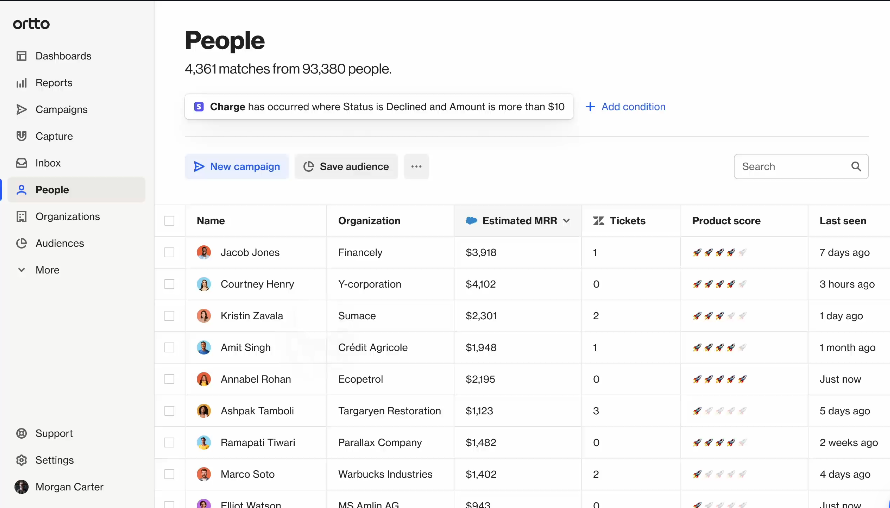
Ortto gives marketers a single platform where customer data, journey automation, analytics, and support share the same foundation.
Its CDP collects and unifies data from every touchpoint without requiring SQL or engineering tickets. That data flows into the journey builder, so campaigns trigger on real customer behavior rather than stale list exports. For a SaaS company running trial-to-paid conversion flows, or a fintech company automating KYC onboarding, Ortto handles the full lifecycle from one screen.
Source: Ortto
Marketo Engage is the platform enterprise B2B teams reach for when campaign complexity outgrows simpler tools.
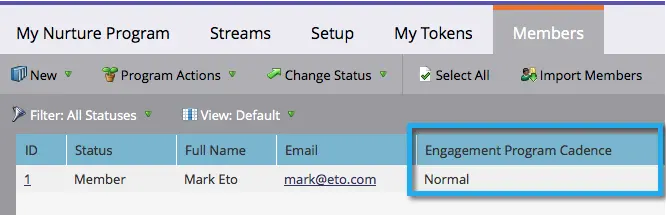
Its Smart Campaign engine combines triggers, filters, and flow steps into a single automation unit that handles email sends, lead scoring updates, CRM field changes, and sales alerts in one object. Engagement Programs manage multi-stream nurture with content exhaustion tracking. For a company running coordinated ABM programs across multiple buying committee members with different scoring models per business unit, Marketo has the structural depth.
Source: Adobe
ZoomInfo operates at the data and intelligence layer.
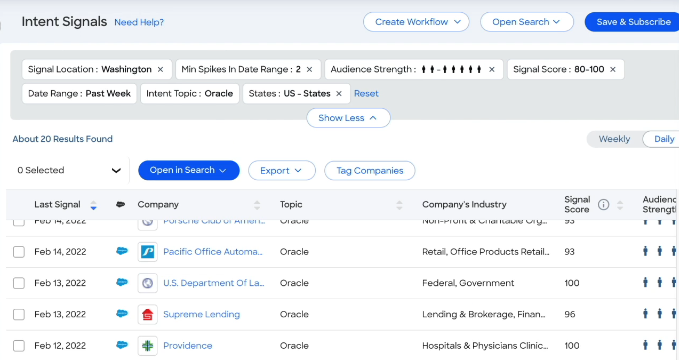
Its GTM Context Graph fuses verified B2B data with CRM records, conversation transcripts, and behavioral signals to surface the connections between signals and outcomes. When a target account's VP of Engineering starts researching your competitor and three new hires join the buying committee, ZoomInfo surfaces that signal before your competitors notice. That intelligence feeds into Ortto, Marketo, or any other tool in your stack through APIs and MCP.
Source: ZoomInfo
Seismic's sales team attributed 39% of active pipeline to opportunities identified or influenced by ZoomInfo signals and reported 54% productivity gains. (Seismic case study)
Automation depth: accessible power vs. enterprise complexity
Ortto and Marketo both call themselves marketing automation platforms. The resemblance ends there.
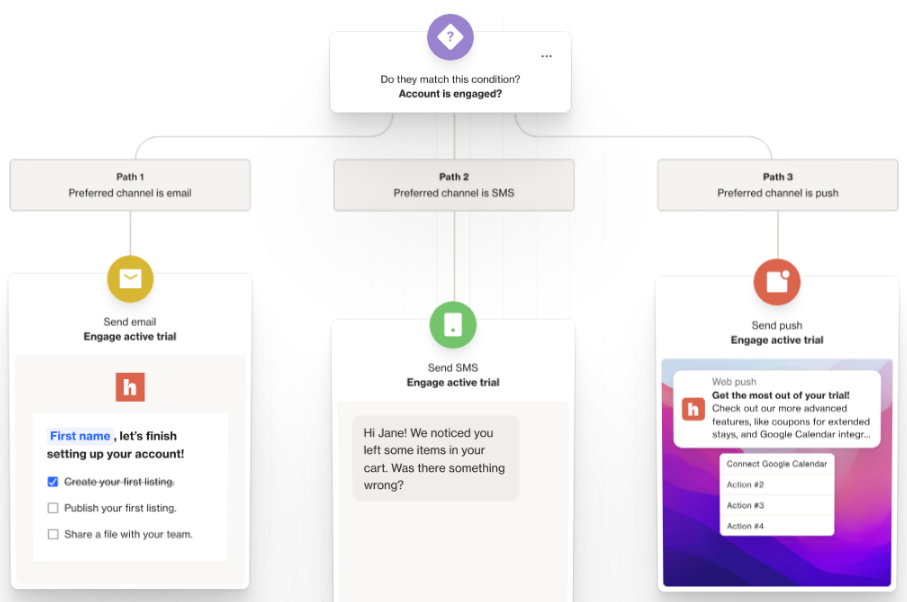
Ortto's journey builder uses a drag-and-drop canvas where marketers connect triggers, actions, conditions, delays, and splits without writing code.
A marketer can build a multi-channel onboarding sequence (email on day one, SMS on day three, in-app message on day seven) in an afternoon. The journey builder includes AI decision shapes that classify contacts using natural language prompts rather than hard-coded rules, so a journey can branch based on "Is this contact likely to convert?" rather than a fixed score threshold.
The tradeoff is ceiling.
Ortto handles branching logic, A/B splits, and behavior-triggered automation well, but it doesn't support the nested program structures, engagement stream hierarchies, or multi-dimensional scoring models that enterprise B2B teams require.
Source: Ortto
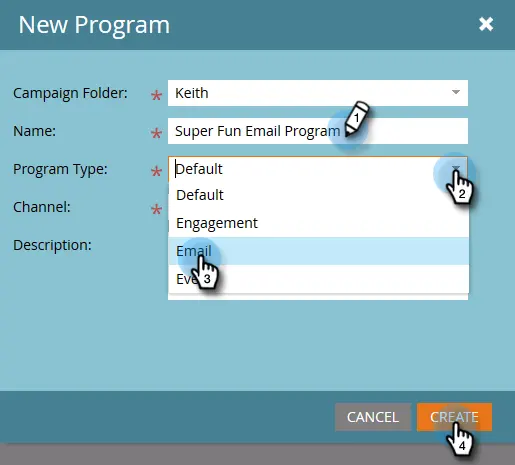
Marketo's automation layer is built around four program types (Default, Email, Engagement, Event), each containing Smart Campaigns with combined trigger-and-filter logic.
Engagement Programs deliver content through prioritized streams with configurable cadences, and the platform flags exhausted members who've consumed all content in a stream. Each content piece receives a 0-100 Engagement Score based on opens, clicks, unsubscribes, and program success.
This depth comes at a cost.
Adobe's own onboarding guidance acknowledges that new users who skip training routinely spend consulting hours on basic concepts. The platform requires a dedicated administrator who understands its proprietary constructs (Smart Lists, Tokens, Workspaces, Engagement Streams) and can maintain them.
Source: Adobe
For teams in between, the practical question is whether you'll ever need Marketo's depth.
If your marketing runs on lifecycle journeys, behavioral triggers, and multi-channel messaging, Ortto delivers that without the administrative overhead. If you're running coordinated demand generation across business units with complex scoring models and CRM governance requirements, Marketo's complexity is earned.
For a full look at what Marketo Engage delivers across its feature set, see our Marketo Engage review.
Customer data: embedded CDP vs. CRM-dependent architecture
How each platform handles customer data shapes everything else.
Ortto built its CDP into the automation layer.
Every contact record stores both static attributes and a chronological activity feed, so segmentation can reference when and how often actions occurred, not just whether they occurred. Data flows in from Shopify, Stripe, Salesforce, Chargebee, Zendesk, and other sources, creating unified profiles that the journey builder, analytics, and support tools all share.
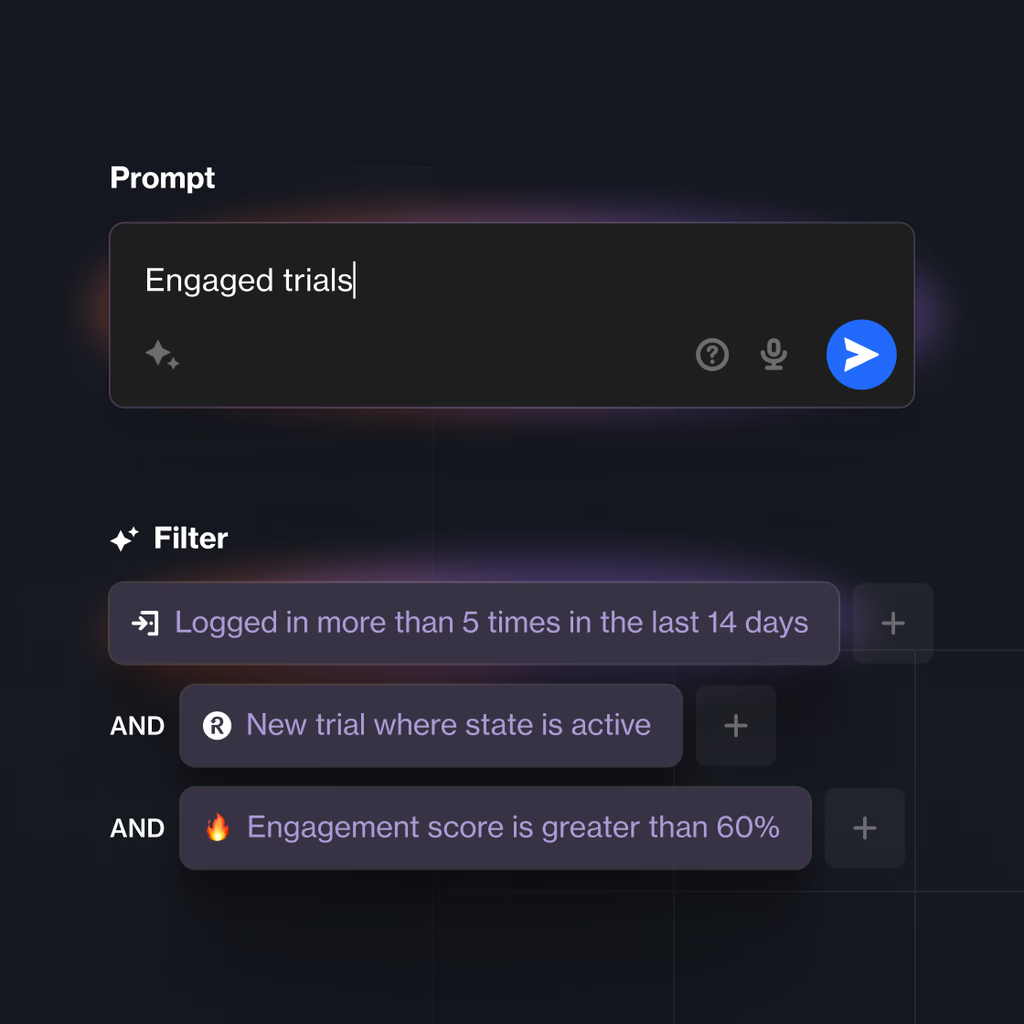
The CDP uses Checkmate Tracking, a first-party tracking system that operates from the customer's own domain, so it isn't blocked by ad blockers or browser privacy restrictions. Marketers can build segments using AI filters by describing the audience they want in plain language, and the system generates the filter rules automatically. The platform supports up to 12 million contacts out of the box and can scale to 100 million with custom configuration.
Source: Ortto
Marketo doesn't include a CDP.
Its data model centers on the lead/contact record synced bidirectionally with Salesforce or Microsoft Dynamics. Marketo tracks behavioral data through its Munchkin JavaScript tag (page visits, email engagement, form fills) and combines this with CRM-sourced demographic and firmographic data for segmentation and scoring. For organizations wanting a unified data layer, Adobe offers Real-Time CDP B2B Edition as a separate product within the Adobe Experience Cloud ecosystem.
This architectural difference has practical consequences.
In Ortto, a marketer can segment contacts who visited the pricing page, opened an email, and had a support ticket resolved in the last 30 days, all from one filter. In Marketo, the same segmentation requires data from the CRM sync, Munchkin tracking, and potentially a separate support tool integration.
ZoomInfo approaches data from the opposite direction.
Rather than unifying your first-party data, ZoomInfo provides the verified third-party intelligence your first-party data is missing. Its database of 500M contacts and 100M companies enriches CRM records with accurate contact information, company attributes, technographics, and org charts. Buyer Intent data tracks signals from 210 million IP-to-Organization pairings, identifying when accounts are actively researching solutions.
Source: ZoomInfo
This enrichment transforms what both Ortto and Marketo can do. Ortto's CDP segments become more precise when contact records include verified titles and company data. Marketo's scoring models become more accurate when company attribute fields are complete and current. ZoomInfo's data flows into both platforms through native integrations and APIs.
SpringDB saw 2x-3x increases in campaign conversions and a 300% increase in database usability after enabling precise targeting with ZoomInfo's enriched data. (SpringDB case study)
Lead scoring and sales alignment
Both Ortto and Marketo score leads. Their scoring architectures reflect their different audiences.
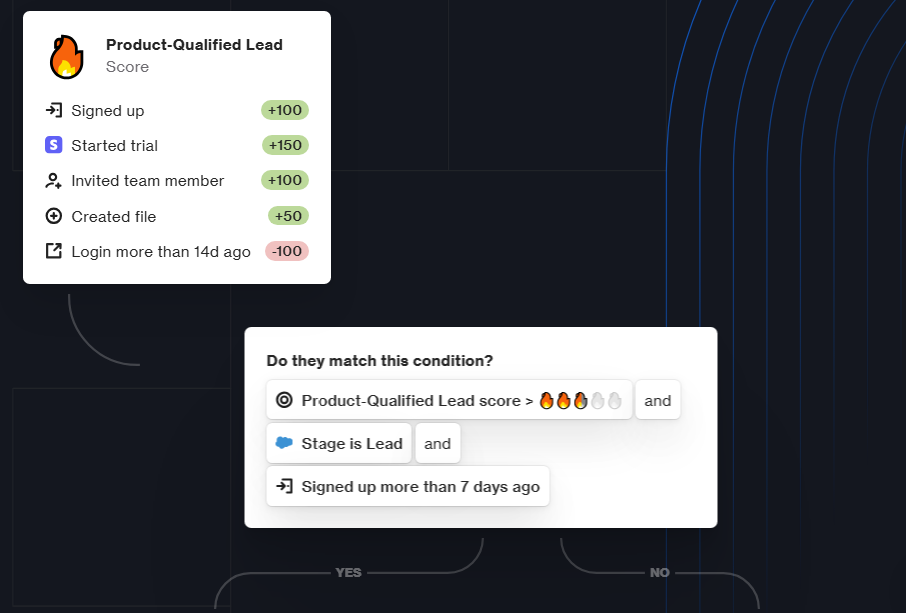
Ortto's lead scoring is built into the CDP, so scores draw from any static or event-based attribute in the system.
A SaaS company might award +150 points for "Started trial" and deduct -100 for "No login in 14+ days." The scoring model integrates with the journey builder, so a score threshold can trigger an automated handoff to sales or a re-engagement sequence.
It works for companies with straightforward qualification criteria. But Ortto doesn't support multi-dimensional scoring models (separate behavioral and demographic scores maintained in parallel) or the decay logic that enterprise B2B teams use to prevent score inflation over time.
Source: Ortto
Marketo treats lead scoring as a core competency.
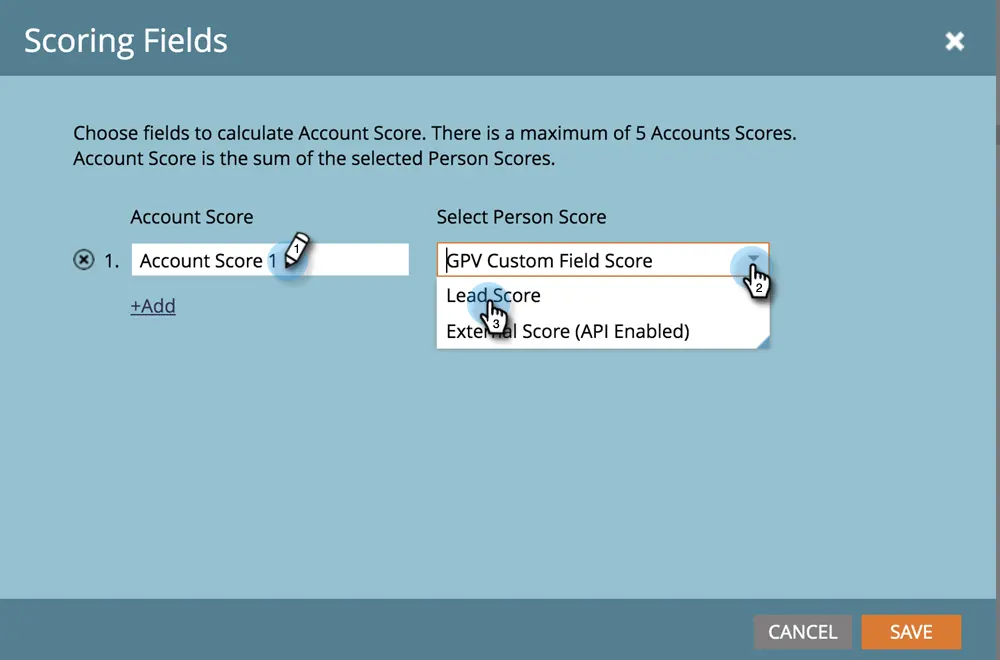
Unlimited scoring models with behavioral and firmographic dimensions run independently, each with configurable decay rules. Smart Campaigns update scores in real time based on trigger events (opened email, visited pricing page, attended webinar) and decrement scores for inactivity. When a lead hits a threshold, Marketo alerts the assigned sales rep through Sales Insight, which surfaces a ranked "Best Bets" list inside Salesforce with stars (relative score) and flames (engagement velocity).
Marketo's ABM capabilities add account-level scoring through a Predictive Engagement Score that tracks engagement across all contacts within a company. Lead-to-account mapping uses eight matching methods applied in priority order, connecting individual leads to parent accounts automatically.
Source: Adobe
ZoomInfo adds a dimension neither platform can replicate: external buying signals.
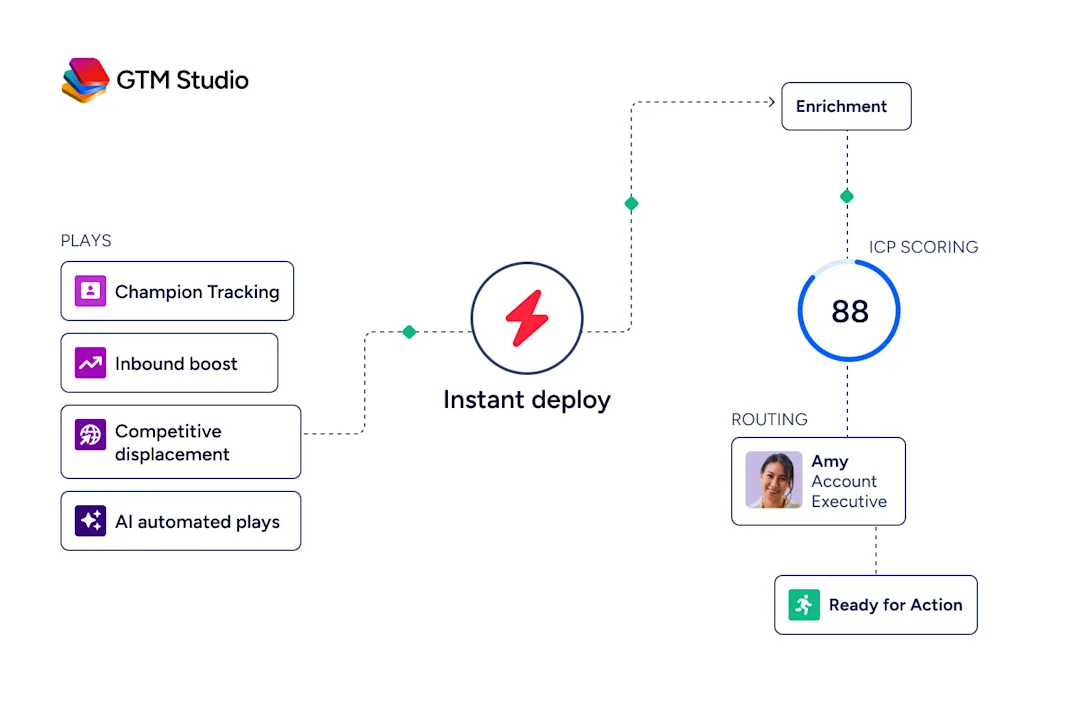
Its Guided Intent (exclusive to ZoomInfo) identifies topics historically correlated with deal success rather than requiring manual topic selection. When a target account spikes on research activity matching your win patterns, that signal can feed into Ortto's scoring model or Marketo's ABM layer, adding intent data that neither platform generates on its own.
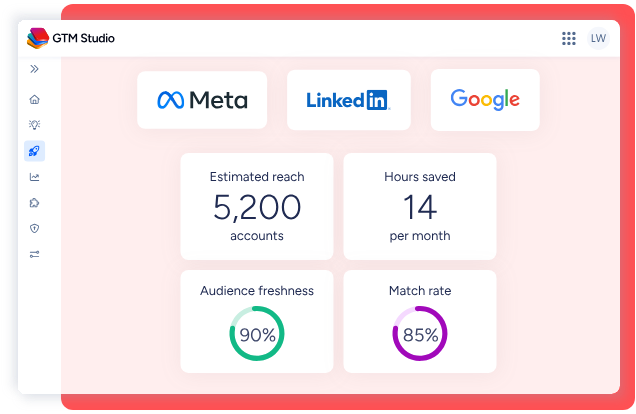
GTM Studio takes this further by letting marketers and RevOps teams describe audiences in natural language and launch plays targeting accounts that match proven win patterns. The platform's Account Fit Score uses predictive AI scoring (0-100) based on 300+ company attributes to show which patterns predict conversion.
Source: ZoomInfo
Channel coverage and the webinar question
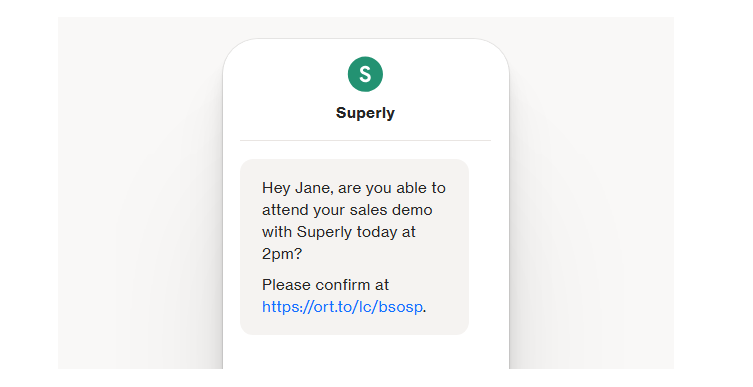
Ortto covers email, SMS, push notifications (iOS and Android, Professional plan and above), in-app messages, and web popups from a single journey builder.
SMS marketing requires the Phone Numbers add-on ($15-128/month per number depending on country, plus $8 per 1,000 credits). WhatsApp support was added in 2025. The platform includes a built-in knowledge base and live chat (Talk), making it one of the few marketing automation platforms that also handles customer support.
Source: Ortto
Marketo orchestrates across email, web, mobile push, social, paid advertising, and webinars.
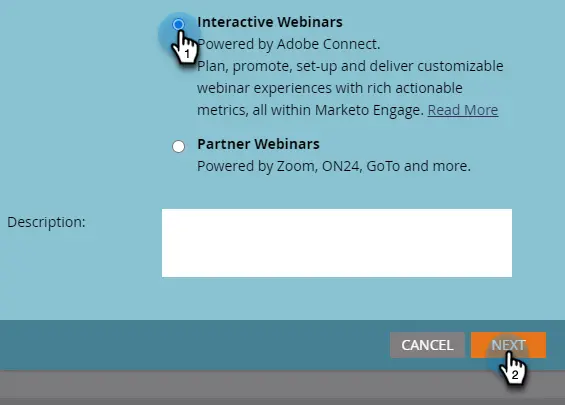
Its Interactive Webinars feature stands out: a native webinar platform powered by Adobe Connect that eliminates the need for Zoom, GoToWebinar, or ON24. Webinar attendee behavior (poll responses, Q&A questions, link clicks, asset downloads) flows into Marketo as structured activity data, enabling post-event segmentation by individual actions rather than attendance alone. Dynamic Chat adds AI-powered conversational marketing with meeting booking and live-chat escalation.
Source: Adobe
ZoomInfo operates its own demand-side platform for display advertising based on 300+ company attributes, plus audience syndication to LinkedIn, Facebook, and Google.
Its Chat identifies the company behind anonymous website visitors before they self-identify, routing conversations based on company data and intent signals. FormComplete reduces web forms to a single field by auto-appending remaining data from ZoomInfo's database.
Source: ZoomInfo
For B2B teams running webinar-heavy demand generation, Marketo's native webinars are a real advantage. For teams prioritizing multi-channel lifecycle marketing with support integration, Ortto's Talk fills a gap most automation platforms leave open. For teams focused on reaching the right accounts before competitors do, ZoomInfo's advertising and visitor identification add targeting precision neither automation platform provides.
Pricing and total cost of ownership
Ortto does not publish its pricing. Plans are available by custom quote. A 14-day free trial is available with up to 10,000 contacts and 100 emails, with no credit card required.
Key cost considerations: SMS is a paid add-on with per-country credit costs. Email overages cost $1 per 1,000 additional sends. Advanced capabilities such as dedicated email IPs and certain enterprise features may require higher-tier plans or custom agreements.
Marketo does not publish prices.
All four tiers (Grow, Select, Prime, Ultimate) are custom-quoted based on database size, with pricing scaling per 1,000 contacts. The platform includes 25 marketing users by default. Sandbox environments are included only in Prime and Ultimate. Marketo Measure (multi-touch attribution) is Ultimate-only. Dynamic Chat's full AI capabilities require a separate Prime add-on.
Beyond the license, Marketo carries implementation costs that typically run 100-150% of annual license costs, plus the ongoing cost of a trained administrator. Capterra and TrustRadius reviewers consistently note that the cost-to-value equation pays off only at scale. For enterprise B2B teams running high-complexity programs, the investment is justified. For smaller teams, it's prohibitive.
For a detailed breakdown of Marketo's pricing tiers and what to expect at each level, see our Marketo Pricing Breakdown.
ZoomInfo uses consumption-based pricing, custom-quoted based on usage patterns, seats, credit volume, and features.
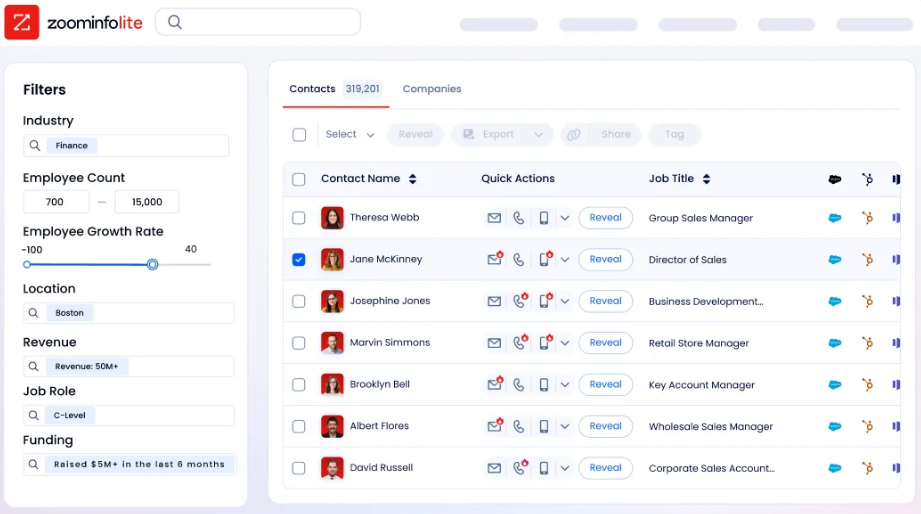
Sales, Marketing, and Operations each have tiered plans (Professional, Advanced, Enterprise). ZoomInfo Lite offers a permanent free tier with 10 monthly export credits and access to the B2B database. A 7-day free trial provides broader access. API access is included in all relevant plans.
Source: ZoomInfo
The key cost question isn't which platform is cheapest. It's which combination delivers the best return.
Ortto or Marketo without verified data sends campaigns into the void. ZoomInfo without an automation platform leaves intelligence unused. The highest-performing B2B teams use both: an intelligence layer for targeting and an automation layer for execution.
AI capabilities compared
All three platforms have invested in AI, but with different priorities.
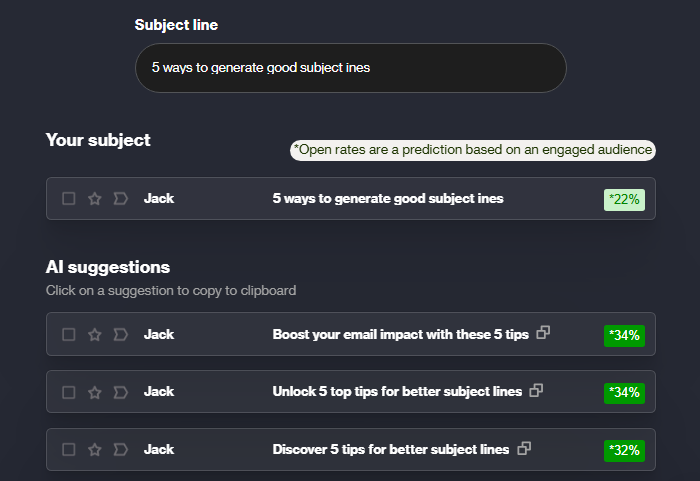
Ortto AI is embedded across the platform: AI filters let marketers build segments in natural language, AI decision shapes route contacts through journeys based on classification prompts, the subject line tester predicts open rates trained on millions of platform emails, and AI enrichment populates missing contact data automatically.
Ortto's MCP Server (launched December 2025) connects the platform's CDP to Claude, ChatGPT, or any MCP-compatible AI assistant for natural-language data access.
Source: Ortto
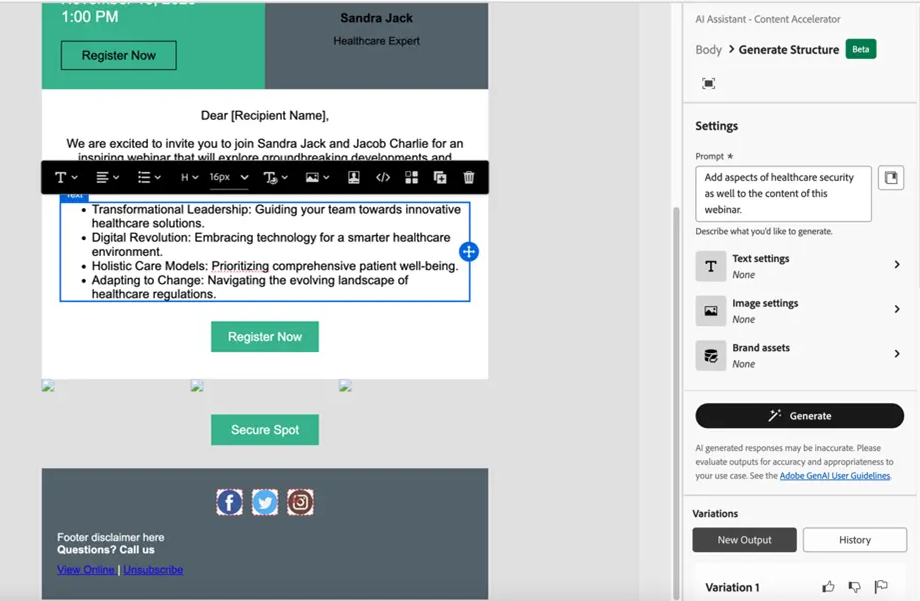
Marketo's AI investments focus on content creation and conversational marketing.
The AI Assistant generates email subject lines, preheaders, and body copy using structured inputs (buying group role, journey stage, communication strategy). Dynamic Chat's generative AI answers visitor questions from a curated Response Library, with discussed topics available as Smart List criteria for downstream segmentation.
Adobe has announced an Agentic Lead Orchestration engine that uses AI to design and optimize lead marketing journeys, though detailed documentation has not yet been published.
Source: Adobe
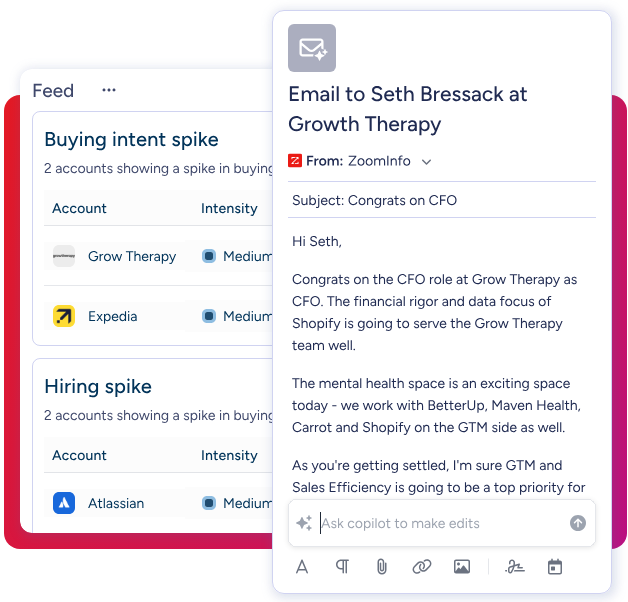
ZoomInfo's AI operates at the intelligence layer.
The GTM Context Graph uses AI to reason across CRM data, conversation transcripts, and behavioral signals, identifying the factors behind deal outcomes rather than just recording them. GTM Workspace deploys specialized AI agents (built on Anthropic's Claude) that handle account research, generate follow-ups, monitor signals, and draft outreach. GTM Studio lets marketers build audiences and launch plays using natural language. The MCP server makes this intelligence accessible to any AI agent or custom application.
Source: ZoomInfo
The difference: Ortto and Marketo use AI to make their automation smarter. ZoomInfo uses AI to make the data and signals feeding that automation more accurate.
"It's not just the data itself. It's more about the right data at the right time to help us reach out with the right message across that full buyer journey." Chelsea Kenyon, Senior Director of Digital Strategy. (Redwood Logistics case study)
Integration ecosystems and data portability
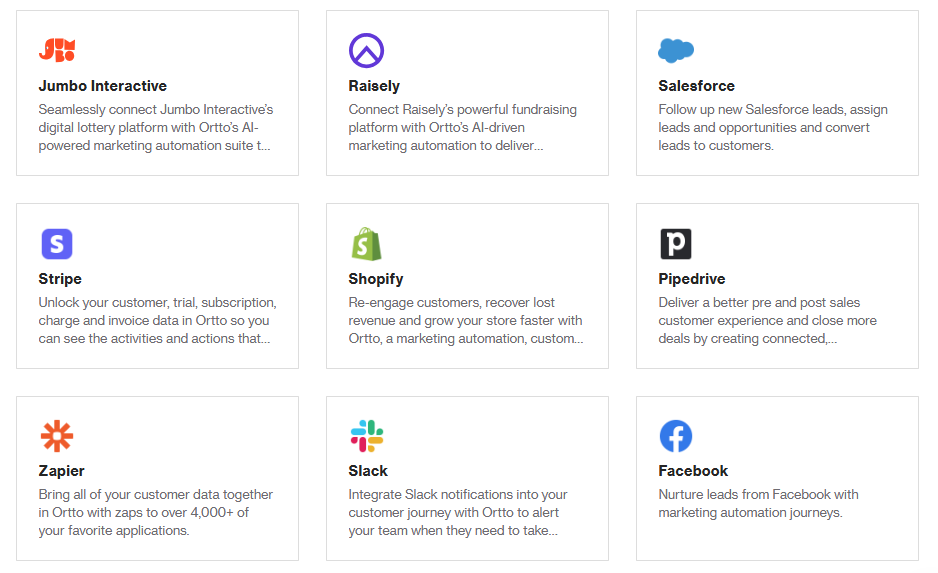
Ortto maintains native integrations across CRM (Salesforce, HubSpot, Pipedrive), ecommerce (Shopify, WooCommerce, BigCommerce), billing (Stripe, Chargebee, Recurly), support (Zendesk, Help Scout, Gorgias), and advertising (Google Ads, Facebook).
It connects to 4,000+ apps through Zapier and offers a REST API with SDKs for iOS, Android, and Flutter. Webhooks are available on Professional and above. The integration library covers mid-market needs but is narrower than Marketo's ecosystem.
Source: Ortto
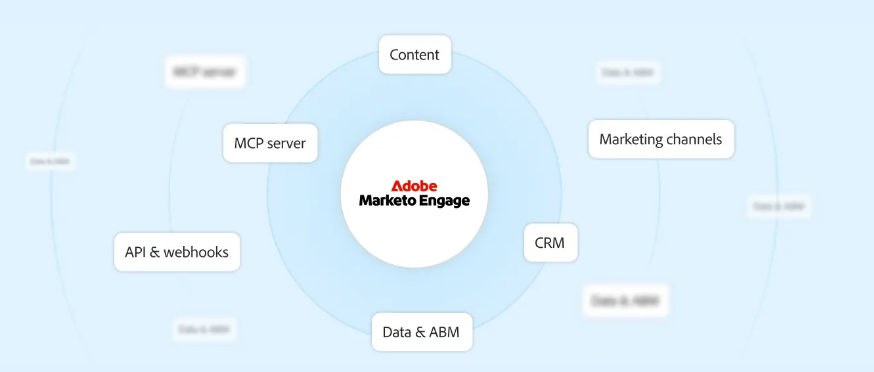
Marketo has the deepest integration ecosystem.
LaunchPoint provides pre-built connectors across data platforms (including ZoomInfo), advertising, webinars, SMS, and analytics. Its native Salesforce sync runs bidirectionally with a 5-minute pause between cycles.
The REST API supports 50,000 calls per day with full access to lead database, asset, and user management endpoints. Within the Adobe ecosystem, Marketo connects to Real-Time CDP, Journey Optimizer B2B Edition, Experience Manager, and GenStudio.
Source: Adobe
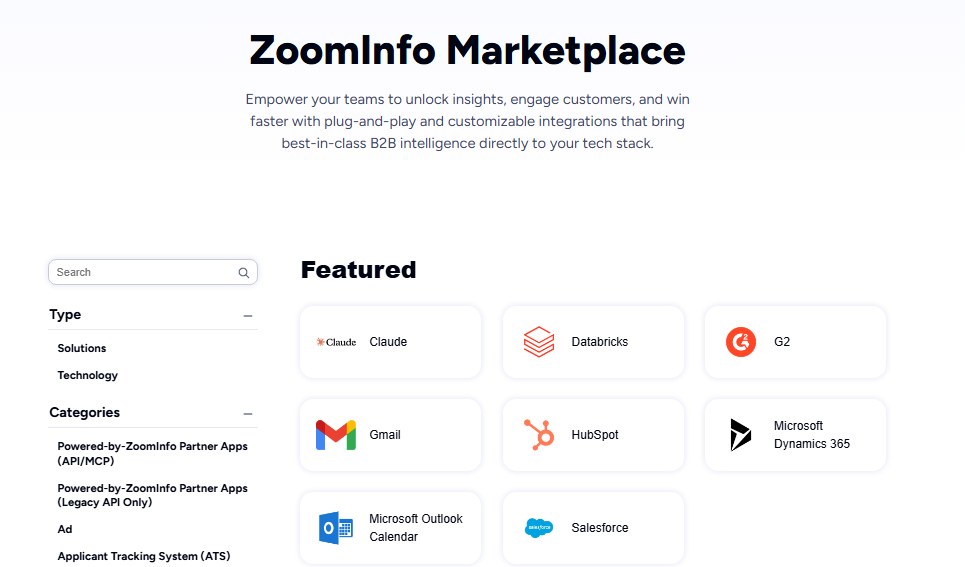
ZoomInfo's App Marketplace lists 120 partner integrations across CRM, marketing automation (including both Marketo and HubSpot), sales engagement, and data warehouse platforms.
Cloud Partners enable direct data ingestion into AWS, Google Cloud, Snowflake, and Databricks. The Enterprise API is organized into four surfaces (Data, Copilot, Marketing, and Platform APIs), and API access is included in all relevant plans. The MCP server makes ZoomInfo data accessible to AI agents including Claude and ChatGPT.
Source: ZoomInfo
The integration picture reinforces the complementary relationship. ZoomInfo's data feeds into both Ortto and Marketo as an enrichment source. The automation platforms execute campaigns. The intelligence layer and the execution layer work together.
Security, compliance, and data governance
All three platforms hold enterprise security certifications, though the scope differs.
Ortto holds GDPR, ISO 27001, ISO 27701, HIPAA, SOC 2, and APRA compliance, with multi-region data hosting across EU, USA, and Australia. It undergoes penetration testing every 6 months. Its AI features are governed by a published AI Ethics Policy ensuring customer data isn't used to train third-party models without consent. HIPAA certification is a notable differentiator for healthcare marketing teams.
Marketo carries SOC 2 Type II and ISO 27001:2022 certifications through Adobe, with GDPR and CCPA compliance tooling. Enterprise SSO via SAML v2.0 is supported. SOC 2 reports require an NDA with Adobe to access. The broader Adobe Trust Center maintains the compliance documentation.
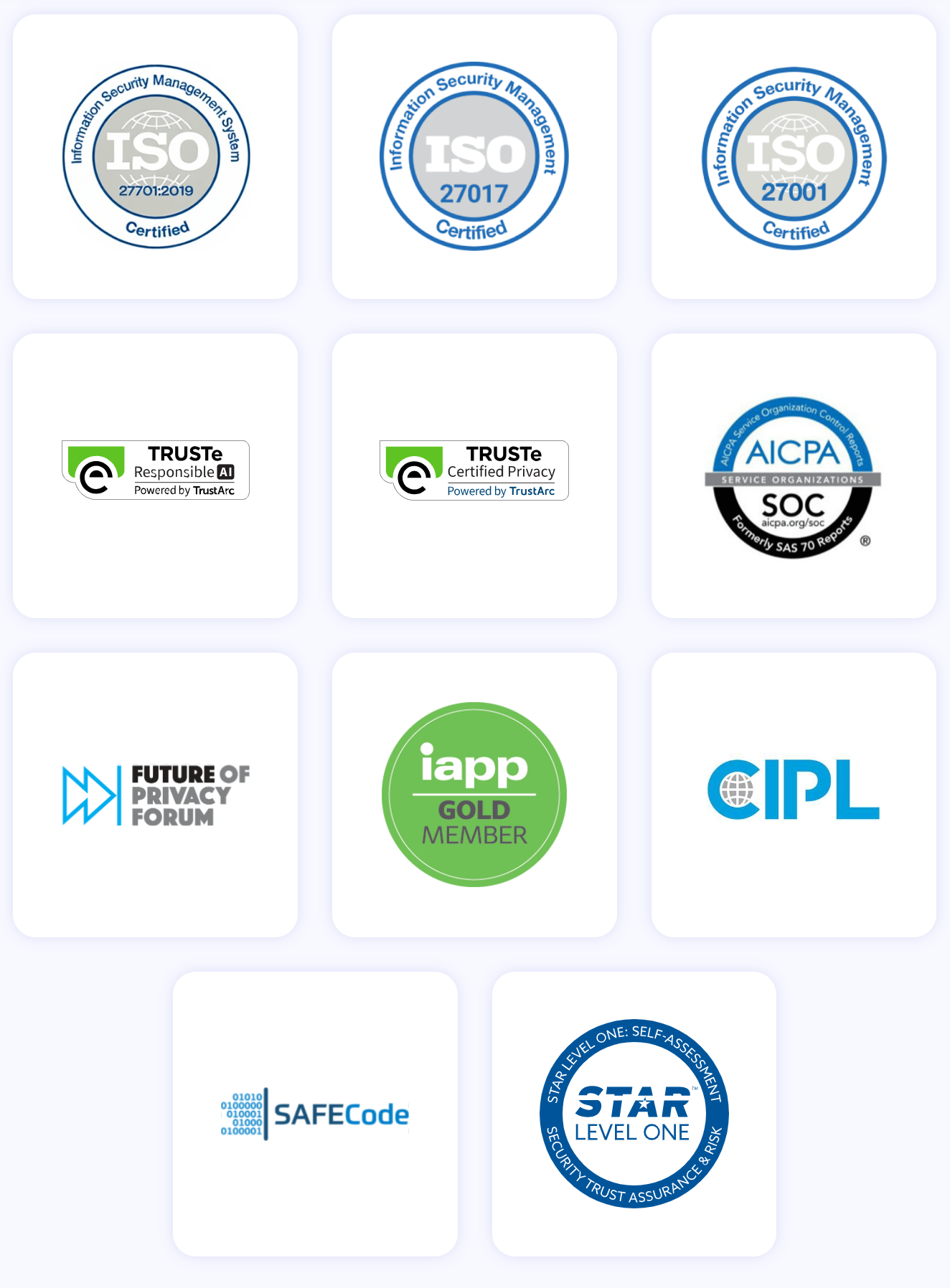
ZoomInfo renews its security certifications annually: ISO 27001, ISO 27701, SOC 2 Type II, TRUSTe GDPR, and TRUSTe CCPA. It operates as a registered data broker in California and Vermont. For enterprise buyers in regulated industries, ZoomInfo's privacy infrastructure is built into the data layer itself.
Ortto vs. Marketo Engage vs. ZoomInfo: Which should you choose?
The right answer depends on where your biggest gap is: execution, complexity, or intelligence.
Choose Ortto if:
You're a small-to-midmarket team (1-10 marketers) that wants CDP, automation, analytics, and support in one platform
Your marketing runs on lifecycle journeys, behavioral triggers, and multi-channel messaging
You need to launch campaigns quickly without a dedicated marketing operations hire
You value simplicity and unified data over enterprise campaign complexity
Choose Marketo Engage if:
You're an enterprise B2B organization with dedicated marketing ops staff
You run complex, multi-touch programs with advanced scoring, nurture, and attribution requirements
Tight bidirectional CRM integration with Salesforce or Dynamics is non-negotiable
You need native webinar hosting, account-based marketing, and buying group orchestration
You're already invested in the Adobe Experience Cloud ecosystem
Add ZoomInfo if:
Your marketing campaigns depend on reaching the right buyers at the right time
You need verified contact data, direct dials, and business emails that work
You want to identify in-market accounts before they engage your competitors
Your CRM data is incomplete, outdated, or missing company context and technographic detail
You want one intelligence platform that powers sellers, marketers, and RevOps simultaneously
Explore ZoomInfo to see how verified data and buyer intent signals improve your GTM strategy.
Ortto and Marketo answer the question "How do I automate my marketing?" ZoomInfo answers the question that determines whether that automation delivers results: "Who should I be marketing to, and why now?" The strongest B2B marketing stacks don't choose between intelligence and automation. They connect both.
"ZoomInfo has literally changed the way we go to market." Jeremy Melius, Sr. Director of Marketing Operations. (Impartner case study)
Ortto vs. Marketo Engage vs. ZoomInfo FAQ
What is the core difference between Ortto, Marketo Engage, and ZoomInfo?
Ortto is a unified marketing platform combining a customer data platform, marketing automation, analytics, and customer support for small-to-midmarket teams.
Marketo Engage is an enterprise B2B marketing automation platform with deep campaign orchestration, multi-dimensional lead scoring, and native CRM integration.
ZoomInfo is a B2B data and intelligence platform that provides verified contact data, buyer intent signals, and AI-powered go-to-market insights. It feeds into both Ortto and Marketo as an enrichment and targeting layer.
Which platform is the most affordable?
Ortto does not publish its pricing publicly and provides custom quotes based on your requirements. Marketo also requires custom quotes.
ZoomInfo uses consumption-based pricing with custom quotes, but offers a permanent free tier (ZoomInfo Lite) with 10 monthly export credits and a 7-day free trial.
Can ZoomInfo replace Ortto or Marketo?
No. ZoomInfo and marketing automation platforms serve different functions. ZoomInfo provides verified buyer data, intent signals, and account intelligence that fuel marketing campaigns.
Ortto and Marketo execute those campaigns through email sequences, nurture programs, and multi-channel automation. The strongest B2B teams use both an intelligence layer and an execution layer together.
Which platform is best for account-based marketing?
Marketo has the deepest native ABM capabilities, including lead-to-account mapping, Predictive Engagement Score, account-level segmentation, and attribution through Marketo Measure. ZoomInfo provides the data foundation ABM programs require: verified buying committee contacts, intent signals from 210 million IP-to-Organization pairings, and account-level engagement scoring.
Ortto added account-based journeys, activities, and reports in its December 2025 release, but its ABM capabilities are less mature than Marketo's.
Which platform has the easiest learning curve?
Ortto is the easiest, with the company advertising a 2-minute onboarding experience and users consistently praising its drag-and-drop interface. ZoomInfo offers role-specific learning paths through ZoomInfo University and deploys in weeks. Marketo has the steepest learning curve, requiring months of dedicated training and typically a full-time administrator to operate.
How do the platforms handle email deliverability?
Ortto provides dedicated email IPs on Professional and above, with a deliverability support add-on for expert guidance. Marketo includes dedicated IPs and a Deliverability Package add-on with enterprise sending infrastructure.
ZoomInfo contributes to email deliverability indirectly: its verified email addresses (200M+ business emails, up to 95% accuracy on first-party data) reduce bounce rates that damage sender reputation, making campaigns sent through either Ortto or Marketo more likely to reach the inbox.
Does Ortto still go by the name Autopilot?
No. Ortto was founded as Autopilot Journeys in 2015 and rebranded to Ortto in March 2022 after a ground-up platform rebuild. Canva acquired the company in April 2026, and it continues operating as a standalone platform. If you're searching for "Autopilot" in the marketing automation space, Ortto is the current product.
Which platform integrates with Salesforce?
All three integrate with Salesforce, but the depth varies.
Marketo has the tightest native integration, with bidirectional sync running continuously for leads, contacts, accounts, campaigns, and custom objects. ZoomInfo provides native Salesforce integration for data enrichment, lead routing, and Sales Insight Actions. Ortto integrates with Salesforce for CRM data synchronization, but the connection is less embedded than Marketo's native sync.
