
Choosing between Braze and Marketo often comes down to five questions:
Are you marketing to individual consumers, or to buying committees at other businesses?
Do you need real-time cross-channel messaging, or structured lead nurturing across long sales cycles?
Is your priority engaging users inside a mobile app, or managing pipeline from first touch to closed-won?
How confident are you that the right data (the right contacts, the right signals) is reaching your campaigns at the right time?
Does your team have the engineering resources to implement and maintain a complex marketing platform?
Here's what we recommend:
Braze is built for B2C brands that engage millions of consumers across digital channels in real time. Its cross-channel messaging spans email, mobile push, SMS/RCS, WhatsApp, in-app messages, Content Cards, LINE, and KakaoTalk, all orchestrated from a single Canvas journey builder with AI-driven send-time and channel optimization.
But Braze is built for consumer engagement, not B2B sales cycles. It has no native pipeline management, no lead scoring, and no CRM-embedded sales intelligence.
Adobe Marketo Engage is the enterprise standard for B2B marketing automation. Its Smart Campaign engine, multi-dimensional lead scoring, engagement programs with content exhaustion logic, and native Salesforce and Dynamics sync make it the default for companies with complex, multi-touch B2B sales cycles.
But Marketo comes with trade-offs: a steep learning curve, a batch-based architecture that introduces latency in lead routing and scoring, an interface that multiple review sources describe as dated, and a total cost of ownership that demands dedicated admin staff.
Both platforms do their jobs well. But for B2B marketing teams, there's a question neither fully answers: Are the right contacts, the right intent signals, and the right account intelligence actually reaching your campaigns? The execution platform matters, but the intelligence feeding it matters more.
ZoomInfo is a B2B data and intelligence platform built on 500M contacts, 100M companies, 135M+ verified phone numbers, and 200M+ verified business email addresses. Its GTM Context Graph (an intelligence layer that processes 1.5B+ data points daily) combines this data with your CRM records, conversation transcripts, and behavioral signals to show what's happening in your accounts, and why.
For B2B marketers, GTM Studio turns that intelligence into action: describe an audience in plain language, launch multi-channel plays targeting accounts that match your past win patterns, and measure pipeline impact in real time. ZoomInfo also integrates directly with Marketo, feeding verified contacts and intent signals into your automation engine.
If building your B2B marketing on a strong data foundation sounds right, see how ZoomInfo works.
Braze vs. Marketo vs. ZoomInfo at a glance
Braze | Adobe Marketo Engage | ZoomInfo | |
|---|---|---|---|
Primary focus | B2C cross-channel consumer engagement | B2B marketing automation and lead management | B2B data, intelligence, and GTM orchestration |
Best for | Retail, media, gaming, fintech, QSR | Technology, financial services, manufacturing | Any B2B sales, marketing, and RevOps team |
Channel coverage | Email, push, SMS/RCS, WhatsApp, in-app, Content Cards, LINE, KakaoTalk, web | Email, web, mobile push, SMS, ads, webinars, chat | Email, calls, display ads, LinkedIn, Meta, Connected TV, direct mail |
AI capabilities | BrazeAI (send-time, channel selection, decisioning, generative) | GenAI email creation, predictive content, Dynamic Chat AI | GTM Context Graph, AI-powered plays, intent signals |
Data foundation | Activates customer's own first-party data | Uses customer's own database + CRM sync | 500M contacts, 100M companies, intent signals, technographics |
CRM integration | Integrates via Alloys partners | Native bidirectional sync (Salesforce, Dynamics) | Native sync (Salesforce, HubSpot, Dynamics) |
Lead scoring | Not a core feature | Multi-dimensional with behavioral and demographic signals | Account Fit Score (0-100) + intent-based prioritization |
Pricing model | MAU-based + flexible credits (custom quoted) | Contact-volume-based (custom quoted) | Consumption-based (custom quoted) |
Free option | 30-day free trial | No free trial | ZoomInfo Lite (permanent free tier) + 7-day trial |
Analyst recognition | Gartner MQ Leader, Multichannel Marketing Hubs (3 consecutive years) | Gartner MQ Leader, B2B Marketing Automation (2025) | Gartner MQ Leader, ABM Platforms (2024 & 2025) |
The fundamental split: consumer engagement vs. B2B automation vs. GTM intelligence
The core distinction between these three platforms isn't feature depth. It's who they were built for and what problem they solve.
Braze started in 2011 as Appboy, betting that mobile would reshape how brands talk to consumers. That mobile-first origin still defines the platform. Braze thinks in terms of monthly active users, in-app messages, push notification opt-in rates, and customer lifecycle stages like onboarding, retention, and win-back. The 2,713 brands using Braze are overwhelmingly B2C: retailers, streaming services, food delivery apps, fintech platforms, and gaming companies.

Source: Braze
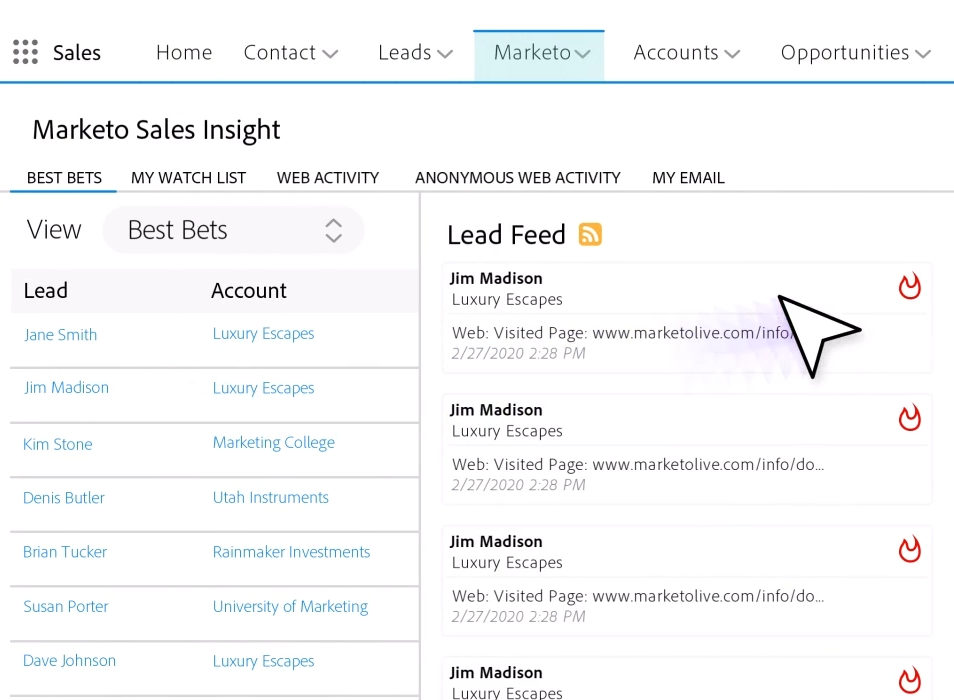
Marketo was founded in 2006 by former Epiphany executives who saw that enterprise marketing automation required too much IT involvement. Marketo thinks in terms of MQLs, lead scores, nurture streams, content exhaustion, and attribution models. Adobe acquired it for $4.75 billion in 2018, and it now serves as the B2B marketing engine within Adobe Experience Cloud. When a software company needs to score leads across a 12-month sales cycle involving six stakeholders, or a financial services firm needs to run an ABM campaign across named accounts, Marketo is the established choice.
For a closer look at what Marketo offers B2B marketing teams, see our Marketo review.
Source: Marketo
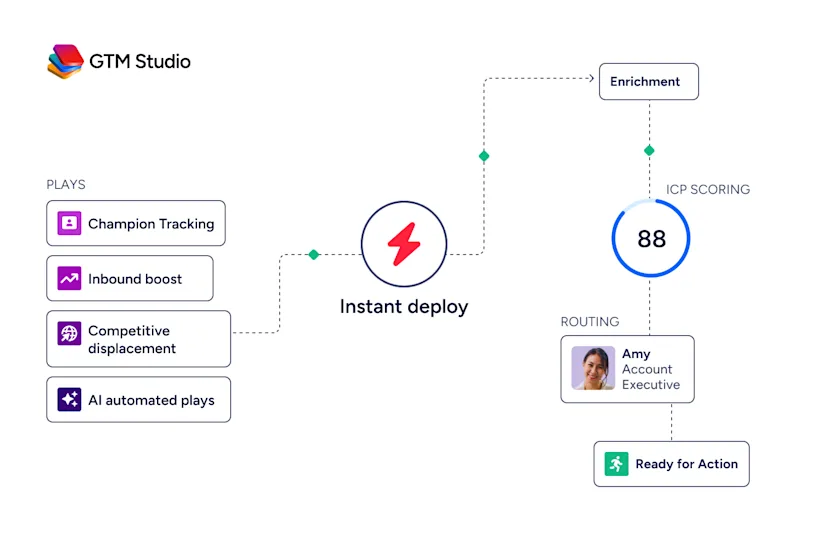
ZoomInfo starts from a different direction. Rather than beginning with message execution, ZoomInfo asks the question B2B marketers should ask first: who should I be targeting, and when are they ready to buy? Founded in 2007, ZoomInfo has spent nearly two decades building a comprehensive B2B data platform. That data (backed by 300+ human researchers and up to 95% accuracy on first-party data) combines with CRM, conversation, and behavioral signals in the GTM Context Graph (ZoomInfo's intelligence layer). With GTM Studio, marketers build audiences, launch multi-channel plays, and measure results directly on that intelligence layer, without filing engineering tickets or waiting for data pulls.
The practical takeaway: Braze and Marketo are execution platforms that rely on whatever data you feed them. ZoomInfo is the intelligence platform that ensures you're feeding the right data to the right execution.
Channel capabilities serve different audiences
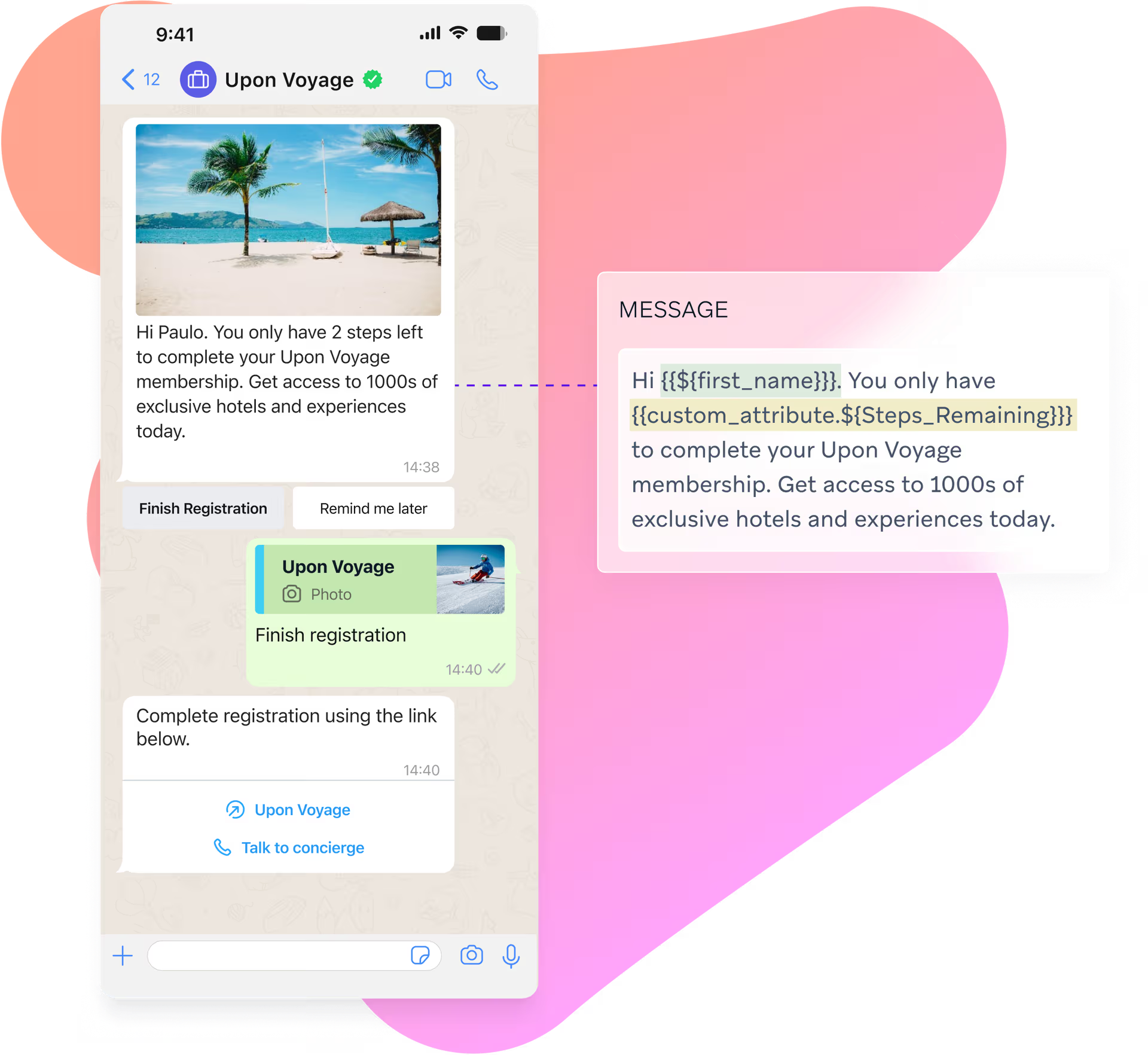
Braze's channel reach is the widest of the three. The platform supports email, mobile push, in-app messages, Content Cards, SMS/RCS, WhatsApp, web messaging, LINE, KakaoTalk, and paid media audience sync from a single dashboard. For B2C brands with global audiences, native LINE support for Japan, Thailand, and Taiwan and KakaoTalk for South Korea mean one platform covers every regional messaging app. iOS Live Activities put real-time updates on the iPhone Lock Screen. Content Cards deliver personalized recommendations at the user's own pace.
Source: Braze
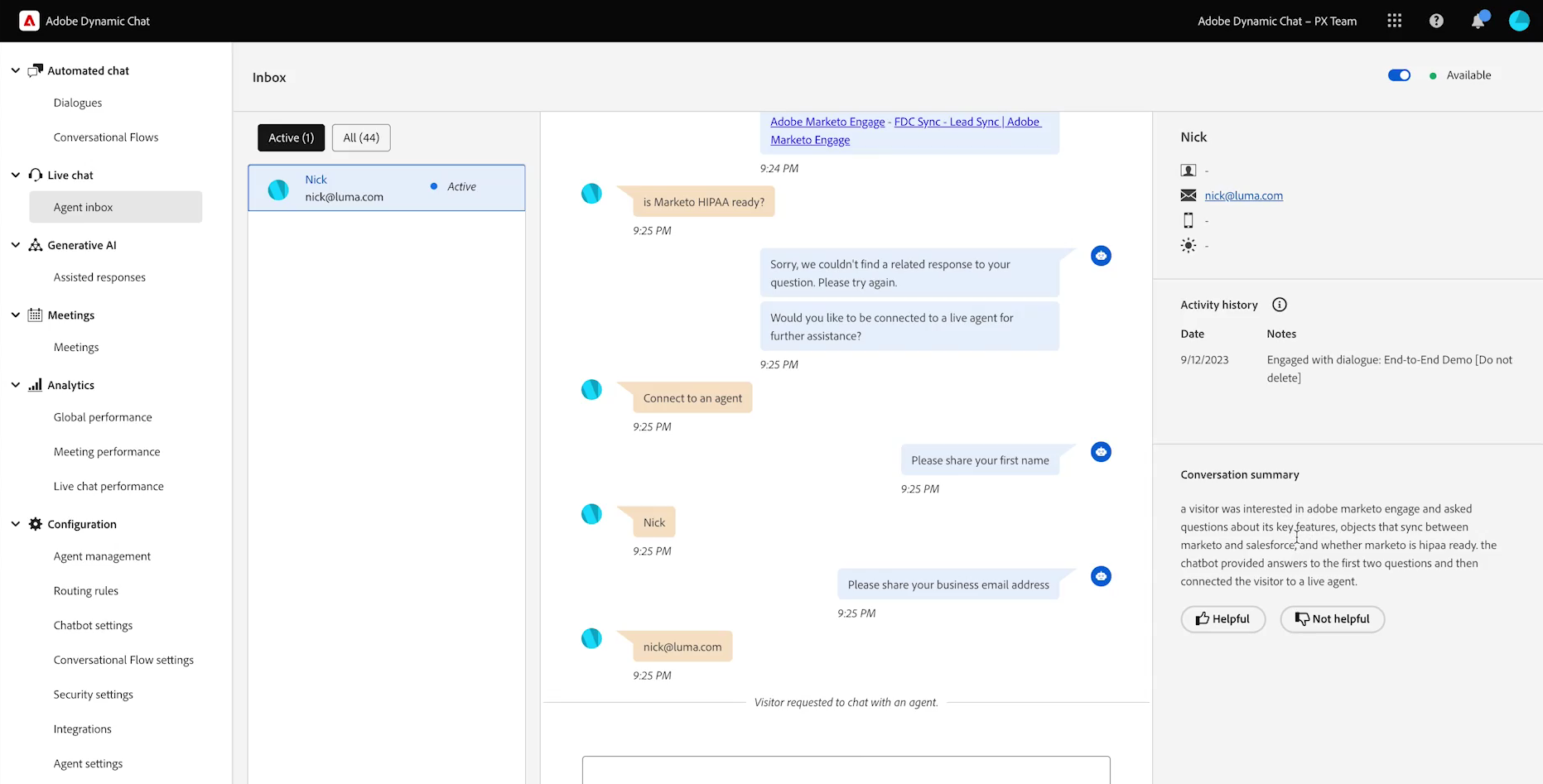
Marketo's channel set reflects its B2B orientation. Email is the primary channel, now with a new drag-and-drop Email Designer and GenAI content generation. Beyond email, the platform covers web personalization, mobile push, social, paid advertising through LaunchPoint integrations, Dynamic Chat (a native AI chatbot that qualifies leads and books meetings on your website), and Interactive Webinars powered by Adobe Connect. The webinar feature removes the need for a separate Zoom or ON24 subscription, capturing attendee behavior directly into lead records for automated follow-up.
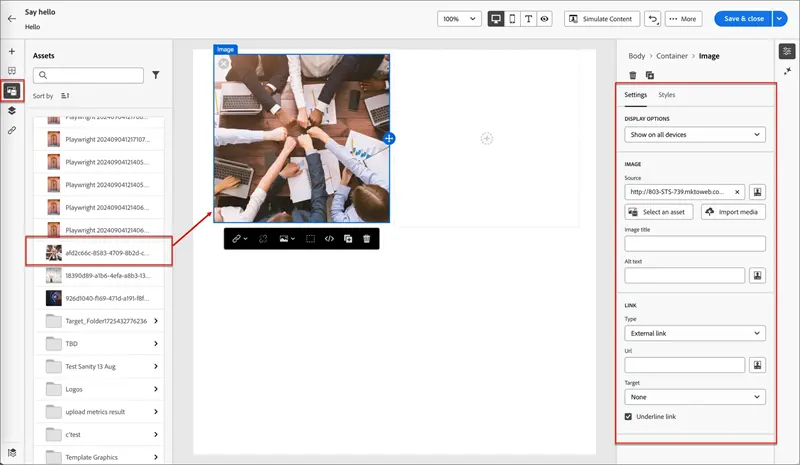
Source: Marketo
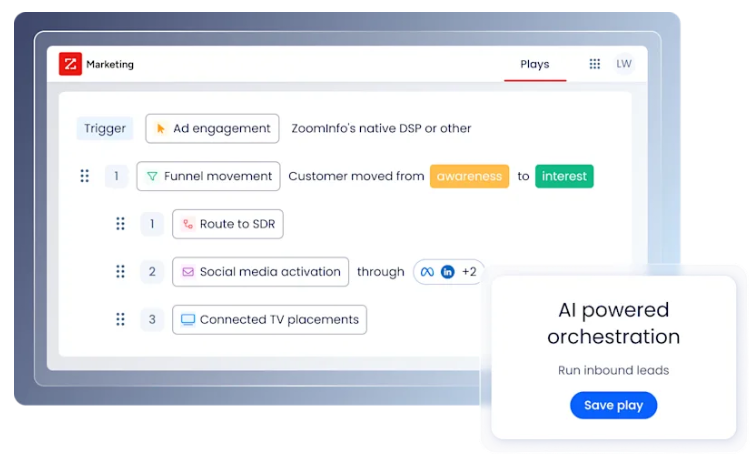
ZoomInfo's GTM Studio orchestrates across email, calls, display ads, LinkedIn, Meta, and Connected TV, triggered by buyer behavior and intent signals rather than manual scheduling. The native Demand-Side Platform deploys display ads based on 300+ company attributes without a separate ad-tech vendor. For B2B marketers, the distinction matters: Braze's channels engage individual consumers inside apps. Marketo's channels nurture leads toward sales readiness. ZoomInfo's channels reach the right accounts when they show buying intent.
The data foundation determines campaign effectiveness
This is where the three platforms diverge most sharply.
Braze activates your existing first-party data. Its Data Platform ingests customer data from warehouses (Snowflake, BigQuery, Redshift, Databricks) via Cloud Data Ingestion or real-time API calls, then uses it for segmentation and personalization. Zero-copy segmentation lets marketers query live warehouse data without duplication. This works well for brands that already have rich first-party behavioral data from their apps and websites. But Braze doesn't bring its own data. If your customer profiles are incomplete, your warehouse has gaps, or you don't know which accounts are researching your category, Braze can't fill those holes.
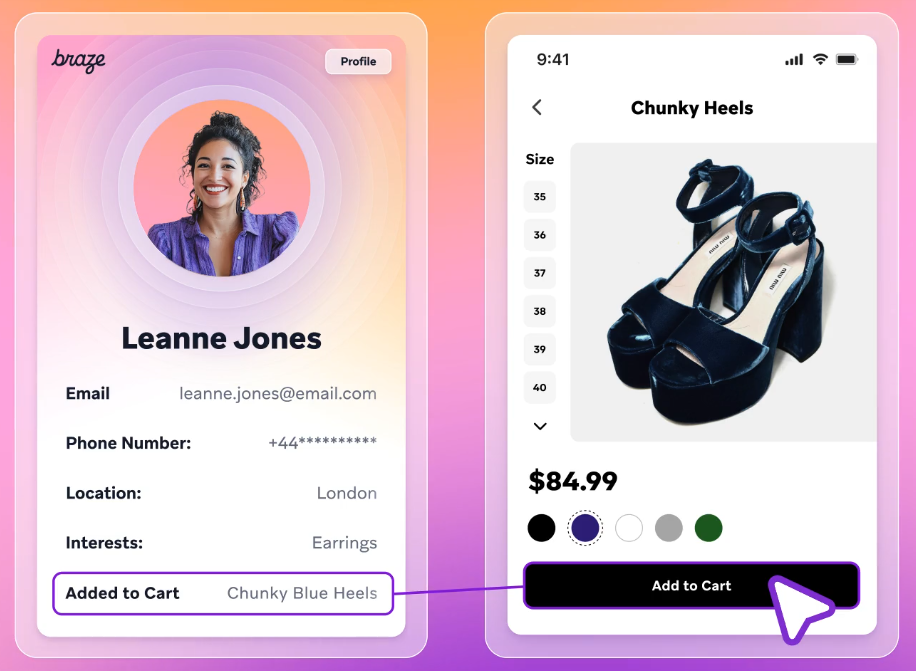
Source: Braze
Marketo faces the same limitation. It captures behavioral data (page visits, form fills, email engagement) and syncs bidirectionally with your CRM. The platform scores and routes the leads you already have well. But it can't tell you which companies outside your database are searching for solutions in your category, and it can't enrich your contacts with verified direct dials or organizational details you haven't collected yourself.
ZoomInfo solves a different problem. Its data platform includes 500M contacts, 100M companies, 135M+ verified phone numbers, 120M direct-dial phone numbers, and 200M+ verified business email addresses. Buyer Intent data tracks signals from 210 million IP-to-Organization pairings and 6 trillion+ new keyword-to-device pairings sourced monthly. WebSights resolves anonymous website visitors to companies and their buying team contacts. Technographics profiles the tech stack of 30+ million companies across 30,000+ technologies. This isn't data you already have. It's data you can't get any other way.
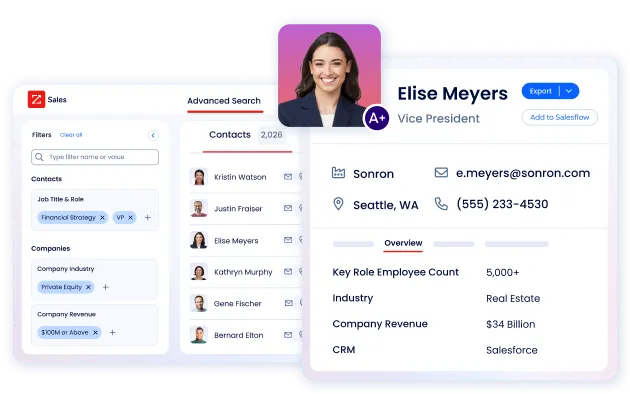
For B2B marketers, this gap matters. You can build a sophisticated Marketo nurture program, but if your database is missing 60% of the buying committee, those programs will underperform. You can configure Braze to send messages across every channel, but if you don't know which accounts are in-market right now, you're reaching the wrong people at the wrong time.
Seismic's team combined internal CRM data, external signals, and AI-powered context to craft account- and persona-based messages, attributing 39% of their active pipeline to opportunities identified or influenced by ZoomInfo signals. (Seismic case study)
AI capabilities reflect each platform's philosophy
All three platforms have invested in AI. Their approaches reflect different starting points.
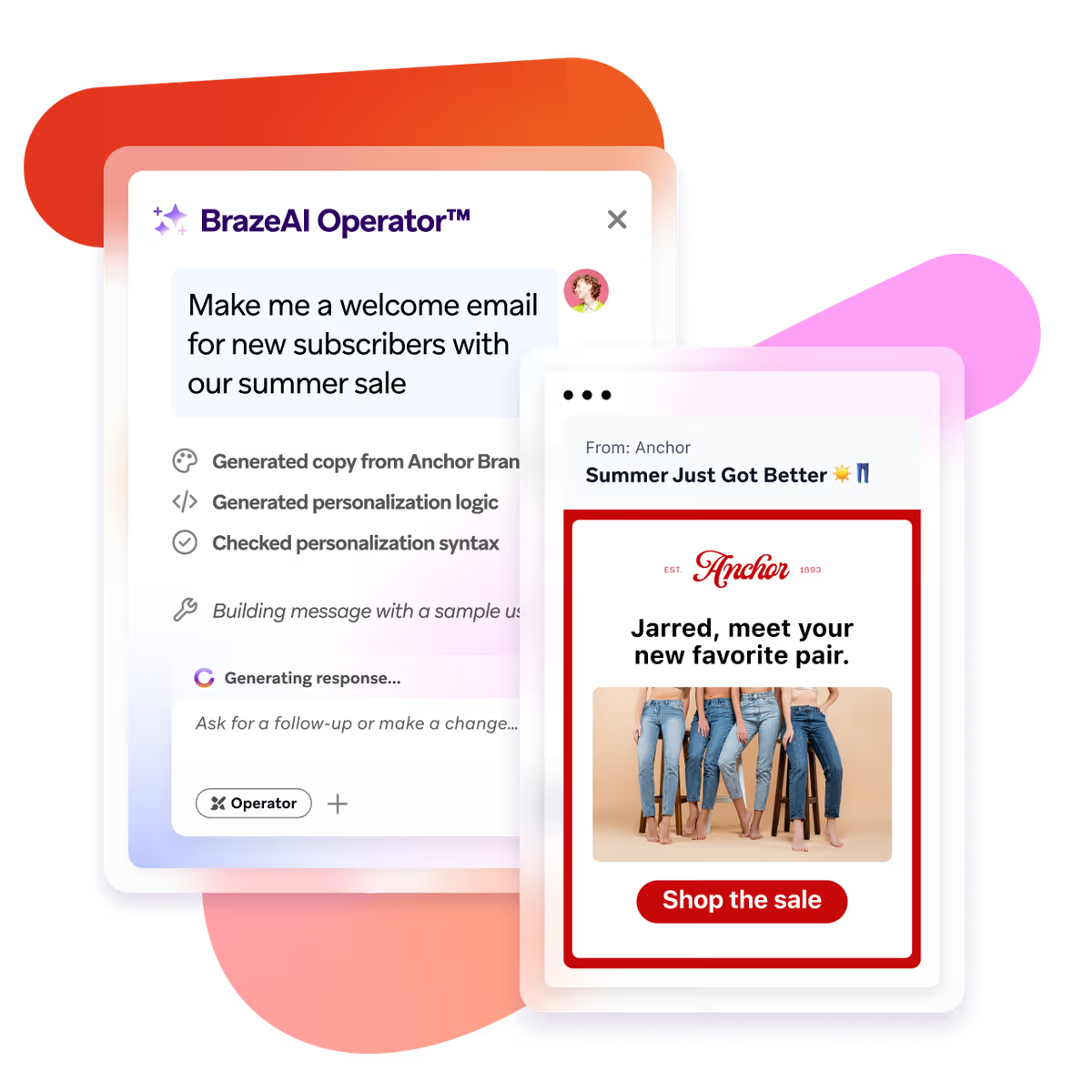
BrazeAI optimizes message delivery to individual consumers. Intelligent Timing sends each message when a user is most likely to engage. Intelligent Channel routes messages to the channel each user responds to best. Personalized Paths routes each individual through the Canvas path most likely to convert for them, not just the aggregate winner. The $325M acquisition of OfferFit brought reinforcement learning to BrazeAI Decisioning Studio, which runs experiments across channel, timing, content, and incentive for each user. BrazeAI Operator lets marketers build campaigns using natural language. For consumer engagement, these are capable tools.
Source: Braze
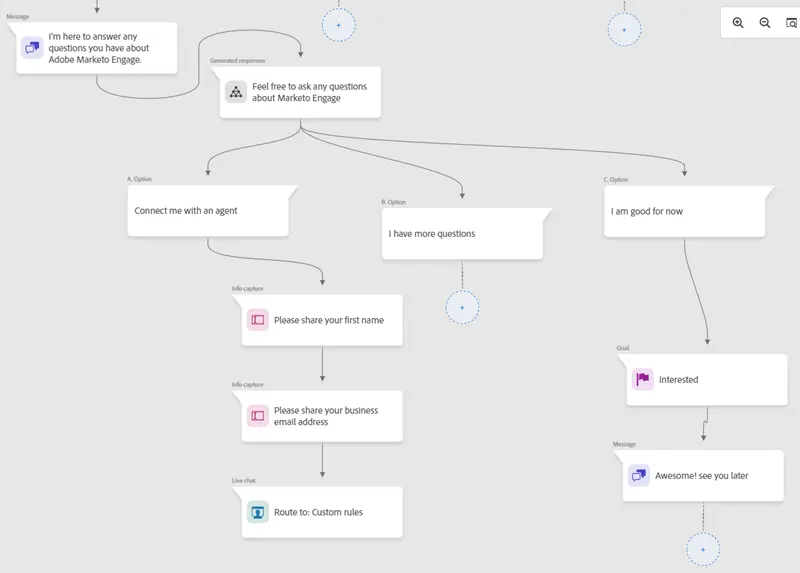
Marketo's AI focuses on B2B content acceleration and conversational marketing. The AI Assistant generates email copy tailored to buying group roles (Practitioner, Influencer, Decision Maker) and journey stages (Discover, Evaluate, Commit), a B2B-specific capability that generic AI writing tools don't offer. Dynamic Chat's generative AI answers website visitor questions from a pre-approved Response Library, keeping AI interactions within brand-controlled guardrails. Adobe has also announced an Agentic Lead Orchestration engine that will use AI agents to design and optimize marketing journeys on a visual canvas.
Source: Marketo
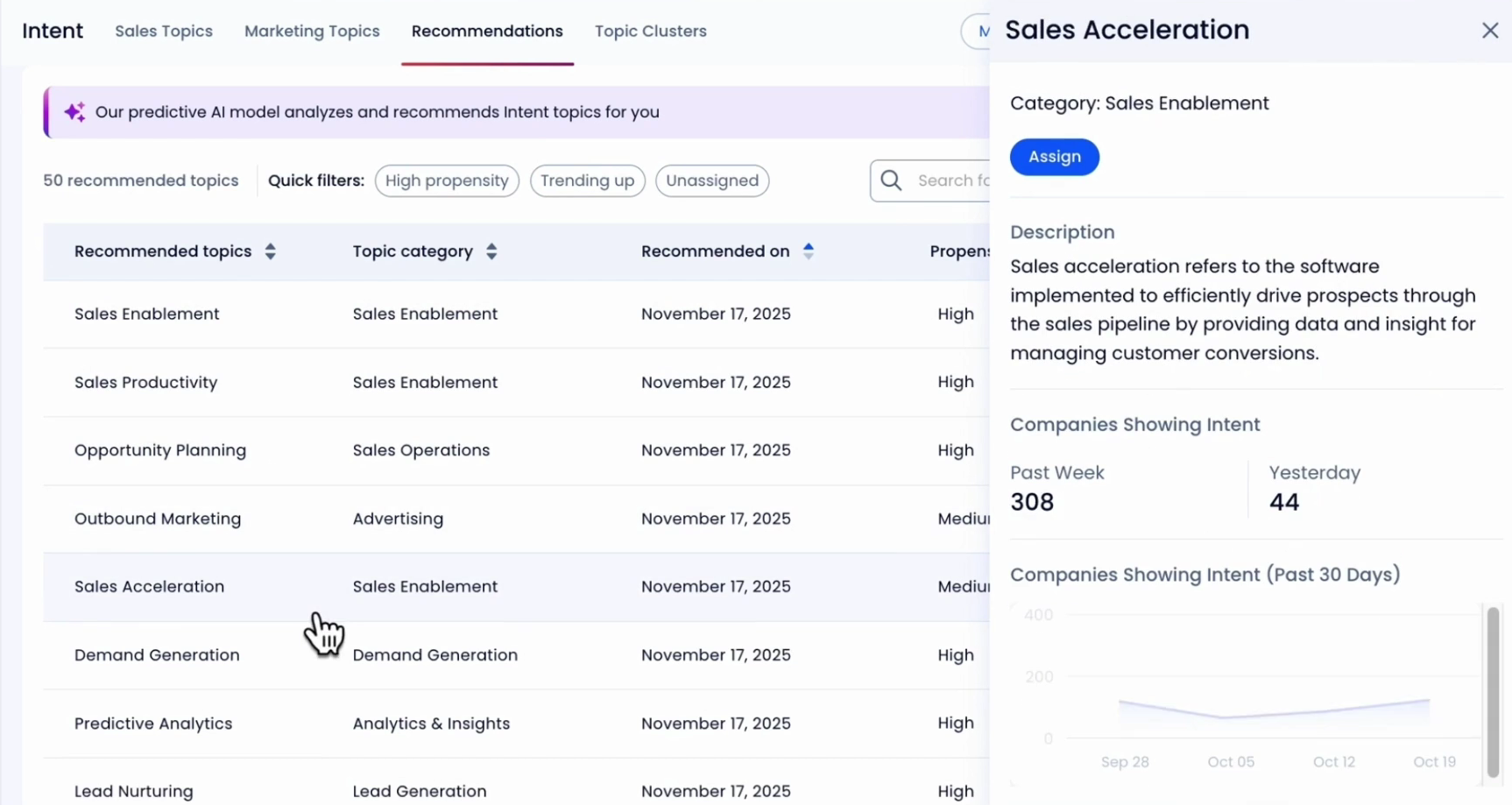
ZoomInfo's AI operates at a different layer: understanding which accounts to target and why. The GTM Context Graph doesn't just process data. As CPO Dominik Facher writes, it captures why outcomes happened, analyzing CRM records, conversation transcripts, intent signals, and behavioral data to connect signals to results. Guided Intent (exclusive to ZoomInfo) identifies topics historically correlated with deal success rather than requiring manual topic selection. GTM Studio's AI agents handle enrichment, scoring, routing, and message creation, and plays improve as prospects respond. Account Fit Score scores accounts 0-100 based on company attributes that correlate with conversion.
The difference: Braze's AI optimizes how you engage consumers you've already identified. Marketo's AI accelerates content creation and conversational marketing for leads in your database. ZoomInfo's AI identifies which accounts and contacts you should engage in the first place, and reveals the buying context that makes your outreach relevant.
Redwood Logistics achieved a 99% reduction in cost-per-click and 310% increase in click-through rates using ZoomInfo's audience data. "It's not just the data itself. It's more about the right data at the right time to help us reach out with the right message across that full buyer journey." (Redwood Logistics case study)
Journey orchestration and campaign operations
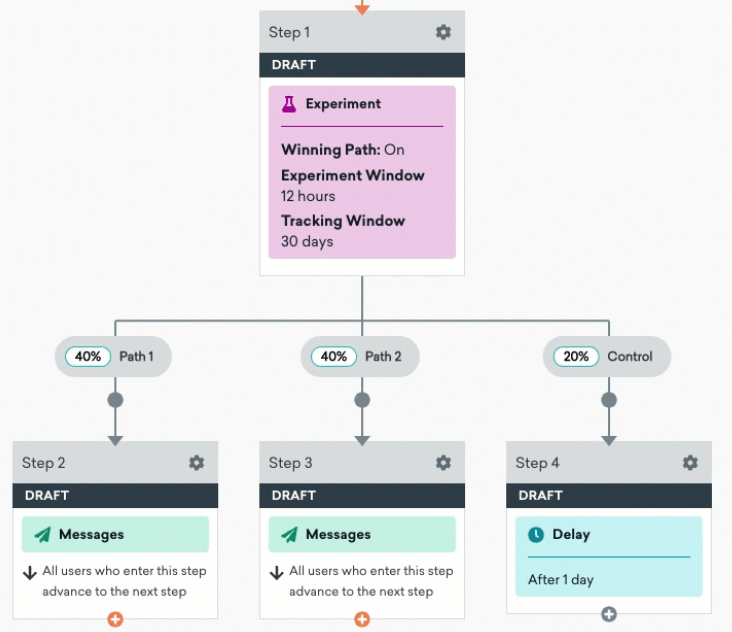
Braze Canvas is the platform's visual journey builder. Marketers assemble journeys from modular steps: Message, Delay, Action Paths, Audience Paths, Decision Split, Experiment Paths, User Update, and Audience Sync. Action-based triggers fire the moment a user performs a specific behavior, with sub-second latency claimed regardless of data volume.
Experiment Paths can sit at any node within a journey, not just the entry point. Pre-built templates cover common patterns like Abandoned Cart, Back in Stock, and Lapsed User re-engagement. Canvas supports up to eight variants with a control group for testing entire journey variants against each other. For real-time consumer journeys with precise channel and timing logic, it's hard to match.
Source: Braze
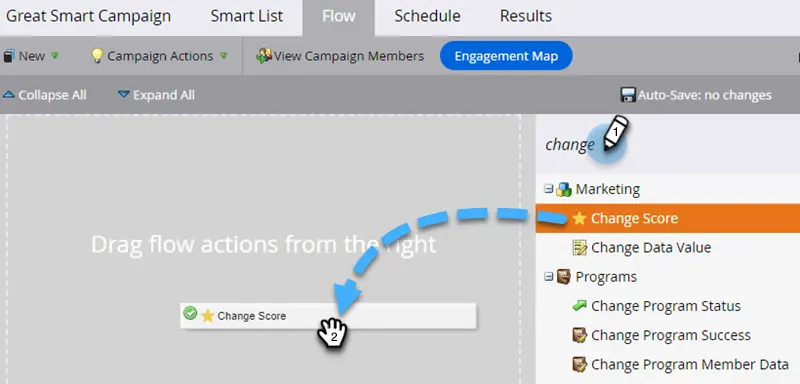
Marketo's Smart Campaigns are the engine of B2B automation. Each campaign combines a Smart List (who qualifies), a Flow (what happens, using drag-and-drop flow steps like send email, change score, assign to sales, wait, and branch), and a Schedule (when it runs). Trigger-based campaigns fire instantly on individual events.
Engagement Programs manage multi-stream nurturing with configurable cadences, content prioritization, and automatic exhaustion detection that flags leads who've consumed all available content. Beyond email, Smart Campaigns handle data normalization, CRM updates, lead reassignment, webhooks, and sales alerts, making them an automation engine for the full revenue operations stack.
Source: Marketo
ZoomInfo's GTM Studio approaches orchestration differently. Rather than building journeys step by step, marketers describe audiences using natural language, launch pre-built GTM plays (inbound acceleration, champion tracking, competitive displacement, ICP targeting), and let AI agents handle enrichment, scoring, and routing. When a buying signal fires, the play starts automatically, with no manual list building. Expansion plays that used to take three weeks now launch in 30 minutes, and plays improve from engagement data. Actions flow directly into GTM Workspace for seller execution, connecting marketing orchestration to sales action in one system.
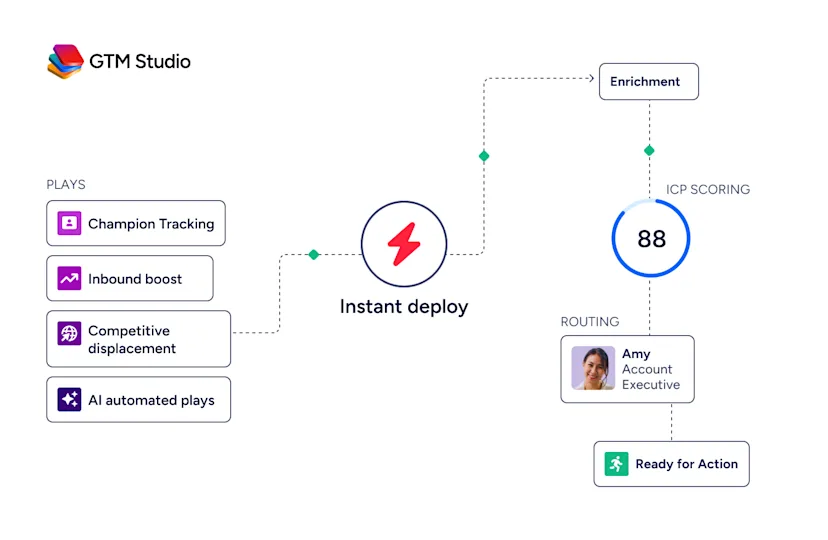
Canvas excels at complex consumer lifecycle journeys. Smart Campaigns excel at B2B lead nurturing with scoring, routing, and CRM handoff. GTM Studio excels at signal-driven B2B plays where the intelligence determines the action, not a predefined flow.
Pricing and total cost of ownership
All three platforms use custom-quoted pricing, so direct comparison is difficult. But the models differ in meaningful ways.
Braze prices on active users and flexible credits, with no per-seat charge for dashboard users. Four editions (Go, Select, Pro, Enterprise) gate features progressively, with Pro required for predictive AI and Enterprise for BrazeAI Agent Console. Email and push notifications come with all editions; SMS, WhatsApp, Content Cards, and other channels consume credits from a shared pool. G2 users note that segmentation extensions, premium support tiers, and AI credit consumption can push costs above the base contract. Braze offers a 30-day free trial and a Braze for Startups program with 4 months free for eligible VC-backed companies.
Marketo prices on contact volume per 1,000 contacts across four packages (Grow, Select, Prime, Ultimate). Key features are tier-gated: sandboxes require Prime, lifecycle modeling requires Prime, and multi-touch attribution (Marketo Measure) requires Ultimate. Dynamic Chat's full GenAI features require the Dynamic Chat Prime add-on. Sales Insight, website personalization, and additional API calls are separate purchases. There is no free trial or free plan. Reviewers on TrustRadius and Capterra flag that the cost-to-value ratio is only favorable at scale, and fast-growing companies face penalties as their database expands under contact-count pricing.
Source: Marketo
For a full breakdown of Marketo's tiers and costs, see our Marketo pricing guide.
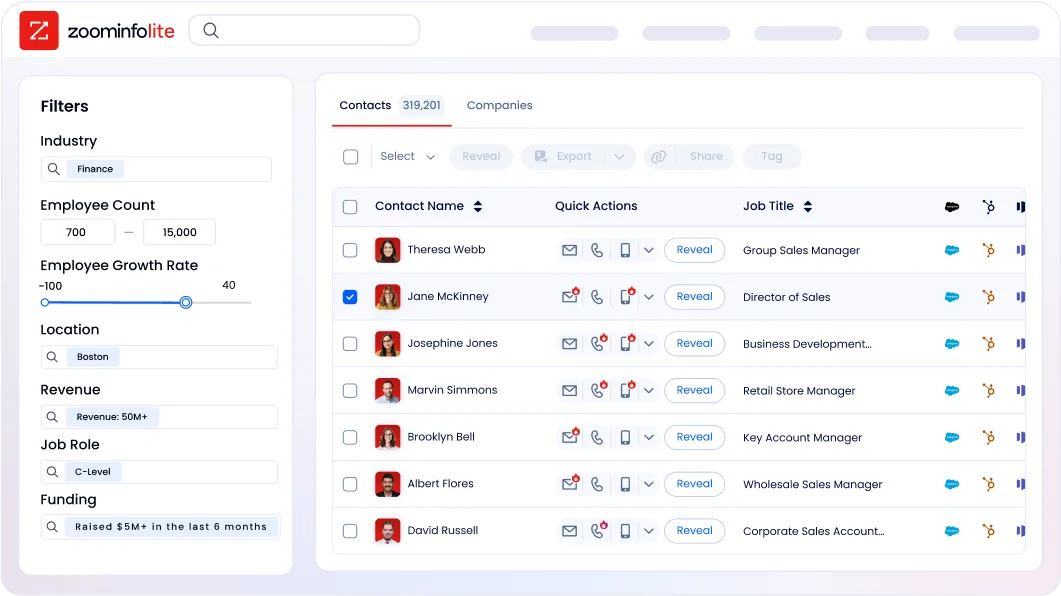
ZoomInfo uses consumption-based pricing where customers pay based on seats, credits, and feature tier. Sales plans (Professional, Advanced, Enterprise) and Marketing plans (Marketing Demand, ABM Lite, ABM Enterprise) are structured separately. A differentiator: ZoomInfo Lite is a permanent free tier (not a trial) with access to the B2B database, 10 monthly export credits, WebSights Lite, a Chrome extension, and HubSpot integration. A 7-day free trial of the full platform is also available. API access is included in all relevant plans.
Beyond licensing, total cost of ownership is where the differences compound. Braze requires significant engineering work to deploy correctly, particularly for data integration, identity management, and custom event design. Marketo typically requires a dedicated administrator or marketing operations resource, and Adobe's own guidance acknowledges that onboarding can feel overwhelming. ZoomInfo's GTM Workspace "deploys in weeks, not months", and GTM Studio is designed for marketers and RevOps teams to operate without engineering support.
Integration ecosystems serve different stacks
Braze connects through the Alloys partner network, covering CDPs (Segment, mParticle, Amplitude, Tealium), data warehouses (Snowflake, Databricks), attribution platforms (Adjust, AppsFlyer, Branch), and paid media (Meta, Google, TikTok, Snapchat, Pinterest, LinkedIn, Criteo, The Trade Desk). The REST API supports broad programmatic access, and native SDKs exist for Android, iOS, Web, React Native, Flutter, and Unity. Braze's ecosystem centers on B2C tech stacks: mobile measurement partners, CDP connectors, and consumer ad platforms.
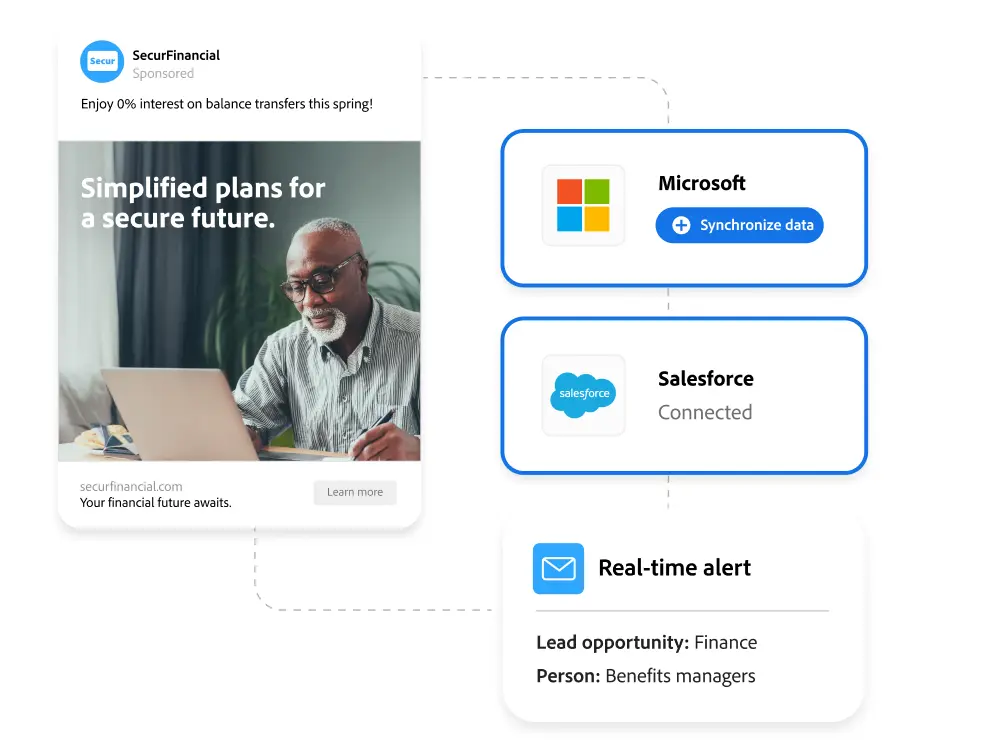
Marketo integrates through LaunchPoint, its app marketplace. The most critical integration is the native bidirectional Salesforce sync, which runs continuously with a 5-minute pause between cycles, syncing leads, contacts, accounts, opportunities, and campaigns. Native sync with Microsoft Dynamics and Veeva CRM is also available. LaunchPoint covers data providers (including ZoomInfo), advertising platforms, webinar tools, SMS providers, and analytics. The broader Adobe Experience Cloud integration (Real-Time CDP, Journey Optimizer B2B Edition, Experience Manager) deepens the stack for organizations already invested in Adobe's ecosystem.
Source: Marketo
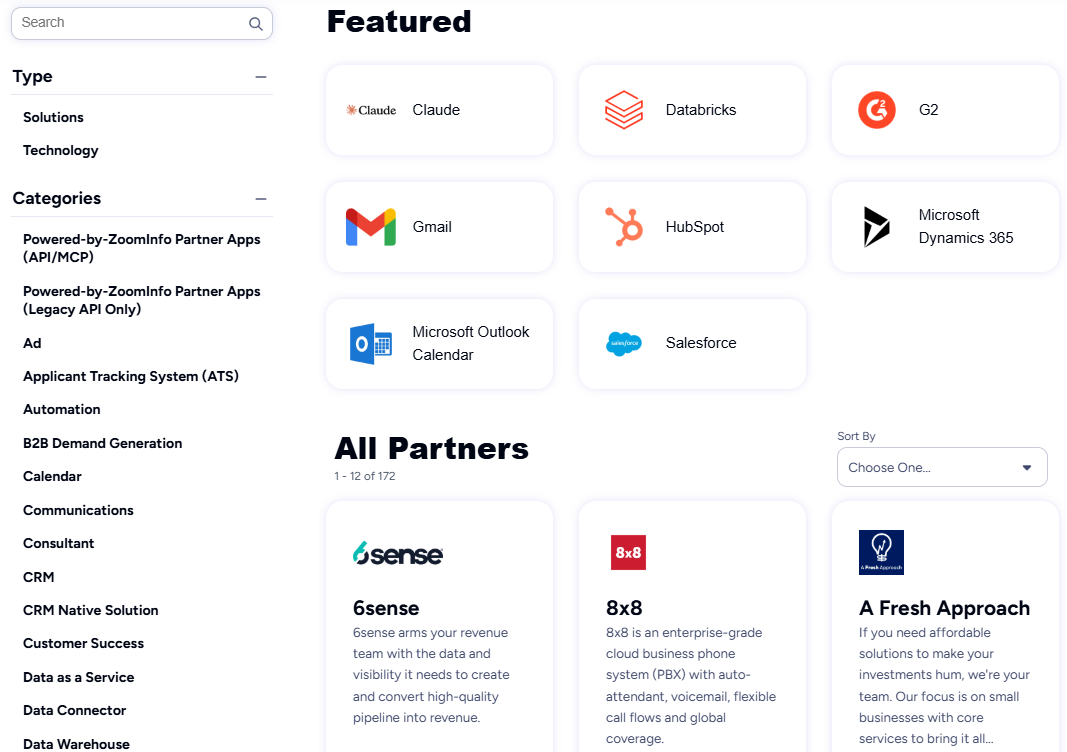
ZoomInfo maintains the App Marketplace with 120+ partner integrations across CRM (Salesforce, HubSpot, Dynamics), marketing automation (Marketo, Eloqua, Sugar, Zoho), sales engagement (Salesloft, Outreach), data warehouses (Snowflake, Databricks), and more. The Enterprise API provides programmatic access to ZoomInfo's full data and intelligence layer. The MCP server connects AI models directly to ZoomInfo's data, currently supporting Claude and ChatGPT. Cloud Partners enables direct data ingestion into AWS, Google Cloud, Snowflake, and Databricks.
These integrations matter because of how the platforms work together in practice. ZoomInfo feeds Marketo with verified contacts, intent signals, and account intelligence through a direct LaunchPoint integration. Marketo then runs nurture campaigns against those enriched contacts. This combination is a common enterprise B2B stack, and it works because ZoomInfo handles the intelligence layer while Marketo handles the execution layer.
Snowflake uses ZoomInfo for at least one-third of the most critical data features in their Account Propensity Scoring model, feeding over 70 company attribute and technographic data fields. Accounts monitored using ZoomInfo-powered scores showed 90% higher opportunity open rates and 2x higher customer conversion rates. (Snowflake case study)
Braze vs. Marketo vs. ZoomInfo: Which should you choose?
The choice depends on who you're marketing to and what gap you need to fill.
Choose Braze if:
You're a B2C brand with a mobile app and high-volume consumer engagement needs
Real-time cross-channel messaging (push, in-app, SMS, WhatsApp) is central to your strategy
You need AI-optimized send timing, channel selection, and individual-level decisioning
Your first-party behavioral data is strong and your challenge is activating it across channels
You're prepared for a significant implementation investment and enterprise pricing
Choose Marketo if:
You run B2B marketing programs with long, multi-touch sales cycles
Lead scoring, nurture automation, and tight CRM integration are core requirements
Account-based marketing and revenue attribution drive your strategy
You're already invested in the Adobe Experience Cloud ecosystem
Your organization can support a dedicated Marketo administrator
Choose ZoomInfo if:
Your B2B marketing effectiveness is limited by incomplete data, missing contacts, or lack of intent signals
You want to identify in-market accounts before they enter your pipeline
You need marketing orchestration powered by intelligence, not just automation
You want a platform that connects marketing directly to sales execution
You want to start with a free tier and scale as you prove value
See how ZoomInfo powers B2B marketing with a free trial.
For many B2B teams, the answer isn't choosing one platform over the others. It's recognizing that Braze and Marketo are execution layers that perform better when fed by ZoomInfo's intelligence. ZoomInfo integrates directly with Marketo and can power any marketing stack through its APIs and MCP server. Start with the data foundation, then build the execution on top.
Braze vs. Marketo vs. ZoomInfo FAQ
Is Braze or Marketo better for B2B marketing?
Marketo is the stronger choice for B2B. It was built for B2B demand generation with native lead scoring, multi-stream nurture programs, ABM capabilities, bidirectional CRM sync, and multi-touch revenue attribution. Braze is designed for B2C consumer engagement and lacks native B2B pipeline features like lead scoring, sales-marketing handoff workflows, and deal-level attribution.
Can ZoomInfo replace Marketo or Braze?
ZoomInfo serves a different function. It's the intelligence layer that provides B2B data, intent signals, and account context that marketing execution platforms need. GTM Studio can orchestrate multi-channel B2B plays directly, covering ABM and signal-driven campaigns without a separate automation tool. But for complex lead nurturing with content exhaustion logic or high-volume consumer engagement across mobile channels, Marketo and Braze remain the dedicated execution platforms.
How does ZoomInfo integrate with Marketo?
ZoomInfo integrates with Marketo through Adobe's LaunchPoint marketplace, feeding verified contacts, company attribute data, intent signals, and account intelligence directly into Marketo's database. This enrichment powers more accurate lead scoring, more precise segmentation, and better-targeted nurture campaigns. ZoomInfo also syncs with Salesforce and HubSpot for organizations using those CRMs alongside Marketo.
Which platform has the best AI capabilities?
Each platform's AI serves a different purpose. BrazeAI excels at optimizing individual-level message delivery (send time, channel selection, and content) through reinforcement learning via BrazeAI Decisioning Studio. Marketo's AI focuses on B2B content generation tailored to buying group roles and conversational marketing via Dynamic Chat. ZoomInfo's GTM Context Graph focuses on understanding which accounts to target and why, processing 1.5B+ data points daily to capture the context behind deal outcomes.
What does each platform cost?
All three use custom-quoted pricing with no published rates. Braze charges based on monthly active users and flexible credits across four editions. Marketo charges based on contact volume per 1,000 contacts across four packages (Grow, Select, Prime, Ultimate). ZoomInfo uses consumption-based pricing tied to seats, credits, and feature tier. ZoomInfo is the only one offering a permanent free tier (ZoomInfo Lite) with access to its B2B database and 10 monthly export credits.
Which platform is easiest to implement?
ZoomInfo's GTM Workspace deploys in weeks rather than months, and GTM Studio is designed for marketers to operate without engineering support. Braze requires significant engineering work for data integration, SDK implementation, and identity management. Marketo typically requires a dedicated administrator, and Adobe's own onboarding guidance acknowledges that setup can take longer than expected. All three platforms are complex at the enterprise level, but ZoomInfo offers the fastest time to initial value for B2B teams.
Do Braze and Marketo compete with each other?
Both are marketing platforms, but they serve different audiences with limited overlap. Braze dominates B2C consumer engagement with its mobile-first architecture, broad messaging channels (push, in-app, WhatsApp, LINE, KakaoTalk), and real-time behavioral triggers. Marketo dominates B2B marketing automation with lead scoring, nurture programs, ABM, and revenue attribution. A company with both B2B and B2C motions might use both, but most organizations choose based on whether their primary audience is consumers or businesses.
Which platform provides the best data for targeting?
ZoomInfo provides the broadest targeting data: 500M contacts, 100M companies, 135M+ verified phone numbers, and 200M+ verified business email addresses, plus intent signals from 210 million IP-to-Organization pairings. Braze and Marketo both rely on data you bring to them (first-party behavioral data from your own apps, websites, and CRM). Neither provides third-party contact data, company intelligence, or buyer intent signals as part of the platform.
