
Choosing between Brevo vs. Zoho Campaigns for your email marketing often comes down to five questions:
Do you need a multichannel marketing platform, or is email and SMS enough?
Is your team already inside the Zoho ecosystem, or are you starting fresh?
Do you want to pay based on how many emails you send, or how many contacts you store?
Are you selling to businesses or consumers, and does your marketing platform know the difference?
Is your biggest challenge sending campaigns, or knowing who to send them to?
In short, here's what we recommend:
Brevo is a multichannel marketing platform for growing businesses that want email, SMS, WhatsApp, live chat, and CRM under one roof. Its send-volume pricing model (you pay by emails sent, not contacts stored) makes it cheaper than Mailchimp for businesses with large lists and moderate send frequency.
With 150+ integrations, a built-in Sales CRM, transactional email via API, and the Aura AI suite for content generation and send-time optimization, Brevo covers a lot of ground. Its automation workflows hit a complexity ceiling compared to dedicated tools, though, and reporting lacks the granularity that data-focused marketers expect.
Zoho Campaigns is the email and SMS marketing arm of the Zoho ecosystem. For businesses already running Zoho CRM, Zoho Books, or other Zoho products, it integrates natively across 40+ Zoho applications with no middleware.
Its pricing undercuts most competitors (up to 98% cheaper than Mailchimp at comparable subscriber counts), and unlimited sends on paid plans remove cost anxiety as volume grows. But the interface feels dated, the email editor frustrates power users, and content review delays can block time-sensitive campaigns.
Both platforms get campaigns out the door. But for B2B teams, the harder problem isn't sending emails. It's knowing which accounts are in-market, who the decision-makers are, and what message will land. That's a data and intelligence problem, not a sending problem.
ZoomInfo is an AI-powered go-to-market platform built on a B2B data foundation of 500M contacts, 100M companies, 135M+ verified phone numbers, and 200M+ verified business email addresses.
Its GTM Context Graph (an intelligence layer processing 1.5B + data points daily) fuses this data with your CRM records, conversation transcripts, and behavioral signals to reveal not just what happened in your pipeline, but why.
For B2B marketing teams, that means audience targeting built on verified contact data and real-time buying intent rather than stale list segments. You can access this intelligence through GTM Studio for campaign orchestration, GTM Workspace for sales execution, or APIs and MCP to power any tool in your stack, including Brevo or Zoho Campaigns.
If building campaigns on verified B2B intelligence sounds like the missing piece, see how ZoomInfo works.
Brevo vs. Zoho Campaigns vs. ZoomInfo at a glance
Brevo | Zoho Campaigns | ZoomInfo | |
|---|---|---|---|
Primary function | Multichannel marketing & CRM | Email & SMS marketing | B2B data intelligence & GTM platform |
Channels | Email, SMS, WhatsApp, push, chat, phone | Email, SMS | Email, display ads, LinkedIn, Meta, Connected TV, direct mail |
CRM included | Built-in Sales CRM | Via Zoho CRM (separate product) | GTM Workspace with AI agents |
Automation | Visual workflows, multichannel | Drag-and-drop workflows, 25+ components | AI-driven GTM plays, signal-triggered |
Data foundation | Your imported contacts | Your imported contacts | 500M contacts, 100M companies, real-time intent signals |
AI capabilities | Aura AI (content, send-time, segmentation) | Zia AI (subject lines, send-time, segmentation) | GTM Context Graph, AI-drafted outreach, account research |
Pricing model | By emails sent (unlimited contacts) | By contacts stored (unlimited sends) | Consumption-based (custom-quoted) |
Free plan | 300 emails/day, unlimited contacts | 2,000 contacts, 6,000 emails/month | ZoomInfo Lite (permanent, 10 exports/month) |
Best for | SMBs wanting multichannel from one vendor | Zoho ecosystem businesses on a budget | B2B teams that need verified data and buying signals |
Multichannel reach differs dramatically
Brevo and Zoho Campaigns are both email-first platforms that have added secondary channels. ZoomInfo approaches channels differently, starting from data and intelligence and then activating across whatever channel fits.
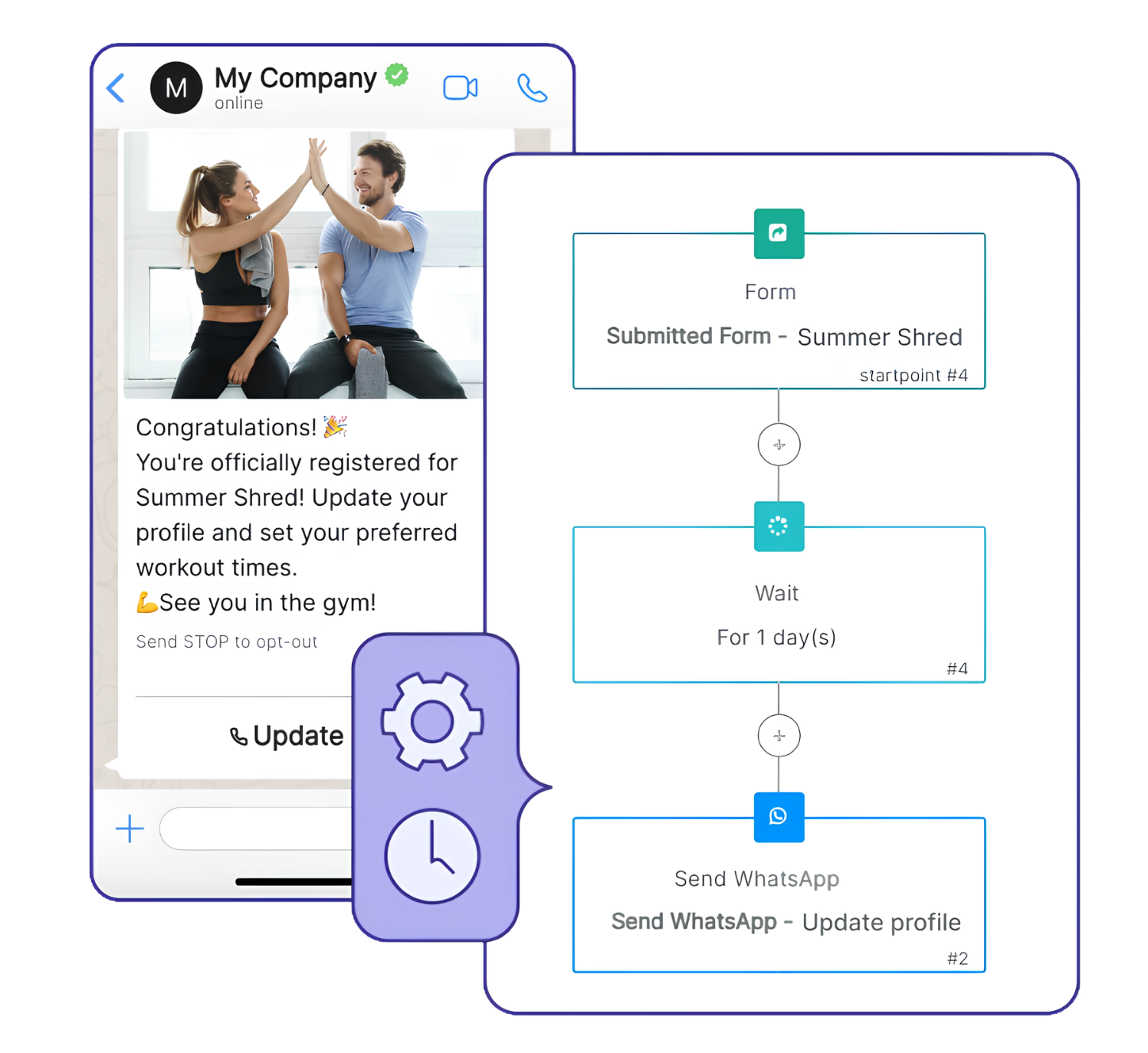
Brevo offers the widest native channel mix of the three: email, SMS, WhatsApp, web and mobile push notifications, live chat, chatbot, mobile wallet, and phone/VoIP. As a certified WhatsApp Business Solution Provider, Brevo provides direct access to the WhatsApp Business API rather than routing through intermediaries.
Source: Brevo
The key advantage: all these channels sit inside a single automation workflow, so a marketer can build a sequence that sends an email, waits 24 hours, then triggers an SMS follow-up without switching tools.
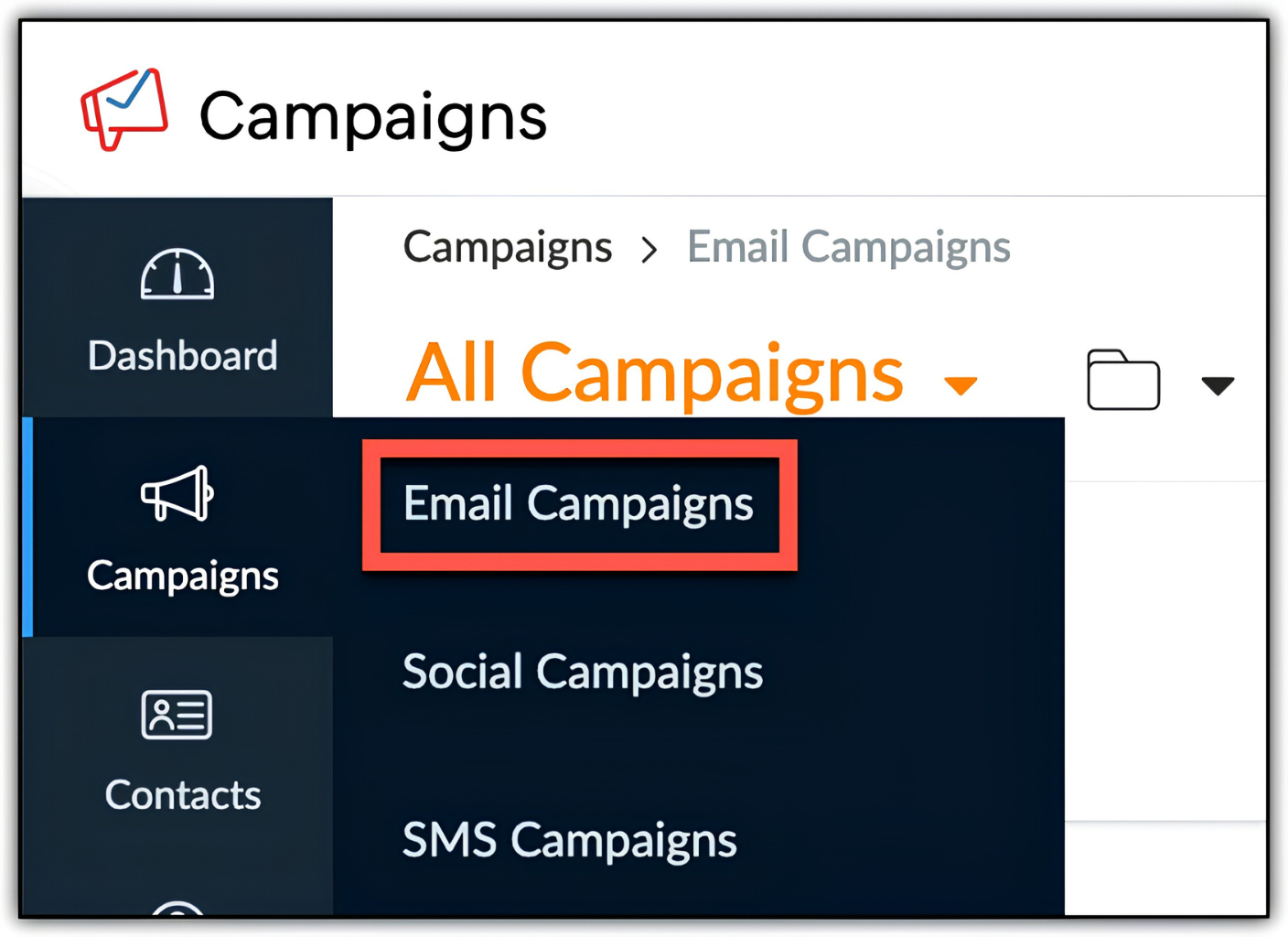
Zoho Campaigns covers email and SMS from a single platform. SMS operates through Zoho's own gateway in the US, Canada, and India, with 13 third-party gateway integrations for other countries.
Source: Zoho Campaigns
The channel set is narrower than Brevo's, but for many businesses, email and SMS together cover most marketing communication needs. Adding WhatsApp, push, or chat requires other Zoho products or third-party tools.
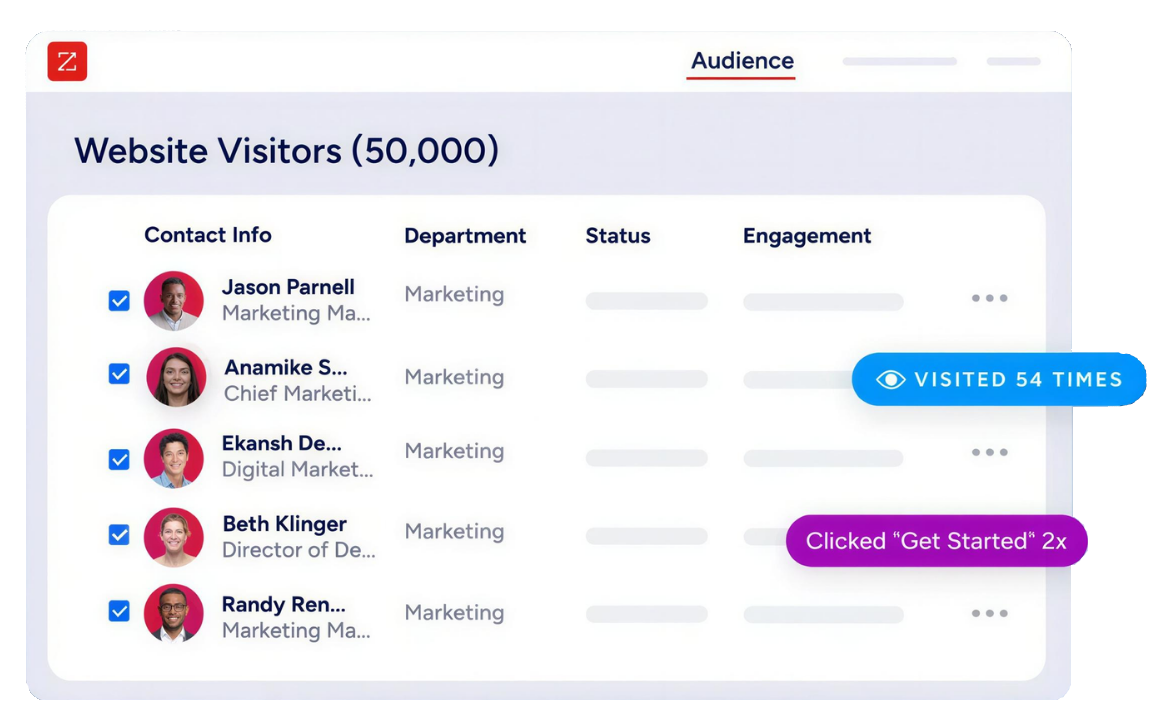
ZoomInfo doesn't compete as an email sending platform. Instead, GTM Studio orchestrates campaigns across email, display ads (via a native DSP deploying ads based on 300+ company attributes), LinkedIn, Meta, Connected TV, and direct mail, all triggered by buying signals rather than calendar schedules.
Source: ZoomInfo
The difference is directional: Brevo and Zoho Campaigns let you reach contacts across channels. ZoomInfo tells you which contacts to reach and when, then activates across the channels most likely to convert.
Seismic's sales team attributed 39% of active pipeline to opportunities identified or influenced by ZoomInfo signals, with a 54% productivity boost. (Seismic case study)
The data foundation separates campaign sending from campaign intelligence
This is the fundamental divide. Brevo and Zoho Campaigns work with whatever contact data you import. ZoomInfo provides the data itself.
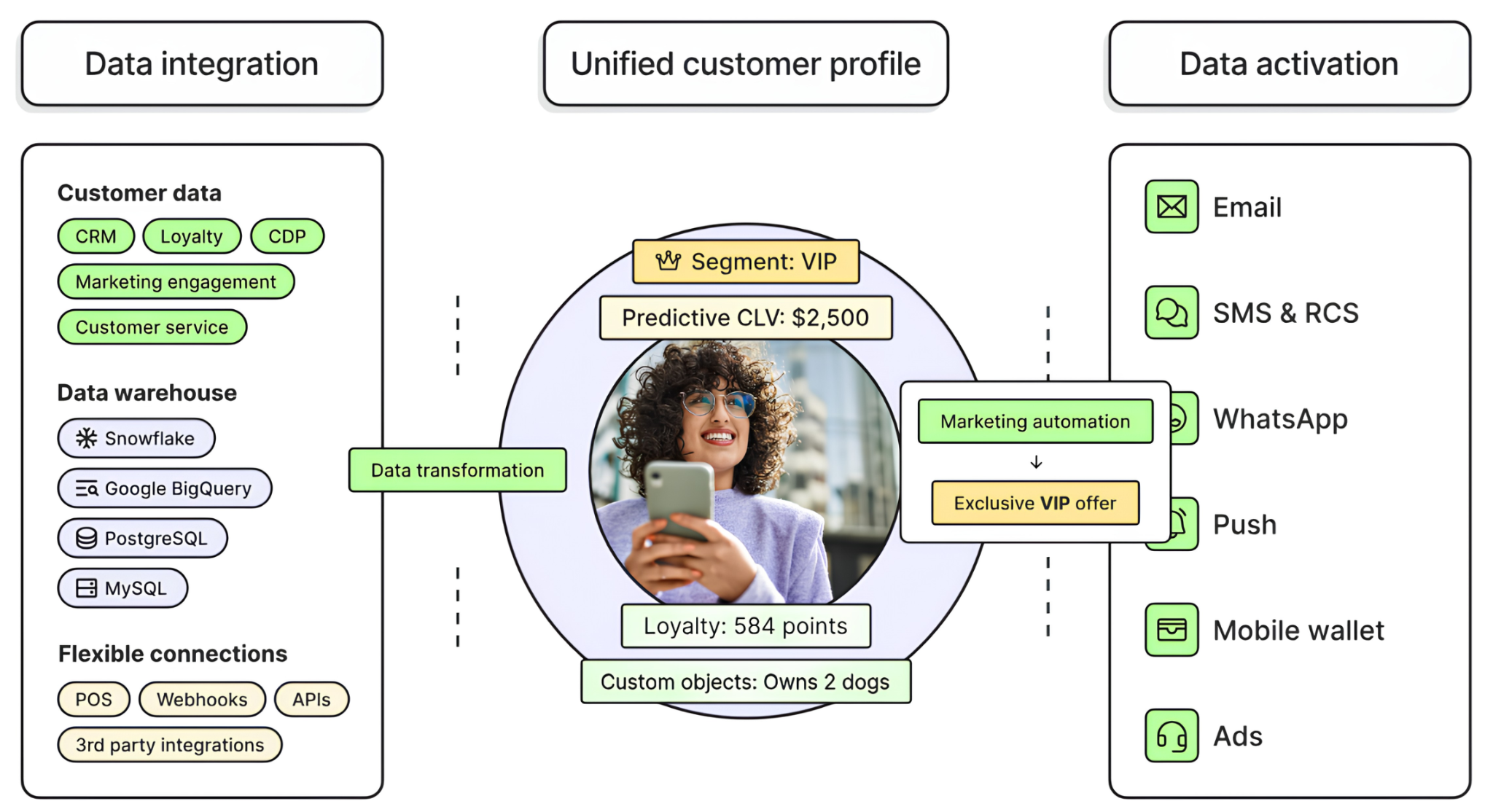
Brevo manages the contacts you bring to it. You import lists, capture subscribers through forms, and sync data from ecommerce platforms. The Brevo Data Platform can unify data from multiple sources and resolve duplicate identities, which helps businesses with fragmented customer records.
Source: Brevo
But the platform doesn't generate new contacts or tell you which companies are researching your category. Your campaigns are only as good as the list you imported.
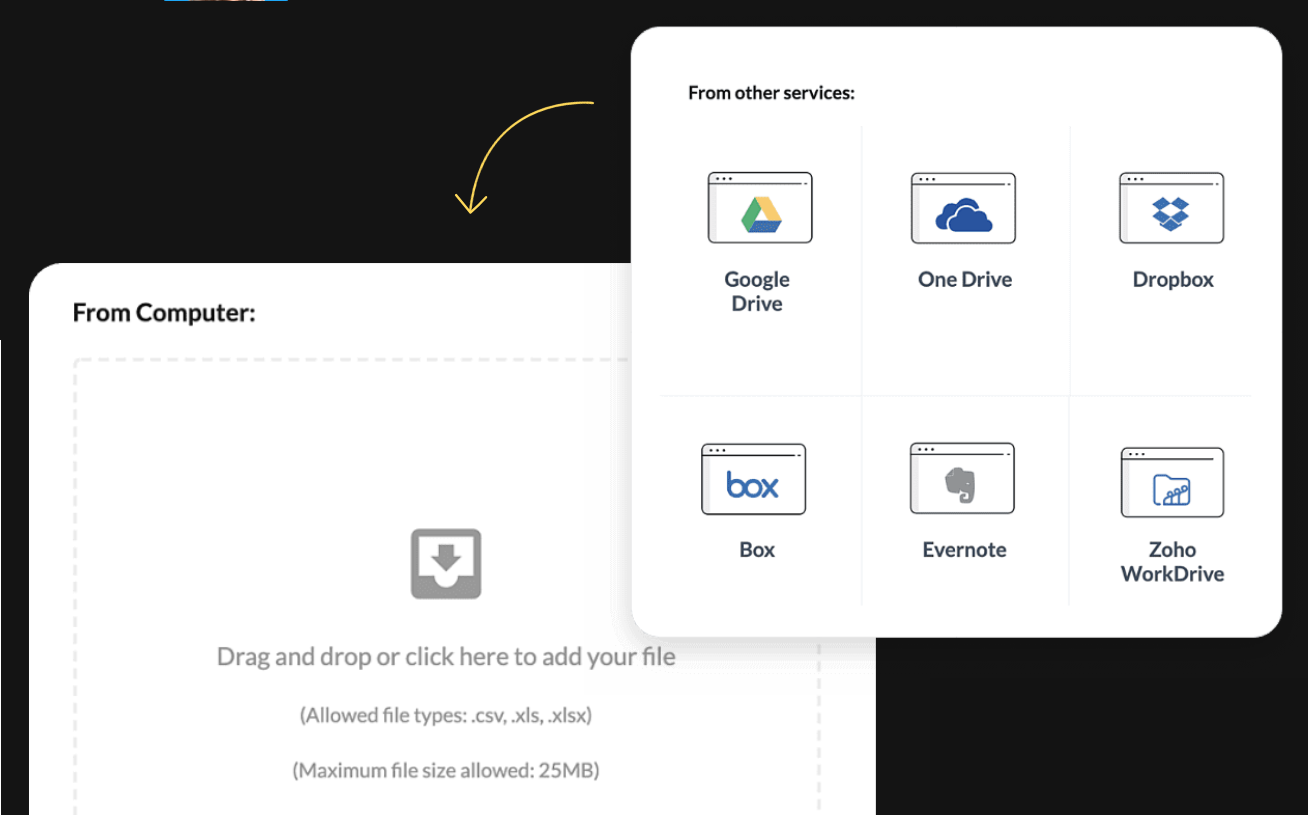
Zoho Campaigns follows the same model. Contacts come through file imports, manual entry, or sync from 45+ business applications. The Zoho CRM integration pulls leads and contacts directly, and signup forms capture organic subscribers.
Source: Zoho Campaigns
Zoho's Topic Management system adds a consent-driven preference layer where subscribers choose what content they want. But again, the platform works with contacts you already have.
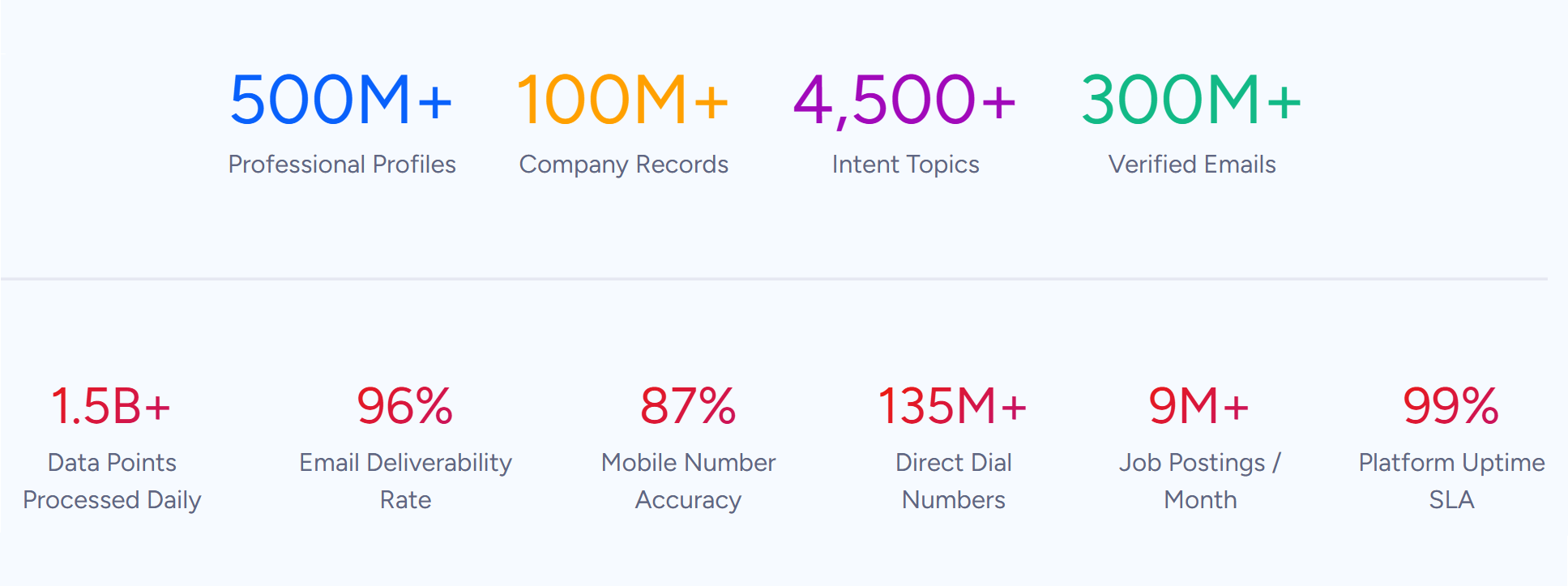
ZoomInfo starts from a different position. The platform maintains 500M contacts, 100M companies, 135M+ verified phone numbers, and 200M+ verified business email addresses, verified through a multi-source pipeline backed by 300+ human researchers with up to 95% accuracy on first-party data.
Source: ZoomInfo
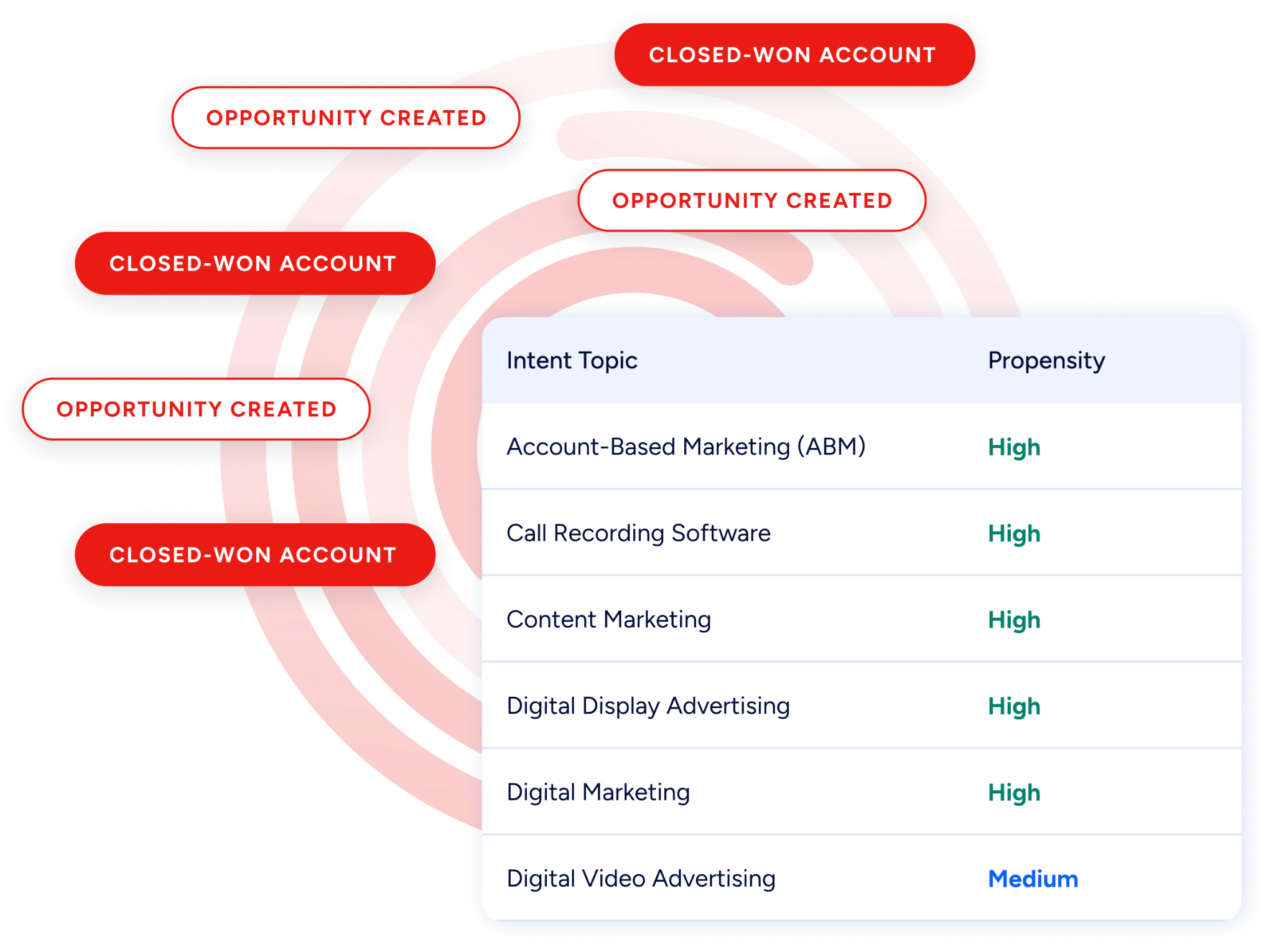
Layer on Buyer Intent data tracking signals from 210 million IP-to-Organization pairings, and you can identify which companies are researching your product category before they ever fill out a form.
Source: ZoomInfo
For B2B marketers, this changes the conversation. Instead of sending newsletters to a list and hoping the right people open them, you're building audiences from verified contacts at companies showing buying intent, enriched with company attributes, technographics, and org charts.
Whether you then send those campaigns through Brevo, Zoho Campaigns, or ZoomInfo's own GTM Studio, the intelligence layer determines targeting quality.
SpringDB saw 2 to 3x increases in campaign conversions across channels and a 300% increase in database usability after enriching their data with ZoomInfo. (SpringDB case study)
Automation sophistication comparison
All three platforms automate marketing workflows, but the depth and intelligence behind those workflows vary.
Brevo provides a visual, drag-and-drop automation workflow builder with pre-built templates for welcome series, abandoned cart recovery, birthday emails, and lead scoring.
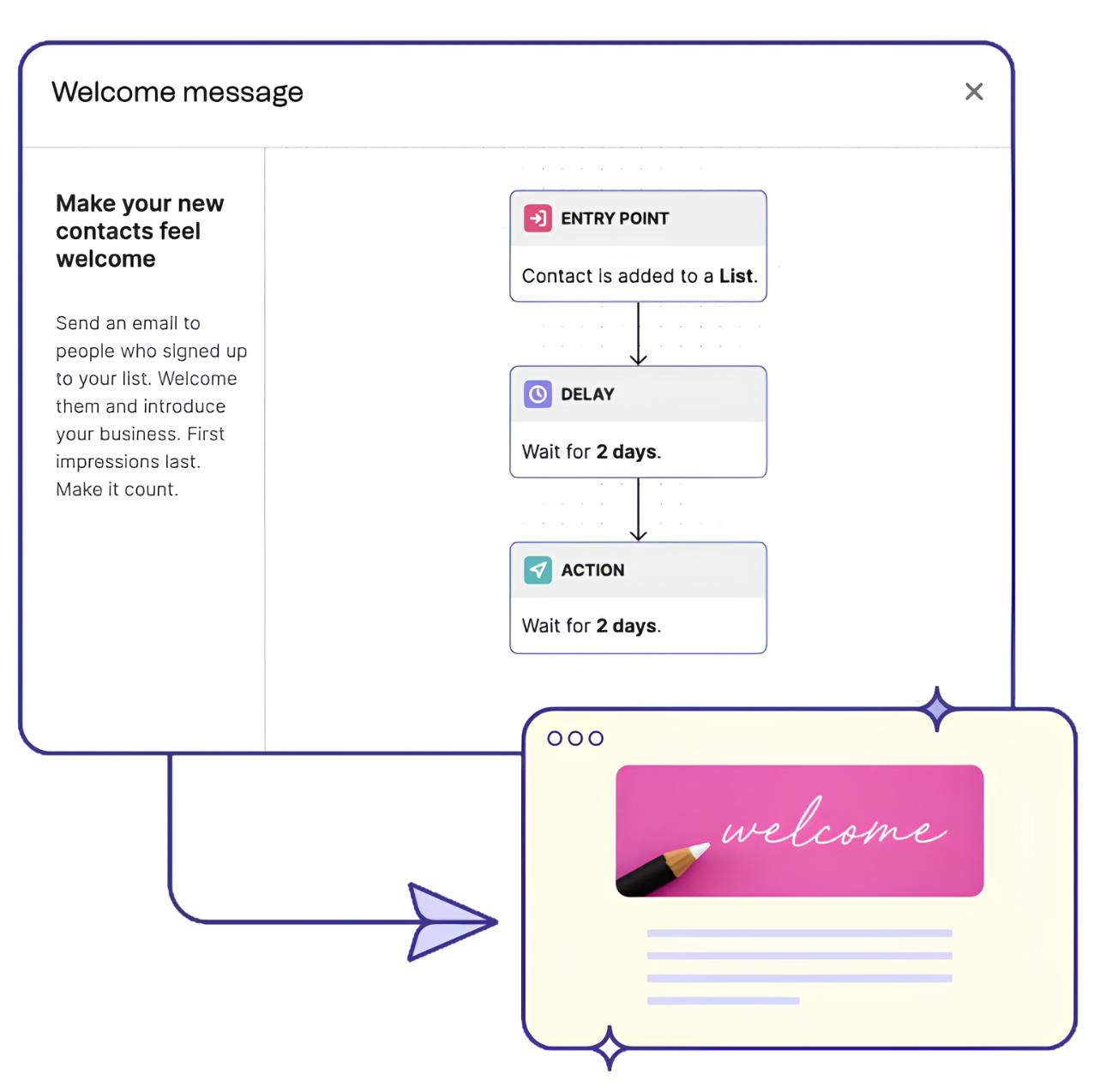
Source: Brevo
Workflows can mix email, SMS, and WhatsApp in a single sequence, and the Aura AI Marketing Agent handles content generation, predictive send-time optimization per recipient, and auto-segmentation from real-time data. Automation is available from the Standard plan ($18/month) for up to 2,000 contacts on the free tier.
The limitation? G2 reviewers consistently note that multi-step workflows and dynamic segmentation feel restrictive compared to tools like ActiveCampaign or HubSpot. For straightforward sequences (welcome, nurture, cart recovery), Brevo handles them well. For complex conditional branching with many decision paths, you'll feel the ceiling.
Zoho Campaigns offers 12 trigger types and 25+ workflow components on the Professional plan, including a distinctive feature: reply tracking as a workflow branch.
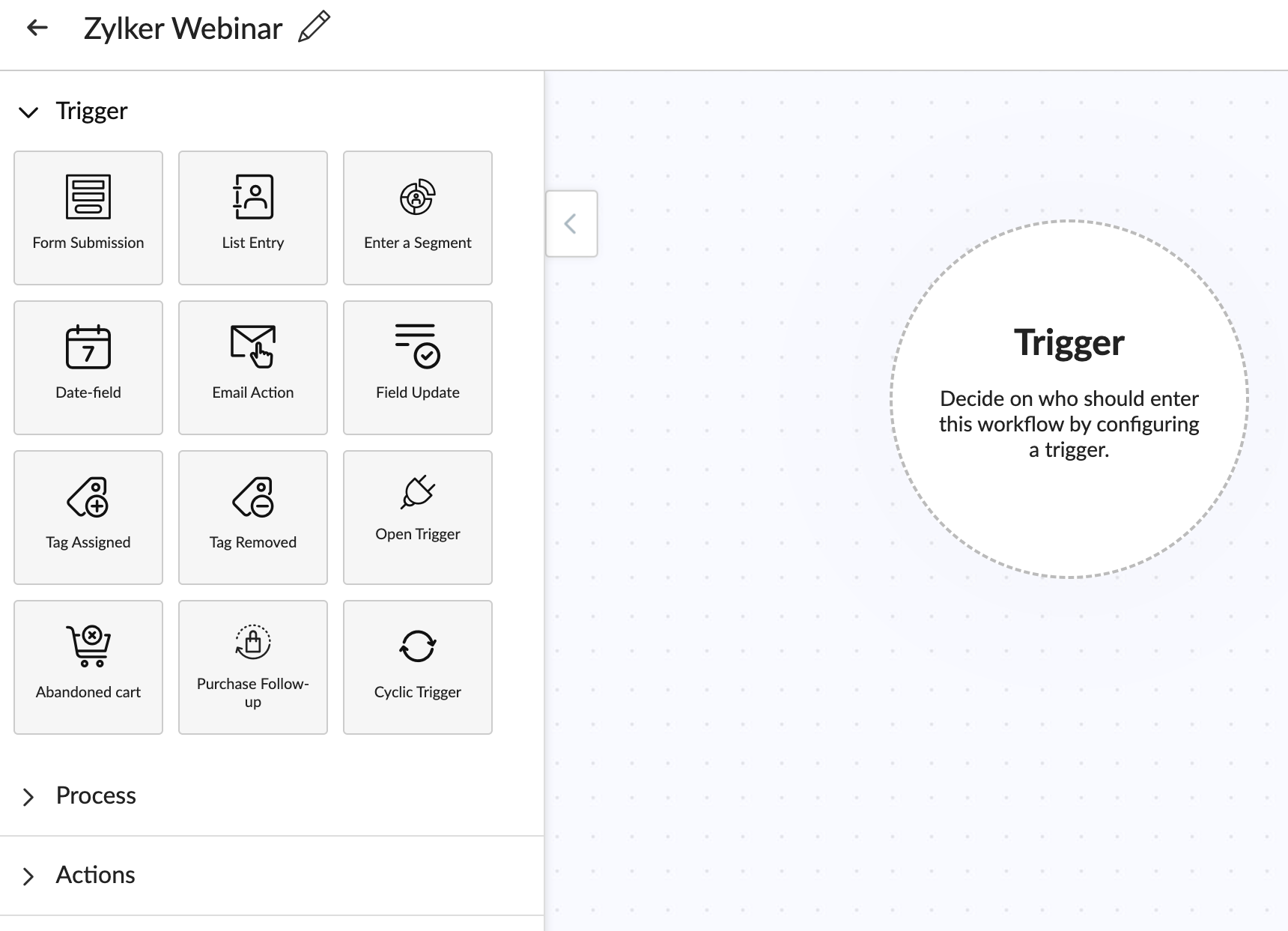
Source: Zoho Campaigns
When a contact replies to an email, that high-intent signal can route them into a different sequence, adjust their lead score, or push them into Zoho CRM. Most email platforms only branch on opens and clicks, so treating replies as a trigger is a meaningful differentiator.
Zoho Campaigns also supports API-driven workflow enrollment, letting external applications inject contacts into running workflows programmatically. For teams building custom integrations, this makes the automation engine extensible beyond its UI.
ZoomInfo automates at the intelligence layer rather than the sending layer. GTM Studio lets marketers describe audiences in natural language, then launches multi-channel plays targeting accounts that match proven win patterns.
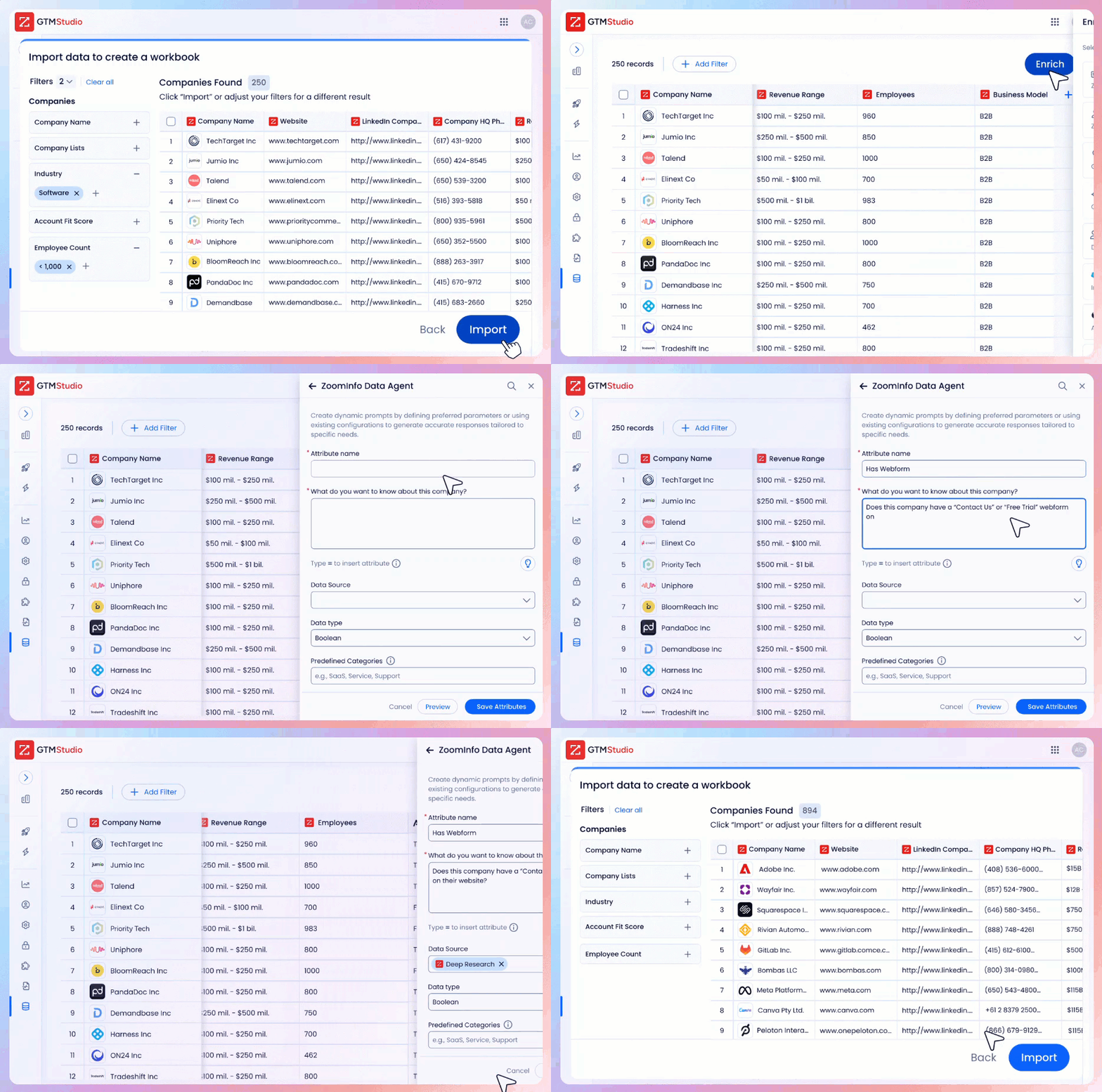
Source: ZoomInfo
Instead of building workflows that fire on "contact opened email," ZoomInfo triggers actions on signals like "CFO joined the account, company is researching your competitor, and their tech stack just changed." Pre-built GTM plays cover inbound acceleration, champion tracking, competitive displacement, and ICP targeting, launchable in one click.
The result is automation that responds to market reality rather than email engagement metrics. Expansion plays that used to take 3 weeks now launch in 30 minutes without technical support, and every click, open, and reply improves targeting automatically.
CRM and sales integration
For B2B companies, marketing doesn't end at the email send. It connects to sales pipelines, deal tracking, and revenue.
Brevo includes a built-in Sales CRM with deal pipelines, VoIP phone with AI call summaries, meeting scheduling with payment collection, and live chat that auto-adds contacts to CRM records. For small teams that need marketing and basic sales management in one platform, this eliminates the need for a separate CRM subscription.
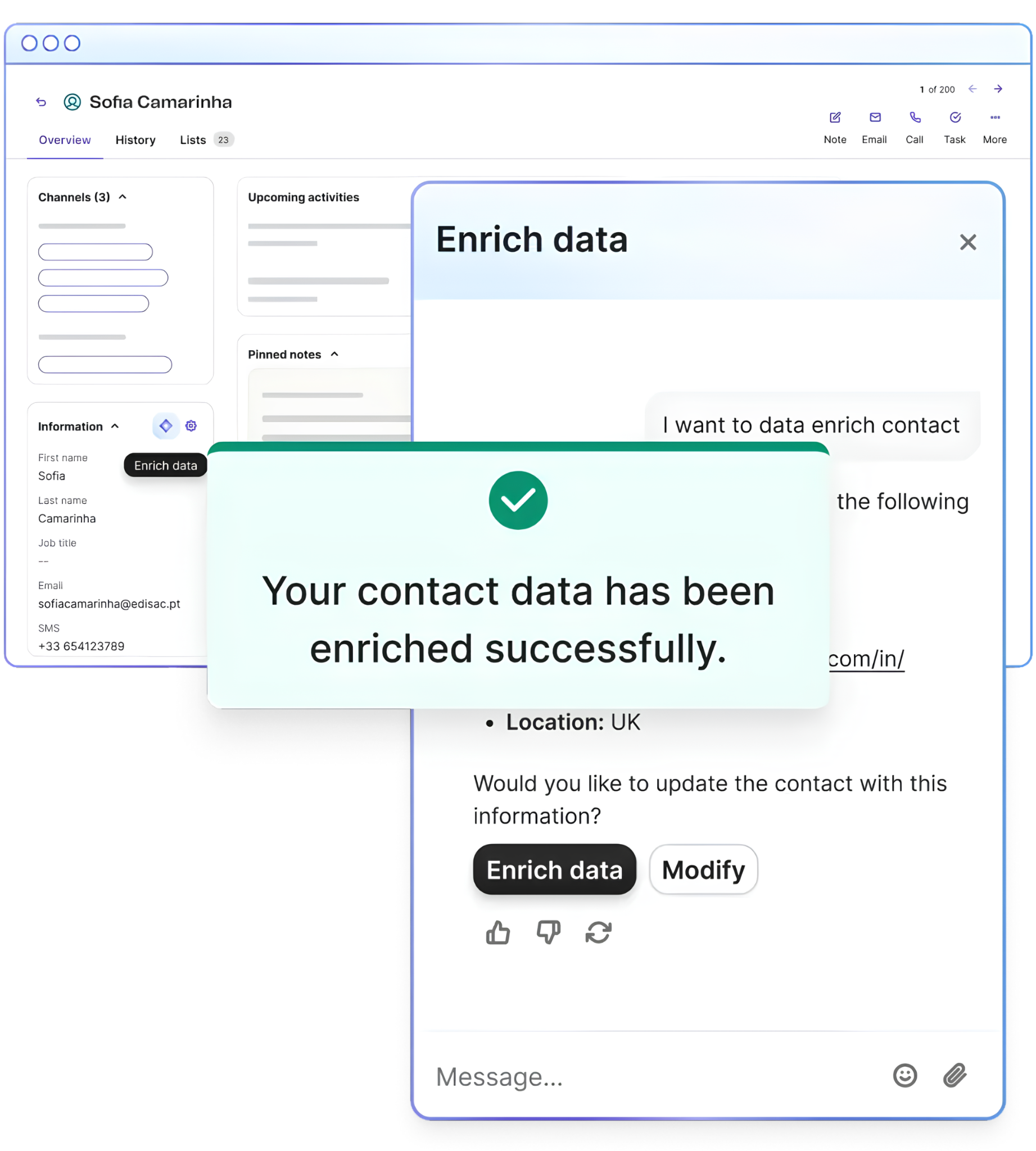
Source: Brevo
The Sales Free tier (included on base plans) supports 50 open deals and one pipeline. The Aura AI Sales Assistant handles contact enrichment, deal creation from conversations, and sales email drafting.
Brevo's CRM is still maturing. It works well for small sales operations but lacks the depth of dedicated CRMs like HubSpot or Salesforce for complex deal structures. Its strength is integration: marketing data and sales data live in the same platform, so a contact captured via live chat flows directly into campaigns without any sync.
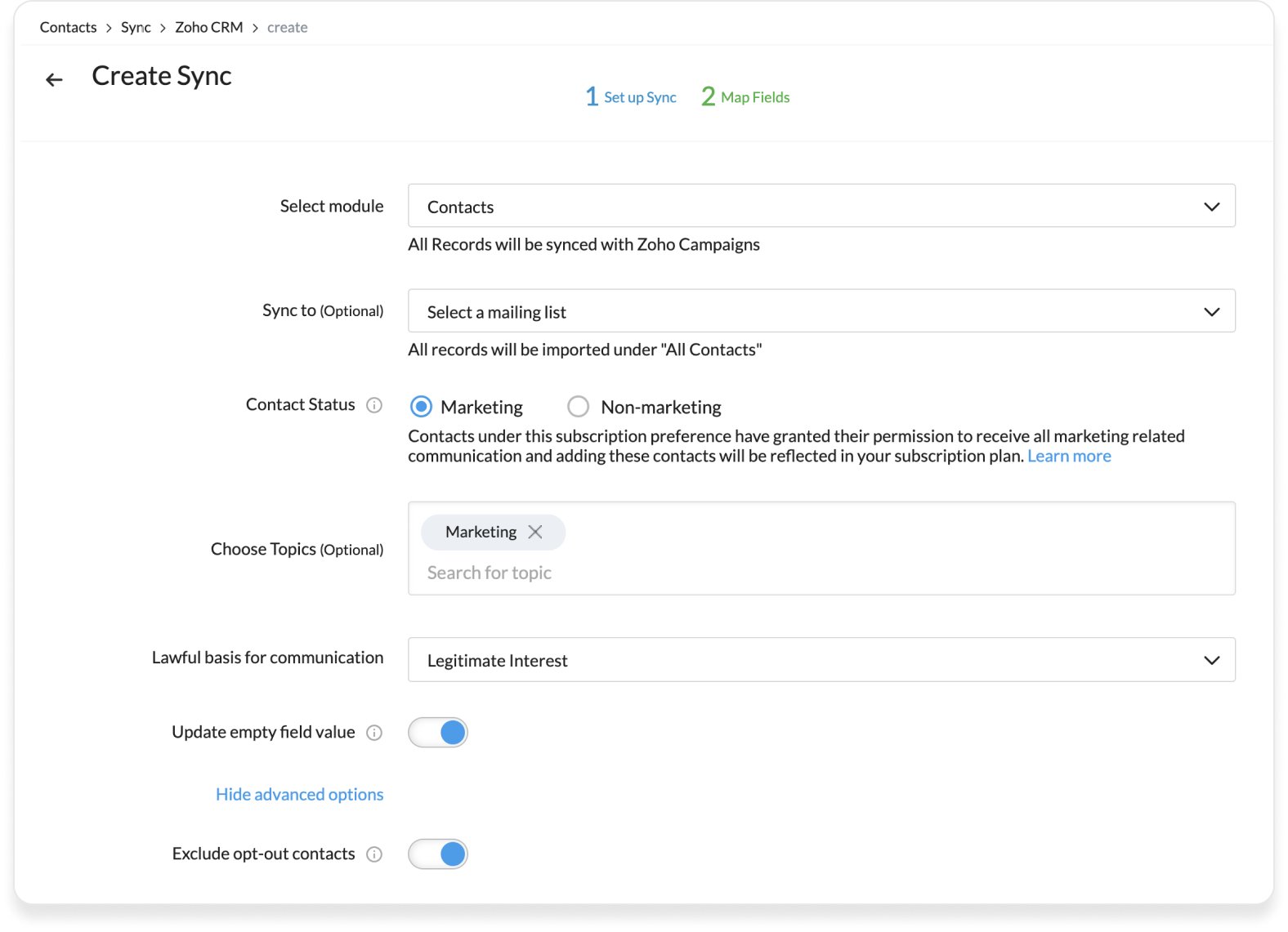
Zoho Campaigns doesn't include its own CRM. Instead, it connects to Zoho CRM through a native integration that syncs leads, contacts, and custom modules bidirectionally.
Source: Zoho Campaigns
Campaign activity (opens, clicks) writes back into CRM records in real time, and unsubscribes automatically update CRM opt-out flags. The "Spotlight" feature marks leads as qualified based on email engagement and pushes them to CRM.
This is the deepest of any Zoho product pairing, but users report friction: some need to manually export and re-upload contacts between CRM and Campaigns despite same-vendor ownership. For teams already on Zoho CRM, the integration works well enough. For teams on Salesforce or HubSpot, the integration is available but less native.
ZoomInfo integrates natively with Salesforce, HubSpot, and Microsoft Dynamics, plus 120+ other tools through its App Marketplace. The difference is directionality: Brevo and Zoho push campaign engagement data into CRMs.
Source: ZoomInfo
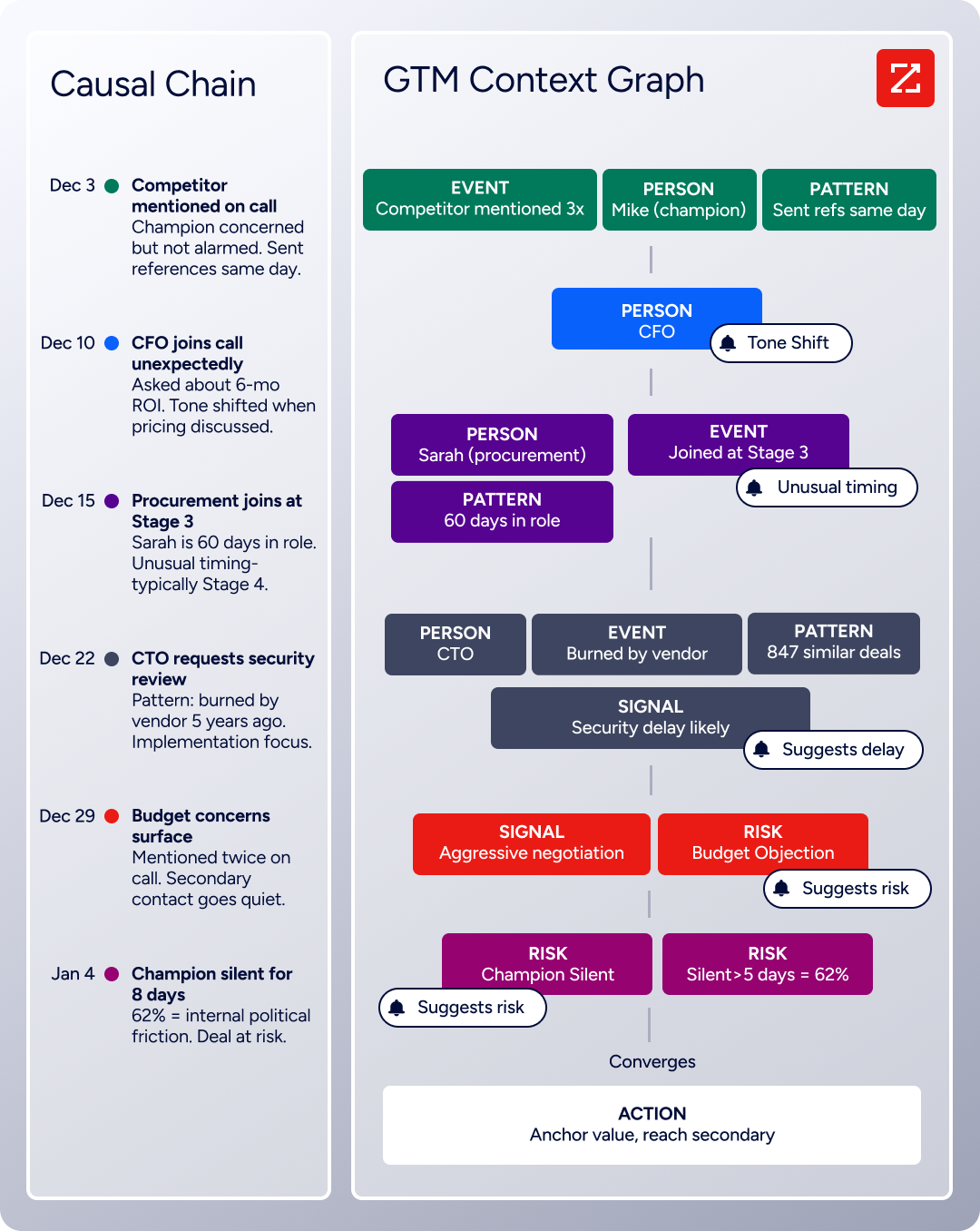
ZoomInfo pulls CRM data, conversation intelligence, and engagement history into its GTM Context Graph, then pushes intelligence back. A contact's CRM history, call transcripts from Chorus, intent signals, and company attributes merge into a single view that tells sellers not just that a lead opened an email, but why that account is ready to buy.
Source: ZoomInfo
"ZoomInfo has literally changed the way we go to market." - Jeremy Melius, Sr. Director of Marketing Operations, Impartner (case study)
Ecommerce capabilities show different design priorities
If you're running an online store, your email platform's ecommerce depth matters more than any other feature.
Brevo connects to Shopify, WooCommerce, BigCommerce, PrestaShop, and Magento with native plugins that sync product catalogs, order data, and cart events. Abandoned cart recovery is a core workflow, with Brevo citing an average 10 to 15% revenue increase from automated cart recovery sequences.
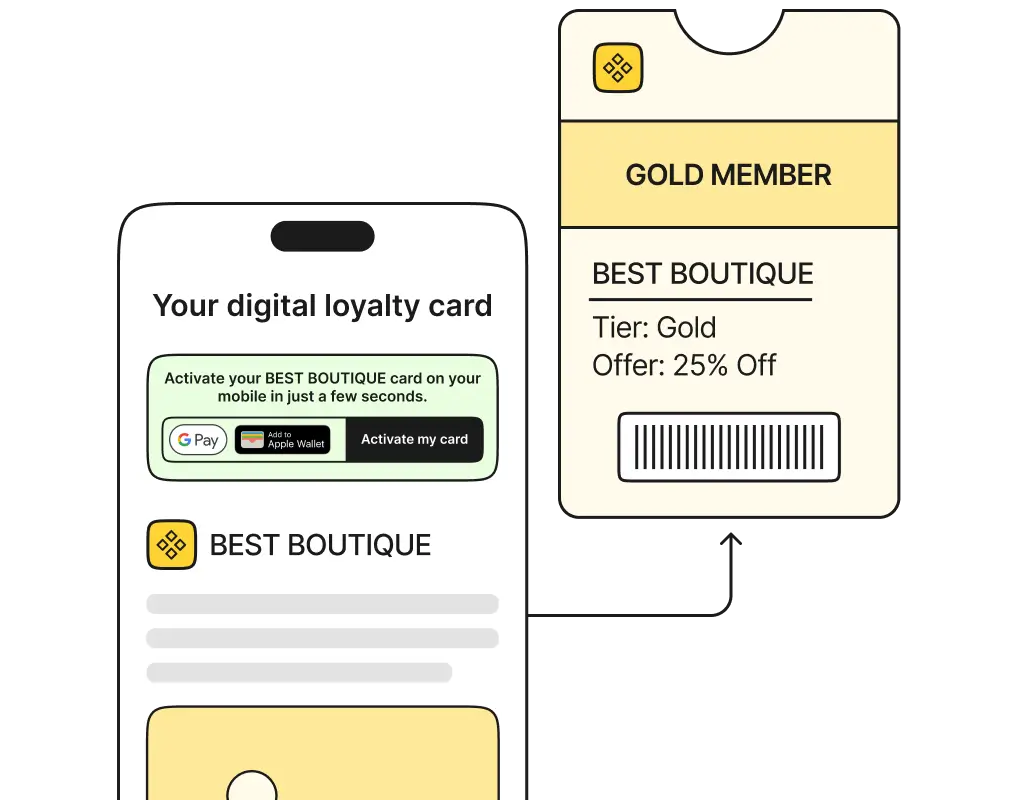
The platform also includes a loyalty program builder with mobile wallet integration. Transactional email (order confirmations, shipping updates) is included on any paid plan, with the API capable of 120,000 emails per minute.
Source: Brevo
Zoho Campaigns integrates with Shopify, WooCommerce, and Zoho Commerce, pulling product data (name, description, price, image) directly into cart abandonment and post-purchase workflows. The ecommerce revenue dashboard tracks email-driven conversions alongside store revenue. AI-based product recommendations personalize per recipient at send time.
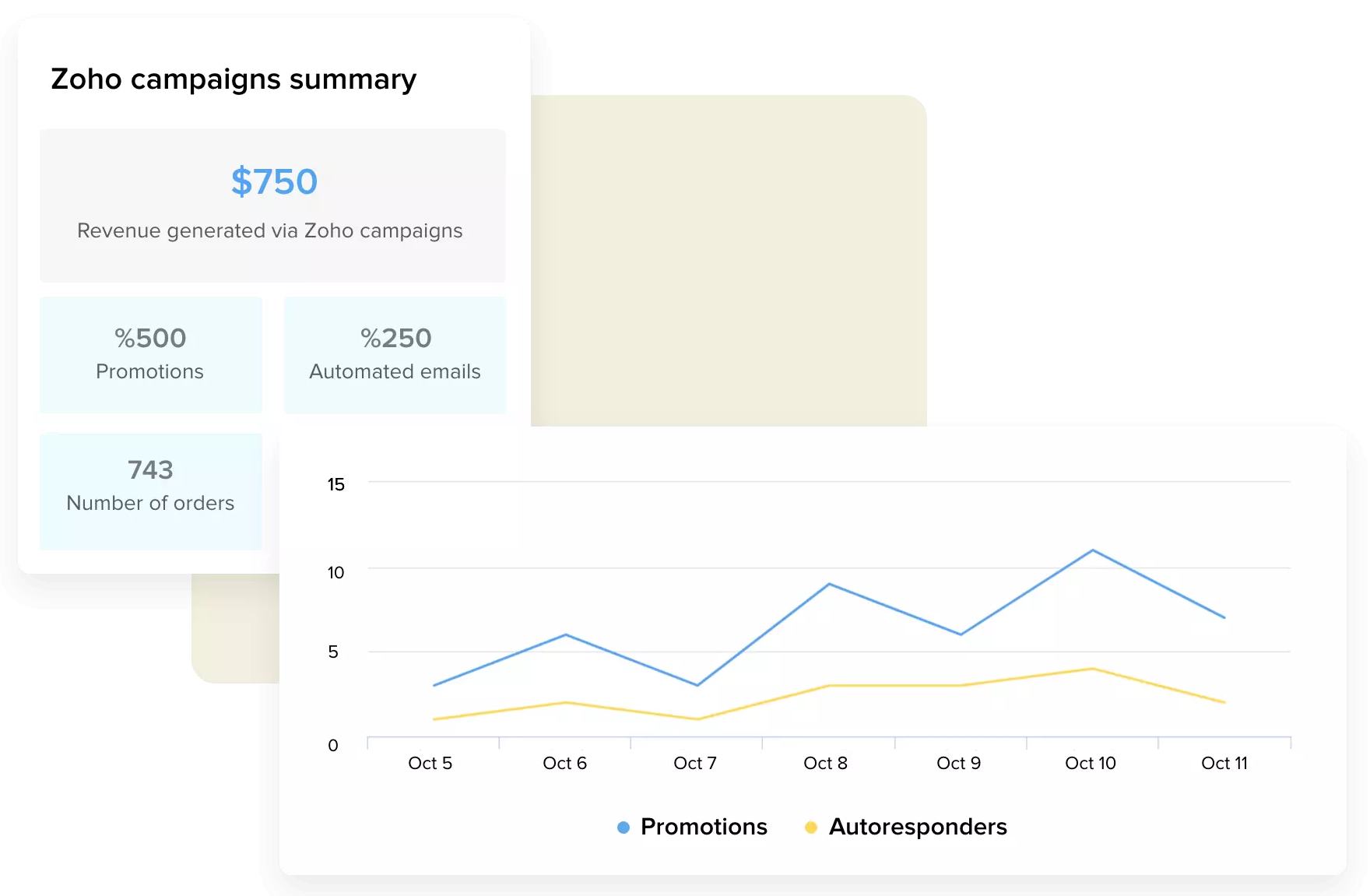
Source: Zoho Campaigns
For ecommerce email marketing on a budget, Zoho Campaigns covers the essentials. Note that transactional email (order confirmations, password resets) requires a separate Zoho product: ZeptoMail.
ZoomInfo is not an ecommerce email platform. Its value for ecommerce-adjacent B2B businesses (wholesale, SaaS selling to retailers, marketplace platforms) lies in identifying and reaching the business buyers who make purchasing decisions, not in cart recovery or loyalty programs.
For pure ecommerce (B2C), Brevo and Zoho Campaigns are the relevant choices. For B2B companies where the "purchase" is a sales conversation, ZoomInfo provides the intelligence that gets you into that conversation.
Deliverability and compliance infrastructure
An email that lands in spam is an email that doesn't exist. Deliverability infrastructure determines whether your campaigns reach inboxes.
Brevo claims a 99% email delivery rate with dedicated deliverability infrastructure, monitored shared IPs, and automatic hard-bounce exclusion. Dedicated IPs are available for enterprise accounts.
The platform provides SPF, DKIM, and DMARC support for sender authentication, and Brevo is ISO 27001:2022 certified and B Corp certified. GDPR compliance is built into the architecture with EU data residency, double opt-in, and consent records.
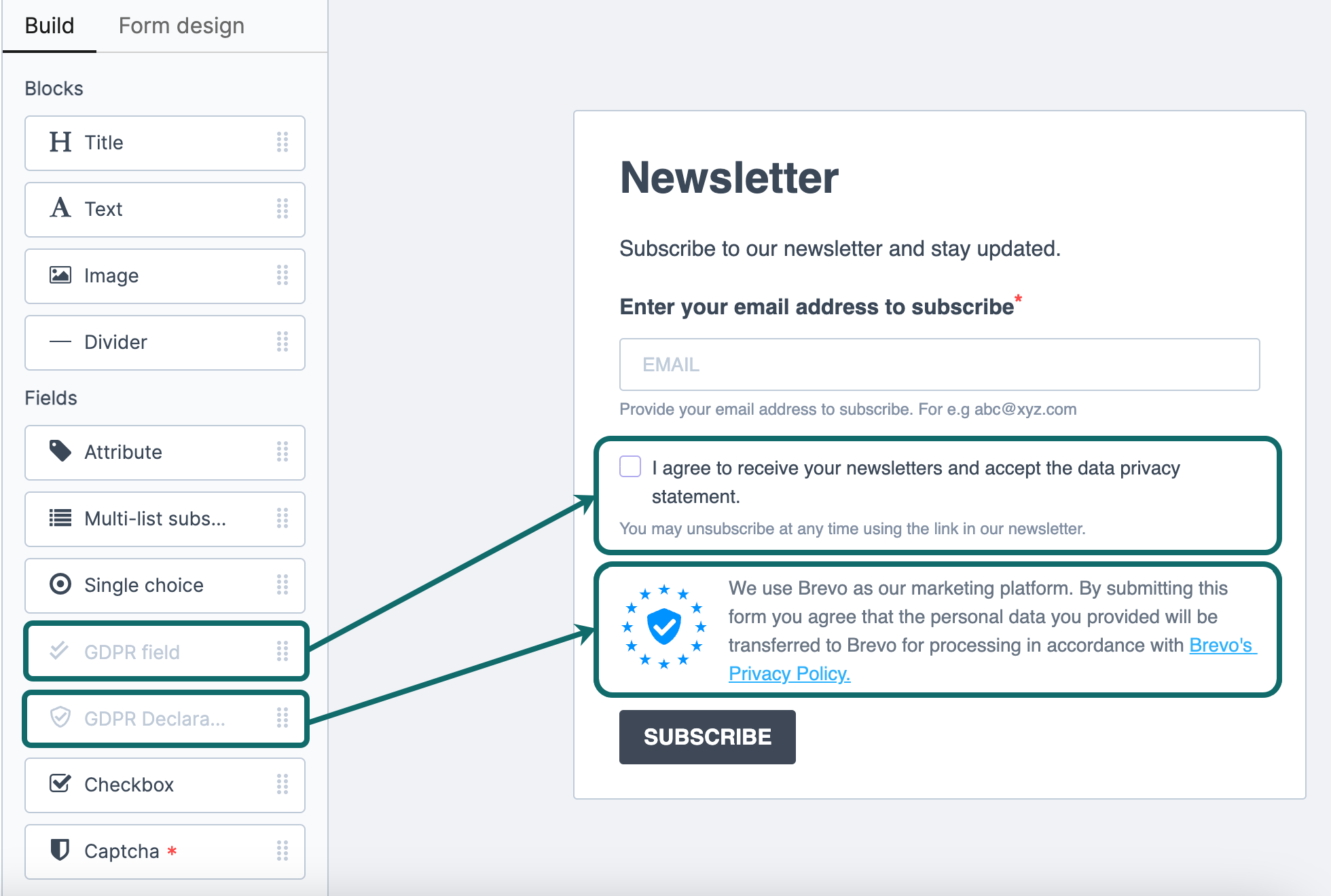
Source: Brevo
The weak spot: Capterra reviewers report an oversensitive suspension algorithm that can pause campaigns even with healthy open rates, and support response times for resolving suspensions can lag.
Zoho Campaigns holds AICPA SOC certification and CSA Certified Sender status. The CSA certification is particularly valuable for European senders, as it whitelists the sender's IP pool with major mailbox providers.

Source: Zoho Campaigns
An anti-spam engine scans domain, content, and URLs before each campaign send, and a 24/7 deliverability team monitors platform-wide metrics. Dedicated IPs are available for senders exceeding 100,000 emails per month, with warm-up guidance included.
Zoho's platform-level security is extensive: ISO 27001, ISO 27701, ISO 27017, ISO 27018, ISO 9001, ISO 22301, and SOC 2 Type II. Data centers span the US, EU, India, Australia, Japan, Canada, China, and Saudi Arabia, a decisive factor for organizations with data residency requirements.
Some users report emails routing to Gmail spam despite the overall deliverability reputation, and content review delays can take days or even weeks, blocking time-sensitive sends.
ZoomInfo approaches deliverability from the data quality side. When your contact data is verified at source (with up to 95% accuracy and continuous monitoring), bounce rates stay low because you're emailing addresses that actually exist.
The platform holds ISO 27001, ISO 27701, SOC 2 Type II, TRUSTe GDPR, and TRUSTe CCPA certifications, all renewed annually. For B2B teams feeding ZoomInfo-enriched contacts into Brevo or Zoho Campaigns, the upstream data quality directly improves downstream deliverability.
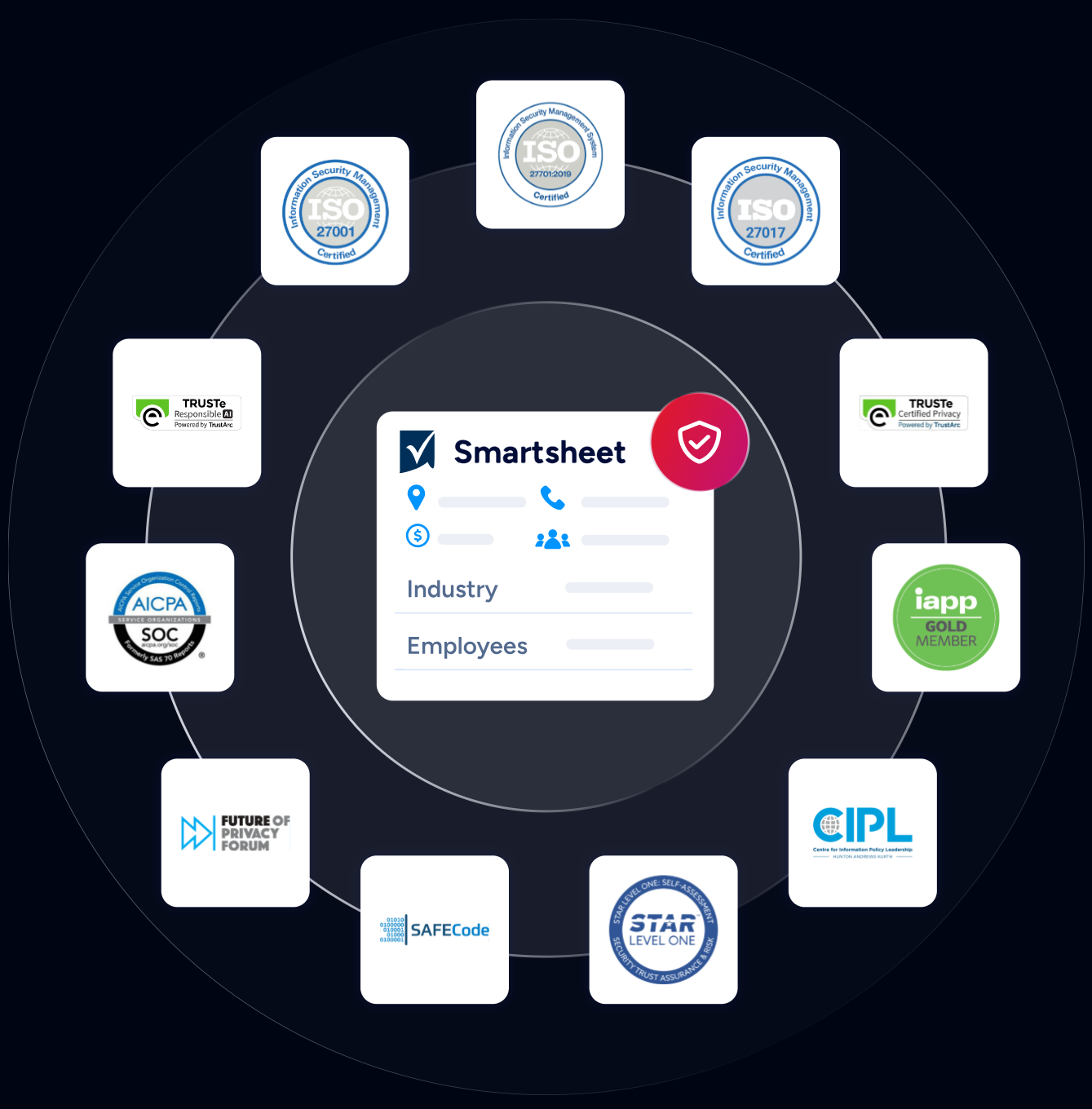
Source: ZoomInfo
The pricing philosophies tell you who each platform is built for
How a platform charges reveals what it values and who it serves.
Brevo charges by email volume sent, not contacts stored. Store a million contacts for free. Send 300 emails per day on the permanent free plan. Paid plans start at $9/month for 5,000 emails and scale upward with a volume slider.
The Standard plan ($18/month) unlocks marketing automation and A/B testing. Professional ($499/month) adds WhatsApp campaigns, push notifications, and phone support. This model rewards businesses with large contact databases and moderate send frequencies, and it's the main reason Brevo positions itself as cheaper than Mailchimp for growing lists.
But costs add up beyond the base price. Removing the Brevo logo on Starter plans costs an extra $10.80/month. The Sales CRM add-on runs $27.92 to $58.50/month. SMS and WhatsApp credits are billed separately by volume and destination. By the time you've assembled a full stack, the "affordable" positioning needs recalculation.
Zoho Campaigns flips the model, charging by contacts stored with unlimited sends. The Forever Free plan covers 2,000 contacts and 6,000 emails/month for up to 5 users.
Standard and Professional tiers unlock unlimited sends, so a business sending daily newsletters to 10,000 contacts pays the same whether it sends one campaign or ten. Annual billing cuts prices by 25%. Zoho's own comparison claims savings of up to 98% vs. Mailchimp at comparable subscriber counts.
The catch: Zoho Campaigns' pricing page renders tier amounts dynamically, making direct comparison difficult. From a Zoho blog post, the Professional plan was cited at roughly $52/month for 5,000 contacts and $81/month for 10,000 contacts. SMS credits, dedicated IPs, and the Litmus preview add-on are all billed separately.
ZoomInfo operates on a consumption-based pricing model with no publicly listed prices. This isn't email marketing pricing. It's intelligence infrastructure pricing. Credits determine how much data you export, seats determine user access, and AI activity drives additional consumption.
The investment is higher, but the value is different: instead of paying to send emails to a list you hope is accurate, you're paying for a verified data foundation that tells you which accounts are researching your category, who the decision-makers are, and when to engage.
For B2B teams evaluating email marketing spend, the relevant comparison isn't just the monthly platform fee. It's the cost of sending campaigns to the wrong contacts, missing in-market accounts, and operating on stale data. A $50/month email platform sending to a list with 20% bounce rates and no intent signals will underperform a system that ensures every outreach reaches a verified buyer showing active interest.
API and developer experience
For technical teams that build integrations or custom workflows, the API matters as much as the UI.
Brevo offers a unified REST API covering transactional email, SMS, WhatsApp, contact management, ecommerce data, loyalty programs, and CRM, all from a single base URL with JSON responses. Official SDKs exist for Node.js, PHP, Python, Java, C#, Go, and Ruby.
The developer experience includes an interactive API playground, a Postman workspace, sandbox mode for testing, and API access on every plan including Free. Rate limits scale generously: the Free plan supports 1,000 email requests per second, and Enterprise reaches 6,000 RPS.
The MCP (Model Context Protocol) server is a notable addition, letting AI assistants like Claude, ChatGPT, and Mistral interact directly with Brevo's data for campaign management and analytics.
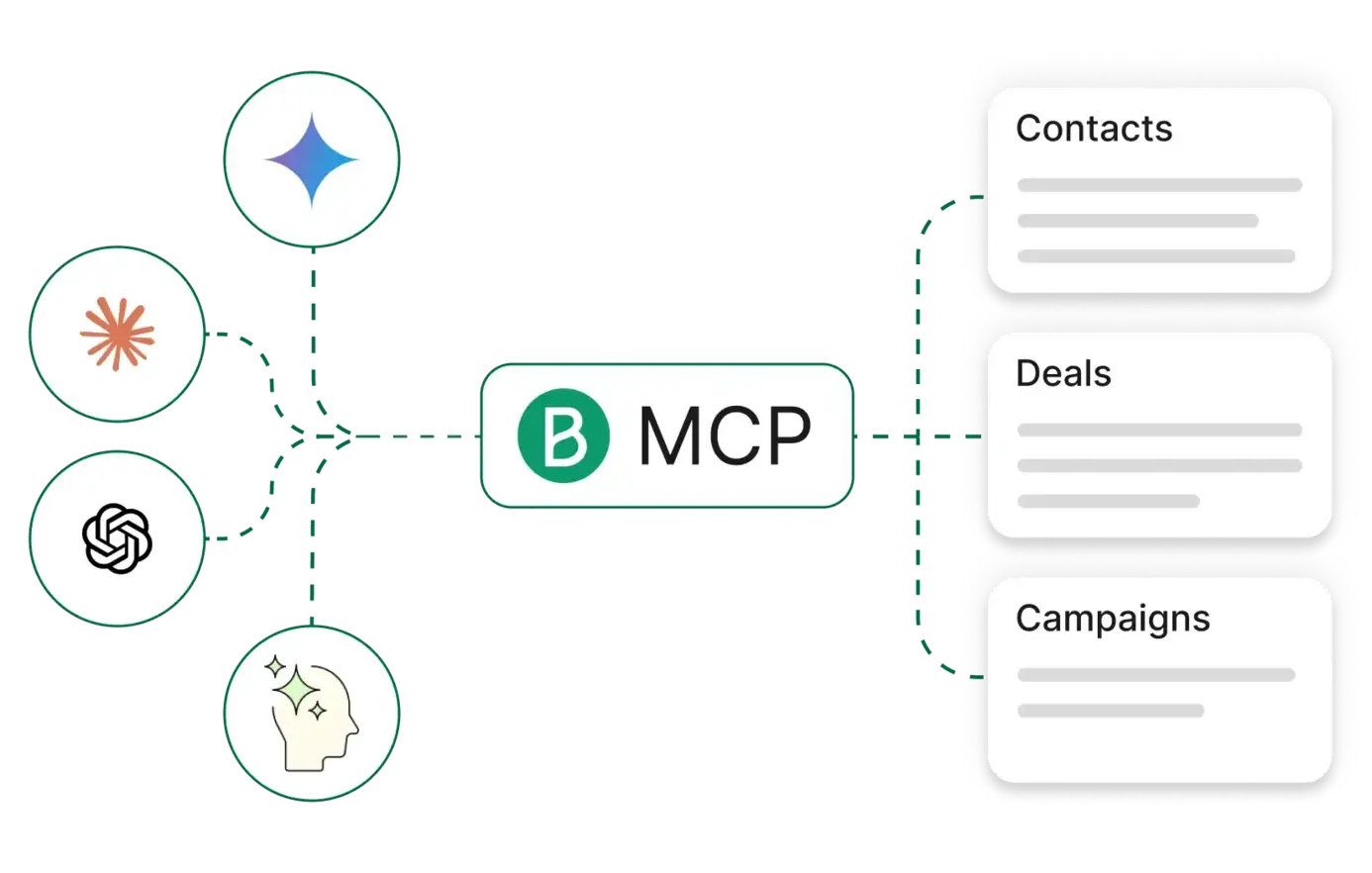
Source: Brevo
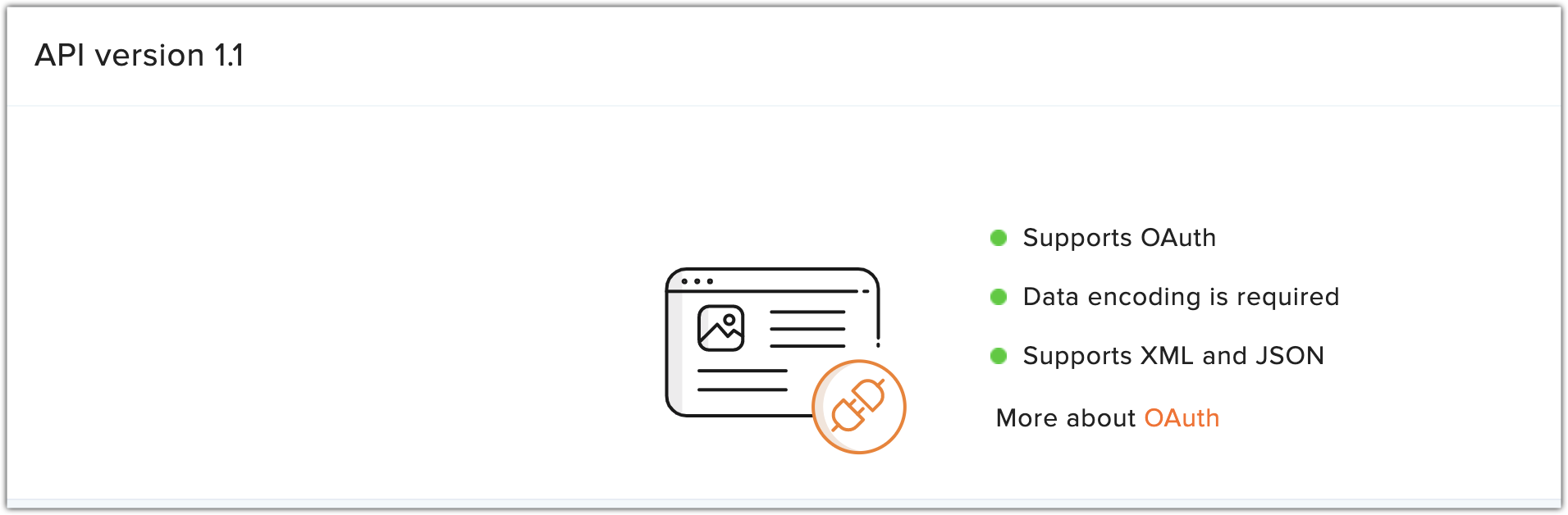
Zoho Campaigns provides a REST API at version 1.1 with OAuth 2.0 authentication. Endpoints cover campaign creation, sending, cloning, contact subscription, list management, and workflow enrollment.
Source: Zoho Campaigns
The API is functional but less polished: no official SDKs exist (only raw HTTP examples in Java, Ruby, and PHP), no OpenAPI spec is published, and the developer documentation is scattered across separate pages without a unified reference. Rate limits are strict: 500 calls per 5 minutes for most endpoints with 30-minute lockouts on breach.
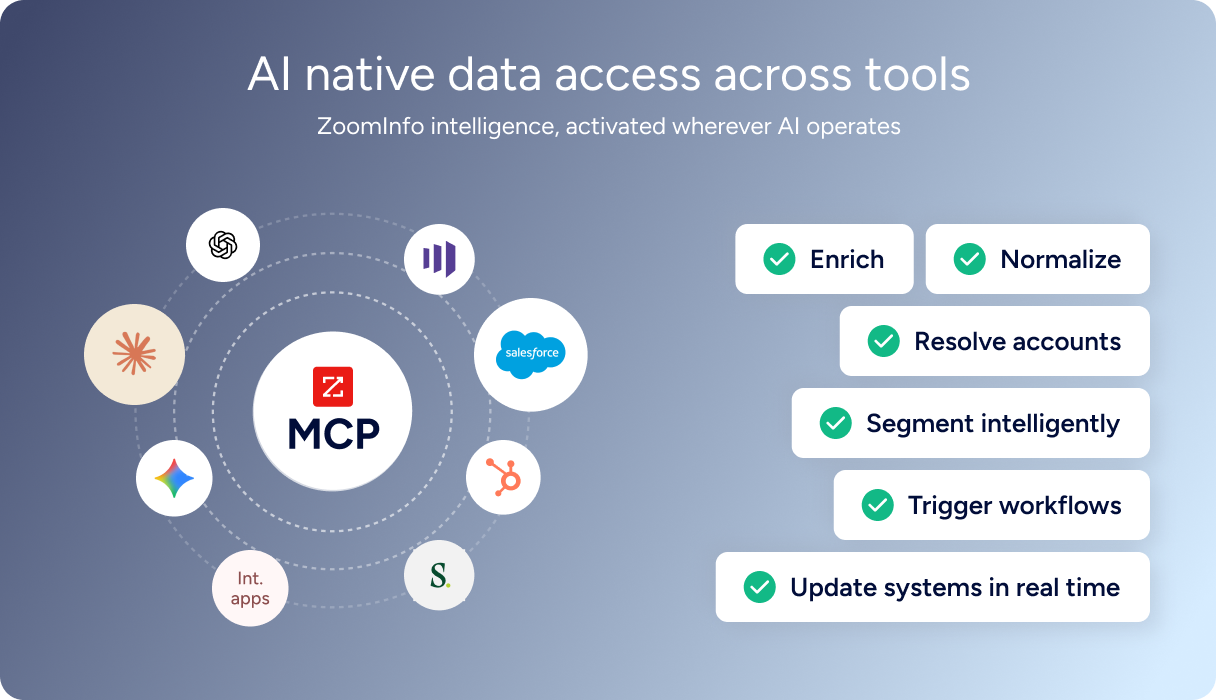
ZoomInfo provides a GTM API with OAuth 2.0 via Okta, covering search, enrichment, intent data, AI-generated account research, and audience management. The MCP server connects ZoomInfo's data directly to AI models (Claude, ChatGPT) with no custom coding beyond configuration.
Source: ZoomInfo
The developer docs at docs.zoominfo.com include interactive exploration, TypeSpec-generated schemas, and an llms.txt index for AI agent consumption. API access requires an Enterprise API or GTM Workspace package.
For teams building custom marketing automation, Brevo's API is the most developer-friendly of the three. ZoomInfo's API is the strongest for B2B data enrichment and intelligence, though it serves a different use case.
Who each platform is actually built for
The three platforms serve overlapping but distinct audiences. Picking the wrong one isn't just a pricing mistake. It's a workflow mismatch that compounds over time.
Brevo is built for SMBs and mid-market businesses that want one platform for marketing and basic sales. The ideal Brevo user has a growing contact list, needs email plus at least one additional channel (SMS, WhatsApp, or chat), values ease of use, and wants to avoid paying per contact as their list grows. European businesses benefit from Brevo's GDPR-native architecture and EU data residency.
Ecommerce businesses benefit from the included transactional email, loyalty programs, and abandoned cart workflows. Businesses that need complex automation or advanced analytics will find Brevo's ceiling before they outgrow the price.
Zoho Campaigns is built for budget-conscious businesses already in the Zoho ecosystem. The ideal Zoho Campaigns user runs Zoho CRM and wants email marketing that syncs natively without middleware. The pricing makes it accessible to small teams (the Forever Free plan supports up to 5 users), and unlimited sends on paid plans remove cost anxiety for high-frequency senders.
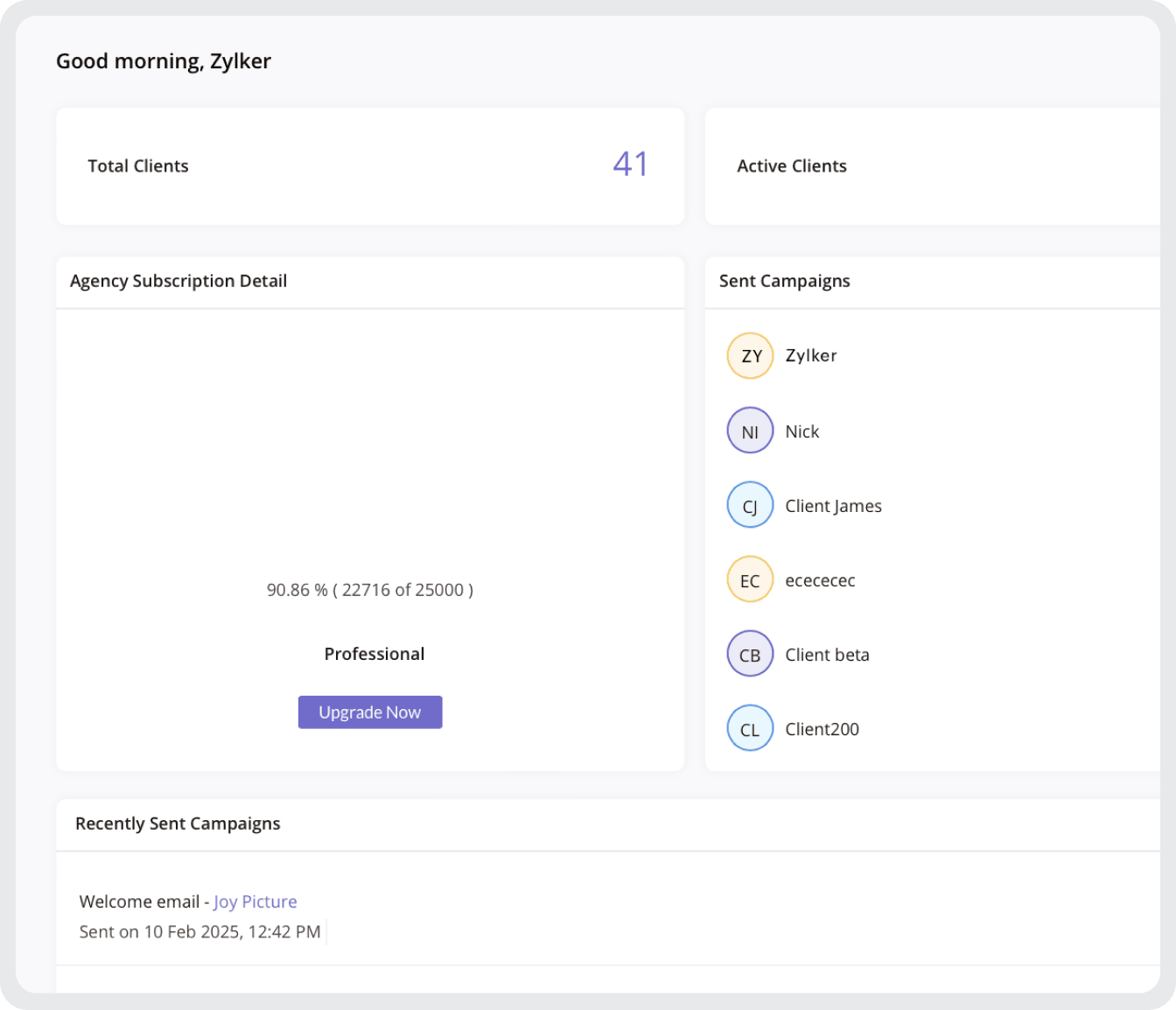
Agencies benefit from the dedicated Agency Edition with multi-client management and up to 30% savings. Businesses outside the Zoho ecosystem will find the platform less compelling, and those needing top-tier design tools or real-time CRM sync will find gaps.
Source: Zoho Campaigns
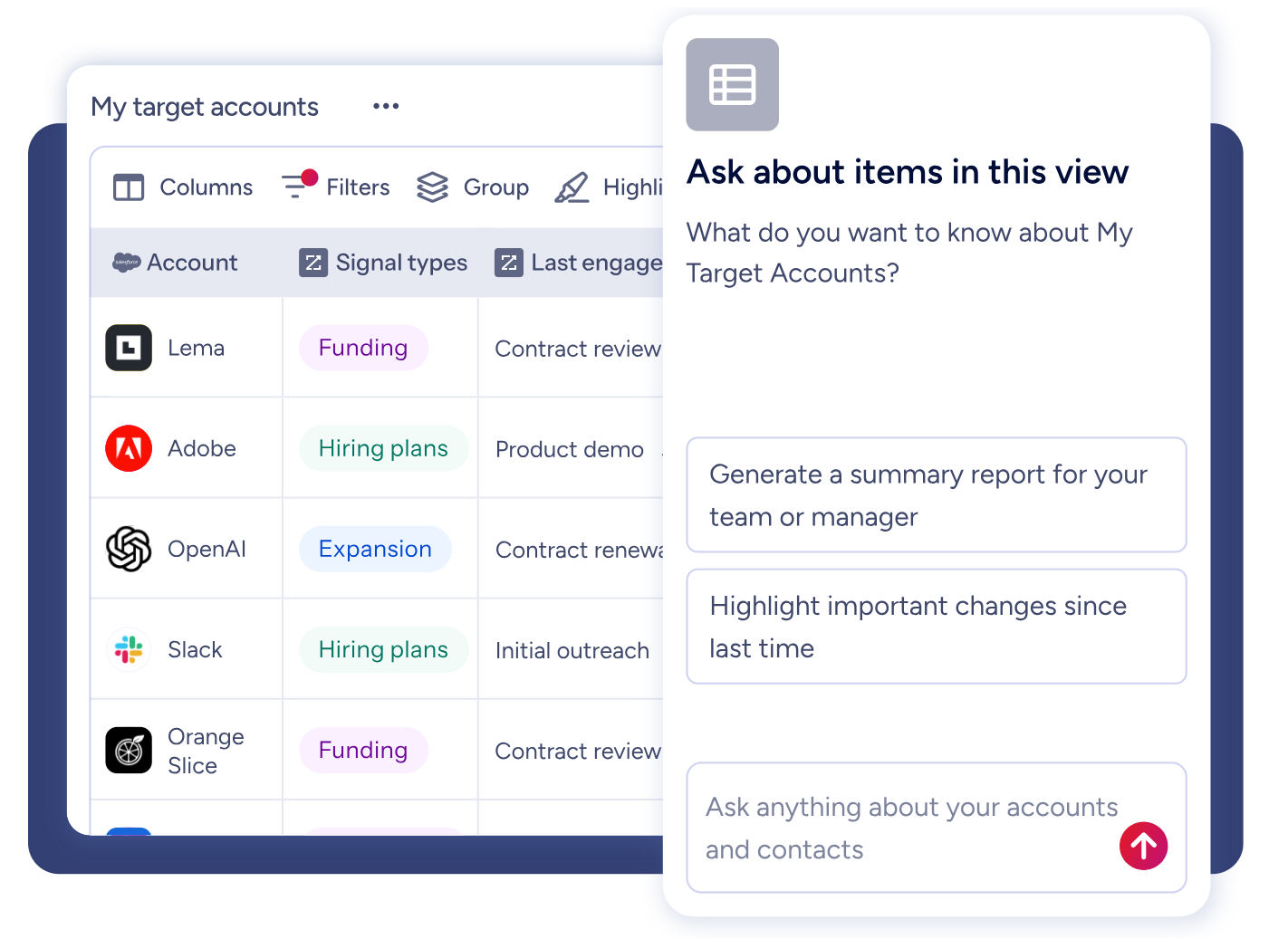
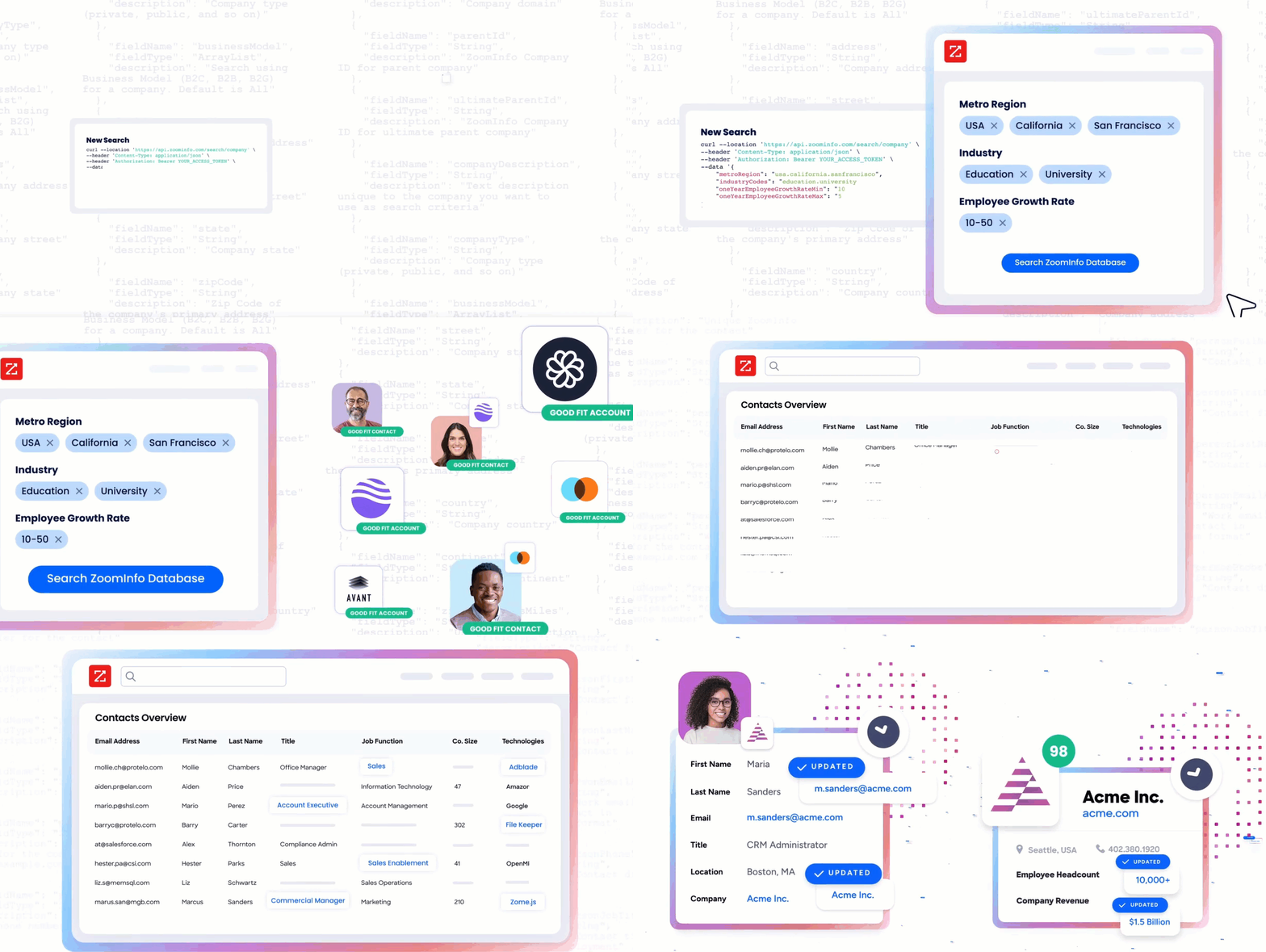
ZoomInfo is built for B2B go-to-market teams that need verified data and buying intelligence. The ideal ZoomInfo user isn't choosing between email platforms. They're solving the upstream problem of knowing who to target, when to engage, and what to say. Sales teams use GTM Workspace for AI-driven execution.
Source: ZoomInfo
Marketing teams use GTM Studio to build audiences and orchestrate plays. RevOps uses the APIs and MCP to power any tool in the stack. Companies like Databricks, Thomson Reuters, and Seismic use ZoomInfo because their marketing results depend more on targeting precision than on which platform sends the email.
Source: ZoomInfo
Brevo vs. Zoho Campaigns vs. ZoomInfo: Which should you choose?
The answer depends on what's actually limiting your marketing.
Choose Brevo if:
You need email, SMS, WhatsApp, and chat in one platform
Your contact list is large but your send volume is moderate
You want a built-in CRM for basic sales management
You need transactional email alongside marketing campaigns
Ease of use matters more than automation depth
Choose Zoho Campaigns if:
You're already using Zoho CRM or other Zoho products
Budget is a primary consideration and you need unlimited sends
Email and SMS cover your channel needs
You want generous onboarding (60 days of free sessions on paid plans)
Agency-style multi-client management is a requirement
Choose ZoomInfo if:
Your B2B marketing results depend on reaching the right accounts at the right time
You need verified contact data, not just a sending platform
Buyer intent signals and account intelligence would change your targeting
Your sales and marketing teams need a shared intelligence layer
You want AI that understands your deals, not just your open rates
Start with ZoomInfo Lite for free or request a demo to see the full platform.
For B2B companies, the most overlooked insight in the email marketing debate is that the sending platform is rarely the bottleneck. Brevo and Zoho Campaigns are both capable senders.
The bottleneck is the quality of data behind the targeting, the timeliness of engagement, and the intelligence informing every campaign. ZoomInfo addresses that bottleneck directly, and the intelligence it provides can make whichever sending platform you choose work harder.
Brevo vs. Zoho Campaigns vs. ZoomInfo FAQ
What is the core difference between Brevo, Zoho Campaigns, and ZoomInfo?
Brevo is a multichannel marketing platform covering email, SMS, WhatsApp, live chat, and CRM, priced by email volume with unlimited contacts. Zoho Campaigns is an email and SMS marketing tool within the Zoho ecosystem, priced by contact count with unlimited sends.
ZoomInfo is a B2B data intelligence and go-to-market platform that provides verified contact data, buying intent signals, and AI-powered campaign orchestration. Brevo and Zoho Campaigns send campaigns to contacts you import. ZoomInfo provides the contacts and the intelligence to target them.
Which platform is cheapest for email marketing?
Zoho Campaigns has the lowest entry point, with a Forever Free plan supporting 2,000 contacts, 6,000 emails/month, and up to 5 users. Brevo's free plan offers 300 emails per day to unlimited contacts. Both are affordable at scale: Zoho charges by contact count with unlimited sends, while Brevo charges by send volume with unlimited contacts.
ZoomInfo is priced at the enterprise level for B2B intelligence and is not directly comparable to email marketing platform pricing.
Can ZoomInfo replace Brevo or Zoho Campaigns?
Not directly. ZoomInfo's GTM Studio orchestrates multi-channel campaigns (email, display ads, LinkedIn, direct mail) and can trigger outreach sequences. But it is not a traditional email marketing platform with drag-and-drop template builders and newsletter workflows.
Many B2B teams use ZoomInfo alongside an email marketing platform: ZoomInfo identifies and enriches the right contacts, and the email platform handles creative execution and delivery.
Which platform has the best automation capabilities?
Brevo offers visual multichannel automation workflows mixing email, SMS, and WhatsApp in single sequences, with AI-powered send-time optimization. Zoho Campaigns provides 25+ drag-and-drop workflow components with reply tracking as a first-class trigger.
ZoomInfo operates at a different level, with GTM Studio launching signal-triggered plays that respond to real-time buying behavior rather than email engagement events. For traditional email automation, Brevo is the most capable. For intelligence-driven orchestration, ZoomInfo is in a different category.
Which platform is best for B2B marketing specifically?
ZoomInfo is designed for B2B, with 500M contacts, 100M companies, buyer intent data, and the GTM Context Graph fusing CRM, conversation intelligence, and behavioral signals.
Brevo and Zoho Campaigns serve both B2B and B2C but lack native B2B intelligence features like intent signals, org charts, technographics, or account-based marketing capabilities. B2B teams using Brevo or Zoho Campaigns typically supplement with a separate data provider for contact enrichment and targeting.
How do the platforms handle contact data quality?
Brevo and Zoho Campaigns rely on users to maintain list quality. Both auto-remove bounces and duplicates at import, and both support double opt-in. Zoho Campaigns adds AICPA SOC certification and CSA Certified Sender status.
ZoomInfo approaches data quality from the source, verifying contacts through a multi-source pipeline with 300+ human researchers and achieving up to 95% accuracy on first-party data, processing 1.5B + data points daily through the GTM Context Graph.
Which platform integrates best with Salesforce?
ZoomInfo has a native integration with Salesforce, enriching CRM records with verified contact data, buying signals, and company attributes. Zoho Campaigns integrates with Salesforce for importing leads and contacts on a scheduled sync, but the deepest CRM integration is reserved for Zoho CRM. Brevo integrates with Salesforce through its marketplace but is not a native, first-party connector.
Do any of these platforms offer a permanent free plan?
All three do. Brevo's free plan includes 300 emails/day to unlimited contacts with no time limit. Zoho Campaigns' Forever Free plan covers 2,000 contacts and 6,000 emails/month for up to 5 users.
ZoomInfo Lite provides permanent free access to ZoomInfo's B2B database with 10 monthly export credits, individual and company searches, a Chrome extension, and WebSights Lite for website visitor identification.
