
Choosing between EasyComp and Everstage for sales compensation management comes down to five questions:
Are you replacing spreadsheets for the first time, or migrating off a legacy platform like Xactly?
Do you need a focused commission engine, or a broader suite that connects compensation to quoting and territory planning?
How fast do you need to go live (days, weeks, or months)?
Can your RevOps team self-serve every plan change, or is some vendor involvement acceptable?
Do your reps trust their commission numbers today, or are they running shadow spreadsheets to double-check every payout?
In short, here's what we recommend:
EasyComp is built for high-growth B2B companies (typically Series B through mid-enterprise) that need a compensation engine they can deploy in weeks and modify in days, without IT involvement. Its standout strength is calculation explainability: every payout traces back to the exact deal, rule, and math that produced it, so reps can self-serve answers instead of filing disputes with RevOps. EasyComp handles real plan complexity (splits, ramps, accelerators, clawbacks, overlays, and draws) while staying lean enough that a single RevOps operator can manage it. The trade-off: EasyComp is still an early-stage company without the analyst validation, broad integration catalog, or adjacent product modules that established platforms offer.
Everstage serves mid-market and enterprise organizations that want compensation management as part of a broader sales performance platform. Beyond its core incentive engine, Everstage has expanded into CPQ and sales planning, and added AI agents across the suite through its Agent Core architecture. With $45M in funding, 200+ employees, and 300+ customers including Diligent, Wiley, and Trimble, Everstage brings analyst recognition (Forrester Strong Performer, Gartner Market Guide inclusion) and enterprise-grade compliance. The trade-off: higher cost, opaque pricing, and CPQ/Planning modules still maturing after launching in 2025.
Both platforms solve the commission calculation and payout problem well. But compensation accuracy only matters if your reps are closing deals worth compensating. The upstream challenge (finding the right buyers, engaging them with the right message, and building pipeline) is where most revenue teams still lose the most value. That's a different problem, and it requires a different tool.
ZoomInfo is an AI GTM platform that powers the front of the revenue cycle that compensation tools pay out on. It's built on 500M contacts, 100M companies, 135M+ verified phone numbers, and 200M+ verified business email addresses. Its GTM Context Graph processes 1.5B+ data points daily, combining this intelligence with your CRM records, conversation transcripts, and behavioral signals to reveal not just what happened in a deal, but why. Your team accesses that intelligence through GTM Workspace for sellers, GTM Studio for marketers and RevOps, or APIs and MCP in any front-end. For RevOps teams already investing in compensation infrastructure, ZoomInfo is the natural complement: it feeds the pipeline that makes your comp plans worth optimizing.
If building more pipeline with better intelligence sounds like the missing piece in your revenue stack, see how ZoomInfo works.
EasyComp vs. Everstage at a glance
EasyComp | Everstage | ZoomInfo | |
|---|---|---|---|
Core focus | Commission calculation and payout transparency | Sales performance management suite (ICM + CPQ + Planning) | AI-powered GTM intelligence and pipeline generation |
Rep visibility | Real-time, deal-level calculation lineage | Crystal AI Agent with natural-language payout queries | GTM Workspace with AI-prioritized account feeds and outreach |
AI capabilities | Claude Cowork integration for natural-language comp workflows | Agent Core with 4 shipped AI agents; more planned | GTM Context Graph powering AI agents across Workspace and Studio |
Analyst recognition | None yet (founded 2024) | Forrester Strong Performer; Gartner Market Guide; G2 #1 ICM | Gartner MQ Leader (ABM); Forrester Leader (Intent Data); G2 133 #1 rankings |
Security | |||
Plan complexity | Splits, ramps, accelerators, clawbacks, overlays, draws (native) | Multi-tier accelerators, split credits, overlapping territories, SPIFs, draw-against-commission | N/A (GTM intelligence, not compensation) |
Pricing model | $30–$45/user/month; Enterprise is custom | Per-payee, custom-quoted; no published prices | Custom consumption-based; free tier available |
Implementation speed | Weeks, not months; Growth plan live within 2 weeks | 4–6 weeks advertised go-live | |
Best for | Series B to mid-enterprise B2B companies replacing spreadsheets or lightweight tools | Mid-market to enterprise organizations needing a multi-module SPM platform | Revenue teams that need better data, signals, and outreach to fill the pipeline that comp plans pay out on |
EasyComp is fast and transparent; Everstage is broad and validated
The fundamental difference between these two platforms is scope.
EasyComp does one thing: commission calculation and payout management. It does that thing with unusual clarity. Every commission in EasyComp includes a deal-level, rule-level, and math-level breakdown showing exactly how the number was derived. Reps don't file tickets to understand a payout. They click into the deal and see the full chain from CRM record to check amount.
Source: EasyComp
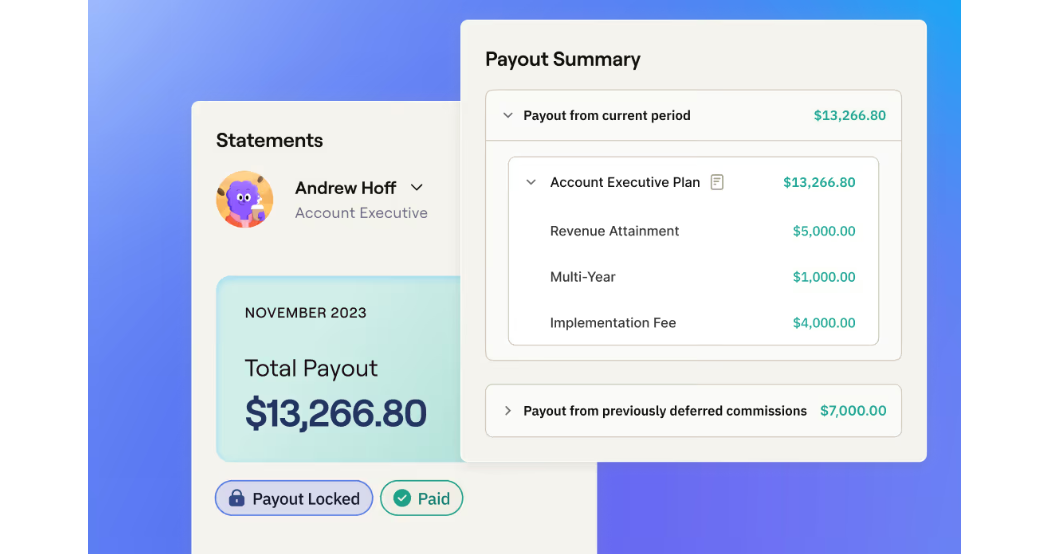
Everstage started with commissions but has expanded in three directions. Everstage Incentives handles the core ICM work. Everstage Planning (launched June 2025) covers quota setting, territory design, and capacity modeling. Everstage CPQ (launched October 2025) adds quoting with real-time commission visibility built into the deal configuration. The pitch: these three functions belong on one platform rather than in separate tools that require integration work.
Source: Everstage
For RevOps teams choosing between them, the question is whether you need a focused compensation engine or a broader sales performance platform. EasyComp's narrow scope means faster deployment and lower overhead. Everstage's wider scope means more capability per vendor, but also more complexity and more maturity risk on the newer modules.
Implementation speed favors EasyComp, but Everstage isn't far behind
Speed to go live is often the deciding factor for RevOps teams burned by long implementations.
EasyComp pushes hard on this point. The Starter plan ships with zero implementation fees, and the Growth plan targets live within two weeks.
Source: EasyComp
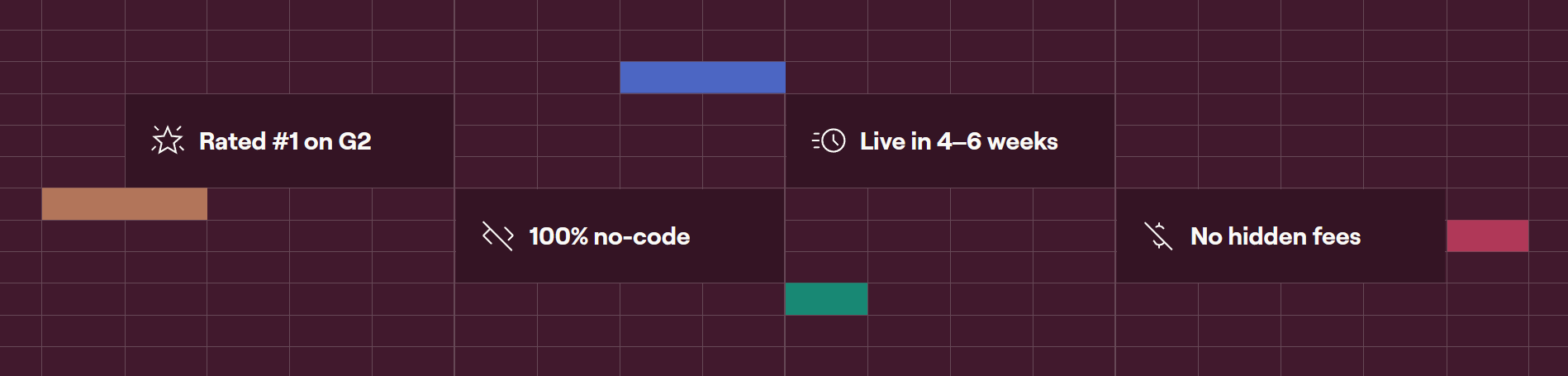
Everstage advertises 4–6 weeks to go live, which is fast by enterprise standards. The Diligent case study illustrates the upper bound of speed: Everstage joined the evaluation late but delivered a proof of concept connected to Diligent's production system in one and a half weeks, a timeline competing vendors couldn't match.
Source: Everstage
The implementation gap narrows at enterprise scale. EasyComp's Enterprise tier includes dedicated data engineers for complex multi-source deployments, which adds services engagement. Everstage prices implementation separately in a Statement of Work, and those fees are non-cancellable and non-refundable. Both platforms require more time and cost as data complexity increases. The "weeks not months" promise applies mainly to standard deployments.
Plan complexity: both handle it, with different trade-offs
Neither platform is a lightweight SMB tool. Both handle the plan structures that typically force companies off spreadsheets: tiered commissions, accelerators, split crediting, ramp periods, draws, clawbacks, and multi-team overlays.
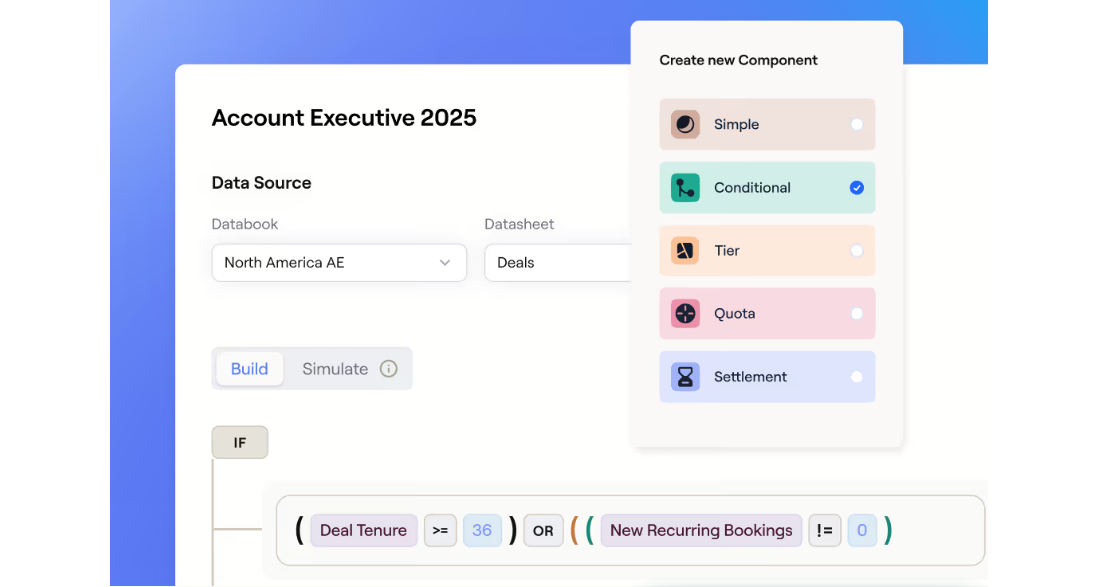
EasyComp's plan builder lets RevOps teams update tiers, accelerators, splits, and ramp schedules without engineering tickets. Major plan changes can go live in a couple of days, not a consulting engagement. The Starter tier uses pre-built plan templates; the Growth and Enterprise tiers support fully custom plan logic. A notable feature is the plan letter module, which connects plan letter fields directly to the calculation variables. The document a rep signs reflects the exact definitions used in calculations, with e-signature included at no additional per-document fee.
Source: EasyComp
Everstage's no-code plan designer handles the same complexity and adds a Time Machine feature that lets admins model a compensation plan's cost against historical performance data before deploying it. This pre-deployment modeling matters for CFOs and RevOps leaders who need to confirm that a new plan won't create unbudgeted liabilities. Diligent's VP of Commercial Operations cited Everstage's ability to handle their most complex compensation plans (with 700+ payees across diverse roles) as the deciding factor over competing vendors.
Source: Everstage
EasyComp distinguishes itself with iteration speed at the plan level. Everstage distinguishes itself with pre-deployment financial modeling and the ability to connect plan changes directly to territory and quota structures via the Planning module.
Rep experience: calculation lineage vs. conversational AI
Both platforms invest in the rep-facing experience, but they approach it differently.
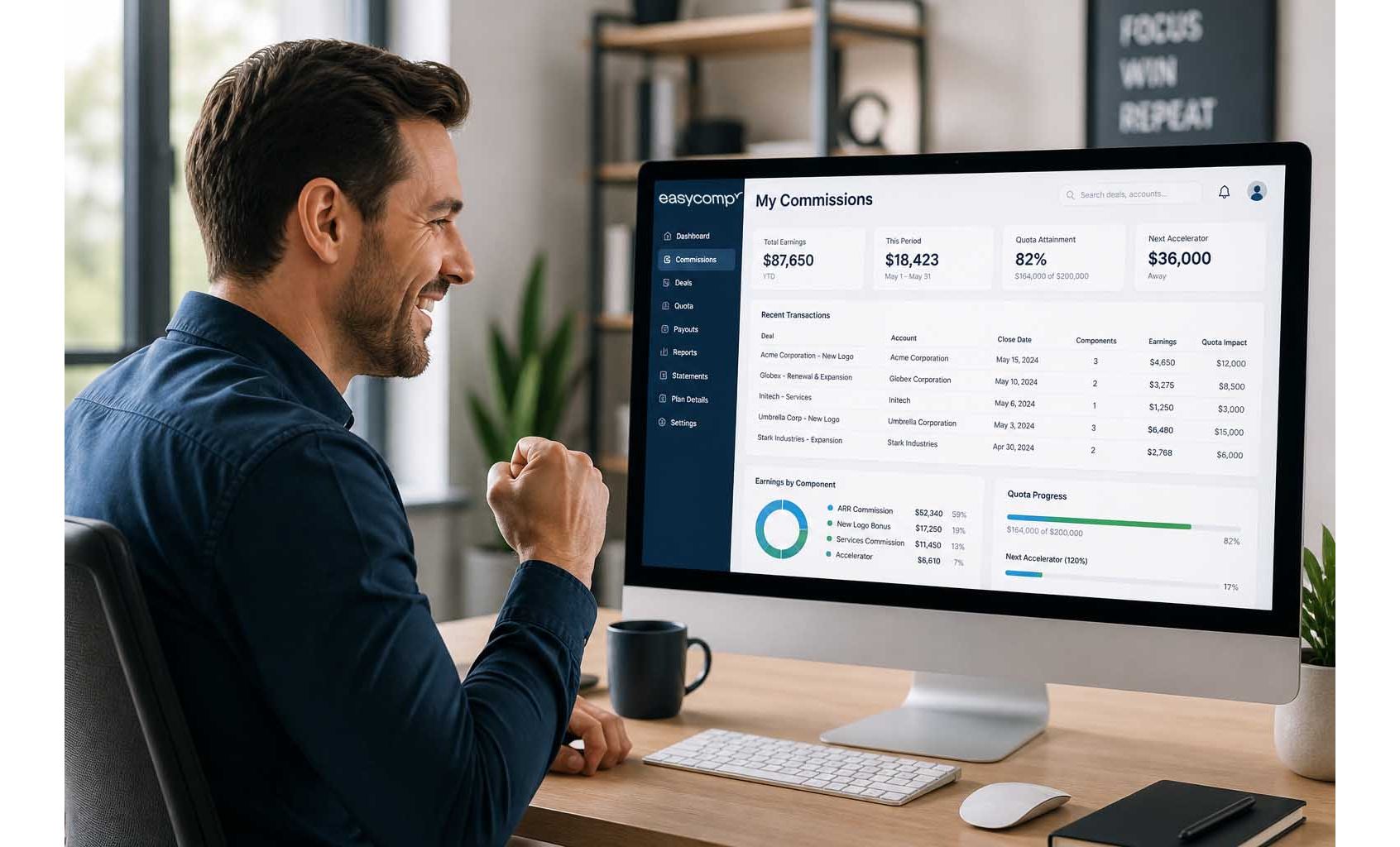
EasyComp builds around what it calls calculation lineage: a traceable chain from source transaction data through compensation plan rules to final payout amounts. Reps can search for a deal and immediately see how much they earned, which plan components applied, what calculation ran, and which paycheck included the payout. The platform also surfaces projected commissions and quota impact so reps can prioritize opportunities that matter most to their earnings.
Source: EasyComp
Everstage's rep experience centers on the Crystal AI Agent, which lets reps ask payout questions in natural language and run "what-if" simulations (modifying deal attributes like size or contract duration to see how changes affect projected commissions). Commission visibility also extends into the tools reps already use: Everstage's Connectivity Bundle delivers on-demand commission updates inside Slack, Microsoft Teams, Gmail, and directly inside Salesforce, so reps never need to log into a separate tool.
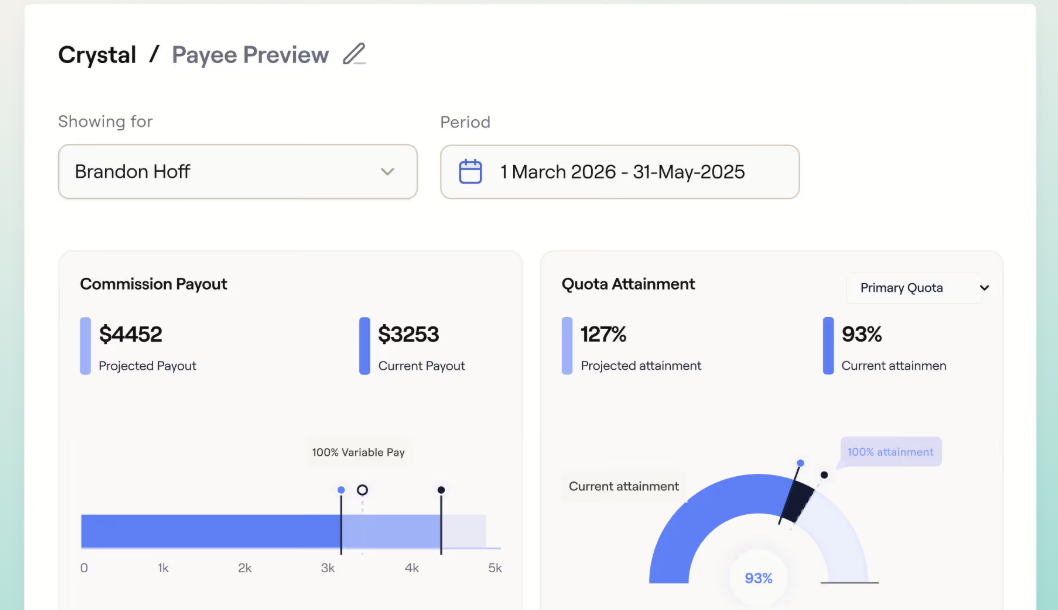
Source: Everstage
The philosophical difference: EasyComp bets that reps want to see and verify the math themselves. Everstage bets that reps want to ask questions and get answers without digging through calculations. Both approaches reduce shadow accounting (the parallel spreadsheets reps maintain when they don't trust the official numbers).
Compensation is only half the equation
Here's the problem neither compensation platform solves: you can build the most transparent, automated commission system in the world, and it won't matter if your reps don't have enough qualified pipeline to close.
Commission accuracy and rep motivation sit at the end of the revenue cycle. Upstream, your team still needs to identify the right buyers, reach them with relevant messaging, and convert interest into pipeline. That's a different challenge, and it typically determines whether your compensation budget drives growth or pays for mediocrity.
This is where ZoomInfo fits. As an AI GTM platform, ZoomInfo doesn't compete with EasyComp or Everstage. It complements them by powering the pipeline that feeds into compensation calculations.
ZoomInfo's GTM Context Graph processes 1.5B+ data points daily, combining B2B data with your CRM records, conversation intelligence, and behavioral signals. The result is an intelligence layer that captures not just what happened in a deal, but why. Sellers in GTM Workspace get AI-prioritized account feeds, pre-drafted outreach that addresses specific buyer concerns, and signal-triggered actions, all in one workspace instead of toggling between dozens of tools.
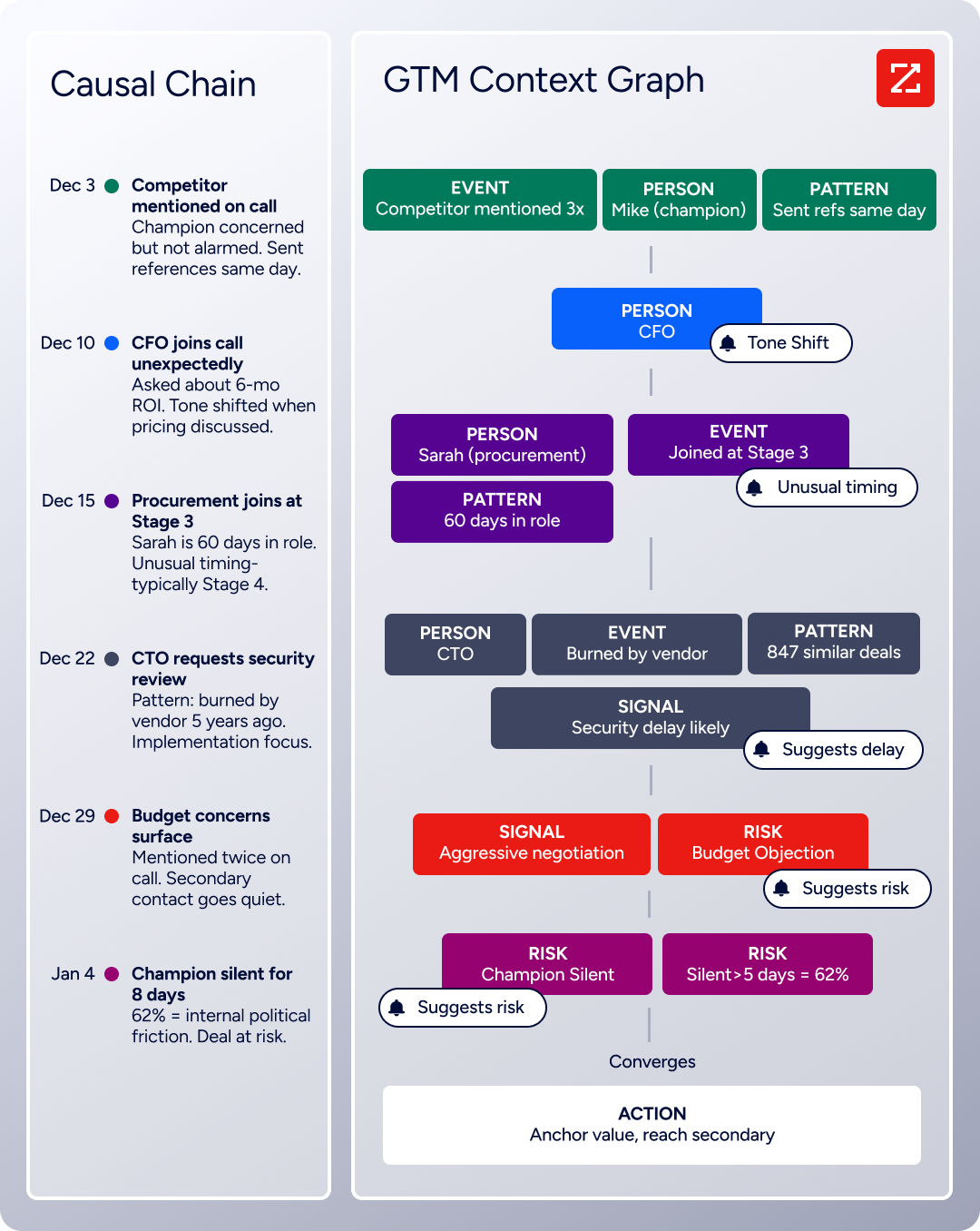
For RevOps teams already investing in compensation infrastructure, the logic is straightforward: better data and intelligence upstream means more closed deals downstream, which means your comp plans drive the behaviors they were designed to drive.
"That combination of our internal CRM data, external signals, and AI that's given all that context has helped us craft very specific account- and persona-based messages. And people have responded to them right away." (Toby Carrington, CBO, Seismic)
Integration depth differs significantly
How well each platform connects to your existing stack matters for data accuracy and operational efficiency.
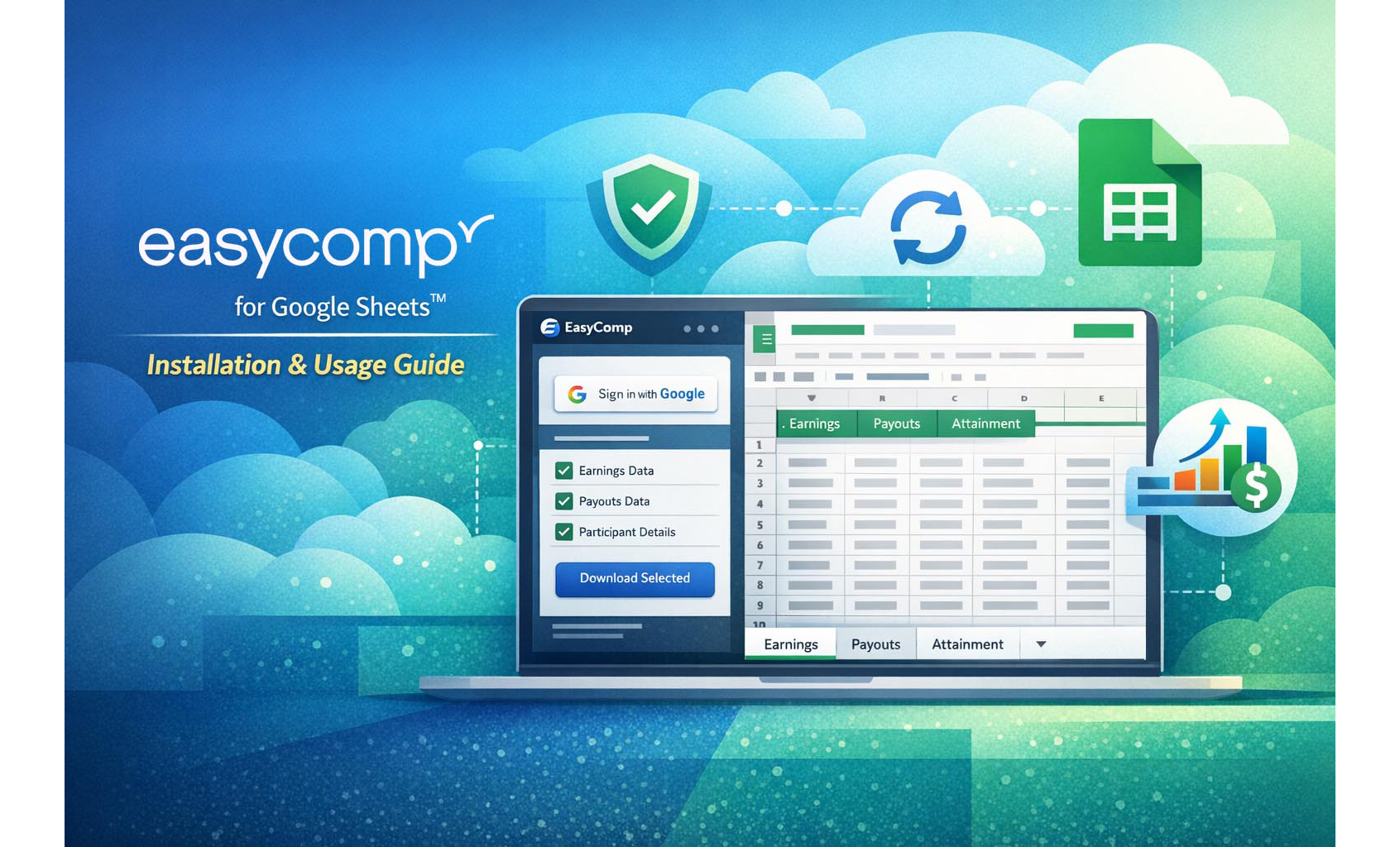
EasyComp supports native integrations with Salesforce, HubSpot, and Google Sheets on the Starter plan, with expanded integrations (including Microsoft Dynamics, ERP, and payroll providers) on Growth and Enterprise. The platform also offers a Google Sheets connector for finance teams who want to pull compensation data into familiar spreadsheet workflows. EasyComp does not publish a public API or developer portal, and no iPaaS integrations (Zapier, Make, Workato) appear on the official site.
Source: EasyComp
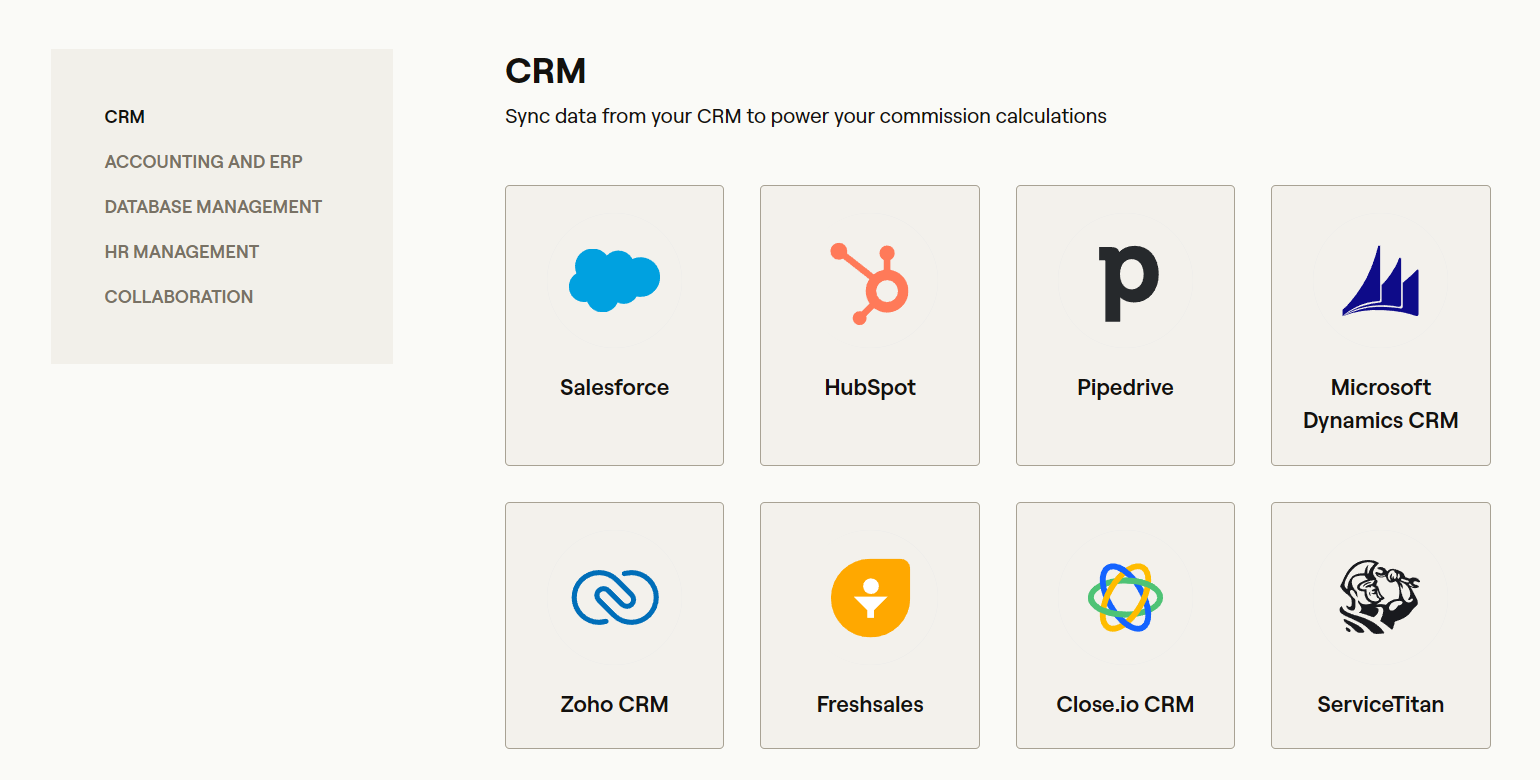
Everstage has a broader integration catalog, organized across CRM (Salesforce, HubSpot, Microsoft Dynamics, Zoho, Freshsales, Pipedrive, Close.io, ServiceTitan), accounting/ERP (NetSuite, Stripe, QuickBooks, Sage Intacct, Chargebee, Xero), databases (AWS S3, BigQuery, Redshift, Snowflake), HR/payroll (ADP, BambooHR, Workday, Gusto, Personio), and collaboration (Slack, Teams, DocuSign). The platform exposes an open API and accepts CSV/Excel imports via SFTP. Everstage's Salesforce integration runs deep enough that the company calls itself "the first completely configurable commission software on Salesforce", with a native embedded experience for both admins and payees.
Source: Everstage
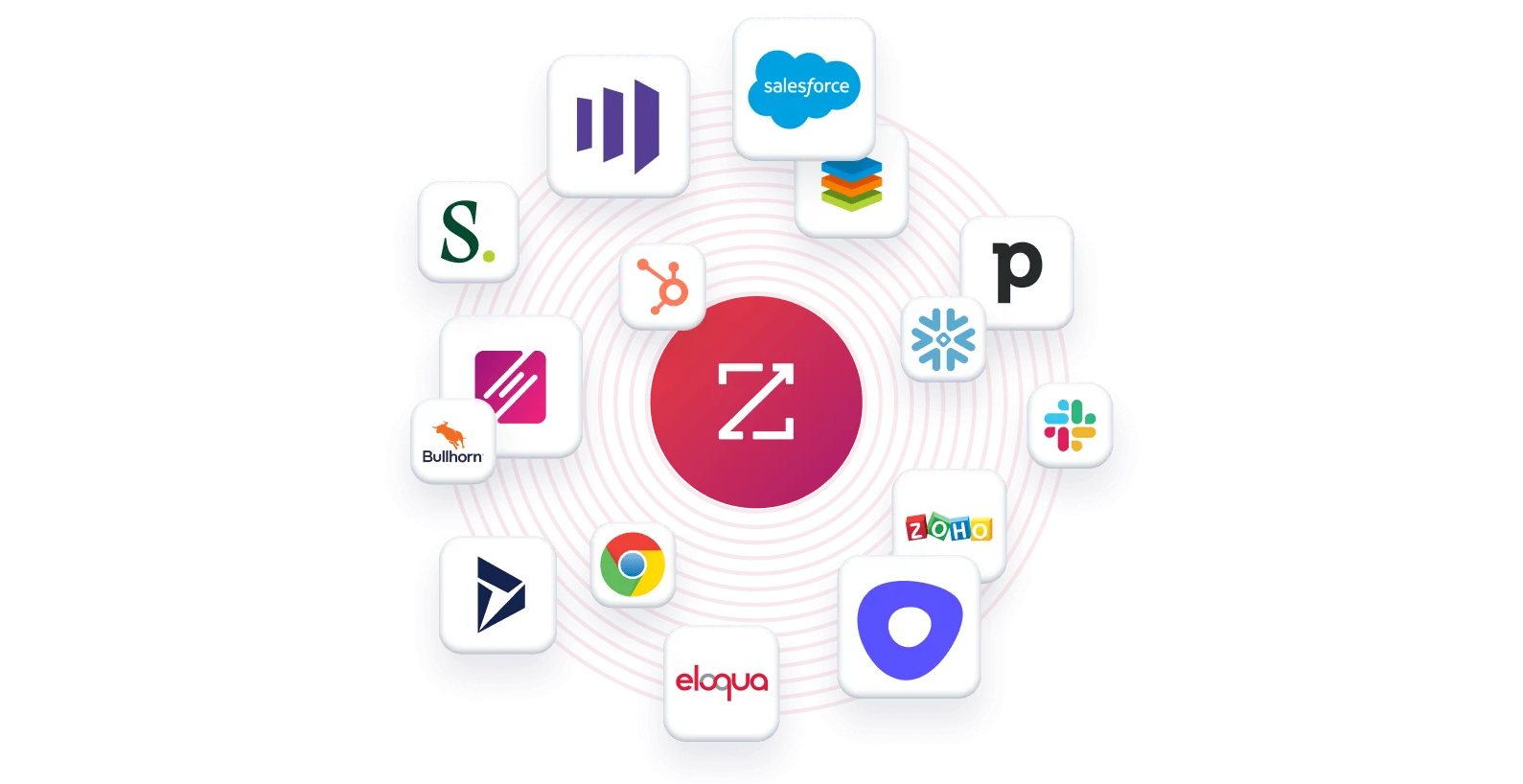
ZoomInfo operates at a different layer, with a Marketplace of 172+ integrations including Salesforce, HubSpot, Dynamics 365, Snowflake, AWS, and Google Cloud. The Enterprise API and MCP server make ZoomInfo's intelligence available inside any custom tool or AI agent.
For teams evaluating EasyComp, the narrower integration set may be a constraint if you're on a CRM other than Salesforce or HubSpot, or if you need programmatic API access. For teams evaluating Everstage, the broader catalog reduces integration risk but adds complexity during implementation.
Pricing transparency: one is visible, one is not
EasyComp publishes its per-user pricing directly on its website:
Starter: $30/user/month with pre-built plans, Salesforce/HubSpot/Google Sheets integrations, and zero implementation fees
Growth: $45/user/month with custom plan logic, advanced integrations, and expert consultation (additional setup fees may apply)
Enterprise: Custom pricing with dedicated data engineers, multi-source integrations, and optional fully managed compensation operations
Everstage does not publish pricing. The website directs prospects to "Request Pricing" for a custom quote. What is publicly known: the platform is priced per payee (per person receiving commissions), implementation fees are scoped separately in a Statement of Work, and ongoing support is also priced separately from the license. All subscription charges are non-refundable by default, and contracts auto-renew unless the customer provides 30 days written notice.
The pricing philosophy reflects different stages and markets. EasyComp's transparency targets buyers at high-growth companies who want to evaluate total cost quickly without a sales cycle. Everstage's custom quoting targets enterprise procurement teams who expect negotiated terms and bundled services.
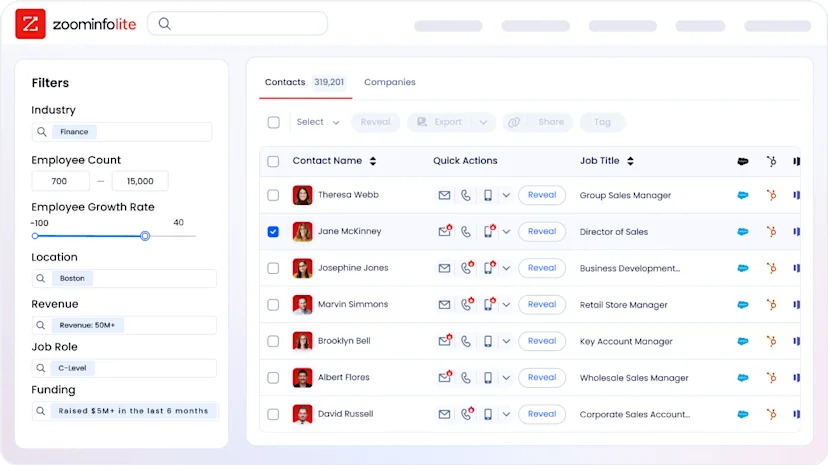
ZoomInfo uses custom consumption-based pricing with no published dollar amounts, but offers two free entry points: ZoomInfo Lite (permanent free tier with 10 monthly export credits) and a 7-day free trial of the full platform.
AI capabilities reflect each platform's ambition
All three platforms invest in AI, but the scope and maturity vary.
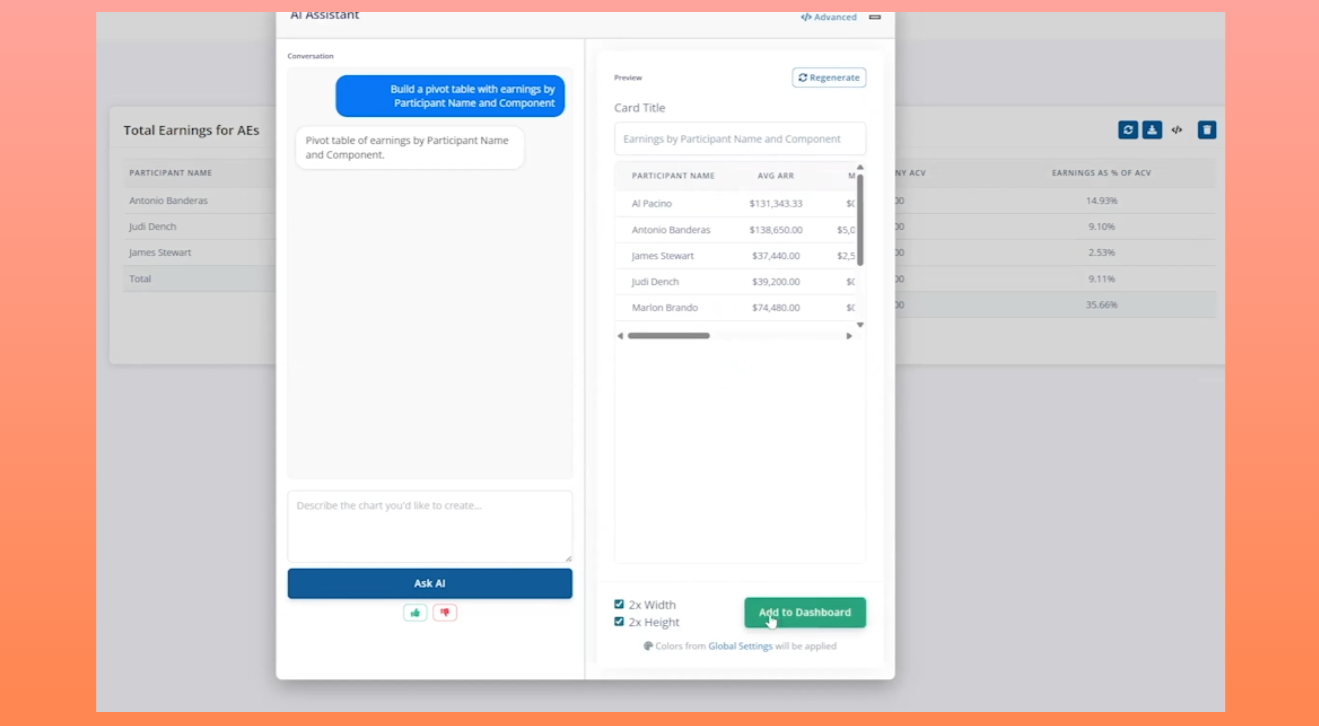
EasyComp launched a Claude Cowork integration that connects its structured compensation data with Claude as an AI execution layer. This enables natural-language workflows like onboarding data loading, deal-level commission cost breakdowns, audit report generation, and comp plan letter drafting. The AI layer also assists with plan language drafting, inconsistency detection, and terminology standardization across plan documents.
Source: EasyComp
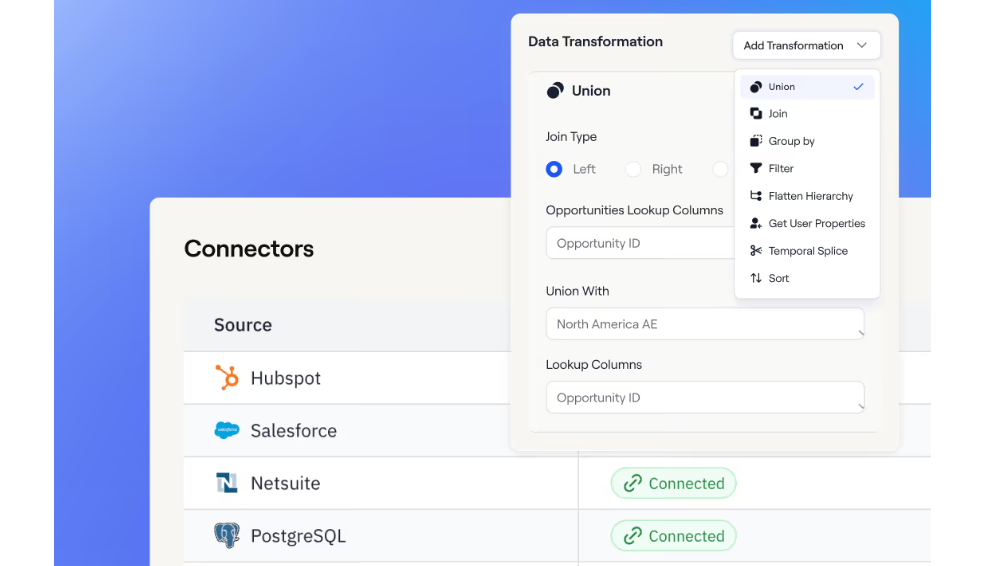
Everstage has moved further with Agent Core, an AI layer that ships four agents: the Databook Assistant (data preparation via natural language), the Commission Assistant (rep-facing query handling), the Onboarding Assistant (user lifecycle management), and the Admin Assistant. Additional agents for territory design, quota setting, scenario planning, and compensation plan creation are announced as coming soon. The Crystal AI Agent lets reps run what-if simulations by modifying deal attributes in natural language.
Source: Everstage
ZoomInfo's AI focuses on the upstream GTM challenge rather than compensation. The GTM Context Graph reasons across CRM data, conversation intelligence, and intent signals to surface why deals move or stall. AI agents in GTM Workspace handle account research, outreach drafting, signal monitoring, and CRM updates. In GTM Studio, marketers describe audiences in natural language and launch multi-channel plays without engineering support.
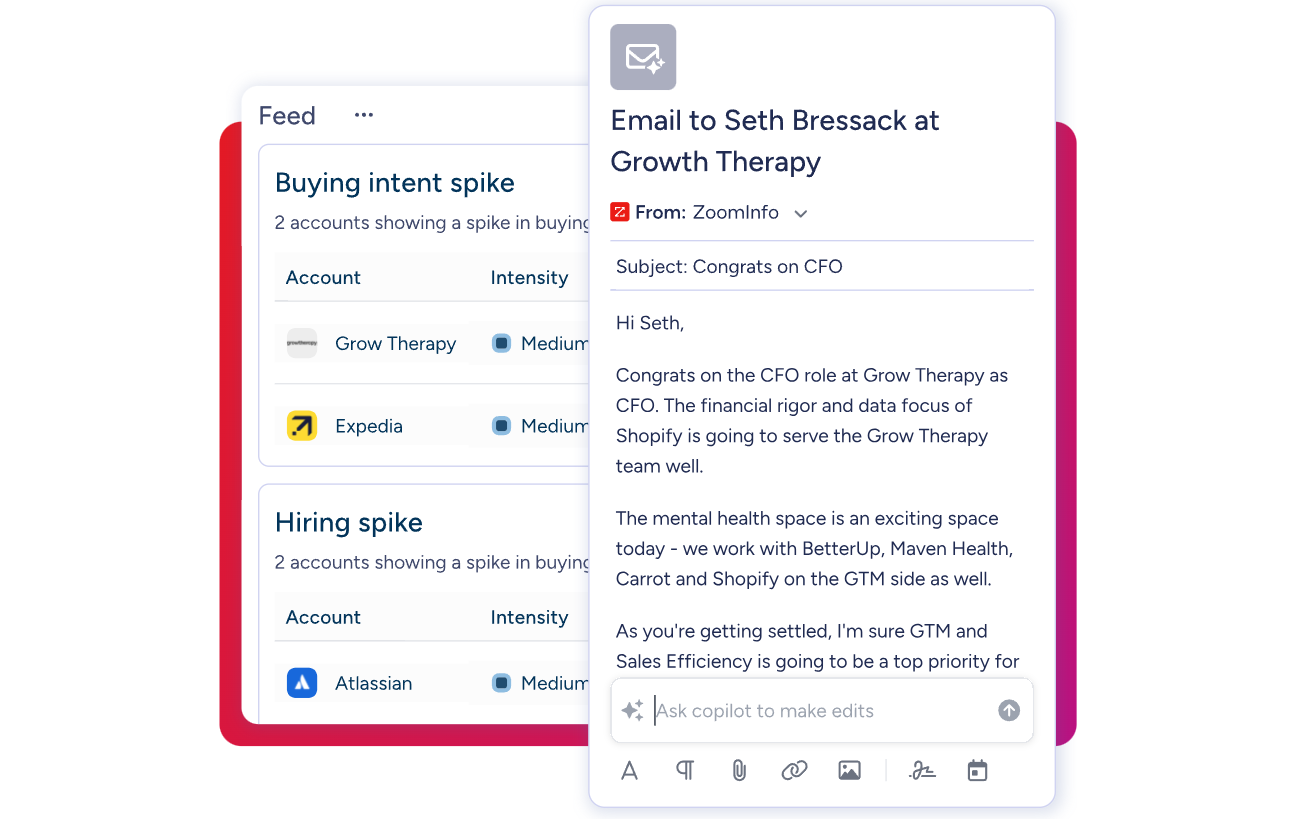
The three AI investments are complementary, not competitive. ZoomInfo's AI helps reps find and engage buyers. EasyComp and Everstage's AI helps those same reps understand and trust their compensation.
Security and compliance: Everstage leads, EasyComp is sufficient
For enterprise buyers in regulated industries, each platform's compliance posture matters.
Everstage holds the broadest certification portfolio: SOC 2 Type II, SOC 1 Type II, ISO 27001:2022, ISO 42001:2023 (AI management), GDPR, and CCPA. The ISO 42001 certification is notable: it's an AI management system standard that reflects the platform's agentic architecture. End-to-end encryption, audit logs, version control, SSO integration, and granular RBAC are confirmed platform features. The Trust Center publishes 70+ security policies.
EasyComp has completed a SOC 2 Type II audit and maintains a Trust Center at trust.easycomp.ai. Customer data is stored in the United States, and the privacy policy states that AI/ML subprocessors will not use customer identifiable information to train their models. Beyond SOC 2, no additional certifications (ISO 27001, HIPAA) are confirmed from public sources.
ZoomInfo carries ISO 27001, ISO 27701, SOC 2 Type II, TRUSTe GDPR and CCPA certifications, all renewed annually, and is a registered data broker in California and Vermont. As a B2B data infrastructure company serving financial services, healthcare, and government customers, ZoomInfo's compliance investment runs deep.
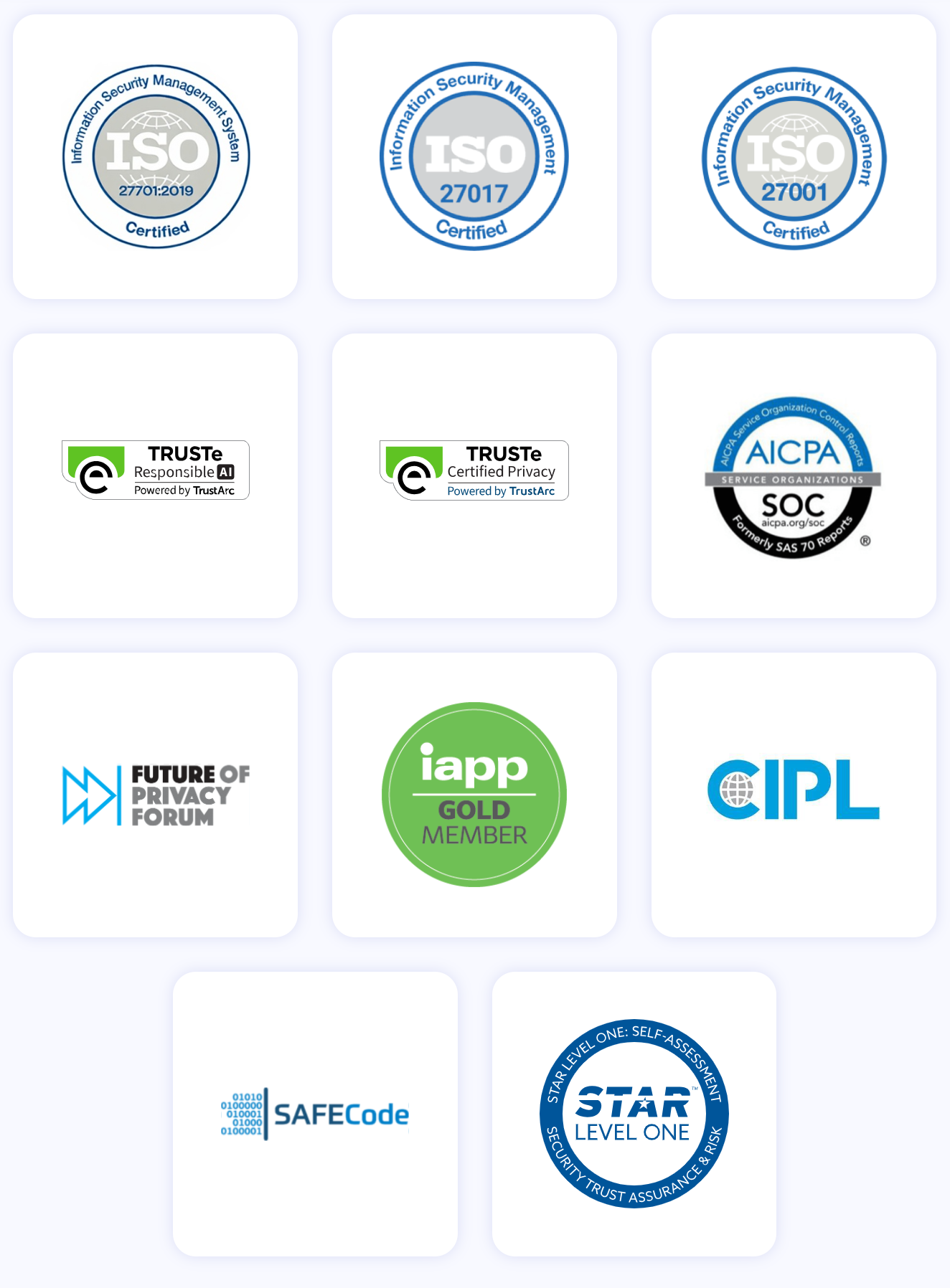
For compensation platform buyers in financial services or healthcare, Everstage's ISO 27001 and SOC 1 certifications may be requirements that EasyComp doesn't yet meet. For standard SaaS companies, EasyComp's SOC 2 Type II is typically sufficient.
Who each platform is built for
Understanding the ideal customer profile for each platform makes the choice clearer.
EasyComp fits Series B through mid-enterprise B2B companies (particularly SaaS, healthtech, and cybersecurity) with 50–500 sales reps. Published customers include Alkira (Series C), Roboflow, Fieldguide, Carrum Health, and Secure Code Warrior. The primary buyer is the RevOps leader or VP Finance who has outgrown spreadsheets but finds legacy ICM platforms too heavy to operate. Teams that change comp plans frequently and need those changes live in days, not weeks, are the best fit.
Everstage fits mid-market to enterprise companies with 75–5,000+ commission-eligible payees. Published customers span manufacturing (Trimble), financial services (SECU, the 2nd-largest US credit union), and SaaS (Postman, Chargebee, Gong). Buyers who want to consolidate compensation, planning, and quoting onto a single vendor, or who are replacing a legacy platform like Xactly, find the most value here.
ZoomInfo fits enterprise and upper mid-market B2B companies across SaaS, financial services, professional services, and manufacturing. Named customers include Adobe, Microsoft, Snowflake, PayPal, and Databricks. The primary buyers are Sales, Marketing, and RevOps leaders who need the data, intelligence, and execution infrastructure to build pipeline.
EasyComp vs. Everstage vs. ZoomInfo: Which should you choose?
These three platforms solve different problems in the revenue cycle. Here's how to decide.
Choose EasyComp if:
You're replacing spreadsheets or a lightweight tool for the first time
Your RevOps team needs to deploy and iterate on comp plans in days without IT help
Calculation transparency and rep self-service are your top priorities
You want published, predictable per-user pricing
You have 50–500 reps and your plan complexity is real but not extreme
Choose Everstage if:
You need enterprise-grade ICM with analyst validation and strong compliance credentials
You want compensation, territory planning, and CPQ on one platform
You're replacing a legacy vendor (Xactly, Varicent) and need proven enterprise migration
AI-powered rep forecasting and what-if simulations rank high on your list
You have 75+ payees and the budget for custom-quoted enterprise pricing
Add ZoomInfo if:
You want to improve the pipeline quality and deal velocity that your comp plans pay out on
Your reps need better data, buyer signals, and AI-drafted outreach to fill their funnel
You're looking for an intelligence layer that complements your compensation infrastructure
You want one platform for prospecting, account intelligence, intent monitoring, and outreach
Your RevOps team needs enriched, accurate CRM data flowing into both your comp engine and your sales execution
Start with ZoomInfo Lite for free, or see the full platform with a 7-day trial.
EasyComp and Everstage both solve the commission problem well. EasyComp does it faster and more transparently for growth-stage companies. Everstage does it with more breadth and enterprise validation for larger organizations. But the revenue teams that consistently hit quota aren't just the ones with accurate comp plans. They're the ones with better intelligence, better targeting, and better pipeline. That's the problem ZoomInfo solves, and it compounds every dollar you invest in compensation infrastructure.
EasyComp vs. Everstage vs. ZoomInfo FAQ
What is the core difference between EasyComp and Everstage?
EasyComp is a focused commission calculation and payout platform built for speed. It deploys in weeks, lets RevOps iterate on plans in days, and traces every payout back to the exact deal, rule, and math that produced it. Everstage is a broader sales performance management suite that combines incentive compensation with CPQ and territory/quota planning, targeting mid-market and enterprise organizations that want multiple revenue operations functions on one platform.
How does ZoomInfo relate to EasyComp and Everstage?
ZoomInfo is not a compensation platform. It complements both EasyComp and Everstage by powering the upstream pipeline that feeds into commission calculations. ZoomInfo provides B2B data, buyer intent signals, and AI-driven outreach tools that help sales teams find and close the deals that compensation platforms then pay out on.
Which platform is faster to implement?
EasyComp is the fastest, with Growth plan customers going live within two weeks and a demo built using your own comp plans delivered in under a week. Everstage advertises 4–6 weeks to go live, among the fastest in the enterprise ICM category. Both platforms require more time for complex, multi-source enterprise deployments.
How does pricing compare between EasyComp and Everstage?
EasyComp publishes prices on its website: $30/user/month (Starter) and $45/user/month (Growth), with zero implementation fees on the Starter plan. Everstage does not publish pricing. All quotes are custom, priced per payee, with implementation and support fees scoped separately. The Diligent case study reported a 70% reduction in total cost of ownership after switching from Xactly to Everstage, but specific Everstage pricing is not publicly available.
Which platform has stronger analyst recognition?
Everstage has significantly more analyst validation, including a Forrester Strong Performer designation (Q1 2025), Gartner Market Guide inclusion, and Gartner Peer Insights Customers' Choice with a 4.9/5 rating. EasyComp, founded in 2024, does not yet appear in analyst reports. ZoomInfo is a Gartner MQ Leader in ABM Platforms and a Forrester Leader in Intent Data Providers.
Can reps see how their commissions are calculated on both platforms?
Yes, but the approach differs. EasyComp shows reps a full calculation lineage: every payout traces from the source deal through plan rules to the final amount, with reps able to self-serve answers at the deal level. Everstage's Crystal AI Agent lets reps ask payout questions in natural language and run what-if simulations on deal attributes. Both approaches aim to eliminate shadow accounting.
Which platform handles more complex compensation plans?
Both handle enterprise complexity including splits, accelerators, tiers, ramps, clawbacks, and multi-team overlays. Everstage has proven this at larger scale (Diligent runs 700+ payees across diverse roles), while EasyComp's customer base currently skews toward companies with 50–500 reps. Everstage adds pre-deployment financial modeling via its Time Machine feature, which EasyComp does not offer.
Do EasyComp or Everstage integrate with ZoomInfo?
Neither platform lists a direct ZoomInfo integration. However, all three platforms integrate with Salesforce and HubSpot, meaning ZoomInfo's enriched CRM data flows into the deal records that EasyComp and Everstage use for commission calculations. ZoomInfo's data quality directly improves the accuracy of the CRM data that compensation platforms depend on.
See more EasyComp and Everstage comparisons:
