
If you're comparing SAP Enable Now and WalkMe, SAP has already made the decision for you.
In September 2024, SAP completed its acquisition of WalkMe for roughly $1.5 billion and named it the successor to SAP Enable Now. As of April 22, 2025, SAP no longer sells new Enable Now contracts. The question for most organizations is no longer "which platform is better?" but "what does the transition mean, and what should I do next?"
Before charting your path forward, answer these five questions:
Are your training needs focused on SAP products, or do you need adoption support across a mixed application landscape?
How much existing Enable Now content do you need to preserve, and how much can you afford to rebuild?
Do you need in-application walkthroughs, simulation-based e-learning, or both?
Does your organization have the resources to implement and maintain a full digital adoption platform?
Is tool adoption your biggest productivity bottleneck, or is it the data and intelligence flowing through those tools?
In short, here's what we recommend:
SAP Enable Now served SAP-centric enterprises well for a decade. Its single-recording content engine produces e-learning modules, simulations, documentation, and video from one captured session.
Integration with S/4HANA, SuccessFactors, Ariba, Concur, and other SAP products made it the natural training companion for SAP implementations.
But SAP has closed the roadmap: the March 2025 release was the final feature update, renewals stop after April 2027, and mainstream maintenance ends November 2030.
If you're an existing customer, Enable Now still works today. If you're evaluating new solutions, it is no longer an option.
WalkMe leads the digital adoption platform market and is SAP's chosen successor. Unlike Enable Now's SAP-only scope, WalkMe works across any web or desktop application using its DeepUI technology, which adapts guidance automatically when applications update.
The trade-offs: WalkMe carries enterprise pricing that mid-market organizations often find prohibitive, a steep learning curve for advanced configurations, and the open question of whether SAP ownership will shift priorities toward SAP applications at the expense of vendor neutrality.
Both platforms address the same challenge: helping employees use enterprise software effectively. But for go-to-market teams (sellers, marketers, and revenue operators who drive pipeline and close deals), there's a parallel challenge neither digital adoption platform touches. Even perfect tool adoption can't fix incomplete data, stale contacts, or missing intelligence inside the systems your team is learning to use.
ZoomInfo is a GTM platform that addresses the other side of the productivity equation. While WalkMe guides reps through CRM workflows, ZoomInfo ensures those workflows run on verified data: 500M contacts, 100M companies, 135M+ verified phone numbers, and 200M+ verified business emails.
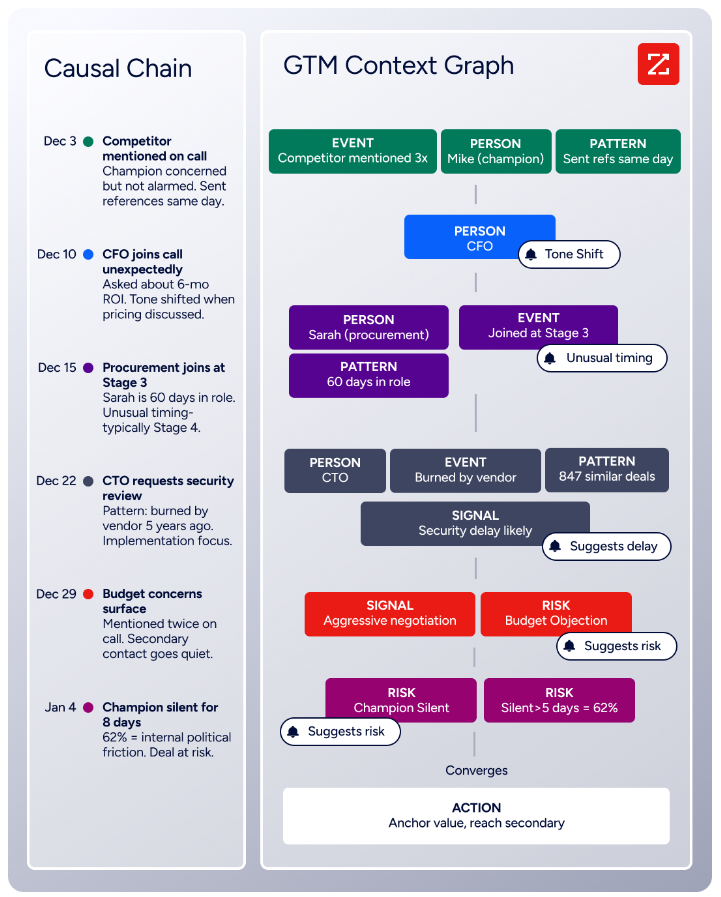
Its GTM Context Graph fuses your CRM records, conversation transcripts, and behavioral signals with ZoomInfo's third-party data, surfacing why deals move or stall, not just what happened.
For enterprise GTM teams, pairing a digital adoption platform with ZoomInfo's intelligence covers both how your team uses tools and what those tools actually know.
If the data and intelligence side of your GTM productivity sounds like the missing piece, see how ZoomInfo works.
SAP Enable Now vs. WalkMe at a glance
SAP Enable Now | WalkMe | ZoomInfo | |
|---|---|---|---|
Primary function | SAP training content authoring and in-app help | Cross-application digital adoption and workflow automation | B2B data and AI-powered GTM intelligence |
Application coverage | SAP products only | Any web or desktop application | CRM, sales, and marketing tools via integrations |
Product status | End-of-sale (April 2025); maintenance through Nov 2030 | Active; SAP subsidiary | Active; NASDAQ: GTM |
AI capabilities | Text generation, translation, text-to-speech | DeepUI, contextual AI, workflow automation, Learning Arc | GTM Context Graph, AI agents, intent signals |
Content creation | Single-recording, multi-output authoring | Low-code editor with AI-assisted building | AI-generated outreach, account briefs, and plays |
Analytics | Basic production reports | Workflow, form, and license utilization analytics | Intent data, buying signals, pipeline intelligence |
In-app guidance | SAP Companion (removed for new customers) | Walk-Thrus, SmartTips, ShoutOuts across any app | N/A (powers data inside guided tools) |
Pricing | Per-user subscription (not published) | Custom enterprise quotes | Consumption-based (custom quotes); free tier available |
Best for | Existing SAP training programs (legacy only) | Enterprise software adoption at scale | GTM teams needing verified data and sales intelligence |
Enable Now is ending: the transition is the real comparison
The most important fact in this comparison: SAP Enable Now and WalkMe are no longer competing products. They are a legacy platform and its designated replacement.
SAP's transition timeline is explicit:
April 22, 2025: No new Enable Now contracts of any kind
December 8, 2025: WalkMe Learning Arc (the e-learning successor) reached General Availability
April 30, 2027: Hard deadline for existing cloud subscription renewals
November 30, 2030: End of mainstream maintenance
For organizations still using Enable Now, this isn't a feature comparison. It's a migration plan. SAP has provided a content migration pathway via WalkMe Learning Arc for importing simulations into microlearnings.
But the migration has real limits: SAP Companion content (the in-app guidance overlay) cannot be automatically migrated to WalkMe and must be rebuilt natively.
Independent Enable Now practitioners advise against rushing the migration, noting that WalkMe Learning Arc at its December 2025 launch offered only Demo and Practice simulation modes, with Test mode and full feature parity still on the roadmap.
What makes the migration harder: imported Enable Now content can be hosted and played in WalkMe Learning Arc but cannot serve as training data for WalkMe's AI features (recommendations, adaptive learning).
Organizations with large content libraries face a choice between preserving legacy content in a format WalkMe's AI can't use, or rebuilding from scratch to take full advantage of the new platform.
For organizations evaluating fresh, Enable Now is off the table. The real decision is whether WalkMe fits your environment, or whether a different approach entirely is what your team needs.
SAP-only vs. cross-application: the fundamental divide
Enable Now was built for SAP. Every feature, from SAP Companion's in-app overlay to the Signavio integration that synchronized training with live process models, assumed the user's world revolved around SAP applications.
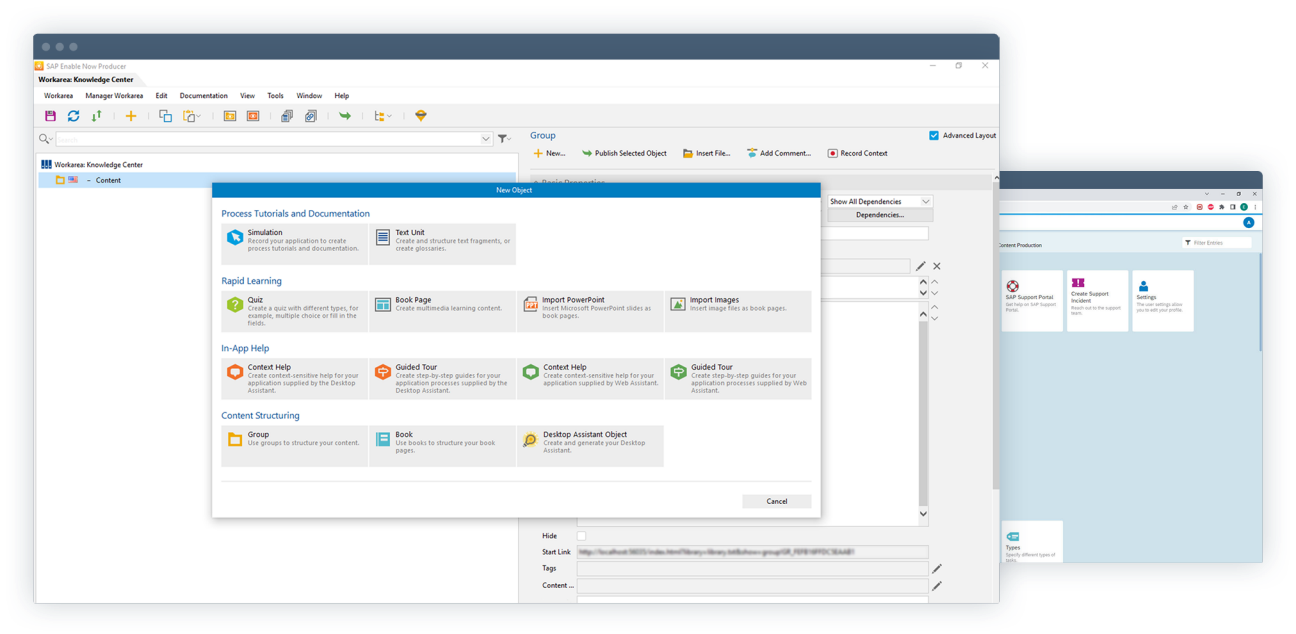
Source: Enable Now
For organizations where that was true, the native SAP integration was a real differentiator.
No other digital adoption tool could match the pre-built SAP content libraries or the Cloud ALM integration that tied training delivery to implementation timelines.
But the SAP focus was also a hard constraint. SAP Companion couldn't touch non-SAP applications. Organizations running Salesforce alongside S/4HANA, or Workday alongside SuccessFactors, had to maintain a separate adoption solution for the non-SAP half of their landscape.
In practice, many ran no adoption tooling at all on their non-SAP applications, creating inconsistent user experiences across their tech stack.
WalkMe flips this. Its DeepUI technology reads application interfaces at the visual level (layout, text, interaction patterns) rather than relying on hardcoded element IDs.
WalkMe can overlay guidance on SAP, Salesforce, Workday, Microsoft Dynamics 365, ServiceNow, and nearly any web or desktop application without per-app integrations. One platform, one set of content creation tools, one analytics dashboard across the entire tech stack.
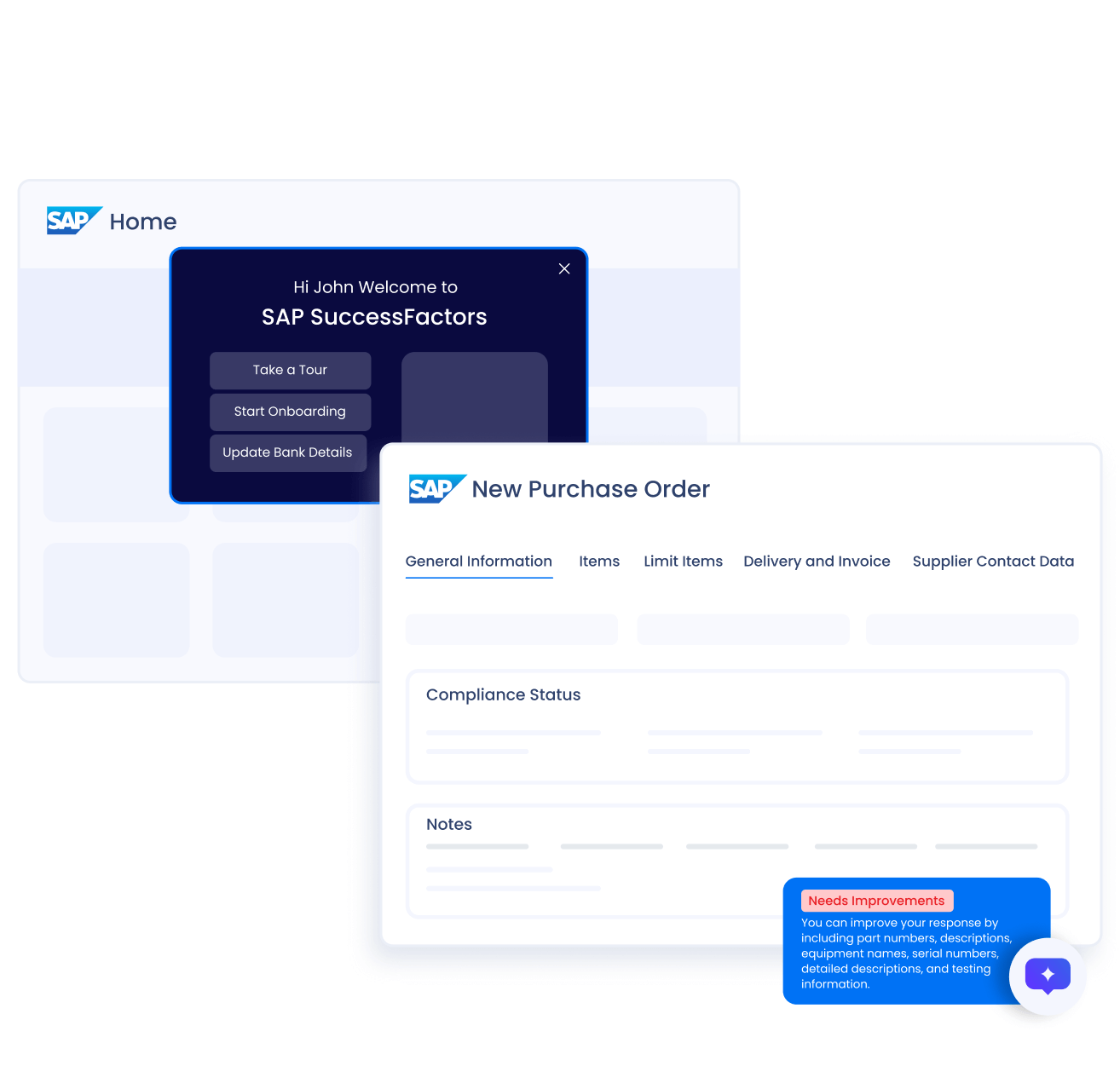
Source: WalkMe
The trade-off is depth. WalkMe's SAP coverage is broad but lacks the specificity Enable Now offered: the pre-built SAP process content libraries, the Signavio process model synchronization, the Cloud ALM project integration.
WalkMe is working to close this gap (it is now embedded natively into SAP applications with a WalkMe Standard tier included in SAP subscriptions), but matching Enable Now's SAP-specific depth will take time.
For SAP-heavy organizations, the transition means accepting good-enough SAP support in exchange for coverage everywhere else. For mixed-application environments, WalkMe is a clear upgrade.
Content creation: single-source authoring vs. AI-powered building
Enable Now's content creation centered on one idea: record once, publish everywhere. The Instant Producer captured every click and input during a live session, then generated Demo, Test, Practice, and Document modes simultaneously, plus video.
For training teams under tight deadlines, this approach was efficient. One subject-matter expert recording a 15-minute process could produce an entire training suite without an instructional designer.
The limitations were equally real. Changes to captured simulations often required complete re-recordings rather than simple edits. Scrolling during recording wasn't supported. Dual-monitor setups created technical problems.
The Instant Producer captured procedural steps but not business context (it could show an employee where to click but not why the click mattered).
The authoring tool required "attention to detail and procedural rigor", and missed synchronization between Producer (desktop) and Manager (web) caused content to land in "Unsorted" folders or disappear entirely.
WalkMe takes a different approach. The WalkMe Editor is a point-and-click builder where content creators select UI elements directly on the target application and define guidance steps, triggers, and conditions without coding.
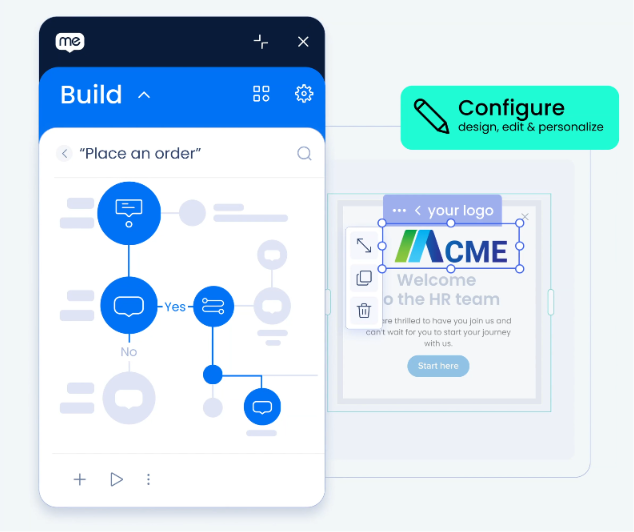
Source: WalkMe
AI-assisted building helps teams create guidance faster, while Workflow Accelerators provide pre-built templates drawn from over 2,000 enterprise implementations.
Where Enable Now required exact click placement and data entry sequences during recording, WalkMe's guidance supports branches, splits, and conditional logic that handle multiple user paths through the same workflow.
The newer WalkMe Learning Arc adds simulation-based training, directly addressing the capability Enable Now excelled at. Authors can turn prompts and uploaded files into courses and record web sessions to auto-generate interactive simulations.
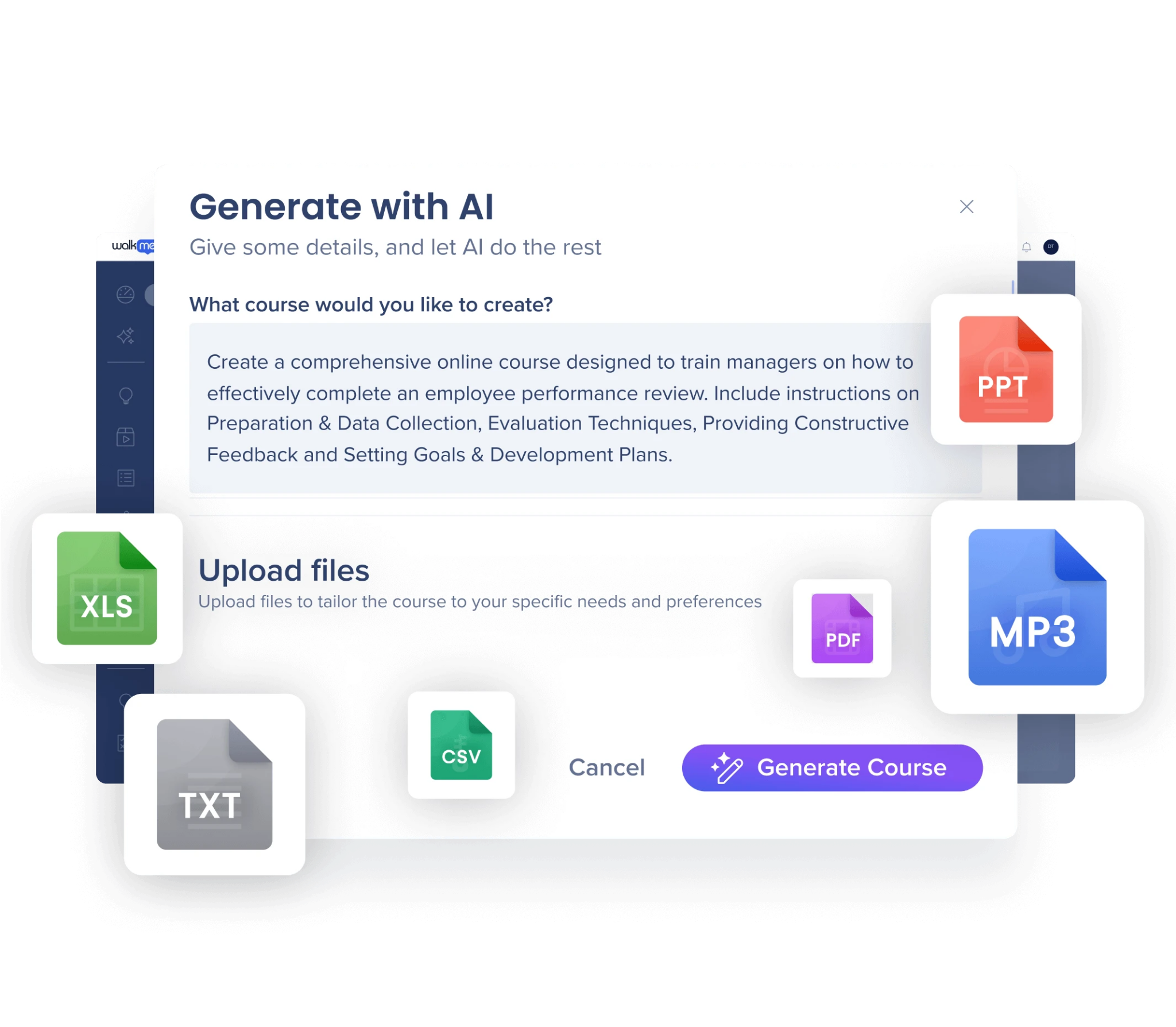
Source: WalkMe
Learning Arc is still maturing (at its December 2025 GA, it offered fewer simulation modes than Enable Now), but it represents WalkMe's long-term investment in structured training.
One advantage Enable Now retains for existing customers: machine translation via SAP Translation Hub covering 40+ languages at no additional cost for cloud edition customers. For global SAP rollouts requiring content in 10 to 20 languages simultaneously, this integrated translation workflow remains difficult to replicate with WalkMe.
AI and analytics reveal different priorities
Enable Now's AI capabilities arrived late. The 2024 release added AI-assisted text generation (text improvement, summarization, keyword generation, and full text generation from notes), all embedded in the authoring text editor.
These features helped authors write better content but didn't change how guidance was delivered or consumed.
WalkMe treats AI as infrastructure. WalkMe AI combines screen-based understanding (via DeepUI), business knowledge, and user memory to deliver contextual help proactively.
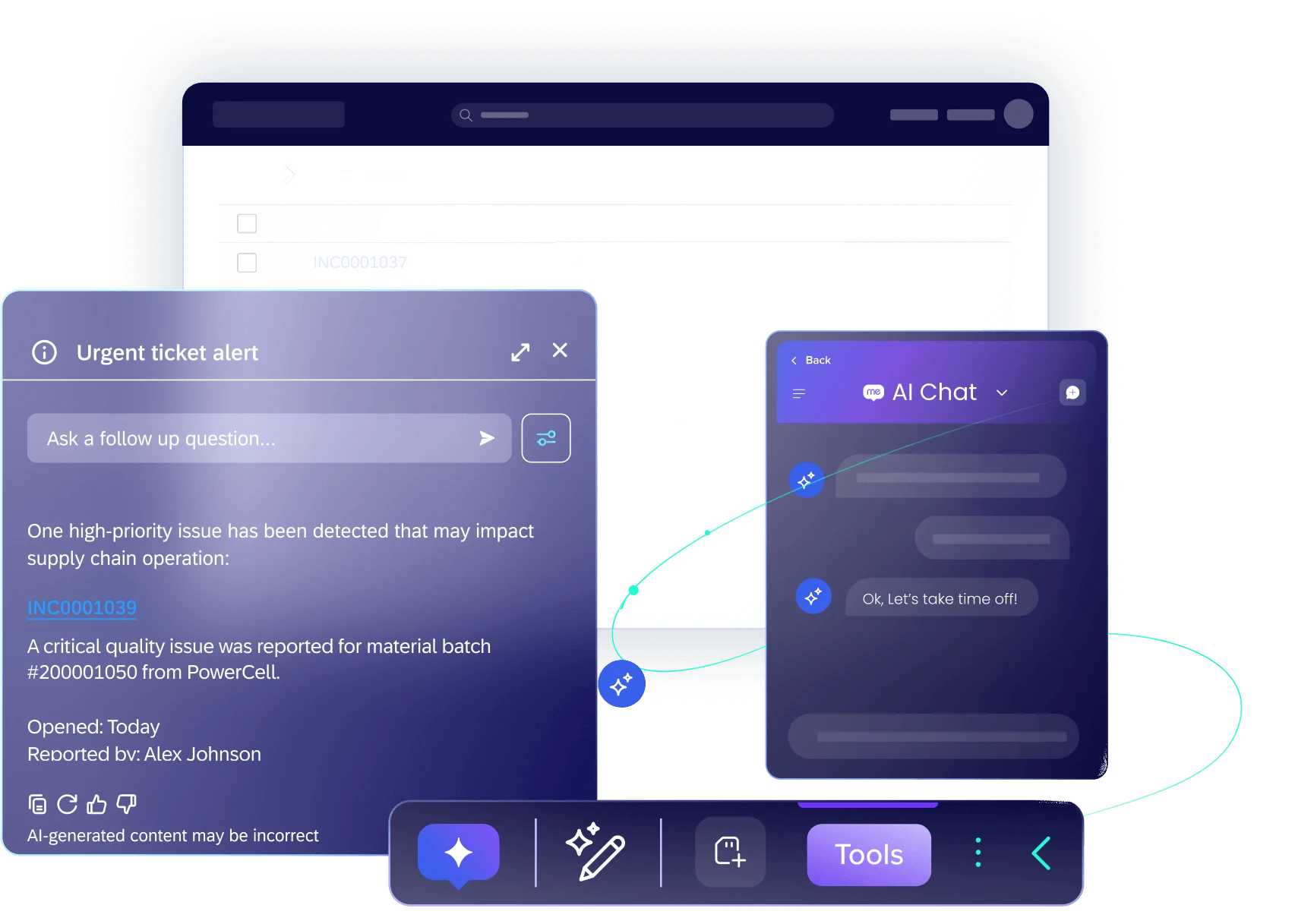
Source: WalkMe
Instead of waiting for users to seek help, WalkMe AI surfaces next-best-action recommendations, automates multi-step workflows through natural language, and provides writing and reading assistance inside any application.
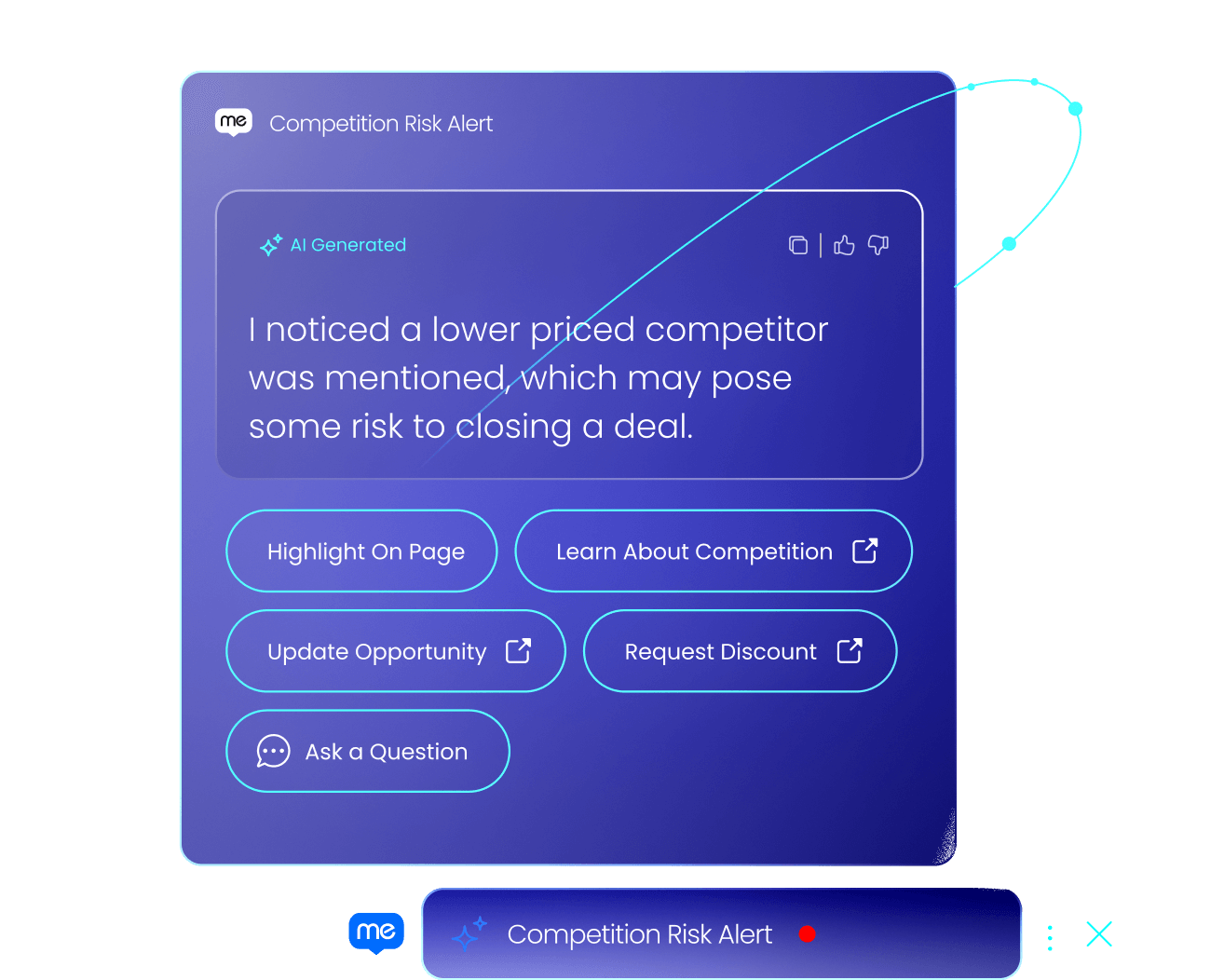
Source: WalkMe
The system processes over 7 billion interactions between people and software every year, giving its AI a dataset for understanding how humans navigate enterprise applications that no competitor has.
The analytics gap is wider still. Enable Now offered basic production reports covering content usage, completion tracking, and authoring project metrics. Useful for L&D teams measuring training effectiveness, but limited in scope.
WalkMe's analytics operate at a different scale. App Discovery & Analytics automatically discovers every web-based application in use across the organization (including shadow IT and unsanctioned AI tools) without manual configuration.
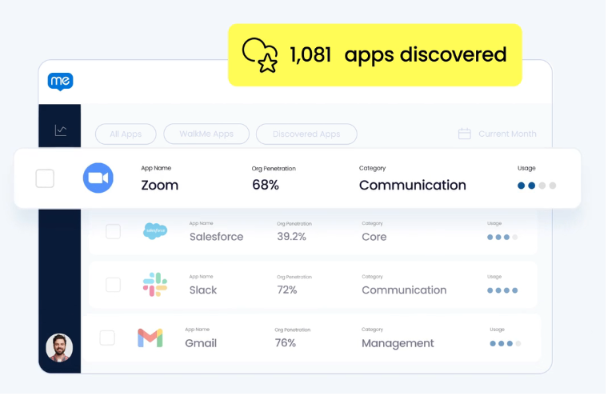
Source: WalkMe
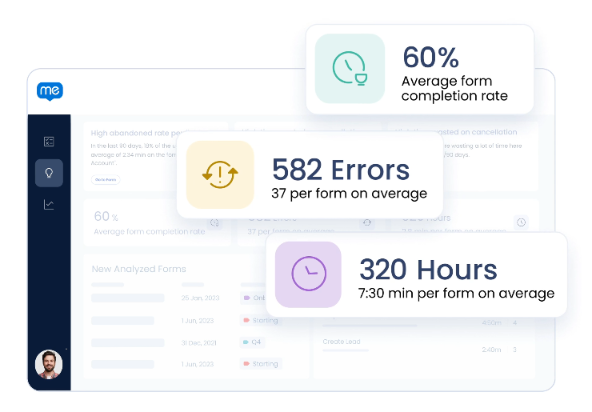
Workflow Analytics maps user interactions against defined workflows to identify where people get stuck. Form Analytics captures field-level completion data. And Discovery License Optimization overlays financial data on usage metrics to surface unused or underused software licenses.
Source: WalkMe
This analytics depth is WalkMe's strongest argument over Enable Now. Enable Now told you whether employees completed their training. WalkMe tells you whether they're using the software correctly afterward, and how much that software costs per active user.
For go-to-market teams, there's a third type of analytics that neither platform provides: buyer intent, deal intelligence, and pipeline visibility.
This is where ZoomInfo's GTM Context Graph fits. WalkMe reveals how your team uses your tools. ZoomInfo reveals what's happening in your market and your deals. The two types of insight serve different decisions but both affect the same bottom line.
For GTM teams, the data gap matters as much as the adoption gap
Digital adoption platforms solve a real problem: employees struggle with complex software and waste time navigating unfamiliar workflows. WalkMe's own research estimates that enterprises lose 51 workdays per employee annually to technology friction. That's worth addressing.
But for go-to-market teams, there is a parallel challenge that adoption tooling alone doesn't solve.
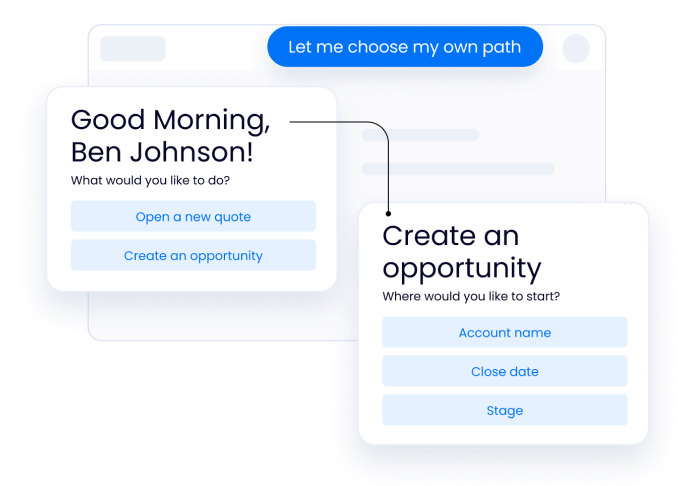
WalkMe can guide a sales rep through every step of creating an opportunity in Salesforce. It can validate field inputs, prevent data entry errors, and automate repetitive form fills.
Source: WalkMe
What it cannot do is tell that rep which accounts are worth pursuing, whether the contact data in the CRM is accurate, or what buying signals suggest the account is ready to engage.
This is the gap ZoomInfo fills. ZoomInfo provides the intelligence layer that makes CRM and sales tools worth adopting in the first place.
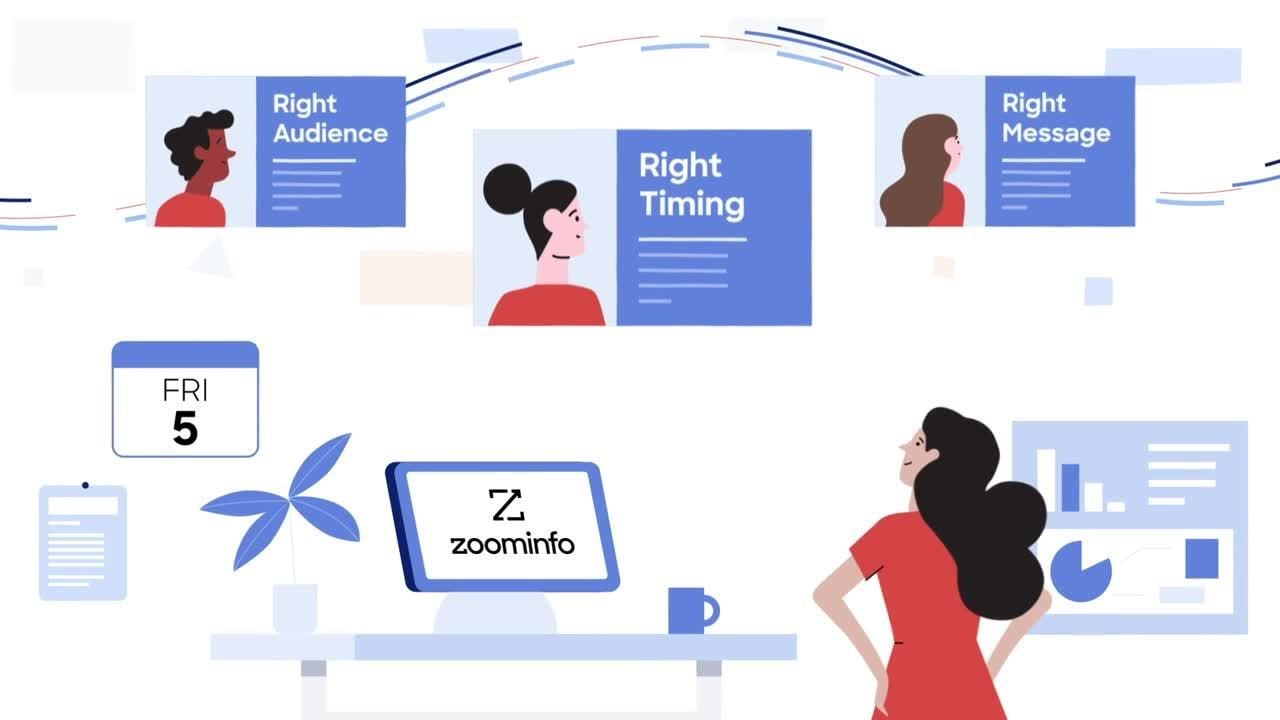
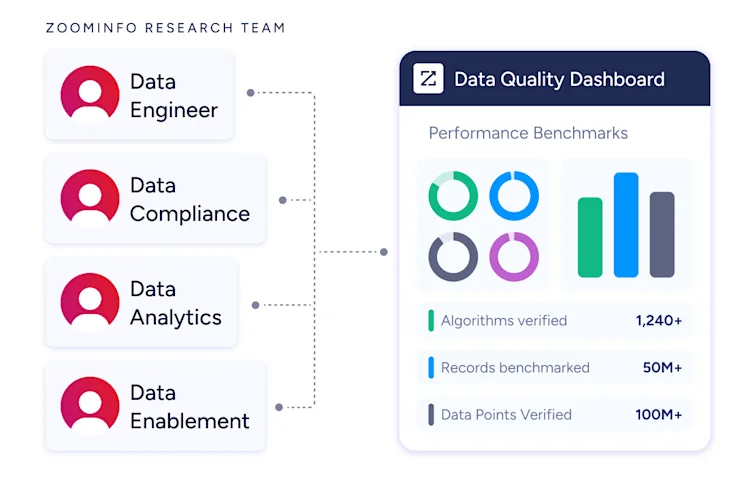
Its data covers 500M contacts, 100M companies, 135M+ verified phone numbers, and 200M+ verified business emails, verified through a multi-source pipeline backed by 300+ human researchers with up to 95% accuracy on first-party data.
Source: ZoomInfo
In a Fortune 500 competitive RFP analyzing 25 million contacts across vendors, the independent consultant concluded that "no other competitor came even close."
Data alone isn't the differentiator. ZoomInfo's GTM Context Graph fuses that B2B data with your CRM records, conversation transcripts from Chorus (ZoomInfo's conversation intelligence engine), and behavioral signals into a single intelligence layer processing 1.5B+ data points daily.
Source: ZoomInfo
The result: AI that captures not just what happened in a deal, but why it happened. The CFO who joined the last call and asked about six-month ROI.
The champion who went quiet during an internal budget battle. The intent signals showing the account is researching your competitor.
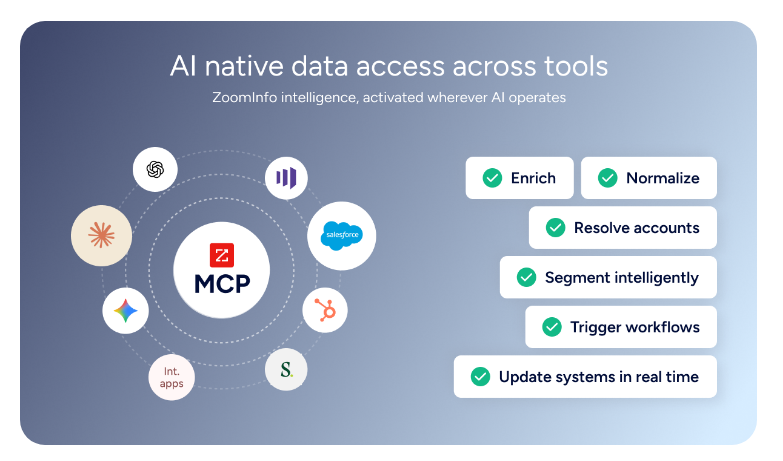
That context flows into every downstream action: GTM Workspace surfaces it for sellers, GTM Studio turns it into targeted plays for marketers, and APIs and MCP deliver it into any third-party tool or AI agent.
Source: ZoomInfo
The practical difference: WalkMe helps your team use Salesforce correctly. ZoomInfo ensures Salesforce contains the right data and intelligence to be worth using correctly. WalkMe addresses process friction. ZoomInfo addresses information gaps. The two work different sides of the same productivity equation.
"That combination of our internal CRM data, external signals, and AI that's given all that context has helped us craft very specific account- and persona-based messages. And people have responded to them right away." (Toby Carrington, CBO, Seismic)
CRM data quality: two complementary approaches
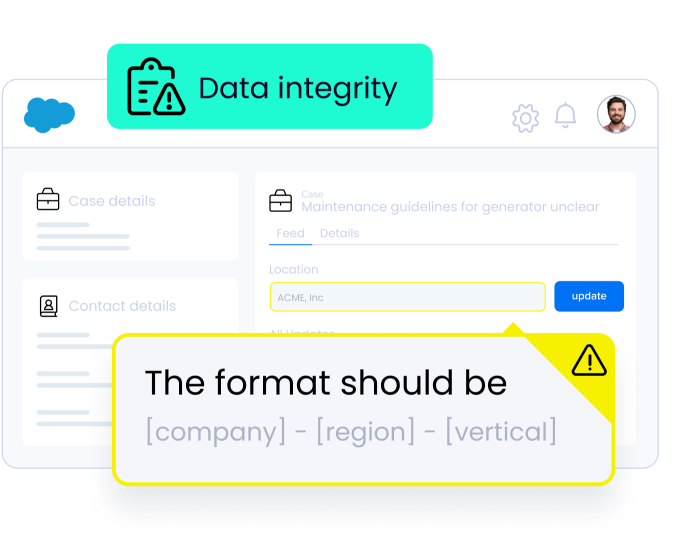
WalkMe lists data integrity and CRM data quality as a core use case. The approach: prompt users to complete fields correctly, validate inputs in real time, and prevent bad data from entering the system. This is prevention at the point of entry, and it works.
Source: WalkMe
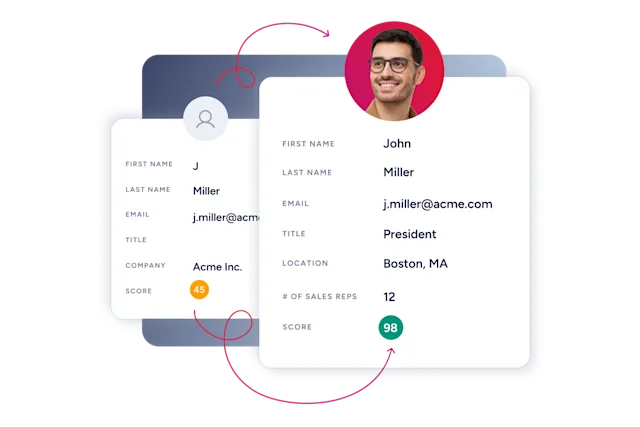
ZoomInfo addresses CRM data quality from the opposite direction. Instead of preventing bad entry, ZoomInfo enriches records with verified information that was never there to begin with.
Its Operations product automates deduplication, verification, and multi-vendor enrichment from roughly 60 data sources.
Source: ZoomInfo
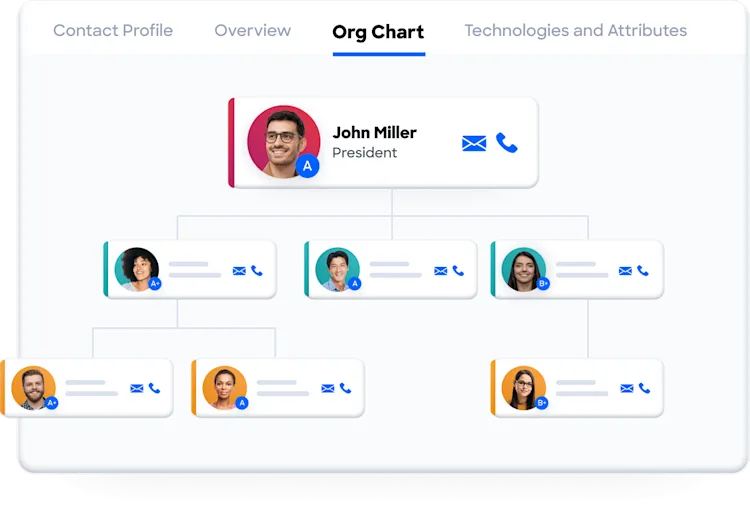
Perimeter protection blocks bad data at entry, while enrichment workflows add verified phone numbers, emails, company attributes, technographics, and org chart data to existing records.
Source: ZoomInfo
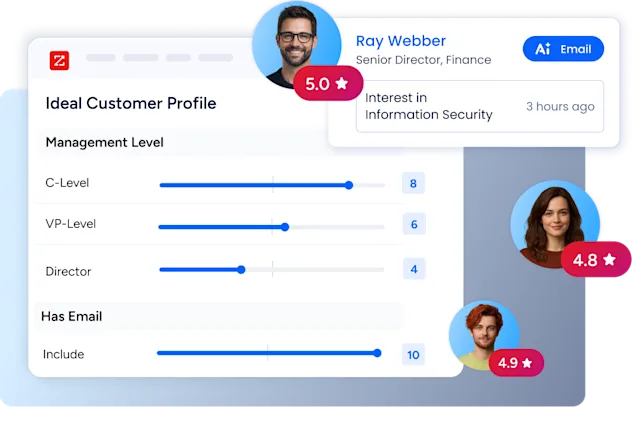
The two approaches are complementary. WalkMe stops your reps from entering "test" into the company name field.
ZoomInfo ensures the company name field contains accurate company data, the contact record has a verified direct dial, and the account page shows which technologies the prospect uses and whether they're researching your category.
Source: ZoomInfo
For enterprise GTM teams, the question isn't which approach to choose. Both matter. Organizations with clean processes but stale data produce polished CRM records full of outdated information. Organizations with rich data but sloppy processes produce duplicate records and miscategorized opportunities. Fixing both sides creates a CRM that teams actually trust, which is the prerequisite for any AI or automation initiative to deliver value.
"ZoomInfo gives us the information we need to execute. It's already there, so we can be three steps ahead." (William Kenimer, VP of Revenue Operations, Vensure)
Pricing is opaque for both, but the cost structures differ
Neither platform publishes pricing. SAP Enable Now's pricing page returns a 404. WalkMe's pricing page leads to a "Request a demo" form. Both require direct sales engagement.
What we know about Enable Now: it used a per-user, per-year subscription model. Cloud edition covered all components under a single license type, including Producer, Manager, Instant Producer, and SAP Companion.
A real cost advantage was that one per-user fee covered SAP Companion in-app help across all SAP products simultaneously, rather than charging per application.
What we know about WalkMe: it uses a subscription license model based on a negotiated number of users and target applications.
TrustRadius reviewers consistently call WalkMe expensive, with multi-year contracts and add-ons making budgeting difficult. The MLSA specifies that fees are non-refundable and contracts are non-cancelable for the full commitment term.
For SAP customers, a WalkMe Standard tier is included in SAP subscriptions with WalkMe Premium available for customization, which may reduce incremental costs for organizations already paying SAP license fees.
The transition itself costs money. Customers migrating from Enable Now to WalkMe must license both platforms during the transition window.
SAP has made a reduced-cost "WalkMe Test and Go Live License" available for migration testing. Independent practitioners note that WalkMe will almost certainly cost more than Enable Now did.
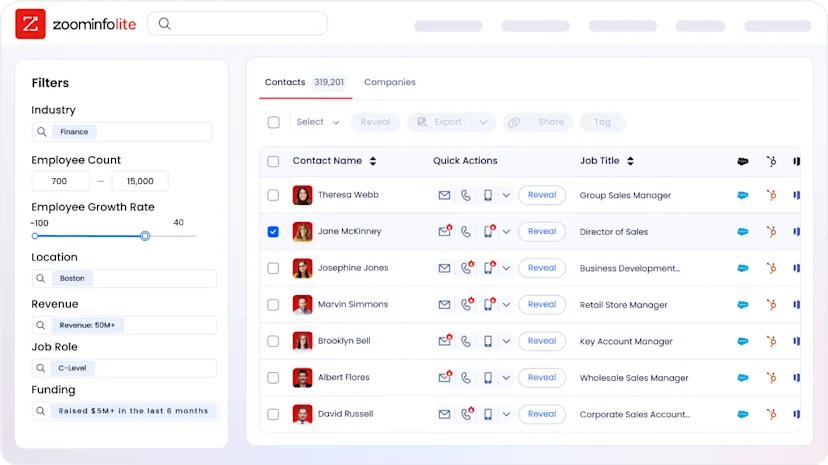
ZoomInfo uses a consumption-based pricing model that is also custom-quoted, but offers something neither DAP does: a permanent free tier.
ZoomInfo Lite provides access to the B2B database with 10 monthly export credits, individual and company searches, a Chrome extension, and basic website visitor identification, all at no cost and with no time limit.
Source: ZoomInfo
A 7-day free trial of the full platform is also available. For organizations trying to determine whether data quality or tool adoption is the bigger productivity lever, this low-risk entry point lets GTM teams evaluate without a procurement cycle.
SAP Enable Now vs. WalkMe vs. ZoomInfo: Which should you choose?
The choice depends on where you stand today and what problem you're solving.
Stay with SAP Enable Now if:
You have an active contract and substantial content libraries that still serve your organization
Your training needs are exclusively SAP-focused
You need time to evaluate migration options before the April 2027 renewal deadline
Your organization isn't ready for the investment of implementing WalkMe
Choose WalkMe if:
You need a digital adoption platform that works across your entire application landscape, not just SAP
Employee onboarding, change management, and workflow automation are priorities
You want analytics showing how software is actually used and where licenses are wasted
You're an SAP customer who can leverage the included WalkMe Standard tier
You have the resources to implement and maintain an enterprise-grade DAP
Add ZoomInfo if:
Your go-to-market team's productivity bottleneck is data quality and intelligence, not tool adoption
You need accurate, verified contact and company data powering your CRM and sales workflows
You want AI that understands your deals, not just your application interfaces
You're looking for a platform that works inside your existing tools via API, MCP, or native integrations
Your sellers need the right information at the right time, not just guidance on where to click
See what ZoomInfo's intelligence can do for your GTM team with a free trial.
The DAP market is consolidating around WalkMe for good reason. Its cross-application reach, AI capabilities, and SAP backing make it the default successor for Enable Now customers and a strong option for any enterprise evaluating adoption tooling. But for go-to-market teams, adoption is only half the productivity equation. The intelligence and data flowing through those tools matter as much as how well employees know how to use them. WalkMe addresses the adoption side. ZoomInfo provides the intelligence side. The most effective enterprise stacks pair both.
"Anything that minimizes our team's need to switch contexts is beneficial. ZoomInfo offers a unified view, eliminating the need to navigate between systems." (Ben Perceval, RevOps Manager, Spekit)
SAP Enable Now vs. WalkMe vs. ZoomInfo FAQ
What is happening with SAP Enable Now?
SAP has designated WalkMe as the successor to Enable Now. New Enable Now contracts stopped on April 22, 2025. Existing cloud subscriptions cannot renew after April 30, 2027, and mainstream maintenance ends November 30, 2030. The March 2025 release was the final feature update. SAP acquired WalkMe for roughly $1.5 billion in September 2024 and is directing all future digital adoption investment into WalkMe.
Can I migrate my Enable Now content to WalkMe?
Simulation-based content can be imported into WalkMe Learning Arc and converted into microlearnings. However, SAP Companion in-app guidance content cannot be automatically migrated and must be rebuilt natively in WalkMe. Imported Enable Now content can be hosted and played but cannot serve as training data for WalkMe's AI features (recommendations, adaptive learning).
How does WalkMe differ from SAP Enable Now?
Enable Now was built exclusively for SAP applications and excelled at training content authoring, producing simulations, documentation, and e-learning from a single recording. WalkMe works across any web or desktop application, provides detailed analytics on software usage, and includes AI features like DeepUI (which adapts guidance automatically when applications change) and workflow automation. WalkMe is broader in application coverage; Enable Now offered deeper SAP-specific integration.
What does ZoomInfo have to do with digital adoption?
ZoomInfo is not a digital adoption platform. It addresses a complementary challenge for go-to-market teams: ensuring the data and intelligence inside CRM and sales tools are accurate and actionable. WalkMe helps employees use Salesforce correctly. ZoomInfo ensures the contact data, company information, and buying signals inside Salesforce are verified and current. For enterprise GTM teams, both tool adoption and data quality affect productivity.
Which platform is more expensive, Enable Now or WalkMe?
Neither publishes pricing. User reviews and independent practitioners indicate WalkMe is likely more expensive than Enable Now was. WalkMe uses custom enterprise quotes with multi-year, non-cancelable contracts. For SAP customers, a WalkMe Standard tier is included in SAP subscriptions, which may reduce incremental costs. Enable Now's per-user pricing covered all SAP products under one license, which was a cost advantage for organizations running multiple SAP solutions.
Does WalkMe work with non-SAP applications?
Yes. WalkMe's DeepUI technology works across any web or desktop application without native integrations, including Salesforce, Workday, Microsoft Dynamics 365, ServiceNow, and custom-built tools. This cross-application coverage is WalkMe's primary advantage over Enable Now, which was limited to SAP products.
Is WalkMe still independent after the SAP acquisition?
WalkMe operates as a wholly-owned SAP subsidiary and continues to support non-SAP applications. However, the strategic direction increasingly prioritizes the SAP ecosystem, with WalkMe embedded natively into SAP applications and serving as the designated successor to Enable Now. Organizations running primarily non-SAP stacks should evaluate whether WalkMe's roadmap continues to align with their needs.
How does ZoomInfo improve CRM data quality compared to WalkMe?
WalkMe improves CRM data quality by validating inputs at the point of entry, prompting users to complete fields correctly and preventing errors before submission. ZoomInfo improves CRM data quality from the other direction: enriching records with verified contact details, company attributes, technographics, and intent signals from its database of 500M contacts and 100M companies. WalkMe prevents bad data from going in. ZoomInfo adds verified data that wasn't there. The two approaches are complementary.
See how WalkMe compares across other platforms:
