

Forager sells data infrastructure for platforms that need accurate B2B contact information at scale. The company offers people, company, and job data through an API-first model, emphasizing verified mobile phone numbers for direct outreach.
For teams building enrichment workflows or powering AI sales tools, it offers a high-accuracy data layer.
For this Forager review, we analyzed the platform in detail. It's a good choice if:
You're a platform builder or data engineering team that needs to embed B2B contact data via API
You prioritize mobile phone number accuracy over broad feature sets
You run waterfall enrichment workflows and need reliable data in your stack
You target prospects in global markets where established data providers underperform
You prefer credit-based, pay-for-success pricing without long-term contracts
However, Forager might not be the best choice if:
You need more than raw data: outreach automation, conversation intelligence, or deal execution
You want intent signals that reveal when accounts are actively researching solutions
You require a unified view connecting your CRM, calls, emails, and third-party intelligence
You need compliance certifications (SOC 2, ISO 27001) and analyst-recognized data quality
You want AI that doesn't just find contacts but tells you who to call, when to engage, and what to say
In this case, you should consider ZoomInfo: an all-in-one AI GTM platform that goes beyond contact data. Built on B2B data (500M contacts, 100M companies, 135M+ verified phone numbers, and 200M+ verified business emails), ZoomInfo layers intent signals, conversation intelligence, and your CRM data into a GTM Context Graph that captures not just what's happening in your deals, but why.
That intelligence powers selling through GTM Workspace, marketing and RevOps workflows through GTM Studio, and any custom tool or AI agent through APIs and MCP.
Because of that, we've included a detailed look at ZoomInfo later in this Forager review. If you'd like to try ZoomInfo yourself, you can start with a free trial here.
What is Forager?
Forager is a B2B data intelligence provider founded in 2021 and headquartered in the Los Angeles area. The company delivers people, company, and job data through an API-first model designed primarily for platform operators rather than individual sales teams.
The product covers three data types: People Data (professional profiles and contact information), Company Data (firmographic profiles for approximately 61 million companies), and Job Data (global job postings with roughly 16 million posts ingested monthly). A fourth layer, Signals (real-time job and org change triggers), is listed as "coming soon".
Forager claims 850M+ total records across people and companies, 200M+ verified mobile numbers, and a 99% accuracy rate for direct outreach. Data is refreshed every 2.5 weeks, faster than many competitors that update quarterly.
The company's primary buyers are platform builders: enrichment orchestrators, AI sales tools, HR and recruiting platforms, and sales engagement applications.
The homepage lists Clay, Nooks, Amplemarket, and Andela among its customers. Individual SDR teams, RevOps leads, and founders are secondary audiences who access the data through the web app or direct API integration.
Forager Pros & Cons
Pros | Cons |
|---|---|
Strong mobile phone number accuracy | No outreach, sequencing, or CRM capabilities |
Credit-on-success model (no charge for failed lookups) | Few public reviews (six on G2) |
Bi-weekly data refresh cycle | No intent data or buying signals |
API-first with Clay integration | Enterprise pricing requires a sales call |
Global coverage across 247 countries | Sparse developer documentation for advanced workflows |
No long-term contracts on self-serve plans | No SOC 2 or ISO 27001 certifications disclosed |
Affordable self-serve entry at $50/month | Signals and webhooks still not launched |
Forager Review: How it Works & Key Features
People Data: Forager provides verified contact data with an emphasis on direct-dial mobile numbers.
Forager's People Data product is its core offering. The database covers 850M+ records across people and companies with 200M+ verified mobile numbers, built for mobile-first direct outreach.

Source: Forager
Access works through a two-step API workflow: a Person Role Search call retrieves a contact's internal Forager ID (1 credit), then a separate lookup endpoint pulls actual contact data.
Phone number lookups cost 15 credits per successful result, work email lookups cost 5 credits, and personal email lookups cost 5 credits. Credits are consumed only on successful lookups, not failed searches.
Person detail records include full name, headline, skills, structured location, LinkedIn profile URL, employment history with current-job flags, education, certifications, and languages with proficiency levels, all for 1 credit.
Reverse lookups work by email (5 credits) or phone number (15 credits), useful for identifying unknown inbound contacts.
For bulk users, the Person Data Feed delivers approximately 800 million profiles via Snowflake or cloud storage as an annual licensed product.
Company Data: Forager combines firmographics with technographics and job posting signals in a single API call.
Forager’s Company Data feature provides a searchable database of approximately 61 million company profiles, all refreshed every 2.5 weeks.
The Organization Search API accepts filters for industry, location, employee count, revenue range, founding date, domain, web technologies, funding data (including round type from angel through post-IPO), and domain traffic metrics.
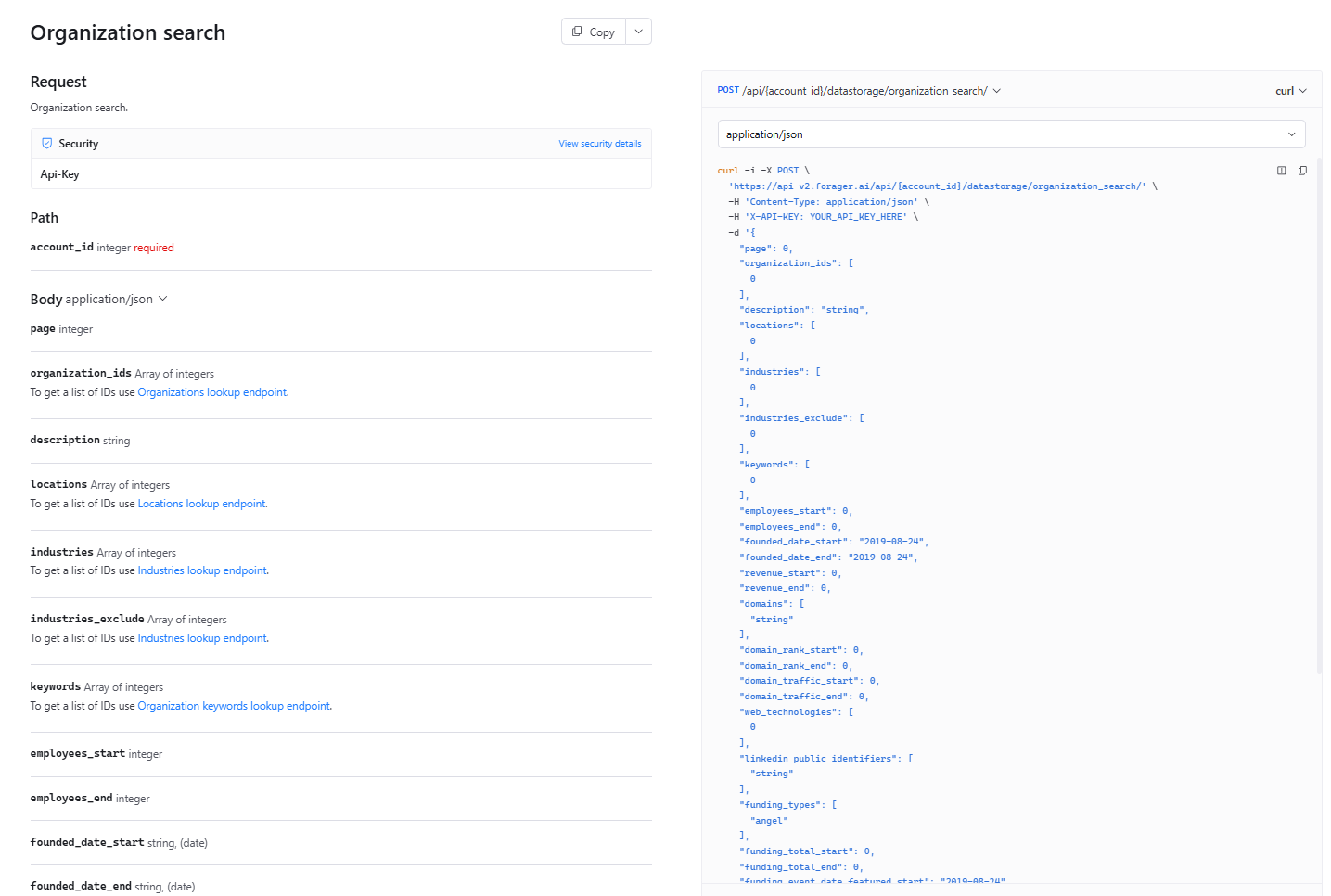
Source: Forager
Each call costs 1 credit. A separate technologies lookup endpoint returns the tech stack detected on a company's domain for 1 credit.
One useful capability: organizations can be filtered directly by active job post attributes (title keywords, remote policy, posting date) within the company search query. This combines hiring-intent signals with firmographic data without requiring a separate API call or data source. A companion totals endpoint returns the count of matching results, useful for market sizing before committing credits to full record pulls.
Job Data: Forager aggregates global job postings to surface hiring intent and workforce signals.
Forager’s Job Data feature processes 100M+ job signals monthly, collecting approximately 16 million job posts per month into a structured dataset. Postings come from platforms including Indeed, LinkedIn, and AngelList, normalized into a single schema.
The Job Post Search API supports boolean text search on both title and description fields, geographic filtering, remote/on-site status, and active/inactive tracking. Each call costs 2 credits. Every job post links to a Forager organization record, enabling direct joins with company profile data.
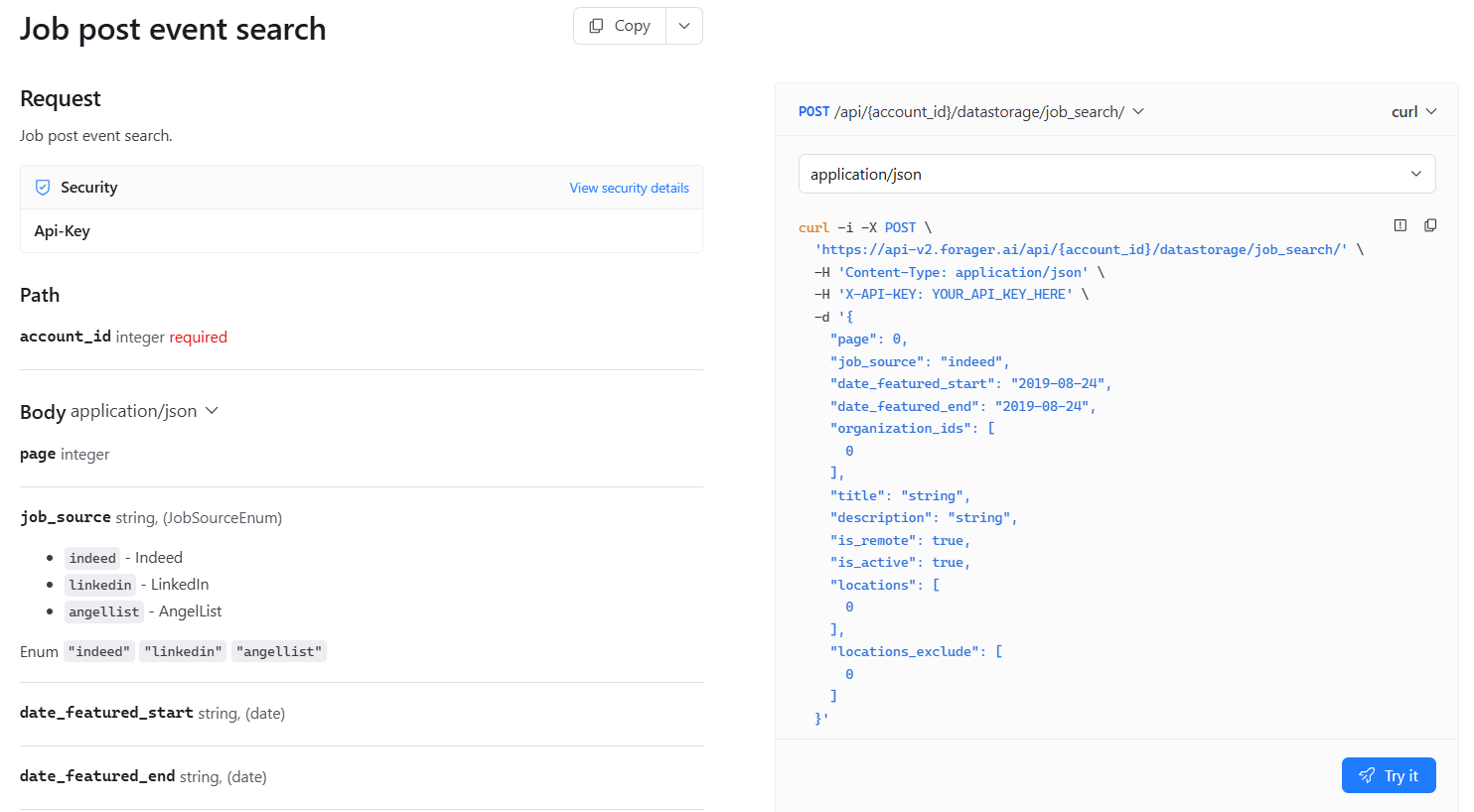
Source: Forager
The structured schema includes source ID, posting URL, title, description, remote status, parsed location, salary details, and linked organization data. For analytical use cases like labor market research or competitor hiring tracking, the full dataset is available through the Job Post Data Feed.
API & Data Feed: Forager offers three delivery methods for different technical needs.
Forager serves data through three channels: a real-time REST API, a bulk Data Feed, and a web app.
The API uses API key authentication via the X-API-KEY header, covering People, Organizations, Job Posts, Websites, Users, and Autocomplete endpoints. The reference is published as an interactive OpenAPI spec.
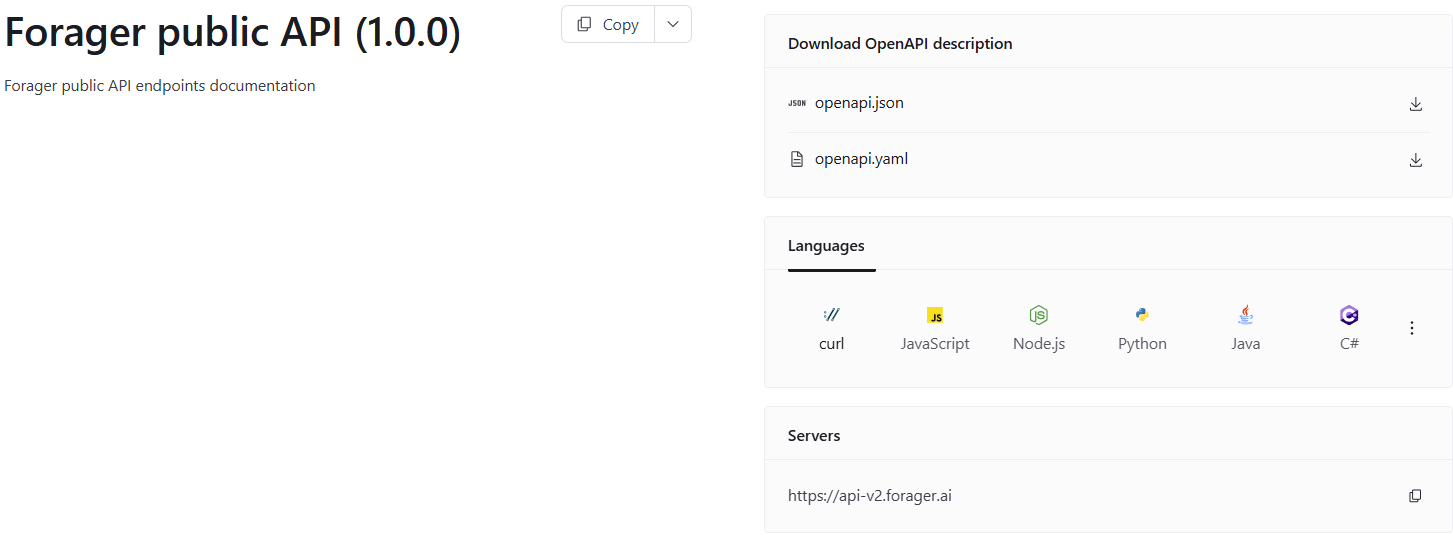
Source: Forager
The bulk Data Feed is an annual licensed product delivering the full dataset into a customer's own infrastructure. It offers two delivery options: Snowflake Private Listing (continuously refreshed shared table) and cloud storage drop (files pushed to S3, GCS, or Azure). Transfers send only records changed since the last delivery and support CSV, TSV, and NDJSON formats.
Native integrations include HubSpot, Salesforce, Snowflake, and Zapier. The Clay integration offers "Find Mobile Phone Numbers," "Find Personal Email," and "Find Professional Profile" actions, making Forager a natural fit for waterfall enrichment workflows.
Source: Forager
Pricing: Forager uses credit-based, usage-driven pricing starting at $50/month.
Forager operates on a credit-based pricing model with no per-seat fees. Annual billing offers a flat 10% discount.
Starter (from $50/month): 2,250 credits/month. Up to 150 mobile lookups at $0.33 each or 450 email lookups at $0.11 each.
Growth (from $100/month): 5,250 credits/month. Up to 350 mobile lookups at $0.29 each or 1,050 email lookups at $0.10 each.
Pro (from $250/month): 16,200 credits/month. Up to 1,080 mobile lookups at $0.23 each or 3,240 email lookups at $0.08 each.
Enterprise: Contact sales for higher volumes. Data Feed licensing is priced separately as an annual contract.
All self-serve plans share the same feature set; the tiers differ only in credit volume and resulting per-contact cost efficiency. Monthly plans can be cancelled anytime.
Where Forager Falls Short
Forager delivers focused data infrastructure, but teams that need more than raw contact information will find several limitations. These constraints reveal a platform built for a specific role in the data stack, not for managing the go-to-market workflow.
Data Only, No Execution Layer: Forager has no native outreach capabilities. No email sequences, no dialer, no inbox management, no CRM. Teams that want to act on the data they pull must pair Forager with a separate sequencer, CRM, and engagement platform.
For organizations seeking a single system from contact discovery through deal execution, this means managing multiple tools and passing data between them.
No Intent or Buying Signals: Forager cannot tell you when a prospect is actively researching solutions. The Signals product (real-time job and org change triggers) remains listed as "coming soon" without a launch date.
Without intent data, teams prospect on static firmographic criteria rather than timing outreach to buying behavior. Competitors already provide intent data that identifies in-market accounts before they engage a vendor.
Limited Third-Party Validation: With only six G2 reviews and five Datarade reviews as of 2026, Forager lacks the public validation that enterprise buyers rely on before committing budget. No appearances in Gartner Magic Quadrant, Forrester Wave, or other major analyst reports.
For procurement teams that require third-party benchmarks, this small review base raises questions regardless of actual product quality.
No Conversation Intelligence or Context Layer: Forager delivers contact records but has no way to capture or reason about what happens after you reach those contacts.
There's no call recording, no email thread analysis, no way to connect a contact's data profile to the conversations and deals in your pipeline. The data exists in isolation from how your deals progress.
Compliance Certification Gaps: Forager publishes a GDPR compliance page and operates as a data processor. However, their documentation shows no SOC 2 Type II, ISO 27001, or ISO 27701 certifications. For regulated industries and enterprise security reviews, the absence of these certifications can be a deal-stopper.
These limitations aren't failures. They reflect Forager's focus on being a high-accuracy data layer. But they leave a gap for teams that need their data connected to intelligence, execution, and the context of their go-to-market operations.
The Broader Platform Alternative: ZoomInfo
ZoomInfo addresses Forager's limitations by offering not just contact data, but the intelligence and execution infrastructure around it. Where Forager provides a focused data layer, ZoomInfo is an all-in-one AI GTM platform built on three pillars: deep B2B data, an intelligence layer called the GTM Context Graph, and access through native applications and open APIs.
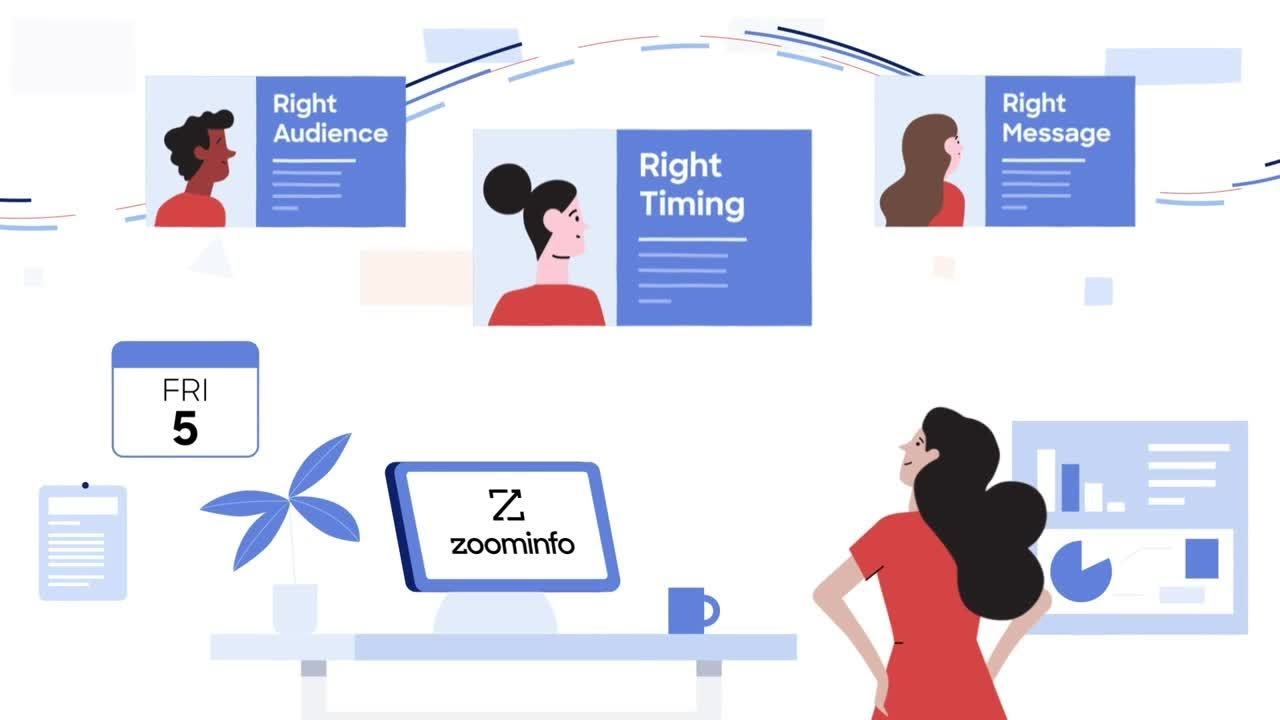
Comprehensive B2B Data at Scale: ZoomInfo operates a large-scale B2B data platform.
ZoomInfo's data covers 500M contacts, 100M companies, 135M+ verified phone numbers, 120M direct dials, and 200M+ verified business email addresses. Global coverage extends to 34M+ company profiles outside North America, 200M+ professional profiles outside NA, and 45M+ mobile numbers outside NA.
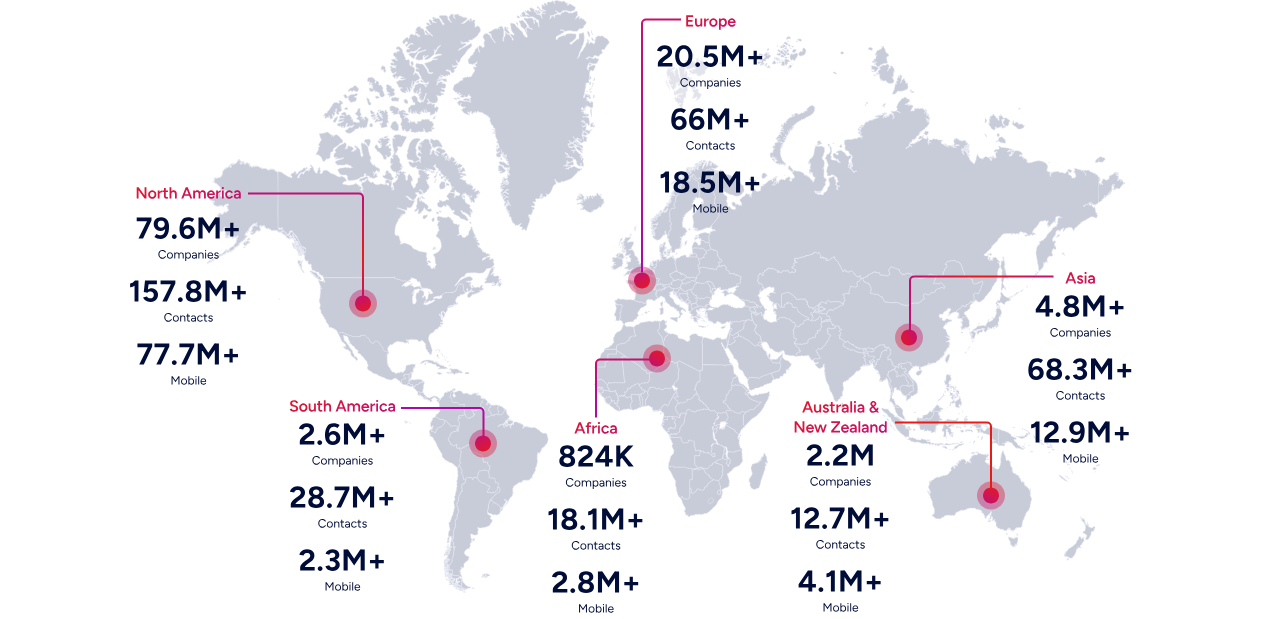
Source: ZoomInfo
ZoomInfo builds this data through multiple verification sources: automated ML scanning 28 million site domains daily, third-party partner data covering 95 million businesses, a community of 200,000+ Lite users, and an in-house Data Training Lab of 300+ human researchers. First-party data reaches up to 95% accuracy.
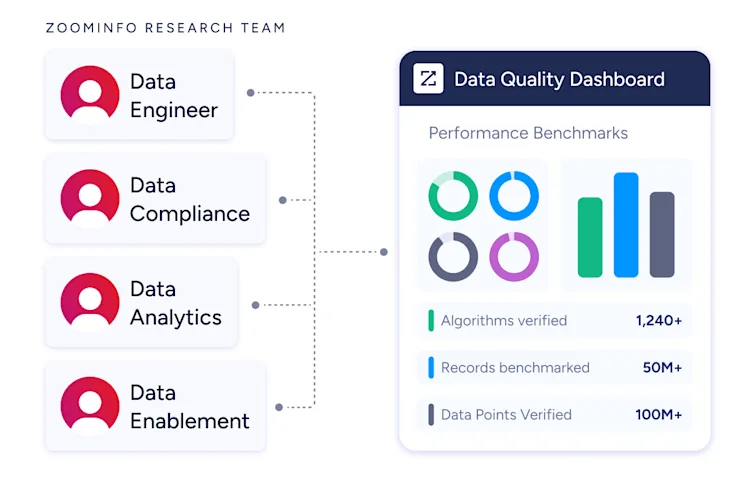
Source: ZoomInfo
Beyond contacts and company attributes, ZoomInfo includes data types that Forager does not offer: Buyer Intent Data tracking signals from 210M IP-to-Org pairings, technographic profiles covering 30,000+ technologies across 30+ million companies, website visitor identification that identifies anonymous visitors by company and buying team, and department-level org charts with verified direct dials.
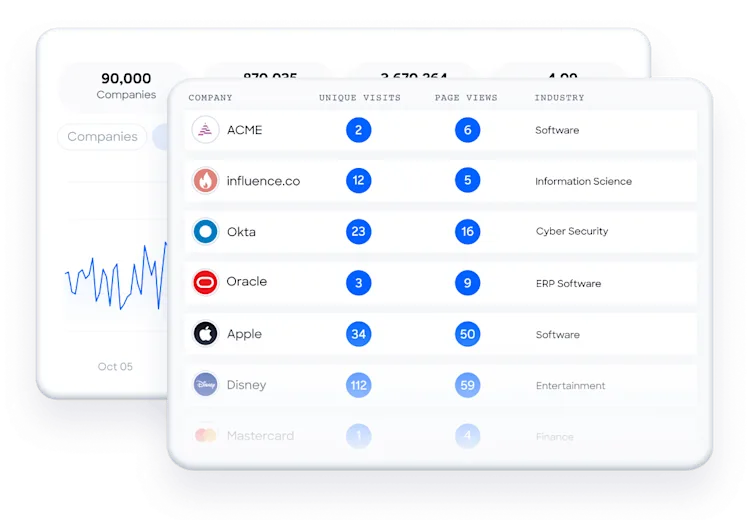
Source: ZoomInfo
The data advantage is externally validated. In a Fortune 500 competitive RFP analyzing 25 million contacts across vendors, an independent consultant concluded that "no other competitor came even close."
ZoomInfo earned Leader status in the Forrester Wave for Intent Data, Leader in the Gartner Magic Quadrant for ABM Platforms for two consecutive years, and 133 No. 1 rankings on G2.
ZoomInfo gives us the information we need to execute. We don't have to go through and spend our time digging. It's already there, so we can be three steps ahead. (Vensure)
GTM Context Graph: ZoomInfo fuses data with your CRM, conversations, and behavioral signals to capture why deals move.
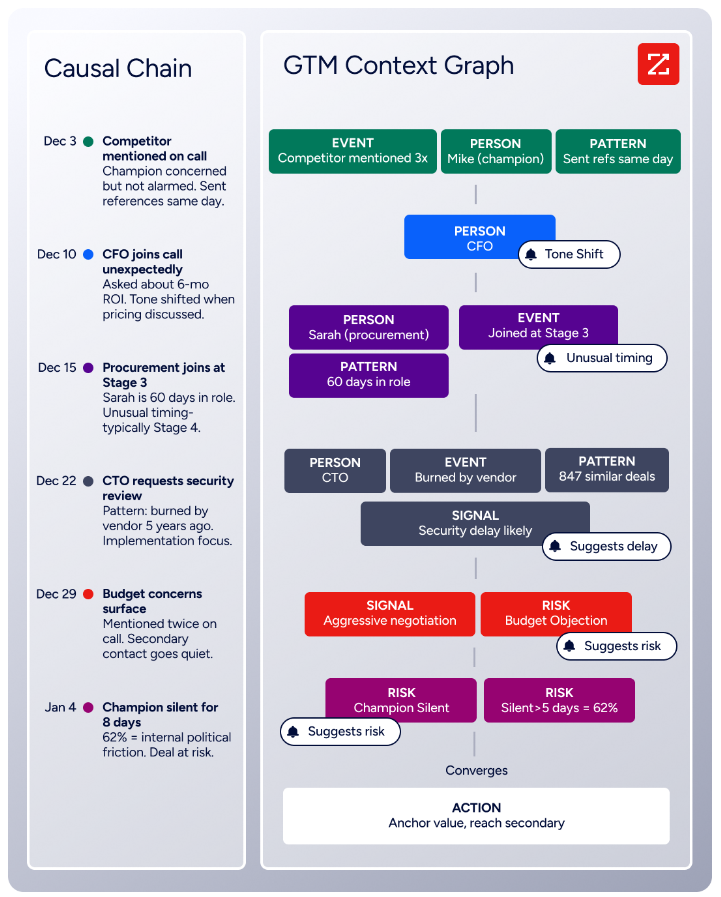
The GTM Context Graph processes 1.5B+ data points daily, unifying ZoomInfo's third-party intelligence with a customer's CRM records, conversation transcripts, email interactions, and behavioral signals. The result is an intelligence layer that captures not just what happened in a deal, but why it happened.
Source: ZoomInfo
A CRM records that a deal moved from Stage 3 to Stage 4. Conversation intelligence transcribes what the VP of Finance said on the last call. Intent data logs a spike in research activity.
The GTM Context Graph reasons across all three: connecting the executive sponsorship entering at this stage with ROI-focused questions and third-party signals showing the company is hiring new VPs and researching your competitor.
This intelligence layer exists because ZoomInfo spent two decades building data infrastructure and acquired Chorus for conversation intelligence. As CPO Dominik Facher wrote: "The CRM recorded the state change. It has no record of why it happened." The GTM Context Graph fills that gap.
Forager, by contrast, delivers contact records without connecting them to deal progress, conversation history, or buying behavior. The data exists in isolation from the context that makes it actionable.
That combination of our internal CRM data, external signals, and AI that's given all that context has helped us craft very specific account- and persona-based messages. And people have responded to them right away. (Seismic)
Universal Access: ZoomInfo delivers its intelligence through native applications and open APIs for any tool.
ZoomInfo's intelligence reaches teams through three channels:
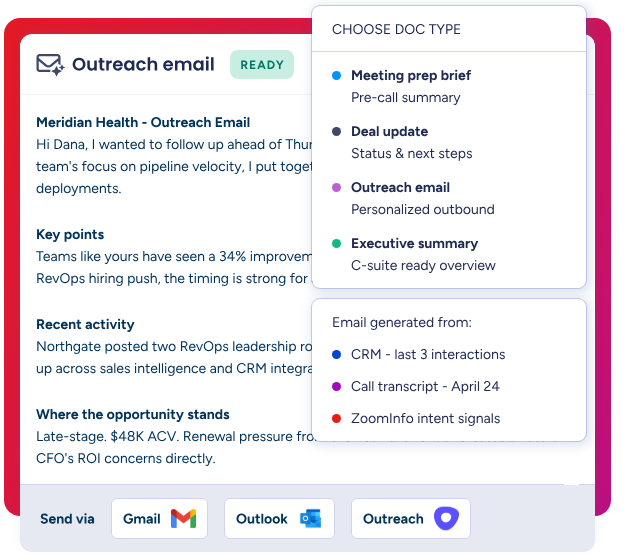
GTM Workspace is the seller's front-end. It consolidates prioritized accounts, AI-drafted outreach, deal signals, and CRM updates into one view. AI agents handle account research, outreach generation, signal monitoring, and CRM field updates.
Source: ZoomInfo
Seismic's sales team attributed 39% of active pipeline to opportunities identified or influenced by ZoomInfo signals and reported 54% productivity gains.

Source: ZoomInfo
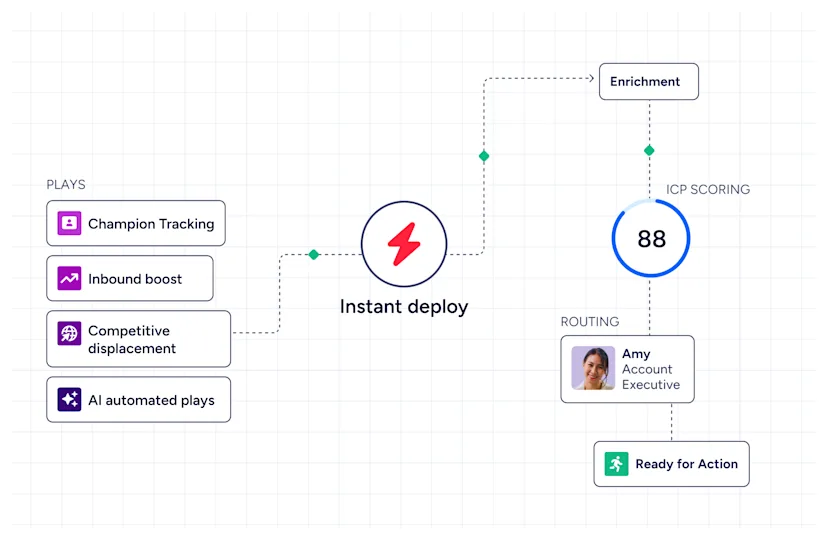
GTM Studio is the campaign builder for marketers, RevOps, and GTM engineers. Teams describe audiences in natural language, build multi-channel campaigns, and launch them to improve based on engagement data. Expansion campaigns that used to take 3 weeks now launch in 30 minutes, without engineering support.
Source: ZoomInfo
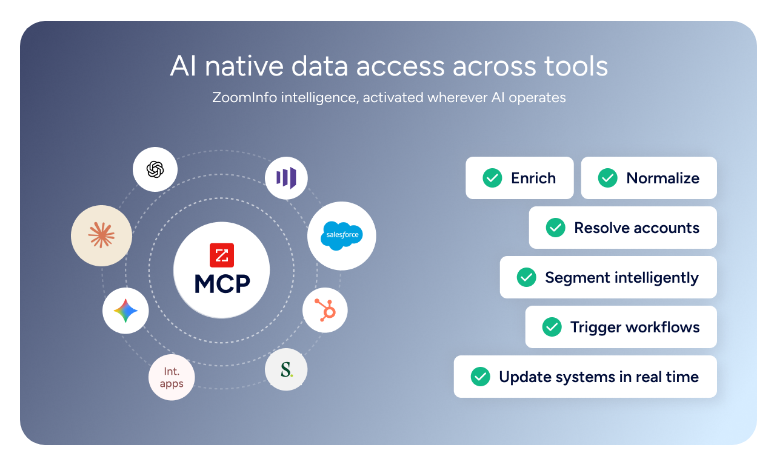
APIs and MCP expose the same intelligence to any custom agent, internal tool, or partner platform. The MCP server connects AI models directly to ZoomInfo's data, currently supporting Claude and ChatGPT. API access is included in all relevant plans.
Source: ZoomInfo
All three channels draw from the same GTM Context Graph. The data stays consistent regardless of how you access it.
The plug-and-play aspect of the API means I can integrate it very easily into any process and get information at a moment's notice. (BDO Canada)
Enterprise Compliance: ZoomInfo maintains the certifications regulated industries require.
ZoomInfo holds security certifications including ISO 27001, ISO 27701, SOC 2 Type II, TRUSTe GDPR, and TRUSTe CCPA, all renewed annually. The company is a registered data broker in California and Vermont and maintains a dedicated Trust Center. For enterprise buyers in regulated industries, these certifications meet security review requirements that Forager's current disclosures cannot satisfy.
Forager or ZoomInfo: Comparison Summary
Forager | ZoomInfo | |
|---|---|---|
Primary focus | B2B data infrastructure (API-first) | All-in-one AI GTM platform |
Contact database | 850M+ person/company records | 500M contacts, 100M companies |
Verified phone numbers | 200M+ verified mobile numbers | 135M+ verified phone numbers, 120M direct dials |
Email addresses | Available via API (credit-based) | 200M+ verified business emails |
Data refresh cadence | Every 2.5 weeks | Continuous monitoring and real-time updates |
Intent signals | Not available (coming soon) | Buyer Intent from 210M IP-to-Org pairings |
Conversation intelligence | Not available | Chorus (call recording, transcription, AI analysis) |
Outreach execution | Not available | GTM Workspace with AI-drafted outreach |
Marketing & ABM | Not available | GTM Studio, display ads, FormComplete |
CRM integration | HubSpot, Salesforce via Zapier | Salesforce, HubSpot, Dynamics 365, 120+ integrations |
API access | REST API with credit-based pricing | Enterprise API, MCP, API on all relevant plans |
Bulk data delivery | Snowflake, S3, GCS, Azure | Cloud Data Cubes via AWS, Snowflake, GCS, Databricks |
Security certifications | GDPR compliance page only | ISO 27001, ISO 27701, SOC 2 Type II, TRUSTe |
Analyst recognition | None | Gartner Leader, Forrester Leader, G2 133 No. 1 rankings |
Free tier | No documented free trial | ZoomInfo Lite (permanent free) + 7-day trial |
Pricing transparency | Published: $50-$250/month self-serve | Custom-quoted, seat-and-credit-based |
Best for | Platform builders needing a data API layer | Teams needing data + intelligence + execution |
Final Verdict
The choice between Forager and ZoomInfo depends on what role you need a data provider to play in your go-to-market stack.
Choose Forager if you're building a platform or enrichment workflow that needs a high-accuracy data API.
Forager works for engineering teams embedding B2B contact data into their own products, waterfall enrichment operators who need reliable data alongside other providers, and mobile-first cold calling teams targeting global markets.
Its credit-on-success pricing, bi-weekly refresh cadence, and no-contract monthly plans make it a practical choice for teams with clear technical requirements and modest volumes.
Choose ZoomInfo if you need your data connected to intelligence and execution. ZoomInfo covers the same need for contact and company data, but extends beyond it: intent signals that reveal when accounts are in-market, conversation intelligence that captures why deals move, AI execution through GTM Workspace and GTM Studio, and open APIs and MCP that deliver the same intelligence into any tool.
For teams that want to move from finding contacts to understanding their deals and acting on that understanding, ZoomInfo provides the infrastructure.
Get started with ZoomInfo here.
The fundamental difference is scope. Forager sells data. ZoomInfo sells the ability to act on data with context, and that context (built from two decades of data integration, conversation intelligence, and signal processing) is what separates a contact list from a go-to-market system.
Forager FAQ
What is Forager used for?
Forager is a B2B data provider that delivers people, company, and job data through an API-first model. Its primary use cases include mobile number enrichment for cold calling, waterfall enrichment within platforms like Clay, bulk CRM enrichment, and powering AI sales or recruiting tools with structured contact data. It does not include outreach automation, CRM functionality, or intent signals.
How accurate is Forager's data?
Forager claims a 99% accuracy rate for direct outreach, with data refreshed every 2.5 weeks. On G2, the platform holds a 5.0/5 rating across six reviews, with users praising data quality. On Datarade, reviewers rate it 4.9/5 and note strong data quality compared to other providers. However, Forager has not publicly documented the methodology behind the 99% claim.
How much does Forager cost?
Self-serve plans start at $50/month (Starter) for 2,250 credits, $100/month (Growth) for 5,250 credits, and $250/month (Pro) for 16,200 credits. Mobile phone lookups consume 15 credits each, making the effective cost per mobile number between $0.23 and $0.33 depending on plan. Annual billing saves 10%. Enterprise and Data Feed pricing require a sales conversation.
ZoomInfo does not publish pricing but offers a permanent free tier (ZoomInfo Lite) and a 7-day free trial.
Does Forager have intent data?
No. Forager's Signals product (real-time job and org change triggers) is listed as "coming soon" but has not launched. Teams that need to identify when accounts are actively researching solutions must use a separate intent data provider.
ZoomInfo includes Buyer Intent tracking 210 million IP-to-Organization pairings and offers Guided Intent, which identifies topics historically correlated with deal success.
Does Forager integrate with CRM systems?
Forager lists HubSpot, Salesforce, Snowflake, and Zapier as native integrations, and has a dedicated Clay integration for waterfall enrichment workflows. However, Forager does not include CRM functionality itself.
ZoomInfo integrates with 120+ tools through its App Marketplace, including deep native integrations with Salesforce, HubSpot, and Microsoft Dynamics 365, and offers API and MCP access on all relevant plans.
Can Forager replace a full sales intelligence platform?
No. Forager is a data infrastructure layer, not a sales intelligence platform. It provides contact data, company firmographics, and job posting data via API, but lacks intent signals, conversation intelligence, outreach automation, deal execution tools, and marketing orchestration. Teams using Forager still need separate tools for sequencing, CRM, and pipeline management.
ZoomInfo combines data, intelligence, and execution into a single platform through GTM Workspace for sellers, GTM Studio for marketers and RevOps, and APIs/MCP for custom tools.
What security certifications does Forager have?
Forager publishes a GDPR compliance page and operates as a data processor, supporting all six GDPR data subject rights. The privacy policy covers CCPA and other U.S. state privacy laws. However, Forager has not disclosed SOC 2 Type II, ISO 27001, or ISO 27701 certifications.
ZoomInfo maintains ISO 27001, ISO 27701, SOC 2 Type II, TRUSTe GDPR, and TRUSTe CCPA certifications, all renewed annually, and operates a dedicated Trust Center.
Researching Forager? These comparisons and alternatives help you decide:
