
Comparing Formstack vs. Salesforce is like comparing a tape measure to a construction site. One collects and processes data. The other manages the customer relationship around that data. They solve different problems, and many businesses use both.
But the comparison holds up when you ask a deeper question: How do I capture, manage, and act on business data without drowning in tools, manual processes, or incomplete information?
The real questions worth answering:
Do you need a way to collect data from forms, or a system to manage every customer interaction?
Are you looking to digitize paper-based processes, or to run sales, service, and marketing on a single platform?
Is your team technical enough to administer a full CRM, or do you need something non-technical staff can own?
How important is it that the data feeding your workflows is accurate, verified, and enriched before it hits your systems?
Do you want point solutions for specific jobs, or a connected platform where data flows between prospecting, selling, and fulfillment?
Here's what we recommend:
Formstack is a no-code suite built around three connected activities: collecting data through online forms, generating documents from that data, and capturing eSignatures. It serves non-technical business users in mid-market organizations who need to digitize processes (patient intake, loan applications, employee onboarding) without waiting on IT.
Formstack's drag-and-drop builder and HIPAA-supporting features make it strong in healthcare and financial services. But Formstack is a data collection tool, not a system of record. It captures information but doesn't manage customer relationships, sales pipelines, or marketing campaigns.
Salesforce is the world's #1 CRM, serving over 150,000 companies with a platform that spans sales, service, marketing, commerce, analytics, and AI agents. Its depth is real: 17 industry-specific clouds, 9,000+ AppExchange apps, and the Agentforce AI platform that can resolve customer inquiries, draft outreach, and manage deals on its own. But that depth has a cost.
Salesforce requires dedicated administrators, implementation partners for most deployments, and license fees that scale quickly across clouds and add-ons.
Both platforms serve important roles. Formstack captures and processes data. Salesforce manages the customer relationship around that data. But neither solves the problem that sits upstream of both: knowing who to target, which accounts are in-market, and what's driving deal momentum. That's where ZoomInfo fits in.
ZoomInfo is an AI-powered go-to-market platform that provides the intelligence layer both Formstack and Salesforce need to work at their best. With 500M contacts, 100M companies, 135M+ verified phone numbers, and 200M+ verified business email addresses, ZoomInfo delivers the verified data that makes forms convert, CRM records stay accurate, and sales teams reach the right people.
Its GTM Context Graph goes further, combining your CRM data, conversation transcripts, and behavioral signals with ZoomInfo's third-party intelligence to reveal not just what happened in a deal, but why. That intelligence is accessible through the GTM Workspace for sellers, GTM Studio for marketers and RevOps, or APIs and MCP in any tool your team already uses.
If you want to see how verified B2B intelligence can sharpen every workflow in your stack, explore what ZoomInfo can do.
Formstack vs. Salesforce vs. ZoomInfo at a glance
Formstack | Salesforce | ZoomInfo | |
|---|---|---|---|
Core function | No-code forms, document generation, eSignatures | CRM, sales, service, marketing, commerce, AI agents | B2B data intelligence, GTM orchestration, AI-powered prospecting |
Primary user | Operations managers, HR, marketing coordinators | Sales, service, marketing teams, IT admins | Sales, marketing, RevOps, GTM engineers |
Data role | Captures data via forms | Stores and manages customer data | Enriches, verifies, and activates B2B data |
AI capabilities | AI form builder, AI document templates | Agentforce autonomous agents, Einstein AI | GTM Context Graph, AI-drafted outreach, intent signals |
Integrations | 300+ apps including Salesforce, HubSpot | 9,000+ AppExchange apps, MuleSoft iPaaS | 172+ marketplace partners, native Salesforce/HubSpot, MCP for AI agents |
Compliance | HIPAA, GDPR, PCI DSS, Section 508 | ISO 27001, SOC 1/2/3, FedRAMP, HITRUST | ISO 27001, ISO 27701, SOC 2 Type II, GDPR, CCPA |
Learning curve | Low for basic forms; moderate for advanced logic | Steep; requires trained admins | Moderate; 90-day structured onboarding |
Starting price | Free (ZoomInfo Lite); paid plans custom-quoted | ||
Free plan | 14-day trial only | Free Suite (2 users) + Starter at $25/user/mo | ZoomInfo Lite (permanent, 10 credits/mo) |
Best for | Mid-market teams digitizing paper processes | Organizations managing full customer lifecycle | Revenue teams that need verified data and buyer intelligence |
They solve different problems at different layers of the stack
Formstack and Salesforce aren't direct competitors. They operate at different layers of the data workflow, and many organizations use both.
Formstack sits at the data collection layer.
It captures information through web forms, generates documents from that data, and routes signatures for approval. A hospital uses it for patient intake. A bank uses it for loan applications. A university uses it for enrollment forms.
The common thread: structured data enters the organization through Formstack and flows into downstream systems. Formstack connects to 300+ apps including Salesforce, HubSpot, and Stripe, but it doesn't manage what happens to that data after it arrives.
Salesforce sits at the data management and execution layer.
It's the system of record for customer relationships, managing everything from first contact through renewal. Sales Cloud tracks pipeline. Service Cloud handles support cases. Marketing Cloud orchestrates campaigns. Commerce Cloud runs storefronts.
When a form submission from Formstack lands in Salesforce, that's where business logic begins: lead assignment, opportunity creation, forecast updates, and automated follow-up.
ZoomInfo sits at the intelligence layer.
Before Formstack can collect useful data or Salesforce can act on it, someone needs to know who to target and whether they're worth pursuing.
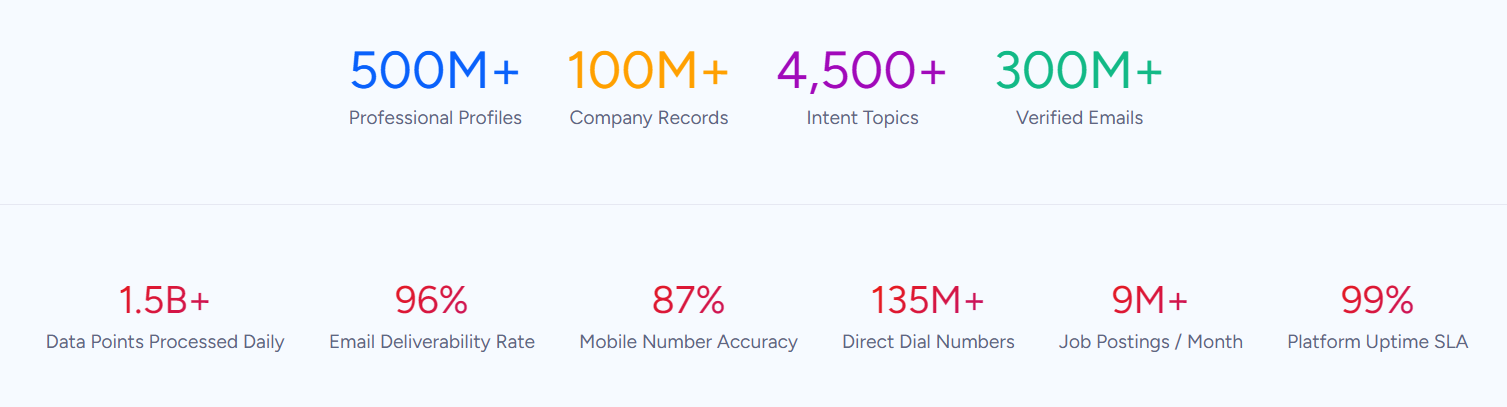
ZoomInfo answers that question with 500M contacts and 100M companies verified through a pipeline backed by 300+ human researchers and up to 95% accuracy on first-party data. Formstack collects what prospects volunteer. Salesforce stores what reps record. ZoomInfo provides the verified context that makes both more effective.
Data collection: Formstack's strength, Salesforce's afterthought
Formstack was built for one job: making it easy for non-technical people to create forms, collect data, and process it.
The drag-and-drop builder supports conditional logic, calculating fields, and Save and Resume. The Conversion Kit captures partial submissions and identifies where respondents drop off. For regulated industries, HIPAA-supporting features include encrypted data in transit and at rest, audit logging, and Business Associate Agreements.
The forms-to-documents-to-signatures pipeline is where Formstack separates from standalone form builders. Formstack Documents auto-populates contracts, proposals, and quotes from submitted data, and Formstack Sign collects eSignatures with no per-envelope fees.
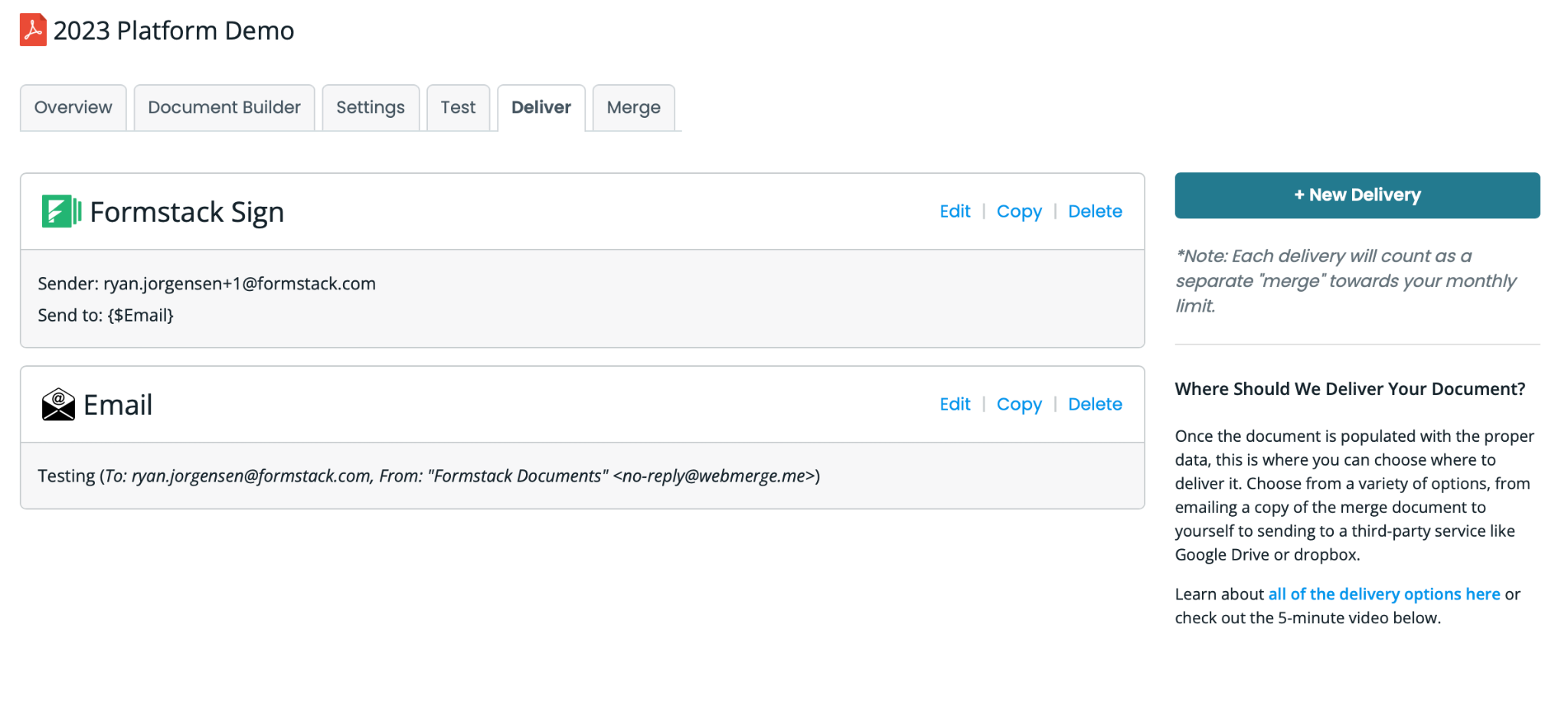
Source: Formstack
Salesforce has form capabilities, but they're not the product's focus.
Web-to-Lead and Web-to-Case forms exist for basic capture. Salesforce Flow can build more complex intake processes. But for organizations that need forms with conditional logic, compliance features, and document generation, Salesforce typically relies on AppExchange partners, including Formstack itself, which offers Forms for Salesforce as a native Salesforce product.
The gap neither platform fills: knowing whether the person filling out the form is worth pursuing. A healthcare provider collecting patient intake forms doesn't face this problem. But a B2B sales team collecting demo requests needs to know instantly whether the company behind that submission matches their ideal customer profile.
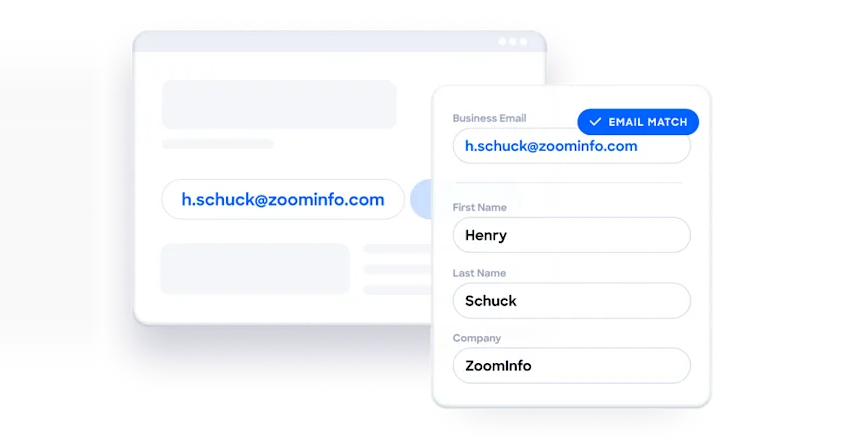
ZoomInfo's FormComplete reduces forms to a single field while auto-appending verified company and contact data. Smartsheet reported a 40%+ increase in form fills, 84% increase in MQLs, and 59% increase in win rate after implementing it.
CRM and customer management: Salesforce's domain
Salesforce doesn't just store customer data. It provides the operating system for customer-facing teams.
Sales Cloud manages the full revenue cycle: lead scoring, pipeline management, forecasting, territory planning, quoting, and AI-powered coaching. Service Cloud handles case management, knowledge bases, omnichannel support, and field service. Marketing Cloud orchestrates campaigns across email, ads, SMS, and web.
Each cloud shares the same data model, so a service agent sees the same customer record as the sales rep who closed the deal.
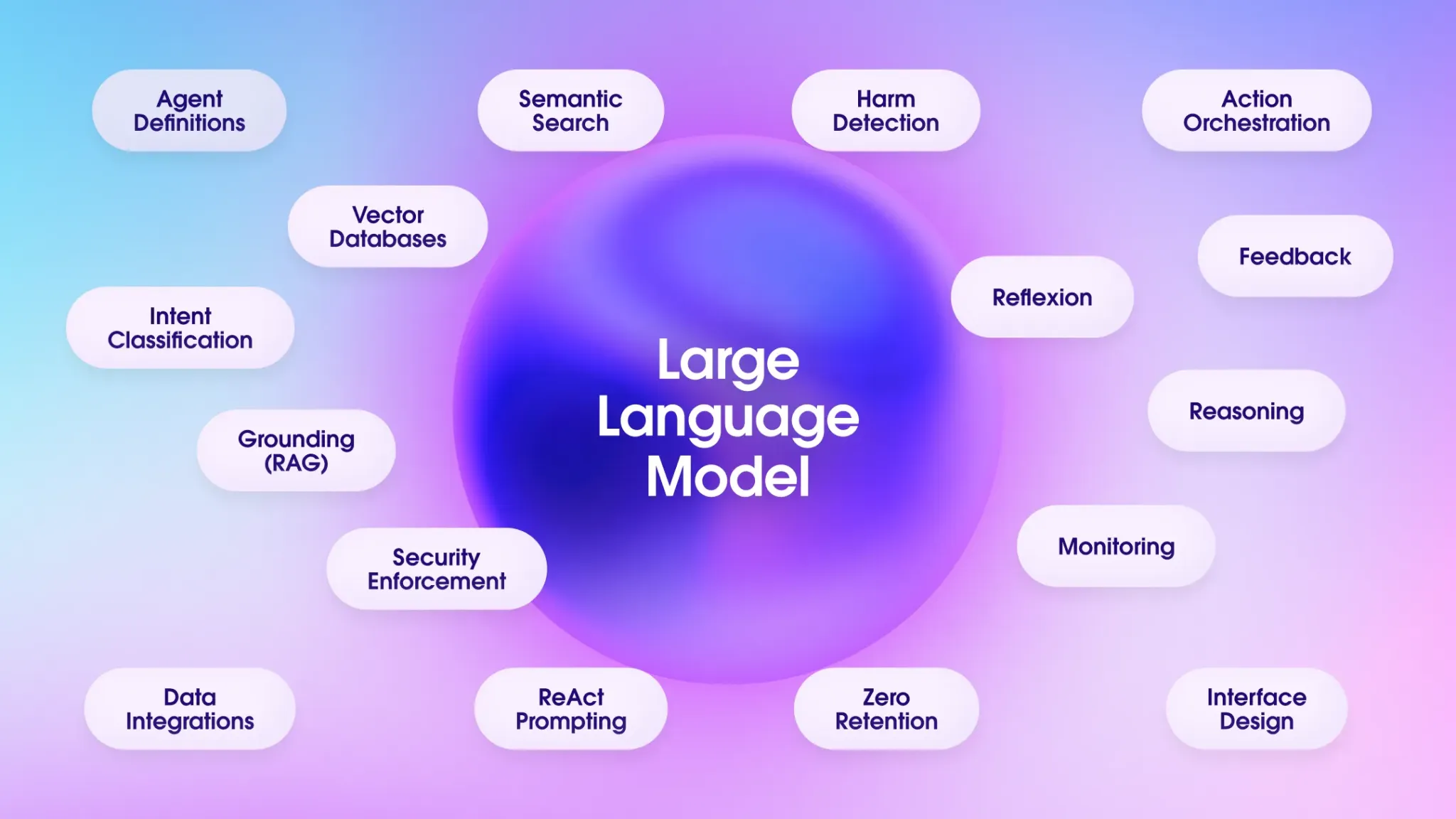
The platform's newest bet is Agentforce, autonomous AI agents powered by the Atlas Reasoning Engine that handle customer inquiries, draft sales outreach, and execute multi-step workflows without human intervention. Salesforce reports that Agentforce resolves 85% of support requests without human escalation.
Source: Salesforce
Formstack doesn't compete in this space.
It has no pipeline management, no forecasting, no customer service tools. Its relationship with Salesforce is complementary: Formstack feeds data into Salesforce, and its Salesforce-native products operate inside the Salesforce org.
ZoomInfo's relationship with Salesforce is different.
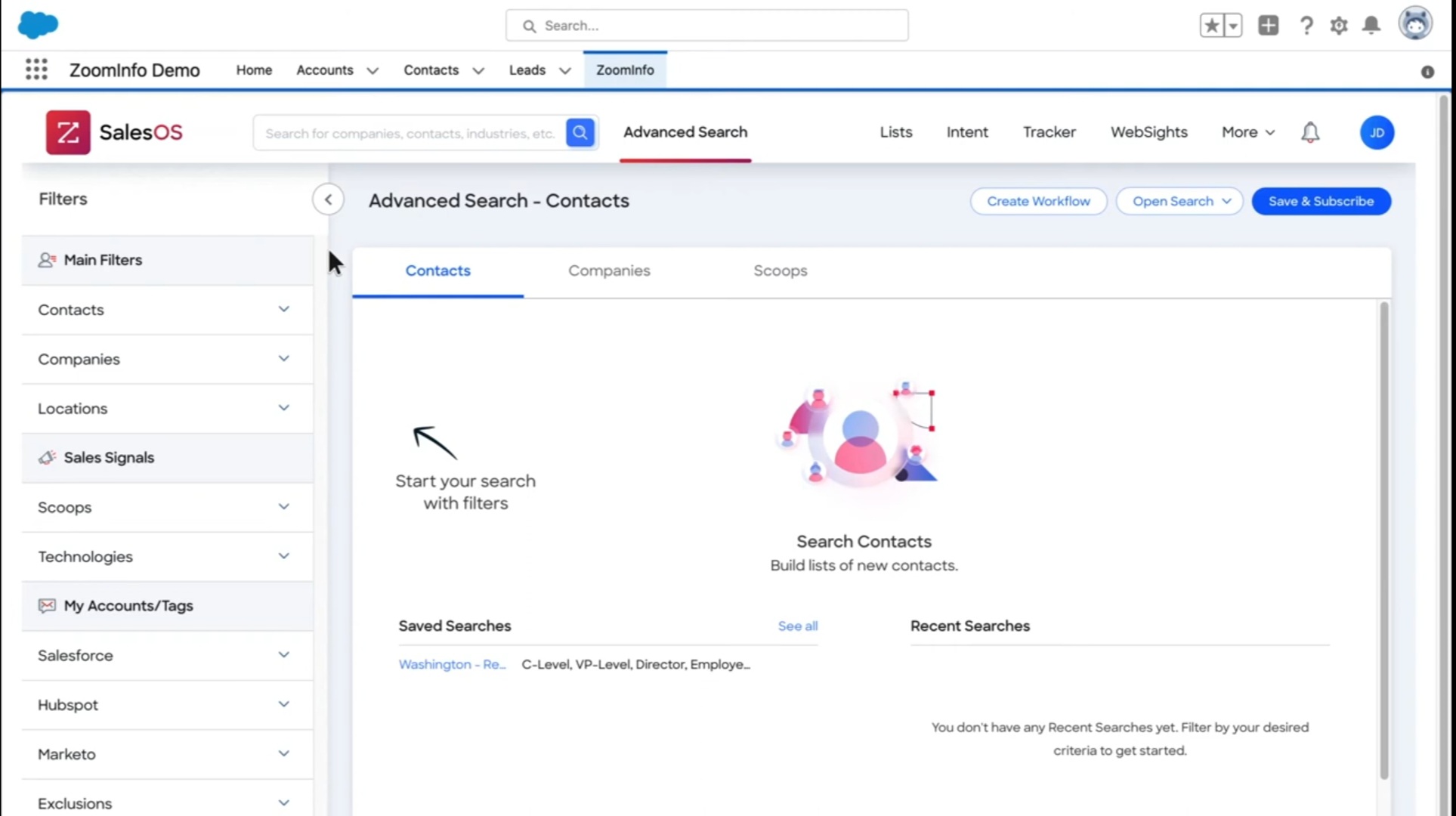
It's a direct integration that makes Salesforce more useful. ZoomInfo's native Salesforce integration enriches CRM records with verified contact data, surfaces buyer intent signals inside account records, and keeps company data current. Salesforce records what your team logs. ZoomInfo fills in what your team missed or couldn't access.
Source: ZoomInfo
Vensure's Vice President of Revenue Operations described this: "ZoomInfo gives us the information we need to execute. We don't have to go through and spend our time digging. It's already there, so we can be three steps ahead." (Vensure)
Intelligence and data enrichment set the ceiling
The quality of any workflow built on Formstack or Salesforce depends on the quality of data feeding it. A Salesforce pipeline is only as good as the contact records in it. A Formstack lead capture form is only as valuable as the follow-up it triggers. Both tools process data. Neither verifies or enriches it at scale.
This is the problem ZoomInfo was built to solve.
The platform's B2B data covers three dimensions: identity data (who buyers are and how to reach them), company context (industry data, revenue ranges, org charts, technographics across 100M companies), and dynamic signals that reveal when accounts are actively in-market.
In a Fortune 500 competitive RFP analyzing 25 million contacts across vendors, the independent consultant concluded that "no other competitor came even close."
But data becomes transformative when it's connected through an intelligence layer. The GTM Context Graph processes 1.5B+ data points daily, unifying a customer's CRM records, conversation transcripts, and behavioral signals with ZoomInfo's third-party intelligence.
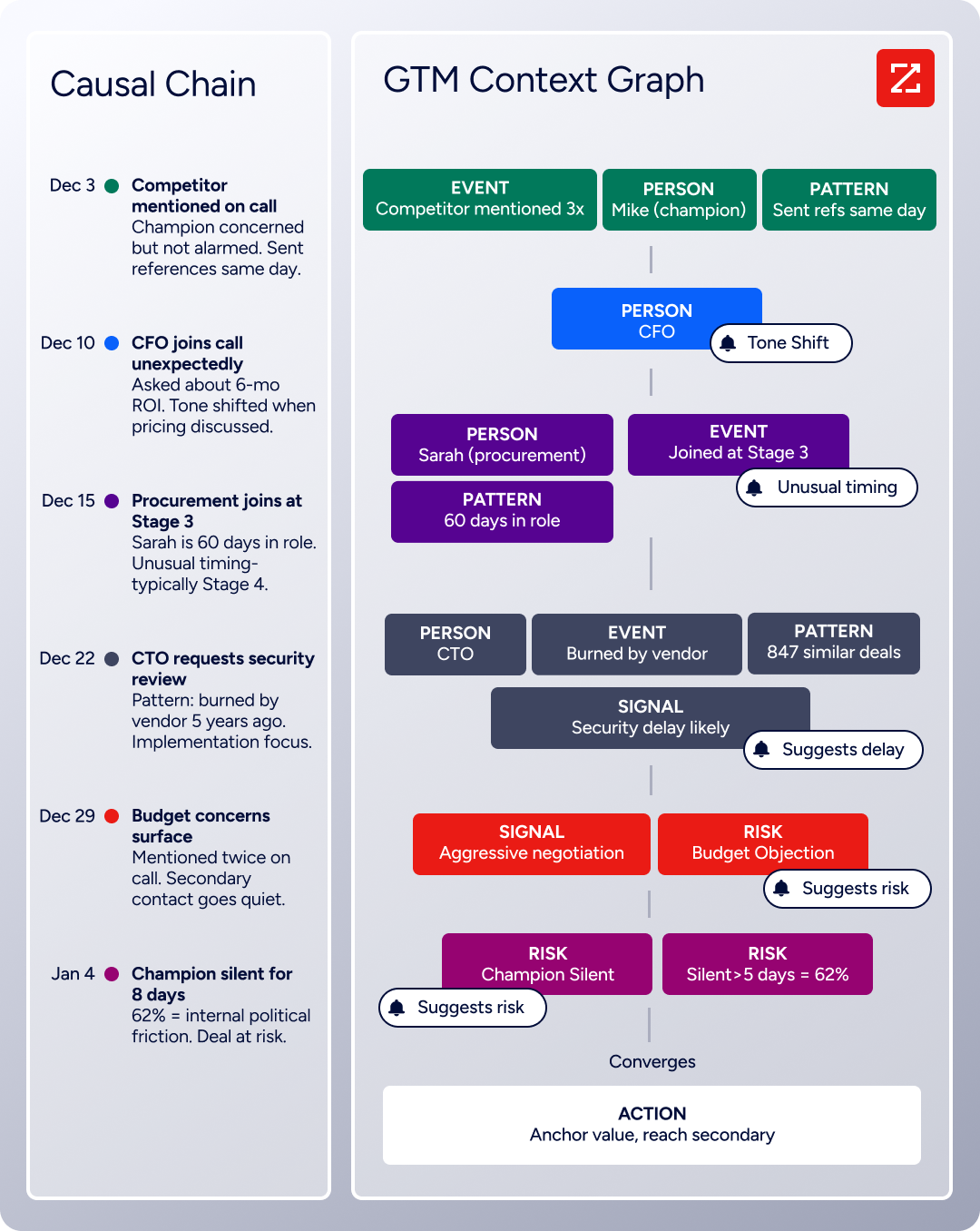
A CRM records that a deal moved to Stage 4. Conversation intelligence captures what the CFO said on the last call. Intent data shows the company is researching competitors. The GTM Context Graph connects these signals to reveal why the deal is moving and what should happen next.
For Salesforce users, this intelligence changes how the CRM gets used. Instead of reps researching accounts manually and guessing at priorities, ZoomInfo surfaces the accounts that match proven win patterns, identifies the right stakeholders, and drafts outreach that addresses concerns detected in conversations.
Seismic's Chief Business Officer reported: "That combination of our internal CRM data, external signals, and AI that's given all that context has helped us craft very specific account- and persona-based messages." Seismic attributed 39% of active pipeline to opportunities identified or influenced by ZoomInfo signals. (Seismic)
Salesforce-native capabilities compared
Both Formstack and ZoomInfo have built products for the Salesforce ecosystem. They serve different purposes inside the org.
Formstack's Salesforce products focus on data collection and document automation.
Forms for Salesforce is built natively on the Force.com platform, meaning forms read from and write directly to Salesforce objects without API connections or field mapping. Documents for Salesforce generates contracts and proposals from Salesforce record data with one click.
For regulated industries, the native architecture means all collected data stays within the Salesforce org, inheriting the org's compliance posture automatically.
ZoomInfo's Salesforce integration focuses on intelligence and enrichment.
The native integration appends verified contact information, company attributes, and buyer intent signals directly to Salesforce records. Lead routing rules use ZoomInfo's company hierarchy data to match leads to the right accounts. Intent signals surface inside account records, showing which target companies are researching relevant topics.
Palo Alto Networks used ZoomInfo's Company ID to restructure their segmentation, territory planning, and hierarchy clarity inside Salesforce.
The two serve different jobs. Formstack's Salesforce products get data into the org through forms and documents. ZoomInfo's integration enriches and verifies the data already there, while adding intelligence that Salesforce doesn't generate on its own.
For a deeper look at how Salesforce and ZoomInfo compare directly as platforms, see our Salesforce vs. ZoomInfo comparison.
Pricing reveals different markets and value propositions
Each platform's pricing reflects its target buyer and the problem it solves.
Formstack uses seat- and feature-gated tiers.
The Forms plan starts at $83/month (billed annually) with 1 builder user, 25 forms, and 1,000 submissions per form. The Suite plan at $250/month bundles Forms, Documents, and Sign with 3 builder users and 5,000 submissions per form. Salesforce and Enterprise plans are custom-quoted. There's no free plan, just a 14-day trial. HIPAA compliance is a paid add-on on Forms and Suite.
Capterra reviewers have called the jump from Forms to Suite "hard to accept as justified," and the lack of a free tier puts Formstack at a disadvantage against competitors like Jotform and Google Forms.
Salesforce operates a multi-cloud, multi-tier model.
The Free Suite supports up to 2 users. Starter Suite at $25/user/month opens the door. But real functionality starts at Pro Suite ($100/user/month) or Enterprise ($175/user/month). Add Service Cloud, Marketing Cloud, Data Cloud credits, Agentforce consumption, and the Premier Success Plan (30% of net license fees), and costs compound quickly.
A mid-market organization running Sales and Service Cloud for 50 users on Enterprise is looking at $175,000+ annually before add-ons. A June 2025 restructuring raised Enterprise and Unlimited list prices by an average of 6%.
ZoomInfo uses consumption-based pricing with no publicly listed prices.
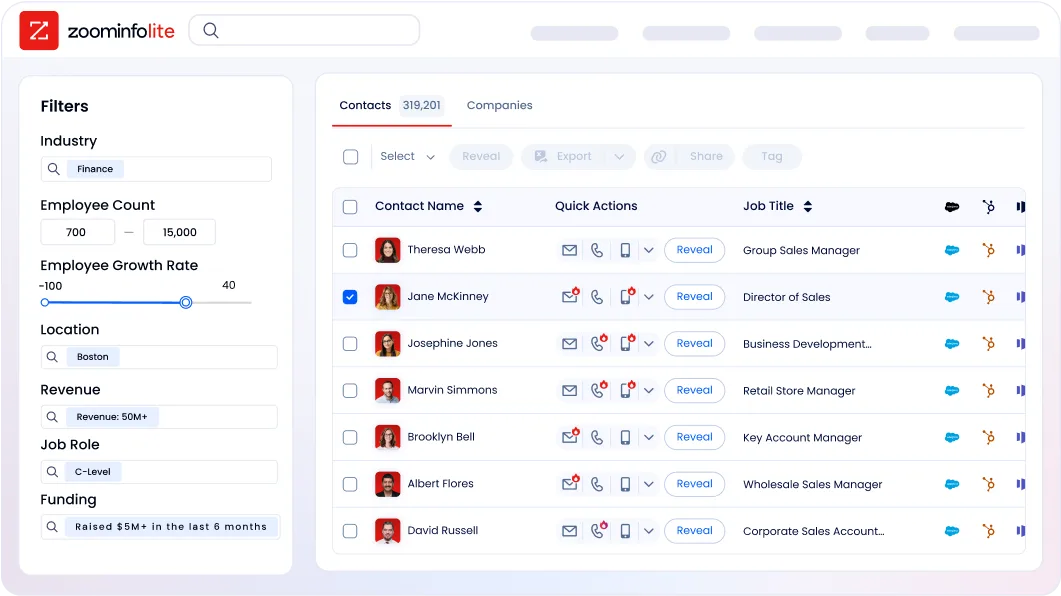
ZoomInfo Lite is a permanent free tier with access to the B2B database, 10 monthly export credits, and WebSights Lite. Paid plans are custom-quoted based on seats, credit volume, and feature access. The pricing reflects the platform's enterprise focus.
But ZoomInfo's value is measurable: Snowflake's accounts monitored using ZoomInfo-powered propensity scores showed 90% higher opportunity open rates and 2x higher customer conversion rates.
The pricing distinction that matters: Formstack charges for data collection volume (submissions, users, forms). Salesforce charges for platform access and consumption. ZoomInfo charges for intelligence (verified data exports, AI actions, signal access). Each cost scales with a different dimension of business activity.
Integration approaches reflect platform philosophy
Formstack connects to 300+ applications including Salesforce, HubSpot, Stripe, PayPal, Google Sheets, and Amazon S3.
Many integrations run through Zapier, extending reach to thousands of additional apps. The integration model is straightforward: data captured in Formstack flows to the next system in the workflow. A REST API supports custom integrations, and webhooks fire on form submissions.
Salesforce has the largest integration ecosystem in enterprise software.
AppExchange hosts 9,000+ apps with 14+ million installs. MuleSoft provides iPaaS with hundreds of pre-built connectors. The platform exposes 30+ distinct APIs spanning REST, SOAP, GraphQL, Bulk, and event streaming. For organizations building complex integrations, Salesforce's infrastructure is extensive.
The trade-off is complexity: connecting and maintaining integrations across multiple clouds often requires partners and dedicated resources.
ZoomInfo takes a different approach, one built for the AI era.
The ZoomInfo Marketplace lists 172+ partner integrations. Native connectors for Salesforce, HubSpot, and Microsoft Dynamics 365 push enriched data directly into CRMs. The Enterprise API provides programmatic access to ZoomInfo's data layer.
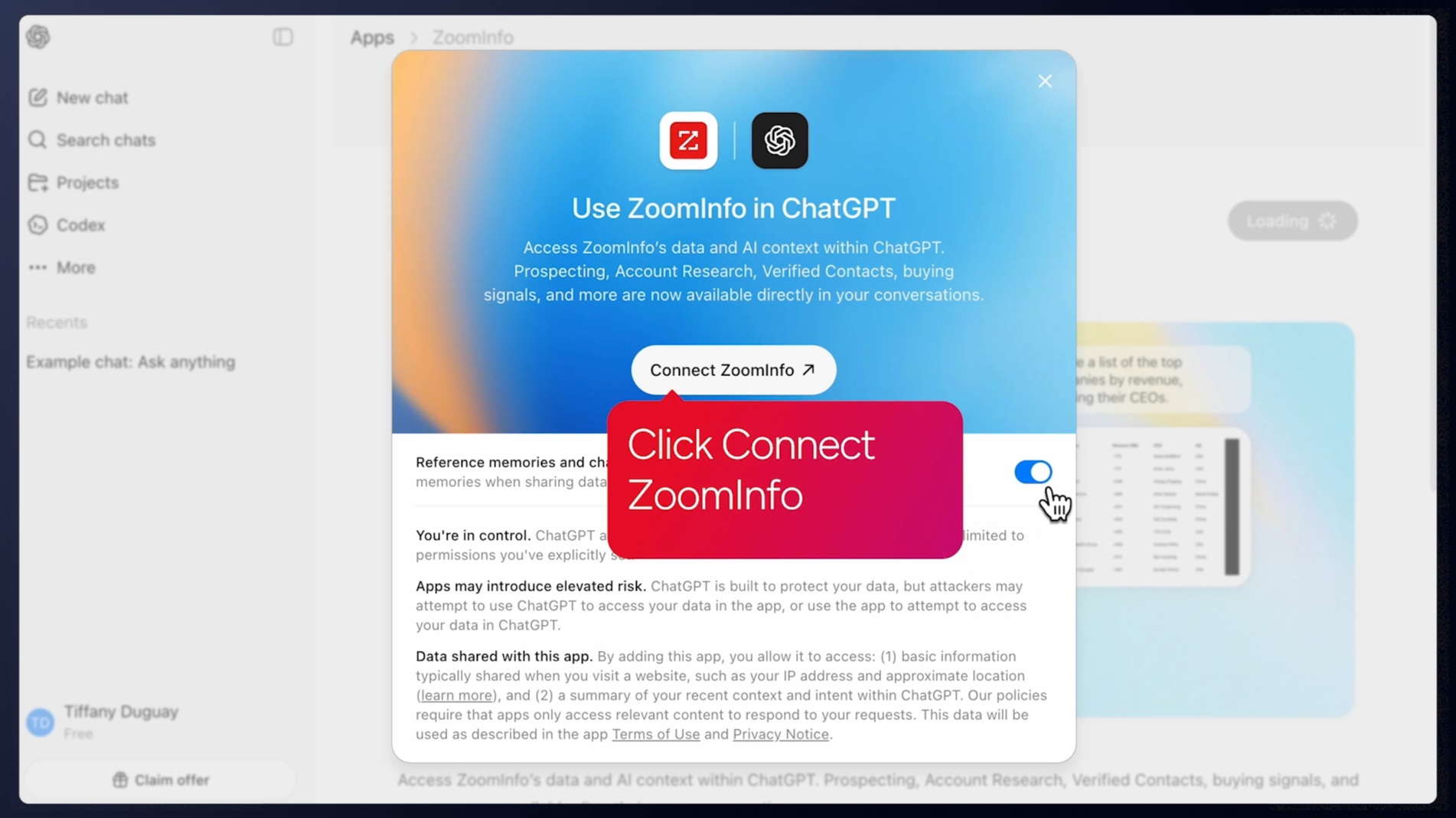
And the MCP server connects AI models directly to ZoomInfo's B2B data as a native tool, meaning any AI agent (built on Claude, ChatGPT, or a custom framework) can access the same verified intelligence powering ZoomInfo's own products.
Source: ZoomInfo
BDO Canada's Senior Marketing Intelligence Analyst described it: "The plug-and-play aspect of the API means I can integrate it very easily into any process and get information at a moment's notice." BDO Canada achieved an 87% reduction in time spent on updates to their internal data dashboards. (BDO Canada)
Security and compliance: context matters
All three platforms take security seriously, but their compliance profiles reflect different buyer requirements.
Formstack leads with healthcare and financial services compliance.
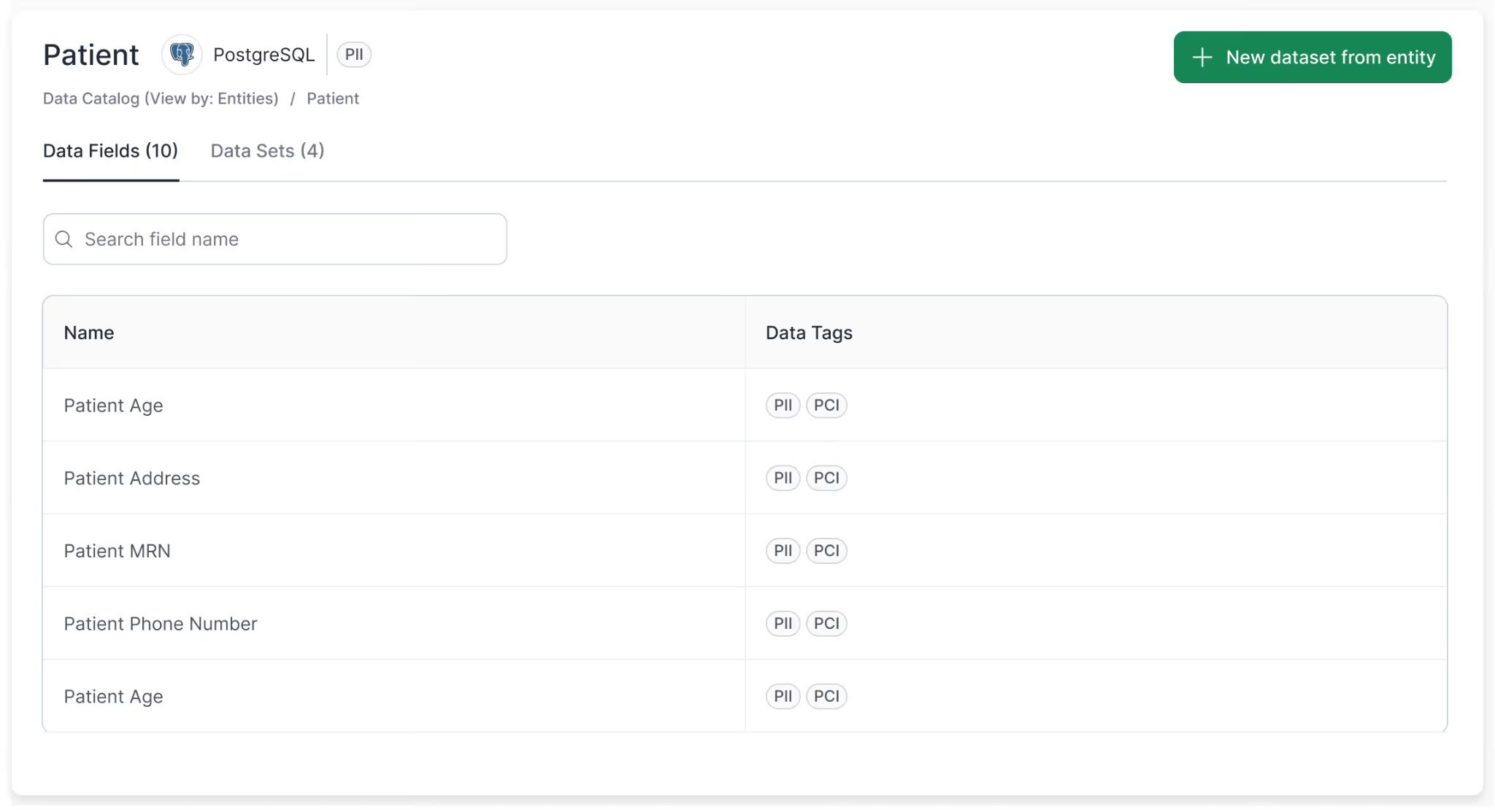
HIPAA-supporting features include data encryption, audit logging, automatic session timeouts, and Business Associate Agreements. PCI DSS compliance covers payment collection through forms, verified by quarterly external vulnerability scans and bi-annual penetration testing. GDPR and PIPEDA support covers international privacy requirements.
Source: Formstack
The platform is hosted on AWS in the United States. Notable gap: ISO 27001 and FedRAMP certifications are not mentioned in Formstack's documentation.
Salesforce has the broadest compliance portfolio.
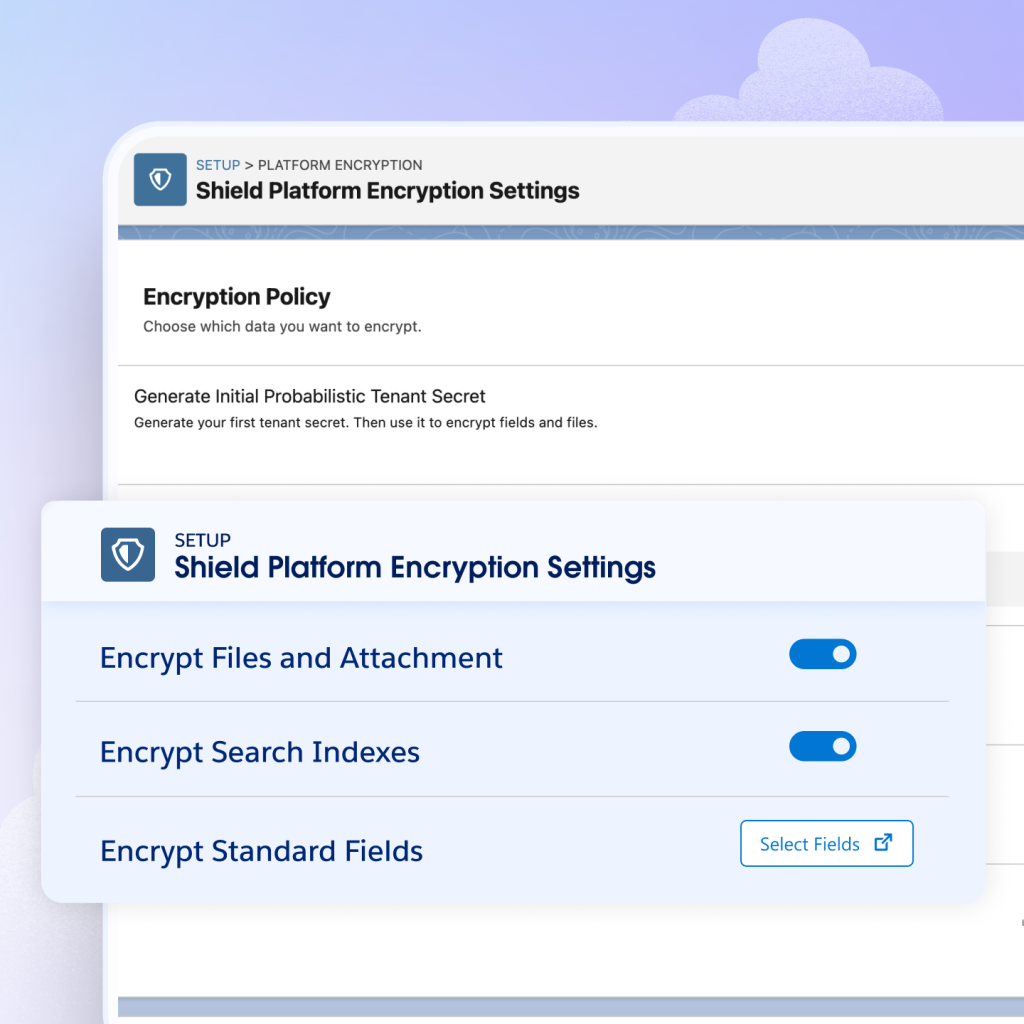
Certifications include ISO 27001/27017/27018, SOC 1/2/3, FedRAMP (via Government Cloud), and HITRUST. Salesforce Shield adds event monitoring, platform encryption with bring-your-own-key, and field audit trail.
Source: Salesforce
The Einstein Trust Layer provides zero data retention with LLM partners, PII masking, and toxicity detection for AI features. Hyperforce enables regional data residency across multiple countries.
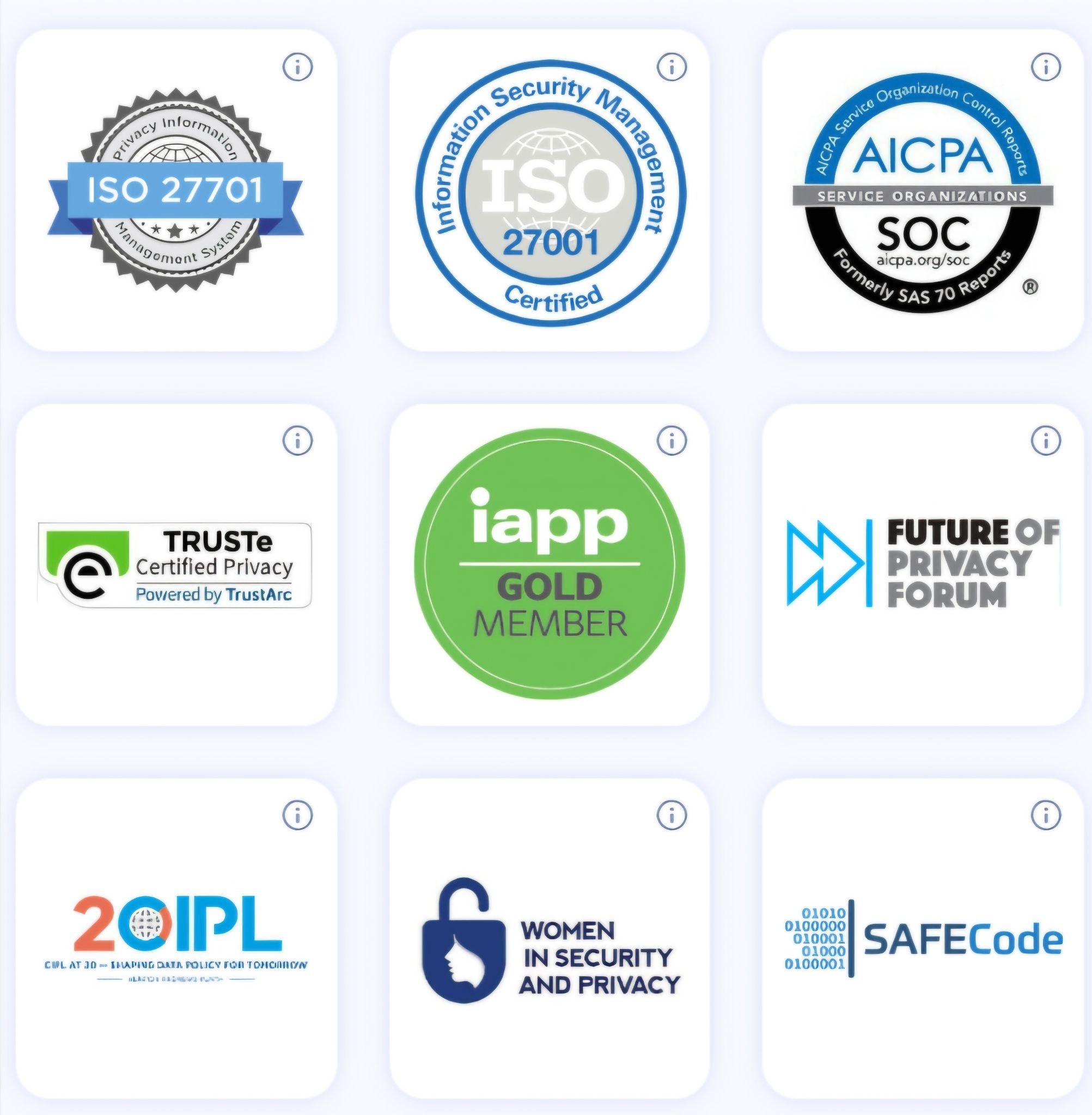
ZoomInfo holds ISO 27001, ISO 27701, SOC 2 Type II, TRUSTe GDPR, and TRUSTe CCPA certifications, all renewed annually.
Source: ZoomInfo
The company is a registered data broker in California and Vermont. For enterprises evaluating B2B data providers, ZoomInfo's ISO 27701 privacy management certification and data broker registrations address the specific compliance concerns around third-party data usage that other intelligence providers may not cover.
Where ZoomInfo makes both platforms more effective
The relationship between these three platforms isn't competitive. It's architectural.
Formstack captures data. Salesforce manages relationships. ZoomInfo provides the verified intelligence that makes both work better. Here's what that looks like in practice:
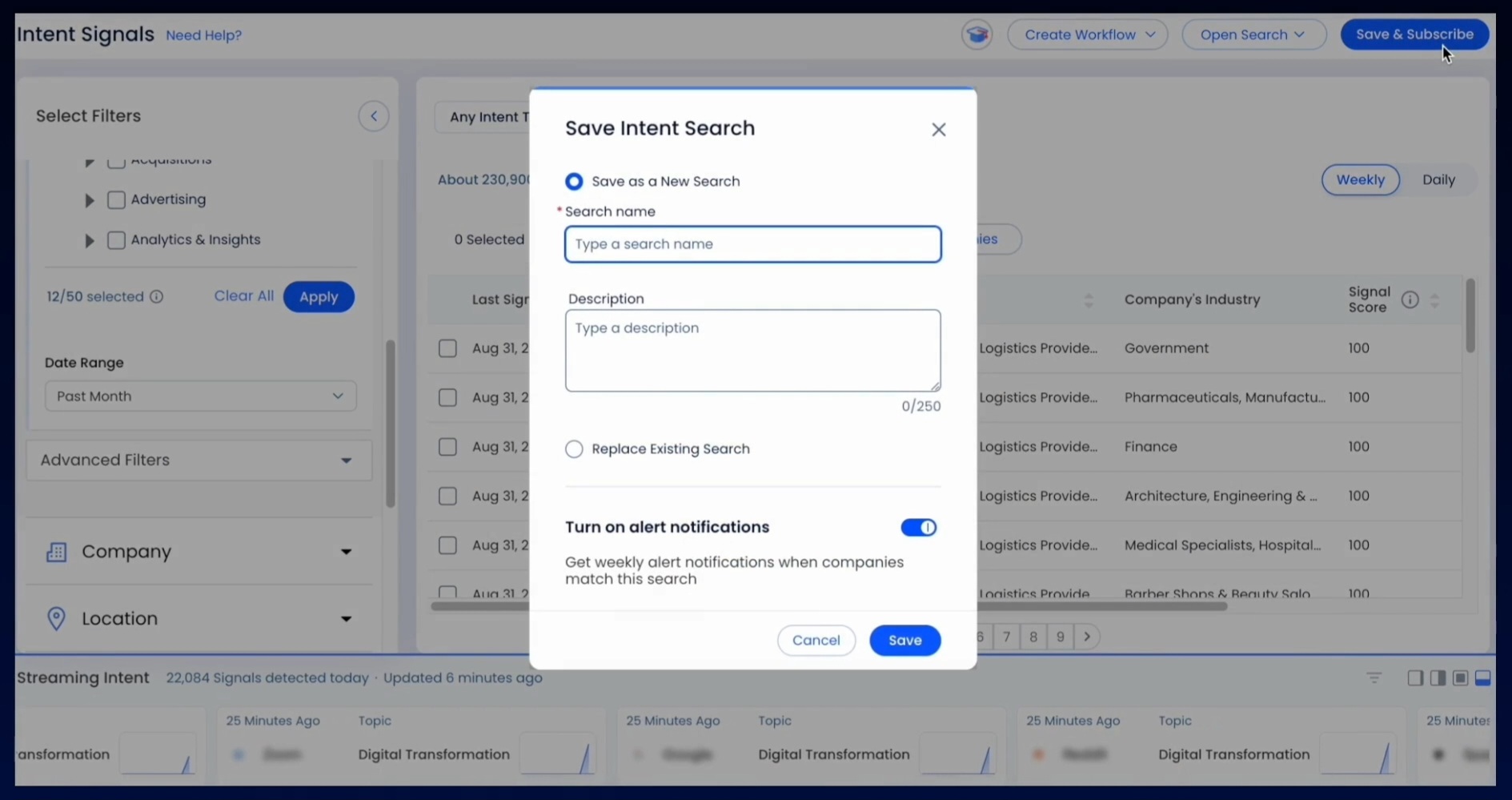
Before a form is submitted. ZoomInfo's Buyer Intent data identifies which accounts are researching relevant topics, drawn from 210 million IP-to-Organization pairings and 6 trillion+ keyword-to-device pairings. Marketing teams use this to decide which accounts to target with forms, ads, and outreach, rather than waiting for inbound interest.
Source: ZoomInfo
When a form is submitted. ZoomInfo's FormComplete auto-enriches form submissions with verified company and contact data, reducing form fields while improving data quality. For Salesforce users, ZoomInfo's enrichment ensures that the lead entering Sales Cloud has a complete profile from the start, not just a name and email.
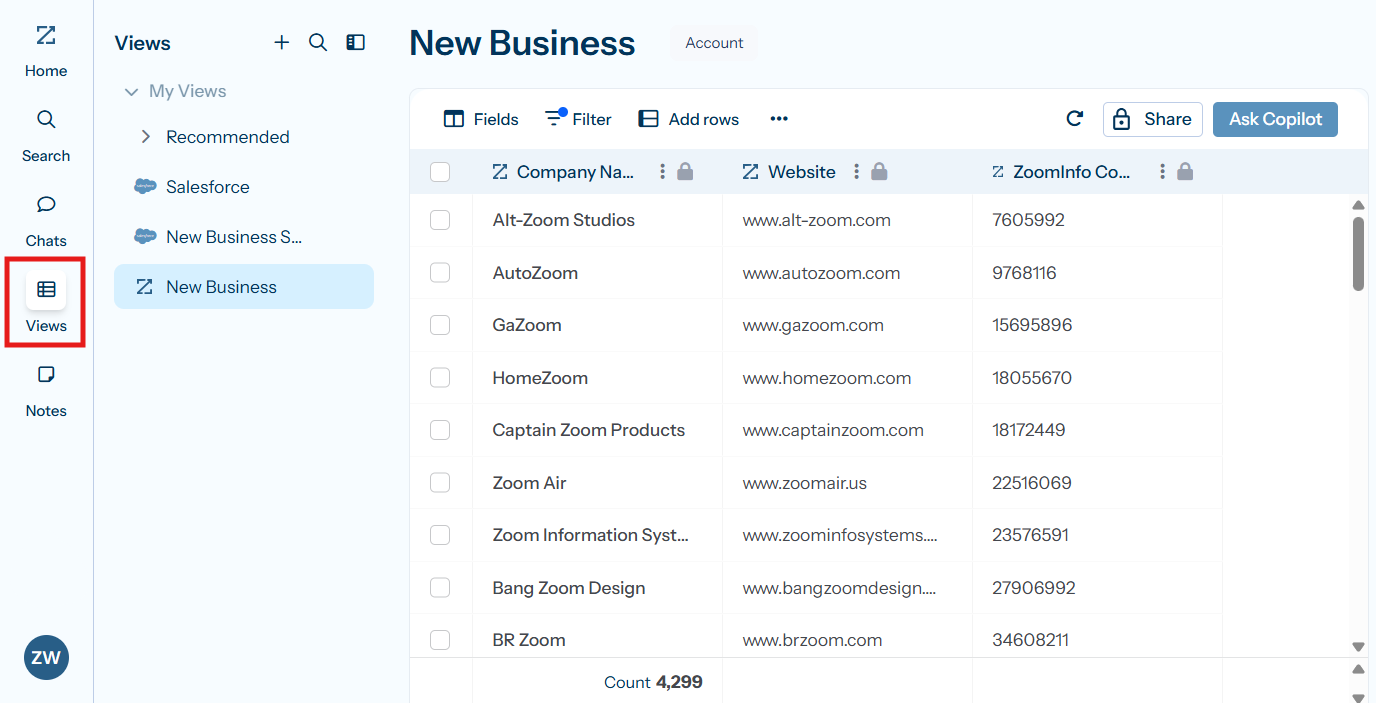
After data enters the CRM. ZoomInfo's GTM Context Graph continuously enriches Salesforce records with updated contact information, org chart changes, funding events, and competitive signals.
GTM Workspace gives sellers a single place where this intelligence converges into prioritized accounts and AI-drafted outreach. Thomson Reuters increased closed-won deals by 40% and achieved 115% average quota attainment each month using this approach.
Source: ZoomInfo
Across the full workflow. GTM Studio lets marketers and RevOps teams design plays that connect intent signals to multi-channel campaigns, launching them in minutes instead of weeks. Impartner saw a 45% increase in website engagement after adopting this approach.
Smartsheet's Senior Manager of Sales Technology Enablement described the impact: "ZoomInfo is our one source of truth for account data, and even more so for contact data. There's no other provider in the market that provides you with that level of detail." (Smartsheet)
Formstack vs. Salesforce vs. ZoomInfo: Which should you choose?
These platforms don't compete for the same budget or the same problem. The right choice depends on which layer of your data workflow needs the most help.
Choose Formstack if:
You need to digitize paper-based processes (intake forms, applications, contracts)
Non-technical staff need to build and manage data collection workflows without IT
HIPAA compliance for forms, documents, and eSignatures is a requirement
You want a forms-documents-signatures pipeline in a single subscription
Your primary need is collecting and routing data, not managing customer relationships
Choose Salesforce if:
You need a full CRM to manage sales pipeline, customer service, and marketing campaigns
Your organization is ready to invest in a platform that scales from departmental to enterprise
You need industry-specific solutions across your customer lifecycle
Autonomous AI agents for service, sales, and marketing are a strategic priority
You have the resources for dedicated Salesforce administration and ongoing development
Choose ZoomInfo if:
Your revenue team needs verified B2B data to prospect, enrich CRM records, and identify in-market accounts
You want AI that understands your deals, not just your data, to drive outreach and pipeline
You need intelligence that works across your entire stack, whether you use Salesforce, HubSpot, or custom tools
Data accuracy and enrichment are the bottleneck in your sales and marketing workflows
You want to connect B2B intelligence to any AI agent through APIs and MCP
Start with ZoomInfo Lite for free or request a demo of the full platform.
Most organizations comparing Formstack and Salesforce discover they need both: Formstack for data collection, Salesforce for relationship management. But the teams that consistently outperform aren't just collecting and managing data. They feed verified, enriched, signal-rich intelligence into every tool in the stack. That's the layer ZoomInfo provides, and it makes everything downstream work better.
Formstack vs. Salesforce vs. ZoomInfo FAQ
What is the fundamental difference between Formstack, Salesforce, and ZoomInfo?
Formstack is a no-code suite for collecting data through online forms, generating documents, and capturing eSignatures. Salesforce is the world's largest CRM platform, managing sales pipelines, customer service, marketing campaigns, and commerce across one system.
ZoomInfo is a B2B data intelligence platform that provides verified contact and company data, buyer intent signals, and AI-powered account insights to fuel prospecting, enrichment, and GTM execution.
Can Formstack and Salesforce be used together?
Yes, and many organizations do exactly this. Formstack offers two Salesforce-native products: Forms for Salesforce (built on Force.com, no API connections required) and Documents for Salesforce (one-click document generation from Salesforce records).
These products let non-technical Salesforce users build data collection and document workflows without custom development, with all data staying inside the Salesforce org.
How does ZoomInfo work with Salesforce?
ZoomInfo integrates natively with Salesforce to enrich CRM records with verified contact data, company attributes, org charts, technographics, and buyer intent signals. The integration keeps records current, improves lead routing through company hierarchy matching, and surfaces in-market accounts inside account records.
Palo Alto Networks used ZoomInfo's Company ID to restructure their segmentation and territory planning inside Salesforce.
Which platform is best for healthcare or regulated industries?
Formstack is the strongest choice for form-based data collection in regulated industries, offering HIPAA-supporting features with Business Associate Agreements, PCI DSS compliance, and GDPR support. Salesforce provides the broadest compliance portfolio (ISO 27001, SOC 1/2/3, FedRAMP, HITRUST) for managing customer data at scale.
ZoomInfo holds ISO 27001, ISO 27701, and SOC 2 Type II certifications for secure B2B data operations. The best approach depends on whether your compliance need centers on data collection, data management, or data enrichment.
How do the pricing models compare?
Formstack starts at $83/month for Forms only (1 user, 25 forms) with no free plan. Salesforce offers a free tier for up to 2 users, with Starter Suite at $25/user/month and Enterprise at $175/user/month, plus additional costs for add-on clouds and AI consumption.
ZoomInfo offers a permanent free tier (ZoomInfo Lite with 10 monthly export credits) and custom-quoted paid plans based on seats, credit volume, and feature access. Each platform's cost scales with a different variable: Formstack with submission volume, Salesforce with platform access, and ZoomInfo with data consumption.
Does ZoomInfo compete with Formstack or Salesforce?
ZoomInfo is not a direct competitor to either platform. It complements Formstack by enriching form submissions with verified data and reducing form fields through FormComplete. It integrates with Salesforce to keep CRM records accurate and surface buyer intelligence inside the sales workflow.
ZoomInfo operates at the intelligence layer, providing the verified data and signals that make both data collection and CRM management more effective.
Which platform is easiest to get started with?
Formstack has the lowest learning curve for basic form building, with non-technical users productive quickly using the drag-and-drop builder.
ZoomInfo Lite offers immediate access to B2B data with no time limit and no credit card required. Salesforce has the steepest learning curve, with meaningful configuration requiring trained administrators and implementation timelines ranging from weeks to months depending on complexity.
Can ZoomInfo replace Salesforce as a CRM?
No. ZoomInfo is not a CRM. It does not manage sales pipelines, customer service cases, or marketing campaigns. ZoomInfo's GTM Workspace provides sellers with an AI-powered workspace for prospecting and deal management, and GTM Studio enables marketers to design and launch GTM plays. But these products work alongside a CRM, not in place of one.
ZoomInfo integrates natively with Salesforce, HubSpot, and Microsoft Dynamics to push intelligence into the system of record.
