
If you're comparing Guru vs. Lessonly, you're asking a sharper question than you think: what does my team need most to perform better?
Guru and Lessonly (now Seismic Learning) both aim to make customer-facing teams more effective, but they approach the problem from opposite directions. One gives reps verified answers on demand. The other trains reps to handle conversations they haven't had yet. They solve different halves of the same readiness problem.
Before you choose, answer these questions:
Is your team's biggest gap knowing the right information, or executing the right skills?
Do you need a knowledge base reps can search during live interactions, or a training platform where they practice before those interactions?
How important is AI-powered coaching and role-play versus AI-powered knowledge verification?
Are you looking for a standalone tool or part of a broader enablement platform?
Does your team already have the external intelligence it needs to know who to target and when to engage?
In short, here's what we recommend:
Guru is the right choice for teams whose biggest problem is finding accurate, current information while they work. Its Knowledge Agents deliver verified answers inside Slack, browser extensions, Zendesk, and CRM tools, so reps never leave their workflow to search a wiki. A built-in verification system ensures every piece of knowledge carries a trust signal, and Knowledge Agents can verify and unverify content without manual review. The tradeoff: Guru is a knowledge management tool, not a training platform. It can tell your reps the current pricing, but it can't teach them how to handle a pricing objection.
Lessonly (now Seismic Learning) is the right choice for teams whose biggest problem is skill execution, not information access. Built into the Seismic Enablement Cloud, it combines interactive lessons, AI-powered role-play, coaching plans, and skills assessments into a training system for revenue teams. The tradeoff: Seismic Learning is built for mid-to-large enterprises with dedicated enablement teams. Smaller organizations may find the implementation complexity and enterprise pricing out of proportion to their needs.
Both platforms focus on the internal side of sales readiness: what your team knows and how well they execute. But internal readiness only matters if your reps are targeting the right accounts at the right time with the right context. That external intelligence is where a third platform enters the picture.
ZoomInfo is an AI GTM platform that provides the external intelligence your team needs to put their knowledge and training to work. Built on a large B2B dataset (500M contacts, 100M companies, 135M+ verified phone numbers, and 300M+ verified business emails), ZoomInfo's GTM Context Graph combines this data with your CRM records, conversation transcripts, and behavioral signals to reveal not just who to contact, but why a deal is moving and what to do next. Your team accesses this intelligence through GTM Workspace (for sellers), GTM Studio (for marketers and RevOps), or APIs and MCP in any front-end.
If giving your team the external intelligence to act on their knowledge and training sounds like the missing piece, see how ZoomInfo works with a free trial.
Guru vs. Lessonly vs. ZoomInfo at a glance
Guru | Lessonly (Seismic Learning) | ZoomInfo | |
|---|---|---|---|
Core function | AI-powered knowledge management | Sales training and coaching | B2B intelligence and GTM execution |
What it gives reps | Verified answers in the flow of work | Skills practice and coaching feedback | Account intelligence, buyer signals, and AI-drafted outreach |
AI capability | Knowledge Agents verify and surface trusted content | Role-Play Agent simulates buyer conversations | GTM Context Graph reasons across deals to recommend next actions |
Integration approach | 100+ sources; browser extension, Slack, Teams, CRM | Part of Seismic Enablement Cloud; Salesforce, Slack, Gong | 120+ marketplace integrations; APIs and MCP for any tool |
Pricing | Custom enterprise quotes; 10-seat minimum | Custom enterprise quotes | Custom quotes; free plan (ZoomInfo Lite) and 7-day trial available |
Platform scope | Knowledge base and AI search | Training, coaching, and content within enablement suite | Data, intelligence, prospecting, marketing, and conversation intelligence |
Analyst recognition | G2 Leader in Knowledge Management | Forrester Wave Leader, Gartner MQ Leader in Revenue Enablement | Gartner MQ Leader in ABM; Forrester Wave Leader in Intent Data |
Best for | Support and sales teams needing instant, accurate answers | Revenue teams building and reinforcing selling skills | Sales and marketing teams needing to find, prioritize, and engage buyers |
They solve fundamentally different problems
The comparison between Guru and Lessonly is less "which is better" and more "which problem are you solving."
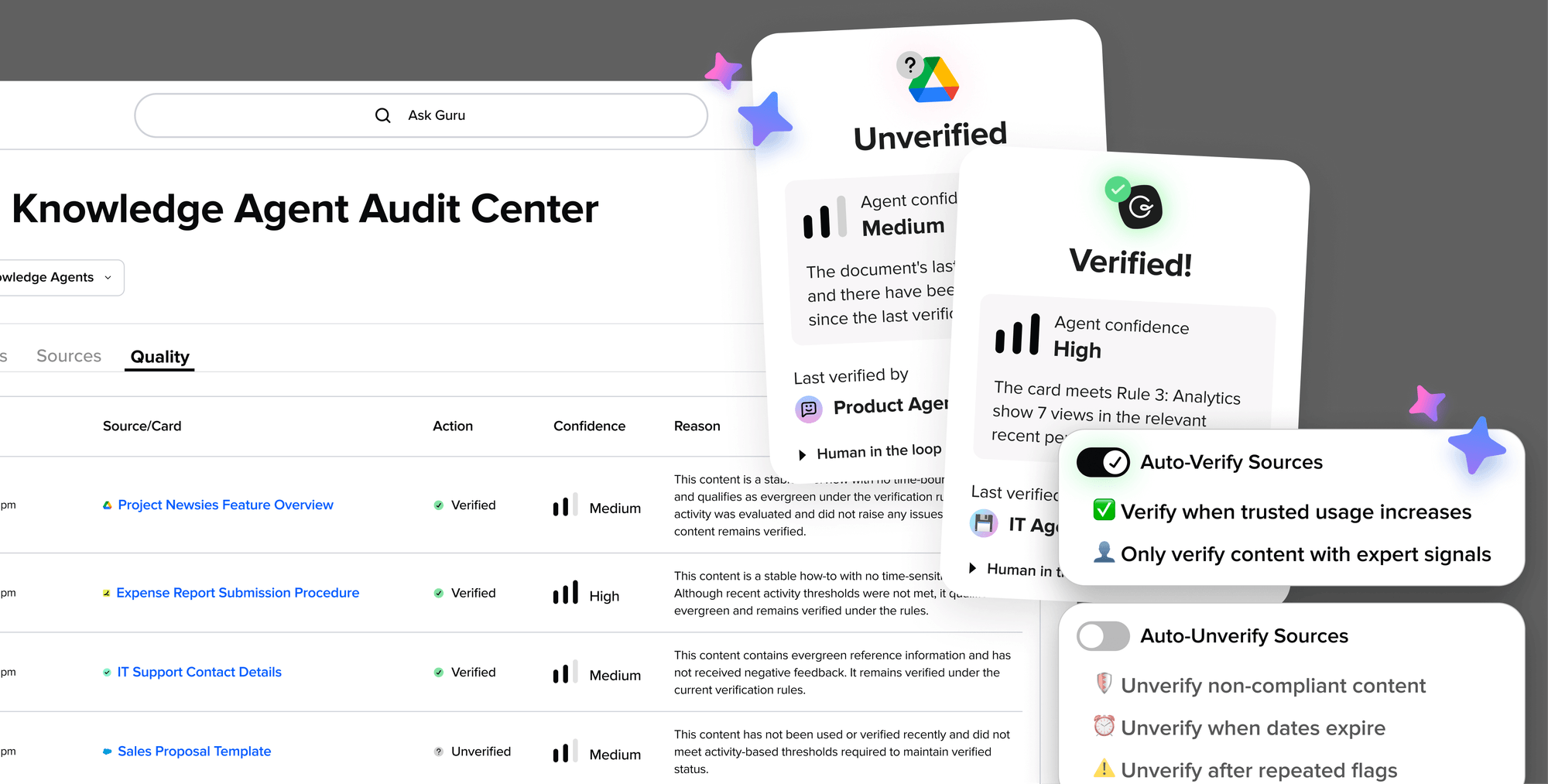
Guru assumes your team already knows how to sell but can't find the information they need fast enough. A support agent handling a complex ticket shouldn't have to search three wikis and two Slack channels for the current refund policy. A sales rep on a call shouldn't have to guess whether the product supports a specific integration. Guru's Knowledge Cards put verified, bite-sized answers inside the tools reps already use, and its verification system ensures that information stays current and trustworthy. According to Guru's field guide data, every question answered by Guru saves an average of 8 minutes per agent.
Source: Guru
Lessonly (now Seismic Learning) assumes your team has access to information but needs to build the skills to use it. A new hire who can look up pricing won't close deals if they can't handle objections. A rep who knows the product features won't win competitive situations if they haven't practiced positioning against alternatives. Seismic Learning's Lesson Builder, AI Role-Play Agent, and Skills App turn knowledge into practiced behavior.
Source: Lessonly (Seismic Learning)
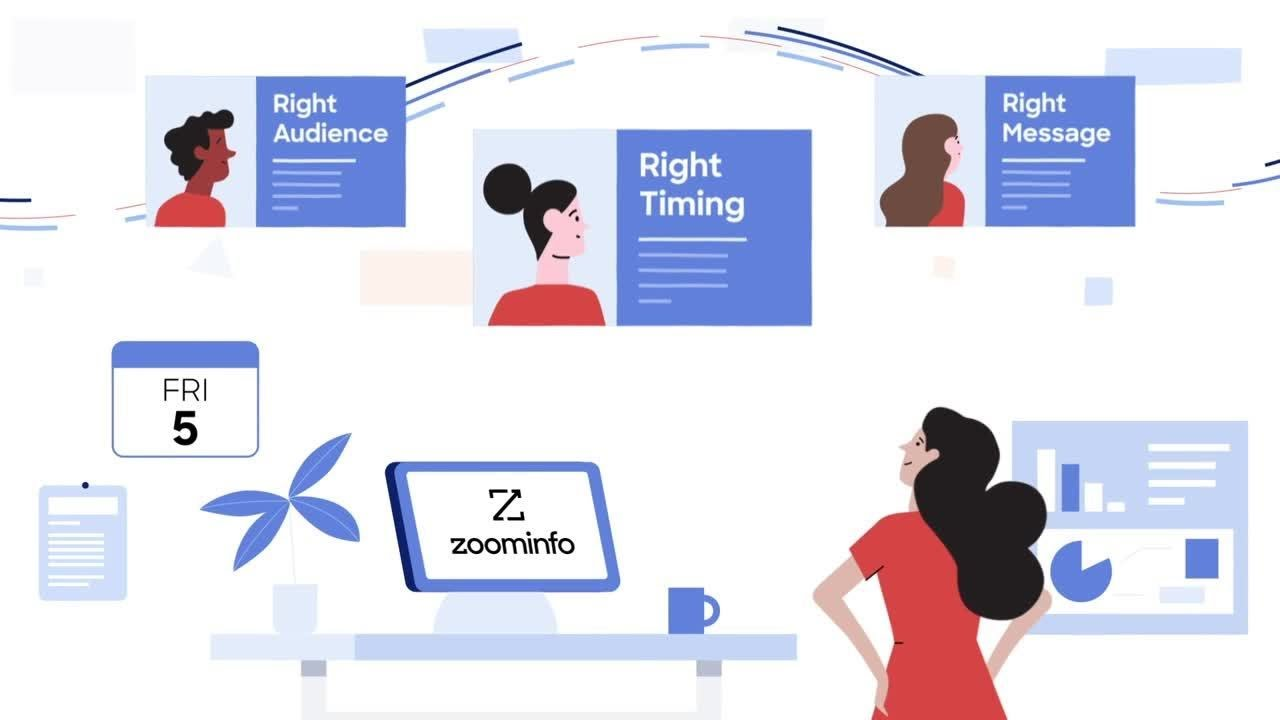
ZoomInfo solves a problem neither platform addresses: knowing who to target, when they're ready to buy, and what context matters for each account. A rep can have perfect product knowledge (Guru) and polished objection handling (Lessonly), but without knowing that a target account just hired three VPs, started researching competitors, and has a CFO who cares about six-month ROI, that preparation has no target. ZoomInfo's GTM Context Graph provides that context by processing 1.5B+ data points daily across CRM records, conversation transcripts, intent signals, and behavioral data.
Guru delivers knowledge at the point of need
Guru's strength is making the right information available at the moment someone needs it, without breaking their workflow.
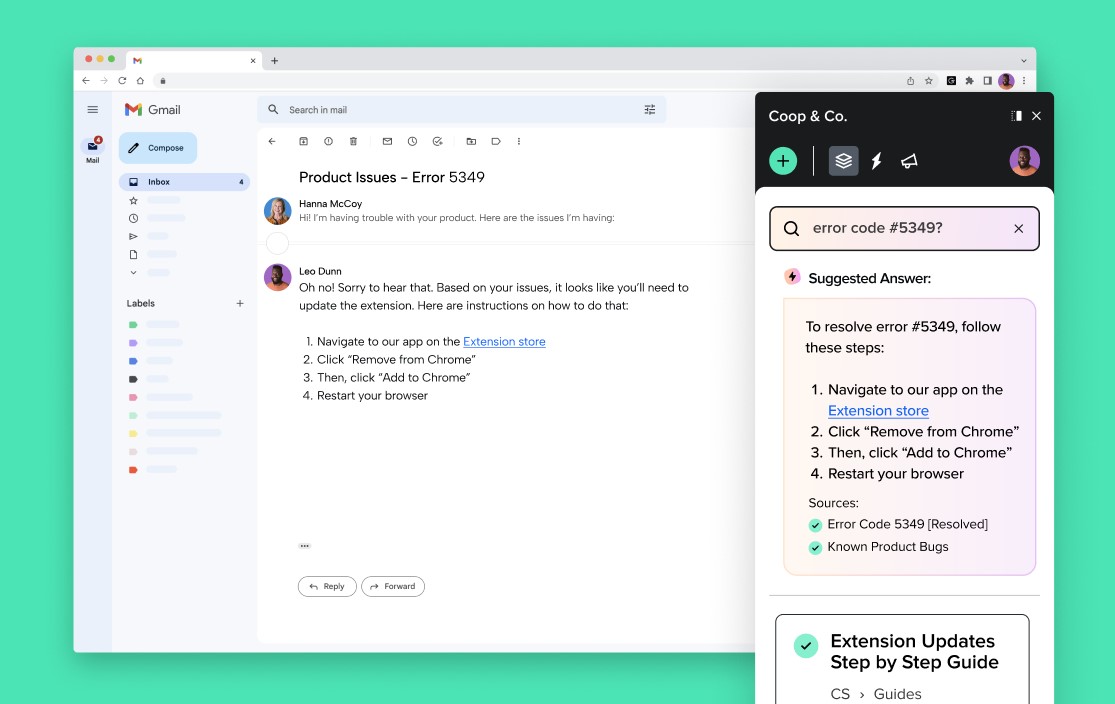
The browser extension and Slack integration are where most users experience Guru. A support agent working a Zendesk ticket sees relevant Knowledge Cards surfaced automatically. A sales rep in Salesforce gets product details without switching tabs. Knowledge Triggers push content when a user views a specific page, cutting search time.
Source: Guru
What separates Guru from a standard wiki is its verification layer. Every Card has a designated verifier and a verification interval. When content goes stale, the system flags it. With Knowledge Agents launched in January 2026, Guru can now verify and unverify content autonomously using behavioral signals and content analysis.
Guru also positions itself as a governed knowledge layer for enterprise AI. Its MCP Server allows tools like Claude, ChatGPT, and Copilot to query Guru's verified, permission-aware knowledge base. For companies deploying multiple AI tools, this means one governed source of truth instead of separate knowledge management for each AI system.
The limitations are real. G2 and TrustRadius reviewers note that search can struggle with large content volumes and imprecise queries. Capterra and G2 reviews flag limited table and formatting options compared to richer editors like Notion or Confluence. And Guru's custom enterprise pricing with no published plans creates friction for teams trying to evaluate the product quickly.
Lessonly builds skills through practice and coaching
Seismic Learning takes a different approach: instead of giving reps answers, it trains them to handle situations.
The Lesson Builder is designed for speed. Sales enablement teams and managers can create interactive training content (text, video, knowledge checks, and role-play scenarios) without instructional design resources.
The Aura Role-Play Agent, launched in Spring 2025, is where the platform gets interesting. It uses generative AI to simulate customer conversations grounded in the organization's own Seismic content, giving reps practice with realistic buyer personas that draw on approved messaging and product knowledge. Reps receive instant scoring and feedback, while managers get aggregated skill-gap analysis across the team.
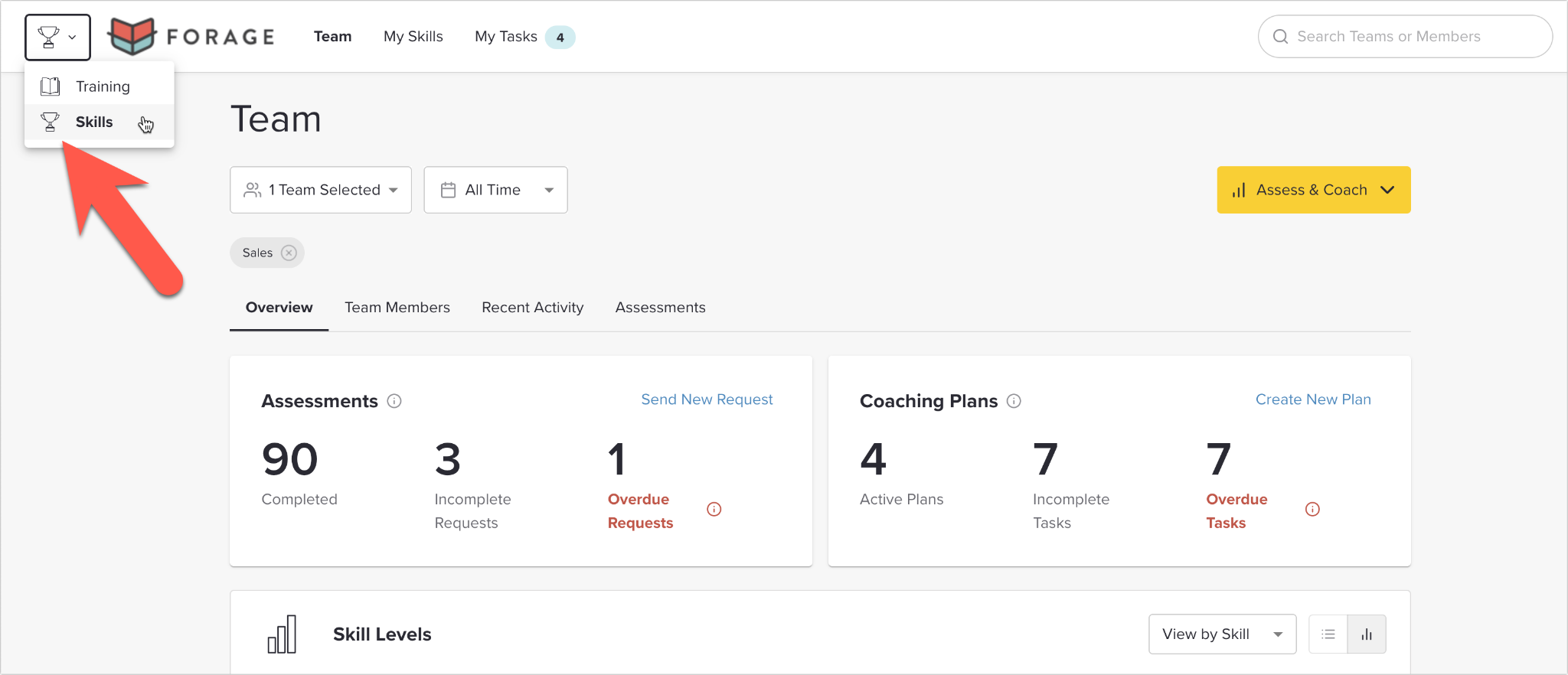
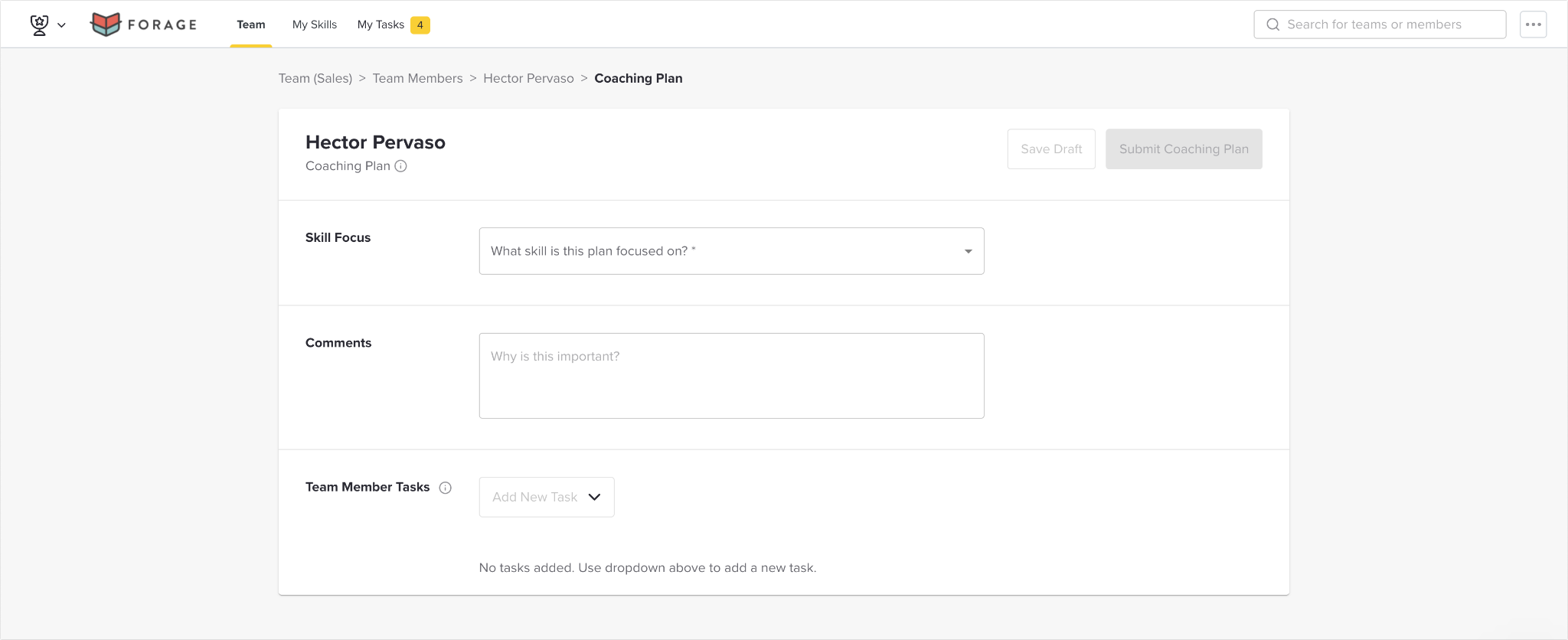
The Skills App adds a structured competency framework. Managers define skillsets by role, assess reps through four assessment types (manager reviews, live observations, performance metrics, and self-reflections), and create coaching plans targeting specific gaps. Each skill links directly to relevant training content, so the path from identified gap to assigned remediation is one step. Because Seismic Learning sits inside the Seismic Enablement Cloud, training data connects to content usage, meeting intelligence, and deal performance. Enablement leaders can correlate training completion with pipeline outcomes, not just track who finished a course.
Source: Lessonly (Seismic Learning)
The drawbacks mirror its strengths. Forrester positions Seismic for "midsized to large enterprises," and the implementation overhead reflects that. Gartner's analysis notes a 4+ month median deployment timeline. Teams that originally bought Lessonly for its simplicity may find the expanded Seismic platform more complex than what they signed up for. And the pending merger with Highspot introduces uncertainty about which capabilities will be retained or consolidated.
ZoomInfo provides the external intelligence both platforms miss
Guru manages what your team knows internally. Lessonly trains how they execute. Neither tells your team who to call next, which accounts are researching solutions, or what the CFO said on the last call that signals a deal is accelerating.
That external intelligence is ZoomInfo's domain. The platform starts with a large B2B data layer: 500M contacts, 100M companies, 135M+ verified phone numbers, and 300M+ verified business emails, verified through a multi-source pipeline backed by 300+ human researchers and reaching up to 95% accuracy on first-party data. In a Fortune 500 competitive RFP analyzing 25 million contacts across vendors, the independent consultant concluded that "no other competitor came even close."
But data alone doesn't win deals. The GTM Context Graph, ZoomInfo's intelligence layer, combines ZoomInfo's B2B data with your CRM records, conversation intelligence from Chorus, email threads, and behavioral signals to capture the context behind deal movement. As ZoomInfo's CPO Dominik Facher writes: "The CRM recorded the state change. It has no record of why it happened." The GTM Context Graph fills that gap by connecting signals to surface why a deal accelerated or stalled.
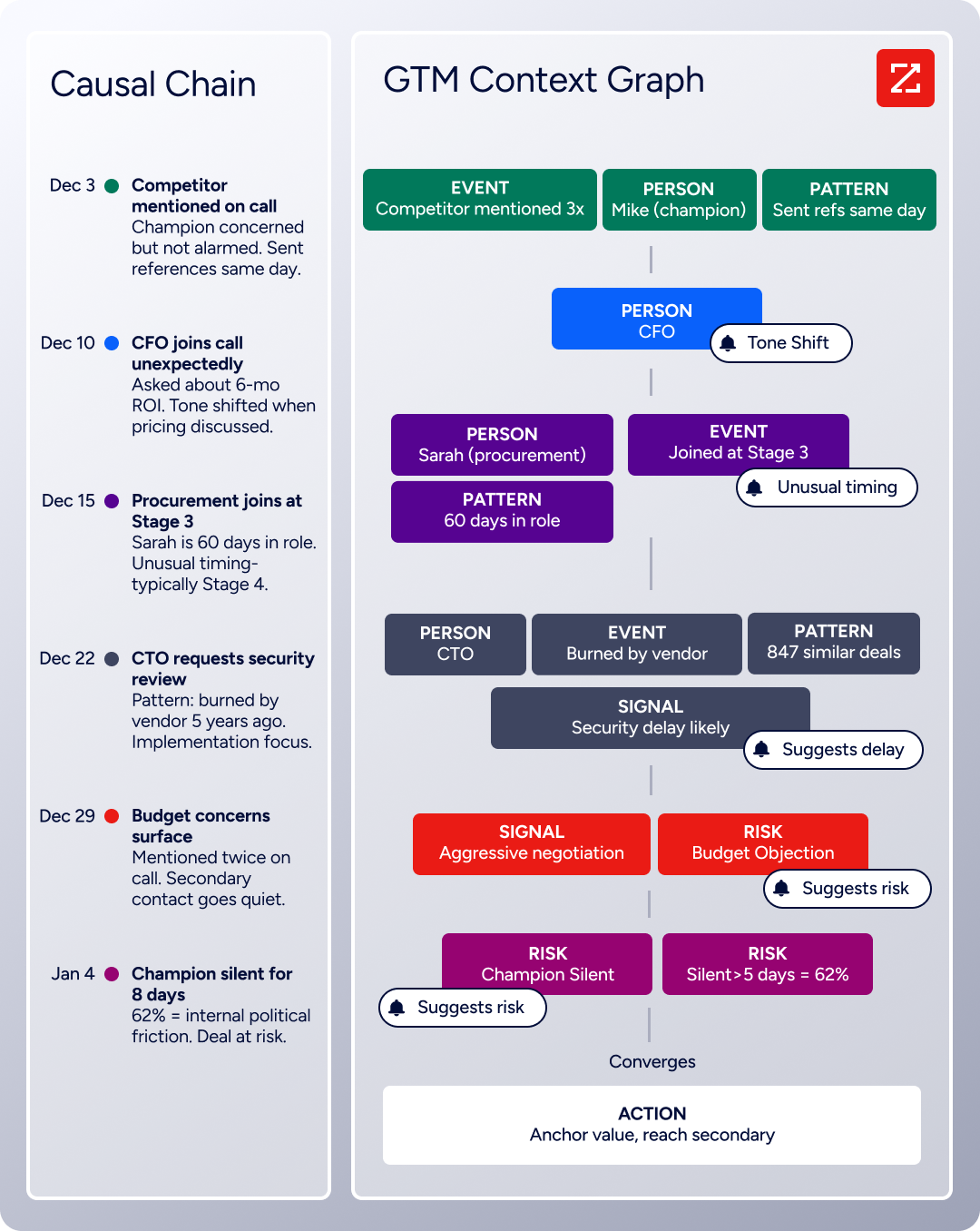
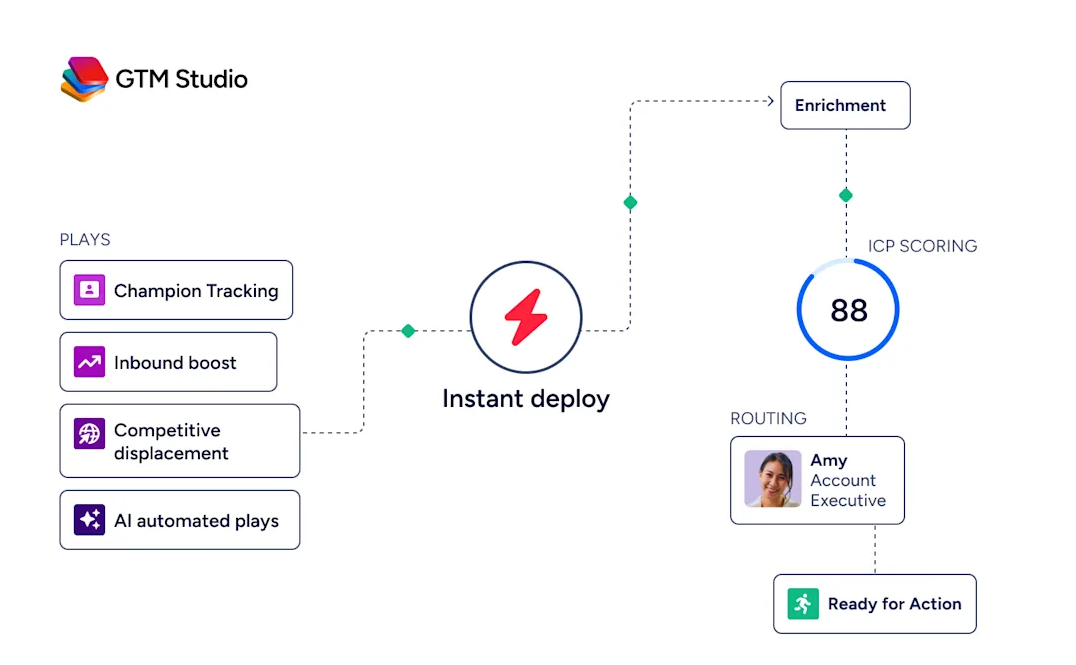
This intelligence reaches reps through GTM Workspace, where AI agents handle account research, outreach drafting, signal monitoring, and CRM updates in one place. Marketers and RevOps teams use GTM Studio to build audiences in natural language, launch multi-channel plays, and track pipeline impact. For teams building custom tools, APIs and MCP expose the same intelligence to any application or AI agent.
Source: ZoomInfo
"That combination of our internal CRM data, external signals, and AI that's given all that context has helped us craft very specific account- and persona-based messages. And people have responded to them right away." (Toby Carrington, CBO, Seismic)
AI capabilities serve different purposes
All three platforms invest in AI, but what each AI does reveals the platform's priorities.
Guru's AI verifies and surfaces knowledge. Knowledge Agents connect to internal sources (Slack, Google Drive, Confluence, Salesforce) and deliver cited answers in natural language. The AI's distinguishing feature is automated quality control: agents apply verification rules to assess whether content is still accurate, routing questionable items to human experts while handling routine checks on their own. A Deep Research mode synthesizes information from multiple internal and external sources into structured reports with citations.
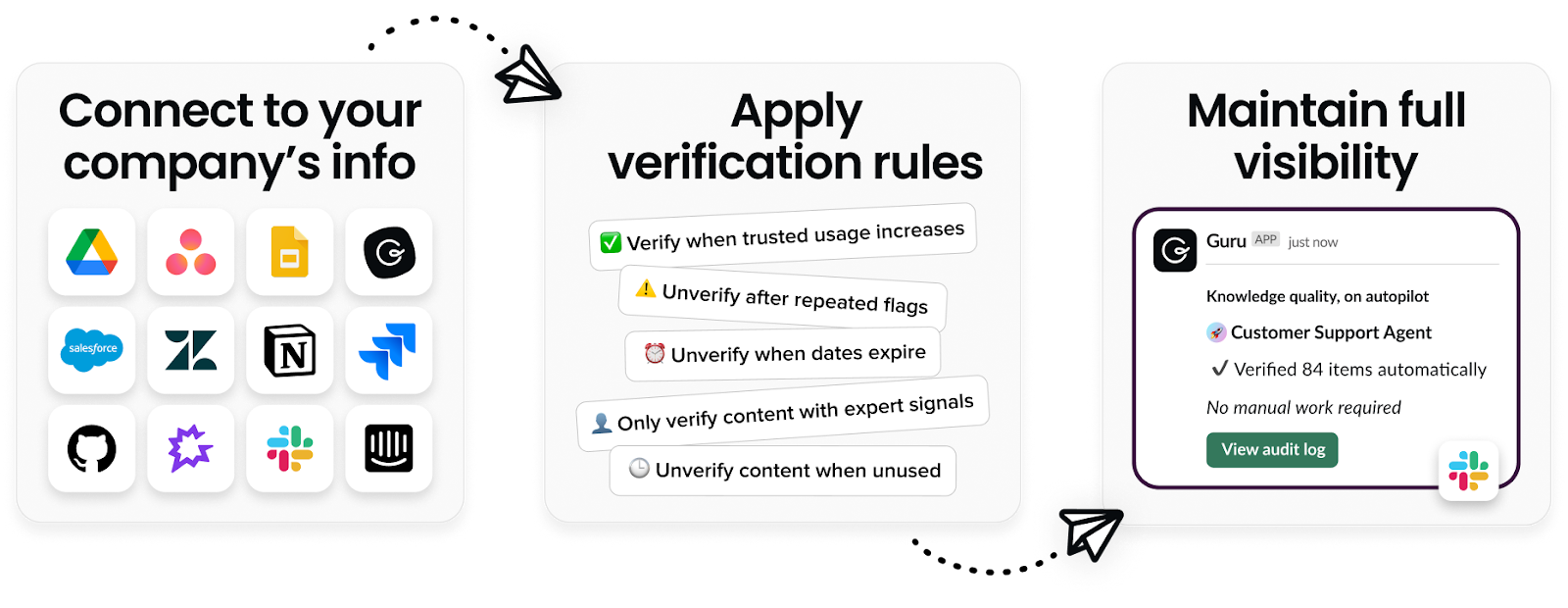
Source: Guru
Lessonly's AI coaches and simulates. The Aura Role-Play Agent creates practice scenarios grounded in the organization's own content, scoring reps on pacing, keyword usage, and confidence. The Analytics Agent (Spring 2025) lets users query training data in plain language. Aura Chat handles natural language search, content generation, and task execution across the platform. All Aura agents are ISO 42001-certified, which matters for regulated industries.
ZoomInfo's AI reasons across deals and signals. Built on Anthropic's Claude, ZoomInfo's AI agents answer three questions for every rep: who to contact, when to engage, and what to say. The Action Feed delivers a live stream of in-market buyers with pre-drafted actions on every signal. The AI Assistant generates 10-second account briefs pulling CRM history, company news, and stakeholder context. Guided Intent, exclusive to ZoomInfo, identifies topics historically correlated with deal success rather than requiring manual topic selection.
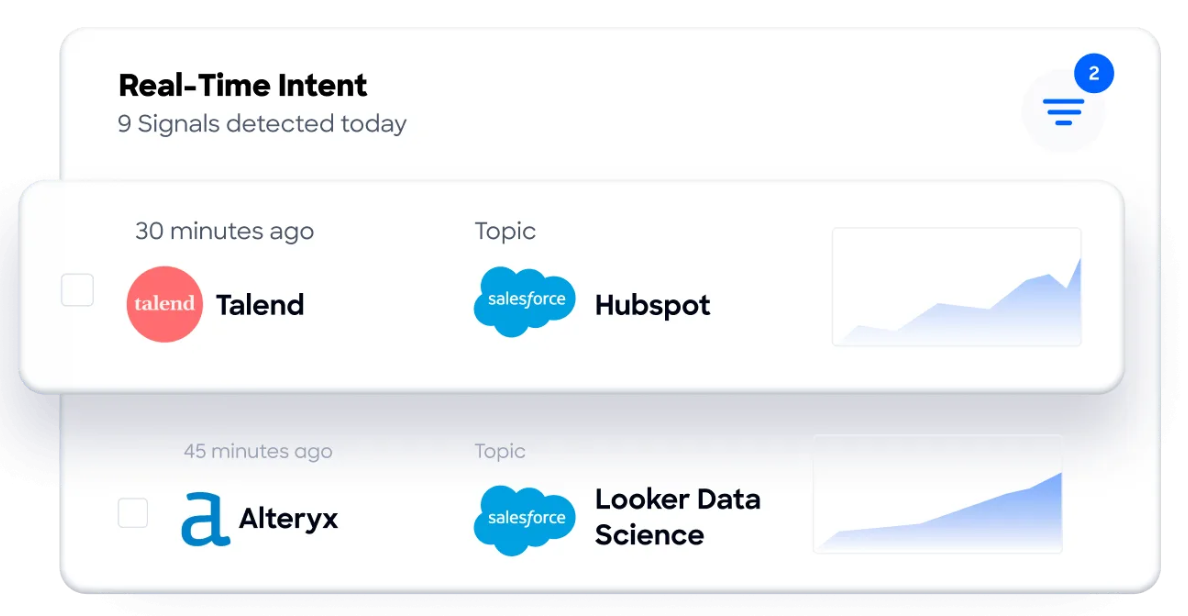
Source: ZoomInfo
The distinction matters. Guru's AI helps your team find what they already know. Lessonly's AI helps them practice what they've learned. ZoomInfo's AI tells them where to apply it.
"ZoomInfo's not just a contact data company anymore. They've built a full system of execution. GTM Intelligence actually works the list, writes the outreach, triggers the play, and helps drive predictable growth." (Ian Brodie, CEO & Co-Founder, Levanta)
Integration approaches reflect different architectures
How each platform connects to your existing stack reveals its role in the workflow.
Guru integrates as an overlay. It connects to 100+ sources (Slack, Confluence, Salesforce, Google Drive, Zendesk, and more), syncs their content into a single knowledge layer, and delivers answers through a browser extension, Slack, Teams, and mobile. The MCP Server lets external AI tools query Guru's governed knowledge. Sources sync multiple times per day, and permissions can be inherited from the source system. Guru also supports Zapier, Workato, and Prismatic for custom automation.
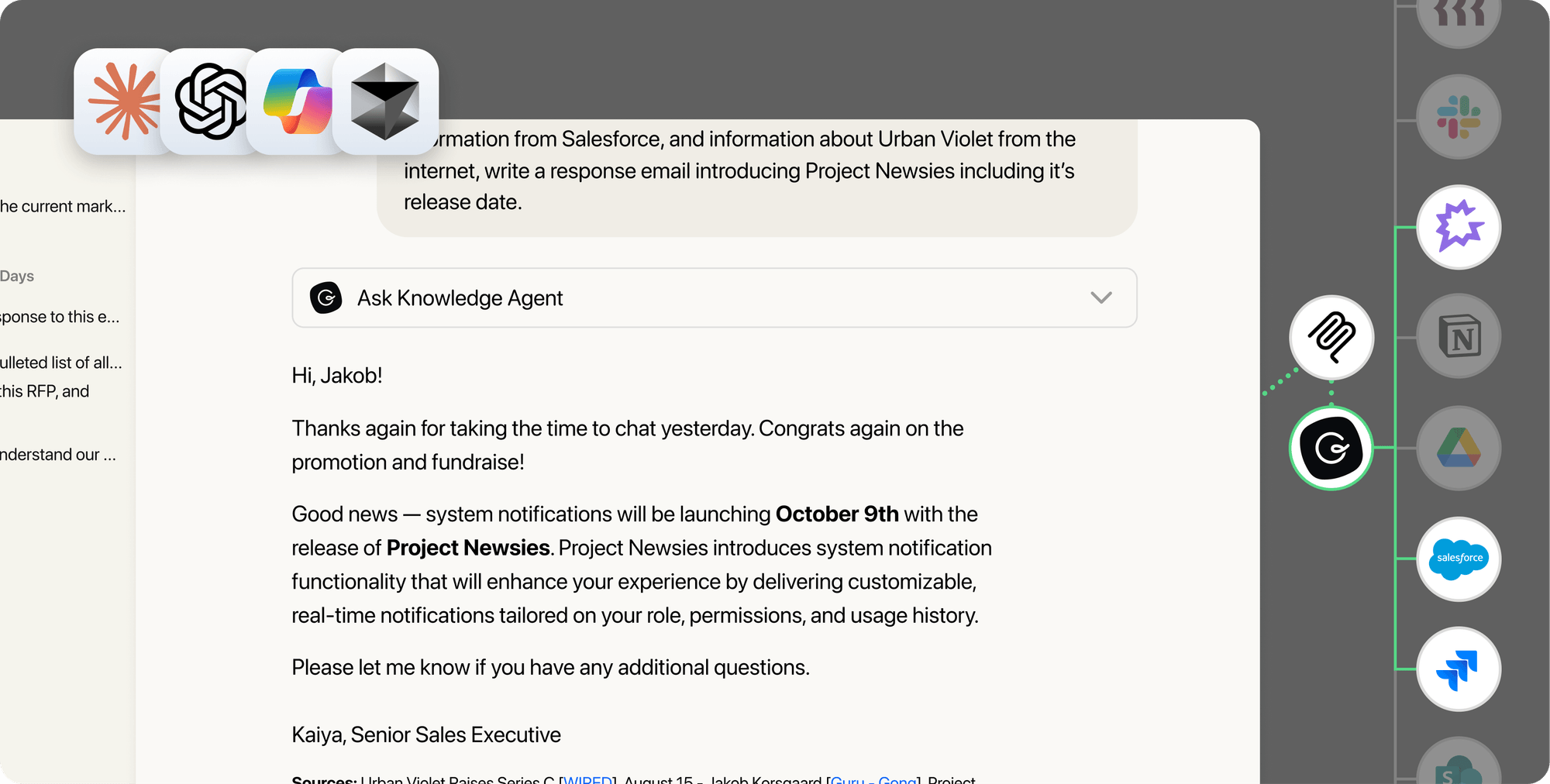
Source: Guru
Lessonly integrates as part of the Seismic ecosystem. Within the Seismic Enablement Cloud, training connects to content management, meeting intelligence, and digital sales rooms. Outside Seismic, the platform integrates with Salesforce, Gong, Slack, and HR platforms like BambooHR and Rippling. A reporting webhook pushes completion data to third-party endpoints, and xAPI support enables integration with external Learning Record Stores. The broader Seismic Exchange lists 150+ integrations.
ZoomInfo integrates as infrastructure. The App Marketplace lists 120+ partner integrations across CRM, marketing automation, sales engagement, and data warehouse categories. Native integrations with Salesforce, HubSpot, and Microsoft Dynamics 365 come included. Cloud Partners enable direct data ingestion into AWS, Google Cloud, Snowflake, and Databricks. The Enterprise API provides programmatic access to ZoomInfo's data, and the MCP server connects AI models directly to ZoomInfo's B2B data. API access is included in all relevant plans.
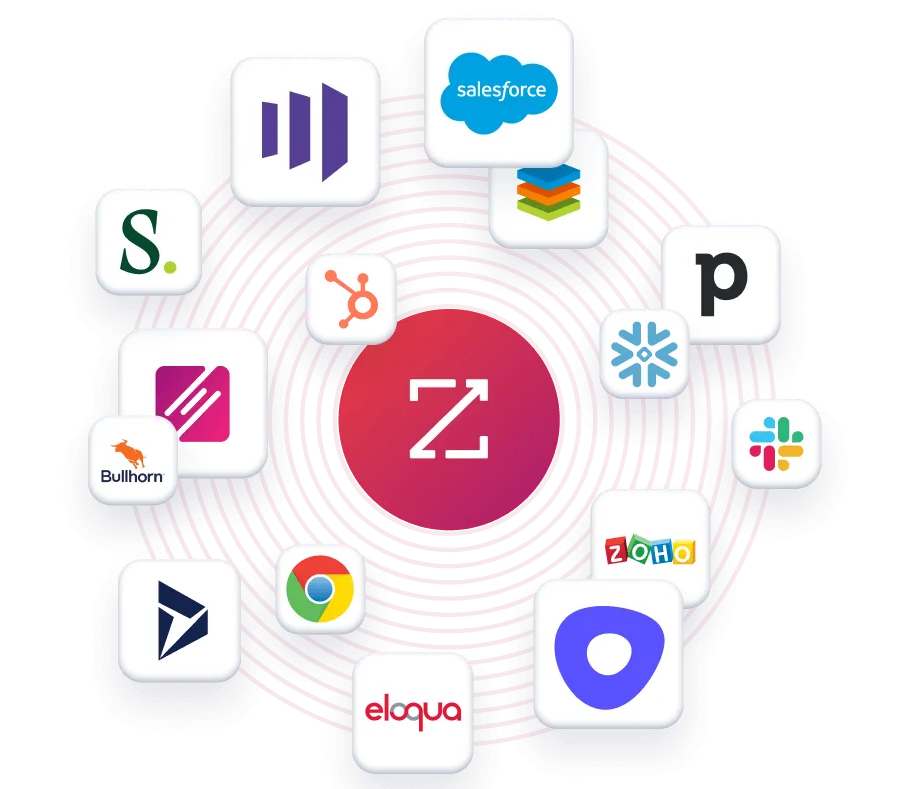
The practical difference: Guru rides on top of your existing tools to surface knowledge. Lessonly sits within an enablement suite to train your team. ZoomInfo feeds intelligence into every tool your team uses, whether through its own products or through APIs and MCP in any third-party system.
"The plug-and-play aspect of the API means I can integrate it very easily into any process and get information at a moment's notice." (Jerry Wilson, Senior Marketing Intelligence Analyst, BDO Canada)
Pricing transparency varies widely
None of these platforms publish straightforward pricing, but the opacity varies.
Guru uses custom enterprise pricing with no published plans. Every engagement bundles three components: The Platform (AI Knowledge Layer), Expertise (AI & KM Strategy Team), and Infrastructure (enterprise governance). The company calls itself "a platform and expertise solution, not just a per-seat tool." There's a 10-seat minimum to convert to a paid plan. TrustRadius reviewers describe Guru as "somewhat expensive." A Guru for Good program offers reduced pricing for nonprofits.
Lessonly (Seismic Learning) also does not publish pricing. The Seismic pricing page returns a 404, and all CTAs route to demo requests. Pricing is negotiated through enterprise sales, covering the subscription, optional Professional Services for implementation, and an available Platinum SLA upgrade. Gartner flagged premium pricing leading to less predictable long-term costs. All fees are non-refundable and non-cancellable, with seat quantities locked during each term.
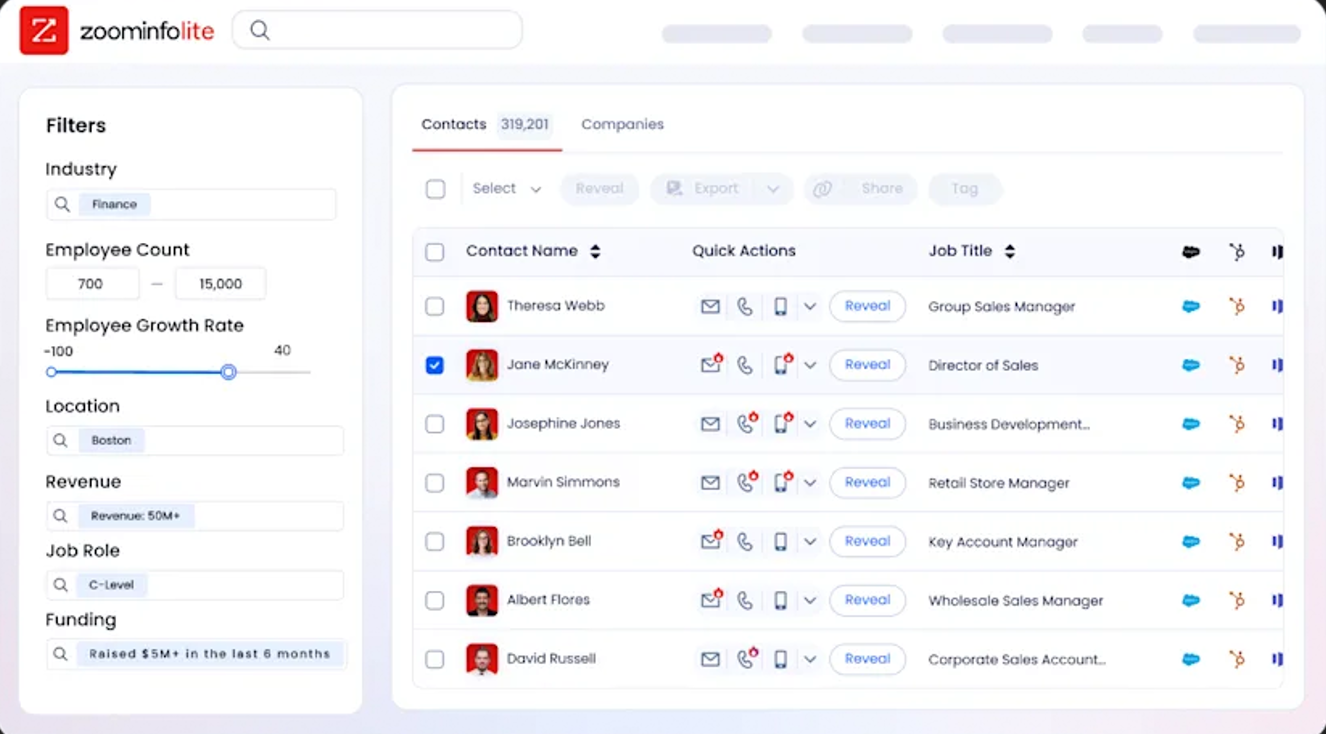
ZoomInfo uses custom, consumption-based pricing that scales around data access, API consumption, and AI activity. While paid plans are quote-only, ZoomInfo offers two free entry points that neither competitor matches: ZoomInfo Lite, a permanent free plan with access to ZoomInfo's B2B database, 10 monthly export credits, and WebSights Lite; and a 7-day free trial with broader platform access. Teams can evaluate ZoomInfo's data quality and core functionality before engaging sales, a real advantage in a category where every competitor gates access behind a sales call.
Source: ZoomInfo
Knowledge freshness vs. skill assessment vs. signal detection
Each platform has a distinct mechanism for keeping things current, and the mechanism reveals what the platform considers most important.
Guru tracks knowledge freshness through verification intervals. Every Card has a verifier and a schedule. When the interval lapses, the Card is flagged as unverified, prompting review. Knowledge Agents run quality checks daily, and a 7-day cooldown prevents churn on borderline content. Separate auto-archive rules clean up Cards that have been unverified for months with zero views. The goal: every answer your team receives is still true.
Source: Lessonly (Seismic Learning)
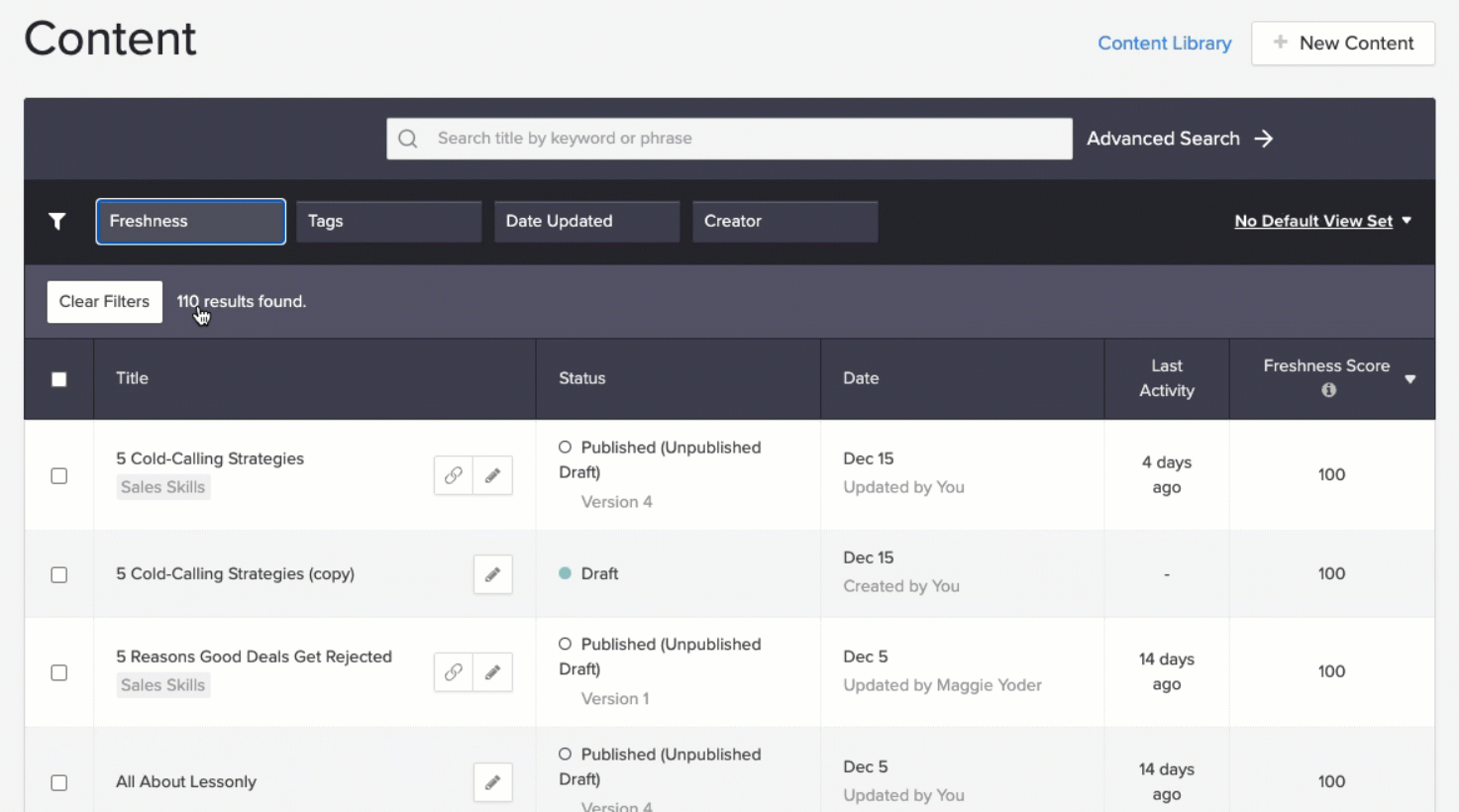
Lessonly tracks content freshness through a 0-100 scoring system based on recency of edits and learner engagement. Scores degrade after 60 days of inactivity and reach zero after 180 days, surfacing stale training content for review. On the skills side, the Skills App uses ongoing assessments (manager reviews, observations, performance metrics, self-reflections) to keep skill scores current. The goal: every rep's abilities are accurately measured and developing.
ZoomInfo tracks market freshness through continuous data processing. The GTM Context Graph processes 1.5B+ data points daily, with automated ML scanning 28 million site domains daily for changes. Technographic data is updated within three months for nearly 90% of active pairings. Intent signals, job changes, funding events, and org chart shifts surface in real time through GTM Workspace's Action Feed. The goal: your team acts on what's happening now, not what happened last quarter.
Guru vs. Lessonly vs. ZoomInfo: Which should you choose?
The right platform depends on where your team's biggest gap is.
Choose Guru if:
Your team's primary problem is finding accurate information fast
Knowledge is scattered across Slack, wikis, Google Drive, and email
You need verified, trusted answers delivered inside support tools and CRM
Content governance and AI knowledge accuracy are critical requirements
You want a governed knowledge layer that feeds multiple AI tools through MCP
Choose Lessonly (Seismic Learning) if:
Your team's primary problem is skill execution, not information access
You need structured onboarding, AI role-play, and coaching at scale
Measuring the link between training completion and revenue outcomes matters
You want training integrated with content management and meeting intelligence
You have a dedicated enablement team and enterprise budget
Choose ZoomInfo if:
Your team's primary problem is knowing who to target, when, and with what context
You need verified B2B data, buyer intent signals, and account intelligence
You want AI that reasons across deals to recommend specific actions
You need intelligence accessible through your existing tools via APIs and MCP
You want to evaluate the platform before committing, through a free plan or trial
Start with ZoomInfo Lite for free, or explore the full platform with a 7-day free trial.
The highest-performing sales organizations don't choose just one of these capabilities. They equip their teams with verified internal knowledge (Guru), practiced skills and coaching (Lessonly), and the external intelligence to apply both where it matters most (ZoomInfo). Each platform strengthens the others: Guru ensures reps have the right answers, Lessonly ensures they can deliver those answers well, and ZoomInfo ensures they're delivering them to the right people at the right time.
"It's not just the data itself. It's more about the right data at the right time to help us reach out with the right message across that full buyer journey." (Chelsea Kenyon, Senior Director of Digital Strategy, Redwood Logistics)
Guru vs. Lessonly vs. ZoomInfo FAQ
What is the core difference between Guru, Lessonly, and ZoomInfo?
Guru is an AI-powered knowledge management platform that gives teams verified, searchable answers inside the tools they already use. Lessonly (now Seismic Learning) is a sales training and coaching platform that builds rep skills through interactive lessons, AI role-play, and structured assessments. ZoomInfo is an AI GTM platform providing B2B data, buyer intent signals, and account intelligence across 500M contacts and 100M companies. Guru handles what your team knows, Lessonly handles how well they execute, and ZoomInfo handles who they should target and when.
Can Guru and Lessonly replace each other?
No. They serve different functions. Guru is a knowledge base that surfaces verified information in real time during customer interactions. Lessonly is a training platform that builds skills through practice, coaching, and assessment before those interactions happen. A rep using Guru can look up pricing during a call. A rep trained through Lessonly can handle the pricing objection that follows. Most teams that need one will eventually need the other.
Does ZoomInfo compete with Guru or Lessonly?
ZoomInfo addresses a different problem. Guru and Lessonly focus on internal readiness: the knowledge and skills your team carries. ZoomInfo focuses on external intelligence: who your team should target, what signals indicate buying readiness, and what context makes outreach relevant. ZoomInfo works alongside both platforms rather than replacing either. Notably, Seismic (Lessonly's parent company) is itself a ZoomInfo customer, attributing 39% of active pipeline to opportunities identified or influenced by ZoomInfo signals.
Which platform is easiest to evaluate before buying?
ZoomInfo offers the most accessible entry points. ZoomInfo Lite is a permanent free plan with access to the B2B database and 10 monthly export credits, and a 7-day free trial provides broader platform access. Neither Guru nor Seismic Learning publishes pricing or offers self-serve trials. Both route prospects through sales-led demo processes.
How do the AI capabilities compare across the three platforms?
Each platform's AI serves its core mission. Guru's Knowledge Agents verify content accuracy and deliver cited answers from connected sources. Seismic Learning's Aura Role-Play Agent simulates buyer conversations grounded in the organization's own content, providing instant scoring and coaching feedback. ZoomInfo's AI agents, built on Anthropic's Claude, reason across CRM data, conversation intelligence, and intent signals to recommend who to contact, when to engage, and what to say. Guru's AI focuses on knowledge accuracy, Lessonly's on skill development, and ZoomInfo's on deal intelligence.
Which platform works best for small teams?
Guru has a 10-seat minimum for paid plans and custom enterprise pricing. Seismic Learning is positioned for mid-to-large enterprises and does not offer a self-serve tier. ZoomInfo offers the most flexibility for smaller teams through ZoomInfo Lite (free, no minimum), making it possible to access B2B data and basic prospecting tools without enterprise commitment. For small teams needing knowledge management specifically, simpler tools like Notion or Confluence may be more proportionate than Guru's enterprise-oriented offering.
How do these platforms handle data security and compliance?
All three maintain enterprise-grade security. Guru holds SOC 2 Type II certification, HIPAA readiness, and GDPR compliance, with DLP masking for PII and PHI. Seismic holds SOC 2 Type II, ISO 27001, ISO 27701, and ISO 42001 (covering AI management), plus EU-U.S. Data Privacy Framework certification. ZoomInfo maintains ISO 27001, ISO 27701, SOC 2 Type II, and TRUSTe GDPR and CCPA validations, all renewed annually. ZoomInfo is also a registered data broker in California and Vermont.
What happens if I need all three capabilities?
Many enterprise sales organizations use a combination: a knowledge management tool for internal information access, a training platform for skill development, and a data intelligence platform for external market signals. The integration points between them are worth evaluating. ZoomInfo's APIs and MCP make its intelligence available inside other tools. Guru's MCP Server allows AI tools to pull from its knowledge base. Seismic Learning's Salesforce and Slack integrations connect training data to sales workflows. The goal is building a stack where knowledge, skills, and intelligence reinforce each other rather than existing in isolation.
See how Lessonly compares to other platforms:
