
Choosing between Highspot vs. Showpad for sales enablement comes down to five questions:
Do you need a platform built for digital-first selling, or one optimized for field sales with offline access?
Is AI-powered deal coaching a priority, or are you focused on content distribution and seller readiness?
How important is immersive content like 3D models and augmented reality to your sales motion?
Do you want an enablement platform from a single vendor, or are you comfortable with a recently merged product still consolidating?
Does your enablement strategy start with the right content, or with knowing which accounts to target and why?
In short, here's what we recommend:
Highspot is the platform for enterprise GTM teams that want content management, training, coaching, and buyer engagement in one system. Its Nexus AI engine powers everything from adaptive learning paths to deal intelligence, and its AI agents deliver role-specific guidance in sellers' workflows.
However, the platform offers limited customization, requires custom pricing conversations, and may be more than smaller teams need.
Showpad is built for organizations with field sales motions, particularly in manufacturing, medical devices, and healthcare. The platform brings together content management and coaching through Showpad eOS, with capabilities like 3D models and 360-degree showrooms, RolePlay AI for practice at scale, and offline mobile access for field reps.
The October 2025 merger with Bigtincan expands the platform's capabilities but introduces integration uncertainty, and users report backend bugs and content navigation challenges.
Both Highspot and Showpad solve an important problem: equipping sellers with the right content, training, and engagement tools. But enablement only works when sellers target the right accounts at the right time. That's a different problem, and it's where ZoomInfo fits in.
ZoomInfo is a GTM platform built on the industry's largest B2B data foundation: 500M contacts, 100M companies, 135M+ verified phone numbers, and 200M+ verified business email addresses.
Its GTM Context Graph processes 1.5B+ data points daily, combining this data with your CRM records, conversation transcripts, and behavioral signals to reveal the full context of your accounts.
That context fuels AI that shows not just what happened, but why it happened and what to do next. Your team can run sales motions from the GTM Workspace, launch plays from GTM Studio, or power their own tools through the API and MCP.
For teams already using Highspot or Showpad, ZoomInfo isn't a replacement. It's the data and signal foundation that tells reps which accounts deserve their best selling effort.
If you want to see how ZoomInfo's intelligence can sharpen your enablement strategy, start with a free trial.
Highspot vs. Showpad vs. ZoomInfo at a glance
Highspot | Showpad | ZoomInfo | |
|---|---|---|---|
Primary function | Unified GTM enablement platform | Revenue effectiveness for field sales | GTM intelligence and execution |
Core strength | Content + training + coaching + buyer engagement in one system | Field sales enablement with immersive content | B2B data, intent signals, and deal intelligence |
AI capabilities | Nexus AI engine with AI agents | Genie Assistant, RolePlay AI, Field Meeting AI | GTM Context Graph with AI-powered workspace |
Content management | AI-powered search, AutoDocs, governance | Centralized library, LibraryIQ, 3D/AR content | N/A (complements enablement platforms) |
Sales training | Adaptive learning, AI Role Play, skill coaching | Courses, Paths, PitchAI, competency tracking | N/A |
Buyer engagement | Digital Sales Rooms, Mutual Action Plans | Shared Spaces, interactive experiences | Website visitor identification, intent signals |
Analytics | Unified scorecards, Deal Intelligence | AnalyticsIQ, revenue influence dashboards | Account prioritization, buying group intelligence |
Ideal buyer | Enterprise B2B with complex GTM motions | Field-heavy industries with physical products | Any B2B team needing account intelligence |
Pricing | Custom quote, three tiers | Custom quote, three tiers | Custom quote, plus free Lite tier |
Key integration | Salesforce, Microsoft, 100+ partners | Salesforce, 75+ integrations, open API/SDK | 120+ integrations, API, MCP access |
Two enablement platforms, one intelligence platform
Highspot and Showpad compete directly in revenue enablement. Both are Leaders in the 2025 Gartner Magic Quadrant for Revenue Enablement Platforms. Both offer content management, sales training, coaching, and buyer engagement. Both claim to be the only unified platform in their category.
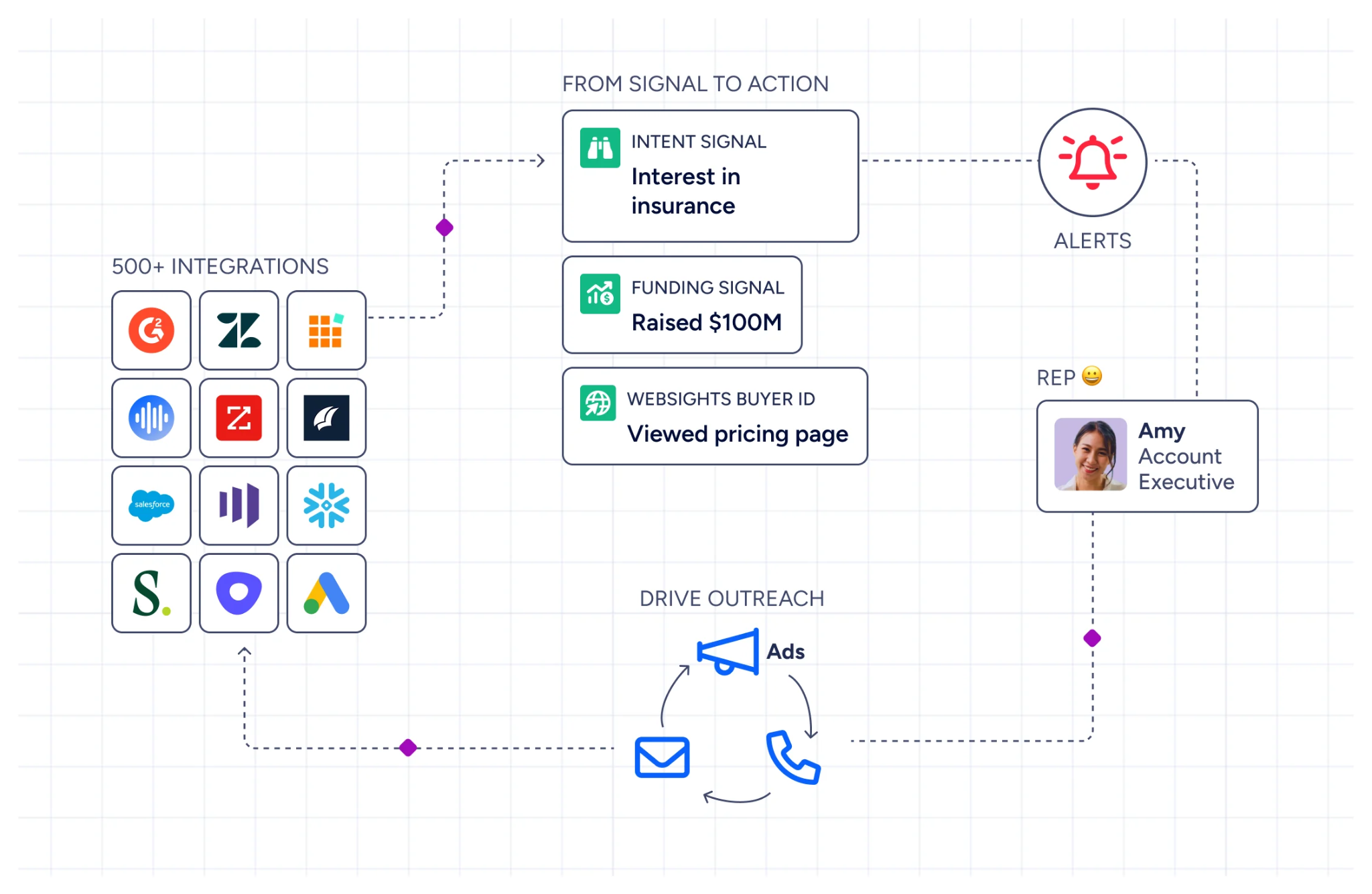
ZoomInfo solves a different problem. While Highspot and Showpad help sellers use the right content and execute with confidence, ZoomInfo helps them know which accounts to pursue, when to engage, and why a deal is moving or stalling.
Source: ZoomInfo
The three platforms sit at different stages of the GTM workflow: ZoomInfo identifies and prioritizes; Highspot or Showpad equips and enables.
This distinction matters because the best-trained sales rep still wastes effort targeting the wrong accounts. And the most accurate account data is useless if the rep doesn't know what to say when they get the meeting.
Highspot excels at unified enablement with AI agents
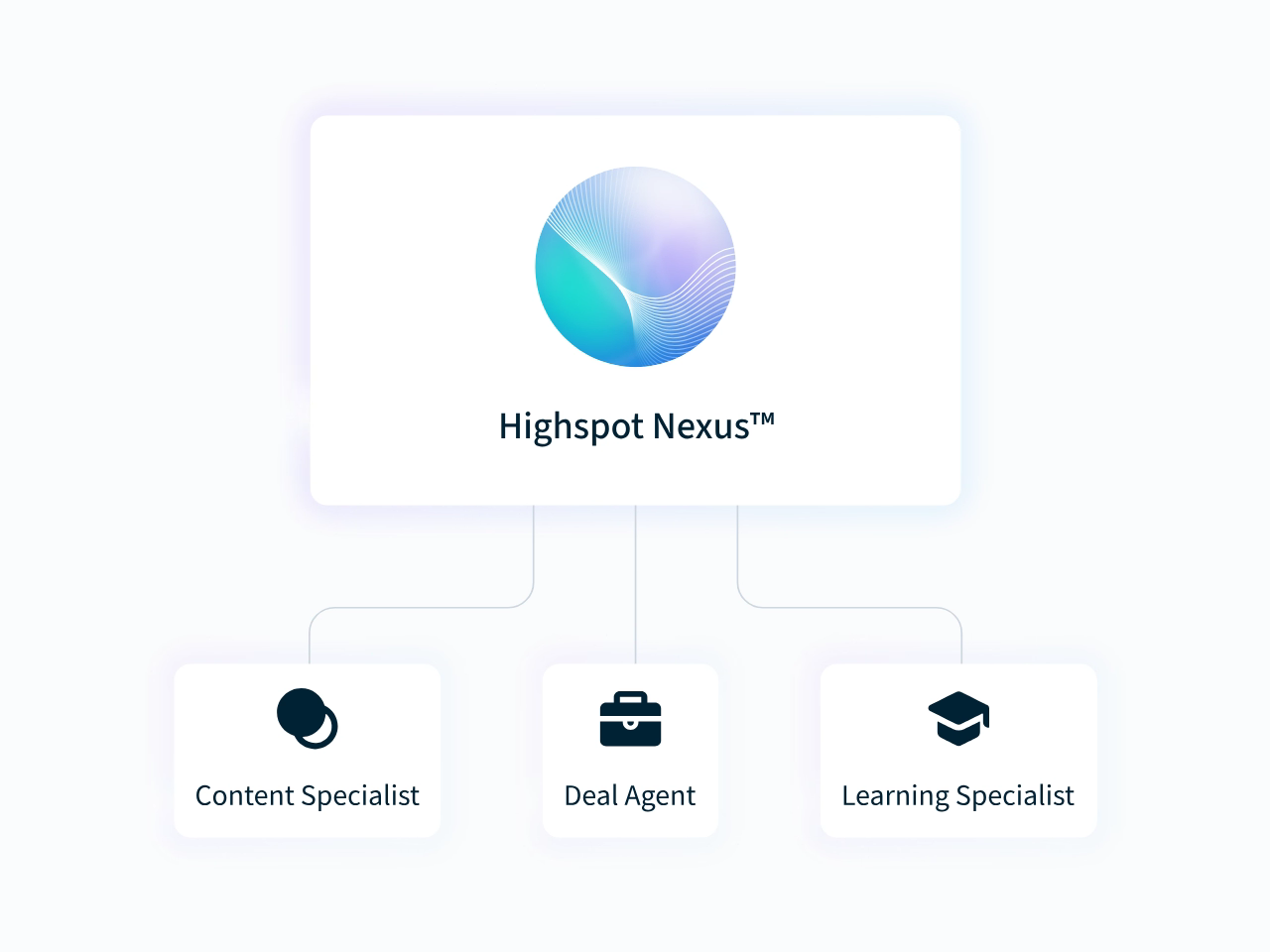
Highspot was founded in 2012 by three former Microsoft executives who saw that siloed tools kept GTM teams from executing consistently. The platform combines content management, sales training, coaching, and buyer engagement in one system, all powered by the Nexus AI and analytics engine.
Source: Highspot
AI is Highspot's sharpest edge. Highspot Agents are role-based AI teammates that provide answers, guidance, and autonomous task execution.
Source: Highspot
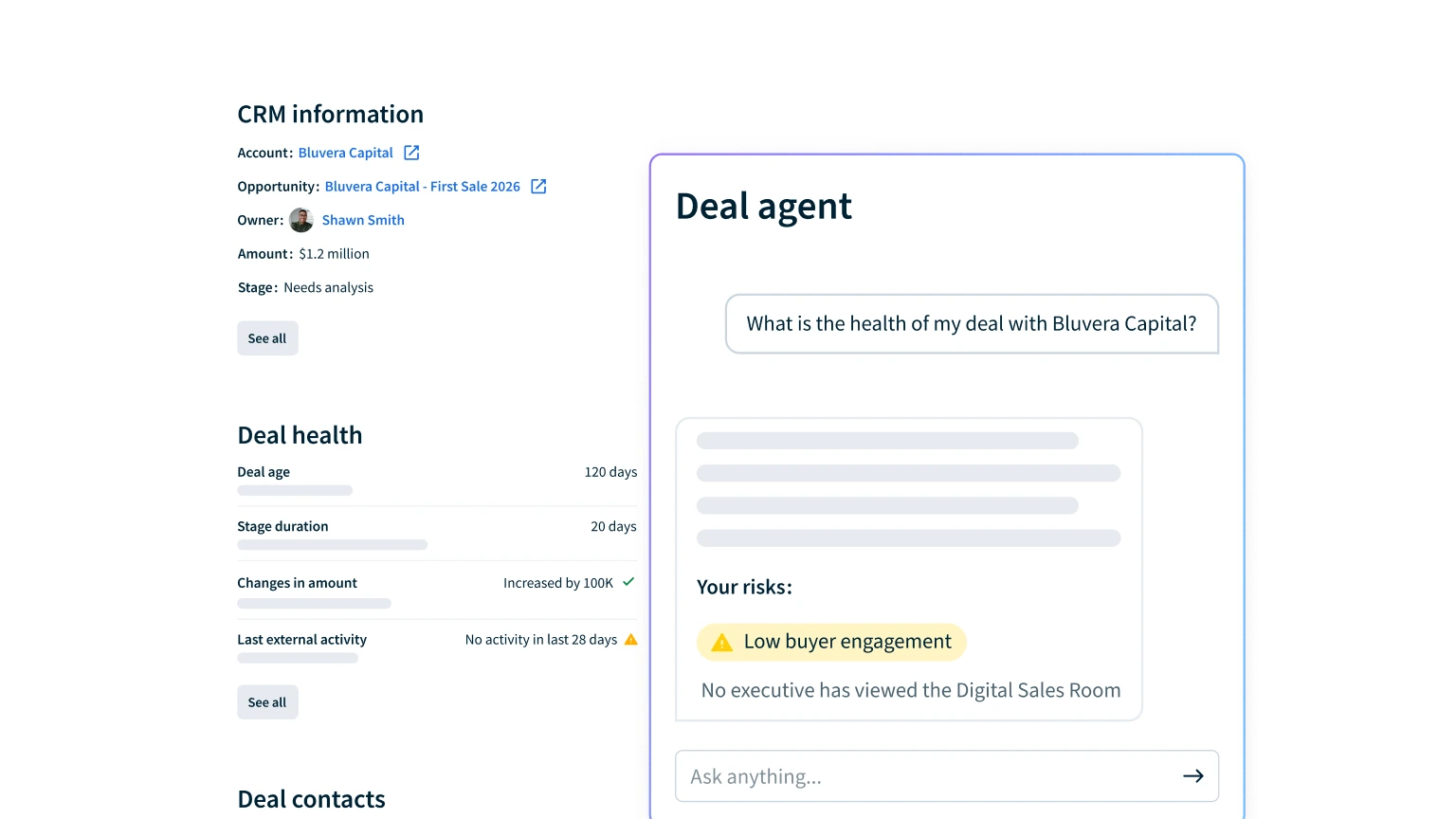
The Deal Agent analyzes CRM data, buyer engagement patterns, and meeting insights to recommend next steps for every opportunity.
Source: Highspot
AI Role Play simulates selling scenarios mapped to your organization's skill framework, with instant feedback on delivery and technique.

Source: Highspot
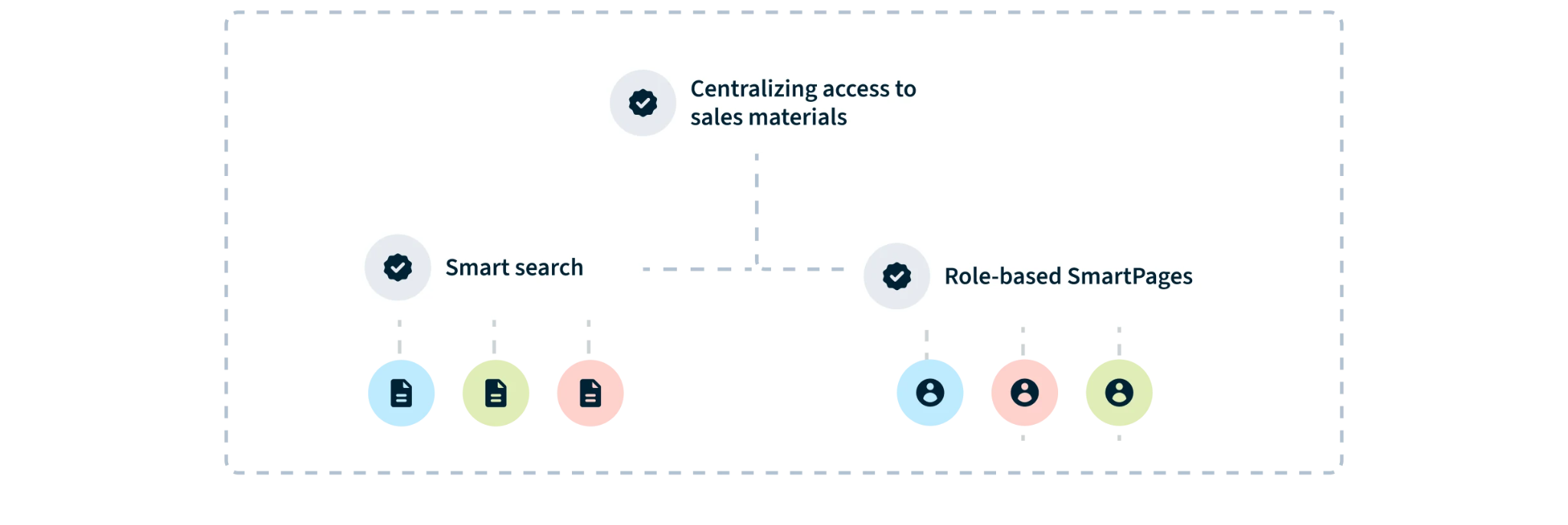
Content management in Highspot goes beyond search. The platform replaces keyword search with AI that understands context, stage, persona, and geography, so sellers find relevant materials without navigating folder structures.
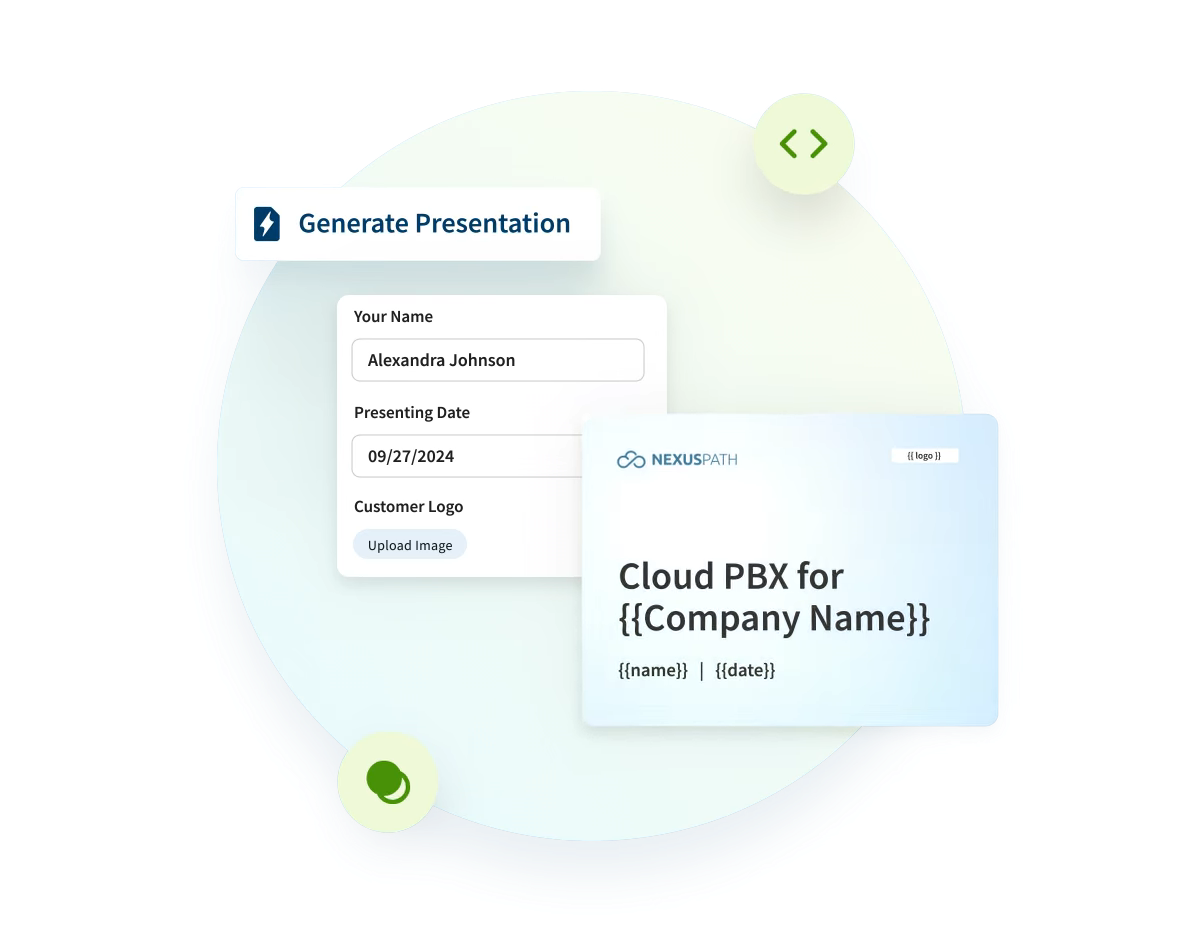
AutoDocs generates proposals and presentations from marketing-approved templates, pulling data from CRM. Governance runs through AI agents that monitor content usage, archive outdated assets, and enforce publishing rules.
Source: Highspot
Training follows an Adaptive Learning model that adjusts to each rep's skill level and knowledge gaps. Experienced sellers skip what they've mastered; new hires get the foundations they need.
The platform ties training to coaching through 360-degree skill assessments that combine self-reviews, manager reviews, role play performance, real meeting analysis, and buyer feedback.
For buyer engagement, Highspot offers Digital Sales Rooms where sellers and buyers collaborate on curated resources with Mutual Action Plans that align both sides on milestones and next steps.
Where Highspot falls short: users note limited customization for workflows and UI, a learning curve for administrators around features like Spots and SmartPages, and reporting that's difficult to extract for executive presentations. The platform is priced for enterprise budgets, with no published pricing and no free trial.
One major development: Highspot announced a merger with Seismic in February 2026, creating a combined entity valued at over $6 billion. The combined company will operate under the Seismic brand. This may strengthen the platform long-term but introduces transition uncertainty for current and prospective buyers.
Showpad is built for field sales complexity
Showpad was founded in 2011 in Ghent, Belgium as a mobile-first content app for field sellers. It grew through acquisitions (including LearnCore for training and VoiceFox for coaching in 2018) into a full enablement platform.
In October 2025, Vector Capital merged Showpad with Bigtincan, creating a combined entity serving 2,000+ sales organizations globally.
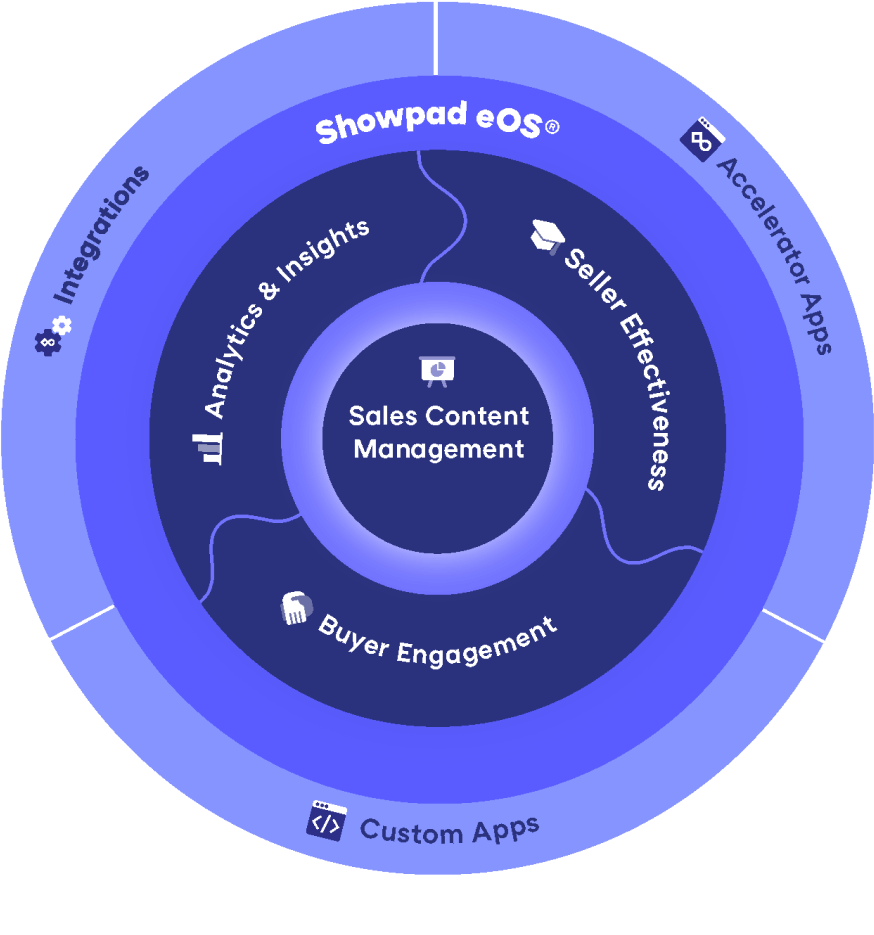
Showpad's strongest differentiator is its focus on field-heavy, product-complex industries. The platform supports 3D models and 360-degree showrooms that let field reps bring physical products to life digitally during face-to-face meetings.
Source: Showpad
Offline mobile access means reps can present and access content without an internet connection, which matters for sellers visiting manufacturing floors, hospital operating rooms, or remote job sites.
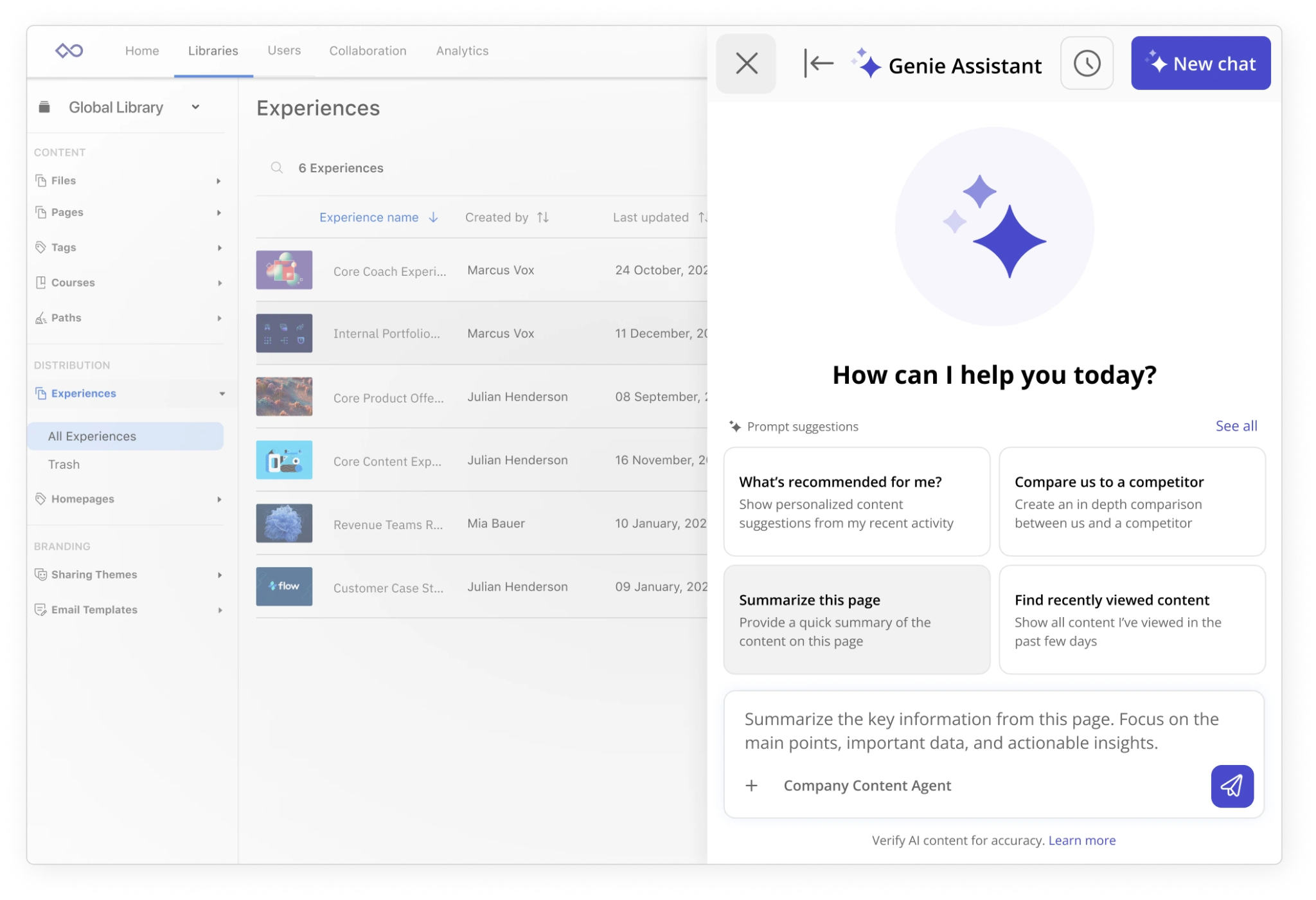
The AI capabilities are growing but differ from Highspot's. Genie Assistant provides instant answers through permission-based AI agents grounded in the organization's approved content.
Source: Showpad
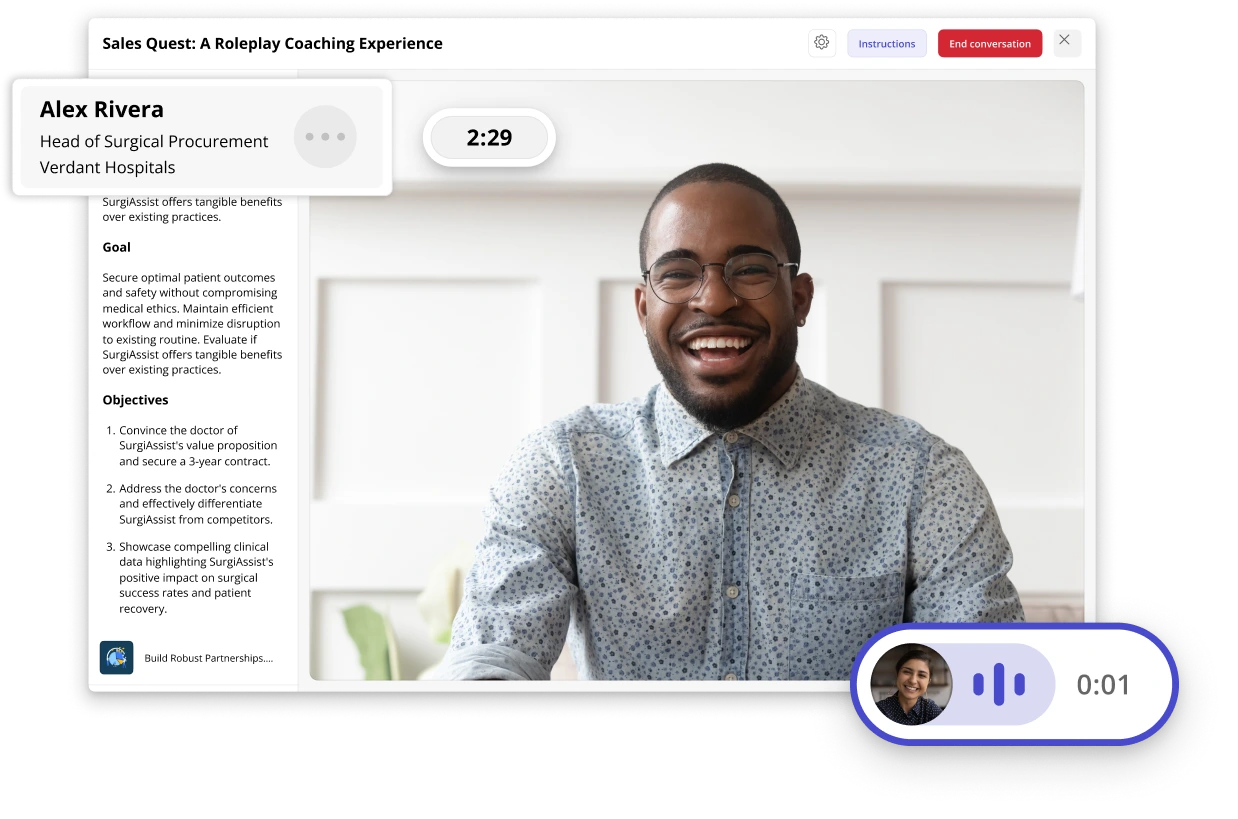
RolePlay AI supports text, turn-based audio, and real-time audio practice with 12+ language support, and research suggests it delivers a 70% increase in knowledge retention.
Source: Showpad
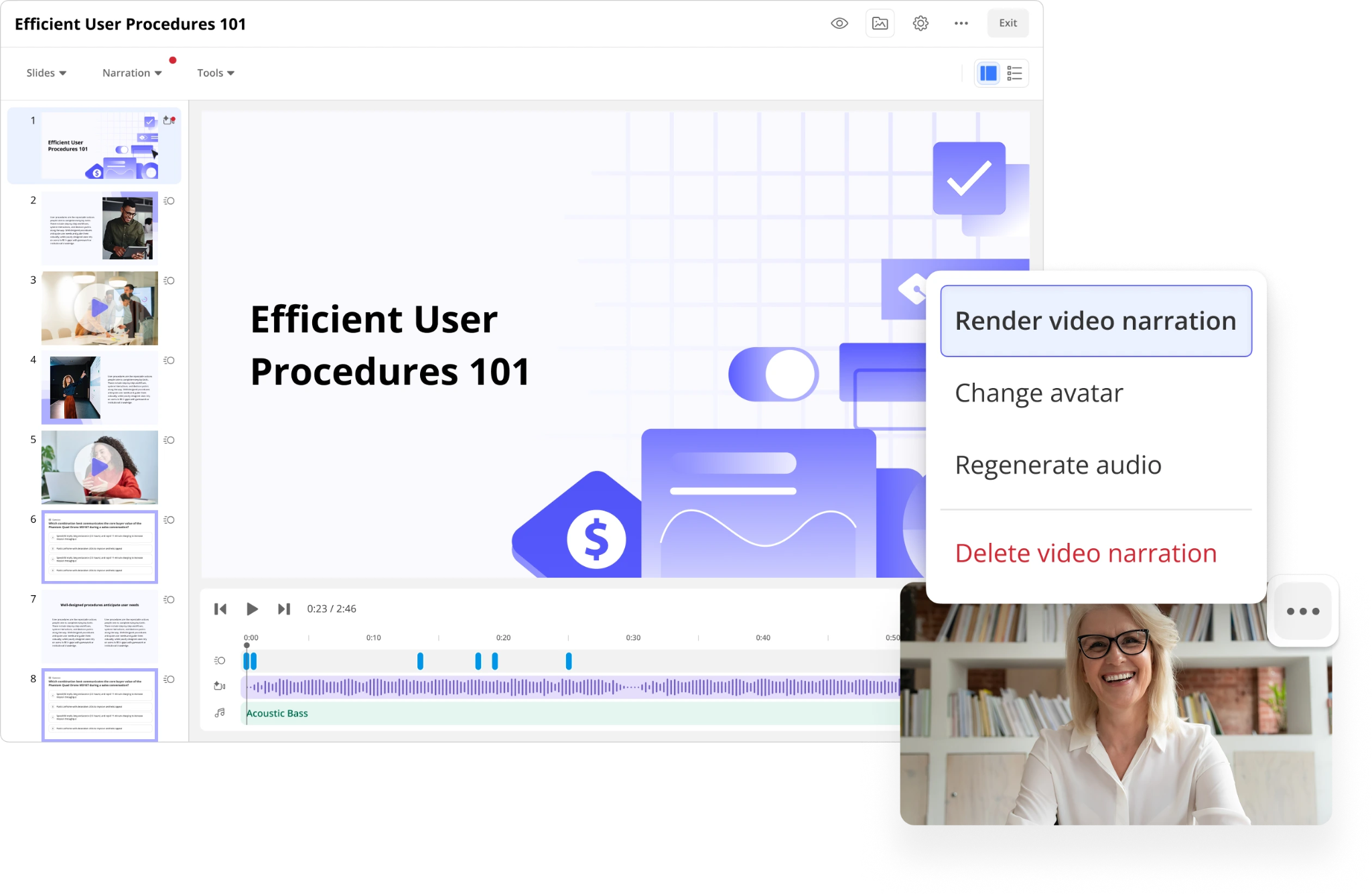
AuthoringAI converts slides into narrated training with AI-generated voiceovers in 30+ languages. Field Meeting AI captures meeting insights, updates CRM, and drafts follow-up emails from voice notes.
Showpad's AI vendor independence is worth noting: the platform stays independent from any specific AI provider, selecting open-source models for each use case and running them within its secure AWS environment. This gives organizations more control over their AI choices.
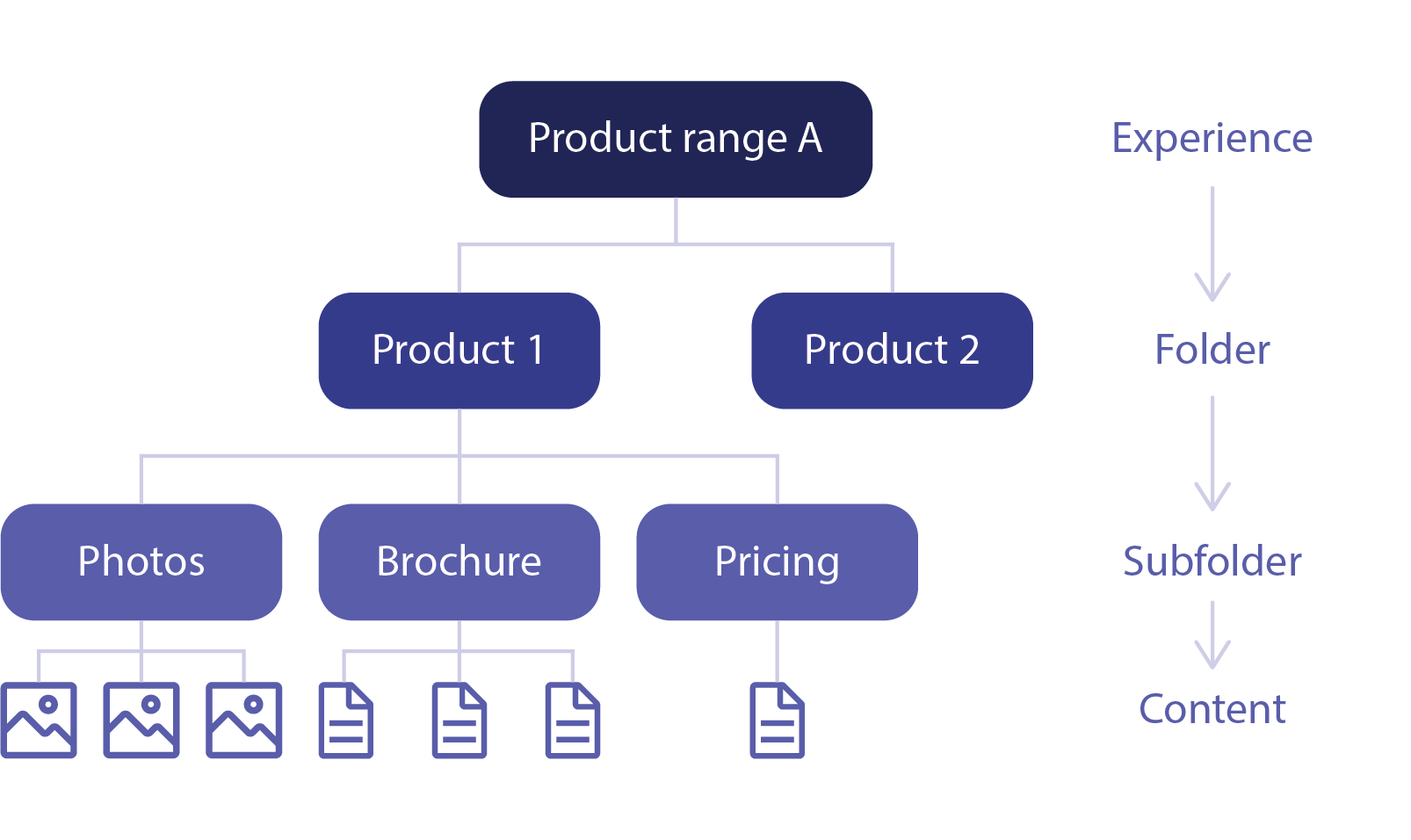
Content management follows a structure of Experiences (curated content collections) and Divisions (independent content libraries).
Source: Showpad
LibraryIQ uses AI to identify duplicate files, localized variants, and content health issues daily.
For buyer engagement, Shared Spaces function as branded microsites where sellers and buyers collaborate, with Mutual Action Plans built into the workflow.
Where Showpad struggles: users report backend bugs where changes don't reflect in the web app, difficulty finding content without careful folder management, limited customization for non-admin users, and mobile app reliability issues on iOS, particularly offline. The Bigtincan merger also means the platform is consolidating products, which may affect feature roadmap predictability.
ZoomInfo provides the intelligence that enablement platforms need
The best content, delivered through a polished Digital Sales Room, doesn't help if it's aimed at the wrong account. This is the gap ZoomInfo fills.
ZoomInfo operates the largest B2B data platform in the industry. In a Fortune 500 competitive RFP analyzing 25 million contacts across vendors, an independent consultant concluded that "no other competitor came even close."
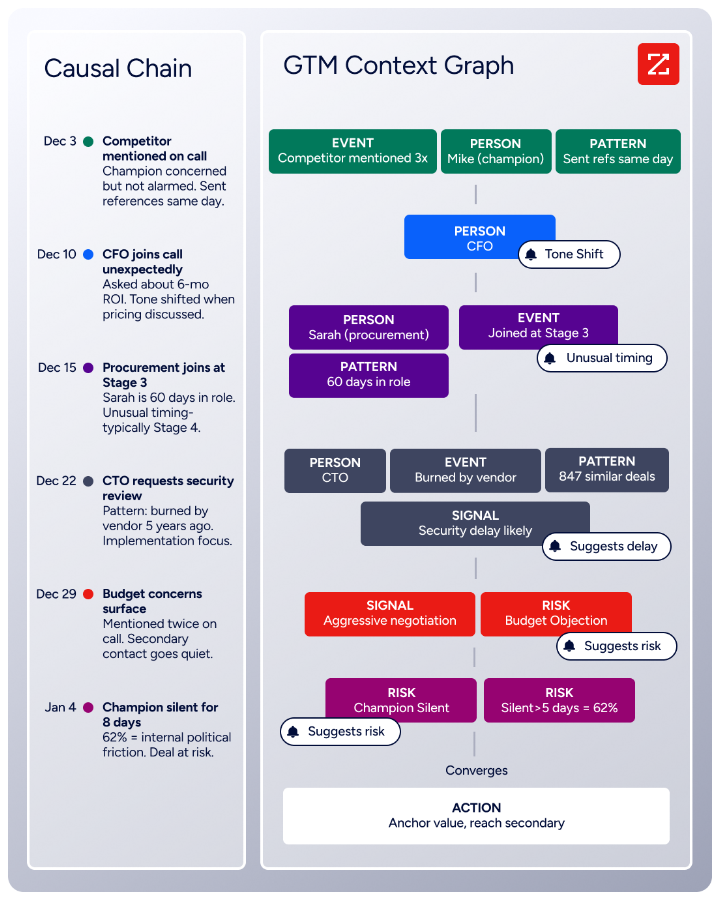
ZoomInfo's value for enablement teams goes beyond contact data. The GTM Context Graph processes 1.5B+ data points daily, fusing ZoomInfo's third-party intelligence with your CRM records, conversation transcripts, and behavioral signals.
Source: ZoomInfo
The result: AI that understands not just that a deal moved to Stage 3, but why it moved, what pattern that matches, and what should happen next.
For sellers, GTM Workspace delivers a prioritized account feed with AI-drafted outreach that addresses the specific concerns the intelligence layer identified.
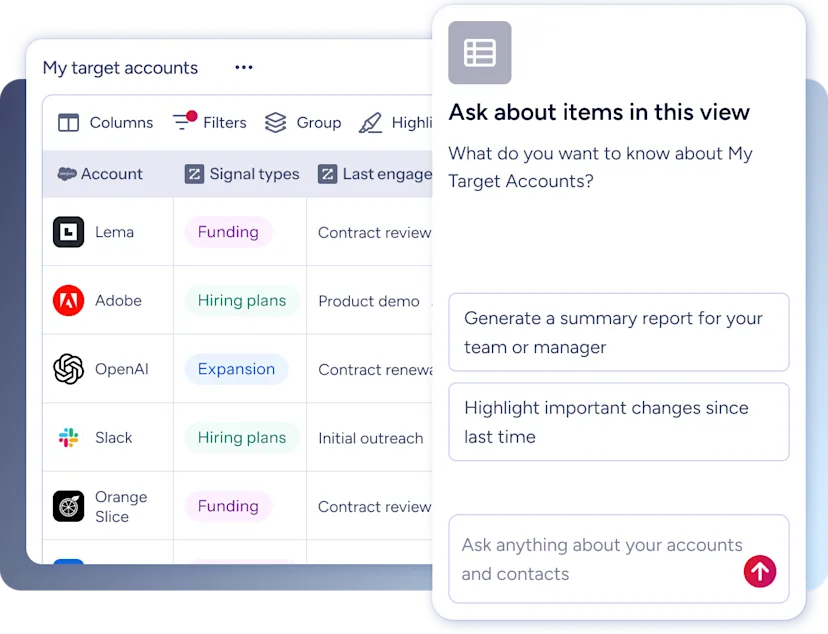
Source: ZoomInfo
Seismic's sales team boosted productivity by 54% and attributed 39% of pipeline to ZoomInfo signals. Thomson Reuters increased closed-won deals by 40%.

Source: ZoomInfo
For marketers and RevOps, GTM Studio lets teams describe audiences in plain language and launch multi-channel plays targeting accounts that match proven win patterns. Expansion plays that used to take 3 weeks now launch in 30 minutes.
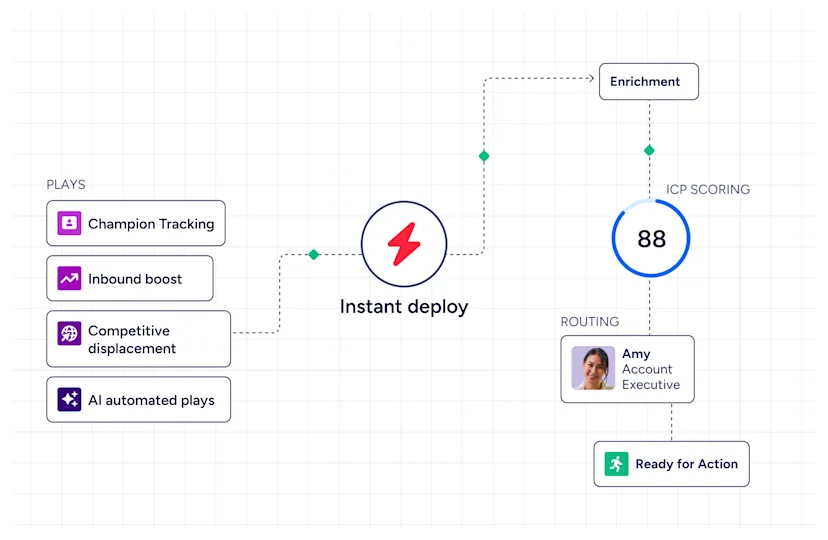
Source: ZoomInfo
The access model is the other key difference. ZoomInfo's intelligence isn't locked inside its own UI. APIs and MCP expose the same data and intelligence to any tool, including the enablement platforms your team already uses.
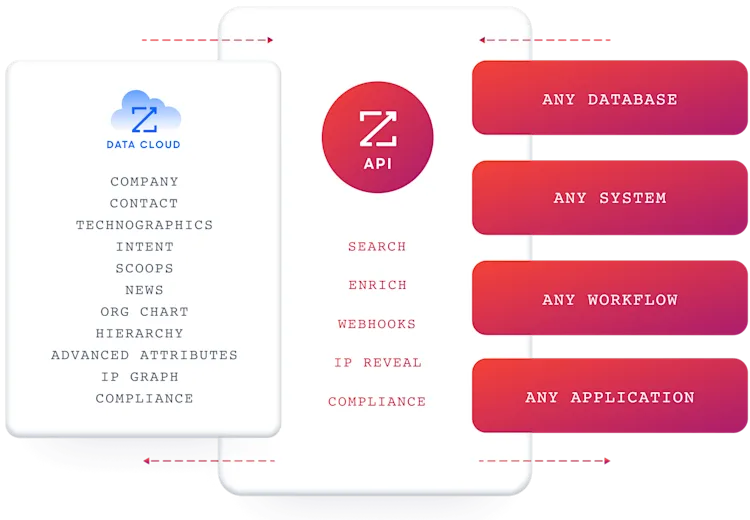
Source: ZoomInfo
A large financial services firm is building an internal app using ZoomInfo's MCP server. ZoomInfo's data flows into Salesforce, HubSpot, and Microsoft Dynamics, where Highspot and Showpad already integrate, connecting account identification to deal execution.
ZoomInfo also offers a permanent free tier (ZoomInfo Lite) with access to the B2B database, 10 monthly export credits, and website visitor identification, plus a 7-day free trial of the full platform.
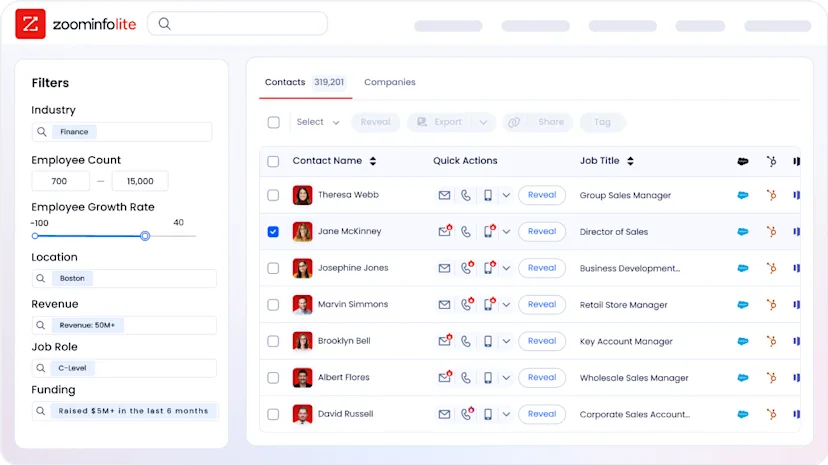
Neither Highspot nor Showpad offers comparable trial access.
Content management: depth vs. breadth
Both Highspot and Showpad centralize sales content, but their approaches differ in ways that matter for specific use cases.
Highspot's content management emphasizes AI-driven discovery and automated governance. The platform syncs assets from repositories like SharePoint, Google Drive, Box, and Dropbox and applies semantic understanding to surface relevant content based on deal context, not keywords.
AutoDocs handles document generation from templates with CRM data, and governance agents archive outdated materials and enforce compliance automatically.
Showpad's content management is built around visual experiences and physical product representation. Experiences let administrators create curated, branded content collections.
3D models and immersive showrooms turn physical products into digital selling tools, a real advantage for manufacturers and medical device companies. LibraryIQ monitors content health with daily AI recommendations.
The Automated Content Builder enables template-based personalization, though it requires add-on pricing via the Empower+ bundle.
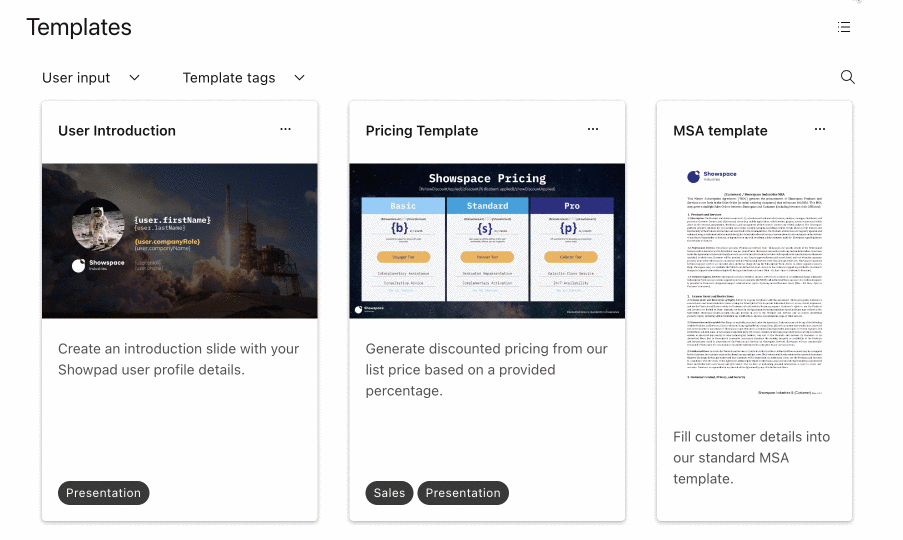
Source: Showpad
If your reps sell digital products or services and need intelligent content surfacing in their workflow, Highspot has the edge. If your reps sell physical products in the field and need offline access with immersive product visualization, Showpad is the stronger fit.
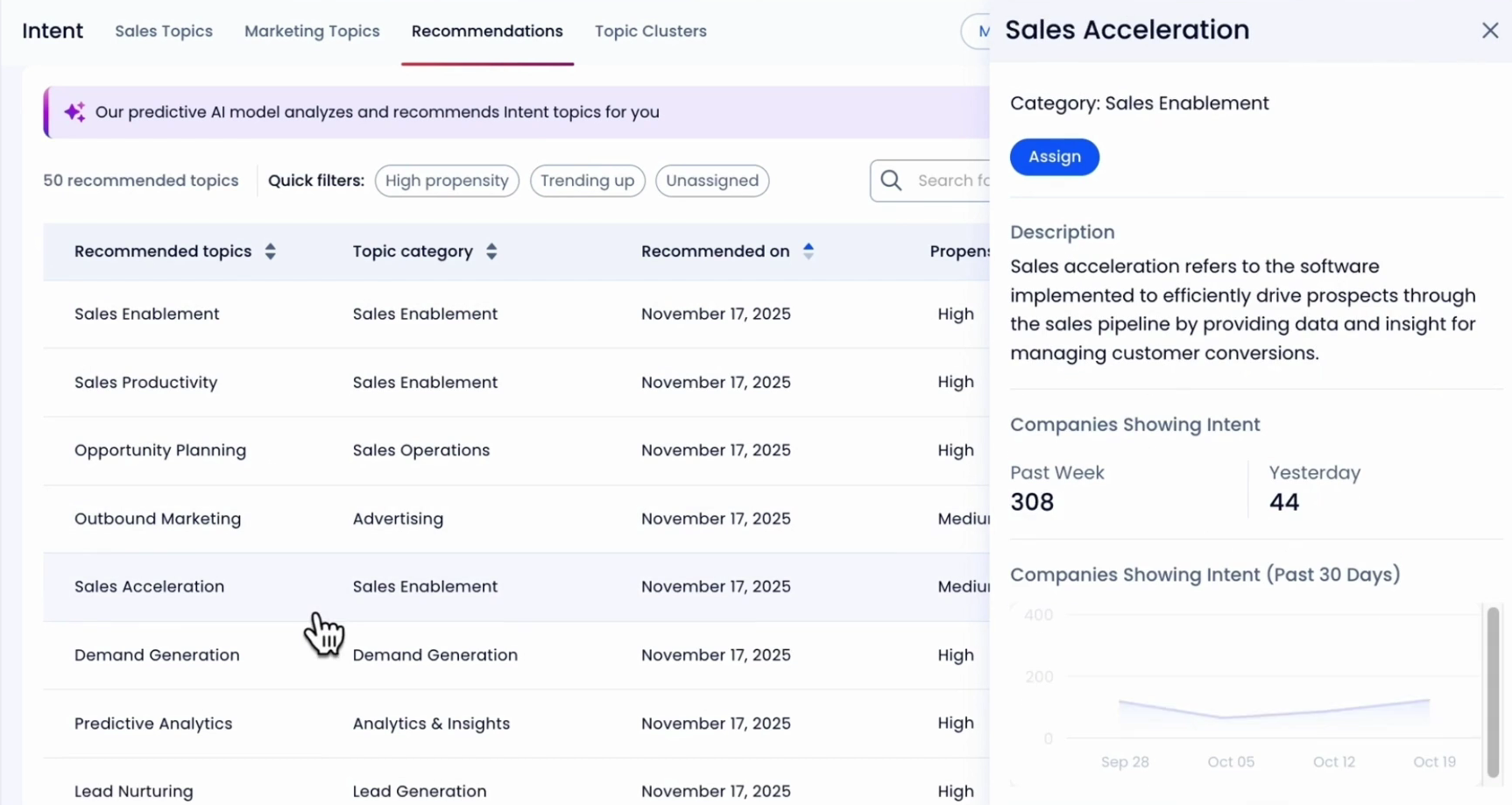
Neither platform solves the upstream question of which prospects should receive that content. ZoomInfo's Buyer Intent data, which tracks signals from 210 million IP-to-Organization pairings, tells you which companies are actively researching solutions in your category, so reps spend their time on accounts that are actually in-market.
Training and coaching: different philosophies
Highspot treats training and coaching as a continuous, data-connected cycle. Adaptive Learning personalizes every rep's learning path based on skill assessments and performance data.
The coaching system creates 360-degree assessments by combining AI Role Play scores, real meeting analysis through conversation intelligence, manager reviews, and buyer feedback.
Managers get Team Scorecards that correlate training completion and skill development to revenue outcomes.
The strength of this approach is its closed loop: training connects to coaching, coaching connects to deal outcomes, and data flows both ways. The weakness is complexity. Administrators need time to configure skill frameworks, and the learning curve can be steep during initial setup.
Showpad approaches training through structured paths and practice. Courses and Paths organize learning into sequences with knowledge checks, certifications, and peer learning through top-rated pitch examples.
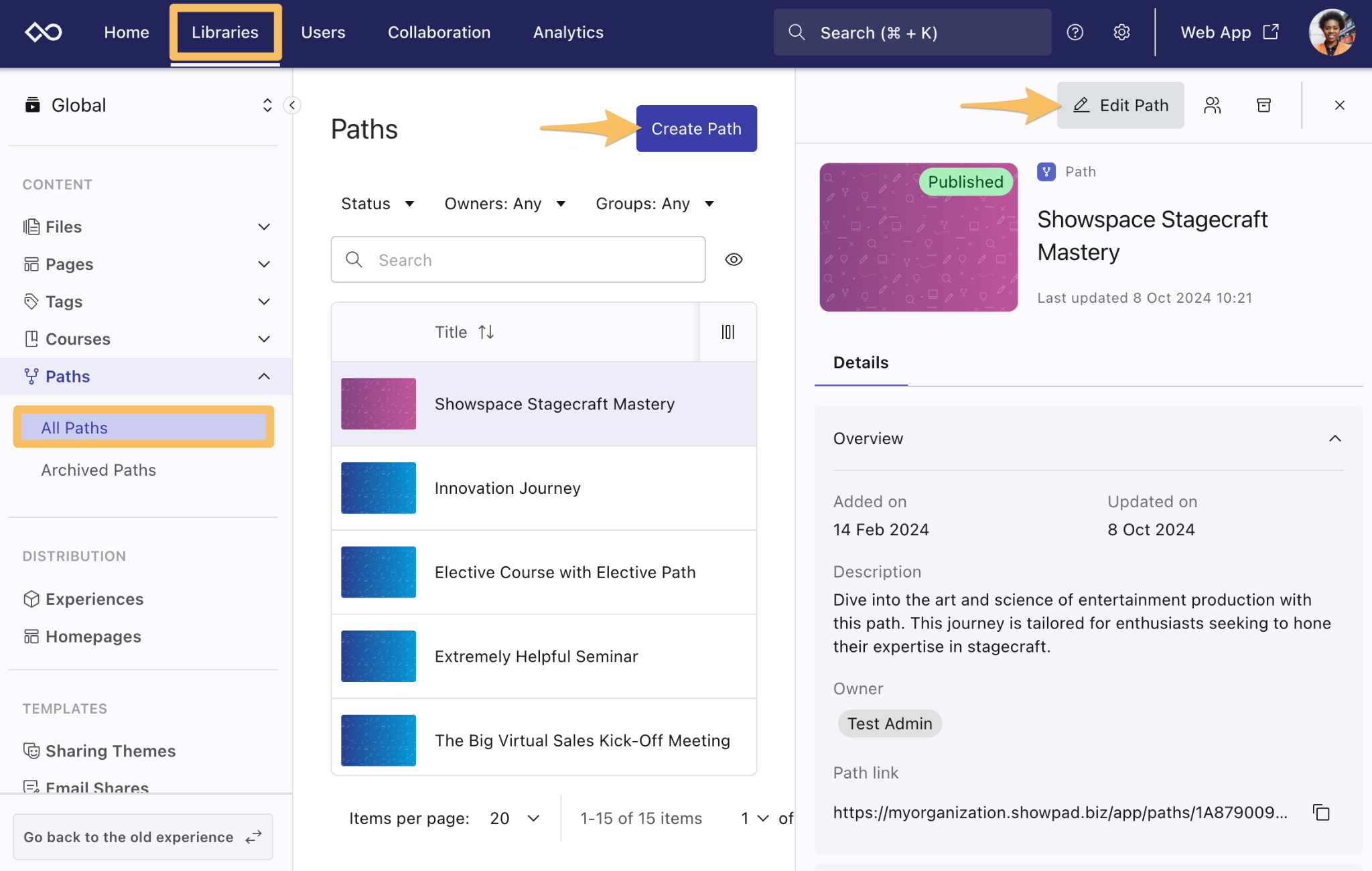
Source: Showpad
RolePlay AI supports text and audio practice modes in 12+ languages, with an AI Virtual Coach providing instant feedback. PitchIQ lets reps record and submit pitches for AI and manager review.
Showpad's training strength is accessibility: offline learning on iOS, AuthoringAI converting slides into narrated training in minutes rather than weeks, and AI-generated test questions that reduce content creation work. The competencies framework enables self-assessment and manager evaluation, though it's less connected to real deal data than Highspot's model.
Analytics: measuring what matters
Highspot's analytics strength is its unified view across the enablement motion. The Nexus engine connects content performance, training completion, coaching scores, and buyer engagement into one data model with role-based Scorecards at the rep, team, initiative, and play levels.
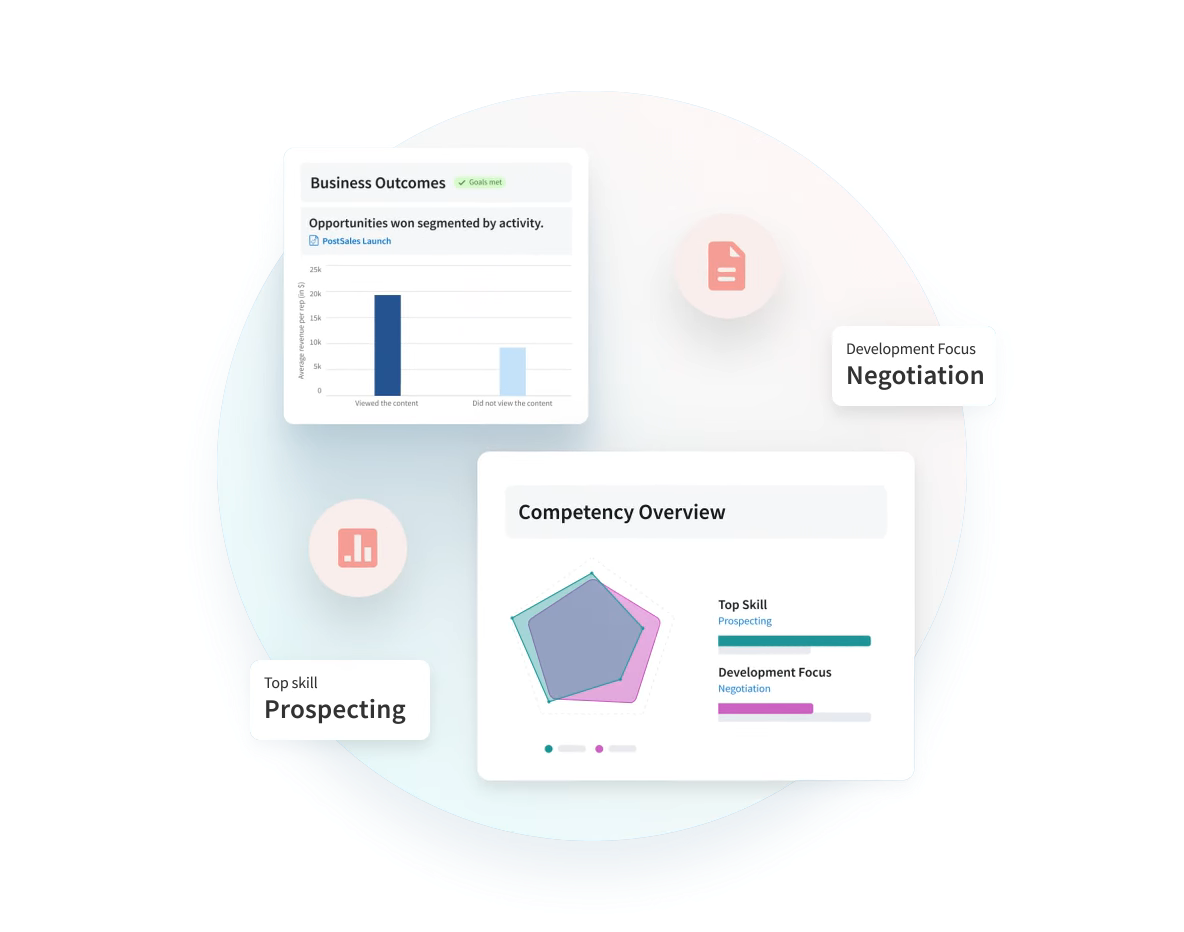
Source: Highspot
Deal Intelligence consolidates CRM activity, buyer engagement, and meeting insights into a single timeline. The analytics move beyond reporting to action through Nexus-powered recommendations that guide next steps.
Enterprise customers get Insights Layer APIs and Data Lake access for custom analysis.
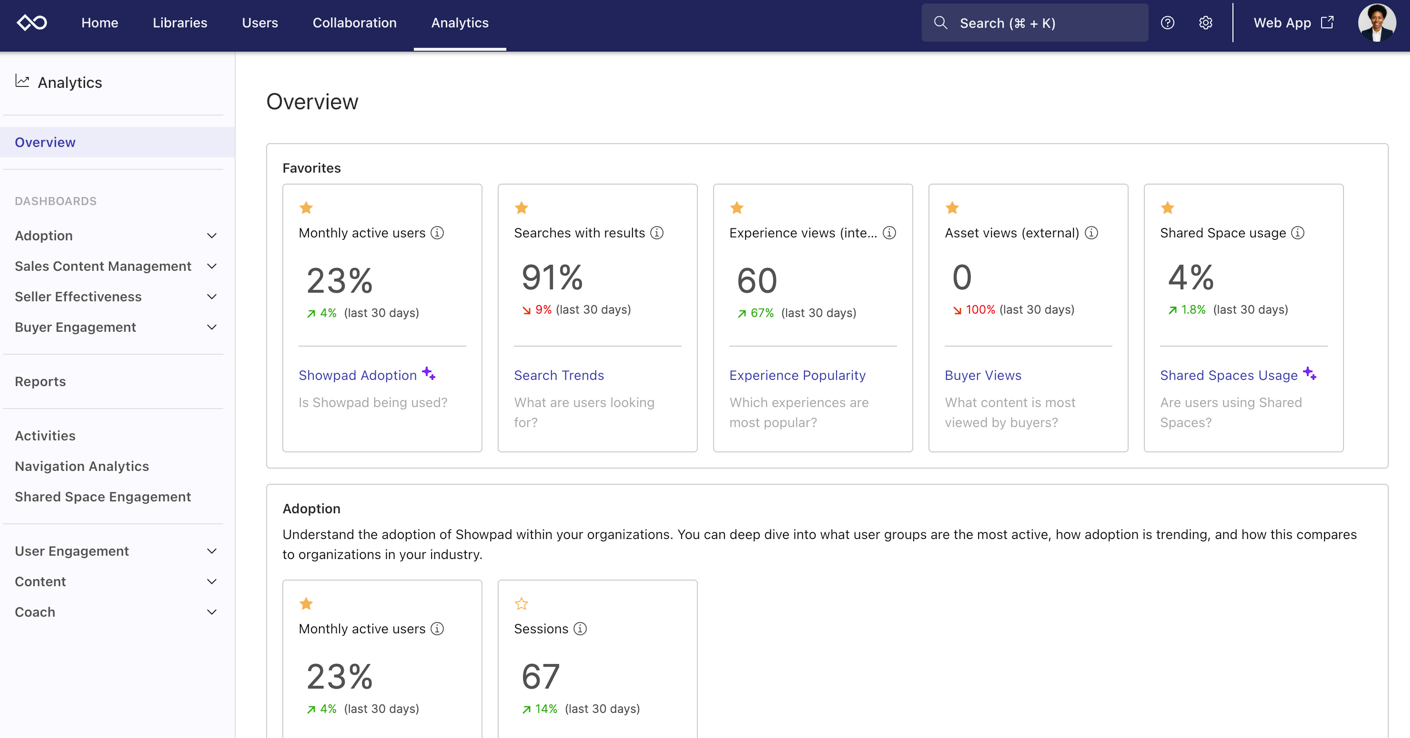
Showpad's analytics take a question-based approach, organized around four categories: Adoption, Sales Content Management, Seller Effectiveness, and Buyer Engagement.
Source: Showpad
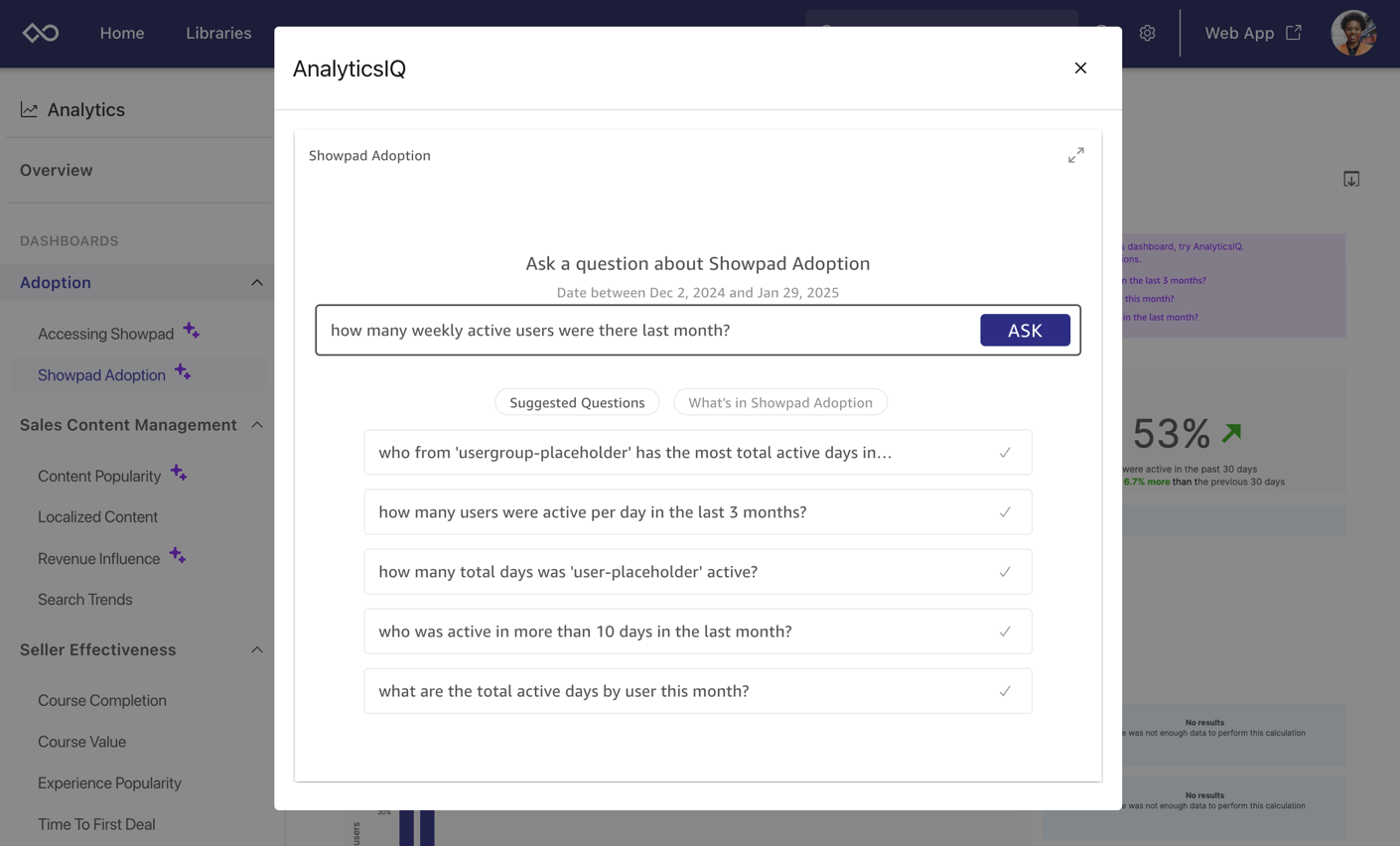
AnalyticsIQ (available on Advanced tier and above) lets administrators ask questions in natural language and receive AI-generated insights.
Source: Showpad
Navigation Analytics maps the actual flow of how reps navigate content during buyer conversations, a unique capability for understanding selling patterns.
The Content Reporting API provides 22 export tables for integration with external BI tools.
Users of both platforms note reporting limitations. Highspot users find analytics difficult to extract for stakeholder presentations. Showpad users describe back-end analytics as not intuitive.
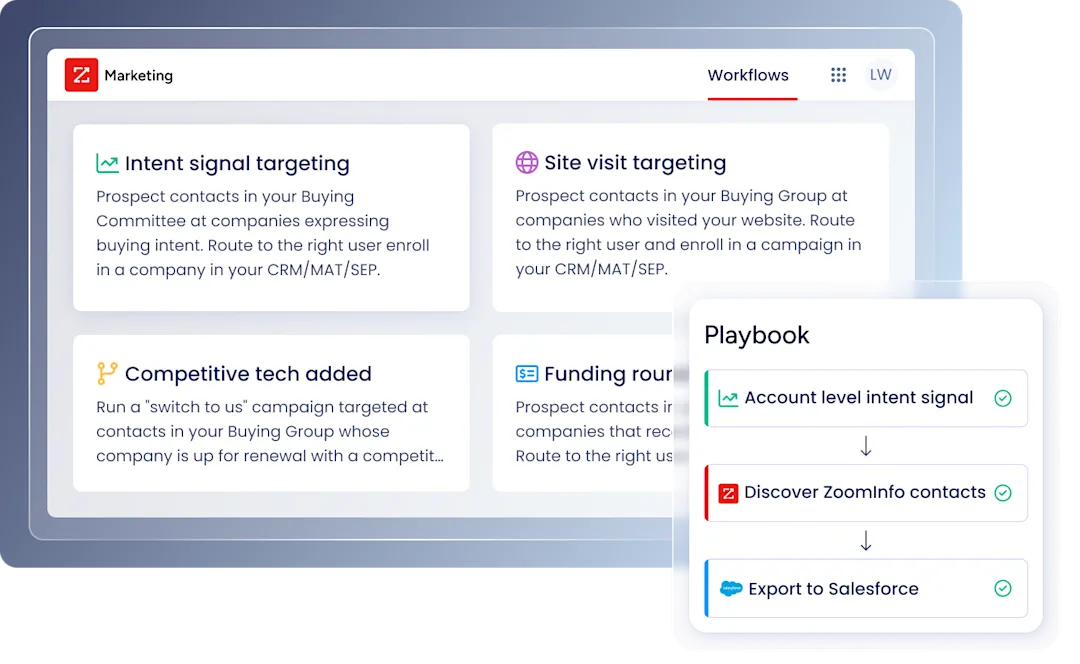
ZoomInfo's analytics operate at a different level: account intelligence rather than content measurement. Account Fit Score uses predictive AI to score accounts 0-100 based on company and behavioral patterns that predict conversion.
Source: ZoomInfo
GTM Workspace surfaces buying group intelligence and deal health signals. These analytics complement enablement analytics by answering a prior question: are we spending our enablement effort on the right accounts?
Integrations and technical openness
Highspot offers 100+ integrations across CRM, collaboration, content management, and sales engagement tools, with deep Salesforce and Microsoft partnerships.
Source: Highspot
The highest tier includes MCP Server support and Insights Layer APIs. CRM integrations are included at no extra charge.
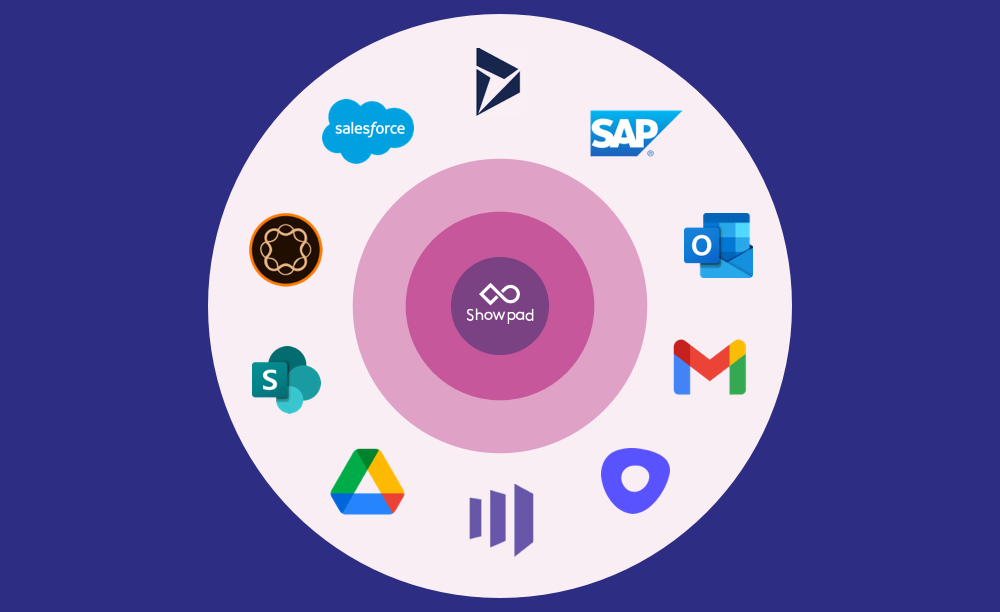
Showpad provides 75+ pre-configured integrations and a RESTful API with full documentation. The Showpad Apps platform and SDK allow custom development.
Source: Highspot
Webhooks support event-driven integrations on Advanced and Expert plans.
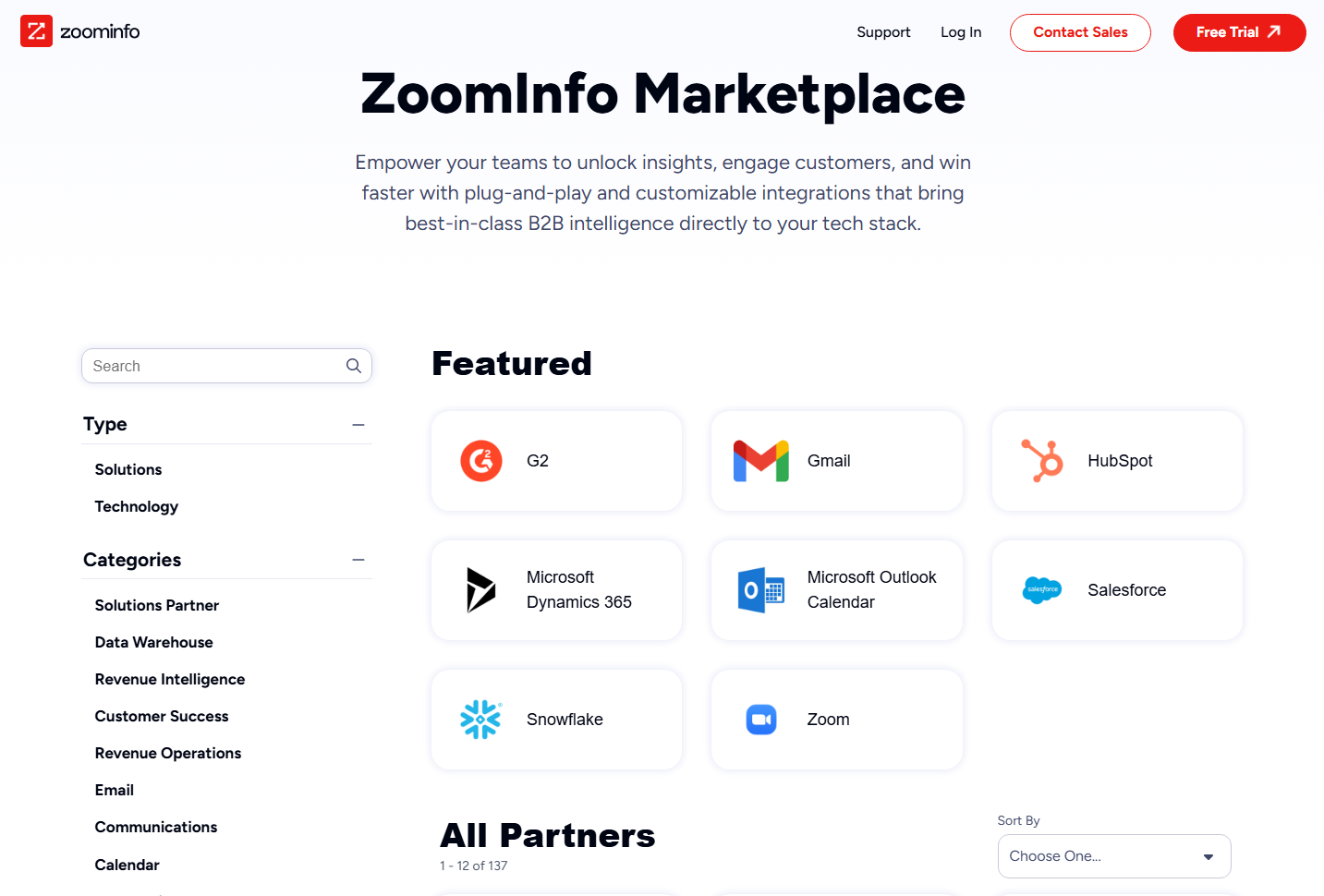
ZoomInfo goes further with 120+ partner integrations and its open data platform strategy.
Source: ZoomInfo
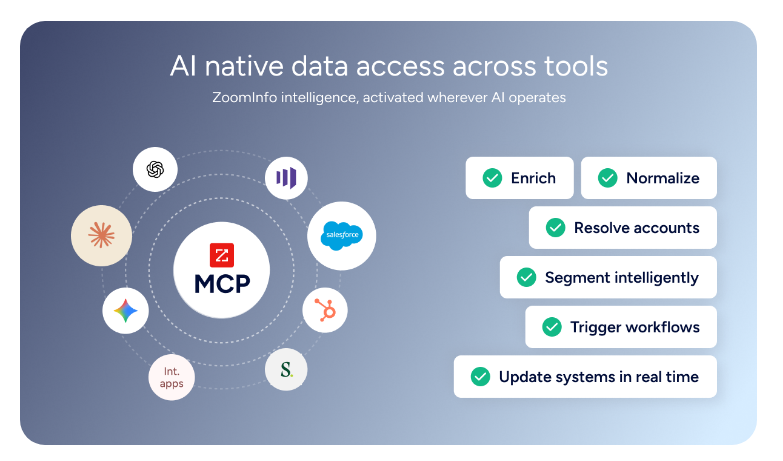
API access is included in all relevant plans, and the MCP server connects ZoomInfo data to AI models like Claude and ChatGPT without custom coding.
Source: ZoomInfo
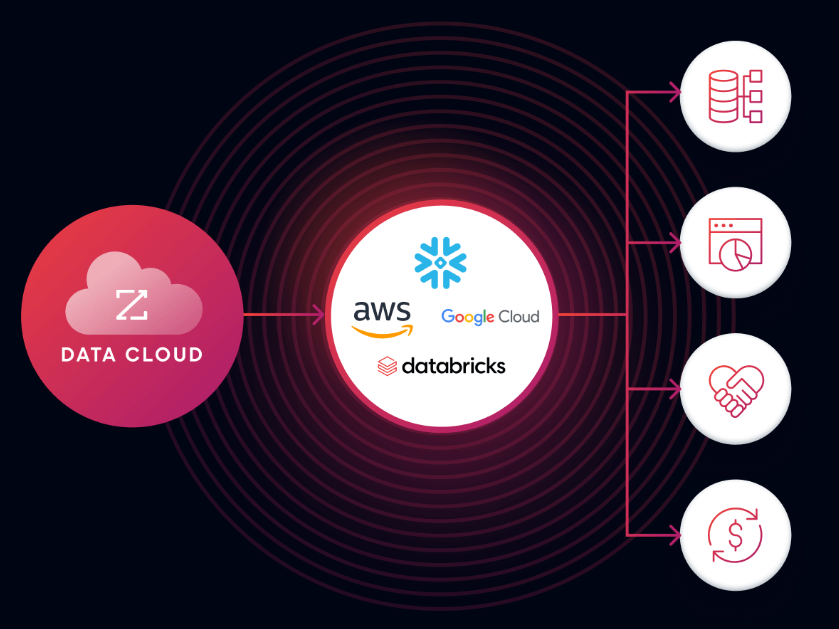
Cloud Partners enable direct data ingestion into AWS, Snowflake, Google Cloud, and Databricks.
Source: ZoomInfo
This openness means ZoomInfo's intelligence can flow into Highspot, Showpad, or any other tool in your stack through CRM integrations and APIs.
Security and compliance comparison
All three platforms maintain enterprise security certifications.
Highspot holds SOC 2 Type 2, ISO 27001:2022, and ISO 27701:2019 certifications, complies with GDPR, EU AI Act, and CCPA, and offers customer-controlled encryption and region-based data residency.

Source: Highspot
Its AI guarantees no customer data used to train third-party models, and the platform supports dedicated Microsoft Azure OpenAI Service instances for organizations with strict AI governance requirements.
Showpad holds ISO 27001:2013, ISO 27701:2019, SOC 2 Type II, and ISAE 3402 Type I, audited by PwC and the British Standards Institute. Showpad claims to be the only enablement platform covering all three third-party assurance reports.
Infrastructure runs on Amazon Web Services with end-to-end TLS encryption. The AI layer never uses customer data to improve models.
ZoomInfo maintains ISO 27001, ISO 27701, SOC 2 Type II, TRUSTe GDPR, and TRUSTe CCPA certifications, all renewed annually. As a publicly traded company handling B2B contact data at scale, ZoomInfo operates as a registered data broker in California and Vermont and maintains a dedicated Trust Center.

Source: ZoomInfo
For regulated industries, all three platforms provide the certifications enterprise procurement teams require. Highspot's support for customer-managed encryption keys and dedicated AI instances adds an extra layer for organizations with the strictest governance requirements.
Highspot vs. Showpad vs. ZoomInfo: Which should you choose?
The choice depends on what problem you're solving first.
Choose Highspot if:
You need content, training, coaching, and buyer engagement in one platform
AI-powered deal intelligence and automation are priorities
Your sales motion is primarily digital rather than field-based
You want the platform with the highest Gartner Ability to Execute ranking
You have the budget and administrative capacity for enterprise enablement
Choose Showpad if:
Your sellers work in the field and need offline mobile access
You sell physical products that benefit from 3D models and immersive experiences
Your industry requires strict content compliance (medical devices, pharmaceuticals, manufacturing)
Multilingual training and global content distribution are important
You want an enablement platform with proven field sales ROI
Add ZoomInfo if:
You need to know which accounts to prioritize before equipping reps with content
Your CRM data is incomplete and your reps target accounts without buying signals
You want AI that understands why deals move or stall, not just what content was shared
Your team needs verified contact data with direct dials and business emails that work
You want intelligence that flows into any tool through APIs and MCP, including your enablement platform
Start with ZoomInfo Lite for free, or try the full platform with a 7-day trial.
The most effective GTM teams don't choose between enablement and intelligence. They use both. ZoomInfo identifies the accounts showing buying signals and maps the buying committee. Highspot or Showpad equips sellers with the right content, training, and engagement tools for those accounts. When intelligence and enablement work together, sellers spend their best-prepared effort on the accounts most likely to buy.
That combination is worth more than either capability alone.
Highspot vs. Showpad vs. ZoomInfo FAQ
What is the core difference between Highspot, Showpad, and ZoomInfo?
Highspot and Showpad are revenue enablement platforms that help sales teams with content management, training, coaching, and buyer engagement. Highspot emphasizes unified AI-powered enablement with AI agents and adaptive learning, while Showpad specializes in field sales enablement with 3D content, offline mobile access, and immersive product experiences.
ZoomInfo is a GTM platform that provides the upstream account identification, contact data, and buying signals that enablement platforms don't offer. The three serve complementary roles in a GTM stack.
Can ZoomInfo replace Highspot or Showpad?
No. ZoomInfo and enablement platforms solve different problems. ZoomInfo identifies which accounts are in-market, provides verified contact data, and surfaces deal intelligence through its GTM Context Graph.
Highspot and Showpad equip sellers with the right content, training, and buyer engagement tools. Organizations get the most value from combining ZoomInfo's intelligence with an enablement platform rather than choosing between them.
Which enablement platform is better for field sales teams?
Showpad is the stronger choice for field sales. It was built as a mobile-first content app and features offline access, 3D product models, and 360-degree showrooms designed for in-person selling. Showpad's customer base is concentrated in field-heavy industries like manufacturing, medical devices, and healthcare.
Highspot is more oriented toward digital-first selling with its emphasis on Digital Sales Rooms and CRM-embedded workflows.
How do Highspot and Showpad compare on pricing?
Both use custom, quote-based pricing with three tiers and no published prices. Highspot's tiers are Equip and Engage, Train and Practice, and Coach and Reinforce. Showpad's tiers are eOS Professional, eOS Advanced, and eOS Expert. Neither offers a standard free trial, though both provide demos.
ZoomInfo offers a permanent free tier (ZoomInfo Lite) and a 7-day free trial, providing more accessible entry points.
Which platform has the strongest AI capabilities?
Each platform applies AI differently. Highspot's Nexus engine powers AI agents that deliver role-specific guidance, deal intelligence, adaptive learning, and autonomous task execution.
Showpad offers Genie Assistant for instant answers, RolePlay AI for practice, AuthoringAI for content creation, and Field Meeting AI for post-meeting workflows, all using vendor-independent open-source models.
ZoomInfo's GTM Context Graph fuses B2B data with CRM records and conversation intelligence to understand why deals move or stall, powering AI recommendations in GTM Workspace and GTM Studio.
Are Highspot and Showpad both undergoing mergers?
Yes. Highspot announced a merger with Seismic in February 2026, creating a combined entity valued at over $6 billion operating under the Seismic brand. Showpad completed its merger with Bigtincan in October 2025 under Vector Capital's ownership, operating under the Showpad brand.
Both mergers expand capabilities but introduce product consolidation periods that buyers should factor into their evaluations.
How does ZoomInfo integrate with enablement platforms?
ZoomInfo data flows into Salesforce, HubSpot, Microsoft Dynamics, and other CRMs where both Highspot and Showpad already integrate. This means ZoomInfo's account intelligence, buying signals, and contact data become available within the same CRM environment that feeds enablement workflows. ZoomInfo's API and MCP server also allow direct programmatic access from any application or AI agent.
Which platform is best for measuring sales enablement ROI?
Highspot and Showpad both connect enablement activities to business outcomes, though from different angles.
Highspot's unified Scorecards correlate content usage, training completion, and coaching scores with revenue metrics across rep, team, and initiative levels.
Showpad's AnalyticsIQ uses natural language querying to surface insights, and its Navigation Analytics maps how reps navigate content during buyer conversations.
ZoomInfo measures upstream metrics: account prioritization accuracy, signal-to-pipeline conversion, and buying group coverage.
