
Choosing between Hightouch and Segment for your customer data needs comes down to five questions:
Do you already have a well-modeled data warehouse, or are you building your data infrastructure from scratch?
Is your primary goal activating marketing audiences, or collecting and routing event data across your tool stack?
Do you need warehouse-native architecture that keeps data in place, or a standalone CDP that ingests and stores its own copy?
How important is it that your platform also covers B2B intelligence (contacts, companies, intent signals) that feeds those audiences?
Are you comfortable with usage-based pricing that scales with data volume, or do you need predictable per-user costs?
In short, here's what we recommend:
Hightouch is a warehouse-native activation platform for organizations that already have clean, modeled data in Snowflake, Databricks, or BigQuery. Its Composable CDP sits on top of your existing warehouse, so marketing teams can build audiences and sync them to 250+ destinations without duplicating data or waiting on engineering tickets. Hightouch added AI Decisioning, which uses reinforcement learning to optimize messaging at the individual level. Complex use cases still require SQL knowledge, pricing can escalate with data volume, and the value proposition depends on having a mature warehouse in place.
Segment is the event collection and routing layer for teams that need to instrument tracking once and send data everywhere. With 750+ integrations and a single-API collection model, Segment eliminates duplicate tracking code across tools. As part of Twilio, it bundles CDP capabilities with native communications channels (SMS, email, WhatsApp). But Segment's pricing draws consistent criticism for opacity and cost at scale, its revenue grew only 1% year-over-year in FY2024, and the platform offers limited built-in analytics, leaving teams dependent on external tools for insight.
Both platforms solve real data infrastructure problems. Hightouch activates warehouse data outward; Segment collects behavioral data inward. But neither answers a question B2B teams face every day: where does the data about your buyers come from? Building audiences and routing events assumes you already know who your prospects are, what companies they work for, and when they're in-market. That's where ZoomInfo fits in.
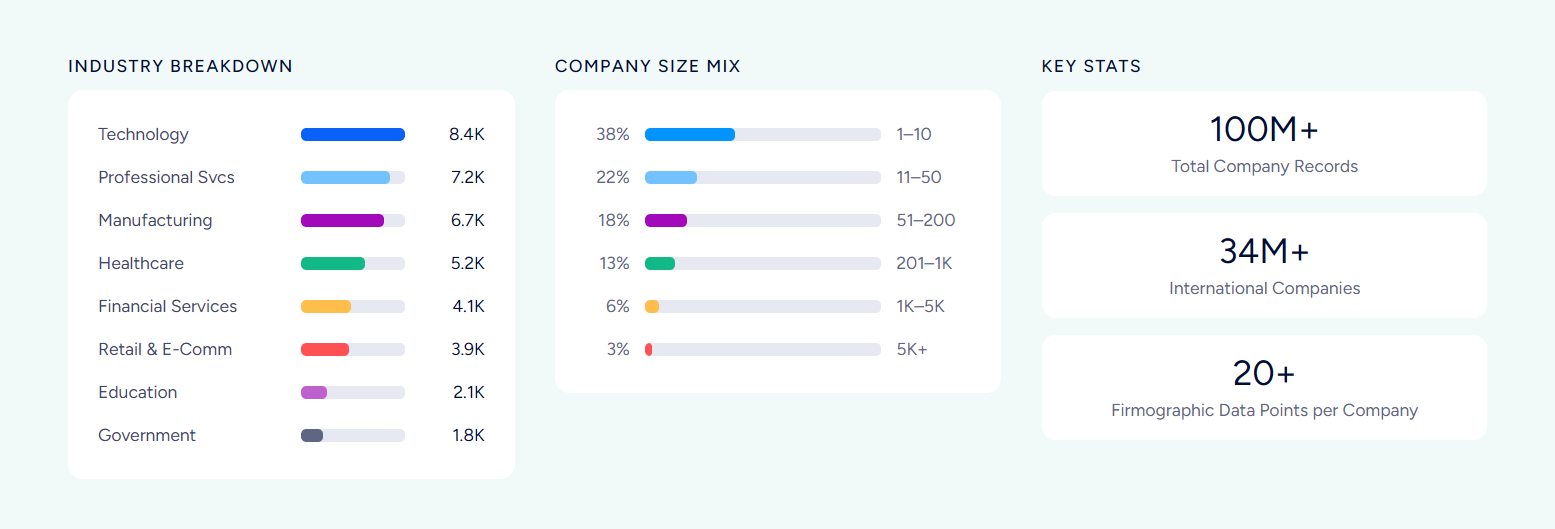
ZoomInfo is a B2B data and AI go-to-market platform built on 500M contacts, 100M companies, 135M+ verified phone numbers, and 200M+ verified business emails. Its GTM Context Graph combines this data with your CRM records, conversation transcripts, and behavioral signals, processing 1.5B+ data points daily to show not just what happened in your deals, but why. For B2B teams, ZoomInfo fills the gap that neither Hightouch nor Segment covers: the verified identity data, intent signals, and account intelligence that make audience activation and event routing meaningful. Your team can access it through GTM Workspace for sellers, GTM Studio for marketers and RevOps, or APIs and MCP in any front-end.
If verified B2B intelligence sounds like the missing layer in your data stack, see how ZoomInfo works with a free trial.
Hightouch vs. Segment vs. ZoomInfo at a glance
Hightouch | Segment | ZoomInfo | |
|---|---|---|---|
Core function | Warehouse-native audience activation & Composable CDP | Event collection, routing & CDP | B2B data, intent signals & AI GTM platform |
Data philosophy | Activates data already in your warehouse | Collects and routes behavioral events to tools | Provides verified B2B data that feeds your warehouse and tools |
Integration count | 120+ marketplace + Enterprise API & MCP | ||
AI capabilities | Reinforcement learning for 1:1 message optimization | CustomerAI Predictions & Generative Audiences | GTM Context Graph with AI agents for account research, outreach & deal intelligence |
Identity resolution | Warehouse-native deterministic & probabilistic | Online/offline ID graph with profile stitching | 500M contacts verified through multi-source pipeline with 300+ human researchers |
Warehouse dependency | Required (Snowflake, Databricks, BigQuery, Redshift) | Optional (can route to warehouses) | Not required (provides data to warehouses via Cloud Partners) |
Free tier | 2 active syncs, permanently free | 1,000 MTUs, permanently free | ZoomInfo Lite (10 monthly credits, permanently free) + 7-day full trial |
Pricing model | Usage-based (active syncs + data volume) | MTU-based (Monthly Tracked Users) | Consumption-based (seats + credits + AI activity) |
Best for | Data-mature marketing teams activating warehouse audiences | Engineering teams building event data infrastructure | B2B sales, marketing & RevOps teams needing verified buyer intelligence |
These platforms solve different problems in the same stack
The comparison between Hightouch and Segment is less "which is better" and more "which direction does your data need to flow."
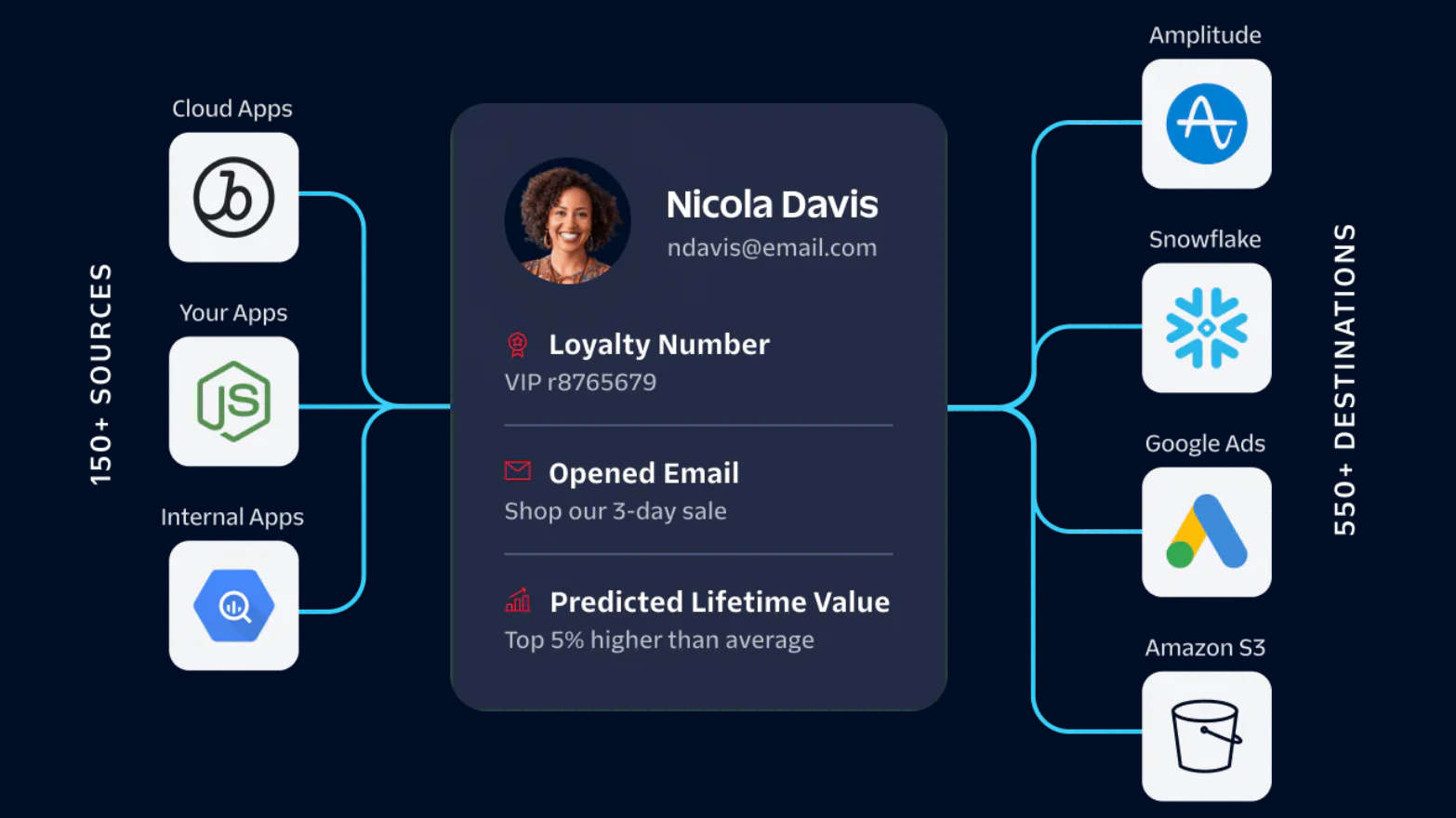
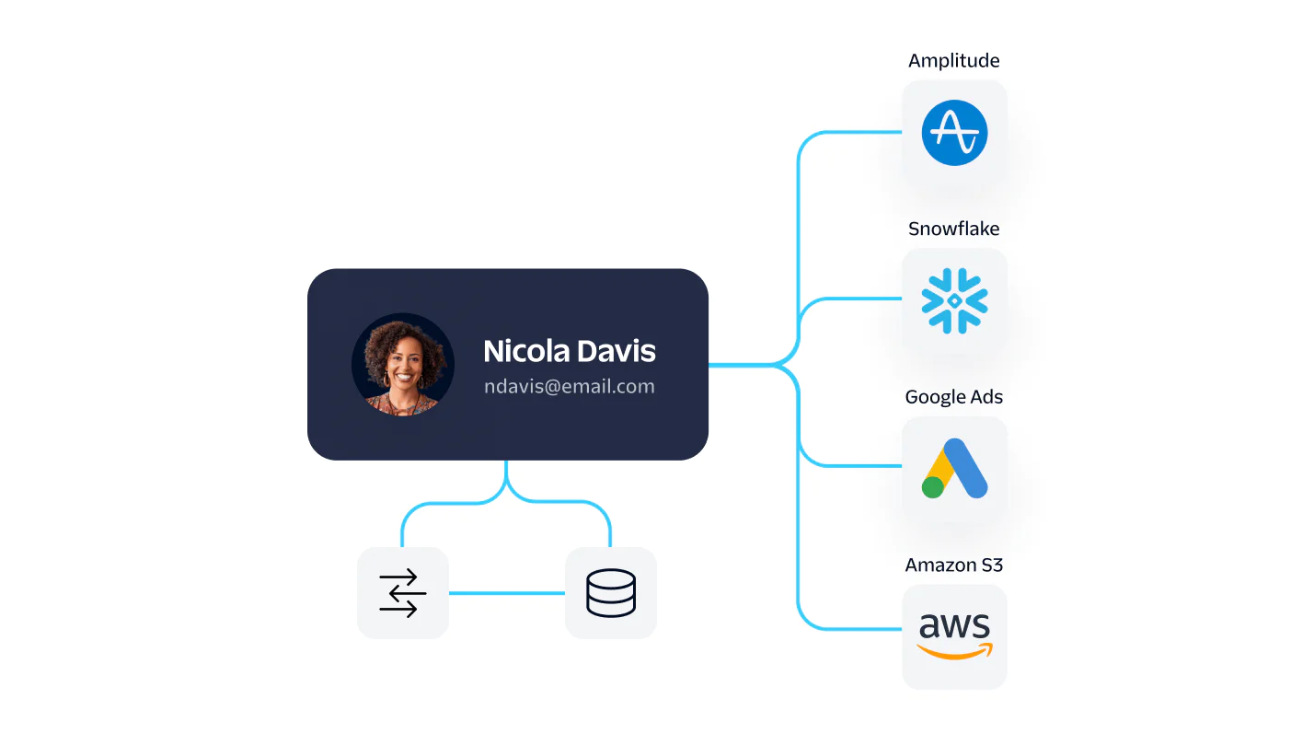
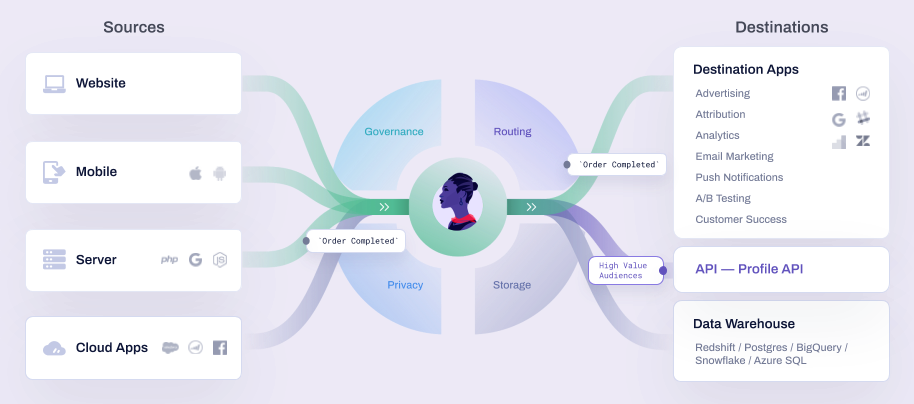
Segment was built to solve the collection problem. Before Segment, engineering teams maintained separate tracking code for every analytics tool, every marketing platform, every data warehouse. Segment introduced a single API: instrument once, route everywhere. Data flows inward from websites, mobile apps, and servers, then fans out to downstream tools. If you're starting from scratch and need to build your event data infrastructure, Segment gives you the plumbing.
Source: Twilio
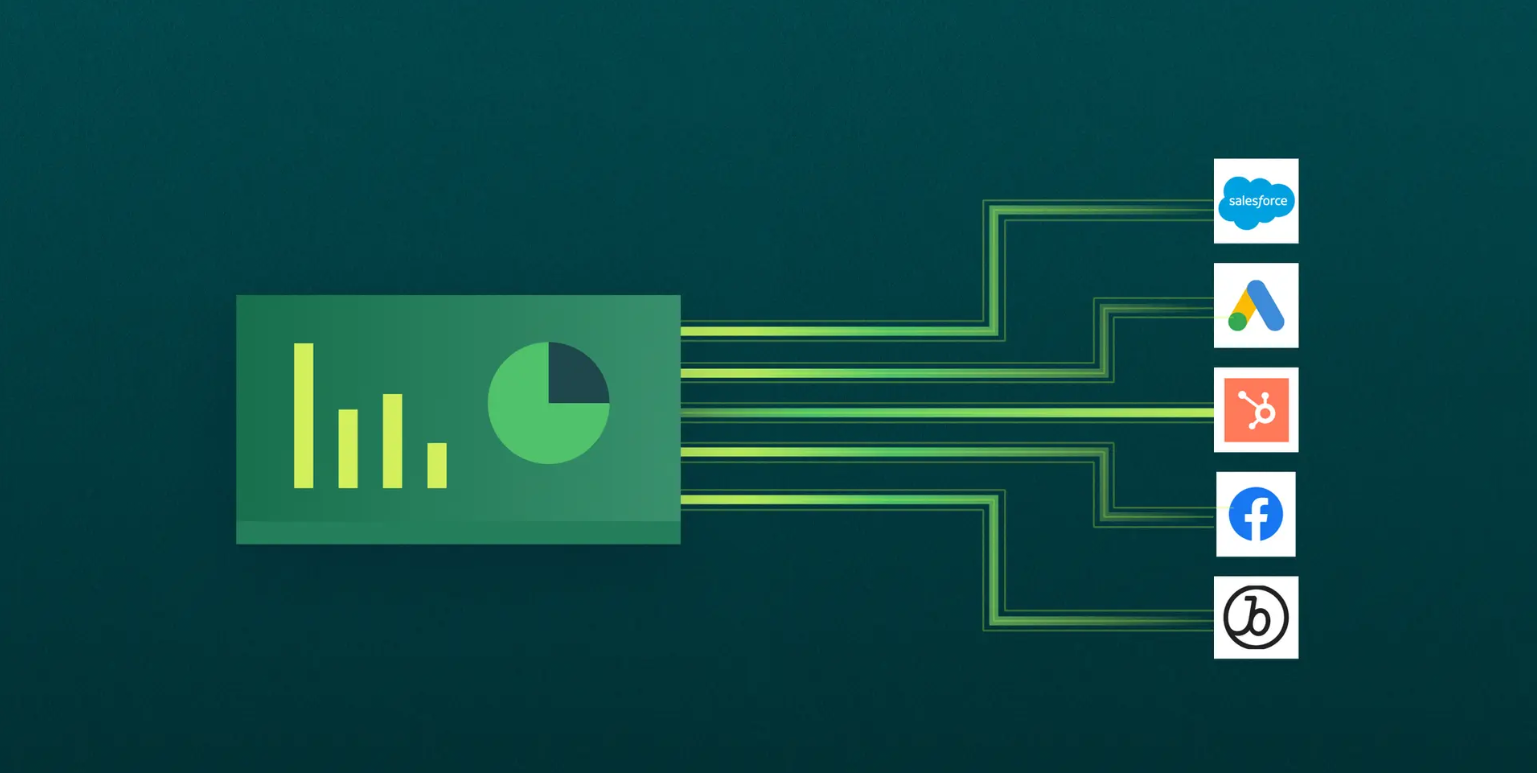
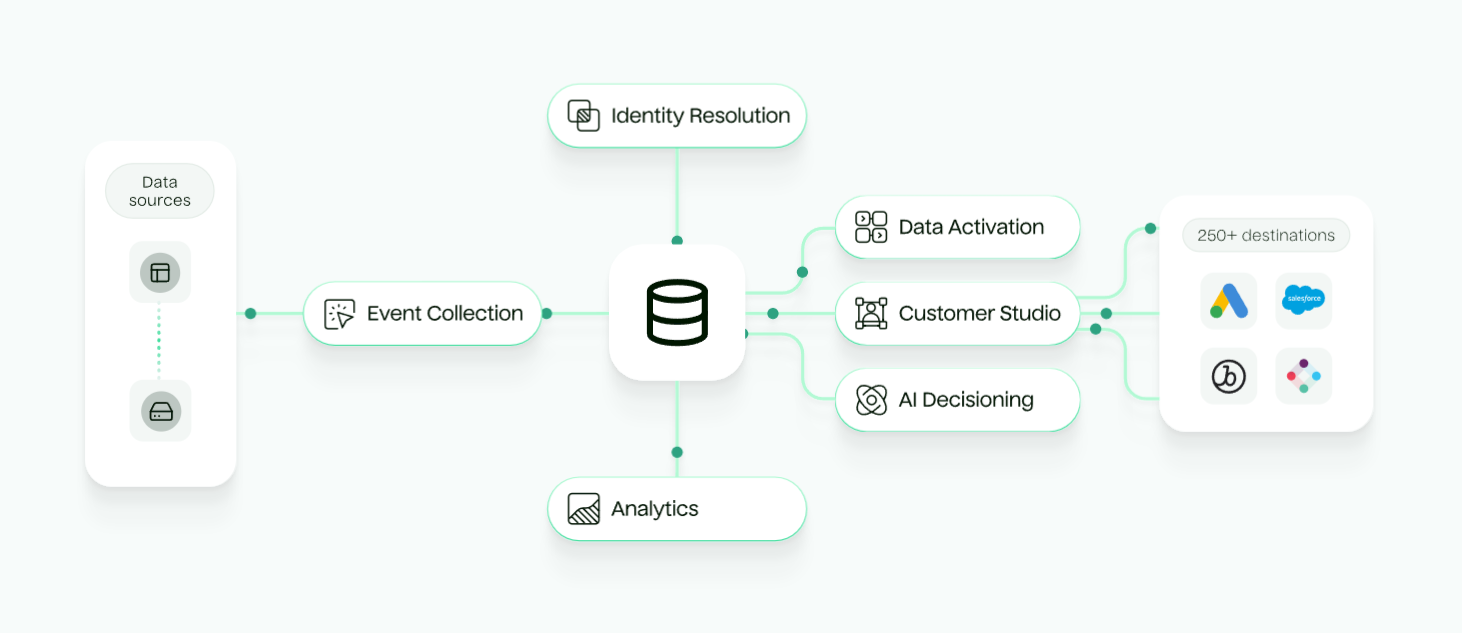
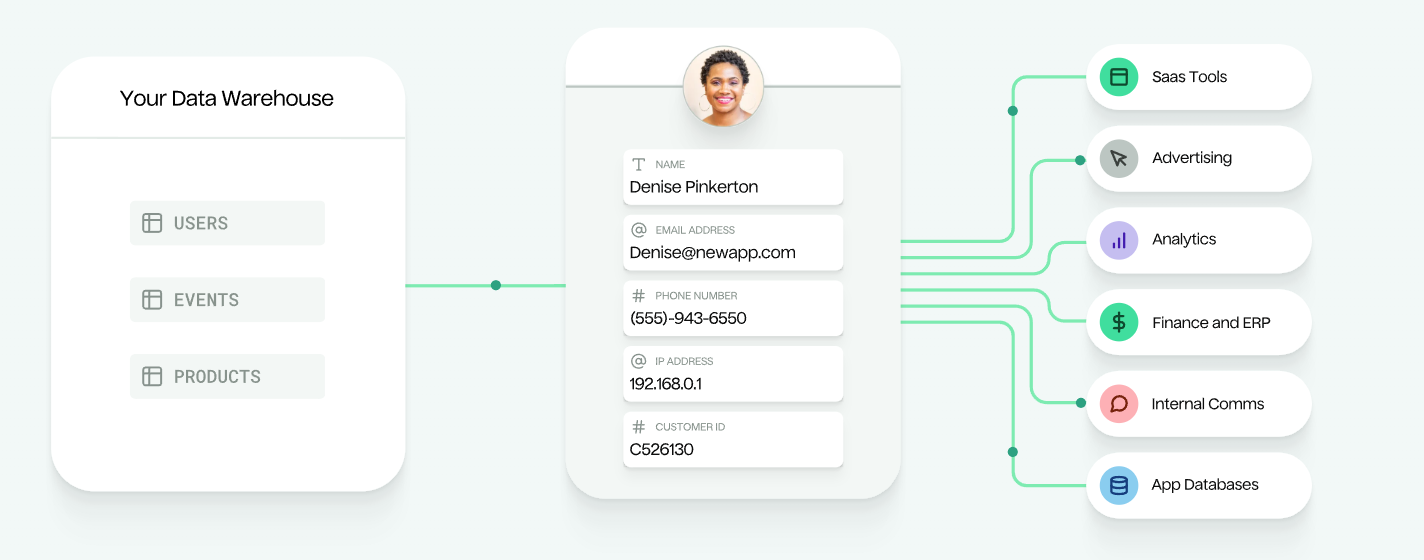
Hightouch was built to solve the activation problem. It assumes your data already lives in a warehouse, and the challenge is getting it out to the tools where marketing, sales, and operations teams work. No data duplication, no proprietary storage. Audiences are defined against live warehouse tables and synced to destinations. If your warehouse is already mature, Hightouch removes the engineering bottleneck between data teams and marketing teams.
Source: Hightouch
ZoomInfo solves a problem upstream of both: where does your B2B buyer data come from? Hightouch can activate audiences from your warehouse, but those audiences are only as good as the contact and company data in the warehouse. Segment can route events to your tools, but events are only meaningful if you can tie them to real buyer identities. ZoomInfo provides verified contacts, company attributes, org charts, technographics, and intent signals that give audience segments and event streams commercial value.
Hightouch keeps data in the warehouse; Segment builds its own store
This architectural difference shapes everything else.
Hightouch's Composable CDP reads directly from a company's existing data warehouse. It never copies your data. The warehouse stays the single source of truth, and Hightouch operates as an activation layer on top of it. Audience queries run against live tables. Sync results write back to the warehouse for auditability. For data teams already invested in Snowflake or Databricks, Hightouch fits into existing governance, security, and access control policies without introducing a separate data store.
Source: Hightouch
Segment takes the opposite approach. It collects event data through its own SDKs, stores profiles in its own identity resolution engine (Unify), and maintains its own audience computation layer (Engage). Data can sync to a warehouse via storage destinations, but Segment is the system of record for profiles and events. This gives Segment control over the full pipeline, from collection to activation, but it also means running a separate data store alongside whatever warehouse you already have.
Source: Twilio
For organizations with a mature warehouse, Hightouch avoids data duplication and the governance headaches that come with it.
For organizations earlier in their data journey, Segment is simpler. You don't need a warehouse to start collecting and activating data. The tradeoff: as data volumes grow, you pay Segment to store and process data that may already exist in your warehouse.
Integration breadth vs. activation depth
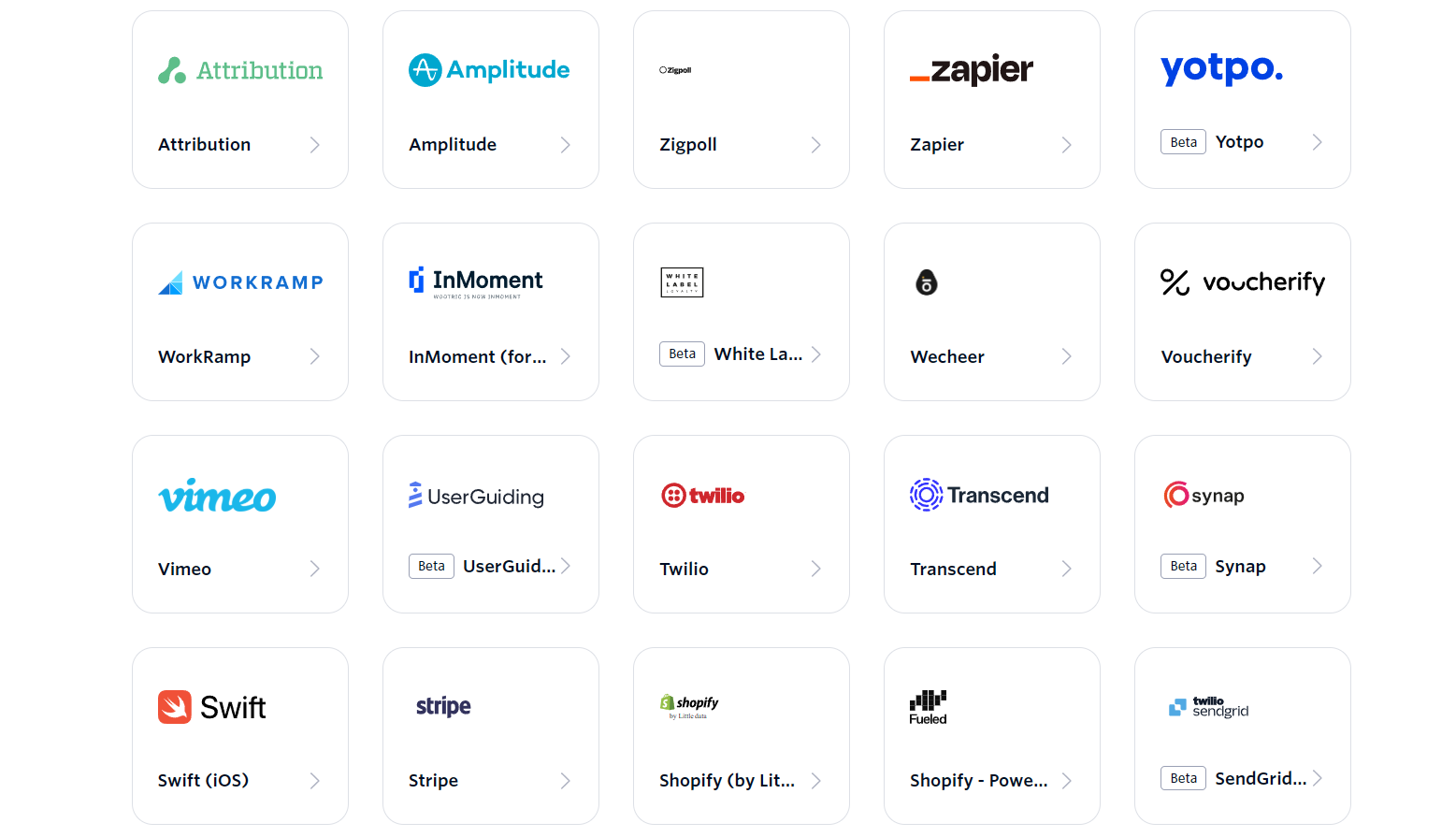
Segment's 750+ integrations form the largest catalog in the CDP category. This breadth matters most at the collection layer: Segment has SDKs for every major platform (JavaScript, iOS, Android, React Native, Flutter, and server-side libraries for Node, Python, Ruby, Java, Go, and more) plus cloud app sources that pull data from Salesforce, Stripe, Zendesk, and dozens of other SaaS tools.
Source: Twilio
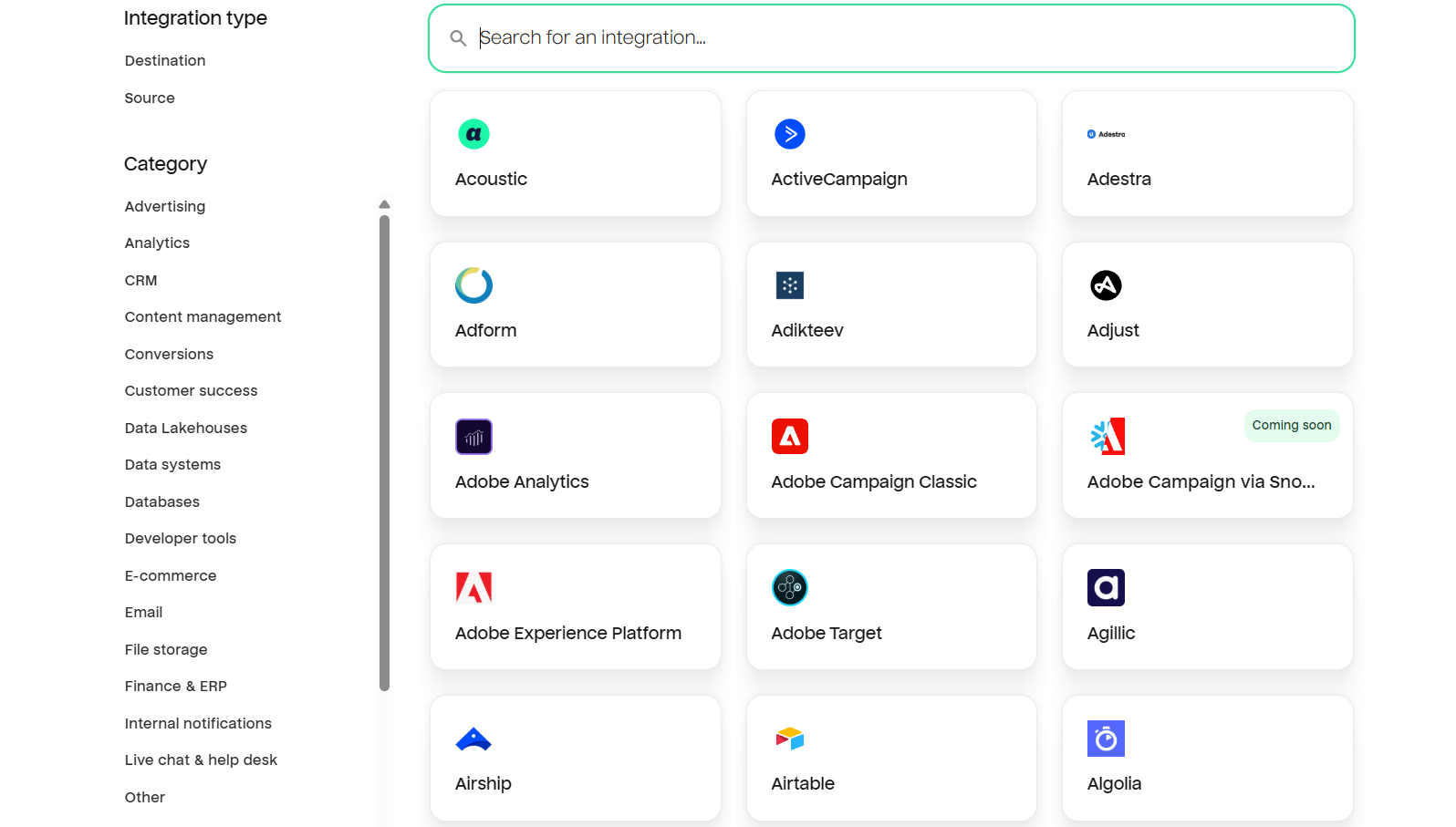
Hightouch's 250+ integrations focus on the activation side: advertising platforms, marketing automation, CRMs, and customer success tools. Fewer connectors, but each is a managed sync with field-level mapping, row-level debugging, and configurable alerting. Where Segment's integrations serve both collection and delivery, Hightouch's are built for pushing warehouse data outward.
Source: Hightouch
ZoomInfo takes a different approach. The App Marketplace covers 120+ partner integrations with CRMs, marketing automation, and sales engagement tools. The Enterprise API and MCP server expose ZoomInfo's B2B data and GTM Context Graph to any custom agent, internal tool, or AI platform. ZoomInfo's intelligence can flow into a Hightouch warehouse (via Cloud Partners with Snowflake or Databricks) or enrich Segment profiles through API-based enrichment, making it a complementary layer rather than a competing one.
Snowflake uses ZoomInfo for at least one-third of the most critical data features in their Account Propensity Scoring model, feeding over 70 company and technographic data fields. Accounts monitored using ZoomInfo-powered scores showed 90% higher opportunity open rates and 2x higher customer conversion rates. (Snowflake case study)
AI capabilities take three different directions
All three platforms have invested in AI, but they solve different problems with it.
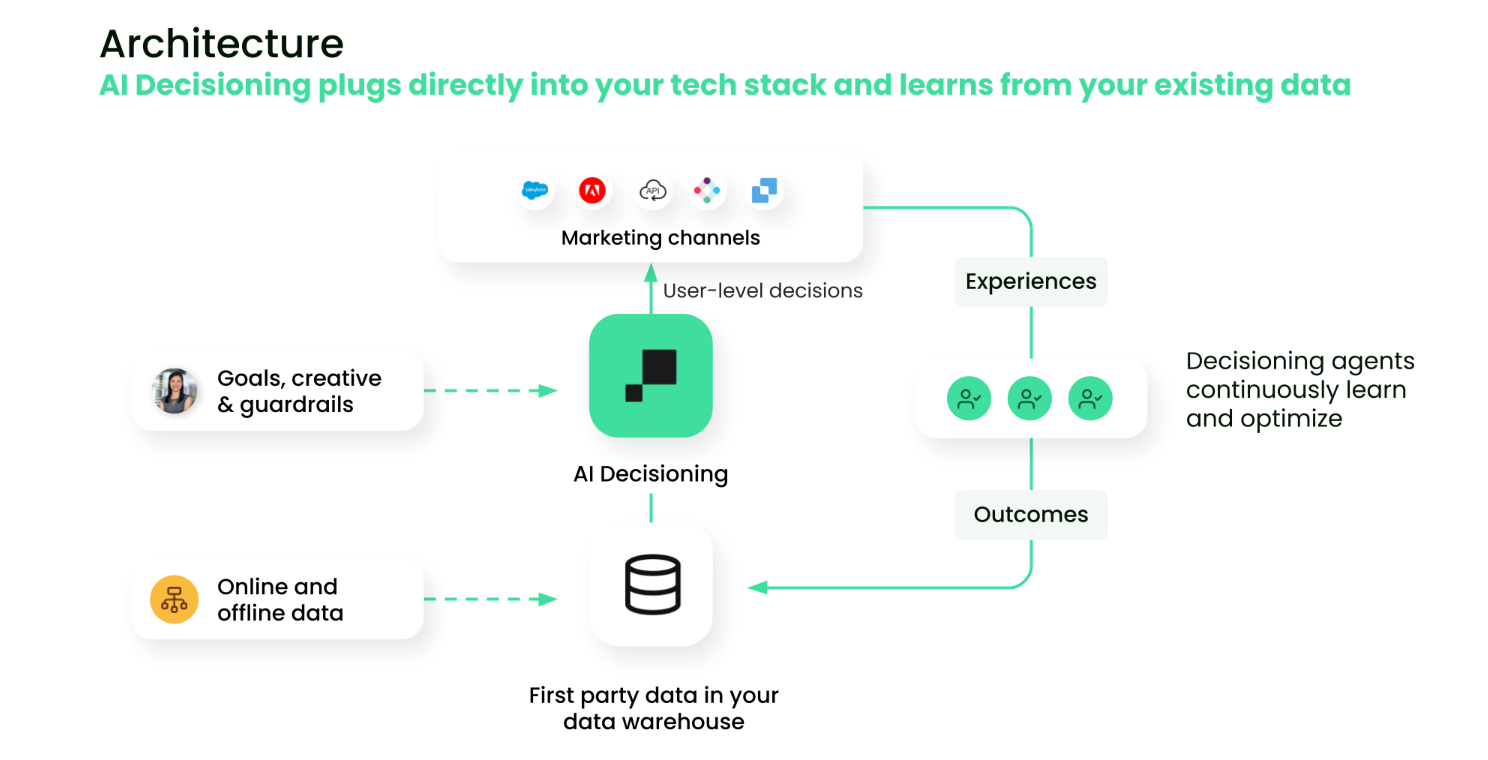
Hightouch's AI Decisioning uses reinforcement learning to replace manual campaign logic. Instead of marketers choosing which message to send, in which channel, at what time, and to which people, AI agents make those decisions for each customer. The system uses contextual multi-armed bandits that learn from outcomes.
This is marketing optimization, but it requires clean data already in the warehouse and an engagement stack (Braze, Iterable, SFMC) to send through.
Source: Hightouch
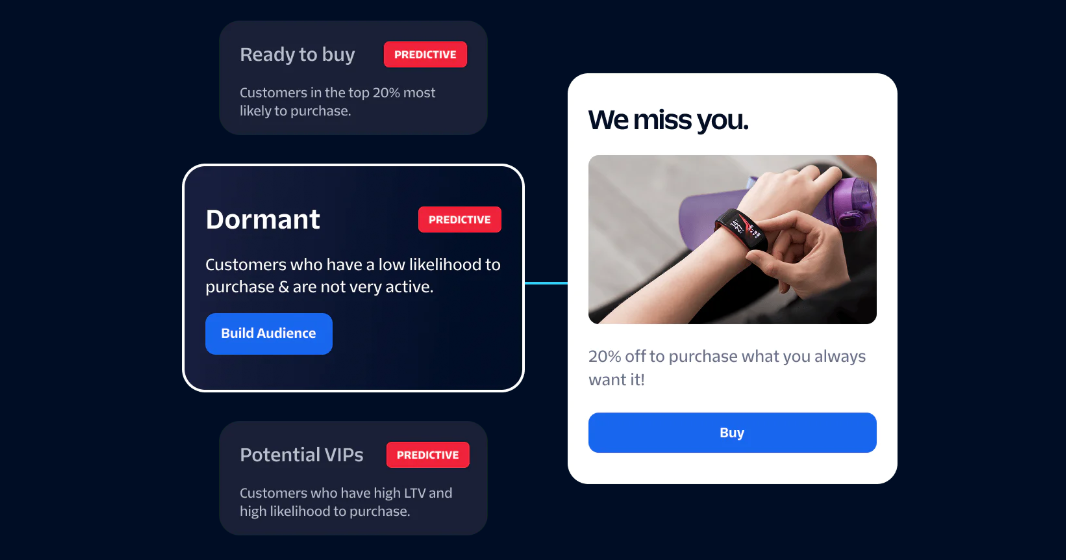
Segment's CustomerAI focuses on predictive traits (propensity scores for purchase likelihood, churn risk, and LTV) and Generative Audiences (audience creation from natural language prompts). These features make Segment's profile data more actionable without requiring data science resources. Segment's AI features require separate add-on licensing, and they operate within Segment's own data store rather than on warehouse data.
Source: Twilio
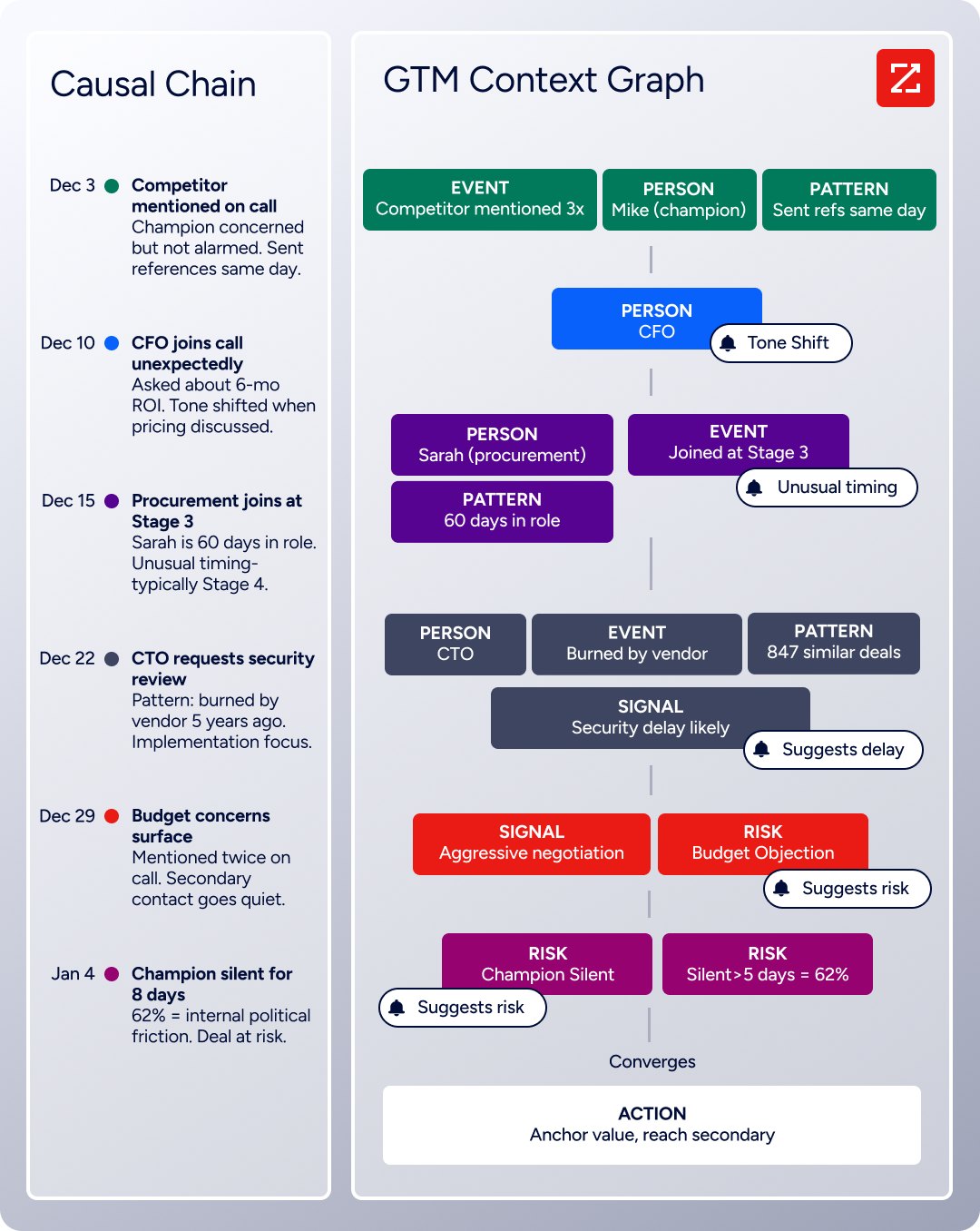
ZoomInfo's GTM Context Graph takes AI in a different direction. Rather than optimizing marketing messages or predicting churn from behavioral data, the GTM Context Graph reasons across CRM records, conversation transcripts, intent signals, and ZoomInfo's third-party B2B data to understand why deals move or stall. AI agents in GTM Workspace draft outreach from specific account context, surface buying committee changes, and prioritize accounts by signal strength. AI agents in GTM Studio let marketers describe audiences in plain language and launch multi-channel plays targeting accounts that match proven win patterns. This is intelligence at the account and deal level, not the message level.
Seismic's sales team attributed 39% of active pipeline to opportunities identified or influenced by ZoomInfo signals, reported 54% productivity gains, and saved 11.5 hours per week per seller. (Seismic case study)
Identity resolution reflects each platform's philosophy
How each platform resolves customer identity shows what it's optimized for.
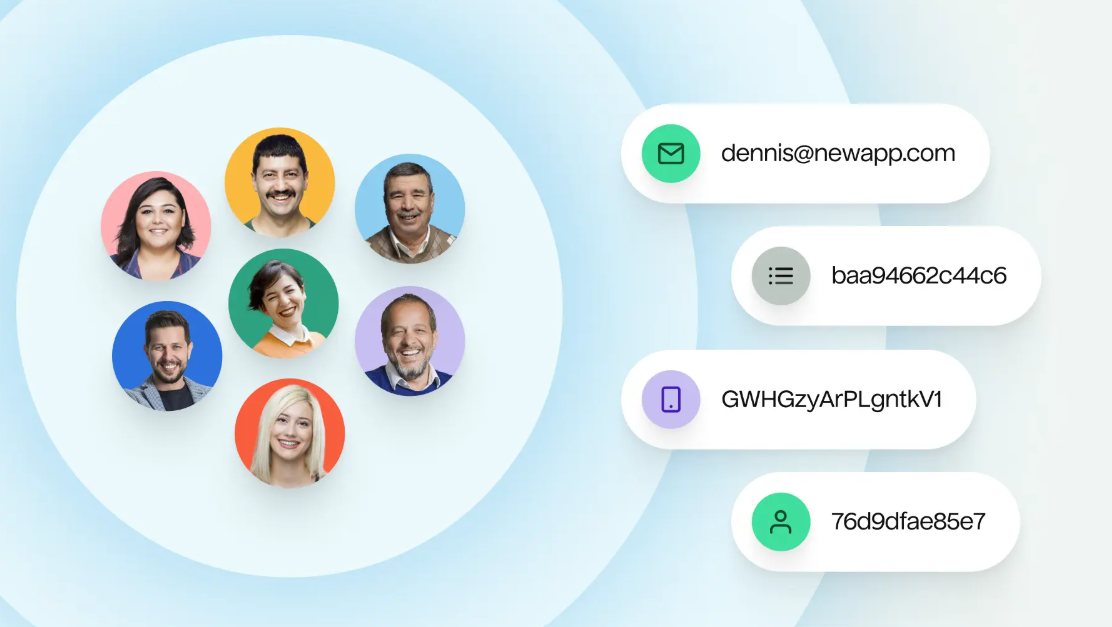
Hightouch's Identity Resolution runs inside the customer's warehouse, supporting both deterministic (exact matching) and probabilistic (AI-powered fuzzy matching) modes. Teams configure match rules through a visual builder, and the resulting identity graph lives as warehouse tables they own and can query. Hightouch can also resolve custom entities: households, B2B accounts, pets, or any business object. The limitation is that Hightouch resolves identities only from data that already exists in the warehouse. If the underlying records are incomplete, so is the resolution.
Source: Hightouch
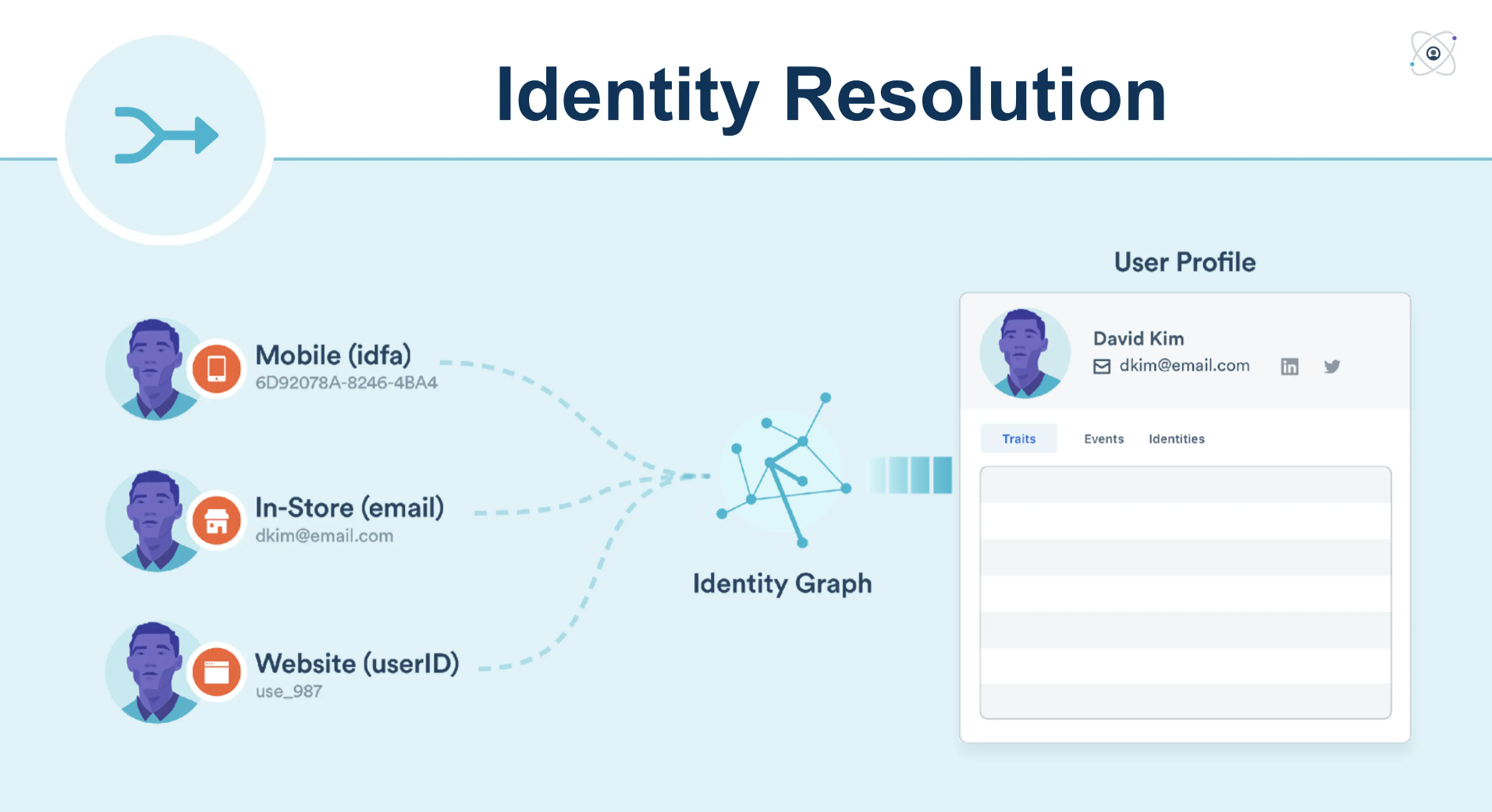
Segment's Unify builds an online and offline ID graph from event data flowing through Segment's pipeline. It merges cookie IDs, device IDs, email addresses, and user IDs into persistent profiles with a permanent segment_id. Anonymous sessions get stitched to known profiles when a user later identifies themselves. The Profile API serves resolved profiles at sub-200ms latency for real-time personalization. Segment's identity resolution runs continuously and automatically, but it only works with data that flows through Segment's collection layer.
Source: Twilio
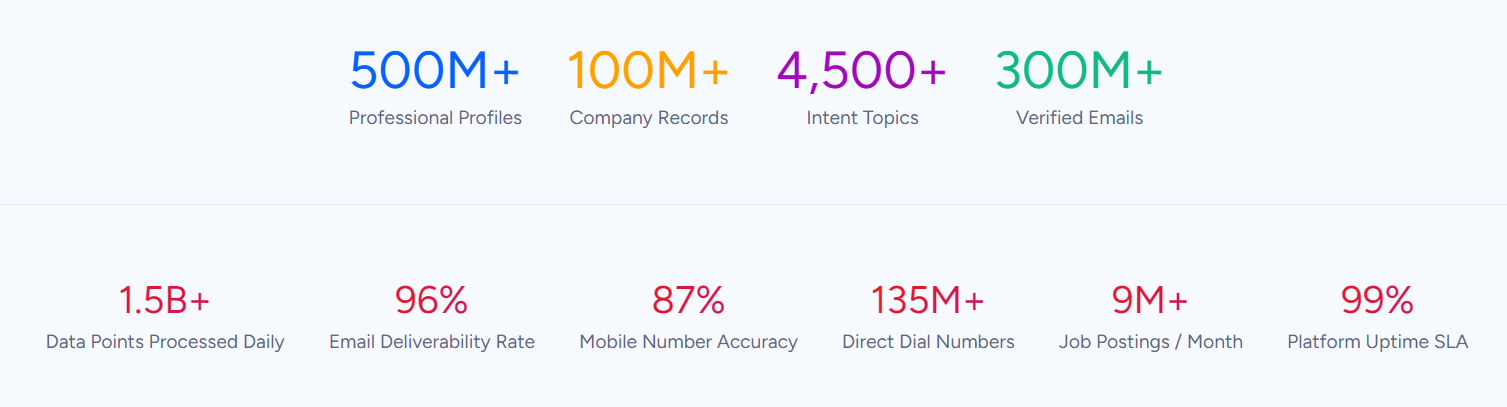
ZoomInfo's identity data operates at a different scale. With 500M contacts and 100M companies verified through a multi-source pipeline backed by 300+ human researchers, ZoomInfo provides the raw identity records that tools like Hightouch and Segment depend on. ZoomInfo's WebSights resolves anonymous website visitors to companies and buying team contacts. Its technographics profile the tech stacks of 30+ million companies. This isn't identity resolution from behavioral events; it's a continuously verified census of the B2B market.
Data governance and quality take different forms
Hightouch relies on the warehouse's own governance layer. Since it never stores data, security controls (RBAC, encryption, network policies) come from Snowflake, Databricks, or BigQuery. Hightouch adds its own approval flows, audit logs, and label-based access control at the sync level, plus data contracts for event collection that validate payloads before they reach the warehouse. Certifications include SOC 2 Type 2, ISO 27001, and HIPAA compliance.
Segment's Protocols provides tracking plan governance with schema enforcement, violation detection, and code-free transformations. The Typewriter API generates type-safe analytics libraries from the tracking plan, catching instrumentation errors at compile time. This matters for teams managing complex event taxonomies across multiple engineering teams. Segment holds SOC 2 Type II, ISO 27001, ISO 27017, ISO 27018, PCI DSS, and HIPAA eligibility.
ZoomInfo renews its compliance certifications annually: ISO 27001, ISO 27701, SOC 2 Type II, TRUSTe GDPR and CCPA validations. As a registered data broker in California and Vermont, ZoomInfo builds compliance into the data layer itself. For B2B teams in regulated industries, this matters. Data accuracy and provenance are verified through a multi-source pipeline, not inferred from behavioral events.
Pricing models reveal different audiences
Each platform's pricing tells you who it was built for.
Hightouch uses usage-based pricing tied to active syncs and data volume. A permanent free tier offers 2 active syncs per month with hourly frequency. The Composable CDP (Business tier) requires a custom quote but includes unlimited user seats, enterprise security, and dedicated support. AI Decisioning is priced separately based on monthly personalized actions. The no-MTU, no-per-seat model appeals to organizations that want broad internal adoption without per-user cost pressure. The risk: costs can escalate as data volume and destination count grow, a concern flagged by G2 reviewers.
Segment uses MTU-based pricing. The free plan covers 1,000 MTUs with 2 sources. The Team plan starts at $120/month for 10,000 MTUs with overage charges of $10-12 per additional 1,000 MTUs. The full CDP (Connections + Unify + Engage) requires custom pricing through sales. Identity resolution, audience building, and predictive AI are gated behind add-on pricing on top of the Business tier. Support costs extra: Production support runs $250/month or 4% of spend; Business support runs $1,500/month or 6%. Enterprise contracts reportedly reach $400K, and G2 reviewers consistently flag pricing as a concern.
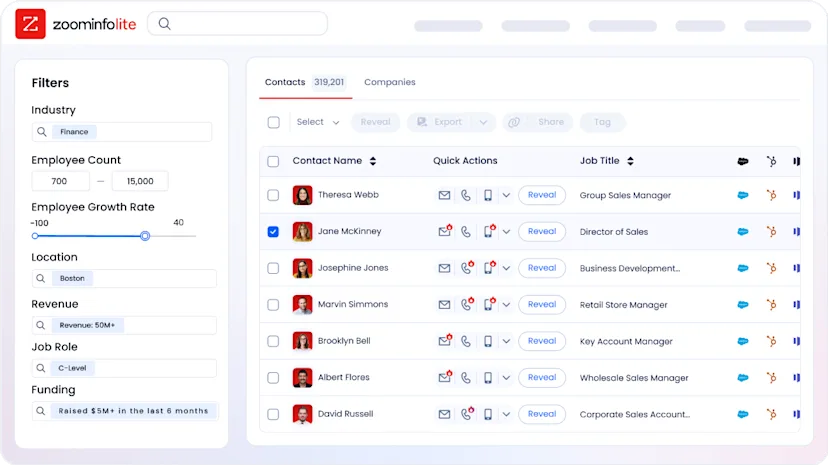
ZoomInfo uses consumption-based pricing with no published prices. Sales plans span Professional, Advanced, and Enterprise tiers, each adding more data access, AI features, and signal types. Credits (1 credit = 1 profile export) determine data consumption volume. ZoomInfo Lite is a permanent free tier with 10 monthly credits and access to the B2B database. A 7-day free trial provides broader access. The credit model means cost per contact varies with package size and usage patterns.
Where each platform fits in a B2B data stack
Think of these three platforms as layers in a stack, not alternatives to each other.
Segment is the collection layer. It captures behavioral events from websites, apps, and servers and routes them to every tool in the stack. If your engineering team needs to instrument tracking across multiple platforms with a single API, Segment is the standard.
Source: Twilio
Hightouch is the activation layer. It takes data already collected, modeled, and stored in a warehouse and pushes it to the marketing, sales, and advertising tools where teams act on it. If your data team has invested in warehouse infrastructure and your marketing team is filing engineering tickets for audience lists, Hightouch removes that bottleneck.
Source: Hightouch
ZoomInfo is the intelligence layer. It provides verified B2B identity data (who to reach, how to reach them, and when they're in-market) that makes collection and activation meaningful. Without verified contacts, company attributes, and intent signals, audiences are incomplete and events are anonymous. ZoomInfo's GTM Context Graph connects signals to outcomes, so AI-powered actions reflect why deals move, not just what happened.
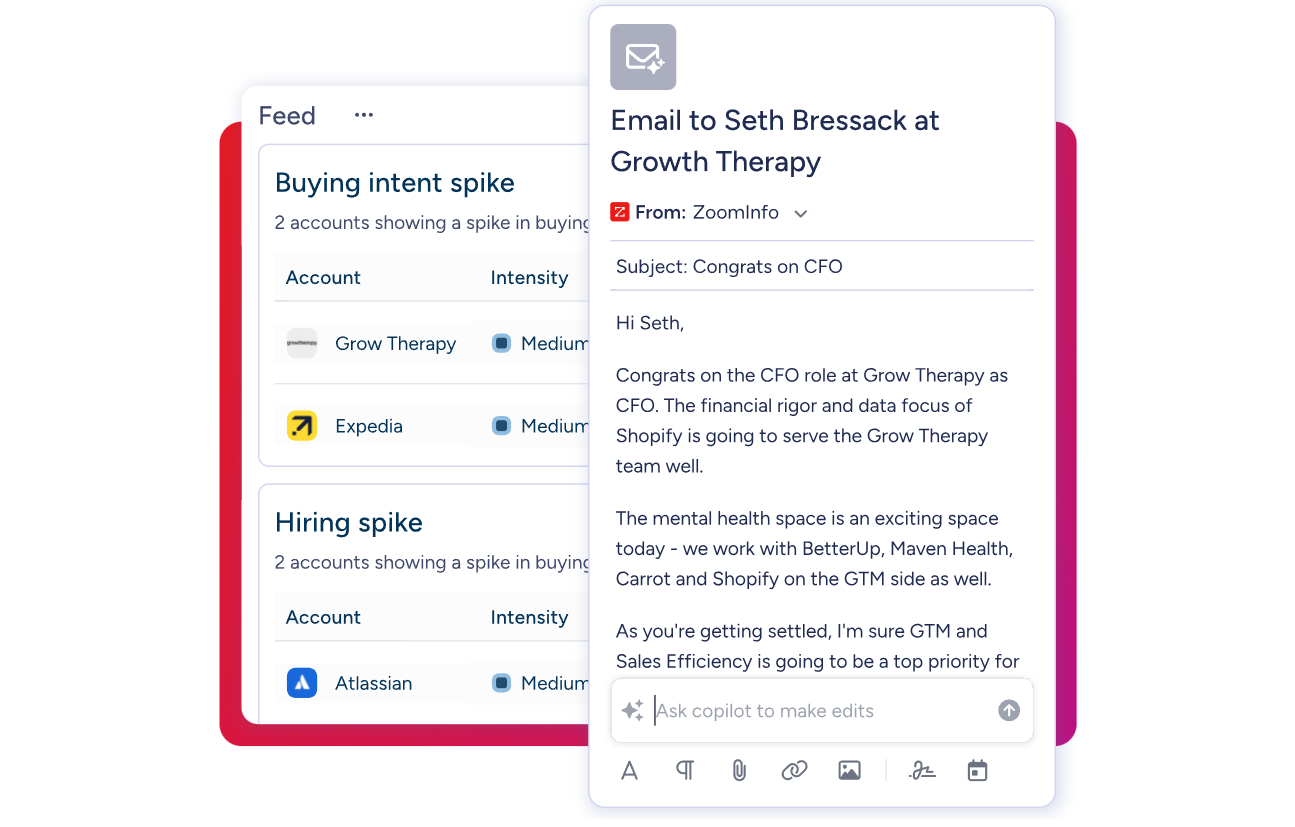
These layers work together. ZoomInfo data can flow into Snowflake via Cloud Partners, where Hightouch activates it into marketing tools. Segment can collect behavioral events that land in the same warehouse, enriched by ZoomInfo's company and intent data. The question isn't which platform to choose. It's which layers your stack is missing.
"ZoomInfo is our one source of truth for account data, and even more so for contact data. There's no other provider in the market that provides you with that level of detail." (Thor Sanderson, Senior Manager of Sales Technology Enablement, Smartsheet; case study)
Support and implementation timelines
Hightouch says 90% of customers fully onboard in days or weeks. This tracks with its architecture: connecting a warehouse source, defining a model, and configuring a sync is straightforward. Enterprise plans include a dedicated CSM, shared Slack channel, and solutions architect. Gartner Peer Insights reviewers consistently praise support quality and responsiveness.
Segment requires more upfront planning. Getting event taxonomy right from the start is critical, because mistakes in instrumentation are expensive to fix later. A full CDP implementation (Connections + Unify + Engage + Protocols) can take weeks to months depending on organizational complexity. Support quality has drawn criticism, with G2 users describing "poor customer support leading to implementation issues." Dedicated CSMs are reserved for Business tier customers.
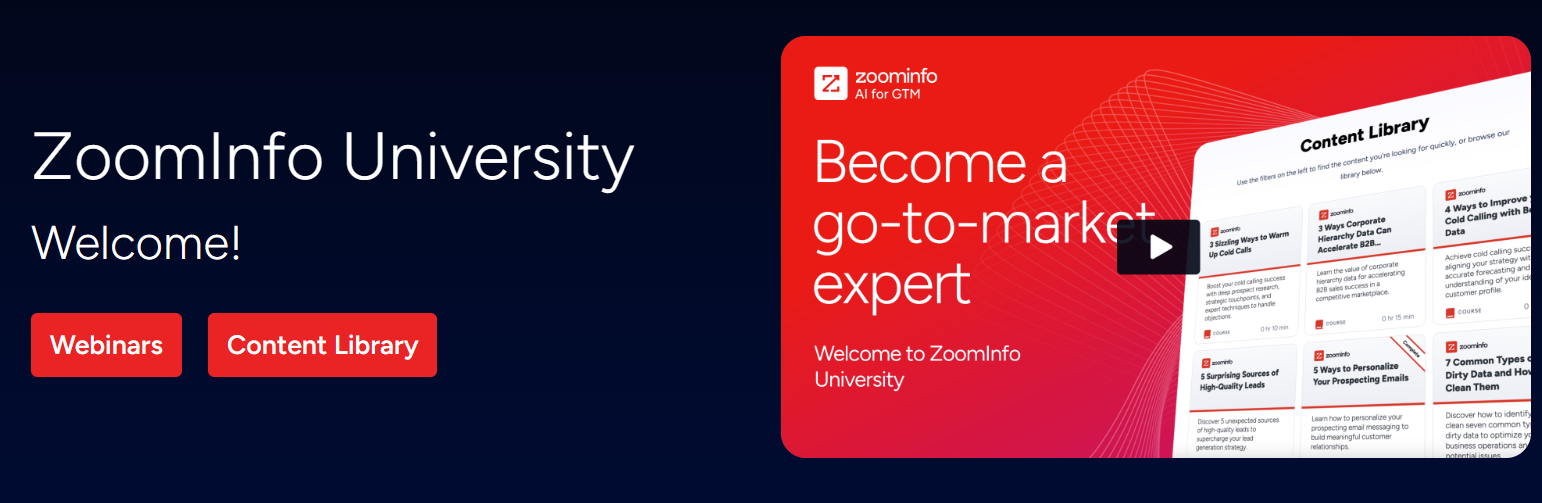
ZoomInfo redesigned its onboarding to span 30 to 90 days across planning, technical implementation, education, and adoption phases. This produced a 25% improvement in customer satisfaction. GTM Workspace "deploys in weeks, not months". ZoomInfo University offers role-specific learning paths, certifications, and live webinars. Enterprise customers get dedicated service managers.
Hightouch vs. Segment vs. ZoomInfo: Which should you choose?
The right choice depends on which problem you're solving and what infrastructure you already have.
Choose Hightouch if:
You have a mature data warehouse (Snowflake, Databricks, BigQuery) with well-modeled customer data
Your marketing team is blocked by engineering tickets for audience lists and data exports
Warehouse-native architecture and zero data duplication matter for governance
You want AI-powered message optimization through reinforcement learning
You need activation across 250+ marketing, advertising, and CRM destinations
Choose Segment if:
You need to build event collection infrastructure from scratch across web, mobile, and server-side
Your engineering team wants a single API for tracking across all downstream tools
You want the largest integration catalog in the CDP category (750+)
You want native communications channels (SMS, email, WhatsApp) bundled with your CDP through Twilio
You need data governance with schema enforcement and tracking plan validation
Choose ZoomInfo if:
Your B2B team needs verified contacts, company intelligence, and intent signals to power prospecting and pipeline
You want AI that reasons about deal context, not just message optimization or event routing
You need a platform that serves sellers (GTM Workspace), marketers and RevOps (GTM Studio), and any custom tool (API and MCP)
Data accuracy and buyer intent matter more than data plumbing infrastructure
You want the account-level intelligence that makes Hightouch audiences and Segment events commercially useful
Start with ZoomInfo Lite for free, or get a full trial to see the GTM Context Graph in action.
For many B2B organizations, the answer is not one platform but the right combination. Segment collects behavioral data. Hightouch activates warehouse audiences. ZoomInfo provides the verified buyer intelligence that gives both layers commercial value. The platforms are complementary, and the strongest data stacks use them that way.
Hightouch vs. Segment vs. ZoomInfo FAQ
What is the fundamental difference between Hightouch, Segment, and ZoomInfo?
Hightouch is a warehouse-native activation platform that pushes data from your existing warehouse to 250+ marketing, advertising, and CRM tools without duplicating data. Segment is an event collection and routing platform that captures behavioral data from web, mobile, and server sources through a single API and sends it to 750+ downstream tools. ZoomInfo is a B2B intelligence platform that provides verified contact data (500M contacts, 100M companies, 135M+ verified phone numbers, 200M+ verified business emails), intent signals, and AI-driven account intelligence through its GTM Context Graph.
Which platform is cheapest to get started with?
All three offer permanent free tiers. Hightouch provides 2 active syncs per month at no cost. Segment offers 1,000 Monthly Tracked Users with 2 sources and 1 warehouse destination. ZoomInfo Lite includes 10 monthly export credits with access to the B2B database. For paid plans, Segment's Team tier starts at $120/month for 10,000 MTUs. Hightouch and ZoomInfo both use custom-quoted pricing with no published rates for their business tiers.
Do I need a data warehouse to use Hightouch?
Yes. Hightouch requires an existing cloud data warehouse (Snowflake, Databricks, BigQuery, Redshift, or Azure Synapse) as its data source. The platform operates on top of the warehouse without its own data store. Companies without a warehouse or with poorly modeled data cannot use Hightouch effectively. Segment and ZoomInfo do not require a warehouse to start, though both can integrate with one.
Can these platforms work together in the same stack?
Yes, and for B2B organizations this is often the strongest approach. Segment collects behavioral events and routes them to a data warehouse. Hightouch activates warehouse data outward to marketing and advertising tools. ZoomInfo provides verified B2B identity data, company intelligence, and intent signals that enrich the warehouse and make those audiences commercially useful. ZoomInfo data can flow into Snowflake or Databricks via Cloud Partners, where Hightouch syncs it to downstream destinations.
Which platform has better AI capabilities?
Each platform's AI solves a different problem. Hightouch's AI Decisioning uses reinforcement learning to optimize which message, channel, timing, and creative to use for each customer. Segment's CustomerAI provides predictive traits (purchase likelihood, churn risk, LTV) and Generative Audiences for natural language audience creation. ZoomInfo's GTM Context Graph processes 1.5B+ data points daily and uses AI agents to reason about deal context, draft personalized outreach from account signals, and prioritize accounts by buying evidence rather than static criteria.
How does identity resolution compare across the three platforms?
Hightouch resolves identities inside the customer's warehouse using both deterministic and probabilistic matching, and can resolve custom entities like households or B2B accounts. Segment builds its own ID graph from event data flowing through its pipeline, stitching anonymous sessions to known profiles and serving resolved profiles via a sub-200ms API. ZoomInfo provides verified B2B identity data at scale (500M contacts across 100M companies) through a multi-source pipeline backed by 300+ human researchers, and resolves anonymous website visitors to companies and contacts through WebSights.
Which platform is best for B2B sales and marketing teams?
ZoomInfo is built for B2B go-to-market teams, covering the full workflow from prospecting and intent monitoring to account research and deal intelligence. Hightouch and Segment are data infrastructure tools that serve both B2B and B2C use cases but do not provide verified contact data, company attributes, org charts, or buyer intent signals that B2B teams rely on for targeting and outreach.
What are the biggest limitations of each platform?
Hightouch requires a mature data warehouse and SQL knowledge for complex use cases. Pricing can escalate with data volume, and it does not send messages itself. Segment's MTU-based pricing is expensive at scale, implementation requires careful upfront taxonomy planning, and the platform offers limited built-in analytics. ZoomInfo does not publish pricing, focuses exclusively on B2B data, and the platform's breadth (spanning sales, marketing, operations, and conversation intelligence) requires a meaningful onboarding investment.
More Hightouch comparisons and breakdowns:
