
If you're searching for "Key2Act vs. Salesforce," here's the first thing to know: Key2Act rebranded to WennSoft in February 2023, reclaiming the name the company has used since it was founded in 1995 by a mechanical contractor. Same product, same team, original name. We'll use WennSoft throughout this article.
Now, the comparison. If you're a skilled trades contractor weighing these two platforms, the real questions are:
Do you need software that speaks the language of HVAC, plumbing, and mechanical contracting out of the box, or are you willing to configure a general-purpose platform to fit your workflows?
Are you already running Microsoft Dynamics GP or Business Central as your back-office ERP?
Is real-time job costing integrated directly into your general ledger a requirement, or can you work with CRM-based reporting?
Do you need your field technicians to manage service calls, equipment tracking, and inventory from a single mobile app designed for the trades?
Beyond managing existing operations, do you have a systematic way to find and win new commercial accounts?
In short, here's what we recommend:
WennSoft (formerly Key2Act) is the right choice for commercial contractors who run their back office on Microsoft Dynamics GP or Business Central and need field service, job costing, and equipment management built into their ERP.
Founded by Jim Wenninger, who built the software to run his own mechanical contracting business, WennSoft's Signature suite covers service management, maintenance contracts, dispatching, and project accounting in workflows that mirror how HVAC, plumbing, and electrical contractors operate.
Its MobileTech app serves over 12,000 skilled trade professionals, and the company has delivered over 350 product enhancements since 2020. The tradeoff: WennSoft is tethered to the Microsoft Dynamics ecosystem, and its core Signature platform runs on Dynamics GP, which has a known end-of-support date in 2029.
Salesforce serves contractors who want a broad platform covering sales, customer service, field service, marketing, and analytics under one roof.
As the world's #1 CRM by market share, Salesforce brings Field Service management with AI-powered scheduling, a mobile workforce app, and work order management alongside its full CRM capabilities.
But Salesforce is not built for the trades. It knows nothing about refrigerant tracking, AIA billing, or maintenance contract profitability until you configure it, and that configuration requires dedicated administrators, implementation partners, and an enterprise-scale budget.
Both platforms help you manage the operations and customers you already have. But neither fills a specific gap: systematically finding and winning new commercial accounts. A mechanical contractor can run the tightest dispatch board in the market and still lose to competitors who reach facility managers first. That's a different problem, and it requires a different tool.
ZoomInfo is a B2B intelligence and go-to-market platform built on 500M contacts, 100M companies, 135M+ verified phone numbers, and 200M+ verified business email addresses.
For skilled trades contractors, that means identifying the facility managers, building owners, and property management companies who award service contracts, knowing when they're evaluating providers through buyer intent signals, and reaching decision-makers through verified direct dials and emails.
ZoomInfo integrates with Salesforce and Microsoft Dynamics 365, so the intelligence flows into whichever operational platform you use.
If finding new commercial accounts is the bottleneck holding your business back, see how ZoomInfo works.
WennSoft vs. Salesforce vs. ZoomInfo at a glance
WennSoft (Key2Act) | Salesforce | ZoomInfo | |
|---|---|---|---|
Core function | Field service + job costing for skilled trades | CRM + multi-cloud enterprise platform | B2B intelligence + prospecting |
Field service depth | Trades-specific: service calls, maintenance contracts, equipment, refrigerant tracking | General-purpose: work orders, scheduling, dispatch | N/A (feeds qualified leads to either platform) |
ERP integration | Native to Dynamics GP and Business Central | Separate from ERP; requires integration | Integrates with Salesforce and Microsoft Dynamics |
Mobile app | MobileTech (12,000+ users, offline-capable) | Salesforce Field Service mobile app | GTM Workspace for sellers |
AI capabilities | FORGE only (Wennston AI assistant) | Agentforce across all clouds | GTM Context Graph + AI prospecting agents |
Pricing | Custom-quoted (not published) | $25-$350+/user/month (Field Service from $175/user/month) | Custom-quoted; free tier available |
Best for | Contractors on Microsoft Dynamics GP/BC | Multi-department organizations needing broad CRM | Finding and winning new commercial accounts |
A contractor built WennSoft. An enterprise built Salesforce.
The divide between these two platforms starts at their origins, and it shapes everything downstream.
WennSoft was created by Jim Wenninger, who ran one of Wisconsin's largest mechanical contracting businesses.
When he couldn't find software that handled the reality of commercial field service, he built it himself on top of Great Plains ERP (now Microsoft Dynamics GP). That contractor origin runs through every module. Service calls have equipment types and refrigerant categories. Job cost transactions map to cost codes that match how mechanical contractors bid and track work.
Maintenance contracts automate PM service call generation based on equipment usage schedules. The terminology, the workflows, the data model: they all assume you're running trucks, managing technicians, and tracking profitability at the job level.
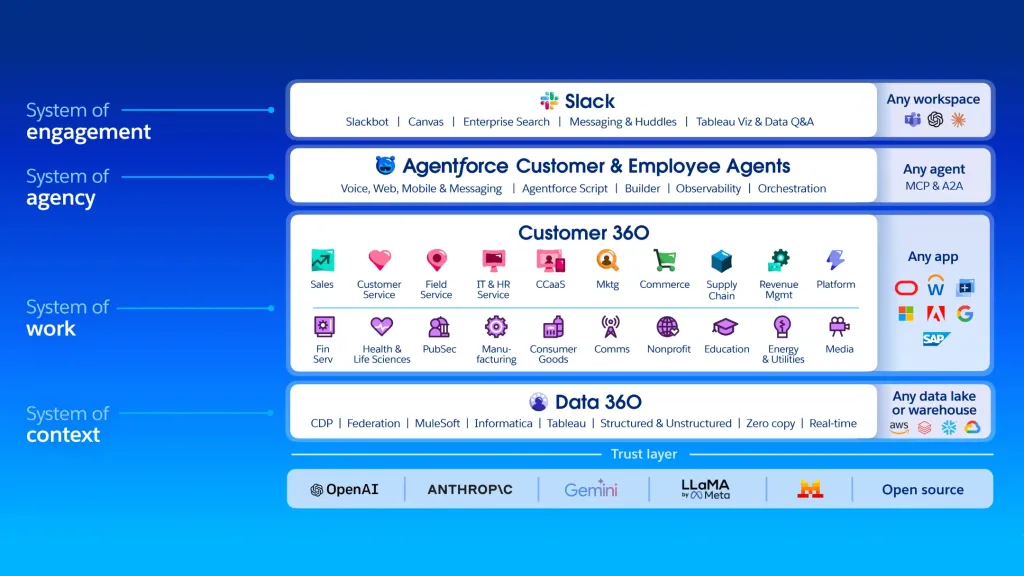
Salesforce was founded in 1999 as a cloud CRM company.
Source: Salesforce
It has grown into a $41.5 billion platform serving over 150,000 companies across every industry. Salesforce Field Service is one module within this ecosystem. It handles scheduling, dispatch, work orders, and mobile workforce management. These are real capabilities. But Salesforce doesn't know the difference between an HVAC maintenance agreement and a subscription renewal.
It doesn't track refrigerant charges for EPA AIM Act compliance. It doesn't calculate percent-complete billing on a construction job. You can configure it to do these things, but configuration means time, money, and ongoing maintenance by someone who understands both Salesforce and the trades.
For a 200-technician mechanical contractor already running Dynamics GP, WennSoft extends the system they already know. For a multi-department organization that needs CRM, marketing automation, analytics, and field service in one platform, Salesforce offers breadth that WennSoft never will.
Field service: trades-specific workflows vs. general-purpose capabilities
This is where the specialist advantage shows most clearly.
WennSoft's Signature suite was designed around the lifecycle of a service call in the skilled trades.
A call comes in, gets dispatched through Schedule (a web-based dispatch board with map view and SLA monitoring), goes out to a technician via MobileTech, and returns labor, materials, and equipment costs to Dynamics GP for invoicing. Every step writes directly to the general ledger.
The depth is in the details. Maintenance Contracts don't just track renewal dates; they automate PM service call generation, forecast costs against contracts, support labor loading for capacity planning, and generate credit memos within the GP posting framework. Equipment Management maintains asset-level financials for every piece of equipment under service, whether owned, rented, or customer-installed.
The 2025 release added refrigerant tracking aligned with EPA AIM Act 2026 requirements, including automatic leak detection tracking for systems with 1,500+ pound charges. A competing platform would need custom development to match this.
Salesforce Field Service approaches the problem differently.
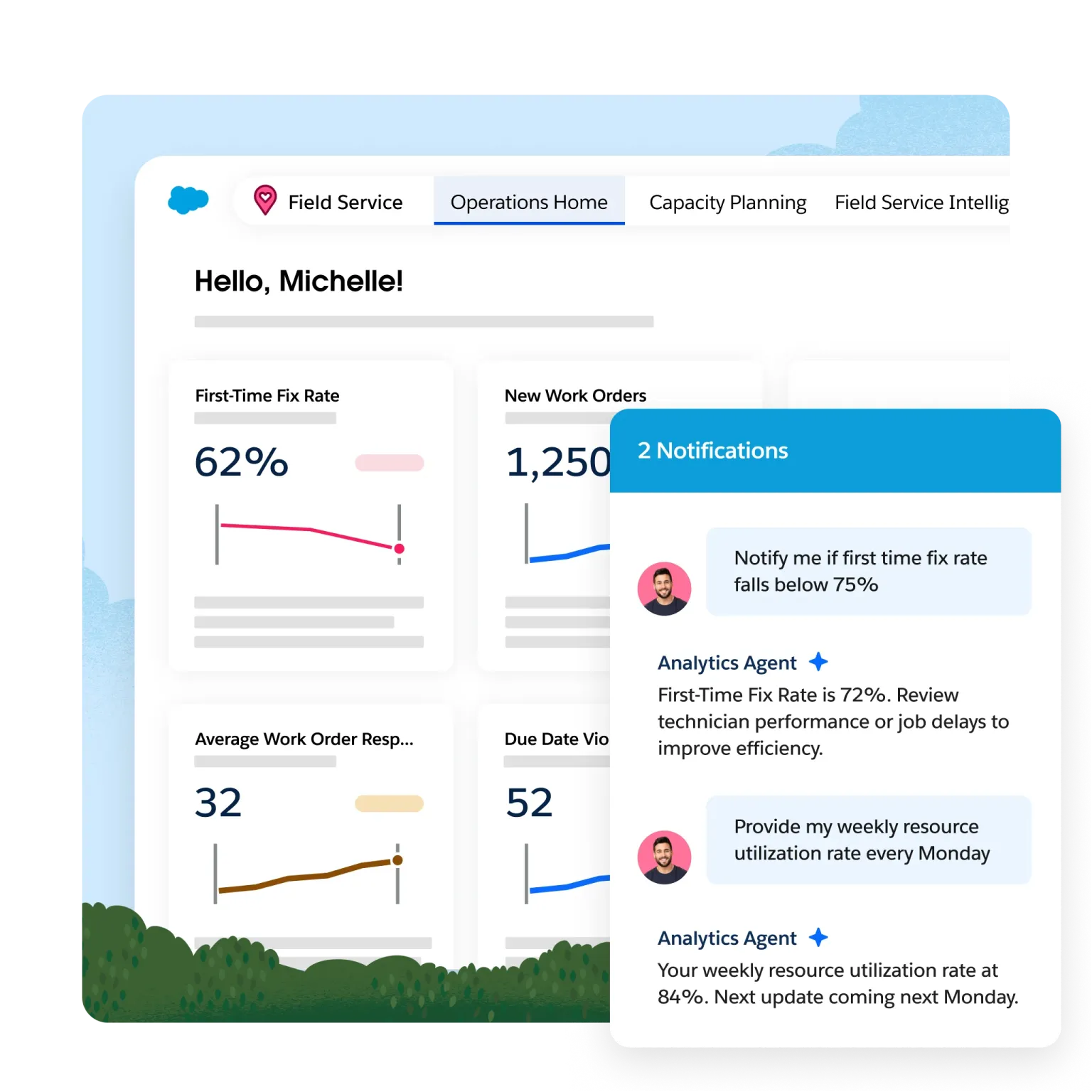
Its strengths are AI-powered scheduling optimization, a mobile app with offline capability, pre-work AI briefs for technicians, and asset lifecycle management. The scheduling engine optimizes routes and assignments across large workforces. Visual Remote Assistant lets technicians get expert guidance through augmented reality.
Source: Salesforce
But Salesforce Field Service is industry-agnostic by design. It handles work orders, not service calls with equipment-specific task auto-assignment. It manages assets, not equipment with refrigerant tracking and rental agreements with meter-reading-based pricing. For contractors who need the software to understand their industry without extensive customization, that difference matters daily.
Financial integration: one system vs. two systems
For contractors, the question isn't just "can I manage field service?" It's "does every service call, every hour of labor, every part consumed show up in my financials automatically?"
WennSoft answers this clearly.
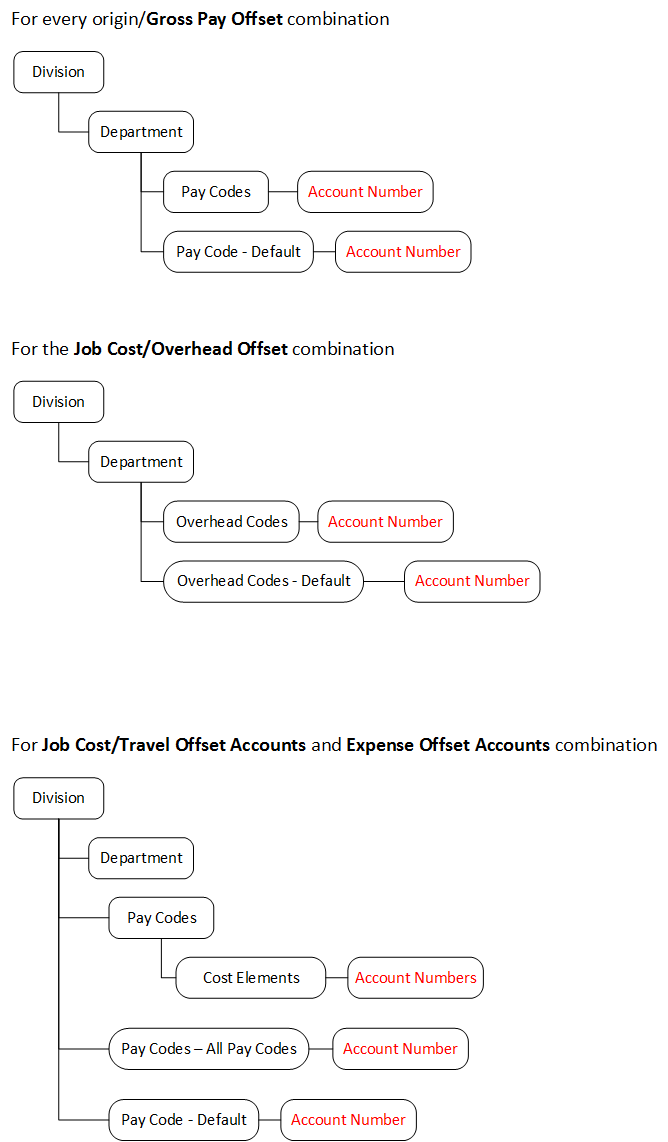
Because Signature runs inside Dynamics GP, sharing GP's database, security model, and chart of accounts, field service transactions post directly to the General Ledger, Accounts Receivable, and Payroll modules. There is no sync layer, no duplicate customer records, no overnight batch reconciliation. A technician closes a service call in MobileTech, and the costs are in GP.
Job Cost captures labor, materials, subcontractor, and equipment costs against specific job phases in real time. The Project Manager's Advisor shows budget-versus-actual views as transactions flow in.
Source: WennSoft
Salesforce is a CRM, not an ERP.
It tracks customer relationships, pipeline, and service interactions, but it doesn't run your general ledger, your payroll, or your accounts payable. Contractors using Salesforce still need a separate financial system (whether that's Dynamics, QuickBooks, Sage, or something else) and an integration layer to connect the two.
That integration works, but it introduces complexity, latency, and a reconciliation burden that WennSoft users don't face.
For contractors who live and die by job-level profitability, having field service data flow directly into financial reporting without a middleware layer is a real operational advantage.
Neither platform is designed to find your next customer
Here's where both WennSoft and Salesforce share a blind spot.
WennSoft manages service operations for customers you already have. Salesforce manages the full customer lifecycle once someone enters your pipeline. But neither platform answers the question every growing contractor asks: Who should we be selling to next?
A commercial HVAC contractor targeting facility managers at hospitals, universities, and manufacturing plants needs to know which organizations have the budget, which decision-makers control the spend, and which ones are evaluating service providers right now. That intelligence doesn't live in a field service platform or a CRM. It lives in a B2B data platform.
ZoomInfo provides this layer.
The platform's 500M contacts and 100M company profiles include the facility managers, VPs of operations, and building owners that contractors need to reach, with verified direct-dial phone numbers and business emails.
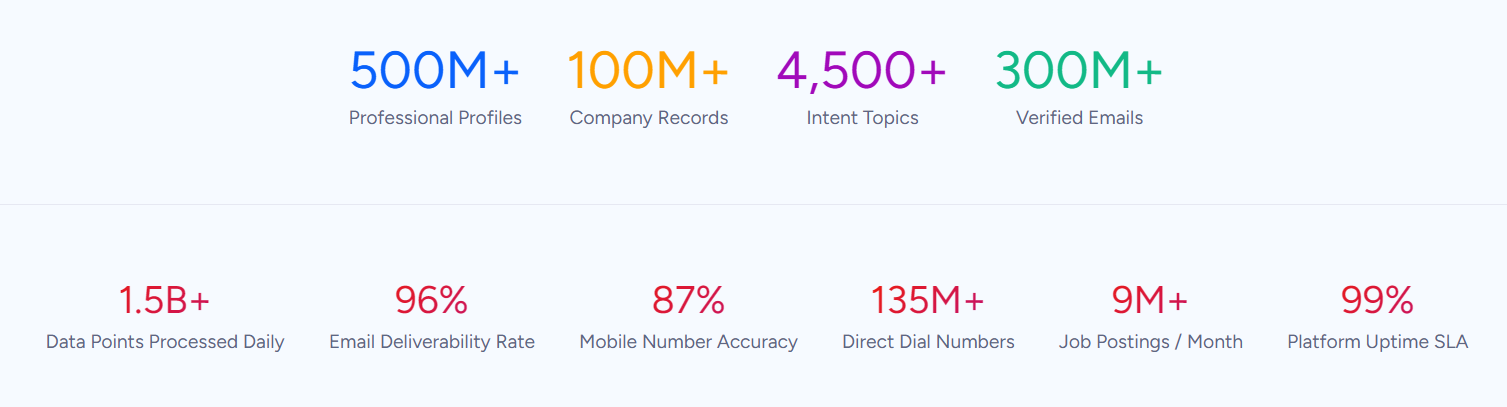
Company profiles include attributes (revenue, headcount, locations) and technographics across 30,000+ technologies, helping contractors target organizations of the right size running the right systems. ZoomInfo's GTM Context Graph processes 1.5B+ data points daily, combining B2B data with your CRM records and behavioral signals to surface not just who to target, but why they're likely to buy now.
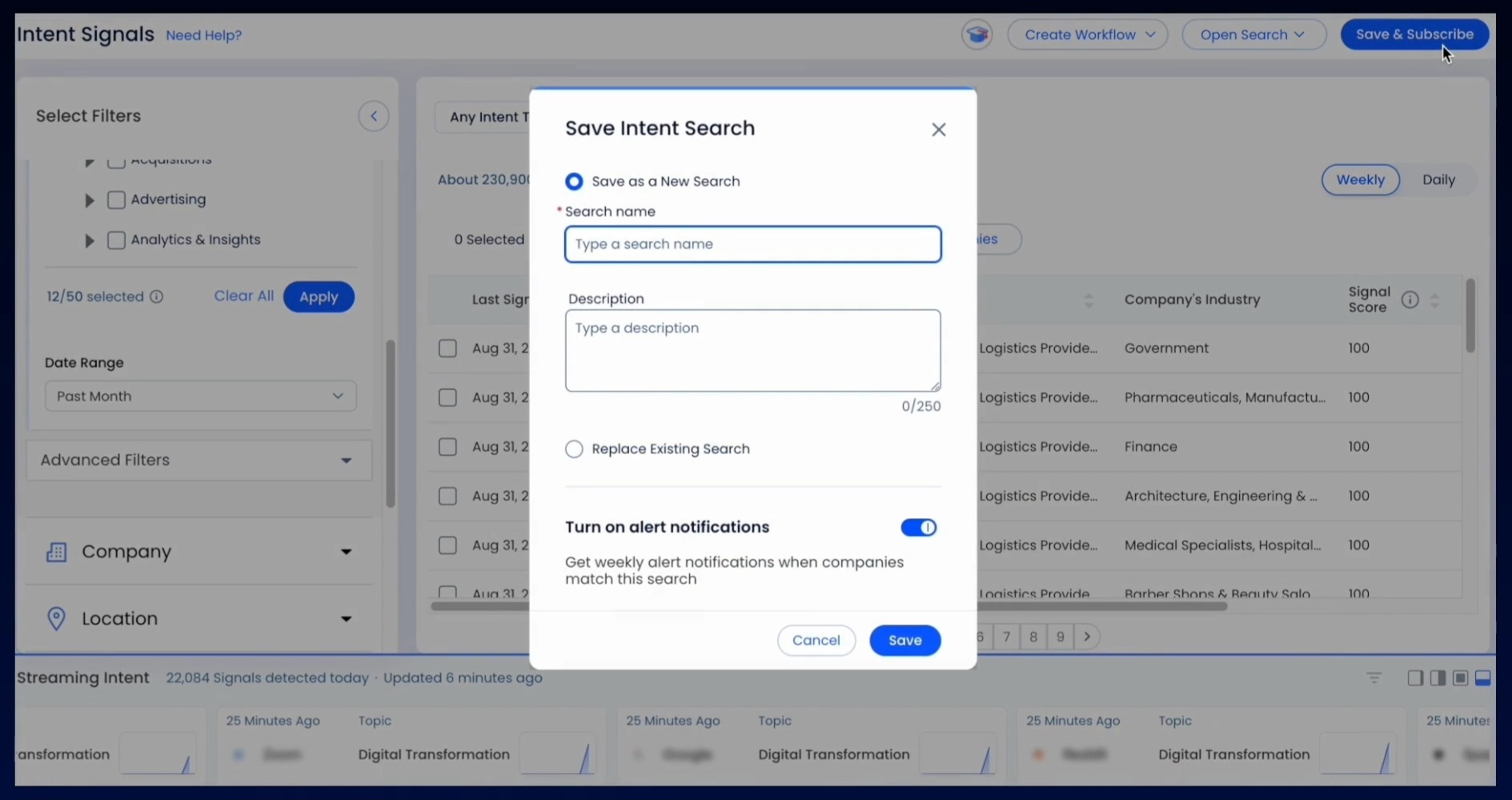
That intelligence powers ZoomInfo's buyer intent signals, which track when companies are researching topics related to your services, drawing from 210 million IP-to-Organization pairings.
Source: ZoomInfo
For a mechanical contractor, that might mean knowing which building owners are researching HVAC system replacements, energy efficiency upgrades, or facility maintenance providers before those prospects contact a competitor.
The intelligence flows into whichever operational platform you use. ZoomInfo integrates with Salesforce, enriching CRM records with verified contact data and surfacing intent signals in the sales workflow. For WennSoft users on Microsoft Dynamics, ZoomInfo integrates with Microsoft Dynamics 365, feeding the same intelligence into the Microsoft ecosystem.
"ZoomInfo gives us the information we need to execute. We don't have to spend our time digging. It's already there, so we can be three steps ahead." (Vensure)
For a closer look at how Salesforce and ZoomInfo compare as standalone go-to-market platforms, see our Salesforce vs. ZoomInfo comparison.
Mobile workforce: the technician's daily tool
For field service businesses, the mobile app isn't optional. It's where work gets done.
WennSoft's MobileTech is built for skilled trade technicians.
Used by over 12,000 professionals, it handles appointment management, labor and time entry, inventory consumption (with multi-select for up to five items at once), field invoicing with customer signatures, equipment tracking with refrigerant compliance, and task management with equipment-based auto-assignment.
It works offline in Device Mode, keeping full data on the device for mechanical rooms, basements, and remote job sites where connectivity is unreliable. The 2026 release added MobileTech+, an AI add-on that generates call resolution summaries for technicians.
Salesforce's Field Service mobile app covers similar ground, with work order management, offline access, and a knowledge base for technicians.
AI-powered pre-work briefs give technicians context before arriving on site. Visual Remote Assistant provides AR-based expert guidance. It's a capable app, but it's designed for any field service industry, not specifically for the trades.
The difference shows in the details.
MobileTech knows what a service call looks like in a mechanical contracting business. A technician closing an appointment might need to record refrigerant data, capture equipment readings, and log costs against a specific job cost code, all from the same screen. Salesforce's mobile app can be configured to do these things, but the out-of-box experience requires setup that MobileTech handles natively.
Pricing and implementation complexity
Neither WennSoft nor Salesforce makes pricing straightforward.
WennSoft does not publish pricing on its website.
Every product page directs buyers to request a demo. Because WennSoft is an add-on to Microsoft Dynamics GP or Business Central, buyers face a multi-component cost: the underlying Microsoft ERP license (purchased separately), WennSoft product licenses for each module (Signature, MobileTech, Telematics, Time), and professional services for implementation.
Reviewers on Capterra have noted that "industry specific needs often require expensive customization" and that implementation consultant quality can be inconsistent. WennSoft sells through a network of reselling partners including BDO, Stoneridge, and Diamond.
Salesforce publishes list prices, but the real cost is more complex.
Sales Cloud and Service Cloud range from $25/user/month (Starter Suite) to $350/user/month (Unlimited), with the Enterprise tier at $175/user/month. Field Service starts at $175/user/month as an add-on. Digital engagement adds $75/user/month. Agentforce AI adds $125/user/month.
For a 50-person contractor with 30 field technicians and 20 office staff, the software cost alone can exceed $100,000 annually before implementation. And implementation typically requires partners (over 70% of deployments are partner-led), adding professional services costs on top.
ZoomInfo offers consumption-based pricing for paid plans, but also provides two free entry points: ZoomInfo Lite (a permanent free tier with access to the B2B database, 10 monthly export credits, and basic search filters) and a 7-day free trial of full platform capabilities.
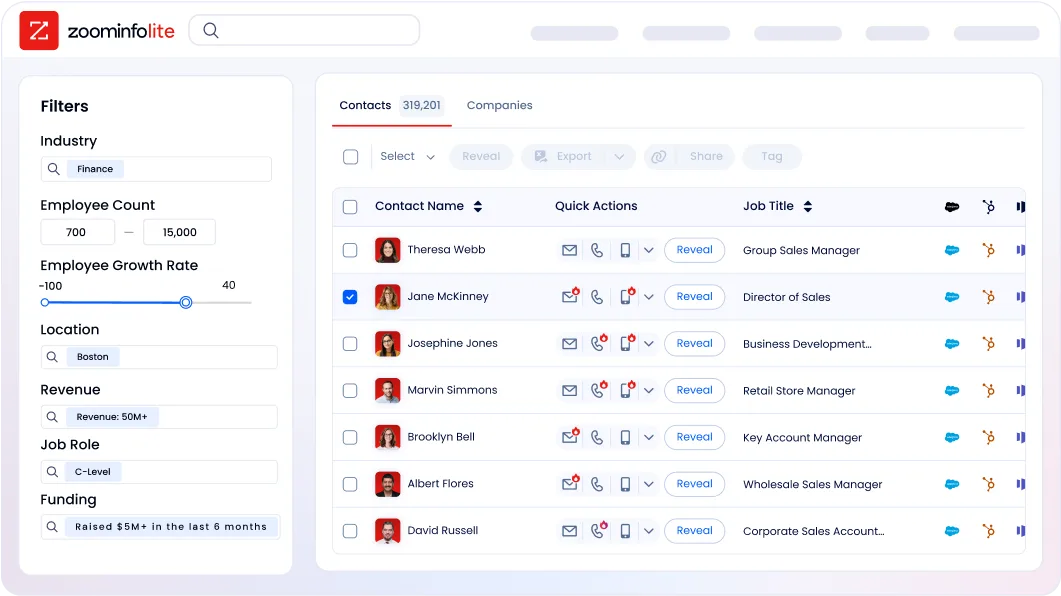
Paid plans scale based on usage, number of users, and feature access. For a contractor testing whether B2B intelligence drives new business, the free tier is a low-risk starting point.
The platform lifecycle question
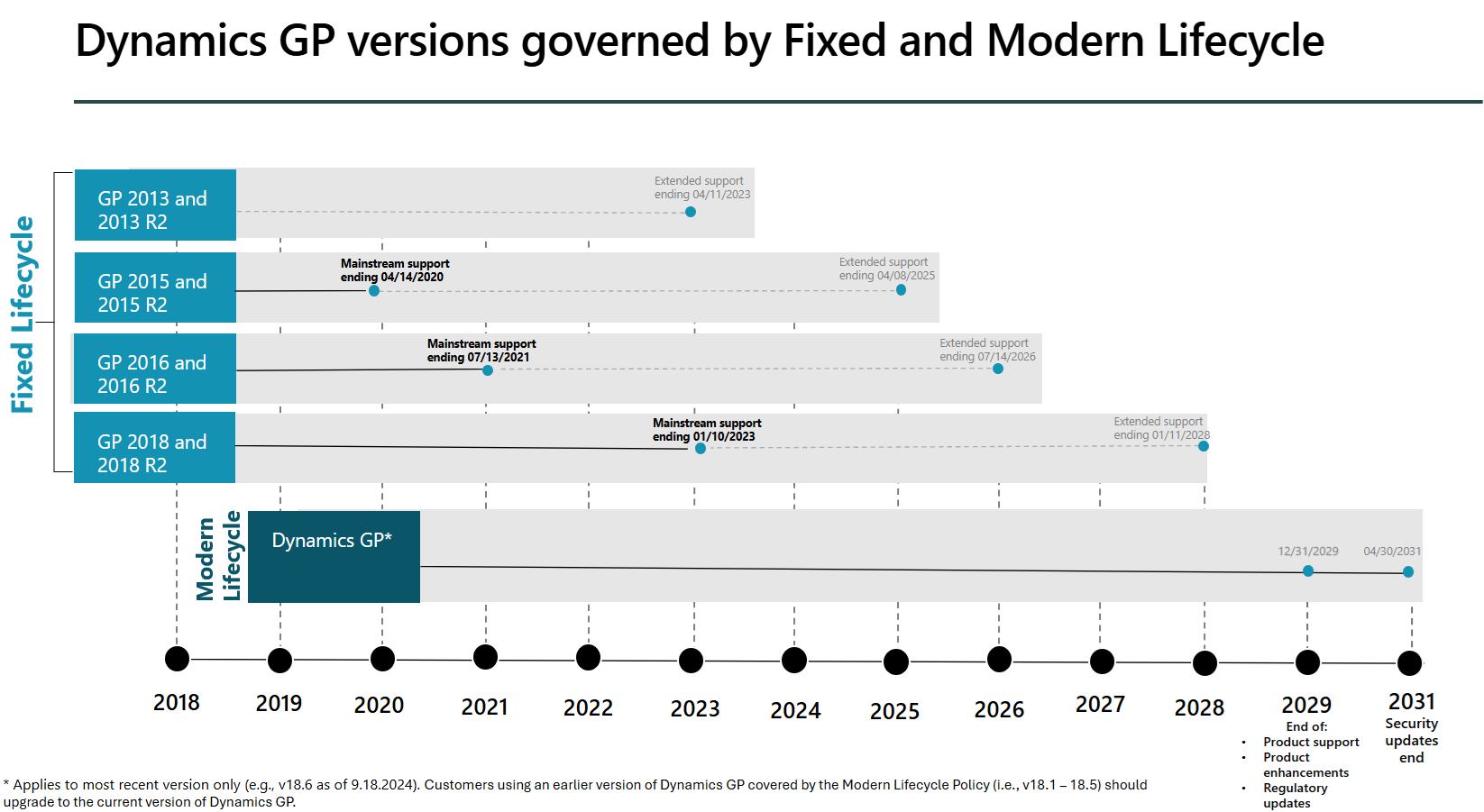
One factor unique to the WennSoft evaluation: Dynamics GP has a known end-of-support date.
Microsoft will end enhancements for GP on December 31, 2029, with security patches only through April 2031. WennSoft has made a public commitment to continue developing Signature through at least 2031, and has built WennSoft FORGE, a cloud-native platform on Microsoft Dynamics 365 Business Central, as the migration path.
Source: WennSoft
FORGE brings WennSoft's contractor workflow logic to the cloud, with an AI assistant called Wennston (powered by Azure AI Foundry) that guides users through setup and planning. But FORGE is still establishing its customer base. The product page has no published case studies or named reference customers, which means buyers evaluating it today are betting on the platform's maturity trajectory.
Salesforce faces no such lifecycle concern.
As a $41.5 billion public company with its own cloud infrastructure, Salesforce's platform continuity isn't in question. Three seasonal releases per year deliver continuous updates without customer-managed upgrades.
ZoomInfo, as a public company (NASDAQ: GTM) generating $1.25 billion in annual revenue, presents no platform continuity risk either.
Its data infrastructure has been built and maintained over nearly two decades.
Key2Act (WennSoft) vs. Salesforce vs. ZoomInfo: Which should you choose?
These three platforms solve different problems. The right combination depends on where your business needs the most help.
Choose WennSoft if:
You're a commercial HVAC, mechanical, plumbing, or electrical contractor
You run (or plan to run) Microsoft Dynamics GP or Business Central
You need job costing, service management, and equipment tracking built into your ERP
Your technicians need a mobile app designed for the trades, not adapted for them
Regulatory compliance features (refrigerant tracking, certified payroll) matter to your work
Choose Salesforce if:
You need a broad platform covering sales, service, marketing, and analytics
Your organization spans multiple departments beyond field service
You have the budget and administrative capacity for enterprise software
You want AI capabilities (Agentforce) across your entire customer lifecycle
You're not tied to the Microsoft Dynamics ERP ecosystem
Add ZoomInfo if:
You need to systematically find and engage new commercial accounts
You want verified contact data for facility managers, building owners, and decision-makers
Intent signals showing which companies are researching your services would change how you sell
You want the intelligence to flow directly into Salesforce or Microsoft Dynamics
You're ready to move from reactive referral-based growth to proactive prospecting
Start with ZoomInfo's free tier and see how B2B intelligence changes your pipeline.
"Without ZoomInfo, it would be extremely difficult, if not impossible, to achieve our business objectives. Without it, we wouldn't be able to understand the market, have the right contact data, and make meaningful connections." (Smartsheet)
These platforms aren't competing for the same job. WennSoft runs your service operations. Salesforce manages your customer relationships. ZoomInfo fills the pipeline that feeds both. For a growing contractor, the question isn't which one to choose. It's which combination gives you both operational control and a steady flow of new business.
Key2Act vs. Salesforce vs. ZoomInfo FAQ
What happened to Key2Act? Is it the same as WennSoft?
Yes. WennSoft rebranded to Key2Act in October 2015, then reverted to the WennSoft name in February 2023 when Volaris Group acquired it. The products, team, and technology are the same. If you're searching for Key2Act, you're looking at WennSoft.
Which platform is better for a commercial HVAC or mechanical contractor?
WennSoft is the stronger fit for contractors who need trades-specific workflows. Its Signature suite was built by a mechanical contractor and includes service management, job costing, equipment management, maintenance contracts with automated PM generation, and refrigerant tracking for EPA compliance, all integrated into Microsoft Dynamics GP.
Salesforce Field Service handles scheduling and dispatch well but lacks trades-specific functionality out of the box.
Does Salesforce work for field service businesses?
Yes. Salesforce Field Service includes AI-powered scheduling, a mobile app with offline capability, work orders, asset management, and Visual Remote Assistant. Customers report a 31% increase in first-time-fix rate. However, it requires configuration to match trades-specific workflows, and the full platform cost (CRM plus Field Service plus add-ons) can be substantial for a mid-sized contractor.
Can WennSoft and ZoomInfo work together?
Yes. WennSoft runs on Microsoft Dynamics GP or Business Central, and ZoomInfo integrates with Microsoft Dynamics 365. Contractors can use ZoomInfo to identify and qualify new commercial accounts, then manage the resulting service relationships through WennSoft.
ZoomInfo's B2B data (including 500M contacts and 135M+ verified phone numbers) helps contractors reach facility managers and building owners who award service contracts.
What happens to WennSoft when Microsoft Dynamics GP reaches end of support?
Microsoft will end GP enhancements on December 31, 2029, with security patches through April 2031. WennSoft has committed to continuing Signature development through at least 2031 and has built FORGE, a cloud-native platform on Dynamics 365 Business Central, as the migration path. Contractors on Signature have a multi-year runway to evaluate and plan a transition.
How does ZoomInfo help a field service company that primarily grows through referrals?
ZoomInfo complements referral-based growth by adding systematic outreach.
Its buyer intent data identifies companies researching services similar to yours, its company profiles reveal building owners and facility managers in your target market, and its verified contact data provides direct-dial numbers and emails for reaching decision-makers. Contractors using ZoomInfo can pursue commercial accounts proactively instead of waiting for referrals.
Which platform is most expensive to implement?
Salesforce typically costs the most to implement. List prices start at $175/user/month for Field Service, with additional charges for CRM, AI, and digital engagement features. Over 70% of Salesforce deployments are partner-led, adding services costs.
WennSoft does not publish pricing but involves ERP licensing costs, per-module product licenses, and partner-led implementation.
ZoomInfo offers a permanent free tier for initial evaluation, with paid plans scaling by usage.
Does WennSoft have AI capabilities?
AI is available only in WennSoft FORGE, the cloud-native platform built on Dynamics 365 Business Central. FORGE includes an AI assistant called Wennston (powered by Azure AI Foundry) that helps with setup, planning, and generating appointment resolution summaries.
The legacy Signature platform on Dynamics GP does not include AI features. MobileTech+ (released February 2026) adds AI call summary generation as an optional paid upgrade.
More Salesfoce alternatives:
