

Choosing between Mailchimp vs. SharpSpring for your marketing often comes down to five questions:
Do you need an accessible email and SMS marketing tool, or a marketing automation platform with a built-in CRM?
Is your priority sending campaigns to a large audience, or tracking individual leads through a multi-touch sales cycle?
Are you a B2C or e-commerce business focused on customer engagement, or a B2B company focused on pipeline and revenue?
Do you want a tool your team can use in hours, or are you willing to invest weeks in onboarding for deeper capabilities?
Is lead scoring and behavioral tracking across your website critical to your sales process?
In short, here's what we recommend:
Mailchimp is the best choice for small-to-mid-market businesses that need email and SMS marketing without a steep learning curve.
With over 11 million users, 300+ integrations, and a free tier, Mailchimp makes it easy to build audiences, launch campaigns, and automate post-purchase flows. Its AI tools help small teams draft content and optimize send times, while native Shopify, WooCommerce, and QuickBooks integrations make it a natural fit for e-commerce.
However, Mailchimp's CRM is lightweight, its lead scoring is limited to predictive purchase propensity, and it has no built-in sales pipeline, making it a poor fit for B2B teams that need to track deals from first touch to close.
SharpSpring (now Constant Contact Lead Gen & CRM) is built for marketing agencies and B2B companies that need marketing automation and CRM in one system, at a fraction of what HubSpot or Pardot charges.
Its behavioral tracking engine follows leads across devices and sessions, its configurable lead scoring includes decay rates for cooling interest, and its visual pipeline ties marketing activity directly to revenue. Agencies get white-label capability, multi-client management, and month-to-month contracts.
The trade-off: a steeper learning curve, a dated interface compared to newer tools, and limited e-commerce and SMS capabilities.
Both platforms serve their audiences well. But businesses comparing Mailchimp and SharpSpring often face a deeper question: how do you connect your marketing activity to the data that tells you who to target, when to engage, and why a deal is moving? That's where ZoomInfo enters the picture.
ZoomInfo is an AI-powered go-to-market platform that operates at a different layer than either Mailchimp or SharpSpring. Instead of sending emails or managing pipelines, ZoomInfo provides the intelligence that makes those activities effective.
Built on a B2B data platform covering 500M contacts, 100M companies, 135M+ verified phone numbers, and 200M+ verified business emails, ZoomInfo's GTM Context Graph combines this data with your CRM records, conversation transcripts, and behavioral signals to reveal not just what's happening in your pipeline, but why.
Sales teams access this intelligence through GTM Workspace, marketers and RevOps teams build plays in GTM Studio, and any tool in your stack can tap the same data through APIs and MCP.
For B2B teams outgrowing their current marketing platform's ability to identify, prioritize, and reach the right buyers, ZoomInfo is the intelligence layer that powers the go-to-market motion.
If connecting your marketing execution to B2B intelligence sounds like the missing piece, see how ZoomInfo works with a free trial.
Mailchimp vs. SharpSpring vs. ZoomInfo at a glance
Mailchimp | SharpSpring | ZoomInfo | |
|---|---|---|---|
Core function | Email & SMS marketing platform | Marketing automation + CRM | AI-powered GTM intelligence platform |
Primary audience | B2C, e-commerce, SMBs | B2B SMBs, marketing agencies | B2B sales, marketing, and RevOps teams |
Email marketing | Full-featured with AI content generation | Integrated with CRM and behavioral data | Not an email sending tool; powers the data behind outreach |
CRM capability | Lightweight contact profiles | Full pipeline and deal management | 500M-contact B2B database + GTM Context Graph intelligence |
Lead scoring | Predictive purchase likelihood (Standard+) | Configurable behavioral scoring with decay | AI-powered account fit scoring and buyer intent signals |
Integrations | 300+ native integrations | Salesforce, GoToWebinar, Facebook Ads + Zapier | 172+ marketplace integrations + API + MCP for any tool |
SMS marketing | Native add-on in select countries | Not available | Not applicable |
Learning curve | Minimal | Moderate to steep | Moderate (GTM Workspace); steeper for full platform |
Free option | Free plan (250 contacts) | No free plan; demo required | ZoomInfo Lite (free, permanent) + 7-day trial |
Starting price | $13/month (Essentials) | Custom quoted (contact-based) | Custom quoted (consumption-based) |
Best for | E-commerce and B2C marketing teams | B2B agencies and SMBs needing automation + CRM | B2B teams needing intelligence to drive pipeline |
Email marketing: reach vs. relevance
Mailchimp and SharpSpring both send emails. The similarity ends there.
Mailchimp has spent 24 years refining the email campaign experience. The drag-and-drop builder offers 130+ templates, Intuit Assist generates first drafts of entire emails, and the Subject Line Helper draws on data from over 10,000 emails sent every second.
For e-commerce brands, Mailchimp's 45+ prebuilt automation flows cover abandoned cart recovery, post-purchase sequences, and back-in-stock alerts. Customers using automation flows see up to 9x more revenue compared to bulk email.
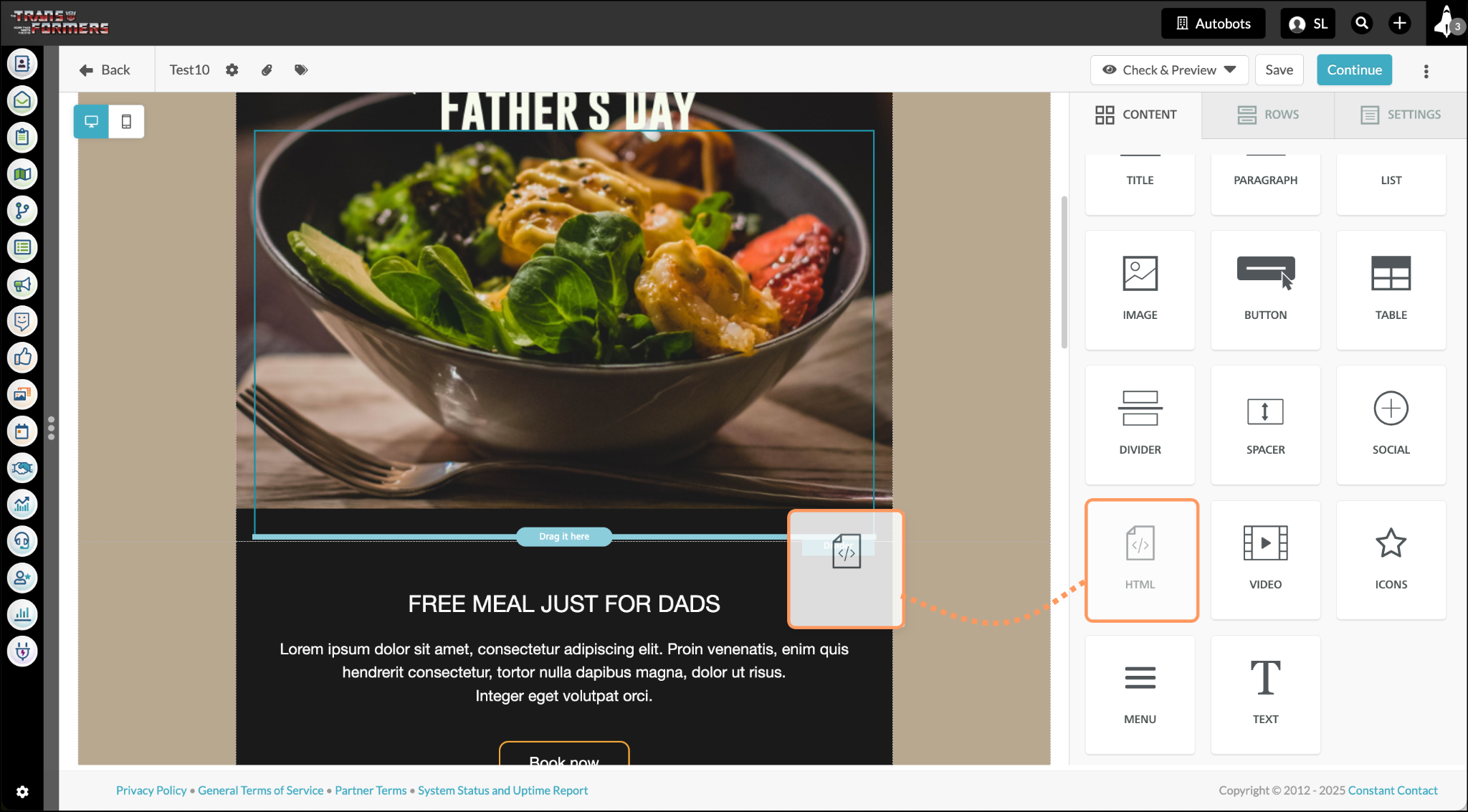
SharpSpring's email builder is functional but less polished. It supports drag-and-drop and raw HTML editing, A/B testing, and merge-field personalization.
Source: SharpSpring
Where SharpSpring pulls ahead is what happens around the email. Every open, click, and conversion feeds into the contact's Life of the Lead timeline and adjusts their lead score in real time.
A click on a pricing link doesn't just register as a metric. It can trigger a sales alert, route the lead into a new nurture sequence, and push a task to the assigned rep's queue. The email isn't the end product. It's a behavioral trigger in a larger sales motion.
For a retail brand sending a weekly promotion to 50,000 subscribers, Mailchimp is the clear choice. For a B2B services firm nurturing 2,000 leads through a six-month sales cycle, SharpSpring's behavioral integration gives every email a purpose beyond the inbox.
CRM and pipeline: the divide between marketing and sales
This is where Mailchimp and SharpSpring diverge most sharply.
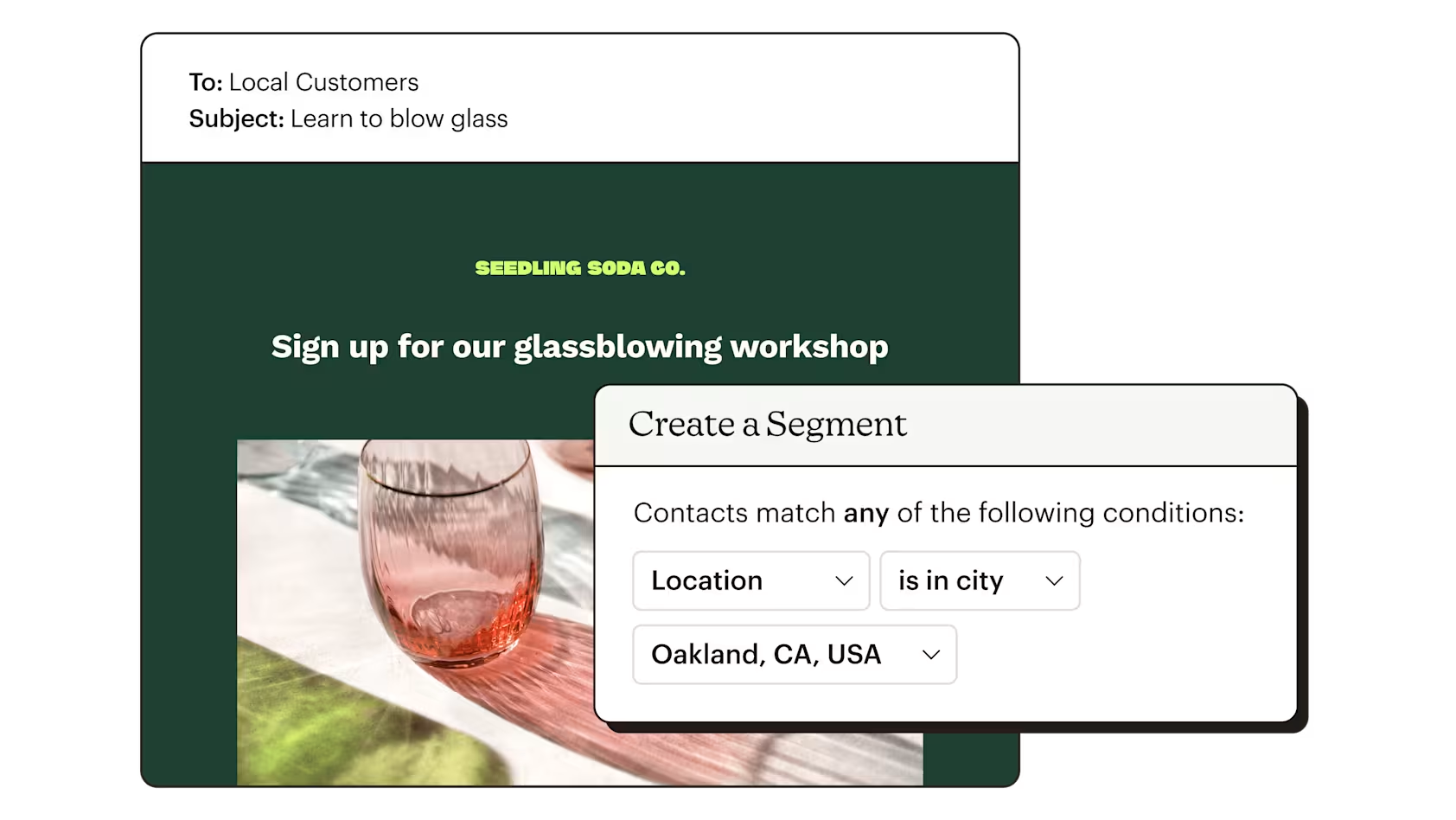
Mailchimp offers what it calls a Marketing CRM: contact profiles, tags, audience segmentation, and purchase history. It tells you who opened your last campaign and what they bought. It does not track deals, manage sales pipelines, assign territories, or log sales calls.
Source: Mailchimp
If your business needs to follow a lead from first website visit through proposal to signed contract, Mailchimp has no mechanism for that. You'd need a separate CRM (Salesforce, HubSpot, Pipedrive) and an integration to bridge the gap.
SharpSpring built its CRM into the same platform as its marketing automation. Contacts have unified records spanning email engagement, website visits, social interactions, and deal status. The visual pipeline uses drag-and-drop deal cards with stage-based probability and expected value.
Move a deal from "proposal sent" to "negotiation," and SharpSpring can automatically trigger a new email sequence, assign a follow-up task, and alert the rep's manager. Multiple pipelines support agencies or multi-product businesses managing separate deal flows.
The CRM isn't enterprise-grade. TechRadar notes it "may lack a few of the more advanced features you'd find in a standalone system." Account-level features and advanced forecasting remain limited.
But for SMBs and agencies that need marketing and sales data in one place without paying HubSpot Enterprise prices, SharpSpring eliminates the integration gap that teams hit when using Mailchimp alongside a separate CRM.
Lead scoring and behavioral tracking: knowing who's ready to buy
Lead scoring separates marketing platforms from marketing automation platforms.
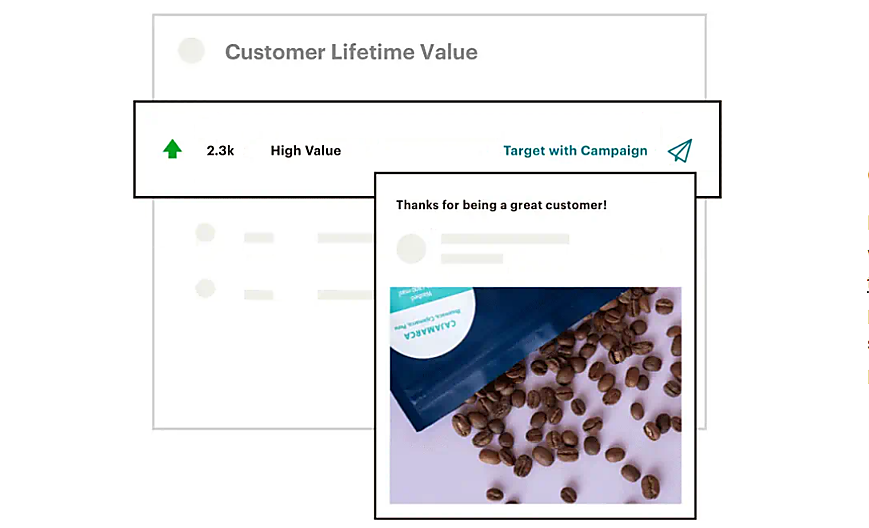
Mailchimp offers predictive analytics on Standard and Premium plans. Its AI generates four scores per contact: Likelihood to Purchase, Predicted Customer Lifetime Value, Predicted Time to Next Purchase, and Customer Churn Risk.
Source: Mailchimp
These help with e-commerce segmentation, but they predict purchase behavior based on transaction history. They don't score leads based on what pages they visited on your website, whether they downloaded a whitepaper, or how many times they've returned to your pricing page this week.
SharpSpring's lead scoring system is designed for B2B buying cycles. The platform assigns scores based on two categories: behavioral signals (page visits, email opens, form fills, content downloads) and demographic fit (job title, company size, industry).
The distinguishing feature is lead score decay: engagement-based scores have a configurable half-life, so a lead who was active three months ago but went quiet automatically drops in priority. Demographic scores don't decay, keeping strong-fit contacts visible even during quiet periods.
The VisitorID feature takes this further by identifying anonymous website visitors before they fill out a form, building behavioral profiles on the 98% of traffic that never converts. When an anonymous visitor eventually submits a form, their entire browsing history retroactively attaches to their contact record.
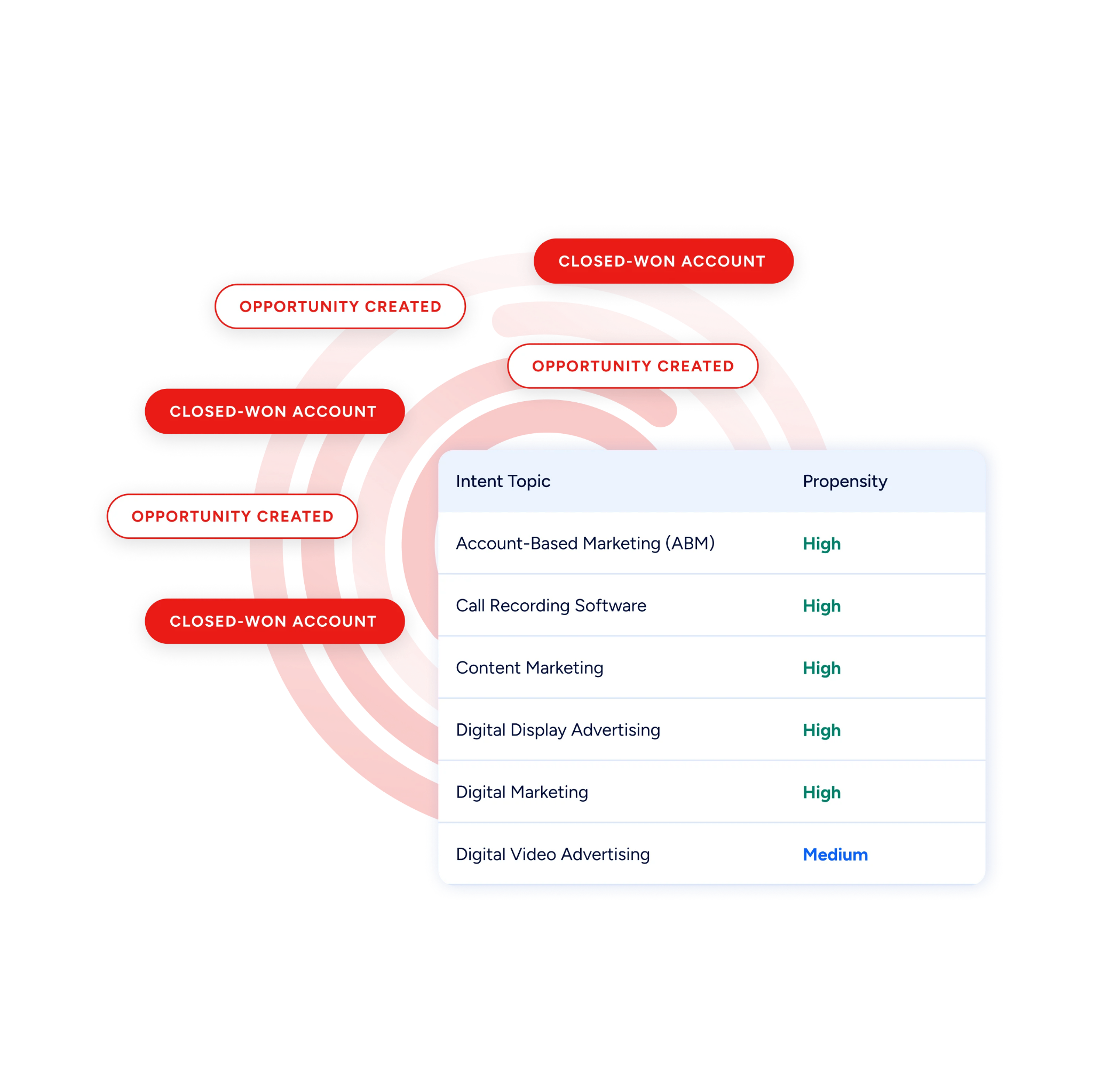
For ZoomInfo customers, account prioritization works at a different scale. ZoomInfo's Buyer Intent tracks signals from 210 million IP-to-Organization pairings and 6 trillion+ new keyword-to-device pairings sourced monthly, identifying when companies are actively researching topics relevant to your product.
Source: ZoomInfo
Guided Intent, exclusive to ZoomInfo, identifies the topics historically correlated with your deal success rather than requiring manual topic selection.
Combined with the GTM Context Graph, which reasons across CRM data, conversation intelligence, and third-party signals, ZoomInfo doesn't just score leads. It explains why an account is moving and what action to take next.
Seismic's sales team attributed 39% of active pipeline to opportunities identified or influenced by ZoomInfo signals, while boosting productivity by 54%. (Seismic case study)
Automation depth: templates vs. workflows
Mailchimp's automation is built for marketers who need campaigns running without daily oversight. The Marketing Automation Flows builder (formerly Customer Journey Builder) offers 60+ prebuilt templates covering welcome series, abandoned cart, birthday emails, and post-purchase cross-sell.
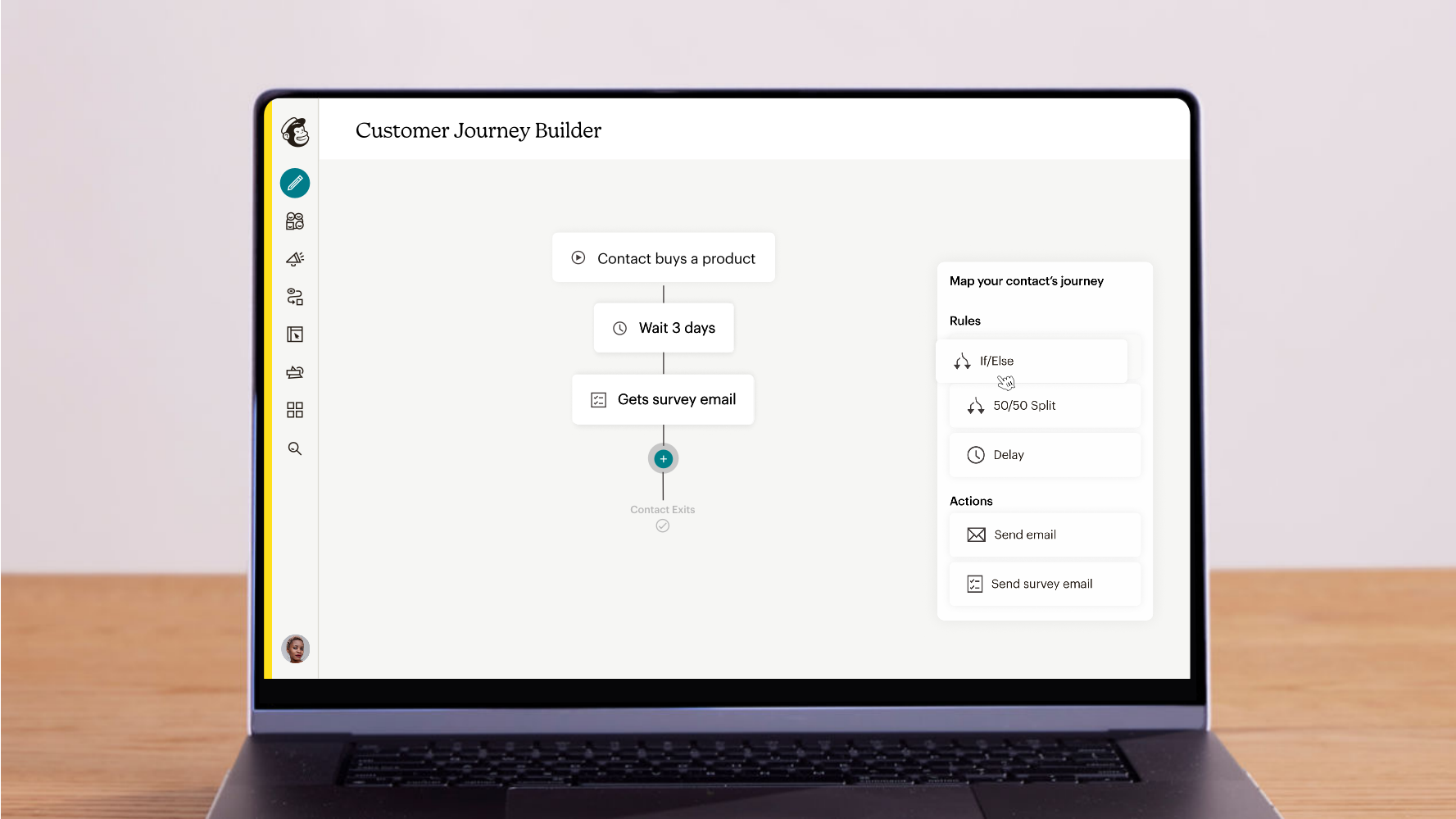
Source: Mailchimp
Standard and Premium plans unlock multiple starting points, branching logic, and AI-optimized send times. Mailchimp reports 127% higher click rates for automated emails versus bulk sends.
SharpSpring's visual workflow builder is designed for multi-step B2B nurture sequences that respond to what leads actually do.
Triggers include page visits, form fills, email engagement, lead score thresholds, deal stage changes, and CRM field updates. Workflows support multi-branch conditional paths, time delays, and persona-based routing.
A contact who visits your case studies page and then opens a pricing email can be automatically routed into a high-intent sequence, while a contact who downloads a whitepaper but never returns might enter a slower educational drip.
The Sales Optimizer adds a sales-specific automation layer. When a deal moves stages, the system can automatically send relevant content, queue tasks for the rep, and fire reminders, all based on rules rather than manual action.
This closes the gap between marketing nurture and sales execution without requiring Zapier or middleware.
For teams using ZoomInfo, automation takes a different form. GTM Studio lets marketers and RevOps teams describe audiences in natural language, launch multi-channel plays targeting accounts that match proven win patterns, and watch pipeline impact in real time.
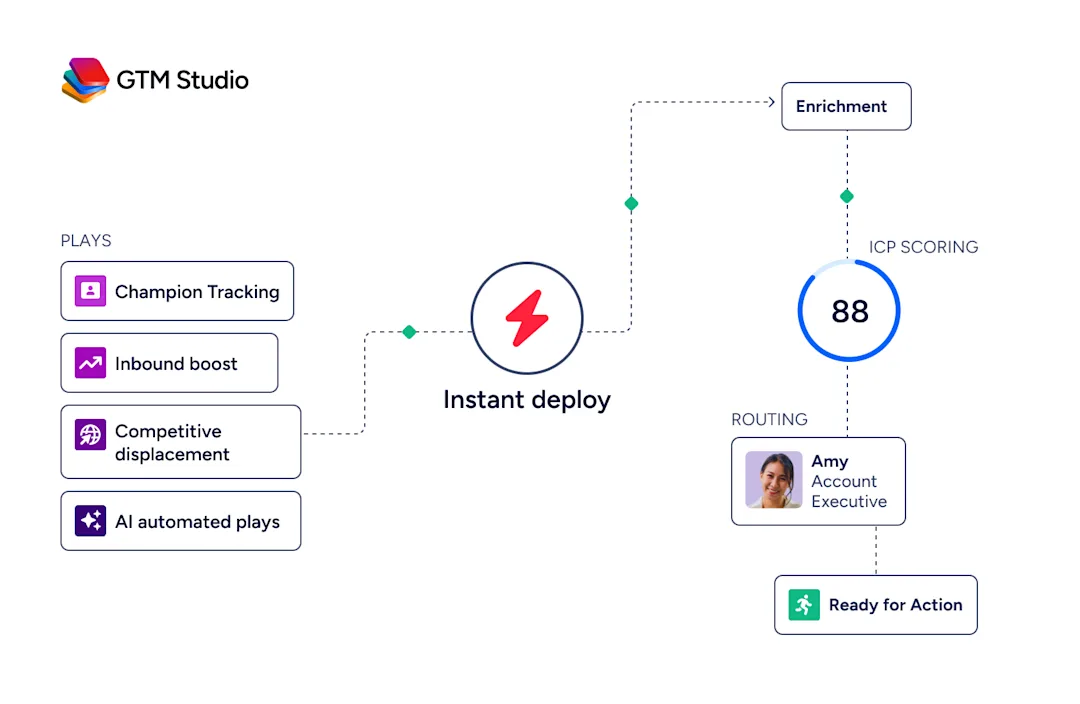
Source: ZoomInfo
Plays that used to take three weeks now launch in 30 minutes, and every click, open, and reply improves targeting automatically.
The agency question: white-label vs. self-serve
If you run a marketing agency managing multiple clients, SharpSpring was designed with you in mind. The platform offers white-label capability with a rebrandable interface, single sign-on for managing all client accounts from one console, and month-to-month contracts with no long-term commitment.
Agencies keep 75%+ of what they charge clients, and pricing sits at a fraction of the cost of HubSpot or Pardot. SharpSpring serves more than 2,000 agencies globally.
Mailchimp doesn't offer white-label capability. Agencies can manage client accounts through separate logins or use the Expert marketplace to offer services, but there's no multi-client management console, no rebrandable interface, and no agency-specific pricing model.
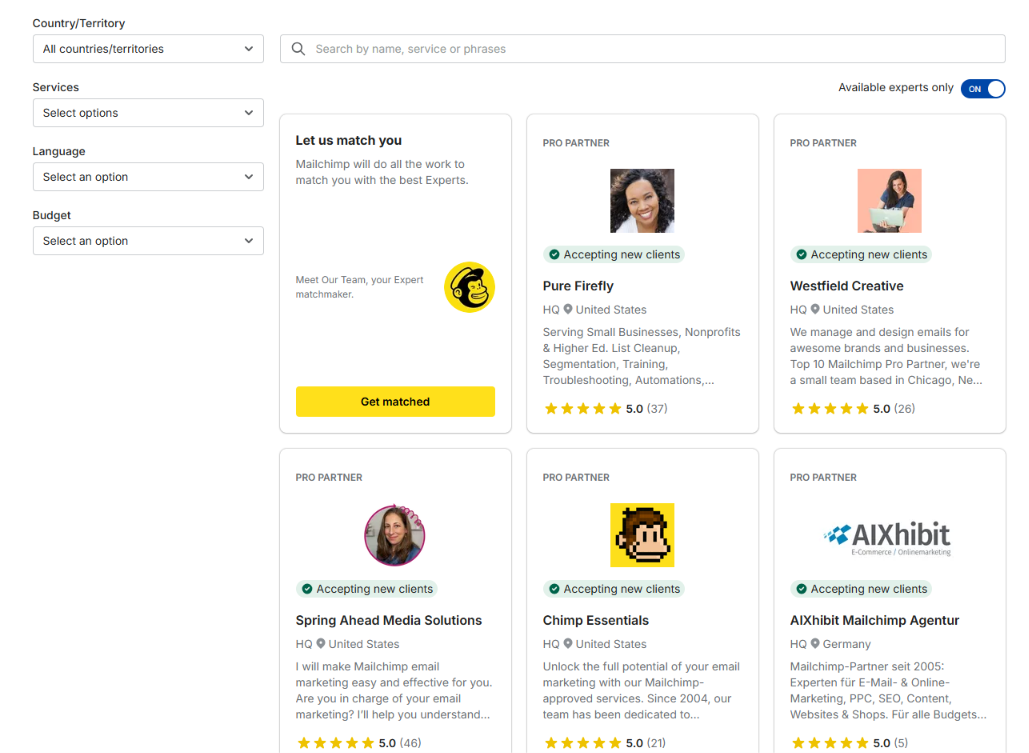
Source: Mailchimp
For agencies whose clients primarily need email marketing and simple automation, Mailchimp works, but the overhead of managing each account independently adds up.
Data and intelligence: the layer beneath marketing execution
Both Mailchimp and SharpSpring capture data about what your contacts do after they enter your system. Mailchimp tracks email engagement, purchase behavior, and website activity (with the new Site Tracking Pixel).
SharpSpring tracks those same signals plus cross-device browsing, form fills, social interactions, and sales conversations. Both help you understand your existing audience.
Neither tells you who you should be targeting in the first place.
This is ZoomInfo's domain. While Mailchimp and SharpSpring manage the contacts you already have, ZoomInfo provides the intelligence to find the contacts you don't.
The platform covers 500M contacts and 100M companies with verified direct-dial phone numbers, business emails, org charts, technographics, and intent signals.
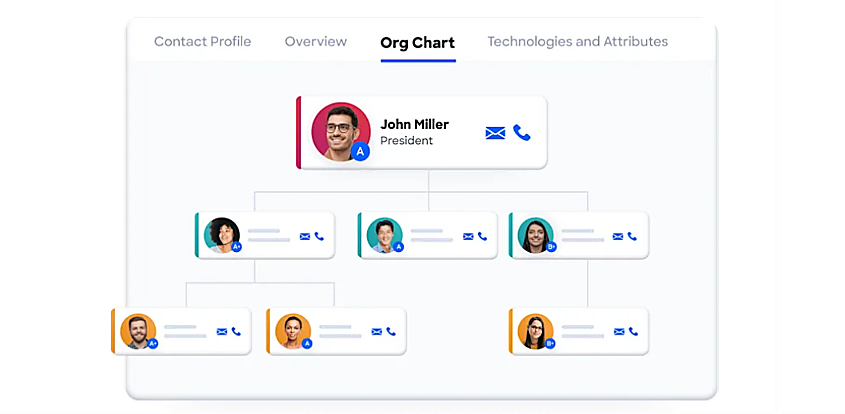
Source: ZoomInfo
A Fortune 500 competitive RFP analyzing 25 million contacts across vendors concluded that "no other competitor came even close."
For B2B teams, this intelligence layer changes the go-to-market motion. Instead of waiting for leads to find you and enter your Mailchimp or SharpSpring database, ZoomInfo identifies which companies are actively researching your category, surfaces the decision-makers within those accounts, and delivers that intelligence into whichever tools your team uses (ZoomInfo's own GTM Workspace for sellers, GTM Studio for marketers, or your existing CRM and marketing automation platform via API or MCP).
Vensure scaled prospecting with ZoomInfo's data: "ZoomInfo gives us the information we need to execute. We don't have to go through and spend our time digging. It's already there, so we can be three steps ahead." (Vensure case study)
Pricing structures reflect different buyers
Mailchimp uses contact-count pricing with four tiers. The Free plan supports 250 contacts and 500 emails per month. Essentials starts at $13/month (500 contacts), Standard at $20/month, and Premium at $350/month.
Costs scale with contact count: 10,000 contacts on Standard runs roughly $100/month. SMS is a paid add-on with credits that don't roll over. A 15% introductory discount applies to plans with 10,000+ contacts for the first year.
One pricing catch: Mailchimp bills based on peak contact count during a billing period, including contacts who unsubscribed but haven't been archived or deleted. This can inflate costs if you don't maintain list hygiene.
SharpSpring uses contact-based tiered pricing, but the pricing page doesn't display public prices; prospective customers schedule a demo. Historically, SharpSpring has cost roughly one-tenth of competing solutions like HubSpot.
All plans include the full feature set (marketing automation, CRM, pipeline management, analytics), and agencies get month-to-month contracts with no long-term commitment. The absence of transparent pricing is a barrier for self-serve buyers.
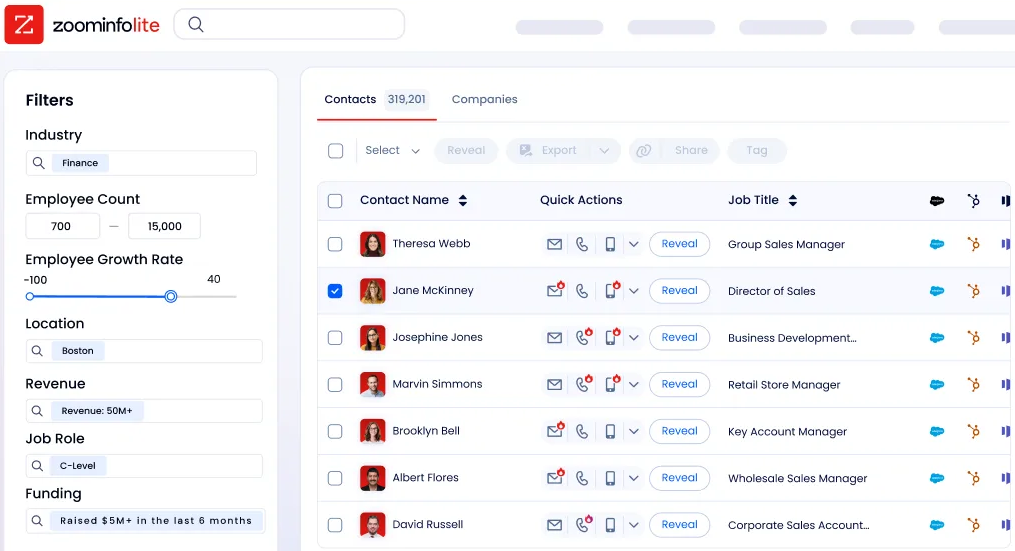
ZoomInfo uses consumption-based pricing with no publicly listed prices. Costs scale around seats, data credits (1 credit = 1 contact export), and feature tier (Professional, Advanced, or Enterprise).
ZoomInfo Lite provides permanent free access with 10 monthly export credits, and a 7-day free trial is available for the full platform. The effective cost depends on usage patterns, making direct comparison difficult without a custom quote.
Source: ZoomInfo
Integration ecosystems show platform maturity
Mailchimp's 300+ integrations span every major e-commerce platform (Shopify, WooCommerce, BigCommerce, Squarespace), design tools (Canva), analytics (Google Analytics), CRMs (Salesforce), and financial tools (QuickBooks, Square). The Zapier integration extends connectivity to thousands more apps.

Source: Mailchimp
The Marketing API is well-documented with an OpenAPI specification, official client libraries in PHP, Node.js, Python, and Ruby, and mobile SDKs for iOS and Android. Mailchimp's integration depth reflects 24 years of ecosystem building.
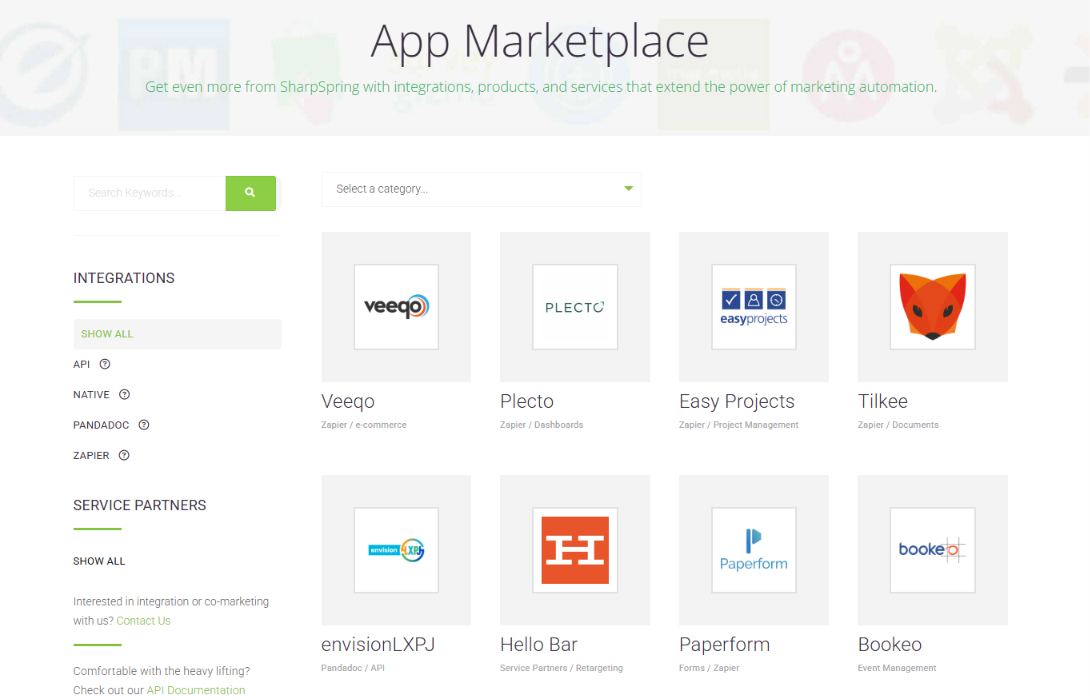
SharpSpring's native integrations are more limited: Salesforce, GoToWebinar, and Facebook Lead Ads are the confirmed built-in connections.
The App Marketplace extends reach through API-based and Zapier-based connectors across CRM, CMS, analytics, and e-commerce categories.
Source: SharpSpring
The open API uses JSON-RPC rather than REST, with a daily quota of 50,000 requests and a cap of 10 queries per second. No official SDKs exist; community-maintained libraries are available in PHP, Python, and C#.
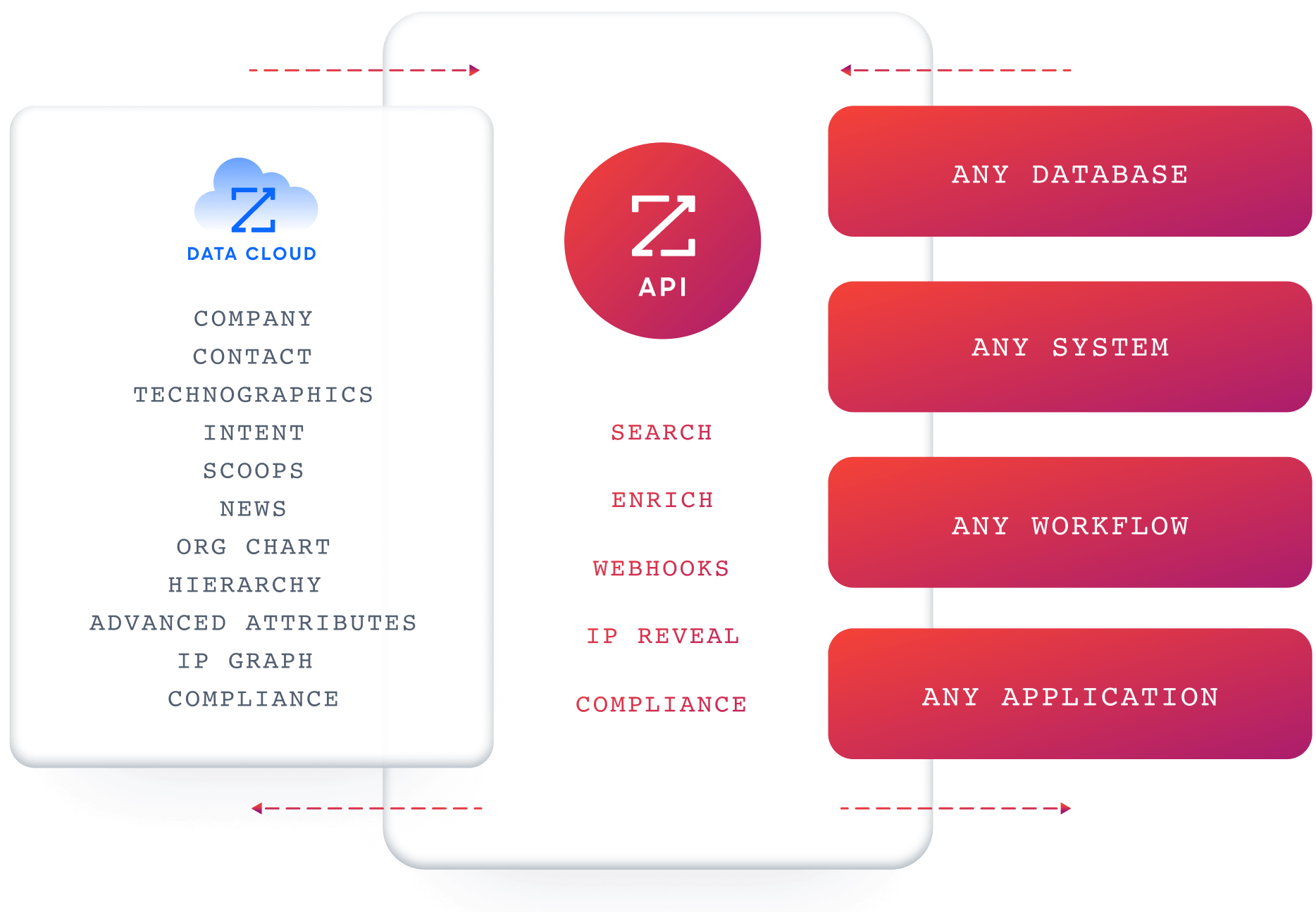
ZoomInfo's Marketplace lists 172+ integrations, with native connections to Salesforce, HubSpot, Microsoft Dynamics 365, Snowflake, and Databricks.
The Enterprise API uses OAuth 2.0 with PKCE, supports search-then-enrich patterns, and offers tiered rate limits up to 35 requests per second.
Source: ZoomInfo
The MCP server enables any AI agent (including Claude and ChatGPT) to access ZoomInfo's B2B intelligence through natural language.
For teams building custom workflows, ZoomInfo functions as infrastructure rather than a point solution.
Support models match each platform's complexity
Mailchimp's support scales with your plan. Free users get email support for 30 days only. Essentials and Standard include 24/7 email and chat. Premium adds phone support and up to four onboarding sessions.
The Help Center offers video tutorials, step-by-step guides, and a developer documentation portal. For most users, the platform is intuitive enough that support is rarely needed.

Source: Mailchimp
SharpSpring provides more hands-on onboarding, which reflects its steeper learning curve. Agency partners receive a dedicated Onboarding Specialist during a 60-day training period, and agency support is always free and unlimited. Technical support is available by phone Monday through Friday.
The Knowledge Base includes 100+ training videos and article guides. Reviewers praise support responsiveness, even as they acknowledge the platform's complexity.
ZoomInfo's onboarding program runs 90 days, structured across planning, implementation, education, and adoption. The program produced a 25% improvement in customer satisfaction scores and won Rocketlane's Golden Comet award.
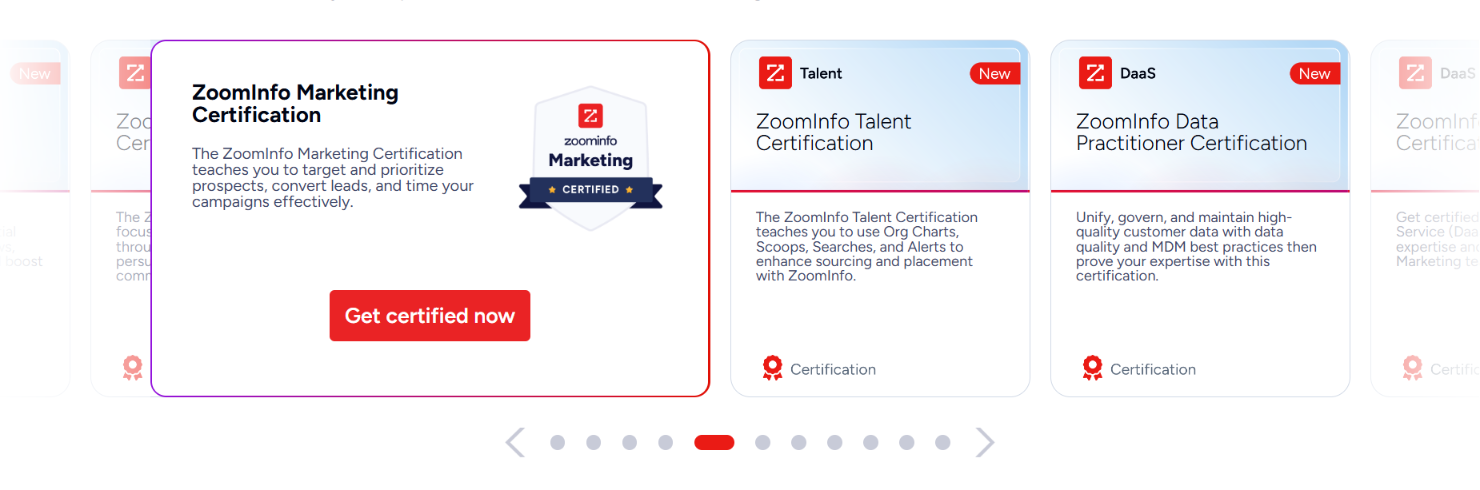
Enterprise customers get dedicated customer service managers, and ZoomInfo University offers role-specific learning paths and certifications.
Source: ZoomInfo
Mailchimp vs. SharpSpring vs. ZoomInfo: Which should you choose?
The right platform depends on what kind of marketing problem you're solving.
Choose Mailchimp if:
You're a B2C or e-commerce business focused on email and SMS engagement
You want a tool your team can use in hours, not weeks
You need e-commerce integrations (Shopify, WooCommerce, BigCommerce)
Your marketing doesn't require a sales pipeline or B2B lead scoring
Budget is a primary concern and you want a free tier to start
Choose SharpSpring if:
You're a B2B company or marketing agency needing automation and CRM in one platform
Lead scoring with behavioral tracking and decay is important to your sales process
You need white-label capability and multi-client management
You want HubSpot-level automation at a fraction of the cost
You're willing to invest in a longer onboarding period for deeper capabilities
Choose ZoomInfo if:
You're a B2B team that needs intelligence to drive pipeline, not just tools to send campaigns
You want to know which companies are researching your category before they contact you
Your sales team needs verified direct dials, business emails, and org charts for decision-makers
You need AI-powered account prioritization based on intent signals and buying patterns
You want intelligence that flows into any tool in your stack via API, MCP, or native integrations
Try ZoomInfo with ZoomInfo Lite (free, permanent) or a 7-day free trial of the full platform.
Mailchimp and SharpSpring solve different versions of the same challenge: executing marketing campaigns and nurturing contacts. Mailchimp does it with simplicity and reach. SharpSpring does it with depth and sales integration. ZoomInfo operates at the intelligence layer beneath both, providing the data, signals, and context that determine whether your campaigns reach the right people at the right time. For B2B teams serious about pipeline growth, the most effective investment often isn't a better email tool. It's better intelligence about who to target and why.
Mailchimp vs. SharpSpring vs. ZoomInfo FAQ
What is the fundamental difference between Mailchimp, SharpSpring, and ZoomInfo?
Mailchimp is an email and SMS marketing platform designed for B2C and e-commerce businesses, focused on campaign creation, audience engagement, and automation.
SharpSpring (now Constant Contact Lead Gen & CRM) combines marketing automation and CRM for B2B companies and marketing agencies, with behavioral lead scoring and pipeline management.
ZoomInfo is a B2B intelligence platform that provides verified contact data, company information, and buyer intent signals to help sales and marketing teams identify and prioritize the right accounts before any campaign is sent.
Which platform is best for e-commerce businesses?
Mailchimp is the strongest fit for e-commerce. It offers native integrations with Shopify, WooCommerce, BigCommerce, and Squarespace Commerce, plus 45+ prebuilt automation flows for abandoned cart recovery, post-purchase sequences, and back-in-stock alerts.
SharpSpring has no native e-commerce integrations. ZoomInfo is built for B2B rather than B2C e-commerce.
Can SharpSpring replace both a marketing automation tool and a CRM?
Yes, that is SharpSpring's core design. Its CRM includes visual pipeline management, deal tracking, task automation, and the Life of the Lead timeline, all unified with the marketing automation engine.
Reviewers note the CRM fits small-to-mid-size businesses best and lacks some advanced features found in standalone CRMs like Salesforce.
How does lead scoring differ across the three platforms?
Mailchimp offers AI-driven predictive scores (purchase likelihood, customer lifetime value, churn risk) based on transaction history, available on Standard and Premium plans.
SharpSpring offers configurable behavioral lead scoring based on page visits, email engagement, form fills, and demographic fit, with a decay model that deprioritizes cooling leads.
ZoomInfo provides account-level buyer intent signals tracked across 210 million IP-to-Organization pairings and AI-powered account fit scoring, identifying not just individual leads but entire companies actively researching relevant topics.
Which platform is best for marketing agencies?
SharpSpring was designed for agencies. It offers white-label capability, multi-client management from a single console, month-to-month contracts, and pricing at roughly one-tenth the cost of enterprise competitors.
Mailchimp does not offer white-label or multi-client management features.
ZoomInfo serves agencies through its data and intelligence capabilities but is not designed as an agency-operated client management tool.
Do any of these platforms offer a free plan?
Mailchimp offers a permanent free plan capped at 250 contacts and 500 emails per month, with limited features.
SharpSpring does not offer a free plan or self-serve trial; access requires scheduling a demo.
ZoomInfo offers ZoomInfo Lite, a permanent free tier with access to its B2B database and 10 monthly export credits, plus a separate 7-day free trial of the full platform.
How do the platforms compare on data and contact intelligence?
Mailchimp knows what your existing contacts do (opens, clicks, purchases). SharpSpring tracks that plus website behavior, cross-device sessions, and anonymous visitor identification before form submission.
ZoomInfo operates at a different scale, maintaining a database of 500 million contacts and 100 million companies with verified phone numbers, emails, org charts, technographics, and real-time intent signals, providing intelligence about prospects you haven't met yet.
Can these platforms work together?
Yes. Mailchimp and SharpSpring handle campaign execution and lead nurturing, while ZoomInfo provides the intelligence layer.
ZoomInfo integrates with major CRMs and marketing platforms via its API and MCP server, so teams can use ZoomInfo to identify and prioritize accounts, then execute outreach through whichever marketing or sales tool they prefer.
