
Choosing between Method CRM and Salesforce often comes down to five questions:
Is your business built around QuickBooks or Xero, and does your CRM need to sync with your accounting data in real time?
Do you need a CRM that handles your specific operational workflows, or a platform that covers sales, service, marketing, and commerce under one roof?
Are you a 10-person team that needs to get running in days, or a 500-person organization with dedicated admins and a multi-year implementation timeline?
Is your priority connecting estimates, invoices, and payments inside your CRM, or building AI-powered sales pipelines with autonomous agents?
Do you need better B2B prospecting data and buyer intent signals feeding your CRM, regardless of which one you choose?
In short, here's what we recommend:
Method CRM is a customizable QuickBooks CRM for businesses that run their finances through QuickBooks or Xero. Its patented, real-time two-way sync keeps customer records, estimates, invoices, and payments aligned between your CRM and your accounting file without manual re-entry. With a no-code customization engine, Method lets businesses in manufacturing, field services, construction, and distribution reshape the platform around how they actually work. The tradeoff: customization has a real learning curve, pricing climbs with add-on modules, and the platform offers no AI or predictive analytics.
Salesforce is the world's #1 AI CRM, serving over 150,000 companies with a platform spanning Sales Cloud, Service Cloud, Marketing Cloud, Commerce Cloud, and its autonomous AI agent platform, Agentforce. Salesforce leads enterprise CRM for clear reasons: 19 consecutive years as a Gartner Magic Quadrant Leader for Sales Force Automation, industry solutions across 17 verticals, and an ecosystem of 9,000+ partner apps. But this depth brings complexity: implementation typically requires partners, pricing layers are hard to predict, and small teams without dedicated administrators often struggle to get full value from the platform.
Both platforms solve different CRM problems well. But neither addresses a challenge that affects every sales team: knowing which accounts to target, when to engage, and what to say. That intelligence is what separates productive sales teams from busy ones.
ZoomInfo is an AI GTM platform built on a B2B data foundation of 500M contacts, 100M companies, 135M+ verified phone numbers, and 200M+ verified business emails. ZoomInfo's GTM Context Graph (the platform's intelligence layer) combines this data with your CRM records, conversation transcripts, and behavioral signals to reveal not just what happened in a deal, but why it happened and what to do next. Whether your CRM is Method, Salesforce, or anything else, ZoomInfo feeds it with verified contacts, buyer intent signals, and AI-driven account insights through its GTM Workspace for sellers, GTM Studio for marketers and RevOps, or API and MCP in any front-end.
If knowing who to call, when to call them, and what to say sounds like the missing piece in your CRM workflow, see how ZoomInfo works with your existing tools.
Method CRM vs. Salesforce vs. ZoomInfo at a glance
Method CRM | Salesforce | ZoomInfo | |
|---|---|---|---|
Primary function | QuickBooks/Xero-native CRM | Enterprise AI CRM platform | AI GTM platform |
Accounting integration | Patented real-time two-way QuickBooks/Xero sync | Third-party connectors via AppExchange | Not applicable (feeds data into your CRM) |
AI capabilities | None | Agentforce autonomous agents, Einstein AI scoring | GTM Context Graph, AI-drafted outreach, buyer intent signals |
Customization | No-code drag-and-drop builder | Lightning Platform, Flow, Apex, low-code/pro-code | GTM Studio natural language orchestration |
Starting price | $35/user/month | $0 (free, 2 users) / $25/user/month (Starter) | Consumption-based (free tier available) |
Implementation time | Days to weeks | Weeks to months (enterprise: 3–12 months) | Deploys in weeks |
Mobile app | iOS and Android | iOS and Android | iOS and Android, Chrome extension |
Support | Live chat, phone, email, CSM | Tiered: Standard (free) to Signature (24/7) | Knowledge Center, phone, dedicated CSM (Enterprise) |
Best for | SMBs running QuickBooks (5–100 employees) | Mid-market to enterprise (50–10,000+ employees) | B2B sales, marketing, and RevOps teams of any size |
Two different answers to the CRM question
Method CRM and Salesforce solve different problems for different buyers.
Method exists because QuickBooks is accounting software, not a CRM, but millions of small businesses need their sales and operations data to live alongside their financial data.
The typical Method customer is a 20-person HVAC company, a regional manufacturer, or a construction contractor whose biggest pain point is re-keying estimates and invoices between disconnected systems. Method eliminates that double entry with a patented bidirectional sync that keeps both systems current in real time.
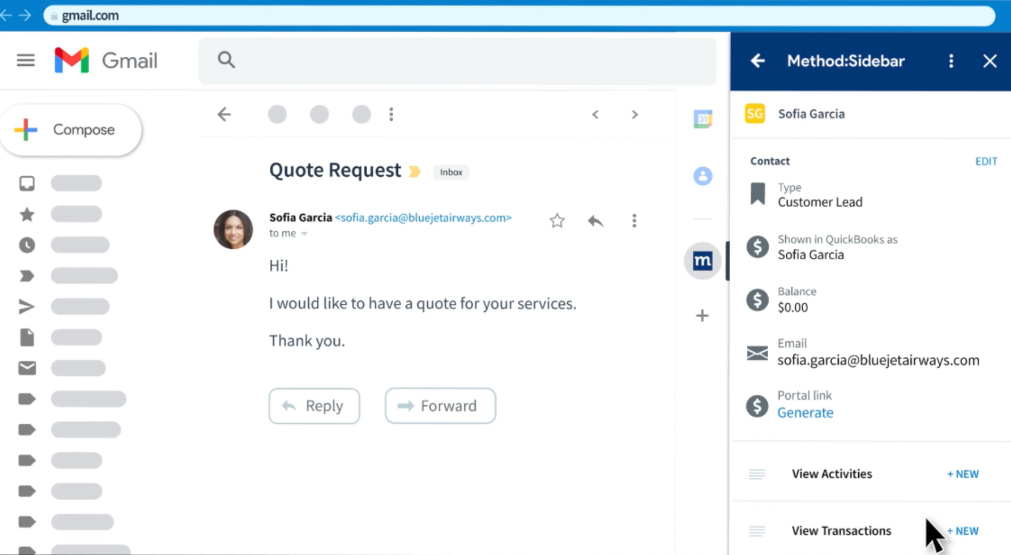
Source: Method
Salesforce exists because enterprises need one platform for every customer-facing function.
A Salesforce deployment might span sales pipeline management, customer service case routing, marketing campaign orchestration, e-commerce storefronts, and AI-powered autonomous agents, all on one codebase sharing one customer record. The typical Salesforce customer has dedicated CRM administrators, a multi-department implementation team, and the budget to invest in a platform that scales with organizational complexity.
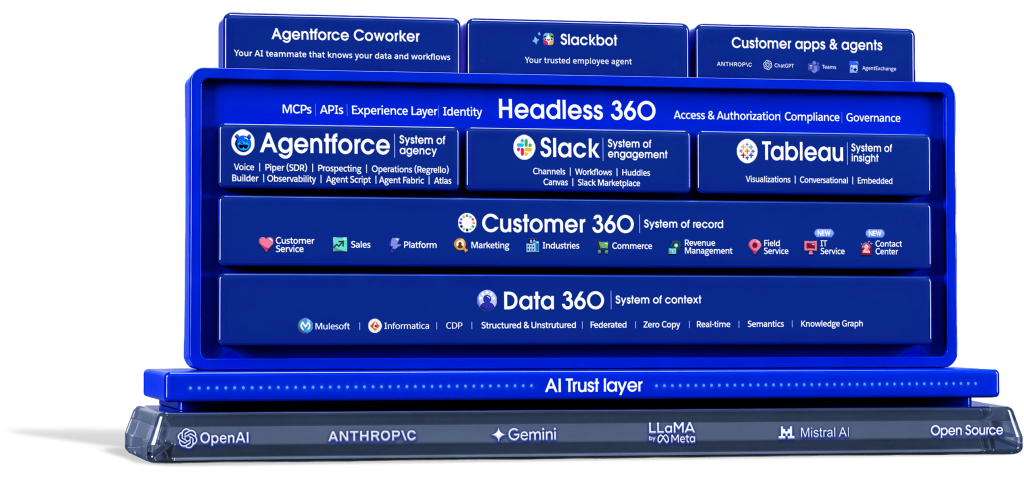
Source: Salesforce
These aren't competing solutions. They're different tools for different stages of business maturity. The question isn't which is "better" but which matches where your business is today and where it's heading.
Method CRM owns the QuickBooks workflow
If your business runs on QuickBooks, no other CRM matches Method's integration depth.
The platform holds a 12+ year partnership with Intuit and is recommended by Intuit. It syncs with all three QuickBooks versions (Online, Desktop, and Enterprise) and covers customers, leads, estimates, invoices, sales orders, purchase orders, time entries, and payments.
The practical value shows up in daily operations.
Sales reps create QuickBooks-formatted estimates without ever logging into QuickBooks. When a client approves a proposal with an e-signature, Method automatically generates the invoice and pushes it to QuickBooks. Over 2 million estimates have been created through the platform.
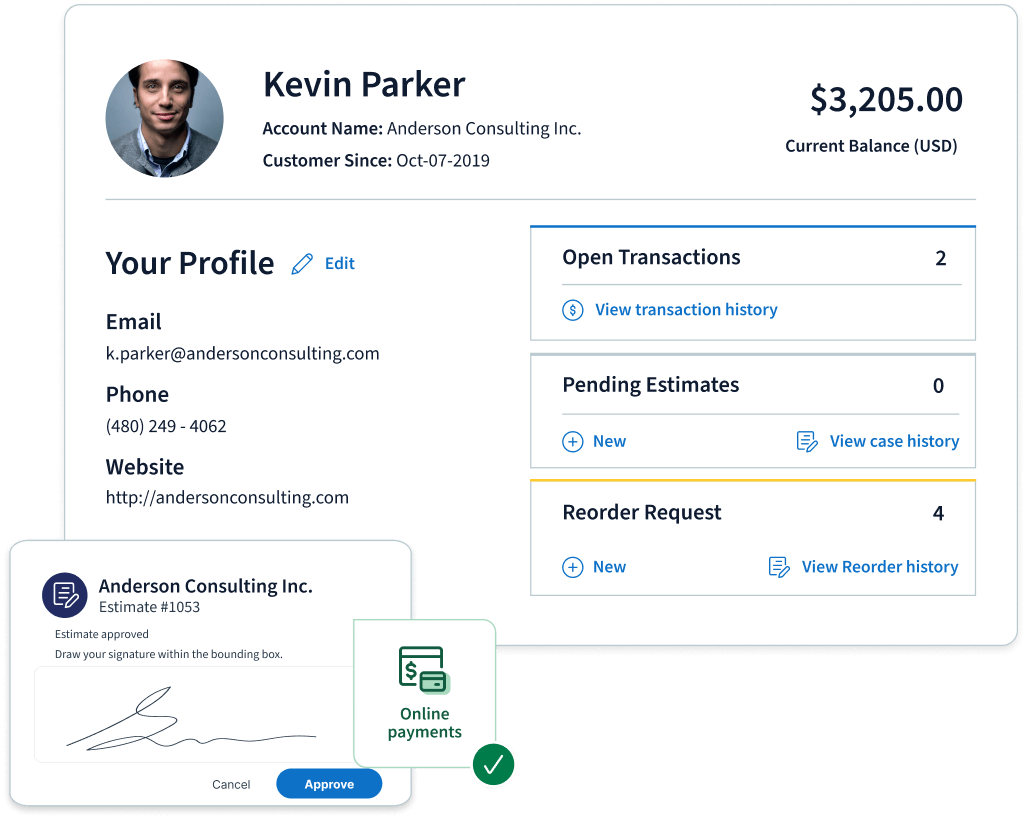
Source: Method
Method also deliberately keeps leads out of QuickBooks until they convert to customers, preventing sales speculation from cluttering the accounting file. For businesses whose books have been polluted by stale contacts, this is a useful design choice.
One manufacturing customer cut their estimate-to-invoice process from 60 steps to 6 using Method's customized workflow. That kind of operational compression is where Method delivers its strongest ROI.
Where Method reaches its limits: it has no AI features, no predictive analytics, and no deal scoring. Reporting is basic and often requires exporting to QuickBooks or spreadsheets. The email campaigns module lacks segmentation and behavioral triggers compared to dedicated marketing tools. And the platform's value collapses if you don't use QuickBooks or Xero.
Salesforce dominates enterprise CRM for good reason
Salesforce's scale is hard to overstate. This isn't just a CRM; it's an enterprise operating system.
The platform's depth shows most clearly in its AI capabilities.
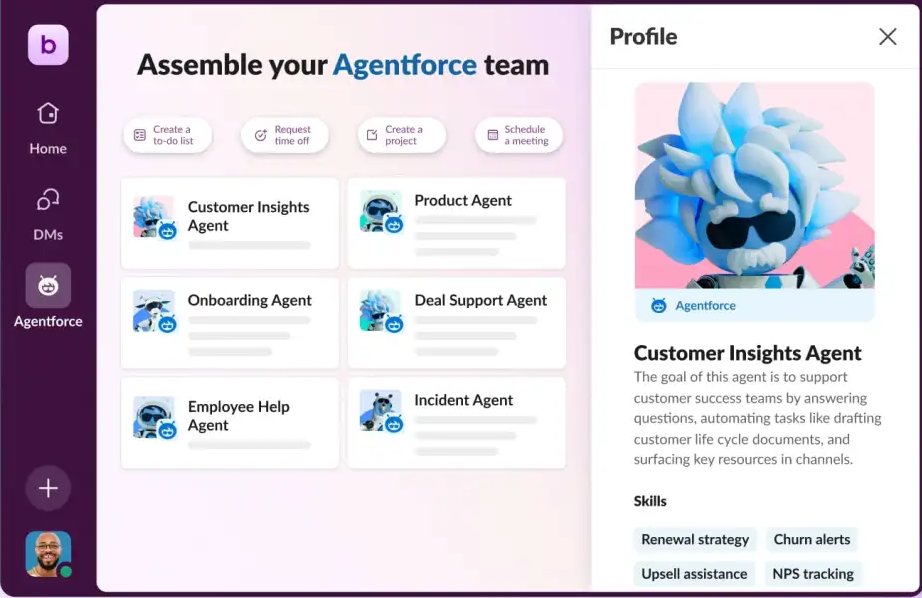
Agentforce, Salesforce's autonomous AI agent platform, handles lead scoring, pipeline management, automated quoting (75% faster), and customer service. Salesforce reports that Agentforce resolves 85% of its own support requests without human escalation.
Source: Salesforce
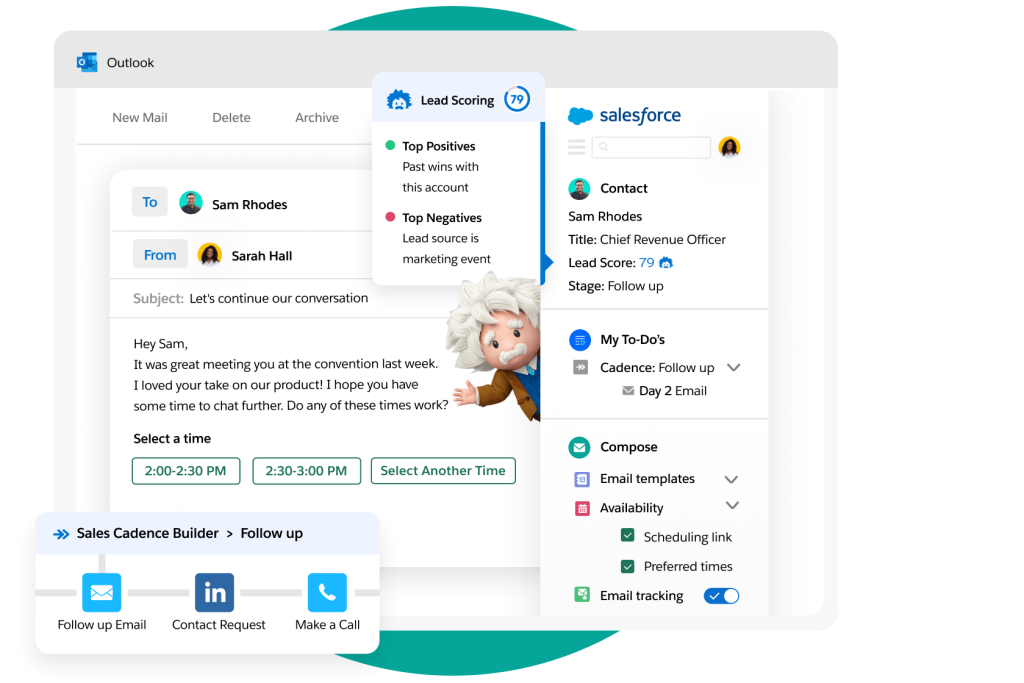
Sales Cloud provides Einstein Lead Scoring, AI-generated account plans with SWOT analysis, pipeline health signals, and conversation intelligence. Service Cloud enables omnichannel support across chat, SMS, WhatsApp, email, and voice. Marketing Cloud handles B2B and B2C campaign orchestration from a single data model. Commerce Cloud powers B2C and B2B storefronts with 99.99% historical uptime.
The AppExchange marketplace offers 9,000+ partner apps with 14+ million installs, and 91% of Salesforce customers use at least one AppExchange app. Trailhead provides 1,500+ learning badges for 6+ million learners.
Source: Salesforce
But this capability comes with real costs.
Salesforce acknowledged its own pricing model "needed to be easier to understand, more predictable, and more flexible." Enterprise Edition starts at $175/user/month, and that's before add-ons for AI features, Data Cloud credits, digital engagement, and the Premier Success Plan (an additional 30% of net license fees). Over 70% of implementations are partner-led, adding more cost. A Gartner survey cited by Salesforce found 90% of CIOs report that managing AI costs limits value.
For a 10-person team running QuickBooks, Salesforce is overkill. For a 200-person organization with complex sales cycles, multiple departments, and a need for AI-driven automation, it's the industry standard for a reason.
The intelligence gap both CRMs leave open
Method CRM keeps your accounting and sales data in sync. Salesforce manages your customer relationships, service cases, and marketing campaigns. But neither platform answers the questions that determine whether your sales team fills the pipeline with the right opportunities.
Who are the decision-makers at your target accounts? What are their direct phone numbers and verified email addresses? Which companies are actively researching solutions like yours right now? What patterns from your past closed-won deals predict which current opportunities will convert?
These are data and intelligence questions, not CRM questions. Your CRM records what happens after you engage a prospect. The intelligence layer determines whether you engage the right prospect in the first place.
This is where ZoomInfo operates.
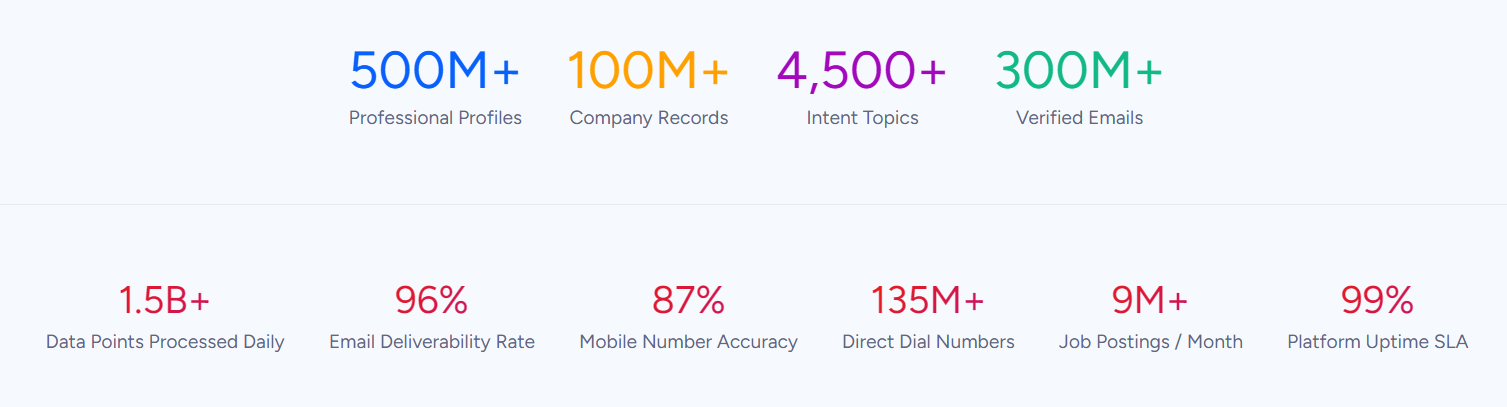
With 500M contacts, 100M companies, 135M+ verified phone numbers, and 200M+ verified business emails, ZoomInfo provides the prospecting foundation that both Method and Salesforce rely on third-party tools to deliver. Its GTM Context Graph (the platform's intelligence layer) combines this data with your CRM records, conversation intelligence, and behavioral signals to reveal why deals move or stall, not just that they did.
Source: ZoomInfo
ZoomInfo integrates with both Salesforce and HubSpot, and its API and MCP access lets any CRM consume its intelligence. For Method users, Zapier integration connects ZoomInfo data to Method workflows. For Salesforce users, the native integration means enriched contacts, intent signals, and AI-drafted outreach flow directly into Sales Cloud.
"ZoomInfo's not just a contact data company anymore. They've built a full system of execution. GTM Intelligence works the list, writes the outreach, triggers the play, and helps drive predictable growth." (Levanta)
Customization takes different forms
Both Method and Salesforce offer customization, but the approaches reflect their target markets.
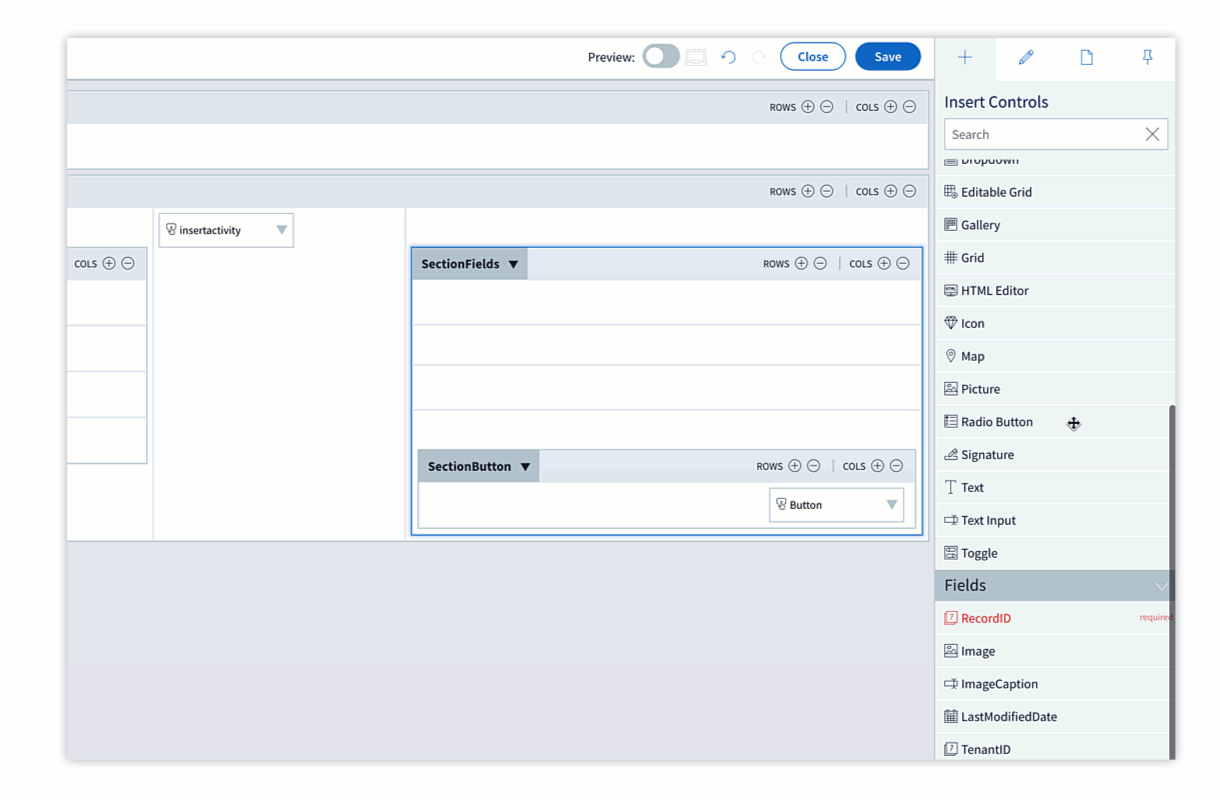
Method's no-code drag-and-drop builder lets administrators create custom screens, fields, tables, and workflows. The platform is organized around apps and packs that can be reconfigured to match industry-specific processes. An HVAC company, a construction contractor, and a wholesale distributor can each reshape the same platform to match how their teams work.
Source: Method
The tradeoff: Method's most capable features require technical skill.
Capterra reviewers note that non-technical users often need to hire Method's paid Customization Services ($175/hour, or $325/month for a dedicated plan) or a certified Method Partner to build the workflows they need. Self-service customization is free, and the first expert hour is included, but complex implementations add cost and delay.
Salesforce's customization operates at a different scale.
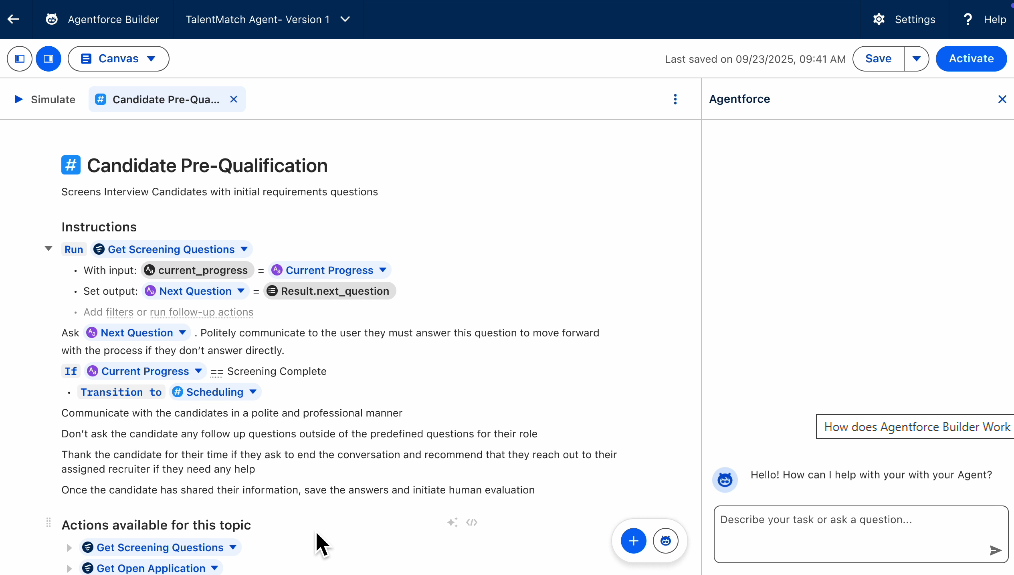
The Lightning Platform provides low-code tools (App Builder, Flow) for administrators and pro-code development (Apex, Visualforce, LWC) for developers. The platform supports custom objects, triggers, approval processes, and permission structures at enterprise scale. Agentforce Builder lets teams create custom AI agents using natural language, and the platform has been opened to ISVs for building and distributing custom agents.
Source: Salesforce
The difference is scope and audience. Method customizes operational workflows for small teams. Salesforce customizes enterprise processes for organizations with dedicated development resources.
ZoomInfo's customization works at the intelligence layer.
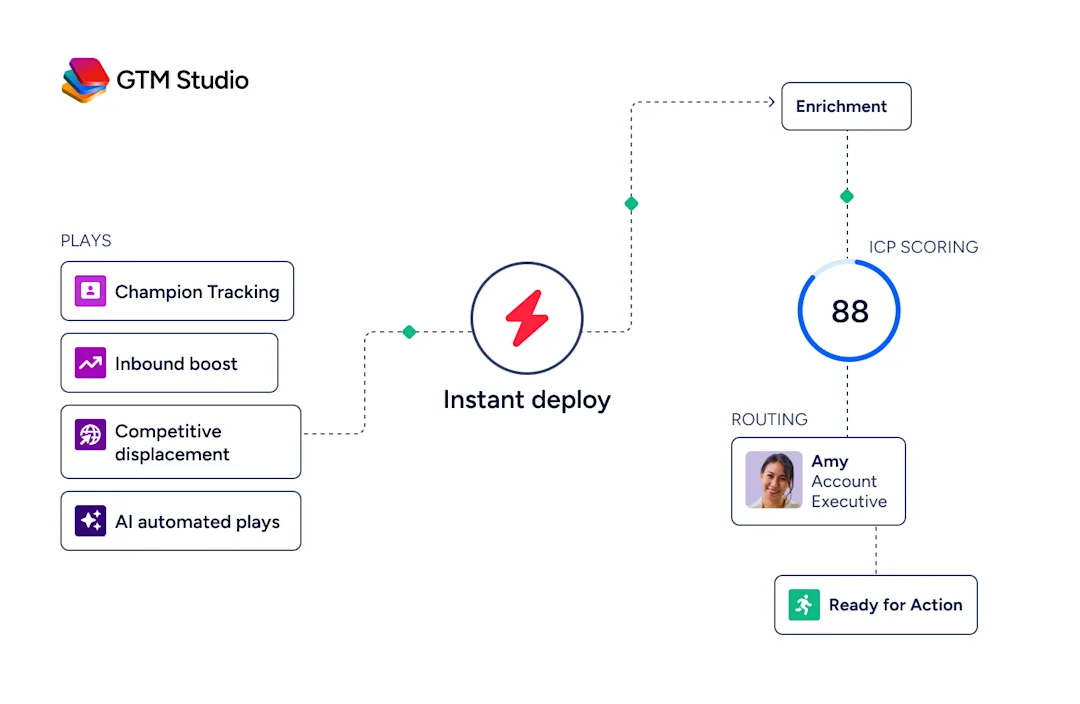
GTM Studio lets marketers and RevOps teams describe audiences in natural language, build plays targeting accounts that match proven win patterns, and launch multi-channel campaigns without engineering tickets. Expansion plays that used to take 3 weeks now launch in 30 minutes.
Source: ZoomInfo
Pricing reflects different buyers
The pricing structures tell you who each platform is designed for.
Method CRM uses a per-seat, per-month model with three tiers:
Plan | Price | What you get |
|---|---|---|
CRM Quick Start | Core CRM, QuickBooks sync, customer portals (view-only), workflow automation | |
CRM Pro | Adds estimates, invoices, sales pipeline, payment processing, web-to-lead forms | |
CRM Enterprise | Adds purchase orders, case management, email campaigns |
Method offers a free 10-day trial with no credit card required, and a 25% promotional discount for the first three months with three or more users. Different users on the same account can be assigned different tiers. Costs rise when you add modules like job management, scheduling, and proposals.
Salesforce uses a multi-tier structure that scales from free to enterprise:
Edition | Price | What you get |
|---|---|---|
Free Suite | Basic lead, account, and opportunity management | |
Starter Suite | Unlimited users, email sync, lead routing | |
Pro Suite | Customization, quoting, forecasting, AppExchange access | |
Enterprise | AI for sales, pipeline insights, workflow automation | |
Unlimited | Full AI suite, conversation intelligence, Premier Success |
Most Salesforce customers need at least Pro Suite ($100/user/month) for meaningful customization, and Enterprise ($175/user/month) for AI capabilities. Add-ons for Agentforce, Data Cloud, digital engagement, and field service push costs higher. Annual contracts are standard.
ZoomInfo uses consumption-based pricing with no publicly listed prices.
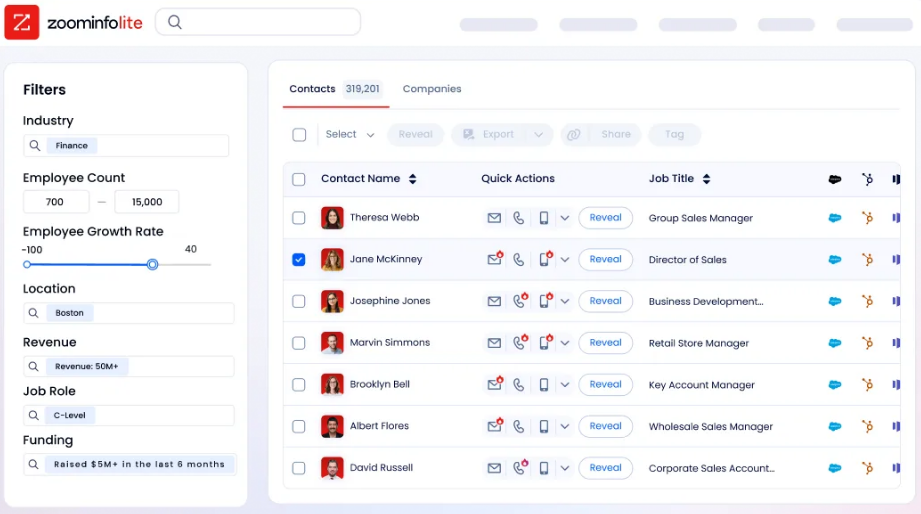
ZoomInfo Lite offers a permanent free tier with access to the B2B database, 10 monthly export credits, and basic search. Paid plans scale by seats, credit volume, and feature access across Sales, Marketing, and Enterprise tiers. A 7-day free trial with full-feature access is also available.
Source: ZoomInfo
For a 10-person team, Method CRM Pro costs $590/month. Salesforce Enterprise costs $1,750/month. The gap widens when you factor in Salesforce's implementation costs and add-ons, but so does the capability difference.
Field service and job management compared
Method CRM includes built-in work order management, scheduling and dispatching, time tracking, and a field crew mobile app at the Enterprise tier.
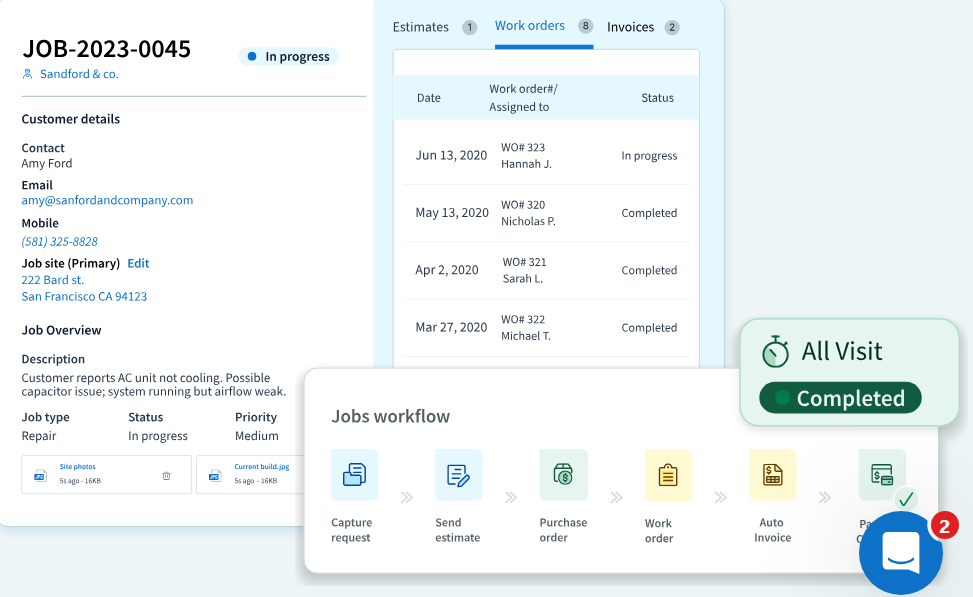
The Method Jobs app provides a single job record from estimate through scheduling, field execution, and invoicing. Dispatchers work from a centralized calendar with multi-assignee views, and technicians see schedule changes on their mobile devices immediately. Completed work converts to invoices that sync to QuickBooks without re-entry.
For a 30-person plumbing company or HVAC contractor, this is Method at its best: the entire service lifecycle from customer call to paid invoice in one connected system.
Source: Method
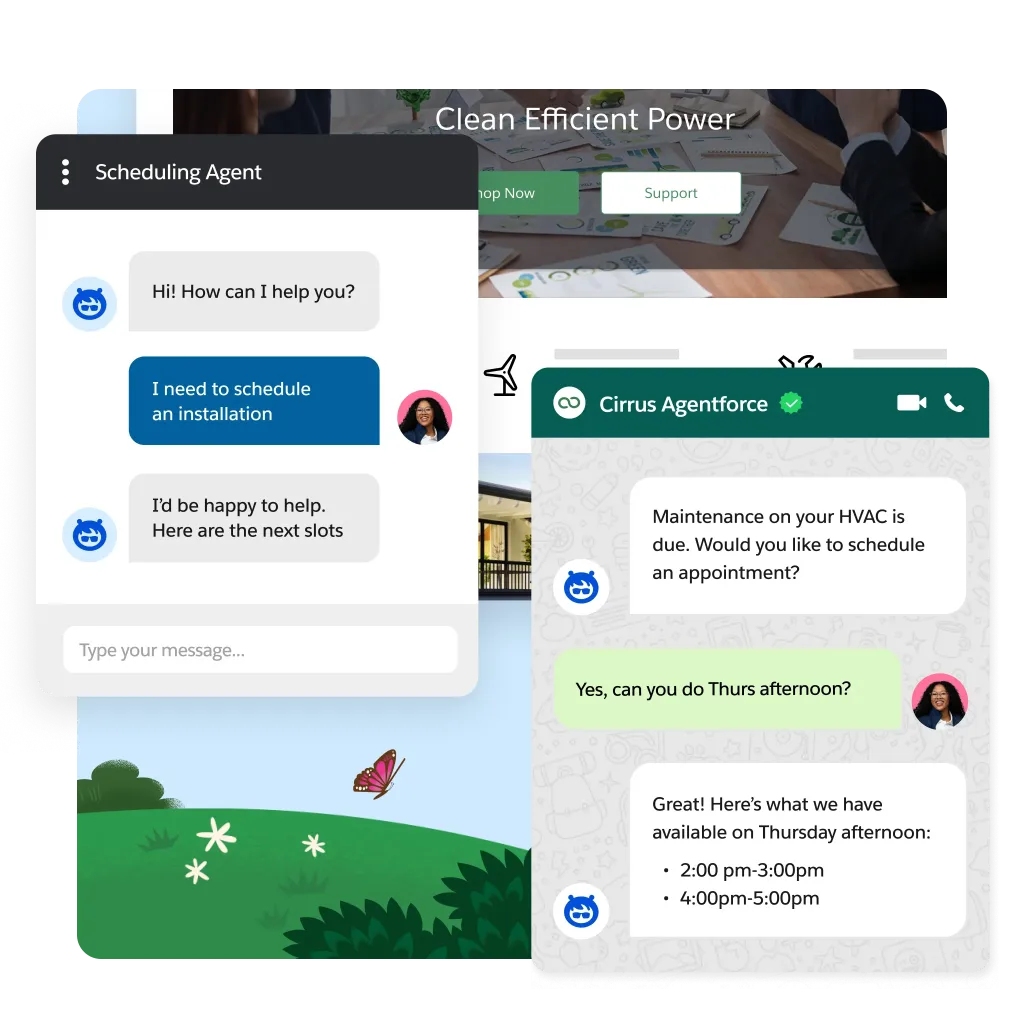
Salesforce's Field Service offering is broader but starts at $175/user/month as an add-on.
It includes AI scheduling optimization, an offline mobile app, pre-work AI briefs, asset lifecycle management, and Visual Remote Assistant. For enterprise field service operations with hundreds of technicians, Salesforce Field Service scales where Method cannot.
Source: Salesforce
ZoomInfo doesn't compete in field service.
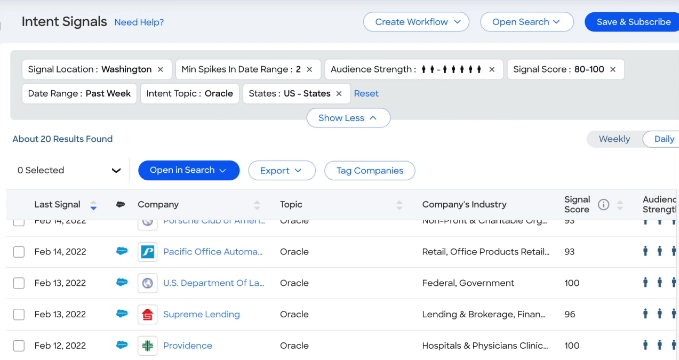
But for sales teams supporting field service businesses, ZoomInfo's buyer intent signals and contact data can identify which companies are actively researching field service solutions, surface the decision-makers, and trigger outreach before a competitor reaches them.
Source: ZoomInfo
AI capabilities set Salesforce apart from Method
This is the widest gap between the two CRMs.
Method has no AI features.
A beta "Insights" no-code dashboard appeared in March 2026 release notes but was flagged as not displaying accurate data. No AI-assisted forecasting, deal scoring, or intelligent automation is available. Method's roadmap suggests future AI will focus on automating estimate follow-up and overdue invoice alerts, but nothing has shipped.
Salesforce has made AI the centerpiece of its platform.
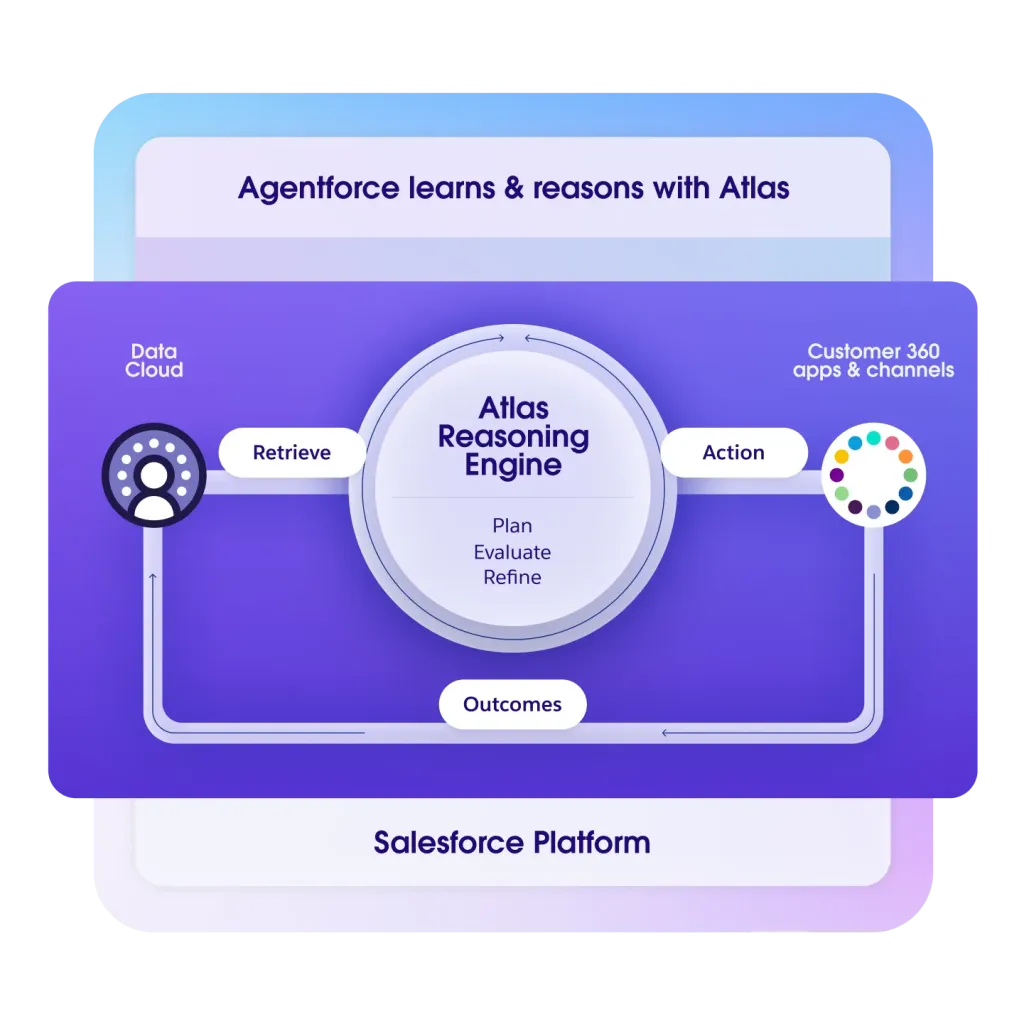
Agentforce delivers autonomous agents powered by the Atlas Reasoning Engine that can prospect, qualify leads, coach sales reps, draft quotes, and resolve customer service cases across every channel. The Einstein Trust Layer provides zero data retention with LLM partners, PII masking, and audit trails.
Source: Salesforce
ZoomInfo's AI works differently from both.
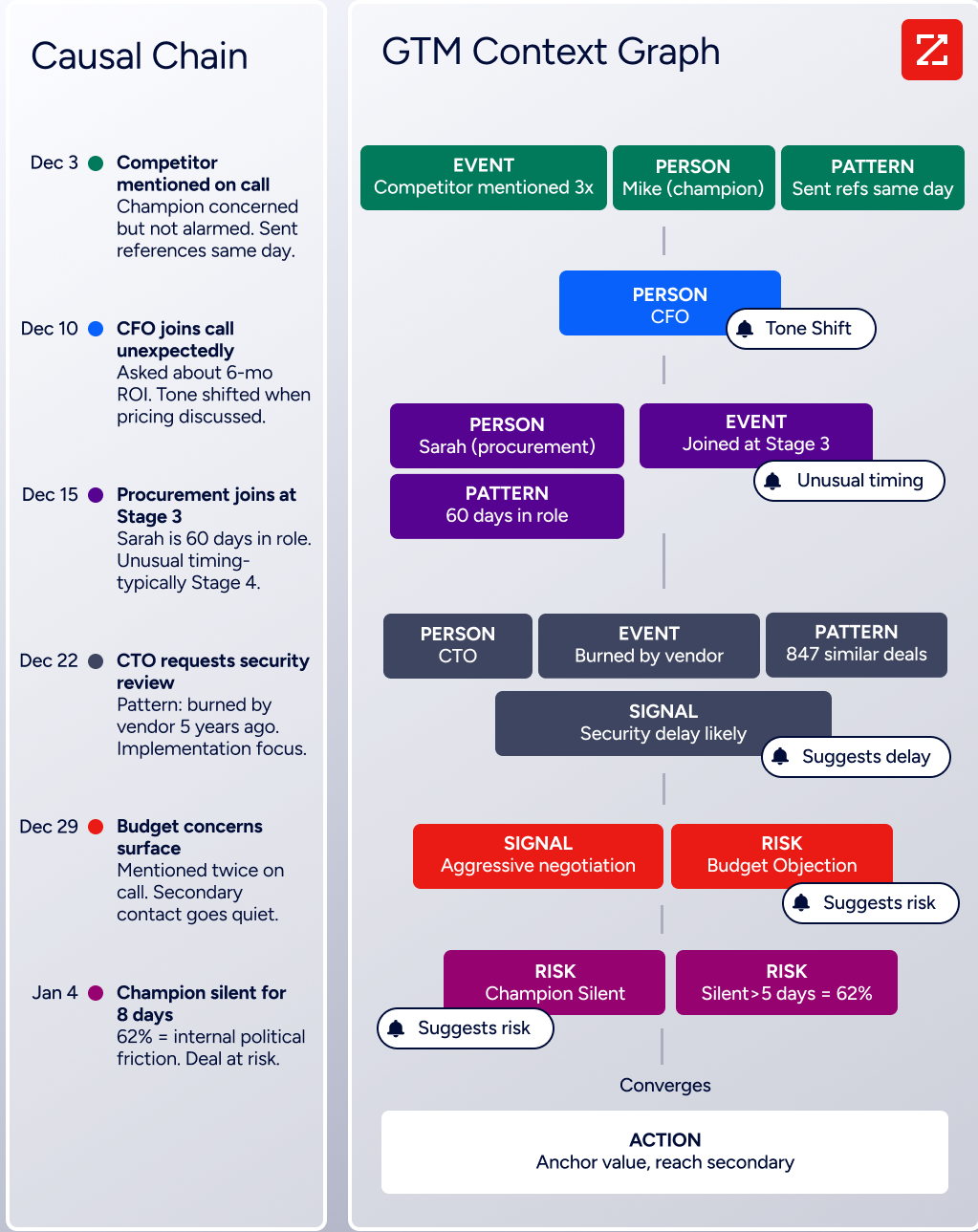
Rather than automating CRM workflows (Salesforce's approach) or adding AI to accounting-synced data (which Method hasn't done), ZoomInfo's GTM Context Graph (the platform's intelligence layer) processes 1.5B+ data points daily to identify why deals succeed or fail.
GTM Workspace gives sellers AI-drafted outreach based on account context, an action feed of in-market buyers with pre-drafted responses, and one-click account briefs pulling CRM history, company news, and stakeholder context into a 10-second summary.
Source: ZoomInfo
For teams using Method, ZoomInfo's AI fills the gap left by Method's missing intelligence layer. For teams using Salesforce, ZoomInfo's data and intent signals make Salesforce's AI more effective by feeding it verified B2B data.
For a detailed look at how Salesforce and ZoomInfo compare as standalone platforms, see our Salesforce vs. ZoomInfo comparison.
Integration ecosystems
Method CRM connects natively to QuickBooks (Online, Desktop, Enterprise), Xero, Gmail, Outlook, Google Calendar, Mailchimp, and payment gateways (Stripe, PayPal, Authorize.net).
Beyond native integrations, Method reaches 8,000+ apps via Zapier and offers a REST API for custom integrations. The ecosystem is focused rather than broad, reflecting Method's niche.
Salesforce offers the largest enterprise integration ecosystem in CRM.
Native integrations with Google Workspace and Microsoft Outlook/Teams, plus MuleSoft's Anypoint Platform with hundreds of pre-built connectors for enterprise systems. AppExchange provides 9,000+ installable apps. APIs include REST, SOAP, Bulk, Metadata, Tooling, and Pub/Sub. Salesforce's Slack integration brings CRM data into team conversations bidirectionally.
ZoomInfo integrates with both platforms and extends the data layer for each.
The ZoomInfo App Marketplace lists 120 partner integrations including native connectors for Salesforce, HubSpot, Microsoft Dynamics 365, and more. The Enterprise API and MCP server let any AI agent or custom application consume ZoomInfo's data and intelligence, and API access is included in all relevant plans.
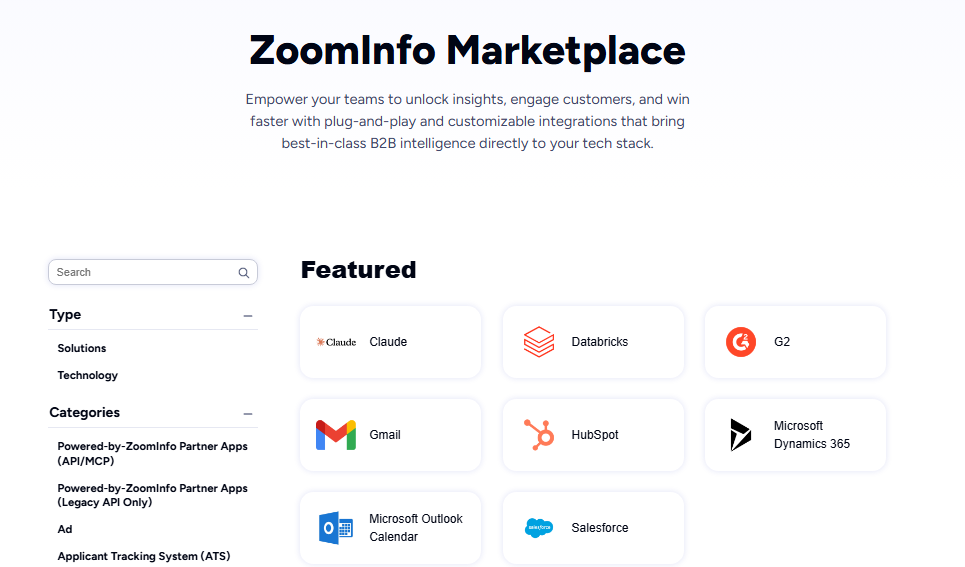
Source: ZoomInfo
"The plug-and-play aspect of the API means I can integrate it into any process and get information at a moment's notice." (BDO Canada)
Security and compliance
Method hosts on Amazon Web Services with a redundant server cluster, uses 256-bit SSL encryption for QuickBooks data in transit, and provides daily backups with 14-day recovery windows. Role-based permissions cover Super Admin, Admin, Customizer, and Regular user levels.
However, Method's public documentation does not disclose SOC 2, ISO 27001, GDPR, or HIPAA certifications. Teams in regulated industries should request a security questionnaire directly.
Salesforce holds ISO 27001/27017/27018, SOC 1/2/3, FedRAMP, and HITRUST certifications. Salesforce Shield adds event monitoring, platform encryption with bring-your-own-key, and field audit trail with indefinite retention. The Einstein Trust Layer enforces zero data retention with LLM partners and PII masking for AI interactions. Hyperforce enables regional data residency. Real-time system status is available at trust.salesforce.com.
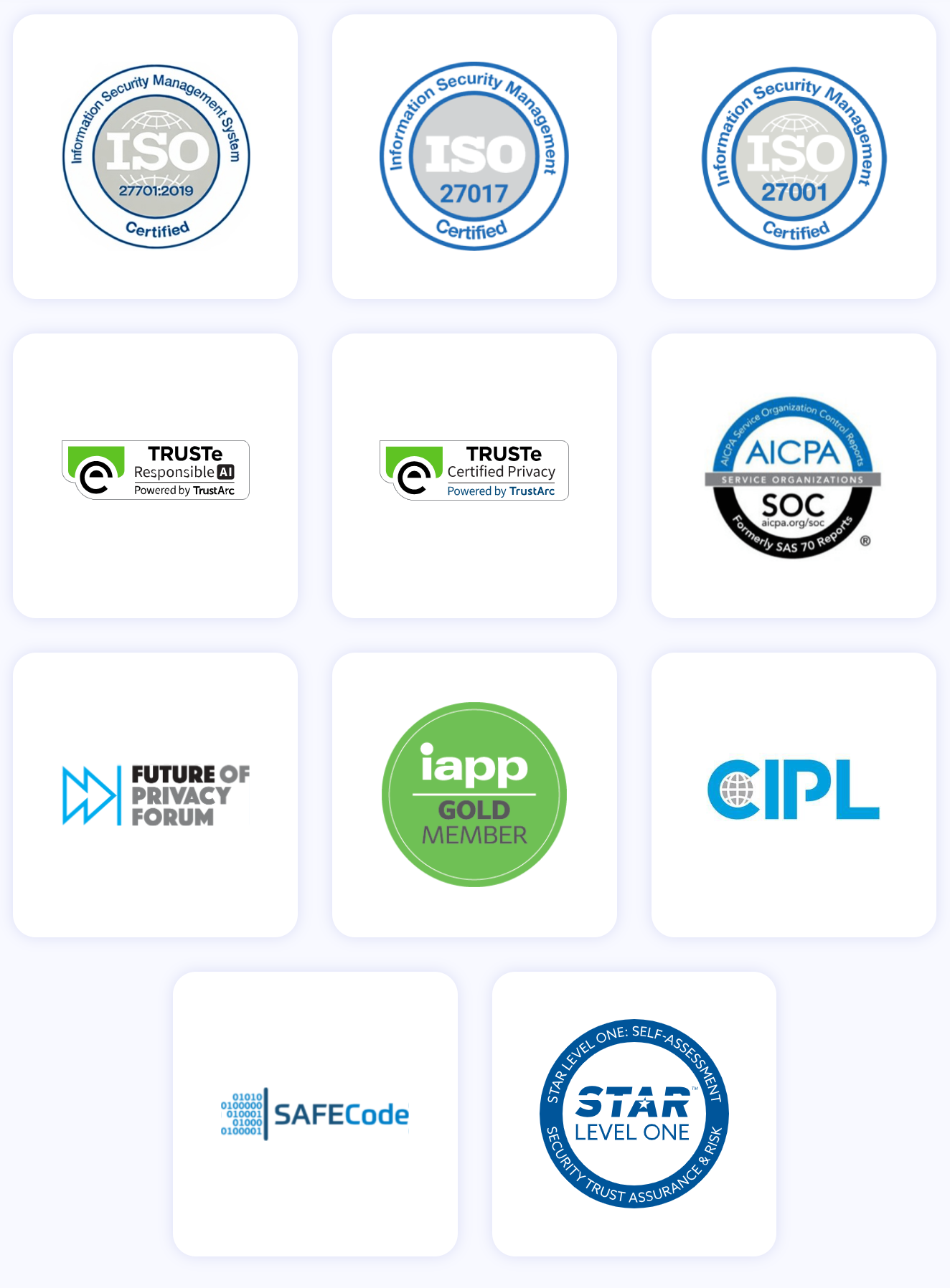
ZoomInfo maintains ISO 27001, ISO 27701, SOC 2 Type II, TRUSTe GDPR, and TRUSTe CCPA certifications, all renewed annually. ZoomInfo is a registered data broker in California and Vermont. A dedicated Trust Center provides compliance documentation.
For enterprise buyers in regulated industries, ZoomInfo's compliance certifications provide the third-party validation that Method's current documentation lacks.
Method CRM vs. Salesforce vs. ZoomInfo: Which should you choose?
The right choice depends on your business size, technical resources, and what problem you need solved first.
Choose Method CRM if:
Your business runs on QuickBooks or Xero and needs CRM data to sync with accounting in real time
You're a small to mid-sized company (5–100 employees) in manufacturing, field services, construction, or distribution
Your priority is eliminating double data entry between CRM and accounting
You need work order management, scheduling, and invoicing in one connected system
You want a customizable platform without the complexity and cost of enterprise CRM
Choose Salesforce if:
You need a unified platform for sales, service, marketing, and commerce
Your organization has dedicated CRM administrators and implementation resources
AI-powered pipeline management, forecasting, and autonomous agents are priorities
You operate across multiple departments, regions, or industries requiring enterprise-grade compliance
Your budget supports $100–350+/user/month plus implementation costs
Use ZoomInfo with either CRM if:
You need verified B2B contact data and direct-dial phone numbers feeding your pipeline
Knowing which accounts are actively researching solutions matters for your outbound strategy
You want AI that identifies why deals move or stall, not just that they did
Your sales team spends too much time researching accounts instead of selling
You want the same intelligence available in your CRM, in dedicated seller tools, or through API in any custom workflow
See how ZoomInfo enriches your pipeline with a free trial.
Method CRM and Salesforce are both strong platforms for the audiences they serve. Method gives QuickBooks-dependent businesses a CRM that speaks their accounting language. Salesforce gives enterprises a platform that scales across every customer-facing function. ZoomInfo gives both types of teams the prospecting intelligence and buyer signals that turn CRM data into closed deals.
The most effective sales organizations don't choose between good CRM and good data. They use both.
Method CRM vs. Salesforce vs. ZoomInfo FAQ
What is the core difference between Method CRM and Salesforce?
Method CRM is a customizable CRM built around a patented real-time two-way sync with QuickBooks and Xero, designed for small to mid-sized businesses (5–100 employees) in industries like manufacturing, field services, and construction.
Salesforce is the #1 CRM by market share, offering a unified enterprise platform spanning sales, service, marketing, commerce, and AI-powered autonomous agents for organizations with dedicated administrative resources.
Can Method CRM replace Salesforce for a growing business?
Method CRM is not a direct substitute for Salesforce. Method excels at connecting CRM workflows to QuickBooks accounting data for small teams, but it lacks AI capabilities, advanced marketing automation, enterprise-grade compliance certifications, and the breadth of Salesforce's multi-cloud platform.
Businesses outgrowing Method's scope typically evaluate Salesforce or HubSpot as a next step rather than stretching Method beyond its design.
How does ZoomInfo work with Method CRM or Salesforce?
ZoomInfo is not a CRM. It is a B2B data and intelligence platform that feeds verified contacts, buyer intent signals, and AI-driven account insights into your existing CRM.
ZoomInfo integrates natively with Salesforce and can connect to Method through Zapier or its REST API. The same data and GTM Context Graph are also available through ZoomInfo's API and MCP server for use in any application or AI agent.
Which platform is cheapest for a small sales team?
Method CRM Pro costs $59/user/month, making a 10-person team $590/month. Salesforce Starter Suite costs $25/user/month ($250/month for 10 users), but most teams need at least Pro Suite at $100/user/month ($1,000/month) for meaningful customization. ZoomInfo offers a permanent free tier (ZoomInfo Lite) for basic prospecting, with paid plans custom-quoted based on usage.
Does Method CRM have AI features?
No. Method CRM has no AI-driven lead scoring, deal prediction, content generation, or autonomous agent capabilities. A beta "Insights" dashboard appeared in early 2026 release notes but was flagged as not displaying accurate data. Method's strength is no-code workflow customization and QuickBooks integration depth, not AI.
Which platform has better data security and compliance?
Salesforce holds the most comprehensive compliance certifications: ISO 27001/27017/27018, SOC 1/2/3, FedRAMP, and HITRUST, with additional Salesforce Shield and Einstein Trust Layer protections. ZoomInfo maintains ISO 27001, ISO 27701, SOC 2 Type II, and TRUSTe GDPR/CCPA certifications.
Method CRM uses SSL encryption and AWS hosting with daily backups, but does not publicly disclose third-party compliance certifications like SOC 2 or ISO 27001.
Who should use ZoomInfo instead of (or in addition to) a CRM?
ZoomInfo is not a replacement for CRM. It is a complementary intelligence layer.
Any B2B sales, marketing, or RevOps team that needs verified contact data, buyer intent signals, or AI-driven account insights should consider ZoomInfo alongside their CRM. ZoomInfo is especially valuable for teams whose CRM records lack direct-dial phone numbers, verified email addresses, or real-time buying signals.
Can Salesforce integrate with QuickBooks the way Method CRM does?
Not natively. Salesforce connects to QuickBooks through third-party AppExchange apps, not through a built-in bidirectional sync. These connectors vary in depth and reliability.
Method CRM's patented integration was built from the ground up around QuickBooks and supports all three versions (Online, Desktop, and Enterprise) with real-time two-way sync across a wide range of transaction types. For businesses where accounting integration is the primary CRM requirement, Method's sync depth is unmatched.
