

Choosing between Salesforce vs. SuiteCRM for your CRM often comes down to five questions:
Are you willing to pay per-user licensing for a managed cloud platform, or would you rather invest in technical staff to run an open-source system at a fraction of the cost?
Do you need AI sales agents, predictive scoring, and automated case resolution, or are pipeline tracking and workflow automation enough?
Is deploying on your own infrastructure a compliance requirement, or are you comfortable with a vendor-managed cloud?
How important is it that your CRM works out of the box without dedicated administrators?
Does your team have the B2B contact and company intelligence it needs to fill the CRM with qualified prospects?
In short, here's what we recommend:
Salesforce is the CRM market leader for a reason. As the #1 CRM by IDC revenue market share worldwide, it spans Sales Cloud, Service Cloud, Marketing Cloud, Commerce Cloud, and the new Agentforce AI agent layer. For enterprises that need a cloud platform with AI, analytics via Tableau, and a 9,000+ app marketplace, Salesforce delivers. But that breadth comes with complexity. Pricing starts at $25/user/month and climbs to $550/user/month at the top tier, with AI features, API access, and workflow automation gated behind higher editions. Most deployments require partner-led implementation, and the platform rewards organizations that employ dedicated Salesforce administrators.
SuiteCRM is the leading open-source CRM, built for organizations that want CRM capability without I proprietary licensing costs. Named Best Open Source CRM by Forbes Advisor in 2024, SuiteCRM includes sales pipeline management, marketing campaigns, case management, and workflow automation as standard, with no per-user fees. You can self-host it for free or use managed hosting from £50/month. The trade-off: self-hosted deployments require in-house technical resources, support is sold separately by the hour, there are no AI capabilities on the roadmap, and the platform is in the middle of a multi-year rebuild from version 7 to version 8.
Both platforms manage customer relationships. Neither generates the B2B intelligence that makes those relationships productive. A CRM is only as valuable as the data inside it, and both Salesforce and SuiteCRM depend on their users to find, verify, and enter prospect information. That's where ZoomInfo changes the equation.
ZoomInfo is a B2B intelligence and GTM platform that provides the data foundation both CRMs need. With 500M contacts, 100M companies, 135M+ verified phone numbers, and 200M+ verified business email addresses, ZoomInfo gives your sales and marketing teams accurate, verified intelligence to work from, regardless of which CRM they use. Its GTM Context Graph (an intelligence layer that combines this data with your CRM records, conversation transcripts, and behavioral signals) reveals not just what happened in a deal, but why. ZoomInfo integrates natively with Salesforce and connects to SuiteCRM through its Enterprise API and MCP access, so the same intelligence powers your CRM regardless of which platform you choose.
If better data quality and buyer intelligence sound like the missing piece in your CRM strategy, see how ZoomInfo works with your stack.
Salesforce vs. SuiteCRM vs. ZoomInfo at a glance
Salesforce | SuiteCRM | ZoomInfo | |
|---|---|---|---|
Core function | Cloud CRM platform | Open-source CRM | B2B data intelligence & GTM platform |
Enterprise cost | Custom-quoted | ||
Deployment | Cloud only (multi-tenant) | Self-hosted, managed cloud, or hybrid | Cloud SaaS |
AI capabilities | Agentforce, Einstein AI, Atlas Reasoning Engine | None on published roadmap | GTM Context Graph, GTM Workspace AI agents |
Customization | Extensive (with admin expertise) | Full source code access | API/MCP for any integration |
Native integrations | Add-on store + open API | ||
Pricing model | Per-user, per-month (annual contracts) | Free software; pay for hosting, support, services | Consumption-based (custom-quoted) |
Entry cost | |||
Best for | Enterprises needing a cloud platform with AI | Cost-conscious orgs with technical resources | Any sales/marketing team needing verified B2B data |
The cost gap is the first and biggest decision
Salesforce and SuiteCRM sit at opposite ends of the CRM pricing spectrum, and the difference is not marginal.
Salesforce charges per user, per month, on annual contracts. The Starter Suite at $25/user/month covers basic lead and opportunity management. But most organizations need the Enterprise edition at $175/user/month to get workflow automation, AI pipeline insights, and API access. The Unlimited edition at $350/user/month adds the full AI suite and conversation intelligence. The new Agentforce 1 tier at $550/user/month bundles unmetered AI agents, Tableau Next, and Slack Enterprise+. On top of licensing, Premier Support costs 30% of net license fees, and over 70% of implementations are partner-led, adding further cost.
SuiteCRM eliminates per-user fees entirely. The software is free to download under an open-source AGPL license, with no limit on users or features. Organizations choosing managed hosting pay £143/month for up to 10 users or £198/month for 5–50 users. Support starts at £1,200/year for 10 hours. SuiteCRM's own comparison data suggests ongoing costs drop roughly 80% versus Salesforce, with migration ROI typically reached in 3–6 months.
For a 50-person sales team, the math is stark. Salesforce Enterprise runs $8,750/month in licensing alone, before support, implementation, or add-ons. SuiteCRM's managed hosting for the same team costs £198/month, plus whatever support hours you purchase. The savings are real, but they come with a responsibility transfer: SuiteCRM expects you to manage (or pay someone to manage) what Salesforce handles as a service.
Cloud convenience vs. deployment control
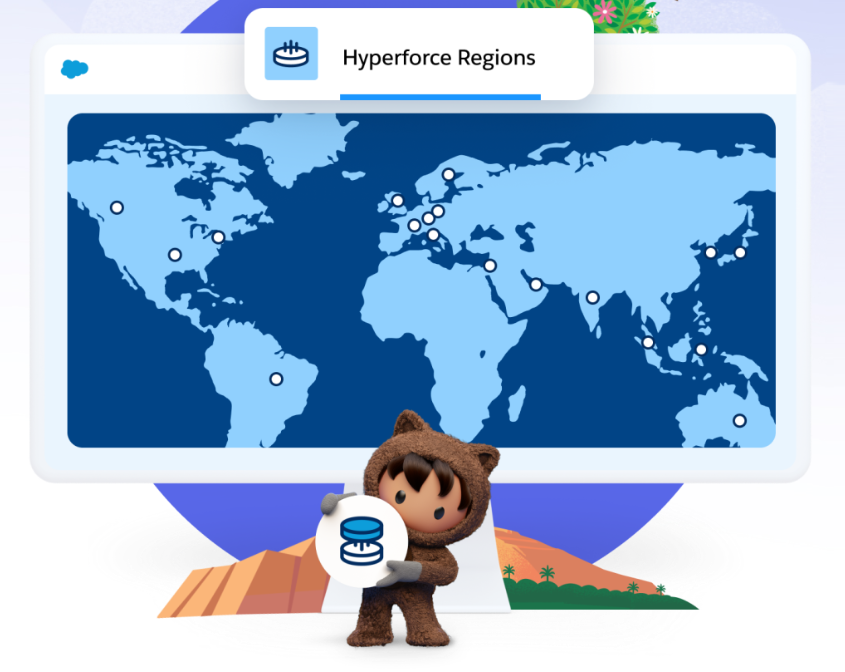
Salesforce is cloud-only. Every customer runs on Salesforce's multi-tenant infrastructure, with Hyperforce enabling regional data residency in the US, UK, Germany, India, Japan, and other regions. You get 99.99% historical uptime, automatic updates, and zero server management. But you never touch the database, never see the source code, and never host the application on your own terms.
Source: Salesforce
SuiteCRM inverts this. Every line of code is open source, and you can deploy it on your own servers, any cloud provider, or SuiteCRM's managed hosting. For organizations in regulated industries where data must stay on company-controlled infrastructure, this is not a preference. It is a compliance requirement. SuiteCRM holds ISO 9001 and ISO 27001 certifications and is a Crown Commercial Service Supplier, making it eligible for UK government procurement.

Source: SuiteCRM
The choice depends on what matters more: the operational simplicity of Salesforce's managed cloud, or the data sovereignty and infrastructure control that SuiteCRM provides.
AI separates the two platforms by a generation
This is where the comparison becomes asymmetric.
Salesforce has invested heavily in AI. Agentforce, powered by the proprietary Atlas Reasoning Engine, deploys autonomous AI agents that handle customer service, sales coaching, lead engagement, and account research.
Source: Salesforce
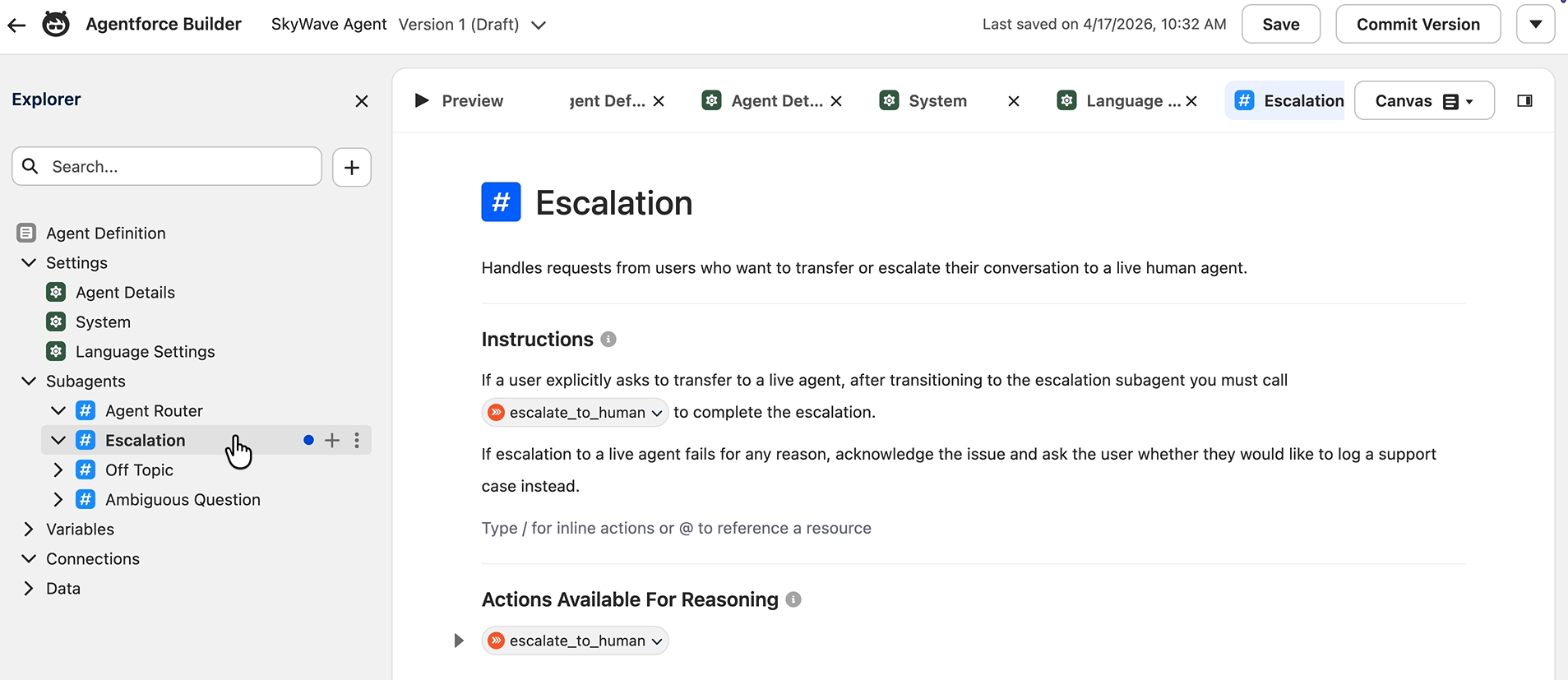
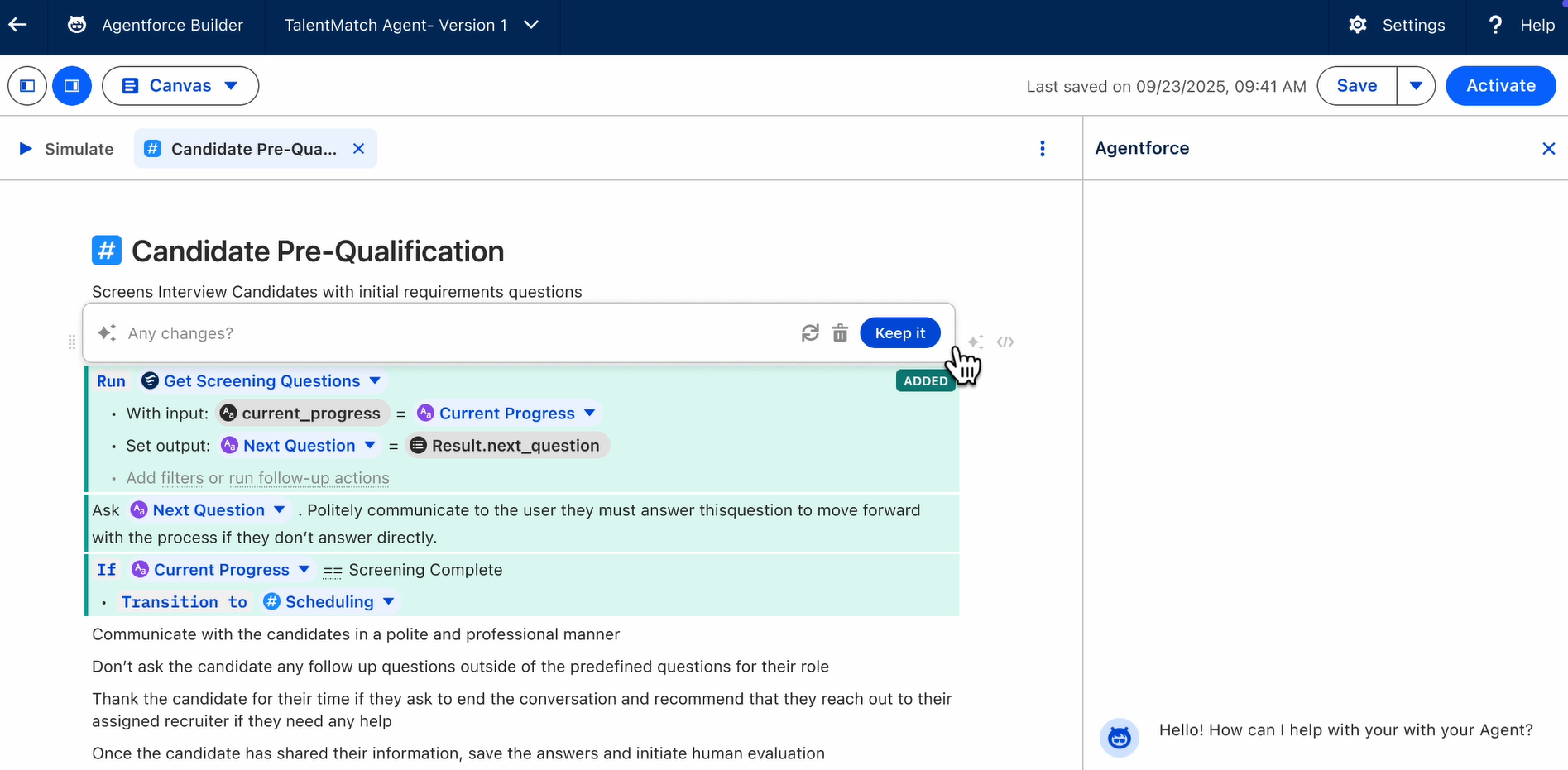
Pre-built agents cover service, SDR outreach, sales coaching, personal shopping, campaign creation, and IT service management, with custom agents configurable through Agentforce Builder.
Source: Salesforce
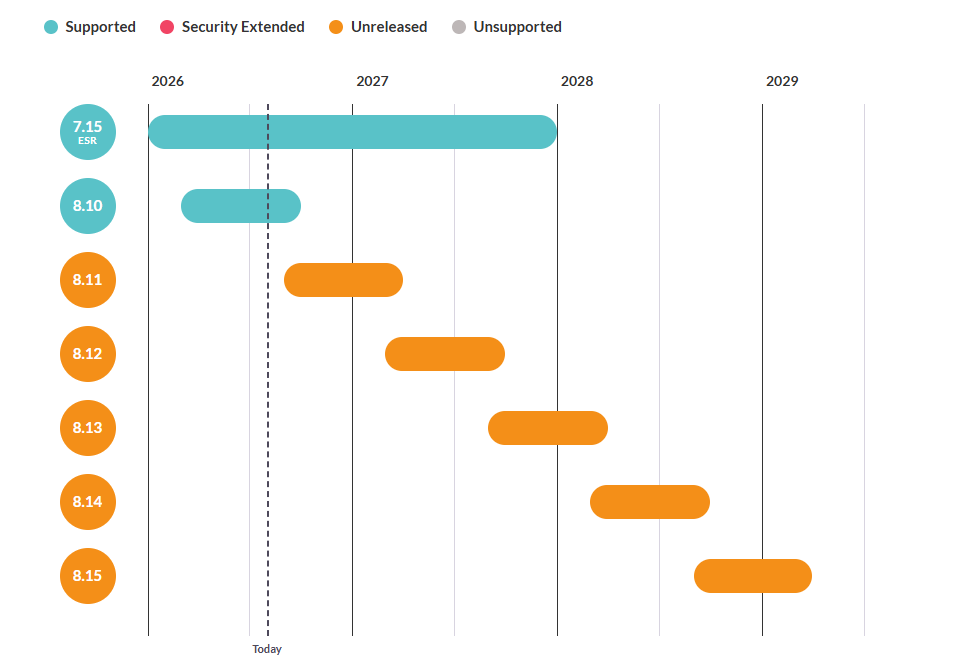
SuiteCRM has no AI capabilities. The published roadmap lists email campaign builders, subscription groups, and reporting improvements for versions 8.11 and 8.12, with no AI, predictive scoring, or intelligence features announced. This gap will widen. Commercial CRMs are shipping AI assistants, and SuiteCRM's roadmap shows no plan to follow.
Source: SuiteCRM
For organizations where AI case deflection, predictive deal scoring, or autonomous outreach are requirements, Salesforce is the only option in this comparison. For organizations that need a CRM without AI overhead, SuiteCRM's simplicity is its own advantage.
Feature depth: comprehensive vs. sufficient
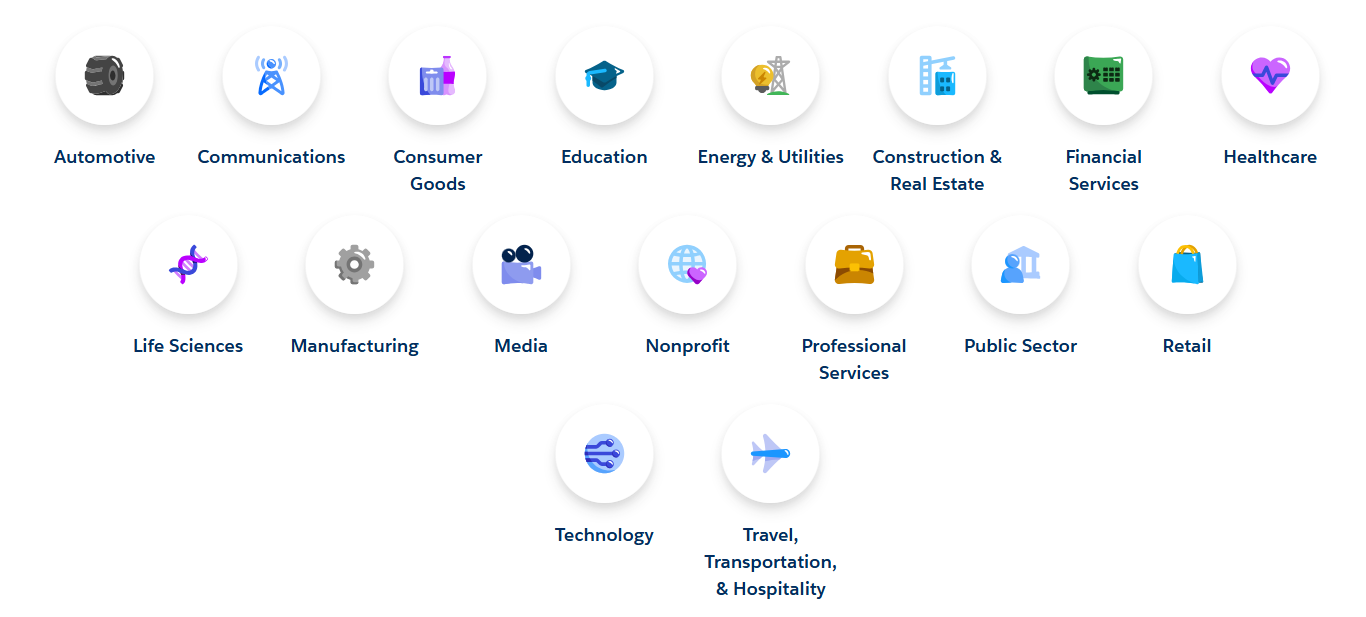
Salesforce's feature set is vast. Beyond core CRM, the platform spans 17 industry-specific clouds, a commerce platform, Tableau analytics, Slack for collaboration, MuleSoft for integration, Data Cloud for customer data unification, and Field Service for dispatch and scheduling. This breadth serves enterprises that want a single vendor for their entire customer operations stack.
Source: Salesforce
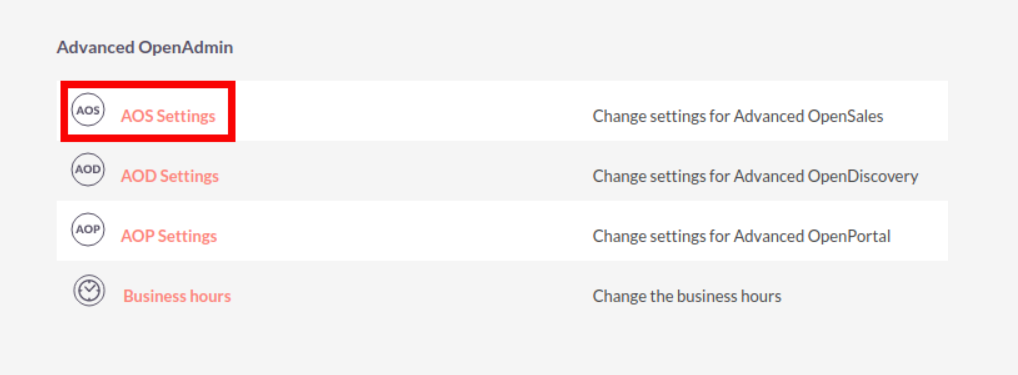
SuiteCRM covers the fundamentals well. Sales pipeline management, lead-to-opportunity conversion with duplicate detection, Advanced Open Sales (quotes, invoices, and contracts in one workflow), campaign management with six target list types, case management with a self-service portal, workflow automation with round-robin assignment and process audit trails, and reports with six chart types. These features ship as standard, not gated behind premium tiers. SuiteCRM includes workflow automation and API access at every level, capabilities Salesforce reserves for Enterprise edition and above.
Source: SuiteCRM
The question is not which platform has more features. Salesforce wins that comparison. The question is whether SuiteCRM's feature set covers your actual workflows. For sales teams that need pipeline tracking, quoting, campaign management, and case resolution, it does.
Both CRMs share a data quality problem
A CRM manages relationships. It does not generate the intelligence that makes those relationships productive.
Whether you run Salesforce or SuiteCRM, your sales team still needs to find the right contacts, verify their information, understand their company context, and identify when they are in-market. Both platforms depend on their users to supply this data. Salesforce acknowledged this directly: CEO Marc Benioff stated at Dreamforce 2025 that organizations must "get your data right" before AI can deliver value, and Salesforce's own research found that trust in data is the #1 bottleneck for AI adoption.
SuiteCRM faces the same challenge without AI compounding it. Your CRM records are only as good as what your team enters and maintains.
ZoomInfo solves this at the source. Its database spans 500M contacts, 100M companies, 135M+ verified phone numbers, and 200M+ verified business email addresses, verified through a multi-source pipeline backed by 300+ human researchers with up to 95% accuracy on first-party data. In a Fortune 500 competitive RFP analyzing 25 million contacts across vendors, the independent consultant concluded that "no other competitor came even close."

Source: ZoomInfo
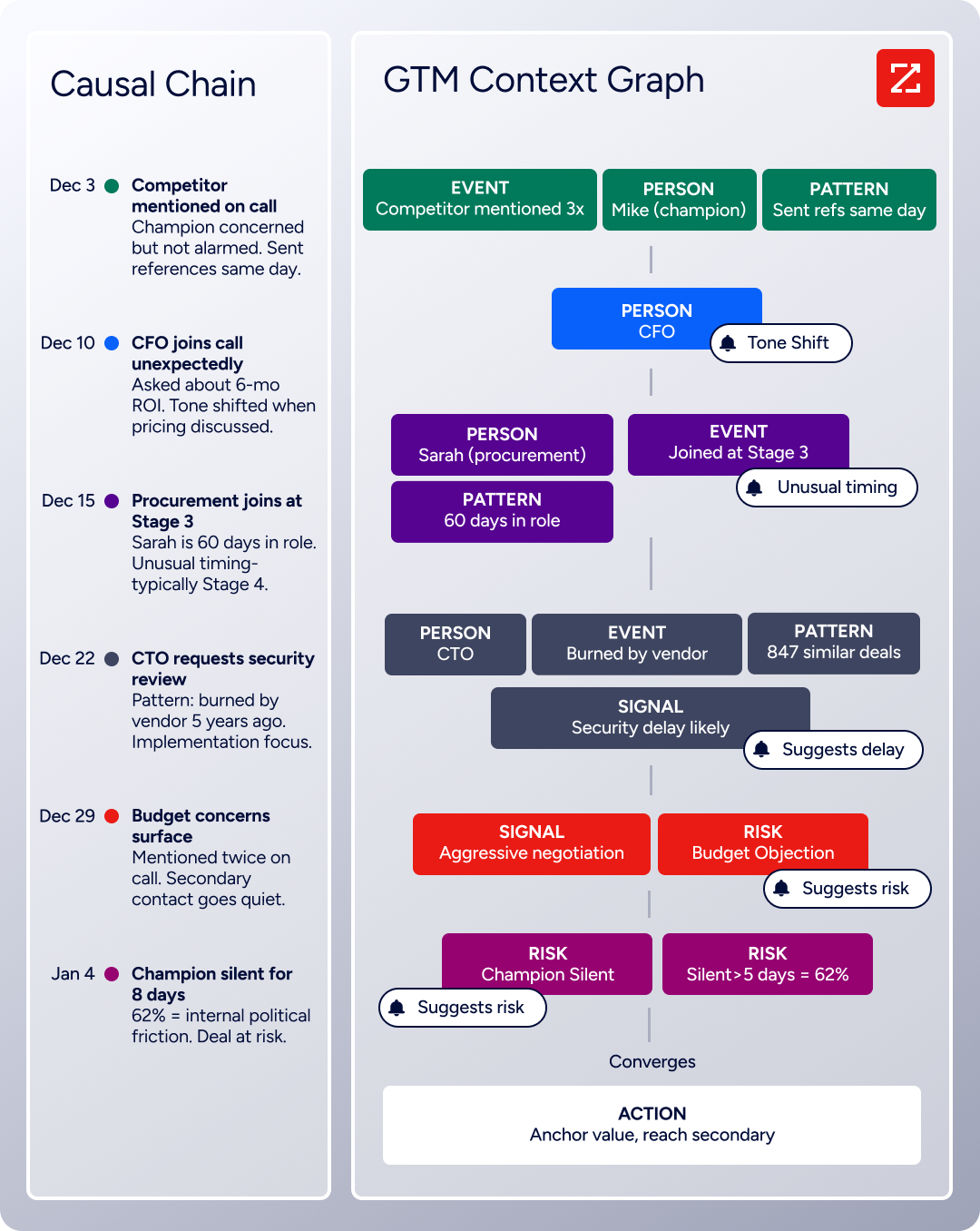
Beyond raw data, ZoomInfo's GTM Context Graph (an intelligence layer processing 1.5B+ data points daily) combines your CRM records with conversation intelligence, intent signals, and behavioral data to capture not just what happened in a deal, but why.
Source: ZoomInfo
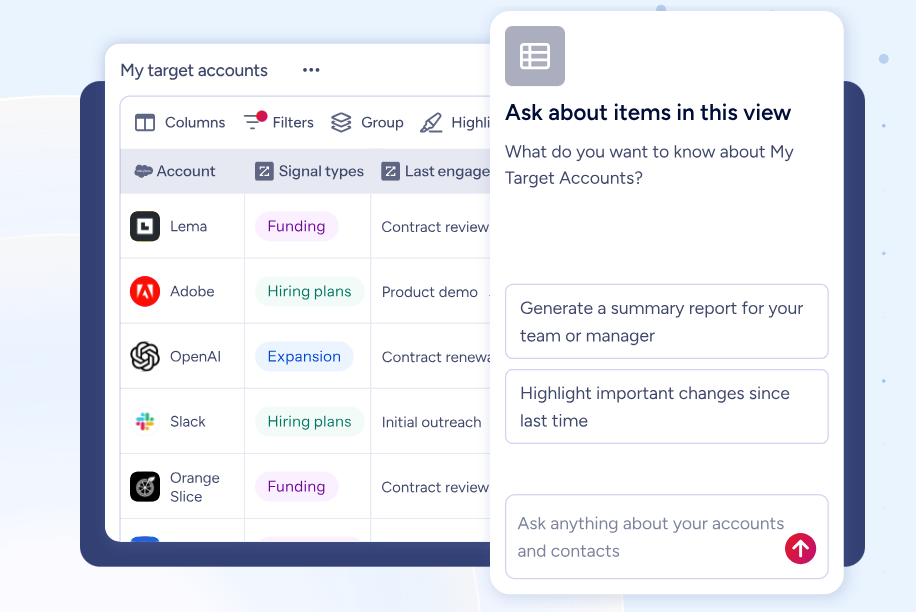
This intelligence powers GTM Workspace for sellers and GTM Studio for marketers and RevOps, or flows into any tool via API and MCP.
Source: ZoomInfo
For Salesforce users, ZoomInfo is a native integration that enriches CRM records, powers prospecting, and feeds buying signals directly into the sales workflow. For SuiteCRM users, ZoomInfo's API delivers the same intelligence into an open-source environment. Either way, the CRM becomes more valuable because the data inside it is accurate, complete, and current.
Seismic's sales team attributed 39% of active pipeline to opportunities identified or influenced by ZoomInfo signals, boosted productivity by 54%, and saved 11.5 hours per week. As CBO Toby Carrington put it: "It's bringing data together faster than anyone could. It's both a time saving and a quality improvement." (Seismic)
For a deeper look at how Salesforce and ZoomInfo stack up head-to-head, see our Salesforce vs. ZoomInfo comparison.
Integration ecosystems reflect different philosophies
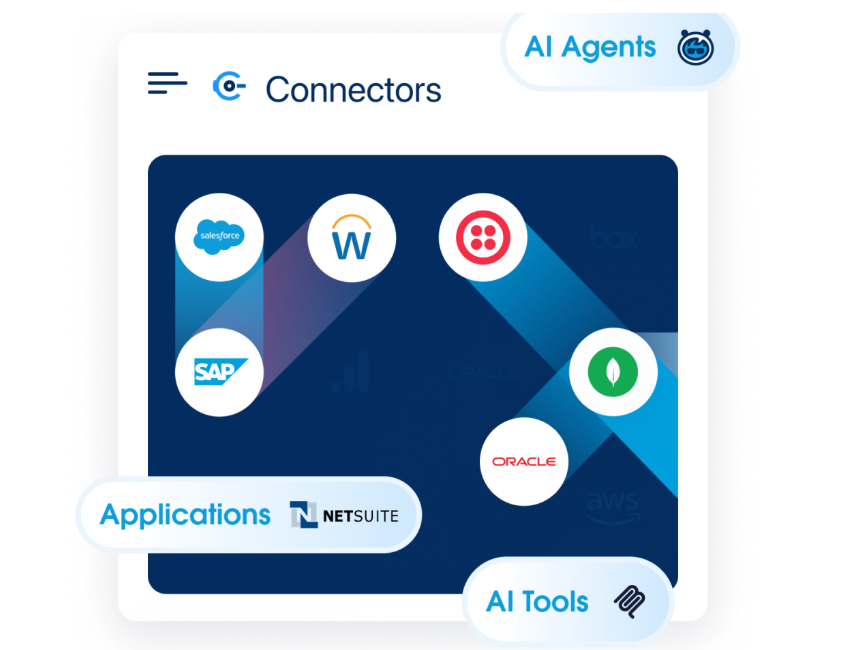
Salesforce's ecosystem is the largest in CRM. AppExchange hosts 9,000+ partner apps with 14+ million installs, and 91% of customers use at least one AppExchange app.
MuleSoft provides API management with hundreds of pre-built connectors. Native integrations cover Google Workspace, Microsoft Outlook and Teams, and Slack. The REST API offers full programmatic access, though API call allocations are tied to edition and license count.
Source: Salesforce
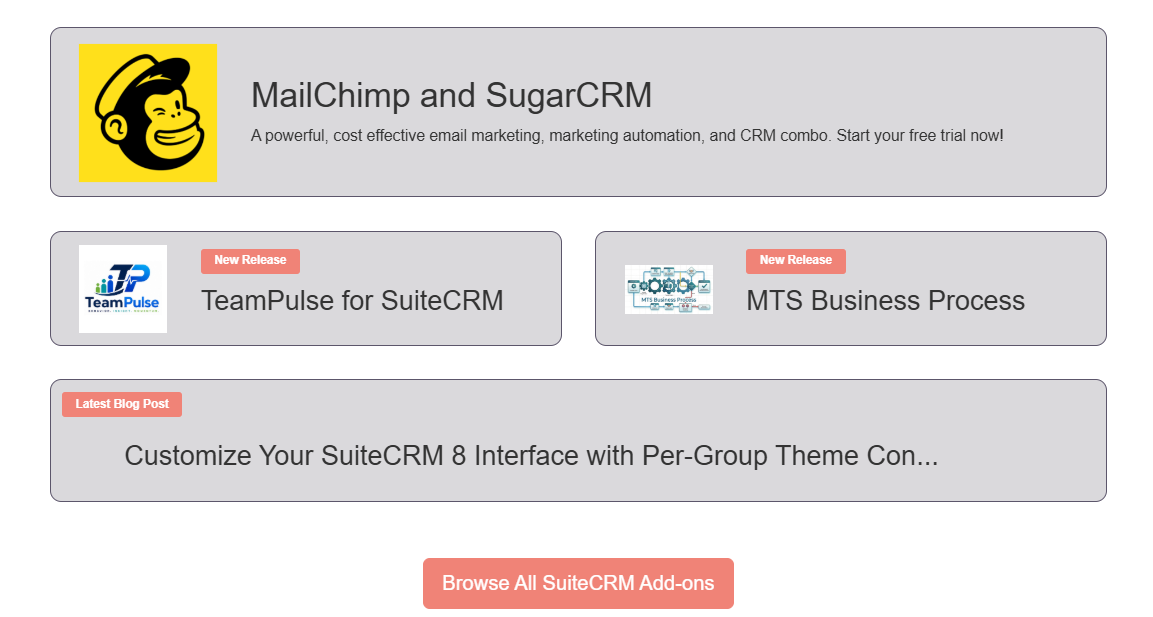
SuiteCRM's integration ecosystem is smaller but open. The SuiteCRM Store offers add-ons across administration, integrations, marketing, productivity, and sales categories. Named integrations include MailChimp via the SugarChimp add-on and an official Outlook Plugin. The V8 REST API follows the JSON:API specification with full CRUD operations, relationship management, and metadata introspection. Because SuiteCRM is self-hosted, there are no platform-set API rate limits. The trade-off is that outbound webhooks require a third-party add-on and there are no official SDKs in any language.
Source: SuiteCRM
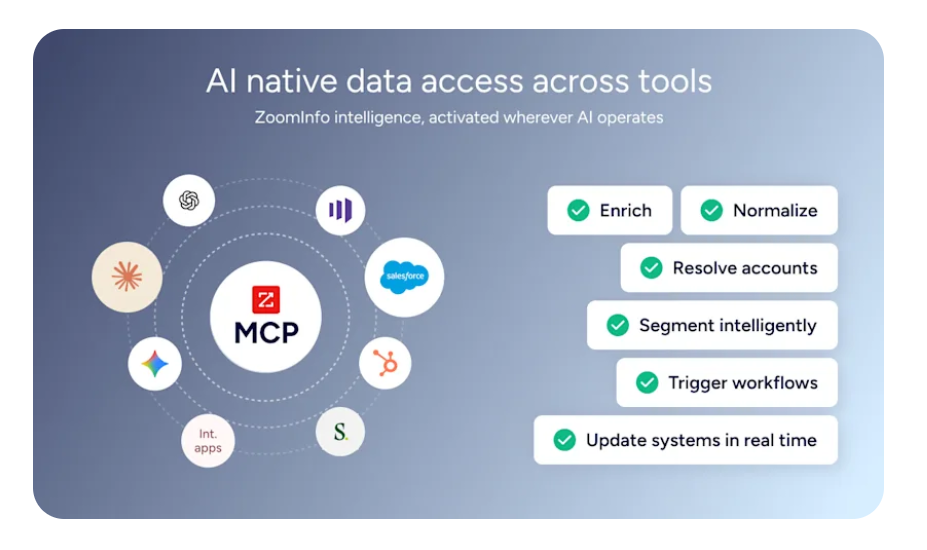
ZoomInfo connects to both ecosystems. Its Salesforce integration is a featured native connector. For SuiteCRM, ZoomInfo's Enterprise API and MCP server deliver the same intelligence into any system with an API, including open-source CRMs.
Source: ZoomInfo
"The plug-and-play aspect of the API means I can integrate it into any process and get information at a moment's notice," said Jerry Wilson, Senior Marketing Intelligence Analyst at BDO Canada, which achieved an 87% reduction in time spent on internal data dashboard updates through the ZoomInfo API. (BDO Canada)
Support and learning curve
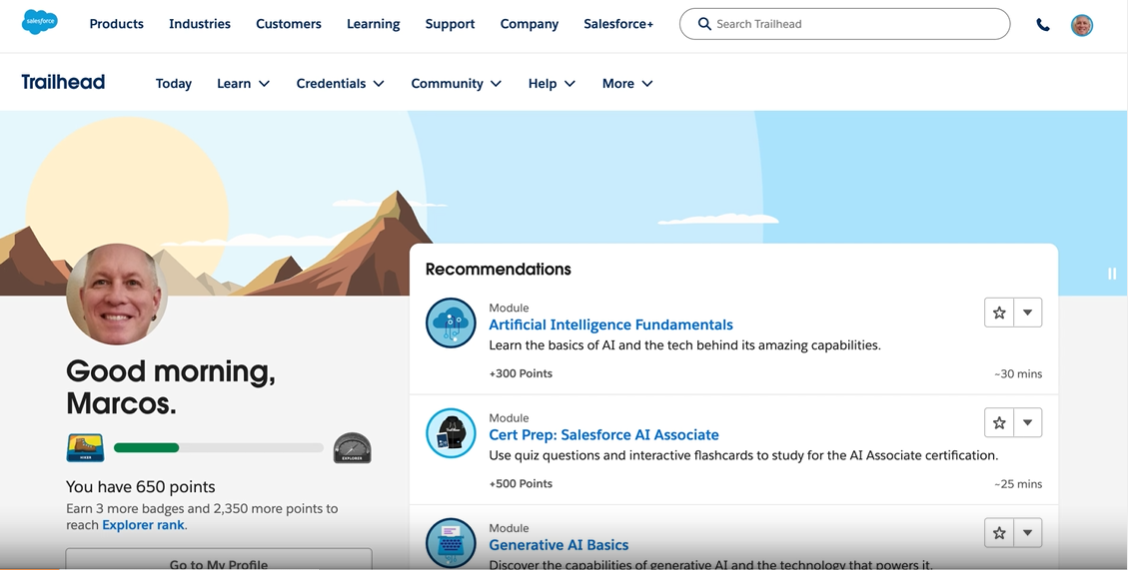
Salesforce has a steep learning curve matched by extensive learning resources. Trailhead offers 6+ million learners, 1,500+ badges, and 60+ certifications.
Source: Salesforce
The Trailblazer Community spans 20 million members across 1,300+ local groups in 90 countries. Support tiers range from free Standard (Trailhead, docs, community) to Premier at 30% of net license fees (1-hour response for business-impacting issues) to Signature (dedicated Customer Success Manager, 15-minute response for critical issues). The platform requires trained administrators for meaningful customization, and implementation timelines range from weeks to 12 months.
SuiteCRM's learning curve is moderate for end users but steep for administrators. Documentation covers end users, administrators, and developers in separate tracks. Free support is limited to the community forum with no SLA. Commercial support starts at £1,200/year for 10 hours via a dedicated portal, email, phone, and video calls. The self-hosted path requires hands-on server administration, and there is no in-app onboarding wizard for end users. Organizations typically build their own training programs or purchase training through SuiteCRM's enterprise services.
Customization comparison
Both platforms offer customization, through different means.
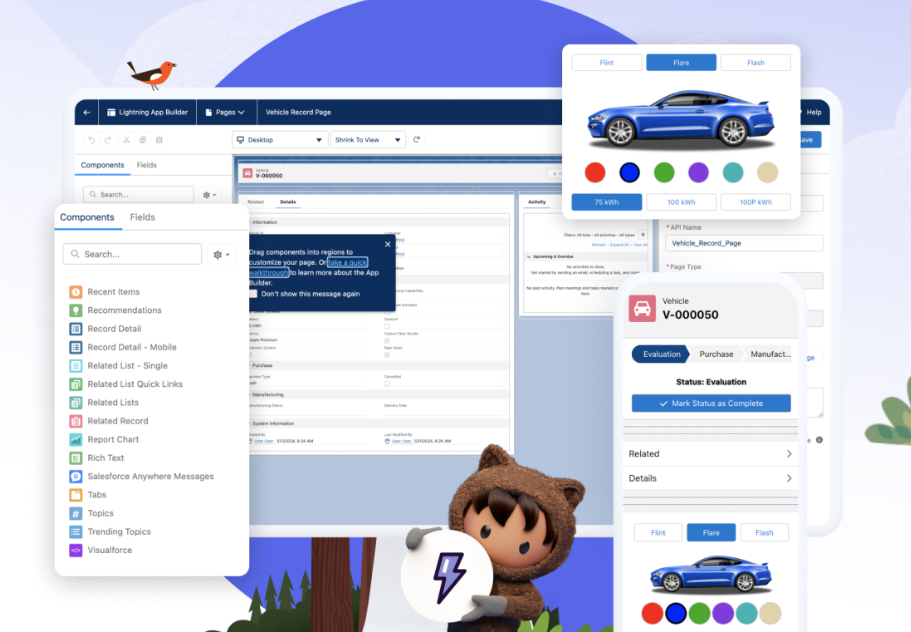
Salesforce customization operates within a governed framework. Lightning App Builder provides drag-and-drop app creation.
Source: Salesforce
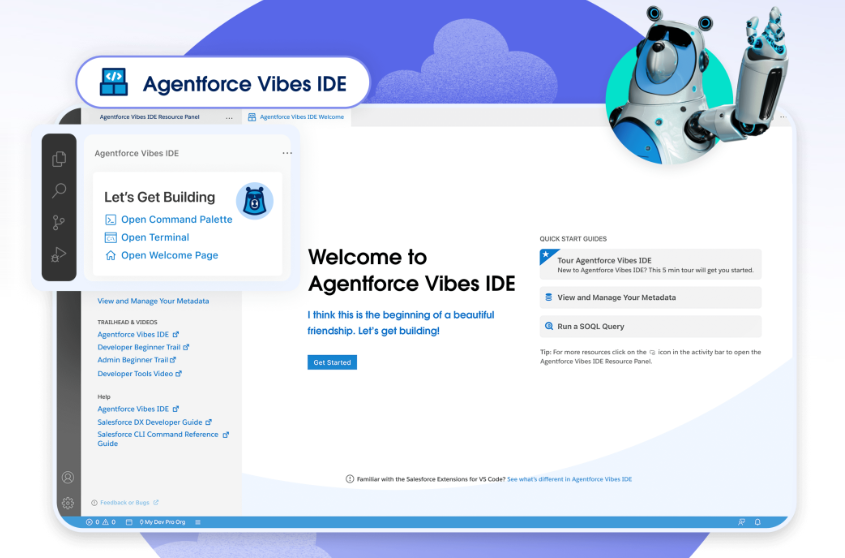
Flow automates business processes. Code Builder supports pro-code development in Apex. Custom objects, fields, and relationships are configurable through the admin interface. But customization happens within Salesforce's platform boundaries. You cannot modify the underlying source code or database schema directly.
Source: Salesforce
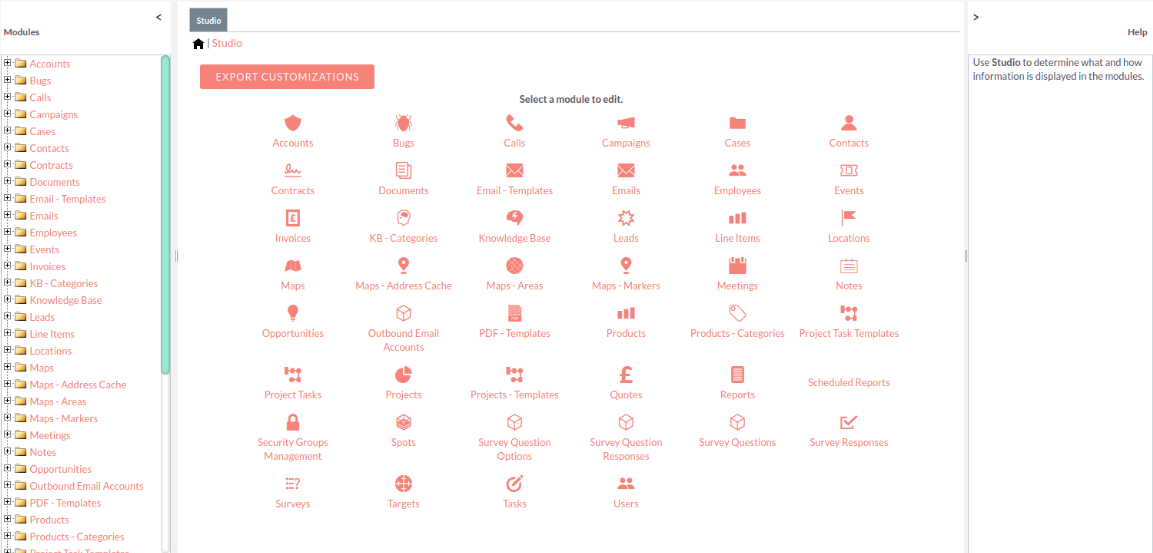
SuiteCRM removes those boundaries. Full source code access means any behavior can be modified. Configuration Studio provides no-code customization of fields, layouts, and relationships.
Source: SuiteCRM
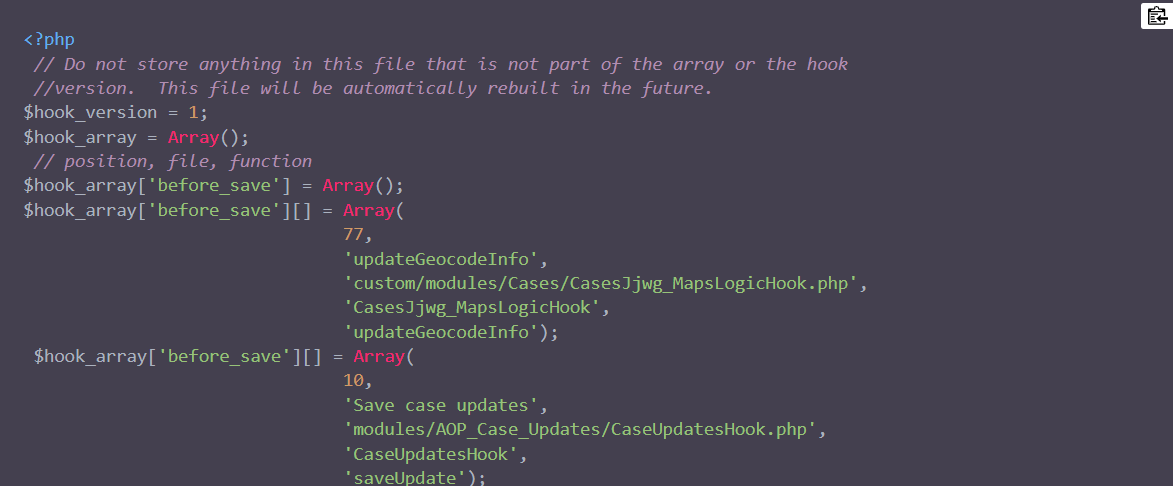
Module Builder creates new custom modules without writing code. Logic Hooks enable server-side PHP callbacks on any application or record event. Configurations are portable via packaged .zip exports. There are no limits on custom module count by pricing tier, because there are no pricing tiers.
Source: SuiteCRM
For organizations with development resources, SuiteCRM offers broader customization at zero licensing cost. For organizations that want customization within a supported, managed environment, Salesforce provides the guardrails and the ecosystem.
Salesforce vs. SuiteCRM vs. ZoomInfo: Which should you choose?
The choice between Salesforce and SuiteCRM depends on your budget, technical resources, and AI requirements. The choice to add ZoomInfo depends on whether you want your CRM to contain verified, current intelligence or stale, manually entered data.
Choose Salesforce if:
You need AI agents, predictive analytics, and automated case resolution
You want a managed cloud platform with no infrastructure responsibility
Your budget supports $175–$550/user/month plus implementation costs
You need integrations across commerce, marketing, analytics, and collaboration
You have (or will hire) a dedicated Salesforce administrator
Choose SuiteCRM if:
Per-user licensing costs are a barrier and you have 20+ CRM users
On-premise deployment or data sovereignty is a compliance requirement
You have in-house technical resources to manage hosting, updates, and customization
You need a CRM covering sales, marketing, and service without AI overhead
Full source code access and no vendor lock-in matter to your organization
Add ZoomInfo to either CRM if:
Your sales team spends too much time searching for accurate contact information
You want verified phone numbers and business emails that connect
You need buyer intent signals showing which accounts are actively in-market
You want account intelligence that explains why deals move or stall
You need the same B2B data available in your CRM, your AI tools, and your custom workflows
See how ZoomInfo's data and intelligence layer powers your CRM with a free trial.
Smartsheet's Thor Sanderson, Senior Manager of Sales Technology Enablement, put it directly: "ZoomInfo is our one source of truth for account data, and even more so for contact data. There's no other provider in the market that provides you with that level of detail." (Smartsheet)
The CRM you choose determines how you manage relationships. The data you put into it determines whether those relationships lead anywhere. Salesforce and SuiteCRM each solve the management problem well, for very different budgets and technical profiles. ZoomInfo solves the data problem that both share.
Salesforce vs. SuiteCRM vs. ZoomInfo FAQ
What is the core difference between Salesforce, SuiteCRM, and ZoomInfo?
Salesforce is a cloud CRM platform with AI capabilities, a large app marketplace, and per-user subscription pricing. SuiteCRM is an open-source CRM with zero per-user licensing fees that can be self-hosted or cloud-hosted, covering sales, marketing, and service workflows. ZoomInfo is not a CRM. It is a B2B data intelligence platform that provides verified contact and company data, buyer intent signals, and account intelligence to make any CRM more effective.
How much does each platform cost for a 50-person team?
Salesforce Enterprise edition costs $175/user/month, totaling $8,750/month in licensing alone before support, implementation, or add-ons. SuiteCRM's managed Business hosting plan covers 5–50 users at £198/month, with support sold separately starting at £1,200/year for 10 hours. ZoomInfo's pricing is custom-quoted and consumption-based, with a permanent free tier (ZoomInfo Lite) offering 10 monthly export credits and access to the B2B database.
Can SuiteCRM replace Salesforce for enterprise organizations?
SuiteCRM covers core CRM workflows including pipeline management, quoting, invoicing, campaign management, case management, and workflow automation. It positions its feature set as equivalent to Salesforce Enterprise for these functions. However, it lacks AI capabilities, has a smaller integration ecosystem, requires technical resources for deployment and maintenance, and is in the middle of a multi-year architecture rebuild from version 7 to version 8. Organizations with advanced AI, analytics, or multi-cloud requirements will find gaps.
Does ZoomInfo integrate with both Salesforce and SuiteCRM?
ZoomInfo integrates natively with Salesforce as a featured Marketplace partner, providing CRM enrichment, lead routing, and signal delivery. For SuiteCRM, ZoomInfo's Enterprise API and MCP server deliver the same data and intelligence into any system with API access. ZoomInfo also offers Data Cubes for cloud data platforms and 172+ integrations across its Marketplace.
Which platform offers AI capabilities?
Salesforce leads with Agentforce, which has reached $800M ARR and delivers autonomous AI agents for sales, service, marketing, and IT. ZoomInfo provides AI through its GTM Context Graph (processing 1.5B+ data points daily) and GTM Workspace AI agents for sellers, with programmatic intelligence available through its API and MCP. SuiteCRM has no AI capabilities on its published roadmap.
Which platform gives you more control over your data?
SuiteCRM provides the most control. You can self-host on your own servers with full database and source code access. Salesforce is cloud-only with no on-premise option and no access to the underlying database or source code, though Hyperforce enables regional data residency. ZoomInfo is a cloud SaaS platform but delivers data through APIs, MCP, and cloud Data Cubes so you can store and manage it within your own infrastructure.
Which platform is easiest to get started with?
Salesforce has the most structured onboarding through Trailhead (6+ million learners, 1,500+ badges), but requires trained administrators for meaningful customization. SuiteCRM has a moderate learning curve for end users but a steep one for administrators managing self-hosted deployments. ZoomInfo Lite offers a permanent free tier with no credit card required and immediate access to B2B search and prospecting tools.
What happens if SuiteCRM development slows or stops?
Because SuiteCRM is open source under the AGPL license, the code remains available regardless of what happens to SuiteCRM Ltd. Organizations can fork the codebase, maintain it internally, or hire any developer to continue customization. This is the structural advantage of open-source software over proprietary platforms where the vendor controls all access to the code.
