
Choosing between Apptivo and Salesforce for your CRM comes down to five questions:
Do you need an enterprise CRM with AI agents and a large app ecosystem, or an affordable suite that handles CRM, invoicing, and operations together?
Is your budget $15/user/month or $175/user/month?
Do you have a dedicated admin to configure and maintain the platform, or does your team need to handle setup themselves?
Are you a growing SMB consolidating tools, or a mid-market to enterprise organization scaling complex sales processes?
How important is the accuracy of the data going into your CRM, and do you have a strategy for filling it with the right contacts, companies, and buying signals?
In short, here's what we recommend:
Apptivo is the all-in-one suite for small and mid-sized businesses that need more than just CRM. With 50+ integrated business apps covering sales, invoicing, help desk, field service, and project management, Apptivo lets teams consolidate multiple tools into one dashboard starting at $15/user/month. Its drag-and-drop customization means non-technical users can tailor workflows without a developer. However, Apptivo's integration ecosystem is narrow, it lacks AI features, and its breadth can create a steep learning curve for teams that just need a simple CRM.
Salesforce is the enterprise standard, holding the #1 CRM market share position for over a decade. With Sales Cloud, Service Cloud, Marketing Cloud, and the Agentforce AI platform, Salesforce offers deep functionality for organizations ready to invest in a full-scale CRM. Its 9,000+ AppExchange apps and Agentforce AI agents give enterprises broad sales and service capabilities. But that power costs: pricing starts at $25/user/month and climbs to $175–$550/user/month for meaningful features, plus implementation that typically requires partner consultants.
Both platforms manage your pipeline and customer relationships. But here's the question most CRM comparisons skip: where does the data inside your CRM actually come from? A CRM with incomplete contacts, stale company records, and no visibility into buyer intent is a filing cabinet, not a sales engine. That's the gap ZoomInfo fills.
ZoomInfo is a B2B data intelligence and go-to-market platform that provides the intelligence layer your CRM needs. With 500M contacts, 100M companies, 135M+ verified phone numbers, and 200M+ verified business emails, ZoomInfo feeds your CRM with verified data and surfaces buying signals that tell your team who to contact, when to engage, and what to say. Its GTM Context Graph combines your CRM records with conversation intelligence, intent signals, and behavioral data to reveal not just what happened in a deal, but why. Whether your CRM is Apptivo, Salesforce, or anything else, ZoomInfo connects through native integrations, APIs, and MCP to make every rep more effective.
If accurate data, buyer intent signals, and AI-powered prospecting sound like what's missing from your CRM, see how ZoomInfo works with a free trial.
Apptivo vs. Salesforce vs. ZoomInfo at a glance
Apptivo | Salesforce | ZoomInfo | |
|---|---|---|---|
Primary function | All-in-one business management suite | Enterprise CRM & AI platform | B2B data intelligence & GTM platform |
AI capabilities | None visible | Agentforce AI agents, Einstein scoring | GTM Context Graph, AI-drafted outreach, intent signals |
Integration ecosystem | Narrow (QuickBooks, Xero, Google, Slack) | Large (9,000+ AppExchange apps) | 120+ integrations; native Salesforce, HubSpot, Dynamics connectors |
CRM data source | Manual entry, web forms, email capture | Manual entry, web forms, imports | 500M contacts, 135M+ verified phones, buyer intent signals |
Starting price | Free tier available; paid plans custom-quoted | ||
Realistic price | $25–$50/user/month | $175–$550/user/month | Custom (consumption-based) |
Free trial | |||
Learning curve | Moderate (breadth creates complexity) | Steep (requires dedicated admin) | Moderate (role-specific onboarding) |
Best for | SMBs consolidating CRM, invoicing, and operations | Mid-market to enterprise sales organizations | Any CRM user who needs accurate data and buying signals |
Salesforce offers depth Apptivo can't match
The price difference reflects a real capability gap.
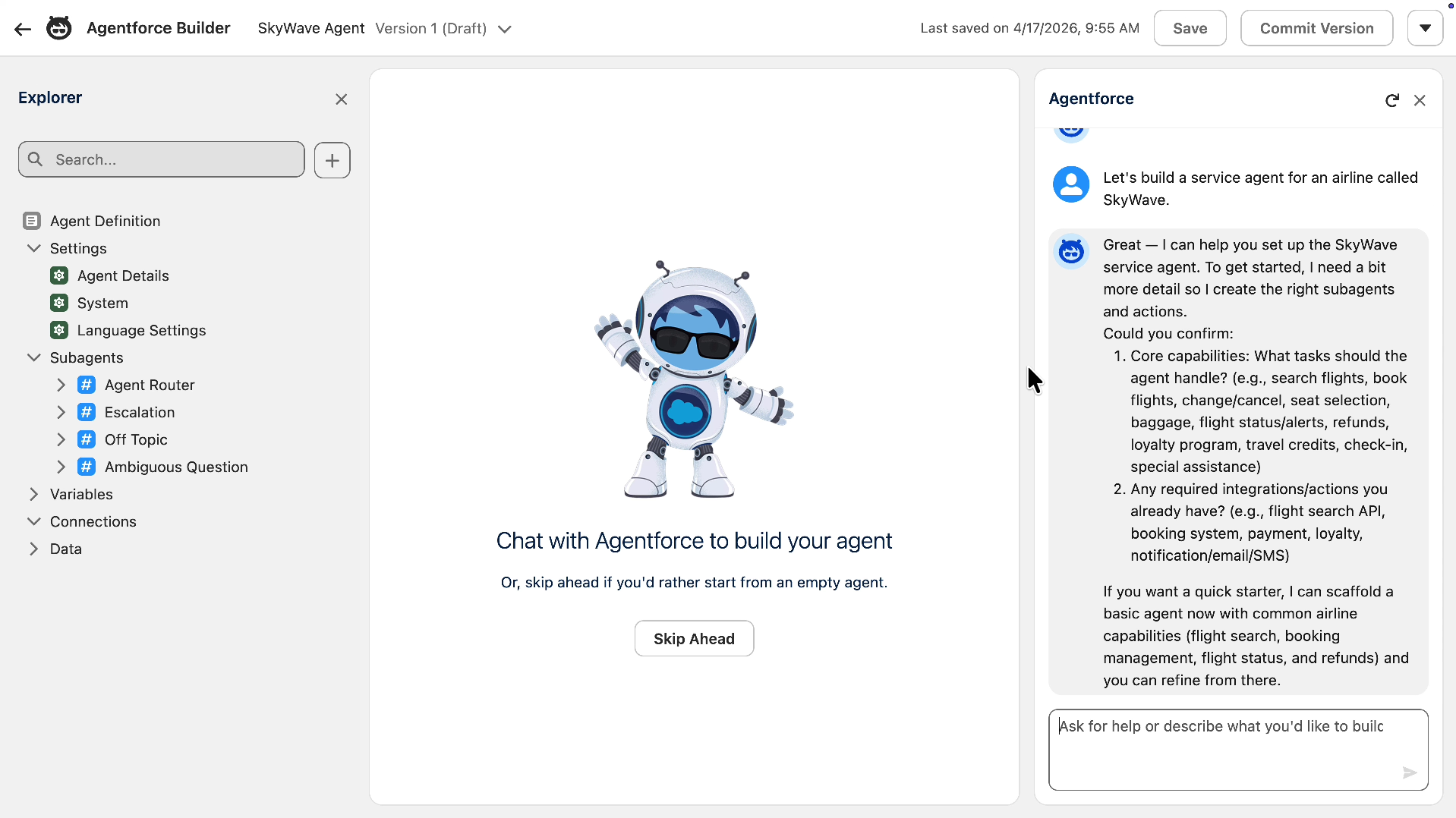
Salesforce's Sales Cloud includes Einstein Lead Scoring, pipeline health signals, forecast management with AI overlays, and conversation intelligence that analyzes sales calls without a separate tool like Gong. Agentforce goes further: autonomous AI agents that handle account research, draft outreach, manage pipeline, and coach reps, built on the Atlas Reasoning Engine. Salesforce reports its own support team resolves 85% of requests without human escalation using Agentforce.
Source: Salesforce
Apptivo has no publicly disclosed AI features. No predictive lead scoring, no AI-drafted emails, no conversation intelligence. The platform focuses on operational breadth (CRM, invoicing, help desk, field service) rather than sales intelligence depth. For teams that need invoicing, project management, and support ticketing alongside their CRM, this trade-off makes sense. For teams competing on sales velocity and deal intelligence, it's a limitation.
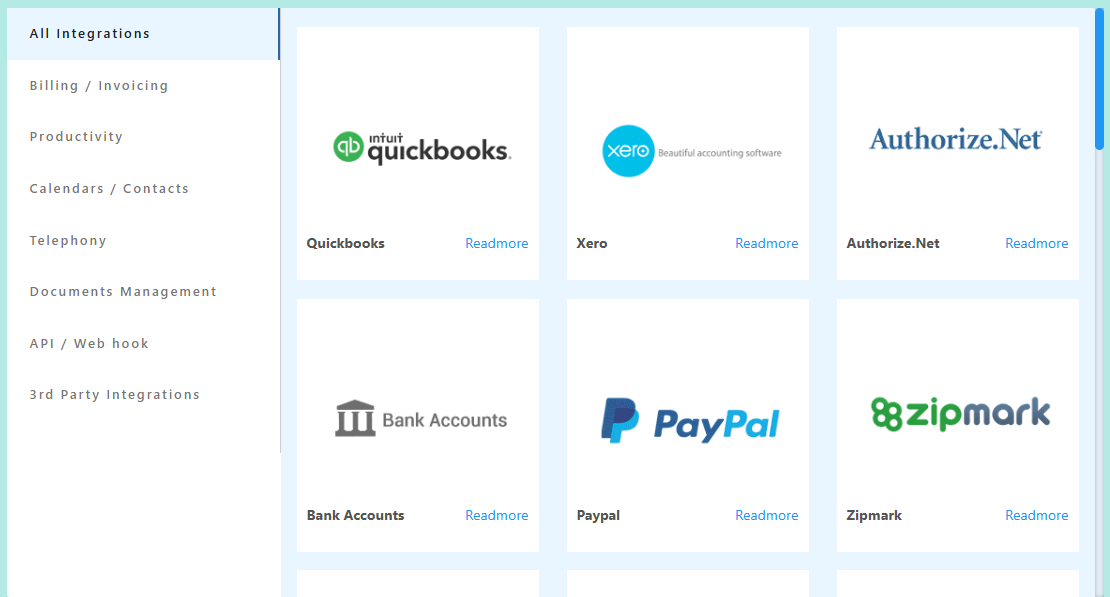
The ecosystem gap matters too. Salesforce's AppExchange has 9,000+ partner apps with 14+ million installs. Apptivo's integrations page covers QuickBooks, Xero, Slack, Office 365, and a REST API, a functional but narrow set. There is no native Zapier/Make connector, no Shopify integration, and no connection to marketing automation platforms like Marketo or HubSpot Marketing Hub.
Source: Apptivo
The CRM is only as good as the data inside it
This is the point most Apptivo vs. Salesforce comparisons miss.
Both platforms give you fields to fill, pipelines to manage, and dashboards to monitor. But neither solves the fundamental problem: where do the contacts, company details, and signals that populate those fields come from?
With Apptivo, leads enter through email capture, web forms, and manual entry. With Salesforce, the story is similar: reps log calls, marketing imports lists, and web-to-lead forms trickle in contacts. In both cases, the CRM depends on your team to find and enter data manually, or on third-party tools to feed it.
ZoomInfo changes the equation. Instead of asking reps to research prospects and type in phone numbers, ZoomInfo provides 120M direct-dial phone numbers and 200M+ verified business email addresses that flow directly into your CRM. Instead of guessing which accounts are in-market, ZoomInfo Intent tracks signals from 210 million IP-to-Organization pairings to surface companies actively researching solutions like yours.
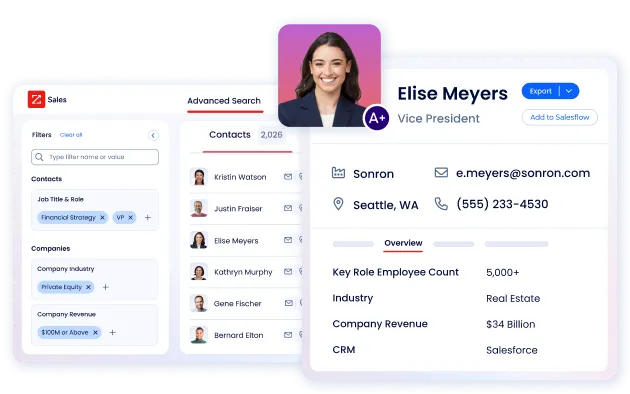
The difference shows at the point of action. The direct dial rings. The email lands. The account you're calling needs what you sell right now.
"ZoomInfo gives us the information we need to execute. We don't have to go through and spend our time digging. It's already there, so we can be three steps ahead." (Vensure)
Customization takes different forms
Both platforms let you tailor the system to your business, but the approaches differ.
Apptivo's customization is built for non-technical users. The drag-and-drop Master Layout system lets anyone rearrange fields, add custom views, and adjust workflows without code. The App Builder lets users create new apps within the platform. One customer described it as "by far the simplest and smoothest process with the greatest customization" across four CRM implementations. Enterprise tier users get up to 500 custom fields per app and 300 workflows.
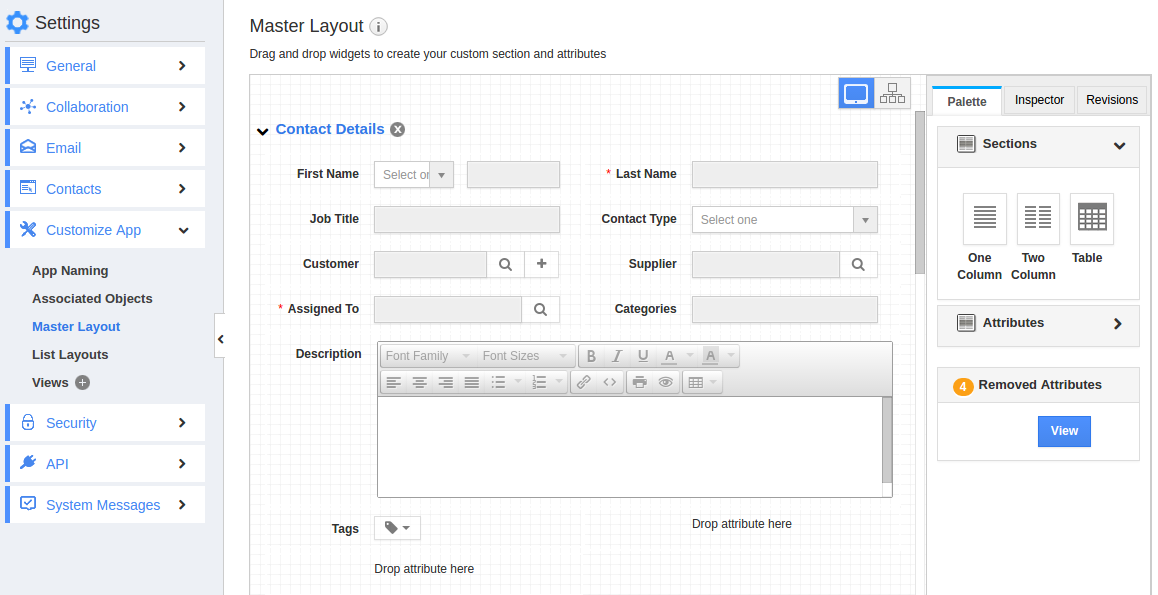
Source: Apptivo
Salesforce's customization runs deeper but demands more expertise. Lightning App Builder, Flow automation, and Code Builder give admins and developers broad flexibility. But this power requires dedicated, trained administrators. Trailhead provides 1,500+ learning badges for upskilling, which signals how much there is to learn. Implementation timelines range from weeks for simple Sales Cloud setups to 3–12 months for enterprise multi-cloud deployments.
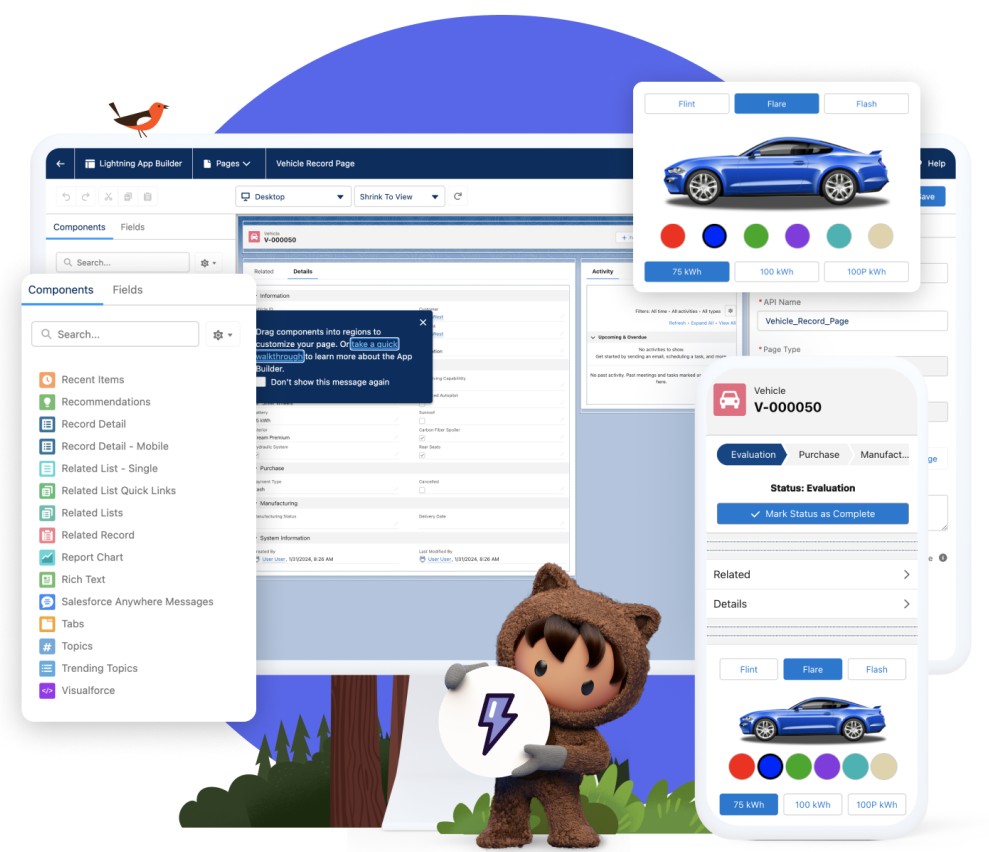
Source: Salesforce
The practical takeaway: a business owner can handle Apptivo customization after watching a tutorial. Salesforce customization often requires hiring a certified admin or a consulting partner.
ZoomInfo turns your CRM data into deal intelligence
Regardless of which CRM you choose, the contacts and companies inside it are static records until something connects them to real buying behavior.
ZoomInfo's GTM Context Graph does this. It processes 1.5B+ data points daily, combining your CRM records with ZoomInfo's third-party intelligence, conversation transcripts, and behavioral signals. The result is a layer that captures not just what happened in a deal, but why it happened.
A CRM records that a deal moved from Stage 3 to Stage 4. The GTM Context Graph surfaces that executive sponsorship entering at this stage, combined with ROI-focused questions from the last call, matches the pattern behind closed-won deals in your segment, and connects that to third-party signals showing the company is hiring new VPs and researching your competitor.
For Salesforce users, ZoomInfo offers a native integration that enriches records, surfaces intent signals, and delivers account intelligence inside the Salesforce interface. For teams using other CRMs, APIs and MCP expose the same intelligence to any application.
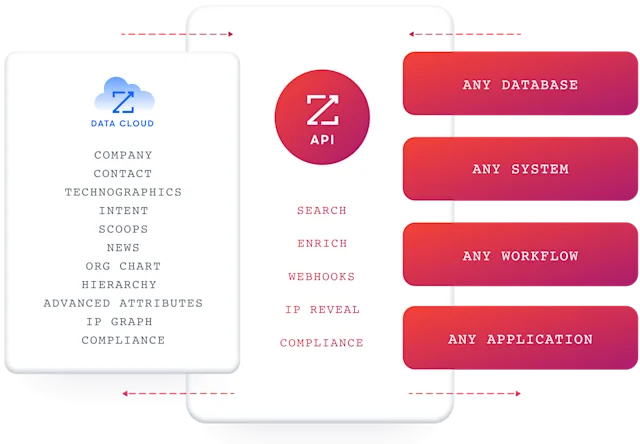
"That combination of our internal CRM data, external signals, and AI that's given all that context has helped us craft very specific account- and persona-based messages. And people have responded to them right away." (Seismic)
Support and onboarding reflect different priorities
Who helps you when you're stuck matters, especially for teams without dedicated IT staff.
Apptivo includes 24x7 support via calls, email, and live chat on all paid plans, with no premium surcharge. Customers consistently cite support quality as a differentiator. The COO of 123 Junk stated "Apptivo's Onboarding Team has been outstanding and continues to be great partners." Paid consulting sessions start at $125 per 60-minute session, and professional implementation runs 6–8 stages in 3–8 weeks.
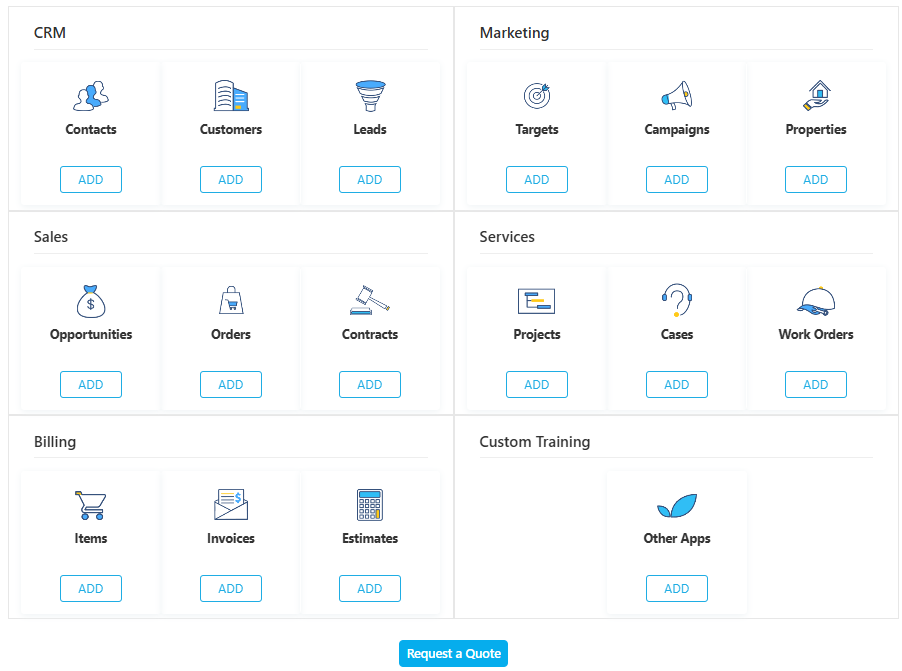
Source: Apptivo
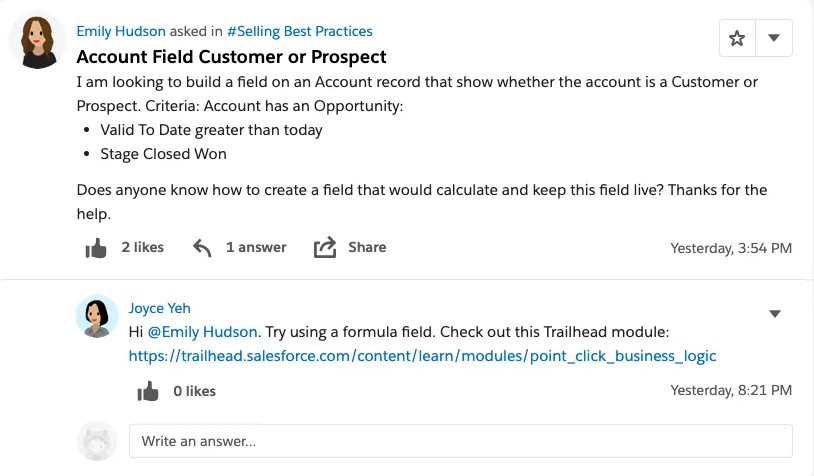
Salesforce ties support quality to how much you pay. The free Standard plan gives you documentation and community forums. Premier Support costs 30% of net license fees and adds 1:1 coaching, health checks, and 1-hour response time for critical issues. Signature support (custom pricing) adds a dedicated Customer Success Manager and 15-minute response time. The Trailblazer Community of 20 million members is a real strength, with 80% of users reporting it helps extend capabilities and reduce costs.
Source: Salesforce
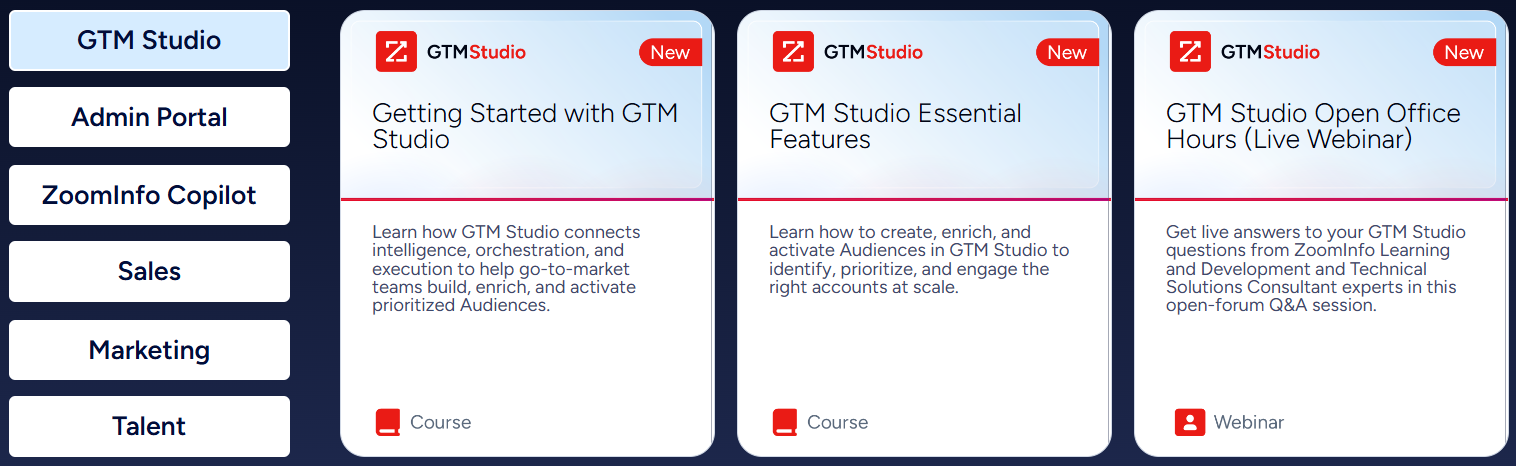
ZoomInfo redesigned its onboarding program from 30 to 90 days, producing a 25% improvement in customer satisfaction scores. The program won Rocketlane's Golden Comet award for Best Customer Onboarding Team of 2024. ZoomInfo University offers role-specific learning paths, certifications, and on-demand courses.
Security and compliance for regulated industries
All three platforms take security seriously, but the certifications differ.
Apptivo holds SSAE18 SOC2 Type II certification, GDPR compliance, and EU-U.S. Privacy Shield compliance. Infrastructure runs on Google Kubernetes Engine with 1-hour rolling backups stored in encrypted AWS S3 buckets. All connections use 256-bit SSL encryption.
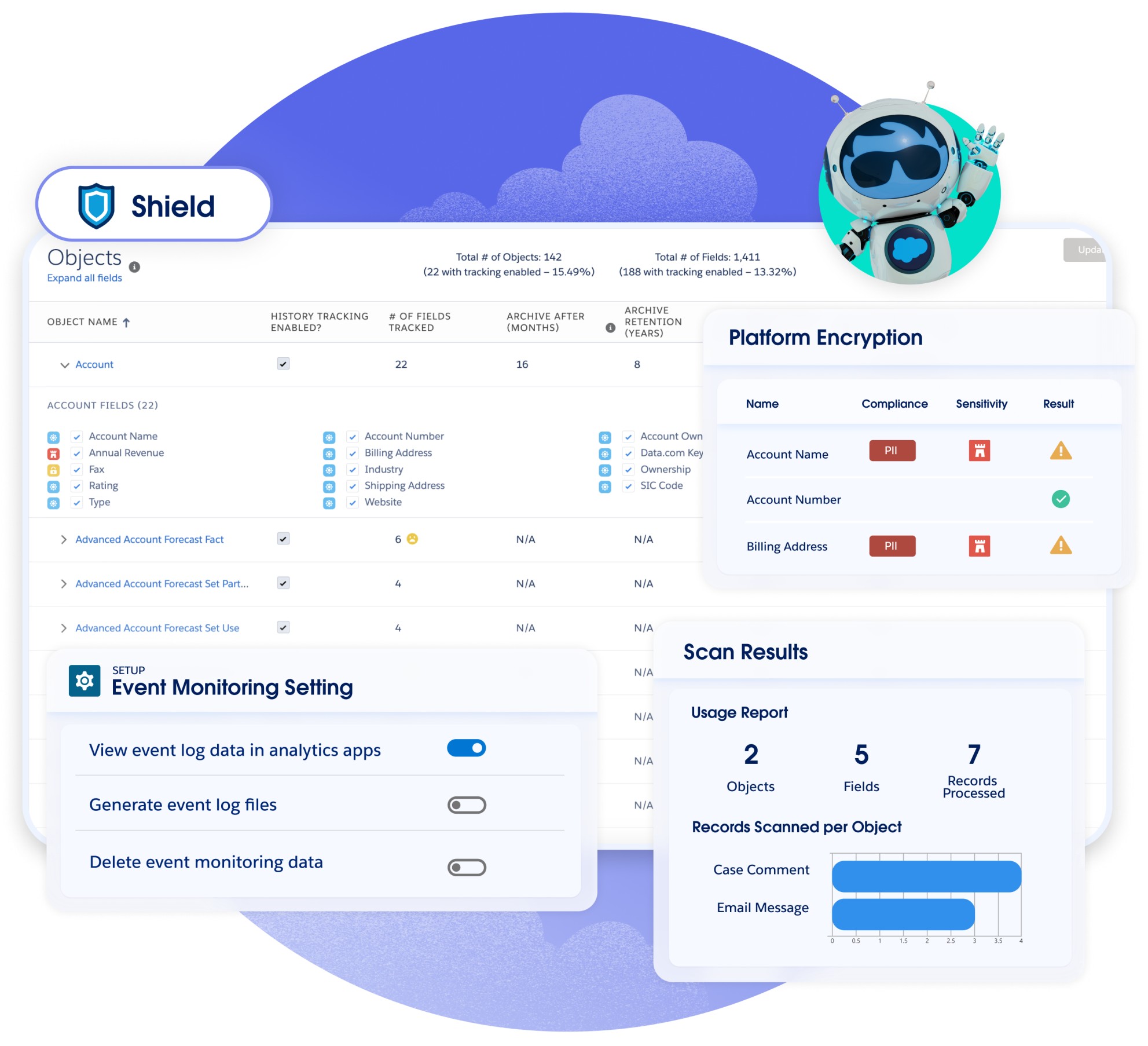
Salesforce offers the broadest compliance footprint: ISO 27001/27017/27018, SOC 1/2/3, FedRAMP, and HITRUST. Salesforce Shield adds event monitoring, platform encryption with bring-your-own-key, and field audit trail as a premium add-on. The Einstein Trust Layer provides zero data retention with LLM partners, PII masking, and toxicity detection for AI interactions.
ZoomInfo maintains ISO 27001, ISO 27701, SOC 2 Type II, TRUSTe GDPR, and TRUSTe CCPA certifications, all renewed annually. The company is a registered data broker in California and Vermont, which matters for enterprises evaluating data sourcing practices.
For regulated industries requiring FedRAMP or HITRUST, Salesforce is the only option of the three. For standard B2B compliance needs, all three meet the bar.
Apptivo gives you breadth at a price Salesforce can't touch
If your primary concern is cost, the gap between Apptivo and Salesforce is large.
Apptivo's Lite plan starts at $20/user/month (or $15/user/month annually) and includes 18 apps covering CRM basics: leads, contacts, opportunities, quotes, and invoices. The Premium plan at $25/user/month adds 46 apps, bringing in project management, supply chain tools, and expanded workflow automation. Even the Ultimate plan at $50/user/month, which unlocks 57 apps and 150 workflows, costs less than Salesforce's entry-level Pro Suite.
Salesforce's Starter Suite at $25/user/month covers basic CRM functions, but meaningful features require the Pro Suite at $100/user/month or Enterprise at $175/user/month. Add AI and you're looking at Unlimited at $350/user/month or Agentforce 1 at $550/user/month. Those are just the license fees. Premier Support costs 30% of net license fees on top. Implementation typically requires partner consultants, adding further cost.
For a 20-person team, Apptivo's Ultimate plan runs about $12,000/year. Salesforce Enterprise runs about $42,000/year in licenses alone, before support, implementation, and add-ons.
That said, Apptivo's pricing tiers create step-ups that can catch growing teams. The jump from Lite (18 apps, 25 workflows) to Premium (46 apps, 75 workflows) becomes necessary once you outgrow basic CRM, and workflow automation limits may force tier upgrades before you need the additional apps.
The real cost of choosing a CRM without a data strategy
The sticker prices above tell only part of the story.
An Apptivo subscription at $25/user/month is affordable. But if your sales reps spend two hours a day researching prospects, finding phone numbers, and entering data manually, you're paying for that time in productivity, not software fees. At a loaded cost of $50/hour per rep, two hours of daily research across a 10-person team runs $260,000/year in lost selling time.
A Salesforce Enterprise license at $175/user/month gives you AI scoring, pipeline insights, and conversation intelligence. But Einstein's predictions are only as good as the data they're trained on. If your CRM is full of stale contacts and incomplete company records, AI will confidently predict outcomes based on bad inputs.
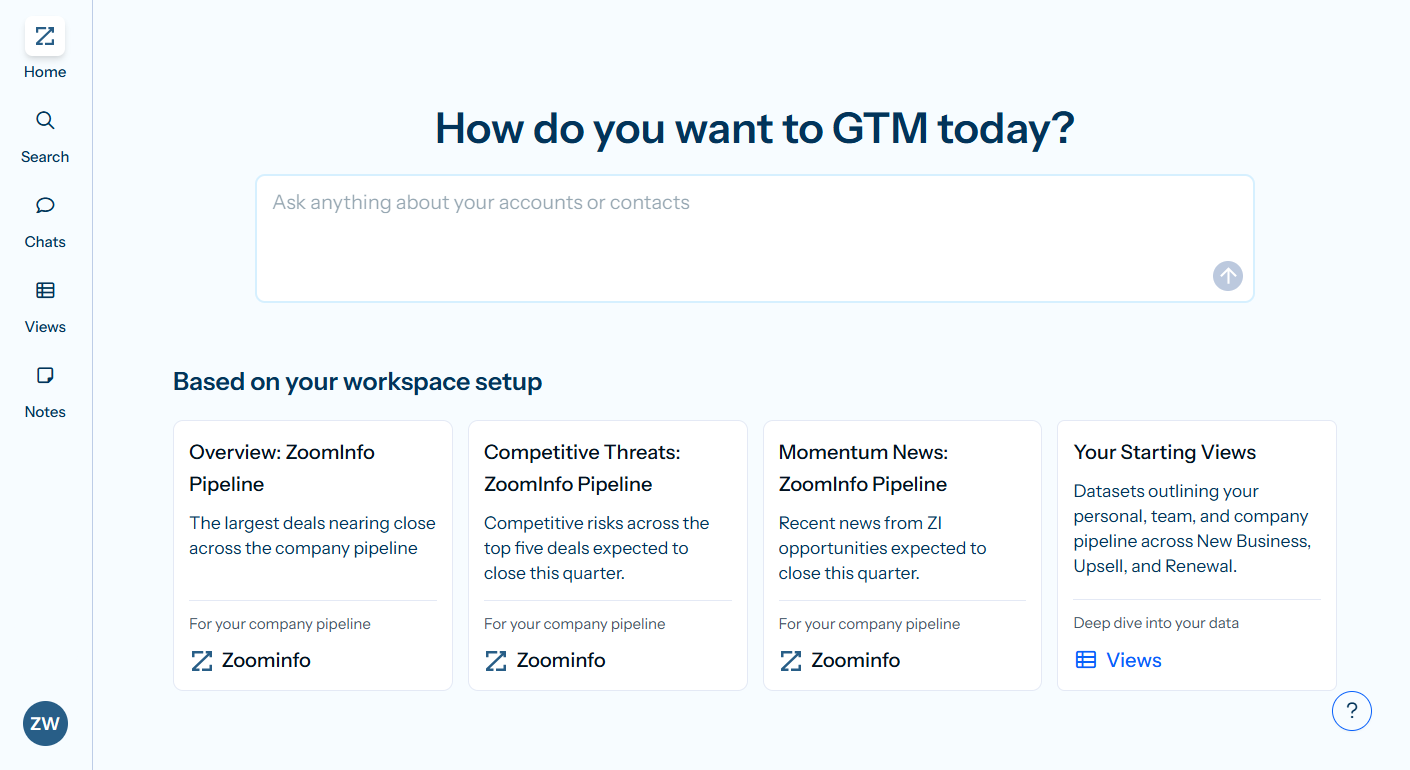
ZoomInfo addresses this directly. GTM Workspace users report boosting pipelines by 23%, booking nearly 60% more meetings per week, and being first to engage with an account in over half of cases. Seismic attributed 39% of active pipeline to opportunities identified or influenced by ZoomInfo signals and reported 54% productivity gains.
The CRM you choose matters. The data strategy powering it matters more.
"Without ZoomInfo, it would be extremely difficult, if not impossible, to achieve our business objectives. Without it, we wouldn't be able to understand the market, have the right contact data, and make meaningful connections." (Smartsheet)
How ZoomInfo works with each CRM
ZoomInfo is not a CRM replacement. It's the intelligence layer that makes your CRM effective.
With Salesforce, ZoomInfo offers a native integration that enriches leads, contacts, and accounts inside Salesforce. Intent signals sync into the CRM, and GTM Workspace gives sellers a workspace where prioritized accounts, AI-drafted outreach, and deal intelligence come together.
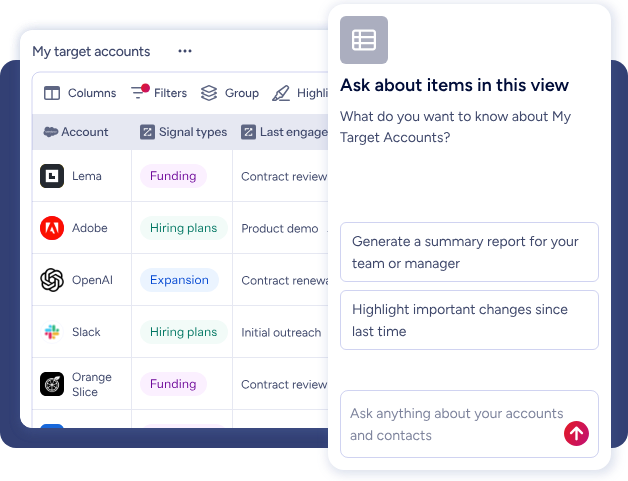
For RevOps teams, GTM Studio enables audience building, campaign orchestration, and pipeline measurement using natural language. Salesforce is ZoomInfo's most supported CRM platform. For a closer look at how the two platforms compare, see our Salesforce vs. ZoomInfo breakdown.
With Apptivo, ZoomInfo data can be accessed through the Enterprise API and the ZoomInfo MCP server, which connects AI models directly to ZoomInfo's data as a native tool. Apptivo's REST API supports integration, though the connection requires more configuration than the native Salesforce integration.
With any other tool, ZoomInfo's API access is included in all relevant plans. The same data and GTM Context Graph powering ZoomInfo's own products is available in any front-end, from custom internal tools to AI agents built on Anthropic Claude or Google.
"The plug-and-play aspect of the API means I can integrate it very easily into any process and get information at a moment's notice." (BDO Canada)
Apptivo vs. Salesforce vs. ZoomInfo: Which should you choose?
The choice depends on your organization's size, budget, and what you're trying to solve.
Choose Apptivo if:
You're an SMB with 5–200 employees looking to consolidate CRM, invoicing, help desk, and project management into one platform
Your budget is under $50/user/month
You need self-serve customization without hiring an admin or consultant
Your team values breadth of business operations tools over depth of sales intelligence
You're migrating from spreadsheets or legacy point solutions to a single system
Choose Salesforce if:
You're a mid-market or enterprise organization ready to invest in a full-featured CRM
You need AI agents, advanced forecasting, and conversation intelligence
You have or can hire a dedicated Salesforce admin
Integration with a large app ecosystem is a requirement
You're building for scale across sales, service, marketing, and commerce
Add ZoomInfo to either if:
You want verified contact data flowing into your CRM instead of manually researched records
Buyer intent signals and in-market account identification would change how your team prioritizes
You need AI-powered prospecting that tells reps who to contact, when to engage, and what to say
You're spending too much time on research and not enough on selling
You want a data intelligence layer that works across your entire go-to-market stack, not just one tool
See ZoomInfo in action with a free trial, or start with ZoomInfo Lite at no cost.
The CRM debate between Apptivo and Salesforce comes down to budget, team size, and operational complexity. Apptivo gives growing businesses an affordable, all-in-one operations suite. Salesforce gives enterprises a platform they can build an entire go-to-market operation on.
But regardless of which CRM you choose, the data inside it determines whether your sales team prospects with precision or shoots in the dark. ZoomInfo provides the verified contacts, buying signals, and deal intelligence that turn any CRM from a record-keeping system into a revenue engine.
Apptivo vs. Salesforce vs. ZoomInfo FAQ
What is the core difference between Apptivo, Salesforce, and ZoomInfo?
Apptivo is an all-in-one business management suite for SMBs, combining CRM with invoicing, help desk, field service, and project management across 50+ integrated apps. Salesforce is the enterprise CRM standard, offering Sales Cloud, Service Cloud, Marketing Cloud, and Agentforce AI agents with an ecosystem of 9,000+ third-party apps. ZoomInfo is not a CRM. It is a B2B data intelligence and go-to-market platform that feeds verified contact data, buyer intent signals, and AI-powered insights into your CRM of choice.
How does pricing compare across the three platforms?
Apptivo is the most affordable CRM, starting at $15/user/month annually and topping out at $50/user/month for the Ultimate plan. Salesforce starts at $25/user/month for Starter Suite, but most teams need Enterprise at $175/user/month or higher for meaningful AI features. ZoomInfo uses custom, consumption-based pricing with no published rates, though a permanent free tier (ZoomInfo Lite) provides access to the database with 10 monthly export credits.
Can ZoomInfo replace Apptivo or Salesforce?
No. ZoomInfo complements your CRM; it doesn't replace it. ZoomInfo provides the B2B data, intent signals, and intelligence that populate and enrich your CRM. It has a native integration with Salesforce and connects to Apptivo and other CRMs via API. Think of the CRM as where you manage relationships, and ZoomInfo as where you find the right relationships to manage.
Which platform has AI capabilities?
Salesforce offers the most advanced CRM AI through Agentforce, including autonomous AI agents, Einstein lead scoring, and conversation intelligence. ZoomInfo's GTM Context Graph provides AI-powered account intelligence, intent-based prospecting, and AI-drafted outreach through GTM Workspace. Apptivo does not currently offer publicly disclosed AI features.
Which CRM is better for a small business with limited technical resources?
Apptivo is built for this scenario. Its drag-and-drop customization, 24x7 support on all plans (with no premium surcharge), and $15–50/user/month pricing make it accessible to small teams without dedicated IT staff. Salesforce requires more technical expertise and typically needs a dedicated admin or consulting partner for meaningful customization. If you're weighing Apptivo against another affordable all-in-one option, our Zoho CRM vs. Apptivo comparison breaks down how the two stack up for small teams.
Does ZoomInfo work with both Apptivo and Salesforce?
ZoomInfo has a native connector for Salesforce that enriches records, syncs intent signals, and supports bi-directional data flow. For Apptivo, ZoomInfo data can be accessed through its Enterprise API and MCP server, though the integration requires more configuration than the Salesforce connector. ZoomInfo's API access is included in all relevant plans, so the data is available regardless of which CRM you use.
Which platform offers the best data quality for sales prospecting?
ZoomInfo leads in B2B data quality and coverage, with 500M contacts, 135M+ verified phone numbers, and up to 95% accuracy on first-party data. In an independent Fortune 500 competitive evaluation analyzing 25 million contacts across vendors, the consultant concluded that no other competitor came close. Neither Apptivo nor Salesforce provides a proprietary B2B contact database; both depend on your team or third-party tools to source prospect data.
Is Salesforce overkill for a mid-sized company?
It depends on your needs, not your size. A 50-person company with a dedicated sales team, complex deal cycles, and a need for AI-powered forecasting can get real value from Salesforce. But a 50-person company that primarily needs CRM alongside invoicing and project management would find Apptivo a better fit at a fraction of the cost. The decision hinges on whether you need depth in sales intelligence or breadth in business operations.
