
If you're comparing ConnectWise vs. Zoho CRM, you're comparing two platforms built for different jobs.
ConnectWise is an MSP operations platform. It manages service tickets, monitors endpoints, patches software, runs cybersecurity tools, and handles billing for IT service providers. Zoho CRM is a sales and marketing platform. It manages leads, pipelines, marketing campaigns, and customer relationships across industries.
The overlap is narrow: both store client contact information and track some form of customer interaction. Beyond that, they diverge. The right choice depends on what problem you're solving:
Are you managing IT service delivery for multiple clients, or managing a sales pipeline?
Do you need endpoint monitoring, ticketing, and patch management, or lead nurturing, email campaigns, and deal tracking?
Is your business model built around recurring managed services contracts, or around closing new deals and growing accounts?
Do you struggle to find qualified prospects, or to serve the clients you already have?
Is your biggest gap in service delivery, in sales execution, or in knowing which companies to target?
Here's what we recommend:
ConnectWise is built for managed service providers who need a single operations platform. Its PSA handles ticketing, time tracking, billing, and agreement management, while its RMM monitors endpoints with 1,200+ pre-tuned alerts and patches 7,000+ applications automatically. Add ScreenConnect for remote access, SIEM and MDR for security, and BCDR for backup, and you have a complete service delivery stack under one vendor. ConnectWise publishes no pricing for most products, requires weeks of implementation, and its interface carries the weight of decades of bolt-on acquisitions.
Zoho CRM is built for sales and marketing teams who need to manage pipelines, nurture leads, and close deals. At $14–$52/user/month with a permanent free tier for up to three users, it delivers AI-powered lead scoring via Zia, visual process automation via Blueprint, and omnichannel communication at a fraction of what Salesforce charges. Zoho CRM handles sales automation and marketing well, but it won't monitor your clients' endpoints, manage service tickets, or run your cybersecurity operations.
Both platforms are strong at what they do. But neither solves a core problem: finding the right companies to target and reaching the right people inside them. ConnectWise delivers services to existing clients. Zoho CRM manages the pipeline. Neither tells you which companies are looking for what you sell, who the decision-makers are, or when to reach out.
ZoomInfo is a B2B intelligence and GTM platform that fills that gap. With 500M contacts, 100M companies, 135M+ verified phone numbers, and 200M+ verified business email addresses, ZoomInfo gives your sales team the data it needs to prospect. Its GTM Context Graph combines that data with your CRM records, conversation transcripts, and behavioral signals to show which accounts are in-market and why, so your team contacts the right person at the right time with the right message. You can access that intelligence through GTM Workspace for sellers, GTM Studio for marketers and RevOps, or API and MCP in any third-party tool, including Zoho CRM.
If finding and reaching qualified prospects is a bottleneck, see how ZoomInfo works.
ConnectWise vs. Zoho CRM vs. ZoomInfo at a glance
ConnectWise | Zoho CRM | ZoomInfo | |
|---|---|---|---|
Primary function | MSP operations (PSA, RMM, security) | Sales CRM and marketing automation | B2B intelligence and GTM execution |
Built for | Managed service providers and IT departments | Sales and marketing teams across industries | Go-to-market teams (sales, marketing, RevOps) |
Client management | MSP-focused: agreements, service boards, billing | Full CRM: leads, deals, accounts, contacts, pipelines | 500M contacts, 100M companies, verified data |
Sales pipeline | Basic opportunity tracking | Full pipeline with AI scoring and forecasting | AI-powered prospecting with buyer intent signals |
Service delivery | Full (ticketing, RMM, patching, monitoring) | None | None |
Marketing automation | None | Full (Cadences, email, social, journey orchestration) | ABM, display ads, audience targeting, GTM plays |
AI capabilities | Sidekick and AI Agents (ticket triage, scripting) | Zia (lead scoring, forecasting, workflow suggestions) | GTM Context Graph (account intelligence, intent, outreach) |
Pricing transparency | No public pricing (except ScreenConnect) | Published: $0–$52/user/month | Custom-quoted; free tier (ZoomInfo Lite) available |
Free plan | No (trials only) | Yes (3 users, permanent) | Yes (ZoomInfo Lite, permanent) |
Best for | MSPs delivering IT services | Businesses managing sales and marketing | Businesses that need to find and reach buyers |
These platforms solve different problems
The comparison between ConnectWise and Zoho CRM is unusual because they barely compete. ConnectWise lives in IT service delivery. Zoho CRM lives in sales and marketing. Most "vs." searches pit two tools against each other for the same job. This one pits two tools that handle different stages of the same business.
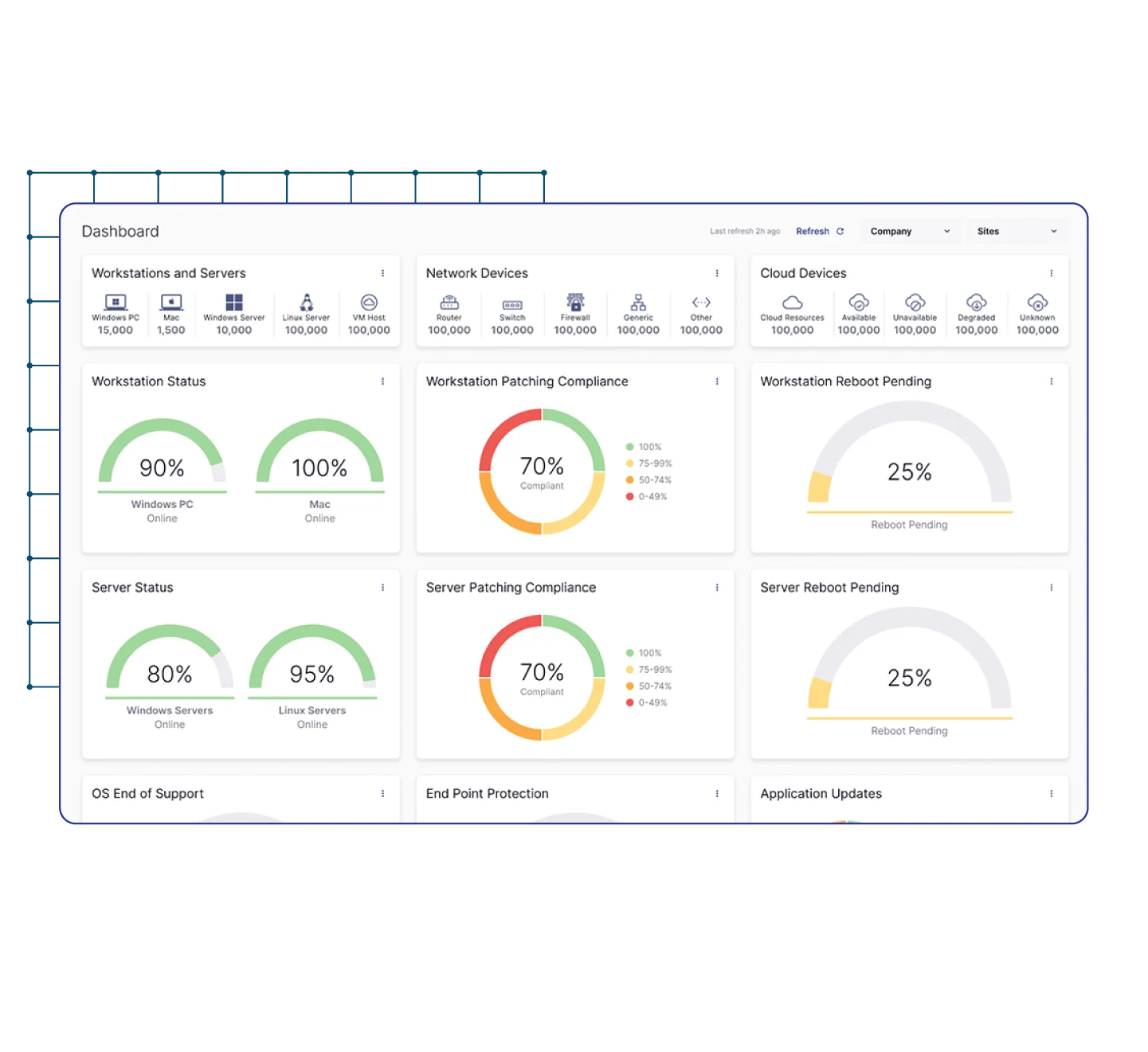
ConnectWise answers the question: How do I deliver IT services efficiently? Its PSA tracks tickets, manages service agreements, logs billable time, and generates invoices. Its RMM monitors client endpoints, patches software, and runs remediation scripts.
Source: ConnectWise
Its security suite (SIEM, MDR, BCDR) protects client environments. Everything follows the MSP workflow: a client reports an issue, a ticket is created, a technician resolves it, time is logged, and the client is billed.
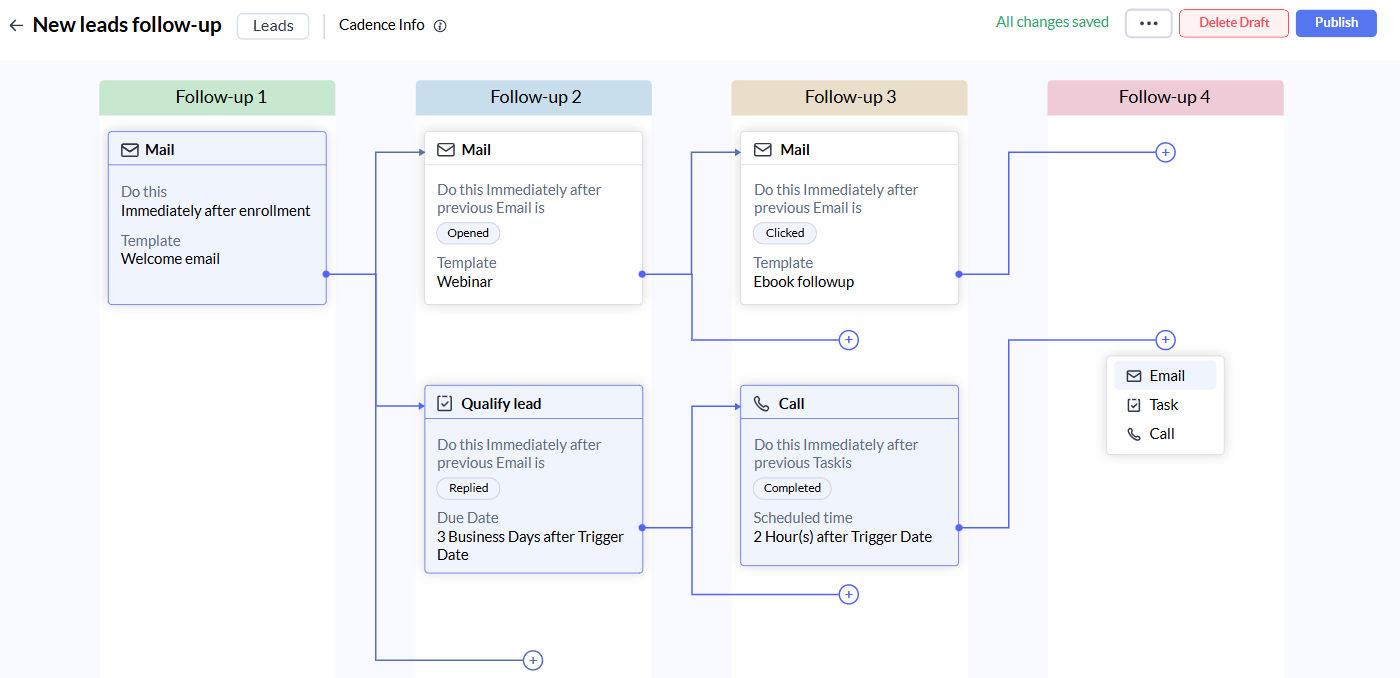
Zoho CRM answers a different question: How do I find, close, and grow customers? Its sales automation tracks leads through configurable pipelines. Its Cadences run multichannel follow-up sequences that adapt to prospect behavior.
Source: Zoho
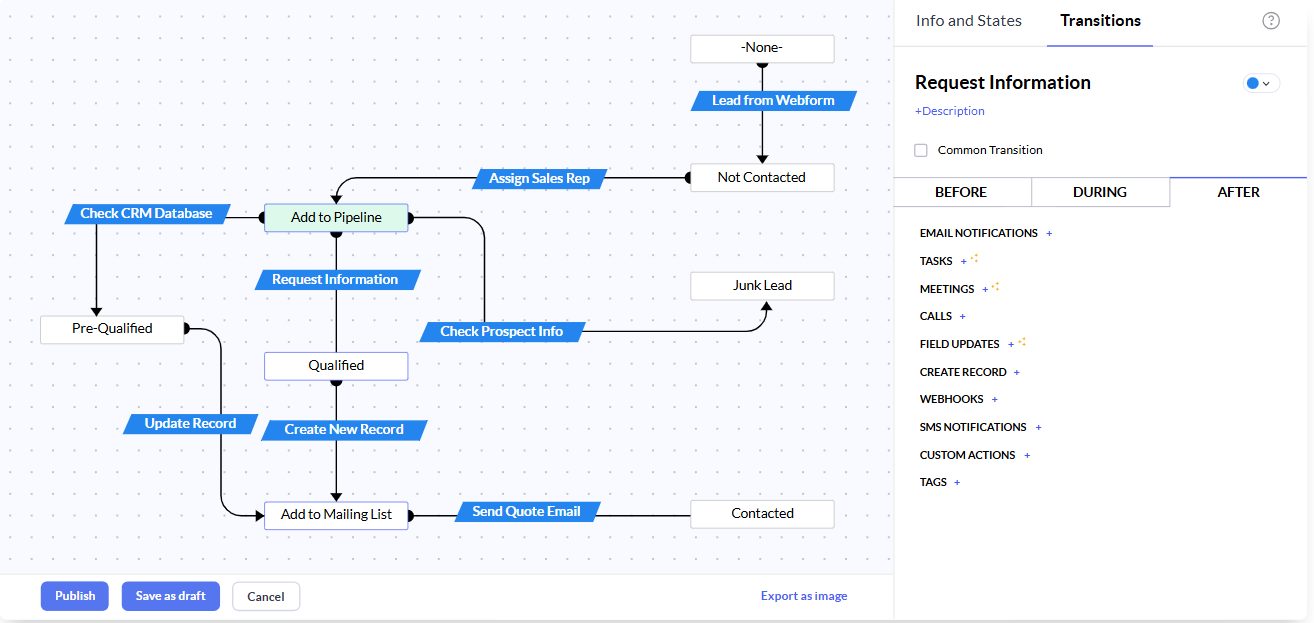
Its Blueprint enforces sales processes so every rep follows the same steps. Its analytics track pipeline health, forecast revenue, and surface deals at risk.
Source: Zoho
A company evaluating both platforms isn't choosing one over the other. It's deciding which gap matters more right now: running operations or running sales. Many businesses, especially MSPs and IT services companies, eventually need both. The two categories integrate through tools like Zapier and API connections.
ConnectWise owns the service delivery workflow
For managed service providers, ConnectWise has no real competitor in Zoho's catalog.
The ConnectWise PSA covers MSP-specific operations in detail. Service boards route tickets by client, priority, and technician skill. Service agreements track recurring contracts with automated billing reconciliation. Time entries log work at the minute level against specific clients and projects, and those entries feed directly into invoices.
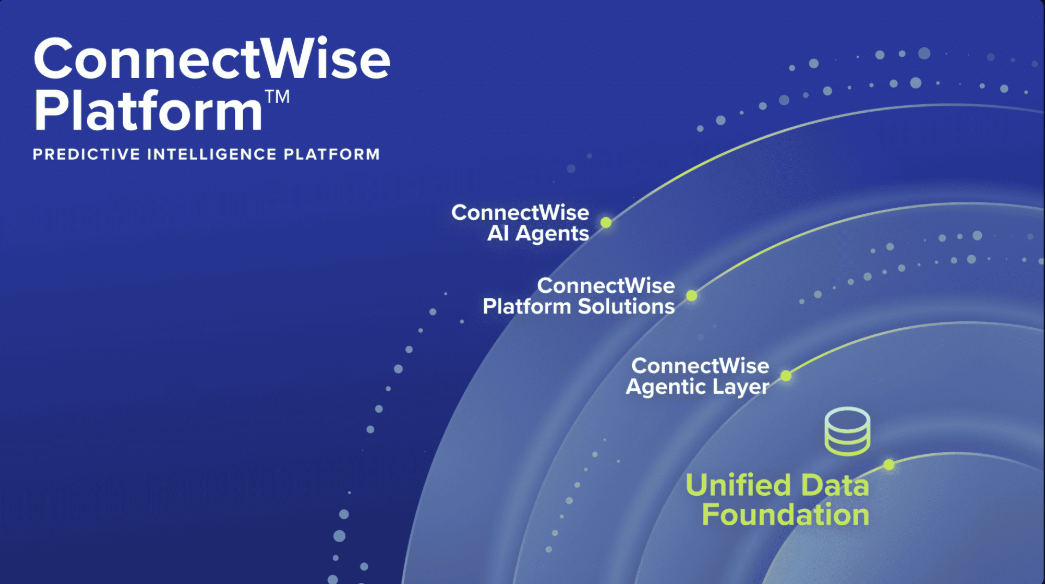
Source: ConnectWise
The zofiQ AI Agents (acquired in January 2026) classify, route, and document tickets autonomously through a four-step loop (Interpret, Decide, Execute, Learn), with ConnectWise reporting an 80%+ reduction in escalations and 25% increase in first-touch resolution.
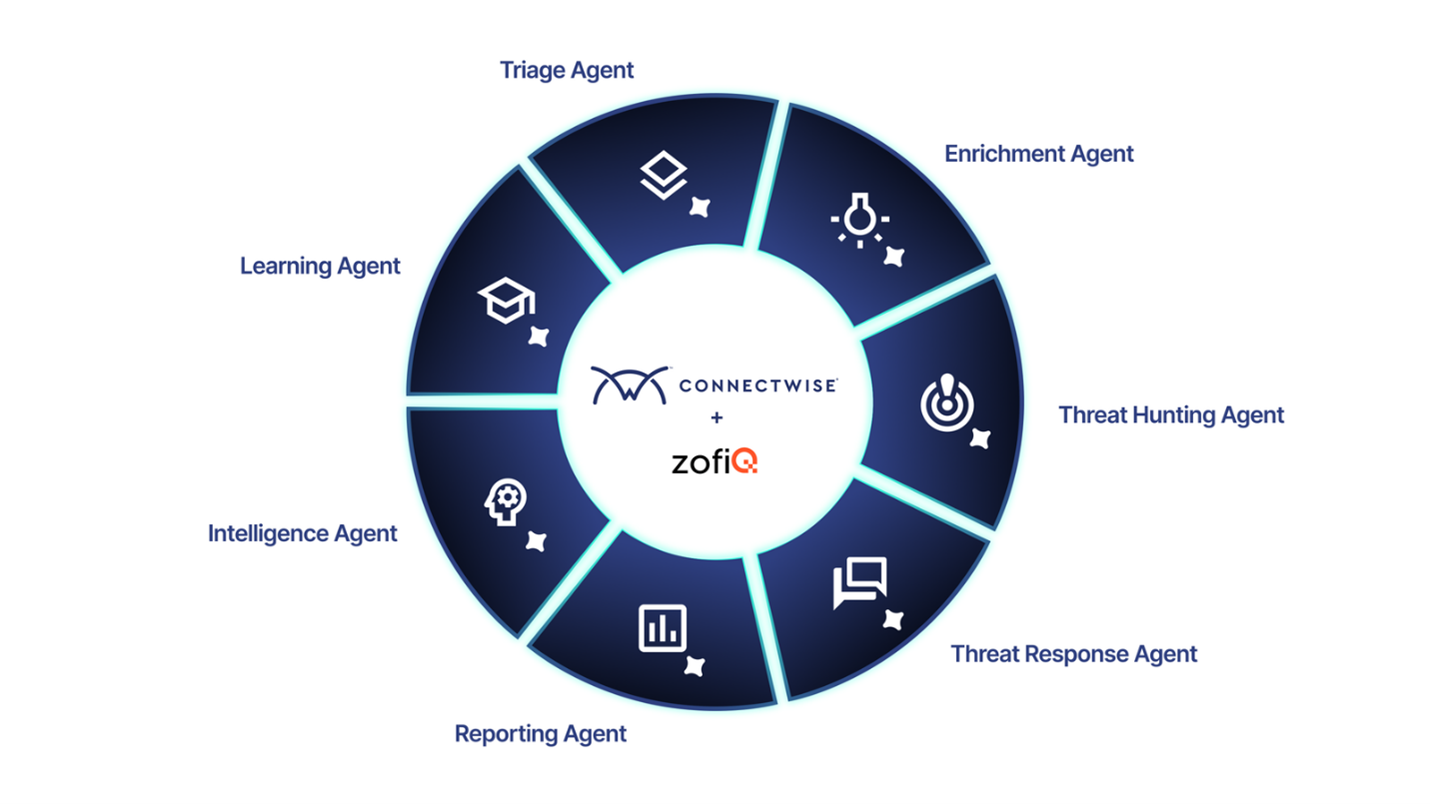
Source: ConnectWise
The RMM adds another layer. ConnectWise monitors client endpoints across Windows, Mac, and Linux, deploying patches for 7,000+ applications and running automated remediation when alerts fire. The platform processes over 18 billion data points monthly across nearly 3 million endpoints, and its library of 1,200+ pre-tuned alert conditions was calibrated by ConnectWise's own NOC team to reduce alert noise.
The cybersecurity suite rounds out the stack: SIEM, Managed EDR with a contractual 15-minute response SLA, email security with Proofpoint, and BCDR with chain-free backup technology. For an MSP running managed security, these tools share data with the PSA, so a security incident can automatically generate a ticket, escalate to the right technician, and document the response without manual work.
ScreenConnect ties it together with remote access, including a patented Backstage mode that lets technicians troubleshoot without disrupting the end user's screen.\
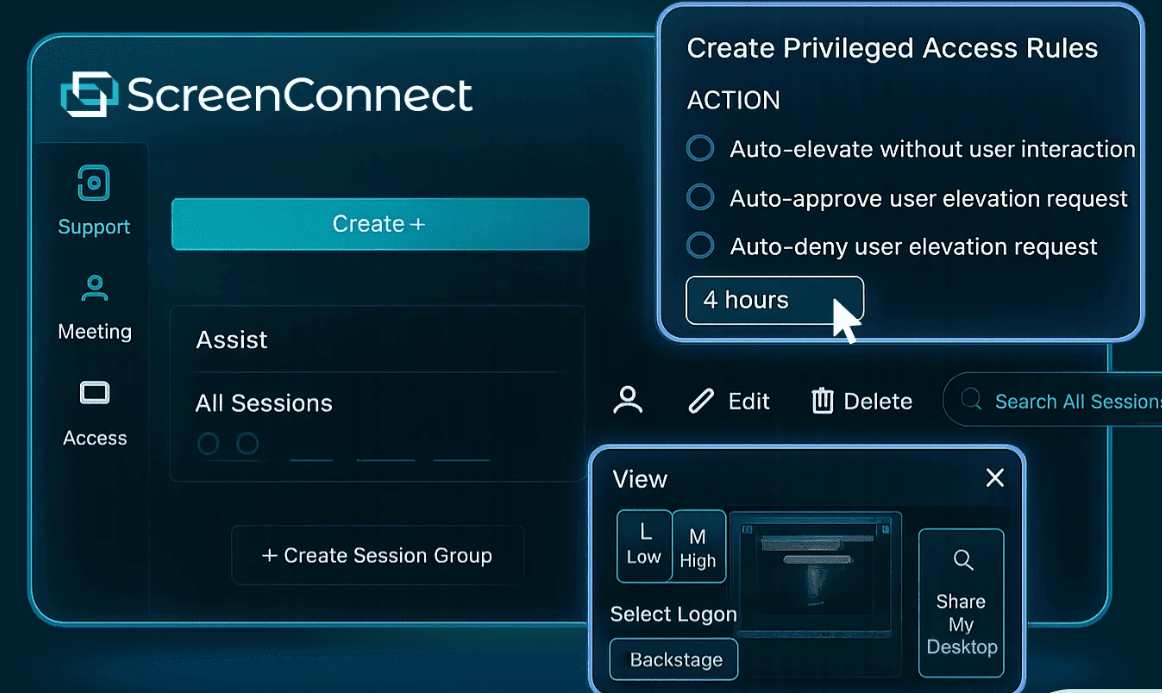
Source: ScreenConnect
Zoho CRM has nothing comparable. It isn't designed to monitor endpoints, patch software, or manage security incidents. That's not a limitation; it's simply not what Zoho CRM was built for.
Zoho CRM owns sales and marketing
For sales teams, Zoho CRM provides capabilities ConnectWise doesn't attempt.
Zoho CRM's pipeline management supports multiple pipelines per product line or geography, each with distinct stages and automation rules. Leads flow in from web forms, social channels, email, and live chat, then move through configurable deal stages with Zia AI scoring conversion likelihood at each step.
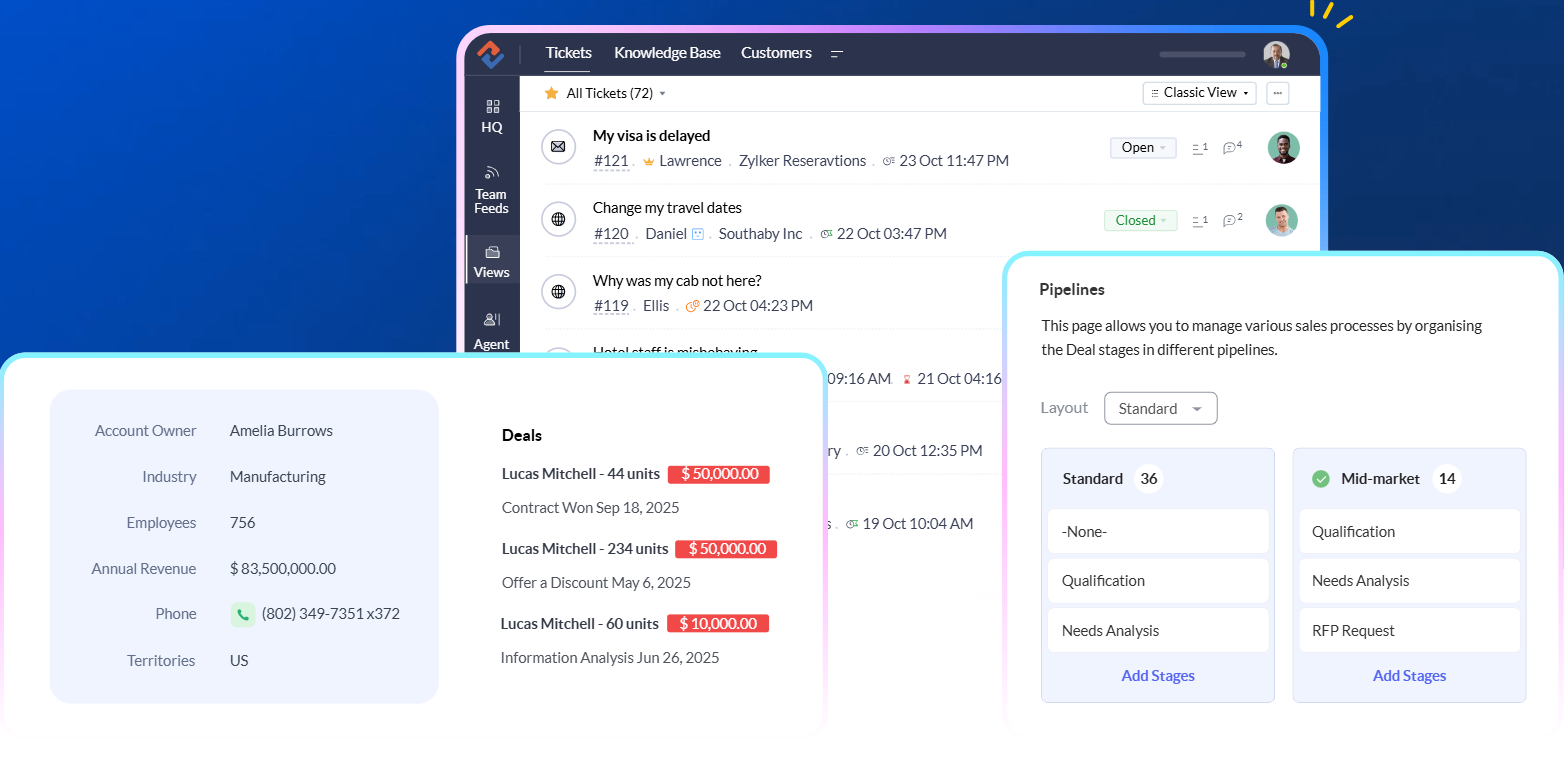
Source: Zoho
Zoho CRM pulls ahead in marketing automation. Cadences build multichannel follow-up sequences that branch based on how prospects respond. Ignored an email? The system schedules a phone call. Clicked a link? It triggers a different message. SalesSignals sends real-time notifications when prospects engage across any channel.
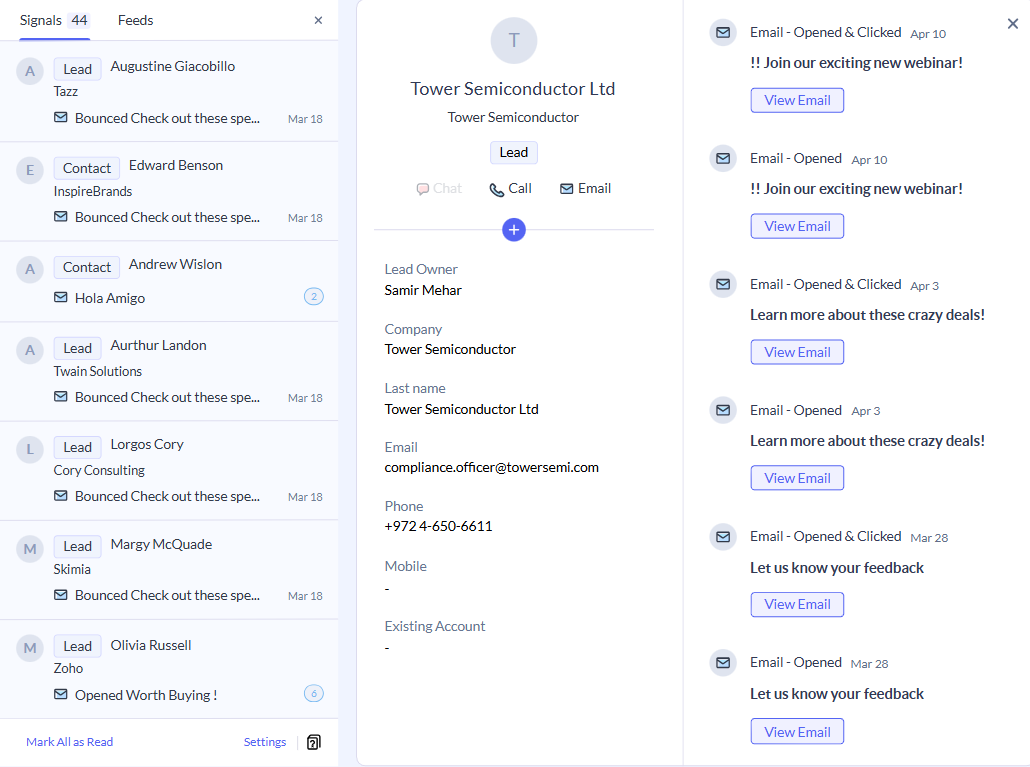
Source: Zoho
CommandCenter (Enterprise tier) maps customer journeys spanning multiple departments and touchpoints, with PathFinder showing how customers actually move through your funnel rather than how you designed it.
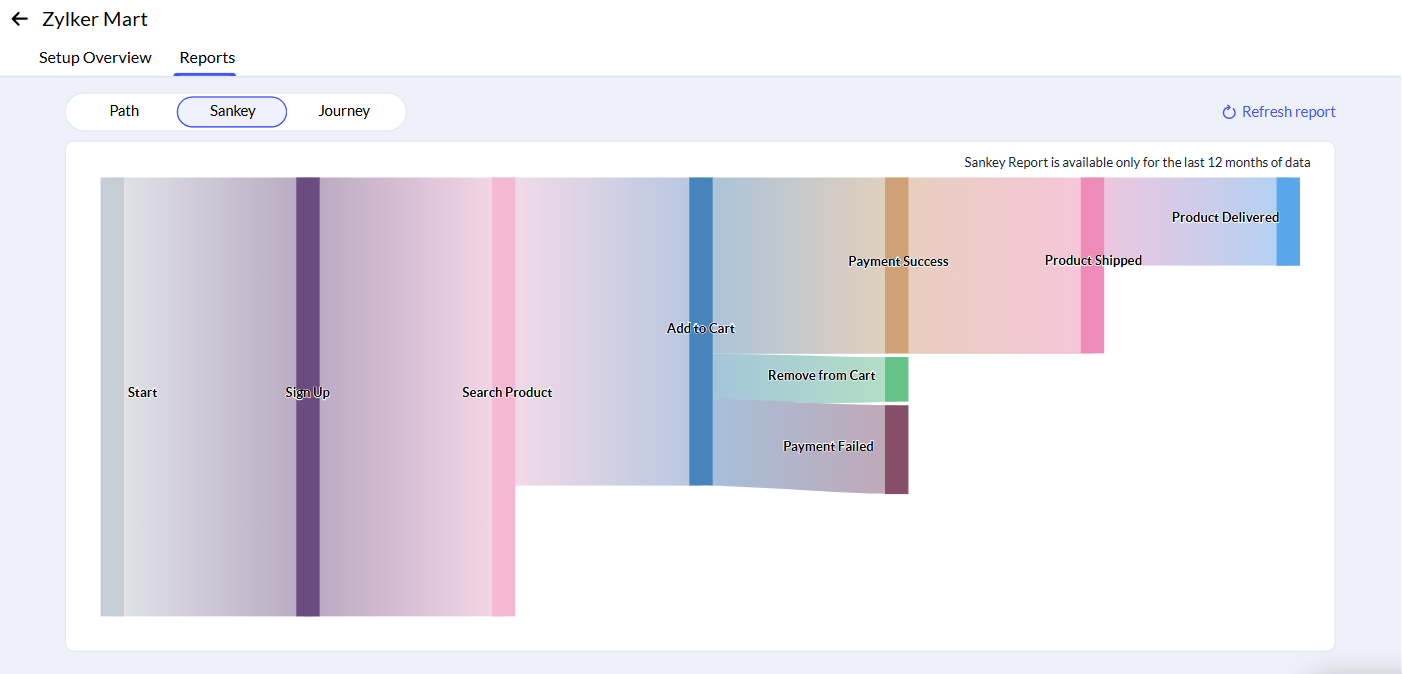
Source: Zoho
Zia does more than score leads. It classifies email sentiment and intent across eight emotion categories, transcribes and analyzes sales calls, detects anomalies in pipeline metrics, and suggests workflow automations based on patterns in your team's behavior.
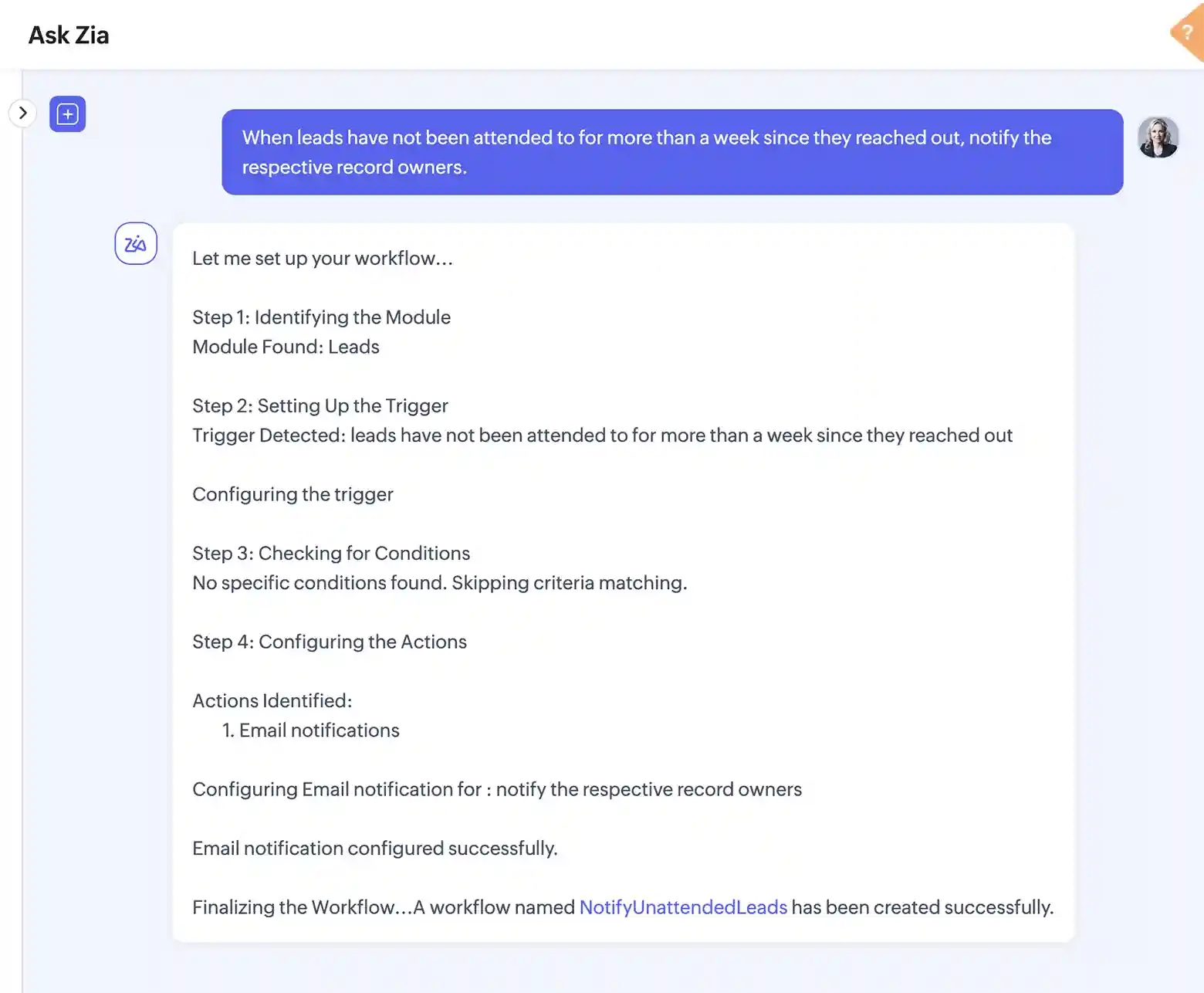
Source: Zoho
Zia Agents execute multi-step sales tasks autonomously, from qualifying leads to scheduling follow-ups to identifying cross-sell opportunities.
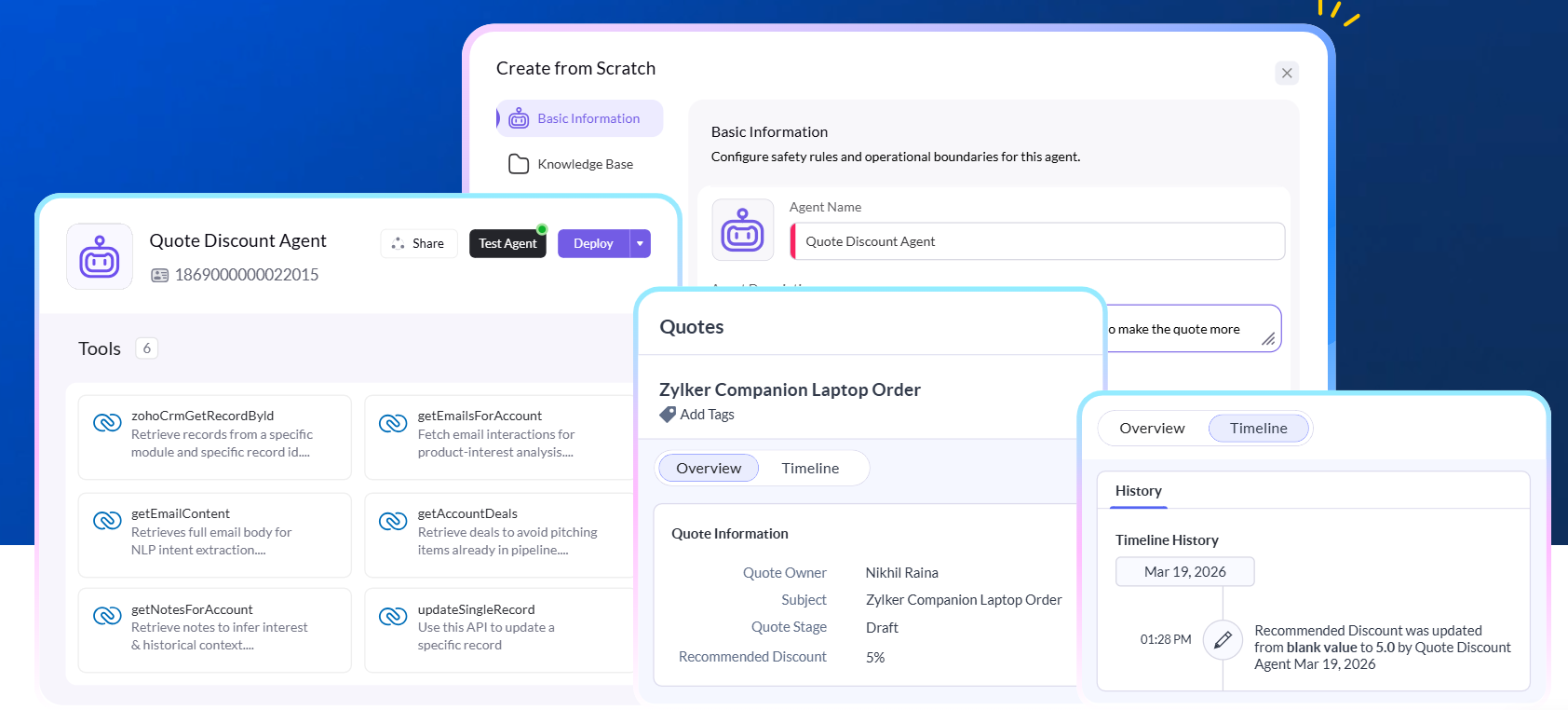
Source: Zoho
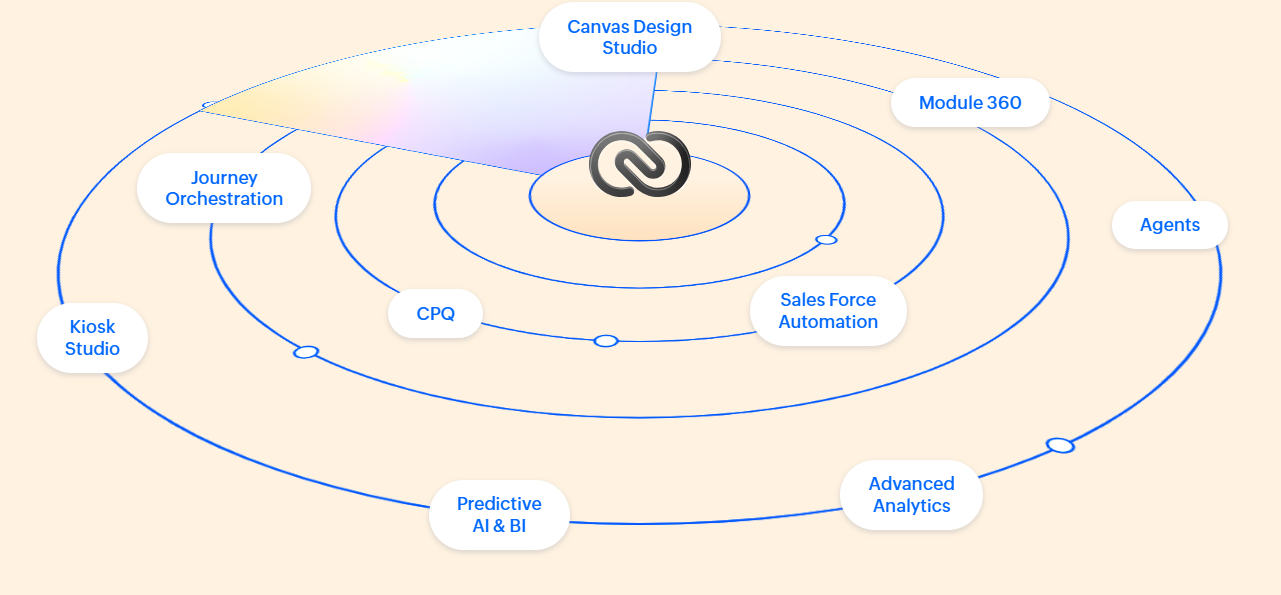
Customization goes just as far. Canvas Design Studio lets non-technical admins redesign record views without code. Kiosk Studio builds guided, step-by-step workflows embeddable anywhere in the CRM. Blueprint enforces sales process compliance by requiring reps to complete specific actions before advancing a deal.
Source: Zoho
For developers, Zoho offers REST and GraphQL APIs, serverless Deluge functions, and a Widget SDK.
ConnectWise PSA includes basic opportunity tracking with quote-to-cash alignment, but it lacks pipeline visualization, lead scoring, marketing automation, or any sales intelligence. ConnectWise was built for operations teams delivering services, not sales teams closing deals.
Client management: where they overlap, barely
Both platforms store client contact information. That's roughly where the overlap ends.
ConnectWise organizes clients around service agreements, service boards, and billing relationships. A client record in ConnectWise PSA connects to open tickets, billable hours, managed devices, agreements, and invoices. It answers the question: What work are we doing for this client, and are we billing correctly?
Zoho CRM organizes contacts around deal pipelines, communication history, and buying behavior. A contact record connects to open deals, email threads, call logs, social interactions, and campaign touchpoints. It answers a different question: Where is this prospect in the buying journey, and what should we do next?
These are different mental models. ConnectWise treats a client as an entity you serve. Zoho CRM treats a contact as an entity you sell to.
A business that needs both functions will either bridge the gap with integrations (Zoho CRM connects to ConnectWise through Zapier and third-party connectors) or run separate workflows that pass data between systems.
Neither platform, however, tells you whether the companies you're targeting are actually in-market for your services. Both assume you already know who to pursue.
The intelligence gap: finding the right companies to target
ConnectWise helps you deliver IT services. Zoho CRM helps you manage your sales pipeline. Neither answers the question that comes before both: Which companies should I target right now?
For most B2B teams, the biggest bottleneck isn't service delivery or CRM functionality. It's prospecting: finding companies that need what you sell, identifying the decision-makers, and reaching them with verified contact data before a competitor does.
This is the problem ZoomInfo was built to solve.
ZoomInfo runs the largest B2B data platform on the market: 500M contacts, 100M companies, 135M+ verified phone numbers, 120M direct-dial phone numbers, and 200M+ verified business email addresses. That data is verified through a multi-source pipeline backed by 300+ human researchers and automated ML scanning of 28 million site domains daily, achieving up to 95% accuracy on first-party data.
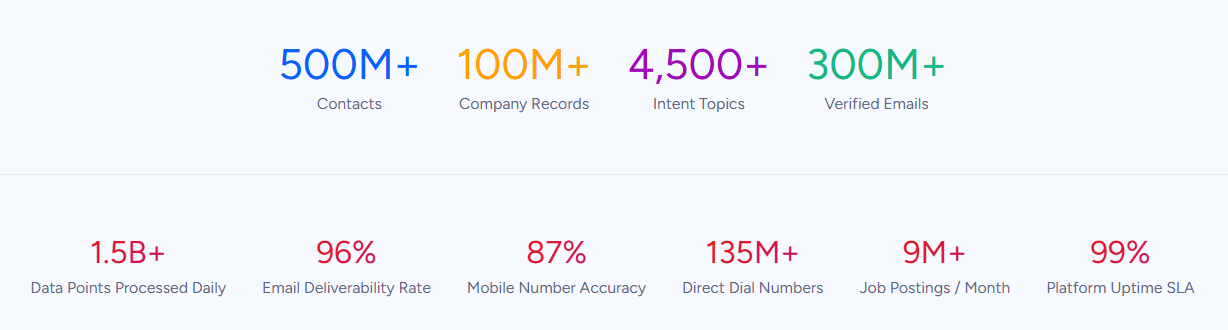
In a Fortune 500 competitive RFP analyzing 25 million contacts across vendors, the independent consultant concluded that "no other competitor came even close."
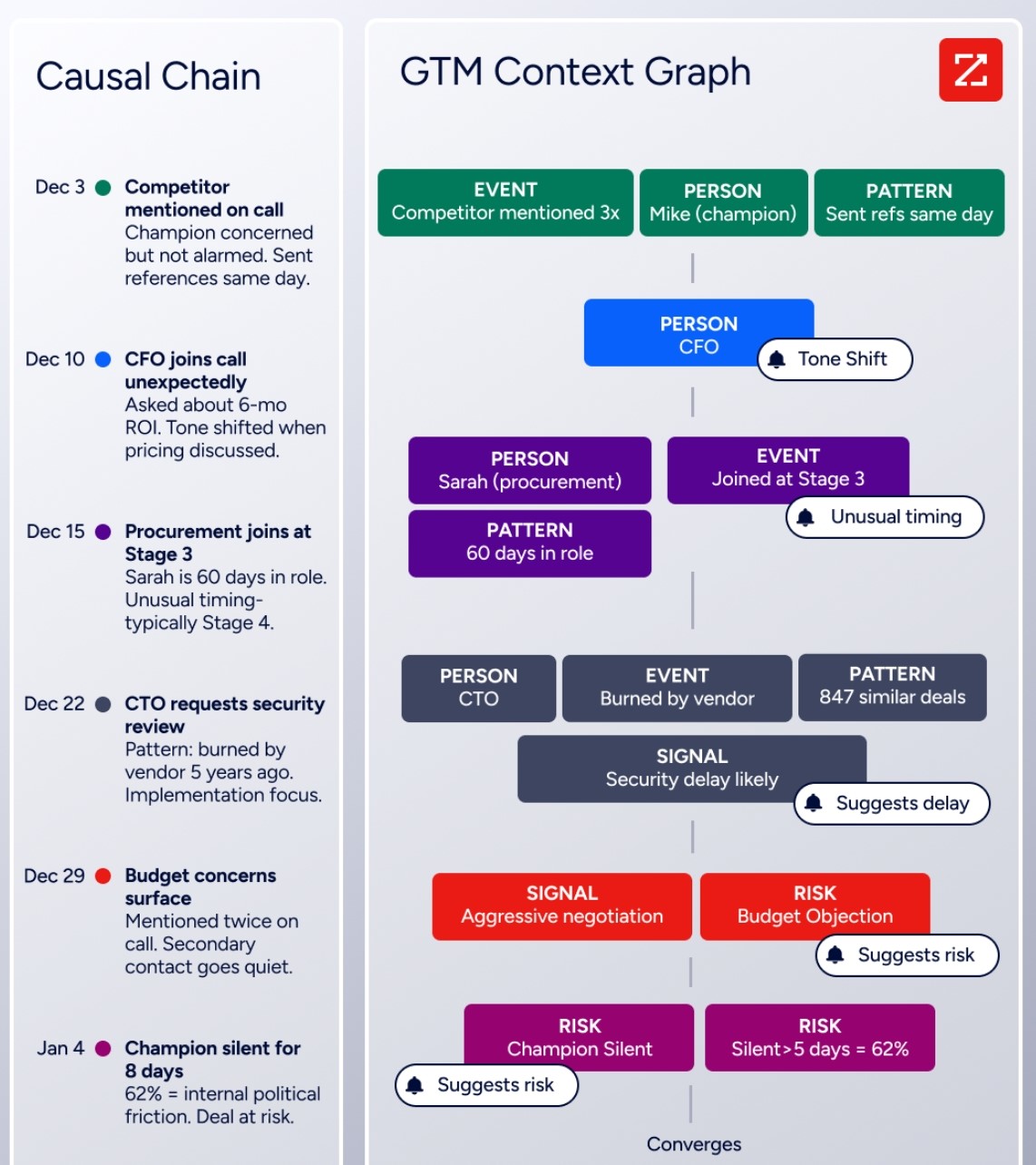
Data alone doesn't close deals. ZoomInfo's GTM Context Graph combines B2B data with your CRM records, conversation transcripts, and behavioral signals to show not just who your buyers are, but why deals move or stall.
Buyer Intent data tracks signals from 210 million IP-to-Organization pairings and 6 trillion+ new keyword-to-device pairings monthly to surface companies actively researching solutions like yours.
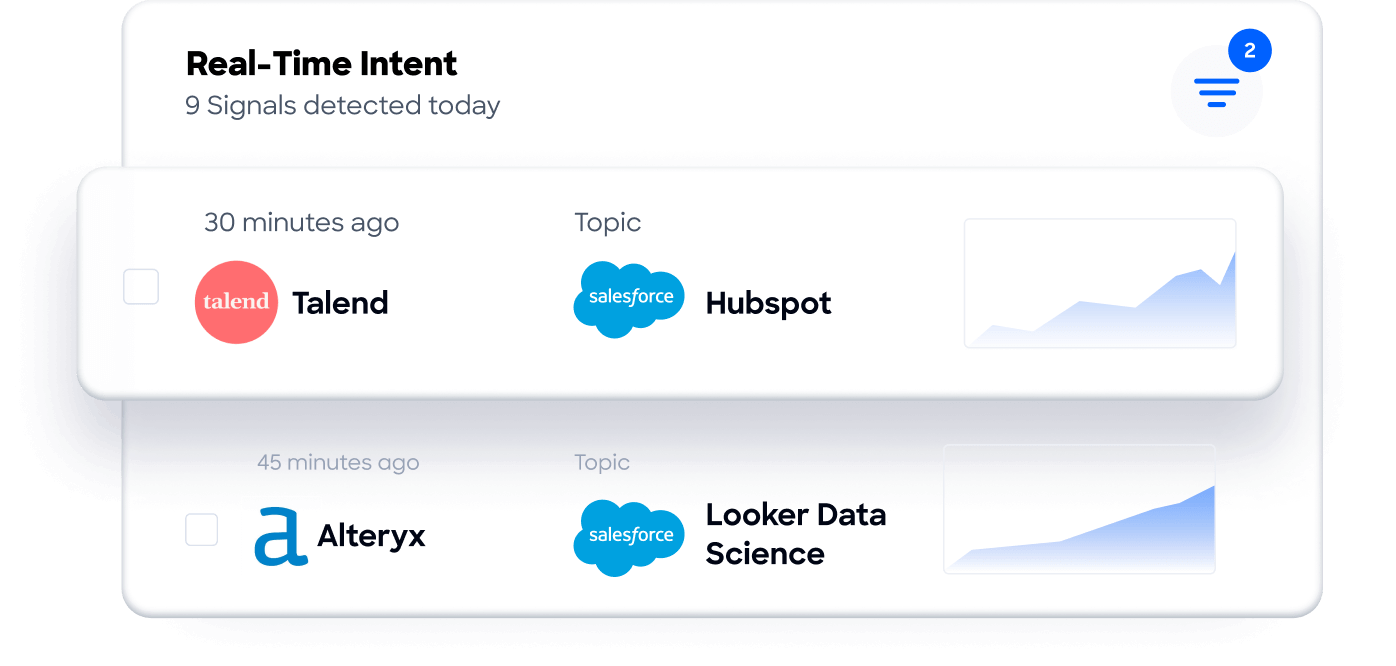
Guided Intent, exclusive to ZoomInfo, identifies the topics historically correlated with your deal success rather than requiring you to guess which keywords matter.
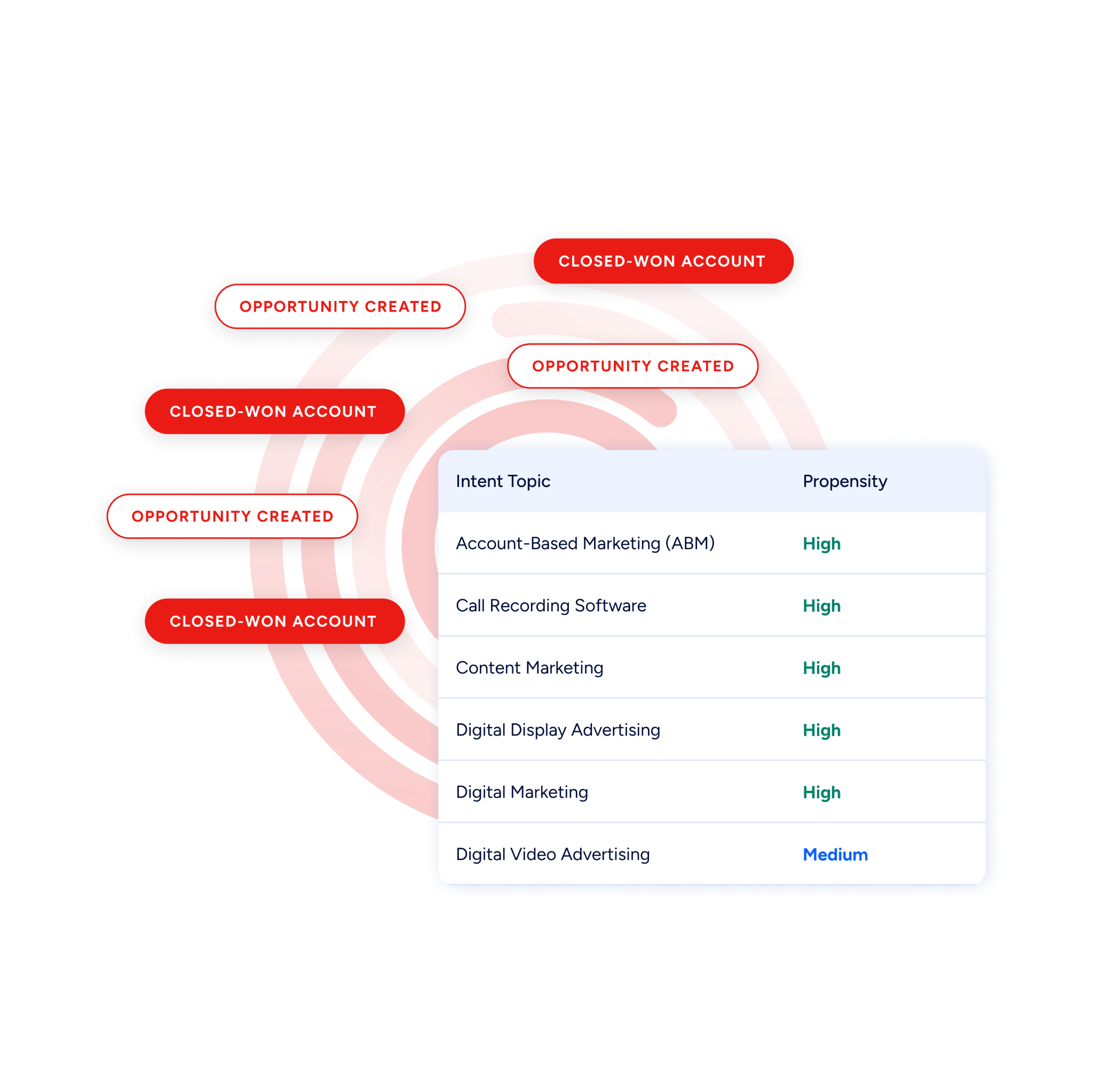
For an MSP using ConnectWise, ZoomInfo can identify businesses shopping for managed IT services, surface the IT directors and CFOs making the buying decision, and provide verified direct dials and emails to reach them. For a sales team using Zoho CRM, ZoomInfo enriches lead records with company attributes, technographics, and intent signals so reps prioritize the accounts most likely to close.
"That combination of our internal CRM data, external signals, and AI that's given all that context has helped us craft very specific account- and persona-based messages. And people have responded to them right away." (Seismic)
Pricing reflects three different business models
How these platforms charge reveals who they're built for.
ConnectWise doesn't publish pricing for most products. The pricing page shows "Request a Quote" for PSA, RMM, SIEM, MDR, BCDR, and nearly every other product. The one exception is ScreenConnect:
Product | Tier | Price (annual billing) |
|---|---|---|
ScreenConnect Remote Support | One (single user) | $30/month |
ScreenConnect Remote Support | Standard | $45/month per concurrent tech |
ScreenConnect Remote Support | Premium | $55/month per concurrent tech |
ScreenConnect Unattended Access | 25–1,000 agents | $33/month (annual) |
For the full MSP stack (PSA, RMM, security, BCDR), pricing requires a sales conversation. Reviewers on Capterra note that total cost of ownership climbs quickly when layering RPA, SIEM, BCDR, and additional security products on top of core PSA and RMM.
Zoho CRM publishes clear pricing and offers the most accessible entry point:
Plan | Price (annual billing) | Key additions |
|---|---|---|
Free | $0 (up to 3 users) | Leads, contacts, accounts, deals, basic workflows |
Standard | Custom reports, forecasting, Cadences, AI agents | |
Professional | Blueprint, CPQ, email intelligence, inventory | |
Enterprise | Zia AI, journey orchestration, territory management | |
Ultimate | Custom AI/ML via QuickML, enhanced limits |
No annual lock-in is required. Month-to-month billing is available at a premium. Zoho explicitly positions against "predatory business practices and aggressive, multi-year contracts." For perspective, Zoho CRM Enterprise at $40/user/month costs less than a quarter of Salesforce Sales Cloud Enterprise at $165/user/month.
Additional costs to watch: paid support plans (Classic support is free with paid plans, but Enterprise support with a dedicated TAM is an add-on), additional data storage at roughly $20/month per GB, and Jumpstart implementation at $200/hour with a $2,000 minimum.
ZoomInfo uses a custom-quoted, consumption-based model. No prices are published. Pricing scales around seats, monthly credit volume, and product tier (Professional, Advanced, or Enterprise for sales plans). A permanent free tier, ZoomInfo Lite, provides access to ZoomInfo's B2B database with 10 monthly export credits and basic search at no cost.
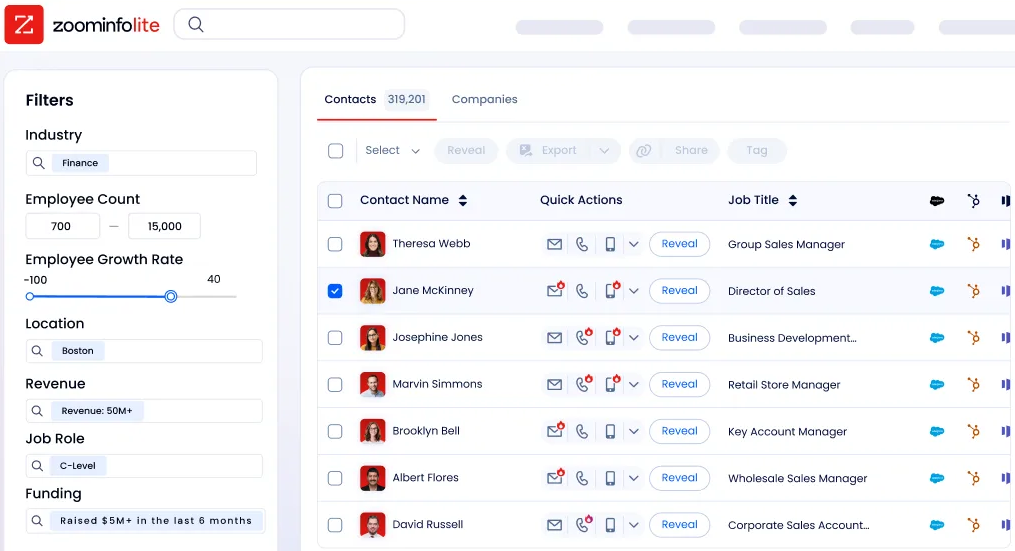
A separate 7-day free trial of the full platform is also available without a credit card.
AI and automation: different goals, different approaches
All three platforms invest in AI, but each solves a different problem with it.
ConnectWise points AI at service delivery. Sidekick provides 70+ AI-assisted actions inside the PSA, including ticket summarization, email drafting, and natural-language script generation.
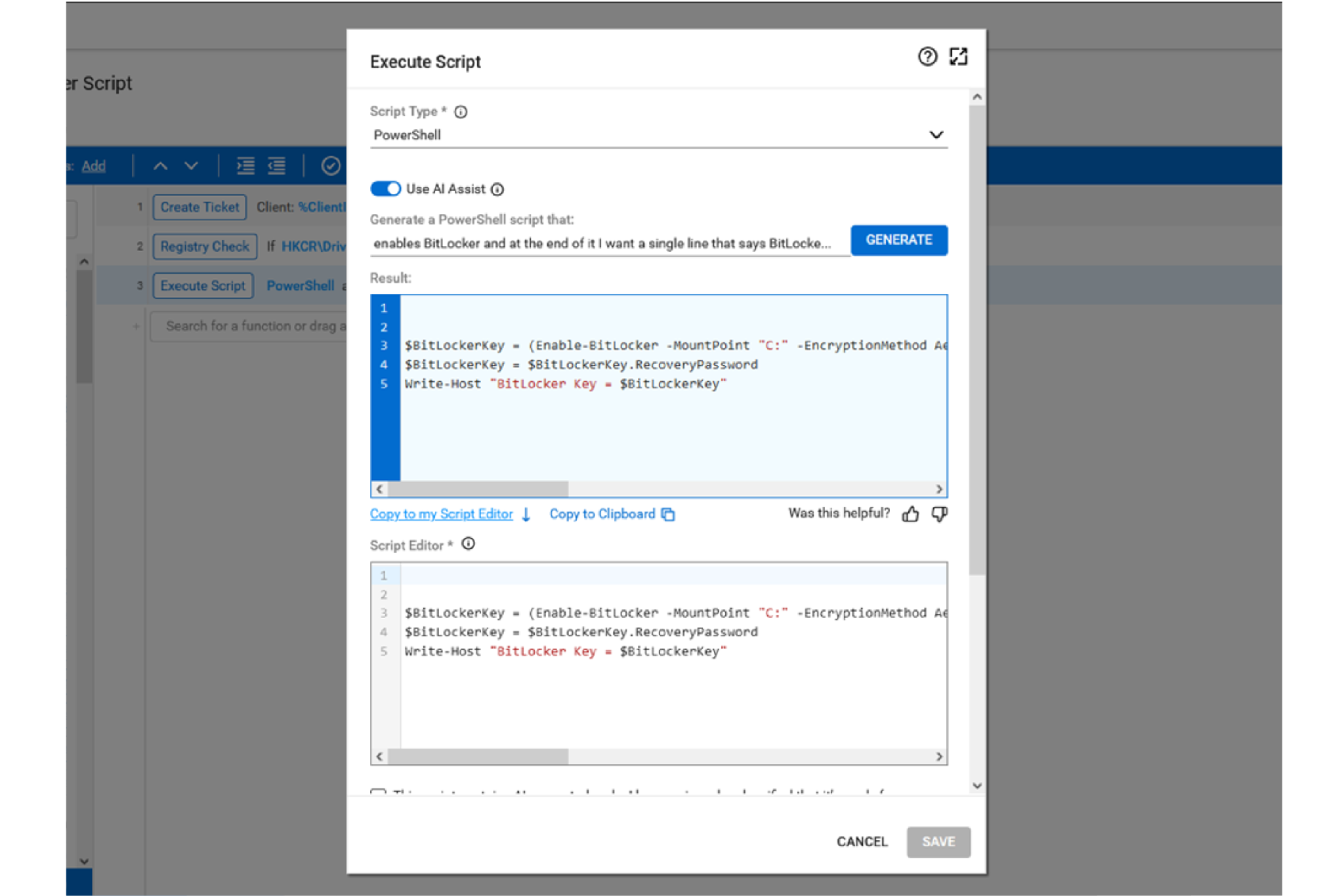
Source: ConnectWise
The zofiQ AI Agents go further, triaging and routing tickets autonomously by learning from historical PSA data without requiring manual rule configuration. RPA bots handle repetitive tasks like client onboarding and billing reconciliation.
ConnectWise frames its AI trajectory as "Predictive IT": shifting MSPs from reactive break-fix toward anticipatory service delivery. The payoff is operational: fewer escalations, faster ticket resolution, lower cost per endpoint.
Zoho CRM points AI at sales. Zia covers three layers: predictive (lead scoring, churn prediction, deal forecasting, anomaly detection), generative (natural language module creation, workflow generation, email drafting), and agentic (Zia Agents that execute multi-step sales tasks like lead qualification and follow-up scheduling).
Zoho runs proprietary language models built for business use cases, with a privacy architecture that keeps CRM data separate from model training. The Zia Agent Studio offers 100+ pre-built agents integrated with 60+ applications, and QuickML (Ultimate tier) allows custom ML model building on CRM data. The payoff is commercial: better pipeline accuracy, faster follow-ups, smarter lead prioritization.
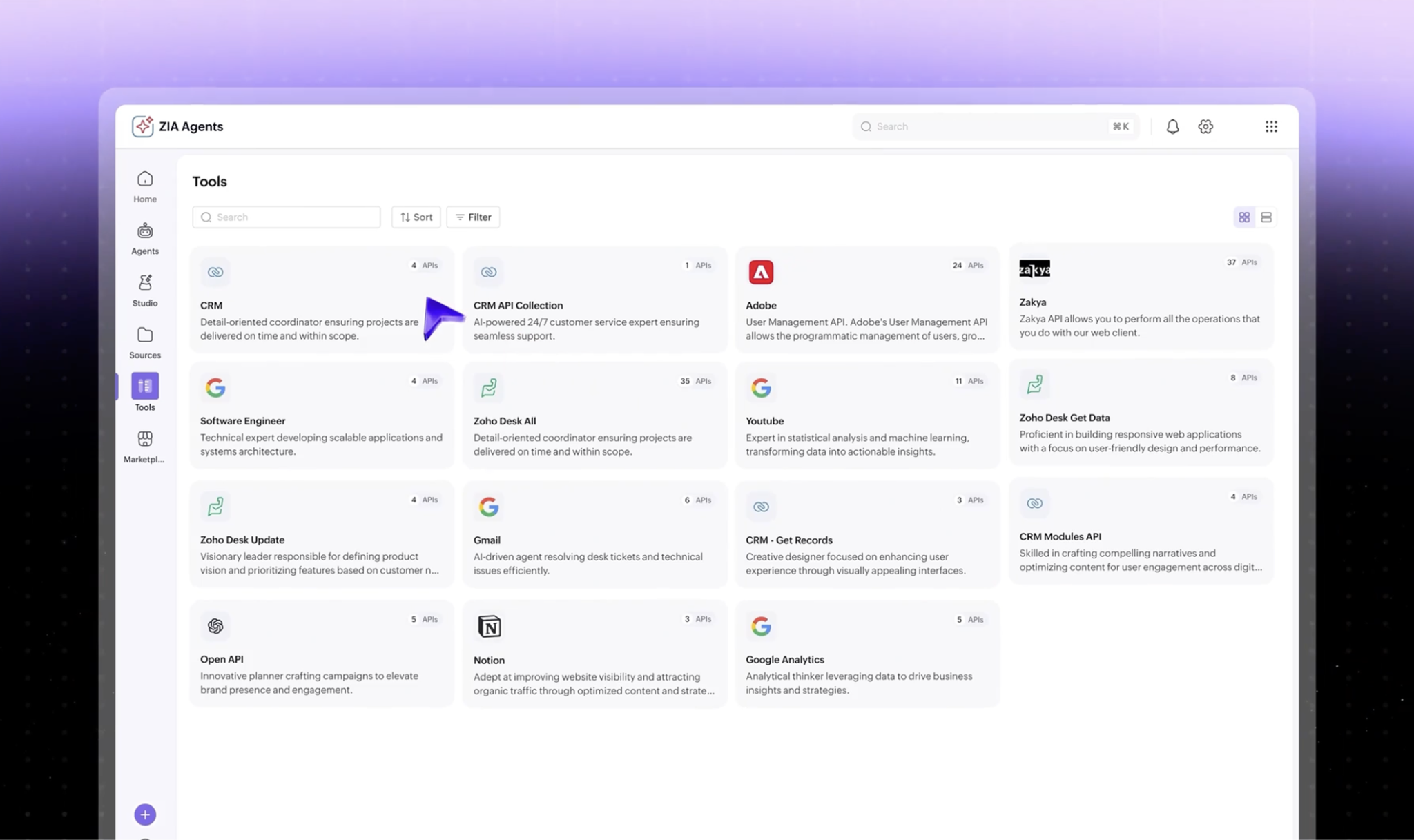
Source: Zoho
ZoomInfo points AI at intelligence and GTM execution. The GTM Context Graph processes 1.5B+ data points daily, combining deal history, conversation transcripts, intent signals, and CRM data to identify why deals move or stall. GTM Workspace uses specialized AI agents (built on Anthropic's Claude) to surface who to contact, when to engage, and what to say.
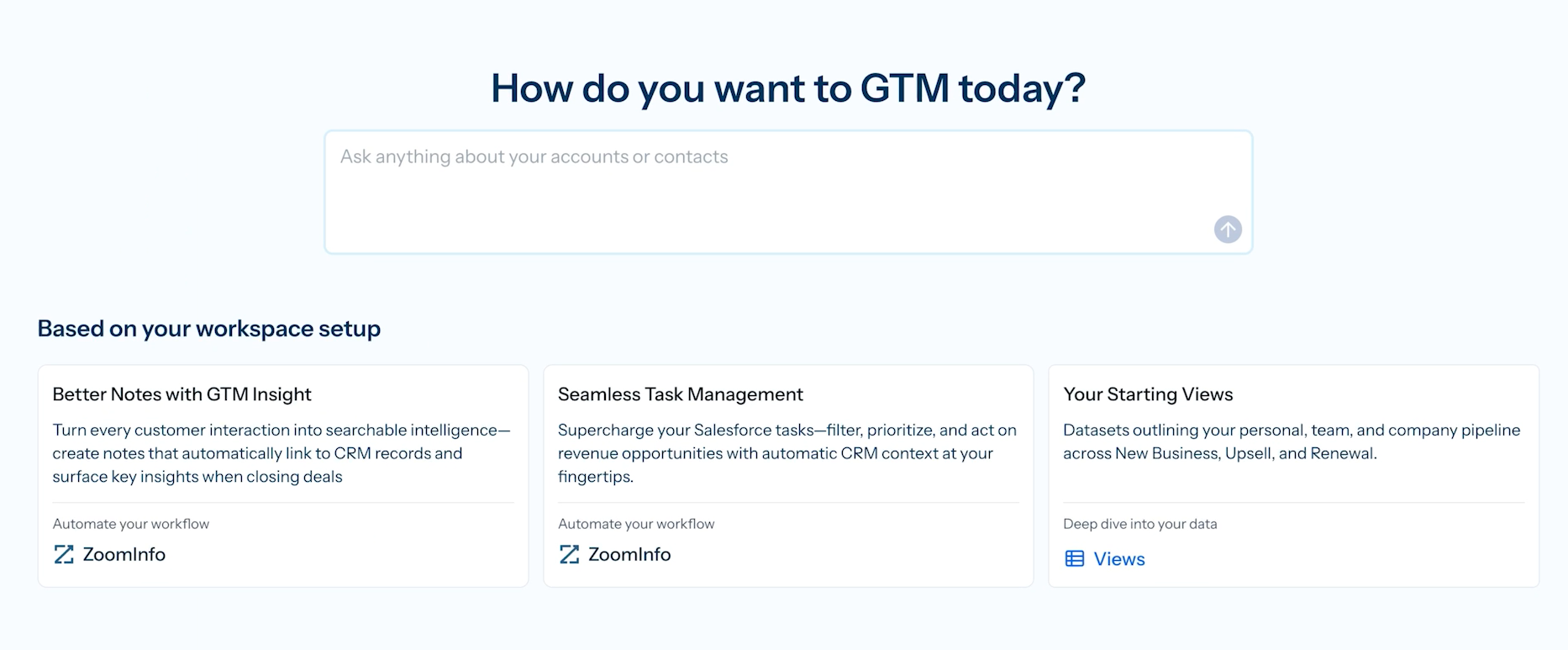
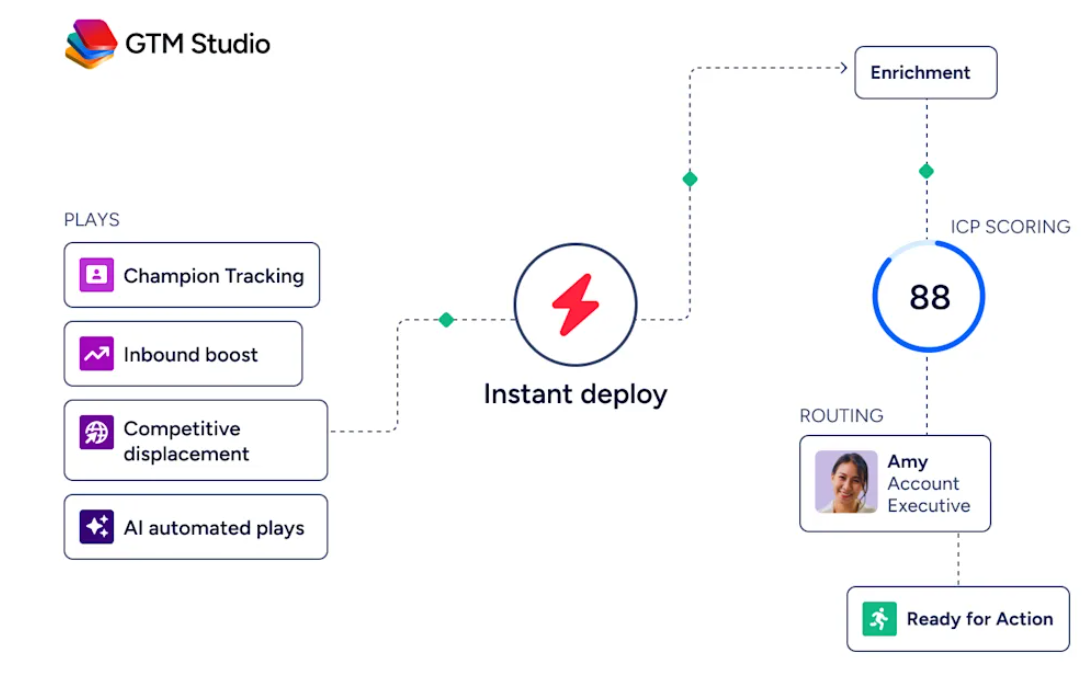
GTM Studio lets marketers describe audiences in natural language and launch multi-channel plays without engineering support. The payoff is strategic: knowing which accounts to prioritize and why, before your competitors do.
"ZoomInfo's not just a contact data company anymore. They've built a full system of execution. GTM Intelligence works the list, writes the outreach, triggers the play, and helps drive predictable growth." (Levanta)
Integration ecosystems and flexibility
ConnectWise runs a deep but narrow ecosystem. The ConnectWise Marketplace lists 461 integration partners, weighted toward MSP tools: security vendors, backup solutions, documentation platforms, and IT distributors. The real selling point is native integration between ConnectWise products (PSA, RMM, ScreenConnect, SIEM).
A monitoring alert in RMM creates a ticket in PSA, which triggers an AI triage agent, which routes to a technician who connects via ScreenConnect. That data flow eliminates manual re-entry between tools.
For connections outside the ConnectWise ecosystem, Zapier and a REST API are available, though the developer documentation requires an approved partner account for full access.
Zoho CRM offers the broadest general-purpose ecosystem of the three. 1,100+ app integrations are available through the Zoho Marketplace, plus native connections to 40+ Zoho products (Zoho One suite including Books, Desk, Campaigns, Sign, Analytics, and SalesIQ).
The API infrastructure includes REST and GraphQL APIs, webhooks, and serverless Deluge functions, with official SDKs in Java, Python, Node.js, PHP, and C#. API access is included on every plan, with daily credit allowances scaling from 5,000 on the free plan to unlimited on Ultimate.
The Zoho ecosystem advantage is strongest for companies already using other Zoho products, where data flows between CRM, finance, support, and marketing without third-party middleware.
ZoomInfo functions as infrastructure for the GTM stack. The Marketplace lists 172+ partners, with native integrations for Salesforce, HubSpot, and Microsoft Dynamics 365, and data warehouse connections to AWS, Snowflake, Google Cloud, and Databricks. Zoho is listed as a supported CRM integration in ZoomInfo's marketing plans.
The Enterprise API and MCP server (compatible with Claude, ChatGPT, and other AI tools) let any application consume ZoomInfo's data and intelligence programmatically. API access is included in all relevant plans.
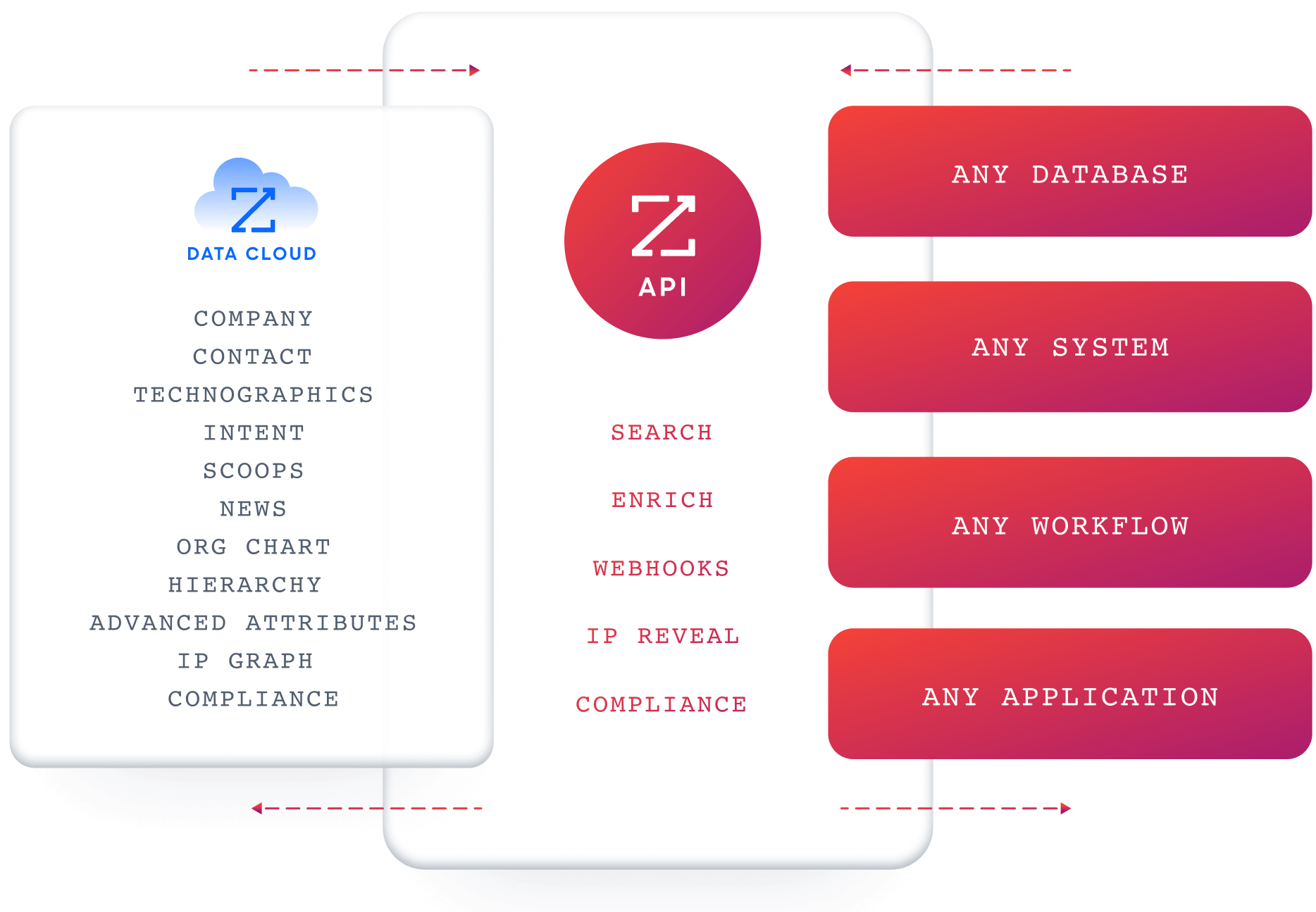
"The plug-and-play aspect of the API means I can integrate it very easily into any process and get information at a moment's notice." (BDO Canada)
Support and onboarding comparison
ConnectWise offers tiered support: Basic (community and documentation, business-hours chat), Standard (adds remote support), and Premium (24/7 coverage, dedicated services manager, quarterly reviews). Support quality draws mixed reviews on G2 and Capterra, with some users reporting helpful assistance and others citing slow escalations.
Implementation runs 5 to 16 weeks, with a dedicated coordinator and consultant guiding configuration. The platform's depth means misconfiguration early on is hard to undo, and reviewers consistently note the need for a dedicated administrator.
For training, ConnectWise University offers 40+ courses, and the IT Nation Connect conference is widely regarded as the premier annual gathering for MSPs.
Zoho CRM bundles Classic support (email, phone, chat during business hours, and remote assistance) with all paid plans at no extra cost. Premium and Enterprise support tiers add faster response times, a dedicated Technical Account Manager, and 24/7 coverage, but these are paid add-ons.
Documentation is publicly accessible through the Zoho CRM Help Center, and a free Developer Edition lets teams experiment without risk to production data.
For hands-on setup help, the Jumpstart program connects businesses with a product expert at $200/hour. A 15-day free trial of the Enterprise plan (no credit card required) lets teams evaluate the full feature set before committing.
ZoomInfo redesigned its onboarding to span 30 to 90 days, structured across planning, technical implementation, education, and adoption phases.
The result: a 25% improvement in customer satisfaction scores and Rocketlane's Golden Comet award for Best Customer Onboarding Team of 2024.
ZoomInfo University provides role-specific learning paths and certifications. Support is available through a Help Center, phone, and the Modern GTM Community. Professional services via ZoomInfo Labs cover custom data projects and implementation consulting.

ConnectWise vs. Zoho CRM vs. ZoomInfo: Which should you choose?
These three platforms aren't competing alternatives. They're different tools for different parts of your business. The right choice depends on which gap matters most.
Choose ConnectWise if:
You're an MSP or IT services provider delivering managed services to clients
You need ticketing, endpoint monitoring, patch management, and remote access in one platform
Service agreement billing and time tracking are core to your operations
You want a security stack (SIEM, EDR, BCDR) integrated with your service desk
You have the implementation resources for a multi-week deployment
Choose Zoho CRM if:
You need a full-featured CRM for managing sales pipelines and marketing campaigns
You want strong AI and automation without enterprise pricing
Your team values transparent pricing with no long-term commitments
You're already using or considering other Zoho products for a single-vendor stack
You need deep customization without depending on a development team
Use ZoomInfo with either platform if:
Finding qualified prospects is your biggest growth bottleneck
You need verified contact data (direct dials, business emails) for decision-makers
You want to know which companies are actively researching solutions like yours
You need AI-powered prospecting that tells your team who to contact, when, and why
You want intelligence that feeds into your existing CRM or service delivery tools
Try ZoomInfo Lite for free or start a 7-day trial
"ZoomInfo is our one source of truth for account data, and even more so for contact data. There's no other provider in the market that provides you with that level of detail." (Smartsheet)
ConnectWise and Zoho CRM each do their jobs well. ConnectWise runs your service operations. Zoho CRM runs your sales and marketing. But neither tells you which companies to pursue or gives you verified data to reach them. ZoomInfo fills that gap, working alongside whichever platform you choose so your team spends time on accounts that are actually ready to buy.
ConnectWise vs. Zoho CRM vs. ZoomInfo FAQ
What is the fundamental difference between ConnectWise, Zoho CRM, and ZoomInfo?
ConnectWise is an MSP operations platform that manages IT service delivery: ticketing, endpoint monitoring, patch management, remote access, cybersecurity, and billing for managed service providers. Zoho CRM is a sales and marketing platform that manages leads, deal pipelines, marketing campaigns, and customer relationships across industries.
ZoomInfo is a B2B intelligence platform that provides verified contact data for 500 million contacts and 100 million companies, buyer intent signals, and AI-powered prospecting tools to help businesses find and reach their target buyers.
Can ConnectWise replace a CRM like Zoho CRM?
Not effectively. ConnectWise PSA includes basic opportunity tracking and client management, but it lacks pipeline visualization, lead scoring, marketing automation, multichannel outreach sequences, and the deeper capabilities a dedicated CRM provides.
ConnectWise was designed around service delivery workflows (tickets, agreements, time entries, billing), not sales workflows (leads, deals, campaigns, forecasts). Most MSPs that outgrow informal sales processes benefit from pairing ConnectWise with a dedicated CRM.
Which platform is best for a managed service provider?
It depends on which gap is most pressing. For service delivery and operations, ConnectWise is the industry standard, with PSA, RMM, and security tools built for MSPs. For sales and client acquisition, Zoho CRM provides affordable pipeline management and marketing automation.
For prospecting, ZoomInfo provides verified decision-maker data and intent signals showing which companies are actively researching IT services. Many growing MSPs use tools from all three categories at different stages of their workflow.
How does pricing compare across the three platforms?
Zoho CRM is the most transparent, with published plans from free (3 users) to $52/user/month on annual billing. ConnectWise does not publish pricing for most products and requires contacting sales; only ScreenConnect has public pricing starting at $30/month.
ZoomInfo uses custom-quoted, consumption-based pricing with no published rates, though it offers a permanent free tier (ZoomInfo Lite) with 10 monthly export credits and a 7-day free trial of the full platform.
Can you use ConnectWise, Zoho CRM, and ZoomInfo together?
Yes. ConnectWise and Zoho CRM exchange data through Zapier and API integrations, passing client information between service delivery and sales workflows. ZoomInfo integrates with Zoho CRM to enrich lead and account records with verified contact data, company attributes, and intent signals.
ZoomInfo's API and MCP server also let its intelligence flow into any application in your stack. A typical setup uses ZoomInfo to identify target companies, Zoho CRM to manage the sales process, and ConnectWise to deliver services after the deal closes.
Which platform has the strongest AI capabilities?
Each platform's AI serves a different purpose. ConnectWise AI focuses on service delivery, with autonomous ticket triage agents that learn from historical data and RPA bots for repetitive tasks. Zoho CRM's Zia AI focuses on sales, with lead scoring, email sentiment analysis, call transcription, and autonomous sales agents via Zia Agent Studio.
ZoomInfo's GTM Context Graph focuses on intelligence, processing 1.5 billion data points daily to identify which accounts are in-market and surface the right contacts to engage, with AI-generated outreach built on Anthropic's Claude.
Do any of these platforms offer a free plan?
Zoho CRM offers a permanent free plan for up to 3 users with basic CRM features including leads, contacts, accounts, deals, and limited workflows. ZoomInfo offers ZoomInfo Lite, a permanent free tier with access to its B2B database and 10 monthly export credits. ConnectWise does not offer a permanent free plan; it provides time-limited trials for select products, including a 7-day Automate trial and a 30-day SaaS Security trial.
Which platform has the steepest learning curve?
ConnectWise has the steepest learning curve. Implementation runs 5 to 16 weeks depending on the number of products adopted, and reviewers consistently note the need for a dedicated administrator. Zoho CRM requires more upfront setup than simpler CRMs like Pipedrive or HubSpot, but offers Canvas Design Studio and Kiosk Studio to reduce complexity for non-technical users.
ZoomInfo delivers value fastest, with a free tier that provides immediate access to prospecting data and a structured 90-day onboarding program for paid customers.
