
If you're searching for Contactually vs. Pipedrive, you should know something first: Contactually no longer exists. The relationship-focused CRM was acquired by Compass in February 2019 and shut down on March 31, 2022. Its website is gone. Compass absorbed the technology into its internal agent platform.
That doesn't make this comparison irrelevant. If you're here, you probably valued what Contactually represented: a CRM built around relationships, not deals. Comparing that philosophy to Pipedrive's pipeline-first approach raises the right questions about how you should manage your sales process:
Do you need a tool that tracks deal stages, or one that keeps valuable relationships from going cold?
Is your revenue driven by new business prospecting or by repeat clients and referrals?
How much time do you spend on manual data entry and contact management that a smarter system could handle?
Do you have the data to know who to contact, when to reach out, and what to say?
Are you managing your pipeline, or is your pipeline managing you?
Here's what we recommend:
Contactually was built for relationship-driven professionals (particularly real estate agents) whose income depended on staying in touch with past clients and referral sources. Its "Buckets" system organized contacts by follow-up frequency rather than deal stage, and its gamified interface drove 90% agent adoption rates at brokerages that deployed it.
Contactually proved that CRM adoption is a design problem, not a discipline problem. But the platform is gone, and former users have had to find alternatives that preserve its relationship-first philosophy.
Pipedrive is the natural successor for anyone who needs a visual, action-oriented sales CRM. Built by salespeople frustrated with tools designed for managers, Pipedrive's kanban-style pipeline makes it easy to see every deal's status and next step.
With 500+ integrations, AI features, and plans starting at $14/month per seat, it delivers strong value for small and mid-sized sales teams. But Pipedrive tracks the deals you already know about. It can't tell you which prospects are worth pursuing or which accounts are in-market.
Both platforms (one historical, one active) share a limitation: they manage the contacts and deals you already have. Neither provides the intelligence to find the right buyers, understand when they're ready to engage, or know what to say when you reach them. That's a different problem.
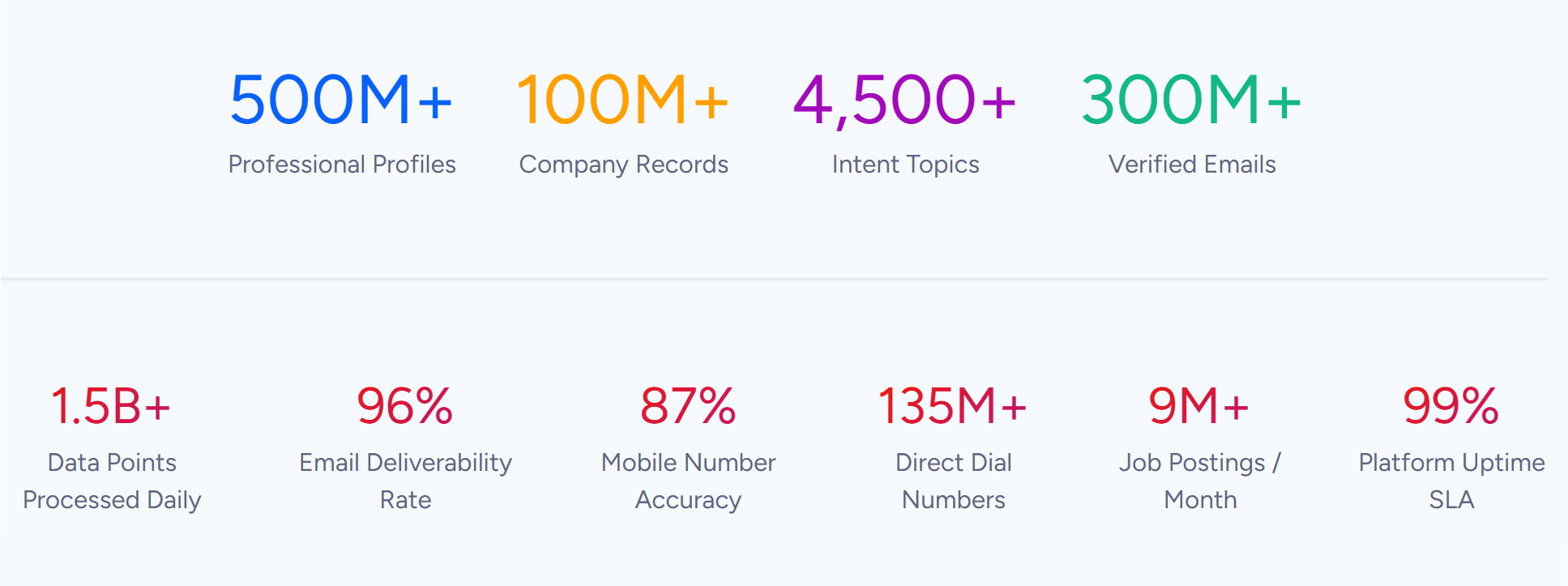
ZoomInfo is a B2B data and GTM platform that solves the problem upstream. Built on a large B2B dataset (500M contacts, 100M companies, 135M+ verified phone numbers, and 200M+ verified business email addresses), ZoomInfo doesn't just store your contacts.
It tells you who to contact, when to engage, and what to say, powered by a GTM Context Graph that processes 1.5B + data points daily to reveal what's happening in your deals and why. Whether your team works inside ZoomInfo's GTM Workspace for sellers, uses GTM Studio for marketing and RevOps, or pipes intelligence into existing tools through APIs and MCP, the intelligence follows.
If intelligence-driven selling sounds like the upgrade your team needs, see how ZoomInfo works with a free trial.
Contactually vs. Pipedrive vs. ZoomInfo at a glance
Contactually | Pipedrive | ZoomInfo | |
|---|---|---|---|
Status | Shut down March 2022 | Active, 100,000+ companies | Active; the GTM data layer trusted by over half the Fortune 500 |
Core strength | Relationship management via Buckets | Visual sales pipeline management | B2B data intelligence and GTM execution |
Contact data | Imported from email and social | Manually entered or imported | 500M contacts with verified emails and direct dials |
Buyer intent signals | None | None | Intent data from 210M IP-to-Organization pairings |
AI capabilities | Basic send-time optimization | AI email writer, AI Sales Assistant, AI reports | GTM Context Graph, AI agents, AI-generated outreach and account briefs |
Pipeline management | Basic deal tracking (Professional plan) | Core product, kanban-style | GTM Workspace with AI-prioritized accounts |
Integrations | Limited native; relied on Zapier | 500+ marketplace integrations | 120+ native integrations, APIs, MCP for any AI agent |
Pricing | Was $59-$119/month per user | Starts at $14/month per seat | Custom-quoted; free Lite tier available |
Best for | Real estate agents, referral-based businesses | SMB sales teams tracking deals | Revenue teams that need data, signals, and AI-driven execution |
One platform is gone, the other tracks deals you already found
Contactually's shutdown in 2022 left a real gap. The platform had solved a specific problem well: keeping relationship-driven professionals from letting contacts go cold. Its Buckets system assigned follow-up cadences to contact groups, and the gamified "Bucket Game" made sorting thousands of contacts feel manageable rather than tedious.

Source: Contactually
But even at its peak, Contactually had clear limits. It lacked native consumer-facing tools, calendar synchronization, and call recording. Reviewers noted it had fewer real estate-specific features than competitors despite its real estate focus. And it was priced high for what it offered.
Pipedrive fills some of that void. Its visual pipeline gives sales teams the deal visibility Contactually never prioritized. But Pipedrive and Contactually solved different halves of the same problem. Contactually asked: "Who should I follow up with today?" Pipedrive asks: "What stage is this deal in?" Neither asks the question that matters most for growing revenue: "Who should I be talking to that I don't know about yet?"
Pipedrive excels at managing the deals in front of you
Five salespeople founded Pipedrive in 2010 in Tallinn, Estonia, because they were tired of CRMs built for managers rather than reps. That founding insight still drives the product: everything in Pipedrive helps salespeople take their next action.

Source: Pipedrive
The kanban-style pipeline view is the centerpiece. Every deal appears as a card in a named stage, and colored "deal rotting" cues flag opportunities going cold. Drag a deal to the next stage when it progresses. Schedule activities (calls, emails, meetings) attached to each deal. The interface answers one question: what do I need to do next?
For small teams, the features are strong at the price point. All plans include unlimited sales pipelines, product catalogs, customizable reports, and custom fields. The Campaigns add-on provides email marketing that reads from CRM contacts and writes engagement data back.
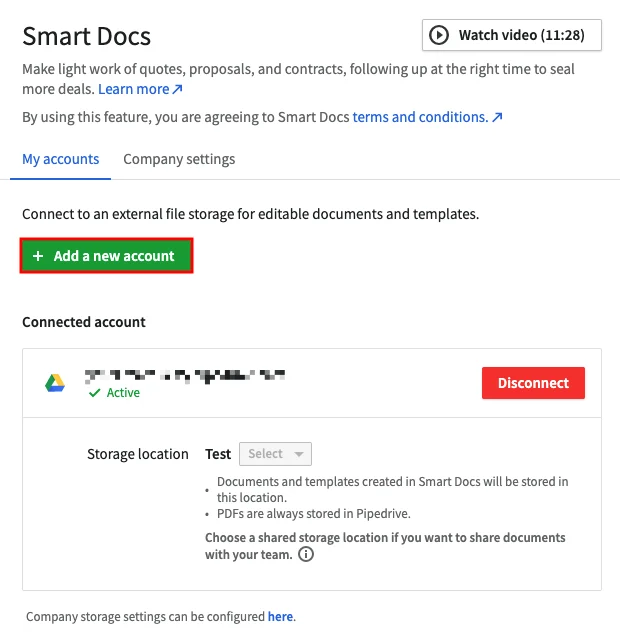
Smart Docs lets reps create, track, and sign proposals without leaving the CRM. The mobile app supports offline activity scheduling, in-app calling with auto-logging, and a "Nearby" feature showing geographically close contacts.
Source: Pipedrive
Pipedrive's AI features are expanding under its "Pipedrive 3.0" strategy. The AI Sales Assistant surfaces high-priority deals and predicts next actions. The AI email writer generates drafts from prompts. And a ChatGPT integration lets reps query CRM data in natural language.
But Pipedrive's intelligence is limited to what's already in your CRM. It can tell you which deals are rotting, but it can't identify companies researching your category right now. It can remind you to follow up, but it can't tell you who on the buying committee you haven't reached. It manages your pipeline. It doesn't build it.
ZoomInfo starts where CRMs end: with the data
The difference between ZoomInfo and a CRM like Pipedrive or Contactually isn't features. It's what the platform knows before you start.
A CRM contains the contacts you've entered or imported. ZoomInfo contains 500M contacts and 100M companies, verified through a multi-source pipeline backed by 300+ human researchers with up to 95% accuracy on first-party data.
Source: ZoomInfo
That includes 120M direct-dial phone numbers and 200M+ verified business email addresses, plus company attributes, org charts, and technographic profiles for 30+ million companies.
This data isn't just a bigger address book. It's the foundation for intelligence. ZoomInfo's Buyer Intent data tracks signals from 210 million IP-to-Organization pairings and 6 trillion+ new keyword-to-device pairings sourced monthly, identifying companies researching topics related to your product.

Source: ZoomInfo
WebSights resolves anonymous website traffic to specific companies. And Guided Intent, exclusive to ZoomInfo, identifies the topics historically correlated with your deal success rather than requiring you to guess which keywords matter.

Source: ZoomInfo
In a Fortune 500 competitive RFP analyzing 25 million contacts across vendors, the independent consultant concluded that "no other competitor came even close."
Vensure scaled its prospecting with ZoomInfo's data: "We don't have to go through and spend our time digging. It's already there, so we can be three steps ahead." (Vensure case study)
Intelligence changes what a CRM can do
Contactually's best idea was the communication-aware follow-up reminder: if you'd spoken to a contact recently, the system wouldn't nag you to reach out again. That was smart for 2015. But it still depended on the agent's own network and manual categorization.
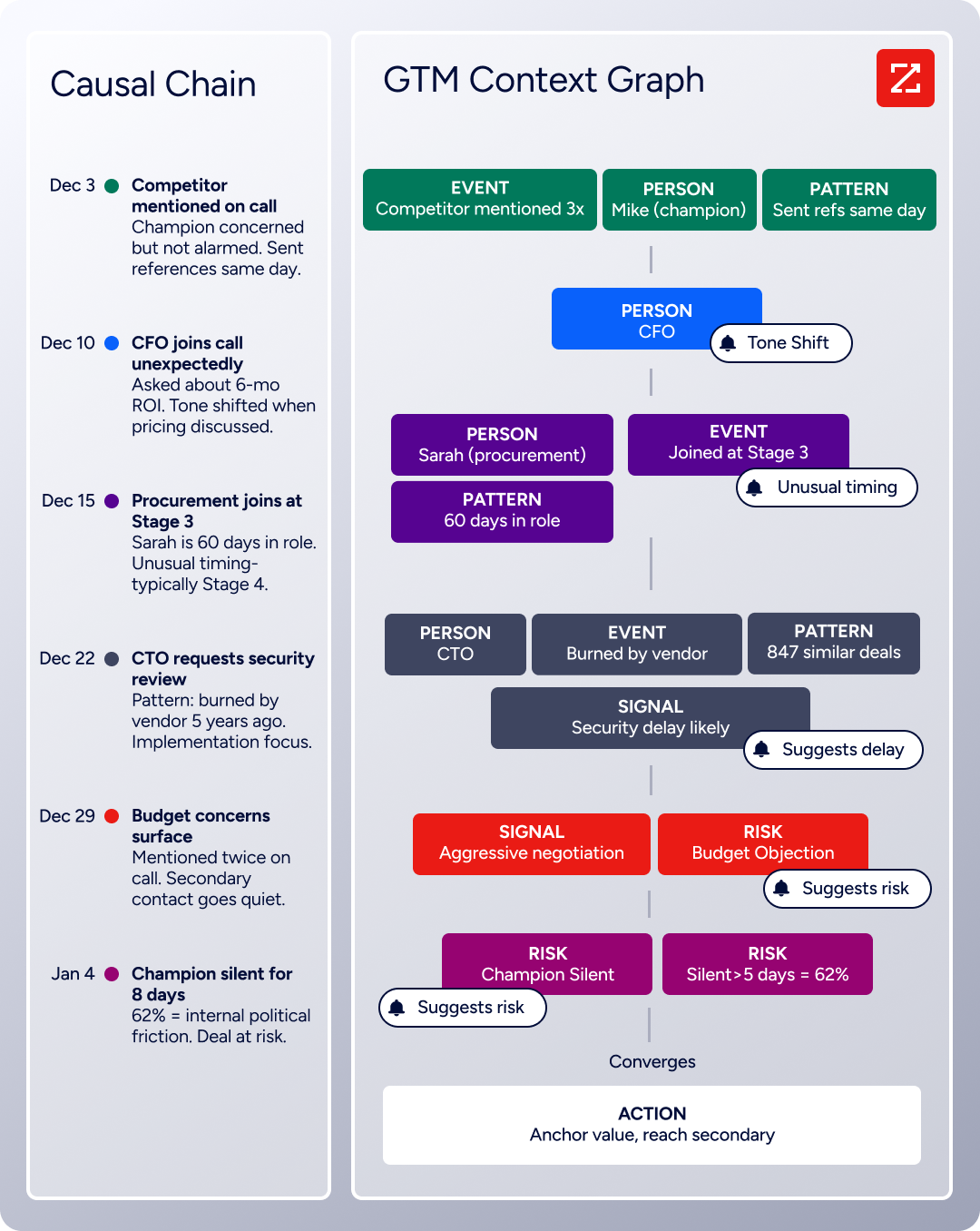
ZoomInfo's GTM Context Graph operates at a different scale. It fuses ZoomInfo's B2B data with a customer's CRM records, conversation transcripts (captured via Chorus), email interactions, and behavioral signals into a single intelligence layer that processes 1.5B+ data points daily.
Source: ZoomInfo
The difference is between a system that records what happened and one that understands why. As ZoomInfo's Chief Product Officer Dominik Facher writes: "The CRM recorded the state change. It has no record of why it happened." A CRM notes that a deal moved to Stage 4.
The GTM Context Graph connects that movement to the CFO joining the last call and asking about six-month ROI, matches that pattern against thousands of similar deals, and tells the rep what to do next.
Pipedrive's AI Sales Assistant can flag a rotting deal. ZoomInfo's GTM Workspace tells you why the deal stalled, who else on the buying committee you need to reach, and drafts the outreach that addresses their specific concerns, all in one view.
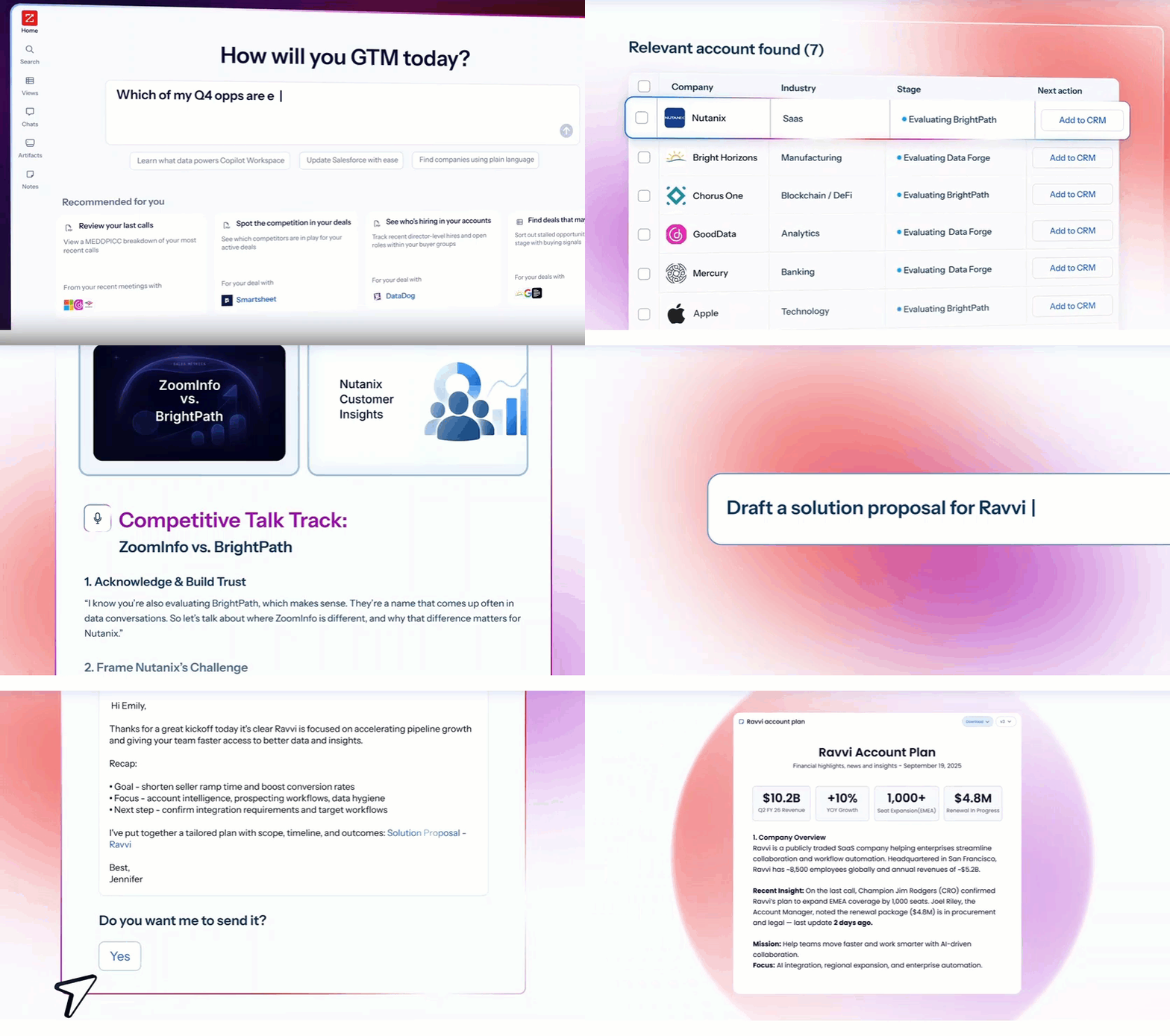
Source: ZoomInfo
Seismic attributed 39% of active pipeline to opportunities identified or influenced by ZoomInfo signals, with its sales team boosting productivity by 54% and saving 11.5 hours per week. (Seismic case study)
Automation comparison: scheduled reminders vs. signal-driven action
Contactually's Programs feature automated drip campaigns triggered by bucket assignment. An agent could create multi-month or multi-year follow-up sequences, and the system reset delays when organic communication occurred to prevent over-messaging. For its era, this was sophisticated.
Pipedrive's Automations feature takes a broader approach with trigger-action rules. Events like deal creation, stage changes, or date thresholds can fire actions: sending emails, creating activities, notifying team members via Slack or Teams, or updating records.
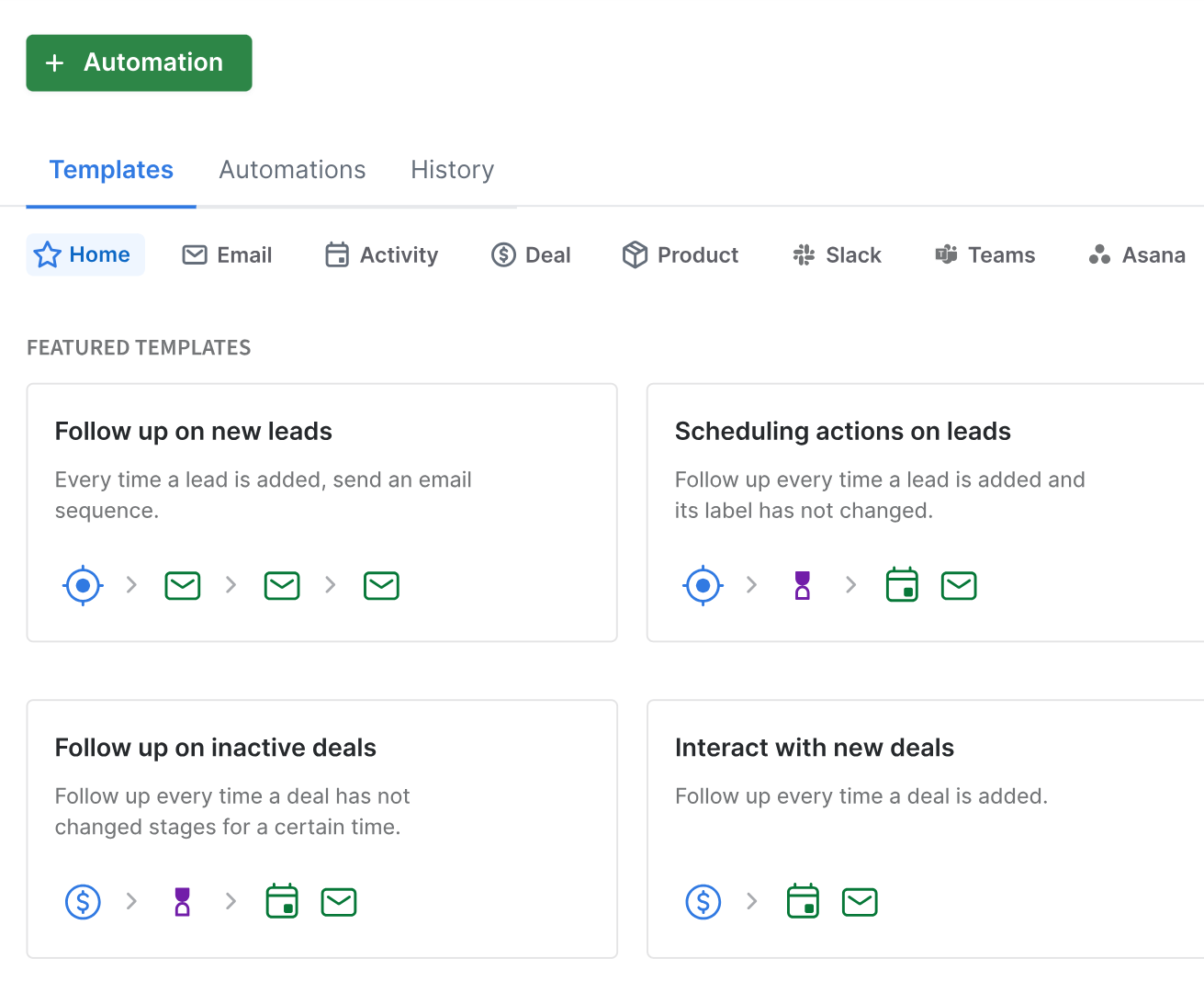
Source: Pipedrive
If/else branching and "wait until event" conditions add logic. Sequences in the newer Pulse toolkit automate multi-step follow-up and pause on engagement signals.
ZoomInfo approaches automation from a different starting point. Rather than automating actions based on CRM events, ZoomInfo automates based on market signals. When a target account starts researching your category, when a champion changes jobs, when a competitor loses a key customer, the system detects it and triggers the right response.
GTM Studio lets marketers and RevOps teams design, enrich, and activate GTM plays in natural language. Expansion plays that used to take three weeks now launch in 30 minutes.
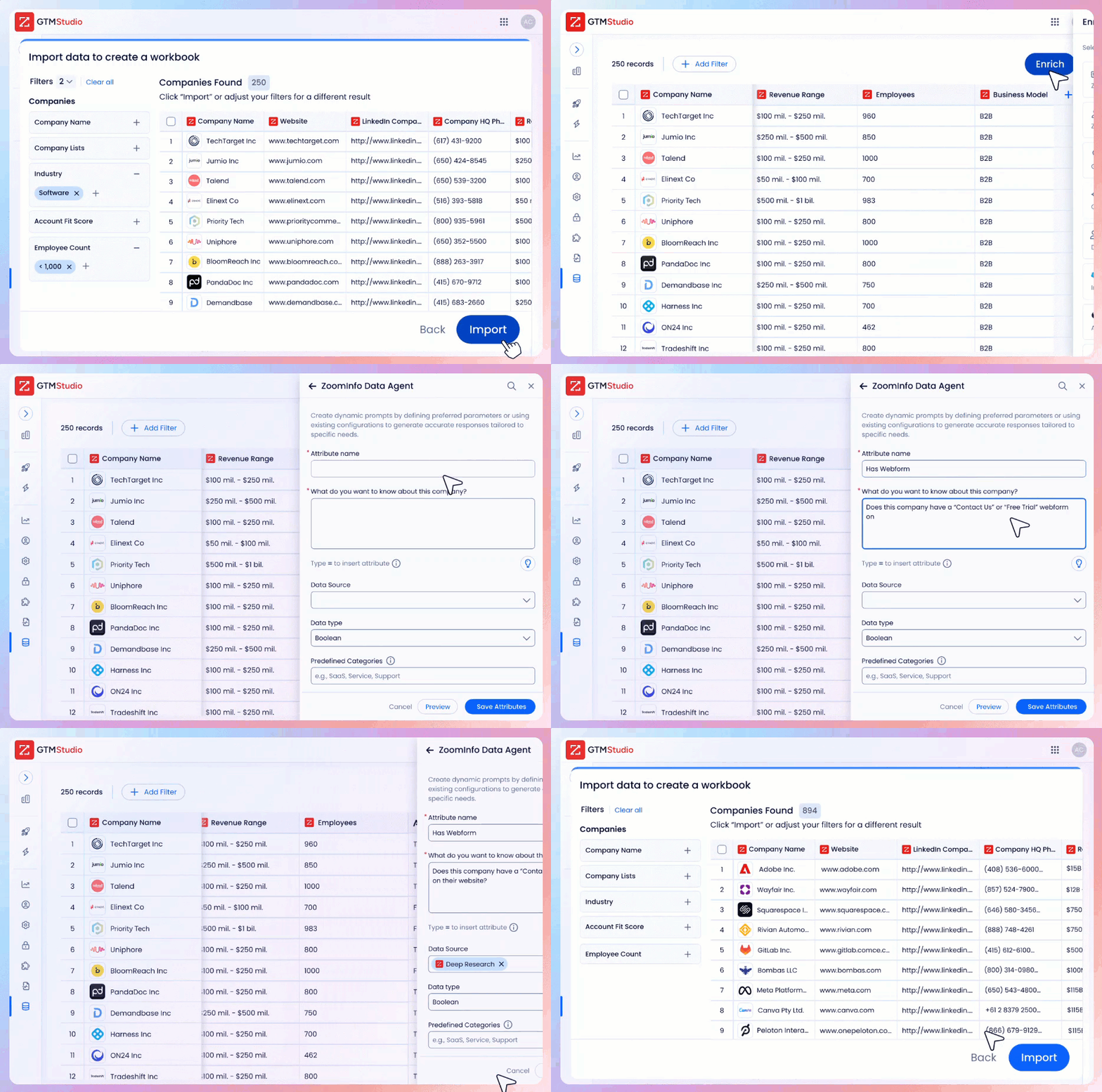
Source: ZoomInfo
The distinction matters. CRM automation reacts to what happened inside your pipeline. Signal-driven automation acts on what's happening in the market before prospects enter your pipeline.
Pricing tells you who each platform is for
Contactually's pricing reflected its niche focus. The Professional plan ran $59/month (annual) or $69/month (monthly). The more popular Accelerator plan cost $99/month (annual) or $119/month (monthly), adding a dedicated customer success manager and pre-built real estate templates.
A Concierge tier at $399/month included done-for-you outreach management. Hooquest noted the platform was "on the expensive side for the number of features offered."
Pipedrive costs less. Four plans (Lite, Growth, Premium, and Ultimate) start at $14/month per seat, with annual billing saving up to 42%. Add-ons like LeadBooster ($32.50/company/month billed annually) and Campaigns are priced separately. For SMB sales teams, Pipedrive offers good value.
But costs compound: once you add email marketing, lead generation, web visitor tracking, and document management, the total moves well beyond the base price.
ZoomInfo uses custom-quoted, consumption-based pricing with no public prices for paid tiers. Customers pay based on what they use: seats, credits, API consumption, and AI activity. The entry point is higher than either Contactually or Pipedrive, reflecting the platform's enterprise orientation and the depth of its data.
But ZoomInfo also offers ZoomInfo Lite, a permanent free tier with access to the B2B database, 10 monthly export credits, the ReachOut Chrome Extension, and HubSpot integration. A 7-day free trial of the full platform is also available.
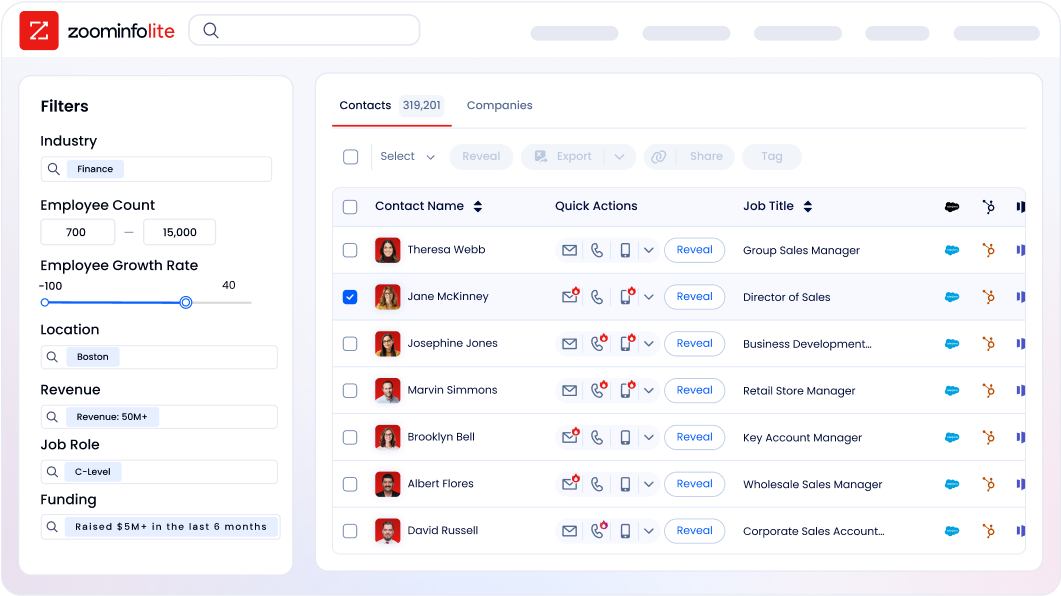
Source: ZoomInfo
The pricing comparison reveals the target markets. Pipedrive is built for budget-conscious SMB teams that need a solid CRM. ZoomInfo is built for revenue teams that need data and intelligence to fill their pipeline, not just manage it.
Integration depth shapes what's possible
Contactually's integration strategy favored quality over quantity. Direct integrations included Gmail, Outlook, MailChimp, Kixie (power dialer), dotloop (transaction management), Spacio (open house leads), and Hootsuite. For everything else, it relied on Zapier, which required a separate subscription. The approach worked for agents with simple tech stacks but limited brokerage-level deployments.
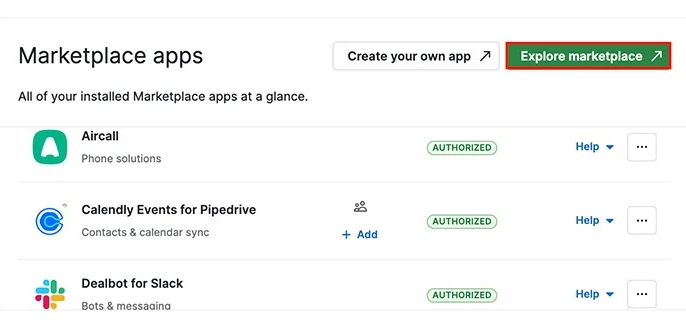
Pipedrive takes integration seriously. The Marketplace contains 500+ integrations spanning CRM automation (Zapier, Make), communication (Google Meet, Microsoft Teams), email marketing (Mailchimp), document signing (PandaDoc, DocuSign), and accounting (QuickBooks, Xero).
Source: Pipedrive
A free open API is available on all plans, with API v2 and Webhooks v2 for real-time event notifications.
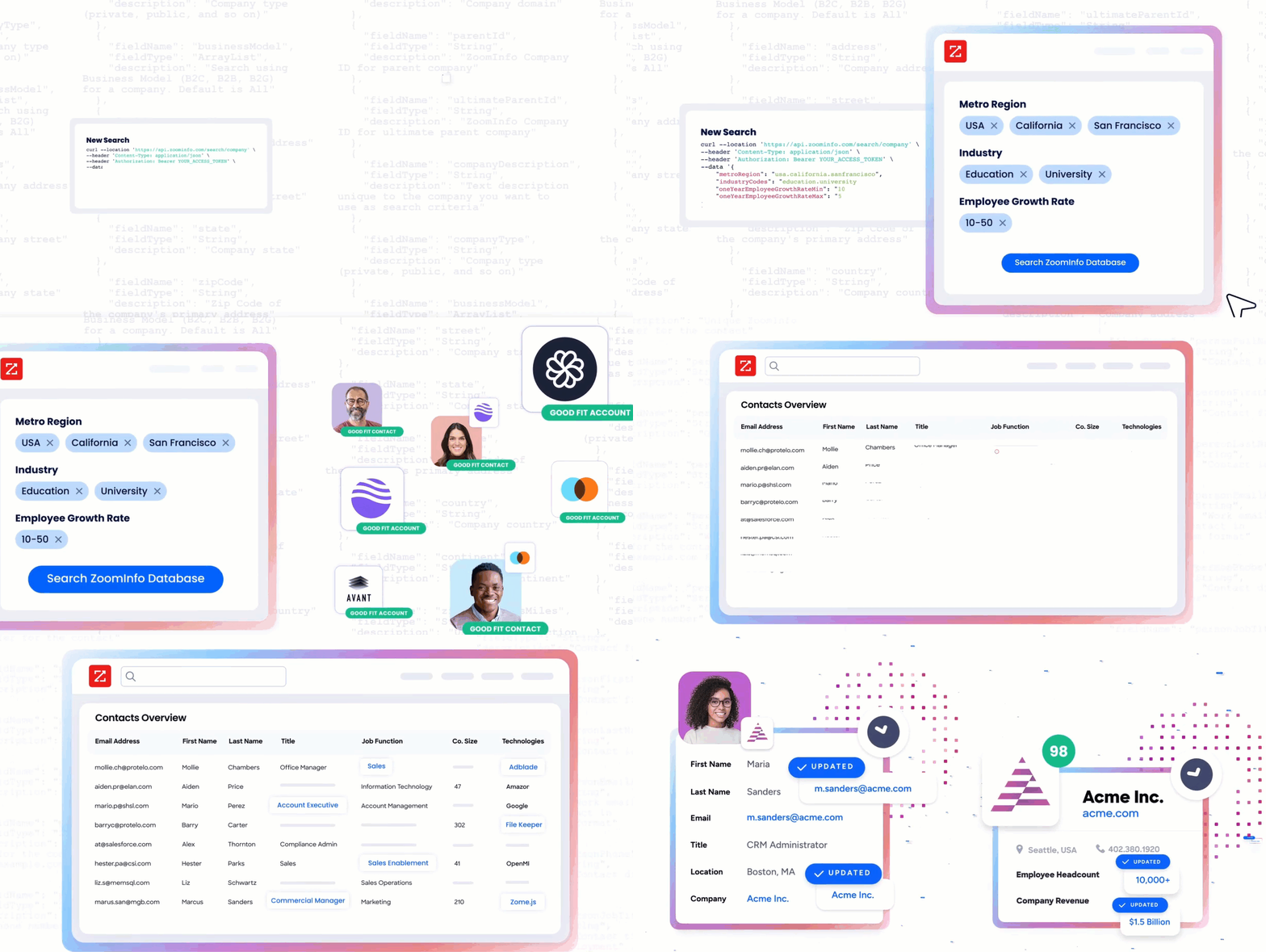
ZoomInfo's integration philosophy differs. Rather than connecting to hundreds of apps, ZoomInfo is designed to be the intelligence layer that powers your entire stack. The Enterprise API exposes search, enrichment, AI intelligence, audience management, and engagement data endpoints.
Source: ZoomInfo
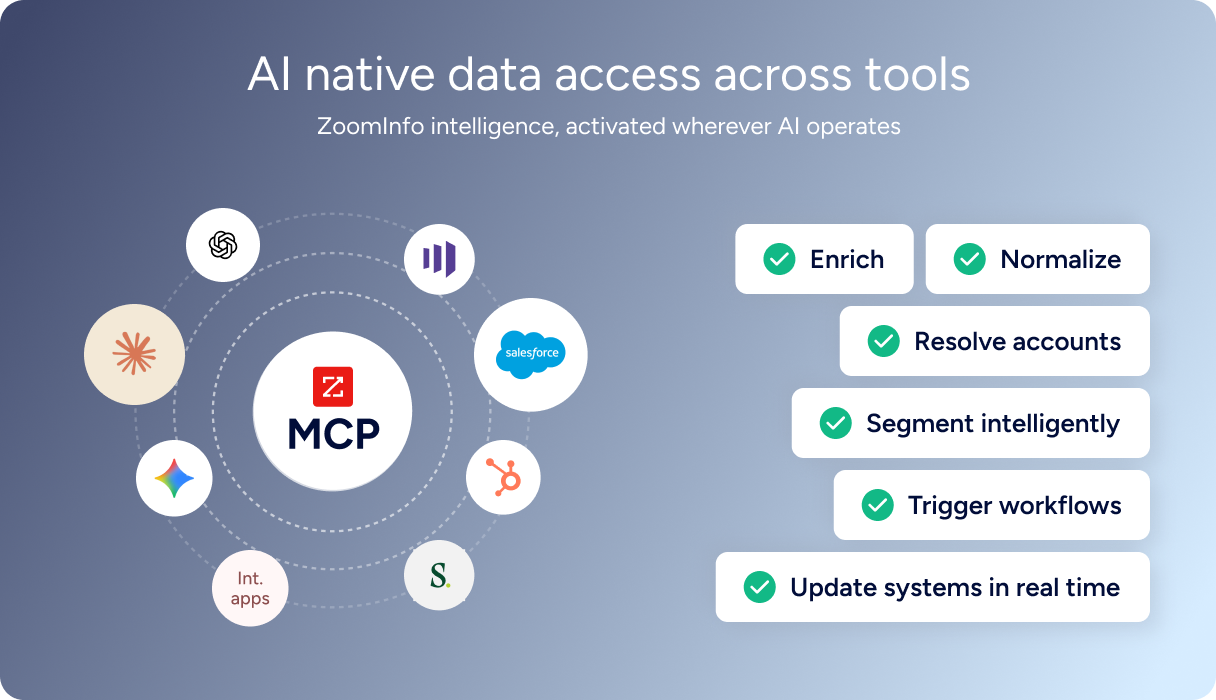
The MCP server connects AI models directly to ZoomInfo's data as a native tool, currently supporting Claude and ChatGPT. Native integrations cover Salesforce, HubSpot, Microsoft Dynamics 365, Snowflake, and more through the App Marketplace. And API access is included in all relevant plans.
Source: ZoomInfo
BDO Canada used ZoomInfo's API to activate data within internal systems: "The plug-and-play aspect of the API means I can integrate it very easily into any process and get information at a moment's notice," reducing time on internal data dashboard updates by 87%. (BDO Canada case study)
Security and compliance at different scales
Contactually never publicly documented its security posture. It disclosed no SOC 2 certification, GDPR compliance attestation, or formal encryption standards during its operational period. The biggest data concerns involved contact data integrity (unwanted merges, data reappearing after deletion) and, after the Compass acquisition, the fact that a direct competitor now owned access to agents' contact databases.
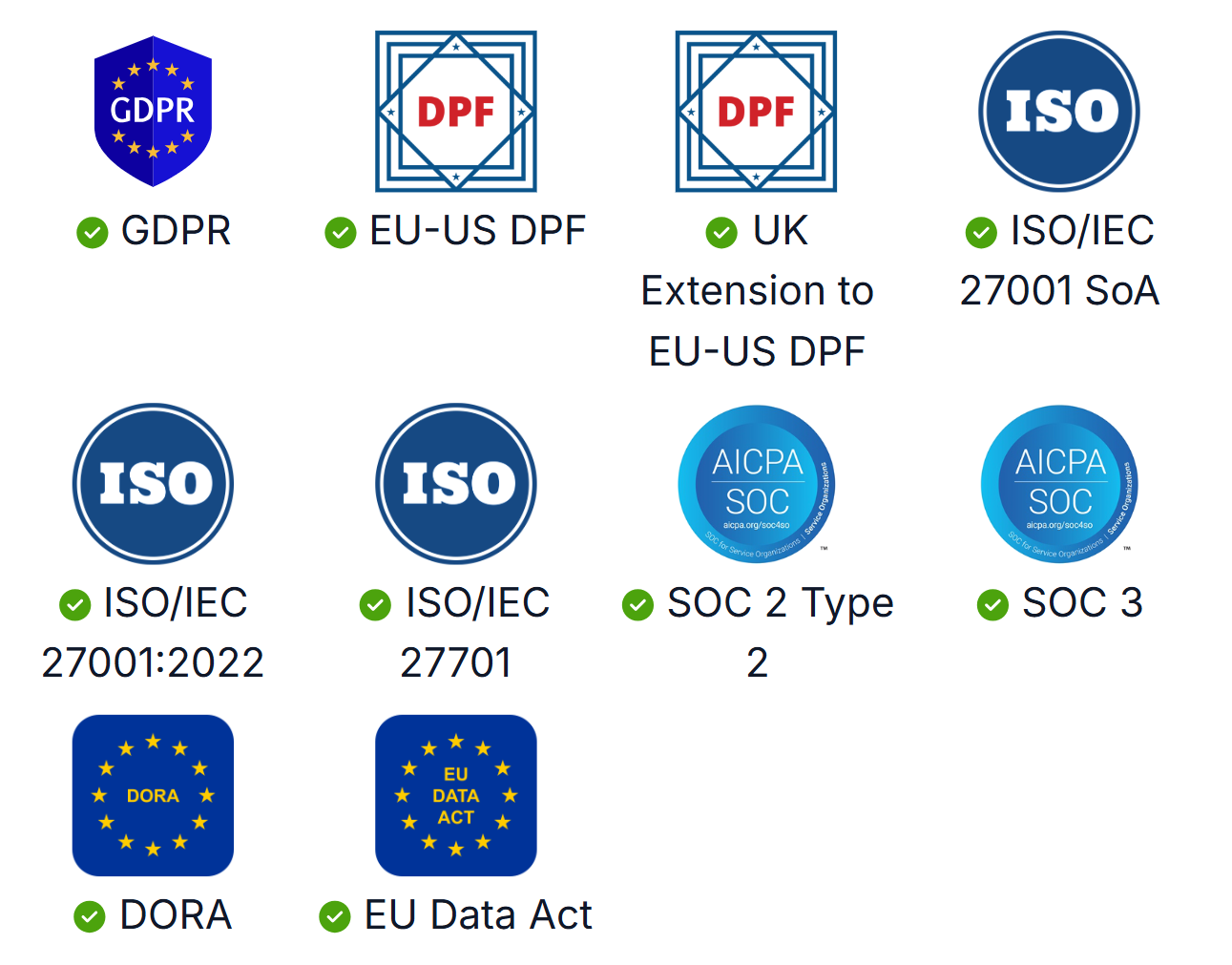
Pipedrive takes security seriously. The platform holds ISO/IEC 27001:2022 and ISO/IEC 27701:2019 certifications, SOC 2 Type 2 compliance, and AES-256 encryption. Data is hosted on AWS with separate databases per customer, with daily backups and GDPR compliance under a dedicated Data Protection Officer.
Source: Pipedrive
Access controls include SSO via SAML 2.0, two-factor authentication, and a Security Center dashboard. For an SMB tool, this is thorough.
ZoomInfo maintains enterprise-grade compliance: ISO 27001, ISO 27701, SOC 2 Type II, TRUSTe GDPR and CCPA certifications, all renewed annually. The company is a registered data broker in California and Vermont.
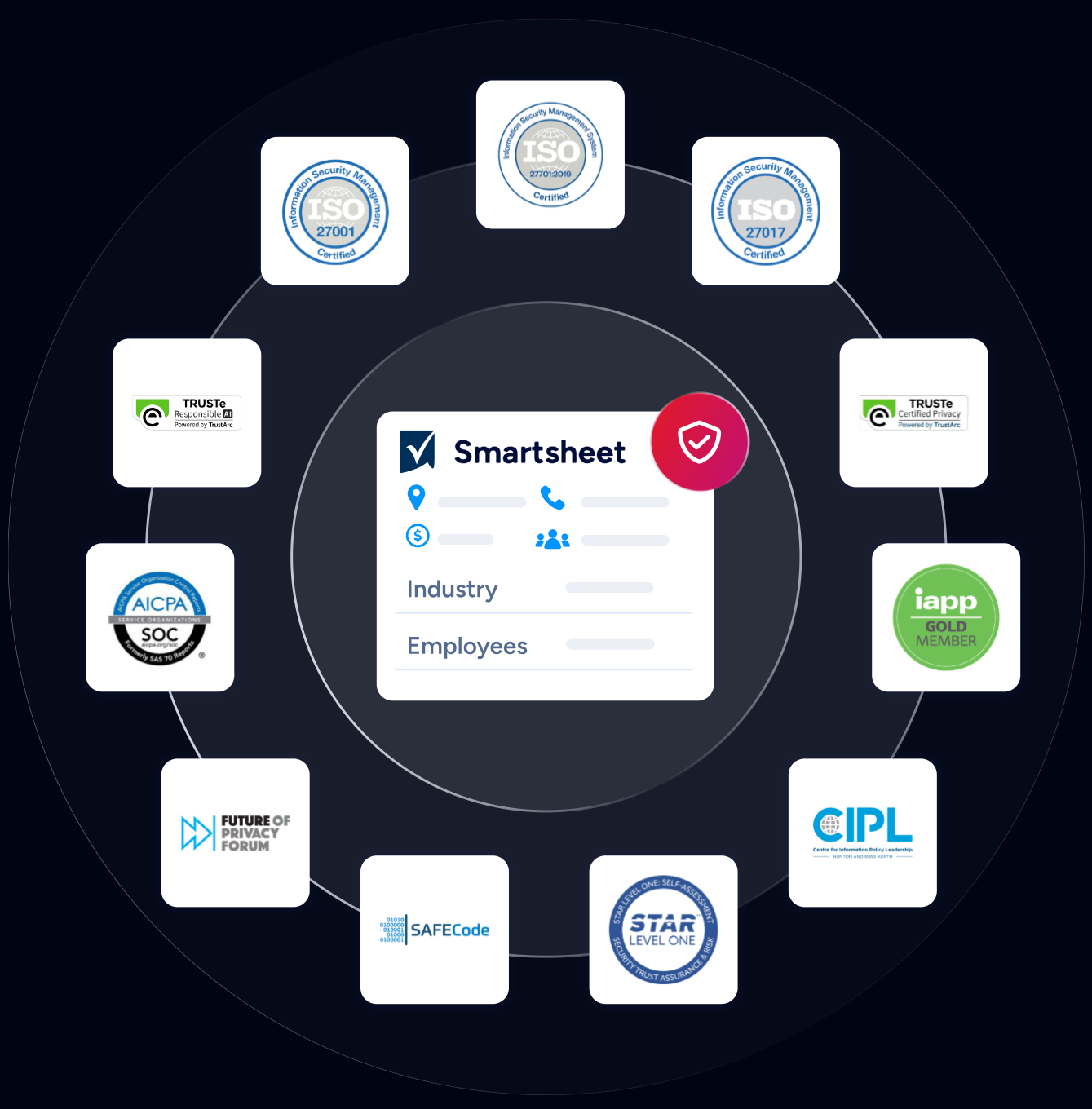
Source: ZoomInfo
For its AI features, ZoomInfo has stated it does not permit third parties to use client data to train AI models. A dedicated Trust Center provides full transparency into certifications and data handling practices.
Contactually vs. Pipedrive vs. ZoomInfo: Which should you choose?
The choice depends on what you need and where you are in your growth.
Contactually was right for you if:
Your business was built on referrals and repeat clients
You needed a system to prevent relationships from going cold
You valued simplicity and gamified CRM adoption
You were a real estate agent or small brokerage
Contactually is no longer available. Former users have migrated to alternatives like Follow Up Boss, LionDesk, and other real estate CRMs. If relationship management was Contactually's appeal, consider what ZoomInfo adds: not just maintaining existing relationships, but identifying new ones worth building.
Choose Pipedrive if:
You need a visual, action-oriented sales CRM at an affordable price
Your team is small to mid-sized and deal-focused
Pipeline visibility and activity tracking are your priorities
You want a broad integration ecosystem for your existing tools
You're comfortable sourcing your own contacts and leads
Choose ZoomInfo if:
You need data to find the right buyers, not just manage existing contacts
Knowing which accounts are in-market before they reach out would change your sales motion
You want AI that understands your deals, not just your CRM fields
Your team needs intelligence they can access in any tool, from GTM Workspace to custom builds
You're ready to move from managing a pipeline to building one
See how ZoomInfo's data and intelligence can transform your go-to-market with a free trial.
Contactually proved that a CRM people actually use beats a CRM with more features. Pipedrive proved that simplicity and visual design can make pipeline management accessible to any sales team.
ZoomInfo takes both lessons and adds what neither could provide: the data and intelligence to know who to pursue, when to engage, and why a deal is moving or stalling. In a market where the right contact at the right time is worth more than any feature list, that intelligence is the difference.
Contactually vs. Pipedrive vs. ZoomInfo FAQ
Is Contactually still available?
No. Compass acquired Contactually in February 2019 and shut it down on March 31, 2022. The website is gone, and Compass absorbed the technology into its internal agent platform (available only to Compass agents). Former Contactually customers have migrated to other CRM platforms.
What made Contactually different from other CRMs?
Contactually organized contacts by relationship priority rather than deal stage. Its "Buckets" system let users assign follow-up cadences to contact groups, and communication-aware reminders reset whenever you interacted with a contact.
This approach drove high adoption rates, with one brokerage reporting 90% of agents actively using the platform, along with a 55% increase in transactions and 65% increase in sales volume within a year.
How does Pipedrive compare to Contactually for relationship management?
Pipedrive is built around deal pipeline management, not relationship cadence. It excels at tracking where deals stand and what needs to happen next, but it lacks Contactually's follow-up frequency system and gamified engagement tools. Pipedrive's newer Pulse toolkit adds prospecting sequences that pause on engagement signals, which partially addresses the relationship-aware follow-up that Contactually pioneered.
What does ZoomInfo offer that a CRM like Pipedrive doesn't?
ZoomInfo provides the data and intelligence layer that sits upstream of any CRM. While Pipedrive manages deals you already know about, ZoomInfo identifies which companies are researching your category, provides verified contact information for buying committees, and uses AI to recommend who to contact and what to say.
ZoomInfo's GTM Context Graph fuses your CRM data with third-party intelligence to explain why deals move or stall.
Can ZoomInfo work with Pipedrive or replace it?
ZoomInfo integrates with major CRMs (including Salesforce, HubSpot, and Microsoft Dynamics 365) through native connectors and its API. While ZoomInfo's GTM Workspace provides its own seller execution environment, many teams use ZoomInfo as the intelligence layer feeding their existing CRM.
ZoomInfo does not replace Pipedrive's pipeline management, but it adds the data, signals, and AI capabilities that Pipedrive lacks.
How does pricing compare across the three platforms?
Contactually ranged from $59 to $119 per month per user on its two main plans. Pipedrive starts at $14 per month per seat, with add-ons for lead generation, email marketing, and other features priced separately.
ZoomInfo uses custom-quoted, consumption-based pricing for paid plans, but offers a permanent free tier (ZoomInfo Lite) with 10 monthly export credits and access to its B2B database, plus a 7-day free trial of the full platform.
Which platform is best for real estate professionals?
Contactually was designed for real estate agents and brokerages, but it no longer exists. Pipedrive has a dedicated real estate CRM page and can be configured for real estate workflows. ZoomInfo's data covers B2B contacts and companies broadly, making it most relevant for real estate professionals focused on commercial real estate or B2B transactions rather than residential agent-to-consumer workflows.
What security certifications does each platform hold?
Contactually never publicly disclosed security certifications. Pipedrive holds ISO 27001, ISO 27701, and SOC 2 Type 2 certifications, with AES-256 encryption and GDPR compliance. ZoomInfo maintains ISO 27001, ISO 27701, SOC 2 Type II, and TRUSTe GDPR and CCPA certifications, all renewed annually, and is a registered data broker in California and Vermont.
Comparing Contactually and Pipedrive? These related breakdowns go deeper:
