

Cvent is an event technology platform that takes a meeting or conference from venue sourcing through post-event analytics inside one system.
It handles registration and email marketing, sources venues from a network of nearly 340,000 hotels worldwide, manages room blocks and floor plans, runs virtual and hybrid events, captures trade show leads, schedules 1:1 meetings, and layers an AI suite called CventIQ across all of it.
Following its December 2025 acquisition of Goldcast and its April 2026 acquisition of ON24, the platform now spans in-person, virtual, hybrid, and webinar formats under one roof.
This breakdown covers every feature, how it works, who it serves, and which plan unlocks it.
Cvent fits if:
You manage dozens or hundreds of events per year across in-person, virtual, and hybrid formats
You need to source venues, send RFPs, compare bids, and manage hotel room blocks from the same platform you use for registration
You want event data flowing automatically into Salesforce, Marketo, HubSpot, or Microsoft Dynamics for pipeline attribution
You run trade shows where exhibitors need lead capture, meeting scheduling, and badge scanning tied back to CRM
You need speaker management, budget approvals, and compliance workflows for regulated industries like life sciences or financial services
You want AI that turns event recordings into social clips, blog posts, and follow-up emails
You'll hit its limits if:
You need a B2B contact and company database to identify and reach the people you want attending your events
You want buyer intent signals showing which companies are researching your category before you invite them
You need to identify the specific person visiting your website, not just the company
You run outbound sales execution (sequencing, multi-channel outreach, pipeline management) alongside your event program
You want to try the full platform before talking to sales
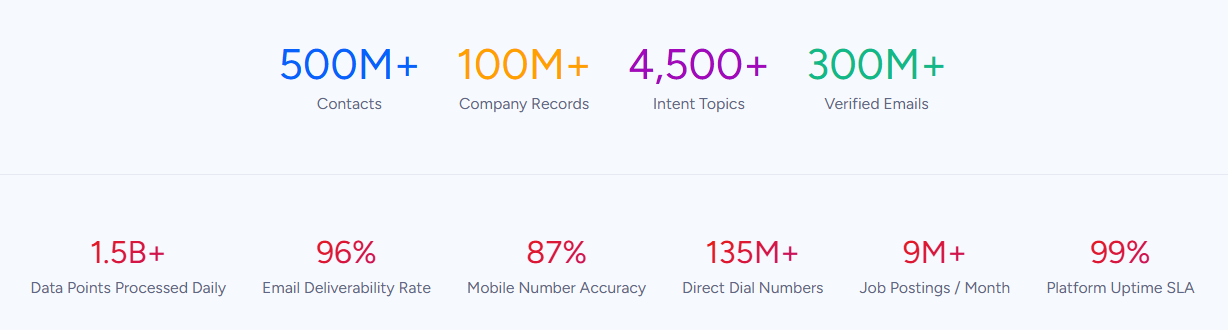
For those needs, the reference point is ZoomInfo: a go-to-market platform built on 500M contacts, 100M companies, 135M+ verified phone numbers, and 200M+ verified business emails. Its GTM Context Graph processes 1.5B+ data points daily, combining B2B data with your CRM records, conversation transcripts, and behavioral signals. Access comes through APIs, MCP, GTM Workspace, and GTM Studio.
ZoomInfo supplies the intelligence layer that turns events from a logistics function into a data-driven GTM channel.
After the feature breakdown, this article covers where Cvent stops and how ZoomInfo fills those gaps.
Cvent Platform Overview
Source: Cvent
Cvent is the largest event technology company in the world, serving roughly 30,000 customers globally, including 70% of the Fortune 500. The platform has supported over 7 million events and processed more than $18 billion in room night sourcing in 2024.
Gartner named it a Leader in the Magic Quadrant for Event Marketing and Management Platforms for the third consecutive year in April 2026, ranking it highest in Ability to Execute.
Cvent organizes its capabilities around the event lifecycle: Before, During, and After.
Module | What It Does | Phase |
|---|---|---|
Event websites, email campaigns, attendee registration paths | Before | |
Venue search, RFPs, bid comparison across 340,000 venues | Before | |
To-scale floor plans with 3D rendering and collaboration | Before | |
Hotel room block management and attendee booking | Before | |
Meeting request forms, budget management, approval routing | Before | |
Call-for-papers, reviewer assignment, speaker portal | Before | |
Pre-approved templates for repeatable field events | Before | |
AI-powered mobile app with session recs, polling, networking | During | |
Check-in, badge printing, session capacity control | During | |
Web-based engagement platform for all event formats | During | |
Trade show lead capture via badge scanning | During | |
Trade show and conference meeting scheduling | During | |
Virtual events with Cvent Studio broadcast tools | During | |
Three webinar tiers: Cvent Webinar, Goldcast, ON24 | During | |
AI layer: content generation, personalization, insights | Across | |
Analytics, reporting, portfolio performance | After | |
Auto-generate clips, posts, and emails from recordings | After | |
Post-event feedback tied to attendee and session data | After |
Cvent Registration, Marketing, and Pre-Event Workflow
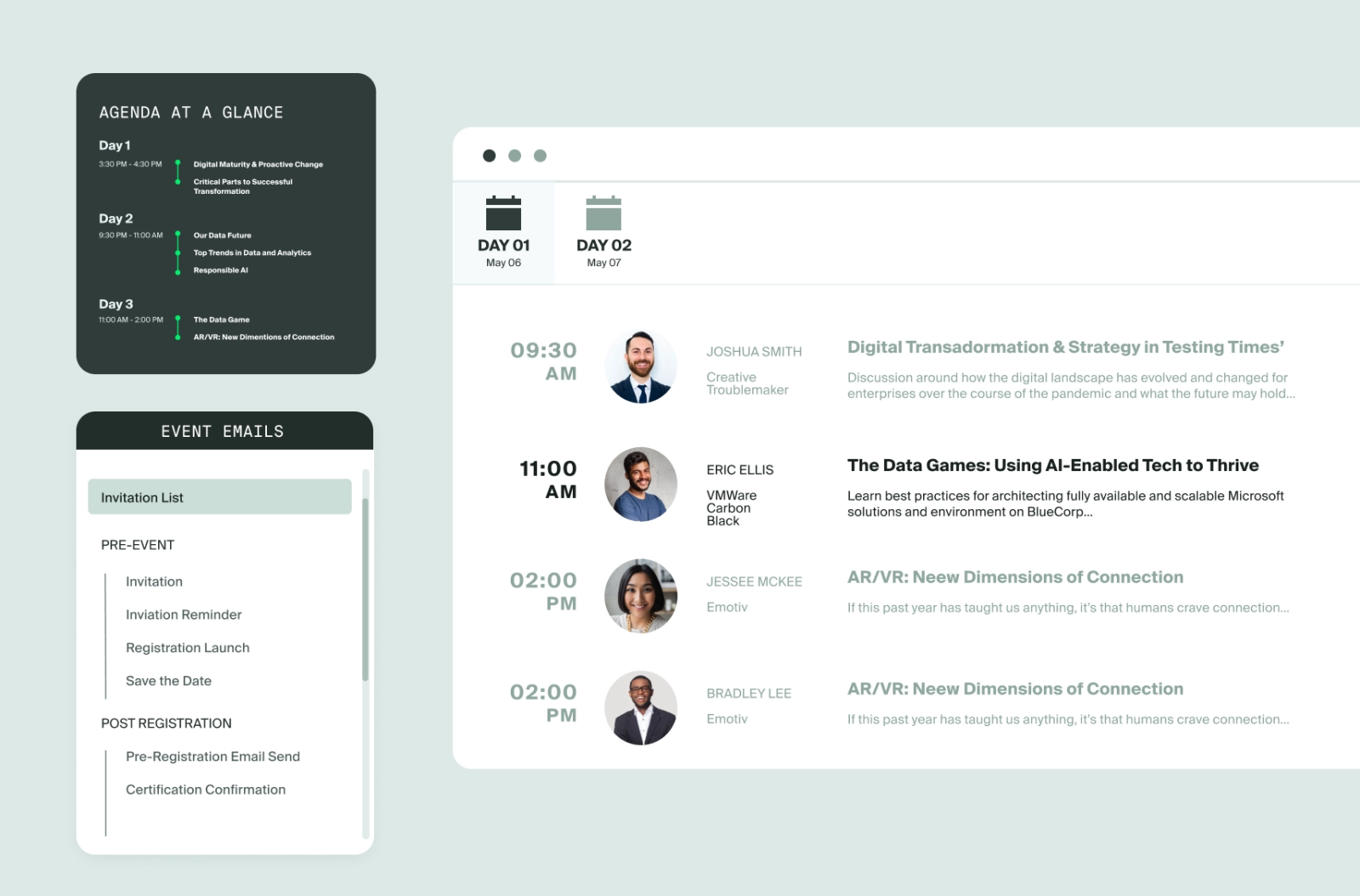
Registration is the feature most buyers encounter first, and it anchors the pre-event workflow. Cvent handles everything a team needs before attendees arrive: building registration websites, running email campaigns, managing speaker submissions, enforcing budget and approval workflows, and deploying repeatable event templates for field teams.
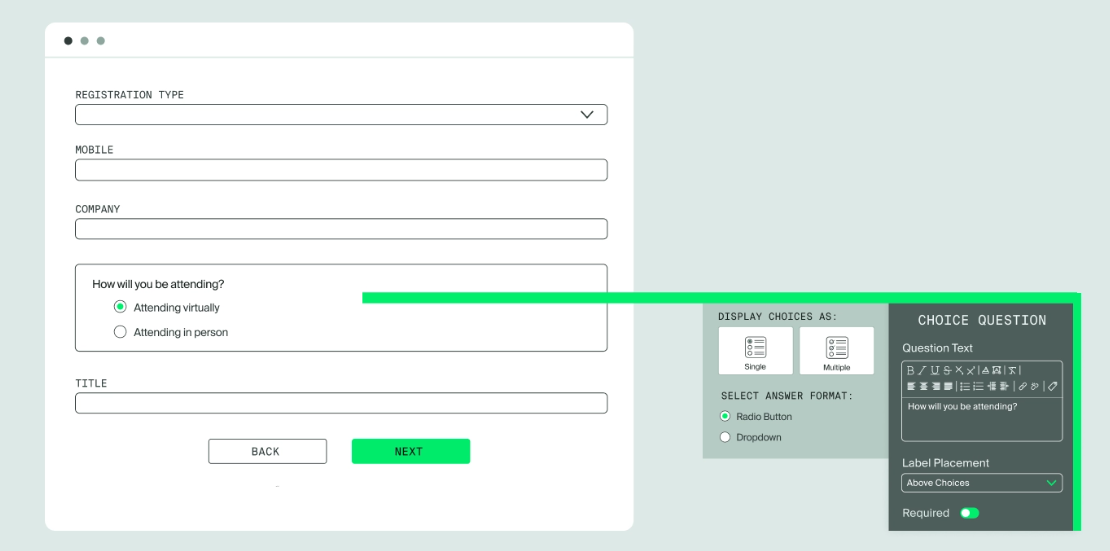
The core module is a drag-and-drop event website builder where planners design event sites using pre-built templates and a widget library. Registration paths are personalized by attendee type with conditional content and pre-populated forms, so VIPs, sponsors, and general attendees each see a different flow.
Source: Cvent
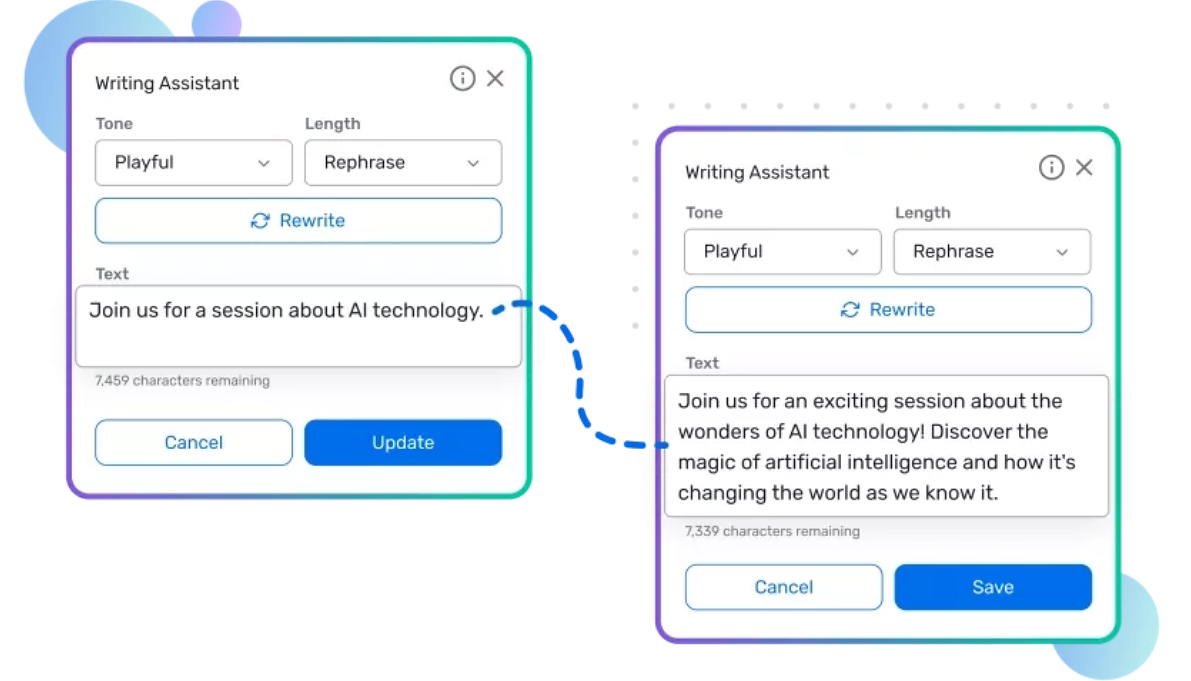
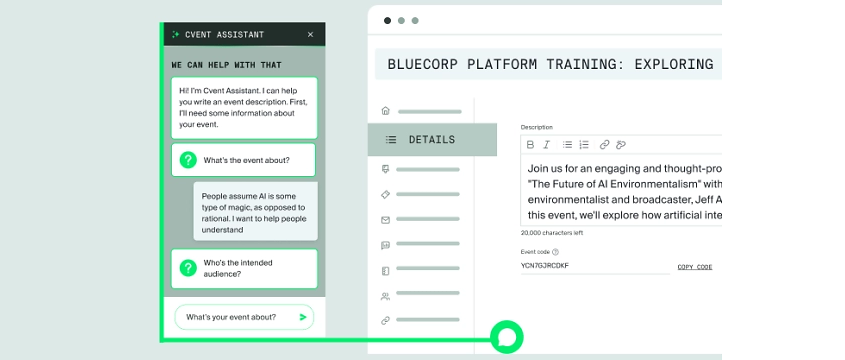
CventIQ's AI writing assistant is embedded in the builder and email editors, generating event descriptions, speaker bios, social media content, and email copy at the point of work rather than requiring a separate AI tool.
Source: Cvent
Email marketing campaigns (early-bird pricing triggers, automated reminders, retargeting of abandoned registrants) run from the same platform, with custom event URLs, personalized invite links, and UTM parameter tracking.
CRM and marketing automation sync is where registration data earns its strategic value. Cvent connects natively to Salesforce, Marketo, HubSpot, Microsoft Dynamics 365, Oracle Eloqua, Pardot, SugarCRM, Veeva, and NetSuite.
Registration, attendance, and engagement data flow automatically into these systems. Workflow automation is also available through Zapier and Tray.ai, and analytics integrations cover Google Analytics, Google Tag Manager, Tableau, Sigma, and Domo.
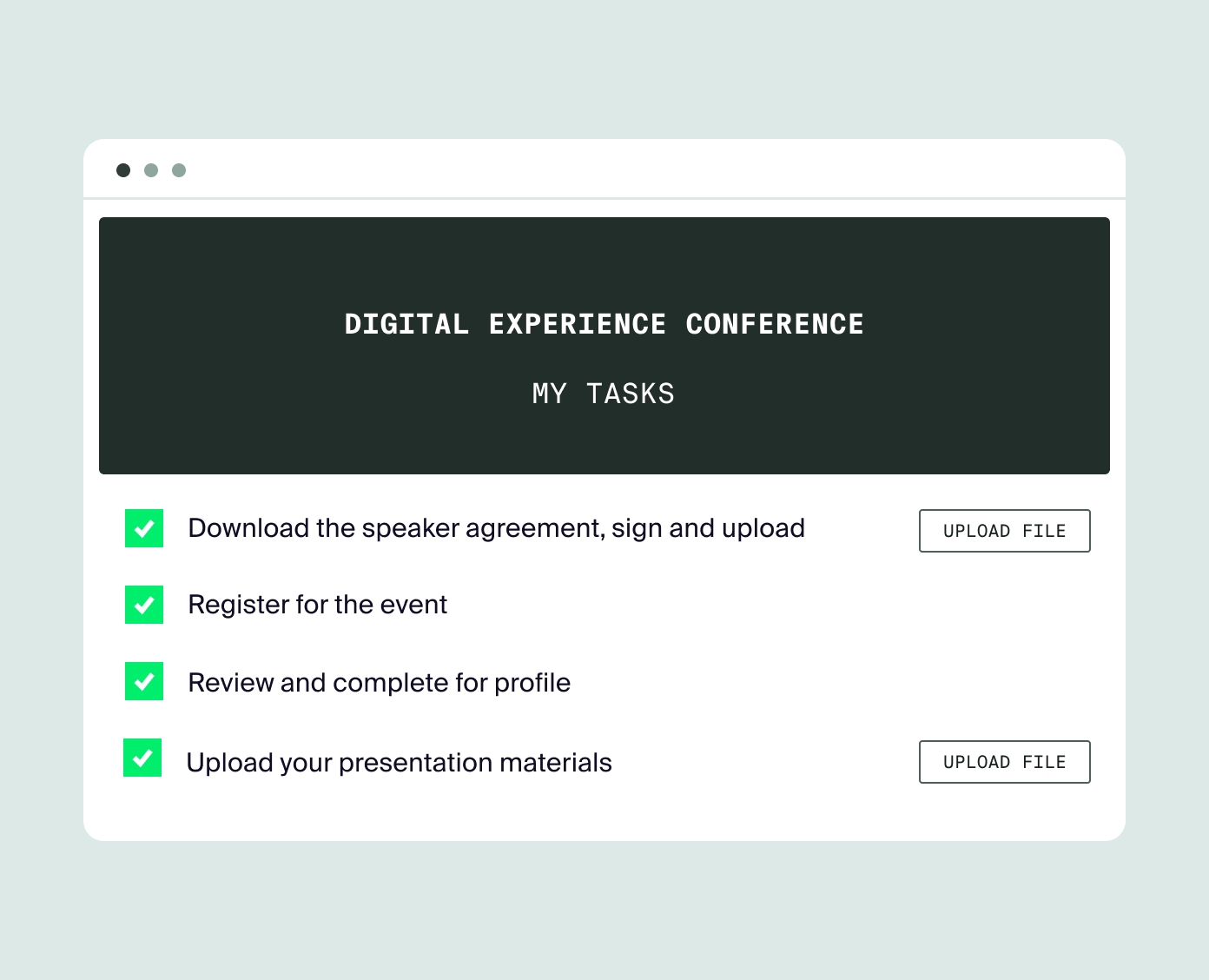
Event Content Management runs the speaker workflow end to end: a branded call-for-speakers portal, abstract submission, automatic reviewer assignment by expertise, real-time grading reports for session selection, a calendar scheduler with conflict flagging, a speaker portal for profile management and AV requirements, and post-event feedback by session and speaker.
Source: Cvent
For organizations running multi-track conferences with hundreds of submissions, this replaces a patchwork of email, spreadsheets, and separate review tools.
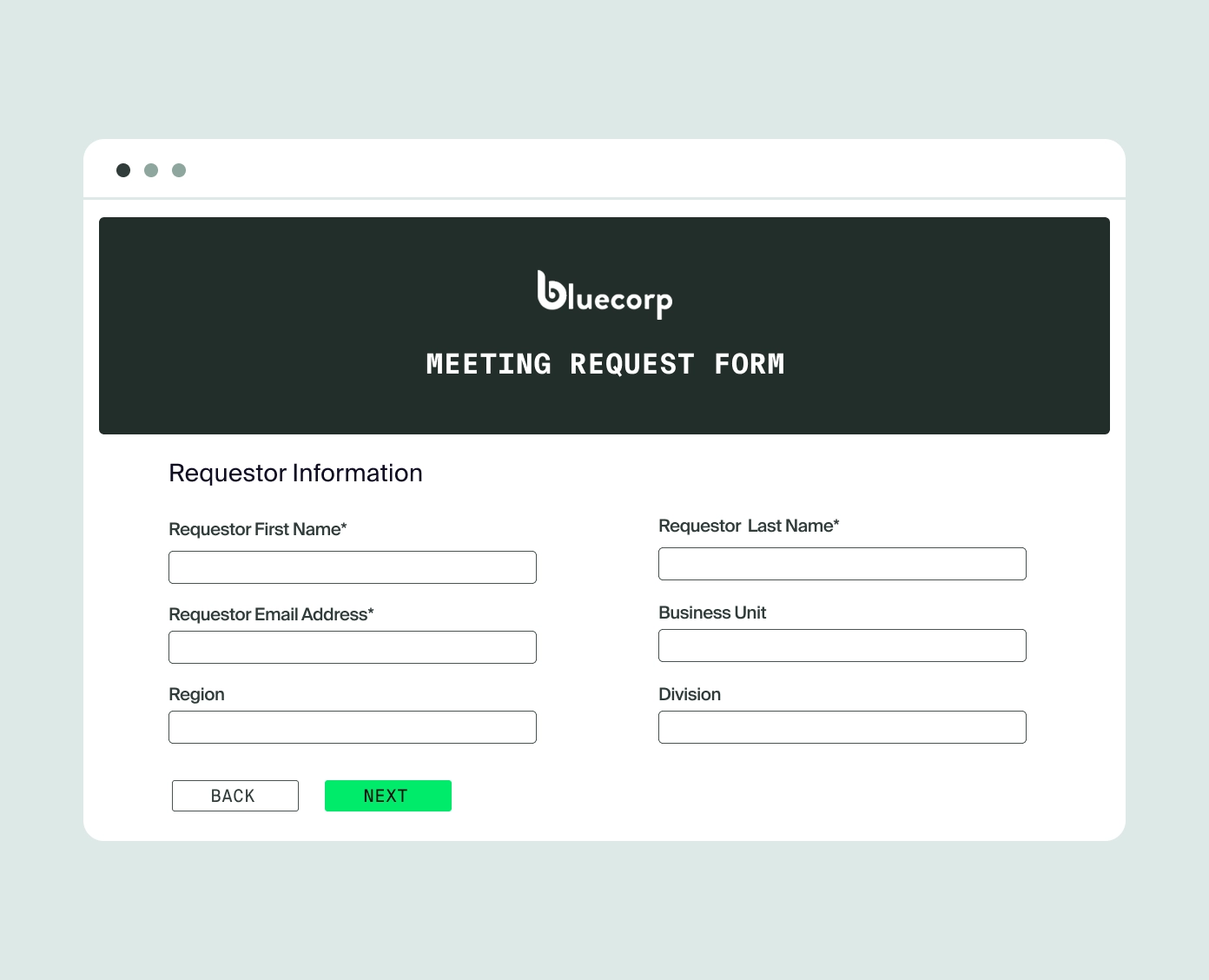
Spend and Workflow Solutions address the governance layer that enterprise procurement teams require.
Source: Cvent
Three linked tools handle it: Meeting Request Forms (intake with automatic approval routing), Budget Management (spend-by-vendor and spend-by-division tracking with credit card reconciliation), and the Access Portal (a branded hub where stakeholders see real-time event reports, survey data, and MRF visibility).
Payment processing integrates with American Express GTR, Citi Virtual Card, SAP Concur, and Mastercard.
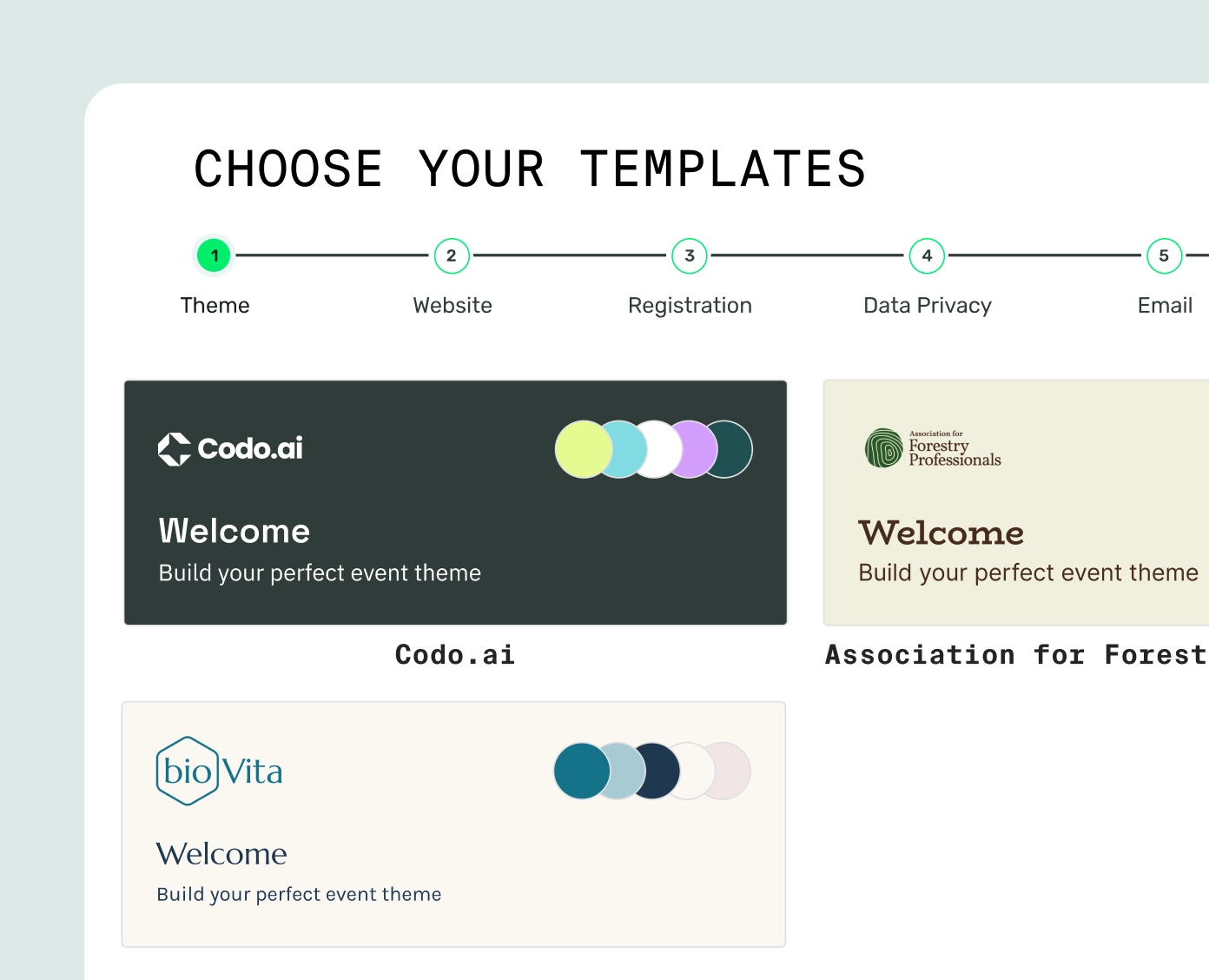
Cvent Essentials solves a different problem: the distributed field marketing team that needs to run repeatable in-person events without involving a centralized events group for every dinner or roundtable.
Source: Cvent
Centralized teams build pre-approved theming templates once; field users fill in event-specific details and launch, with compliance guardrails and standardized data capture enforced across every instance. Embedded OnArrival check-in runs QR code scanning and walk-in registration on any personal device.
The Professional Edition includes 250,000 contacts and 1,000,000 emails per year; the Enterprise Edition includes 400,000 contacts and 4,000,000 emails per year. Overages are charged at $0.25 per contact per year, $0.05 per email, and $250 per 5GB storage block.
Cvent Venue Sourcing, Diagramming, and Room Block Management
The pre-event supply chain (finding venues, designing floor plans, managing hotel room blocks) is where Cvent's scale creates an advantage no startup replicates quickly.
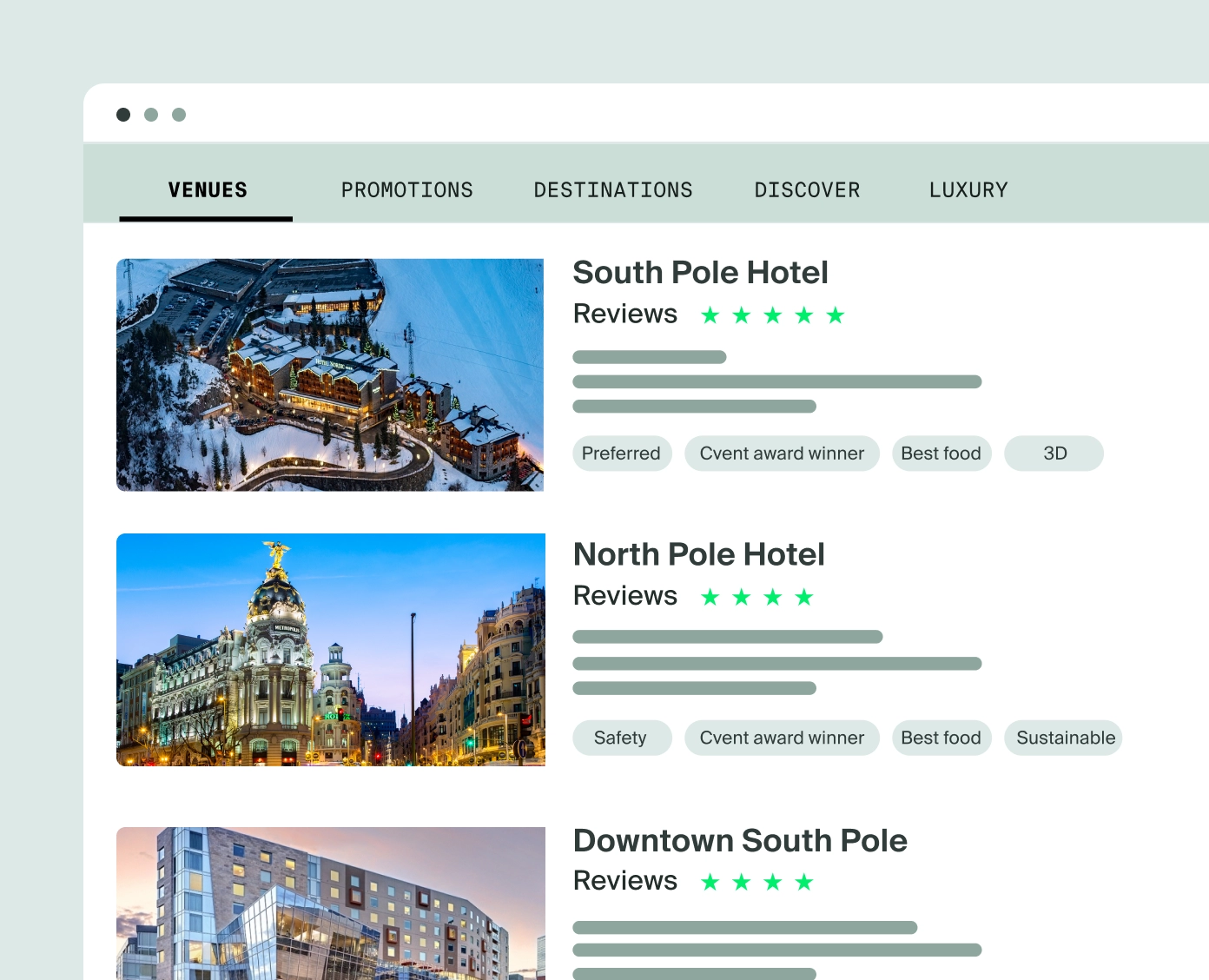
Cvent Supplier Network (CSN) is a free venue sourcing marketplace with nearly 340,000 hotels and venues worldwide, available in 18 languages with over 155,000 active planners on the other side.
Source: Cvent
A planner enters event requirements, CventIQ refines results, and the built-in RFP builder (with CventIQ AI agenda builder) sends a single RFP to multiple venues at once. Responses flow back into a side-by-side comparison dashboard with rate history and predictive pricing.
For simple meetings, Instant Book enables booking without an RFP. The CSN is free with unlimited RFP usage.
The network also serves the venue side. Cvent provides venues with smart custom proposals, 3D virtual tours, RFP management, and room block management, so both sides operate in the same system. AI-generated RFP proposals reportedly cut hotel response time to 81 minutes versus the 4-hour industry average.
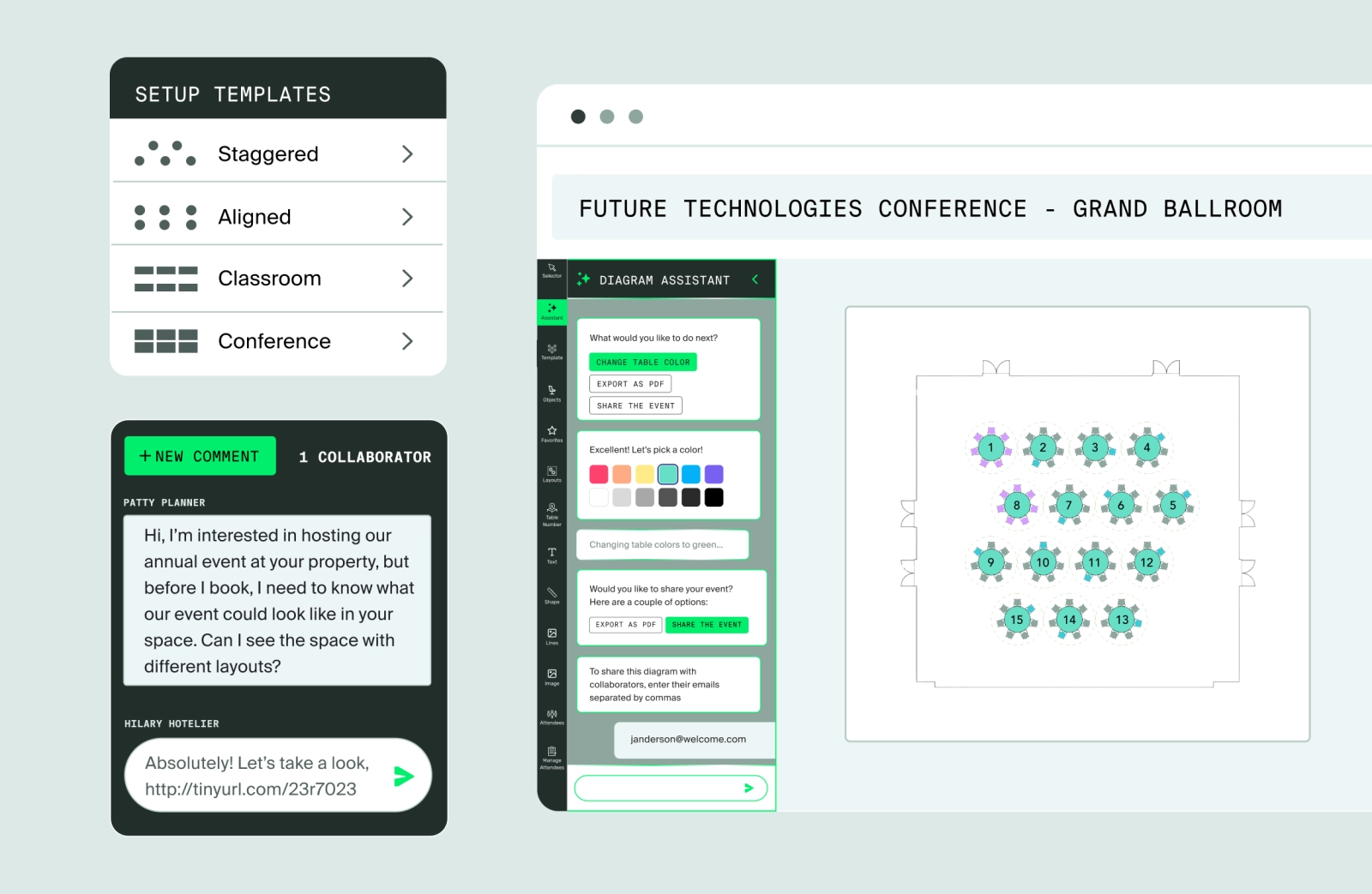
Event Diagramming lets planners create to-scale floor plans using a library of 700+ objects. Multiple users can edit simultaneously with commenting. Photo-realistic 3D rendering with virtual walkthrough is available, and the CventIQ 3D Event Designer assistant modifies layouts through AI.
Source: Cvent
Registration data integrates for seating assignment and meal preference management. Diagrams can be cloned for repeat events and exported as PDFs.
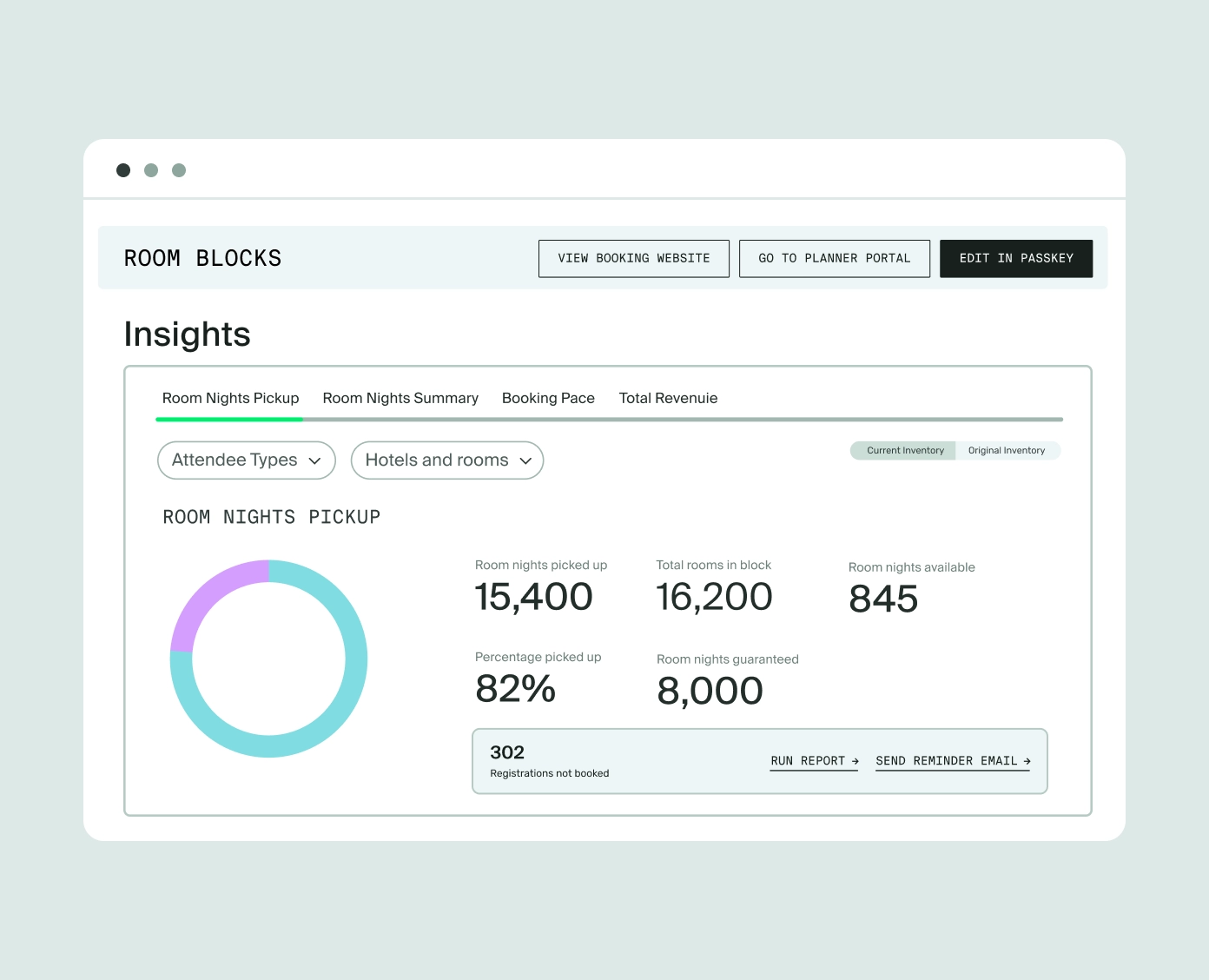
Passkey is the room block management layer. After venue booking, planners configure the room block inside Passkey, which creates a branded booking website where attendees make real-time reservations with registration data pre-populated.
Source: Cvent
Passkey connects into hotel reservation systems worldwide, so bookings post instantly without manual hotel intervention.
The CventIQ Rooming List Assistant uses AI-driven data mapping for rooming list updates. Real-time room pickup tracking and automated milestone alerts keep planners ahead of attrition clauses.
For citywide events, Passkey manages multi-hotel room blocks and supports upsell capabilities for room upgrades. Documented outcomes include average savings of $75 per room night.
Cvent On-Site Engagement and Lead Capture
Five integrated products connect physical attendance to measurable business outcomes: the Attendee Hub Event App, OnArrival, Attendee Hub (web platform), iCapture, and Jifflenow.
All five share data within the Cvent platform, so check-in feeds engagement profiles, meeting schedules surface in the event app, and lead data routes to CRMs already connected to the broader ecosystem.
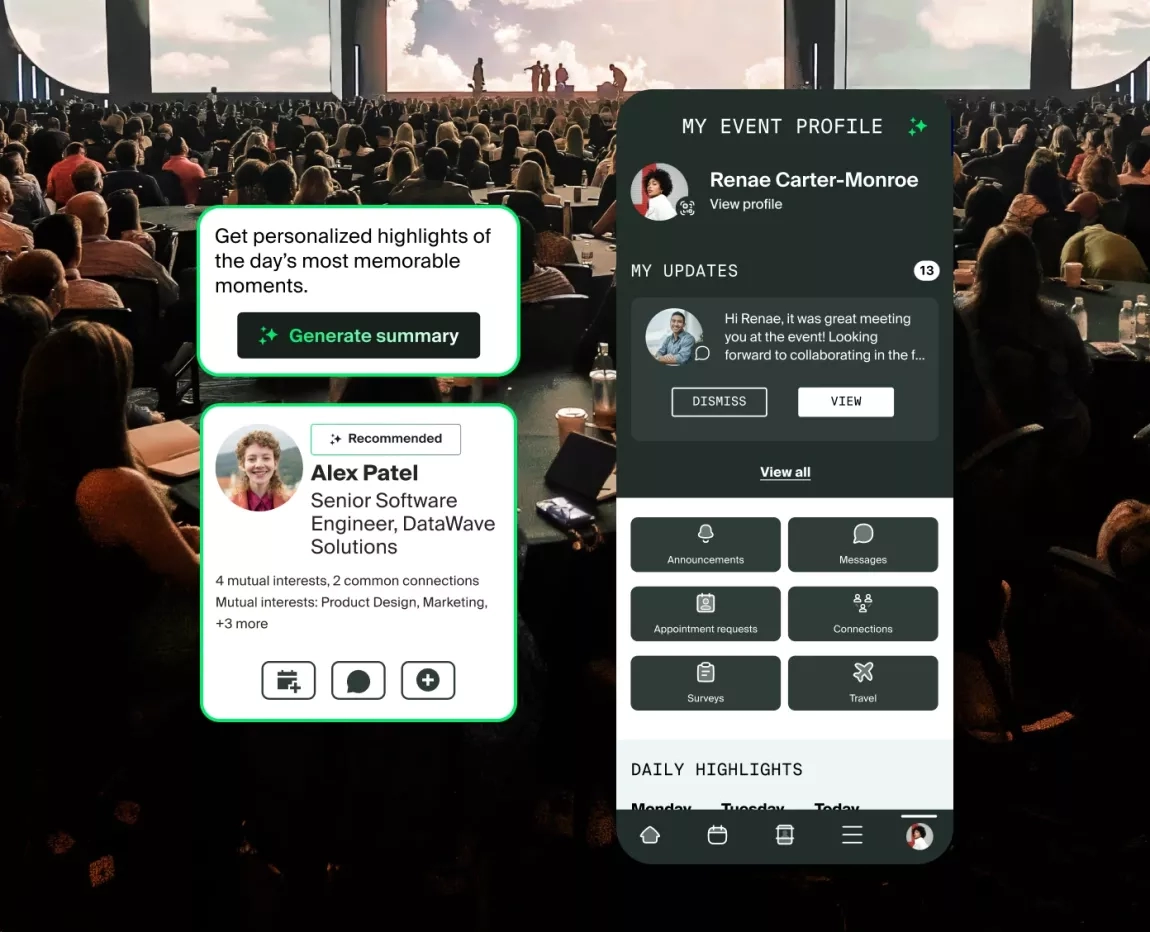
Attendee Hub Event App is a mobile application (iOS and Android) that turns each attendee's smartphone into a personalized event assistant.
Source: Cvent
CventIQ analyzes attendee behavior and engagement data to generate session recommendations, daily summaries, and agenda suggestions.
During sessions, the app surfaces live polling, Q&A, and chat. AI note-taking captures key points automatically, and "session snapshots" let attendees bookmark moments.
Exhibitors get digital booths with collateral, videos, and lead capture touchpoints, plus gamified booth visits and Engagement Scoring. SSO support and invite-only event settings are available for security-sensitive deployments.
OnArrival digitizes the registration desk. Staff use the app on any device to look up attendees by name, email, company, or confirmation number. Wireless badge printers receive real-time print jobs, and attendee details can be edited on the spot.
Walk-in registration and self-serve kiosk processing handle last-minute attendees. Session check-in uses mobile scanners or kiosks to control capacity and verify credentials, with signature tracking available for CE credits and legal compliance.
All attendance data syncs in real time, updating dashboards every 15 minutes with check-ins versus registrations. OnArrival comes in two tiers: Event-in-a-Box (a self-service hardware kit) and OnArrival 360 (full-service with a dedicated Cvent Project Manager handling setup, training, and teardown).
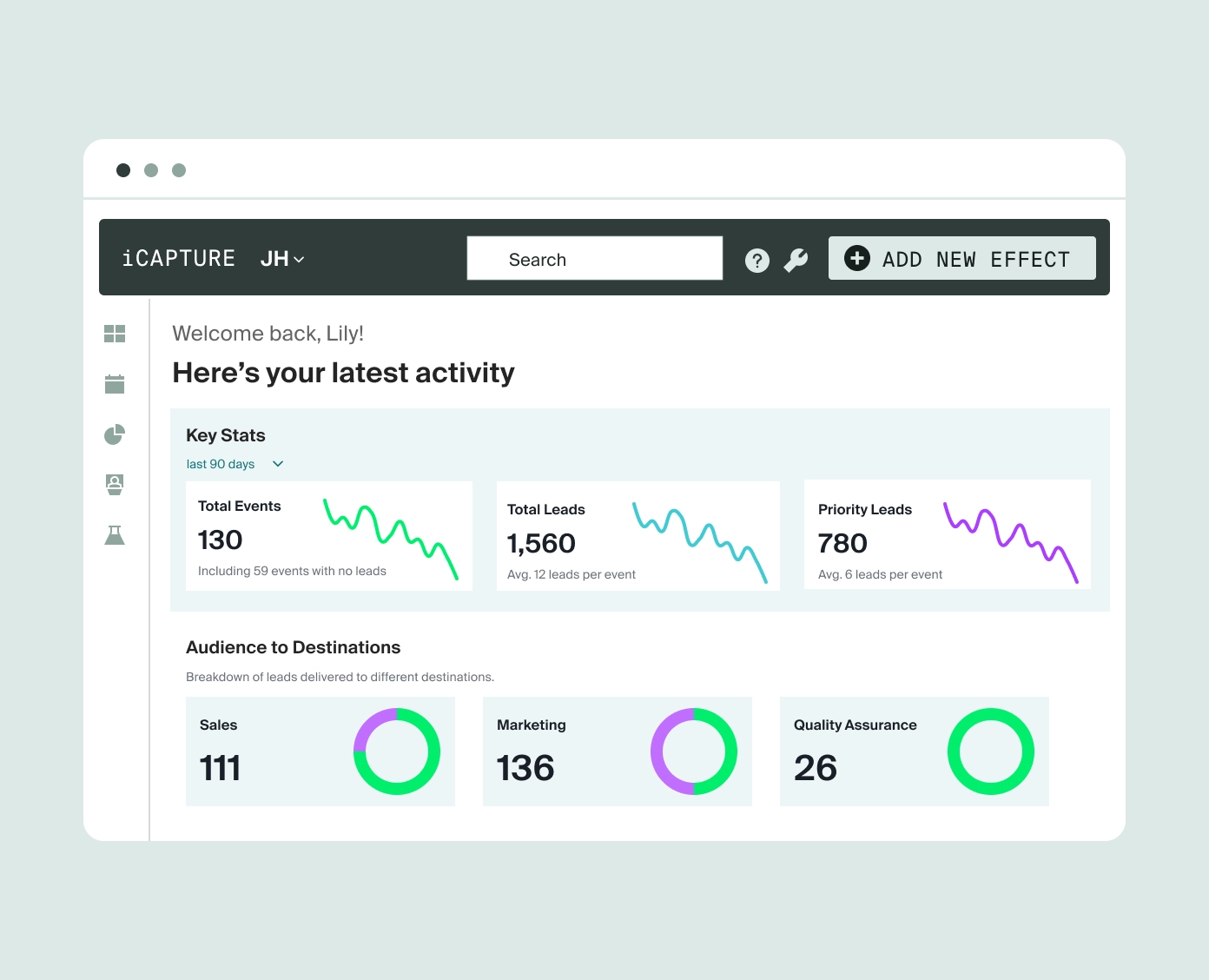
iCapture replaces the inconsistent badge-scanning and sticky-note approach to trade show lead capture. Sales reps scan attendee badges through direct badge-kit integrations that pull from verified event badge data, then complete a standardized capture form configured by marketing with ratings and follow-up actions.
Source: Cvent
Leads route immediately to the appropriate sales rep and trigger CRM sync, scoring, and nurture campaigns. It runs on a BYOD model (no rental hardware), with CRM integrations covering Salesforce, HubSpot, Marketo, Microsoft Dynamics, and Eloqua. Performance analytics track results by rep, event, and message.
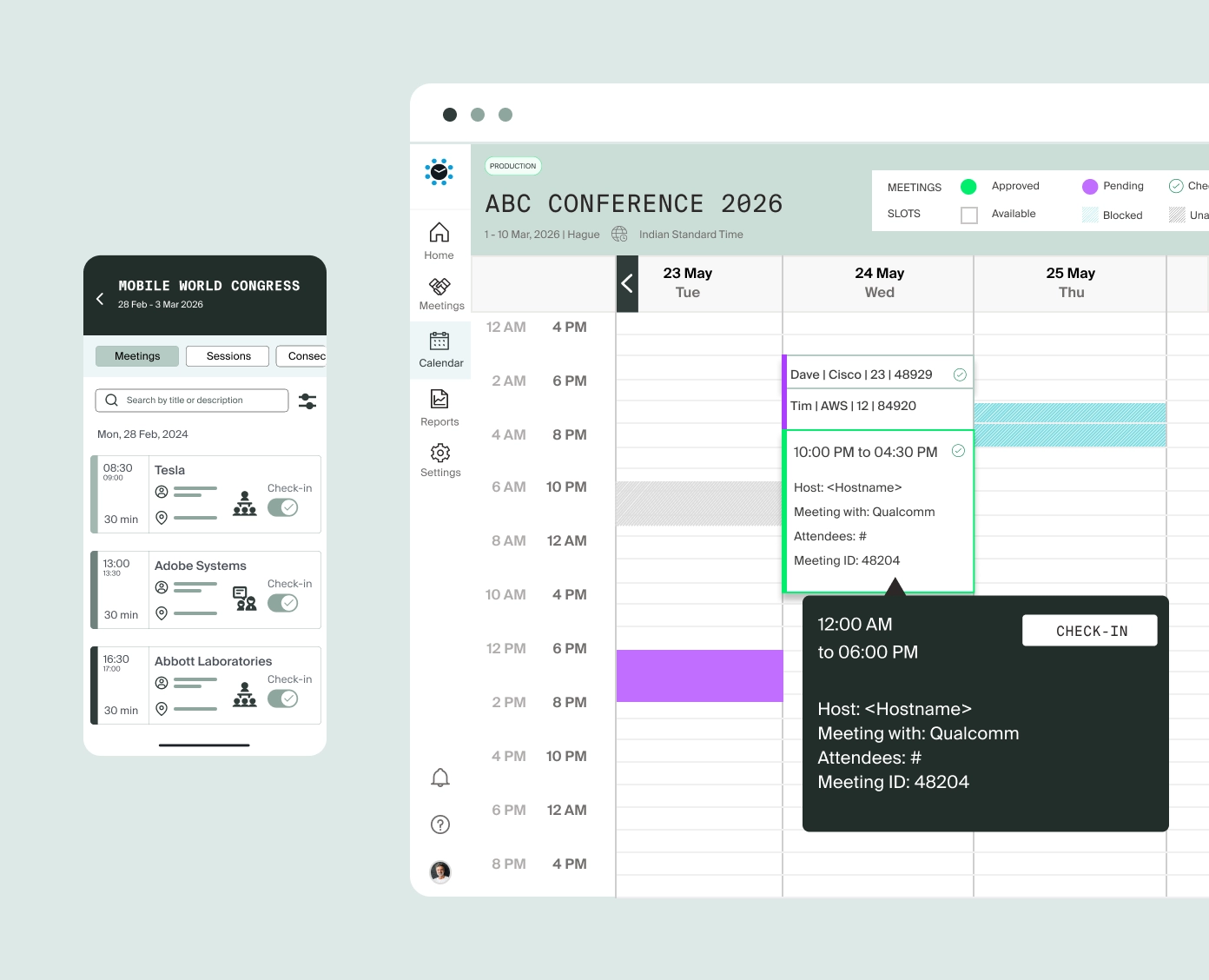
Jifflenow handles trade show and conference meeting scheduling for sales teams. Organizers configure meeting types, availability windows, approval workflows, and room assignments.
Source: Cvent
External prospects request meetings, or internal staff schedule them, with everything flowing through an approval process and appearing in Attendee Hub.
Booking works from Outlook and Salesforce. Subject-matter expert matching routes meetings to the right specialist. Post-event: meeting metrics, attendee feedback surveys, and pipeline dashboards.
The broader Attendee Hub web platform extends engagement beyond the on-site window: pre-event agenda building, appointment scheduling, and discussion groups; during-event polls, Q&A, gamification, push notifications, and photo activity feeds; and post-event video on demand, ongoing discussion groups, and 1:1 messaging.
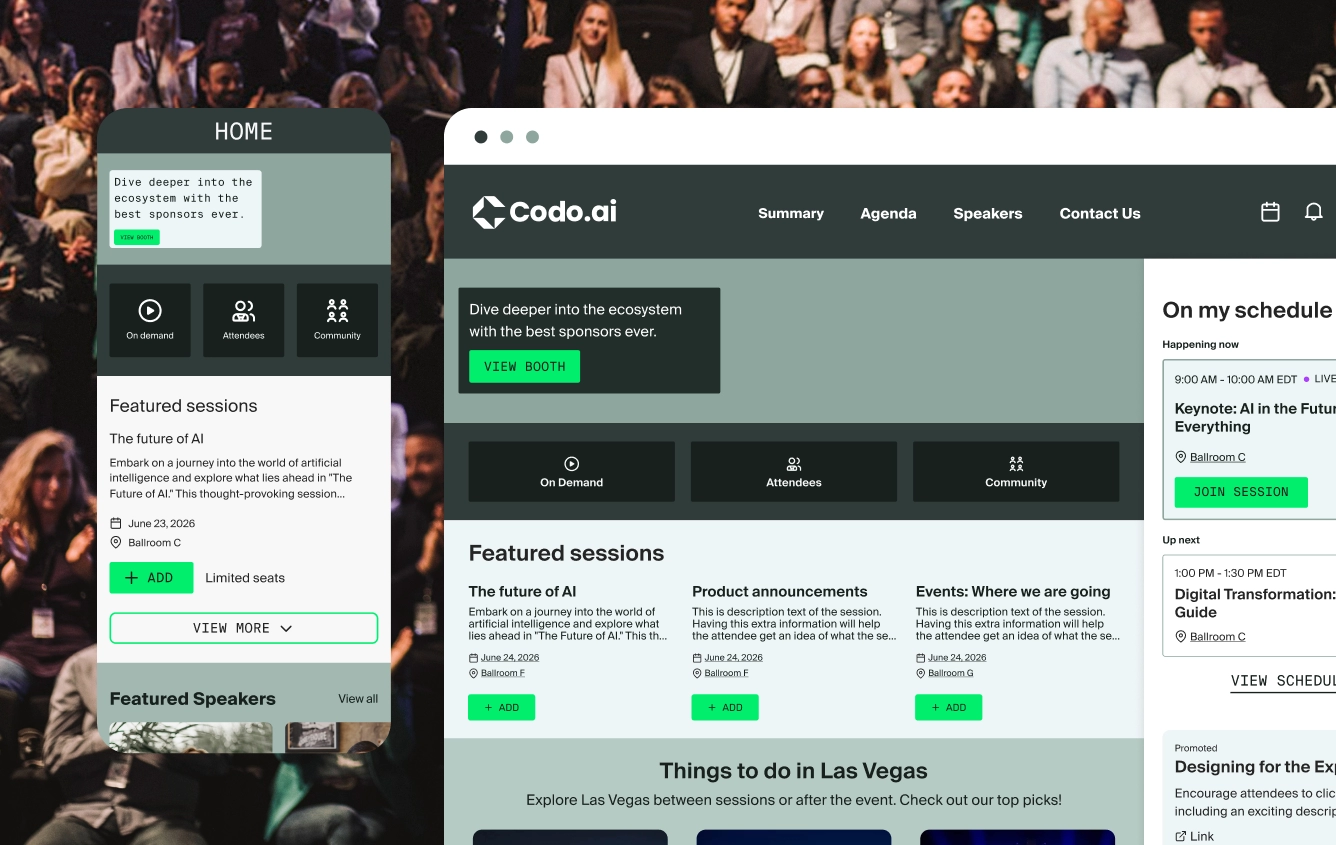
Source: Cvent
An Events+ add-on publishes past event content as a persistent resource.
Cvent Appointments Premium adds AI-powered networking with 1:1 video meetings and video discussion groups.
Cvent Virtual, Hybrid, and Webinar Platform
Cvent covers all four event formats (in-person, hybrid, virtual, webinar) with shared registration, data, and reporting infrastructure. For teams already using Cvent for in-person events, adding virtual or hybrid is an expansion within the same platform, not a separate workflow.
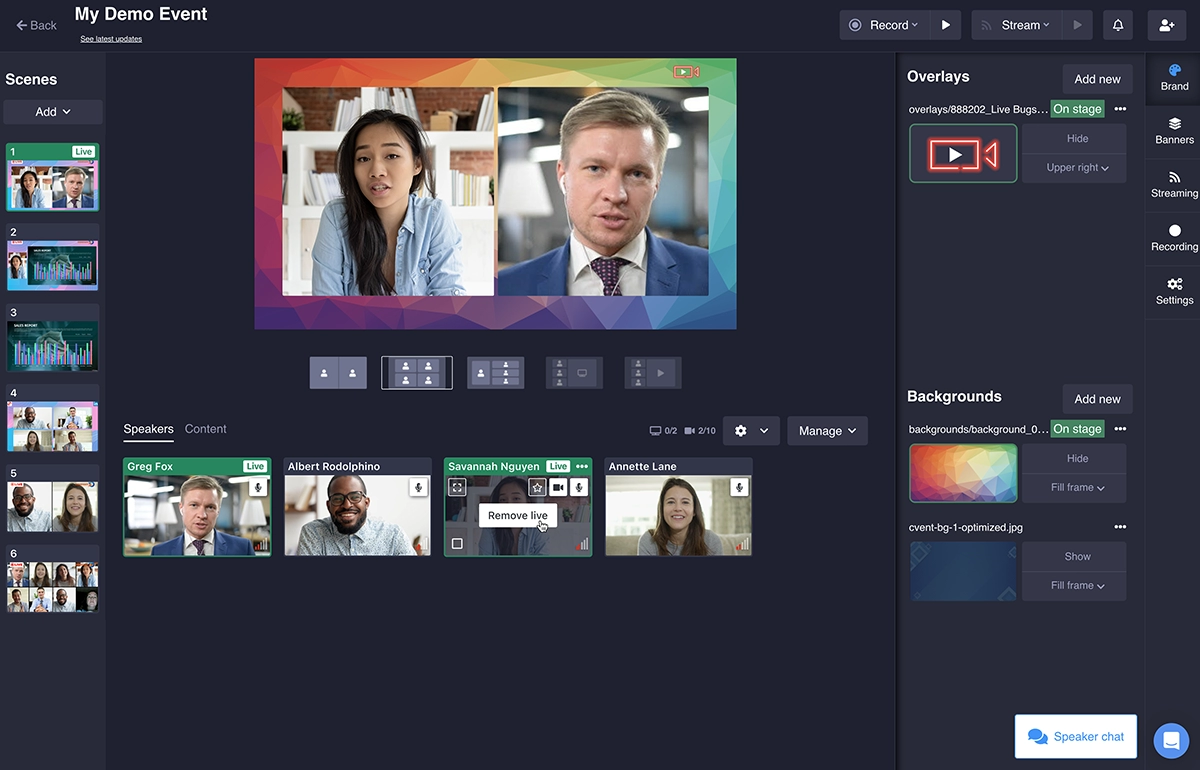
Cvent Studio is the built-in broadcast production environment for virtual events (not a third-party streaming integration).
Source: Cvent
It includes a Host View for mixing speakers, media, and screen shares; pre-built "scenes" for one-click segment transitions; support for up to 10 simultaneous on-screen speakers; speaker backstage access requiring no downloads; and custom backgrounds, overlays, and logos.
Content added to an on-demand catalog extends the event's reach after the live broadcast.
Hybrid events use the same platform stack across two audience paths simultaneously. Cvent Registration supports a single event agenda with distinct program tracks for in-person and virtual attendees.
Planners can browse over 300,000 venues and use event diagramming tools to plan camera placement and A/V requirements. All attendance and engagement data from both audiences flows into unified reporting.
Planners can scale virtual elements up or down based on stakeholder needs or attendance patterns without rebuilding in a separate system.
The webinar portfolio now includes three products under the Cvent umbrella:
Cvent Webinar: Unified with existing Cvent registration and data, with a branded experience builder, engagement tools (polls, Q&A, GIFs, audience reactions), speaker backstage with self-directed presenter controls, and no external software required.
Goldcast: High-production webinars with AI-powered same-day video clip generation and automated social media content from live recordings. Supports live, simulive, on-demand, multi-session, and recurring series formats.
ON24: Enterprise-scale webinars with HCP engagement tracking, audit trails, and Veeva integration for regulated industries like life sciences and financial services.
CventIQ: AI Across the Event Lifecycle
CventIQ is Cvent's AI layer, launched in June 2025 with a dedicated team of 200 staff. It is not a standalone product. CventIQ is embedded throughout the platform, surfacing at each stage of the event lifecycle.
Source: Cvent
In the pre-event phase, CventIQ powers the AI Writing Assistant embedded in the website builder and email editors, generating event descriptions, speaker bios, emails, and social posts. The AI agenda builder drafts RFP content within the Supplier Network.
Natural language venue search refines results from the 340,000-venue database. The 3D Event Designer assistant modifies floor plan layouts through AI. The Rooming List Assistant handles data mapping for room block updates.
During events, CventIQ drives personalized session recommendations in the Attendee Hub Event App by analyzing attendee role, interests, and behavior. AI note-taking captures session highlights automatically.
Live session transcripts with Snapshots let attendees bookmark important moments. Personalized daily event summaries cover sessions attended and exhibitors visited. Multi-language closed captions and subtitles extend on-demand video accessibility.
In the post-event phase, CventIQ provides AI feedback summarization that generates executive-ready summaries of speaker performance, session content, and attendee sentiment.
AI Content Repurposing (powered by Goldcast) converts webinars, podcasts, interviews, and in-person footage into social clips, blog posts, and follow-up emails while maintaining brand voice. Cvent claims 10x more content, 2 weeks faster, $2,000 saved per clip compared to manual video production.
CventIQ runs on third-party AI models with clear security commitments: prompts and responses are not used to train any models, Cvent opts out of Microsoft storing or logging prompts and completions, AI interaction logs are retained for 30 days then deleted, and AI features can be toggled off entirely or selectively enabled at the admin level. AI policies align with SOC 2, ISO 27001, and ISO 27701.
Cvent Analytics, Surveys, and Post-Event Intelligence
The post-event analytics suite unifies registration, engagement, and financial data into a single layer that lets marketing teams measure event performance, prove ROI, and turn engagement data into revenue insights across the event portfolio.
Event & Attendee Insights pulls data from across the Cvent platform into unified dashboards: registration trends, on-site check-ins, audience growth, event-to-pipeline influence, and cross-event portfolio comparisons by type, region, and team.
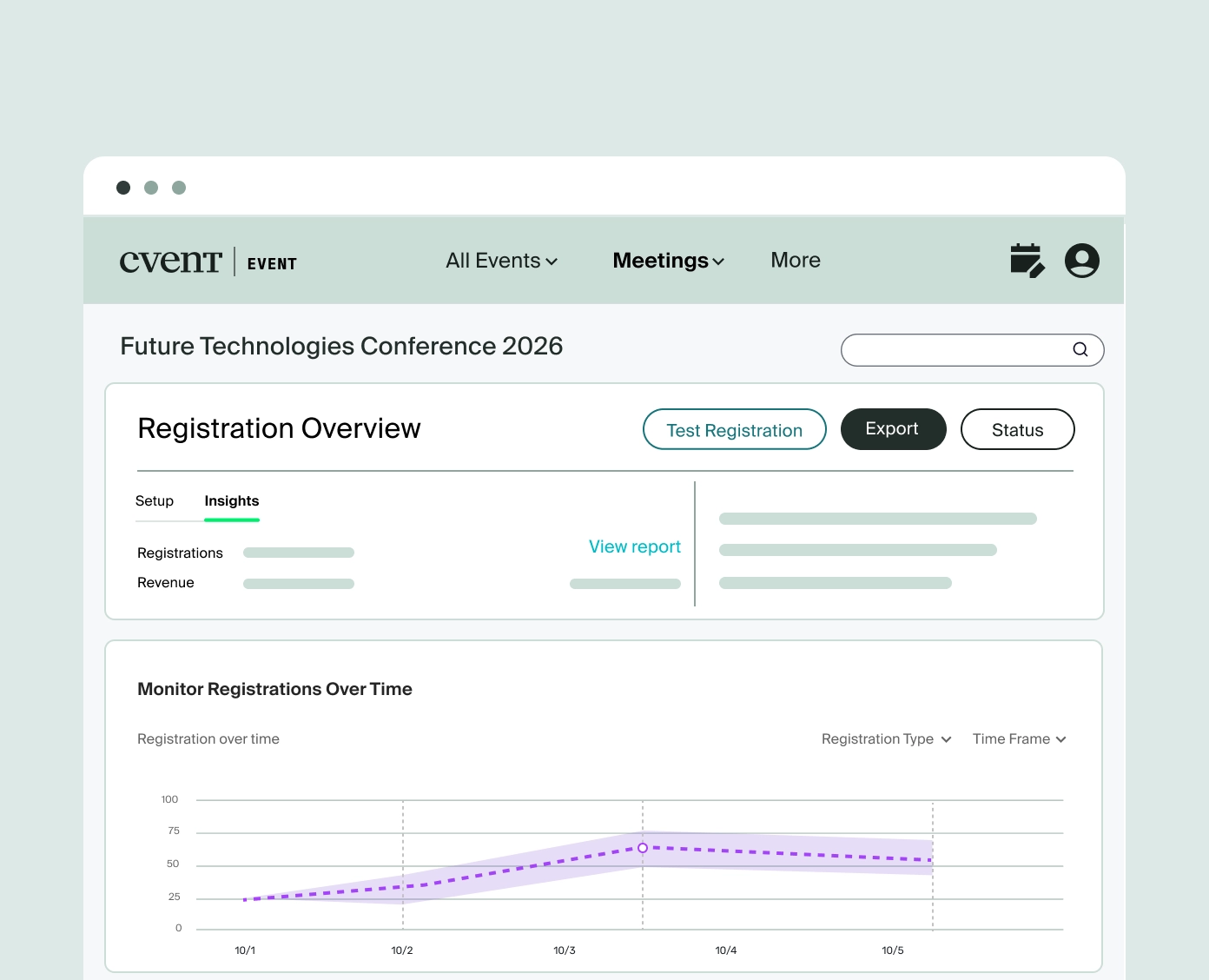
Source: Cvent
Dashboards can be shared with role-based access controls. For organizations needing deeper analysis, Cvent Intelligence 360 provides dedicated analytics specialists and custom dashboard builds.
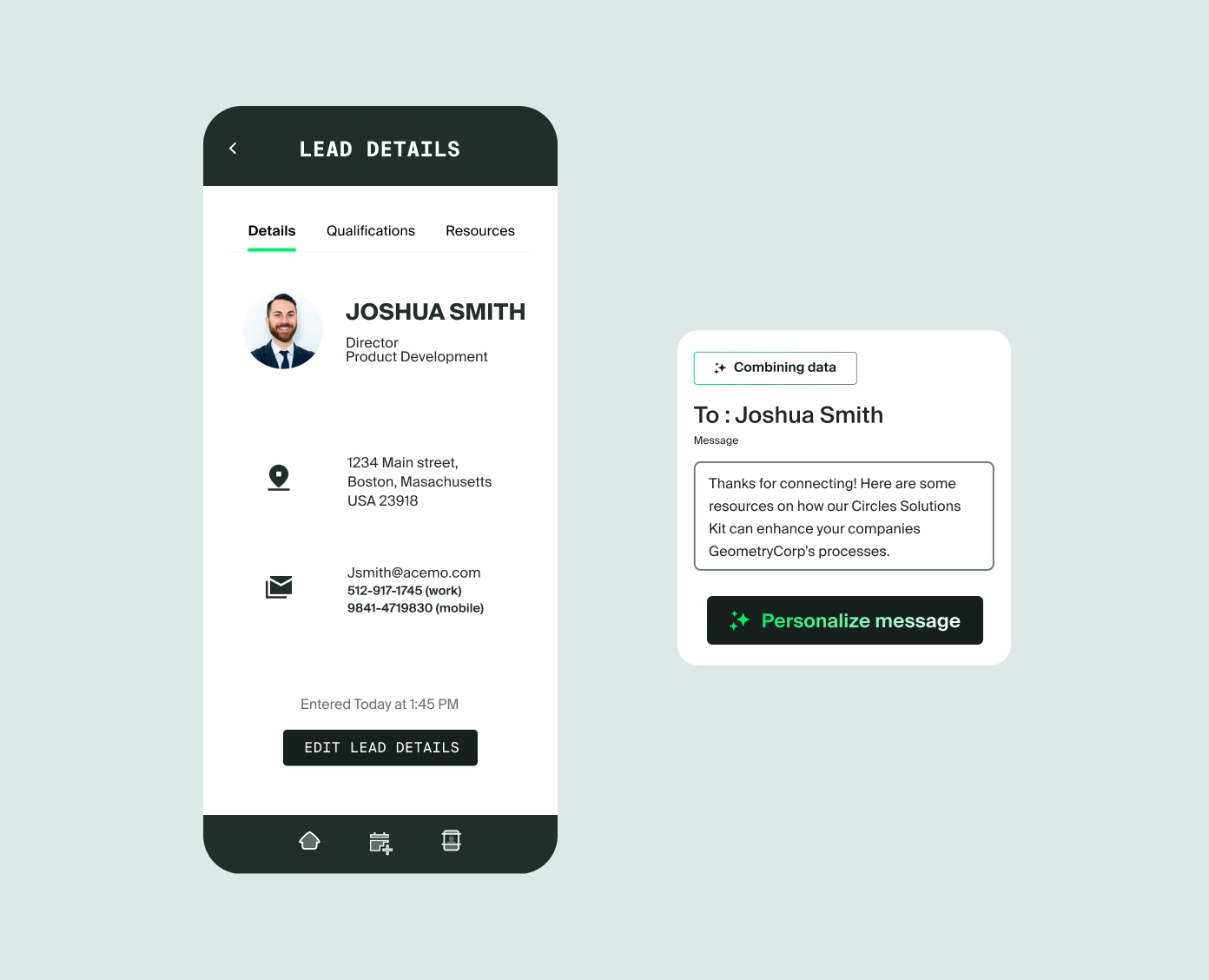
Cvent LeadCapture extends beyond iCapture's exhibitor-side badge scanning. Exhibitors download the LeadCapture app, scan attendee badges or business cards, complete a real-time qualification form with custom questions, ratings, and notes, and export leads on-demand or sync them to CRM so sales reps receive qualified contacts before the event ends.
Source: Cvent
An Exhibitor Portal provides visibility into lead count, quality, and resulting pipeline.
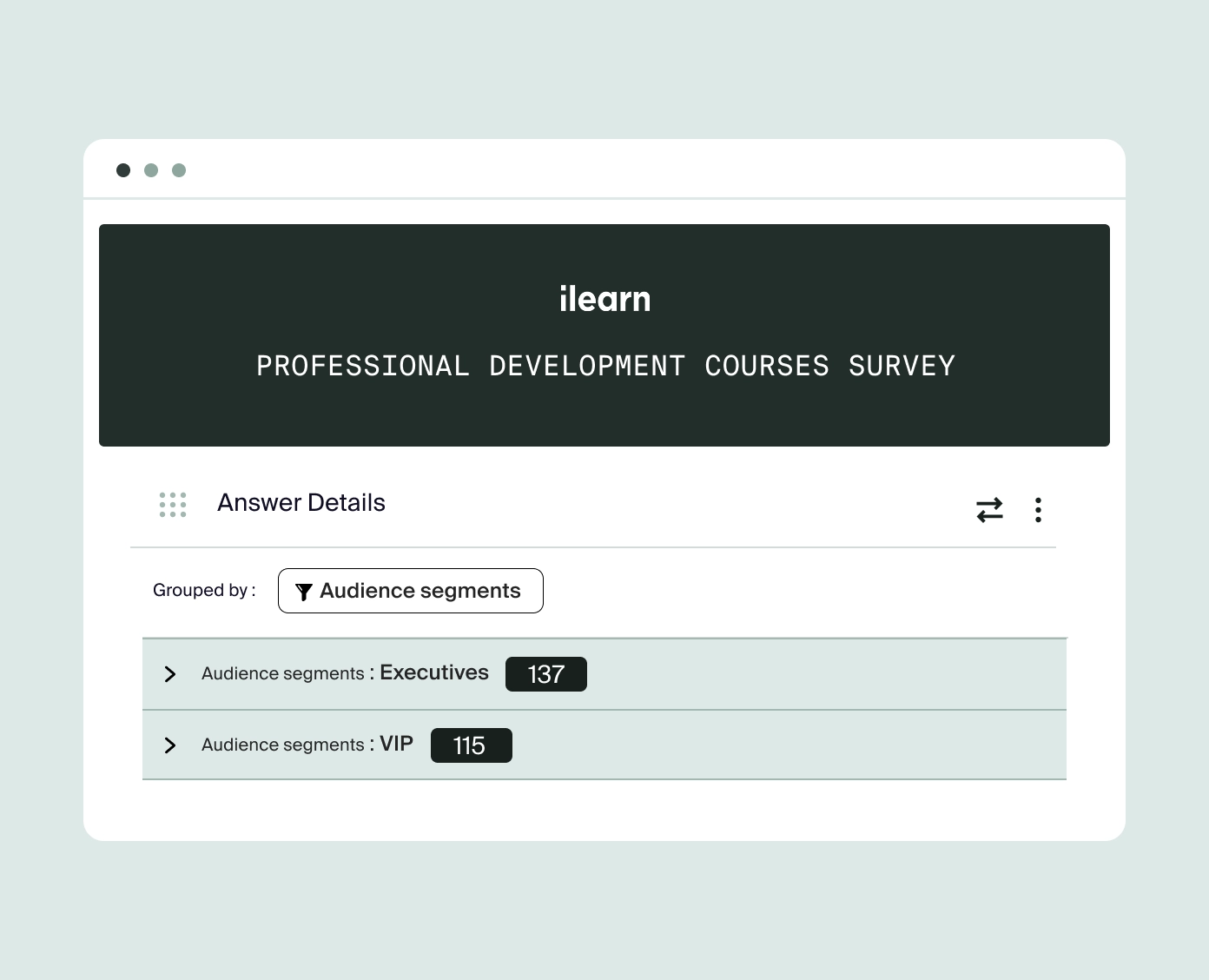
Cvent Surveys is built for the event context. Unlike general survey platforms, it integrates with event data already in the platform, so organizers can use session details and attendee segmentation to pre-schedule surveys that fire at the right time. Logic branching shows different questions to different audience segments.
Source: Cvent
An Assessments capability with pass/fail scoring and automated credit awarding serves associations and training-focused event programs.
Programmatic Feedback reuses templates across multiple similar events. Integration with Salesforce, Marketo, and Eloqua closes the loop between attendee feedback and marketing action.
Cvent Integrations, API, and Security
Cvent's integration ecosystem covers seven categories through the Cvent App Marketplace:
Sales & Marketing: Salesforce, Marketo Engage, HubSpot, Oracle Eloqua, Microsoft Dynamics 365, SugarCRM, Veeva, NetSuite, Salesforce Pardot
Travel & Transportation: Amadeus, SAP Concur, Uber for Business, Sabre, Deem/Etta
Web & Virtual: Zoom, Microsoft Teams, Cisco Webex, GoToWebinar, ON24
Data Analytics: Google Analytics, Domo, Tableau
Budget & Expenses: American Express GTR, Citi Virtual Card, Mastercard
Association Management: Blackbaud Raiser's Edge NXT, iMIS
Automation: Zapier for no-code workflows
The Salesforce integration supports bidirectional data flow: pulling Salesforce contacts into invitation lists, pre-populating registration forms, and writing back contacts, leads, tasks, and opportunities based on Cvent activity. Registration cancellations automatically update Salesforce campaign member statuses.
The Cvent Platform REST API provides programmatic access to contacts, events, sessions, registrations, RFPs, surveys, and eMarketing objects through the Developer Hub at developers.cvent.com. Authentication uses OAuth 2.0 Client Credentials flow.
Official SDKs are available for TypeScript, .NET, and Java. A webhooks system pushes event-driven notifications for attendee registration, session creation, and meeting request form submissions. API access is tiered:
Essentials (free): 1,000 daily calls, 2 requests per second
Standard: 15,000 daily calls
Premium: 500,000 daily calls, 25 requests per second
Full API access beyond the Essentials tier is listed as an Enterprise plan feature.
On security, Cvent maintains SOC 1 Type II, SOC 2 Type II, ISO/IEC 27001, ISO/IEC 27701, and PCI DSS certifications. All customer data is stored on AWS with regional data residency (US-East/West, EU Frankfurt/Dublin).

Source: Cvent
Encryption covers TLS v1.2 in transit and AES-256 at rest, with field-level encryption available for sensitive fields. Third-party penetration testing is performed on all products.
A Trust Center at trust.cvent.com provides auditable documentation. Incident response commits to notifying impacted customers within 48 hours of confirming a breach.
Where Cvent Stops: The Gaps
Cvent is built around the event lifecycle: planning, executing, and measuring events across every format. That focus defines its strengths, but it also means the platform depends on external sources for several capabilities a revenue team needs alongside its event program.
No B2B contact or company database. Cvent does not include a database of contacts, companies, direct dials, or verified business emails for prospecting. Its registration data captures the people who sign up for your events, but it does not help you identify or reach the people you want to attract in the first place.
A marketing team building invitation lists for a conference still needs an external source for contacts and company data.
No buyer intent signals. Cvent tracks engagement within its own events (session attendance, booth visits, content downloads), but it does not track which companies are researching your category across the web before they register. Engagement signals tell you who attended; intent signals tell you who is in-market before you invite them.
Company-level data, not contact-level intelligence. Cvent integrates with CRMs to pull contact records into events, but it does not provide contact-level intelligence (org charts, direct dials, verified emails, job-change alerts, technographic profiles) for a targeted invitation strategy.
The data about who should be at your event lives outside the platform.
No outbound sales execution. Cvent captures trade show leads and syncs them to CRM, but it does not include sequencing, multi-channel outreach, pipeline management, or deal intelligence. The follow-up after an event (converting a scanned badge into a meeting) requires a separate tool.
No website visitor identification. Cvent does not identify anonymous visitors to your corporate website. Teams that want to know which companies or contacts are browsing their site between events need an external tool for that signal.
Pricing opacity and modular add-on costs. Cvent uses quote-based pricing with no public rates. Nearly every advanced capability (Surveys Premium, Webinar Premium, Jifflenow, iCapture, OnArrival 360, Integrations 360) carries a separate fee.
Minimum annual registrant commitments apply regardless of actual usage, and no mid-term fee adjustments or refunds for decreased usage are available. A 3-5% surcharge applies if the customer requires EDI, Ariba, or other special invoicing systems.
How ZoomInfo Covers the Gaps
The gaps above share a common thread: Cvent manages the event itself, but the intelligence that determines who should be at your events, which companies are in-market, and how to follow up after the badge scan lives upstream of the event platform.
ZoomInfo is a go-to-market platform that supplies that intelligence layer, turning events from a logistics function into a data-driven GTM channel.
ZoomInfo's B2B Data Platform: The contact and company intelligence Cvent does not include
ZoomInfo operates one of the largest B2B data platforms available: 500M contacts, 100M companies, 135M+ verified phone numbers, 120M direct-dial phone numbers, and 200M+ verified business email addresses. The data flows through a verification pipeline backed by 300+ human researchers and automated ML scanning 28 million site domains daily, reaching up to 95% accuracy on first-party data.
For a team using Cvent, this fills the invitation and follow-up blind spot. Building a conference invitation list stops being guesswork: ZoomInfo provides department org charts with decision-maker contact data, 300+ company attributes for segmentation, contact tracking with job-change alerts, and technographic profiles covering 30,000+ technologies across 200+ categories for 30+ million companies.
An event team with ZoomInfo data can target the exact buyer personas they want in the room by industry, seniority, company size, and tech stack.
In a Fortune 500 competitive RFP analyzing 25 million contacts across vendors, an independent consultant concluded that "no other competitor came even close."
External validation supports this: Leader in the Forrester Wave for Intent Data Providers, Q1 2025, Leader in the Gartner Magic Quadrant for ABM Platforms for the second consecutive year, and the only Customers' Choice vendor in the Gartner Voice of the Customer quadrant with a 4.7/5.0 rating.
ZoomInfo Intent and WebSights: Identifying in-market companies before you invite them
ZoomInfo Intent tracks signals from 210 million IP-to-Organization pairings and 6 trillion+ new keyword-to-device pairings sourced monthly. Where Cvent's analytics tell you who engaged at your last event, ZoomInfo's intent data reveals which companies are researching topics related to your product right now.
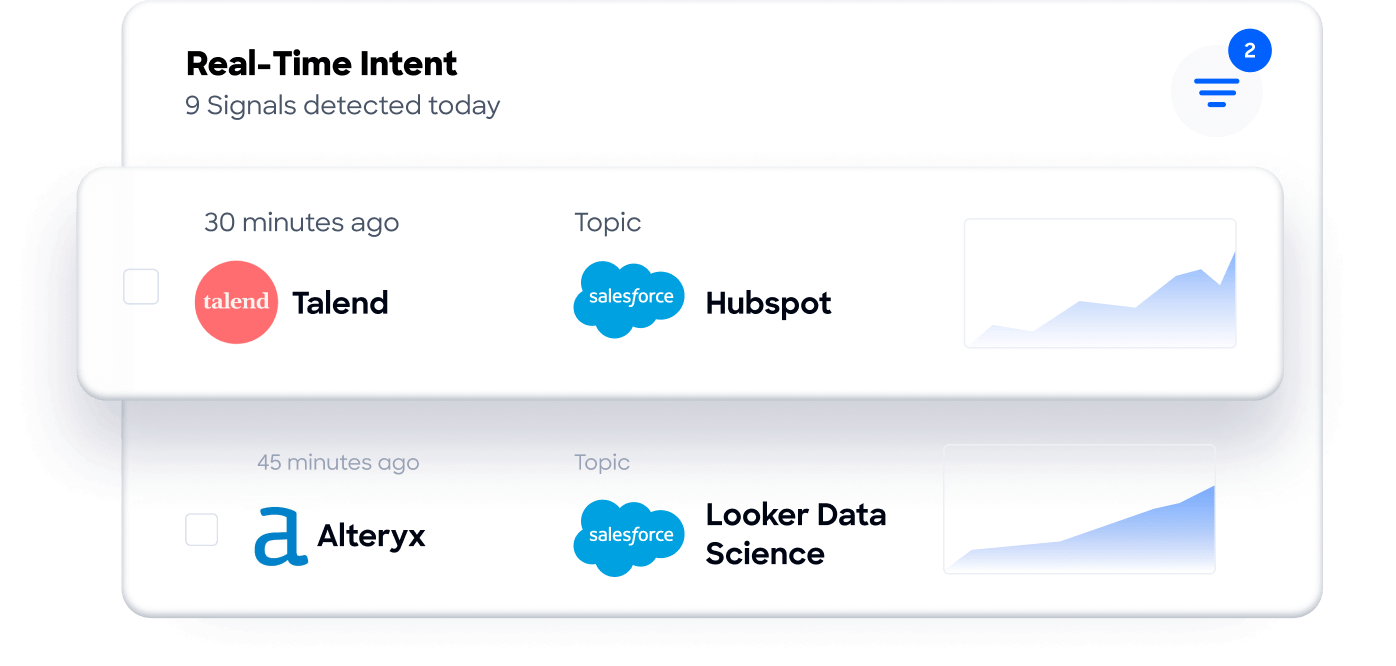
Guided Intent, exclusive to ZoomInfo, identifies the topics historically correlated with deal success rather than requiring manual topic selection.
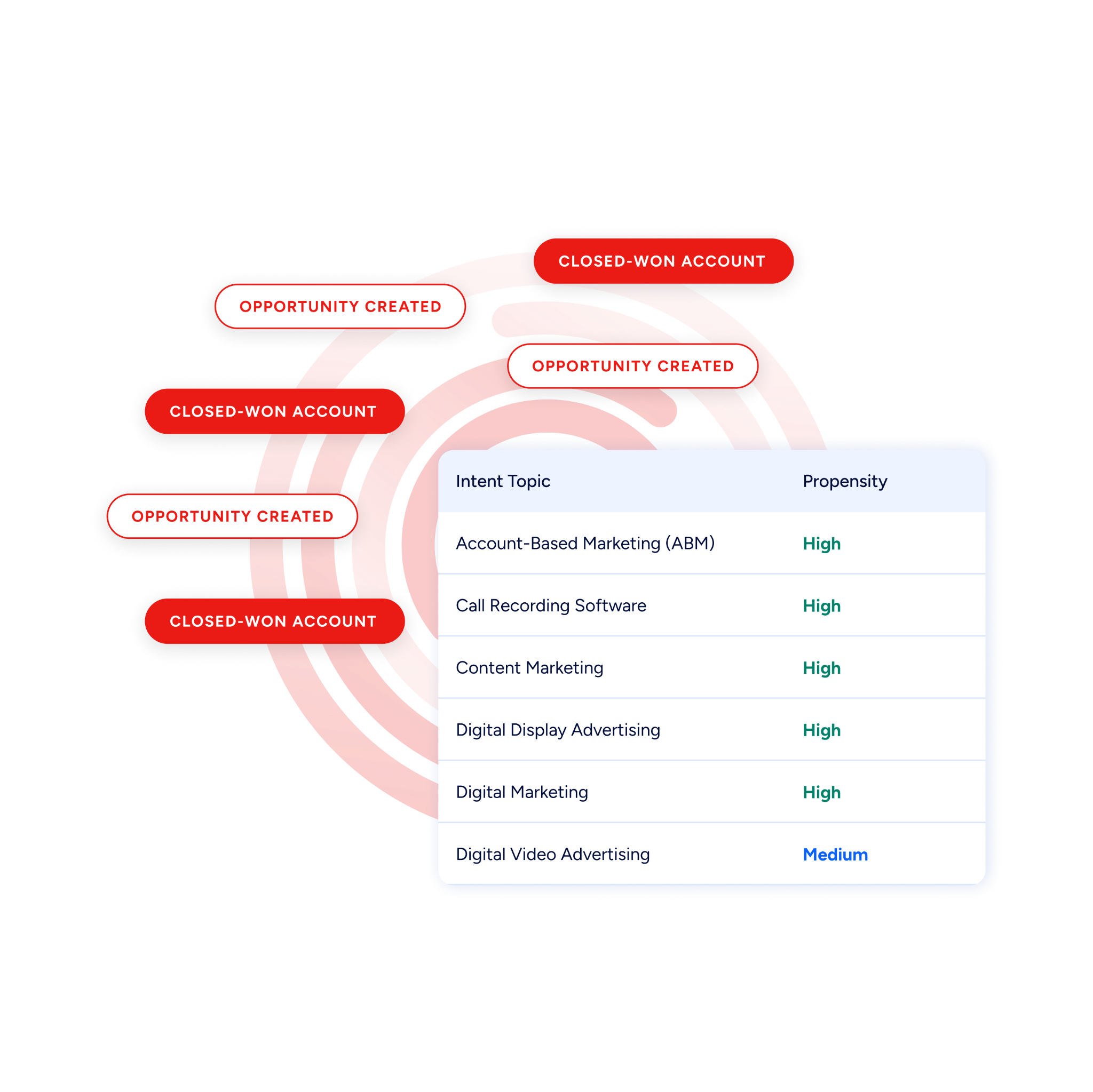
For event marketers, this changes invitation targeting. Instead of blasting a registration link to a static list, a team can identify which companies are researching their category now and prioritize invitations to the accounts most likely to attend and convert.
WebSights resolves anonymous website traffic to companies with Automatic Traffic Filtering that distinguishes real visitors from bots.
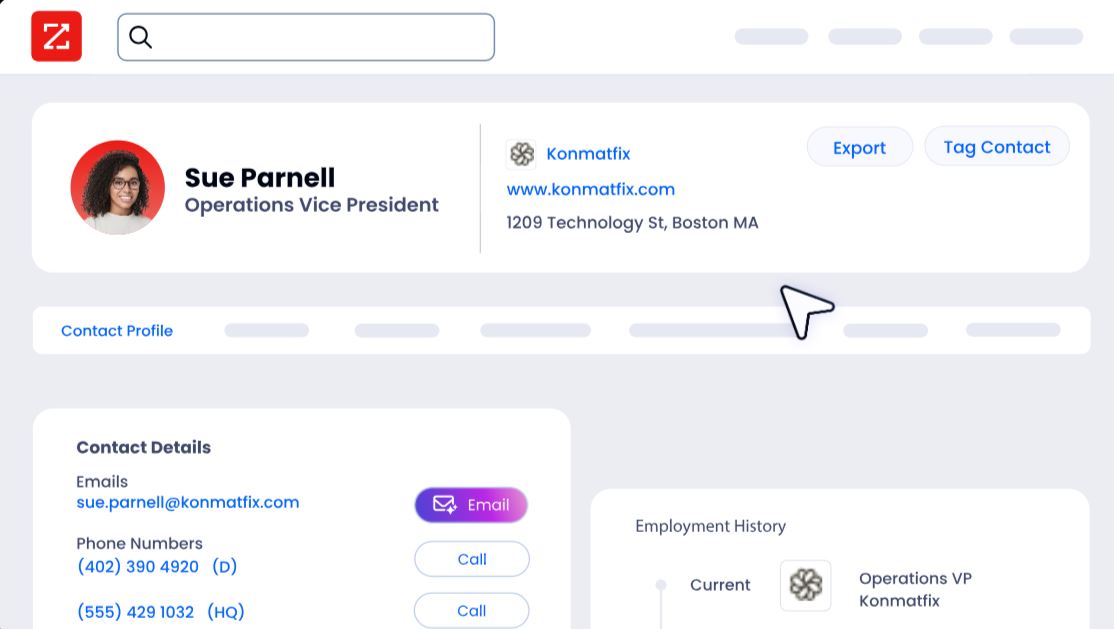
ZoomInfo Marketing goes further with contact-level site visitor identification, identifying who visited (not just which company) and triggering personalized outreach. A company that visits your event registration page but does not register becomes a warm lead rather than an invisible drop-off.
ZoomInfo GTM Workspace and GTM Studio: Sales execution and marketing orchestration for post-event follow-up
Cvent captures trade show leads and syncs them to CRM, but the outbound follow-up (sequencing, multi-channel outreach, deal management) happens outside the platform.
ZoomInfo provides both the seller execution layer and the marketing orchestration layer.
GTM Workspace is ZoomInfo's seller front-end, built on the GTM Context Graph. It provides a complete Book of Business view across CRM, ZoomInfo data, conversation history, and market intelligence, with AI agents automating account research, outreach, CRM updates, and signal monitoring.
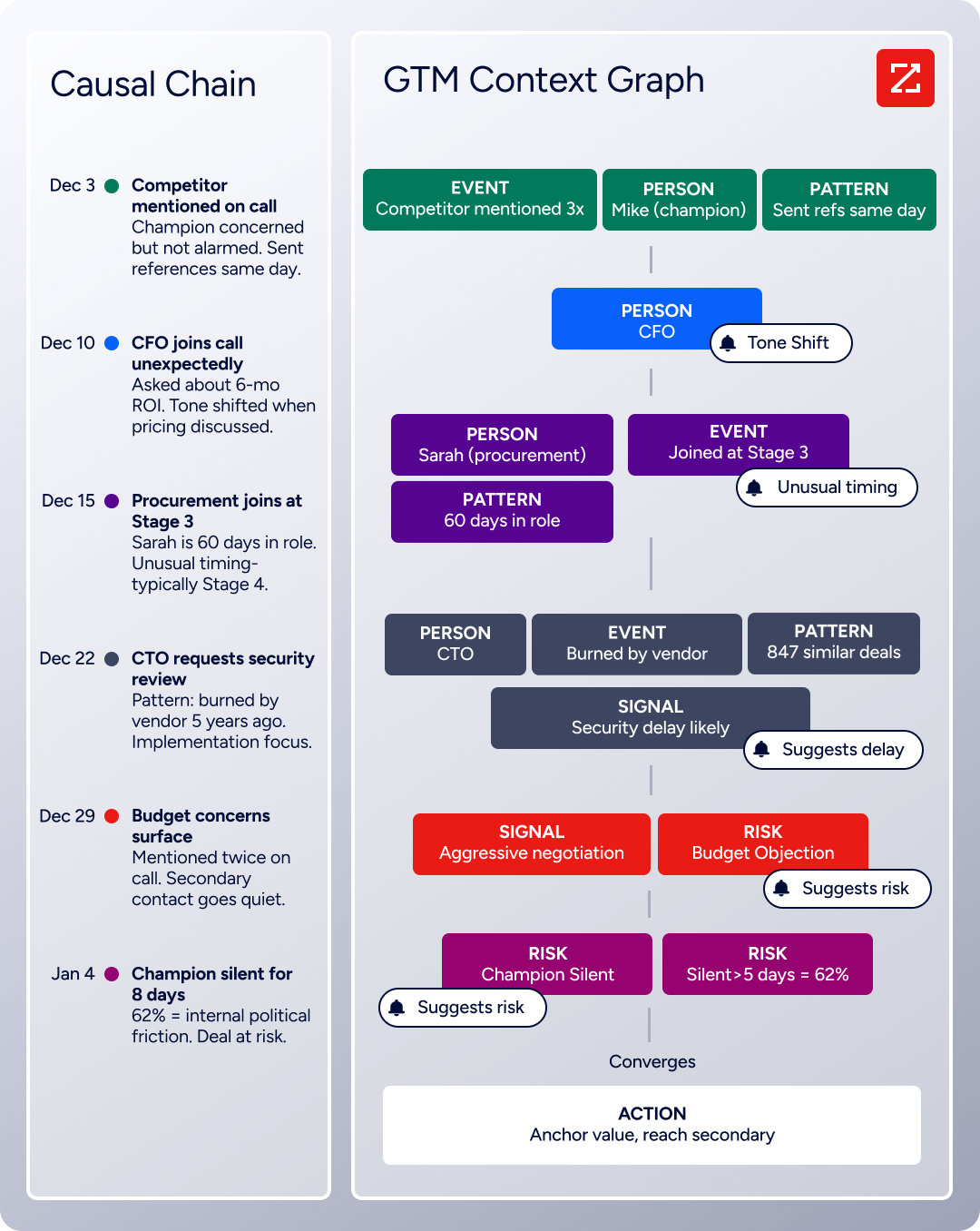
An Action Feed streams in-market buyers matched to target criteria with pre-drafted actions on every signal.
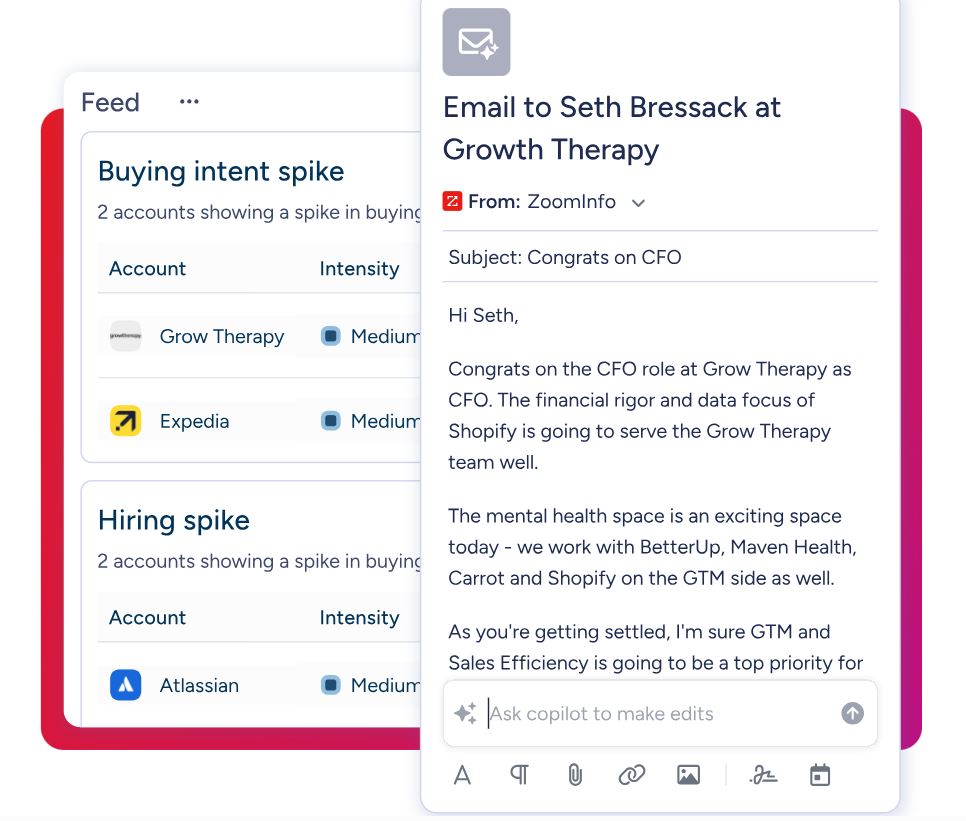
A sales rep following up on a scanned badge from a Cvent-powered trade show opens GTM Workspace to AI-drafted outreach that already references the account's buying signals and intent activity.
GTM Studio gives marketing teams the orchestration Cvent does not include. Marketers can build audiences using natural language, enrich with first- and third-party data, define triggers, and activate plays across channels (email, calls, display ads, direct mail, LinkedIn, Meta, Connected TV) without engineering support.
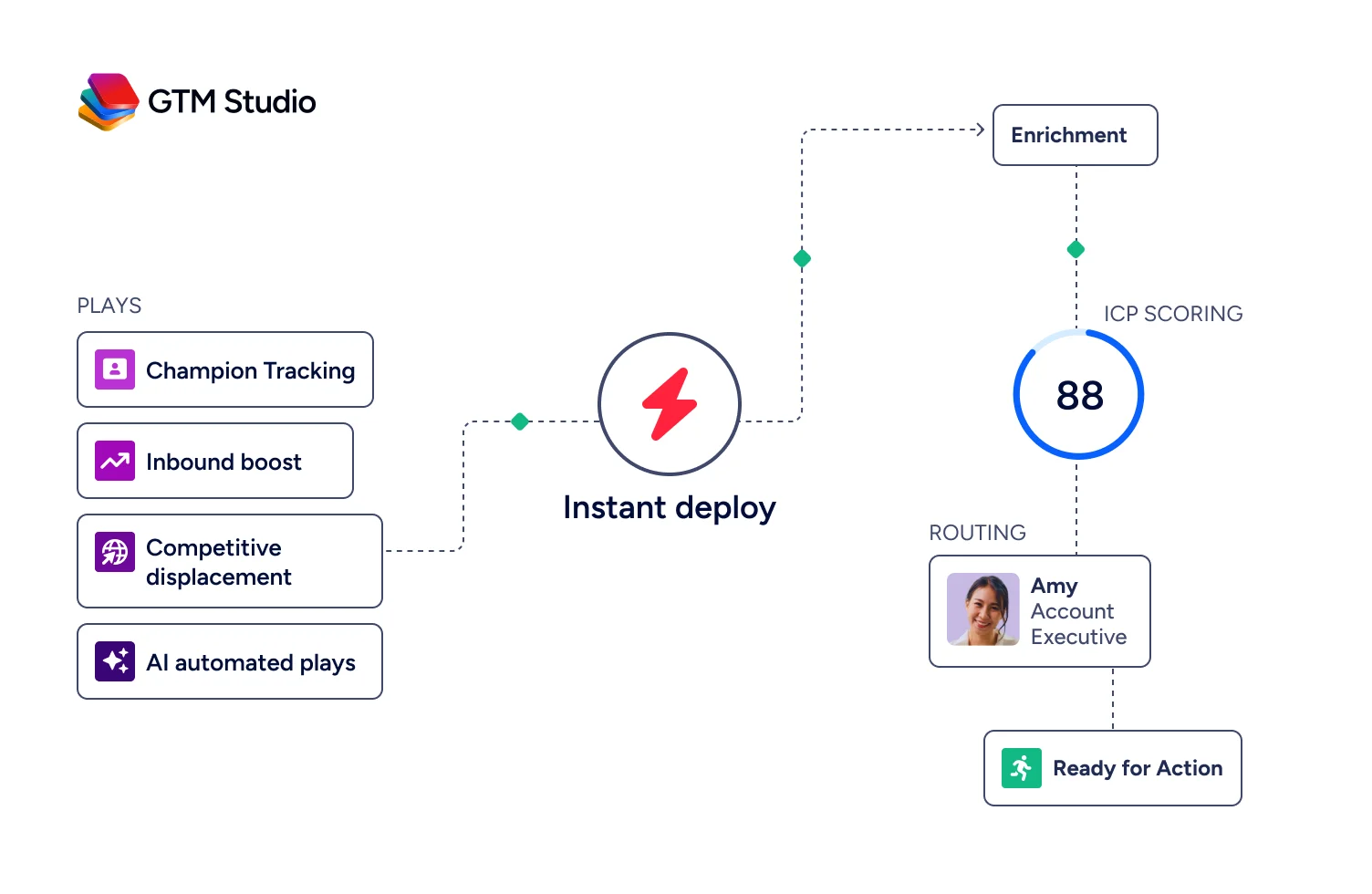
Pre-built GTM plays cover inbound acceleration, champion tracking, competitive displacement, and ICP targeting. Expansion plays that used to take 3 weeks now launch in 30 minutes.
An event marketing team can take Cvent's attendee engagement data, route it through GTM Studio, and launch multi-channel follow-up campaigns to the highest-engagement attendees automatically.
ZoomInfo APIs and MCP: Data access for any tool, including Cvent's own integrations
ZoomInfo delivers its intelligence through APIs and MCP, so the same data and GTM Context Graph powering ZoomInfo's native products is accessible inside any third-party tool or custom workflow.
The MCP server connects AI models to ZoomInfo's B2B data as a native tool, currently supporting Claude and ChatGPT. API access is included in all relevant plans.
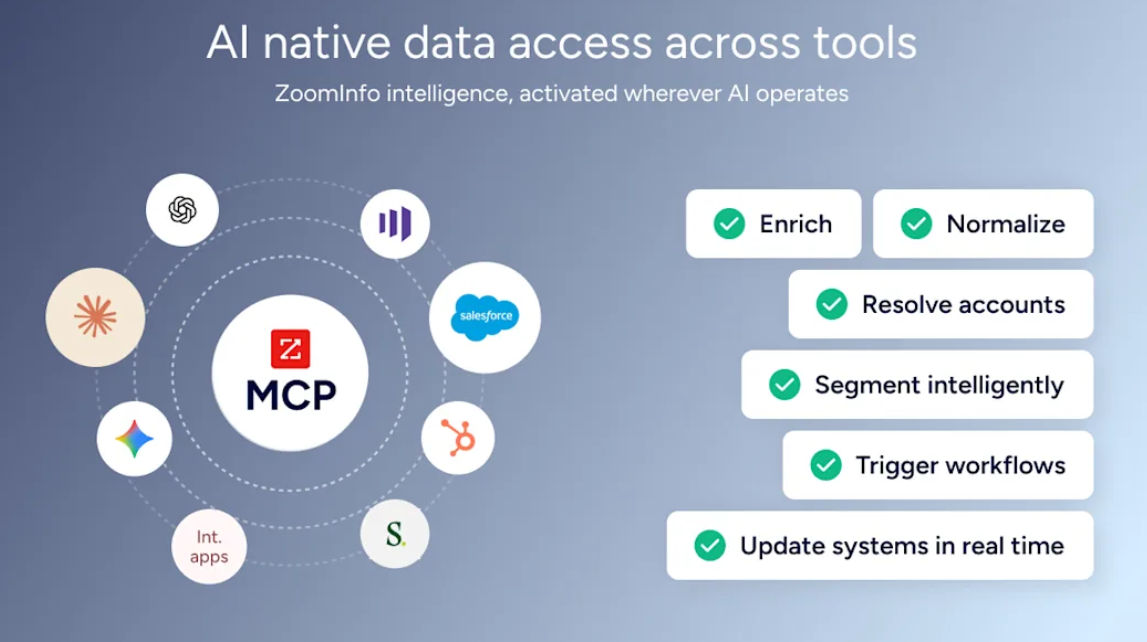
For teams that use both platforms, ZoomInfo's contact intelligence can flow into Cvent's registration workflows through CRM integrations, enriching the invitation and follow-up cycle.
ZoomInfo's Free Entry Points: A way to evaluate the platform before committing
ZoomInfo Lite is a permanent free tier with access to ZoomInfo's B2B database, 10 monthly export credits, individual and company searches, a Chrome extension, and WebSights Lite with up to 10 website visitor reveals per day.
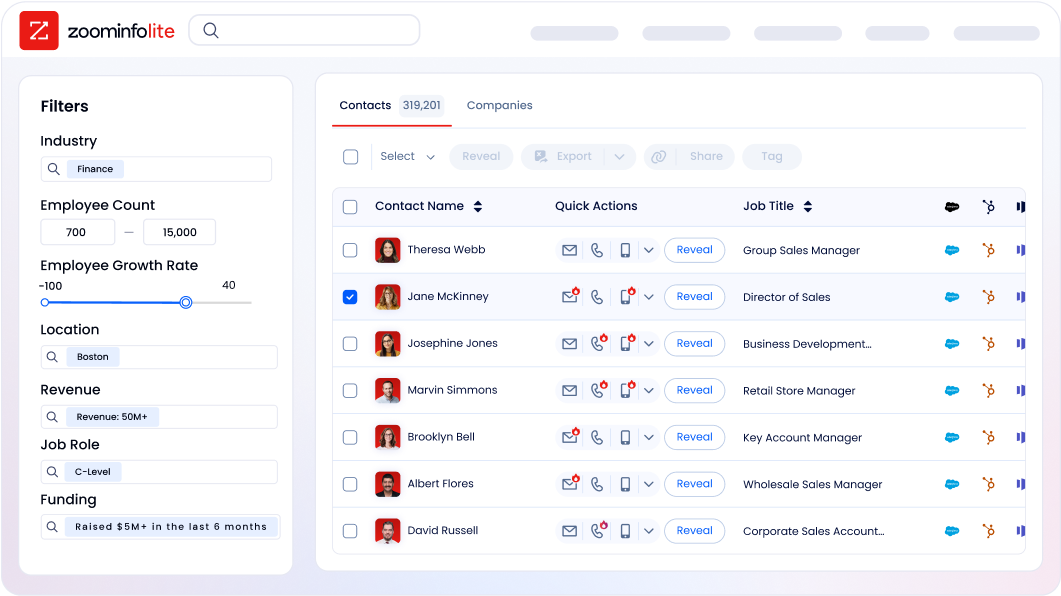
A separate 7-day free trial provides broader access with no credit card required.
Seismic's sales team attributed 39% of active pipeline to opportunities identified or influenced by ZoomInfo signals, boosted productivity by 54%, and saved 11.5 hours per week per seller. (Seismic Case Study)
Final Summary
Cvent is a full-lifecycle event technology platform: registration and email marketing, a 340,000-venue sourcing network, room block management, on-site check-in and badge printing, trade show lead capture and meeting scheduling, virtual and hybrid event production, three tiers of webinar capability, AI-powered content generation and repurposing through CventIQ, and unified portfolio analytics.
It covers the event surface from venue RFP through post-event survey for enterprise and upper mid-market teams running programmatic event calendars.
It is lighter on the layer upstream and downstream of the event itself: no B2B contact database, no intent signals, no website visitor identification, and no outbound sales execution or marketing orchestration.
If your bottleneck is not event logistics but the intelligence that makes events a revenue channel (knowing who to invite, which companies are in-market, and how to convert event engagement into pipeline), that is the ground ZoomInfo covers.
Its 500M-contact, 100M-company database supplies the verified contacts that build targeted invitation lists. ZoomInfo Intent surfaces the accounts researching your category before you send the first registration link.
GTM Workspace gives sales teams AI-powered post-event follow-up with full buyer context. And GTM Studio gives marketing teams multi-channel orchestration to activate event engagement data across every downstream channel.
See what that intelligence layer adds to your event program: start with ZoomInfo Lite for free, or request a demo to see how intent signals and verified contacts can power your next event's invitation list.
FAQ
Does Cvent include a B2B contact database for building invitation lists?
No. Cvent captures and manages attendee data through registration, but it does not include a database of contacts, companies, direct dials, or verified business emails for prospecting. Invitation lists are built from CRM records, past attendee databases, or external data providers. ZoomInfo's database of 500M contacts and 100M companies, with 120M direct-dial phone numbers and 200M+ verified business emails, fills this gap.
Which Cvent plan includes full API access?
Every Cvent account includes the Essentials tier of the REST API by default (1,000 daily calls, 2 requests per second). Upgrading to Standard (15,000 daily calls) or Premium (500,000 daily calls, 25 requests per second) requires contacting a Cvent representative. Full API access beyond the Essentials tier is listed as an Enterprise plan feature on the pricing page.
Can Cvent track buyer intent signals?
Cvent tracks engagement within its own events: session attendance, booth visits, content downloads, and app interactions. It does not track which companies are researching your category across the web outside of your events. That kind of third-party intent data, which reveals in-market companies before they register, requires an external tool.
ZoomInfo Intent tracks signals from 210 million IP-to-Organization pairings and 6 trillion+ keyword-to-device pairings sourced monthly.
What CRMs does Cvent integrate with?
Cvent maintains native integrations with Salesforce, Marketo Engage, HubSpot, Microsoft Dynamics 365, Oracle Eloqua, Salesforce Pardot, SugarCRM, Veeva, and Oracle NetSuite. The Salesforce integration supports bidirectional data flow, including pulling contacts into invitation lists, pre-populating registration forms, and writing back contacts, leads, tasks, and opportunities based on event activity.
How does Cvent's pricing work?
Cvent uses quote-based annual subscriptions with no public prices. Two confirmed tiers exist for the registration product: Professional Edition (250,000 contacts, 1,000,000 emails per year) and Enterprise Edition (400,000 contacts, 4,000,000 emails per year). Premium modules (Surveys Premium, Webinar Premium, Jifflenow, iCapture, OnArrival 360) are priced separately.
A PayGo option is available for lighter event registration needs.
Does Cvent offer a free trial?
Cvent offers a PayGo entry point for event registration but does not offer a self-serve free trial for the full enterprise platform. Prospective buyers can request a 10-minute on-demand demo or a live demo through sales. ZoomInfo offers both a permanent free tier (ZoomInfo Lite) and a 7-day free trial with no credit card required.
What security certifications does Cvent hold?
Cvent maintains SOC 1 Type II, SOC 2 Type II, ISO/IEC 27001, ISO/IEC 27701, and PCI DSS certifications. Data is stored on AWS with regional residency (US-East/West, EU Frankfurt/Dublin). Encryption covers TLS v1.2 in transit and AES-256 at rest, with field-level encryption available for sensitive fields. CventIQ AI data is not used to train models, and AI features can be toggled off at the admin level.
Does Cvent help identify anonymous website visitors?
No. Cvent does not include website visitor identification for your corporate website. It identifies and tracks attendees within its own event platforms (Attendee Hub, event apps), but it does not resolve anonymous traffic to your marketing site into companies or contacts.
ZoomInfo's WebSights resolves anonymous website traffic to companies, and ZoomInfo Marketing provides contact-level site visitor identification, triggering personalized outreach when a prospect visits your site between events.
