

Email Hippo has been verifying email addresses since 2000, longer than most competitors have existed. This UK-based provider offers five products that check whether addresses are real, flag disposable accounts, and score fraud risk, all backed by ISO 27001 certification and a Queen's Award for Enterprise.
For teams that need to clean an email list or block bad addresses at the point of entry, it covers a lot of ground from a single vendor.
To write this Email Hippo review, we analyzed it extensively. We believe it's the right choice if:
You need to verify and clean an existing email database before a campaign send
You want a real-time API to block fake or disposable addresses at sign-up
You require ISO 27001 and ISO 9001 certified data handling for compliance
You need fraud prevention signals (domain age, dark web checks, Tor detection) layered onto email verification
You prefer a no-code bulk upload option that doesn't require developer involvement
However, Email Hippo might not be the best choice if:
You need verified B2B contact data, not just verification of addresses you already have
You're building prospecting lists and need direct dials, company intelligence, and org charts alongside email
You want intent signals that reveal when target accounts are researching your category
You need a platform that connects email data to sales execution, marketing orchestration, and CRM enrichment
You require native integrations with major CRMs and marketing automation platforms
In this case, you should consider ZoomInfo: an AI GTM platform that provides 200M+ verified business email addresses as part of a B2B data layer spanning 500M contacts and 100M companies, with intent signals, conversation intelligence, and execution tools that turn contact data into pipeline.
We've included a detailed look at ZoomInfo later in this review, as the natural next step for teams that need verified contacts and intelligence rather than address validation alone. If you're ready to explore a broader approach to B2B data, you can start with ZoomInfo's free trial here.
What is Email Hippo?
Email Hippo is a UK-based email verification and intelligence company that traces its roots to 2000, when founder Rowland O'Connor launched a free email-checking widget on an IT advice website. The widget outgrew the site, and the parent entity Rolosoft was founded to house the operation. The Email Hippo brand launched formally in 2015.
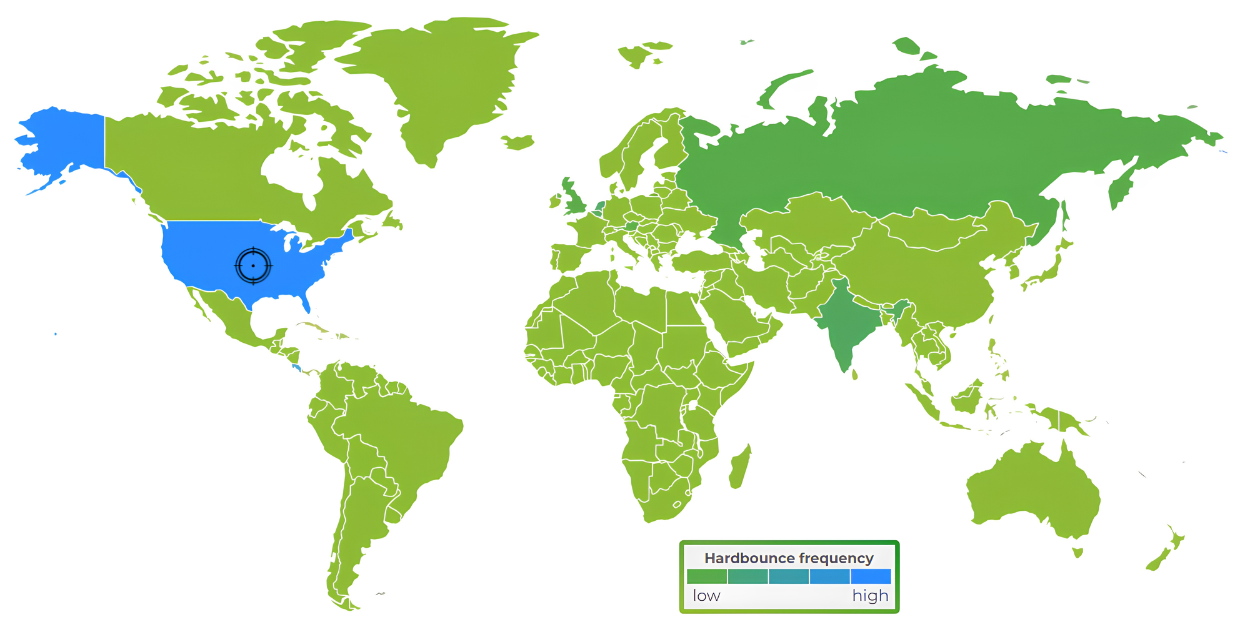
Today, Email Hippo calls itself "Pioneers of email verification. Trusted by marketers, developers and fraud fighters." The company serves two audiences: marketing teams that need clean data and lower bounce rates, and fraud prevention teams that need to stop fake sign-ups before they cause damage.
Source: Email Hippo
The platform is built around five products: CORE for bulk list cleaning, MORE for real-time API verification, INSIGHT for email intelligence, ASSESS for fraud risk scoring, and WHOIS for domain intelligence.
Email Hippo became the first email verification provider to achieve ISO 27001 certification in January 2017, and received a Queen's Award for Enterprise in the Innovation category in April 2020 for the MORE API and its Trust Score system.
The company is privately held and bootstrapped, with no disclosed external funding. It operates with a small team from Launceston, Cornwall, and delivers all services digitally, with the majority of revenue coming from international markets.
Email Hippo Pros & Cons
Pros | Cons |
|---|---|
25+ years of email verification experience | Limited to verifying existing addresses, not sourcing new ones |
First ISO 27001-certified email verification provider | Only 13 verified reviews on Capterra (thin social proof) |
74 data points per check via the MORE API | Accuracy gaps reported on Hotmail/AOL domains |
Queen's Award for Enterprise (2020) | Slow processing on large bulk lists via CORE |
No-code bulk upload option (CORE) alongside API products | Only 9 named native integrations |
99.99% uptime guarantee with auto-scaling infrastructure | 100-check free trial is limited for meaningful evaluation |
Fraud prevention capabilities (ASSESS) beyond basic verification | No native integrations with major ESPs (Mailchimp, Klaviyo, ActiveCampaign) |
UK/EU data residency with GDPR-compliant processing | Official SDKs only available for .NET |
Email Hippo Review: How it Works & Key Features
CORE (Bulk List Cleaning): Upload a file, get verified results without touching an API.
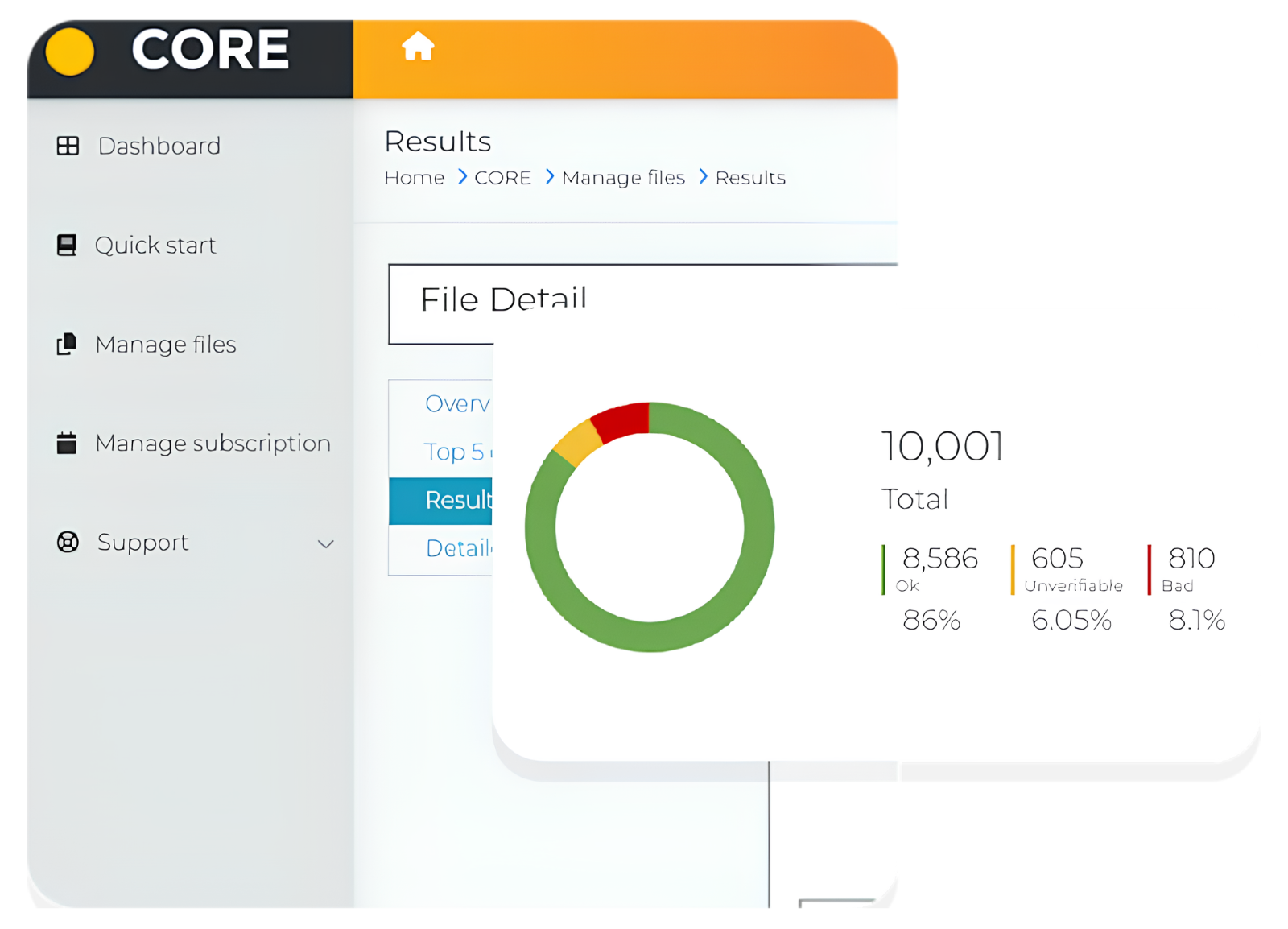
CORE is Email Hippo's no-code entry point. It handles bulk email list verification through file upload: upload a CSV of up to 500,000 addresses, wait for processing, and download results categorized as Ok, Bad, or Unverifiable.
Source: Email Hippo
The verification engine talks to the mail server behind each email address without sending an email, probing MX records and SMTP responses to determine whether a mailbox exists and can receive messages. Before any server connection, CORE filters out syntactically invalid addresses and excludes them from billing.
Key capabilities include disposable email address detection with 24/7 monitoring for new disposable domains, spam trap identification, catch-all server detection, and a greylisting retry feature that revisits addresses on greylisting servers rather than marking them unverifiable.
Results are returned in the same row order as the original upload and can be downloaded filtered by category. Duplicates within a file are not billed.
Subscriptions scale up to 2.5 million emails per month, with a pay-as-you-go option for infrequent users. An email notification goes out when results are ready, so you don't need to sit in the application while a large file processes.
MORE (Real-Time Verification API): Block bad data at the point of entry with 25+ checks.
MORE is Email Hippo's most popular product. It validates individual email addresses the instant they're submitted to a form, CRM, or application. Where CORE cleans lists after the fact, MORE intercepts bad data before it enters a system.
Source: Email Hippo
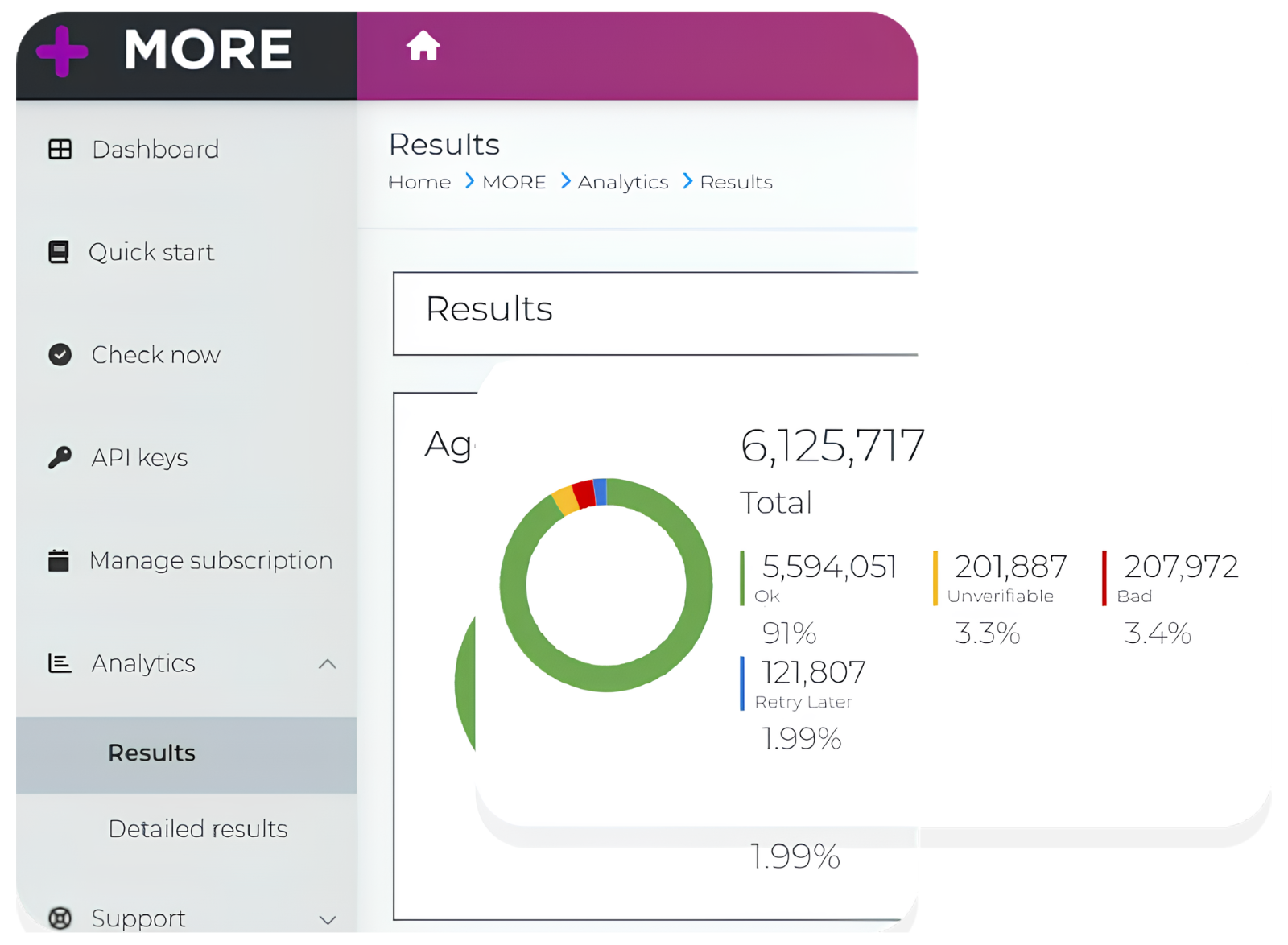
The API runs 25+ verification checks in a single call, returning results in an average of 423ms. These checks span syntax validation, DNS and MX record verification, SMTP mailbox confirmation, disposable email detection, gibberish detection, spam trap assessment, dark web link checks, blocklist screening, and mail server geolocation.
The output includes two composite scores: a Hippo Trust Score (0-10) that condenses all signals into one number, and a "Safe to Send" score indicating whether an address is appropriate to contact. MORE supports up to 250 requests per second and maintains 99.99% uptime.
The product ships in two editions: Edition 1 (V2) covers 9 features with a faster 261ms average response, while Edition 2 (V3) covers all 17 features at 423ms. This lets smaller-volume users start at a lower cost and upgrade without re-integrating.
ASSESS (Fraud Prevention): Score the person behind the email, not just the address.
ASSESS moves Email Hippo beyond list cleaning into fraud risk scoring. It accepts up to four inputs per request (email address, first name, last name, and IP address) and analyzes them together to flag whether a new user or sign-up is trustworthy.
Source: Email Hippo
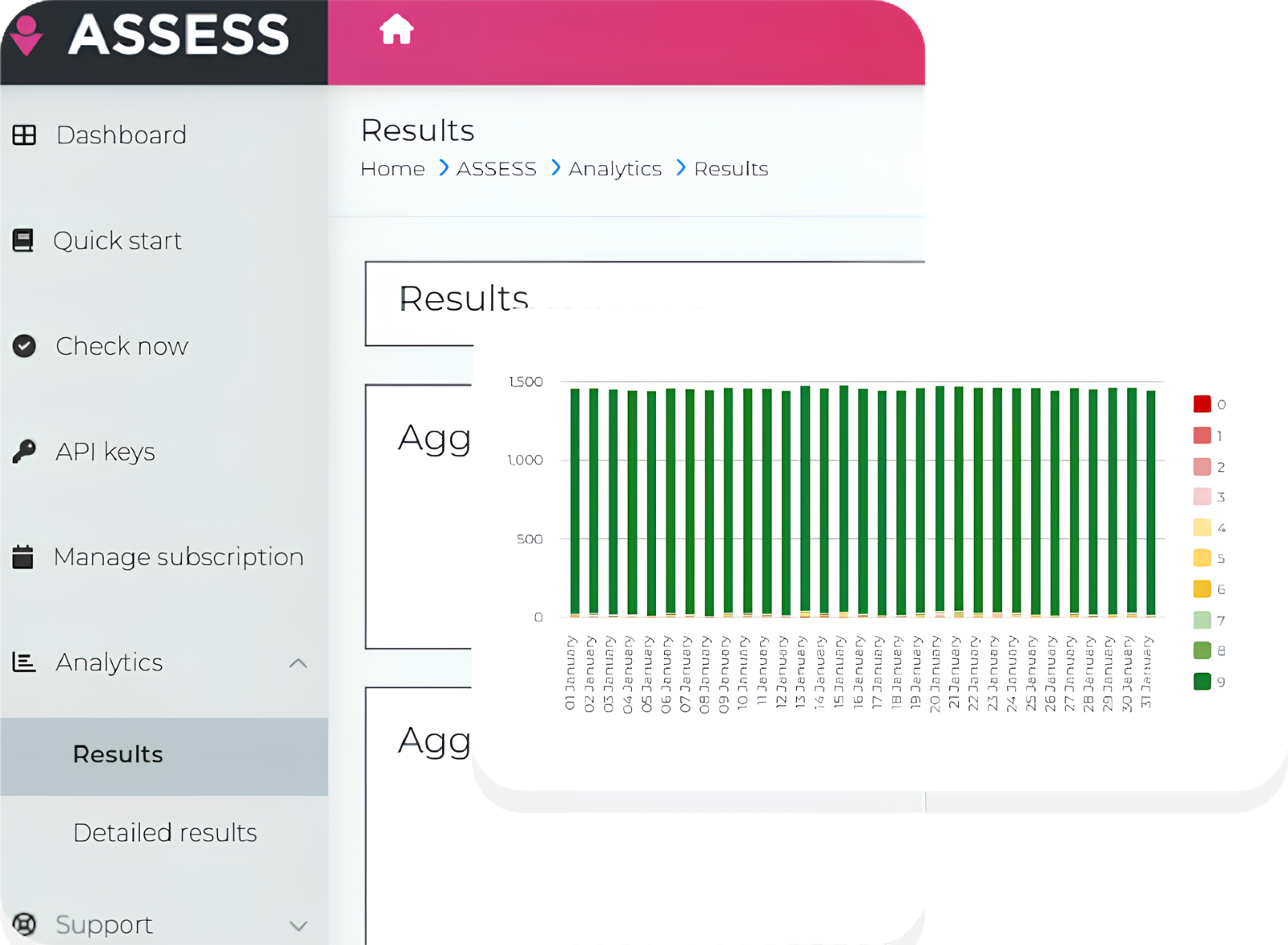
The product includes everything in INSIGHT and adds fraud-specific layers: domain age analysis (newly registered domains signal fraud), Tor exit node checks, data centre identification, connection type detection (mobile, residential, VPN, corporate), and domain reputation checks. Each analysis returns a Hippo Trust Score rated 0-10, where 0-4 is low trust, 4.1-6.9 is medium, and 7-10 is high trust.
A key design choice: ASSESS does not rely on historical data about bad actions, so it works for first-seen actors (fraudsters who haven't yet accumulated a negative track record, and therefore the hardest to catch). The ASSESS product launched in September 2020, marking Email Hippo's formal move into fraud prevention.
Pricing: Usage-based subscriptions starting at $9.88/month with no-commitment trial.
Email Hippo uses a usage-based subscription model built around monthly check quotas. Each product is purchased independently:
CORE (bulk cleaning): Starting from $9.88/month; pay-as-you-go also available
MORE (real-time API): Starting from $9.88/month for 1,000 to 2,500,000 checks/month
INSIGHT (email intelligence): Starting from $12.26/month for 1,000 to 2,500,000 checks/month
ASSESS (fraud prevention): Starting from $14.63/month for 1,000 to 1,000,000 checks/month
WHOIS (domain intelligence): Subscription pricing via calculator
A 100-check free trial requires no credit card. Subscriptions default to monthly billing, with quarterly and annual options available (annual saves up to 4%). Unused quota does not roll over. Cancellation is self-serve via the dashboard with no phone call required. Enterprise pricing is available for 2.5M+ verifications/month with custom SLAs and dedicated support.
Where Email Hippo Falls Short
Email Hippo does what it does well: verify email addresses, detect fraud signals, and maintain high uptime. But several limitations reveal a platform built to validate data you already have, not to help you find, enrich, or act on new opportunities.
It Verifies Emails, But Doesn't Provide Them. Email Hippo can tell you whether an address is valid. It cannot tell you who to contact at a target company, what their direct dial is, or where they sit in the org chart.
Teams that need to build prospect lists, identify decision-makers, or enrich CRM records with company and technographic data must source that elsewhere. Email verification is one step in the go-to-market workflow, not the whole workflow.
Narrow Integration Ecosystem. The integrations page lists roughly nine connectors: HubSpot, Salesforce, Unbounce, WordPress, Auth0, Microsoft Dynamics, Zapier, OttoKit, and Formstack.
There are no native integrations with major email service providers like Mailchimp, Klaviyo, or ActiveCampaign beyond what Zapier covers. For teams with complex tech stacks, this means extra middleware and manual configuration.
Accuracy Gaps on Consumer Email Domains. Capterra reviewers flag reduced accuracy for AOL and Hotmail addresses, and note occasional issues with domain validation on smaller providers. In certain configurations, validation runs too strict, generating false positives for legitimate addresses. For teams verifying large consumer-facing lists, these gaps can mean lost leads.
Limited Social Proof. With only 13 verified reviews on Capterra, Email Hippo's review base is thin compared to established SaaS competitors. The reviews that exist are positive (4.6/5 overall, 4.7/5 for Ease of Use), but the small sample size limits confidence.
No Intent or Behavioral Signals. Email Hippo can confirm an address is deliverable. It cannot tell you whether that person is researching solutions in your category, visiting competitor pages, or showing buying signals. For sales and marketing teams that need to prioritize outreach based on timing, not just data quality, email verification is a prerequisite, not a strategy.
SDK Coverage Limited to .NET. Official client libraries exist only for .NET (NuGet packages for MORE and ASSESS). Teams working in Python, JavaScript, Ruby, PHP, or Go must build their own HTTP integrations. For a product whose primary value is API-driven, this narrows the developer experience considerably.
These limitations follow naturally from building a focused email verification tool. But they create a clear gap for teams that need verified contact data as part of a broader go-to-market strategy, not as a standalone step.
Top Email Hippo Alternative for B2B Teams: ZoomInfo
ZoomInfo addresses Email Hippo's scope limitations by providing verified B2B contact data, not just verification of data you already have. Where Email Hippo answers "Is this email address real?", ZoomInfo answers "Who should you contact, what's their verified email, and when should you reach them?"
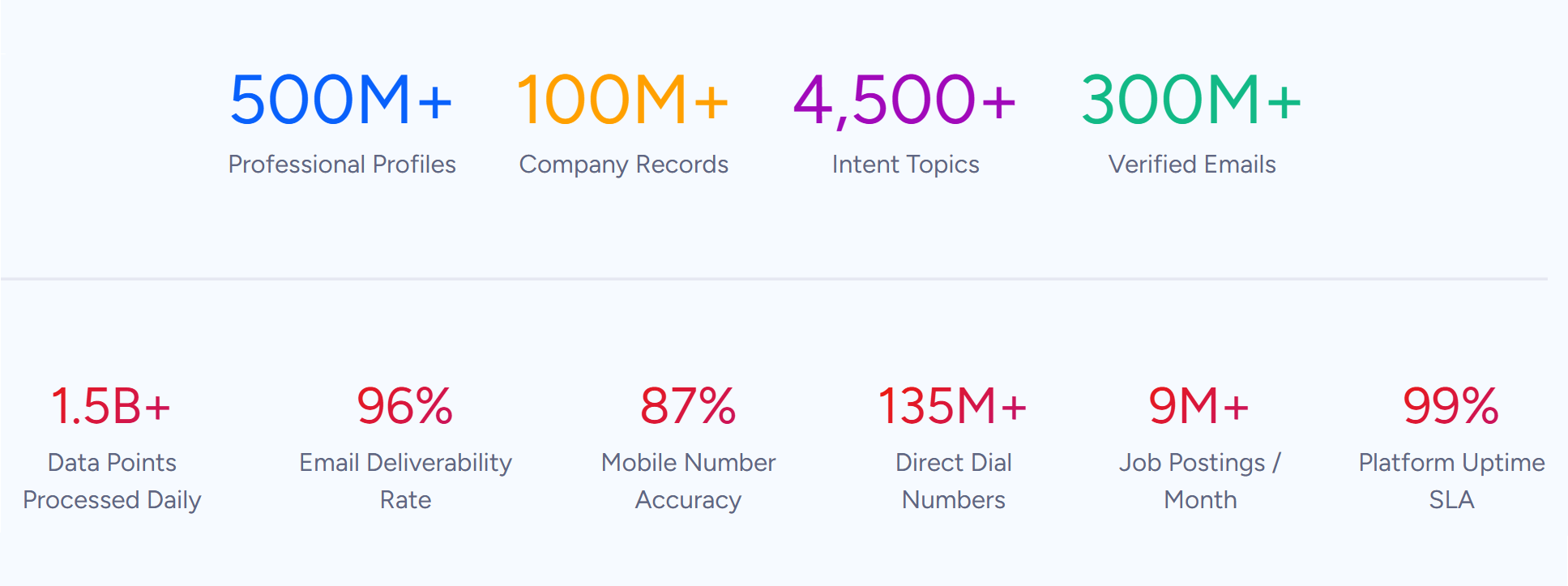
ZoomInfo is an AI GTM platform built on a large data foundation: 500M contacts, 100M companies, 135M+ verified phone numbers, and 200M+ verified business email addresses. By fusing this data with your CRM records, conversation transcripts, and behavioral signals, ZoomInfo's GTM Context Graph (processing 1.5B + data points daily) reveals the full context of your accounts.
Source: ZoomInfo
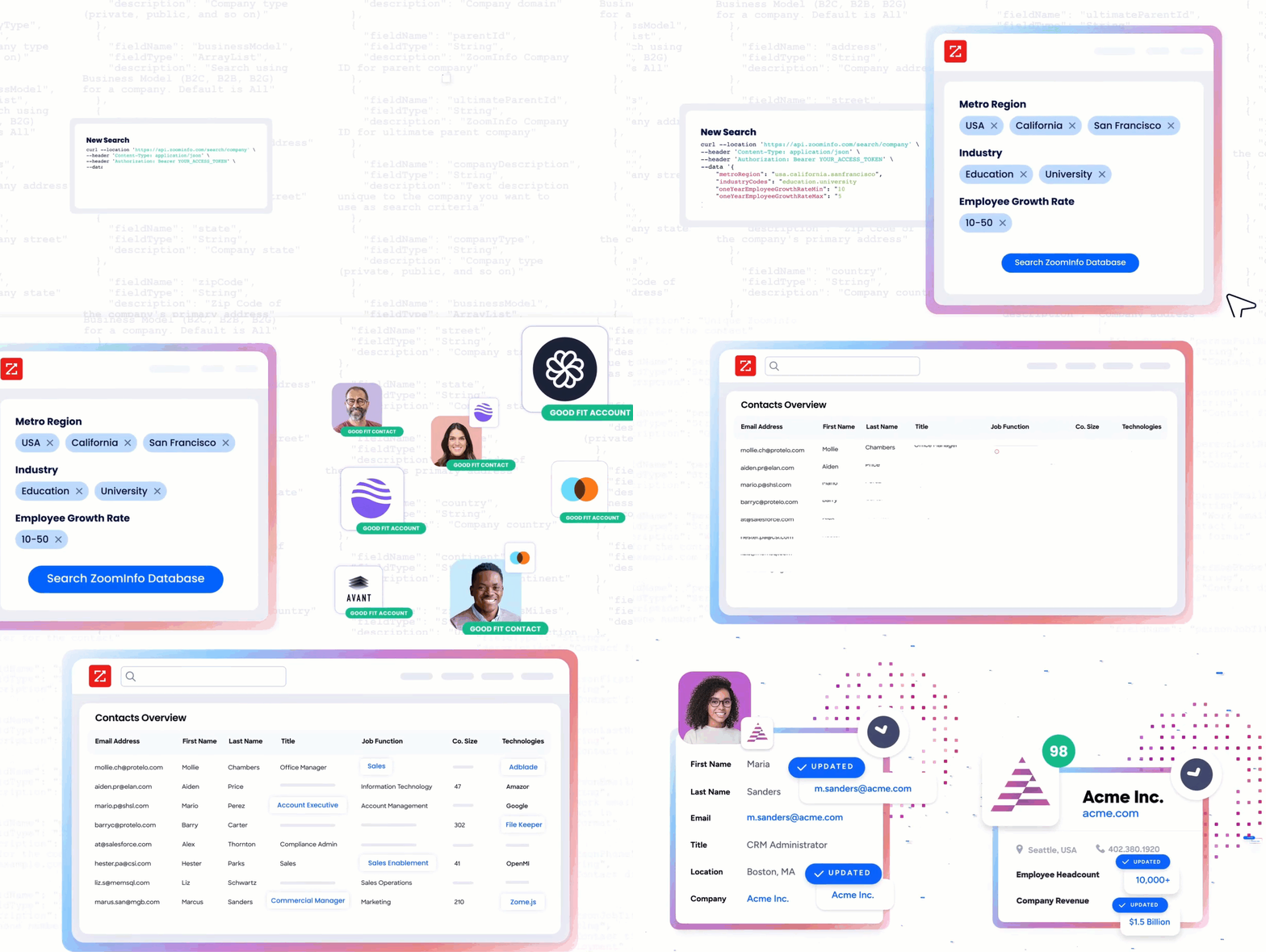
That context shows not just what happened, but why it happened, and which actions will capitalize on the momentum. With that intelligence, your team can drive sales motions from the GTM Workspace, run GTM plays from GTM Studio, or power their own tools through the API and MCP.
Source: ZoomInfo
Pre-Verified Contact Data at Scale: ZoomInfo provides the emails, not just verification of emails you already have.
The fundamental difference between Email Hippo and ZoomInfo is the starting point. Email Hippo requires you to already have an email address. ZoomInfo gives you the address.
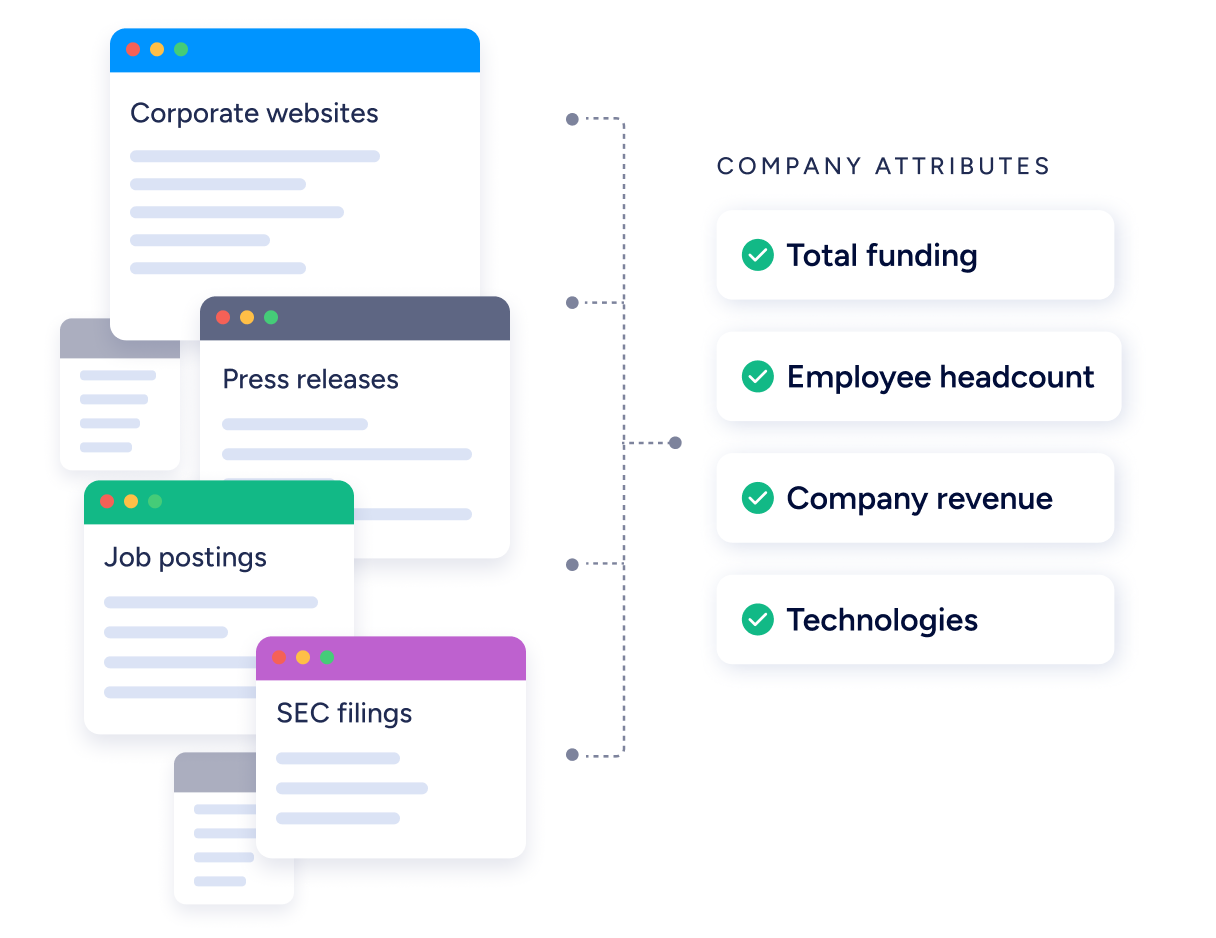
The platform covers 200M+ verified business email addresses and 120M direct-dial phone numbers, verified through a multi-source pipeline backed by 300+ human researchers and achieving up to 95% accuracy on first-party data.
This data flows through ZoomInfo's collection and verification system: automated ML scanning of 28 million site domains daily, third-party partner data covering 95 million businesses, and a community of 200,000+ Lite users who share data back.
Source: ZoomInfo
The data quality advantage is externally validated. In a Fortune 500 competitive RFP analyzing 25 million contacts across vendors, the independent consultant concluded that "no other competitor came even close." ZoomInfo holds 133 No. 1 rankings on G2 across Sales Intelligence, Data Quality, and Account Data Management categories.
Beyond email, each contact record includes job title, department, seniority, company attributes, technographics, org chart position, and social profiles, giving sales teams the context to reach the right person with the right message.
"ZoomInfo gives us the information we need to execute. We don't have to spend our time digging. It's already there, so we can be three steps ahead." (Vensure)
Intelligence Beyond Data Quality: ZoomInfo surfaces buying signals, intent, and deal context alongside verified contacts.
Email Hippo's value ends at validation: is this address real, risky, or disposable? ZoomInfo layers intelligence on top of verified data, revealing not just who to contact but when and why.
ZoomInfo Intent tracks signals from 210 million IP-to-Organization pairings and 6 trillion+ new keyword-to-device pairings sourced monthly, identifying companies that are researching topics relevant to your business. Guided Intent, exclusive to ZoomInfo, identifies topics historically correlated with deal success rather than requiring you to pick topics manually.

Source: ZoomInfo
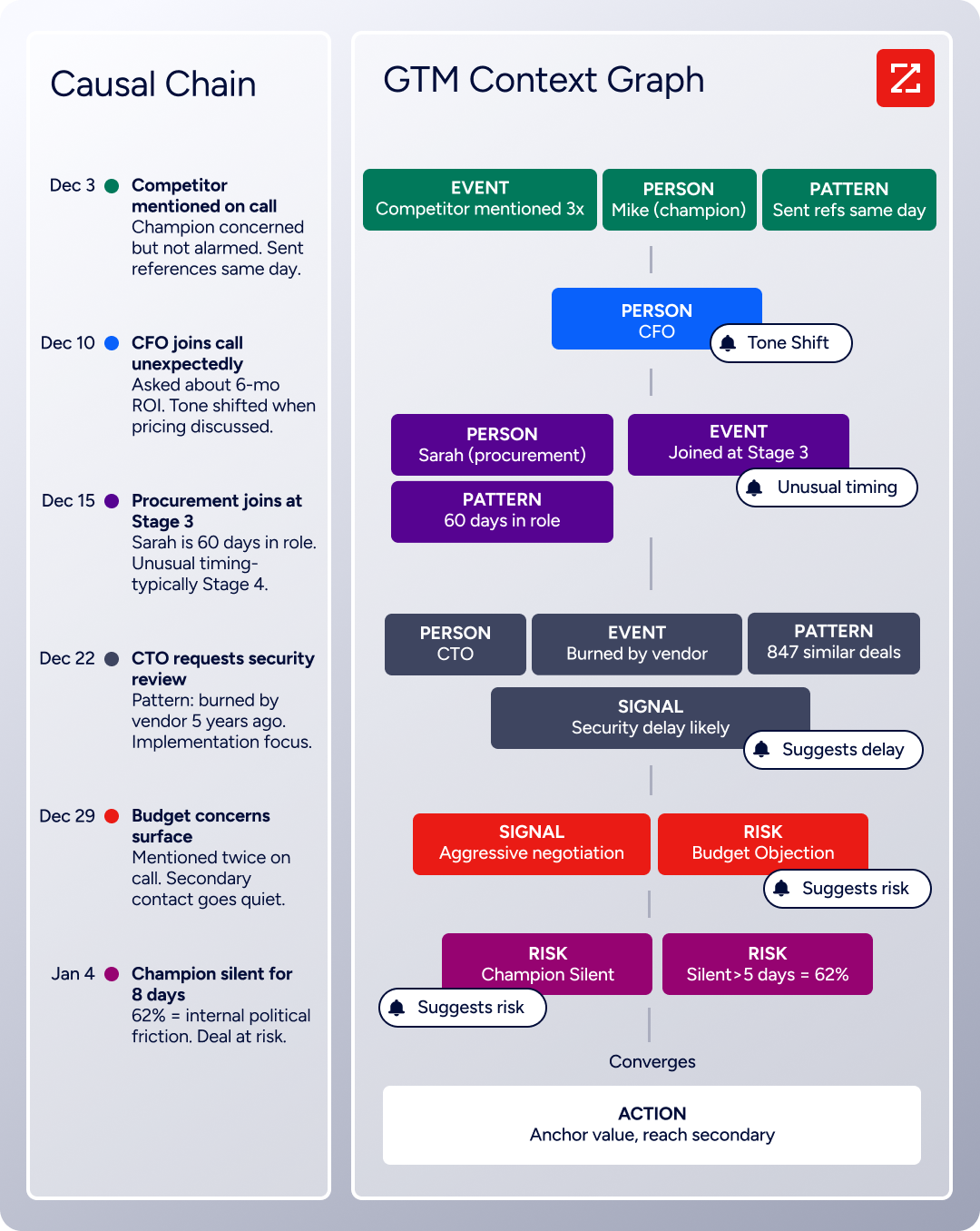
The GTM Context Graph goes further by fusing ZoomInfo's third-party intelligence with a customer's own CRM records, conversation transcripts, and behavioral signals.
Source: ZoomInfo
The result: an intelligence layer that captures not just what happened in a deal, but why it happened. This is the difference between knowing an email is deliverable and knowing the person behind that email just started researching your competitor and joined a call where the CFO asked about ROI timelines.
"That combination of our internal CRM data, external signals, and AI that's given all that context has helped us craft very specific account- and persona-based messages. And people have responded to them right away." (Seismic)
Execution Tools Built Into the Platform: ZoomInfo connects verified data to outreach, orchestration, and CRM enrichment.
Email Hippo delivers a verification result. What you do with that result requires other tools. ZoomInfo closes that gap with execution capabilities built on top of its data and intelligence.
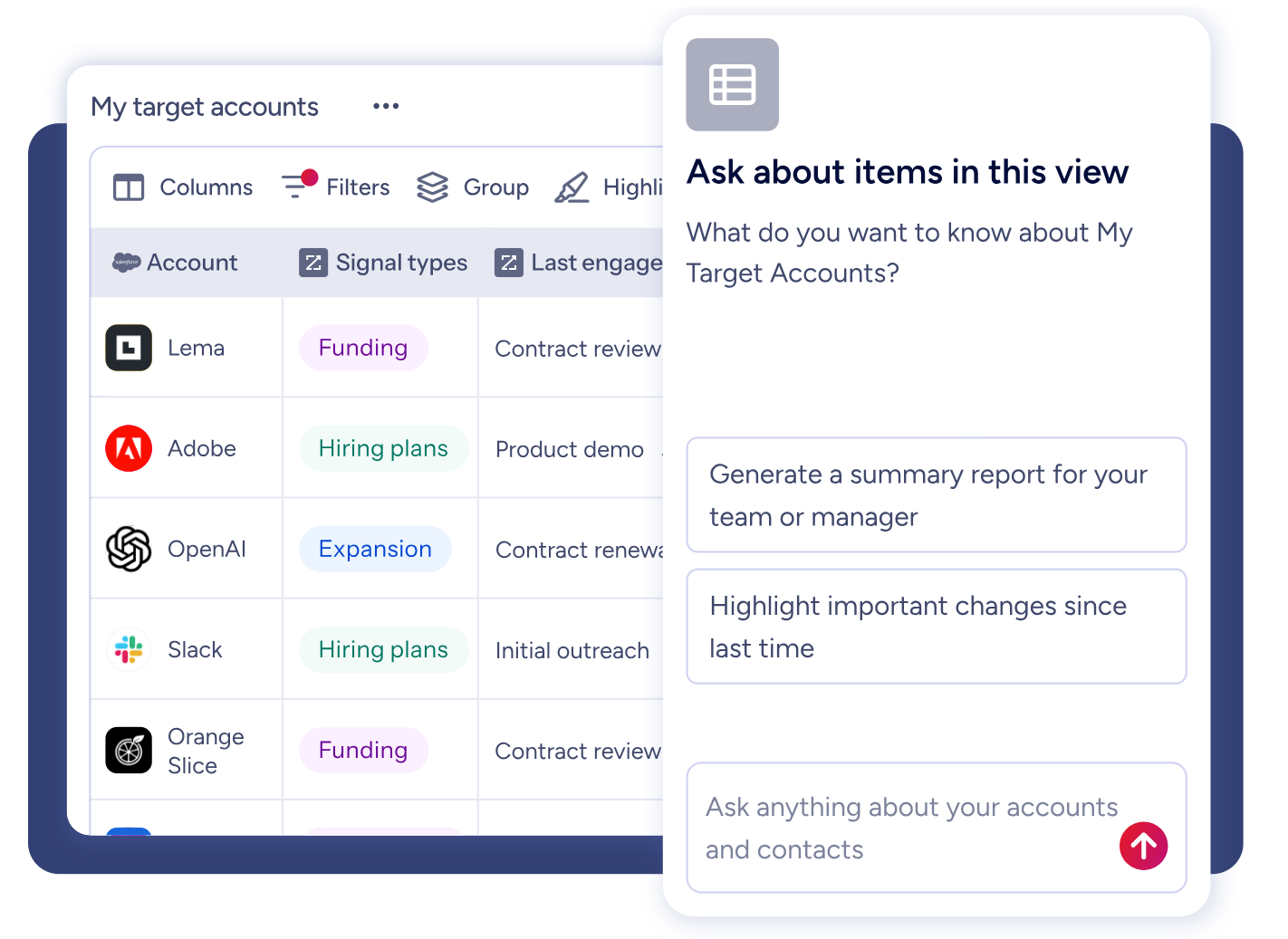
GTM Workspace gives sellers one place where prioritized accounts, AI-drafted outreach, and deal execution converge. AI agents research accounts, generate follow-ups, monitor signals, and update CRM fields.
Source: ZoomInfo
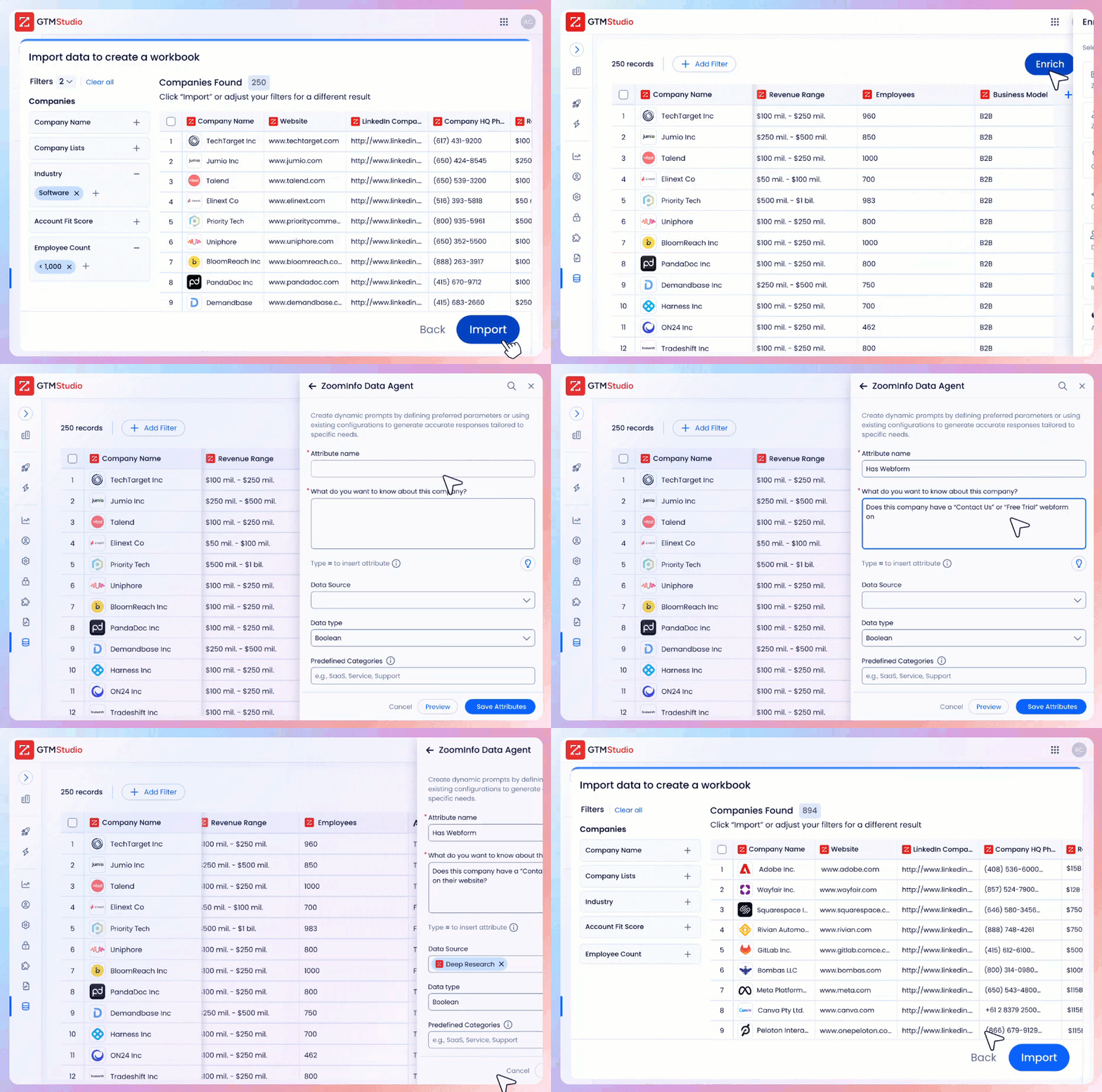
For marketers and RevOps, GTM Studio offers a canvas where audience definition, campaign triggers, and pipeline measurement happen in natural language, with expansion plays that used to take 3 weeks now launching in 30 minutes.
Source: ZoomInfo
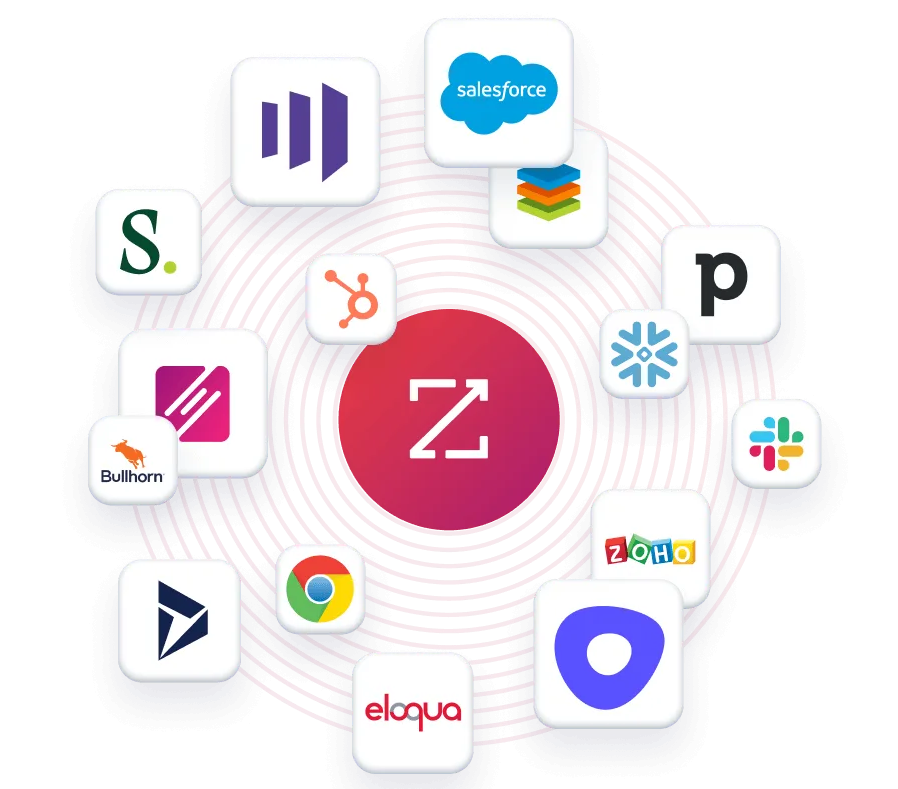
For teams that build beyond ZoomInfo's native products, APIs and MCP expose the same intelligence to any custom agent, internal tool, or partner platform. ZoomInfo's App Marketplace lists 172+ integration partners across CRM, marketing automation, sales engagement, and data warehouse categories, including native integrations with Salesforce, HubSpot, Microsoft Dynamics 365, and Snowflake.
Source: ZoomInfo
"The plug-and-play aspect of the API means I can integrate it very easily into any process and get information at a moment's notice." (BDO Canada)
Pricing and Access: ZoomInfo offers a permanent free tier and consumption-based plans for paid access.
ZoomInfo uses a consumption-based pricing model where customers pay based on usage (seats, credits, API consumption, AI activity). No prices are publicly listed; all paid plans are custom-quoted based on company size, usage, and feature needs.
Two free entry points are available:
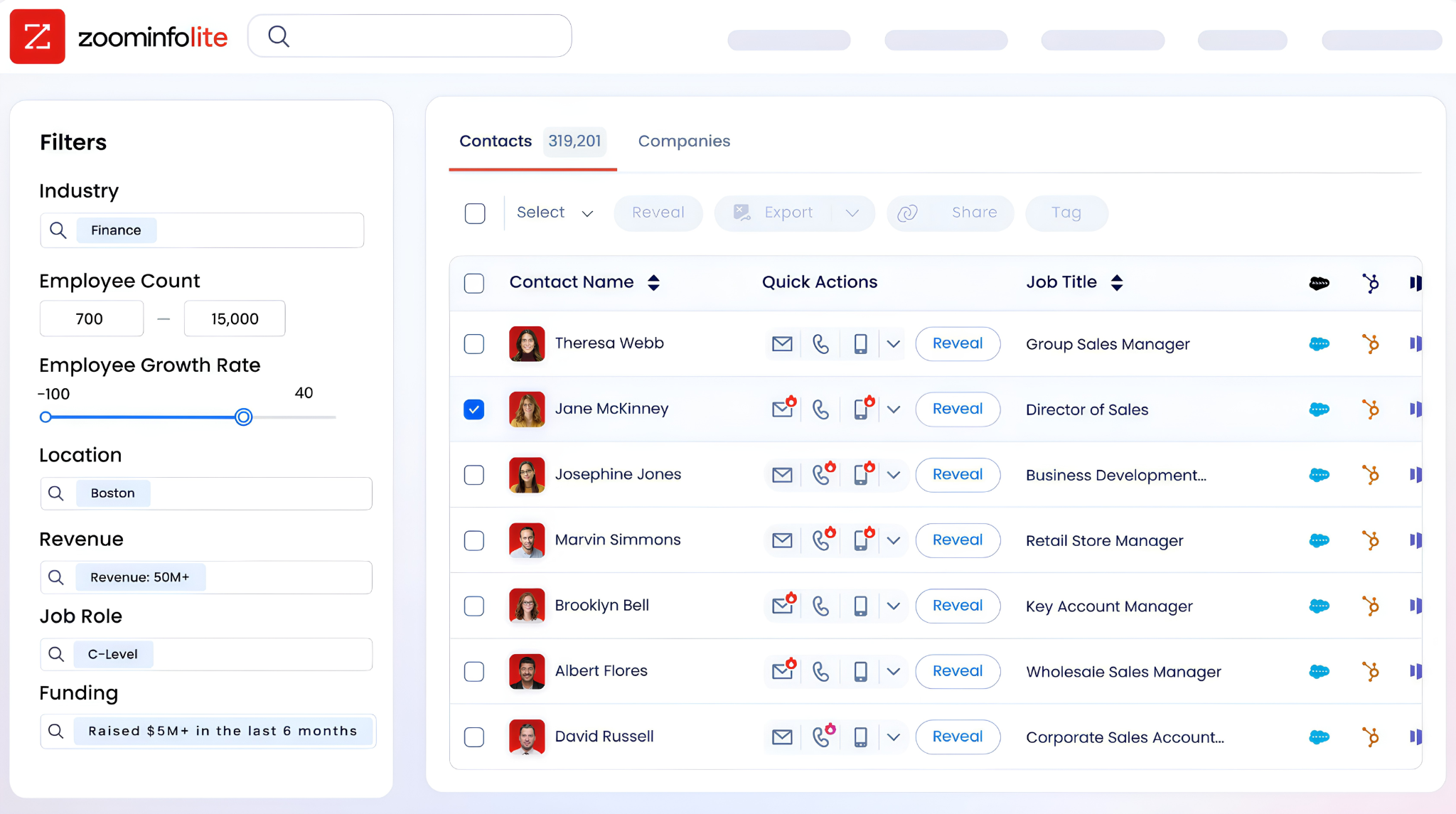
ZoomInfo Lite: A permanent free tier (not a trial) with access to the B2B database, 10 monthly export credits, individual and company searches, the ReachOut Chrome Extension, WebSights Lite for website visitor identification, and HubSpot integration. No credit card, no annual commitment.
7-day free trial: Access to core platform features including contact and company search, intent signals, and email outreach, with usage limits.
Source: ZoomInfo
Paid plans are organized into Sales (Professional, Advanced, Enterprise) and Marketing (Marketing Demand, ABM Lite, ABM Enterprise) tiers. Credits work on a 1-credit-per-export basis; searching and viewing data within the platform is free. API access is included in all relevant plans.
Email Hippo or ZoomInfo: Comparison Summary
Email Hippo | ZoomInfo | |
|---|---|---|
Primary function | Email verification and fraud prevention | AI GTM platform with verified B2B data |
Email data | Verifies addresses you already have | Provides 200M+ verified business email addresses |
Contact data | Email validation only | 500M contacts with direct dials, org charts, and company attributes |
Intent signals | None | 210M IP-to-Organization pairings, 6T+ keyword pairings monthly |
Fraud/risk scoring | Yes (ASSESS product) | Not a primary use case |
Native integrations | ~9 named connectors | 172+ marketplace partners |
API performance | 250 req/sec, ~430ms response | Tiered: up to 35 req/sec, with bulk enrichment and MCP access |
Free entry point | 100 checks, no credit card | Permanent free tier (ZoomInfo Lite) + 7-day trial |
Pricing transparency | Published starting at $9.88/month | Custom-quoted, consumption-based |
ISO certifications | ISO 27001, ISO 9001 | ISO 27001, ISO 27701, SOC 2 Type II |
Analyst recognition | Queen's Award for Enterprise (2020) | Gartner MQ Leader, Forrester Wave Leader, G2 133 No. 1 rankings |
Best for | Validating existing email lists and blocking fraudulent sign-ups | Finding, verifying, and engaging B2B prospects at scale |
Final Verdict
The choice between Email Hippo and ZoomInfo depends on where your data challenge sits: validation of what you have, or discovery of what you need.
Choose Email Hippo if your primary goal is cleaning existing email lists and blocking bad addresses at the point of entry. It's the right tool when you already have contact data and need to reduce bounce rates, protect sender reputation, and flag fraudulent sign-ups before they reach your systems.
The ISO-certified infrastructure, pricing from $9.88/month, and no-code bulk upload make it a practical choice for marketing teams, developers building sign-up gates, and fraud prevention teams at any size organization. For email verification specifically, Email Hippo's 25+ years of experience and 74-data-point analysis deliver solid coverage.
Choose ZoomInfo if you need verified B2B contact data as part of a broader go-to-market strategy, not just validation of addresses you already have. ZoomInfo provides the contacts themselves (200M+ verified business emails, 120M direct dials) alongside company intelligence, intent signals, and execution tools that turn data into pipeline.
For sales, marketing, and RevOps teams that need to find the right buyers, understand when they're in-market, and engage them with relevant outreach, ZoomInfo replaces the need to source data from one vendor, verify it with another, and execute through a third.
Get started with ZoomInfo here.
Email verification matters. But verification is one step in a larger process. Email Hippo handles that step well. ZoomInfo handles the entire process, with verified data built in from the start.
Email Hippo FAQ
What does Email Hippo do?
Email Hippo is an email verification and intelligence provider that checks whether email addresses are valid, detects disposable and fraudulent addresses, and scores risk.
It offers five products: CORE for bulk list cleaning via file upload, MORE for real-time API verification, INSIGHT for email intelligence and enrichment, ASSESS for fraud prevention with IP and identity analysis, and WHOIS for domain intelligence. The company has operated since 2000 and holds ISO 27001 and ISO 9001 certifications.
How much does Email Hippo cost?
Paid plans start at $9.88/month for both CORE (bulk) and MORE (real-time API) products, scaling based on monthly check volume up to 2.5 million checks per month. INSIGHT starts at $12.26/month and ASSESS at $14.63/month. A 100-check free trial is available with no credit card required.
Subscriptions can be billed monthly, quarterly, or annually, with annual billing saving up to 4%. Unused quota does not roll over between billing cycles.
How accurate is Email Hippo's email verification?
The MORE API analyzes 74 data points per address, producing composite Trust Scores and "Safe to Send" scores. Email Hippo claims its disposable email detection catches 99% of disposable addresses. Capterra reviewers rate it 4.6 out of 5 overall, with praise for accuracy on hard-to-classify addresses.
However, some reviewers note reduced accuracy on Microsoft consumer domains (Hotmail, Outlook) and AOL addresses, and occasional issues where newly created disposable email domains slip through detection.
Does Email Hippo integrate with CRMs and marketing platforms?
Email Hippo lists roughly nine integrations: HubSpot, Salesforce, Unbounce, WordPress, Auth0, Microsoft Dynamics, Zapier, OttoKit, and Formstack. There are no native integrations with major email service providers like Mailchimp, Klaviyo, or ActiveCampaign. The Zapier connector provides indirect access to over 3,000 apps.
ZoomInfo, by comparison, offers 172+ integration partners through its App Marketplace, including native integrations with Salesforce, HubSpot, Microsoft Dynamics 365, Snowflake, and major marketing automation platforms.
What is Email Hippo's Hippo Trust Score?
The Hippo Trust Score is a composite score from 0 to 10 that condenses multiple verification signals into a single number. It is calculated from a proprietary weighted algorithm that factors in DNS checks, SMTP responses, disposable email detection, spam trap assessment, dark web link checks, and other signals.
A score of 0-4 indicates low trust, 4.1-6.9 is medium, and 7-10 is high trust. The exact algorithmic weights are not publicly disclosed.
Can Email Hippo detect fraud at sign-up?
Yes, through the ASSESS product. ASSESS accepts an email address, first name, last name, and IP address, then analyzes them together to detect fraud signals. It checks for Tor exit node usage, newly registered domains, data centre connections, dark web domain links, and known blocklists.
It works against first-seen actors who have no prior negative track record in fraud databases. Pricing for ASSESS starts at $14.63/month for 1,000 checks.
Does Email Hippo offer SDKs for developers?
Email Hippo publishes official .NET client libraries for MORE and ASSESS, available as NuGet packages requiring Visual Studio 2017+ and .NET Standard 2.0+. No official SDKs exist for Python, JavaScript, Ruby, PHP, Go, or Java. Developers in other languages must build their own HTTP integrations against the REST API.
ZoomInfo provides code samples for OAuth flows in Shell, Node, Ruby, PHP, and Python, and offers an MCP server for direct AI model integration.
What is the difference between Email Hippo and ZoomInfo?
Email Hippo verifies email addresses you already have, telling you whether they are valid, risky, or fraudulent. ZoomInfo provides verified B2B contact data (200M+ business emails, 120M direct dials, 500M total contacts) alongside company intelligence, buyer intent signals, and execution tools for sales and marketing.
Email Hippo specializes in email validation and fraud prevention. ZoomInfo is a broader GTM platform where verified email data is one component of a larger system for finding, engaging, and converting B2B prospects.
