

Choosing between Kindful vs. Salesforce for your nonprofit often comes down to these five questions:
Do you need a simple donor management tool, or a platform that scales across fundraising, marketing, service, and operations?
Is your organization small enough that ease of use matters more than customization, or large enough that you need control over every workflow?
Are you looking for a tool your team can adopt in weeks, or are you prepared to invest months in implementation for long-term flexibility?
How important is it that your donor data connects to intelligence about the organizations and people behind your giving?
Do you need your CRM to stay in its lane, or do you want it to power prospecting, outreach, and pipeline management across your entire revenue operation?
In short, here's what we recommend:
Kindful was built for small to mid-sized nonprofits that needed donor management without enterprise complexity. Its clean interface, fast implementation (users went live in 1.21 months on average), and integration ecosystem made it a strong choice for lean teams. However, Kindful was acquired by Bloomerang in January 2021 and is now in active sunset. Existing users are being migrated to Bloomerang CRM, and no new feature development is underway. If you're evaluating Kindful today, you're evaluating Bloomerang.
Salesforce is the world's largest CRM, serving over 150,000 companies across every industry, including nonprofits through its Nonprofit Cloud and the Salesforce.org ecosystem. It offers extensive customization, a large app marketplace (9,000+ partner apps), and AI capabilities through Agentforce. But that power comes with a steep learning curve, complex pricing, and implementation timelines that can stretch months. For nonprofits without dedicated technical staff, Salesforce demands a serious operational investment before it delivers value.
Both platforms approach donor and constituent management from different directions. But if your nonprofit is growing and needs to understand not just who your donors are, but which organizations they work for, what those companies care about, and how to connect with decision-makers who can unlock corporate giving, grants, and partnerships, there's a third platform worth considering.
ZoomInfo is an AI-powered go-to-market platform built on a large B2B data foundation: 500M contacts, 100M companies, 135M+ verified phone numbers, and 200M+ verified business emails. For nonprofits that have outgrown simple donor tracking and need to build corporate partnerships, identify major gift prospects, or run targeted outreach campaigns, ZoomInfo's GTM Context Graph (an intelligence layer) reveals who to contact, when to engage, and what to say. That intelligence is accessible through the GTM Workspace for direct outreach, GTM Studio for campaign orchestration, or the API and MCP to power any tool in your stack.
If building corporate relationships and identifying high-value prospects sounds like the missing piece of your fundraising strategy, see how ZoomInfo works.
Kindful vs. Salesforce at a glance
Kindful (Bloomerang) | Salesforce | ZoomInfo | |
|---|---|---|---|
Primary focus | Nonprofit donor management & online fundraising | Enterprise CRM across all industries | B2B intelligence & go-to-market execution |
Implementation time | 3-12 months typical | ||
Learning curve | Minimal | Steep | Moderate |
AI capabilities | Basic (via Bloomerang) | Agentforce AI agents across all clouds | GTM Context Graph with AI-powered prospecting |
Data depth | Donor records + DonorSearch wealth screening | CRM records + AppExchange data partners | 500M contacts, 100M companies, intent signals, technographics |
Product status | Active sunset; migrating to Bloomerang CRM | Actively developed; quarterly releases | Actively developed; rapid release cadence |
Pricing transparency | Not published; contact sales | Published tiers starting at $25/user/month | Custom-quoted; free tier available |
Free option | No published free tier | ZoomInfo Lite (permanent free tier) | |
Best for | Small nonprofits needing simple donor tracking | Large nonprofits needing full customization | Organizations building corporate partnerships & prospecting pipelines |
Kindful's simplicity was its strength (and its ceiling)
Kindful earned its reputation by doing one thing well: making donor management accessible to nonprofits without IT departments. A development director could set up donation pages, track giving history, and send tax receipts without touching a line of code.
The platform's G2 awards for "Most Implementable" and "Best Results" reflected this focus on fast time-to-value.
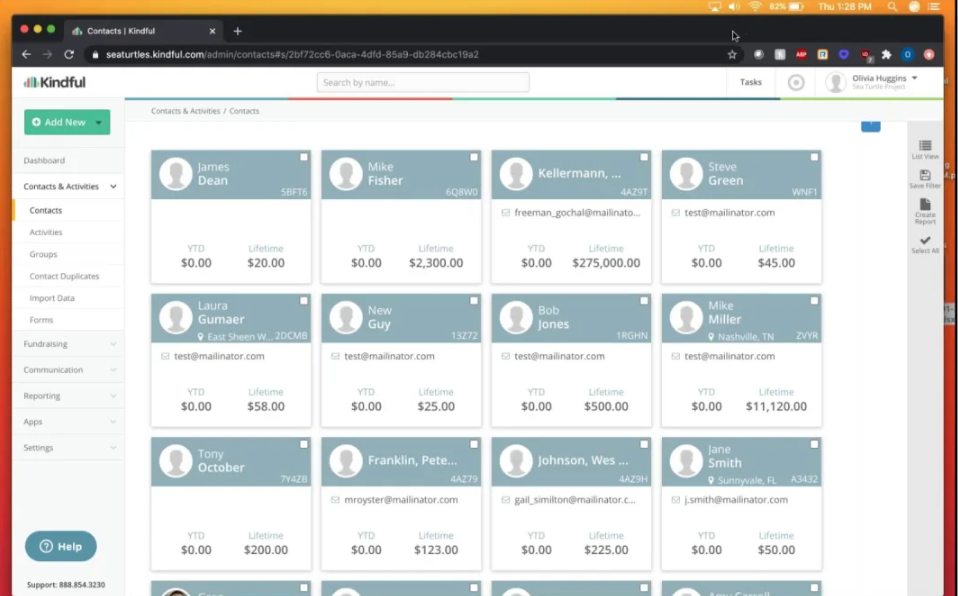
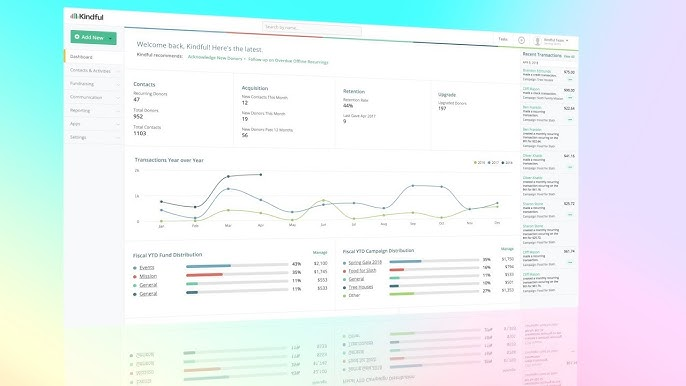
The donor lifecycle analytics in every contact profile gave fundraisers clear visibility into retention and upgrade status.

Source: Kindful
The Wealth Insights module, powered by DonorSearch, surfaced real estate holdings, charitable giving history, and wealth indicators within contact records. For a five-person team managing a few thousand donors, this was useful.
Source: Kindful
But Kindful's simplicity came with constraints. Reporting was hard to modify. The CRM lacked native email marketing, requiring Mailchimp or Constant Contact integrations for anything beyond basic receipts. Non-cash gift handling was a documented pain point.
And now, with the product in active sunset, the question isn't whether Kindful is good enough. It's whether the platform will exist in its current form a year from now.
Salesforce offers everything, if you can afford the investment
Salesforce is the opposite of Kindful in almost every way. Where Kindful constrained choices to keep things simple, Salesforce gives you open-ended flexibility and assumes you have the resources to use it.
For nonprofits, Salesforce offers dedicated solutions through its Nonprofit Cloud, with data models built for constituent management, program delivery, and fundraising. The AppExchange marketplace includes hundreds of nonprofit-specific apps. And through the Power of Us program, eligible nonprofits receive donated or discounted licenses.
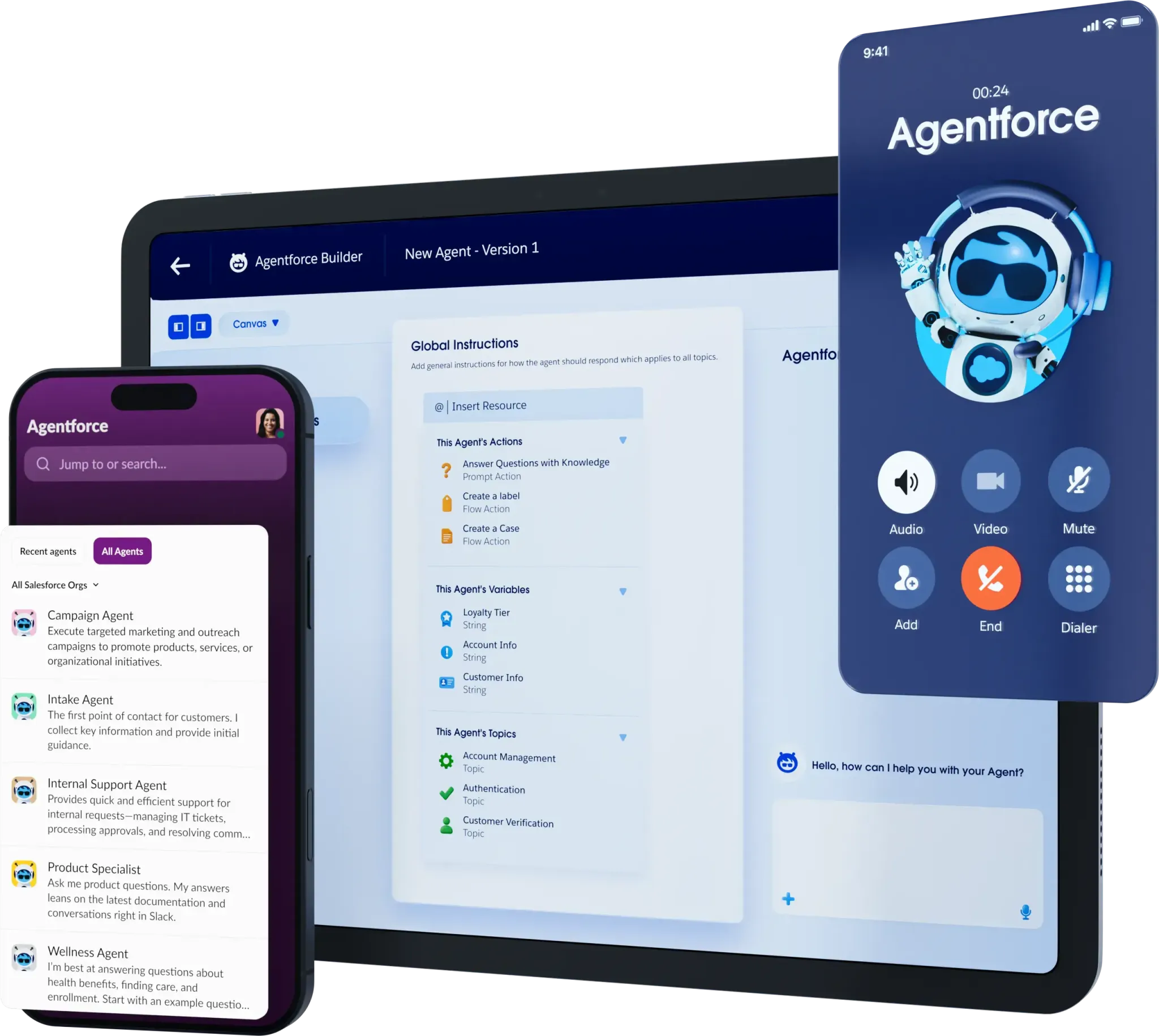
The platform's depth is impressive. You can build custom objects for grant tracking, automate acknowledgment workflows with Flow, segment constituents using any combination of fields, and report on virtually anything. Agentforce AI agents can handle case deflection, draft communications, and automate routine tasks across the platform.
Source: Kindful
But this power has a cost beyond the subscription price. Salesforce implementations for nonprofits typically require a consulting partner. Over 70% of implementations are partner-led, and the learning curve is steep enough that Trailhead offers over 1,500 badges just for platform training.
A small nonprofit that just needs to track donors and send receipts will spend months configuring a system that Kindful set up in weeks.
The pricing adds up fast. While the Free Suite covers up to 2 users, most nonprofits need at least the Pro Suite at $100/user/month. Add Enterprise features, Marketing Cloud, or Data Cloud, and costs climb into thousands per month before implementation fees.
ZoomInfo fills the intelligence gap neither platform covers
Kindful tracks what donors have given. Salesforce tracks every interaction across your constituent base. But neither platform tells you much about the organizations behind your donors, or helps you find new ones.
ZoomInfo operates in a different space. Rather than replacing your nonprofit CRM, ZoomInfo provides the intelligence that makes prospecting, corporate partnerships, and major gift identification possible at scale.
Consider a common scenario: your nonprofit wants to build a corporate giving program. You need to identify companies that align with your mission, find the right decision-makers (CSR directors, foundation managers, executive sponsors), understand their budgets and priorities, and reach them with relevant outreach. Kindful has no tools for this. Salesforce can store the contacts once you find them, but finding them is on you.
For a full head-to-head on how Salesforce and ZoomInfo compare across the go-to-market stack, see our Salesforce vs. ZoomInfo comparison.
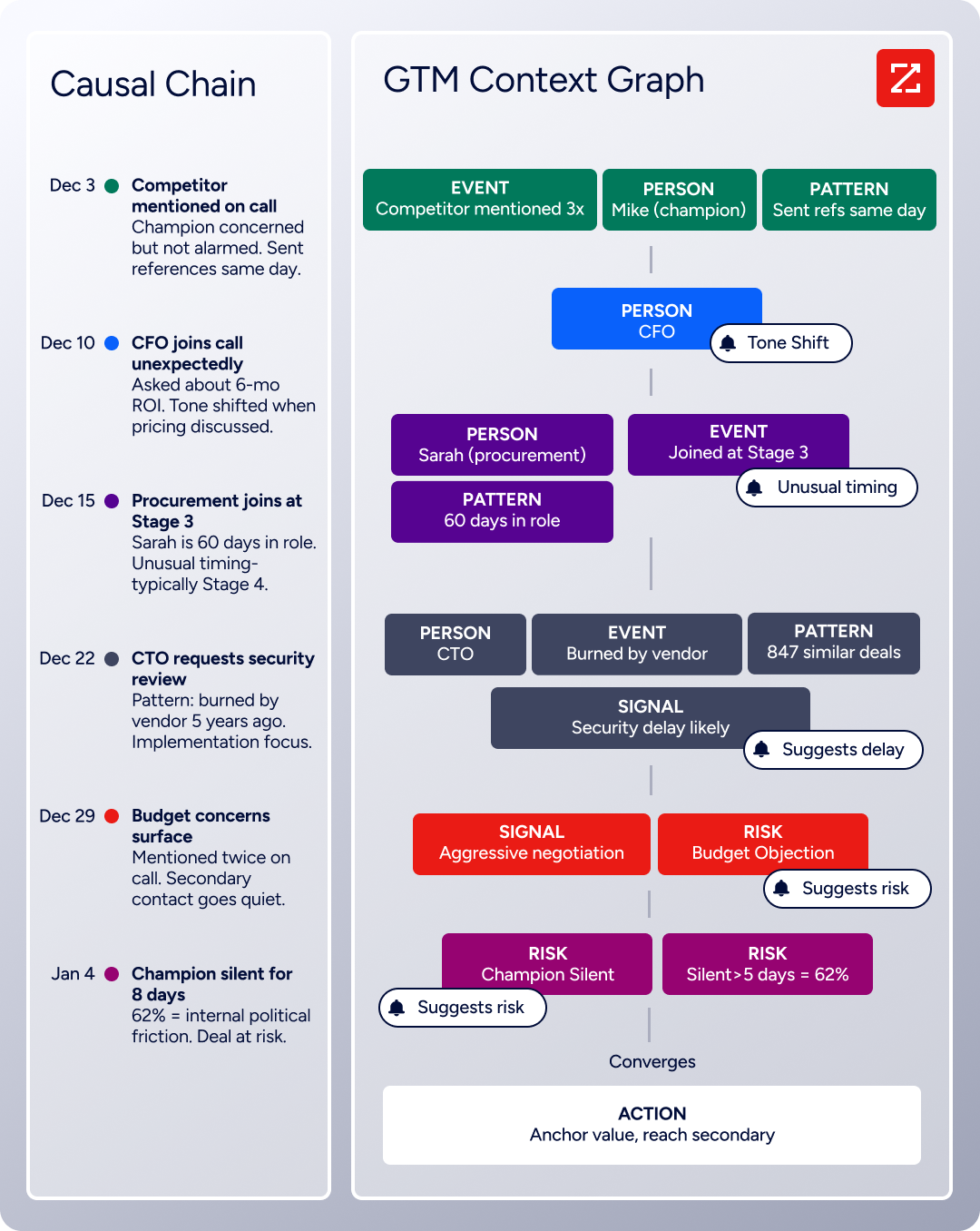
ZoomInfo's GTM Context Graph processes 1.5B+ data points daily, combining company intelligence, contact data, intent signals, and behavioral patterns to reveal not just who potential partners are, but when they're most likely to engage.
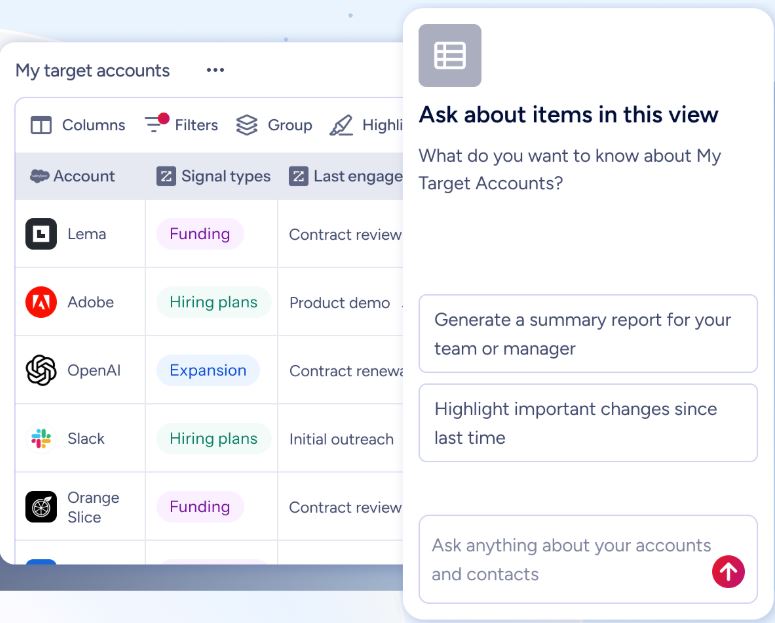
The GTM Workspace gives your outreach team a single place where prioritized accounts, AI-drafted messages, and engagement signals come together.
GTM Studio lets your marketing or partnerships team build targeted campaigns in natural language, without engineering support.
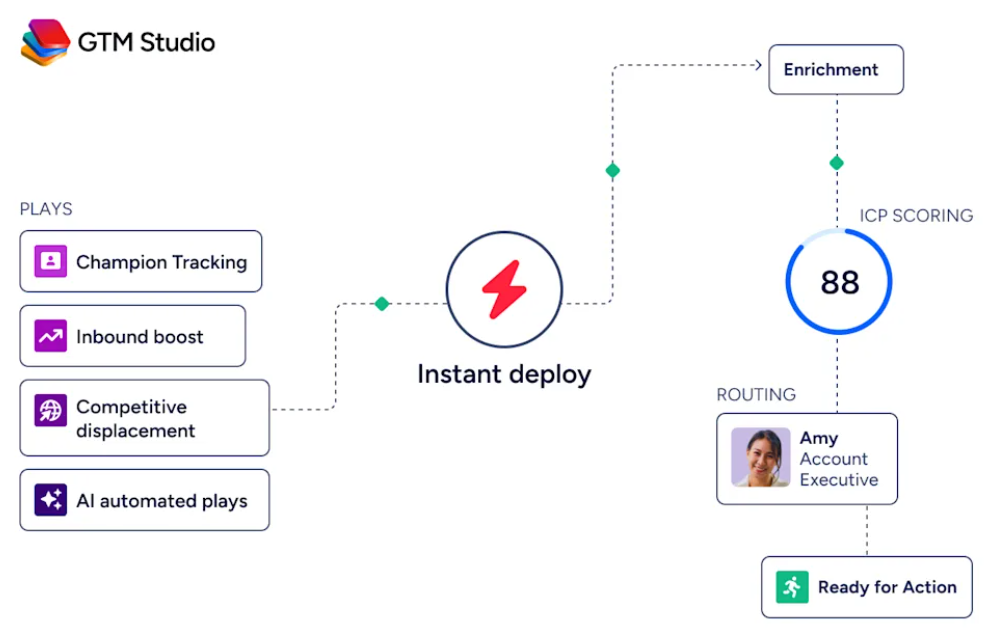
"ZoomInfo gives us the information we need to execute. We don't have to go through and spend our time digging. It's already there, so we can be three steps ahead." (Vensure)
Data depth comparison: donor records vs. market intelligence
The data available to your team shapes every decision they can make.
Kindful stores what donors tell you and what they give. Each contact profile includes giving history, communication logs, household relationships, and custom fields. The Wealth Insights add-on screens contacts against DonorSearch data, surfacing up to 300 data points including giving history to other nonprofits, real estate values, and wealth indicators.
This helps identify major gift capacity among existing donors, but it tells you nothing about the companies they work for, the technologies those companies use, or whether those organizations are evaluating partnerships.
Salesforce stores whatever you configure it to store. Out of the box, it tracks accounts, contacts, opportunities, and activities. The Nonprofit Cloud adds constituent-specific objects. But Salesforce is a container, not a data source.
The quality of your intelligence depends on what you put in and which AppExchange data providers you connect. Enriching records requires additional subscriptions, and maintaining data quality is an ongoing burden.
ZoomInfo is the data source. The platform maintains 500M contacts and 100M companies with verified emails, direct-dial phone numbers, company context, technographics, org charts, and intent signals. This data is verified continuously by 300+ human researchers and achieves up to 95% accuracy on first-party data.
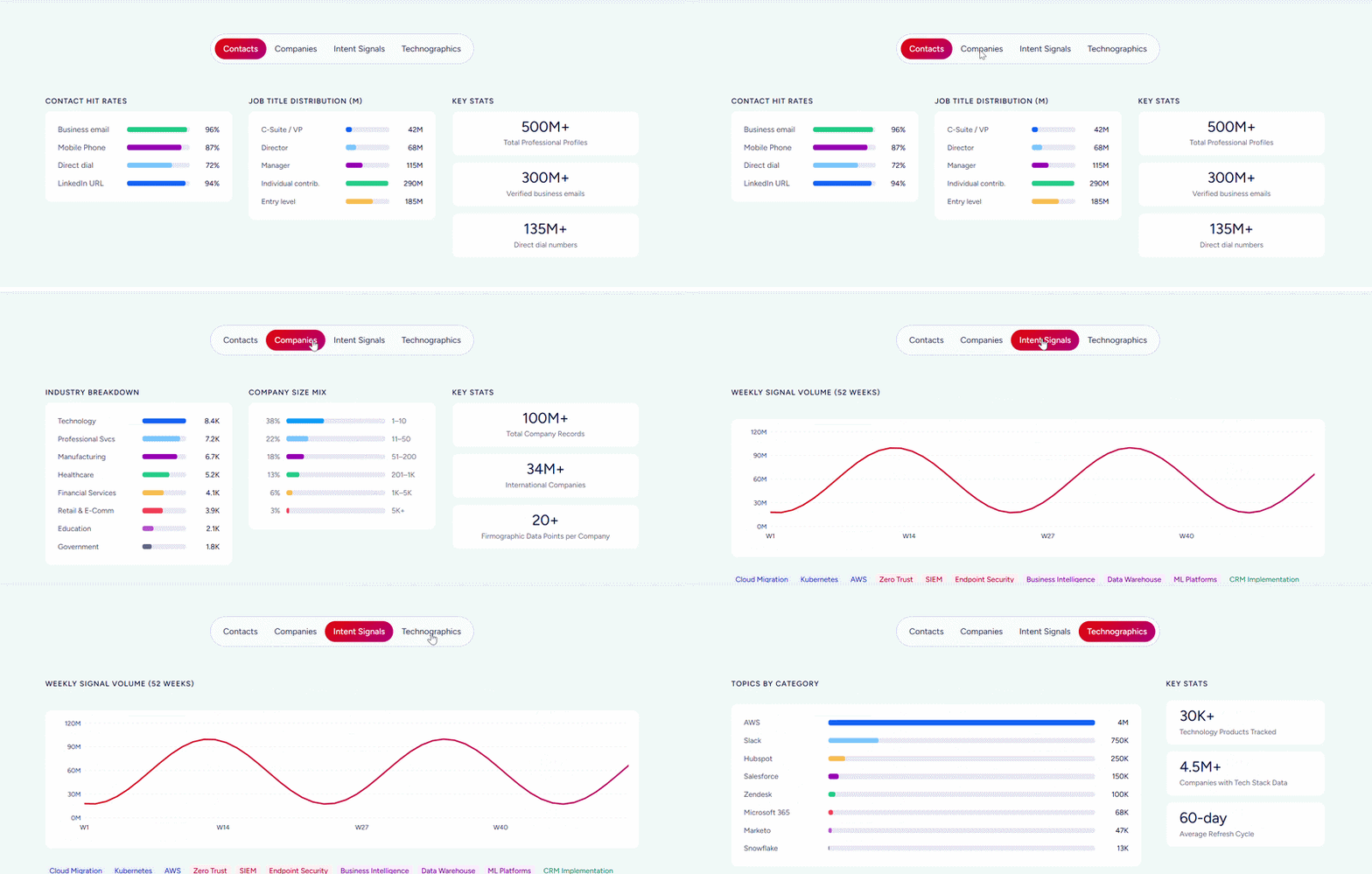
In a Fortune 500 competitive RFP analyzing 25 million contacts, the independent consultant concluded that "no other competitor came even close."
For a nonprofit building corporate partnerships, ZoomInfo's data means you can identify every company in your region that uses a specific technology, find the CSR director's direct phone number, see whether the company has recently posted jobs related to community engagement, and know if they've been researching topics aligned with your mission.
That's intelligence Kindful and Salesforce don't provide on their own.
"It's not just the data itself. It's more about the right data at the right time to help us reach out with the right message across that full buyer journey." (Chelsea Kenyon, Senior Director of Digital Strategy, Redwood Logistics)
Online fundraising is Kindful's territory
If your primary need is collecting donations online, Kindful still has tools that neither Salesforce nor ZoomInfo attempt to replicate.
Kindful's online fundraising suite includes hosted donation pages, an embeddable Donation Plugin that keeps donors on your website, crowdfunding/peer-to-peer pages, and text-to-donate with unlimited keywords. Every donation flows into the donor's CRM record without manual import. Apple Pay and Google Pay work across all Kindful-hosted pages.
Source: Kindful
Payment processing through Bloomerang Payments runs at 3.2% + $0.30 per card transaction with no setup fee, monthly fee, or dispute fee. Organizations using third-party processors (Stripe, PayPal, Authorize.net) pay an additional 1% platform processing fee.
Salesforce handles donations through Commerce Cloud or AppExchange fundraising apps, but nothing is preconfigured for nonprofit giving out of the box. You'll need to build or buy the functionality.
ZoomInfo doesn't process donations. It's not designed to. But the intelligence ZoomInfo provides about potential corporate sponsors and major gift prospects feeds the fundraising engine that Kindful or Salesforce manages downstream.
Implementation and support tell you who each platform is built for
How long it takes to get productive reveals each platform's actual audience.
Kindful was designed for nonprofit staff without technical backgrounds. The onboarding process assigns a dedicated specialist, follows four stages (kick-off call, webinar, data migration, training), and completes in 30-60 days depending on package.
Support is available through in-app chat with an AI assistant that escalates to human agents during business hours. The 352-article help center covers virtually every workflow.
Salesforce implementation timelines range from weeks for a basic Sales Cloud setup to 3-12 months for enterprise multi-cloud deployments. Most organizations benefit from at least the Premier Success Plan (30% of net license fees) for 1-hour response times on critical issues.
The Trailblazer Community of 20 million members is a real asset for peer support, and Trailhead provides 1,500+ learning badges. But the depth of training available reflects the depth of expertise required.
ZoomInfo deploys in weeks, not months. The company redesigned its onboarding from 30 to 90 days, producing a 25% improvement in customer satisfaction. ZoomInfo University provides role-specific learning paths, and the platform includes direct phone support.

Integration ecosystems reflect different philosophies
Kindful built its identity as the central hub connecting nonprofit tools. Native integrations include Mailchimp, Constant Contact, QuickBooks, Eventbrite, Stripe, PayPal, Shopify, Double the Donation, and Zapier. The REST API supports custom builds, and webhooks fire on transaction events.
For a small nonprofit's tech stack, coverage is solid. But the developer portal hasn't been updated since 2021, and the ecosystem is unlikely to grow given the product's sunset trajectory.
Salesforce has the largest integration ecosystem in enterprise software. Beyond the AppExchange, Salesforce owns MuleSoft (an integration platform with hundreds of pre-built connectors), Slack (team collaboration), and Tableau (analytics).
The platform exposes 30+ APIs across REST, SOAP, GraphQL, and gRPC. If a tool exists, it probably connects to Salesforce. Managing integrations at this scale, however, requires dedicated resources.
ZoomInfo takes a targeted approach. The Marketplace lists 172+ integration partners, with native connectors for Salesforce, HubSpot, and Microsoft Dynamics. The Enterprise API provides programmatic access to ZoomInfo's data.
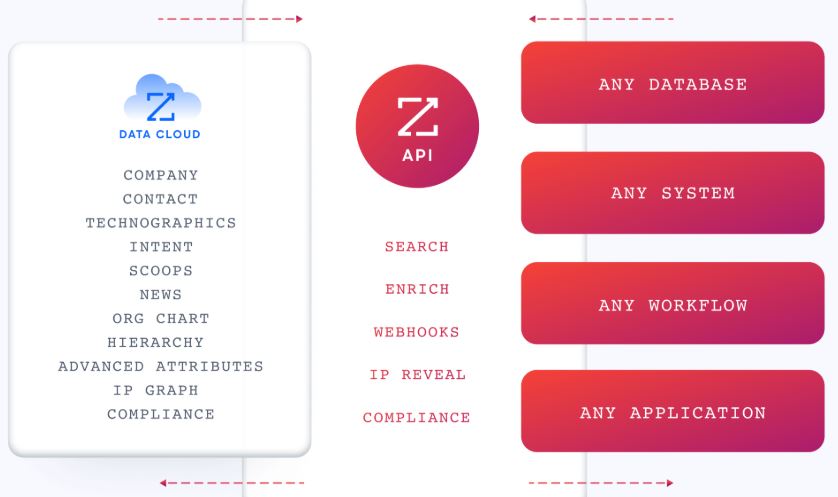
And the MCP server connects ZoomInfo's intelligence to AI models like Claude and ChatGPT without custom coding. For organizations that want ZoomInfo's data inside their existing CRM rather than in a separate interface, the integration paths are clear.
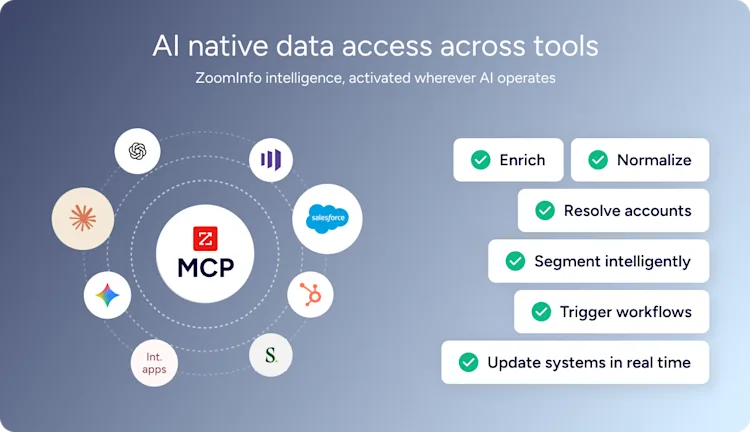
"The plug-and-play aspect of the API means I can integrate it very easily into any process and get information at a moment's notice." (Jerry Wilson, Senior Marketing Intelligence Analyst, BDO Canada)
Pricing comparison
Kindful does not publish pricing. The platform uses contact-based billing with overage charges in buckets: $13.75 per 250 contacts, $27.50 per 500, $55 per 1,000. No free trial or free plan is documented. Cancellation requires written notice, and no prorating or refunds are provided.
Salesforce publishes its tier structure:
Salesforce Edition | Price |
|---|---|
$0/user/month (max 2 users) | |
$25/user/month | |
$100/user/month (annual) | |
$175/user/month (annual) | |
$350/user/month (annual) |
Those listed prices don't include add-ons that many organizations need. Digital Engagement costs $75/user/month, the Premier Support plan runs 30% of net license fees, and implementation typically requires partners, adding further cost. For a small nonprofit, the Free Suite or Starter Suite can work. For an organization that needs real customization, budget for Enterprise tier and implementation services.
ZoomInfo uses custom-quoted, consumption-based pricing with no published dollar amounts.
However, ZoomInfo offers two free entry points. ZoomInfo Lite is a permanent free tier providing access to the B2B database with 10 monthly export credits, company and contact search, the Chrome extension, and HubSpot integration, with no time limit and no credit card required.
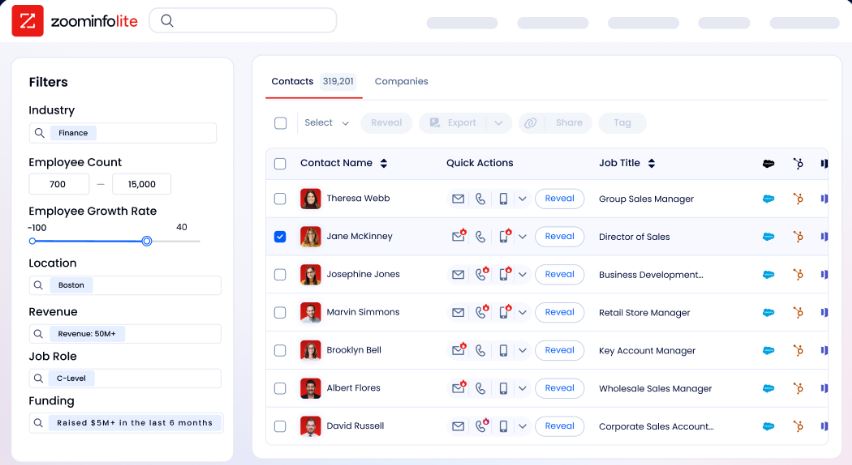
A 7-day free trial of paid features is also available.
The sunset question: Kindful's uncertain future
This is the factor that overshadows every other comparison point for Kindful. The product is in active end-of-life. Bloomerang is migrating all Kindful users to Bloomerang CRM, and the migration has documented limitations: reports don't transfer, registration forms don't transfer, and the crowdfunding module stops working entirely post-migration.
The Kindful Fundraising module will survive as a sub-module within Bloomerang CRM, so donation page and text-to-donate capabilities carry over. But the standalone Kindful product is not receiving new features, and the brand is fading. New buyers should evaluate Bloomerang directly.
For existing Kindful users weighing their options, the real decision is whether to migrate to Bloomerang (staying in the same ecosystem but with a different interface), move to Salesforce (gaining flexibility at the cost of complexity), or add ZoomInfo (gaining prospect intelligence that neither Bloomerang nor the old Kindful ever provided).
Security across all three platforms
Kindful maintains PCI SAQ-A compliance for payment processing, TLS encryption across the application, and continuous offsite data backups with failover capability. GDPR-specific data request processes are implemented, and donor data is never rented or sold to third parties. Adequate for most small nonprofits, though no SOC 2 or ISO certifications are documented.
Salesforce holds ISO 27001/27017/27018, SOC 1/2/3, FedRAMP, and HITRUST certifications. Additional security through Salesforce Shield includes event monitoring, platform encryption with BYOK, and extended audit trails. The Einstein Trust Layer provides zero data retention with LLM partners and PII masking for AI features.
For nonprofits handling sensitive data, Salesforce's security infrastructure goes considerably deeper.
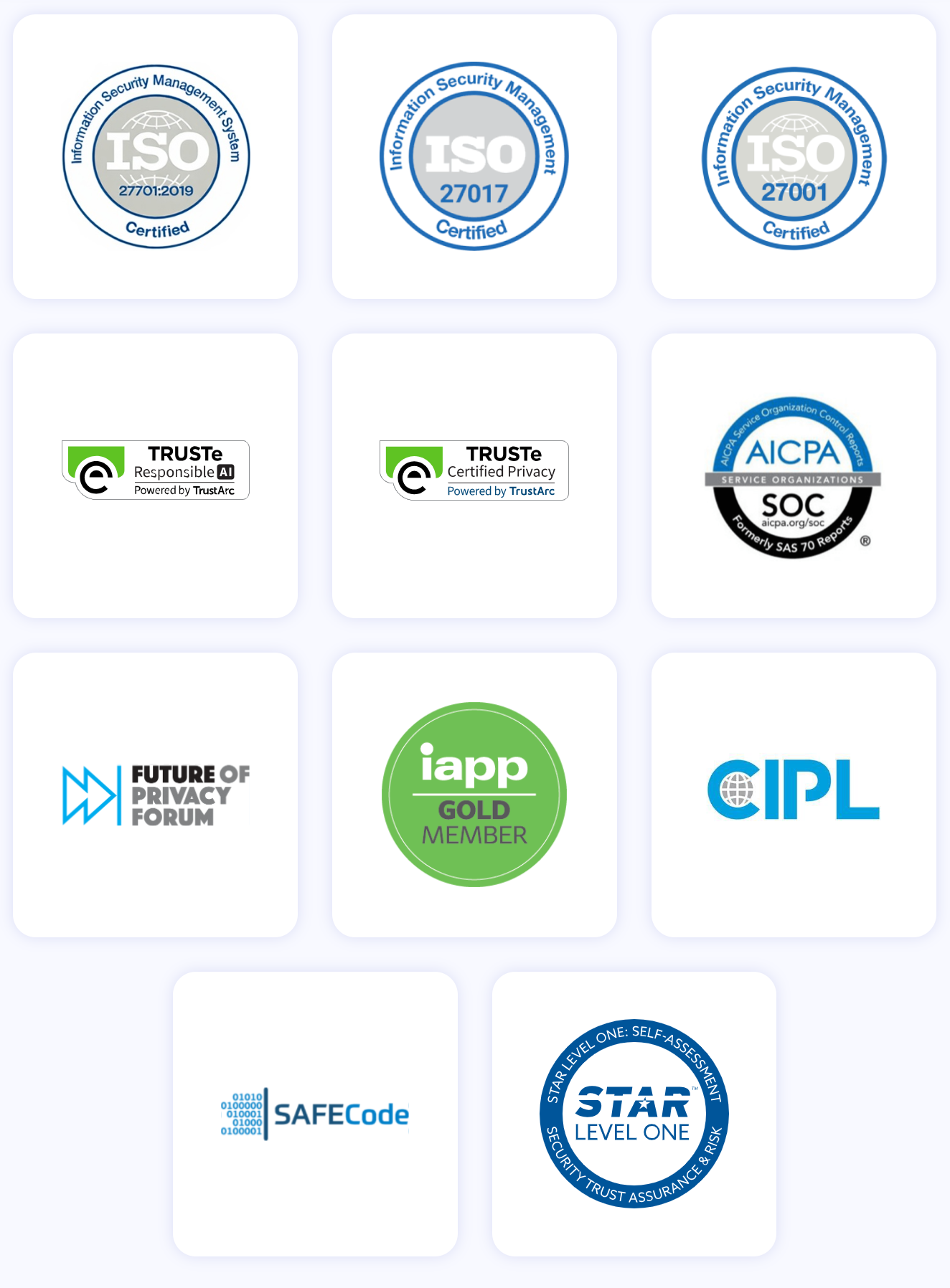
ZoomInfo maintains ISO 27001, ISO 27701, SOC 2 Type II, and TRUSTe GDPR and CCPA validations, all renewed annually. The company is a registered data broker in California and Vermont and maintains a dedicated Trust Center.
Kindful vs. Salesforce vs. ZoomInfo: Which should you choose?
The right choice depends on where your nonprofit sits today and where it's heading.
Choose Kindful (Bloomerang) if:
You're a small nonprofit primarily managing individual donors
Ease of use and fast implementation matter more than customization
Online fundraising tools (donation pages, text-to-donate, recurring giving) are your primary need
Your team has no dedicated CRM administrator or IT support
You're comfortable with the migration to Bloomerang CRM
Note: Evaluate Bloomerang CRM directly, as Kindful is no longer receiving independent development.
Choose Salesforce if:
Your nonprofit needs full customization of workflows, reporting, and processes
You can support a dedicated administrator or invest in partner-led implementation
You're scaling to a large donor base or complex program delivery
You need enterprise-grade security certifications and compliance
Long-term platform flexibility matters more than short-term simplicity
Add ZoomInfo if:
Corporate fundraising, sponsorships, or foundation grants are part of your revenue strategy
Your development team spends significant time researching companies and finding contacts
You want verified email addresses and direct-dial phone numbers for corporate decision-makers
You need intelligence on company hiring, funding, and initiatives to time your outreach
You want data that feeds into your CRM without manual entry
Start with ZoomInfo Lite for free, permanent access to the B2B database, or request a trial to explore the full platform.
The Kindful vs. Salesforce decision comes down to organizational complexity. Small nonprofits that need to manage donors and collect donations online will find Kindful's successor, Bloomerang, more than sufficient. Larger or growing nonprofits that need the flexibility to build custom processes and scale over time will get more from Salesforce, despite the steeper investment.
But for any nonprofit where corporate relationships drive revenue, ZoomInfo adds something neither CRM provides on its own: the ability to find the right people at the right companies and reach them with verified contact information. That capability works alongside whatever CRM you choose, turning corporate fundraising from a research project into a data-driven operation.
"That combination of our internal CRM data, external signals, and AI that's given all that context has helped us craft very specific account- and persona-based messages. And people have responded to them right away." (Toby Carrington, Chief Business Officer, Seismic)
Kindful vs. Salesforce vs. ZoomInfo FAQ
Is Kindful still available as a standalone product?
Kindful still has a live application, but it is no longer a standalone product. Bloomerang acquired Kindful in January 2021 and is migrating all existing customers to Bloomerang CRM. The Kindful platform is not receiving new features, and all new customer acquisition flows through Bloomerang. Organizations evaluating Kindful today should assess Bloomerang CRM directly.
Which platform is better for a small nonprofit with no technical staff?
Kindful (now Bloomerang) was designed for this audience. Users went live in 1.21 months on average, and Capterra reviewers noted minimal training requirements. Salesforce requires dedicated administration for meaningful customization. For a small team without IT support, the Bloomerang path is simpler.
How does Salesforce pricing work for nonprofits?
Salesforce offers a Free Suite with up to 2 users at no cost, and a Starter Suite at $25 per user per month. Nonprofits needing customization typically need the Pro Suite ($100/user/month) or Enterprise edition ($175/user/month), plus implementation costs and add-ons. Premier Support adds 30% of net license fees. Total cost depends on the organization's complexity and user count.
Eligible nonprofits may receive donated or discounted licenses through the Power of Us program.
Can ZoomInfo help nonprofits, or is it only for sales teams?
ZoomInfo's B2B data is valuable for any organization doing outreach to businesses and institutions. Nonprofits that pursue corporate sponsorships, foundation grants, or business partnerships can use ZoomInfo to identify decision-makers, find verified contact information, and track company signals like new hires or funding events. ZoomInfo Lite provides free, permanent access to the database with 10 monthly export credits.
What happens to Kindful's crowdfunding features during the migration to Bloomerang?
The crowdfunding module has no migration path and stops working after upgrading to Bloomerang CRM. Organizations that rely on Kindful's peer-to-peer or crowdfunding campaigns need to find alternatives before migrating. Reports and registration forms also do not transfer and must be rebuilt in Bloomerang.
Does ZoomInfo integrate with both Kindful and Salesforce?
ZoomInfo has a native integration with Salesforce that enriches CRM records with verified contact data, company intelligence, and intent signals. Kindful does not have a native ZoomInfo integration, though Zapier could connect the two platforms for basic data flows. For organizations using Salesforce, ZoomInfo's integration is considerably deeper and more automated.
Which platform has the strongest reporting and analytics?
Salesforce offers the deepest analytics through its native reporting tools, CRM Analytics, and Tableau. Kindful provides focused nonprofit metrics (donor retention rate, acquisition trends, donor pyramid, year-over-year giving comparisons), which work for smaller organizations.
ZoomInfo does not provide donor reporting but adds external intelligence about companies and contacts that can inform fundraising strategy and corporate outreach.
How long does it take to implement each platform?
Kindful's average implementation was 1.21 months with a dedicated onboarding specialist over 30-60 days. Salesforce ranges from weeks for a basic setup to 3-12 months for complex multi-cloud deployments, and over 70% of implementations require consulting partners. ZoomInfo deploys in weeks, and ZoomInfo Lite can be used immediately with no setup required.
See how Salesforce compares against other CRMs and platforms:
