

If you're comparing Lemlist vs. Mailchimp, the first thing to understand is that these platforms solve different problems. Lemlist is a cold outbound sales tool. Mailchimp is an email marketing platform. Choosing between them is less about features and more about what you're trying to do.
The questions that matter:
Are you reaching out to prospects who've never heard of you, or communicating with an audience that already opted in?
Do you need to find and verify B2B contact information, or do you already have a subscriber list?
Is your goal booking sales meetings through cold outreach, or nurturing customers and driving e-commerce revenue?
Do you need multichannel prospecting across email, LinkedIn, phone, and WhatsApp, or email and SMS marketing campaigns?
Is intelligence on target accounts and buying committees important, or is sending well-designed campaigns to known contacts enough?
In short, here's what we recommend:
Lemlist is built for B2B sales teams running cold outbound. Its 600M+ contact database with waterfall enrichment from 8+ data providers lets you find verified emails and phone numbers without a separate data vendor. Its multichannel sequence builder coordinates outreach across email, LinkedIn, WhatsApp, and phone, while lemwarm protects your sender reputation. Lemlist does one thing well: getting replies from people who don't know you yet. It has no newsletter tools, no e-commerce automation, and no inbound lead capture.
Mailchimp is the standard for email marketing to owned audiences. Over 11 million businesses use it to send newsletters, run e-commerce automations, and manage SMS campaigns. With 300+ integrations, 130+ email templates, and AI content generation through Intuit Assist, it makes professional email marketing accessible without a dedicated team. But Mailchimp has no prospecting database, no cold outreach capabilities, and no way to find contacts who haven't given you permission to email them.
Both platforms do their jobs well. But if you're a B2B team comparing cold outreach tools and email marketing platforms, you may be focused on the sending mechanism when the real gap is upstream: finding the right buyers, understanding when they're in-market, and knowing the context behind every account before you reach out.
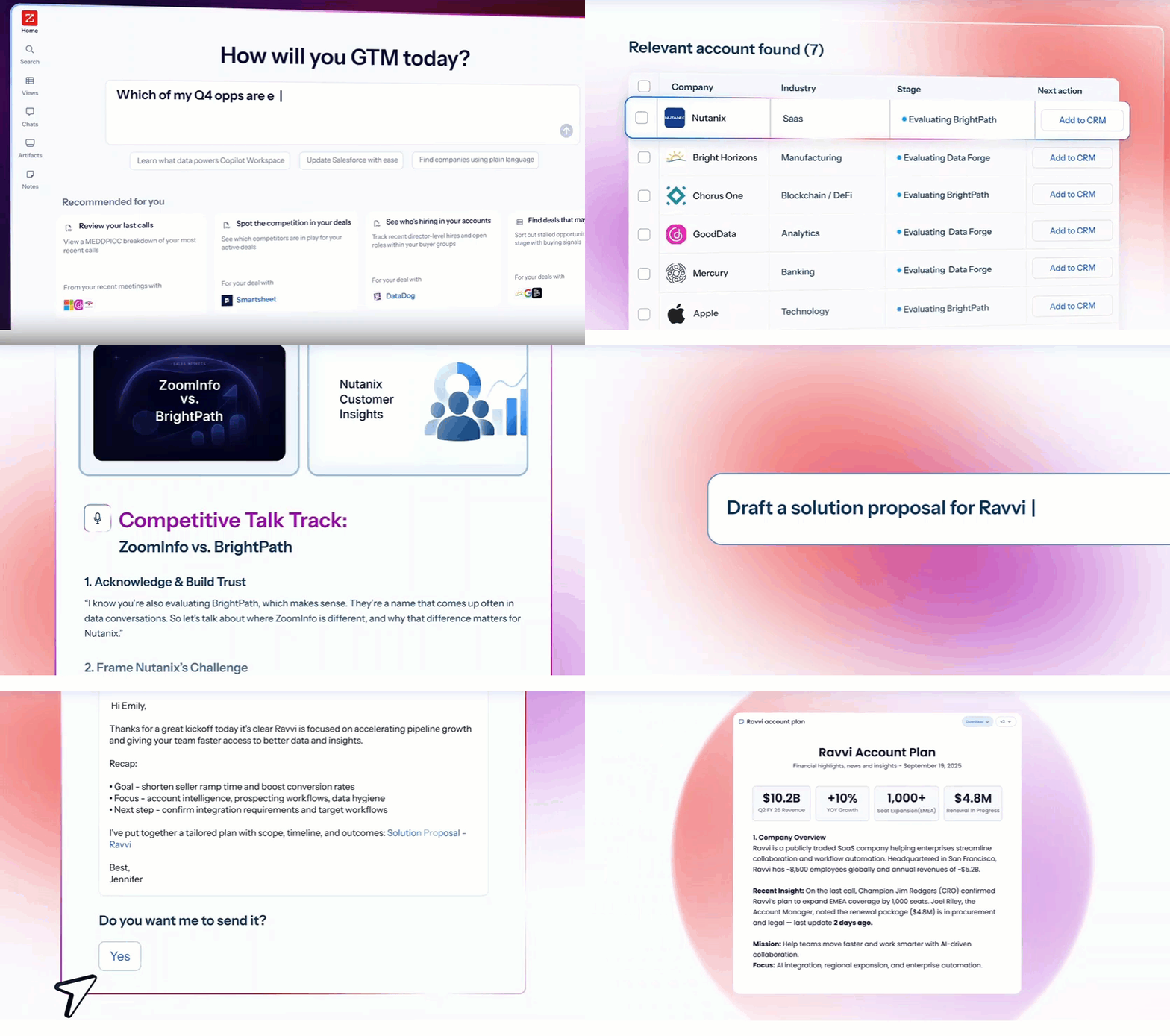
ZoomInfo is an AI go-to-market platform built on the largest B2B database available: 500M contacts, 100M companies, 135M+ verified phone numbers, and 200M+ verified business email addresses. That data, verified through a pipeline backed by 300+ human researchers and reaching up to 95% accuracy, is the foundation. On top of it, ZoomInfo's GTM Context Graph (an intelligence layer processing 1.5B+ data points daily) fuses your CRM records, conversation transcripts, and behavioral signals with ZoomInfo's third-party intelligence to capture not just what's happening in your deals, but why. That intelligence reaches sellers through GTM Workspace, marketers and RevOps through GTM Studio, and any custom tool or AI agent through APIs and MCP.
If building your go-to-market on verified intelligence sounds right, see ZoomInfo in action.
Lemlist vs. Mailchimp vs. ZoomInfo at a glance
Lemlist | Mailchimp | ZoomInfo | |
|---|---|---|---|
Primary function | B2B cold outbound prospecting | Email & SMS marketing to owned audiences | B2B go-to-market intelligence and execution |
Contact database | 600M+ contacts, waterfall enrichment | No prospecting database (subscriber lists only) | 500M contacts, 135M+ verified phones, 100M companies |
Outreach channels | Email, LinkedIn, WhatsApp, phone | Email, SMS | Email, phone, ads, direct mail via orchestration |
Automation type | Multichannel sales sequences | Marketing flows (abandoned cart, welcome series) | Signal-triggered GTM plays, AI-powered outreach |
AI capabilities | AI Variables, sequence generation, voice cloning | Intuit Assist content generation, send-time optimization | GTM Context Graph, AI account briefs, AI-drafted outreach |
Intent data | Website visitors, LinkedIn engagement signals | Purchase behavior, email engagement | Buyer intent signals, website visitor tracking, Guided Intent |
Integrations | ~55 integrations | 300+ integrations | 120+ marketplace, plus API and MCP access |
Starting price | $39/user/mo | Free; paid from $13/mo | Free (ZoomInfo Lite); paid plans custom-quoted |
Best for | SDRs and sales teams running cold outbound | SMBs marketing to subscribers and customers | B2B teams needing data, intelligence, and execution |
Outbound prospecting and inbound marketing are different disciplines
The Lemlist vs. Mailchimp comparison is unusual because these platforms barely overlap.
Lemlist operates in the world of cold outreach. You're contacting people who haven't asked to hear from you. The challenge is finding the right person, reaching them on the right channel, saying something relevant enough to earn a reply, and doing it without landing in spam. Every feature in Lemlist (the contact database, multichannel sequences, AI personalization, deliverability tools) exists to solve that problem.
Mailchimp operates in the world of permission-based marketing. You're communicating with people who signed up, subscribed, or bought from you. The challenge is sending the right message at the right time to drive engagement, repeat purchases, and loyalty. Every feature in Mailchimp (email templates, automation flows, SMS campaigns, audience segmentation) exists to serve that purpose.
These aren't competing approaches. Most B2B companies need both: outbound to fill the top of the funnel, and marketing automation to nurture and convert. The question is which problem you need to solve first, and whether your tools are built for the job.
ZoomInfo addresses the B2B go-to-market challenge at a different level. Rather than starting with the outreach mechanism, ZoomInfo starts with the intelligence: who are your ideal buyers, what signals indicate they're in-market, and what context from past deals should inform how you engage them? The GTM Context Graph processes 1.5B+ data points daily to answer these questions, and the answers flow into every product, whether that's ZoomInfo's own tools or a third-party platform through API and MCP.
Contact data quality sets the ceiling for outbound results
In cold outbound, the quality of your contact data determines everything. A well-crafted email sent to a bad address doesn't just fail to generate a reply. It damages your sender reputation, making future emails less likely to reach even valid addresses.
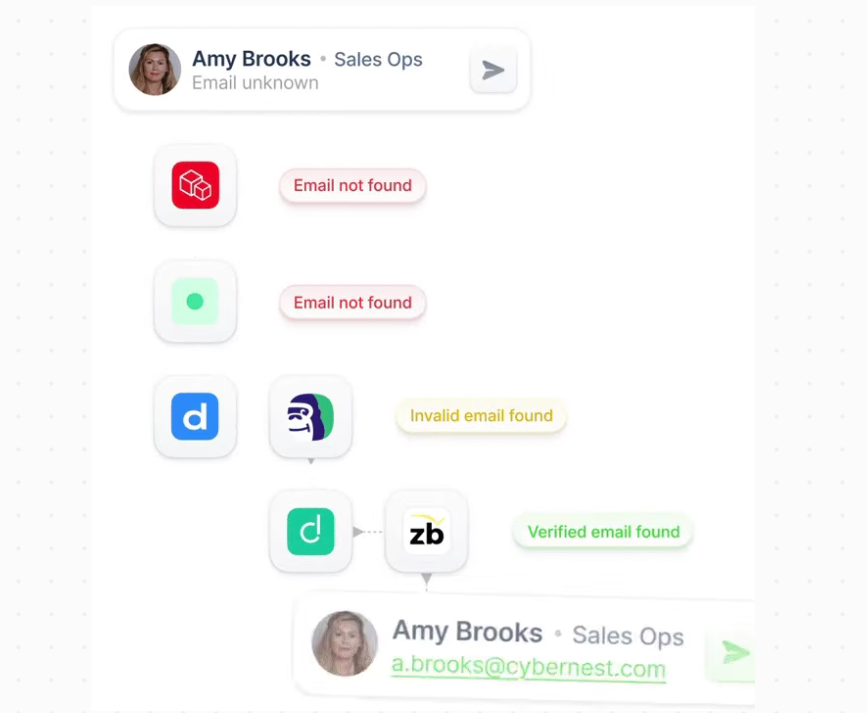
Lemlist offers a B2B lead database of 600M+ contacts and 63M+ company accounts, sourced primarily from publicly available LinkedIn profile data. The platform's strongest data feature is waterfall enrichment, which queries 8+ data providers sequentially to reach an 80% email found rate (compared to 30-60% from any single provider).
Source: Lemlist
Every email is double-verified, and you're charged only for deliverable results. For teams that need a prospecting database inside their outreach tool, this consolidation has real value.
Mailchimp doesn't have a prospecting database. It stores contacts that you import or collect through signup forms and landing pages. This is by design: Mailchimp is built for permission-based marketing, not prospecting. If you need to find new contacts, you'll need a separate tool.
ZoomInfo covers more ground. The platform tracks 500M contacts and 100M companies with 135M+ verified phone numbers, 120M direct dials, and 200M+ verified business email addresses.
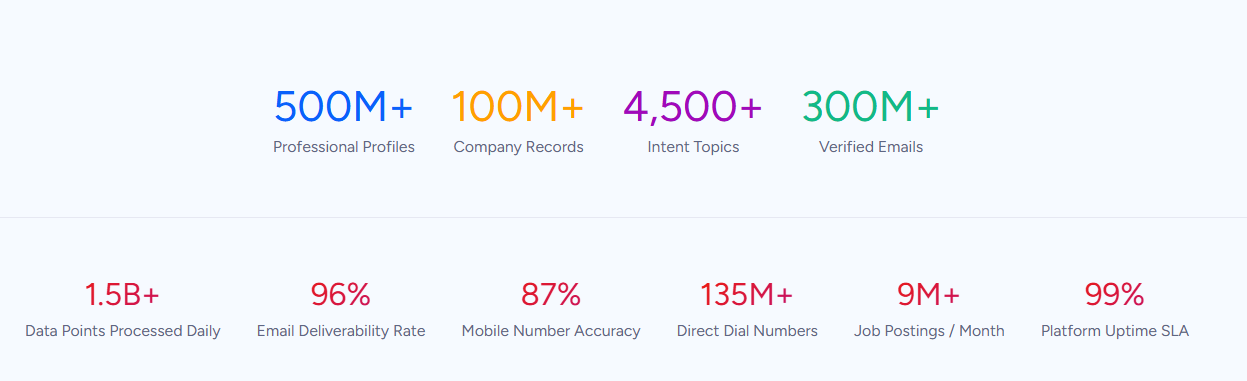
But volume alone isn't the point. ZoomInfo's data spans dimensions that outreach-focused databases don't cover: company attributes, technographics across 30,000+ technologies at 30M+ companies, department org charts, corporate hierarchy data, and buyer intent signals that reveal which accounts are actively researching solutions like yours.
ZoomInfo maintains this data through a multi-source pipeline that includes automated ML scanning of 28 million site domains daily, third-party partner data covering 95 million businesses, a community of 200,000+ ZoomInfo Lite users who share data back, and an in-house Data Training Lab of 300+ human researchers.
In a Fortune 500 competitive RFP analyzing 25 million contacts across vendors, an independent consultant concluded that "no other competitor came even close."
"ZoomInfo gives us the information we need to execute. It's already there, so we can be three steps ahead," said William Kenimer, Vice President of Revenue Operations at Vensure. (Vensure)
Each platform takes a different approach to reaching people
How you reach your audience matters as much as who you're reaching.
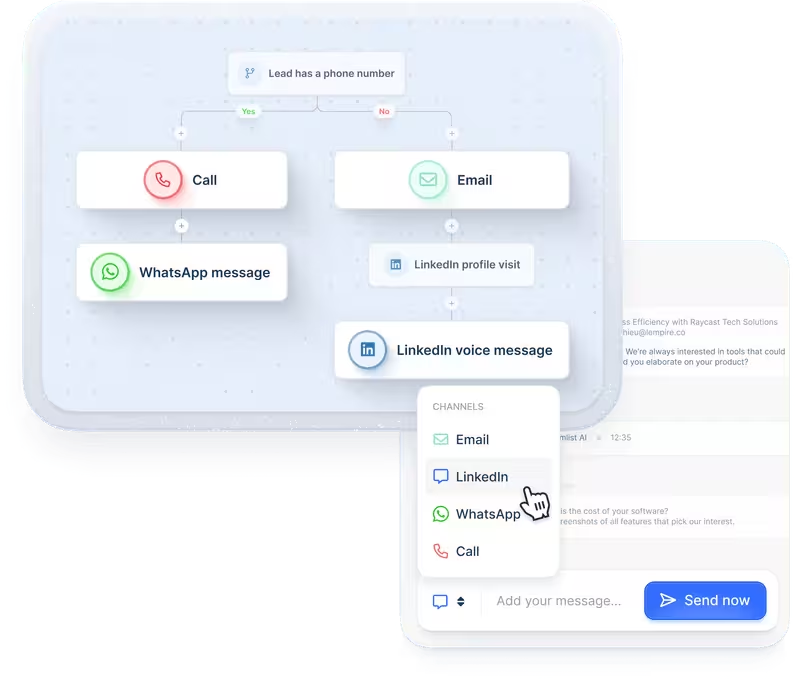
Lemlist offers the widest multichannel outreach of the three for cold prospecting. A single sequence can include email steps, LinkedIn profile visits, connection requests, direct messages, and voice notes (including AI voice cloning), WhatsApp messages with built-in account warm-up ($20/user/month add-on), and in-app VoIP calling with AI call summaries.
Source: Lemlist
What makes this more than a checklist of channels is advanced conditions: sequences branch based on lead behavior. A prospect who accepts a LinkedIn invite gets a direct message; one who doesn't gets routed to email instead. Lemlist claims that adding LinkedIn to outreach generates 2.5x more replies. All replies across channels surface in a unified inbox.
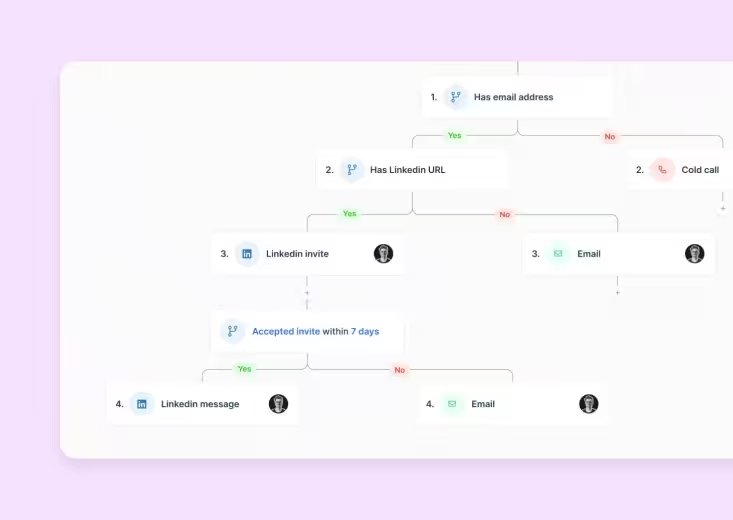
Source: Lemlist
Mailchimp focuses on email and SMS. Email is the core, with 130+ templates, a drag-and-drop builder, and Marketing Automation Flows that coordinate multi-step campaigns triggered by subscriber behavior.
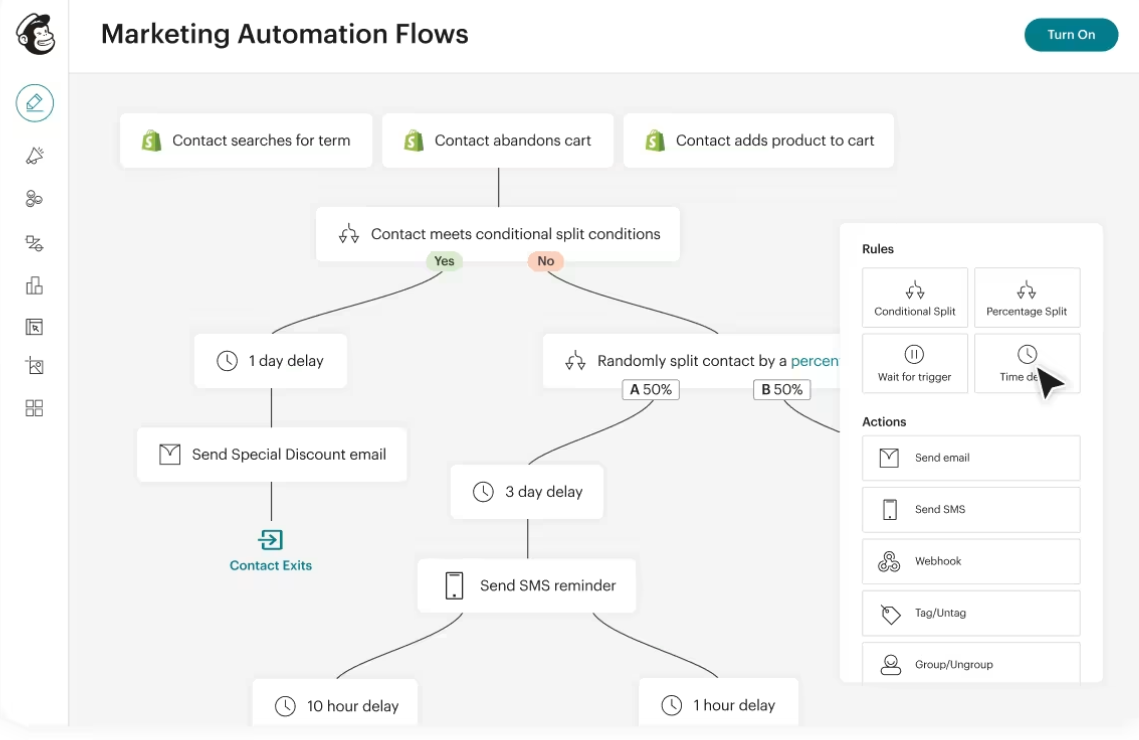
Source: Mailchimp
Mailchimp claims users who use these flows generate 9x more revenue compared to bulk email senders. SMS is a paid add-on available in select countries, and combining both channels reportedly produces 97% higher click rates than email alone.
Mailchimp also supports social posting, landing pages, and Google retargeting ads on Standard and Premium plans. These channels serve known audiences, not cold outreach.
ZoomInfo approaches outreach from the intelligence layer up. GTM Workspace gives sellers a workspace where prioritized accounts, pre-drafted outreach, and deal context come together. The Action Feed delivers a live stream of in-market buyers matched to target criteria, with pre-drafted actions on every signal.
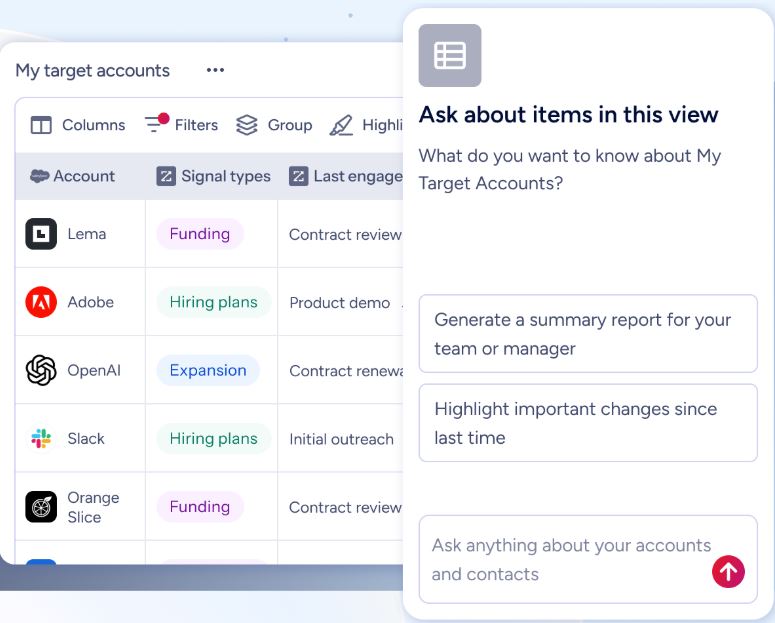
GTM Studio lets marketers and RevOps orchestrate multi-channel plays (email, calls, ads, and direct mail) triggered by buyer signals, with plays that used to take three weeks now launching in 30 minutes.
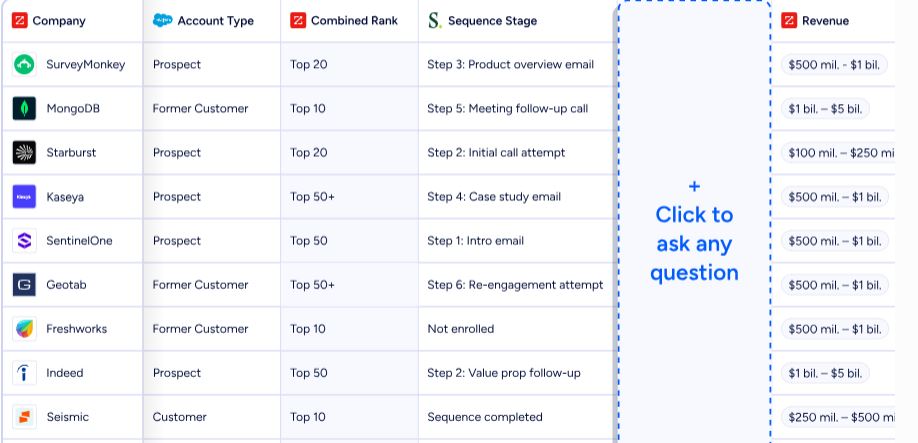
For teams that prefer their own tools, APIs and MCP deliver the same intelligence into any third-party platform.
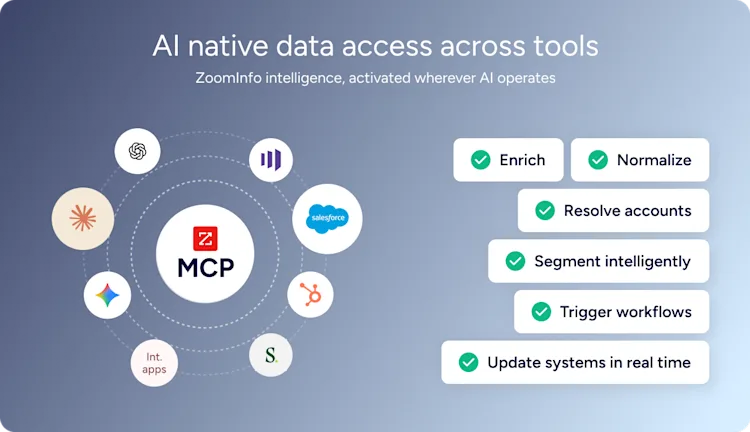
The difference: ZoomInfo's outreach isn't just automated, it's informed by the GTM Context Graph, so a follow-up email addresses the concern surfaced in a recent call, and a play targets accounts whose signal combinations match your actual win patterns.
"ZoomInfo's not just a contact data company anymore. They've built a full system of execution that works the list, writes the outreach, triggers the play, and helps drive predictable growth," said Ian Brodie, CEO & Co-Founder of Levanta. (Levanta)
AI personalization serves different goals
All three platforms use AI, but for different purposes.
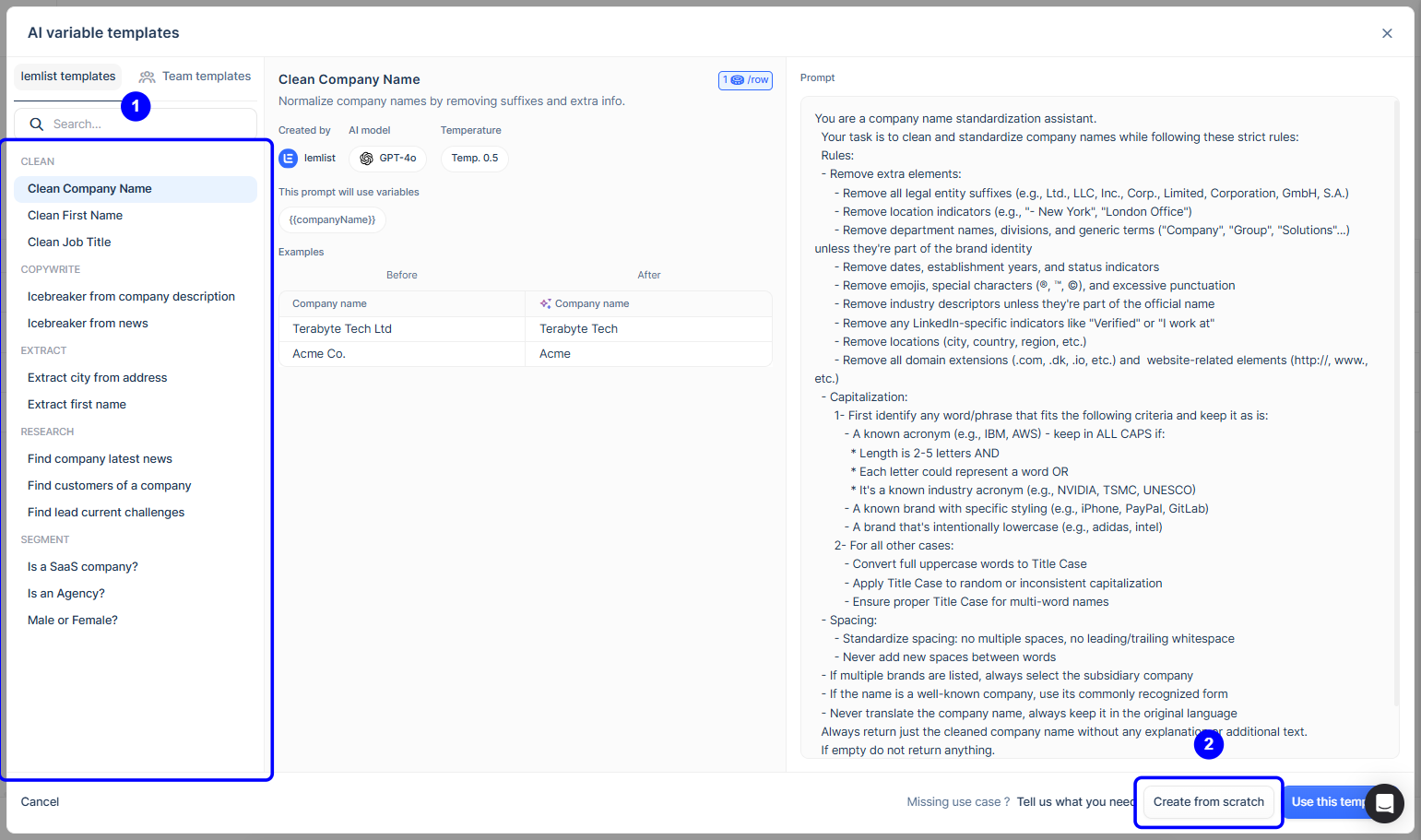
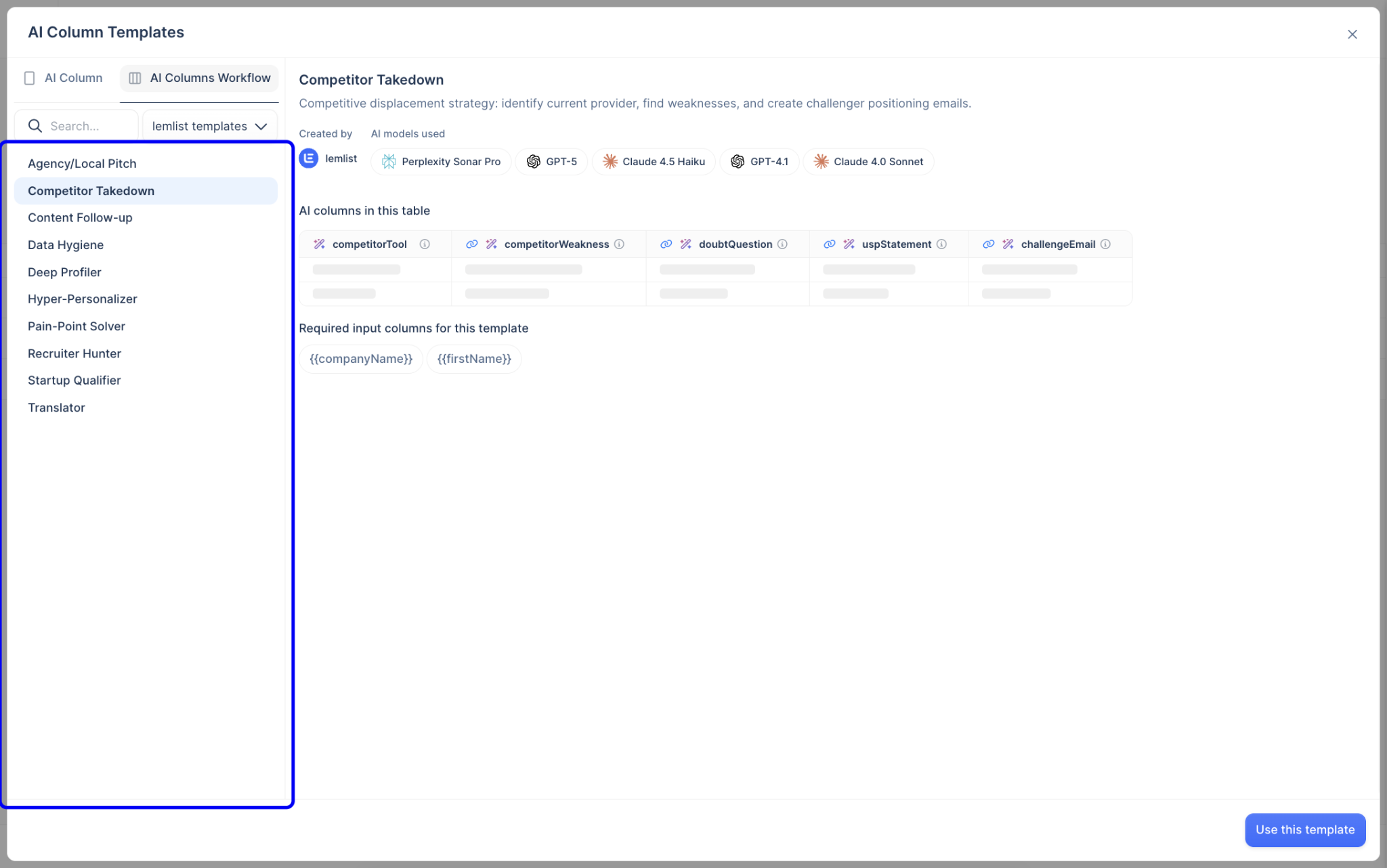
Lemlist uses AI to make cold outreach feel personal at scale. AI Variables work inside the lead table as a data processing layer: users create AI-powered columns that clean job titles, classify leads by ICP fit, and generate personalized opening lines, with the option to choose between OpenAI, Claude, Perplexity, or Google per column.
Source: Lemlist
Multiple AI columns can chain into pipelines, and the results can be saved as reusable workflow templates. Personalization extends beyond text to dynamic images that embed a prospect's name or company logo into custom graphics, personalized landing pages, and AI voice notes on LinkedIn that clone your voice from a two-minute recording.
Source: Lemlist
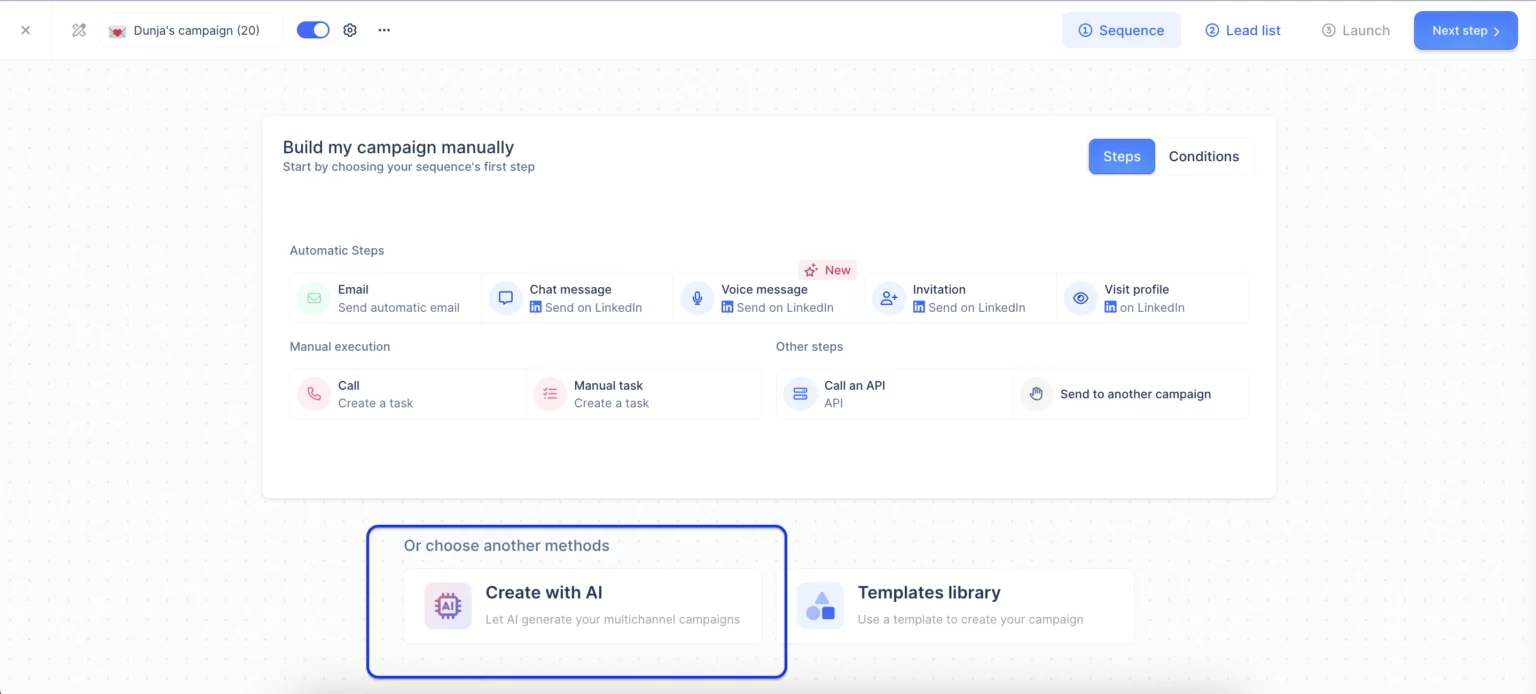
The Campaign Generator can build a personalized multi-step sequence from a company URL in minutes, supporting 79 languages
Source: Lemlist
Mailchimp uses AI to help marketers create and optimize campaigns faster. Intuit Assist generates email copy, suggests subject lines, and can build complete automation flows with AI-written content for each touchpoint.
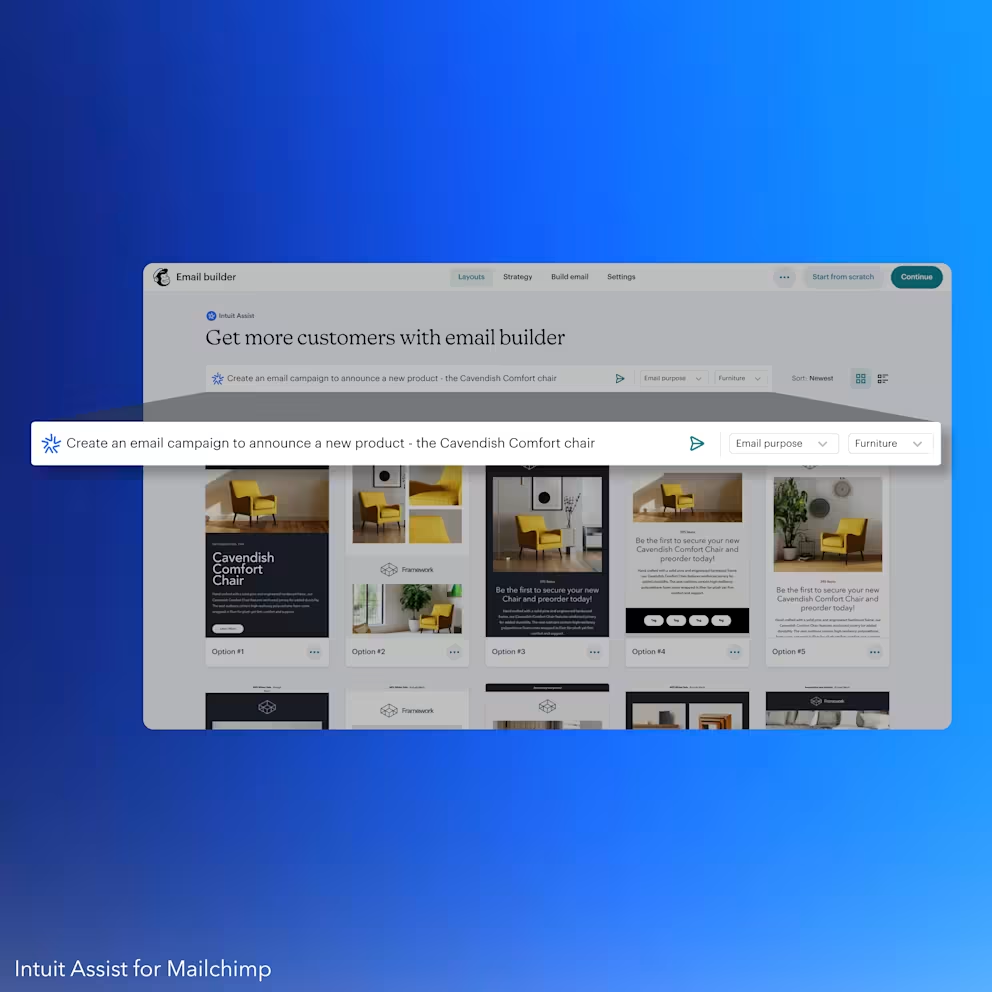
Source: Mailchimp
The Subject Line Helper provides real-time feedback based on data from the 10,000+ emails Mailchimp sends every second.
On Standard and Premium plans, predictive segmentation identifies subscribers most likely to purchase, and send-time optimization predicts the best delivery window for each audience. Mailchimp also became the only marketing platform integrated with ChatGPT as of February 2026, enabling natural-language SMS content generation.
ZoomInfo's AI works at the intelligence level, not the content level. The GTM Context Graph doesn't just generate text. It reasons across your CRM data, conversation transcripts from Chorus, intent signals, and third-party intelligence to surface why deals move and which actions should follow.
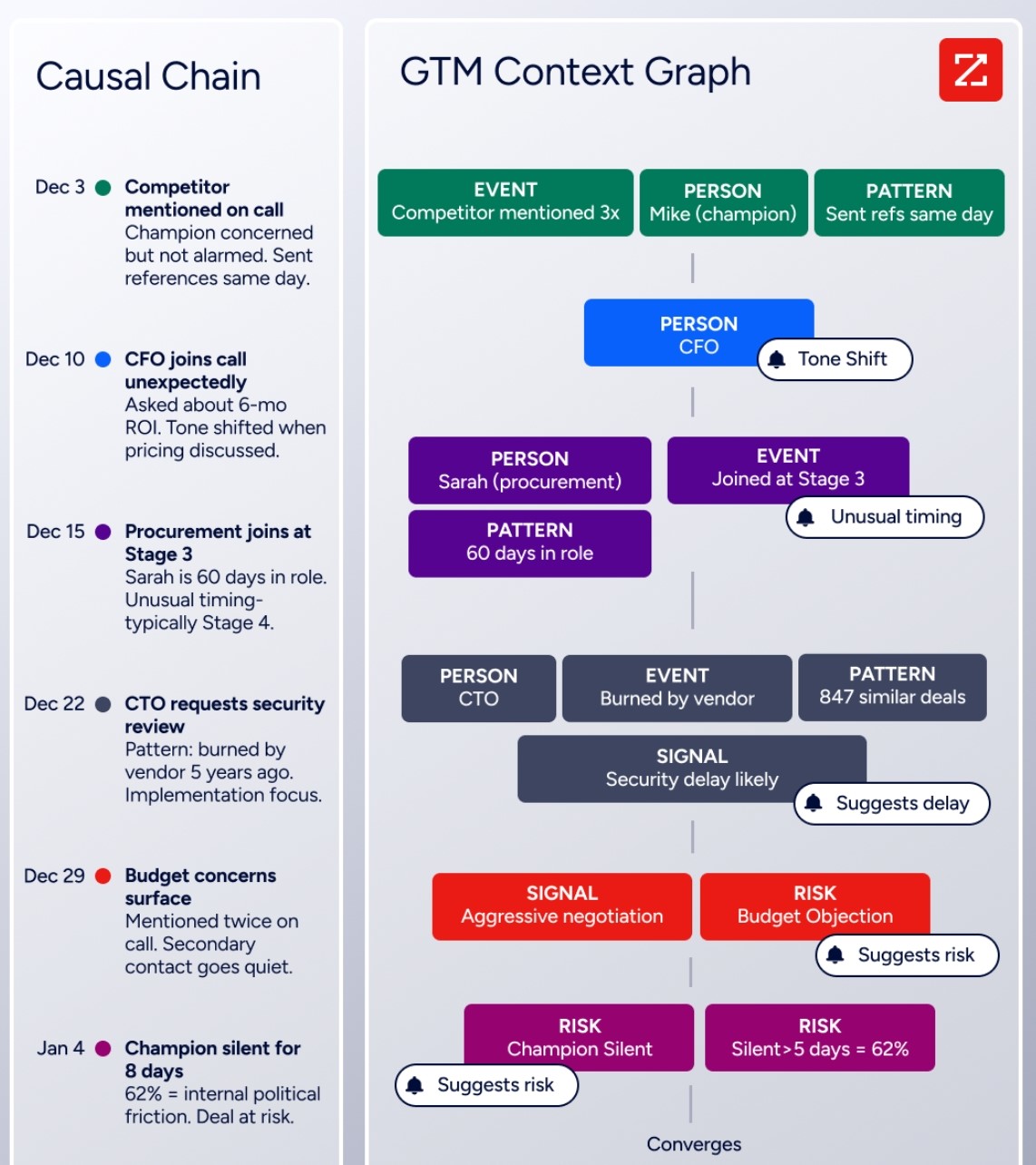
Inside GTM Workspace, the AI Assistant generates 1-click account briefs pulling CRM history, company news, ZoomInfo signals, and stakeholder context into a 10-second summary.
In GTM Studio, marketers describe audiences in natural language and launch plays that improve as prospects respond. The distinction: Lemlist's AI personalizes the message, Mailchimp's AI optimizes the campaign, and ZoomInfo's AI understands the deal.
"That combination of our internal CRM data, external signals, and AI that's given all that context has helped us craft very specific account- and persona-based messages. And people have responded to them right away," said Toby Carrington, CBO at Seismic, where ZoomInfo signals contributed to 39% of active pipeline. (Seismic)
Deliverability is critical in both outbound and marketing
Landing in the inbox matters whether you're sending cold outreach or marketing campaigns. Both Lemlist and Mailchimp invest heavily here, though their approaches reflect their different use cases.
Lemlist ships with lemwarm, a warm-up and deliverability booster that uses a network of 10,000 users across 20,000+ domains from 150+ countries to build and maintain sender reputation.
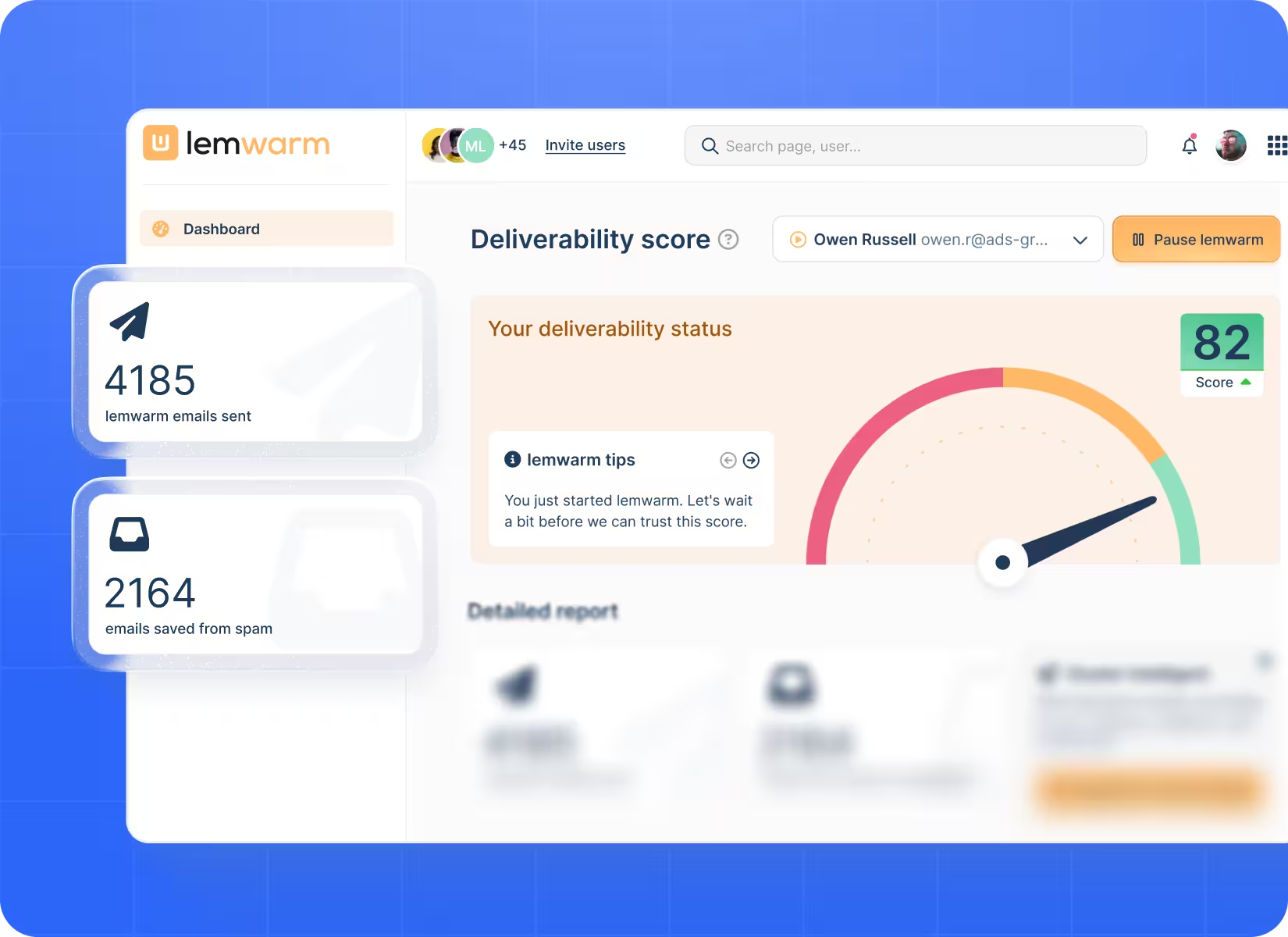
Source: Lemlist
The Essential tier comes free with paid plans. Lemlist also provides inbox rotation (distributing sends across multiple sender accounts to stay under safe volume thresholds), a Deliverability Hub dashboard tracking inbox rates by sender and recipient provider pair, and Matching ESP routing that sends emails to recipients using the same email provider.
Cold outbound demands this level of deliverability infrastructure because you're sending to people who haven't opted in, and ISPs scrutinize your reputation more closely as a result. Lemlist recommends keeping individual mailboxes to 60-70 emails per day and scaling horizontally with more inboxes rather than pushing volume through fewer accounts.
Spendesk reported a 96% deliverability rate after adopting Lemlist.
Mailchimp reports greater than 99% average email deliverability and 99.99% transactional email delivery rates. Mailchimp built this infrastructure over 24 years of managing sender reputation at scale. For permission-based marketing, high deliverability is an expected baseline, and Mailchimp's track record is a strong trust signal.
The platform also provides anomaly detection that alerts marketers via push notification when performance drops, and send-time optimization that targets delivery windows when engagement is historically highest.
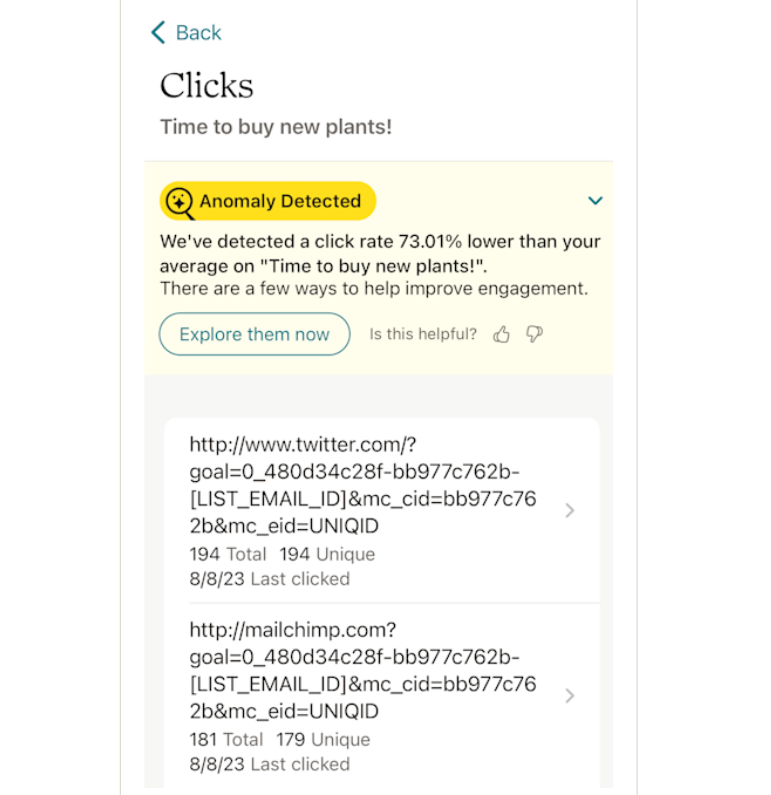
Source: Mailchimp
ZoomInfo approaches deliverability from the data quality side. When direct dials ring and emails land, outreach works. ZoomInfo's verification pipeline (up to 95% accuracy) means fewer bounces, which protects sender reputation before a single email goes out. For teams using ZoomInfo's data through Lemlist or any other outreach tool, the accuracy of the starting data directly affects deliverability outcomes.
Pricing reflects different markets and use cases
The pricing structures reveal who each platform is built for.
Lemlist uses per-seat pricing with three plans: Email, Multichannel, and Enterprise. Email starts at $39/month and includes email outreach, lead database access, contact finding, CRM integrations, and deliverability tools. Multichannel starts at $109/month and adds LinkedIn automation, SMS automation, task management, and built-in calling capabilities. Enterprise pricing is custom and adds advanced security, custom permissions, and dedicated support.
Lemlist also uses a credit-based system for certain data enrichment activities, such as email verification and phone number lookups. Credit allocations and usage limits vary by plan.
Add-ons like WhatsApp ($20/user/month) and Claap AI meeting agent ($60/user/month) push total costs higher for teams wanting full-channel coverage. A 14-day free trial requires no credit card.
Mailchimp uses contact-count pricing. The Free plan covers up to 250 contacts and 500 emails/month. Essentials starts at $13/month for 500 contacts with a 10x monthly send multiplier. Standard starts at $20/month and unlocks advanced segmentation, automation branching, and AI content generation. Premium starts at $350/month with unlimited contacts and seats.
Costs climb steeply with list size: 50,000 contacts on Essentials runs $385/month. SMS is a paid add-on with credits that expire monthly and don't roll over. Mailchimp's strength is the entry point. The Free plan and low Essentials pricing make it accessible for small businesses, though costs compound as lists grow.
ZoomInfo uses custom-quoted pricing based on seats, credit volume, features, and contract terms. ZoomInfo Lite is a permanent free tier (not a trial) with access to the B2B database, 10 monthly export credits, the Chrome extension, and HubSpot integration. Paid plans are organized into Sales, Marketing, and Operations product lines, each with Professional, Advanced, and Enterprise tiers.
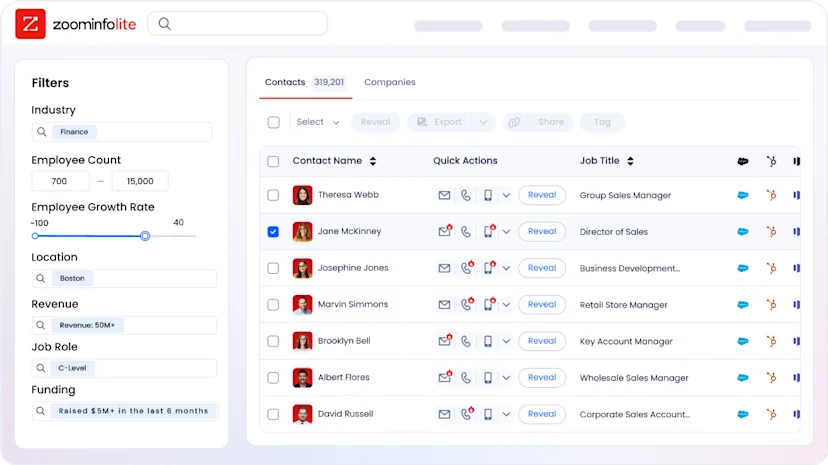
ZoomInfo doesn't publish prices because it tailors every plan to usage needs. ZoomInfo is a significant investment, but the ROI case is clear: Seismic's sales team saved 11.5 hours per week, Snowflake saw 200% higher conversion rates on accounts scored with ZoomInfo data, and Thomson Reuters increased closed-won deals by 40%.
Note: ZoomInfo is transitioning toward a consumption-based pricing model.
Lemlist vs. Mailchimp vs. ZoomInfo: Which should you choose?
The right platform depends on what you're trying to accomplish.
Choose Lemlist if:
You're running B2B cold outbound and need an all-in-one outreach platform
You want a built-in contact database, multichannel sequences, and deliverability tools in one product
Your team is primarily SDRs and AEs focused on booking meetings through cold outreach
You value simple setup and fast onboarding over enterprise intelligence
Your outbound volume doesn't require the depth of a dedicated B2B data platform
Choose Mailchimp if:
You need email marketing for an existing subscriber list or customer base
E-commerce automations like abandoned cart recovery, post-purchase flows, and SMS campaigns are your priority
You're a small business or non-profit that needs professional email marketing at an accessible price point
Your marketing is permission-based, not cold outreach
You want 300+ integrations with your existing e-commerce and CRM tools
Choose ZoomInfo if:
You need accurate, large-scale B2B data to power your go-to-market
Understanding why deals move (not just tracking that they moved) would change your sales process
You want intelligence that works across your entire GTM stack, through native products or via API and MCP
Your team includes sellers, marketers, and RevOps who all need access to the same account and buyer intelligence
You're ready to move from individual outreach tools to a go-to-market platform
See how ZoomInfo's data and intelligence can power your go-to-market with a free trial.
The core insight: Lemlist and Mailchimp aren't competitors. They're tools for different jobs. Lemlist handles cold outbound well. Mailchimp handles owned-audience marketing well. But for B2B teams serious about pipeline generation, the intelligence behind your outreach determines results more than the tool you use to send it.
ZoomInfo provides that intelligence, built on the largest B2B database available, and delivered through any tool your team already uses.
Lemlist vs. Mailchimp vs. ZoomInfo FAQ
What is the fundamental difference between Lemlist, Mailchimp, and ZoomInfo?
Lemlist is a B2B cold outbound prospecting platform that finds contacts, verifies their information, and runs personalized outreach sequences across email, LinkedIn, WhatsApp, and phone. Mailchimp is an email and SMS marketing platform for communicating with audiences who have already opted in, focused on newsletters, e-commerce automation, and subscriber engagement.
ZoomInfo is an AI go-to-market platform providing B2B data (500M contacts, 100M companies, 135M+ verified phone numbers), buyer intent signals, conversation intelligence, and AI-powered execution tools for sales, marketing, and RevOps teams.
Can I use Lemlist and Mailchimp together?
Yes, and many B2B businesses do. Lemlist handles cold outbound prospecting to generate new leads, while Mailchimp handles ongoing marketing to contacts who have opted in. They serve different stages of the funnel.
ZoomInfo can power both workflows by providing verified B2B data through its API and MCP to any outreach or marketing platform, while its own GTM Studio and GTM Workspace handle execution natively.
Which platform is best for B2B sales prospecting?
For cold outreach execution, Lemlist is strong with its multichannel sequences, built-in contact database, and deliverability tools designed for SDRs and AEs. For the intelligence that makes prospecting effective (verified contact data with up to 95% accuracy, buyer intent, org charts, technographics, and AI that understands deal context), ZoomInfo goes deeper. Mailchimp is not designed for B2B sales prospecting.
Which platform is cheapest?
Mailchimp has the lowest entry point with a free plan (250 contacts, 500 emails/month) and paid plans starting at $13/month. ZoomInfo Lite is also permanently free with 10 monthly export credits. Lemlist offers a 14-day free trial, with paid plans starting at $39/user/month on an annual plan. Effective costs depend on use case. Mailchimp costs climb steeply by contact count, Lemlist charges per seat plus enrichment credits, and ZoomInfo is custom-quoted based on features and credit volume.
Does Mailchimp offer B2B contact data or a prospecting database?
No. Mailchimp stores contacts that you import or collect through signup forms and landing pages. It has no built-in database for finding new B2B contacts. For prospecting data, you would need a dedicated tool like Lemlist's built-in database or ZoomInfo's B2B data platform.
Which platform has the strongest AI capabilities?
Each platform's AI serves a different purpose. Lemlist's AI personalizes cold outreach at scale, generating custom opening lines, dynamic images, and cloned voice notes across 79 languages. Mailchimp's Intuit Assist generates email copy, optimizes send times, and builds automation flows, powered by data from 10,000+ emails sent every second.
ZoomInfo's GTM Context Graph processes 1.5 billion data points daily to reason about why deals move, surface account insights, and recommend next actions, going beyond content generation to deal intelligence and signal-based execution.
How do the platforms handle email deliverability?
Lemlist includes lemwarm (a warm-up tool using a network of 20,000+ domains across 150+ countries), inbox rotation, and a Deliverability Hub, all critical for cold outbound where sender reputation is constantly at risk. Mailchimp reports greater than 99% deliverability backed by 24 years of infrastructure managing permission-based sends at scale.
ZoomInfo addresses deliverability at the data quality layer: when contact data is verified and accurate, fewer emails bounce, protecting your sender reputation regardless of which sending tool you use.
Can ZoomInfo integrate with Lemlist or Mailchimp?
ZoomInfo integrates with many tools through its API, MCP server, and marketplace. ZoomInfo data can be exported to CRMs like Salesforce and HubSpot, which connect to both Lemlist and Mailchimp. Teams can also use Zapier or direct API calls to feed ZoomInfo-enriched data into their outreach or marketing platform of choice. API access is included in all relevant ZoomInfo plans.
