
Choosing between Opensend vs. LeadPost for identifying anonymous website visitors often comes down to five questions:
Are you identifying visitors for ecommerce email flows, or for B2B sales outreach?
Do you need to reach visitors through email only, or across multiple channels including direct mail?
Is your traffic from online shoppers, or from business buyers researching solutions?
Do you want a tool that stops at visitor identification, or a platform that also tells you which accounts are in-market and why?
Are you looking for a standalone identification tool, or does visitor identification need to fit into a broader go-to-market strategy?
In short, here's what we recommend:
Opensend turns anonymous shoppers into email subscribers for DTC and ecommerce brands. Its identity graph, built on consented US publisher data covering 180 million shoppers, matches visitors at the device level and feeds their email addresses into platforms like Klaviyo and Attentive. Opensend is the only approved identity resolution provider in Klaviyo's App Marketplace, and case studies show open rates of 55-65% on identified contacts. However, Opensend is US-only, email-centric, and built for consumer ecommerce. B2B teams, international brands, and companies needing more than email identification will find its scope too narrow.
LeadPost serves a broader audience, identifying both B2B and B2C website visitors and reaching them across email, social, display, and physical direct mail from a single dashboard. Its cross-channel retargeting with native postcard delivery sets it apart. LeadPost also offers agency infrastructure with white-label capabilities and volume discounts up to 79%. But like Opensend, it's US-only, and its small team (approximately 7 employees) and documented UI friction are worth considering.
Both platforms solve a real problem: most website visitors leave without identifying themselves, and that traffic represents wasted acquisition spend. But visitor identification is one piece of a larger puzzle. Knowing who visited your site matters far less if you don't know whether that person's company is in-market, who else on the buying committee you should reach, or what signals predict they'll close.
ZoomInfo is an AI-powered GTM platform that puts visitor identification inside a complete go-to-market intelligence system. WebSights resolves anonymous website traffic to companies and surfaces the buying team's direct contact information. But that's where the comparison to standalone identification tools ends. ZoomInfo connects website visitor data with 500M contacts, 100M companies, 135M+ verified phone numbers, and 200M+ verified business emails, then layers in buyer intent signals, conversation intelligence, and technographics through the GTM Context Graph.
That context gives AI the fuel to show not just what happened, but why, and which actions your team should take next. Sellers work from the GTM Workspace, marketers and RevOps build plays in GTM Studio, and teams can power their own tools through the Enterprise API and MCP server. For B2B teams where visitor identification needs to feed a real sales process, ZoomInfo provides the intelligence layer that standalone tools can't.
If connecting website visitor data to a complete view of your buyers sounds like what your team needs, see how ZoomInfo works.
Opensend vs. LeadPost vs. ZoomInfo at a glance
Opensend | LeadPost | ZoomInfo | |
|---|---|---|---|
Primary focus | DTC/ecommerce visitor-to-email identification | B2B + B2C visitor identification & cross-channel retargeting | AI GTM platform with visitor identification, B2B data, intent, and orchestration |
Identification method | Device-level matching via consented publisher network | Deterministic (cookie) + probabilistic (IP/fingerprint) layered matching | Company-level website visitor resolution + 500M verified contacts |
Match rate | 25-35% of anonymous visitors | Up to 40% of anonymous traffic | Company-level identification with buying team contact data |
Channels activated | Email, SMS (via ESP), Facebook, Google retargeting | Email, social, display, and direct mail from one dashboard | Email, phone, ads, chat, direct mail, and multi-channel orchestration |
B2B capabilities | Nascent (B2B page exists, limited case studies) | Individual-level B2B identification with work email, job title, LinkedIn | 500M contacts, org charts, technographics, intent signals, buying group intelligence |
Geographic scope | US only | US only | Global (200M+ international profiles) |
Starting price | $400/month | $199/month (B2B) / $249/month (B2C) | Consumption-based pricing; free tier available (ZoomInfo Lite) |
Free trial | 14-day trial for $1 | 14-day free trial, no credit card | 7-day free trial + permanent free tier (ZoomInfo Lite) |
Best for | DTC ecommerce brands on Klaviyo/Shopify | Agencies and SMBs wanting multi-channel retargeting | B2B teams needing visitor intelligence as part of a full GTM strategy |
The identification approaches are fundamentally different
These three platforms identify website visitors through different methods, and the differences matter.
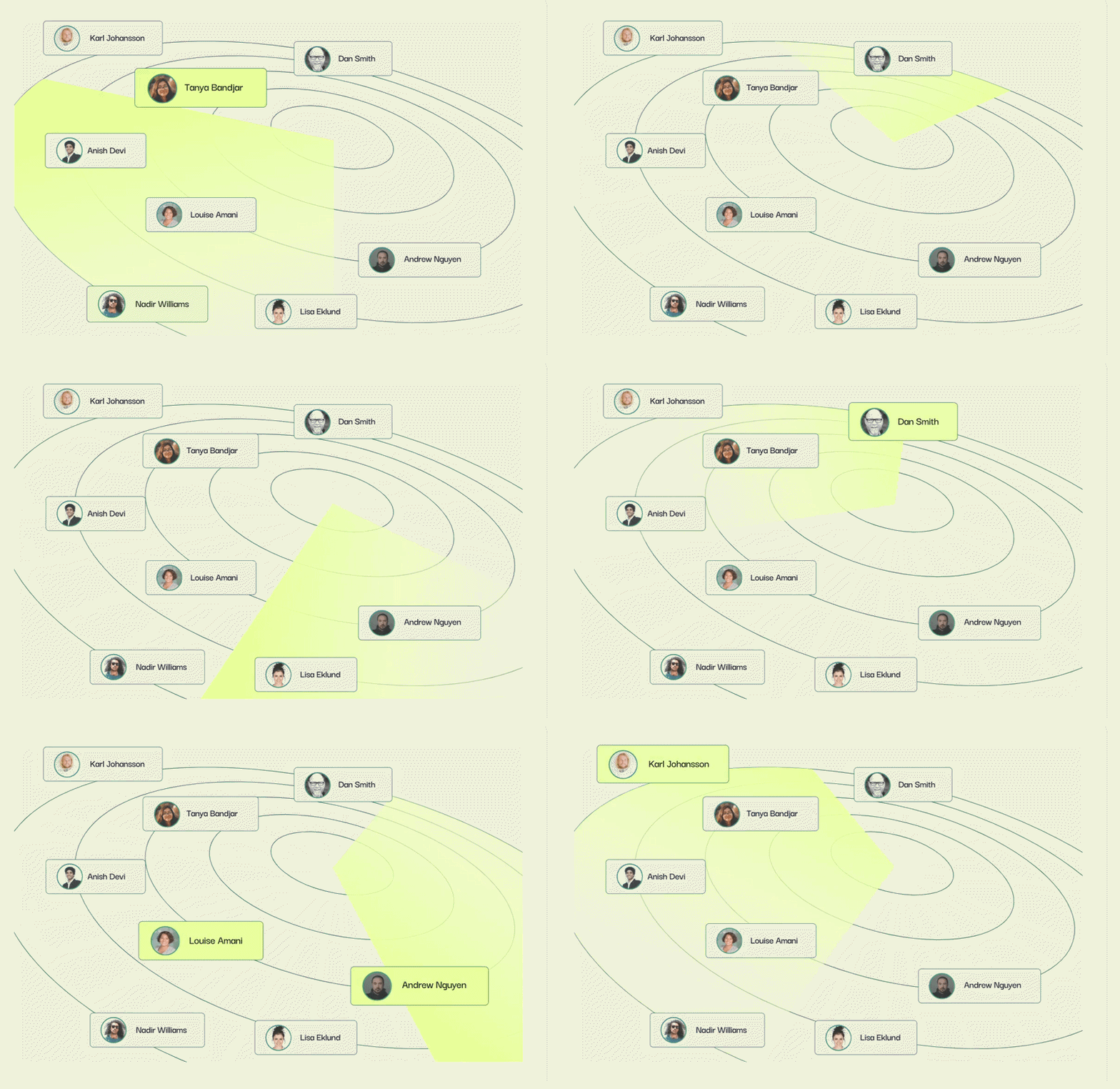
Opensend uses device-level matching against a proprietary publisher network. When a shopper visits your site, Opensend checks whether that device has previously authenticated on any of the 100,000+ US publisher sites in its network.
Source: Opensend
Because the match happens at the device level rather than through IP lookup or browser fingerprinting, Opensend reports bounce rates under 1% on delivered email addresses. An ML-powered intent filter screens out low-engagement visitors before sharing any contact, with a default threshold of 55 seconds of active time for DTC sites.
The result: fewer but higher-quality contacts who have shown real browsing intent.
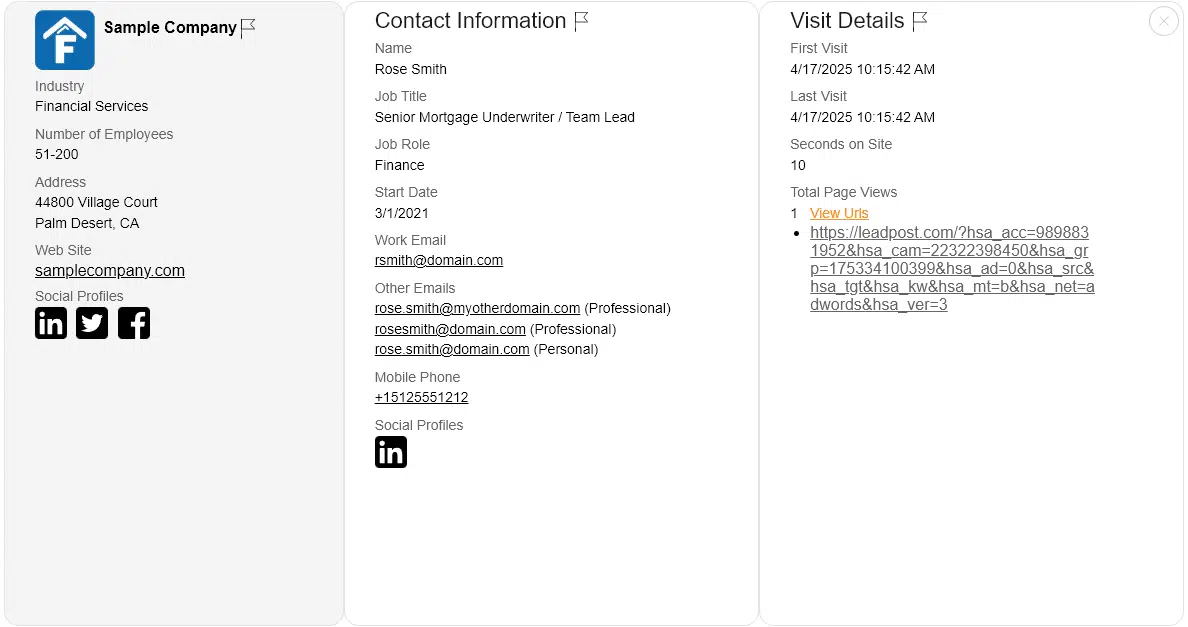
LeadPost layers deterministic and probabilistic matching. It starts with cookie-based identification and adds IP geolocation and device fingerprinting through multiple data providers. This multi-signal approach pushes the stated match rate up to 40%, higher than Opensend's 25-35% range.
Source: LeadPost
The tradeoff is precision: probabilistic methods cast a wider net but carry more uncertainty about whether the matched identity belongs to the actual visitor. LeadPost mitigates this through third-party verification, confirming that addresses are deliverable and that the individual lives there.
ZoomInfo takes a different approach. WebSights resolves anonymous traffic to the company level using 210 million IP-to-Organization pairings, then connects that company to specific contacts in ZoomInfo's database of 500M+ professionals.
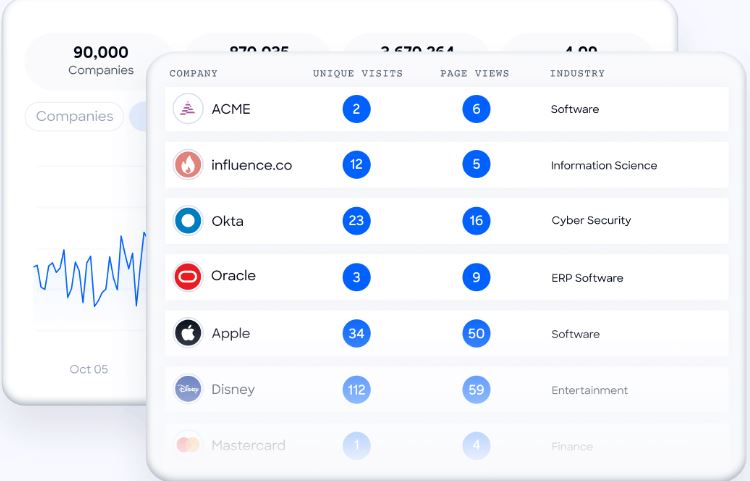
The difference is scope: instead of delivering one anonymous visitor's email address, ZoomInfo surfaces the entire buying team at the company that visited, with direct dials, verified business emails, job titles, and org chart positioning. It also includes Automatic Traffic Filtering that separates real company visits from bot traffic.
For a DTC brand, Opensend's device-level matching delivers exactly what's needed: the individual shopper's email for an abandonment flow. For a B2B sales team, knowing the individual visitor's personal email is far less useful than knowing which company visited, who the decision-makers are, and whether that account is showing buying signals elsewhere. That's the gap ZoomInfo fills.
Opensend dominates DTC ecommerce, LeadPost serves agencies
Each platform has found its strongest market, and using either one outside that market creates friction.
Opensend was built for DTC brands running on Shopify and Klaviyo. The Shopify app installs without code. The Klaviyo integration pushes identified contacts directly into browse abandonment, cart abandonment, and checkout abandonment flows.
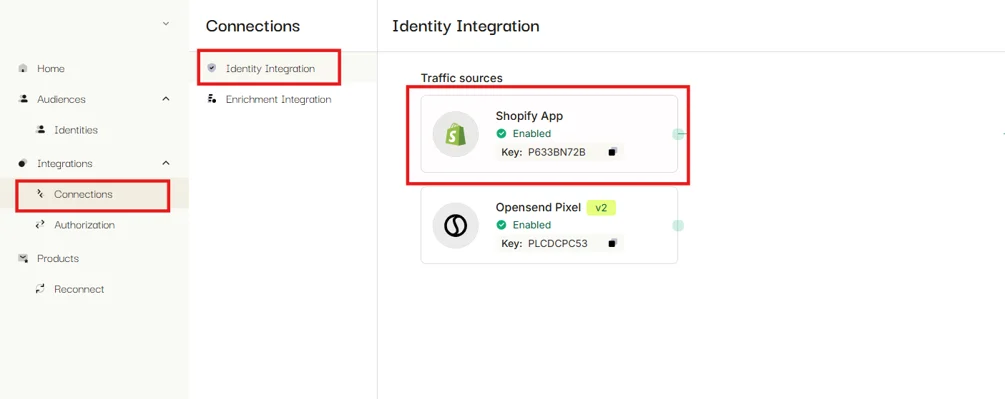
Source: Opensend
LeadPost found traction in the agency channel. Its Agency Partner Program offers volume discounts from 32% to 79%, covers client free trial costs, and provides a centralized multi-client dashboard under single billing.
A white-label program lets agencies rebrand the entire platform. Case studies from Digital Sargeant, Aspen Digital, Traffic Ignite, Game Changer Leads, and others show agencies deploying LeadPost across diverse client verticals. The dual B2B/B2C capability matters here: an agency managing a med spa, a junk removal service, and a B2B software client can use one platform for all three.
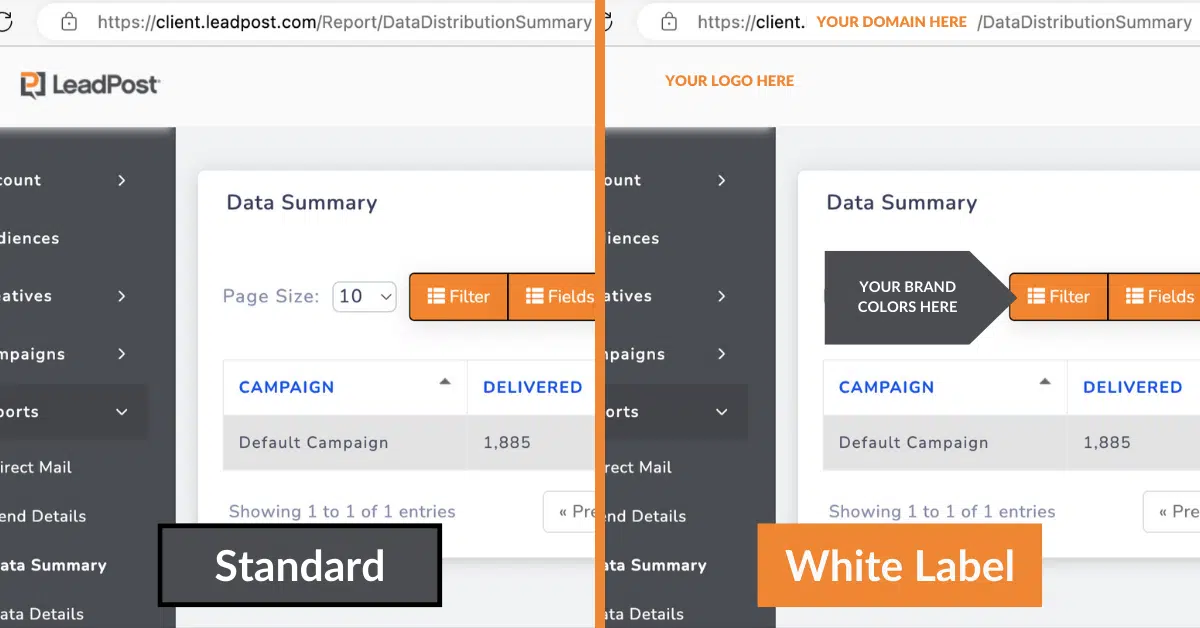
Source: LeadPost
LeadPost's native direct mail retargeting is its most distinct advantage. An automotive dealership retargeted anonymous visitors with postcards and achieved 7 vehicle sales at $34 cost per acquisition. Ryan Homes ran a 6-week postcard series to 838 anonymous visitors and attributed 5 home sales to the campaign.
For high-ticket, long-consideration purchases where a physical mailpiece cuts through digital noise, this capability has proven ROI that digital-only identification tools cannot replicate.
For a closer look at LeadPost's full feature set and how it performs in practice, see our LeadPost review.
B2B visitor identification is where ZoomInfo separates from both
Opensend and LeadPost both offer B2B identification, but it's secondary for each.
Opensend's B2B page exists with Zapier integration documentation, but the success stories, integrations, and product investment are overwhelmingly DTC.
LeadPost's B2B product returns individual contact data (name, job title, work email, LinkedIn, company), but the company's scale (approximately 7 employees, bootstrapped) limits how far it can develop B2B intelligence.
ZoomInfo was built from the ground up for B2B. The difference isn't just identification depth. It's what happens after identification.
When ZoomInfo's WebSights identifies a company visiting your site, that identification connects to an intelligence layer that neither Opensend nor LeadPost can match. You see the company's org chart with direct dials and verified emails for every decision-maker.
You see buyer intent signals showing whether that company is also researching your competitors.
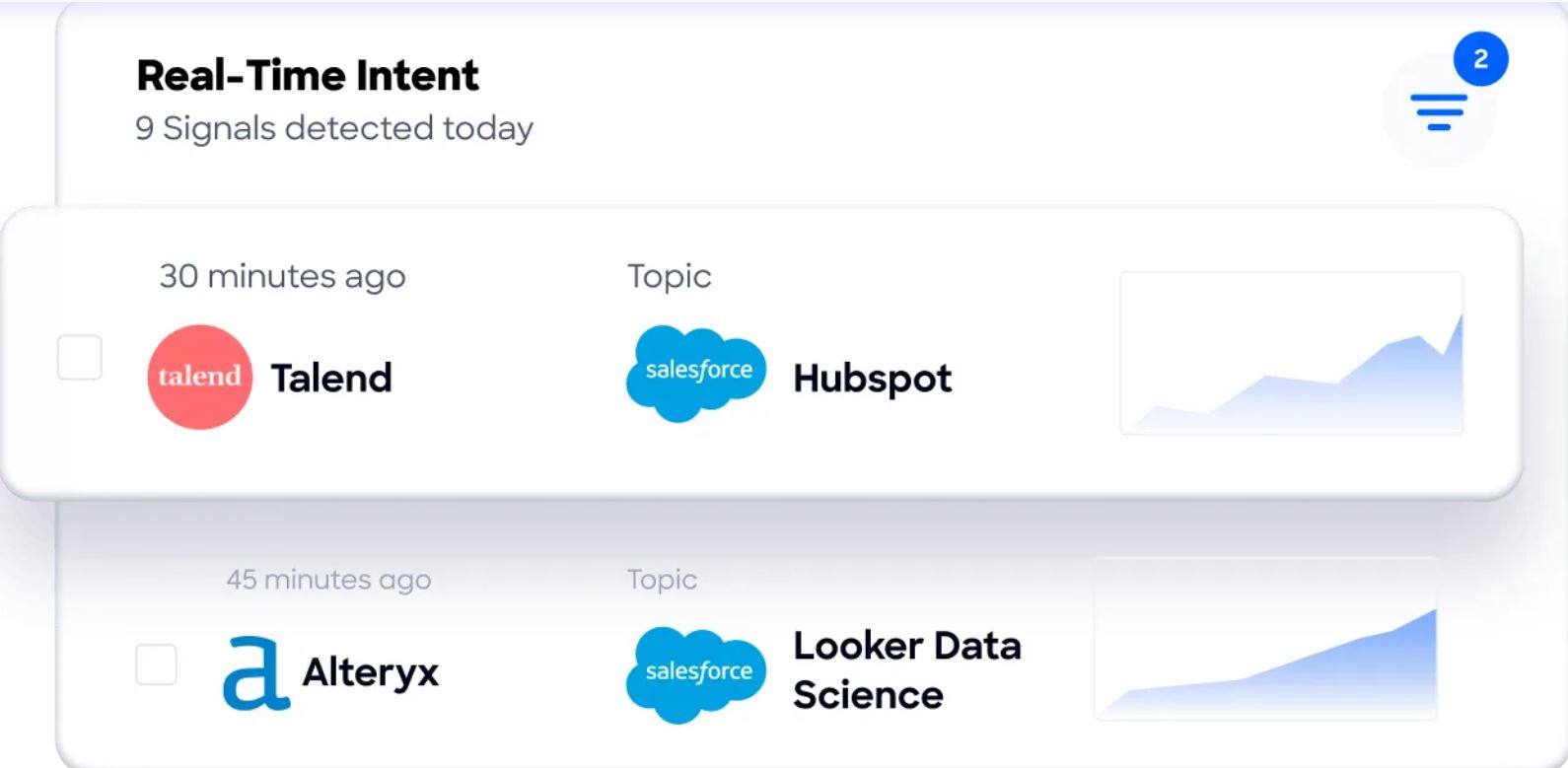
You see technographic data revealing what tools they currently use. And through the GTM Context Graph, you see how all these signals connect to predict whether this account is likely to close.
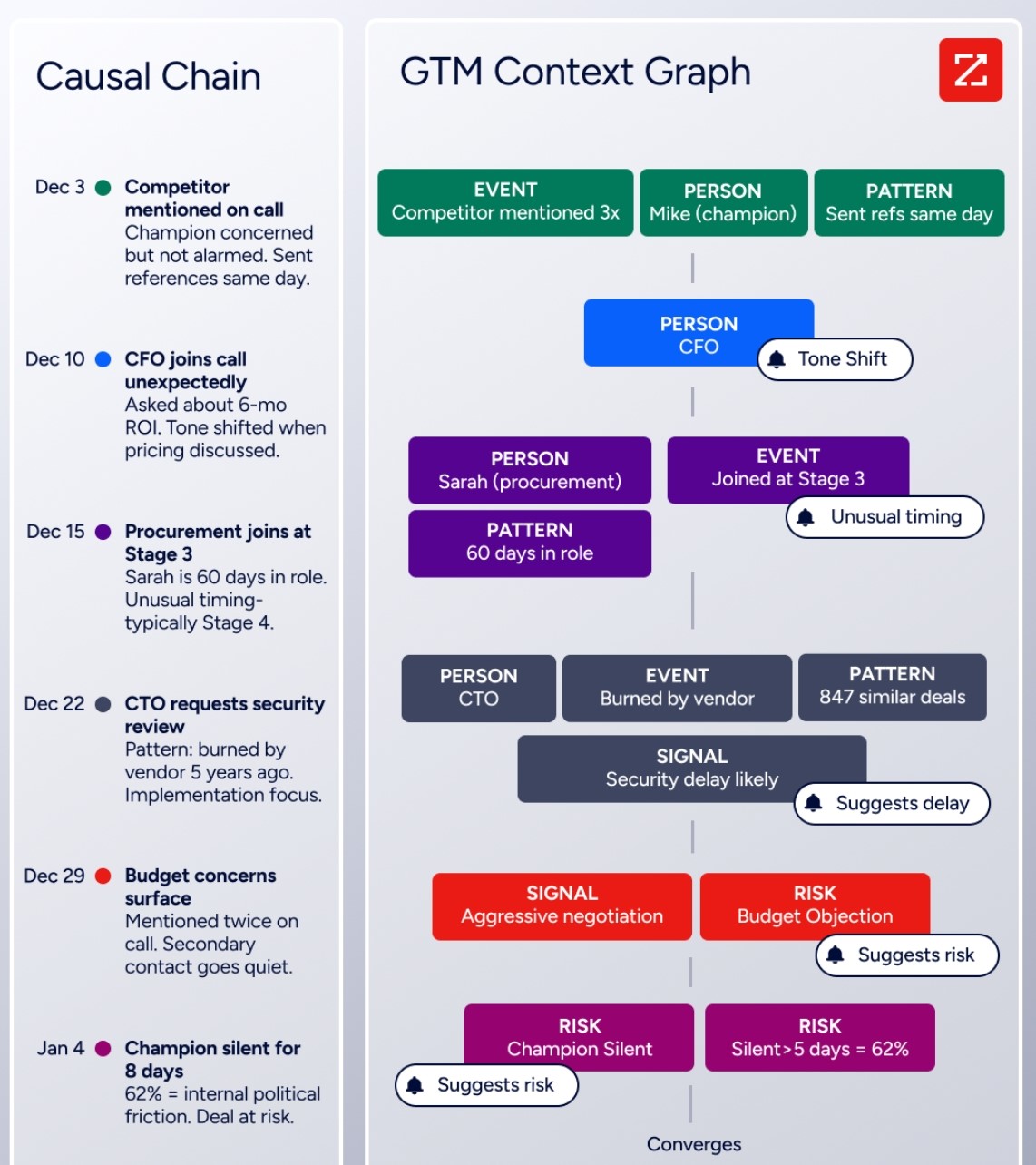
A standalone identification tool tells you: "Someone from Acme Corp visited your pricing page." ZoomInfo tells you: Acme Corp visited your pricing page, they're also researching two competitors, their VP of Engineering just changed jobs, they use a competing product whose contract is up for renewal, and here are the direct phone numbers for the three people you should call today.
"ZoomInfo gives us the information we need to execute. We don't have to go through and spend our time digging. It's already there, so we can be three steps ahead." (Vensure)
Data quality is the real differentiator
All three platforms claim high data quality. The evidence behind those claims varies.
Opensend validates quality through published engagement metrics. Across case studies, open rates of 55-65% on identified contacts run well above email marketing benchmarks. Every email address undergoes multi-step delivery validation before delivery, and the company performs weekly data cleaning to remove spam traps and inactive addresses.
Multiple brands have run formal test-versus-control experiments (Benchmade, True Classic) to verify incrementality, giving the ROI claims scientific credibility. The stated bounce rate under 1% reinforces the precision of device-level matching.
LeadPost uses third-party verification to confirm that addresses are deliverable and that the individual lives there, and emails are verified as deliverable where available.
However, no publicly available third-party validation of the claimed 40% match rate exists, and user reviews on Capterra and G2 flag mixed experiences with data accuracy alongside praise. The company's review volume remains modest (approximately 27 Capterra reviews and 20 G2 reviews as of early 2026).
ZoomInfo operates at a different scale. A multi-source pipeline backed by 300+ human researchers and automated ML scanning of 28 million site domains daily achieves up to 95% accuracy on first-party data.
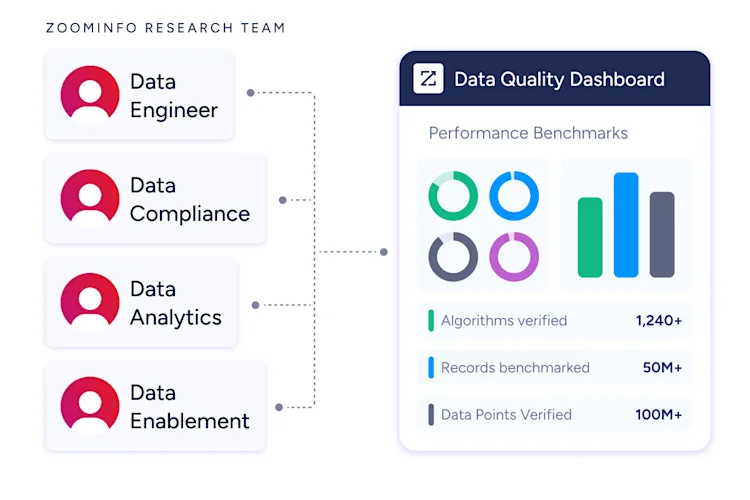
That claim has been externally validated: in a Fortune 500 competitive RFP analyzing 25 million contacts across vendors, the independent consultant concluded that "no other competitor came even close."
ZoomInfo holds 133 No. 1 rankings on G2 across categories including Data Quality, has been named a Leader in Forrester's Wave for Intent Data Providers, and earned the only Customers' Choice position in Gartner's Voice of the Customer with a 4.7/5.0 average across the highest volume of reviews.
"It's not just the data itself. It's more about the right data at the right time to help us reach out with the right message across that full buyer journey." (Redwood Logistics)
Pricing models reflect different markets and different economics
Opensend charges by identity volume. The three published tiers run from $400/month for 2,000+ identities to $1,600/month for 9,500+ identities, with enterprise plans above that. Annual billing saves 20%. Unused credits roll over. The $1 trial for 14 days keeps the entry barrier low, and setup takes under 5 minutes.
However, Reconnect, Revive, and Personas are separate products with undisclosed pricing, so the total cost for the full Opensend suite will exceed the published Connect rates.
LeadPost splits pricing across five product lines. B2B Lead Capture starts at $199/month for up to 250 leads. B2C Lead Capture starts at $249/month for up to 750 leads. Data Enrichment runs from free to $799/month (1,000 credits/month on the free tier). Insights (visitor demographics) starts at $189/month. Cross-channel retargeting is pay-per-use: $0.82 per postcard, $0.05 per email, $0.07 per social/display record.
The 14-day free trial requires no credit card, and all plans operate month-to-month. For agencies, the volume discount structure (32-79% off) changes the economics considerably.
For a full breakdown of LeadPost's tiers and what each plan includes, see our LeadPost pricing breakdown.
ZoomInfo uses consumption-based pricing and does not publish dollar amounts. Pricing scales around seats, credit volume, features, and contract length. The entry point is accessible: ZoomInfo Lite is a permanent free tier with access to ZoomInfo's database, 10 monthly export credits, WebSights Lite (up to 10 website visitor reveals per day), and HubSpot integration.
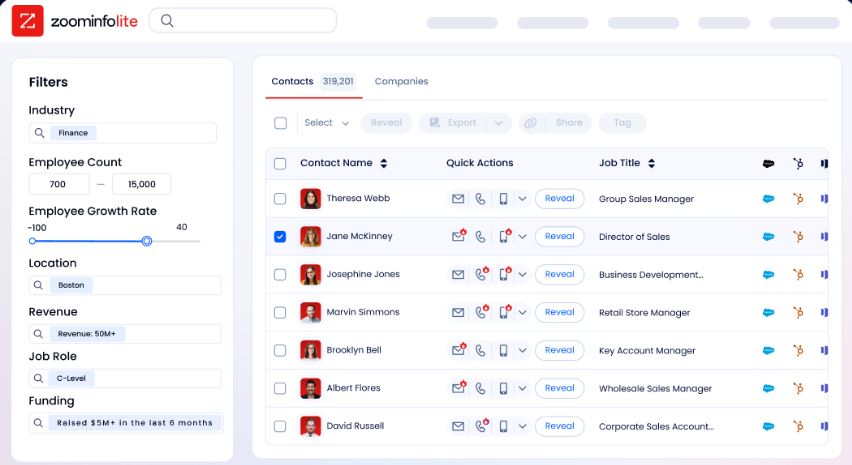
A 7-day free trial of paid features is also available. ZoomInfo costs more, but the comparison isn't apples-to-apples. Paying for Opensend or LeadPost gives you visitor identification. Paying for ZoomInfo gives you visitor identification plus a B2B data platform, intent signals, conversation intelligence, and AI-powered GTM orchestration.
Geographic scope and compliance constraints
All three platforms depend heavily on the US market. But the degree varies.
Opensend is exclusively US-based. Its publisher network serves US audiences, and non-US traffic is filtered out via IP geolocation. No international roadmap has been disclosed. If your brand has meaningful traffic from Canada, Europe, or Asia-Pacific, Opensend delivers zero value from those visitors.
LeadPost is also US-only and will only identify US visitors. International privacy frameworks like GDPR and CASL are explicitly out of scope.
ZoomInfo operates globally. The platform covers 34M+ company profiles outside North America, 200M+ international professional profiles, and 45M+ mobile numbers outside North America. In 2025 alone, ZoomInfo expanded international mobile coverage by 1.8 million numbers across six European markets.
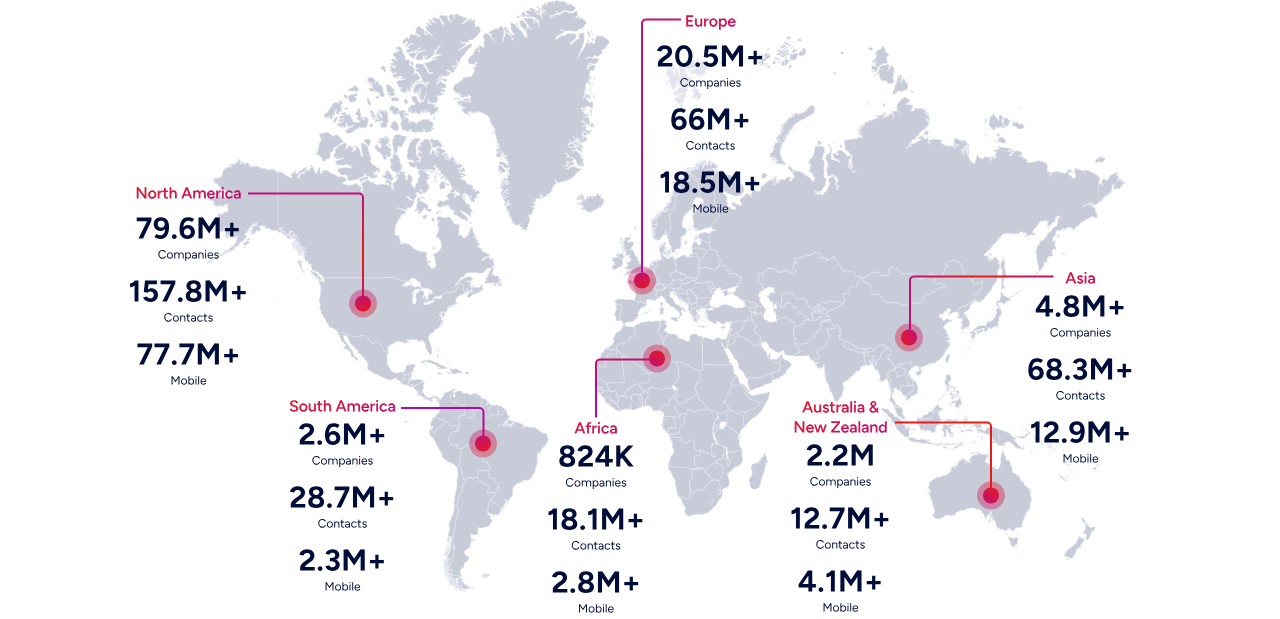
Compliance certifications span ISO 27001, ISO 27701, SOC 2 Type II, TRUSTe GDPR and CCPA validations, all renewed annually. For any company with international operations or buyers outside the US, ZoomInfo is the only option of the three.
On compliance posture: Opensend and LeadPost both cite CAN-SPAM and CCPA compliance but neither publishes SOC 2, ISO 27001, or other formal security certifications. For enterprise procurement teams or regulated industries that require documented security frameworks, ZoomInfo's Trust Center and annual certification renewals provide the documentation trail that standalone identification tools lack.
Integration ecosystems show product maturity
Opensend focuses on the ecommerce marketing stack. Native integrations cover Klaviyo, Iterable, Bloomreach, Braze, Attentive, SFMC, Listrak, Sendlane, Yotpo, plus Facebook Custom Audiences, Google Ads, Zapier, and custom webhooks. The Shopify app handles installation for most of its customer base. Identified contacts push directly into ESP flows with no middleware required.
For DTC brands on supported platforms, the integration experience is straightforward.
LeadPost covers a different set. Native connections include Salesforce, HubSpot, Klaviyo, GoHighLevel, Mailchimp, Zoho CRM, Zendesk Sell, and Reply.io, plus CSV, FTP, webhooks, and Zapier. The notable gap: no Pipedrive integration, a popular CRM among the SMBs and agencies LeadPost targets (users must work around this via Zapier).
LeadPost also provides a REST API for programmatic access, which is unusual for a company of its size.
ZoomInfo operates at a different scale. The App Marketplace lists 120+ partner integrations spanning CRM (Salesforce, HubSpot, Microsoft Dynamics), marketing automation (Marketo, Eloqua), sales engagement (Salesloft, Outreach), data warehouses (Snowflake, Databricks), and more.
The Enterprise API provides programmatic access to search, enrich, and AI intelligence endpoints.
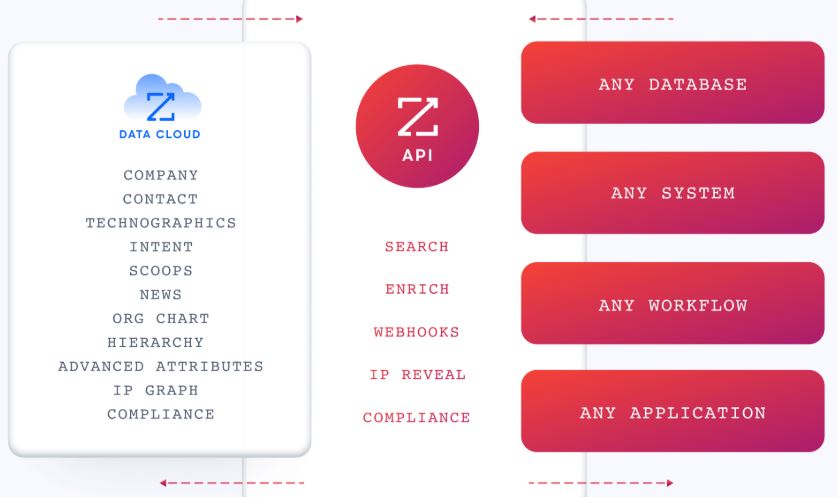
The MCP server enables any AI agent (including Claude and ChatGPT) to access ZoomInfo's data and GTM Context Graph directly, without custom code. API access is included in all plans.
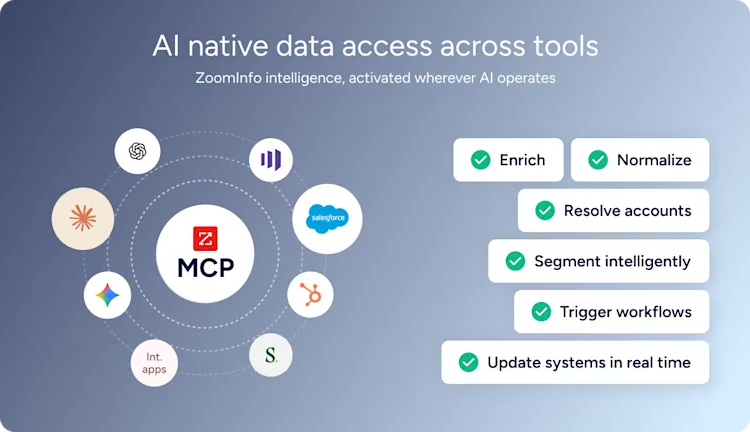
"The plug-and-play aspect of the API means I can integrate it very easily into any process and get information at a moment's notice." (BDO Canada)
Beyond identification: what happens after you know who visited
This is where the three platforms diverge most sharply.
Opensend keeps you in the email workflow. Identified contacts enter Klaviyo or Attentive flows. Reconnect keeps existing subscribers reachable across devices.
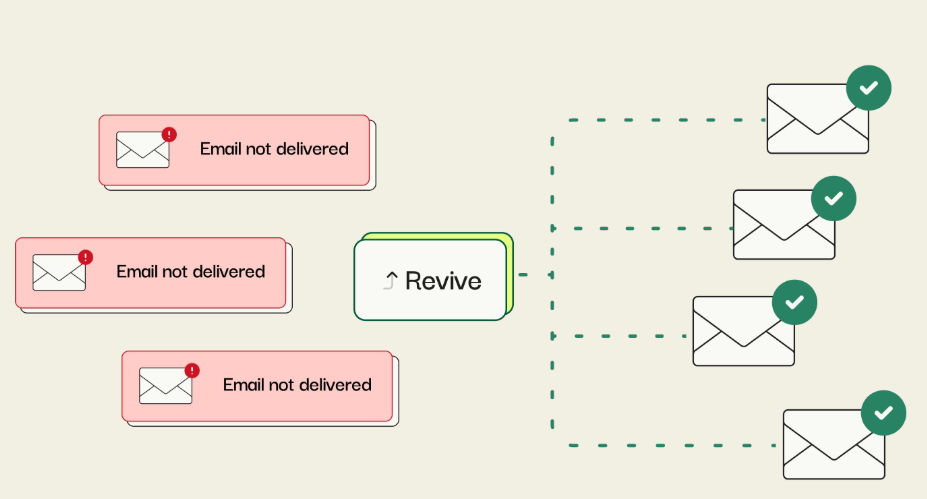
Revive replaces bounced addresses with current ones.
Source: Opensend
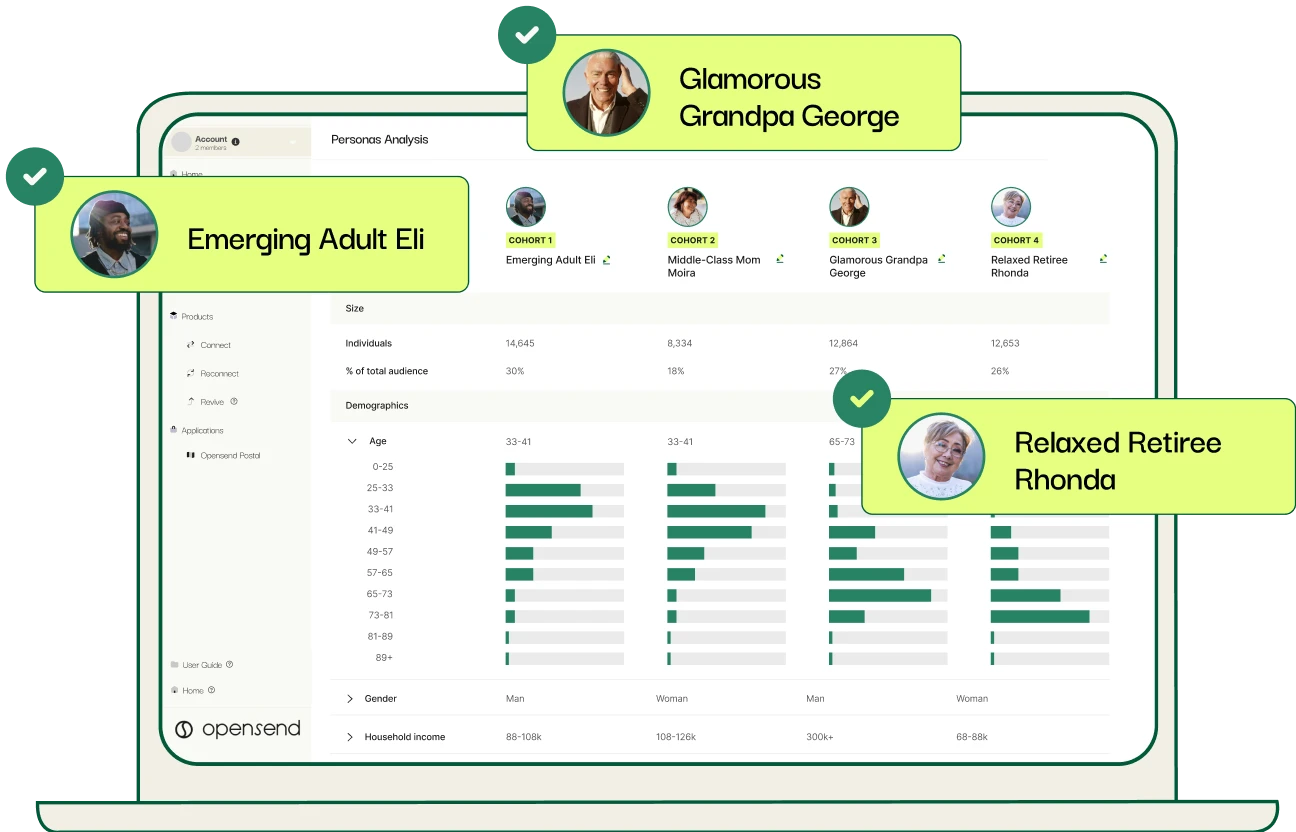
Personas enriches purchaser data with demographic attributes for paid media targeting. It's a focused lifecycle marketing toolset, well executed within email. But once you leave the email channel, you leave Opensend's strengths.
Source: Opensend
LeadPost offers more channels but less depth. The cross-channel retargeting system reaches identified visitors across email, social ads, Google display, and physical direct mail from one dashboard.
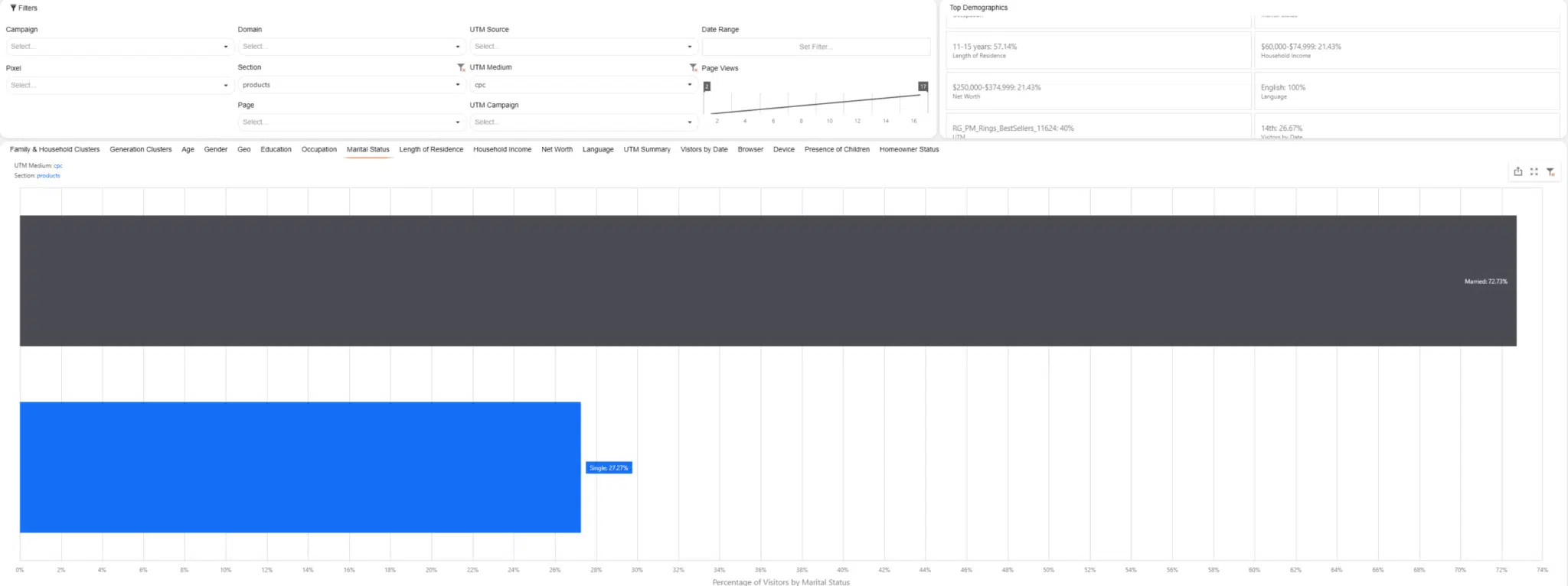
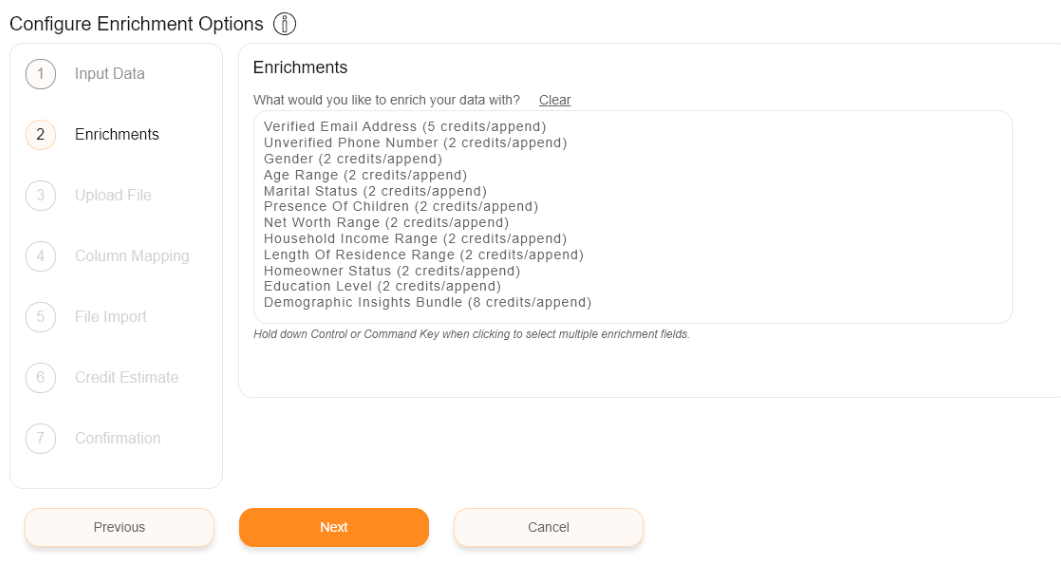
The Insights product surfaces demographic data (age, income, household composition, education) on visitors.
Source: LeadPost
Data Enrichment fills gaps in existing CRM records. LeadPost covers more activation channels than Opensend, particularly for businesses in high-ticket verticals where direct mail moves the needle.
Source: LeadPost
ZoomInfo operates in a different category. Website visitor identification is one input into the GTM Context Graph, which processes 1.5B+ data points daily and fuses visitor data with CRM records, conversation intelligence, intent signals, and behavioral data to capture not just what happened, but why.
GTM Workspace gives sellers AI-driven account research, outreach generation, and deal execution in a single interface.
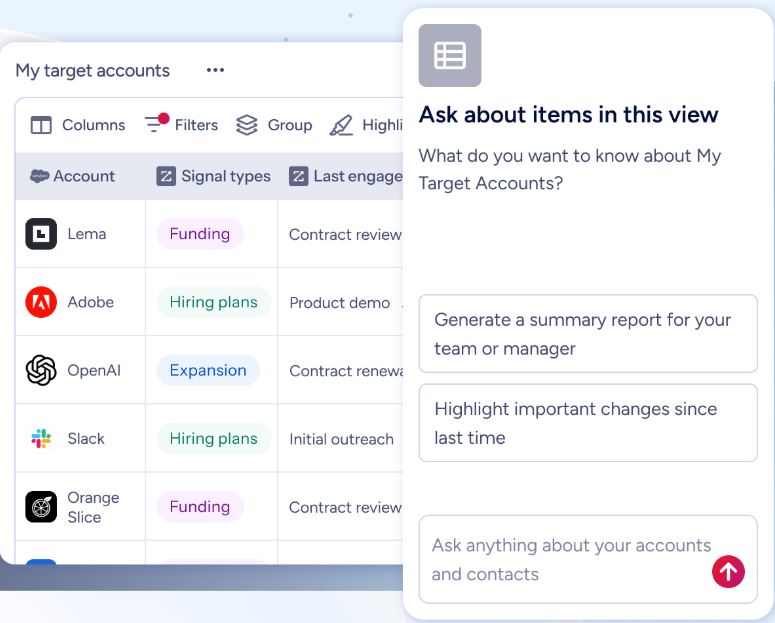
GTM Studio lets marketers and RevOps teams build and activate plays in natural language.
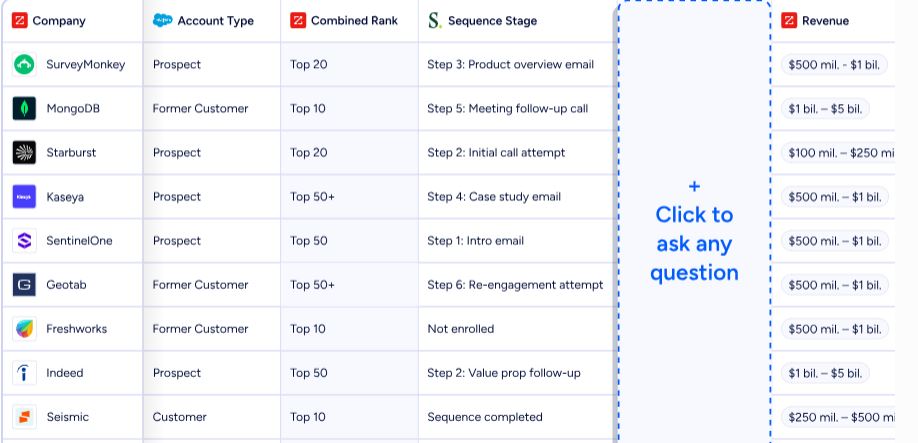
Sellers using GTM Workspace have reported 54% productivity gains, 39% of pipeline attributable to ZoomInfo signals, and 11.5 hours saved per week.
The question is whether your team needs a tool that tells you who visited, or a platform that tells you who visited, why it matters, what to do about it, and then helps you do it.
"That combination of our internal CRM data, external signals, and AI that's given all that context has helped us craft very specific account- and persona-based messages. And people have responded to them right away." (Seismic)
Opensend vs. LeadPost vs. ZoomInfo: Which should you choose?
The right choice depends on what you're selling, who you're selling to, and how visitor identification fits into your larger go-to-market motion.
Choose Opensend if:
You run a DTC or ecommerce brand on Shopify
Klaviyo or Attentive is your primary marketing platform
Your main goal is feeding browse and cart abandonment flows with identified emails
You want fast setup with minimal configuration
Your traffic is US-based and your revenue model is direct-to-consumer
Choose LeadPost if:
You're an agency managing multiple client accounts across verticals
You need both B2B and B2C identification from a single platform
Direct mail retargeting is relevant to your or your clients' businesses
White-labeling and multi-client management are important
You want pay-per-use retargeting across email, social, display, and direct mail
Choose ZoomInfo if:
You're a B2B team where website visitor identification needs to connect to a full sales and marketing strategy
You need more than individual identification: you need the buying committee, org charts, intent signals, and deal intelligence
Your go-to-market motion involves outbound prospecting, ABM, or pipeline orchestration
You operate internationally or serve enterprise accounts
You want AI-powered execution (GTM Workspace for sellers, GTM Studio for marketers) built on the largest B2B data platform available
Try ZoomInfo free or start with ZoomInfo Lite at no cost.
Opensend and LeadPost are useful tools for a specific job: turning anonymous visitors into identifiable contacts. For ecommerce brands, that job matters. For agencies managing retargeting campaigns, it matters. But for B2B teams where a website visit is one signal among many in a complex buying process, visitor identification alone doesn't move the needle.
What matters is what you do with that signal, how you connect it to intent data, org charts, and conversation intelligence, and how you act on it across your entire go-to-market motion.
That's the gap ZoomInfo fills. Not by identifying visitors better, but by making visitor identification one component of an intelligence system that helps you find, win, and grow customers.
Explore how ZoomInfo connects website visitor intelligence to your complete go-to-market strategy. Get started here.
Opensend vs. LeadPost vs. ZoomInfo FAQ
What is the key difference between Opensend, LeadPost, and ZoomInfo?
Opensend identifies anonymous ecommerce visitors at the device level and delivers their email addresses to platforms like Klaviyo for automated marketing flows. LeadPost identifies both B2B and B2C visitors using layered matching methods and reaches them across email, social, display, and direct mail.
ZoomInfo is an AI GTM platform that resolves website visitors to companies and buying teams, then connects that data to 500M contacts, intent signals, conversation intelligence, and AI-powered orchestration for complete go-to-market execution.
Which platform identifies the highest percentage of website visitors?
LeadPost claims up to 40% identification rates using combined deterministic and probabilistic matching. Opensend reports 25-35% using device-level matching, which trades volume for accuracy (under 1% bounce rates). ZoomInfo approaches identification differently, resolving visitors at the company level and connecting to the full buying committee rather than identifying individual anonymous consumers.
Which platform is best for ecommerce and DTC brands?
Opensend is the strongest fit for DTC ecommerce. It is the only approved identity resolution provider in Klaviyo's App Marketplace, integrates natively with Shopify, and has documented case studies showing 12x to 48x ROI from brands like Benchmade, Kut from the Kloth, and True Classic. LeadPost also serves ecommerce brands, particularly those wanting direct mail retargeting alongside digital channels.
Which platform works for B2B sales teams?
ZoomInfo is the clear choice for B2B. While LeadPost offers individual-level B2B identification with work emails and job titles, ZoomInfo provides 500M contacts with verified direct dials, org charts, technographic data, buyer intent signals, and AI-powered tools for prospecting and deal execution. Opensend's B2B offering is nascent with limited documentation and case studies.
Can any of these platforms identify visitors outside the United States?
Only ZoomInfo operates globally, with 34M+ company profiles outside North America, 200M+ international professional profiles, and 45M+ mobile numbers outside North America. Both Opensend and LeadPost are exclusively US-based and will not identify non-US visitors.
How does pricing compare across the three platforms?
Opensend starts at $400/month for 2,000+ identified emails. LeadPost starts at $199/month for B2B (250 leads) or $249/month for B2C (750 leads), with additional per-use costs for retargeting channels.
ZoomInfo uses consumption-based pricing but offers a permanent free tier (ZoomInfo Lite) with 10 monthly export credits and a 7-day free trial. ZoomInfo's paid plans cost more but cover far more than visitor identification alone.
Do any of these platforms include direct mail retargeting?
LeadPost stands out here, with native postcard delivery at $0.82 per 4x6 postcard and $1.05 per 6x9, including conversion attribution tracking. Opensend integrates with Postal for direct mail but does not handle it natively. ZoomInfo supports direct mail as one channel within its multi-channel orchestration capabilities.
Which platform has the strongest security and compliance certifications?
ZoomInfo holds ISO 27001, ISO 27701, SOC 2 Type II, and TRUSTe GDPR and CCPA validations, all renewed annually, and operates a dedicated Trust Center. Neither Opensend nor LeadPost publishes SOC 2 or ISO certifications. All three platforms cite CAN-SPAM and CCPA compliance for their US-based operations.
Comparing Opensend and LeadPost? These related breakdowns go deeper:
