
Choosing between RB2B and Vector for B2B visitor identification comes down to five questions:
Are you trying to identify who visits your website, who clicks your ads, or both?
Do you need visitor data for sales outreach or for building ad audiences?
Is your target market the United States only, or do you sell globally?
How important is it that your identification tool connects to your sales and marketing stack?
Do you want a focused point solution, or a platform that handles identification, outreach, and campaign execution in one place?
In short, here's what we recommend:
RB2B tells sales teams who is visiting their website right now. It identifies visitors by name, job title, and LinkedIn profile for U.S. traffic and pushes that data to Slack or your CRM within minutes. The 5-minute setup and free tier with 150 monthly resolutions make it easy to test. But RB2B is a visitor identification tool, not a full GTM platform.
Its person-level data covers U.S. traffic only, match rates on lower-tier plans sit at 10-20%, and once you've identified a visitor, you still need separate tools to enrich, sequence, and close.
Vector takes visitor identification and extends it into advertising. Beyond de-anonymizing website visitors, Vector identifies who clicks your ads via Ad Reveal, builds contact-level ad audiences that sync to LinkedIn, Google, Meta, and other platforms, and automates LinkedIn bidding with Bid Agent. For demand gen teams running paid media, Vector connects ad spend to pipeline in a way native ad platforms and standalone identification tools cannot.
However, the Target plan starts at $3,000/month on an annual commitment, person-level identification is also U.S.-only, and Vector provides no contact data enrichment or outreach execution beyond what you build yourself.
Both platforms solve real problems for specific teams. But each addresses only one piece of the go-to-market puzzle. If you're buying visitor identification because you need better pipeline, the question worth asking is whether a point solution or a complete platform gets you there faster.
ZoomInfo is a GTM platform built on a B2B dataset of 500M contacts and 100M companies (135M+ verified phone numbers, 200M+ verified business emails) with an intelligence layer on top. Website visitor identification resolves anonymous traffic to companies and contacts, with Automatic Traffic Filtering separating real visitors from bots.
But identification is one input. ZoomInfo's GTM Context Graph, which processes 1.5B+ data points daily, combines your CRM records, conversation intelligence, and behavioral signals with its third-party data to show not just who visited, but why they're in-market and what to do next.
Sellers act on that intelligence in GTM Workspace. Marketers build audiences and launch plays in GTM Studio. Teams that build beyond ZoomInfo's own products access the same data through APIs and MCP.
If you want to see how identification, intelligence, and execution work together, start a free ZoomInfo trial.
RB2B vs. Vector vs. ZoomInfo at a glance
RB2B | Vector | ZoomInfo | |
|---|---|---|---|
Primary focus | Person-level website visitor ID | Contact-level advertising platform | GTM platform (data + intelligence + execution) |
Visitor identification | 15-45% person-level (U.S. only) | 15-30% contact-level (U.S. only) | Company + contact-level (global) |
Ad audience building | No | Yes, contact-level across 6+ platforms | Yes, native DSP + cross-channel audiences |
Contact database | Identified visitors only | Identified visitors + off-site intent | 500M contacts, 100M companies |
Intent data | Hot Pages (page-level signals) | Off-site research via 400K+ publisher network | 210M IP-to-Org pairings, 6T+ keyword signals monthly |
Sales outreach tools | Push to Slack/CRM | Push to CRM/Slack | AI-drafted outreach, sequencing, conversation intelligence |
CRM integrations | HubSpot, Salesforce | HubSpot, Salesforce | Salesforce, HubSpot, Dynamics + 120 marketplace integrations |
Free entry point | Free plan (150 resolutions/month) | 14-day trial | Free Lite plan (permanent) + 7-day trial |
Starting paid price | $79/month | $399/month | Custom-quoted |
What visitor identification actually means across these platforms
All three platforms identify anonymous website visitors, but the depth of what happens after identification separates them.
RB2B resolves anonymous website sessions into individual contacts for U.S. visitors.
On the Pro+ plan, it achieves 35-45% person-level coverage by running visitor data through a waterfall of external data sources. On the Pro plan, that drops to 15-20%. Through a partnership with Demandbase, RB2B adds company-level identification globally, bringing total resolution to 70-80% of traffic when combining person-level and company-level matches.
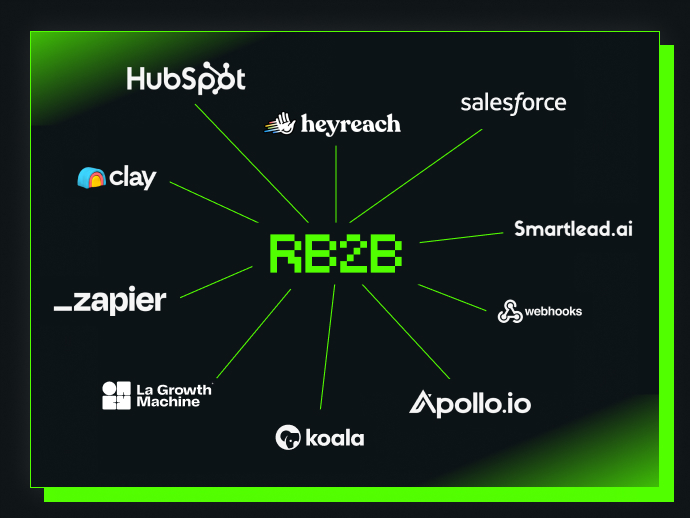
Once identified, visitors appear in the dashboard with LinkedIn profiles and job titles, and can be pushed to Slack, HubSpot, Salesforce, Clay, Apollo, and other tools.
Source: RB2B
Vector identifies 15-30% of U.S. visitors at the contact level using device fingerprinting matched against a proprietary publisher network.
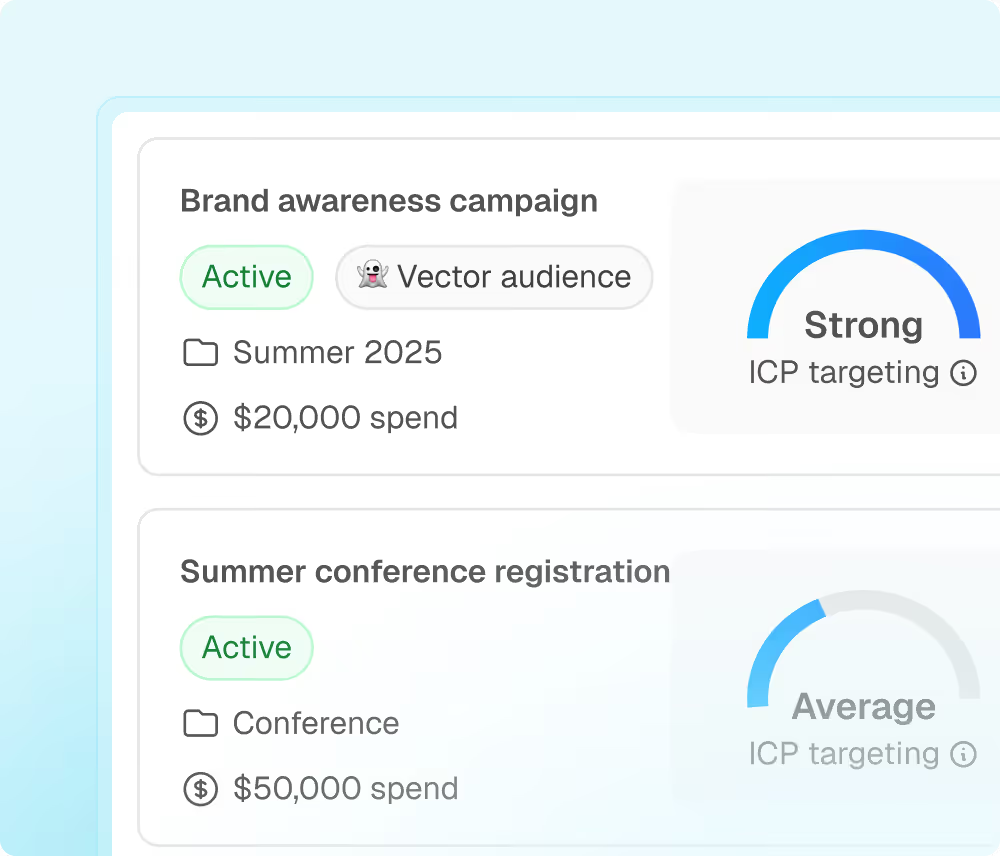
Identified contacts appear in a Visitor Feed that refreshes every 15 minutes, filtered by ICP criteria. But Vector's value starts after identification. Ad Reveal identifies by name who clicked your ads across LinkedIn, Meta, Google, and Reddit, even when they never filled out a form. That shifts reporting from anonymous click-through rates to named contacts engaging with specific campaigns.
Source: Vector
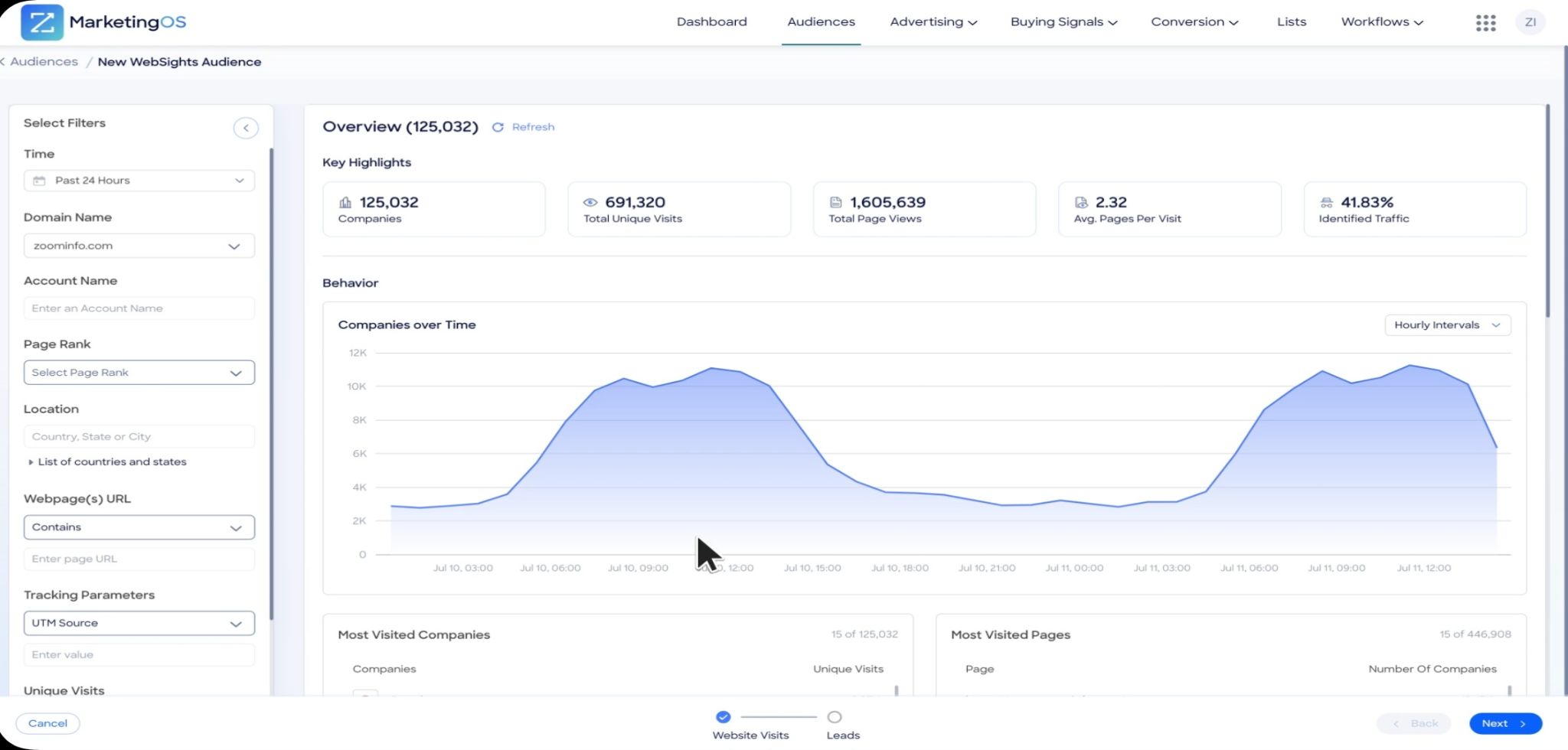
ZoomInfo's WebSights identifies companies visiting your site and connects them to verified contacts in its database: 500M contacts with 120M direct-dial phone numbers and 200M+ verified business emails.
Source: ZoomInfo
Unlike RB2B and Vector, which deliver identification data that your team must then act on elsewhere, ZoomInfo connects identification directly to outreach. A visitor identified on your pricing page can trigger an automated workflow that routes the account to a rep, enriches the contact in your CRM, and drafts outreach, all within the same platform.
Seismic's sales team attributed 39% of active pipeline to opportunities identified or influenced by ZoomInfo signals, while boosting productivity by 54%. (Seismic Case Study)
RB2B specializes in speed to action
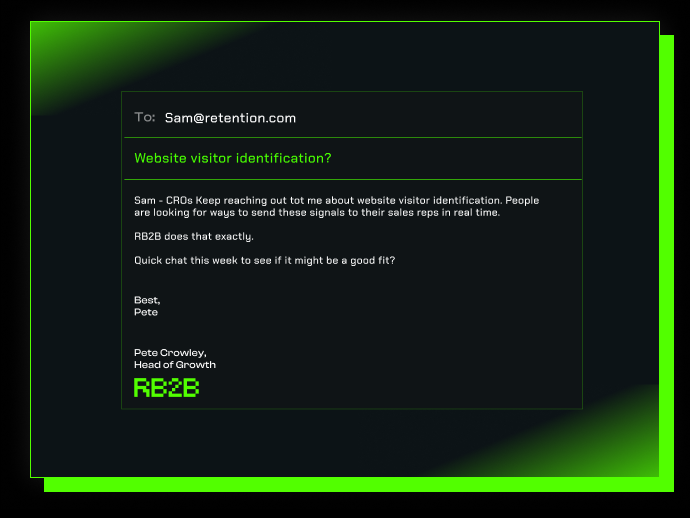
RB2B's advantage is getting visitor identity data in front of sales reps fast.
The platform was built to be the "simplest, fastest path to web ID", and it delivers. Setup takes five minutes: install a pixel, connect Slack, and start receiving notifications when named visitors land on your site.
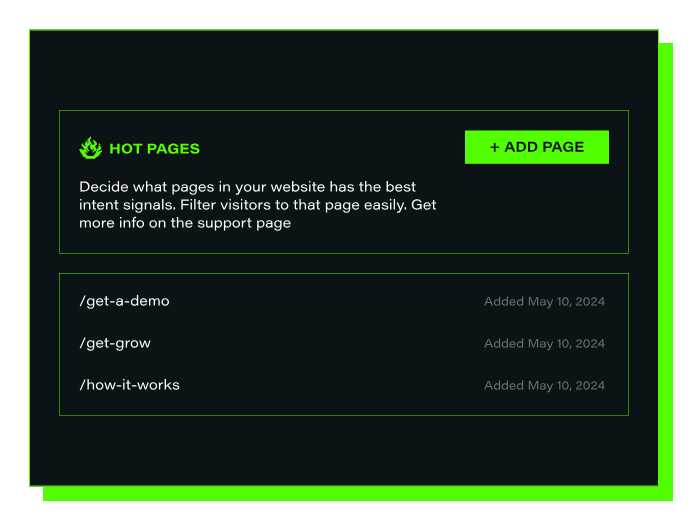
The Hot Pages feature adds prioritization. Tag your pricing page, case studies, or product demos as high-intent pages, and RB2B flags visitors who view them. Combine that with Hot Leads ICP filtering (which tags visitors matching criteria for company revenue, size, seniority, department, and geography) and sales reps can focus on the visitors most likely to convert.
Source: RB2B
This model works well for small and mid-market sales teams running outbound. One agency CEO reported booking meetings 15 minutes after installation for multiple clients. The free tier lets teams test whether their site traffic generates enough identifiable, ICP-matching visitors to justify a paid plan.
Where RB2B hits its limits is what happens next. Once a visitor is identified and pushed to Slack or a CRM, RB2B's job is done. Enriching that contact with verified phone numbers, mapping the buying committee, sequencing outreach, and tracking deal progression all require other tools.
For teams already running a full sales stack, this handoff works fine. For teams looking to consolidate, RB2B is one more point solution in an already crowded toolkit.
For a closer look at how RB2B performs across setup, match rates, and real-world sales workflows, see our RB2B review.
Vector connects identification to advertising
Vector approaches visitor identification from the demand gen side. While RB2B feeds sales reps, Vector feeds ad platforms.
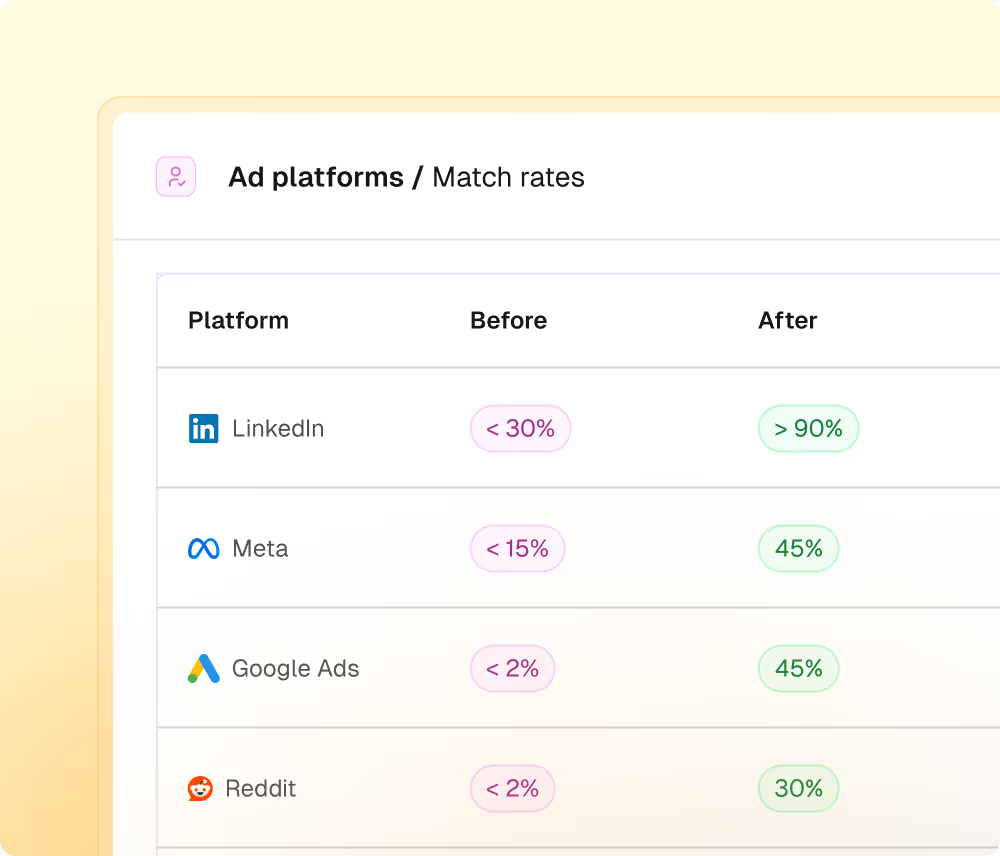
The Target product is where Vector stands apart. It converts engagement signals (site visits, ad clicks, off-site research behavior) into contact-level ad audiences that sync automatically to LinkedIn, Google, Meta, Reddit, TikTok, and X. These audiences update as buyer signals change, so ad spend targets contacts showing active interest rather than static lists that decay.
The audience-building mechanism is worth explaining. Vector maps each contact's work email to personal hashed emails and mobile advertising IDs, which means a B2B buyer you've identified on your site can be reached with ads on consumer platforms like Meta and TikTok (surfaces where most B2B intent tools have no reach).
Source: Vector
Vector's Off-site Research feature extends identification beyond your own website. Using a pixel embedded across a 400,000+ publisher network that includes Forbes and the Wall Street Journal, Vector surfaces contacts researching your category or competitor brand terms before they visit your site. This creates an audience layer that website-only identification tools cannot provide.
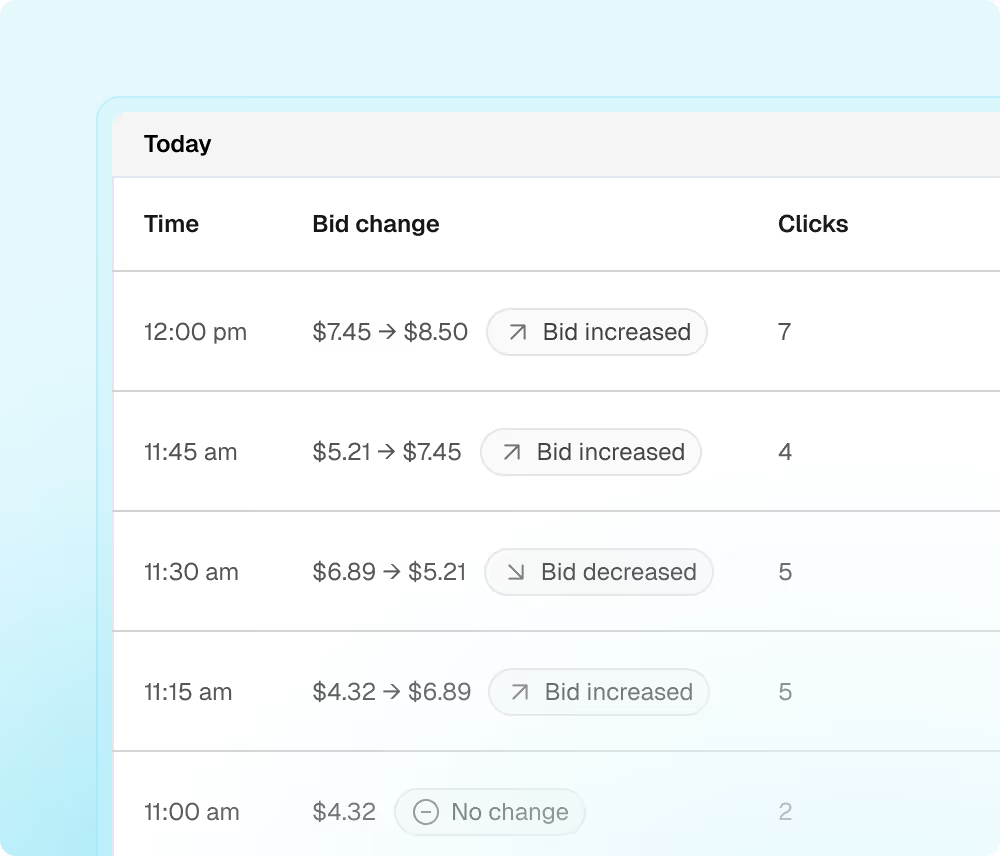
Bid Agent, a $500/month add-on, automates LinkedIn campaign bidding every 15 minutes and shifts to weekly budget pacing, pulling spend away from expensive auction windows and concentrating it where efficiency is highest.
Source: Vector
The trade-off is cost and scope. The Reveal plan ($399-$999/month) covers identification and basic CRM sync. The Target plan ($3,000/month, annual commitment) is required for audience building and multi-channel sync. For a team spending $200K+ annually on paid media, that investment makes sense. For a sales-first organization that doesn't run significant ad budgets, most of Vector's value goes unused.
ZoomInfo turns identification into a complete GTM motion
RB2B identifies visitors for sales. Vector identifies visitors for advertising. ZoomInfo identifies visitors and connects them to the full context needed to win deals.
The difference starts with data depth. When ZoomInfo identifies a company visiting your site, it doesn't just surface a name and IP match.
It connects that visit to verified contacts with direct dials and business emails, department org charts showing the buying committee, technographic data covering 30,000+ technologies, and intent signals tracking what that company is researching across the web. A single website visit becomes a full account profile.
The GTM Context Graph goes further by combining ZoomInfo's third-party data with your own CRM records, conversation transcripts from Chorus, and behavioral signals. The result is an intelligence layer that captures why deals move or stall, not just that they did.
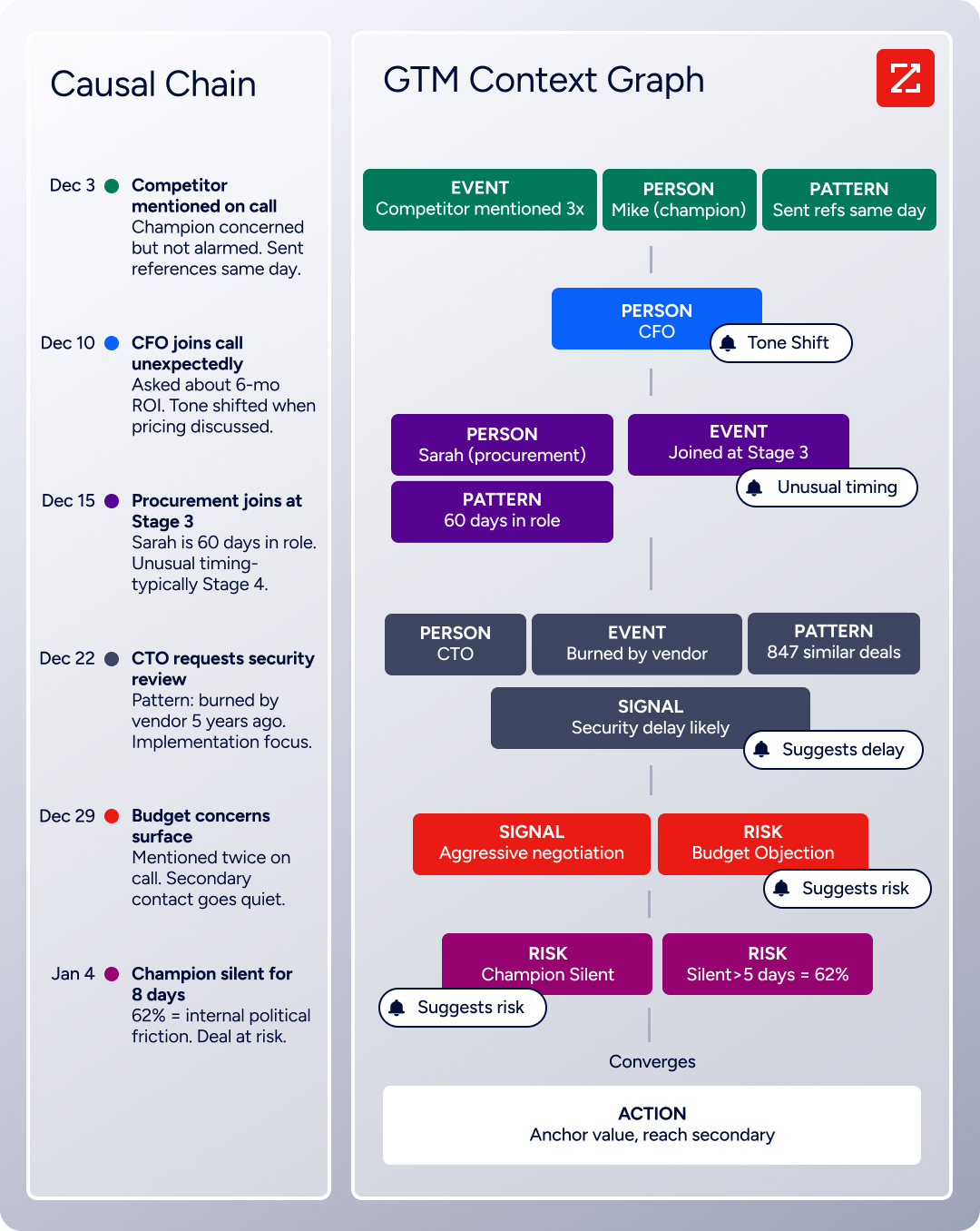
When a visitor hits your pricing page, the system can identify whether their company matches your closed-won patterns, whether a champion already exists in the account, and what message will resonate based on concerns surfaced in prior conversations.
For marketing teams, GTM Studio provides audience building, campaign orchestration, and cross-channel activation in a single canvas. ZoomInfo's native Demand-Side Platform deploys display ads based on 300+ company attributes across major ad networks, with audiences that auto-update. FormComplete reduces web forms to a single field while auto-appending the rest from ZoomInfo's data.
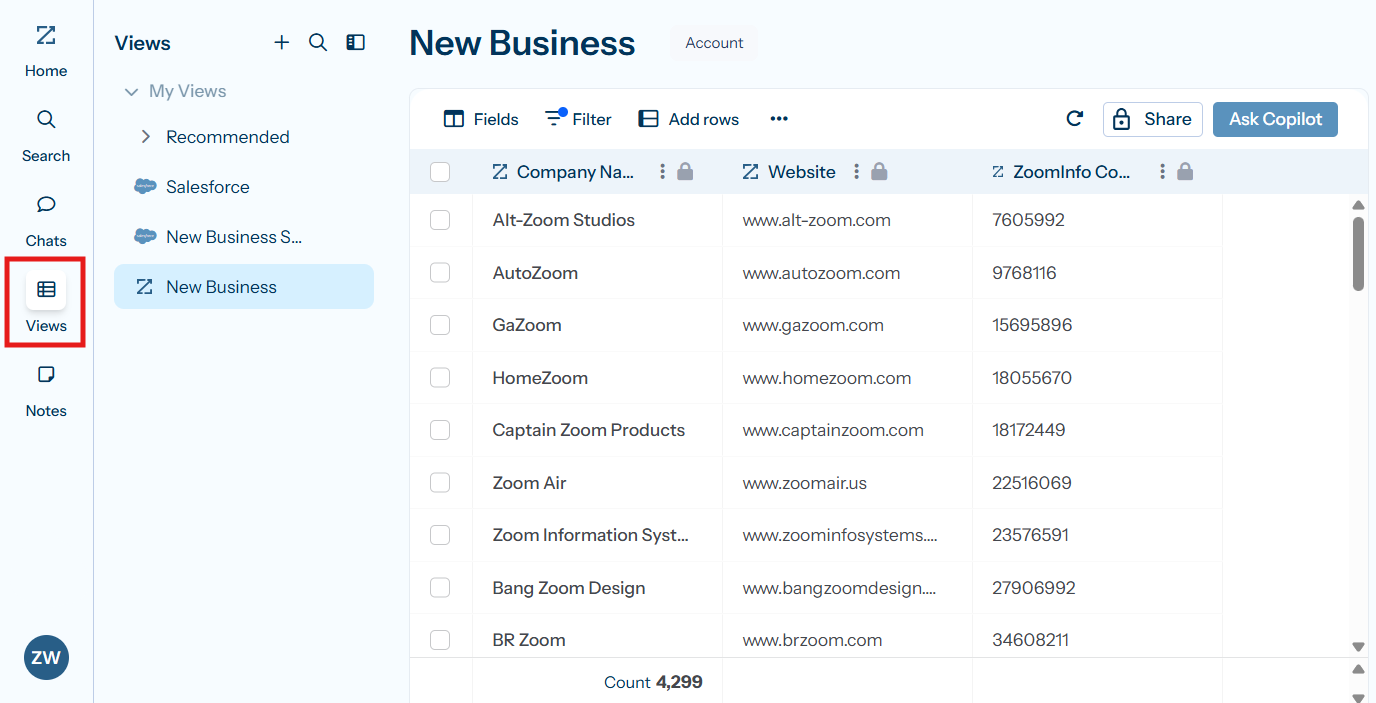
For sellers, GTM Workspace surfaces prioritized accounts, AI-drafted outreach, and deal execution in one view. Reps don't toggle between an identification tool, a data enrichment vendor, and a sequencing platform, because ZoomInfo handles all three.
Source: ZoomInfo
Vensure's VP of Revenue Operations described ZoomInfo's data this way: "We don't have to go through and spend our time digging. It's already there, so we can be three steps ahead." (Vensure Case Study)
Intent data: page-level signals vs. web-scale intelligence
How each platform detects buying intent determines how early and how accurately you can engage prospects.
RB2B tracks intent at the page level.
Hot Pages flags visitors who view specific URLs you designate as high-intent (pricing, case studies, demo pages). This is useful but reactive: you only see intent from visitors who already found your site. There's no visibility into what those prospects are researching elsewhere, whether they're evaluating competitors, or what topics correlate with deals closing in your pipeline.
Source: RB2B
Vector adds off-site intent through its publisher network, tracking keyword-based research behavior across 400,000+ sites.
Its intent engine processes 10 billion+ signals daily and scores contacts at three tiers (Low, Medium, High) over a 14-day window. This catches buyers earlier in their research cycle, before they visit your site. The limitation: intent data feeds Vector's advertising audiences rather than providing a standalone intelligence product for sales teams.
ZoomInfo operates intent at a different scale.
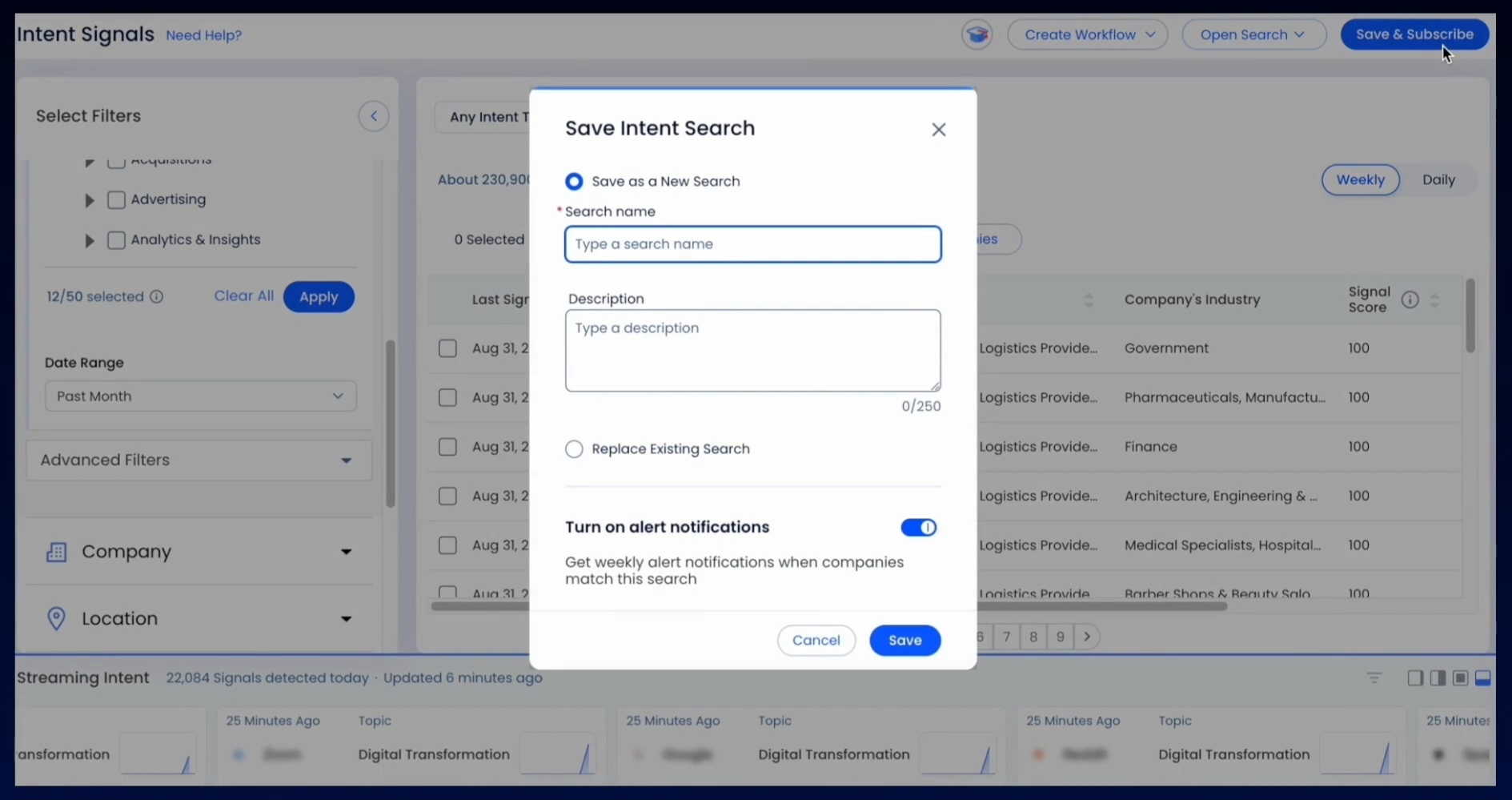
ZoomInfo Intent tracks signals from 210 million IP-to-Organization pairings and 6 trillion+ new keyword-to-device pairings sourced monthly. Guided Intent (exclusive to ZoomInfo) identifies topics historically correlated with deal success rather than requiring manual topic selection.
Source: ZoomInfo
The platform doesn't just surface companies researching your category; it finds companies whose research patterns match the signals that preceded your past closed-won deals.
The practical difference: RB2B tells you someone visited your pricing page. Vector tells you someone is researching your category on third-party sites. ZoomInfo tells you a company's research pattern matches the signals that preceded your last ten closed deals, and here are the three decision-makers you should contact, with their verified direct dials and the outreach message most likely to resonate.
Redwood Logistics achieved a 99% reduction in cost-per-click and a 310% increase in click-through rate using ZoomInfo's intent-driven audience targeting. (Redwood Logistics Case Study)
The pricing math depends on what you're replacing
Each platform prices differently because each solves a different scope of problem.
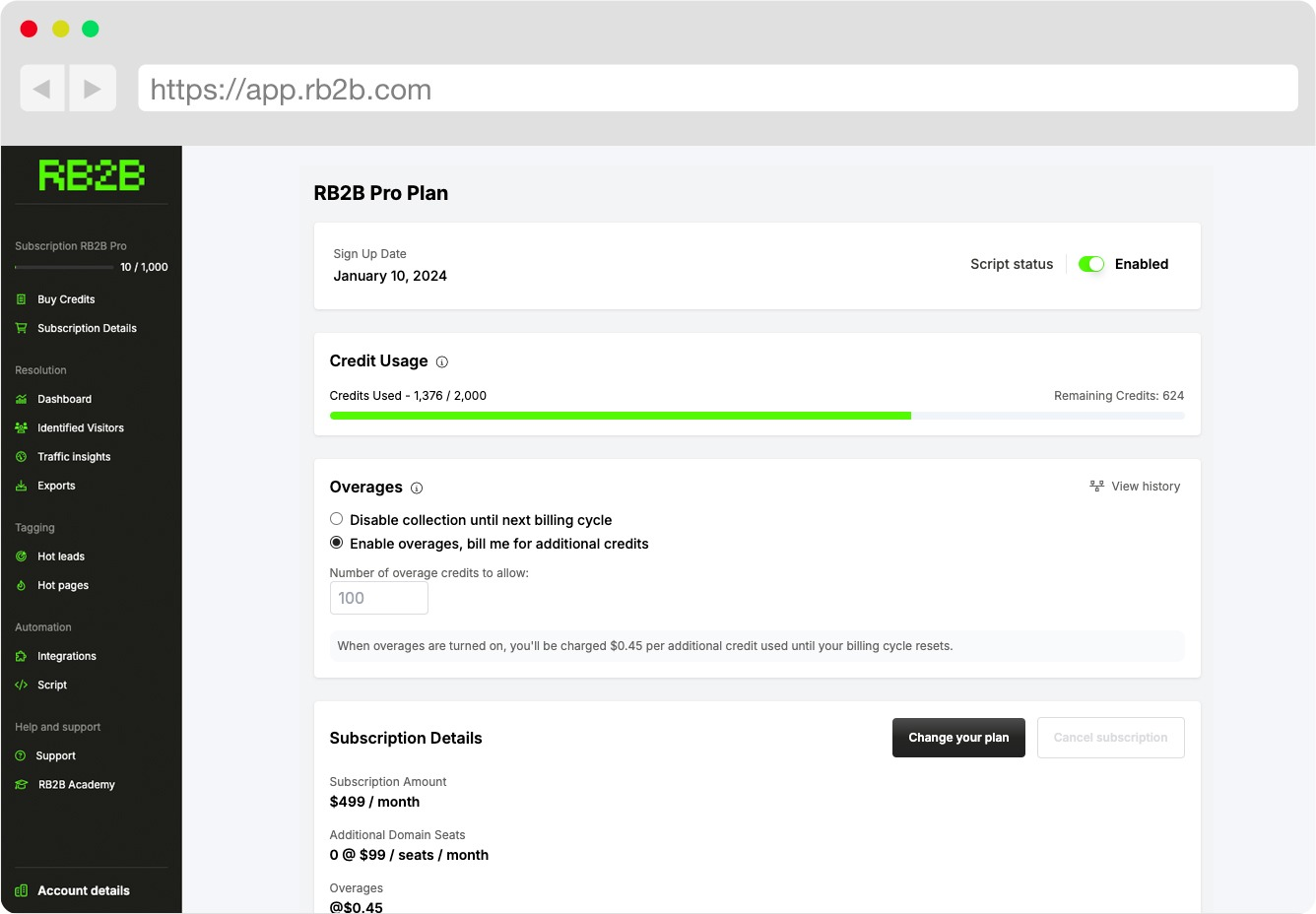
RB2B uses credit-based pricing where one credit equals one unique visitor identified per 30-day period.
Source: RB2B
The free plan provides 150 company-level resolutions monthly (no contact-level data). The Starter plan ($79/month) includes 300 credits with contact-level identification at 15-20% coverage. The Pro plan (starting at $149/month) adds business email addresses and full integrations. The Pro+ plan (starting at $199/month) increases person-level coverage to 35-45%.
Overage charges range from 25 to 45 cents per resolution depending on plan tier. Credits don't roll over. Subscriptions are month-to-month by default.
For a full breakdown of RB2B's credit system, plan tiers, and overage costs, see our RB2B pricing breakdown.
Vector offers two tiers.
The Reveal plan ($399-$999/month, month-to-month) covers website de-anonymization, Ad Reveal, and CRM sync. The Target plan ($3,000/month, annual commitment) adds signal-driven audiences, multi-channel ad sync, 10,000 identified visitors per month, dedicated onboarding, and a Customer Solutions Manager.
Bid Agent adds $500/month per agent. SSO is a separate paid add-on. Vector charges no percentage of ad spend.
ZoomInfo uses custom-quoted, consumption-based pricing with no publicly listed prices.
The platform offers a permanent free tier (ZoomInfo Lite) with access to the B2B database, 10 monthly export credits, WebSights Lite (up to 10 visitor reveals per day), Chrome extension, HubSpot integration, and built-in email sending.
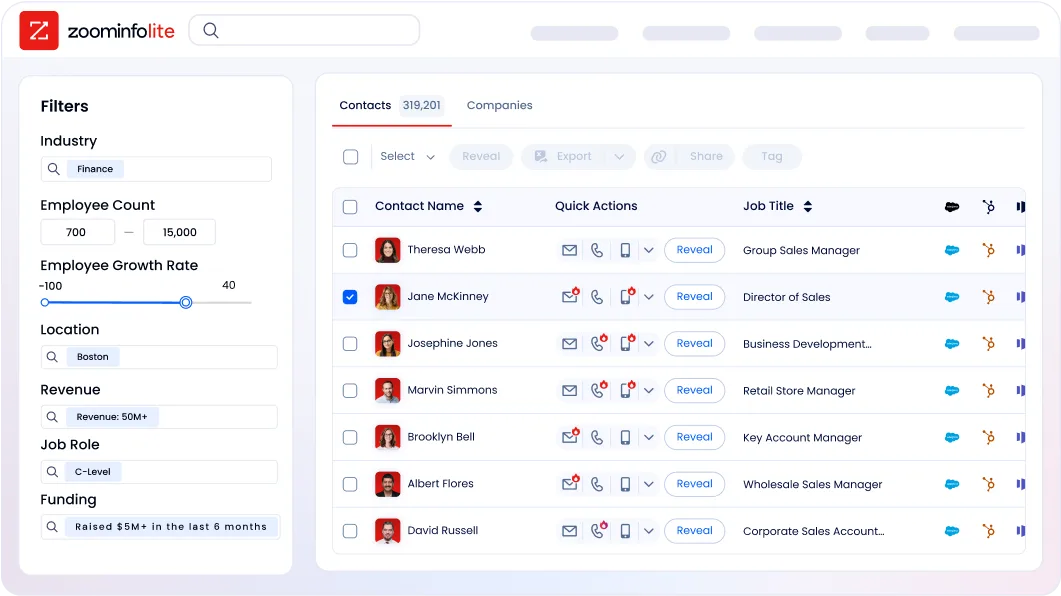
Paid plans are organized across Sales, Marketing, and Operations product lines, each with Professional, Advanced, and Enterprise tiers. Pricing scales with seats, credit volume, features, and contract length.
The comparison that matters isn't monthly cost alone. It's total cost to achieve pipeline outcomes. An RB2B subscription ($149-$199/month) is affordable, but the workflow requires additional tools for data enrichment, sequencing, and CRM management, each with its own cost. A Vector Target subscription ($3,000/month) covers advertising but not sales execution.
ZoomInfo's higher price reflects a platform that handles identification, enrichment, intent, outreach, conversation intelligence, and campaign execution without requiring a stack of supplementary vendors.
Integration depth varies from narrow to universal
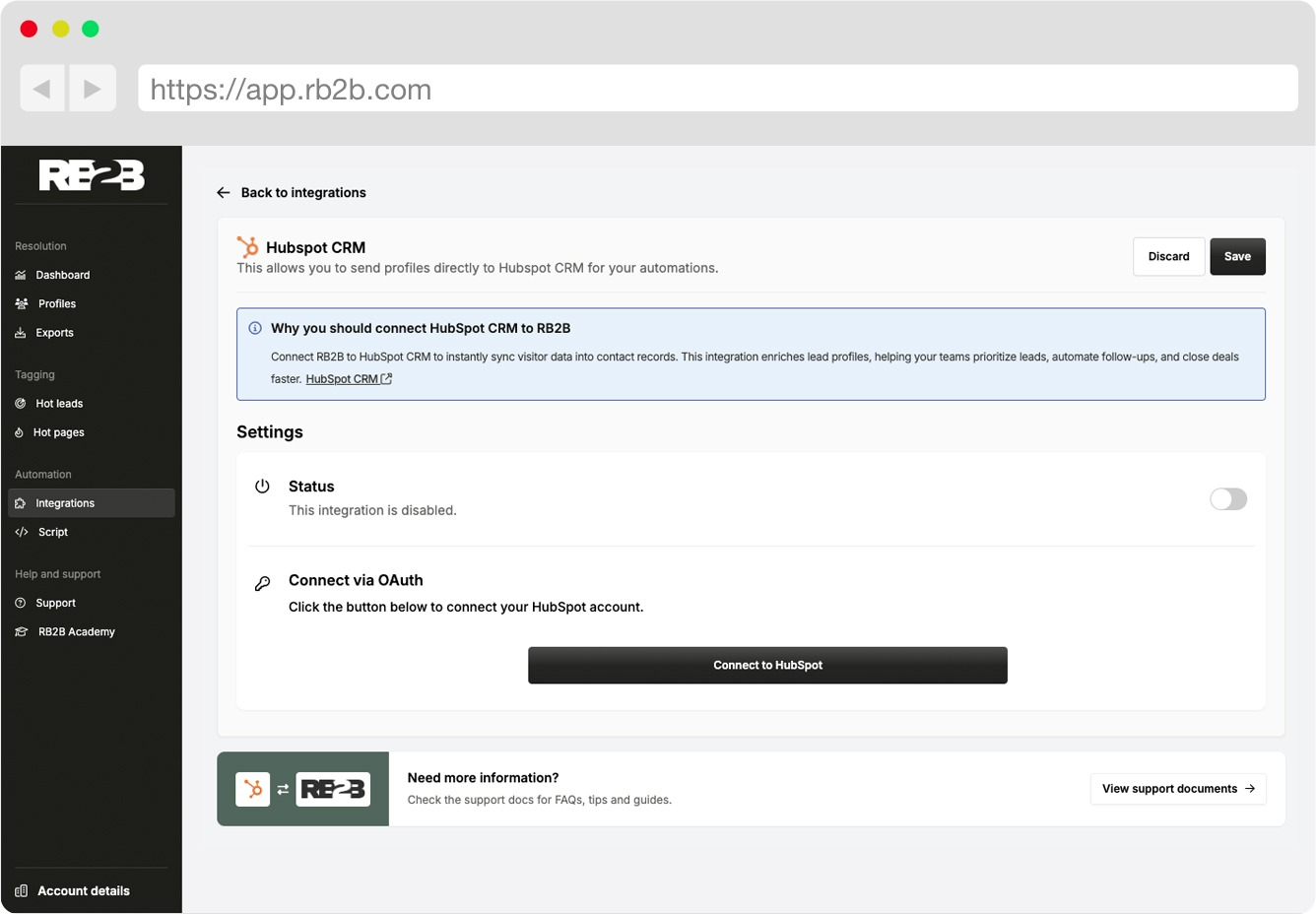
RB2B connects to the tools most sales teams already use.
Native integrations include Slack, Microsoft Teams, HubSpot, Salesforce, Clay, Apollo, Zapier, and webhooks, totaling 50+ integrations.
The platform also offers an API Partner Program with enrichment endpoints. Setup is straightforward, with 14 CMS-specific installation guides and a built-in script verification tool. For teams with a simple stack (CRM + Slack + outreach tool), RB2B plugs in without friction.
Source: RB2B
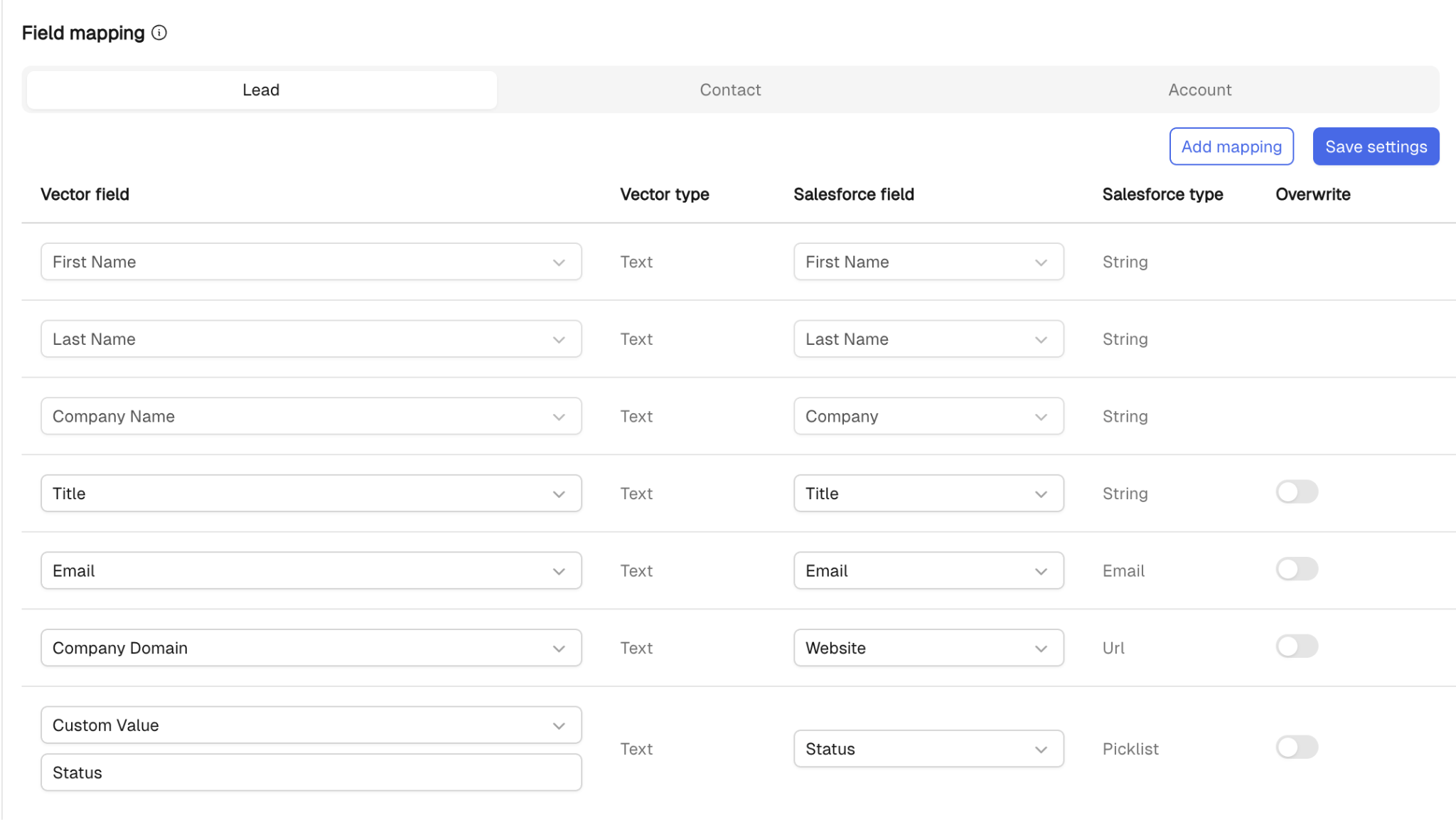
Vector integrates natively with LinkedIn Ads, Google Ads, X, and Reddit for automatic audience sync, with Meta, Snapchat, TikTok, and Bing requiring additional manual steps.
CRM integrations cover HubSpot and Salesforce, with Pardot listed but less documented. Slack handles notifications. Webhooks and Clay connections enable custom workflows.
Source: Vector
The integration footprint is focused: if your workflow involves CRM + ad platforms + Slack, Vector covers it. If you need connections to marketing automation, conversation intelligence, or data warehouse platforms, you'll build those yourself.
ZoomInfo operates at a different integration scale.
The App Marketplace lists 120+ partner integrations spanning CRM, marketing automation, sales engagement, revenue intelligence, data warehouses, and communications. Cloud Partners enable direct data ingestion into AWS, Google Cloud, Snowflake, and Databricks.
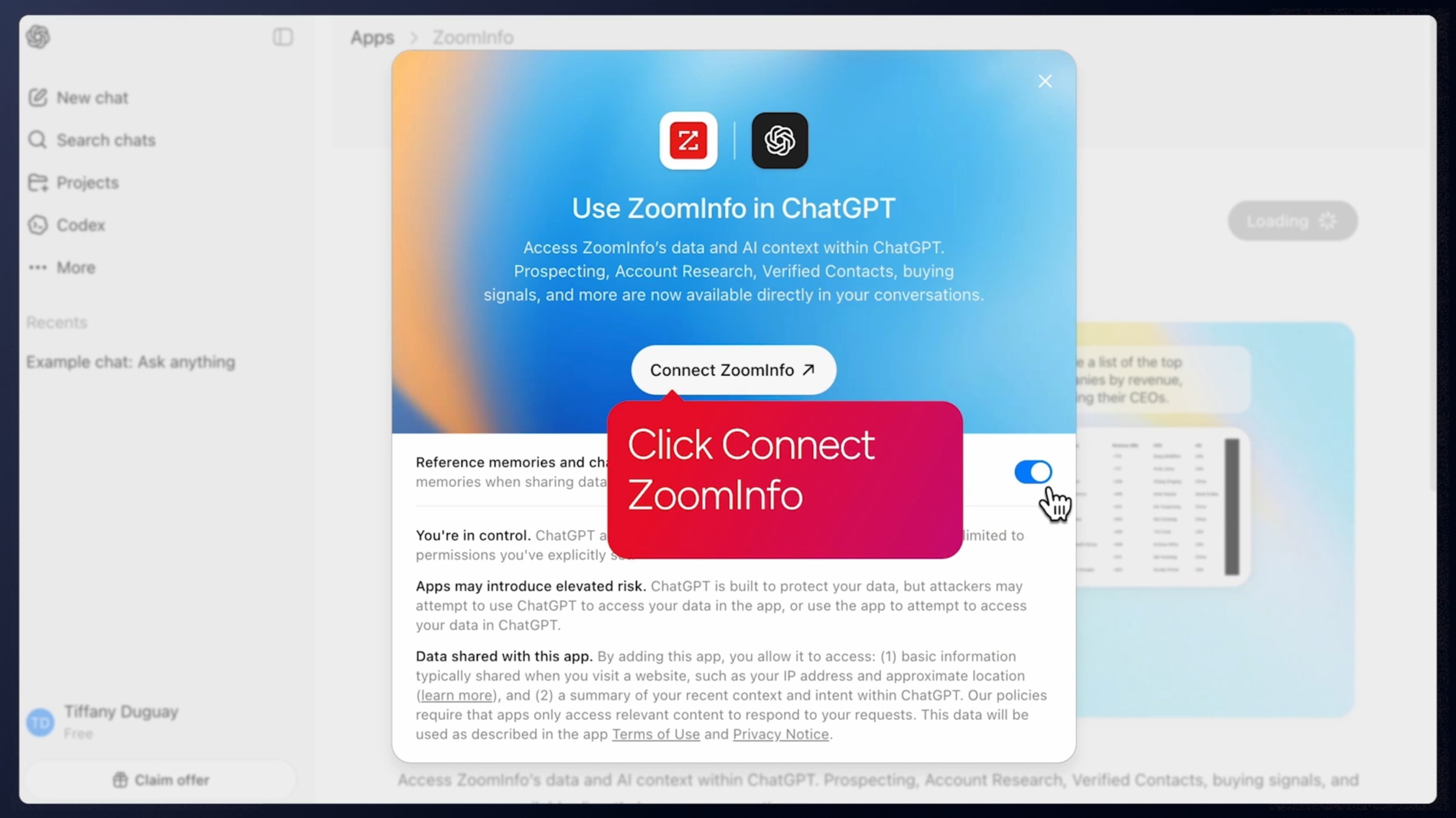
The Enterprise API provides programmatic access across four areas (Data, Copilot AI, Marketing, and Engagements), and the MCP server connects ZoomInfo's intelligence directly to AI models like Claude and ChatGPT with no custom coding. API access is included in all relevant plans.
Source: ZoomInfo
BDO Canada's Senior Marketing Intelligence Analyst described ZoomInfo's API: "The plug-and-play aspect of the API means I can integrate it very easily into any process and get information at a moment's notice." The result was an 87% reduction in time spent updating internal data dashboards. (BDO Canada Case Study)
Compliance and data coverage tell different stories
All three platforms restrict person-level identification to the United States, but their compliance postures and global capabilities differ.
RB2B is SOC 2 Type II certified and CCPA compliant.
Its person-level database contains only profiles matched to U.S. home addresses, with IP ringfencing to resolve only U.S. traffic. This simplifies GDPR exposure since no EU personal data is collected. The Demandbase partnership extends company-level identification worldwide, but person-level data remains U.S.-only.
Vector manages compliance through Oneleet with a public trust center and claims compliance with GDPR, CCPA, CASL, PIPEDA, LGPD, POPIA, and PDPA.
However, its SOC 2 Type 2 certification is listed as "preparing for audit" rather than confirmed. The pixel is geofenced to the United States for identity data collection. Vector does not automatically honor Global Privacy Control browser signals, leaving that decision to customers. Customers must update their own privacy policies and consent management to disclose Vector's tracking.
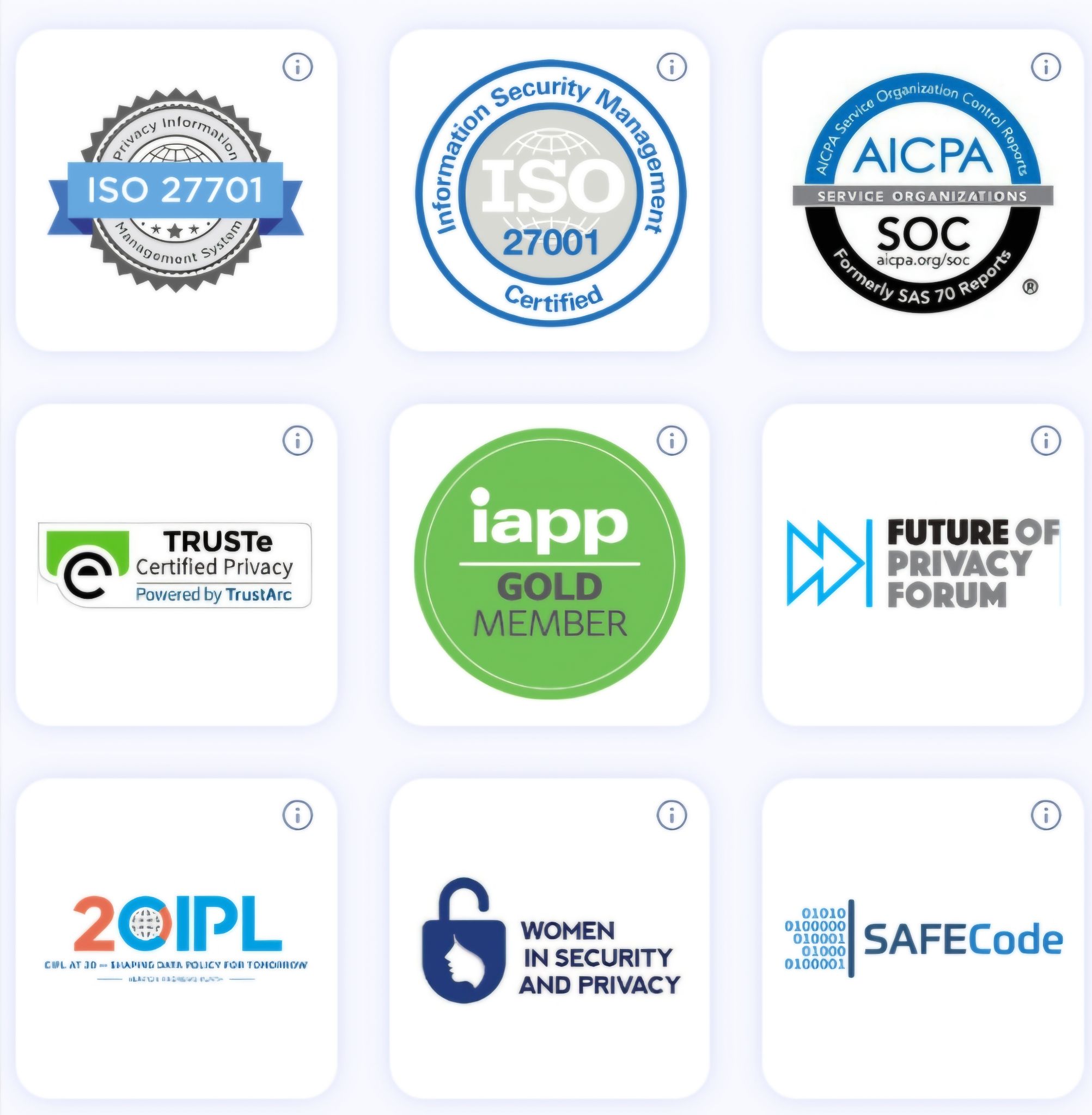
ZoomInfo holds the broadest certification stack: ISO 27001, ISO 27701, SOC 2 Type II, TRUSTe GDPR Practices Validation, and TRUSTe CCPA Practices Validation, all renewed annually.
Source: ZoomInfo
ZoomInfo is a registered data broker in California and Vermont. Its data coverage is global: 34M+ company profiles outside North America, 200M+ professional profiles outside NA, and 45M+ mobile numbers outside NA. For enterprise buyers in regulated industries, this compliance depth and global coverage matters.
RB2B vs. Vector vs. ZoomInfo: Which should you choose?
The right platform depends on what role visitor identification plays in your go-to-market motion.
Choose RB2B if:
Your primary goal is alerting sales reps when target prospects visit your site
You need a low-cost, low-commitment way to test person-level visitor identification
Your sales team already has separate tools for enrichment, sequencing, and CRM management
Your target market is the United States only
Speed to value matters more than platform depth
Choose Vector if:
You run significant paid media budgets and need contact-level ad targeting
You want to know who clicks your ads, not just that someone clicked
Building dynamic ad audiences across LinkedIn, Google, Meta, and other platforms is a priority
You have in-house demand gen expertise to configure and manage campaigns
You're willing to commit $3,000+/month annually for audience-building capabilities
Choose ZoomInfo if:
You need visitor identification connected to a complete sales and marketing platform
Verified contact data (direct dials, business emails) for the full buying committee matters
You want intent signals at web scale, not just page-level visitor tracking
Your team spans sales, marketing, and RevOps and needs a shared intelligence layer
You want to consolidate point solutions into a platform that handles identification, enrichment, outreach, and campaign execution
Start with ZoomInfo Lite for free or request a demo to see the full platform.
RB2B and Vector each solve specific, well-defined problems. RB2B gets visitor names to sales reps fast. Vector turns engagement signals into targeted ad audiences. Both do their jobs well. But visitor identification is a means to an end, and that end is pipeline.
ZoomInfo treats identification as one input among many in a system designed to turn market intelligence into revenue, which is why 35,000+ companies (including Snowflake, Adobe, Seismic, and Thomson Reuters) have made it the foundation of their go-to-market stack.
RB2B vs. Vector vs. ZoomInfo FAQ
What is the core difference between RB2B, Vector, and ZoomInfo?
RB2B is a website visitor identification tool that reveals individual U.S. visitors by name and pushes that data to sales teams via Slack and CRM integrations.
Vector is a contact-level advertising platform that identifies site visitors and ad clickers, then builds dynamic ad audiences synced to LinkedIn, Google, Meta, and other platforms.
ZoomInfo is a GTM platform combining a B2B dataset of 500M contacts and 100M companies with intent data, conversation intelligence, AI-driven outreach, and campaign execution across sales, marketing, and RevOps.
Which platform is cheapest to get started with?
RB2B has the lowest entry point with a free plan offering 150 company-level resolutions per month and paid plans starting at $79/month.
ZoomInfo offers a permanent free tier (ZoomInfo Lite) with database access, 10 monthly export credits, and basic visitor identification.
Vector offers a 14-day free trial, with paid plans starting at $399/month for Reveal and $3,000/month (annual) for Target.
Can any of these platforms identify visitors outside the United States?
All three limit person-level or contact-level identification to U.S. traffic. RB2B adds global company-level identification through its Demandbase partnership.
Vector geofences its pixel to the United States.
ZoomInfo provides the broadest global coverage overall, with 34M+ company profiles outside North America, 200M+ international professional profiles, and 45M+ mobile numbers outside NA, though its website visitor identification focuses on company-level resolution for international traffic.
Which platform is best for teams running paid advertising?
Vector is built for demand gen teams managing paid media, with contact-level audience building that syncs to ad platforms, off-site intent data from a 400,000+ publisher network, and automated LinkedIn bid optimization via Bid Agent.
ZoomInfo also offers advertising capabilities through its native Demand-Side Platform and cross-channel audience targeting in GTM Studio, alongside a broader set of sales and marketing tools.
RB2B does not offer ad audience building or ad platform integrations.
How do the platforms handle intent data?
RB2B tracks intent at the page level through its Hot Pages feature, which flags visitors viewing URLs you designate as high-intent.
Vector tracks off-site research behavior across a 400,000+ publisher network, processing 10 billion+ signals daily and scoring contacts at three intent tiers.
ZoomInfo operates at the largest scale, tracking signals from 210 million IP-to-Organization pairings and 6 trillion+ new keyword-to-device pairings monthly, with Guided Intent identifying topics historically correlated with deal success.
Which platform provides the most comprehensive contact data?
ZoomInfo's database covers 500M contacts with 135M+ verified phone numbers, 120M direct-dial phone numbers, and 200M+ verified business emails, verified through a pipeline backed by 300+ human researchers.
RB2B and Vector both provide contact data only for visitors they identify on your website or through ad clicks, and neither maintains an independent, queryable contact database.
Do these platforms work together, or are they mutually exclusive?
RB2B and Vector can run alongside each other or alongside ZoomInfo, since each uses its own pixel. Some teams use RB2B for quick Slack alerts and Vector for ad audience building.
However, ZoomInfo covers the identification, data enrichment, intent, outreach, and advertising functions that RB2B and Vector address separately, so teams adopting ZoomInfo fully often consolidate rather than stack.
Which platform has the strongest security and compliance certifications?
ZoomInfo holds the broadest certification stack: ISO 27001, ISO 27701, SOC 2 Type II, TRUSTe GDPR and CCPA Practices Validation, all renewed annually, plus registered data broker status in California and Vermont.
RB2B is SOC 2 Type II certified and CCPA compliant.
Vector claims compliance with multiple privacy frameworks but lists its SOC 2 Type 2 certification as in preparation rather than confirmed.
Comparing RB2B and Vector? These related breakdowns go deeper:
