
Choosing between SAP and HubSpot for your CRM comes down to five questions:
Do you need a CRM connected to ERP, supply chain, and HR, or one focused on marketing, sales, and service?
Is your buying process simple enough for one platform, or does it span global operations with multi-entity financials and regulatory compliance?
How much implementation time and cost can you absorb before seeing results: weeks, or months to years?
Does your team need a platform they can adopt without specialized training, or are you willing to invest in expertise for greater capability?
Is your go-to-market challenge a tooling problem, or a data problem that no CRM alone can solve?
Here's what we recommend:
SAP is the enterprise operating system for organizations that need their CRM connected to ERP, supply chain, manufacturing, and HR. SAP CX (Sales Cloud, Service Cloud, Commerce Cloud, and Marketing Cloud) connects to SAP S/4HANA, so customer-facing teams see real-time inventory, pricing, and order data without middleware. With Joule AI built into the suite and localization in 100+ countries, SAP serves global enterprises. The trade-off: steep learning curves, opaque pricing, and implementations that stretch months or years.
HubSpot is the CRM platform for go-to-market teams that want to move fast. Its suite of Marketing Hub, Sales Hub, Service Hub, Content Hub, and Smart CRM shares a single data layer, so marketing, sales, and service teams work from one customer record. HubSpot claims customers reach meaningful value within 90 days, and its Breeze AI layer automates prospecting, content creation, and customer support. The trade-off: per-seat, per-hub pricing gets expensive at scale, and its CRM doesn't match SAP's capabilities in workflows that touch ERP.
Both platforms answer the "where do I manage customer relationships" question. Neither solves a more basic problem: your go-to-market teams are only as effective as the data behind their outreach, targeting, and pipeline decisions. That's a different problem.
ZoomInfo is a B2B intelligence and GTM platform that provides the data layer both SAP and HubSpot lack. Built on a B2B dataset of 500M contacts, 100M companies, 135M+ verified phone numbers, and 200M+ verified business emails, ZoomInfo's GTM Context Graph combines this data with your CRM records, conversation transcripts, and behavioral signals to show not just what's happening in your pipeline, but why. ZoomInfo integrates with both HubSpot and Salesforce, and its API and MCP access lets the same intelligence power any CRM, tool, or AI agent your team uses.
If better data and go-to-market intelligence sound like the missing piece of your CRM strategy, see how ZoomInfo works with your existing stack.
SAP vs. HubSpot vs. ZoomInfo at a glance
SAP | HubSpot | ZoomInfo | |
|---|---|---|---|
Primary function | Enterprise suite (ERP + CRM + HR + SCM) | CRM and go-to-market platform | B2B data intelligence and GTM execution |
Implementation time | Months to years | ||
Pricing transparency | Opaque, quote-only | Published tiers with per-seat/per-hub pricing | Custom-quoted, consumption-based |
AI capabilities | Joule (50+ assistants, 200+ agents) | Breeze (prospecting, content, service agents) | GTM Context Graph with AI-driven outreach and insights |
CRM depth | Native ERP/finance integration | Strong for marketing and sales workflows | Enriches any CRM with B2B intelligence |
Global reach | 180+ countries, 100+ country localizations | 135+ countries | |
Learning curve | Steep | Moderate | Moderate |
Integrations | SAP ecosystem + 160+ connectors | 172+ marketplace partners + API/MCP access | |
Best for | Global enterprises with ERP needs | Scaling companies focused on marketing and sales | Any B2B team needing accurate data and buyer intelligence |
SAP and HubSpot serve fundamentally different buyers
Comparing SAP to HubSpot is like comparing a container ship to a speedboat. Both move cargo, but they're built for different conditions.
SAP's CRM (SAP CX) is one piece of an enterprise suite spanning financial management, supply chain, procurement, manufacturing, and human capital management.
When a sales rep looks up a customer in SAP Sales Cloud, they see real-time inventory levels from SAP EWM, pricing from SAP S/4HANA, and order fulfillment status from SAP TM. That integration is structural, not bolted on. For a manufacturer shipping products across 30 countries, this connectivity stops sales teams from quoting delivery dates they can't meet because they lack supply chain visibility.
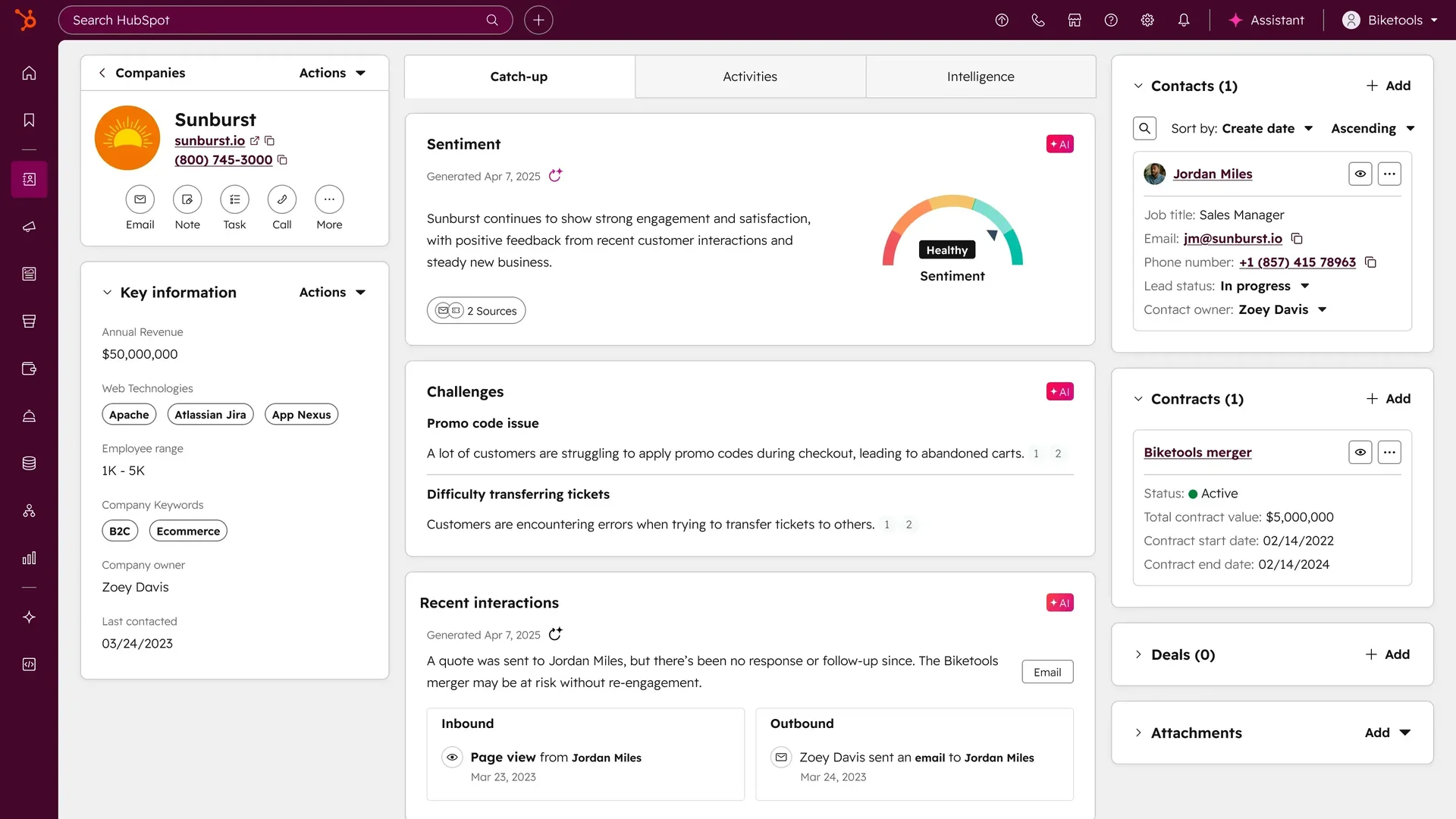
HubSpot's CRM sits at the center of a go-to-market platform designed to help marketing attract leads, sales close deals, and service retain customers.
When a sales rep looks up a contact in HubSpot, they see every marketing email opened, every web page visited, every support ticket filed, and every deal in the pipeline. HubSpot makes this customer journey visible and actionable. For a SaaS company or professional services firm with 50 to 2,000 employees, HubSpot delivers marketing automation, sales engagement, and service management without a system integrator or a six-figure implementation budget.
Source: HubSpot
The gap between them is scope. SAP gives you an enterprise operating system. HubSpot gives you a go-to-market platform. Most companies need one or the other, not both.
Implementation and time to value separate the two worlds
This is where the choice becomes most practical.
HubSpot's implementation advantage is not marginal. It's structural.
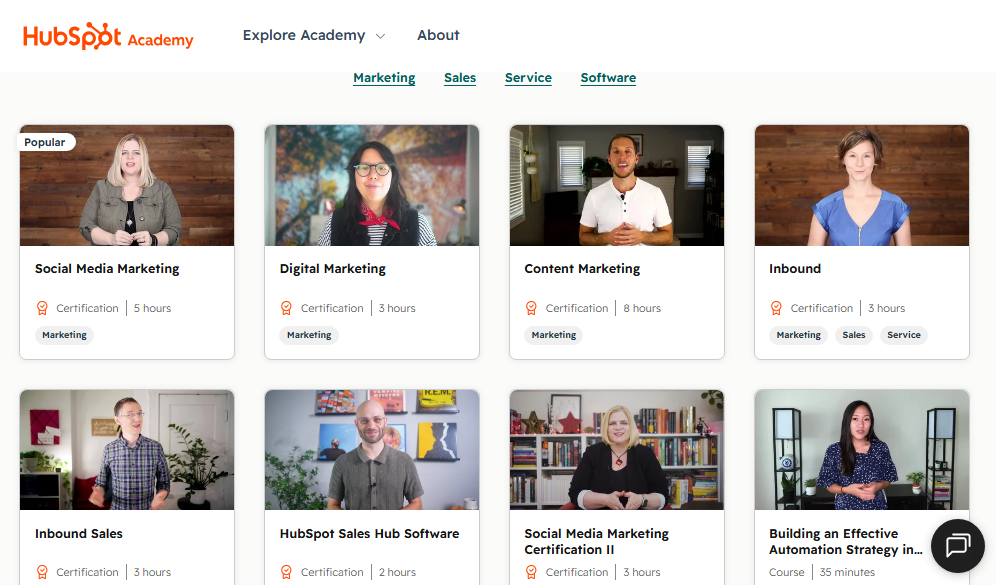
The platform offers a permanent free CRM tier that lets teams try the product before committing. Paid onboarding follows a self-guided path through HubSpot Academy, and the company claims customers reach meaningful value within 90 days.
Source: HubSpot
SAP's implementation timeline reflects its complexity.
GROW with SAP (the public cloud edition for mid-market companies) claims initial scope activation in 30 days or less with pre-configured processes, but most enterprise SAP deployments take months to over a year. RISE with SAP (for migrating existing SAP customers to the cloud) involves structured transformation programs with system integrators.
SAP has introduced AI migration assistants that cut effort by more than 35%, but the baseline effort is large. Budget overruns are common: more than 60% of planned budgets for S/4HANA migrations were exceeded.
If your company needs a pipeline this quarter, HubSpot is the obvious choice. If you manage global manufacturing operations and will run on this platform for a decade, SAP's longer implementation pays for itself through operational integration.
AI capabilities take different paths to the same goal
Both platforms have invested in AI, but their approaches reflect their architectures.
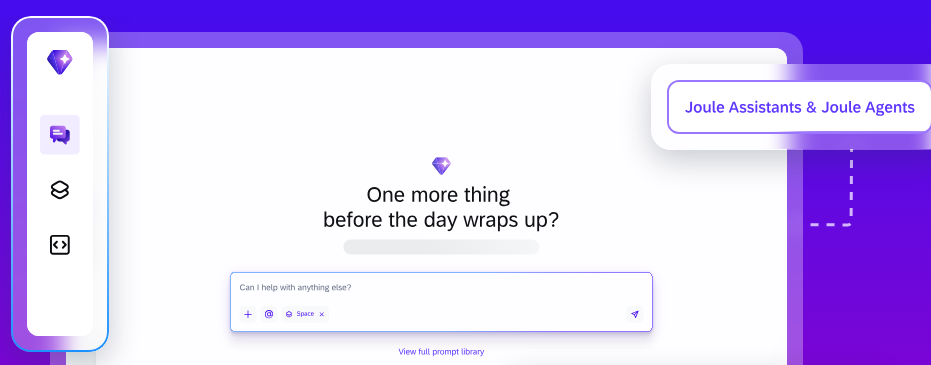
SAP's Joule is an AI layer built into the enterprise suite. More than 50 Joule Assistants orchestrate over 200 specialized agents across finance, supply chain, procurement, HR, and customer experience.
The Financial Closing Assistant can perform journal posting and clearing on its own. The Payroll Assistant coordinates time and payroll agents to catch issues before payroll runs. Joule's strength: it operates on SAP's transactional ERP data and 7 million+ data fields, giving it business process context that go-to-market tools can't match.
Source: SAP
HubSpot's Breeze focuses on go-to-market workflows.
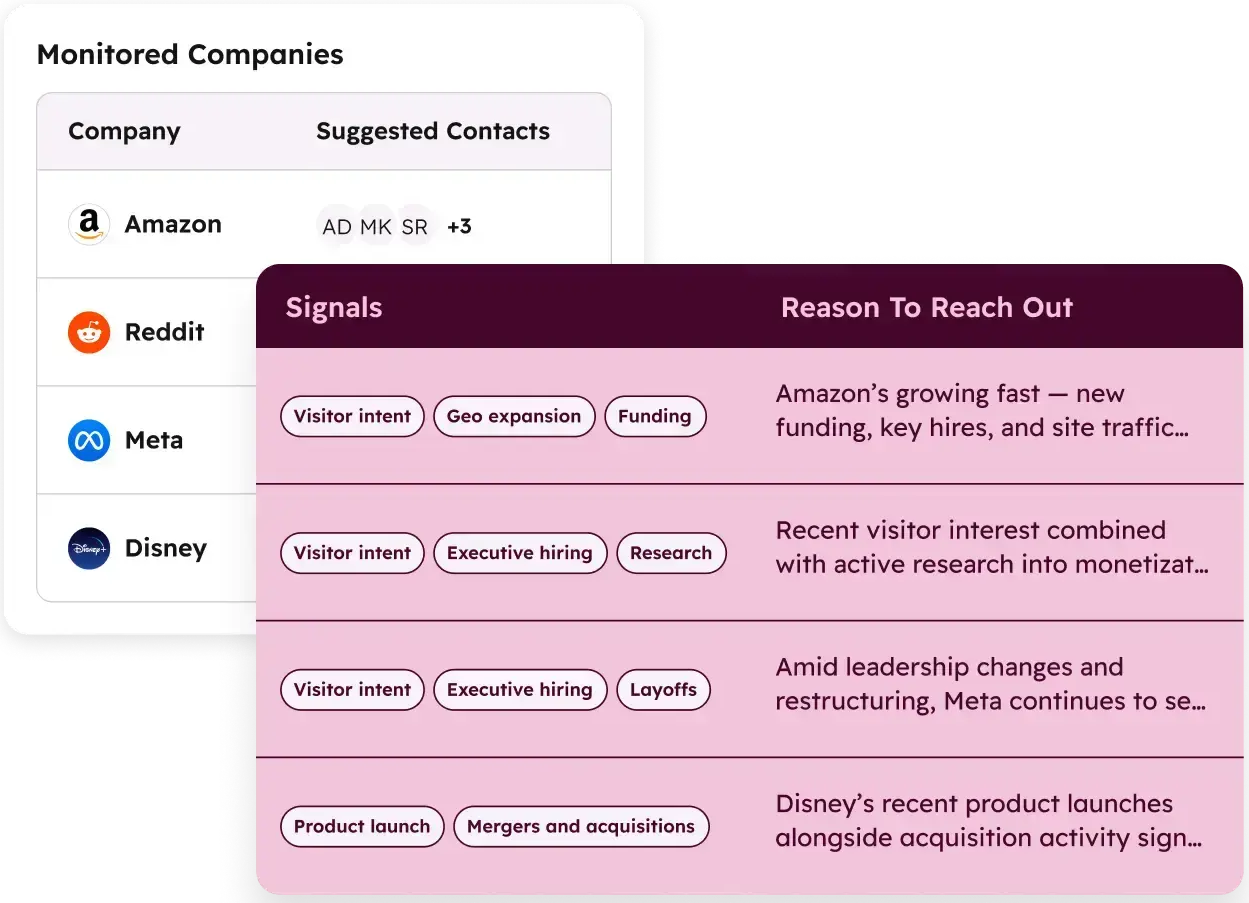
The Customer Agent resolves over 50% of customer conversations without human help. The Prospecting Agent monitors buying signals and drafts personalized outreach from the full HubSpot customer history. The Data Agent answers natural-language questions about CRM data.
Breeze draws on HubSpot's unified CRM (marketing engagement, deal history, support tickets) to personalize every action.
Source: HubSpot
Both AI systems share a limitation: they only know what's inside their own platform. SAP's Joule understands your ERP transactions but doesn't know which target accounts just raised a funding round. HubSpot's Breeze knows your deal history but can't tell you who the decision-makers are at a prospect company or which competitors they're evaluating.
This is the gap ZoomInfo fills.
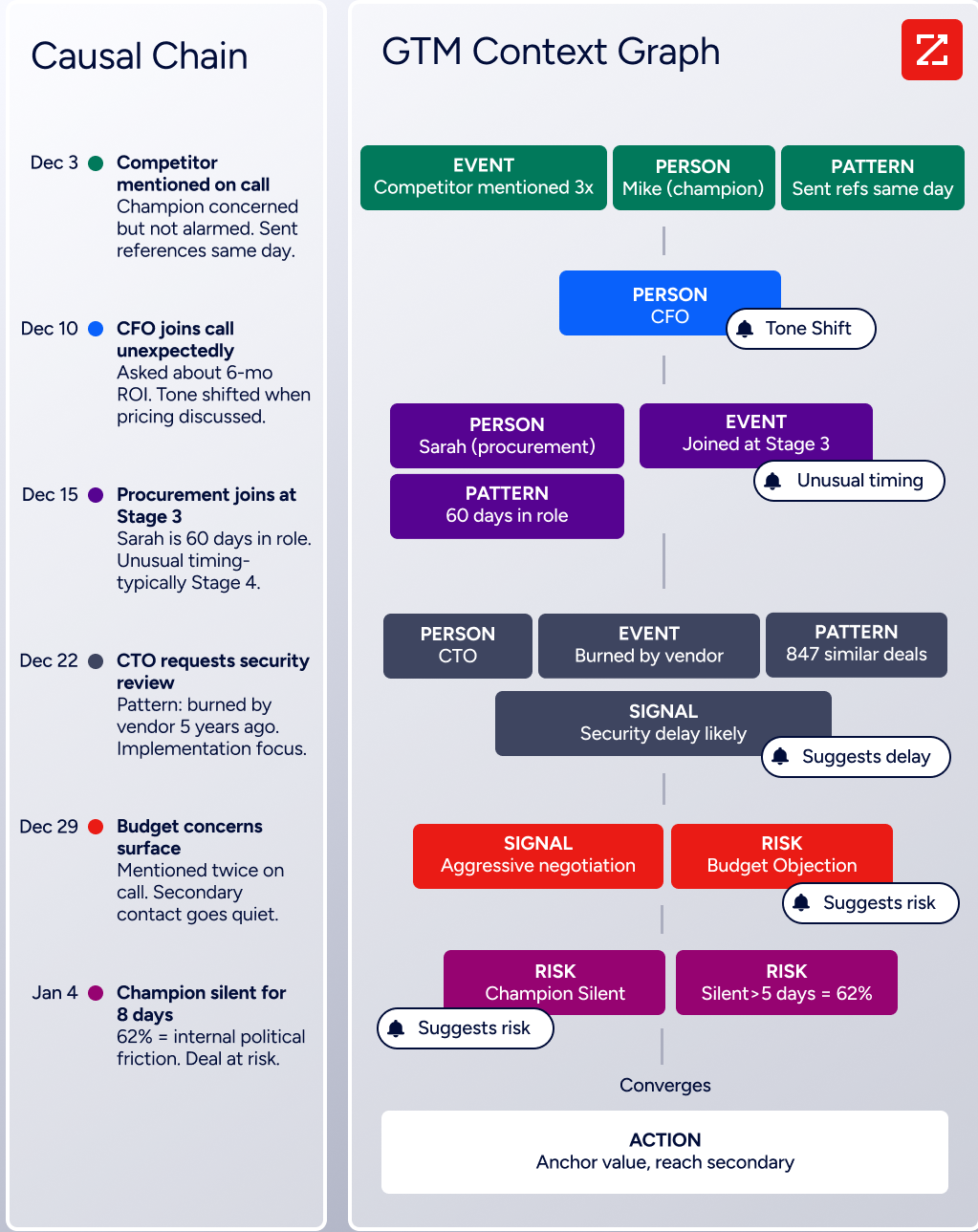
The GTM Context Graph combines ZoomInfo's third-party B2B intelligence (intent signals, org chart changes, funding events, technographic shifts) with your CRM's first-party data to give AI the full context it needs. A CRM records that a deal moved to Stage 3. The GTM Context Graph captures why: the CFO joined the last call and asked about six-month ROI, the company posted three VP hiring notices, and they've been researching your competitor for two weeks. That reasoning flows into every action after it, from the follow-up email to the pipeline forecast.
Source: ZoomInfo
"That combination of our internal CRM data, external signals, and AI that's given all that context has helped us craft very specific account- and persona-based messages. And people have responded to them right away." (Toby Carrington, CBO, Seismic)
Pricing models reveal different market strategies
SAP does not publish pricing. All pricing is custom and quote-based, negotiated with SAP or an authorized partner.
The pricing page on sap.com redirects to a marketing page with no numbers. SAP structures its offerings around RISE with SAP (for existing customers migrating to cloud) and GROW with SAP (for mid-market companies new to SAP), both using Full Use Equivalent (FUE) licensing rather than named-user seats.
Add-ons, premium support tiers, partner-delivered implementation, and SAP BTP consumption costs are separate line items. Total cost of ownership frequently includes system integrator fees from firms like Accenture, Deloitte, or Capgemini.
HubSpot publishes its pricing, which creates transparency but also reveals complexity.
The model combines per-seat, per-hub, and contact-based pricing for Marketing Hub. Starter plans begin at $9 to $20/seat/month. Marketing Hub Professional runs $800 to $890/month with mandatory $3,000 onboarding. Enterprise tiers cost $3,600/month for Marketing Hub with $7,000 mandatory onboarding.
One hidden cost: when subscribing to multiple Hubs at different tiers, all Core Seats are billed at the rate of the highest tier. A team using Marketing Hub Enterprise and Sales Hub Professional pays Enterprise rates on every seat.
ZoomInfo uses consumption-based pricing. Costs depend on usage, credit volume, features, and contract length.
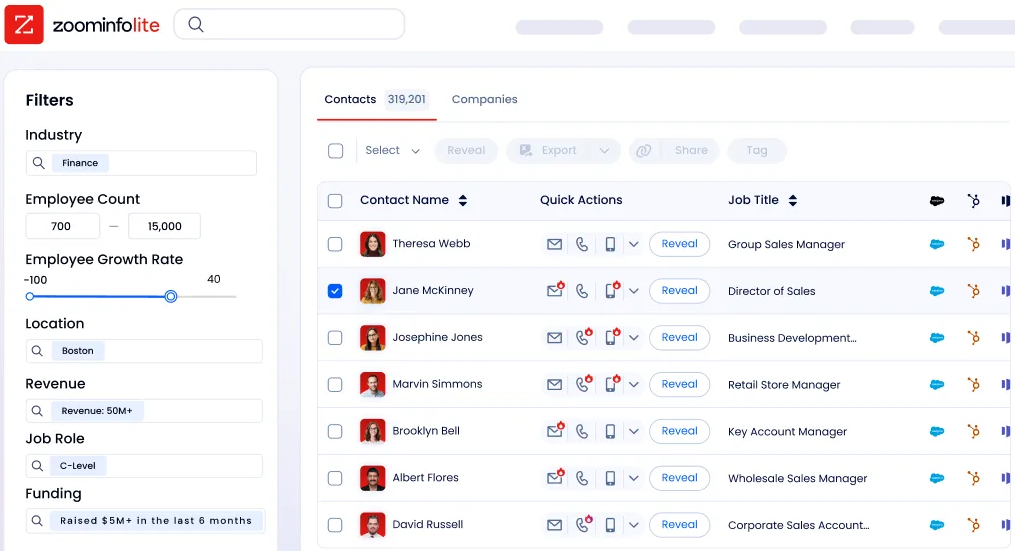
ZoomInfo offers ZoomInfo Lite, a permanent free tier with access to the B2B database and 10 monthly export credits, plus a 7-day free trial of the full platform. Because ZoomInfo is an intelligence layer, not a CRM replacement, its cost sits alongside your CRM investment.
The ROI case is direct: enriched data and buyer signals translate into pipeline. Seismic attributed 39% of active pipeline to opportunities identified or influenced by ZoomInfo signals.
Source: ZoomInfo
User experience reflects each platform's audience
SAP's user experience has improved with SAP Fiori, a role-based web interface offering over 3,600 apps organized into more than 650 business roles. Joule Work, a conversational interface across desktop, mobile, and voice, lets casual users access SAP through natural language rather than transaction codes.
But SAP's underlying data model and transaction logic remain complex. G2 reviewers call the interface "non-intuitive, complex, and has a steep learning curve for new or casual users." TrustRadius reviewers say users can be in "survival mode" for nearly a year after implementation.
HubSpot treats ease of use as its main differentiator.
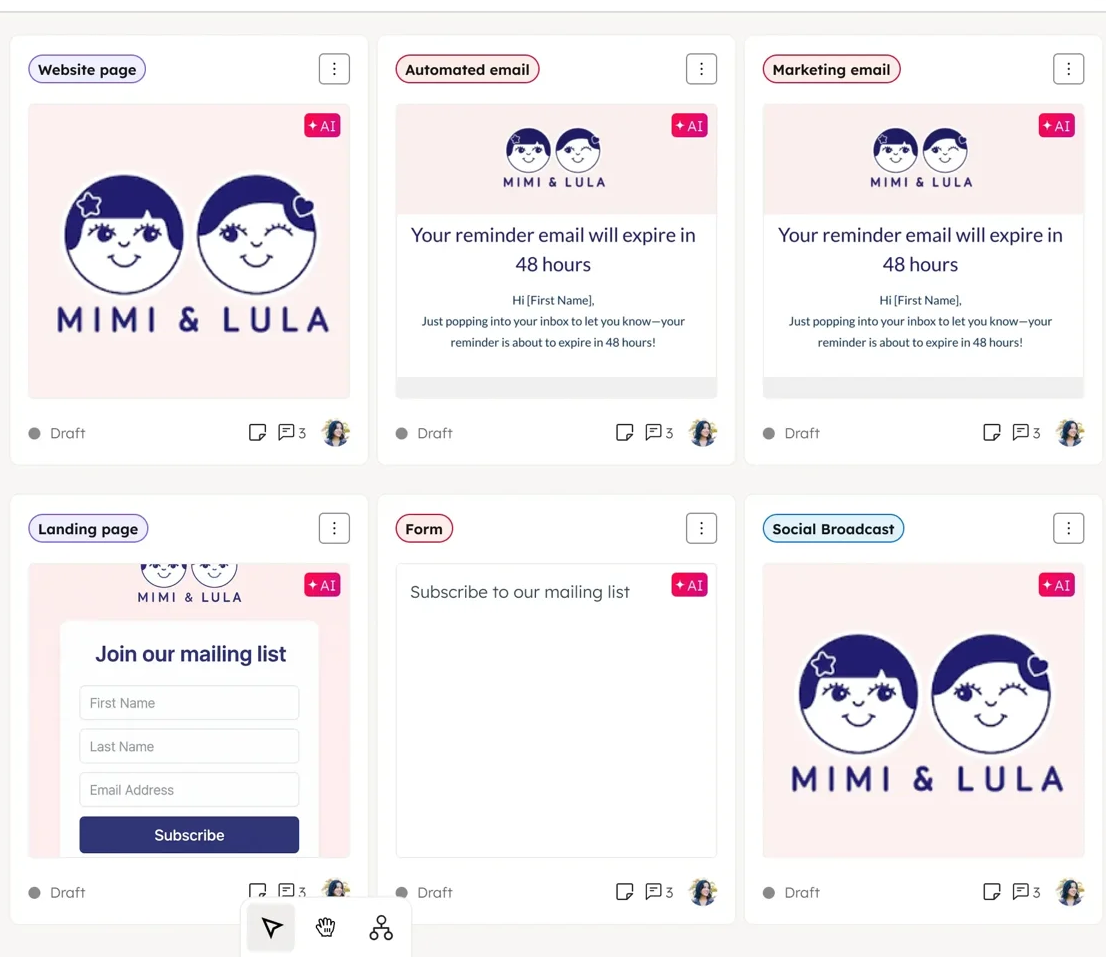
The platform offers a consistent interface across all Hubs, with a shared Smart CRM data layer underneath. Its free CRM serves as an easy onboarding path. The Starter Customer Platform bundles all Hubs at entry-level pricing for startups.
HubSpot says "getting started is almost instantaneous" and the platform scales as teams grow. TrustRadius gives HubSpot Marketing Hub 8.6/10 across 2,272 reviews, with all-in-one integration consistently cited as the top reason users choose it.
Source: HubSpot
ZoomInfo's learning curve falls between the two.
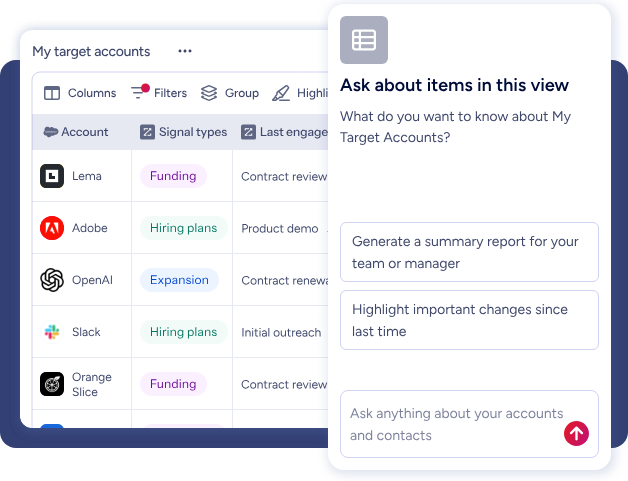
The platform's breadth (B2B data, intent signals, conversation intelligence, GTM Workspace, GTM Studio, APIs) requires onboarding investment. ZoomInfo redesigned its onboarding from 30 to 90 days, producing a 25% improvement in customer satisfaction and winning Rocketlane's Golden Comet award for Best Customer Onboarding Team of 2024. The GTM Workspace simplifies daily seller workflows into one view with AI-drafted outreach and prioritized accounts.
Source: ZoomInfo
Integration ecosystems show where each platform lives in your stack
SAP's integration strategy centers on the SAP ecosystem.
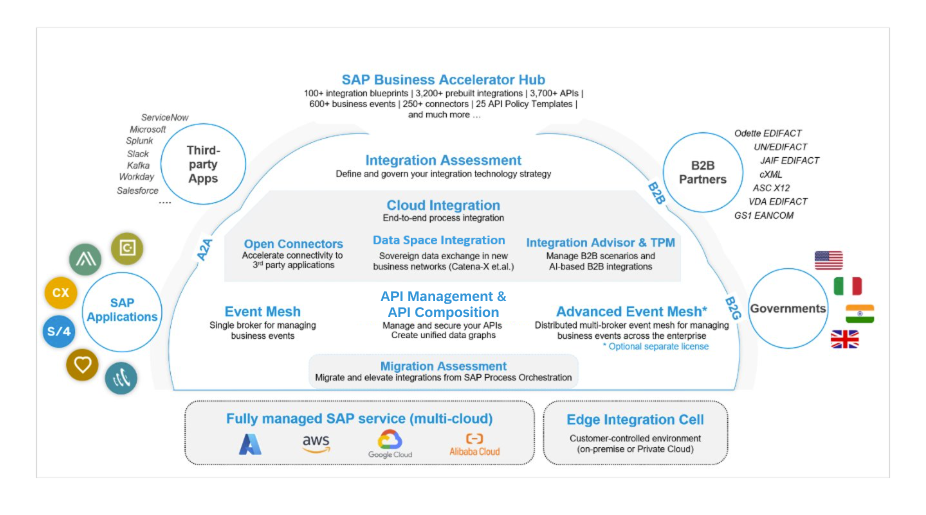
SAP Integration Suite provides thousands of prebuilt integrations and over 160 connectors to non-SAP cloud applications. The tightest integrations are with other SAP products: when SAP CX connects to SAP S/4HANA, pricing, inventory, and order data flow in real time. Connecting to non-SAP tools works but takes more configuration. SAP Integration Suite includes AI-assisted design that turns natural-language prompts into integration flows.
Source: SAP
HubSpot's integration ecosystem is broader for go-to-market tools.
The App Marketplace has over 2,000 integrations with 2.5 million active installs. Native connections include Salesforce, Gmail, Outlook, Slack, Zoom, LinkedIn, Jira, and Shopify. HubSpot's API covers the full CRM data model, with official SDKs for six languages (PHP, Java, Ruby, Go, TypeScript, Python). A remote HubSpot MCP server became generally available in April 2026 for AI agents to read and write HubSpot CRM data.
ZoomInfo takes a platform-agnostic approach.
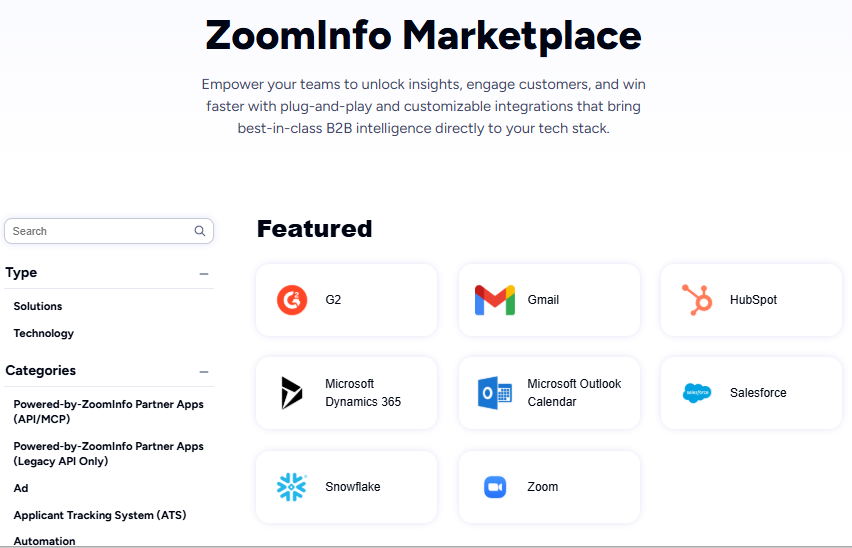
The Marketplace lists 172+ partners, with featured integrations for Salesforce, HubSpot, Microsoft Dynamics 365, and cloud data platforms including Snowflake and Databricks. The Enterprise API and MCP server let ZoomInfo's intelligence flow into any system.
CEO Henry Schuck described a large financial services firm building an internal app with ZoomInfo's MCP server: "That's a surface area we would never see before." Whichever CRM you choose (SAP, HubSpot, or anything else), ZoomInfo fits in as the intelligence layer without forcing a platform switch.
Source: ZoomInfo
"The plug-and-play aspect of the API means I can integrate it very easily into any process and get information at a moment's notice." (Jerry Wilson, Senior Marketing Intelligence Analyst, BDO Canada)
Data quality determines go-to-market effectiveness on either platform
A CRM is only as useful as the data inside it. Neither SAP nor HubSpot solves this problem on its own.
SAP enriches CRM records through native ERP data (purchase history, billing records, support interactions) and the SAP Customer Data Platform, which unifies customer profiles across behavioral and ERP data. This gives SAP CX strong intelligence on existing accounts. But for new prospects (companies your team hasn't spoken to yet), SAP relies on whatever data your reps manually enter or import.
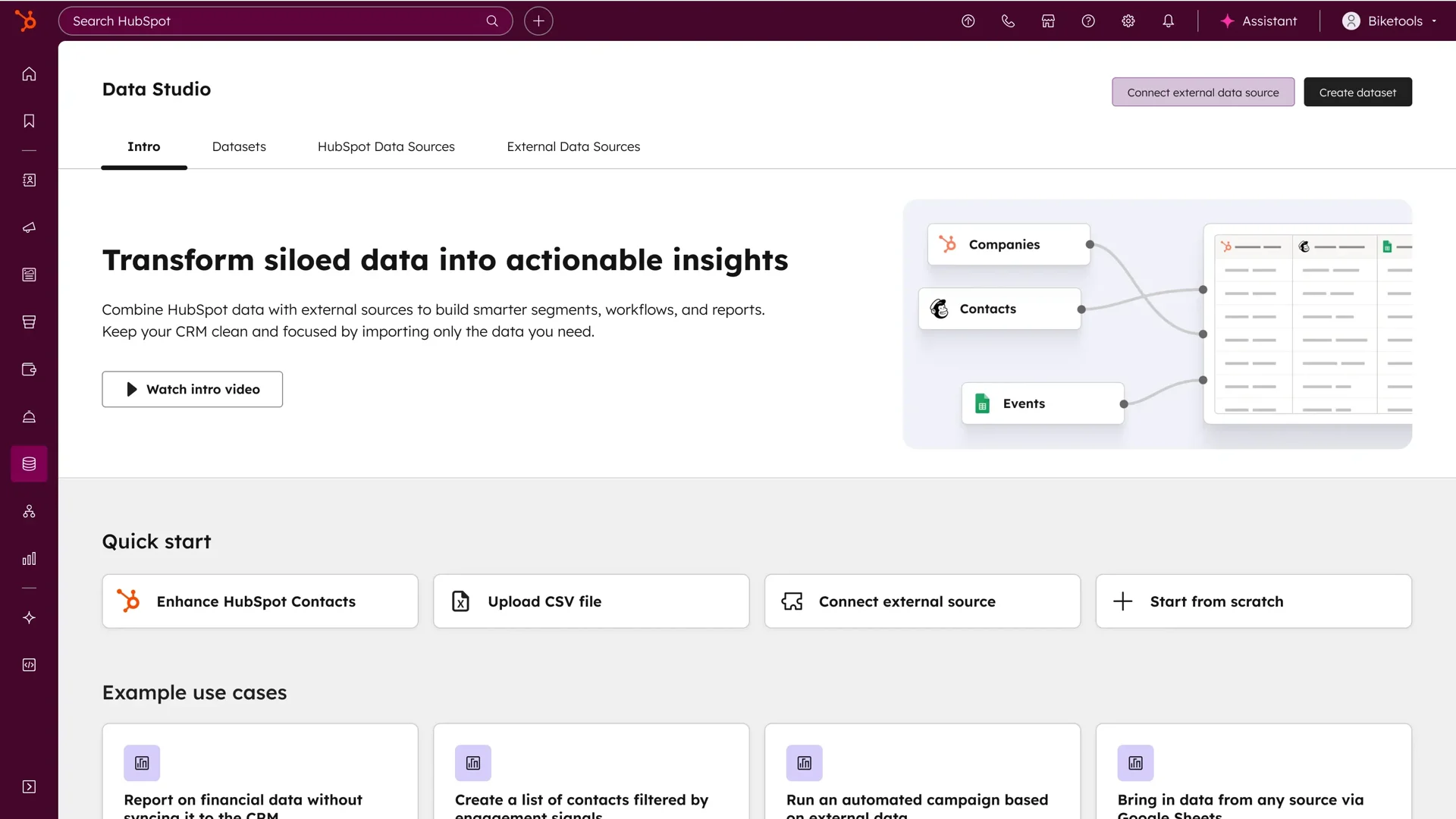
HubSpot's Smart CRM enriches records using signals from emails, calls, and web data. Its Data Hub offers AI-powered duplicate detection, data sync with 100+ apps, and data quality monitoring. These tools keep existing records clean but don't answer a more basic question: who should you be selling to?
Source: HubSpot
ZoomInfo approaches data differently.
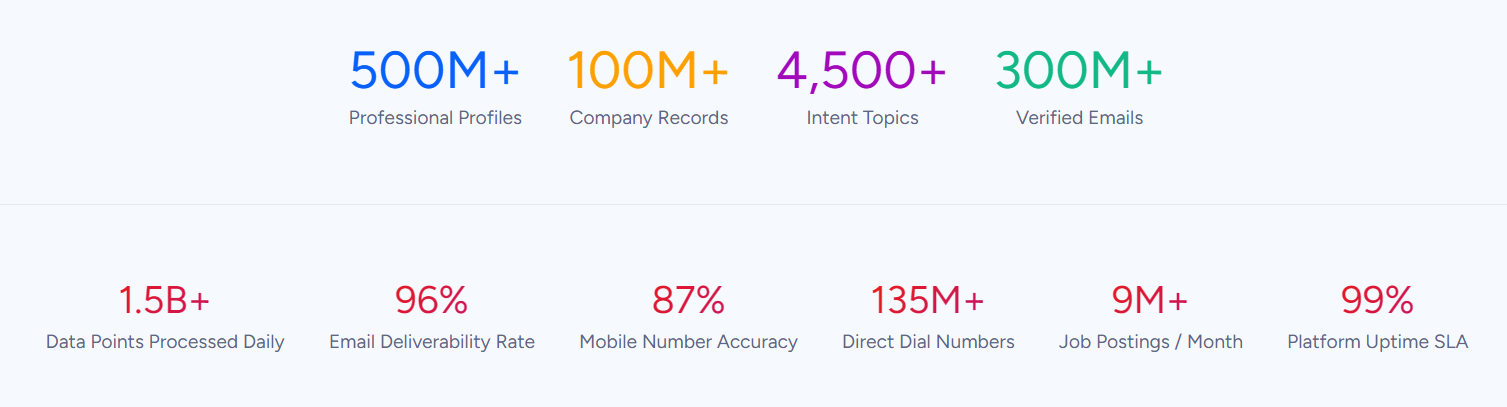
The platform maintains 500M contacts, 100M companies, 135M+ verified phone numbers, 120M direct-dial phone numbers, and 200M+ verified business email addresses, verified through multiple sources and 300+ human researchers, with up to 95% accuracy on first-party data. In a Fortune 500 competitive RFP analyzing 25 million contacts across vendors, the independent consultant concluded that "no other competitor came even close."
Source: ZoomInfo
On top of that identity data, ZoomInfo layers Buyer Intent (tracking signals from 210 million IP-to-Organization pairings and 6 trillion+ new keyword-to-device pairings monthly), technographics (profiling tech stacks of 30+ million companies across 30,000+ technologies), and website visitor identification (WebSights) that resolves anonymous website traffic to companies, including buying team identification.
This intelligence feeds into whichever CRM your team uses. For HubSpot users, ZoomInfo's native integration enriches contact and company records automatically. For teams on SAP or any other platform, the API and MCP deliver the same data into any workflow.
"ZoomInfo is our one source of truth for account data, and even more so for contact data. There's no other provider in the market that provides you with that level of detail." (Thor Sanderson, Senior Manager of Sales Technology Enablement, Smartsheet)
For a direct comparison of how HubSpot and ZoomInfo stack up as data and go-to-market intelligence platforms, see our HubSpot vs. ZoomInfo breakdown.
When CRM alone isn't enough: the go-to-market intelligence gap
Here's the question most SAP vs. HubSpot comparisons skip: once you've chosen your CRM, how do your teams find, reach, and engage the right buyers?
SAP CX gives your sales team a polished interface connected to operational data. HubSpot gives your team marketing automation, sales sequences, and service management. Both platforms manage the customer relationship after contact is established.
But before that first conversation, your team faces a different challenge.
Who are the decision-makers at your target accounts? What technologies do they use? Are they researching solutions like yours? Which competitors are they evaluating? When did their buying committee change? These are intelligence questions, not CRM questions.
ZoomInfo's GTM Workspace answers them directly.
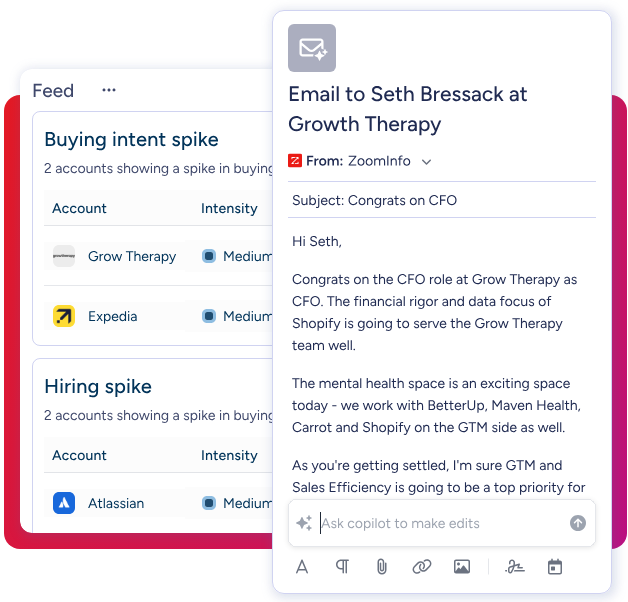
Sellers open one workspace where AI agents handle account research, outreach drafting, signal monitoring, and CRM updates. The Action Feed streams in-market buyers matched to target criteria, with pre-drafted actions on every signal (G2 comparisons, funding events, executive hires). Seismic's sales team boosted productivity by 54%, saved 11.5 hours per week, and attributed 39% of pipeline to ZoomInfo signals.
Source: ZoomInfo
For marketers and RevOps, GTM Studio provides an AI-powered canvas where audience definition, campaign orchestration, and pipeline measurement happen in natural language. Expansion plays that once took three weeks now launch in 30 minutes, without engineering support. Outputs feed into GTM Workspace for seller execution.
The key point: GTM Workspace, GTM Studio, and the API/MCP all draw from the same GTM Context Graph. Same data, same reasoning, same model. No capability is lost depending on which interface you use.
"ZoomInfo's not just a contact data company anymore. They've built a full system of execution. GTM Intelligence actually works the list, writes the outreach, triggers the play, and helps drive predictable growth." (Ian Brodie, CEO & Co-Founder, Levanta)
SAP vs. HubSpot vs. ZoomInfo: Which should you choose?
The right platform depends on where your business sits today and what problems you need to solve first.
Choose SAP if:
You run global operations requiring CRM connected to ERP, supply chain, and HR
Your industry demands regulatory compliance and localization in 100+ countries
You need B2B and B2C commerce with real-time inventory and pricing from the same system
You have the budget and timeline for a multi-month implementation with a system integrator
You're already in the SAP ecosystem and want to consolidate rather than integrate
Choose HubSpot if:
Your primary need is marketing automation, sales pipeline management, and customer service
You want a platform your team can adopt in weeks, not months
Your company has 20 to 2,000 employees and is scaling its go-to-market engine
You value ease of use and a unified data layer over ERP integration
Your budget favors a freemium start with predictable per-seat scaling
Add ZoomInfo if:
You need accurate B2B contact data, verified phone numbers, and business emails to power outreach on either platform
Your team wastes time researching accounts manually instead of selling
You want to identify in-market buyers before they contact you
You're ready to move from reactive pipeline management to proactive, intelligence-driven go-to-market
You want one intelligence layer that works across your entire tech stack, regardless of CRM
See how ZoomInfo's data and intelligence layer accelerates pipeline on your existing CRM.
The SAP vs. HubSpot decision is about scope: do you need an enterprise operating system, or a go-to-market platform? But regardless of which CRM you choose, the quality of your go-to-market data determines the quality of every outreach, every campaign, and every pipeline forecast. That's the layer ZoomInfo provides, and it works with both.
SAP vs. HubSpot vs. ZoomInfo FAQ
What is the core difference between SAP and HubSpot?
SAP is an enterprise suite connecting CRM, ERP, supply chain, manufacturing, and HR into one system for global operations. HubSpot is a CRM and go-to-market platform focused on marketing automation, sales pipeline management, and customer service for scaling companies.
SAP requires months-long implementations and custom pricing; HubSpot claims customers reach meaningful value within 90 days and publishes its pricing tiers.
Which platform is more affordable?
HubSpot is more accessible, with a free CRM tier and Starter plans beginning at $9 to $20/seat/month. SAP does not publish pricing, and all terms are custom-negotiated, with total cost of ownership including system integrator fees, premium support, and platform consumption charges. HubSpot's costs escalate at scale, especially when mixing Hub tiers, since all Core Seats are billed at the rate of the highest subscription tier.
Can ZoomInfo replace either SAP or HubSpot?
No. ZoomInfo is not a CRM. It is a B2B data intelligence and go-to-market execution platform that complements whichever CRM you use.
ZoomInfo provides the contact data, company intelligence, intent signals, and buyer insights that make your CRM more effective. It integrates with HubSpot, Salesforce, Microsoft Dynamics 365, and via API and MCP with virtually any other platform.
Which platform has better AI capabilities?
Each platform's AI serves a different purpose.
SAP's Joule operates across 50+ assistants covering finance, supply chain, HR, and CX, with access to 7 million+ ERP data fields. HubSpot's Breeze focuses on go-to-market workflows: prospecting, content creation, and customer service, drawing on the unified CRM data layer. ZoomInfo's GTM Context Graph provides the external intelligence layer both CRMs lack, combining third-party B2B data with your CRM records and conversation transcripts to capture why deals move or stall.
How long does each platform take to implement?
HubSpot is the fastest, with most teams productive within 90 days and a free tier that requires no implementation. SAP's GROW with SAP program claims initial scope activation in 30 days for mid-market companies, but enterprise RISE with SAP deployments typically take 6 to 12 months. ZoomInfo deploys in weeks and integrates with existing CRM systems without a platform migration.
Which platform is best for a mid-market B2B company?
For most mid-market B2B companies (20 to 2,000 employees), HubSpot is the stronger CRM choice because of faster implementation, lower total cost, and go-to-market tools built for that segment. Adding ZoomInfo provides B2B data intelligence and buyer signals that accelerate pipeline generation. SAP fits mid-market companies with complex manufacturing, supply chain, or multi-entity financial operations that require ERP integration.
How does ZoomInfo's data compare to what SAP and HubSpot provide natively?
SAP and HubSpot both maintain data about your existing customers based on your own interactions: deals, support tickets, marketing engagement, and transactional records.
ZoomInfo maintains a third-party B2B dataset of 500M contacts, 100M companies, 135M+ verified phone numbers, and 200M+ verified business emails, plus buyer intent signals, technographics, and org chart data. In a Fortune 500 competitive RFP analyzing 25 million contacts across vendors, the independent consultant concluded that no other competitor came close to ZoomInfo's data quality.
Can I use all three platforms together?
Yes. SAP or HubSpot serves as your CRM and operational platform. ZoomInfo serves as the intelligence layer feeding accurate B2B data and buyer signals into your CRM. ZoomInfo integrates natively with HubSpot and with SAP-adjacent tools like Salesforce, and its API and MCP access means it can power any custom workflow or AI agent regardless of your CRM choice.
