
Choosing between SharpSpring and HubSpot for marketing automation and CRM comes down to five questions:
Do you need an affordable all-in-one platform for a small team, or are you ready to invest in a full enterprise CRM suite?
Are you a marketing agency managing multiple client accounts, or a company running its own go-to-market operations?
Is your main challenge automating the nurture process, or figuring out which accounts to target in the first place?
How important is it that your platform provides verified B2B contact data and buying signals, not just workflow automation?
Do you want to pay per contact on a month-to-month basis, or commit to per-seat annual contracts for deeper functionality?
In short, here's what we recommend:
SharpSpring (now Constant Contact Lead Gen & CRM) is the budget pick for marketing agencies and SMBs who need marketing automation, CRM, and sales tools in one platform without enterprise pricing. Its behavioral tracking engine, configurable lead scoring with score decay, and agency-friendly features (white-label interface, month-to-month contracts, multi-client management) make it a good fit for teams spending a fraction of what HubSpot charges. The tradeoff: SharpSpring's CRM is SMB-grade, reporting is limited, and the platform has not kept pace with competitors on AI features or modern UX.
HubSpot is the full-platform choice for growing companies that want marketing, sales, service, content, and data tools sharing one CRM database. With 288,706 customers across 135+ countries and AI capabilities through its Breeze layer, HubSpot covers ground that SharpSpring cannot. But HubSpot's pricing is complex (per-seat fees, mandatory onboarding charges, and a rule where all Core Seats are billed at the highest tier), so costs climb fast as teams grow.
Both platforms automate marketing and sales workflows well. But neither solves a more basic problem: are you targeting the right accounts at the right time? Automation built on incomplete data or stale contacts produces volume without results. That's where a different kind of platform enters the picture.
ZoomInfo is an AI-powered go-to-market platform that starts where SharpSpring and HubSpot leave off: the intelligence layer. Built on a B2B dataset of 500M contacts, 100M companies, 135M+ verified phone numbers, and 200M+ verified business email addresses, ZoomInfo's GTM Context Graph combines this data with your CRM records, conversation transcripts, and behavioral signals to reveal not just what happened in a deal, but why. That intelligence reaches your team through the GTM Workspace for sellers, GTM Studio for marketers and RevOps, or APIs and MCP inside any tool you already use (including HubSpot).
If building your go-to-market strategy on verified intelligence sounds like the missing piece, see ZoomInfo in action with a free trial.
SharpSpring vs. HubSpot vs. ZoomInfo at a glance
SharpSpring | HubSpot | ZoomInfo | |
|---|---|---|---|
Core focus | Marketing automation + CRM for agencies and SMBs | Unified CRM platform for growing companies | AI-powered GTM intelligence and execution |
Pricing model | Contact-based, month-to-month available | Per-seat + per-hub + contact tiers | Consumption-based, custom-quoted |
Marketing automation | Visual workflow builder with behavioral triggers | Full marketing suite with AI-powered campaigns | GTM Studio: AI-powered plays and orchestration |
CRM depth | Basic pipeline and deal management | Full CRM with custom objects, forecasting, CPQ | GTM Workspace with AI deal intelligence |
B2B data included | VisitorID for anonymous website visitors | CRM data enrichment (via Breeze) | 500M contacts, 100M companies, intent signals |
AI capabilities | Rules-based lead scoring | Breeze AI agents across all hubs | GTM Context Graph with AI agents |
Free option | No free plan; demo required | Free CRM (limited features, up to 2 users) | ZoomInfo Lite (permanent free tier) + 7-day trial |
Integrations | Zapier-based + native Salesforce | 2,000+ app marketplace | 172+ marketplace partners + API/MCP access |
Best for | Agencies, cost-conscious SMBs | Mid-market to enterprise, multi-team orgs | B2B teams that need intelligence-first GTM |
Marketing automation: depth vs. breadth
SharpSpring and HubSpot both offer marketing automation, but the scope and execution differ sharply.
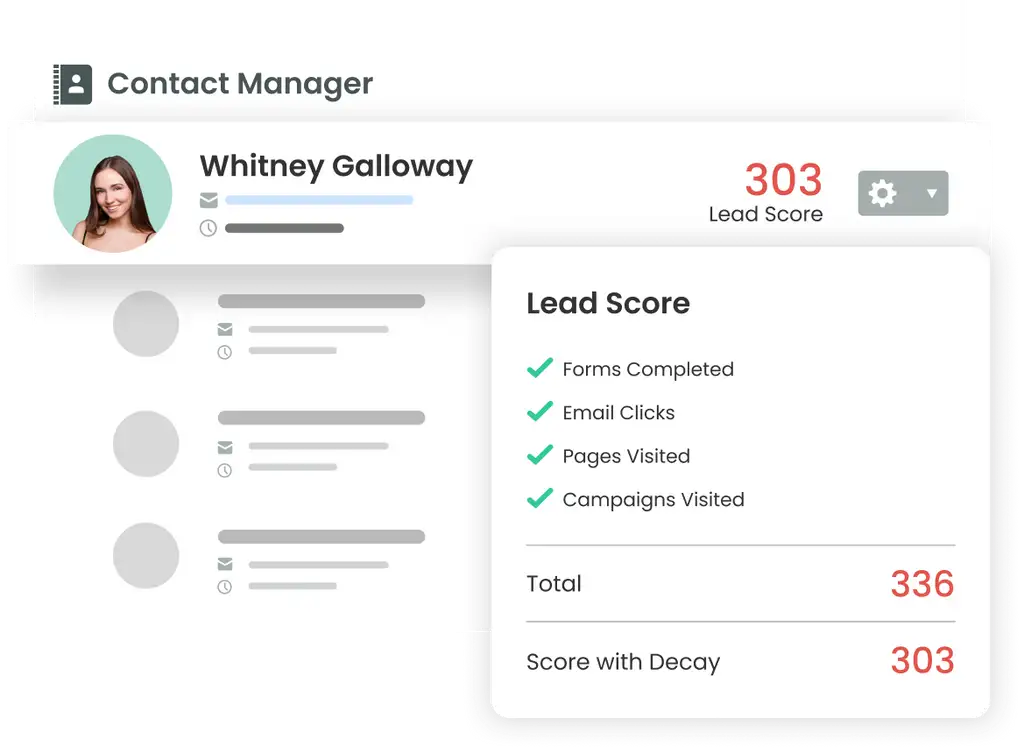
SharpSpring built its automation engine around behavioral intelligence. The visual workflow builder lets marketers construct multi-step campaigns with branching logic, time delays, and triggers based on page visits, email engagement, form fills, and lead score thresholds.
The VisitorID feature identifies anonymous website visitors before they fill out a form, and lead score decay automatically deprioritizes contacts who went briefly active and then went cold. For the price, the behavioral tracking is hard to beat.
Source: Constant Contact
Where SharpSpring falls short is in the surrounding ecosystem.
Its social media module is underpowered (no video or gallery posting across all channels), the landing page builder has UX limitations, and reporting cannot filter by custom fields. These gaps force teams to supplement SharpSpring with additional tools, partly undermining the consolidation benefit.
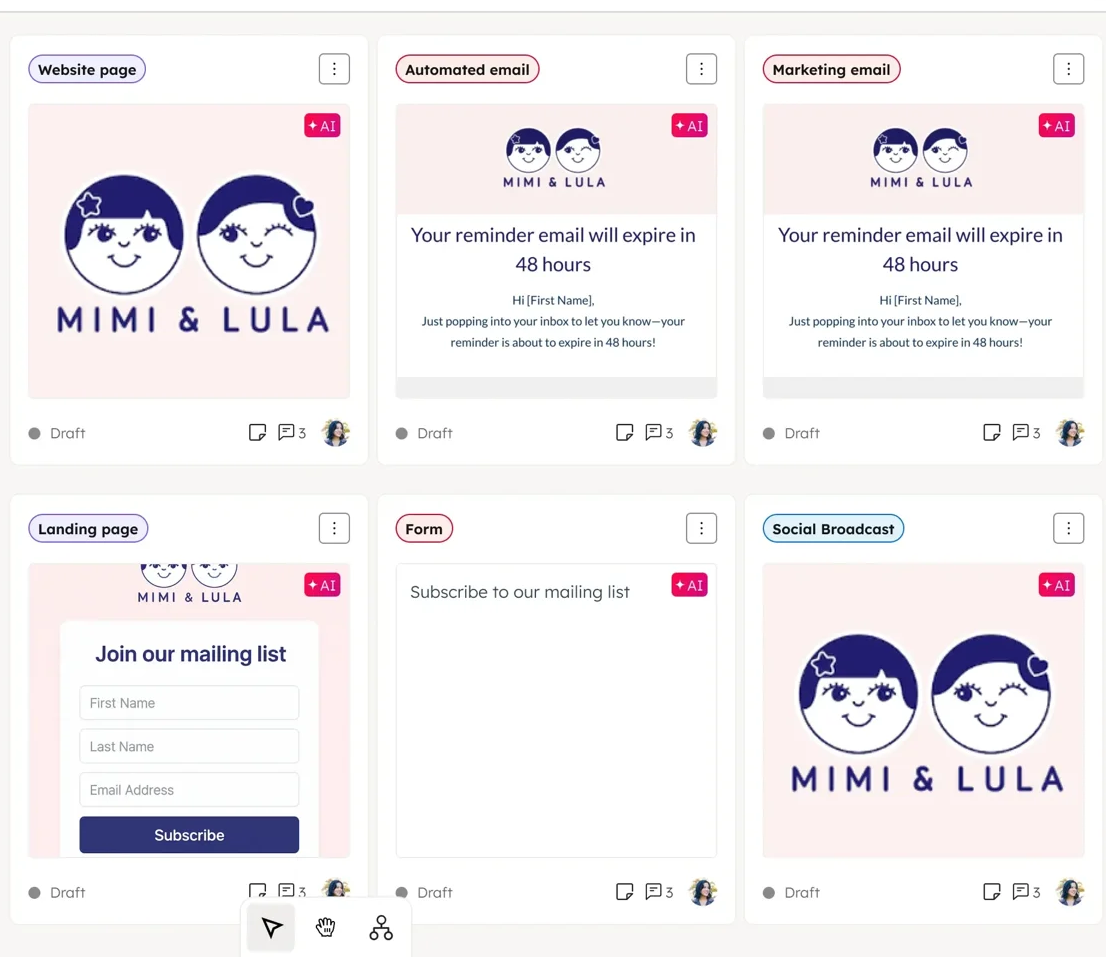
HubSpot's Marketing Hub covers broader ground: email marketing, social media management, landing pages, forms, audience segmentation, multi-touch attribution reporting, and a growing set of AI features through Breeze. The Content Remix tool transforms a single piece of content into formats for different channels. The AEO tools help content rank in AI-generated search results, something SharpSpring has no equivalent for.
Source: HubSpot
The gap becomes clearest in reporting.
HubSpot's Advanced Marketing Reporting provides multi-touch revenue attribution and customer journey analytics. SharpSpring offers campaign attribution and multi-touch models, but the inability to filter reports by custom fields or aggregate across pipelines draws some criticism on TrustRadius, Capterra, and Software Advice.
ZoomInfo approaches marketing automation from a different starting point.
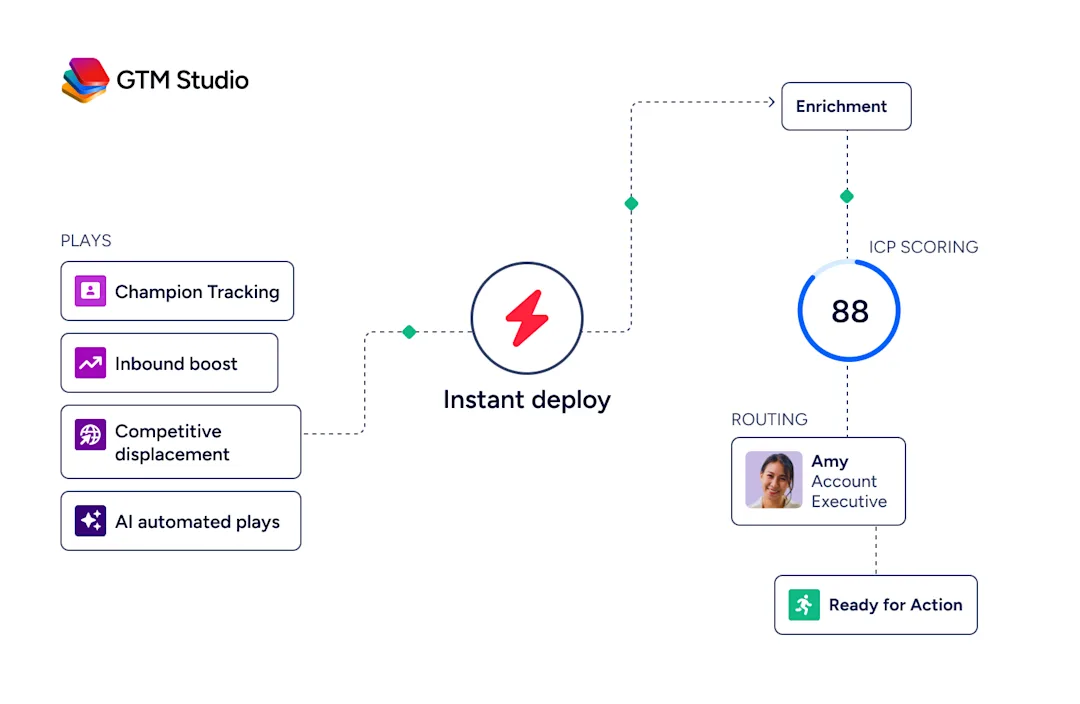
Instead of building workflows around contacts you already have, GTM Studio lets marketers describe audiences in natural language, enrich them with first- and third-party data, and launch multi-channel plays (email, calls, ads, direct mail) triggered by buyer behavior. Expansion plays that used to take three weeks now launch in 30 minutes. The automation improves itself: every interaction sharpens targeting automatically.
Source: ZoomInfo
CRM and sales tools: how deep does your pipeline need to go?
The CRM gap between SharpSpring and HubSpot is where many buying decisions get made.
SharpSpring's built-in CRM does the basics well: contacts, companies, deals, and a visual pipeline with drag-and-drop cards. The Life of the Lead timeline gives sales reps a complete picture of every email open, site visit, and form fill. The Sales Optimizer automates follow-up sequences based on deal stage changes and behavioral triggers.
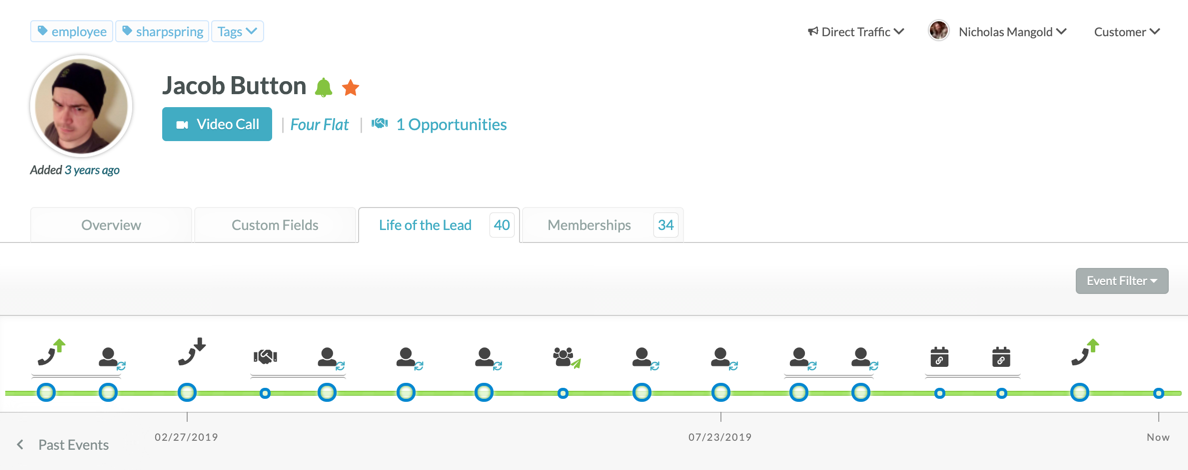
Source: Constant Contact
But as TechRadar notes, SharpSpring's CRM "may lack a few of the more advanced features you'd find in a standalone system." Account-level reporting is shallow, the mobile app draws wide criticism, and the lead-to-opportunity transition can feel clunky. For a 10-person sales team at an SMB, this is adequate. For a 50-person team with multiple pipelines and forecasting needs, it runs thin.
HubSpot's Sales Hub operates at a different level.
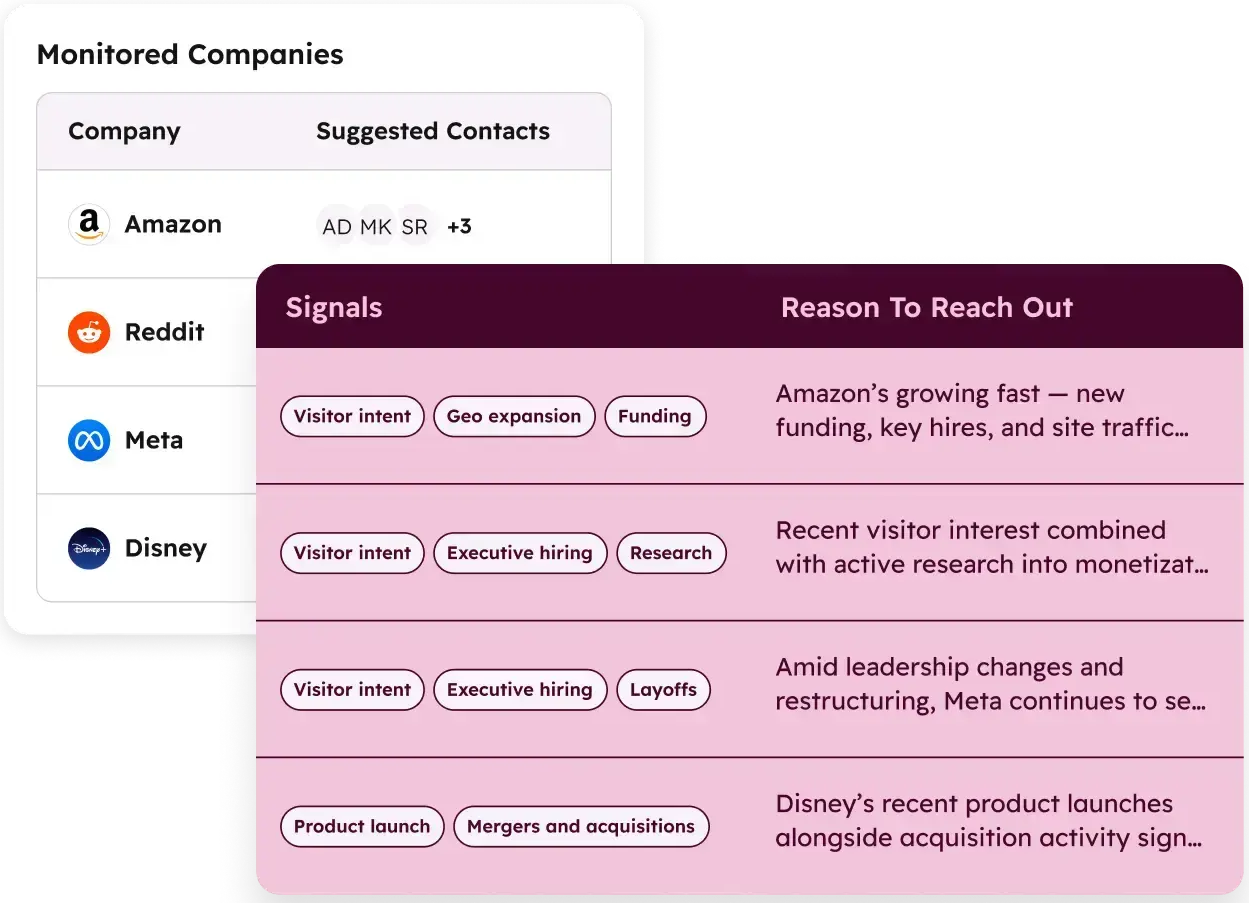
Sequences support multi-step automated outreach across email, calls, and LinkedIn. The Breeze Prospecting Agent researches prospects and drafts personalized emails using the full customer history. CPQ software generates branded quotes from deal records. Conversation Intelligence records and transcribes calls for coaching. And AI Guided Selling surfaces prioritized deal queues and recommended next actions.
Source: HubSpot
HubSpot also supports custom objects, field-level permissions, sandbox environments, and up to 15 million contacts (expandable to 50 million) at the Enterprise tier. This is enterprise CRM territory.
ZoomInfo's GTM Workspace is neither a traditional CRM nor a replacement for one. It is where sellers execute, integrating with Salesforce, HubSpot, and Microsoft Dynamics while adding what CRMs lack: intelligence.
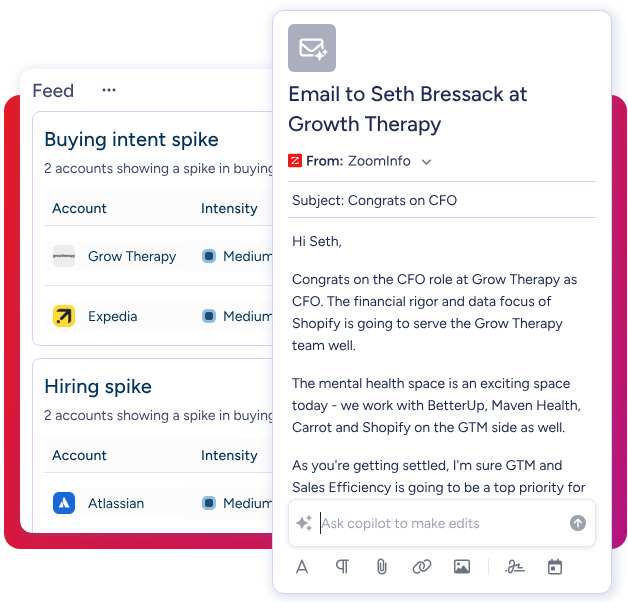
The AI agents inside Workspace handle account research, outreach drafting, CRM updates, and signal monitoring. The Action Feed streams in-market buyers matched to target criteria with pre-drafted actions on every signal (G2 comparisons, funding events, executive hires). Where SharpSpring and HubSpot track what happened in your pipeline, ZoomInfo's GTM Context Graph reasons about why it happened and what should happen next.
Source: ZoomInfo
Seismic's sales team boosted productivity by 54%, saved 11.5 hours per week, and attributed 39% of pipeline to ZoomInfo signals. "It's bringing data together faster than anyone could. It's both a time saving and a quality improvement." (Seismic Case Study)
The intelligence gap neither automation platform solves
This is the comparison dimension that reframes the SharpSpring vs. HubSpot decision.
Both SharpSpring and HubSpot automate what happens after you have contacts in your database. SharpSpring tracks visitors, scores leads, and triggers nurture sequences. HubSpot does all of that with more sophistication and scale. But both platforms depend on you bringing the data. They automate the process; they don't tell you who to target.
SharpSpring's VisitorID identifies anonymous visitors at the company level. That's useful but limited. It doesn't tell you which person visited, what their role is, or whether their company is actively researching solutions like yours.
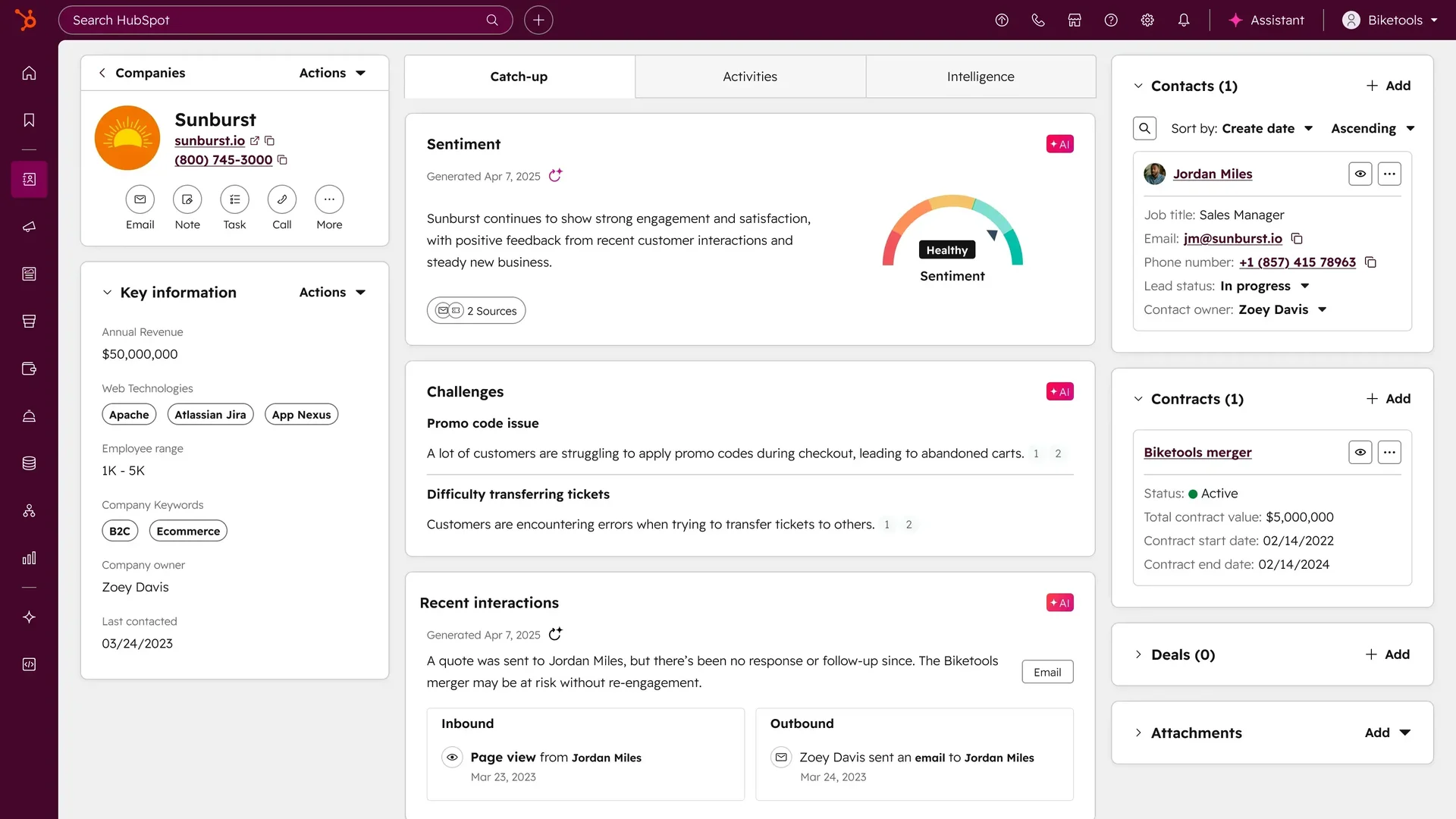
HubSpot's Smart CRM enriches records using email threads, recorded calls, and its own dataset. The Breeze Data Agent answers natural-language questions about your CRM data. These are real capabilities, but HubSpot's data layer is built on what your teams have already captured, not on the universe of prospects you haven't reached.
Source: HubSpot
ZoomInfo was built to solve this problem.
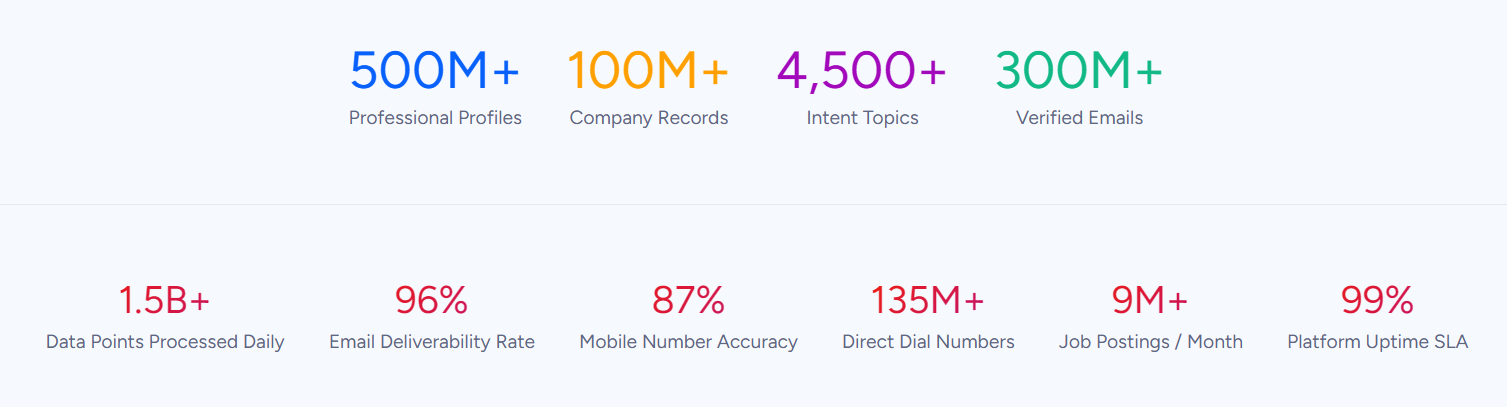
The platform maintains a B2B dataset of 500M contacts, 100M companies, 135M+ verified phone numbers, 120M direct-dial phone numbers, and 200M+ verified business email addresses. That data is verified through a multi-source pipeline backed by 300+ human researchers, achieving up to 95% accuracy on first-party data.
In a Fortune 500 competitive RFP analyzing 25 million contacts across vendors, an independent consultant concluded that "no other competitor came even close."
Source: ZoomInfo
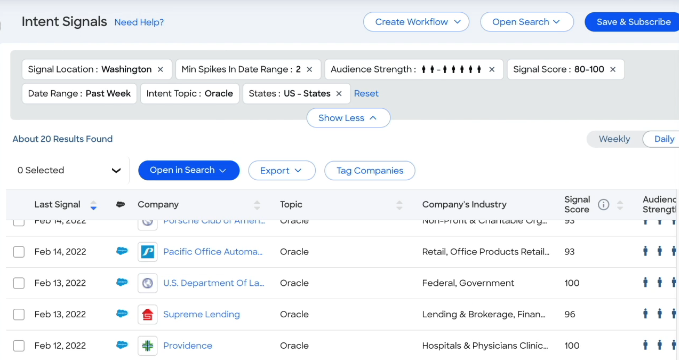
Beyond contact data, ZoomInfo provides Buyer Intent signals drawn from 210 million IP-to-Organization pairings and 6 trillion+ new keyword-to-device pairings sourced monthly. Guided Intent, exclusive to ZoomInfo, identifies topics historically correlated with deal success rather than requiring you to guess which keywords matter. Add technographics profiling 30,000+ technologies across 30+ million companies, and you have an intelligence layer that SharpSpring and HubSpot don't attempt.
The practical difference: SharpSpring and HubSpot help you nurture the leads you found. ZoomInfo helps you find the right leads, know when they are ready to buy, and decide what to say.
Source: ZoomInfo
SpringDB used ZoomInfo's enriched data to achieve 2x to 3x increases in campaign conversions across channels, a 300% increase in database usability, and 30-50% uplift in average deal size. "You'll get 10x the value if you think of ZoomInfo as a full platform and not just a tool for one team." (SpringDB Case Study)
For a closer look at how HubSpot and ZoomInfo stack up one-on-one across data, AI, and GTM capabilities, see our HubSpot vs. ZoomInfo comparison.
AI capabilities: rules, agents, and reasoning
The AI maturity gap across these three platforms is significant.
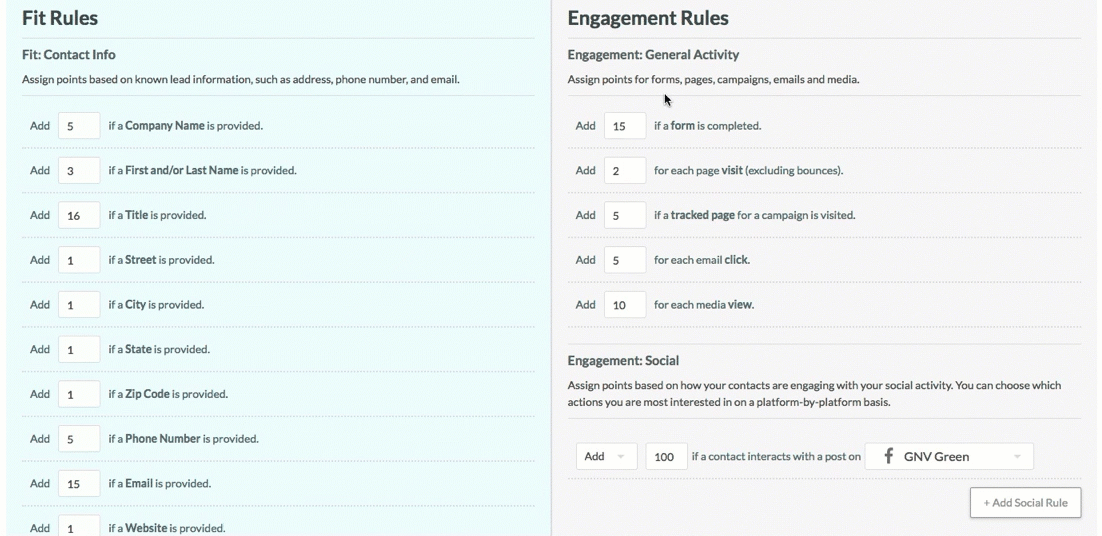
SharpSpring uses rules-based lead scoring and automation triggers. You define the criteria: "If a contact visits the pricing page, add 10 points. If their score exceeds 80, assign to sales."
This works, and the configurable decay model (where engagement scores lose half their value over a set period) adds nuance. But there is no machine learning, no predictive scoring, and no AI-generated content. The platform's intelligence is limited to the rules you configure.
Source: Constant Contact
HubSpot has invested heavily in AI through Breeze. The Customer Agent resolves over 50% of customer conversations autonomously. The Prospecting Agent monitors buying signals and drafts personalized outreach using your complete customer history. The Data Agent answers natural-language questions about your CRM. These are real AI agents, not rules engines.
However, several of HubSpot's most advanced AI features remain in Beta: AI-Powered Segmentation, Personalization, AI-Powered Email, Marketing Studio, and Breeze Studio are not yet ready for broad enterprise use. And HubSpot's AI can only reason about what your CRM has captured.
ZoomInfo's AI operates on a different data surface.
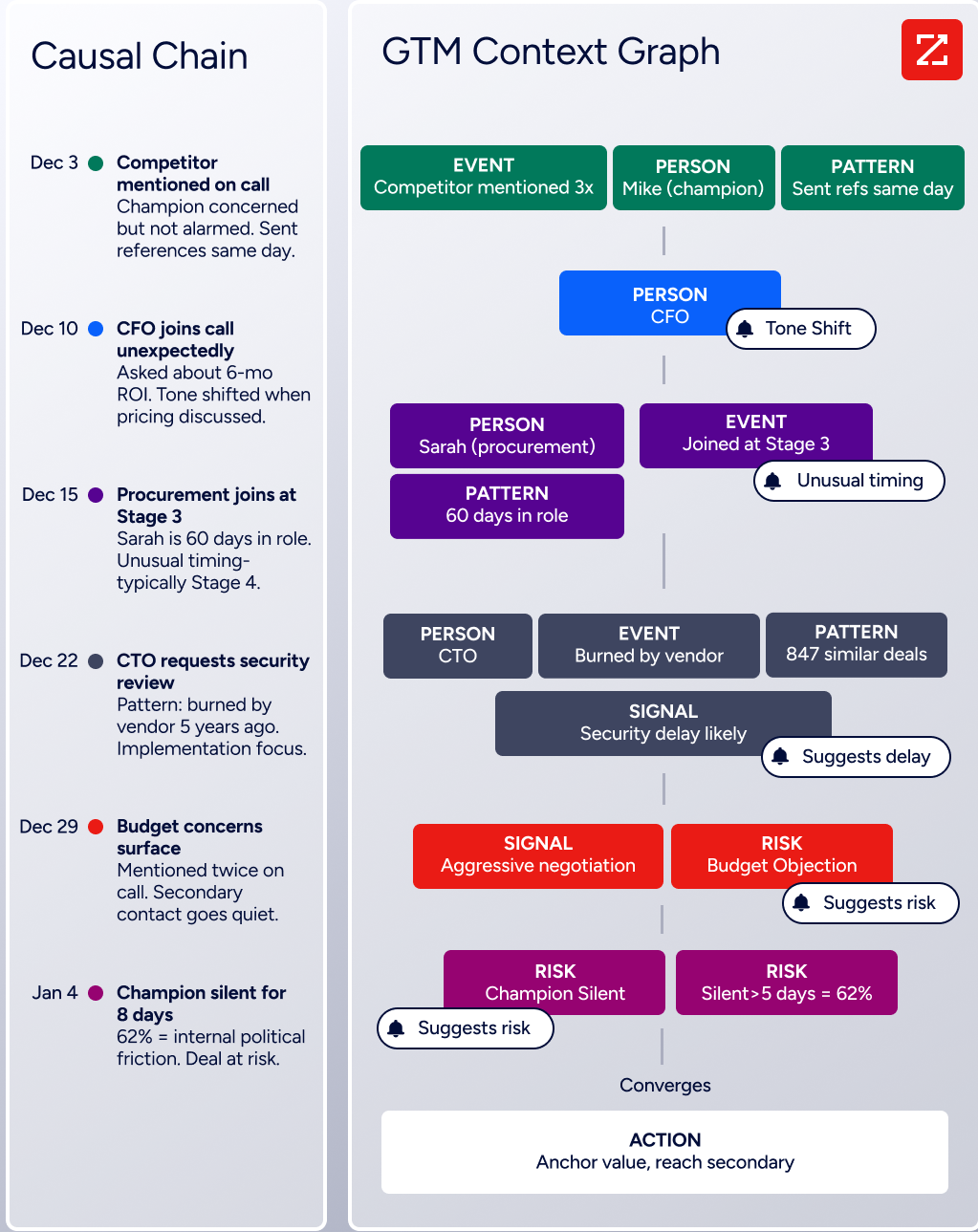
The GTM Context Graph processes 1.5B+ data points daily, unifying your CRM records, conversation transcripts, email threads, and product usage data with ZoomInfo's third-party intelligence. As ZoomInfo's CPO Dominik Facher explains: "The CRM recorded the state change. It has no record of why it happened." The CFO joining a call and asking about ROI is what actually moved the deal. The GTM Context Graph makes that context machine-readable and actionable.
Source: ZoomInfo
This is not theoretical. GTM Workspace users report boosting pipelines by 23%, booking nearly 60% more meetings per week, and being first to engage with an account in over half of cases.
Pricing: what you actually pay
Pricing is where the SharpSpring vs. HubSpot comparison gets contentious, and where ZoomInfo introduces a different model.
SharpSpring uses contact-based pricing. The official pricing page does not display public prices and directs visitors to schedule a demo.
However, SharpSpring has historically positioned itself at roughly $11,988/year for 10,000 contacts, which it contrasts against HubSpot Enterprise at $50,400 for the same tier. For agencies, pricing drops further. The key structural advantages: month-to-month contracts (no long-term lock-in), unlimited users in the base price, and free agency support.
HubSpot's pricing is more complex.
Marketing Hub alone ranges from $15/seat/month (Starter) to $3,600/month (Enterprise), with mandatory onboarding fees of $3,000 at Professional and $7,000 at Enterprise. Sales Hub Professional adds $90-$100/seat/month with a $1,500 onboarding fee.
Here is where costs surprise: when subscribing to multiple Hubs at different tiers, all Core Seats are billed at the highest tier. A company paying for Marketing Hub Enterprise and Sales Hub Professional still pays Enterprise rates for every Core Seat.
The free CRM is genuinely useful as a starting point (unlimited contacts up to 1M records, basic tools), but paid subscriptions can only be canceled at the end of commitment term, and amounts paid are non-refundable.
ZoomInfo uses consumption-based pricing with no publicly listed prices. Costs scale around seats (who can access the platform), credits (how much data you export), and the features you need. Annual contracts are standard, with multi-year commitments offering better rates. ZoomInfo is priced for enterprise B2B teams, not SMBs looking for an affordable marketing tool.
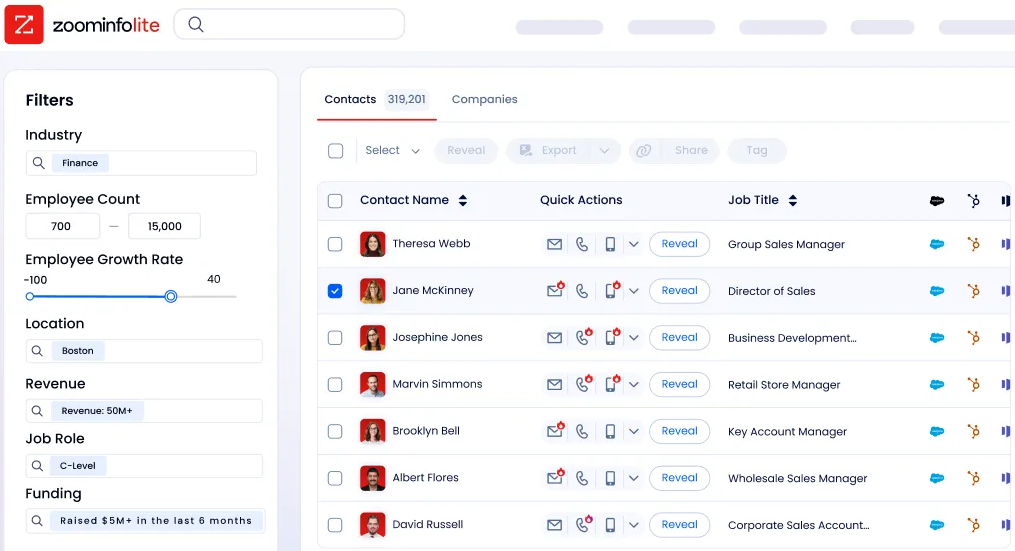
Two free entry points lower the barrier: ZoomInfo Lite is a permanent free tier with access to the B2B database, 10 monthly export credits, and HubSpot integration. A separate 7-day free trial provides access to the full platform.
Source: ZoomInfo
The comparison is not apples-to-apples.
SharpSpring costs the least. HubSpot costs more but covers more ground. ZoomInfo costs more still, but addresses a layer the other two do not: verified B2B intelligence at scale.
For B2B teams, the ROI question is whether the intelligence justifies the investment. Documented results suggest it does: Snowflake achieved 200% higher conversion rates on top-scoring accounts, and Redwood Logistics saw a 99% reduction in cost-per-click and 310% increase in click-through rates.
Integrations and ecosystem
How each platform connects to your tech stack reveals its architectural priorities.
SharpSpring takes a focused approach.
Salesforce, GoToWebinar, and Facebook Lead Ads are native integrations. Everything else runs through Zapier, which connects SharpSpring to hundreds of external tools without custom code. An open REST API covers core CRM objects for developers who need direct access. For small teams using a handful of tools, this works. For teams with complex tech stacks, the Zapier dependency adds latency and fragility.
HubSpot has built the largest ecosystem of the three.
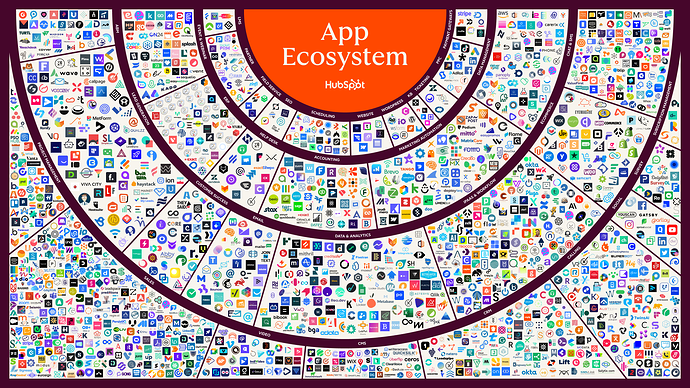
The App Marketplace surpassed 2,000 integrations with over 2.5 million active installs in October 2025. Native connections include Salesforce, Slack, Zoom, LinkedIn, Google Ads, Jira, and dozens more. A mature REST API ships official SDKs in six languages (PHP, Java, Ruby, Go, TypeScript, Python) with date-based versioning and an 18-month support window per version.
HubSpot also launched a remote MCP server for AI agent access to CRM data. For teams that need their CRM to connect to everything, HubSpot's ecosystem is hard to beat.
Source: HubSpot
ZoomInfo approaches integrations differently.
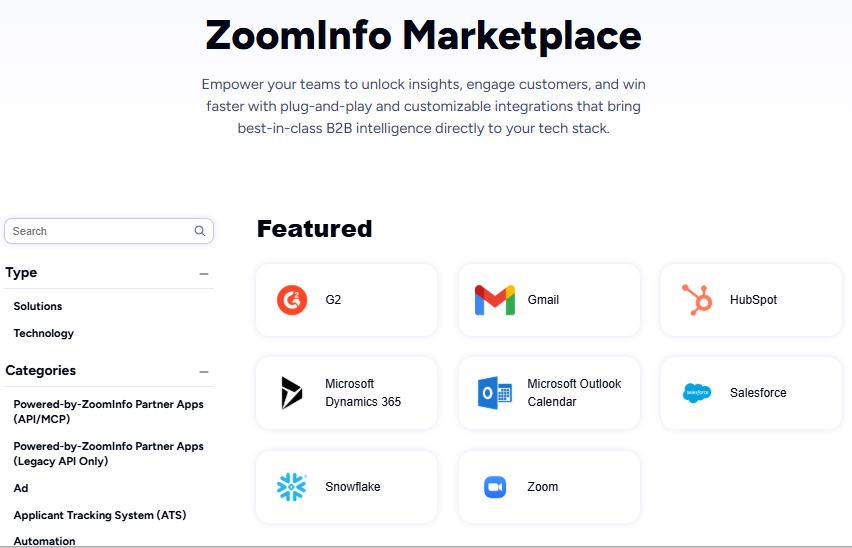
The App Marketplace lists 172+ partners across CRM, marketing automation, sales engagement, data warehouse, communications, and AI categories. Featured integrations include Salesforce, HubSpot, Microsoft Dynamics 365, Snowflake, Gmail, and Zoom.
But ZoomInfo's most important integration story is its open data platform: APIs and MCP expose ZoomInfo's intelligence to any custom agent, internal tool, or partner platform. The Cloud Partners program delivers ZoomInfo data directly into AWS, Google Cloud, Snowflake, and Databricks.
The critical point: ZoomInfo integrates natively with HubSpot. Teams can use ZoomInfo's data to enrich HubSpot records, trigger workflows, and power prospecting without replacing their CRM. The two platforms complement each other rather than compete.
Source: ZoomInfo
"ZoomInfo is our one source of truth for account data, and even more so for contact data. There's no other provider in the market that provides you with that level of detail." Thor Sanderson, Senior Manager of Sales Technology Enablement. (Smartsheet Case Study)
Support and onboarding
SharpSpring provides a technical support hotline (Monday through Friday, 8 AM to 6 PM EDT/EST), in-app support tickets, and a Knowledge Base with video tutorials.
Every new agency partner gets a dedicated Onboarding Specialist during a 60-day training period. For agencies, phone and email support are free and unlimited. Across review sites, users consistently praise support responsiveness and onboarding quality.
HubSpot tiers support by subscription level.
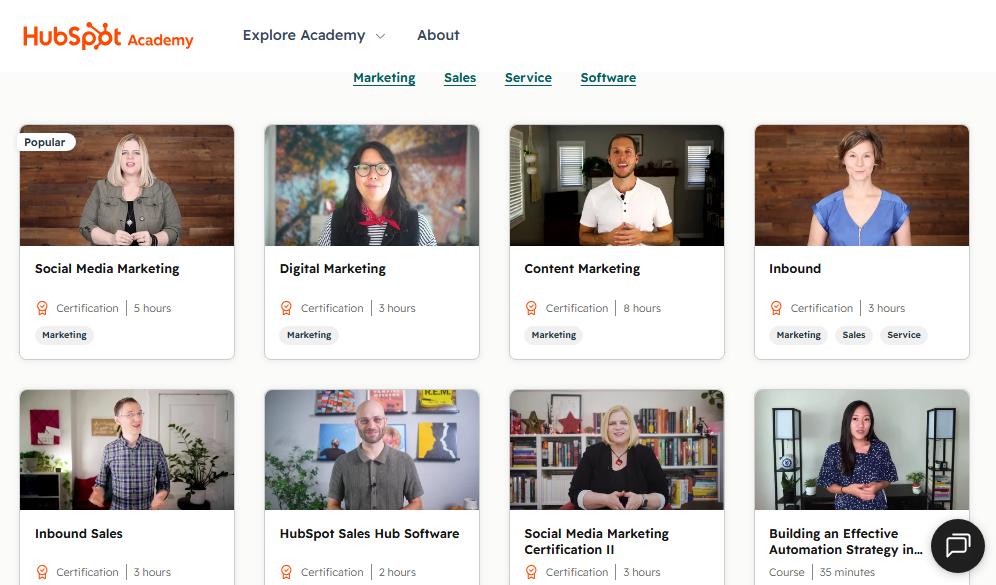
Free users get community access only. Starter adds email and chat. Professional and Enterprise add phone support. HubSpot Academy has certified over 200,000 professionals, with all courses and certifications free. Documentation spans 17+ languages. For teams willing to invest in self-service learning, HubSpot's educational resources are among the best available.
Source: HubSpot
ZoomInfo redesigned its onboarding from 30 to 90 days, structured across planning, technical implementation, education, and adoption phases.
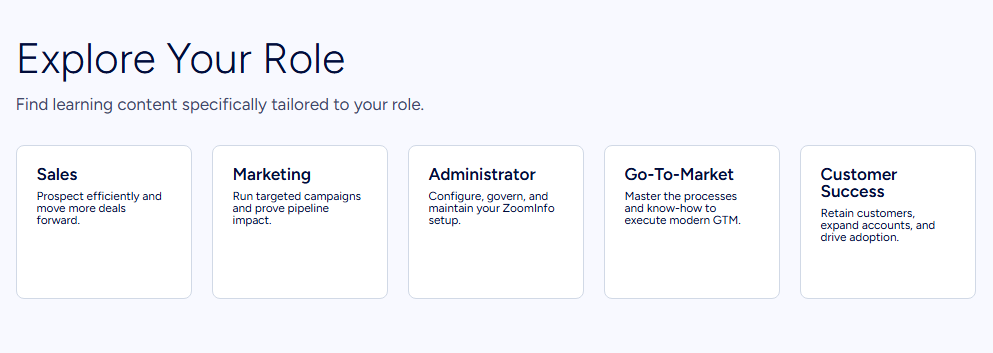
The redesign produced a 25% improvement in customer satisfaction scores and won Rocketlane's Golden Comet award for Best Customer Onboarding Team of 2024. ZoomInfo University provides role-specific learning paths and product certifications. Direct support is available through the Help Center and phone at +1 866-904-9666.
Source: ZoomInfo
SharpSpring vs. HubSpot vs. ZoomInfo: which should you choose?
The right platform depends on what problem you are actually trying to solve.
Choose SharpSpring if:
You are a marketing agency managing multiple client accounts under one roof
Budget is your primary constraint and you need marketing automation + CRM at a fraction of enterprise pricing
White-label capability and month-to-month contracts are requirements
Your sales process is straightforward and your team is small
You can live with limited reporting and an older interface
Choose HubSpot if:
You need a unified platform covering marketing, sales, service, content, and data
Your team is growing and you want tools that scale from startup to enterprise
AI-powered automation (Breeze agents, predictive scoring, content generation) matters to your workflow
You value a deep integration ecosystem and mature developer platform
You are prepared to invest in per-seat pricing and onboarding fees for a full CRM suite
Choose ZoomInfo if:
Your core challenge is identifying the right accounts and contacts to target, not just automating workflows for contacts you already have
You need verified B2B data (direct dials, business emails, org charts, technographics) at scale
Buyer intent signals and in-market account detection would change how your team prioritizes
You want AI that reasons about your deals using both internal CRM data and external market intelligence
You need that intelligence inside your existing tools (HubSpot, Salesforce, or custom applications) via API or MCP
Start your free ZoomInfo trial to see how intelligence changes your go-to-market results.
SharpSpring and HubSpot are both capable marketing automation and CRM platforms, each built for a different budget and scale. But for B2B teams, the question that determines success is not just "how do we automate our outreach?" but "are we reaching the right people at the right time with the right message?"
ZoomInfo answers that question with data and intelligence that neither SharpSpring nor HubSpot provides on its own, and its native HubSpot integration means you do not have to choose between intelligence and automation. You can have both.
SharpSpring vs. HubSpot vs. ZoomInfo FAQ
What is the core difference between SharpSpring, HubSpot, and ZoomInfo?
SharpSpring (now Constant Contact Lead Gen & CRM) is a marketing automation and CRM platform built for agencies and SMBs, focused on behavioral lead tracking, email automation, and pipeline management at an affordable price point.
HubSpot is a full CRM platform with marketing, sales, service, content, and data tools sharing a single database, targeting companies from mid-market through enterprise.
ZoomInfo is an AI-powered GTM intelligence platform built on a B2B dataset of 500M contacts and 100M companies, providing the data, intent signals, and AI reasoning that tell teams who to target, when to engage, and what to say.
Which platform is cheapest for a small marketing team?
SharpSpring is the most affordable, with contact-based pricing historically positioned at roughly a tenth the cost of enterprise competitors and month-to-month contracts available for agencies.
HubSpot offers a free CRM tier but paid plans escalate quickly, with Marketing Hub Professional at $800-$890/month plus a $3,000 onboarding fee.
ZoomInfo is enterprise-priced with no public pricing; ZoomInfo Lite offers a permanent free tier with limited export credits for teams that want to start small.
Can ZoomInfo and HubSpot work together?
Yes. ZoomInfo has a native HubSpot integration available through both the ZoomInfo App Marketplace and HubSpot's App Marketplace.
Teams commonly use ZoomInfo to enrich HubSpot contact and company records with verified data, feed buyer intent signals into HubSpot workflows, and power prospecting with ZoomInfo's database while managing the nurture and deal process in HubSpot. ZoomInfo Lite also includes HubSpot integration at no cost.
Which platform has the best marketing automation capabilities?
HubSpot has the broadest marketing automation suite, covering email, social media, landing pages, content management, multi-touch attribution, and AI-powered content generation across its Marketing Hub and Content Hub.
SharpSpring has strong behavioral automation (visual workflow builder, lead score decay, VisitorID) at a lower price point but lacks HubSpot's reporting depth and AI features.
ZoomInfo's GTM Studio approaches marketing from the intelligence side, letting teams build audiences, launch multi-channel plays, and orchestrate campaigns based on buyer intent and company attributes rather than manual list building.
How does the CRM compare across all three platforms?
HubSpot has the most capable CRM, with custom objects, field-level permissions, sandbox environments, CPQ, forecasting, and support for up to 50 million contacts at the Enterprise tier.
SharpSpring's CRM covers contacts, companies, visual pipelines, and deal management with strong behavioral data integration, but reviewers note it runs thin for larger organizations.
ZoomInfo is not a traditional CRM; its GTM Workspace integrates with Salesforce, HubSpot, and Microsoft Dynamics to add AI-driven intelligence, deal context, and buyer signals on top of whatever CRM you already use.
Which platform is best for B2B prospecting?
ZoomInfo is built for B2B prospecting, with 500M contacts, 120M direct-dial phone numbers, 200M+ verified business emails, buyer intent signals, and AI agents that research accounts and draft personalized outreach.
HubSpot's Breeze Prospecting Agent handles AI-driven outreach using your existing CRM data but does not provide an independent B2B contact database.
SharpSpring's VisitorID identifies anonymous website visitors at the company level, but it is not a prospecting database and does not provide verified contact information for prospects outside your existing traffic.
Is SharpSpring still being developed after the Constant Contact acquisition?
Constant Contact acquired SharpSpring in September 2021 for approximately $240 million and rebranded it to "Constant Contact Lead Gen & CRM" in March 2023. The platform continues to operate at sharpspring.com with planned improvements including account-level CRM features, a new email designer, and potential SMS marketing.
However, development now falls under the broader Constant Contact roadmap, and the platform's growth trajectory depends on Constant Contact's investment priorities rather than an independent product team.
Which platform has the strongest AI capabilities?
ZoomInfo leads in AI for go-to-market execution. Its GTM Context Graph processes 1.5B+ data points daily, combining CRM data, conversation intelligence, and third-party signals to reason about why deals move or stall.
HubSpot's Breeze AI includes agents for customer support, prospecting, data analysis, and content creation, though several advanced features remain in Beta. SharpSpring uses rules-based lead scoring and workflow triggers with no machine learning or AI-generated content capabilities.
More SharpSpring and HubSpot comparisons:
