

If you're comparing Showpad and Mindtickle, you're deciding between two platforms that approach the same problem from different starting points. Showpad began as a content management tool for field sellers and expanded into coaching. Mindtickle started as a sales training platform and expanded into content. Both now cover similar ground, but their origins shape where each excels.
The questions that should guide your decision:
Is your primary challenge getting the right content to sellers in the field, or training and coaching reps to sell more effectively?
Do your sellers work primarily in person with physical products, or handle complex B2B sales remotely?
How important is native conversation intelligence that records and analyzes live sales calls?
Do you need a competency measurement framework that ties training to revenue outcomes?
Are your sellers in regulated industries where content compliance and offline access are non-negotiable?
Here's what we recommend:
Showpad is the stronger choice for organizations where content management and field selling drive revenue. Its platform combines content, coaching, and buyer engagement, with specific capabilities for field sellers: offline access, 3D models and immersive showrooms, and support for regulated industries like medical devices and manufacturing.
Following its October 2025 merger with Bigtincan, the combined company serves 2,000+ sales organizations globally. Showpad's content library earns high marks for usability, but its training and coaching capabilities, while solid, don't match Mindtickle's depth.
Mindtickle is the right pick for organizations that prioritize training, coaching, and measuring seller readiness. Its Readiness Index ties training activity to revenue outcomes, giving enablement leaders the data to prove their programs work. Mindtickle also includes native conversation intelligence, and users have completed over 1.5 million AI role-play sessions across its customer base.
Named a Leader in Forrester's inaugural Revenue Enablement Platforms Wave, it serves enterprise teams that need to ramp reps faster, coach at scale, and connect enablement to closed deals. Content management exists but isn't its strongest suit.
Both platforms help sellers perform better once a deal is in motion. Neither tells your sellers which accounts to pursue, which contacts to reach, or when buyers are actively researching solutions. That intelligence gap is where a different kind of platform becomes essential.
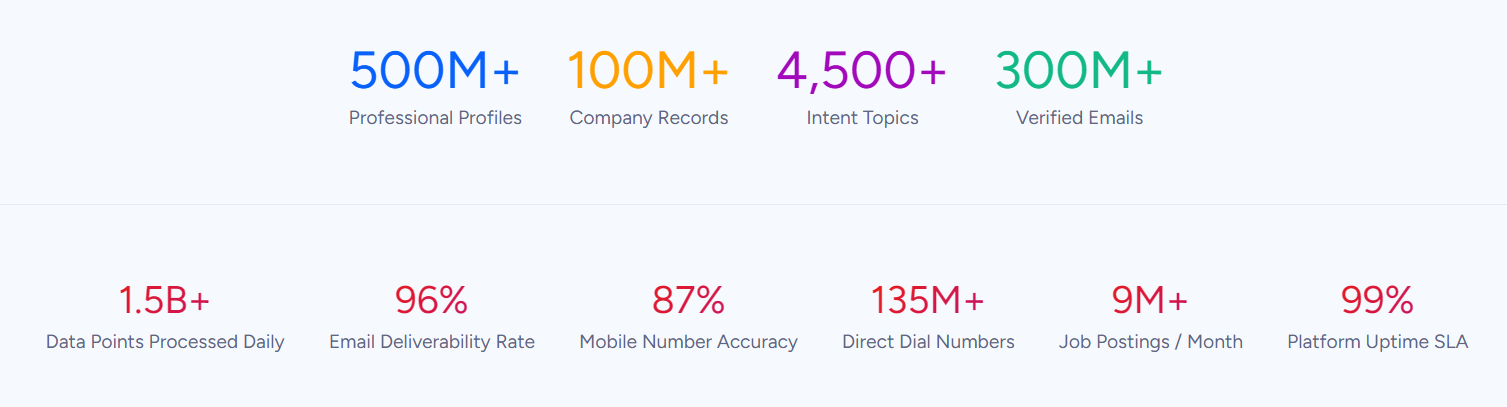
ZoomInfo is an AI-powered GTM platform built on a data foundation of 500M contacts, 100M companies, 135M+ verified phone numbers, and 200M+ verified business emails.
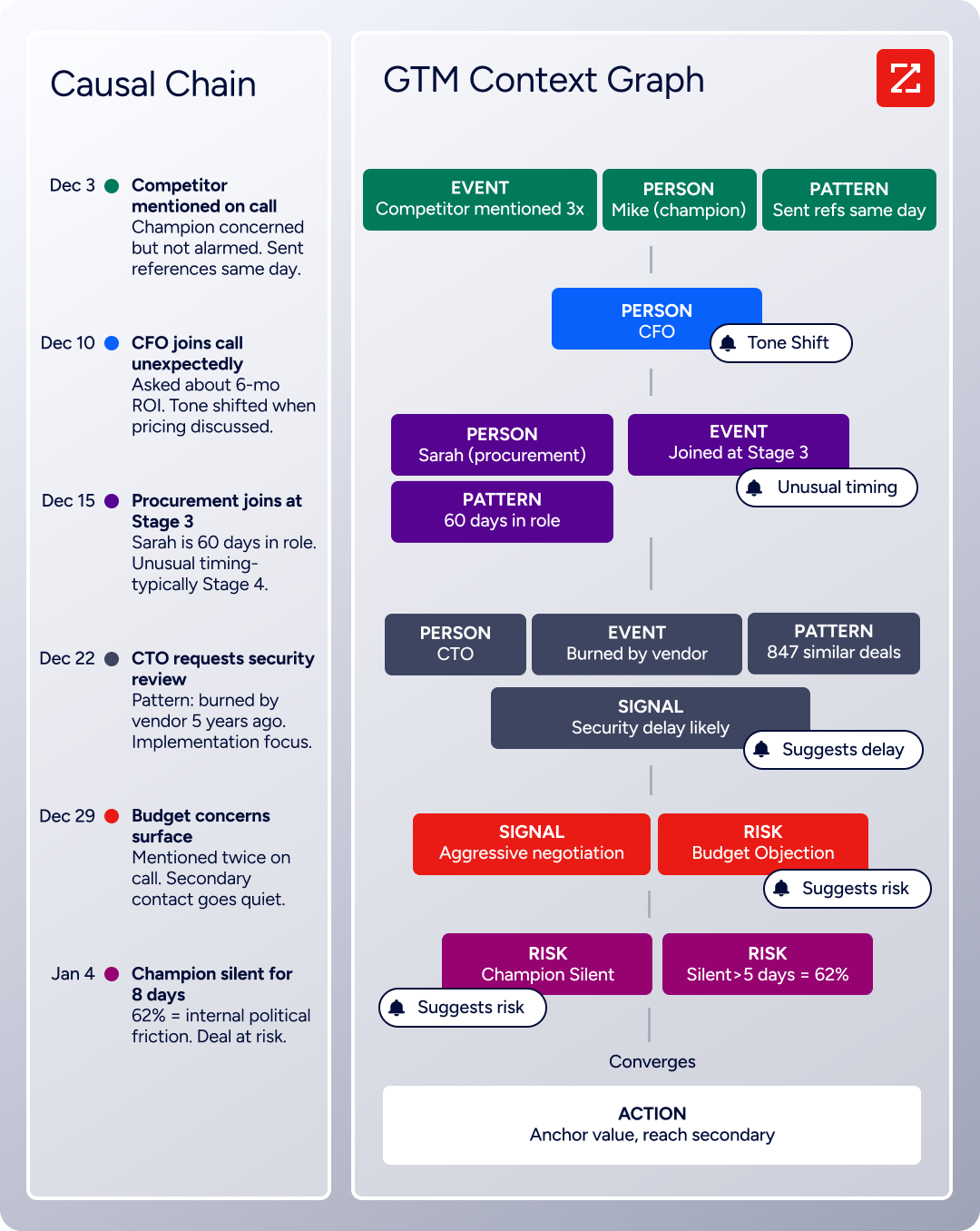
Its GTM Context Graph, which processes 1.5B+ data points daily, combines this data with your CRM records, conversation transcripts, and behavioral signals to show not just what's happening in your accounts, but why deals move or stall.
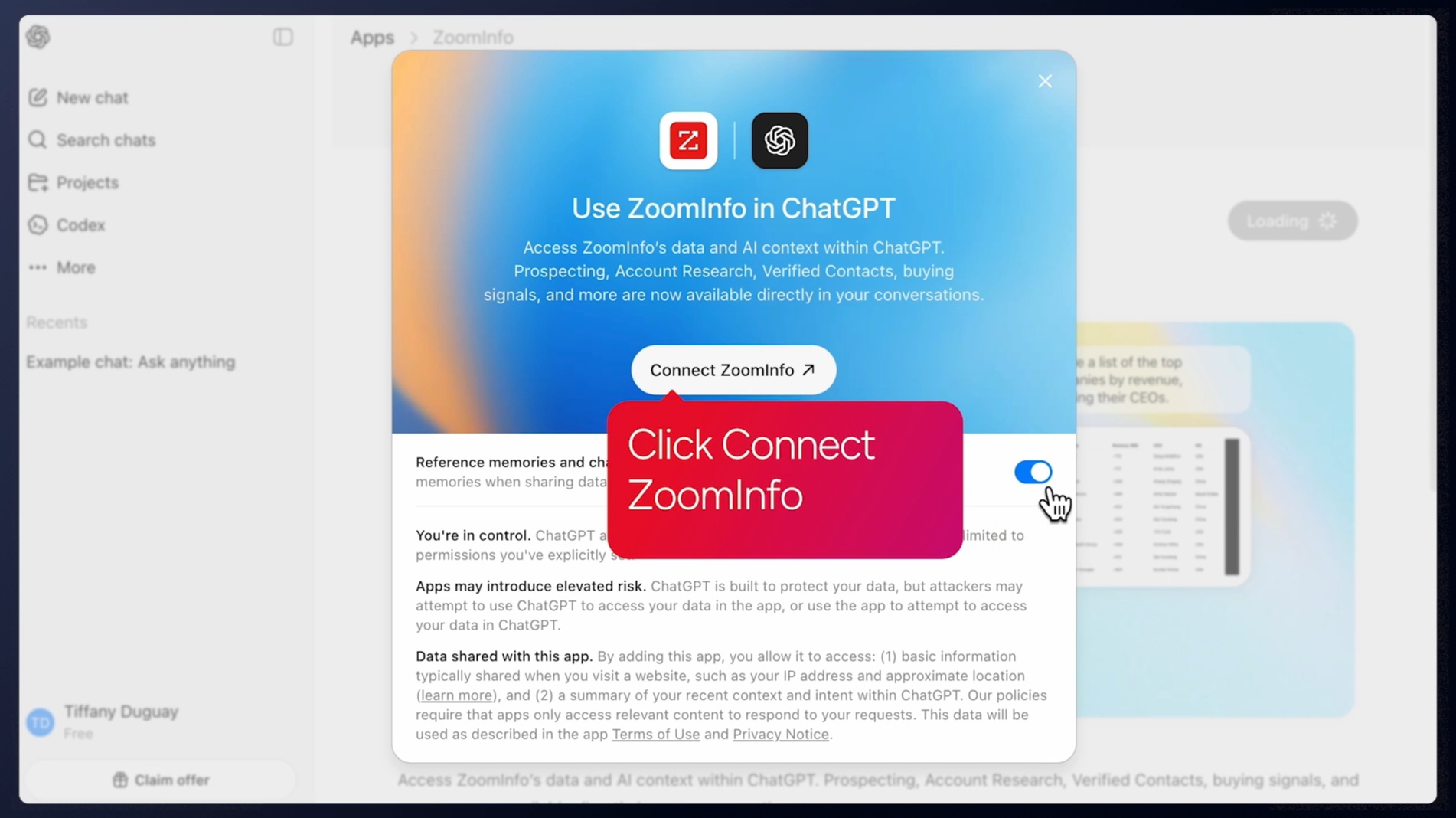
Your team can access this intelligence through GTM Workspace for sellers, GTM Studio for marketers and RevOps, or APIs and MCP in any third-party tool. ZoomInfo isn't a replacement for Showpad or Mindtickle. It's the intelligence layer that makes whichever enablement platform you choose more effective.
If building your enablement strategy on verified data and buying signals sounds right, see how ZoomInfo works.
Showpad vs. Mindtickle vs. ZoomInfo at a glance
Showpad | Mindtickle | ZoomInfo | |
|---|---|---|---|
Primary strength | Content management + field selling | Training, coaching + readiness measurement | B2B data intelligence + GTM execution |
Content management | Core strength with AI-powered library | Solid (Asset Hub) but secondary focus | N/A (complements both) |
Training & coaching | Showpad Coach + RolePlayAI | Core strength with Readiness Index | N/A (complements both) |
AI role-play | RolePlayAI in 12+ languages | Pioneer with 1.5M+ sessions completed | N/A |
Conversation intelligence | Not natively included | Native Call AI with scoring and analysis | Chorus (native) |
Digital sales rooms | Shared Spaces with Mutual Action Plans | DSRs with buyer engagement signals | N/A |
B2B data & intent signals | Not included | Not included | 500M contacts, 100M companies, intent data |
Offline access | Full offline mode for field sellers | Available via mobile apps | N/A |
Analyst recognition | Leader: Gartner MQ, Forrester Wave, IDC | Leader: Forrester Wave, Gartner Critical Capabilities | Leader: Gartner MQ (ABM), Forrester Wave (Intent) |
Pricing | Custom-quoted, per-user | Custom-quoted, per-user | Custom-quoted, consumption-based |
Content management: Showpad's home turf
Content management is where Showpad was born, and it shows.
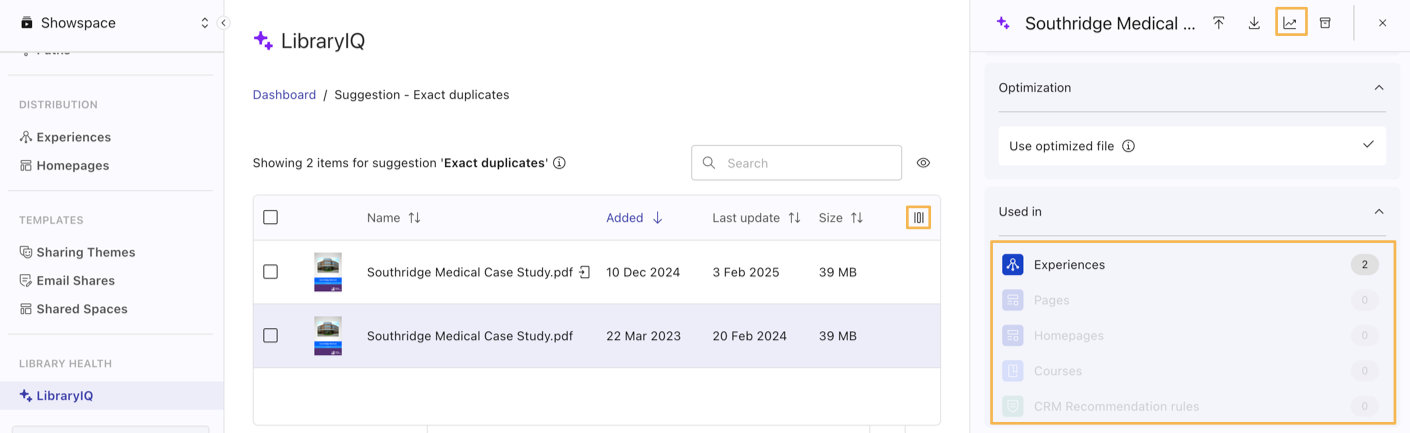
The platform's content library is built on a simple premise: sellers need to find the right material in seconds, not minutes. AI-powered search goes beyond keyword matching to surface relevant content based on deal context, and LibraryIQ monitors content health daily, flagging duplicates, outdated files, and organization gaps before they become problems.
Source: Showpad
For organizations selling physical products, Showpad offers capabilities Mindtickle doesn't match: 3D models and 360° immersive showrooms that turn product catalogs into interactive experiences.
Medical device companies and manufacturers use these to demonstrate products that can't be carried into every meeting. Content governance tools maintain version control and compliance, which matters in regulated industries where sharing an outdated spec sheet creates legal risk.
Showpad also supports offline mode for field sellers who present in locations without reliable internet. This capability, combined with a mobile-first design dating back to the company's 2011 founding as an iPad app, gives Showpad an edge for distributed field teams.
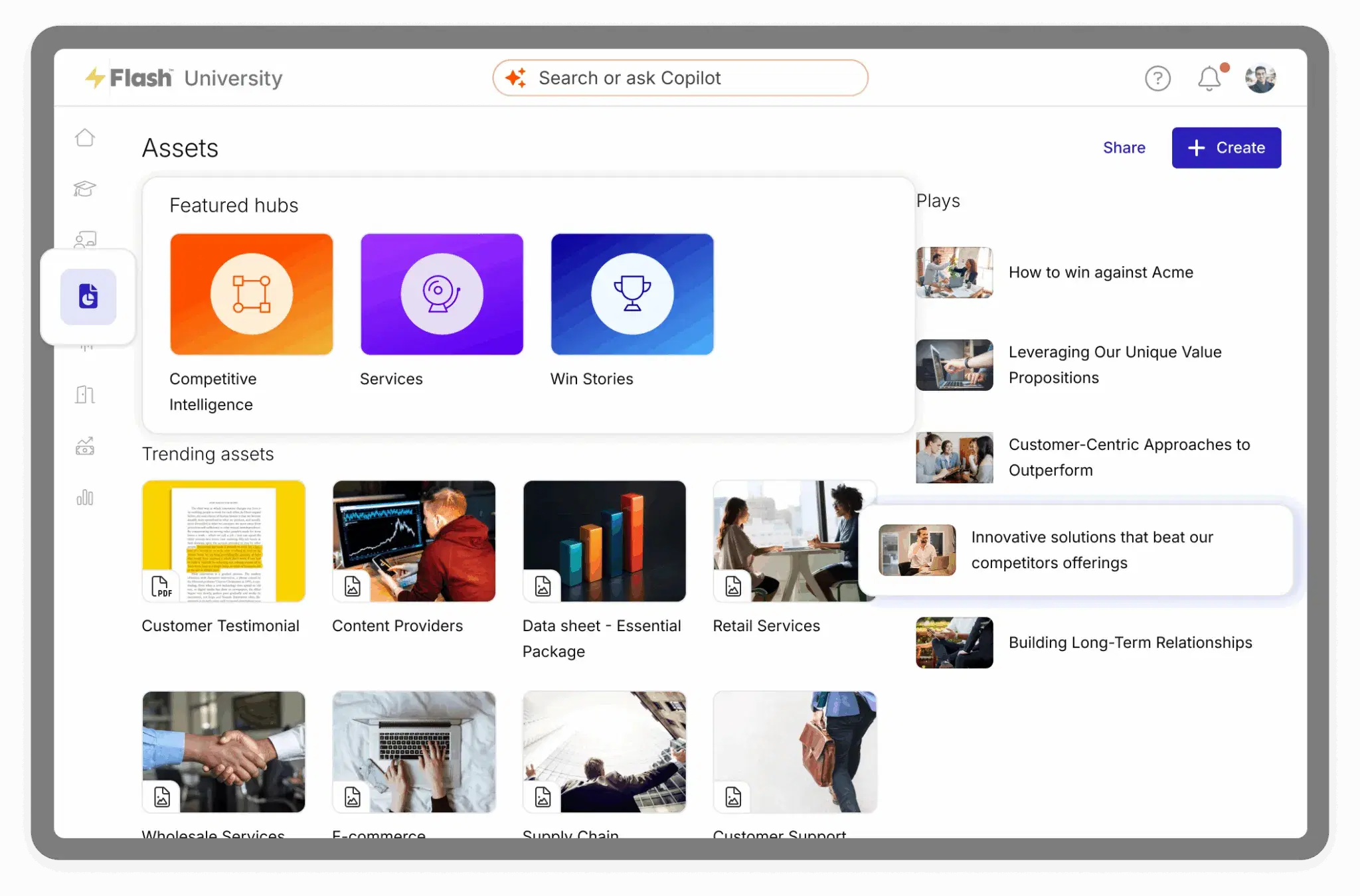
Mindtickle's content management (branded Asset Hub) is competent but clearly a later addition to a training-first platform.
Source: Mindtickle
It offers AI-powered search and content recommendations, and customers report a 250% average increase in content utilization after adoption. Content is served alongside sales plays and guided selling context, telling reps what to share and when.
But Mindtickle lacks Showpad's immersive content formats, offline capabilities, and the depth of content governance that regulated industries require.
The practical difference: if your sellers walk into customer sites with tablets and need to demonstrate complex physical products offline, Showpad is built for that workflow. If your sellers mostly work remotely and need content surfaced within a broader training and coaching ecosystem, Mindtickle integrates content into the learning flow more naturally.
Training and coaching: Mindtickle's foundation
Mindtickle was founded on the belief that corporate training could be made engaging, and thirteen years later, training and coaching remain its core capability.
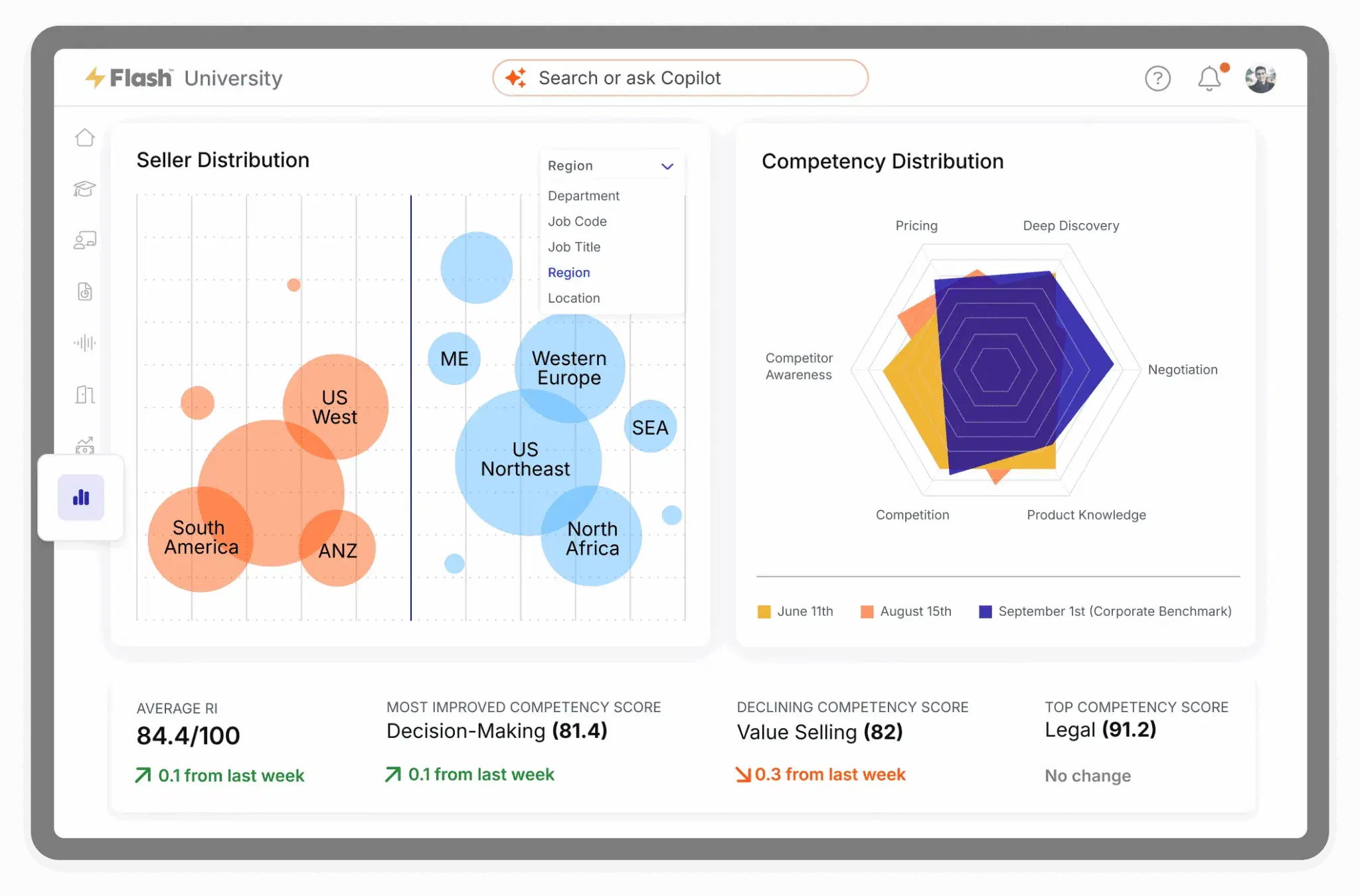
The platform centers on the Readiness Index, a framework that defines the Ideal Rep Profile (what a top-performing seller looks like), then measures every rep against that standard. This isn't a completion dashboard. It maps specific skills to CRM-sourced revenue outcomes like quota attainment, win rates, and pipeline health.
Source: Mindtickle
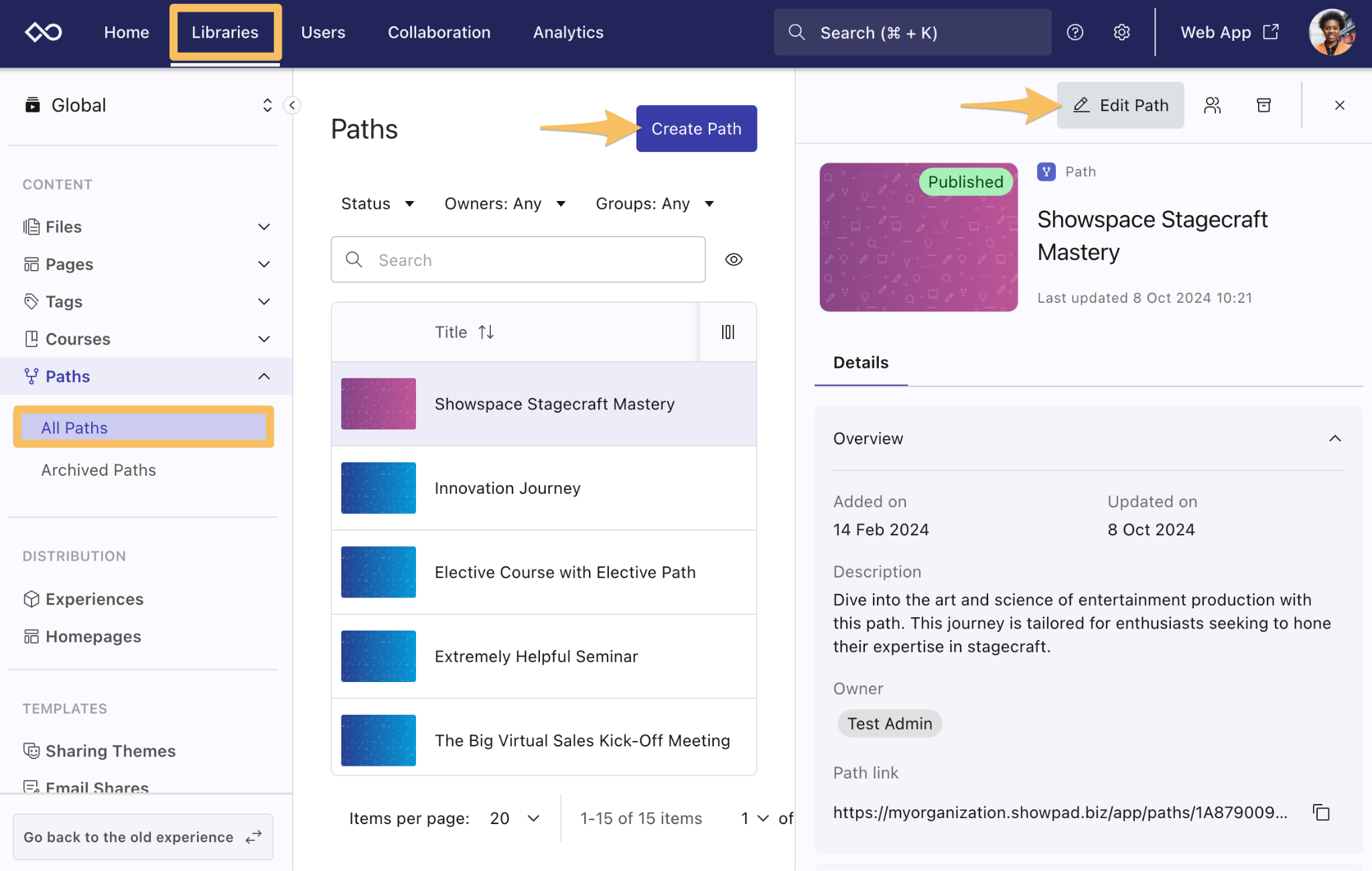
Mindtickle's coaching workflow runs as a closed loop: conversation intelligence identifies skill gaps from real calls, managers address those gaps in structured coaching sessions using pre-built coaching forms, and the platform assigns targeted training and AI role-plays to reinforce what was coached. A "coach the coach" program helps managers improve their own coaching skills.
Showpad Coach handles training through a path-based learning system with courses, certifications, and PitchIQ submissions.
Source: Showpad
But Showpad lacks Mindtickle's competency-based readiness measurement, its coaching analytics depth, and the formal structure for connecting training to revenue outcomes.
If your enablement team needs to prove that training programs drive revenue (not just course completions), Mindtickle's Readiness Index is the most developed framework available. If your training needs are simpler and you want coaching integrated with your content library, Showpad Coach covers the essentials.
AI role-play: both invest heavily, Mindtickle leads on scale
AI-powered sales practice is where the two platforms compete most directly, and both have innovated here.
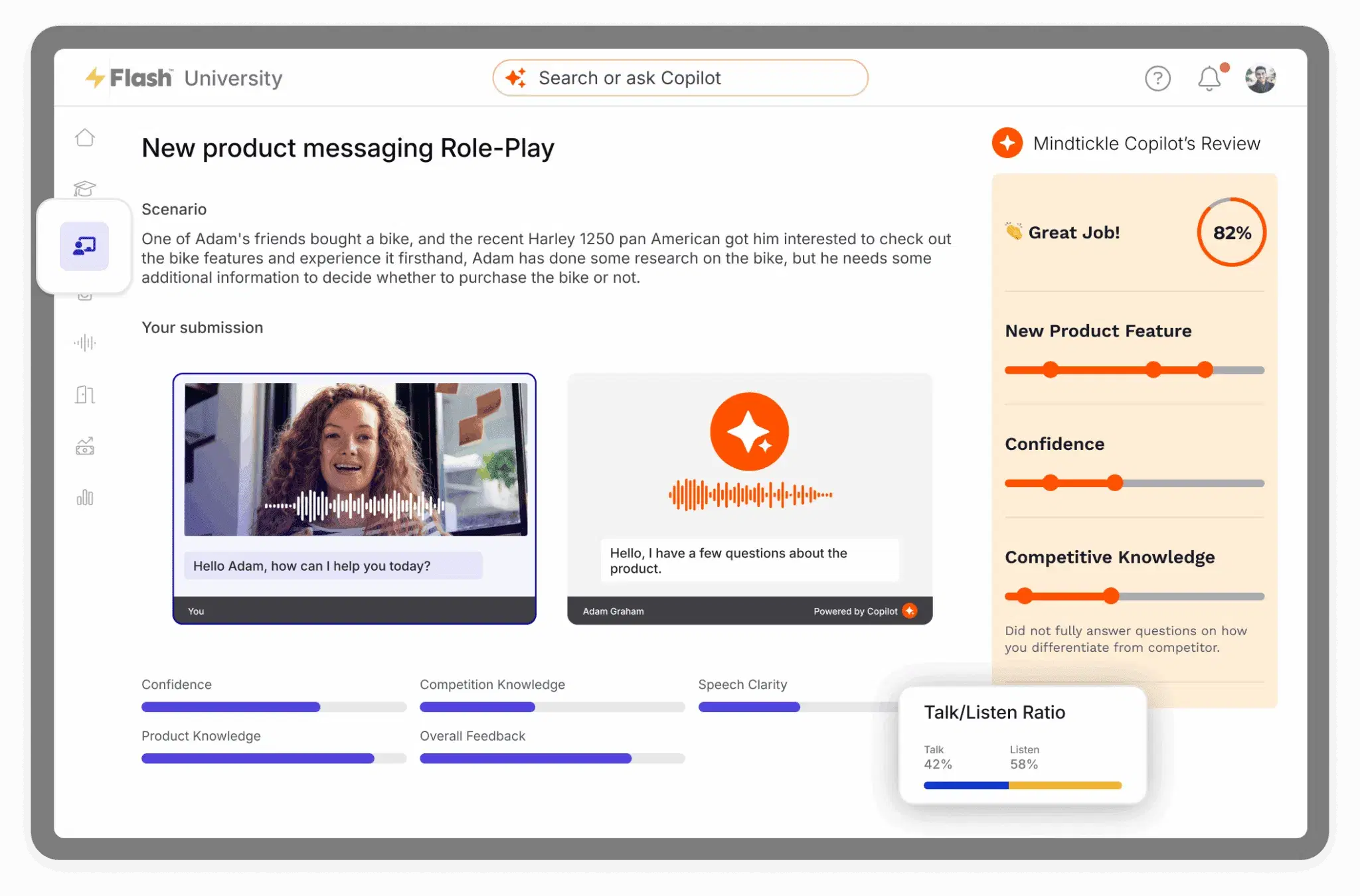
Mindtickle pioneered the category with over 1.5 million AI role-play sessions completed across its user base.
Sessions average about 3 minutes, making them practical right before a customer call. The AI buyer doesn't follow a rigid script but adapts, raising objections and pushing back in ways that vary by buyer persona. Admins create scenarios from natural language prompts and configure buyer personalities (skeptical, time-pressed, friendly).
Source: Mindtickle
The latest evolution, Real Deal AI Role Plays, pulls live CRM deal context, buyer engagement signals, and persona data to create practice sessions tailored to each rep's actual pipeline.
Mindtickle's distinction is the closed loop. Role-play performance feeds into the Readiness Index, which maps skills practiced in role-plays against business outcomes to determine whether coaching improves KPIs. Standalone practice tools can't make this connection.
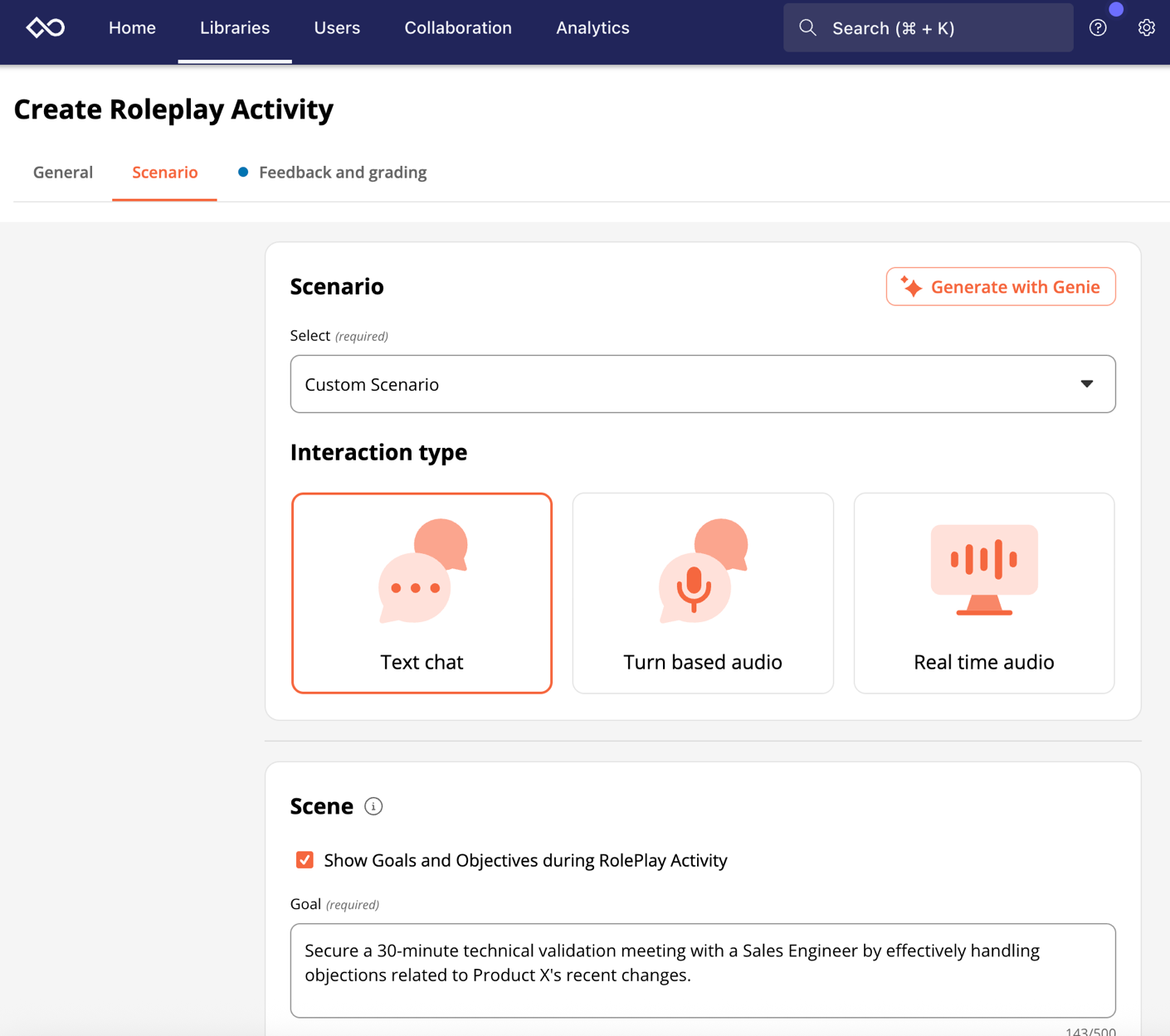
Showpad's RolePlayAI offers customer interaction simulations with support for text chat, turn-based audio, and real-time audio formats.
Source: Mindtickle
The AI Virtual Coach provides feedback after each session, and multilingual support spans 12+ languages.
Both platforms deliver solid practice environments. Mindtickle has more scale (1.5 million sessions means extensive real-world refinement) and a tighter connection between practice performance and revenue measurement. Showpad's broader language support and audio format flexibility give it advantages for globally distributed teams.
Conversation intelligence separates the two
This is the clearest differentiator. Mindtickle has native conversation intelligence. Showpad does not.
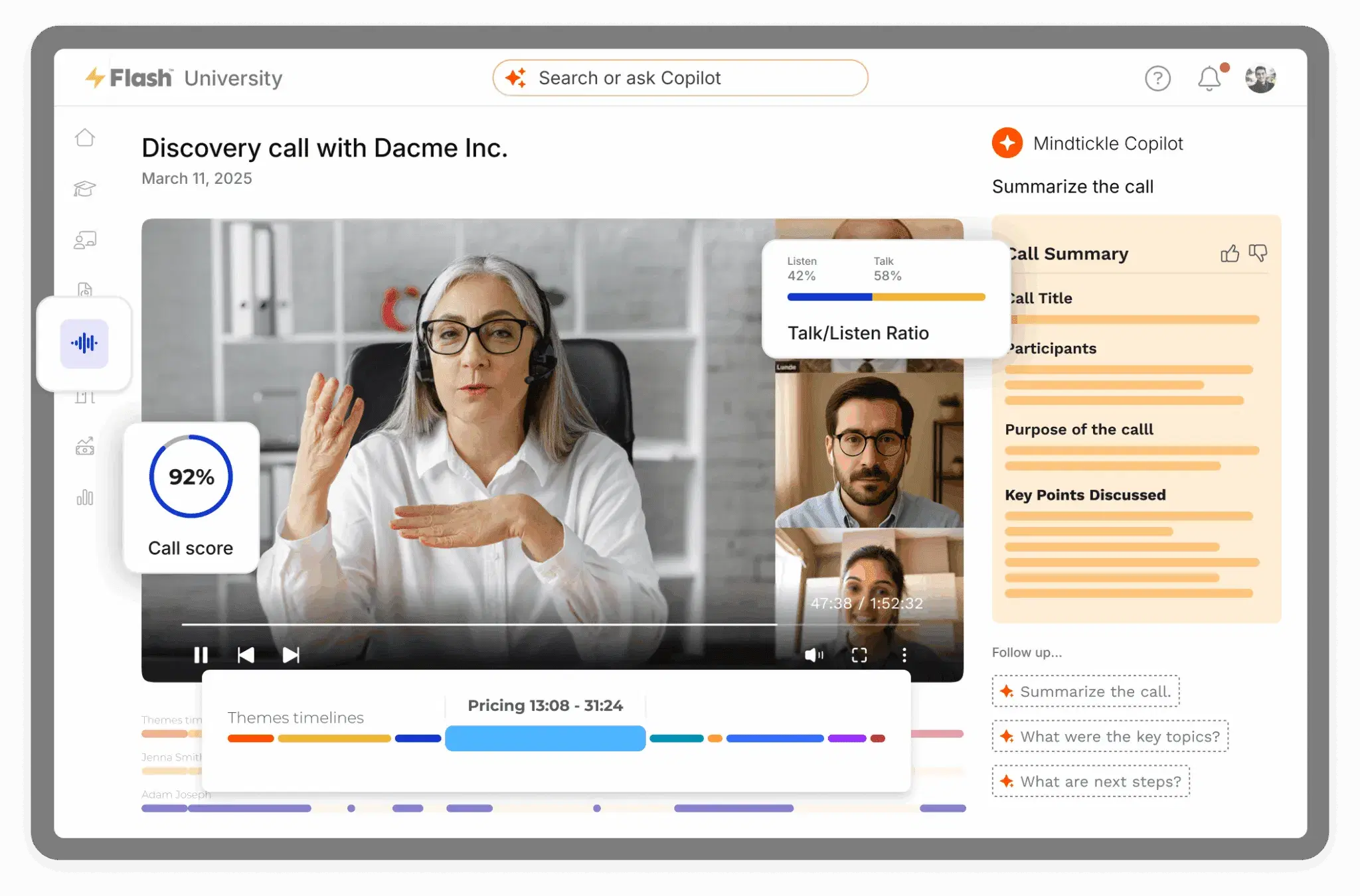
Mindtickle's Call AI captures, transcribes, analyzes, and scores buyer-seller conversations.
Every call is scored against pre-configured benchmarks for talk time, pace, and questions asked. The AI Copilot generates summaries, surfaces key moments (objections, competitor mentions), drafts action items, and creates follow-up emails. Call insights go to managers so they can prioritize coaching without listening to every recording.
Source: Mindtickle
The value is how conversation intelligence connects to the rest of Mindtickle's platform. Insights from calls trigger personalized coaching assignments, and the impact of that coaching on subsequent call scores can be measured. Call recordings become training content. Competitive mentions and buyer objections build a shared market intelligence repository accessible to marketing and product teams.
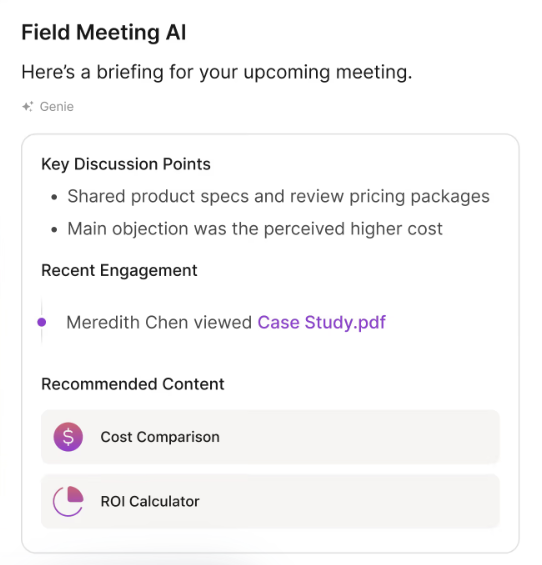
Showpad's Field Meeting AI, added through the Bigtincan merger, captures meeting insights, updates CRM, and drafts follow-ups.
Source: Showpad
But it handles field meeting notes and voice-to-CRM workflows, not the full call recording, transcription, and scoring pipeline that conversation intelligence provides.
If your sales process depends on analyzing what happens during customer calls and improving rep performance based on those interactions, Mindtickle includes this natively. With Showpad, you'd need a third-party conversation intelligence tool.
The intelligence gap both platforms leave open
Here's what neither Showpad nor Mindtickle addresses: how your reps know which accounts to target in the first place.
Both platforms assume the rep already has a meeting booked or a deal in play. Showpad ensures they walk in with the right content. Mindtickle ensures they've practiced the pitch.
But neither provides verified contact data, buying intent signals, or account intelligence. A rep using either tool still needs to figure out who to call, whether those contacts are accurate, and whether the account is even in-market.
This is where ZoomInfo fits.
Its data platform covers 500M contacts, 100M companies, 135M+ verified phone numbers, and 200M+ verified business emails, verified through a collection and verification system backed by 300+ human researchers. In a Fortune 500 competitive RFP analyzing 25 million contacts across vendors, the independent consultant concluded that "no other competitor came even close."
But data alone doesn't set ZoomInfo apart from a static database. The GTM Context Graph processes 1.5B+ data points daily, combining ZoomInfo's B2B data with your CRM records, conversation intelligence, and behavioral signals to capture why deals move or stall. Your CRM records that a deal advanced to stage 4.
The GTM Context Graph reasons that executive sponsorship at that stage, combined with ROI-focused questions on the last call and third-party signals showing the company is hiring and researching competitors, matches the pattern behind your closed-won deals.
That reasoning flows into every downstream action: the follow-up email addresses the concern the CFO raised, the play targets accounts whose signal combinations match actual win patterns, and the forecast reflects buying evidence rather than rep optimism.
Sellers access this intelligence through GTM Workspace, where prioritized accounts, AI-drafted outreach, and deal execution converge in one view. Marketers and RevOps use GTM Studio to define audiences in natural language and launch plays across channels. Teams building beyond ZoomInfo's products use APIs and MCP to embed the same intelligence in any third-party application.
Source: ZoomInfo
Seismic attributed 39% of active pipeline to opportunities identified or influenced by ZoomInfo signals and reported a 54% boost in sales team productivity. (Seismic)
Your enablement platform trains reps to sell well. ZoomInfo ensures they sell to the right accounts at the right time. A trained rep with bad data wastes their skills. Accurate data without training produces poorly executed outreach. The combination drives results.
Digital sales rooms: comparable strengths, different contexts
Both platforms offer digital sales rooms for buyer collaboration, and both deliver value.
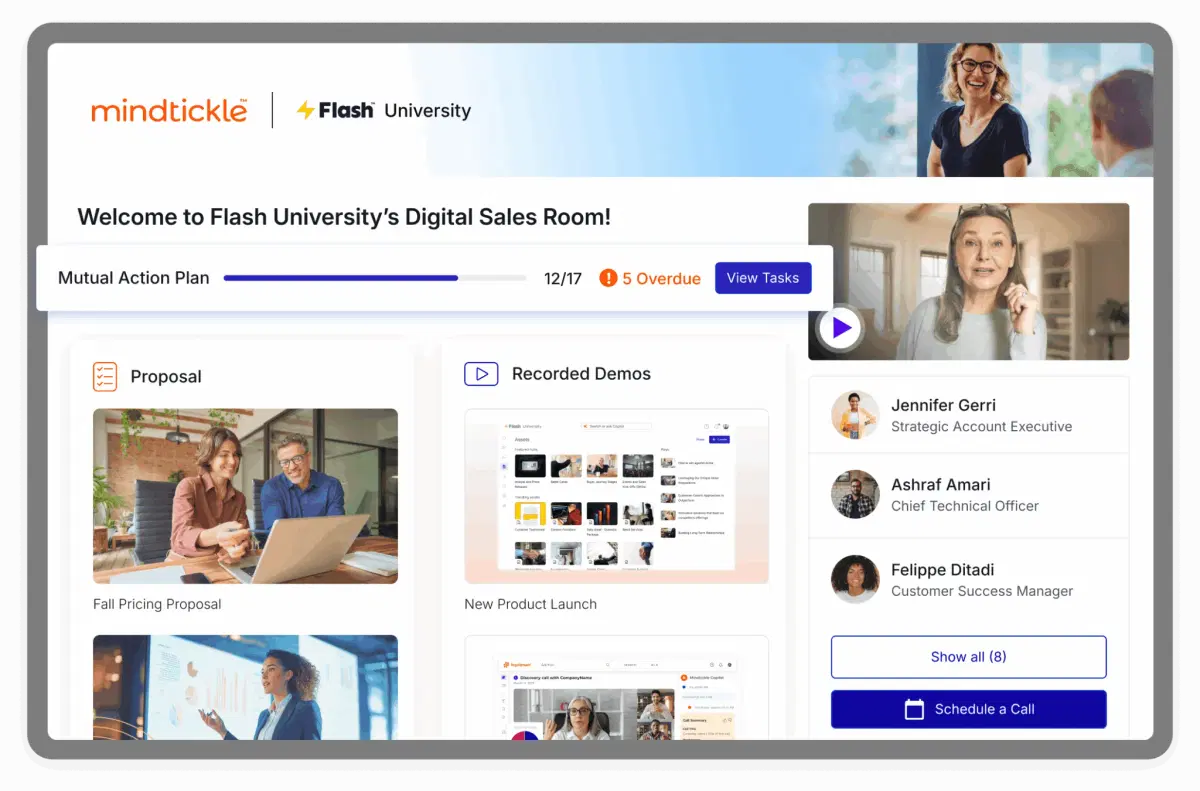
Mindtickle's Digital Sales Rooms are persistent, branded spaces shared between sellers and buying groups.
Source: Mindtickle
Rooms launch from templates and pull CRM data like customer logos, contacts, and deal details. Built-in Mutual Action Plans let reps and buyers track milestones, assign owners, and set deadlines together.
A contact enrichment feature identifies new buying group members who visit the room and writes them back to the CRM.
Showpad's Shared Spaces serve a similar function: secure, branded microsites for deal collaboration.
Sellers create spaces manually or from templates, populate them with content, and track buyer engagement. The Collaborate+ add-on enables Mutual Action Plans and buyer content uploads. Shared Spaces can be automated via API to trigger creation when deals advance in CRM.
The differences are subtle. Mindtickle's DSRs benefit from native conversation intelligence (call recordings and summaries live alongside shared content in the room) and from the Readiness Index (engagement signals feed back into the analytics loop). Showpad's Shared Spaces benefit from richer content formats (3D models, immersive experiences) and stronger offline support for field presentations.
For inside sales teams managing complex multi-stakeholder deals remotely, Mindtickle's DSRs offer tighter integration with the coaching and analytics workflow. For field sales teams who present in person and need to leave buyers with a persistent digital space, Showpad's content-first approach fits better.
Analytics: different philosophies, different answers
Mindtickle's analytics are built around the Readiness Index, which asks: "Are my reps ready to sell?"
It defines an Ideal Rep Profile based on top-performer competencies, then scores every rep against that benchmark using data from training completions, call scores, coaching sessions, and role-play assessments. Readiness scores correlate to CRM-sourced sales metrics including quota attainment, win rates, and pipeline health.
The platform provides 100+ out-of-the-box reports with a Snowflake integration for enterprise BI.
Showpad's analytics answer a different question: "Is our content working?"
The platform tracks content usage, buyer engagement, and connects content engagement to win rates through AnalyticsIQ. Navigation Analytics maps how reps navigate through content during presentations, showing which conversation flows lead to better outcomes.
The Revenue Influence dashboard examines marketing content through the lens of revenue impact. Data refreshes every 24 hours and can be exported to external BI tools.
If your enablement team needs to measure rep readiness and prove that training programs drive revenue, Mindtickle's competency-based framework provides the more developed answer. If your marketing team needs to understand which content influences deals and optimize their content investment, Showpad's content analytics go deeper.
Neither platform provides account-level intelligence (intent signals, buying committee identification, competitive displacement alerts) like what ZoomInfo delivers through its GTM Context Graph.
Three layers of analytics working together (ZoomInfo for account intelligence, your enablement platform for rep readiness and content performance) give revenue leaders the full picture.
Redwood Logistics achieved a 99% reduction in CPC and a 310% increase in CTR using ZoomInfo's data-driven audience insights. "It's not just the data itself. It's more about the right data at the right time to help us reach out with the right message across that full buyer journey." (Chelsea Kenyon, Senior Director of Digital Strategy, Redwood Logistics)
Pricing: neither makes it easy
Both Showpad and Mindtickle use custom-quoted, per-user pricing with no publicly listed dollar amounts. Expect annual contracts and a sales-led buying process for either platform.
Mindtickle structures its offering into four package tiers: LMS (core learning management), Readiness (adds reinforcement and one-way role-plays), Enable (adds Asset Hub and Digital Sales Rooms), and Transform (adds conversation intelligence).
Interactive AI Role Play requires a separate line item regardless of package. Premium Support with a dedicated CSM, 1-hour response SLA, and 24/7 critical support is also an add-on. Contracts auto-renew annually with price increases capped at 5% per year.
Showpad offers three tiers: Professional (content and training essentials), Advanced (adds AI-powered governance, AnalyticsIQ, and Shared Spaces templates), and Expert (adds AI-powered search, LibraryIQ, and priority support).
Add-on bundles (Learn+, Collaborate+, Empower+) cover capabilities like competencies, Mutual Action Plans, and content automation. Key features are gated behind higher tiers or add-ons, similar to Mindtickle's approach.
Both platforms carry additional costs beyond the base subscription. Mindtickle charges separately for professional services, content creation, managed services, and overage seats. Showpad offers over 100 professional services covering advisory, configuration, education, and content production, all separately priced.
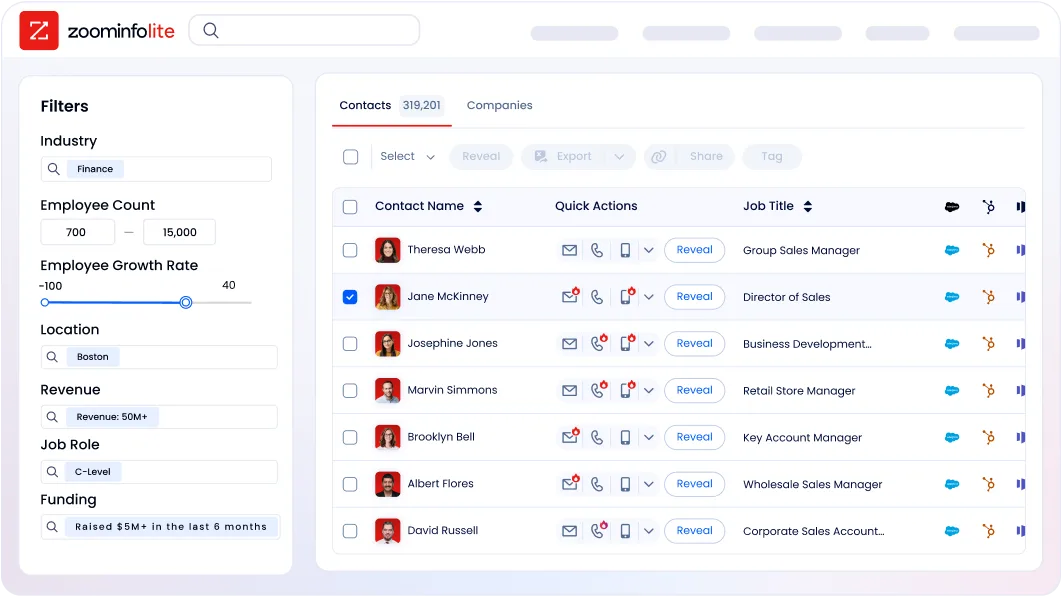
ZoomInfo uses consumption-based pricing scaled around data access, API consumption, and AI activity.
A permanent free tier, ZoomInfo Lite, provides access to the B2B database with 10 monthly export credits and no time limits. A 7-day free trial of paid features is also available.
Enterprise security and compliance
All three platforms maintain strong security certifications, though each emphasizes different areas.
Mindtickle holds ISO 27001, ISO 22301, ISO 27701, ISO 27017, ISO 27018, and ISO 42001 certifications, plus SOC 2, HIPAA, and 21 CFR Part 11 compliance.
Its AI layer runs on models via Microsoft Azure OpenAI and AWS Bedrock with zero data retention on AI interactions. SecurityScorecard rates Mindtickle at a perfect 100, placing it 25th globally out of 12 million rated companies.
Showpad holds ISO 27001, ISO 27701, SOC 2 Type II, and ISAE 3402 Type I certifications.
The company claims to be the only enablement platform covering all three third-party assurance reports. Showpad maintains independence from any specific AI provider, running open-source AI models within its secure AWS environment.
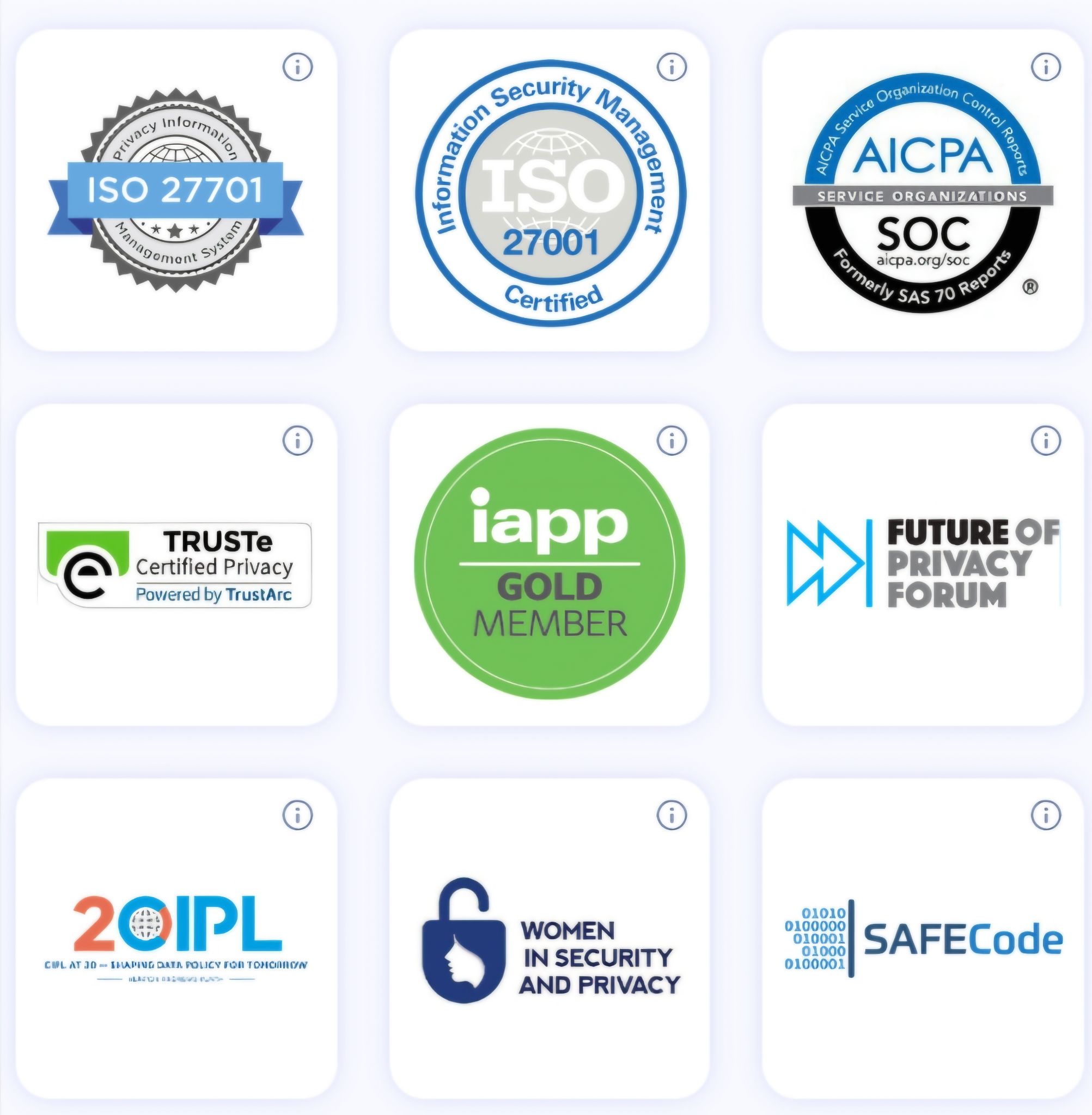
ZoomInfo maintains ISO 27001, ISO 27701, SOC 2 Type II, TRUSTe GDPR and CCPA certifications, all renewed annually. It operates as a registered data broker in California and Vermont.
Source: ZoomInfo
For teams in regulated industries, all three platforms meet enterprise security requirements. Mindtickle's HIPAA and FDA (21 CFR Part 11) compliance give it an edge in pharmaceutical and healthcare. Showpad's ISAE 3402 certification adds extra assurance for European buyers.
Showpad vs. Mindtickle vs. ZoomInfo: Which should you choose?
The decision depends on where your enablement gaps are largest.
Choose Showpad if:
Content management and distribution are your primary enablement challenge
Your sellers work in the field and need offline access with rich media presentations
You sell physical products that benefit from 3D models and immersive showrooms
You operate in regulated industries where content compliance is mandatory
You want training and coaching integrated with your content library, but don't need readiness measurement
Choose Mindtickle if:
Training, coaching, and measuring seller readiness are your top priorities
You need native conversation intelligence to analyze and score sales calls
Proving the ROI of enablement programs to leadership is critical
Your organization needs structured coaching workflows that connect call performance to skill development
You want a competency framework that correlates rep readiness to revenue outcomes
Add ZoomInfo to either if:
Your reps need verified contact data and direct dials to reach the right buyers
You want intent signals that reveal which accounts are actively researching your category
You need account intelligence that connects buyer signals to deal patterns
You want a single data platform that powers AI agents, marketing plays, and seller workflows
You're building an intelligence-driven GTM strategy, not just an enablement program
Start with ZoomInfo Lite for free, or explore a 7-day trial of paid features.
The most effective revenue organizations don't treat enablement and intelligence as separate investments. They use an enablement platform to make sellers better and a data platform to point them at the right opportunities.
Choose your enablement tool based on whether content or coaching matters more to your team. Then build the data foundation that ensures your enablement investment reaches the accounts that will buy.
"You'll get 10x the value if you think of ZoomInfo as a full platform and not just a tool for one team." (John Kotsuros, Founder and CEO, SpringDB)
Showpad vs. Mindtickle vs. ZoomInfo FAQ
What is the core difference between Showpad and Mindtickle?
Showpad started as a content management platform for field sellers and expanded into coaching. Mindtickle started as a sales training platform and expanded into content.
Showpad excels at organizing, distributing, and presenting sales content, especially for field teams needing offline access and rich media like 3D models. Mindtickle excels at training, coaching, and measuring seller readiness through its Readiness Index, which ties training activity to revenue outcomes.
Does either platform include conversation intelligence?
Only Mindtickle includes native conversation intelligence through its Call AI product, which records, transcribes, scores, and analyzes buyer-seller conversations.
Showpad offers Field Meeting AI for capturing meeting notes and updating CRM, but does not provide full call recording, transcription, and scoring. Organizations using Showpad would need a separate conversation intelligence tool.
How does ZoomInfo fit with Showpad or Mindtickle?
ZoomInfo is not a competitor to either platform. It provides the B2B data, intent signals, and account intelligence that enablement platforms do not offer. Showpad and Mindtickle prepare sellers to engage buyers effectively.
ZoomInfo tells sellers which accounts to pursue, provides verified contacts, and surfaces buying signals that reveal when accounts are in-market. The three work together in a GTM stack.
Which platform is better for medical device or manufacturing companies?
Showpad has the stronger track record in medical devices and manufacturing, with dedicated industry solutions, 3D product visualization, offline field selling, and content compliance features critical for regulated environments. Customers include GE Healthcare, Bruker, and Schneider Electric.
Mindtickle also serves medical devices as a named vertical and holds HIPAA compliance, but its strengths lean toward training and coaching rather than field content delivery.
How do the pricing models compare?
Neither Showpad nor Mindtickle publishes dollar amounts. Both use per-user, annual pricing with multiple tiers and add-ons. Mindtickle offers four package tiers (LMS, Readiness, Enable, Transform) with interactive AI role-play as a separate add-on.
Showpad offers three tiers (Professional, Advanced, Expert) with add-on bundles for coaching, collaboration, and content automation.
ZoomInfo uses consumption-based pricing with a permanent free tier (ZoomInfo Lite) and a 7-day free trial of paid features.
Which platform has stronger AI capabilities?
Both invest heavily in AI with different approaches. Mindtickle launched ElevateOS in April 2026, a platform that deploys AI agents for coaching, deal guidance, and buyer engagement, built on ten years of rep behavioral data. Showpad offers Genie Assistant, RolePlayAI, AuthoringAI, and Field Meeting AI, using open-source models independent of any single vendor.
Mindtickle's AI is more integrated into its coaching and readiness measurement workflow. Showpad's AI focuses on content creation, search, and field seller productivity.
Which platform has better analyst recognition?
Both are well recognized. Showpad holds Leader status in the 2025 Gartner Magic Quadrant for Revenue Enablement Platforms, the Forrester Wave for Revenue Enablement Platforms (Q3 2024), and the IDC MarketScape for Revenue Enablement (2025).
Mindtickle was named a Leader in the Forrester Wave for Revenue Enablement Platforms (Q3 2024), placed top three in Gartner's 2025 Critical Capabilities, and won the 2025 AI Breakthrough Award for AI-based Sales Solution of the Year.
ZoomInfo holds Leader status in the Gartner Magic Quadrant for ABM Platforms and the Forrester Wave for Intent Data Providers.
Can I integrate Showpad or Mindtickle with ZoomInfo?
ZoomInfo integrates across the GTM stack through its API and MCP access, plus native integrations with Salesforce, HubSpot, and Microsoft Dynamics.
While all three platforms share common CRM integration points, the intelligence ZoomInfo provides (verified contacts, intent signals, account enrichment) flows into CRM and becomes available to any connected tool, including enablement platforms. ZoomInfo's API access is included in all relevant plans.
More Showpad and Mindtickle comparisons:
