
You manage hundreds of B2B accounts, each with its own order history, reorder cycles, and buying committee. What you need from a CRM is not a place to store contact records but a system that tells you which account needs attention today, why, and what to do about it.
SugarCRM (now rebranding as SugarAI) is a sales CRM built for B2B companies in manufacturing, wholesale, and distribution. It combines sales automation, ERP-connected revenue intelligence, customer service, and marketing automation in a suite that treats ERP transaction data as a first-class input to the sales workflow. This breakdown covers every feature, how it works, who it serves, and which plan unlocks it.
SugarCRM's feature set has you covered if:
You manage large B2B account bases where cross-sell, upsell, and reorder tracking depend on ERP order history
You need AI-driven daily prioritization that tells reps which accounts and deals matter most right now
You want a CRM that connects to your ERP system and surfaces buying patterns without separate BI tools
You run complex, long-cycle sales with formal qualification frameworks and need guided workflows to enforce process consistency
You need omnichannel customer service (voice, chat, email, self-service portal) inside the same platform as your sales data
You require both cloud and on-premises deployment options for data sovereignty or regulatory reasons
You'll reach the edges of its capabilities if:
You need a B2B contact and company database to source new prospects outside your existing accounts
You want intent signals showing which companies are actively researching your category before they contact you
You need conversation intelligence that records, transcribes, and coaches from sales calls
You want website visitor identification that reveals who is browsing your site before they fill out a form
For those needs, the reference point is ZoomInfo: a GTM platform built on 500M contacts, 100M companies, and 135M+ verified phone numbers, a GTM Context Graph that fuses B2B data with CRM records, conversation intelligence, and behavioral signals into a single intelligence layer, and access through APIs, MCP, GTM Workspace, and GTM Studio.
After the feature breakdown, this article covers where SugarCRM stops and how ZoomInfo fills those gaps.
SugarCRM Platform Overview
SugarCRM positions itself as a "CRM with AI for precision selling", targeting B2B companies in manufacturing, wholesale, and distribution where ERP systems hold the richest customer intelligence and buying cycles are long and relationship-driven. The company reports 4,000+ customers, 1M+ users across 120+ countries, 180+ ERP integrations, and 96% customer satisfaction. Named customers include Creative Foam, FSIoffice, Tetley, Country Fare, Sun State International Trucks, and WaterCo.
The platform is organized around four product pillars:
Module | What It Does | Plan / SKU |
|---|---|---|
Sales automation with AI-driven prioritization, guided workflows, pipeline management, and forecasting | Standard ($59/user/mo), Advanced ($85/user/mo), Premier ($135/user/mo); 15-user minimum | |
Revenue intelligence from ERP data: cross-sell alerts, churn detection, buying pattern analysis | Integrated with Sugar Sell | |
Customer service: case management, SLA automation, omnichannel support via SugarLive | Priced separately (contact sales) | |
Marketing automation: email campaigns, nurture flows, lead scoring, landing pages, analytics | Contact-volume-based (contact sales) |
SugarCRM Sales Automation and AI-Driven Selling
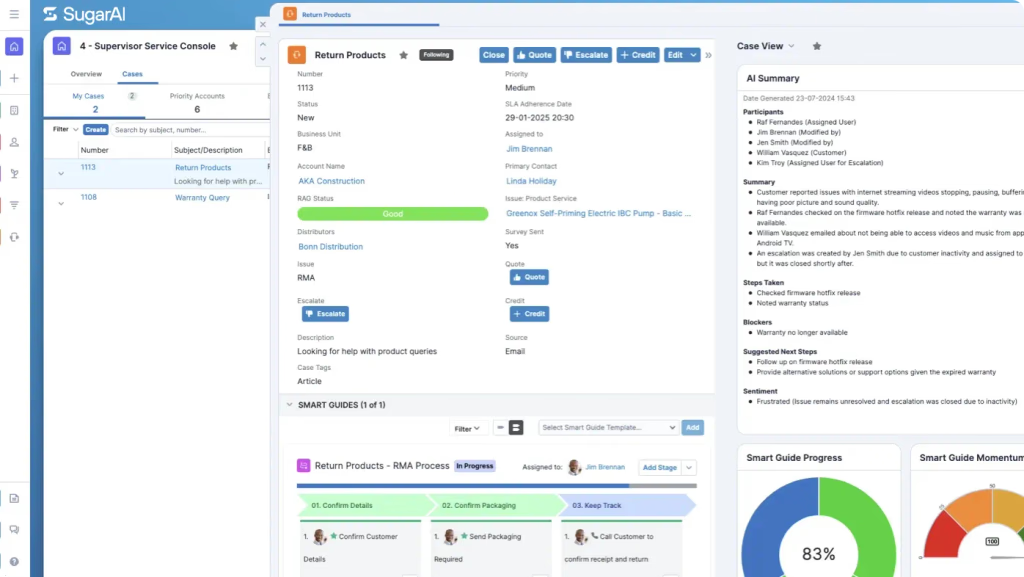
Sugar Sell is the flagship product and where most buyers start. It flips the traditional CRM logic: instead of acting as a data repository that reports on the past, it surfaces prioritized actions, risk signals, and context before each customer interaction.
SugarCRM frames it as a system that "shows which accounts and opportunities matter most right now" each time a rep logs in, eliminating the manual sorting that eats into selling time.
Source: SugarCRM
The daily workflow structures around three moments. At login, the platform identifies changes in buying behavior, dormant accounts, at-risk deals, and expansion opportunities, ranked by impact. Before a meeting, it provides a context view combining company summaries, recent news, social insights, past interactions across sales and marketing, and complete contact history in one screen. After the meeting, AI helps keep CRM records updated to reduce manual data entry.
Guided workflows codify and enforce consistent sales processes. The system assigns tasks automatically based on deal size and timelines, alerts keep the team on track, and process adherence becomes measurable.
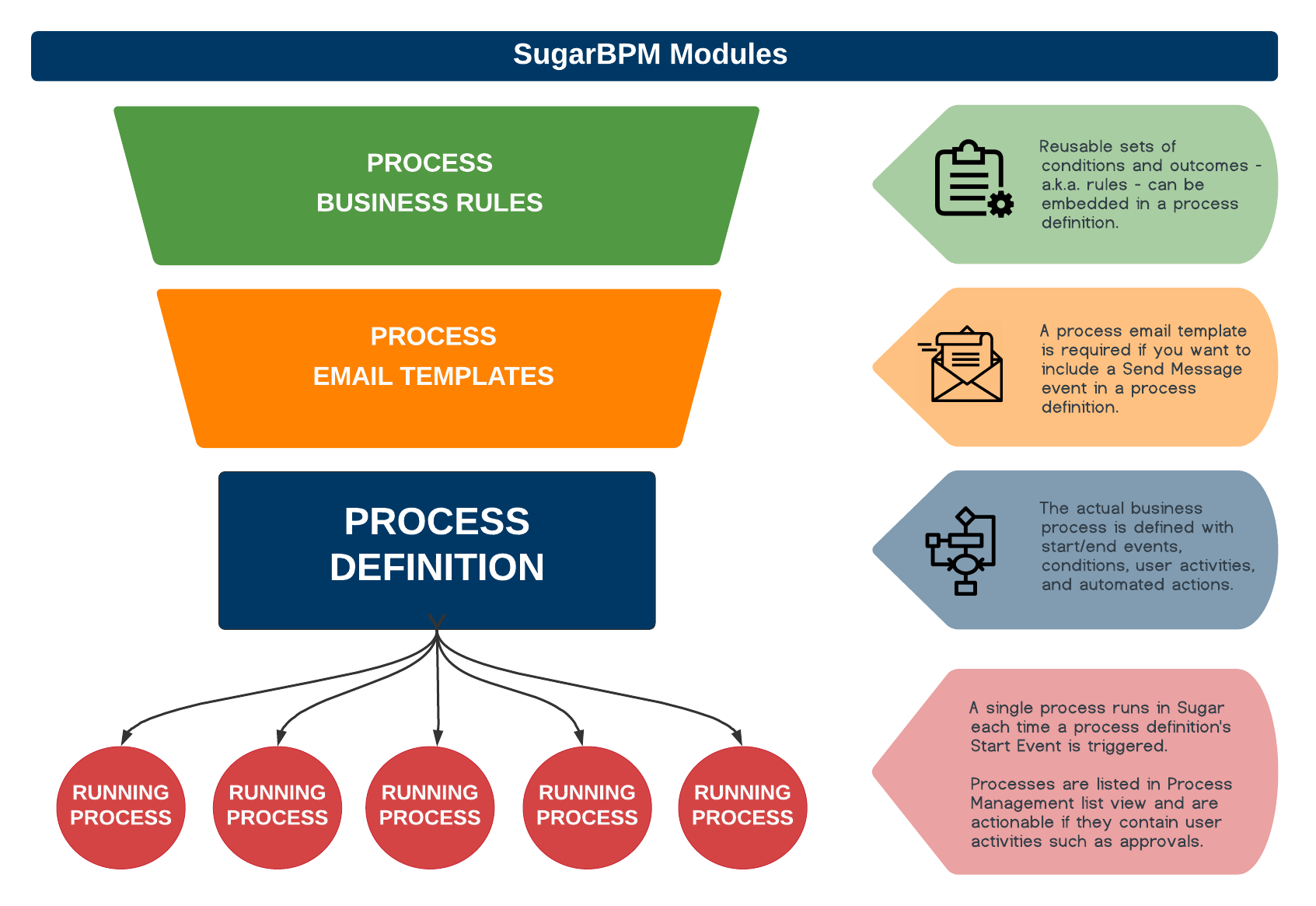
The underlying engine is SugarBPM, a no-code business process management layer that handles automated task routing, stage transitions, and notification logic without developer involvement.
Source: SugarCRM
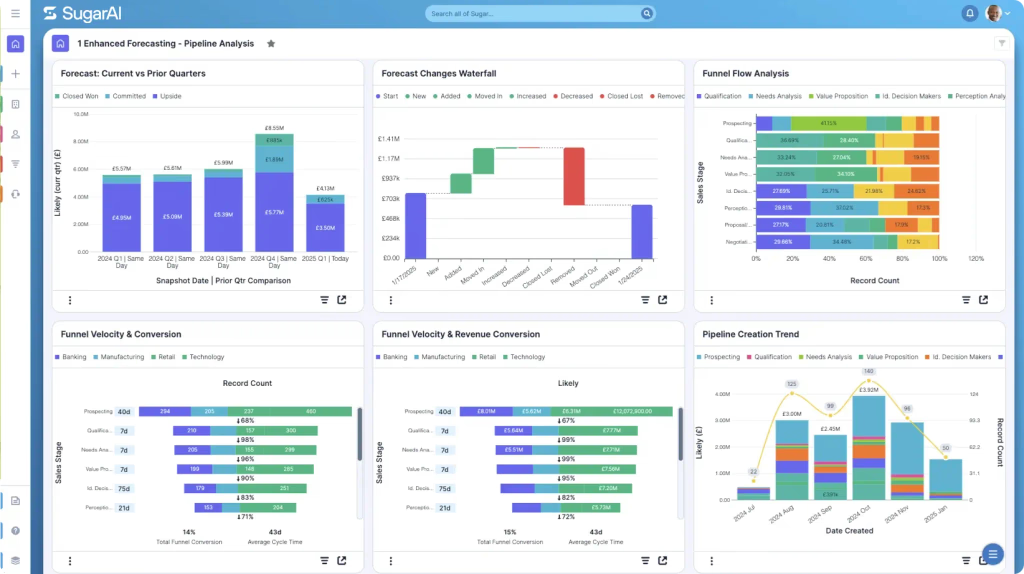
Pipeline management and forecasting give sales leaders a single source of truth for opportunity data. The Standard tier includes pipeline management and basic reporting. The Premier tier adds enhanced forecasting that accounts for deal health signals across the long sales cycles typical in manufacturing and distribution.
Source: SugarCRM
For managers, Sugar Sell surfaces where deals are stalling and which reps need coaching, enabling earlier intervention. Quote management, activity management, and lead and opportunity tracking are available on all tiers. The Advanced tier adds intelligent lead prioritization, sentiment analysis, and generative AI (though these are asterisked as add-on/upgrade features).
The platform also includes no-code configuration under the tagline "Do it your way". Administrators tailor modules, layouts, fields, and workflows to their specific sales process without code.
SugarCRM Revenue Intelligence from ERP Data: Sugar sales-i
Sugar sales-i is the feature that separates SugarCRM from most CRM competitors. It bridges the gap between transactional ERP data and front-line sales activity, and Nucleus Research called it out as a key differentiator in the 2026 SFA Technology Value Matrix.
The problem it targets is specific to high-volume, relationship-driven businesses: sales reps managing hundreds of accounts across thousands of SKUs sit on rich transactional history (what customers bought, when, how often, at what margin) locked inside ERP systems they rarely access.
Sugar sales-i connects to the customer's ERP system, pulls transactional data, analyzes it with AI, and surfaces insights directly inside Sugar Sell. Chief Product Officer Paul Farrell described it: "sales reps no longer have to search for answers about their accounts or opportunities". The platform connects to over 180 ERP systems including SAP, Oracle, Epicor, Procede, Syspro, and Sage.
Cross-sell and upsell alerts flag accounts where a customer has purchased one product category but not a related one. Customer snapshots consolidate ERP transaction history with CRM engagement data into AI-driven summaries, eliminating manual prep work.
Churn and buying gap detection monitors account spending patterns and surfaces early warnings when a customer begins spending less or less frequently, showing past purchases, seasonal trends, and gaps in buying behavior.
Reorder cycle tracking automates reorder reminders for high-volume wholesale and distribution businesses. Seasonality and SKU-level trend analysis tracks buying patterns at the product level to help teams stay ahead of seasonal demand shifts. Margin optimization surfaces high-margin product opportunities and helps identify suppliers with better pricing.
The deeper point about sales-i: it "ensures sales reps now have answers to questions they may not have even thought to ask", including blind spots, upsell and cross-sell opportunities, and decreases in account spending. Unlike sales intelligence tools that enrich CRM records with third-party company data, sales-i draws intelligence from the customer's own purchase behavior.
SugarCRM Customer Service: Sugar Serve
Sugar Serve is the dedicated customer service module, designed for what SugarCRM calls "the customer service heroes". It runs on the same platform as Sugar Sell, so a service agent handling a case can view the customer's full account history, purchase records, open opportunities, and past calls without leaving the service workspace. Pricing requires a direct quote from SugarAI sales.
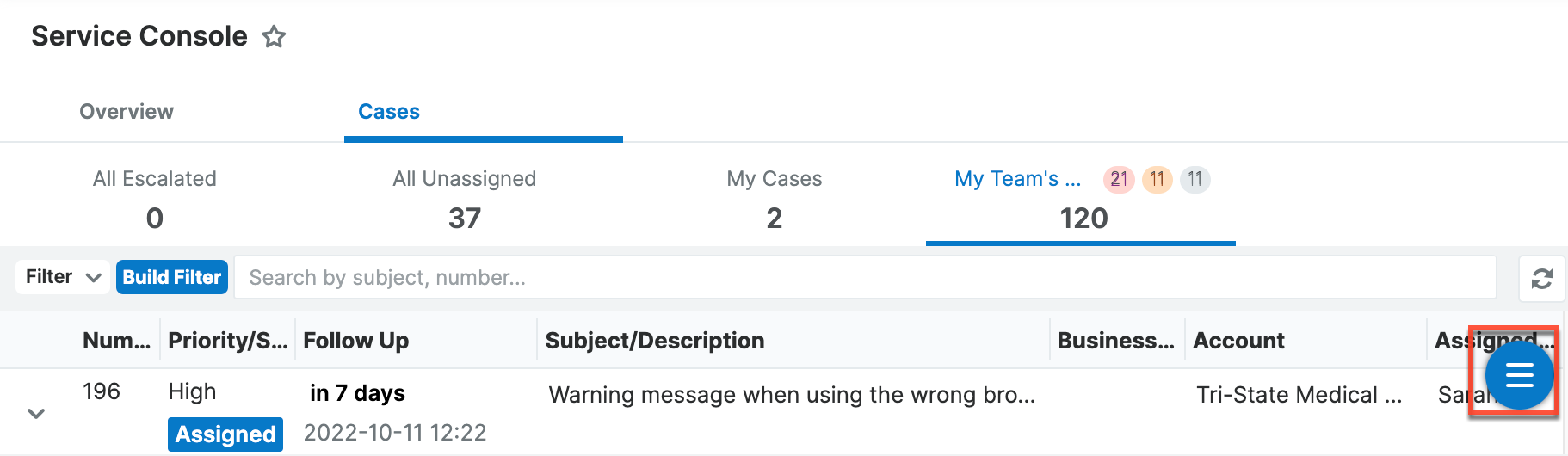
The center of the module is the Service Console, a two-tab dashboard with nine pre-built dashlets including My Open Cases by Follow-Up Date, Open Cases by User by Status, and a color-coded case queue: red for overdue, yellow for due within 24 hours, white for future. Tabs cover All Escalated, All Unassigned, My Cases, and My Team's Cases. The console auto-refreshes every five minutes.
Source: SugarCRM
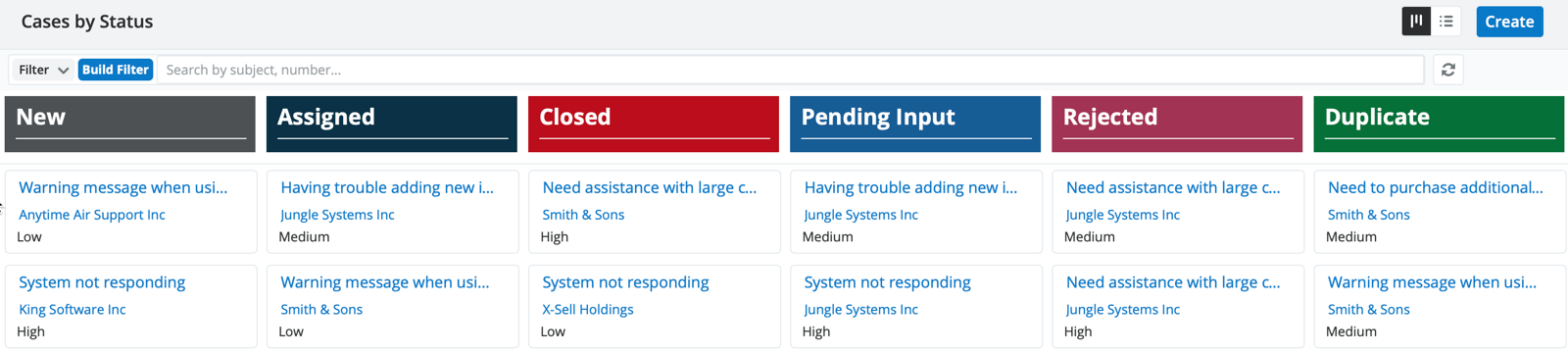
Case management covers status tracking, Kanban-style tile view, SLA fields, Change Timers (tracking how long a case spends in each status), escalation badges, comment logs with @mentions, and auto-created cases from inbound email.
Source: SugarCRM
SLA automation uses a stock SugarBPM template called "Case Follow-Up Date Management" that calculates follow-up dates using the case's priority, the related account's configured business center (time zone, operating hours, holidays), and the organization's SLA tiers. All SLA calculations use business hours, not calendar hours.
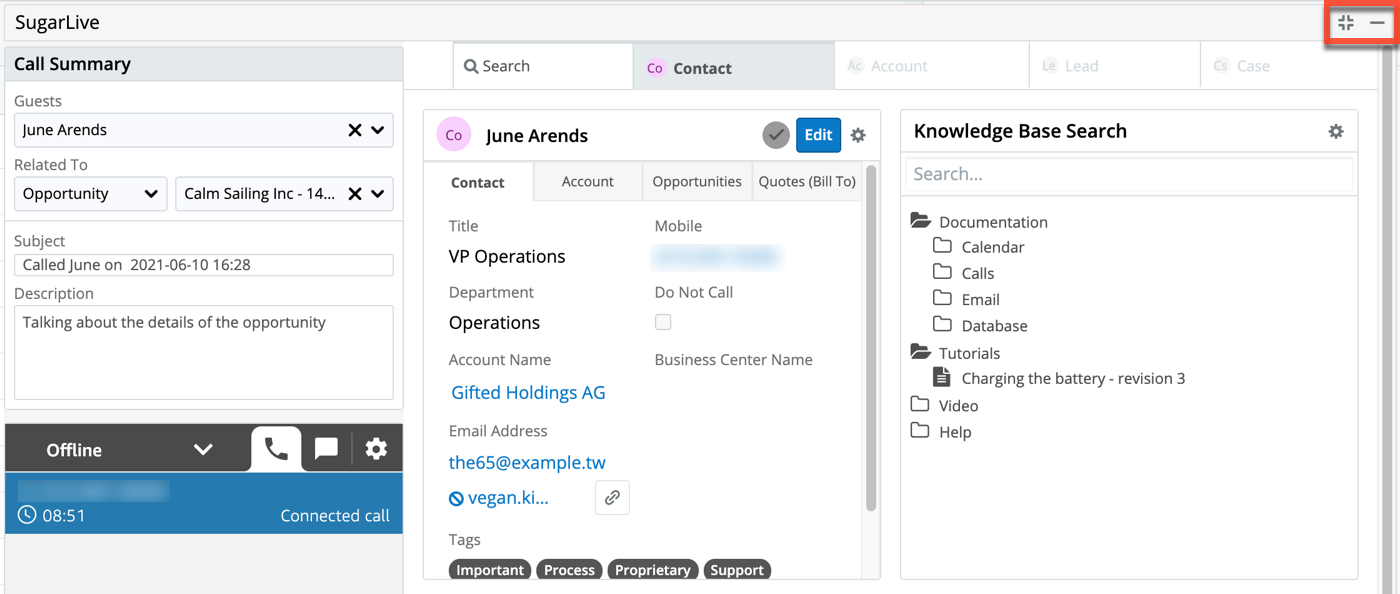
SugarLive is the omnichannel communication layer, embedded in Sugar's navigation footer and powered by Amazon Connect. It handles real-time voice calls and chats. When an inbound call arrives, SugarLive looks up the caller's phone number and opens the matching contact or account record, so agents have full context before they speak.
Source: SugarCRM
Features include inbound and outbound calls, multi-chat (multiple concurrent sessions), call transfer, Click-to-Call, SSO login via SAML 2.0, and AI-powered call recordings, transcripts, and sentiment analysis.
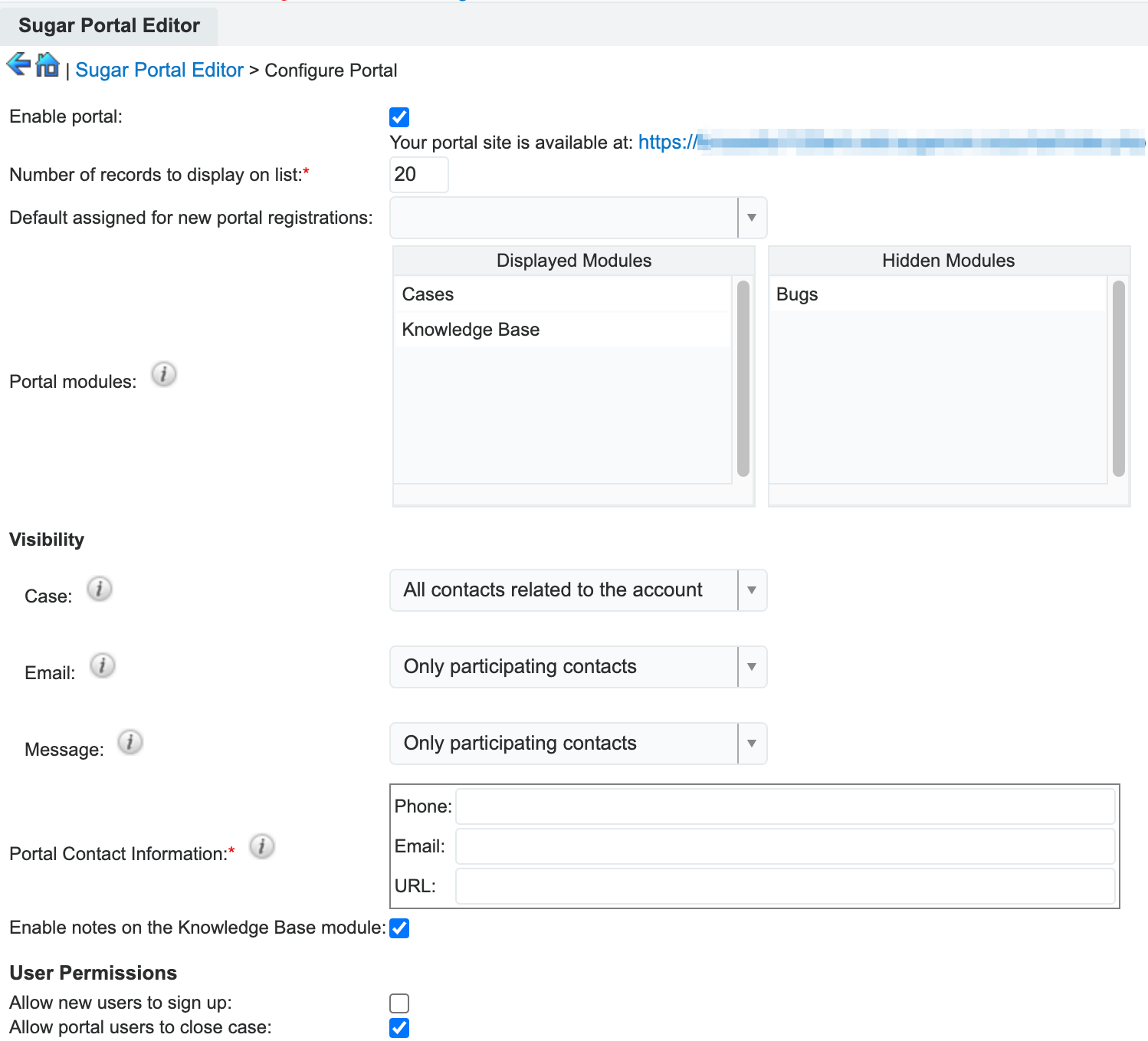
The Sugar Portal is a self-service web interface where customers search the Knowledge Base, submit and track cases, submit bug reports, and request case closures, with chatbot routing to live agents.
Source: SugarCRM
Shift-aware round-robin assignment integrates with SugarBPM so new cases are only routed to agents currently on shift. The Escalations Module creates formal escalation records that badge related case or account records as "Escalated." Business Centers provide region-specific configurations of time zone, operating hours, and holidays across global teams.
SugarCRM Marketing Automation: Sugar Market
Sugar Market is the marketing automation platform, positioned as the tool that "transforms how mid-sized marketing teams engage audiences and measure success throughout the buyer's journey". It integrates natively with Sugar Sell and also supports third-party CRMs including Salesforce, Microsoft Dynamics, and Infor CRM. Pricing is contact-volume-based with unlimited users, quoted on request.
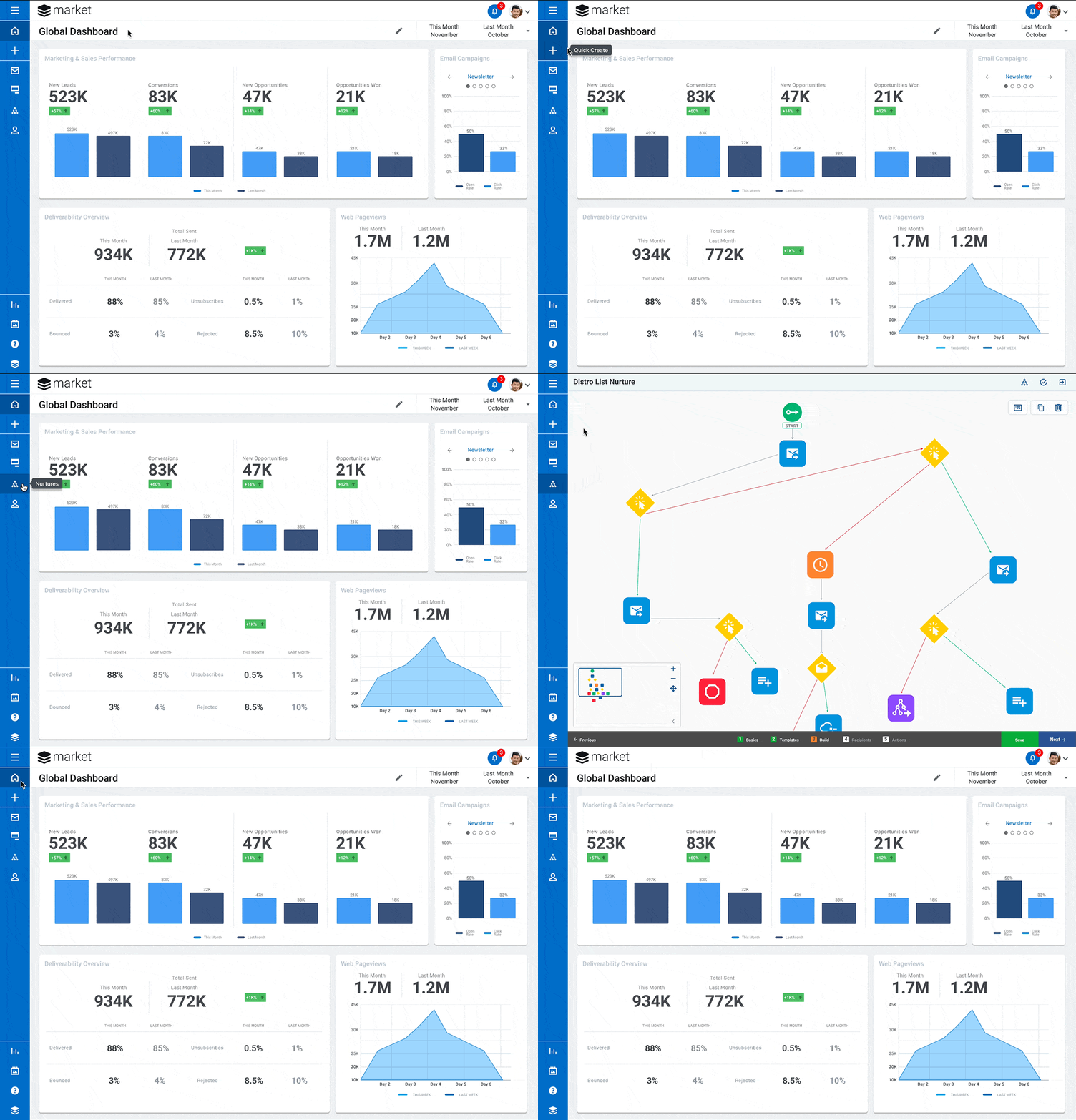
Source: SugarCRM
The platform maintains a bidirectional sync with the connected CRM. A core sync runs approximately every 10 minutes, pulling CRM modifications and pushing back scored leads, email activity, web tracking data, and form submissions. A separate time-sensitive sync thread handles newly created leads from form completions and web activity in near real-time.
Email Builder provides drag-and-drop editing with template support, merge tags, multi-client rendering previews, and Google Analytics UTM tracking. Nurture Builder 2.0 is a visual flow designer for multi-touch nurture campaigns with behavior-triggered branching. Page Builder produces mobile-responsive landing pages with automatic web tracking script embedding. Form Builder creates embeddable forms for Sugar Market-hosted pages or any external website. Together, these four tools cover the capture-to-nurture pipeline.
Lead scoring supports unlimited scoring profiles with account-based scoring as a core feature. Account-based scoring aggregates engagement across multiple contacts from the same company. When a lead crosses a defined threshold, automated actions fire: pushing the lead to CRM, adding it to a priority list, or creating a task.
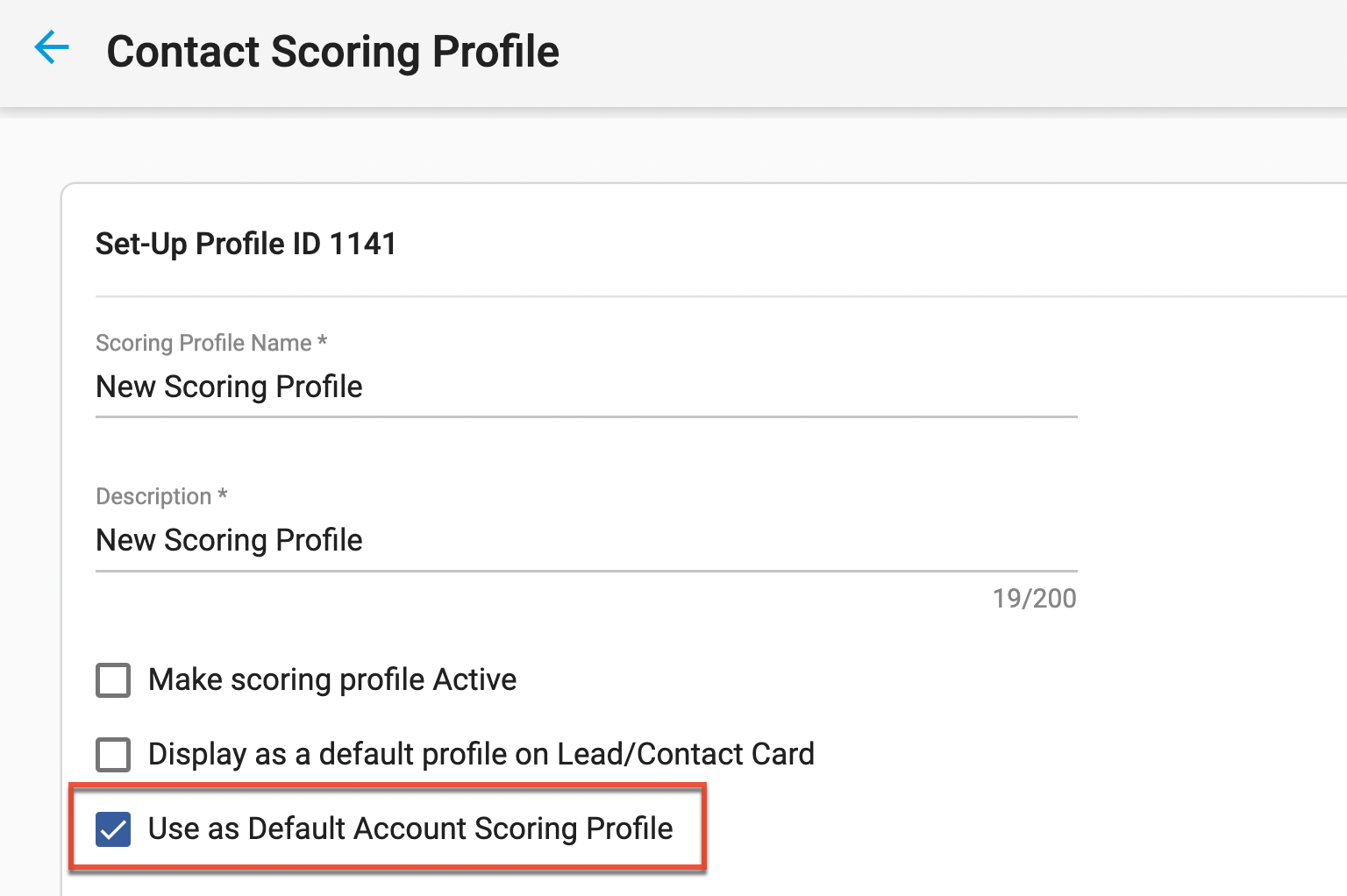
Source: SugarCRM
The Listeners module monitors CRM contact records for defined field changes and triggers marketing actions (enrolling contacts in nurtures or removing them from lists based on CRM events like deal stage changes) without custom development.
Web tracking uses Sugar Market's own tracking domain to cookie visitors, giving real-time visibility into known contacts' website visits even before form submission. Events Module manages webinars, roadshows, and live events including lead-up communications, registration, confirmation, and post-event follow-up sequences. SEO Audits review web pages against a target keyword. Google Ads Integration connects paid search activity to marketing performance data. GDPR compliance tools provide built-in cookie consent management for EU visitors.
Advanced Analytics, powered by Looker, is included with every Sugar Market license, providing real-time data reporting, custom report building, and pre-built dashboards.
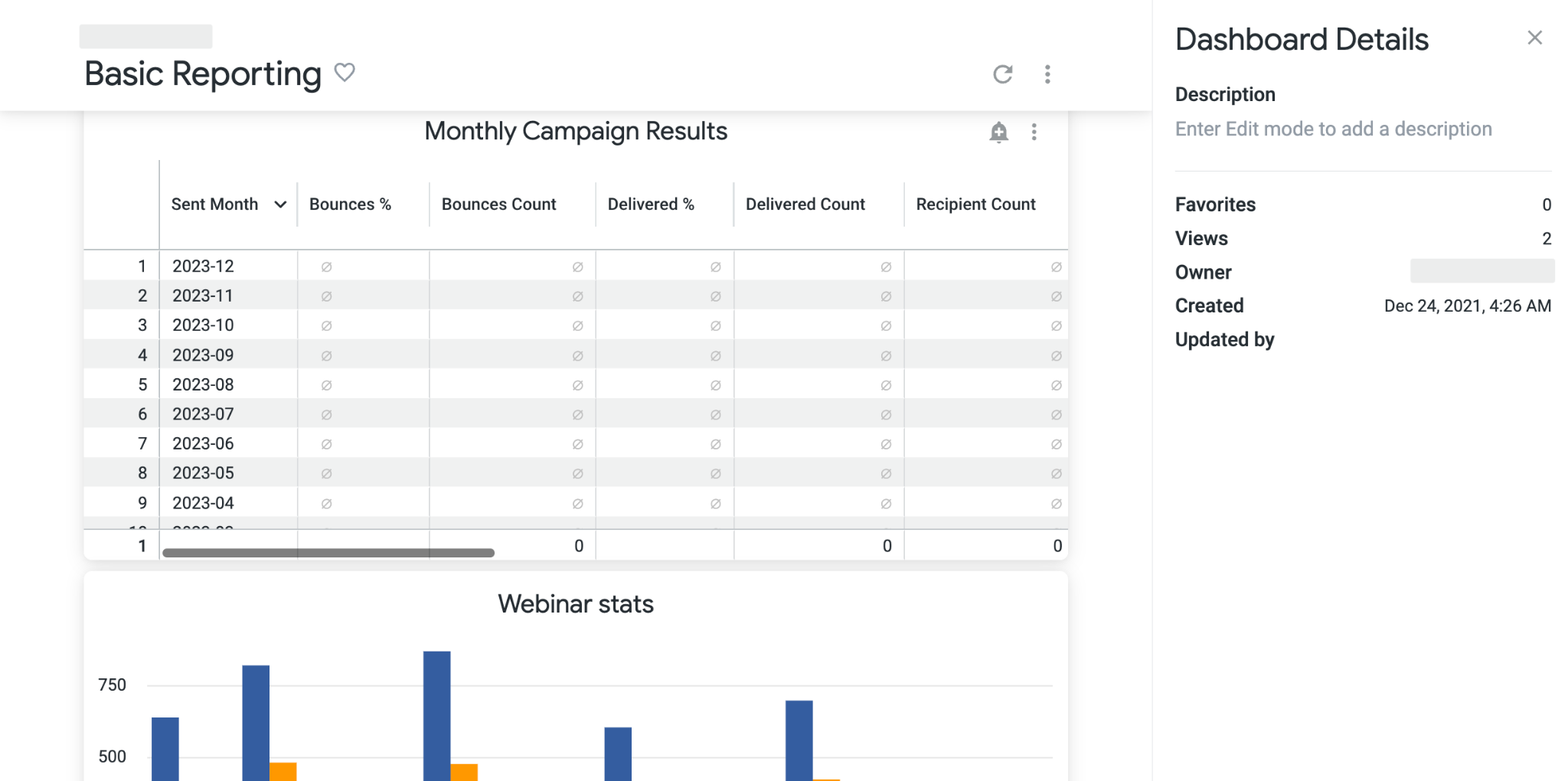
Source: SugarCRM
The Buyer's Journey View surfaces a prospect's full marketing engagement history (emails, page visits, forms, events, scores) at the Account, Contact, Lead, and Opportunity levels, viewable by sales inside the CRM via embedded iframe.
SugarCRM Customization, Integration, and Platform Infrastructure
SugarCRM's platform layer handles the technical infrastructure underneath the product modules: no-code configuration, ERP and SaaS integrations, API access, deployment options, and security.
No-code configuration is a defining platform characteristic. Administrators tailor modules, layouts, and workflows to specific business requirements without developer involvement. G2 reviewers consistently highlight customizability as a top strength. The flexibility runs deeper than field-level configuration: guided workflows, business process management, and report builder all operate without code.
ERP integrations form the core of SugarCRM's integration identity. The platform supports 180+ ERP integrations including SAP ECC, SAP S/4 HANA, SAP Business One, Oracle E-Business Suite, NetSuite, Epicor Prophet 21, Sage, Acumatica, and Syspro. The Sugar for Syspro partnership (January 2026) delivers a pre-integrated ERP-CRM solution connecting shop floor data with the sales CRM.
The SugarAI Marketplace extends integrations beyond ERP. Categories include telephony (PhoneBurner power dialer, MS Teams plugin), marketing (SugarChimp for Mailchimp), meeting intelligence (Fireflies transcription, AI Meeting Assistant), CPQ (Mobileforce CPQ), data quality (Creditsafe, Loqate), and AI tools (Claude for SugarAI). Every listing goes through SugarCRM's approval process and carries a 30-day refund policy.
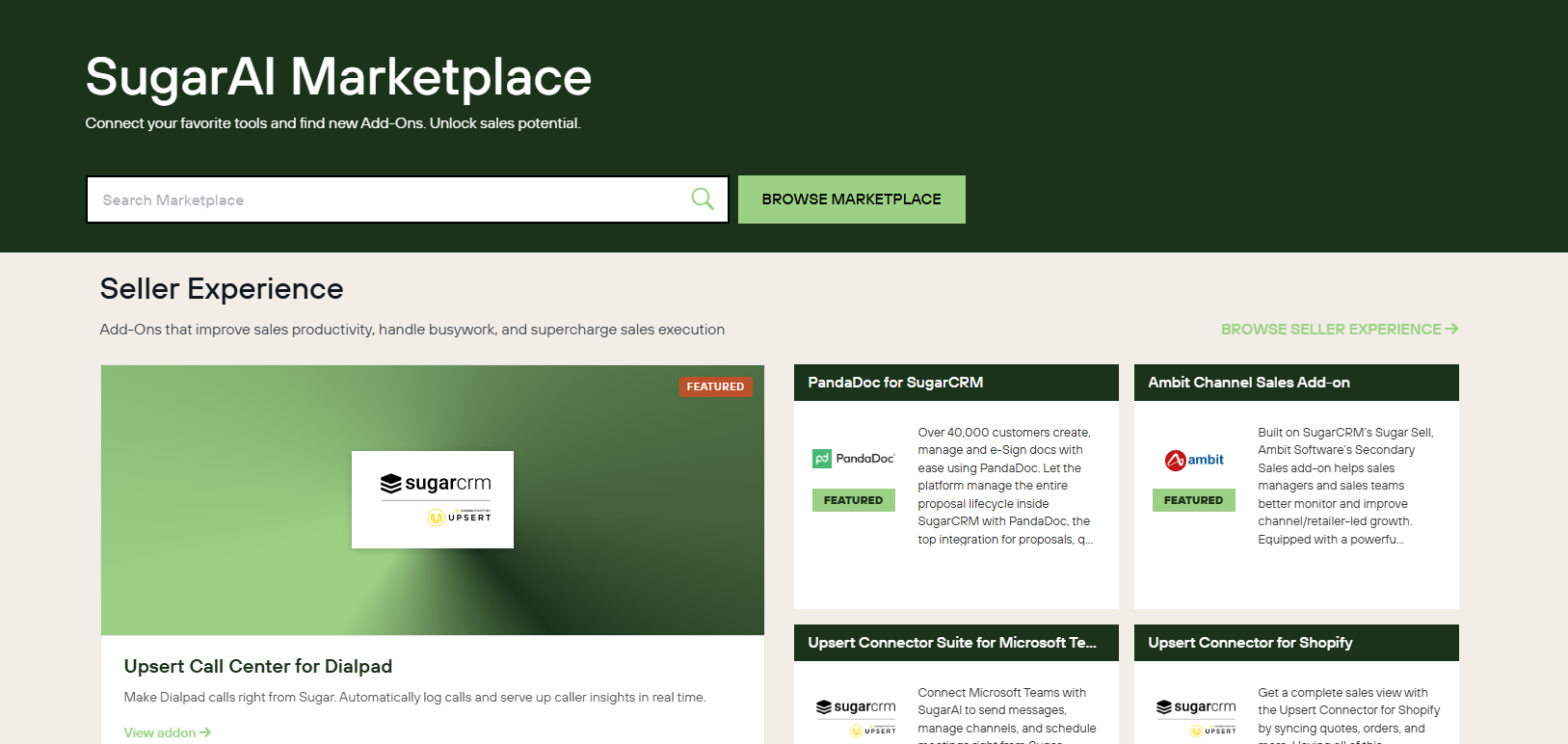
Source: SugarCRM
REST API access is included in all paid tiers.
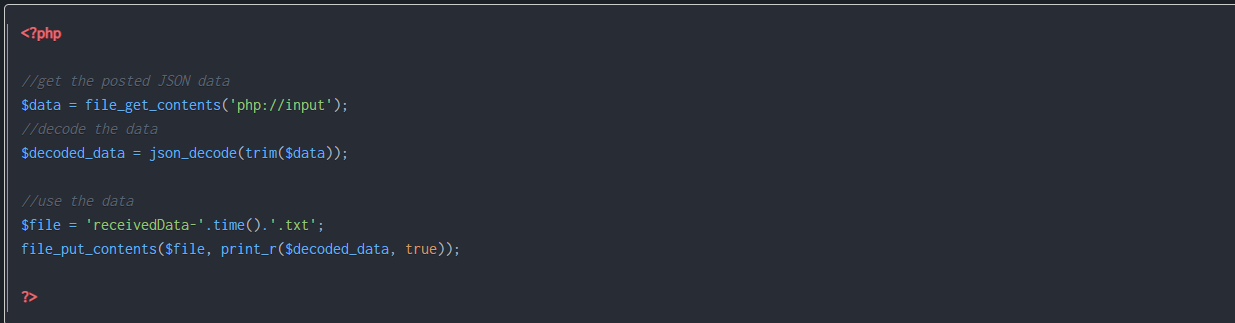
Sugar exposes a versioned REST API (v10 through v11.25) using JSON throughout and two-legged OAuth 2.0 authentication. The API covers all standard CRM modules with full CRUD, relationship management, file attachments, audit history, and metadata endpoints. An official Postman Collection covers all endpoints, and an official Sugar REST PHP Client is available via Composer.
Web Logic Hooks provide outbound event notifications for record saves, deletes, relationship changes, and login events, though delivery is queue-based (processed by cron, typically every minute) rather than real-time. For SugarCloud instances, the SugarCloud Policy Guide documents a ceiling of 20 requests per second, with advance notice required for traffic spikes.
Source: SugarCRM
Deployment flexibility is a real differentiator. SugarCloud (AWS-hosted SaaS) lets organizations "get up and running in days, not months", with data residency in the customer's chosen AWS region (Australia, Germany, United Kingdom, or United States). Sugar Enterprise supports on-premises deployment for regulated industries with data sovereignty requirements. Migration between deployment modes is supported.
Security and compliance certifications include SOC 2 Type II, ISO/IEC 27001:2022, CSA STAR Registry, GDPR, CCPA, Data Privacy Framework, and EcoVadis. All data is encrypted in transit and at rest. Role-Based Access Control is configurable by the client. Multi-Factor Authentication is required on all systems. SSO supports LDAP, SAML, and OIDC on both mobile and web. Customers retain access to their data for up to 120 days after termination.
Mobile access is included across all pricing tiers. The app provides full access to account context on the go, though Capterra reviewers note the mobile experience differs noticeably from desktop and can be slow.
Support is tiered: Basic (Standard plan), Standard (Advanced plan), and Enhanced (Premier plan, with live chat and priority phone support). Sugar Support is accessible through the SugarCRM Case Portal, email, and phone. SugarClub provides community forums, DevClub for developers, and a Social Club for live virtual meetups. SugarU offers live and on-demand training, webinars, and certifications.
Where SugarCRM Stops: The Gaps
SugarCRM is built for companies that already have accounts and ERP data: managing existing relationships, surfacing buying patterns from transaction history, and guiding reps through complex sales motions. That focus shapes its strengths, but it also means the platform depends on external sources for several capabilities a B2B revenue team needs.
No native B2B contact or company database. SugarCRM does not include its own database of contacts, companies, direct dials, or verified business emails for prospecting new accounts. The platform manages the contacts you already have and enriches them with ERP data, but it does not supply new prospect data. A team using Sugar Sell without a data provider has no way to source new accounts beyond manual research.
No native buyer intent signals. SugarCRM surfaces buying behavior from ERP transaction data (what existing customers are purchasing more or less of), but it does not track which companies are actively researching specific topics across the web. Intent signals that reveal in-market accounts before any outreach begins are outside its scope.
No native conversation intelligence. SugarLive handles real-time voice and chat with call recordings and basic sentiment analysis inside Sugar Serve, but Sugar Sell does not include call recording, transcription, coaching scorecards, or AI-driven conversation analysis for sales calls. Marketplace add-ons like Fireflies and AI Meeting Assistant are available, but conversation intelligence is not built into the core sales product.
No website visitor identification for sales prospecting. Sugar Market's web tracking cookies known contacts for marketing engagement visibility, but SugarCRM does not include a visitor identification tool that deanonymizes unknown visitors at the company or contact level for sales prospecting.
15-user minimum limits small-team adoption. Sugar Sell cloud plans carry a 15-user minimum, creating a floor of $10,620/year. Teams with fewer than 15 reps still pay for 15 licenses.
AI features gated above the entry tier. Intelligent lead prioritization, Revenue Intelligence, generative AI, and sentiment analysis are asterisked on the Advanced tier and require Premier ($135/user/month) or a separate purchase. The Standard tier at $59/user/month covers core CRM but not the AI capabilities that define the "precision selling" positioning.
How ZoomInfo Covers the Gaps
The gaps above share a common thread: SugarCRM excels at managing and mining the accounts you already have, but depends on external sources for the upstream intelligence that identifies who to pursue next and why. ZoomInfo supplies that intelligence layer, built to complement CRM platforms like SugarCRM rather than replace them.
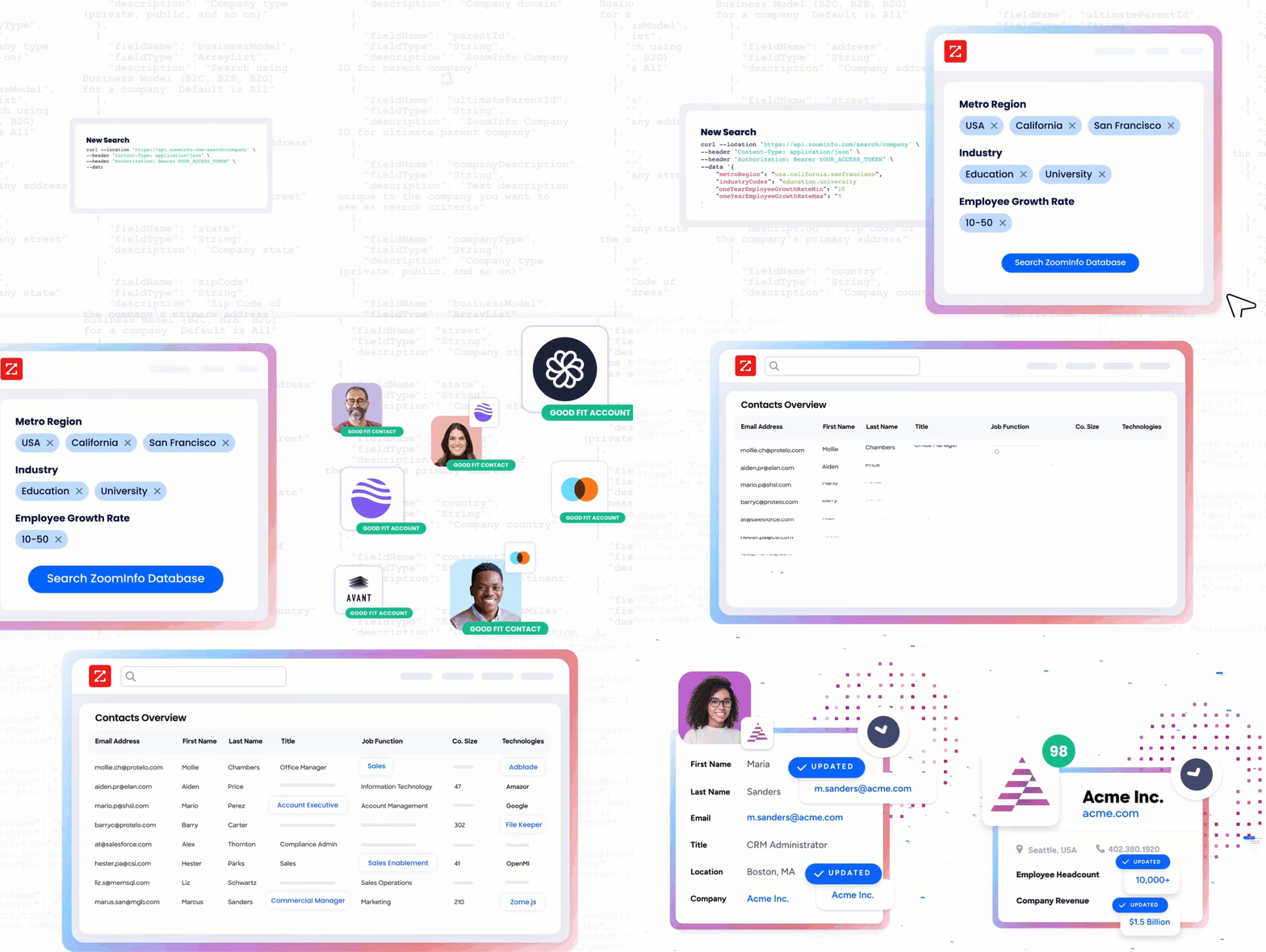
ZoomInfo's B2B Data Platform: The contact and company database SugarCRM does not include
ZoomInfo operates the largest B2B data platform in the industry: 500M contacts, 100M companies, 135M+ verified phone numbers, 120M direct-dial phone numbers, and 200M+ verified business email addresses. The data flows through a proprietary verification pipeline backed by 300+ human researchers and automated ML scanning of 28 million site domains daily, reaching up to 95% accuracy on first-party data.
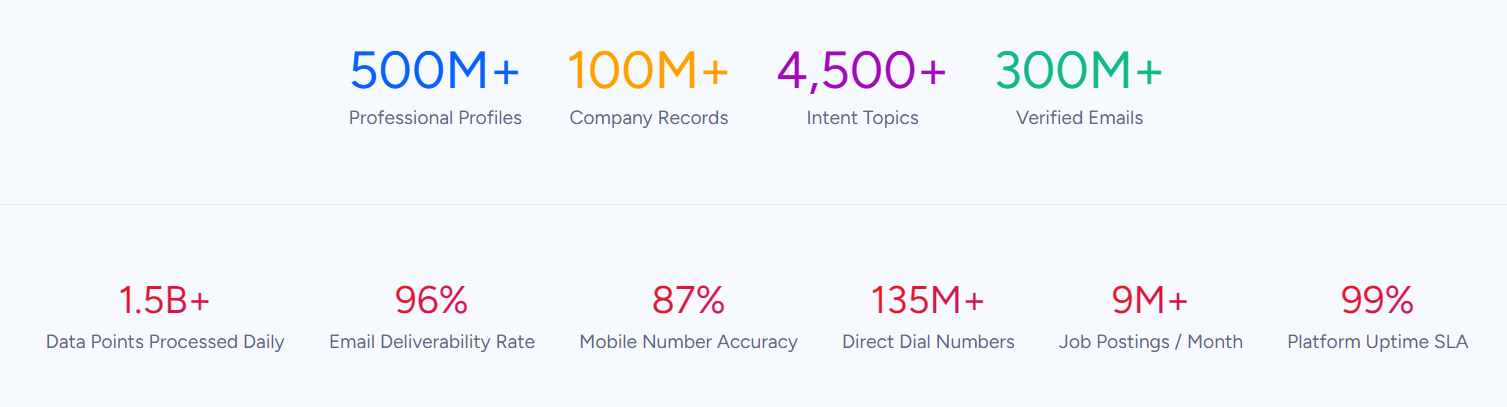
For a team using SugarCRM, this fills the prospecting gap directly. Sugar Sell manages existing accounts and surfaces cross-sell opportunities from ERP data, but it cannot tell you which companies outside your CRM you should be pursuing. ZoomInfo provides department org charts with decision-makers' direct dials and emails, 300+ company attributes for market segmentation, contact tracking with job-change alerts, and technographic profiles covering 30,000+ technologies across 200+ categories for 30+ million companies. Global coverage extends to 34M+ company profiles outside North America, 200M+ professional profiles outside NA, and 45M+ mobile numbers outside NA.
In a Fortune 500 competitive RFP analyzing 25 million contacts across vendors, an independent consultant concluded that "no other competitor came even close." The data quality is externally validated: Forrester Wave Leader for Intent Data Providers (Q1 2025), Gartner Magic Quadrant Leader for ABM Platforms for the second consecutive year, and the Gartner Customers' Choice (the only vendor positioned in that quadrant with a 4.7/5.0 rating).
ZoomInfo Intent and WebSights: Signals that reveal in-market buyers before they contact you
SugarCRM's sales-i tells you what your existing customers are buying more or less of.
ZoomInfo Intent tells you which companies you have never spoken to are actively researching topics related to your product, tracking signals from 210 million IP-to-Organization pairings and 6 trillion+ new keyword-to-device pairings sourced monthly.
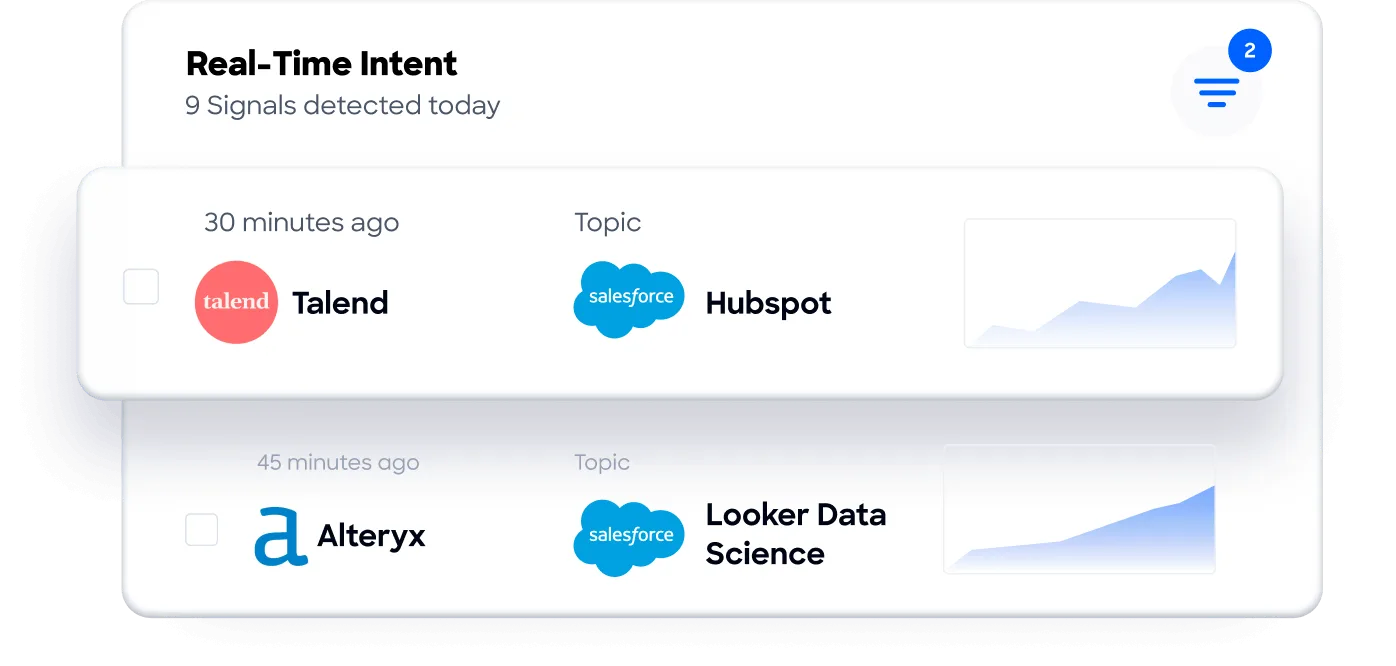
Guided Intent, exclusive to ZoomInfo, identifies topics historically correlated with deal success rather than requiring manual topic selection.
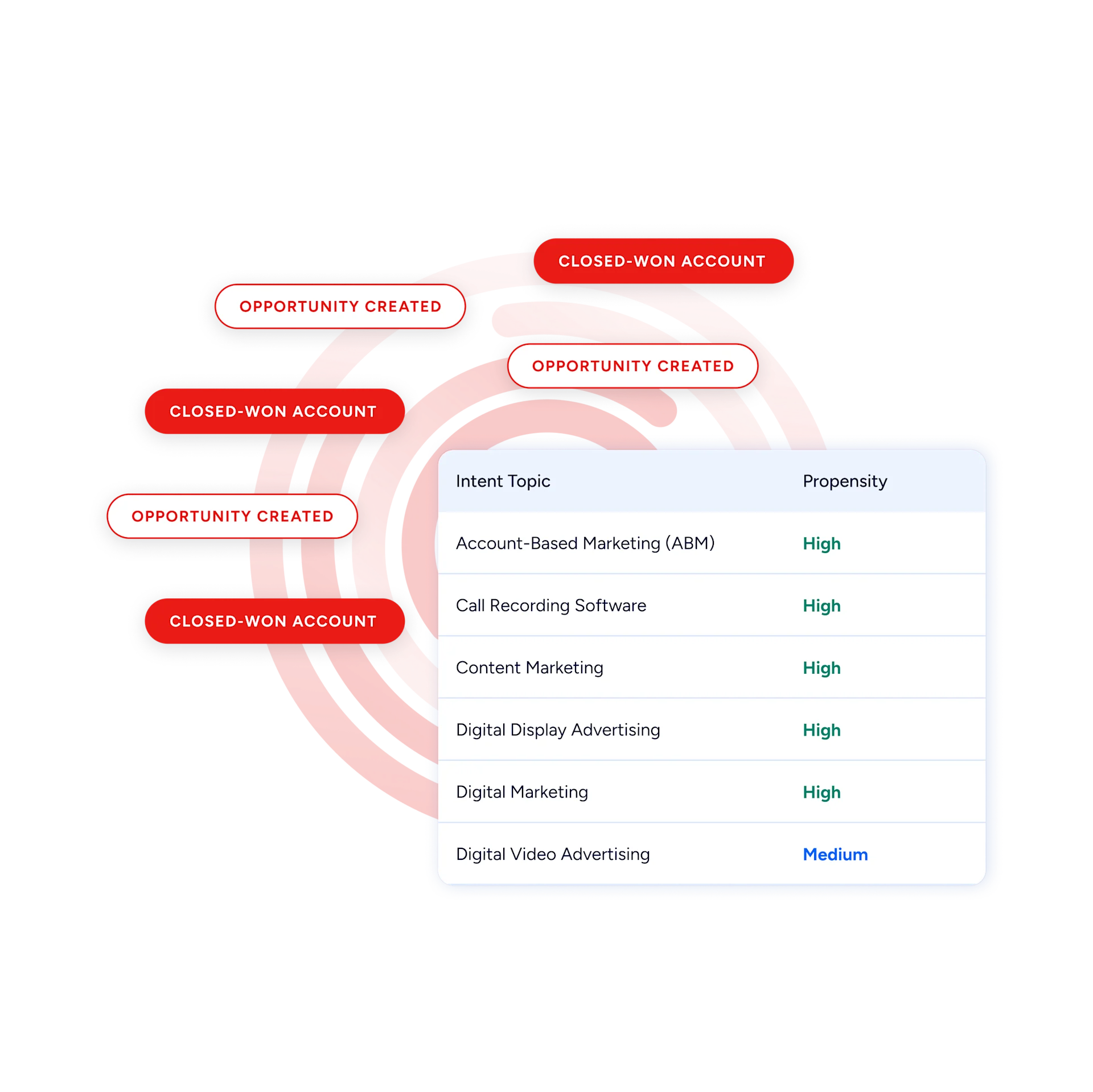
On the website side, WebSights resolves anonymous website traffic to companies with Automatic Traffic Filtering that distinguishes real visitors from bots. ZoomInfo Marketing goes further with contact-level site visitor identification, identifying who specifically visited (not just which company) and triggering personalized outreach.
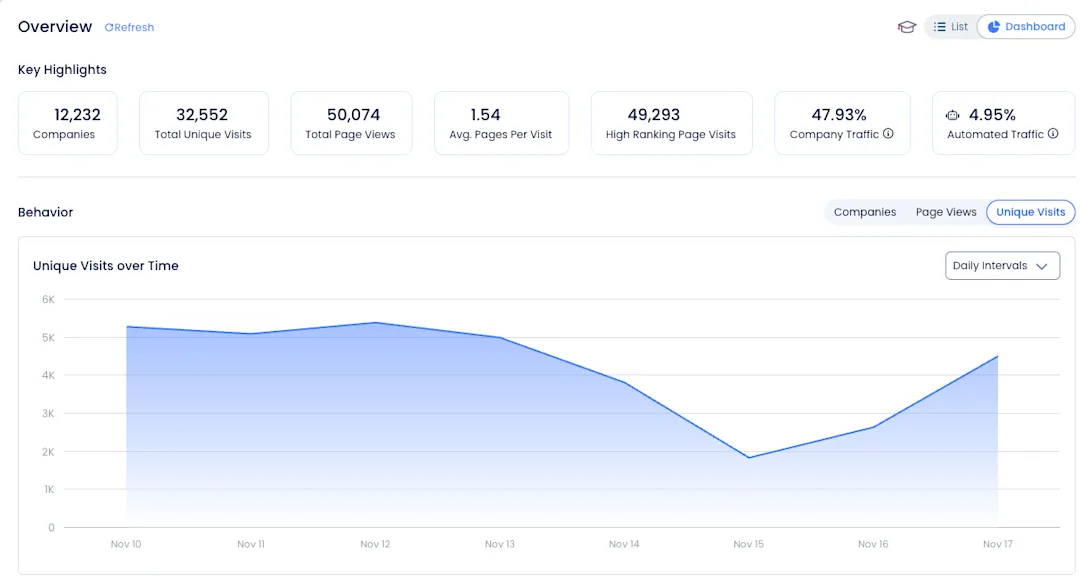
Where Sugar Market's web tracking shows which known contacts visited your site, ZoomInfo identifies the unknown visitors who never filled out a form.
ZoomInfo Chorus: Conversation intelligence that captures why deals move
SugarCRM records what happened in the CRM (a deal moved stages, a task was completed) and SugarLive handles real-time calls for service agents.
Chorus, ZoomInfo's conversation intelligence engine backed by 14 technology patents, captures and analyzes what happened on the sales call: recording and transcribing every conversation, surfacing AI-generated insights (talk ratios, sentiment, objection detection), auto-syncing deal intelligence to the CRM, and providing coaching scorecards and clip sharing.
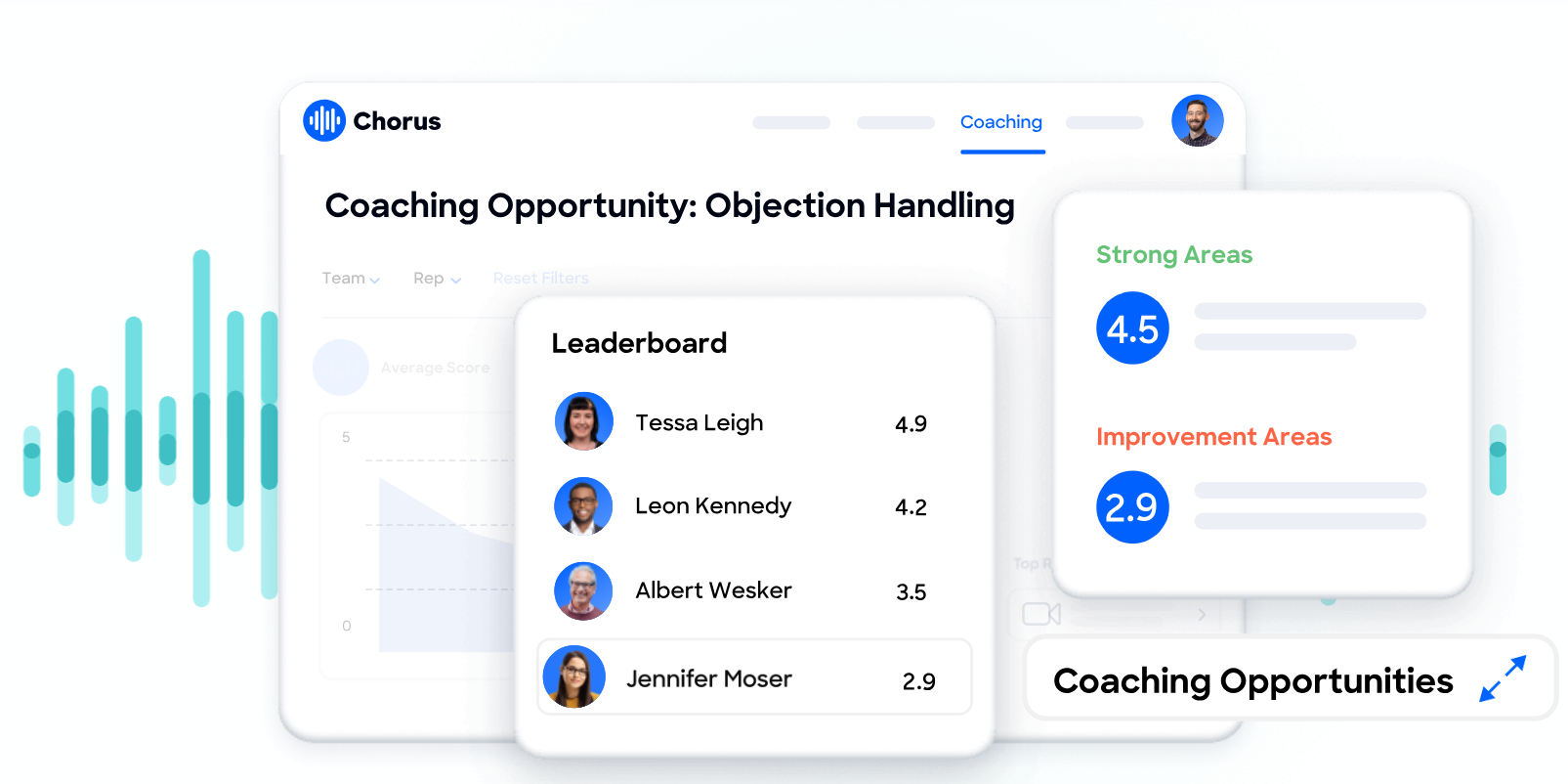
It captures the context that CRM stage fields miss: why a champion went quiet, what a competitive mention means for deal risk, which objection patterns predict closed-lost outcomes.
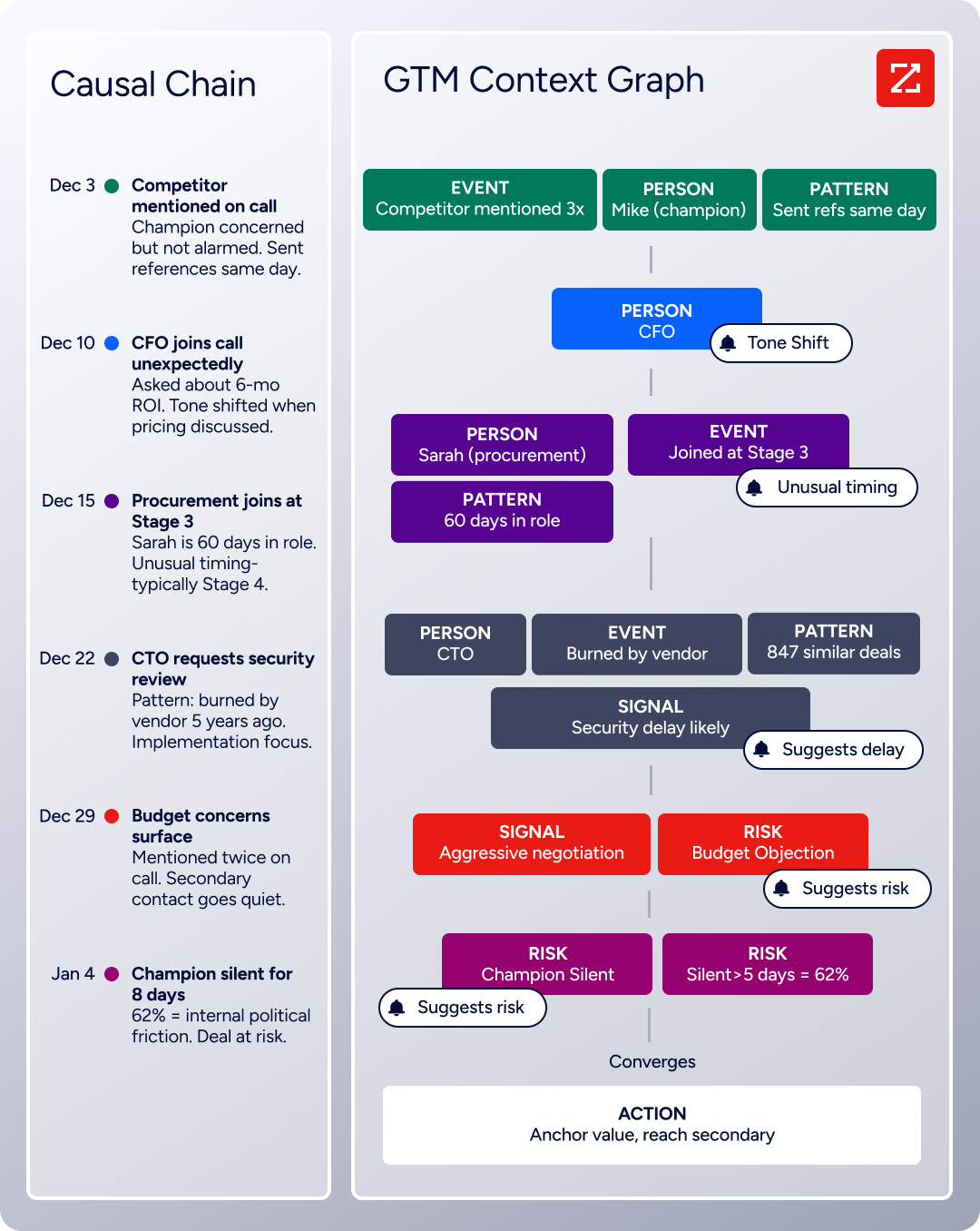
That conversation data feeds ZoomInfo's GTM Context Graph, which processes 1.5B+ data points daily and fuses B2B data with CRM records, conversation intelligence, and behavioral signals. A CRM records that a deal moved to Stage 4. The GTM Context Graph shows why it moved: the CFO joined the last call with ROI-focused questions, matching the pattern behind closed-won deals in the same segment, while third-party signals show the company is hiring and researching a competitor.
Seismic's sales team attributed 39% of active pipeline to opportunities identified or influenced by ZoomInfo signals, boosted productivity by 54%, and saved 11.5 hours per week per seller. (Seismic Case Study)
ZoomInfo GTM Workspace and GTM Studio: AI-powered execution and orchestration
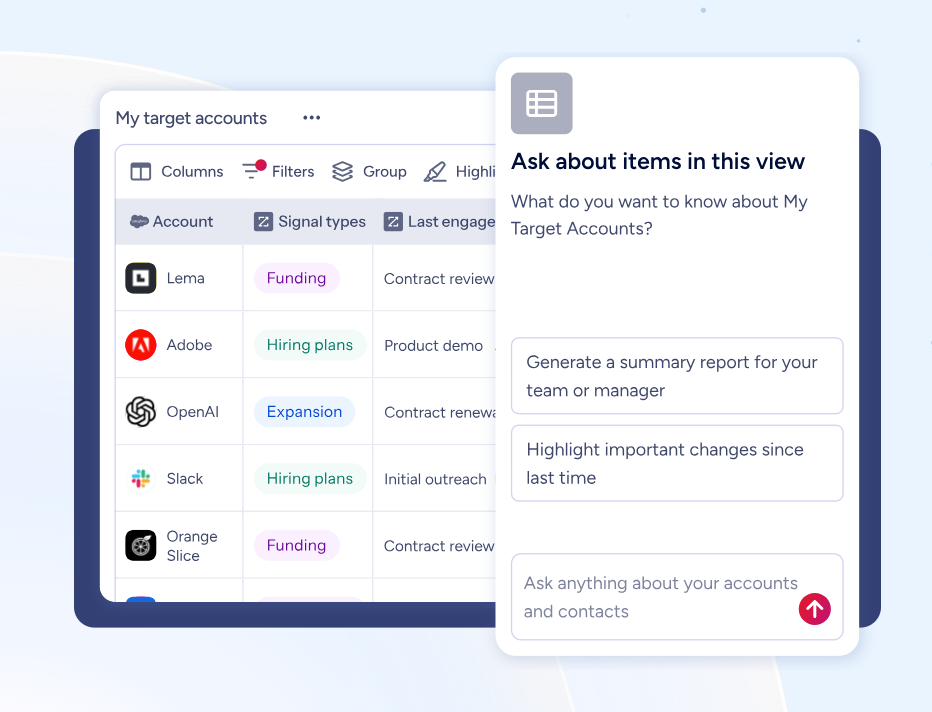
GTM Workspace is ZoomInfo's seller front-end, built on the GTM Context Graph. It provides a complete Book of Business view across CRM, ZoomInfo data, conversation history, and market intelligence, with AI agents that automate account research, outreach, CRM updates, and signal monitoring.
An Action Feed streams in-market buyers matched to target criteria with pre-drafted actions on every signal.
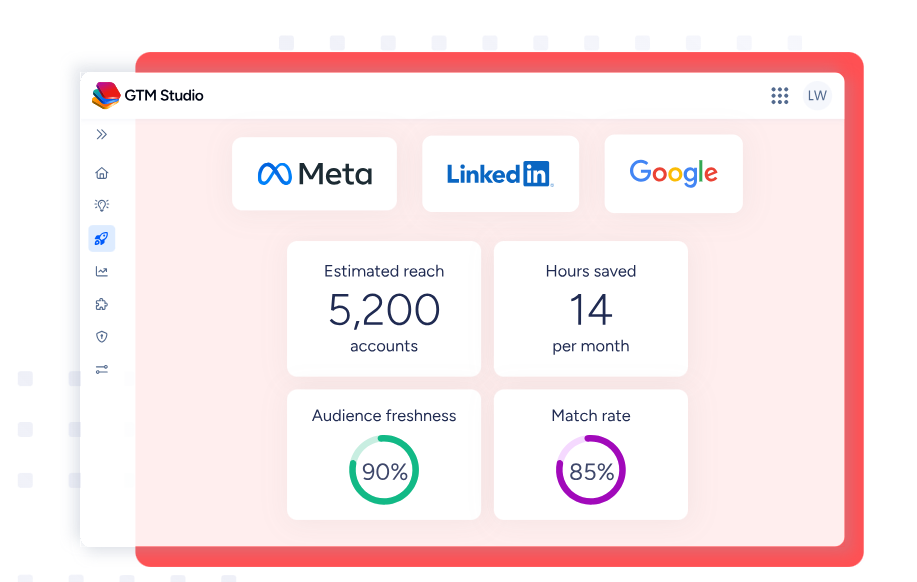
GTM Studio handles multi-channel campaign orchestration. Marketers, RevOps teams, and GTM engineers can build audiences using natural language, enrich with first- and third-party data, define triggers, and activate plays across channels without engineering support.
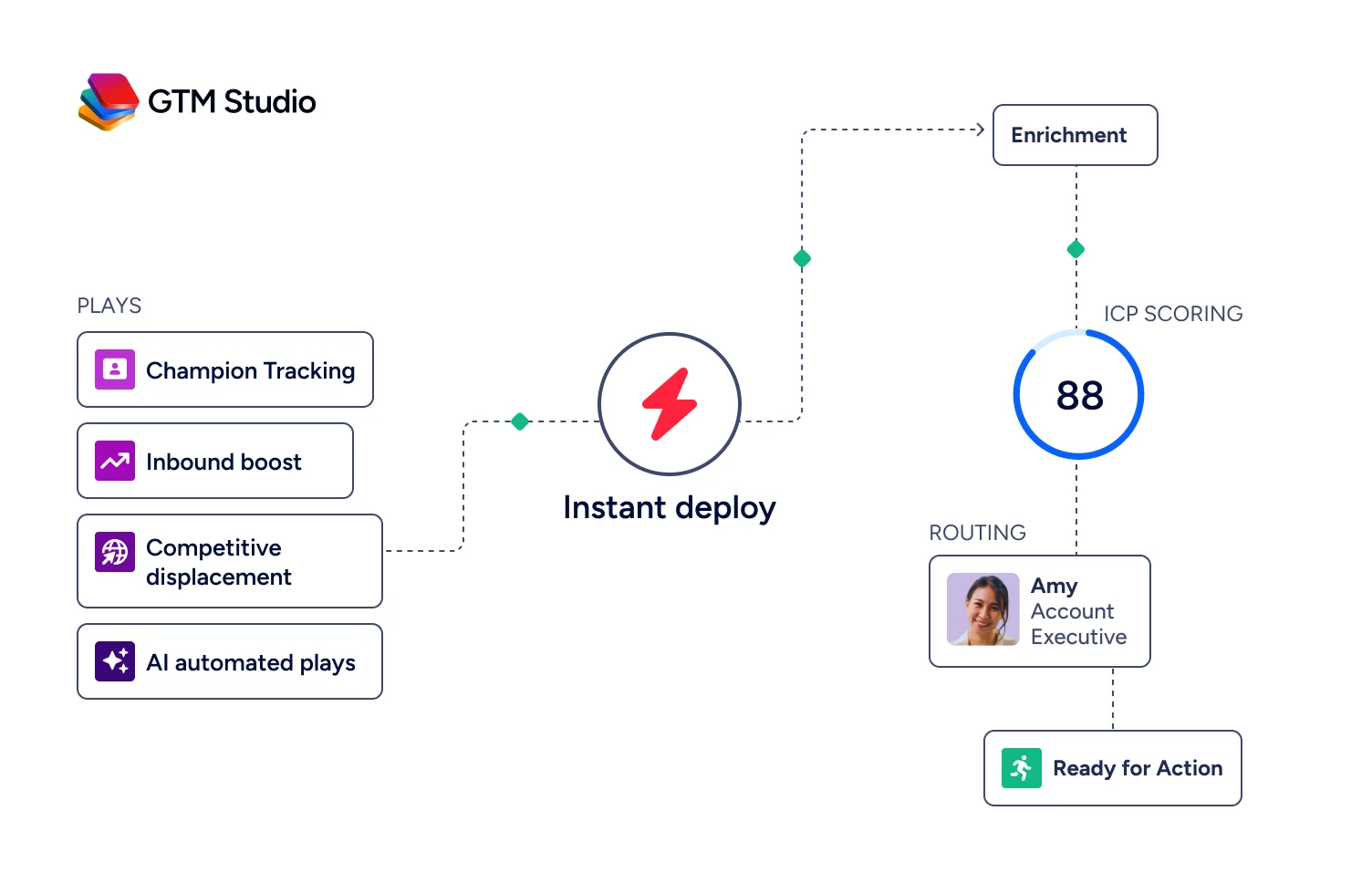
Pre-built GTM plays cover inbound acceleration, champion tracking, competitive displacement, and ICP targeting. Expansion plays that used to take 3 weeks now launch in 30 minutes.
ZoomInfo Marketing also includes a native Demand-Side Platform that deploys display ads based on 300+ company attributes, a capability Sugar Market does not offer.
ZoomInfo APIs and MCP: Data access for any tool, including SugarCRM
ZoomInfo delivers its intelligence through APIs and MCP, so the same data and GTM Context Graph can flow into SugarCRM or any other platform.
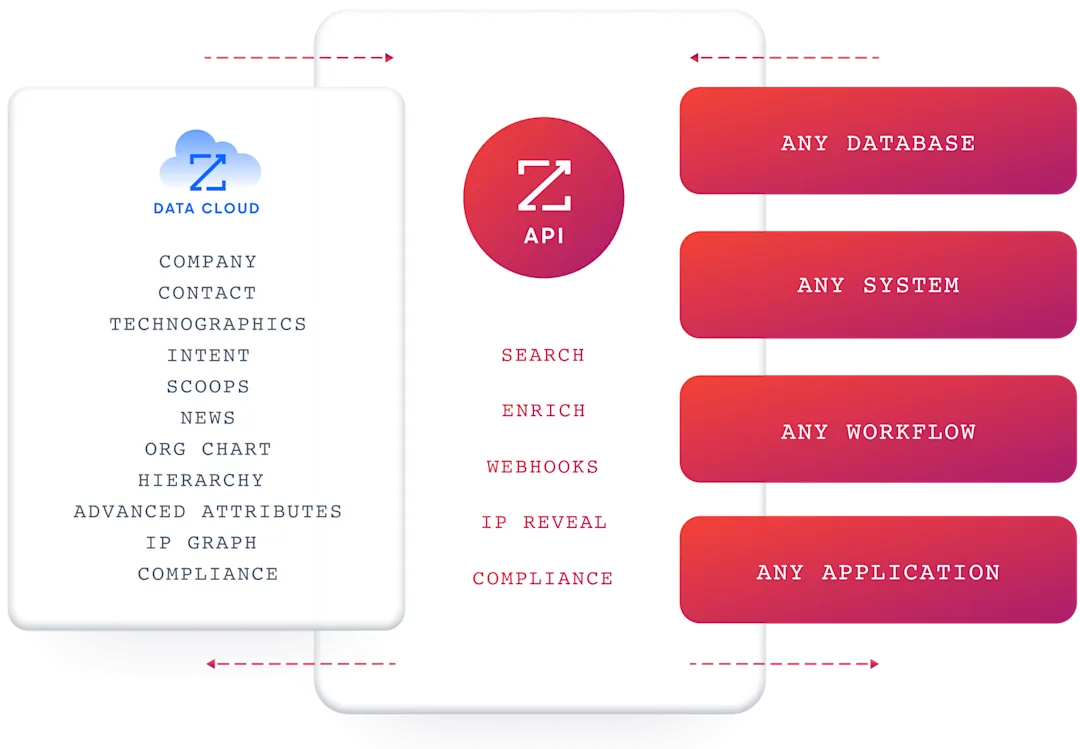
The MCP server connects AI models directly to ZoomInfo's B2B data as a native tool, currently supporting Claude and ChatGPT. API access is included in all relevant plans. The SugarAI Marketplace already lists a Claude for SugarAI connector, and ZoomInfo's open API architecture means the two platforms work together: ZoomInfo supplies the upstream intelligence and verified contacts, SugarCRM manages the relationship and mines ERP data once the account is won.
ZoomInfo's Free Entry Points: Access the platform without commitment
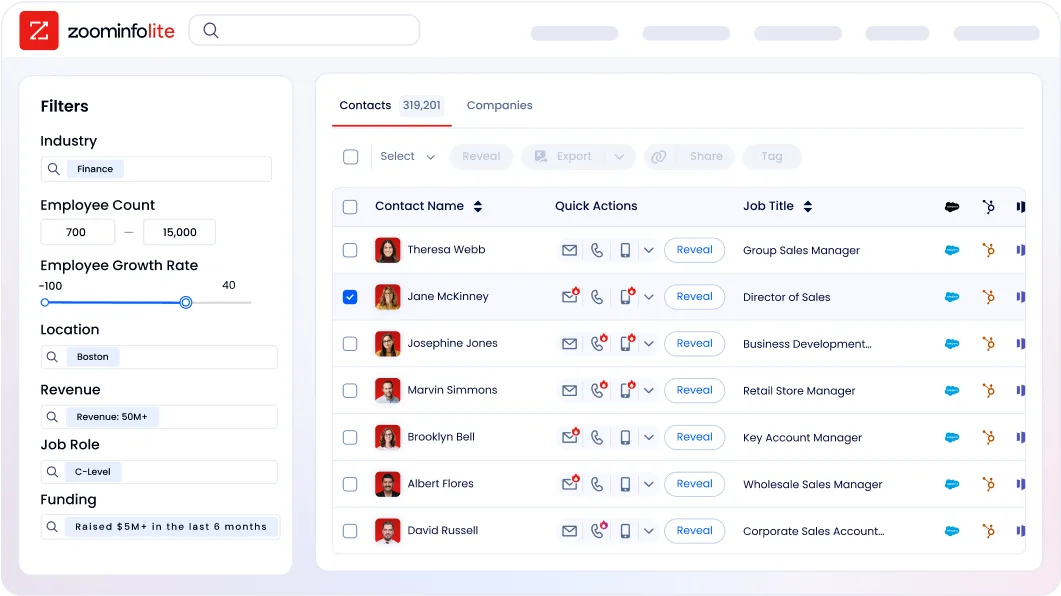
ZoomInfo offers what SugarCRM's 15-user minimum structurally prevents: a path into the platform for individual users. ZoomInfo Lite is a permanent free tier with access to ZoomInfo's B2B database, 10 monthly export credits, individual and company searches, a Chrome extension, and WebSights Lite with up to 10 website visitor reveals per day. A separate 7-day free trial provides broader access with no credit card required.
Final Summary
SugarCRM is a strong toolkit for B2B relationship selling: ERP-connected revenue intelligence that surfaces cross-sell and churn signals from actual purchase data, guided workflows that enforce consistent sales processes, omnichannel customer service with SLA automation, and marketing automation with unlimited lead scoring profiles and Looker-powered analytics. Its strength is managing and mining existing account relationships, particularly in manufacturing, wholesale, and distribution where ERP data holds the most valuable customer intelligence.
It is lighter on the layer before the relationship exists: no native B2B database for sourcing new prospects, no intent signals showing who is researching your category, no conversation intelligence for sales calls, and no website visitor identification for unknown visitors.
If your bottleneck is upstream of account management (finding who to pursue and understanding why they are in-market before they contact you) that is the ground ZoomInfo covers. Its 500M-contact, 100M-company database supplies verified emails and direct dials for prospecting beyond your existing CRM. ZoomInfo Intent surfaces companies researching your category from 6 trillion+ keyword-to-device pairings monthly. Chorus captures and analyzes every sales conversation. GTM Studio gives marketing teams multi-channel orchestration and ABM capabilities. And the GTM Context Graph fuses all of it into a single intelligence layer that shows why deals move, not just that they moved. The two platforms complement each other naturally: ZoomInfo finds and qualifies the buyer, SugarCRM manages the relationship and mines the ERP data once the account is won.
See what that intelligence layer adds to your pipeline: start with ZoomInfo Lite for free, or request a demo to see verified contacts and intent signals flow into your prospecting workflow.
FAQ
Does SugarCRM include a B2B contact database for prospecting?
No. SugarCRM is a CRM and sales platform, not a data provider. It manages the contacts and accounts you bring into the system and enriches them with ERP transaction data through Sugar sales-i. It does not include its own database of contacts, companies, phone numbers, or email addresses for sourcing new prospects. Teams pair SugarCRM with a data platform like ZoomInfo, whose 500M contacts, 100M companies, and 120M direct dials supply the new accounts the sales team pursues.
Which SugarCRM plan includes AI features like lead prioritization and generative AI?
Sugar Sell Advanced ($85/user/month) lists intelligent lead prioritization, Revenue Intelligence, generative AI, and sentiment analysis on the pricing page, but these features are asterisked, meaning they require either an upgrade to Premier ($135/user/month) or a separate purchase. The Standard tier ($59/user/month) covers core CRM without AI capabilities.
How does Sugar sales-i connect to ERP systems?
Sugar sales-i connects to over 180 ERP systems including SAP, Oracle, Epicor, Procede, Syspro, and Sage. The platform pulls transactional sales data from the ERP into a layer alongside Sugar Sell, then uses AI to analyze buying patterns, detect anomalies, and surface cross-sell, upsell, and churn signals directly inside the CRM. The Sugar for Syspro partnership (January 2026) delivers a pre-integrated ERP-CRM solution.
What is SugarCRM's minimum commitment?
All Sugar Sell cloud plans carry a 15-user minimum and annual billing. The minimum annual commitment is $10,620/year (15 users at $59/user/month on the Standard tier). Sugar Enterprise (on-premises) has a 10-user minimum at $85/user/month. There is no monthly billing option. A 7-day free trial is available, but no permanent free tier exists.
Can SugarCRM record and analyze sales calls?
SugarLive, part of Sugar Serve, handles real-time voice calls and chat powered by Amazon Connect, including call recordings and AI sentiment analysis for customer service interactions. However, Sugar Sell does not include native conversation intelligence for sales calls (recording, transcription, coaching scorecards, or AI-driven conversation analysis). Marketplace add-ons like Fireflies and AI Meeting Assistant provide third-party options. ZoomInfo's Chorus, backed by 14 technology patents, provides native conversation intelligence with AI-generated insights, coaching scorecards, and auto-synced deal intelligence.
Does SugarCRM support on-premises deployment?
Yes. Sugar Enterprise ($85/user/month, 10-user minimum) and Enterprise+ ($120/user/month) support on-premises deployment, a differentiator for regulated industries or companies with data sovereignty requirements. SugarCloud (AWS-hosted) is also available with data residency in Australia, Germany, United Kingdom, or United States. Migration between deployment modes is supported.
What integrations does SugarCRM support beyond ERP?
The SugarAI Marketplace lists integrations across telephony (PhoneBurner, MS Teams), marketing (SugarChimp for Mailchimp, Oktopost), customer support (Zendesk), communication (WhatsApp via TimelinesAI), AI and meeting intelligence (Fireflies, Claude for SugarAI), CPQ (Mobileforce), data quality (Creditsafe, Loqate), and project management (Jira). Sugar also exposes a versioned REST API included in all paid plans, with an official Postman Collection and PHP SDK. The ERP ecosystem (180+ connectors) is the deepest integration category.
Does SugarCRM offer buyer intent data?
SugarCRM surfaces buying behavior from ERP transaction data through Sugar sales-i (what existing customers are purchasing, when, and how often), but it does not track which companies are actively researching specific topics across the web. Intent signals that reveal in-market accounts before any outreach begins are outside its scope. ZoomInfo Intent tracks signals from 210 million IP-to-Organization pairings and 6 trillion+ keyword-to-device pairings sourced monthly, identifying accounts researching your category before you have ever contacted them.
