
Choosing between Wiza and Apollo for your B2B prospecting often comes down to five questions:
Do you need a focused prospecting tool for LinkedIn data extraction, or a full sales platform that handles data, outreach, and deal management?
Is real-time contact verification more important to you than database size?
Are you looking for a lightweight tool your reps can adopt in an hour, or a platform that replaces multiple tools across your GTM stack?
Does your team prospect primarily on LinkedIn, or do you need multichannel outreach with built-in sequencing and calling?
How important are buying intent signals and AI-driven account prioritization to your sales process?
In short, here's what we recommend:
Wiza is built for sales teams that live on LinkedIn. Its Chrome extension converts Sales Navigator searches into verified contact lists with 99%+ email accuracy and less than 1% bounce rates, making it a strong choice for SDRs and recruiters who need accurate data fast.
Wiza verifies contacts in real time, so you get live-checked information rather than data pulled from a static database. The tradeoff: Wiza focuses on data extraction and verification, so you'll still need separate tools for outreach sequences, calling, deal management, and CRM.
Apollo is an all-in-one sales platform for teams that want prospecting data, multichannel outreach, a built-in dialer, and deal management in a single product. With 270M+ contacts and 70M companies, a free tier, and AI features across the workflow, Apollo lets small and mid-market teams consolidate their GTM stack without enterprise budgets.
The tradeoff: breadth comes at the expense of depth. Apollo's CRM capabilities lag behind dedicated platforms, its credit system adds complexity, and international data coverage can be uneven.
Both platforms solve real problems. But as your GTM motion matures, you'll likely hit the ceiling of what a focused prospecting tool or a mid-market all-in-one can deliver. That's where a platform with deeper data, stronger intelligence, and enterprise infrastructure becomes necessary.
ZoomInfo is an AI-powered GTM platform built on the largest B2B data foundation in the industry: 500M contacts, 100M companies, 135M+ verified phone numbers, and 200M+ verified business emails. Where Wiza verifies contacts in real time and Apollo bundles data with engagement tools, ZoomInfo operates at a different scale.
Its GTM Context Graph processes 1.5B + data points daily, combining this data with your CRM records, conversation transcripts, and behavioral signals to reveal not just who to contact, but why a deal is moving and what to do next. Teams access this intelligence through GTM Workspace for sellers, GTM Studio for marketers and RevOps, or API and MCP in any third-party tool.
If you want to see how enterprise GTM intelligence can change your pipeline, explore ZoomInfo's free trial.
Wiza vs. Apollo vs. ZoomInfo at a glance
Wiza | Apollo | ZoomInfo | |
|---|---|---|---|
Primary strength | Real-time LinkedIn data verification | All-in-one sales platform for SMB/mid-market | Largest B2B database + AI GTM intelligence |
Database size | |||
Email accuracy | |||
Verified phone numbers | Included on paid plans | Included on paid plans | |
Built-in outreach | No | Yes (email sequences, dialer, LinkedIn steps) | Yes (via GTM Workspace + Salesloft partnership) |
Intent data | Not available | ||
AI capabilities | Smart Search, AI Columns | AI email generation, natural language prospecting | GTM Context Graph, AI agents, account summaries |
Free plan | |||
Paid starting price | Custom-quoted | ||
Best for | LinkedIn-heavy prospecting teams | SMB/mid-market teams consolidating tools | Enterprise and upper mid-market GTM organizations |
The data question: real-time verification vs. database depth
Each platform approaches B2B data from a different angle, and the differences matter more than raw numbers suggest.
Wiza built its reputation on real-time verification. Instead of maintaining a large static database, Wiza checks live data sources when you request contact information. The email address you pull at 2pm on Tuesday was verified at 2pm on Tuesday, not six months ago.
The result: 99%+ email accuracy and less than 1% bounce rates, which protects your sender reputation. For teams running high-volume cold email campaigns, that accuracy means better deliverability and fewer wasted touches.
Wiza claims its database covers 95% of LinkedIn's data, compared to the 30-50% coverage most prospecting tools provide. That's a strong claim, though accuracy drops outside North America, with EMEA and APAC markets showing more gaps.
Apollo takes the opposite approach: build the biggest database possible and verify at scale. With 270M+ contacts and 70M companies, Apollo uses a network of over 2 million data contributor sources and a 7-step verification process to maintain a 91% email accuracy rate. The company reports verifying 72 million emails and refreshing 150 million contacts monthly.
Apollo's database also includes dimensions Wiza doesn't cover: technographics, buying intent signals across 1,600+ topics, and hiring data. For teams that need to filter by technology stack or identify companies researching solutions, Apollo's data provides more targeting options out of the box.
ZoomInfo operates at a scale neither Wiza nor Apollo matches. The platform spans 500M contacts, 100M companies, 135M+ verified phone numbers, 120M direct-dial phone numbers, and 200M+ verified business emails.
But the advantage isn't just size. ZoomInfo builds its data through a multi-source verification pipeline: automated ML scanning of 28 million site domains daily, a community of 200,000+ ZoomInfo Lite users who share data back, and an in-house Data Training Lab of 300+ human researchers.
In a Fortune 500 competitive RFP analyzing 25 million contacts across vendors, the independent consultant concluded that "no other competitor came even close."
ZoomInfo also adds data layers well beyond contact information: technographics covering 30,000+ technologies across 30+ million companies, Guided Intent that identifies topics historically correlated with deal success, and nine vertical datasets covering specialized industries. When your sales process depends on knowing not just who to call but when they're ready to buy, that depth matters.
LinkedIn integration: Wiza's home turf
If your team's primary prospecting channel is LinkedIn Sales Navigator, Wiza has a clear edge.
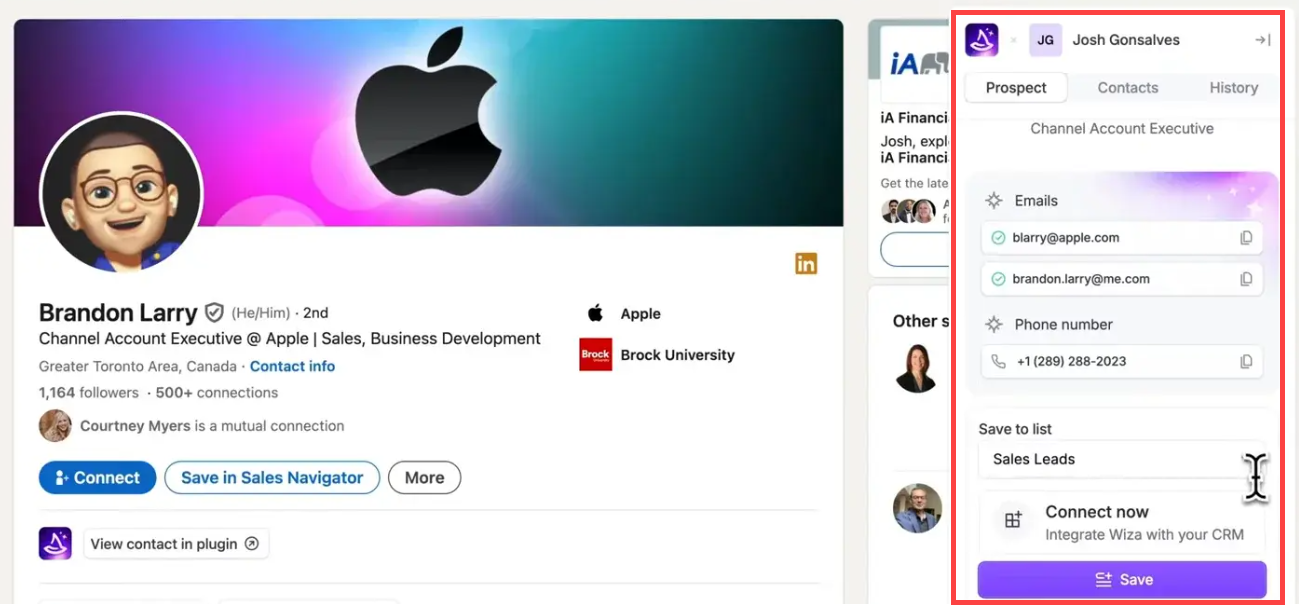
Wiza's Chrome extension sits inside LinkedIn's interface. When viewing any profile, reps see buttons to reveal verified work emails and phone numbers without leaving the page. For bulk operations, the extension can export up to 2,500 contacts at once from Sales Navigator searches, pulling 30+ data points per contact including firmographics like headcount, revenue, and funding stage.
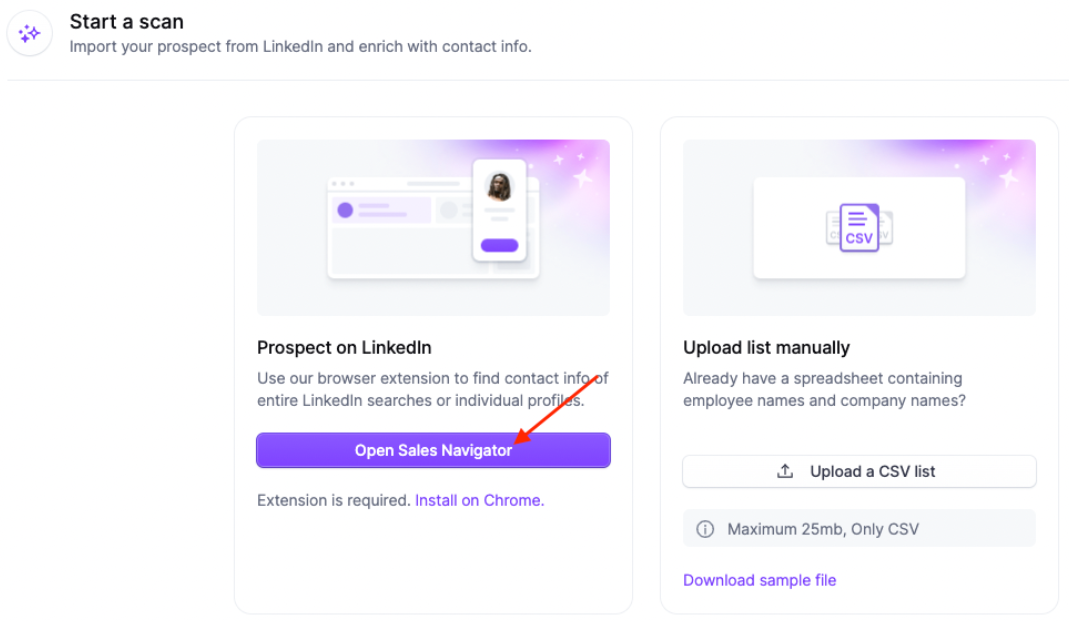
Source: Wiza with LinkedIn Sales Navigator
The two-way CRM sync is useful: it shows a badge on LinkedIn profiles indicating whether a contact already exists in Salesforce or HubSpot, preventing duplicate outreach. Reps can view and update CRM records without leaving their browser.
Apollo also offers a Chrome Extension that surfaces data on LinkedIn profiles, company websites, and inside Salesforce, HubSpot, and Gmail. It's a capable tool, but it's one component of Apollo's broader platform rather than a dedicated LinkedIn workflow.
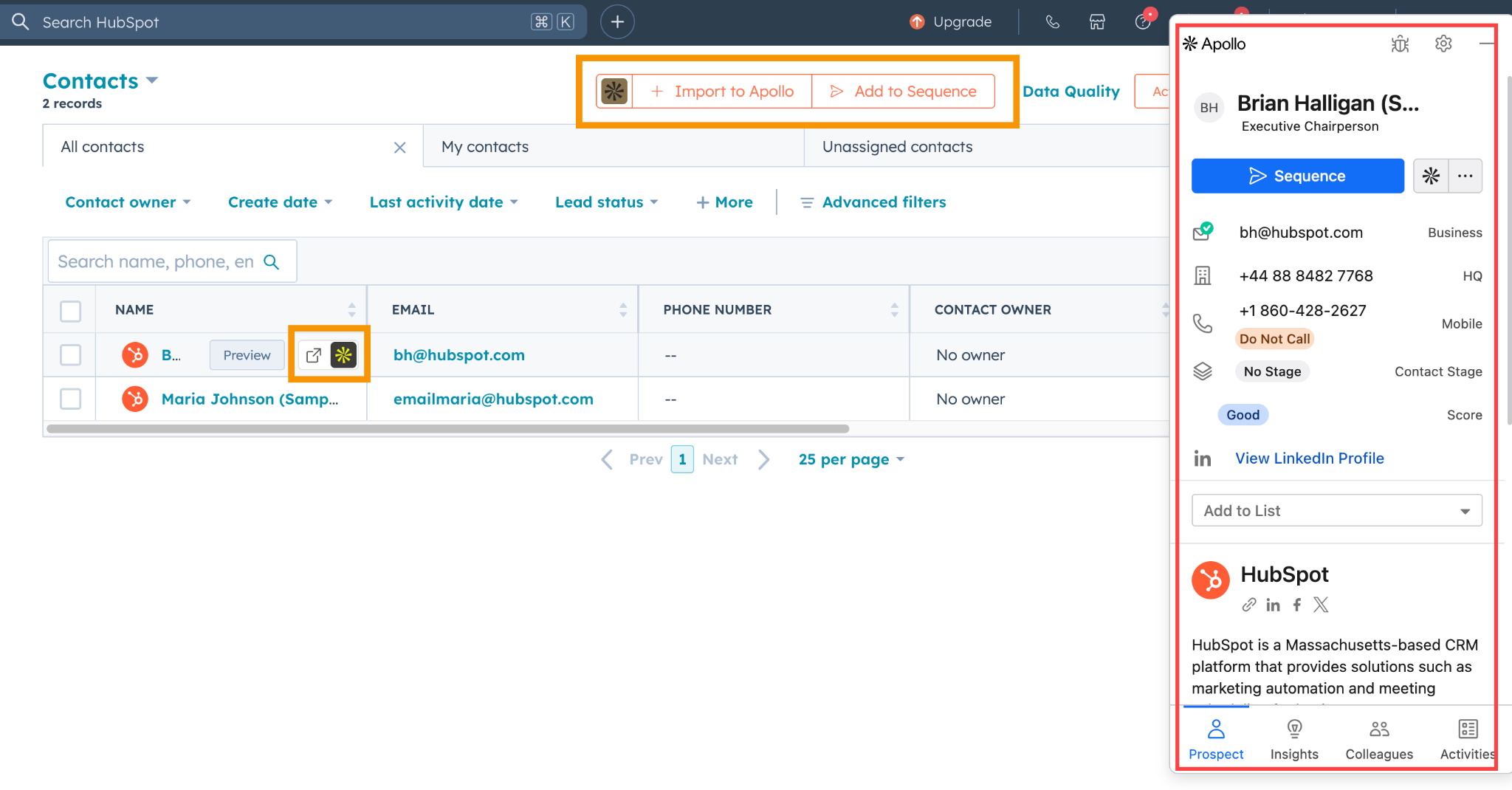
Source: Apollo Chrome Extension
ZoomInfo's ReachOut Chrome Extension also surfaces contact data across the web, but ZoomInfo's real advantage isn't the browser extension. It's the intelligence layer that powers what happens after you identify a prospect, which we'll cover next.
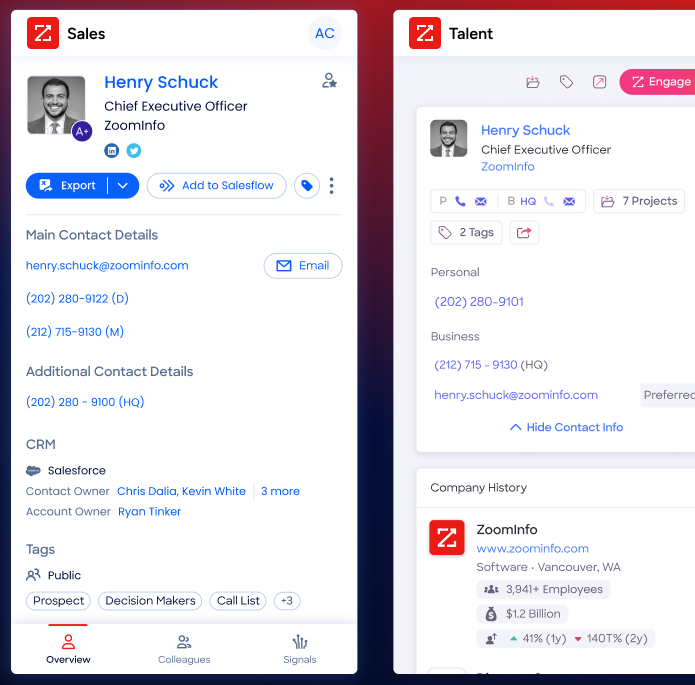
Source: ZoomInfo Chrome Extension
Beyond prospecting: outreach, engagement, and deal management
Here's where the platforms diverge.
Wiza is a prospecting and data tool. It finds contacts, verifies them, and exports them to your CRM or sales engagement platform. Once you have the data, you need separate tools (Outreach, Salesloft, HubSpot, or similar) to reach those prospects. Wiza integrates with HubSpot, Salesforce, Pipedrive, Zoho, Outreach, and Salesloft, so the handoff is smooth. But it is a handoff.
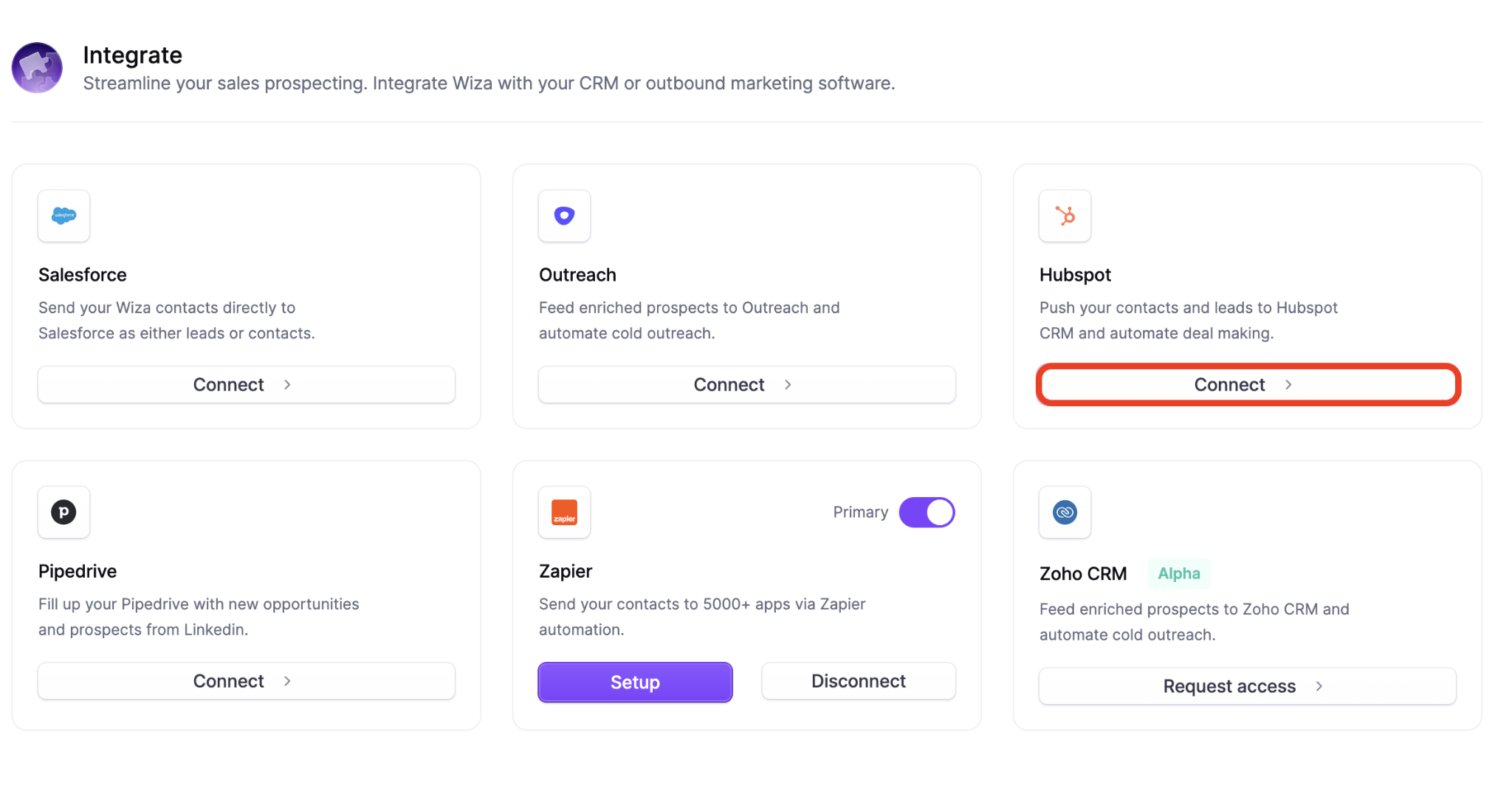
Source: Wiza Integrations
Apollo bundles everything. Its Sequences support automatic and manual emails, phone calls, LinkedIn steps, and custom tasks. The Parallel Dialer lets reps dial multiple numbers at once (Apollo claims reps can connect with 100+ prospects per hour). Built-in email deliverability tools handle domain authentication, mailbox warm-up, and monitoring. Apollo also includes Conversation Intelligence for call recording, transcription, and AI-generated summaries.
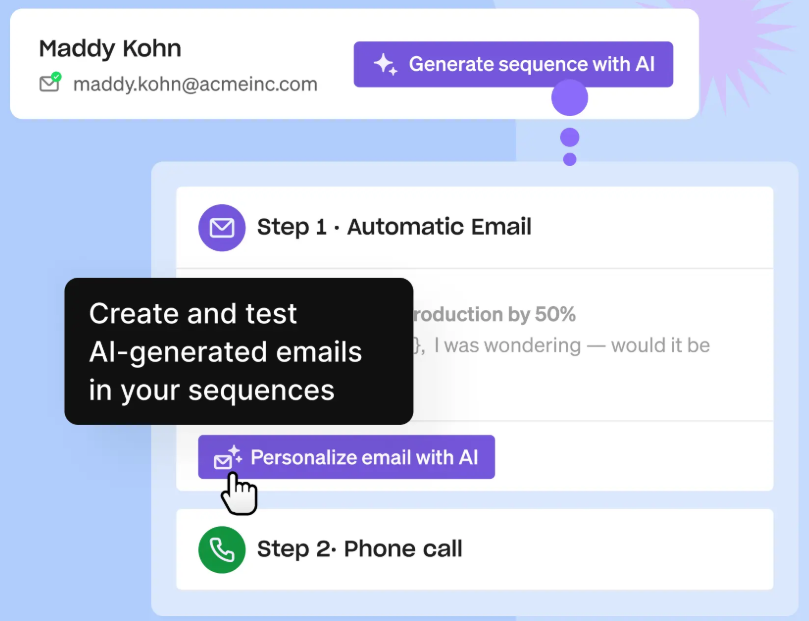
Source: Apollo Sequences
For a team that wants one login for prospecting, outreach, calling, and pipeline management, Apollo's consolidation is appealing. The downside: Apollo's deal management and CRM capabilities lag behind Salesforce or HubSpot, and advanced dialer features require a separate add-on at $149/month.
ZoomInfo approaches engagement through two paths. For sellers, GTM Workspace provides an AI-powered environment where prioritized accounts, AI-drafted outreach, and deal context converge. Rather than building a basic sequencer, ZoomInfo partnered with Salesloft to integrate its buyer data and signals into Salesloft's established sequencing and engagement platform.
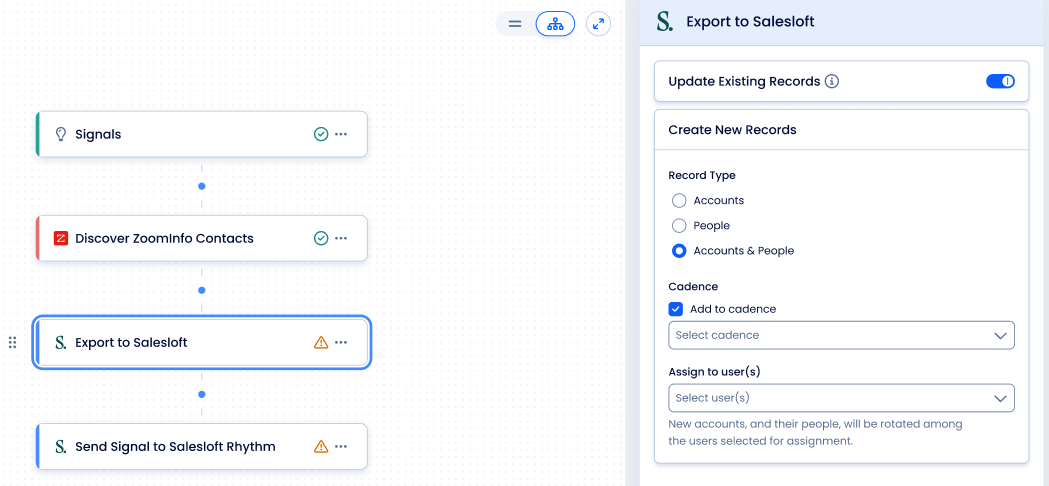
Source: ZoomInfo with Salesloft
The difference is what powers the outreach. Apollo generates emails using AI trained on its database. ZoomInfo's GTM Context Graph generates outreach informed by CRM history, conversation transcripts, intent signals, and behavioral data, so the email addresses the specific concern in the conversation rather than applying generic personalization.
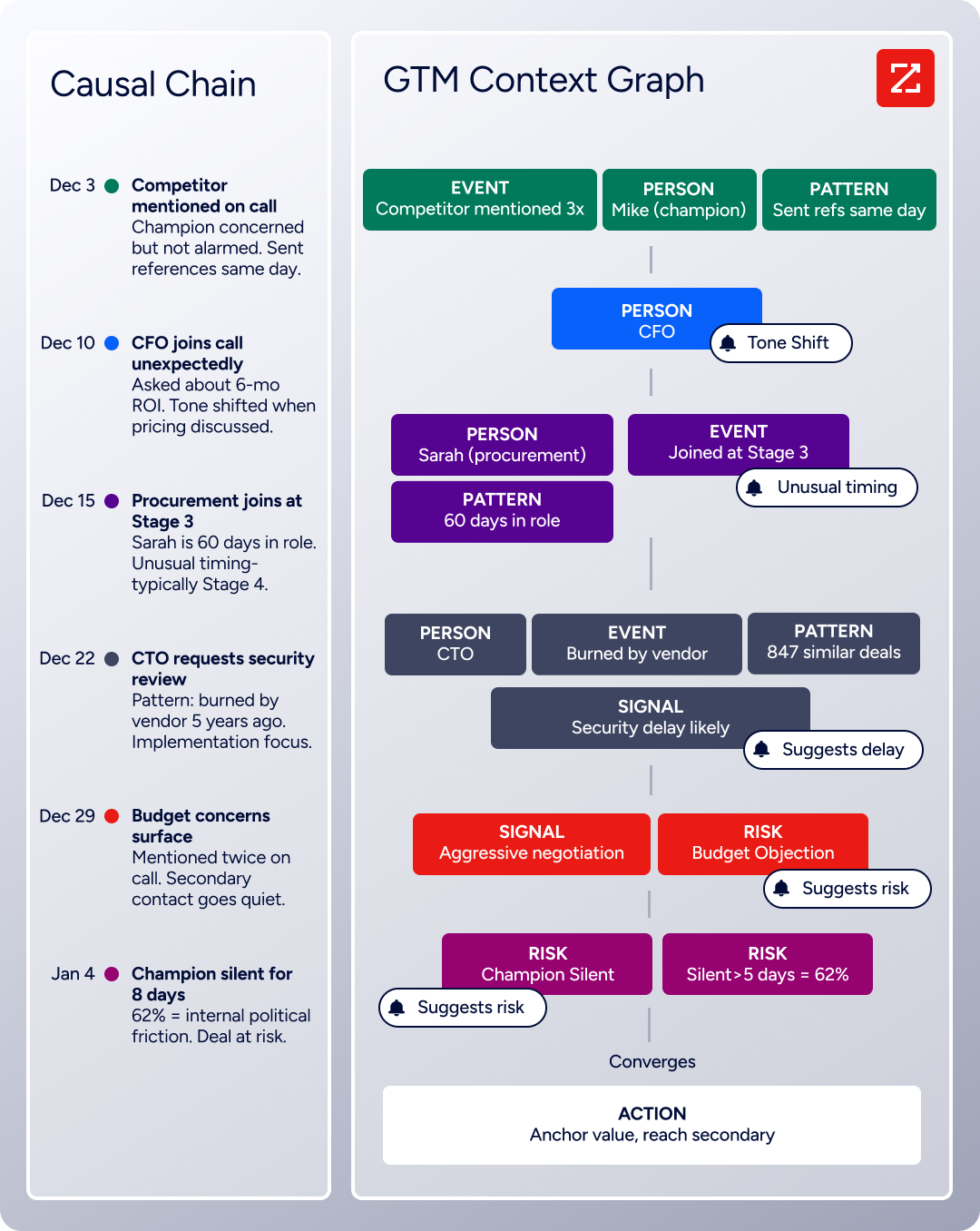
Source: ZoomInfo Context Graph
Seismic's sales team attributed 39% of active pipeline to opportunities identified or influenced by ZoomInfo signals and reported 54% productivity gains.
Intent data and buying signals
Intent data determines whether you're reaching out to companies that are researching solutions or shooting in the dark.
Wiza doesn't offer intent data. It sells contact accuracy, not buying signal detection. If you need intent signals alongside Wiza, you'll need a separate provider.
Apollo includes Buying Intent data on all plans, covering over 1,600 intent topics through a partnership with LeadSift (a Foundry company). Apollo claims a 98% accuracy rate on these signals. For teams on a budget, getting intent data bundled at no extra charge is a real advantage over buying it separately.
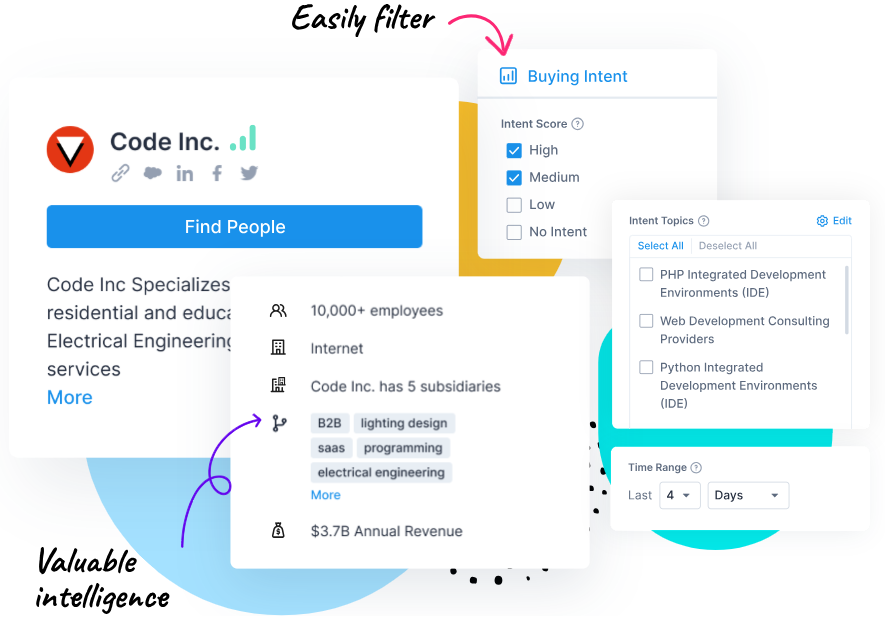
Source: Apollo Intent Data
ZoomInfo treats intent as a core intelligence layer, not a bolt-on. ZoomInfo Intent tracks signals from 210 million IP-to-Organization pairings and 6 trillion+ new keyword-to-device pairings sourced monthly. What sets it apart is Guided Intent, which identifies topics historically correlated with deal success for your specific business rather than requiring you to guess which keywords matter.

Source: ZoomInfo Intent Data
Forrester named ZoomInfo a Leader in Intent Data Providers for B2B (Q1 2025), giving it the highest possible scores across eight criteria.
The practical difference: Apollo tells you a company is researching "CRM software." ZoomInfo tells you that the company's research pattern matches the pattern behind your closed-won deals, that a VP of Sales just joined from a company that used your product, and that the CFO attended a competitor's webinar last week.
That contextual depth comes from the GTM Context Graph connecting intent signals with CRM data, conversation intelligence, and hiring patterns.
Job change tracking: a shared priority, different approaches
All three platforms recognize that job changes are high-value sales triggers, but they handle them differently.
Wiza Monitor is a dedicated job change tracking product that alerts teams when monitored contacts change roles or companies. It tracks up to 1,000 contacts on the free trial, delivers alerts via Slack and email, and provides verified contact data including new email addresses and phone numbers when changes occur. At $99/month for 1,000 contacts, you're paying specifically for this capability.
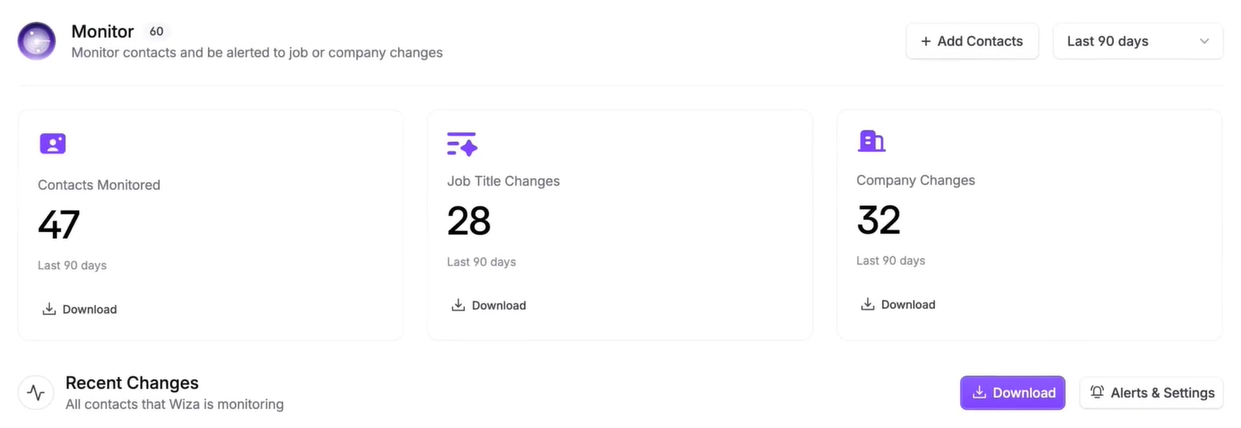
Source: Wiza Monitor
Apollo tracks job changes through its Workflow Engine, which can trigger automated outreach sequences when contacts move to new companies. It's built into the broader platform rather than sold separately.
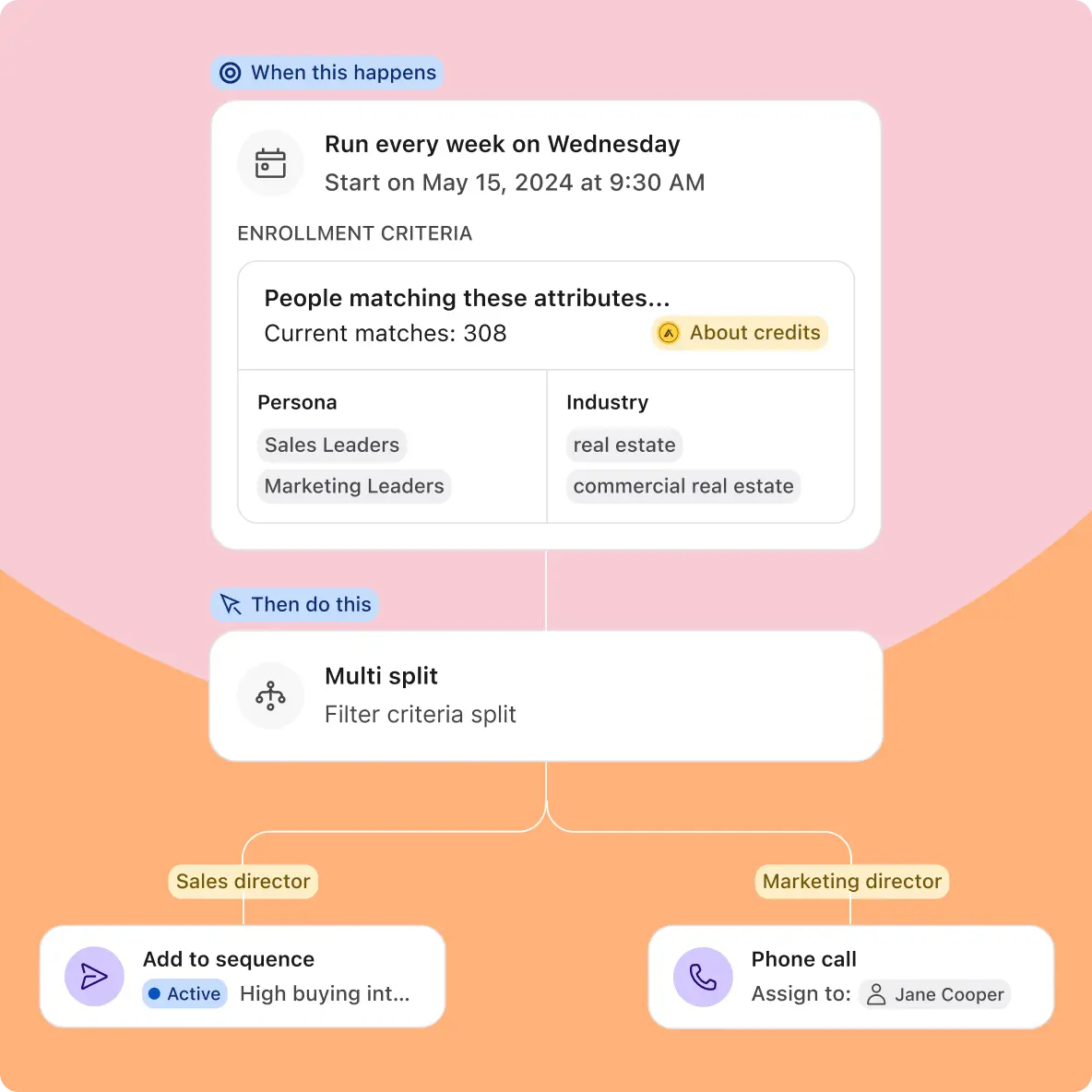
Source: Apollo Workflow Engine
ZoomInfo includes job change tracking in its core platform through Contact Tracker alerts and Champion Tracking in GTM Workspace. Because the GTM Context Graph connects job changes with intent signals, CRM history, and buying patterns, ZoomInfo surfaces not just that a contact moved, but whether their new company fits your ICP and shows buying signals. That makes the alert immediately actionable.
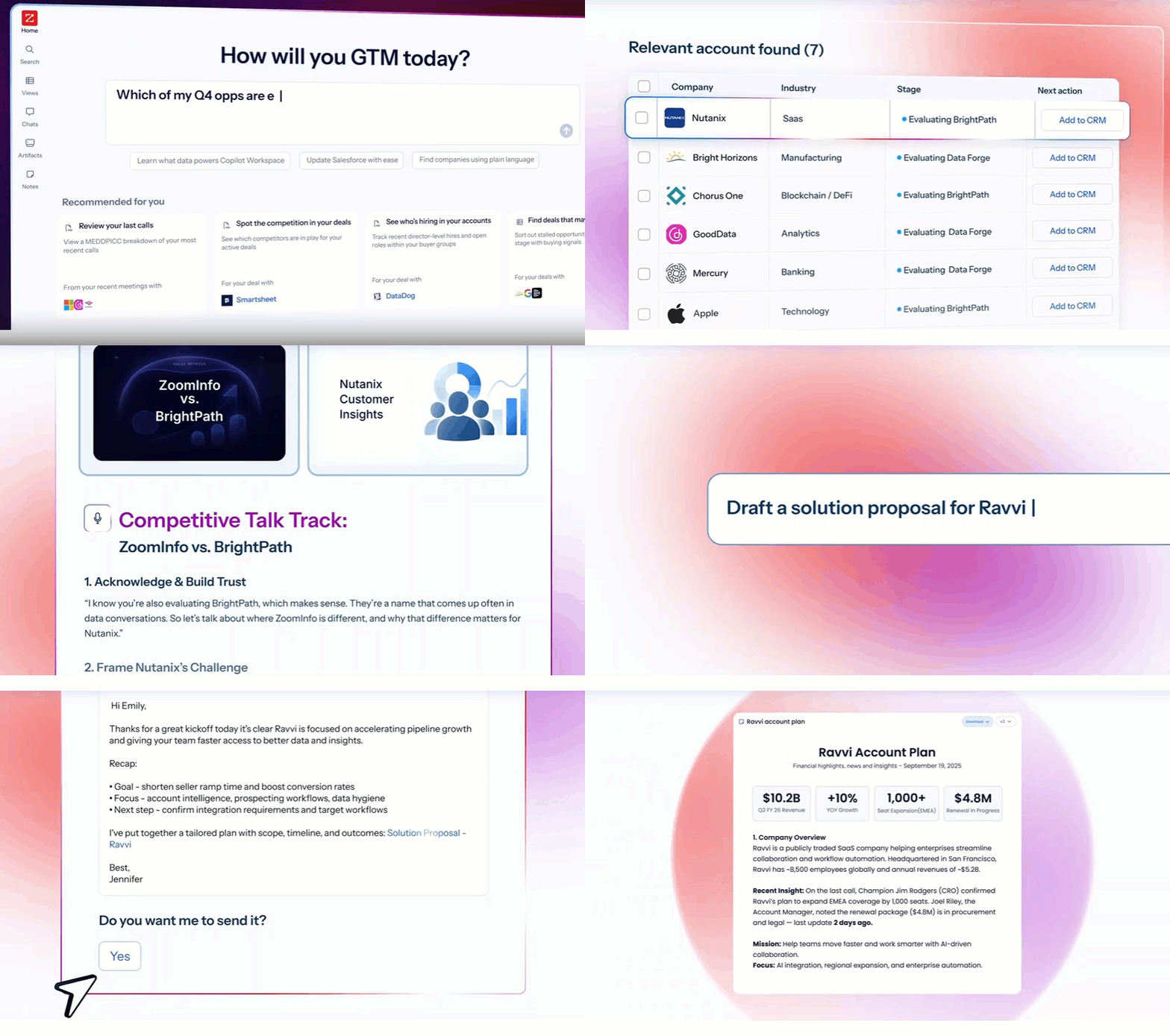
Source: ZoomInfo GTM Workspace
Pricing models reflect different markets
Wiza offers the most straightforward pricing. The free plan provides 20 emails and 5 phone numbers per month. Paid plans start at $49/month for 100 emails and 100 phone numbers, scaling to $199/month for 500 of each.
Annual unlimited plans run $83/month for emails only or $166/month for emails and phones, though "unlimited" is capped at 2,500 prospects exported per month. Team plans start at $449/month for 3+ users. Overage charges apply at $0.15 per email and $0.35 per phone number.
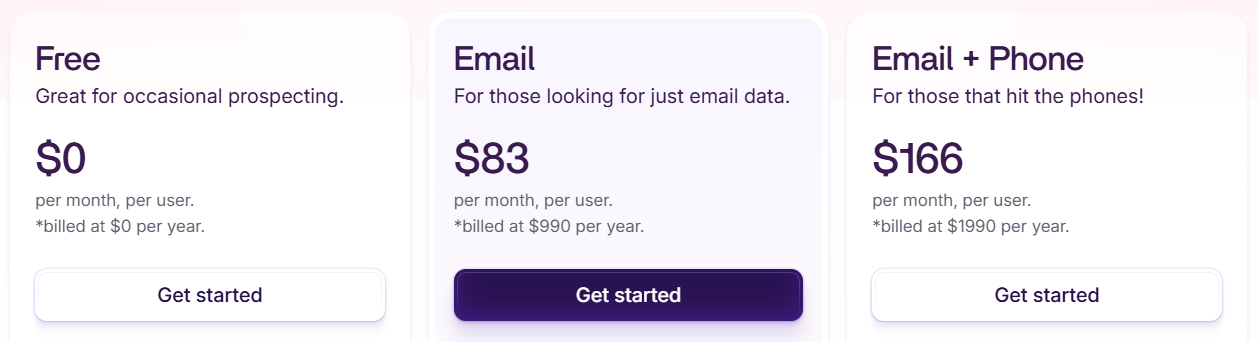
Wiza Monitor, the job change tracking feature, costs $99/month for 1,000 contacts and is priced separately.
Apollo prices per seat with credit allowances. The free Starter plan offers 75 credits per month. Basic costs $49/seat/month (annual) with 30,000 credits per year. Professional runs $79/seat/month (annual) with 48,000 credits per year and unlocks data enrichment. Organization at $119/seat/month adds SSO, custom reporting, and advanced API access (minimum 3 seats, annual only).
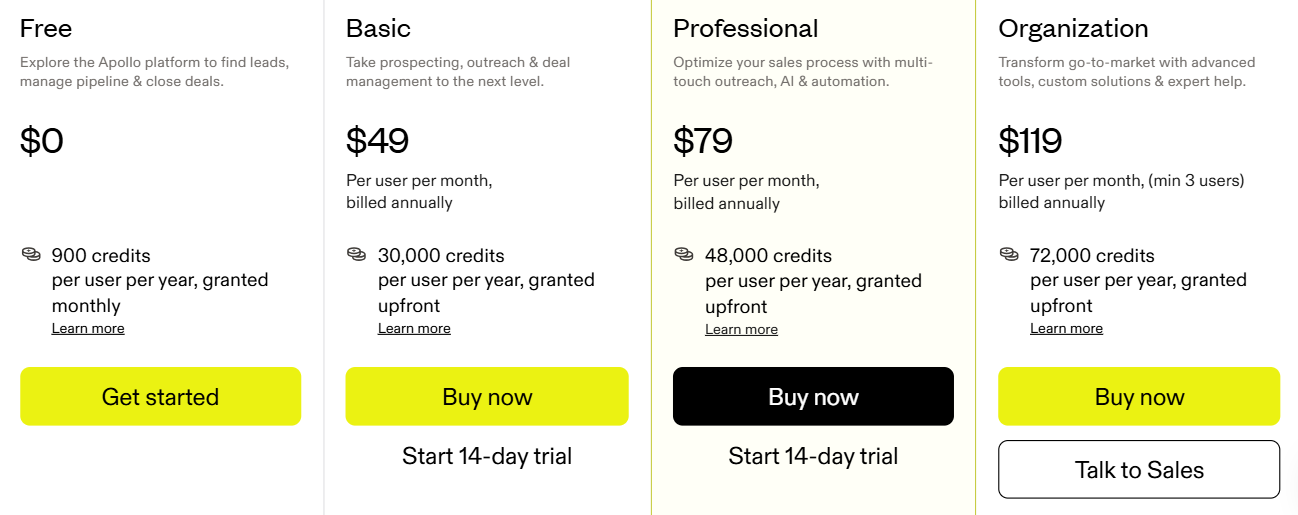
Watch for hidden costs: the Advanced Dialer add-on is $149/month, credits do not roll over, "unlimited" plans are governed by a Fair Use Policy that caps usage, and API access requires a Custom plan.
ZoomInfo uses custom-quoted, seat-and-credit-based pricing with no published dollar amounts. It's premium-priced, aimed at enterprise buyers who evaluate it on ROI rather than sticker price. ZoomInfo Lite provides a permanent free tier with 10 monthly export credits, and a 7-day free trial is available for paid features.
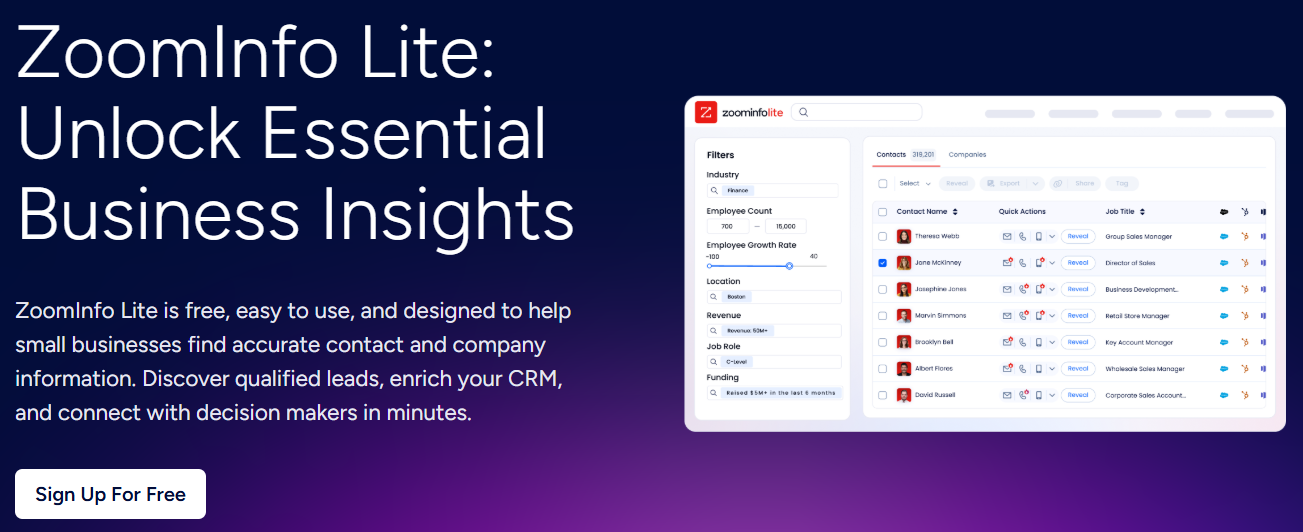
The right comparison isn't price per seat. It's the total cost of ownership. A team paying $49/month for Wiza plus $100/month for Outreach plus $50/month for an intent data provider plus CRM costs may spend more in aggregate (and deal with integration friction) than a consolidated platform.
ZoomInfo customers like Snowflake achieved 200% higher conversion rates on top-scoring accounts, and Seismic saved 11.5 hours per week per seller. At enterprise scale, those outcomes justify premium pricing.
Ease of use and implementation
Wiza wins on simplicity. RapidScale's team was live within one hour. The Chrome extension installs in minutes, the interface is clean, and there's little configuration required. The learning curve is flat. That simplicity follows from Wiza's focused scope: fewer capabilities means fewer things to learn.
Source: Wiza Chrome Extension
Apollo is more complex but still accessible. The platform covers prospecting, outreach, calling, deal management, and analytics, so there's more to learn. Apollo offers 1:1 onboarding sessions for paid users and an Academy with courses organized by use case. Most teams can be productive within a few days, though mastering the full platform takes longer.
ZoomInfo requires the most onboarding investment, which reflects its breadth. The platform redesigned its onboarding program from 30 to 90 days, structured across planning, technical implementation, education, and adoption phases. That investment produced a 25% improvement in customer satisfaction scores.
ZoomInfo University provides role-specific learning paths and certifications. GTM Workspace itself "deploys in weeks, not months", and the payoff in intelligence depth is significant once teams are ramped.

Source: ZoomInfo University
Integration ecosystems
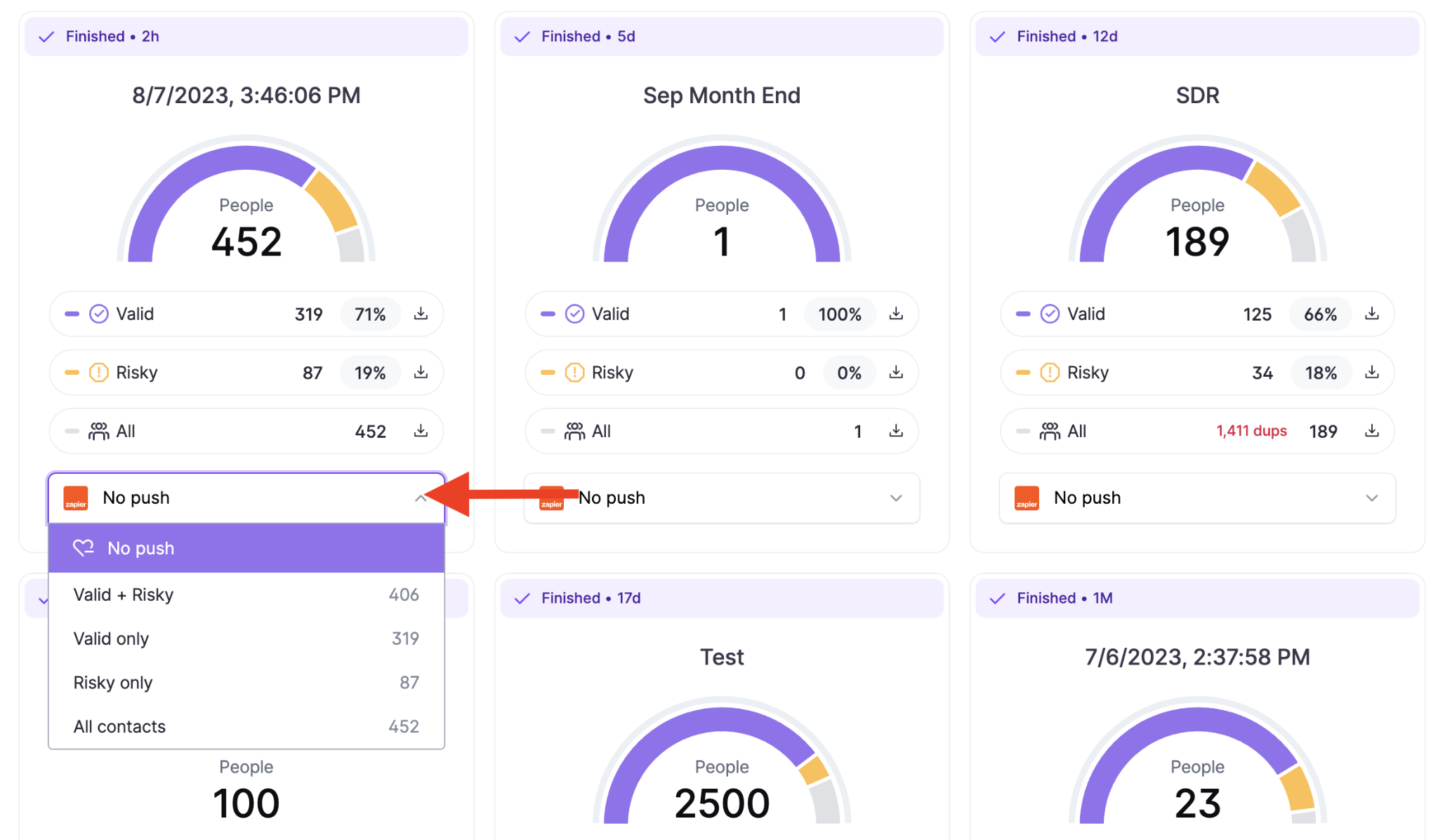
Wiza integrates with the tools most sales teams already use: Salesforce, HubSpot, Pipedrive, Zoho, Outreach, and Salesloft, plus Zapier for broader connectivity and Clay for workflow automation. API access is available on Team plans. The integrations are focused and functional, matching Wiza's role as a data layer that feeds into other tools.
Source: Wiza with Zapier
Apollo offers native integrations with Salesforce, HubSpot, Pipedrive, Outreach, Salesloft, Marketo, and Sendgrid, plus an Integrations Marketplace with partners like Clay and Chili Piper. However, API access requires a Custom plan, which limits programmatic access for technical teams on standard tiers.
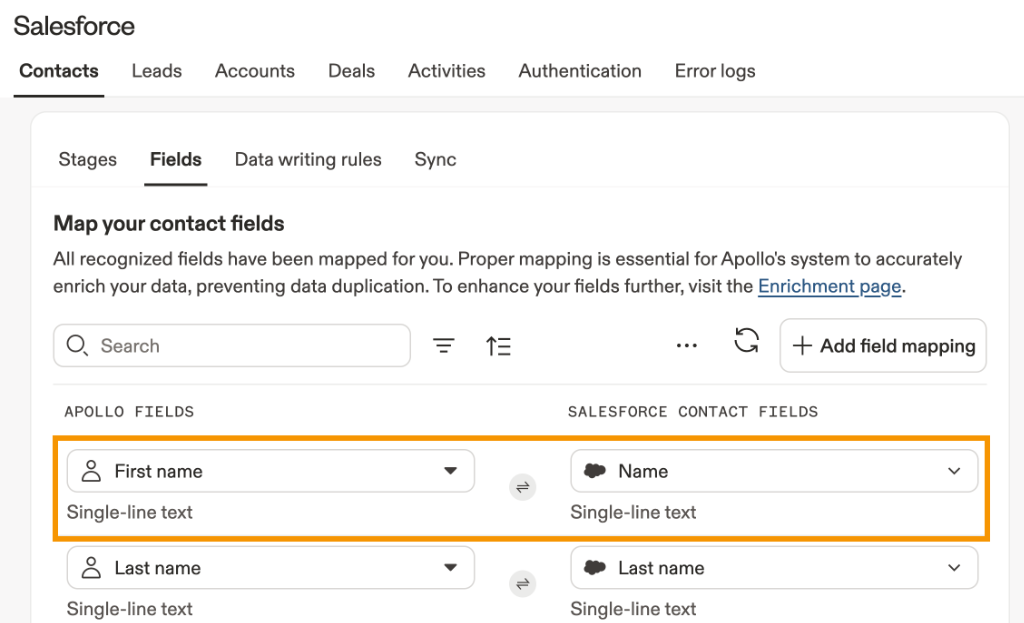
Source: Apollo with Salesforce
ZoomInfo operates at a different integration scale. The ZoomInfo App Marketplace lists 120+ partner integrations spanning CRM, marketing automation, sales engagement, revenue intelligence, data warehousing, and communications. Cloud Partners enable direct data ingestion into AWS, Google Cloud, Snowflake, and Databricks.
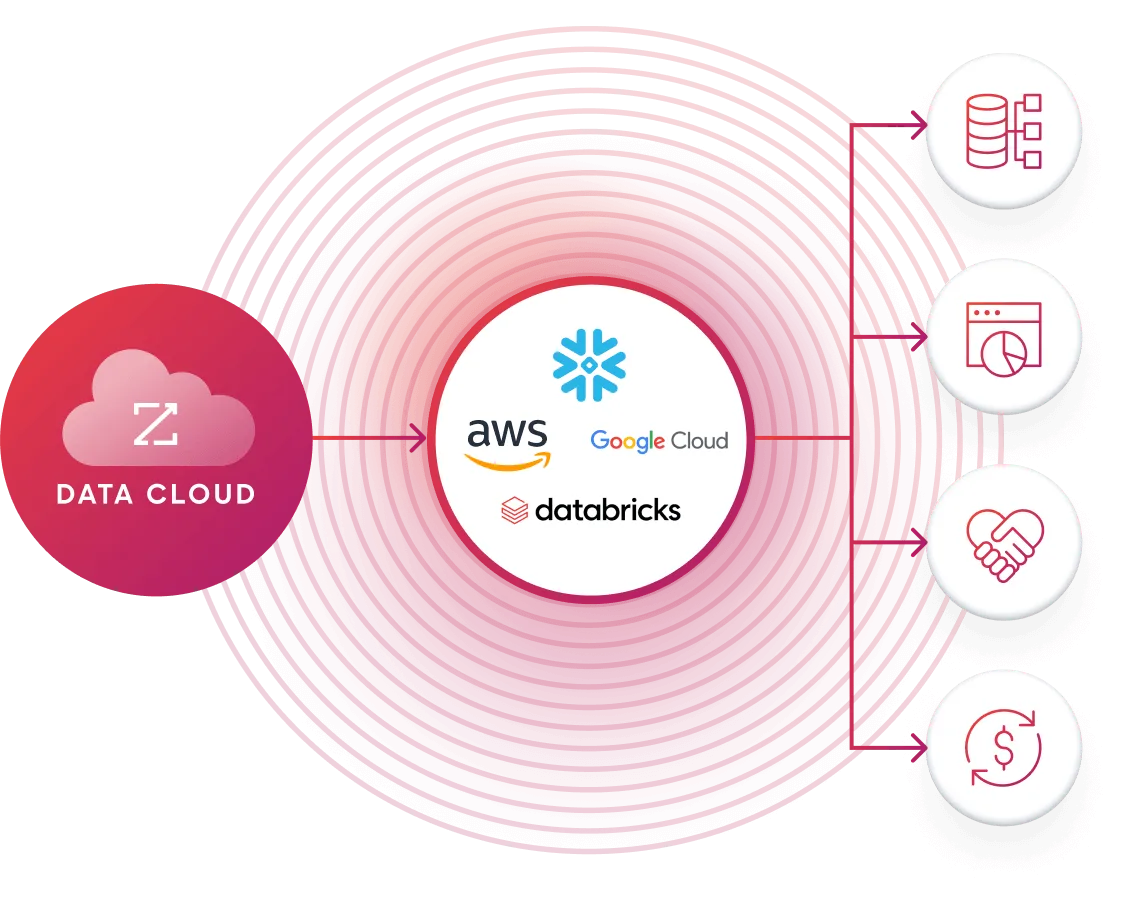
Source: ZoomInfo Cloud
The Enterprise API and MCP server let any AI agent or custom application consume ZoomInfo's data natively. API access is included in all relevant plans, not gated behind enterprise tiers.
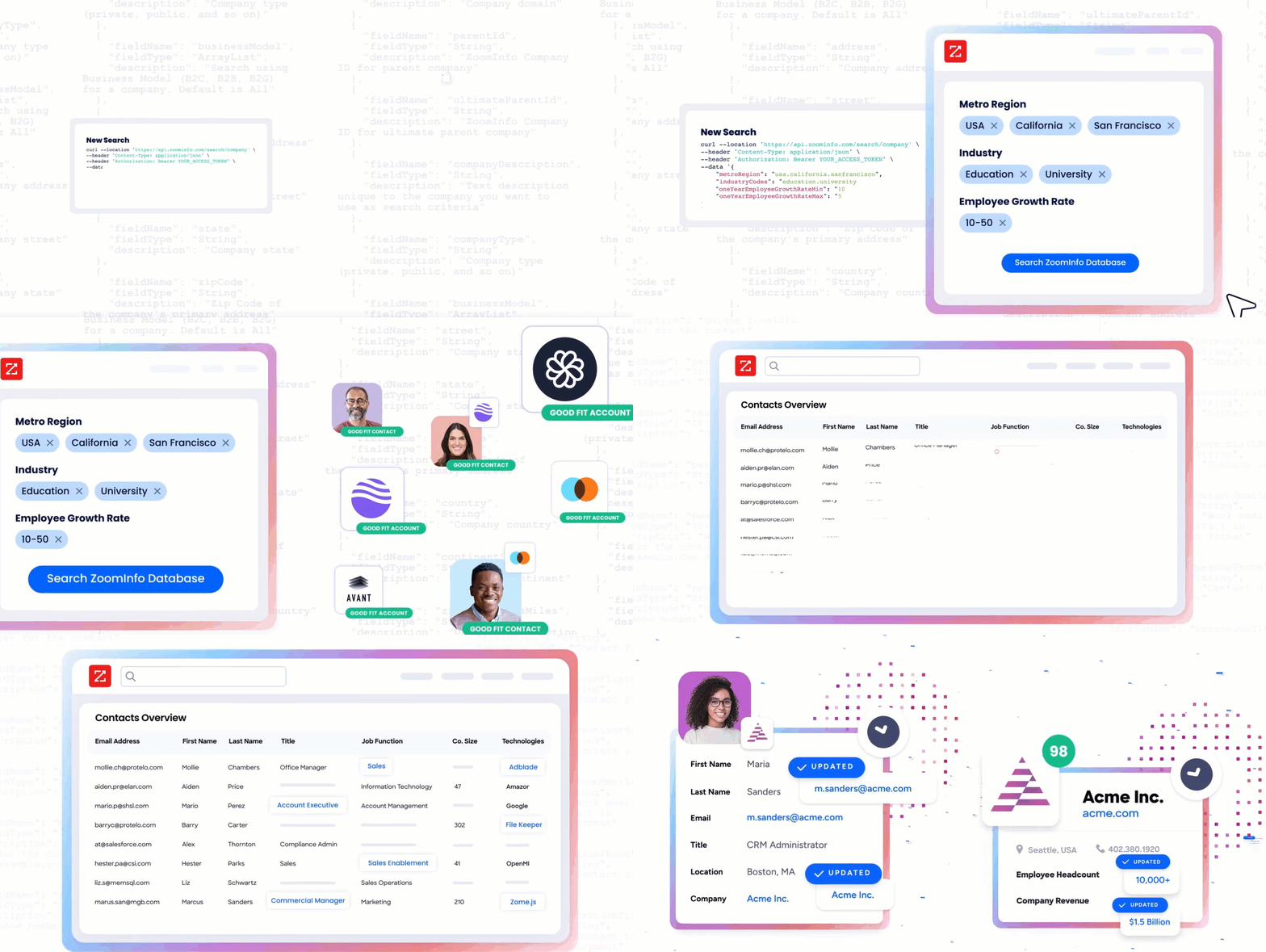
Source: ZoomInfo API
Security and compliance
Wiza covers GDPR, CCPA, and regional privacy laws including Australia, New Zealand, and South Africa. Payment processing runs through Stripe. Wiza maintains a vulnerability disclosure program, but no SOC 2, ISO, or similar certifications appear in available documentation.
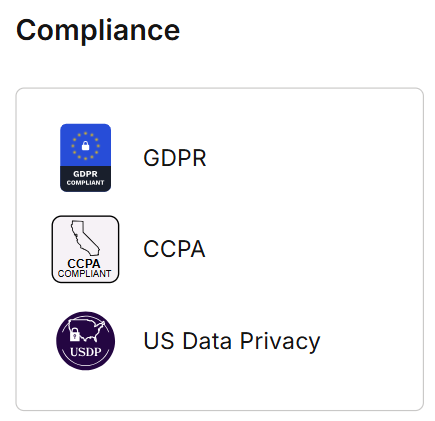
Source: Wiza Trust Center
Apollo holds ISO 27001 and SOC 2 Type 2 certifications and is GDPR compliant as both Data Processor and Controller. Infrastructure runs on Amazon Web Services. Annual penetration testing and quarterly audits are standard.
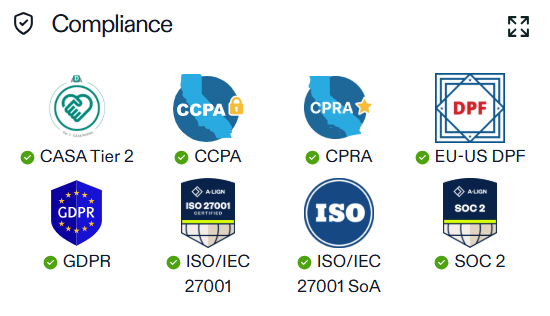
Source: Apollo Trust Center
ZoomInfo maintains the broadest certification stack: ISO 27001, ISO 27701, SOC 2 Type II, TRUSTe GDPR and CCPA validations, all renewed annually. ZoomInfo is a registered data broker in California and Vermont. For regulated industries (financial services, healthcare, government contractors), this compliance depth often determines vendor selection before features are even discussed.
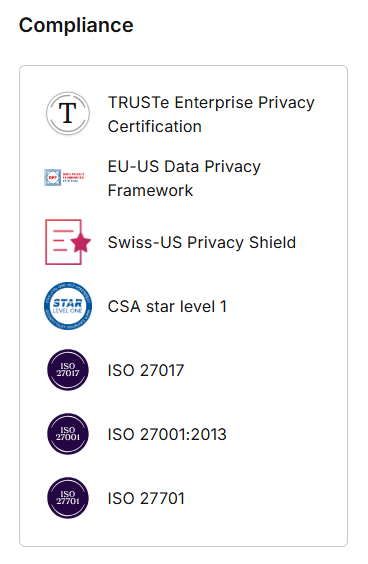
Source: ZoomInfo Trust Center
Wiza vs. Apollo vs. ZoomInfo: Which should you choose?
The right platform depends on where your team is today and where you're headed.
Choose Wiza if:
LinkedIn Sales Navigator is your primary prospecting channel
Contact accuracy matters more to you than database breadth
You want a lightweight tool your team can adopt in under an hour
You already have separate tools for outreach, calling, and CRM
You need high-volume LinkedIn data extraction with verified emails and phone numbers
Choose Apollo if:
You want to consolidate your data provider, outreach tool, and dialer into one platform
Your team is small to mid-sized and cost-conscious
A free tier matters for evaluating before committing
You need basic intent data and AI features without paying extra
You're comfortable with a credit system and can manage usage within allowances
Choose ZoomInfo if:
Data breadth, accuracy, and verified direct dials are your top priority
You need intent signals that go beyond keyword tracking to reveal actual buying patterns
Your GTM motion requires intelligence across sales, marketing, and RevOps
Integration with AI agents, custom tools, or data warehouses matters to your technical team
You're building an enterprise GTM operation that needs to scale
See how ZoomInfo's intelligence changes your pipeline with a free trial.
Each platform serves a distinct stage of GTM maturity. Wiza gives you the cleanest LinkedIn data at an accessible price. Apollo gives growing teams one platform to run their entire outbound motion. ZoomInfo gives enterprise organizations the data depth, contextual intelligence, and access to power their GTM strategy across every team, tool, and deal.
The question isn't which is "best." It's which matches where your team is now, and which can still serve you as you grow.
