
Display advertising continues to play an important role in most companies’ marketing budgets, with digital ad budgets in the US on track to reach nearly $250 billion. The problem? That much spending means a lot of competition.
To get the most out of your ad strategy, your ads need to reach the right people and get noticed. And your creative can only stand out if it’s in the right size and format for each platform.
Most display ad campaigns run through major ad networks like Google Display Network (GDN) or Meta Audience Network, which follow size and format guidelines set by the Interactive Advertising Bureau (IAB). Using quality data to target those ads ensures they show up in front of the leads most likely to convert.
Here’s a look at standard banner ad sizes and ad formats for 2026 and beyond.
Why Choosing the Right Ad Size is Crucial
Different ad sizes work for different ecosystems and get different results. The size you select affects viewability, engagement, ad inventory access and CPMs (cost per thousand impressions).
When marketers choose the wrong ad size, they waste money, generate low click-through rates, risk losing out on smartphone and mobile traffic and maybe tank an otherwise great ad campaign.
Google AdSense’s Top-Performing and Common Banner Ad Sizes
Ad types relate closely to ad sizes, and both ad type and ad size relate to ad performance. Here are some of Google Adsense’s top performers that signify that reality well.
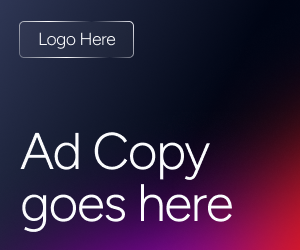
Medium Rectangle (300×250)
The medium rectangle ad size and type has a broad inventory of use, including mobile phone ads. It performs particularly well when embedded in content or at the end of articles. Marketers can use it for text ads, display ads and mobile text and mobile display ads.
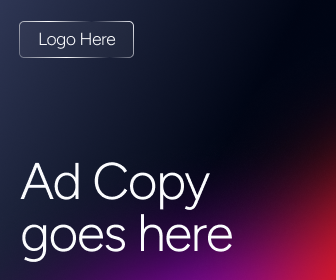
Large Rectangle (336×280)
The large rectangle ad size is popular due to high inventory and strong performance in content-rich areas. Because it offers a larger space, it allows for richer creative messaging. Large rectangles can accommodate image ads with copy.

Leaderboard (728×90)
Leaderboard banner ads are horizontal web banners typically placed at the very top of a webpage. Positioned just above or below the site’s header, they’re often the first thing a visitor sees. Their large size and high visibility are designed to grab attention, drive clicks and generate revenue. Most leaderboard ads measure 728x90 pixels, following an 8:1 aspect ratio. They perform well because they appear "above the fold" and are widely used by advertisers, making them a common and effective ad format.

Half-Page / Large Skyscraper (300×600)
This type of digital ad is designed to take up a lot of the vertical space on a webpage, often on the right-hand side of the page. Half-page ads are 300x600 pixels. This style of ad is growing fast in impressions and engagement. It's great for storytelling and brand-focused ads.

Large Mobile Banner (320×100)
The large mobile banner is twice as high as the standard one. These banners can come with strong mobile calls to action (CTAs) with high click-through rates (CTRs).
Additional High-Performing Banner Sizes in 2026
With so many factors influencing ad performance — screen size, platform, format (animated or static) and placement — it’s important to understand which banner sizes work best in which situations. In addition to Google AdSense’s top performers, here are a few more ad formats that often deliver strong results across various campaigns.
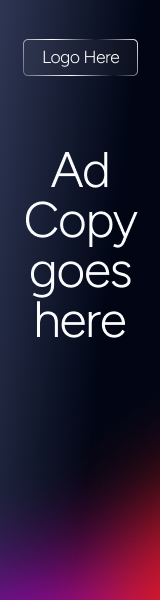
Wide Skyscraper (160×600)
The wide skyscraper is a popular sidebar placement that works like a vertical banner and offers strong visibility as users scroll. This type of ad can be useful in a number of scenarios, including brand awareness.


Mobile Leaderboard (300×50 or 320×50)
Most web browsing now happens on mobile devices, so if your audience primarily interacts with your brand on a smartphone or tablet, it’s important to use mobile-specific banner ad sizes. One of the most common formats is the mobile leaderboard, which is optimized for small screens and is a strong performer for mobile monetization.
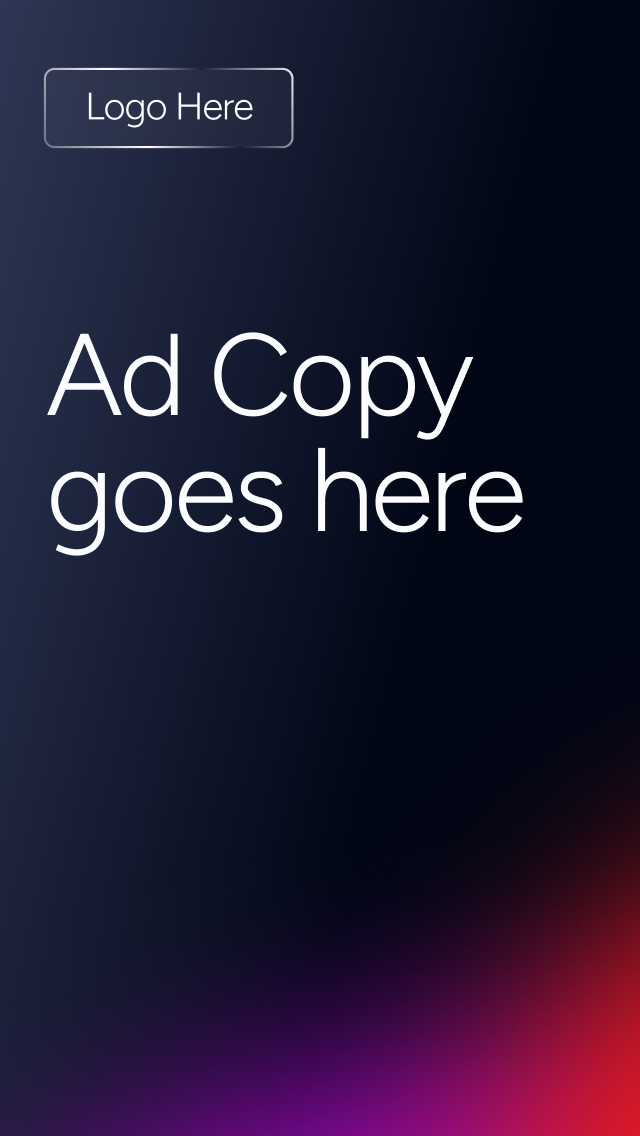
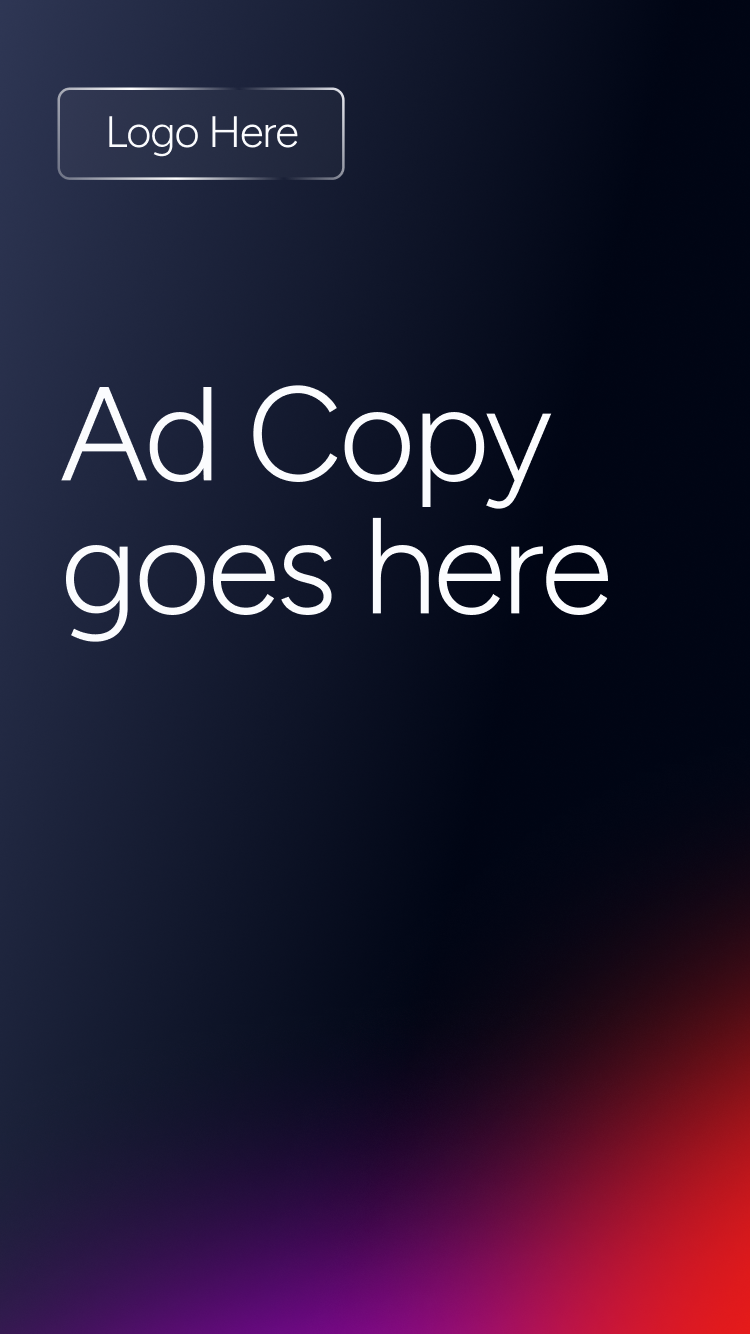
Mobile Phone Interstitial (640x1136; 1080x1920; 750x1334)
These are full-screen ads that appear between content on mobile devices. They can be used effectively in a mobile game environment. Interstitials can be video ads, image ads or text-centered ads.
ZoomInfo Marketing’s Accepted Display Ad Sizes
Now that you have a good sense of display ad types and sizes, here’s a look at ZoomInfo’s accepted sizes, as well as performance use cases.
Ad Size | Common Name | Performance Use Case |
300x250 | Medium Rectangle | In-content placements; versatile across mobile/desktop |
336×280 | Large Rectangle | Bigger format, higher engagement in articles, one of the best-performing |
728×90 | Leaderboard | Top-of-page brand visibility on desktop; not for use on mobile |
300×600 | Half-Page (Large Skyscraper) | High-impact vertical creatives; excellent for storytelling |
160×600 | Wide Skyscraper | Sidebar placements with persistent visibility even after a scroll |
300×50 / 320×50 | Mobile Leaderboard | Mobile-optimized for screens on the go |
970×250 | Billboard | Premium desktop placements for high-impact visuals and optimized landing pages |
468×60 | Banner | Smaller, flexible footer or in-content space |
250×250 | Square Banner | Compact but flexible placement that also tends to be less expensive |
120×600 | Skyscraper | Narrow sidebar units; supplementary to wider formats |
970×90 | Super Leaderboard | Wide-screen, hero-level ad space that needs hero-level ad design |
Best Practices for Leveraging These Sizes
Want to leverage these different sizes to drive ROI and win digital advertising? Follow these best practices:
Prioritize high-demand standard sizes: Just because you have a stunning and high-quality ad doesn’t mean you’ll actually get it in front of your target audience. Not all sizes are in high-demand. Prioritize those that are. High-demand ad sizes include Medium Rectangle, Leaderboard, Large Rectangle, Half-Page and Large Mobile Banner.
Don’t treat desktop ads and mobile ads the same: It should go without saying, but you just can’t make a desktop ad work on a phone and vice versa. Create dedicated versions for each screen size to get the best results.
Strategic placement to enhance viewability and movement down the funnel: Where you place your ads matters. Choose sites, games, apps, etc. that align with your marketing and sales goals and that also adhere to your data regarding the customer lifecycle for best results.
Creative design that centers clarity: The user experience matters. Make sure your design isn’t just eye-catching but clear and easy for the user to respond to.
Get strategic: Don’t just take a generalist’s approach to marketing with display ads. Thanks to the troves of data everyone on the web generates, you can get very specific in your strategy, such as sending targeted ads to leads scheduled for a product demo.
A/B testing: Test ad sizes, ad types, CTAs, placement and more. A/B testing is a great way to see what actually works best in the wild.
Ad performance monitoring: Ad performance monitoring should be more than just an afterthought. Let the data generated from your display ad campaign inform the next one. Keep track of what types of ads bring the best ROI, conversion rates, etc.
How to Select the Right Size for Your Campaign
To determine the right ad size for your campaign, you have to first define your goals. If your goal is brand awareness, use large, hero-level formats like 970x250, 728x90 or 300x600. Looking for content engagement? Medium and large rectangle ads work well inside of content without disrupting the user experience too much.
If your audience is mostly on mobile, you’ll need to prioritize mobile leaderboards and large mobile banners. For sidebar monetization on owned assets, use skyscraper formats. These offer better scroll visibility and have higher click rates, making them perfect for showcasing new products or services.
Of course, display ad campaigns are a lot more complex than just selecting the right ad size. Audience matters greatly when it comes to ad size and ad placement. There’s also your budget to consider and make the best use of, and the message you’re trying to send. In other words, a good display ad campaign is just like any good marketing campaign: It will have a lot of technical features that need to be accurate and well-done, but the messaging is still central.
Improve Your Display Ads With ZoomInfo
Looking to improve your display ad efforts and results? In addition to selecting the right size, it helps to have a partner with the tools and data to make every impression count.
With ZoomInfo, you can optimize your display ad strategy through:
ZoomInfo Marketing: To plan and execute cross-channel campaigns that go beyond standard banners.
Ad Targeting: To deliver display ads to precisely defined audiences.
Intent Data: To identify which companies are actively in-market and ready to engage.
Data Enrichment: To reach the right contacts by job title, department, or firmographic details.
Don’t just send your ads into the digital void and hope for the best. With ZoomInfo, you can connect your creative to the audiences most likely to engage and turn display into a real driver of pipeline and revenue.