

Choosing between Act-On vs. Marketo for your B2B marketing automation often comes down to these five questions:
Do you need a platform your marketing team can run independently, or are you prepared to hire a dedicated admin?
Is your marketing strategy focused on the full customer lifecycle (retention, upsell, advocacy), or primarily on top-of-funnel demand generation?
Are you locked into a specific CRM ecosystem, or do you need a platform that works with whatever CRM you already use?
Do you have the budget for enterprise-grade depth, or do you need powerful automation without the enterprise price tag?
Is your biggest challenge building campaigns, or knowing which accounts to target and when to engage them?
In short, here's what we recommend:
Act-On is built for mid-market marketing teams that need full lifecycle automation without the complexity of enterprise platforms. Its active contacts pricing model charges only for contacts you actually email each month, saving an estimated 30-50% vs. database-size pricing.
Act-On positions itself as the last independent B2B platform, with native integrations to Salesforce, Microsoft Dynamics, SugarCRM, and NetSuite, and no requirement to buy into a larger ecosystem. It works well for relationship-driven businesses in financial services, manufacturing, and healthcare where marketing extends well past the initial sale.
The trade-off: its landing page builder requires HTML/CSS knowledge, reporting can be limited for data-mature teams, and it lacks the campaign sophistication that enterprise organizations demand.
Adobe Marketo Engage is the enterprise standard for B2B marketing automation, built for organizations running complex, multi-touch campaigns across long sales cycles.
Marketo's campaign engine (nested programs, engagement streams with content exhaustion logic, unlimited scoring models) goes substantially deeper than mid-market alternatives.
As part of Adobe Experience Cloud, it connects to Adobe Real-Time CDP and Adobe Journey Optimizer B2B Edition for buying group orchestration.
However, Marketo demands a dedicated administrator, takes months to learn fully, and its interface feels dated in areas. Pricing is entirely custom and scales with database size, which means fast-growing companies can face painful cost increases.
Both platforms are strong at what they do: building and executing marketing campaigns. But neither one can tell you which accounts are actively researching your product category right now, who the decision-makers are at those accounts, or what signals indicate a deal is about to move. That intelligence gap is where campaigns go to waste, and where a fundamentally different kind of platform fits in.
ZoomInfo is an all-in-one AI GTM platform built on the industry's most comprehensive B2B data foundation: 500M contacts, 100M companies, 135M+ verified phone numbers, and 200M+ verified business emails.
Its GTM Context Graph, an intelligence layer that processes 1.5B+ data points daily, unifies this data with your CRM records, conversation transcripts, and behavioral signals to reveal not just what happened in your pipeline, but why.
For marketers, this means building audiences based on actual buying signals, launching ABM plays against accounts that match your proven win patterns, and measuring which campaigns drive revenue, not just clicks.
Your team accesses this intelligence through GTM Studio for marketers and RevOps, the dedicated GTM Workspace for sellers, or the Enterprise API and MCP in any front-end. ZoomInfo works alongside Act-On or Marketo through native integrations, powering your MAP with the intelligence it needs to target the right accounts at the right time.
If you want to see how ZoomInfo's data and intelligence can sharpen your marketing automation, start a free trial.
Act-On vs. Marketo vs. ZoomInfo at a glance
Act-On | Marketo | ZoomInfo | |
|---|---|---|---|
Core function | Lifecycle marketing automation | Enterprise B2B marketing automation | B2B data, intelligence, and GTM execution |
Pricing model | Active contacts (pay only for contacts emailed) | Database size (custom quoted) | Consumption-based (custom quoted) |
Starting price | (2,500 active contacts) | Custom (not published) | Free tier available (ZoomInfo Lite) |
Learning curve | Moderate | Steep | Moderate (90-day onboarding program) |
CRM integrations | Salesforce, Dynamics, SugarCRM, NetSuite, Zendesk | Salesforce, Microsoft Dynamics, Veeva | Salesforce, HubSpot, Microsoft Dynamics |
AI capabilities | True Open bot filtering, predictive scoring, adaptive send | GenAI email creation, Dynamic Chat, agentic orchestration (announced) | GTM Context Graph, AI-drafted outreach, signal-based plays |
ABM support | Basic account scoring (Enterprise tier) | Native ABM with predictive engagement scoring | Full ABM with intent signals, audience targeting, native DSP |
Free trial | No | No | 7-day free trial + permanent free tier |
Analyst recognition | Gartner Niche Player | Gartner Leader (B2B MAP) | Gartner Leader (ABM Platforms); Forrester Leader (Intent Data) |
Best for | Mid-market, relationship-driven businesses | Enterprise demand generation at scale | Powering any MAP with verified data and buying signals |
Marketing automation vs. go-to-market intelligence: two different problems
Act-On and Marketo both solve the same core problem: how to build, automate, and measure marketing campaigns at scale. They differ in depth, complexity, and target market, but they occupy the same category.
ZoomInfo solves a different problem entirely: who should you be marketing to, and when?

A marketing automation platform without good data is an engine without fuel. You can build the most sophisticated nurture sequence in Marketo or the most elegant lifecycle journey in Act-On, but if you're targeting the wrong accounts, using outdated contact information, or missing buying signals, the campaign underperforms regardless of how well it's built.
ZoomInfo fills that gap. Its buyer intent data tracks signals from 210 million IP-to-organization pairings to identify which companies are actively researching topics relevant to your product. Its contact database provides verified direct dials and emails for the decision-makers at those accounts.
And its GTM Studio lets marketers build audiences using natural language, launch multi-channel plays, and push qualified accounts directly into Act-On or Marketo for campaign execution.
The practical result: instead of marketing to your entire database and hoping the right people engage, you market to the accounts already showing buying behavior, with verified contact data for the people who actually make decisions.
"ZoomInfo has literally changed the way we go to market." (Impartner)
Act-On wins on accessibility and lifecycle coverage
Act-On's pitch is simple: you shouldn't need an engineering team to run marketing automation, and your marketing shouldn't stop when the contract is signed.
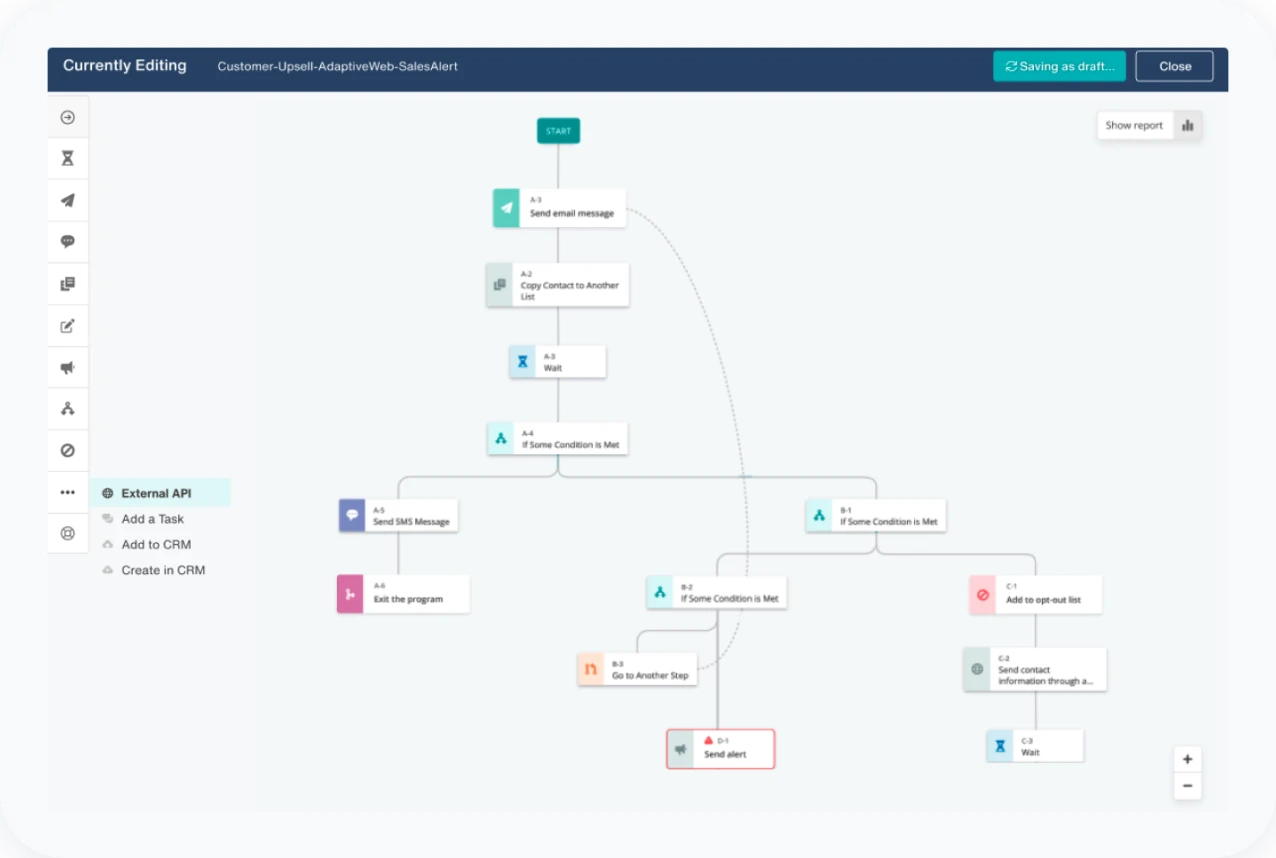
On the first point, Act-On delivers. Its Journey Orchestration builder uses drag-and-drop workflows with over 1,500 templates, and the platform wins G2 awards for Fastest Implementation and Easiest Admin at the Enterprise tier.
Source: Act-On
On the second point, Act-On is genuinely different from most competitors. Where Marketo and Pardot focus heavily on top-of-funnel lead capture and handoff, Act-On is built for post-sale lifecycle marketing: customer onboarding sequences, cross-sell campaigns, renewal reminders, and churn prevention.
For businesses where the sale is the beginning of the relationship rather than the end, this full-lifecycle architecture is a real differentiator.
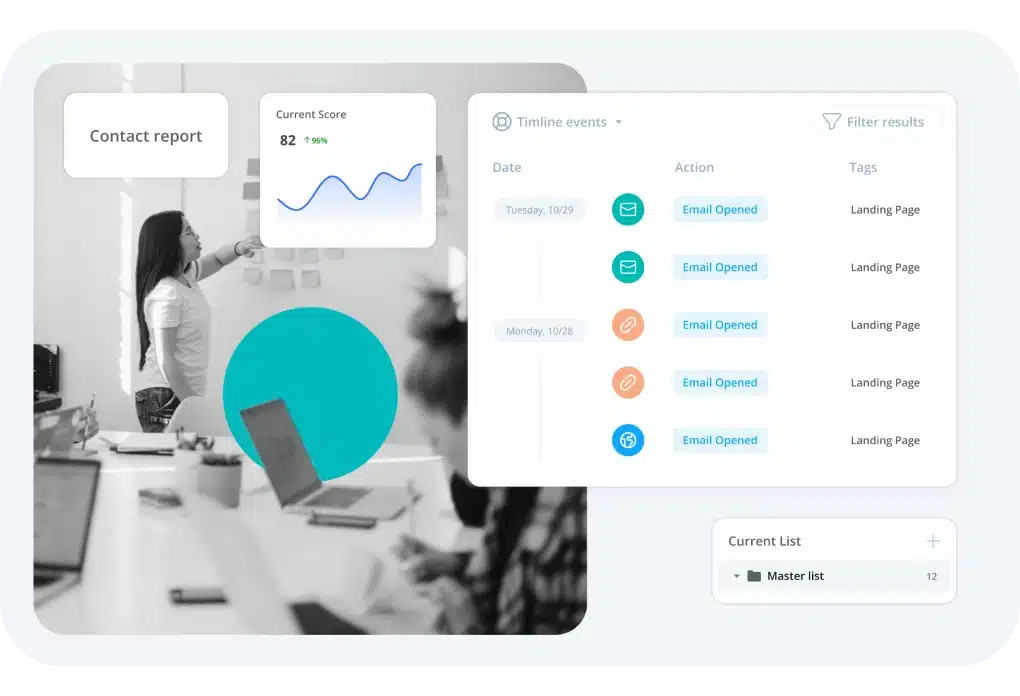
Act-On's AI capabilities are practical rather than flashy. True Open filters bot-generated email opens and clicks from engagement data, which prevents automated workflows from triggering on false signals.
Adaptive Send optimizes send times per individual contact, not just per audience segment.
Source: Act-On
Predictive lead scoring recalculates daily without manual reconfiguration. All AI features are included in the platform, not sold as a separate add-on.
The CRM independence is also meaningful. Act-On offers native bidirectional sync with Salesforce, Microsoft Dynamics, SugarCRM, NetSuite, and Zendesk with flexible field mapping. If you're a Salesforce shop that doesn't want HubSpot's bundled CRM, or a Dynamics user that found Pardot's integration lacking, Act-On plugs into your existing stack without forcing an ecosystem change.
Marketo wins on campaign depth and enterprise scale
Marketo's automation engine operates at a level of sophistication that mid-market platforms simply don't match.
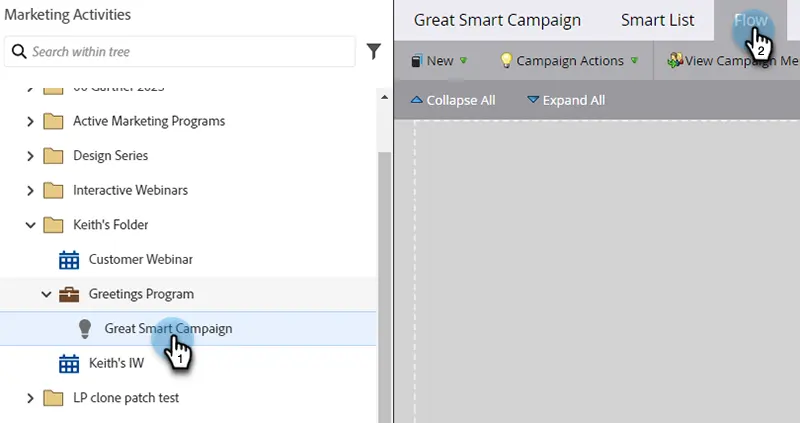
Its Smart Campaigns combine triggers and filters in a single campaign object, letting you build real-time automations that fire the instant a prospect takes a qualifying action while narrowing the audience by any combination of behavioral, demographic, and firmographic attributes.
Source: Marketo
Engagement Programs handle multi-stream nurturing with content exhaustion logic: the system tracks when a lead has consumed every piece of content in a stream and flags them for the next step.
Each content piece receives a 0-100 Engagement Score based on opens, clicks, and unsubscribes, so you can see which assets actually move people through the funnel.
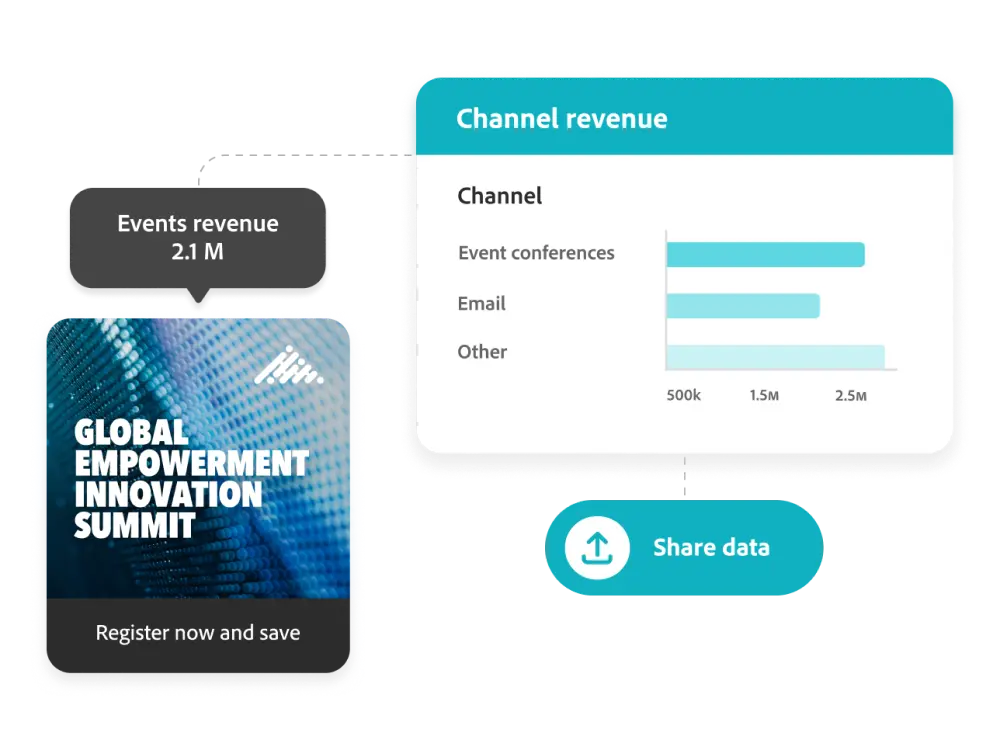
For account-based marketing, Marketo's lead-to-account mapping uses eight matching methods to automatically associate individual contacts with their parent company. Its Predictive Engagement Score grades accounts by engagement intensity, updated as new touchpoints are recorded.
When combined with Marketo Measure (Ultimate tier), you get multi-touch revenue attribution with six models running simultaneously.
Source: Marketo
The Adobe ecosystem adds capabilities no standalone MAP can match. Interactive Webinars let you host events directly inside Marketo with attendee behavior flowing into lead records as structured activity data.
Dynamic Chat provides AI-powered chatbot conversations where discussed topics become Smart List criteria for downstream campaigns. The upcoming Agentic Lead Orchestration engine promises AI-generated campaign journeys on a visual canvas.
But this depth comes at a cost. Capterra and TrustRadius reviewers report that it can take months to fully leverage advanced features. The platform is not self-serve for teams without a trained administrator. And the interface, despite incremental improvements, still feels dated compared to modern alternatives.
For a detailed look at Marketo's capabilities, strengths, and limitations, see our Marketo review.
ZoomInfo fills the intelligence gap both platforms leave open
Act-On and Marketo are execution platforms. They're built to run campaigns once you know who to target and what to say. ZoomInfo is built to answer those questions before the campaign starts.
Consider a typical scenario: your marketing team wants to run an ABM campaign targeting companies evaluating your product category. With Act-On or Marketo alone, you'd build a list from your existing database, segment by industry or company size, and hope you catch accounts while they're actively researching.
Most of the time, you're either too early (wasting impressions) or too late (they've already shortlisted vendors).
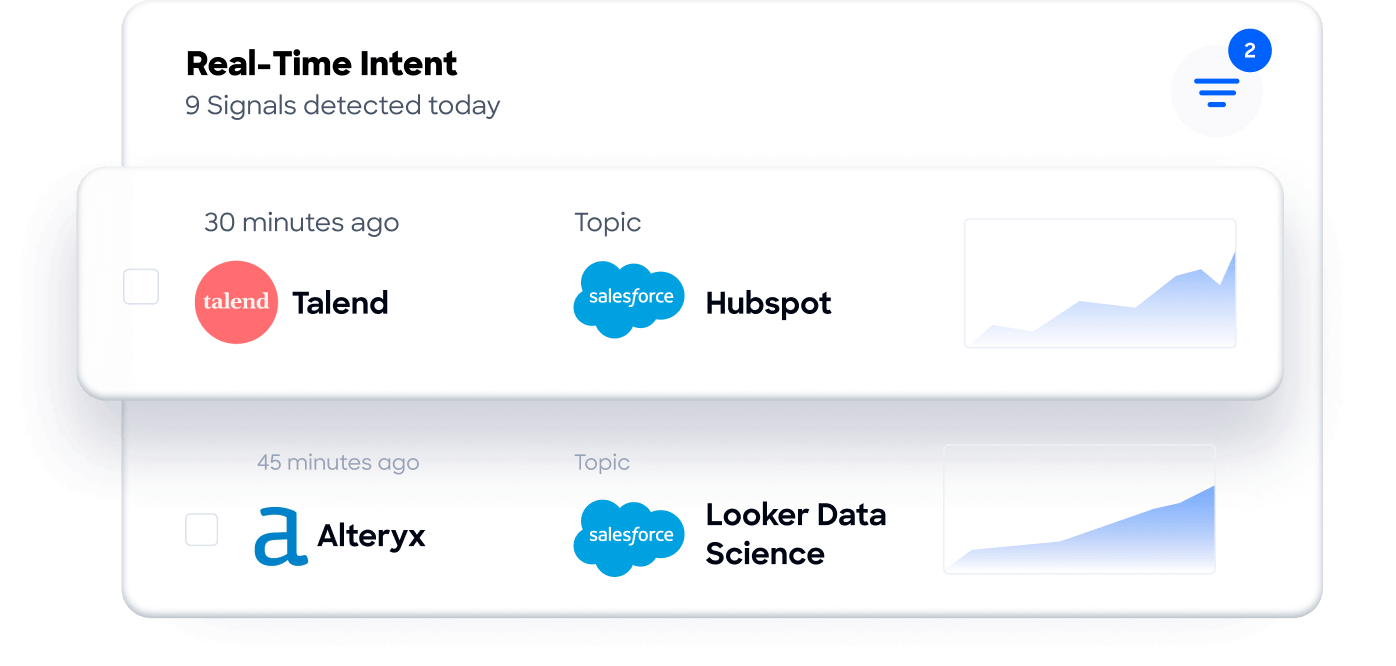
With ZoomInfo layered in, the workflow changes. Buyer Intent data identifies companies actively researching relevant topics.
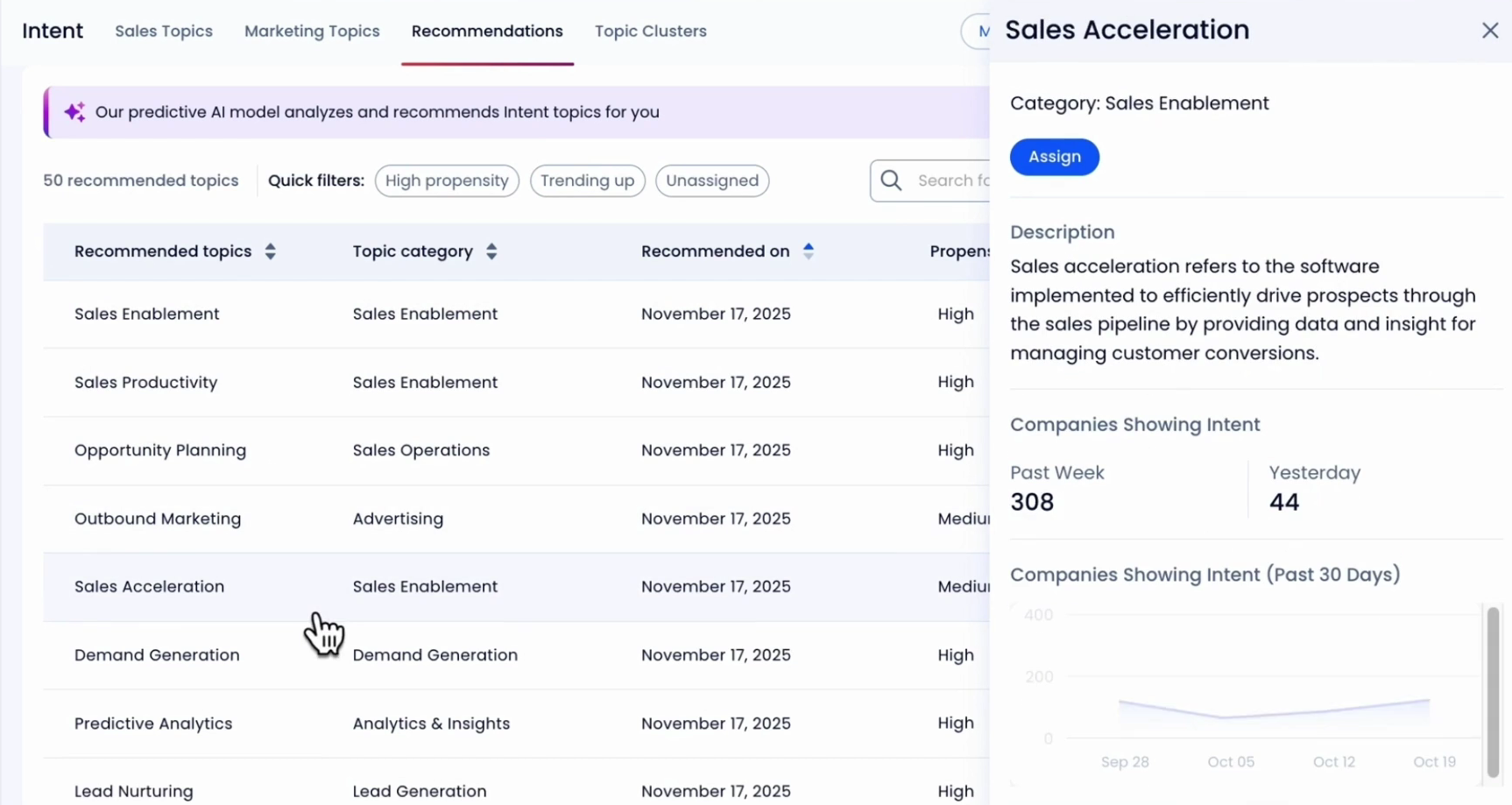
Guided Intent, exclusive to ZoomInfo, identifies the specific topics historically correlated with closed deals in your segment, rather than requiring you to guess which keywords matter.
Source: ZoomInfo
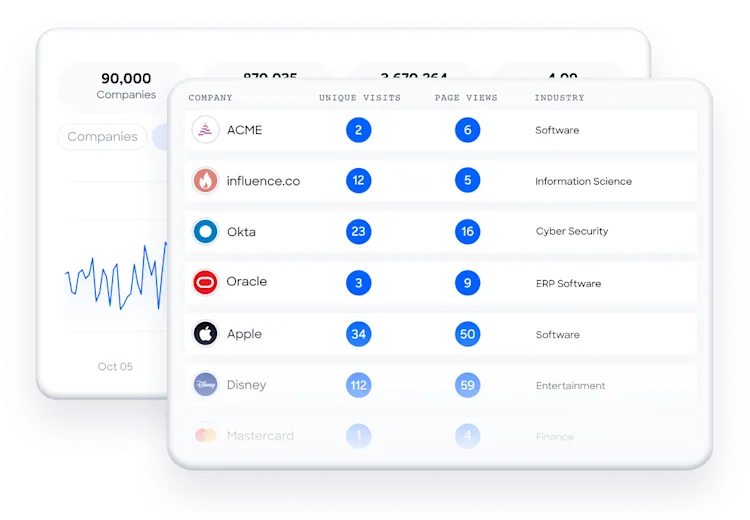
WebSights resolves anonymous website visitors to companies and surfaces the buying team's contact information.
Source: ZoomInfo
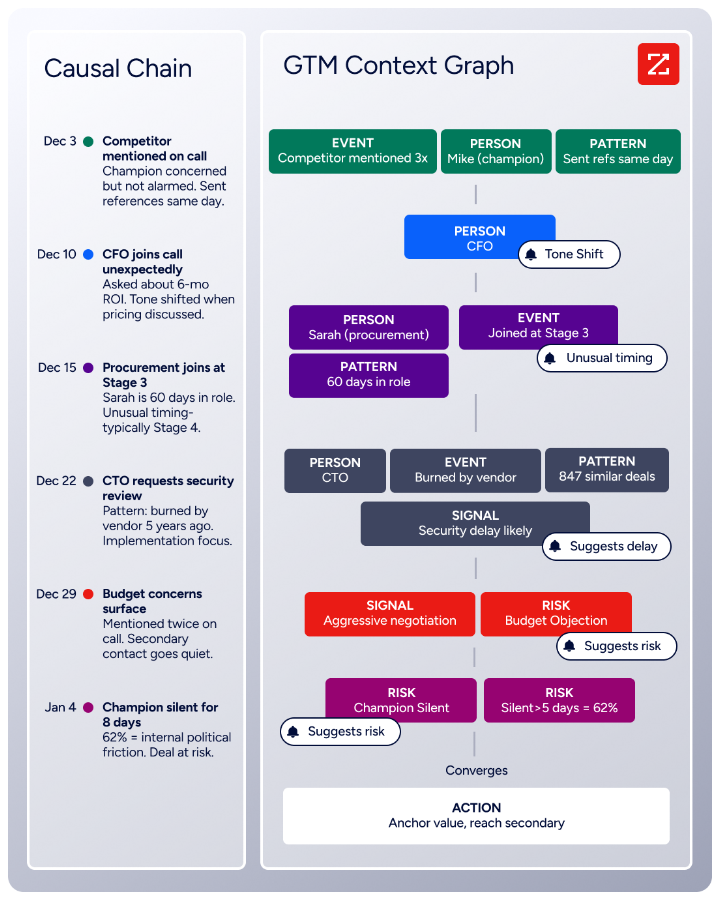
The GTM Context Graph, ZoomInfo's intelligence layer, connects these signals with CRM data and conversation intelligence to reveal which accounts match your actual win patterns.
Source: ZoomInfo
Those verified, signal-enriched audiences then flow into Act-On or Marketo for campaign execution. ZoomInfo integrates with Marketo via LaunchPoint and with Act-On through its API and iPaaS connectors. The result: your MAP runs campaigns against accounts that are actively in-market, with verified contact data for decision-makers, rather than spraying messages at a stale database.
"It's not just the data itself. It's more about the right data at the right time to help us reach out with the right message across that full buyer journey." (Chelsea Kenyon, Senior Director of Digital Strategy, Redwood Logistics)
Pricing comparison: three different models, three different philosophies
Act-On charges based on active contacts emailed per month, not total database size. The Professional tier starts at $900/month for 2,500 active contacts; Enterprise pricing is custom.
The active contacts model means you can store unlimited contacts in your database and only pay when you email them. Act-On claims this saves 30-50% vs. traditional database pricing.
However, automatic renewals carry a built-in 5% price increase, and premium support, professional services, and dedicated IP addresses are all separate costs. No free trial is available.
Marketo uses database-size pricing with four tiers: Grow, Select, Prime, and Ultimate. No prices are published; everything is custom-quoted.
Key features are tier-gated: sandboxes and lifecycle modeling require Prime or Ultimate, multi-touch attribution (Marketo Measure) requires Ultimate, and Dynamic Chat's GenAI features require a separate Prime add-on.
The total cost of ownership extends beyond the license: implementation routinely runs 100-150% of annual license costs, and most organizations need a dedicated Marketo administrator. No free trial is available.
For a full breakdown of Marketo's tiers and what's included at each level, see our Marketo pricing guide.
ZoomInfo uses consumption-based pricing scaled to usage patterns, with three product lines (Sales, Marketing, and standalone products like Chorus and Chat).
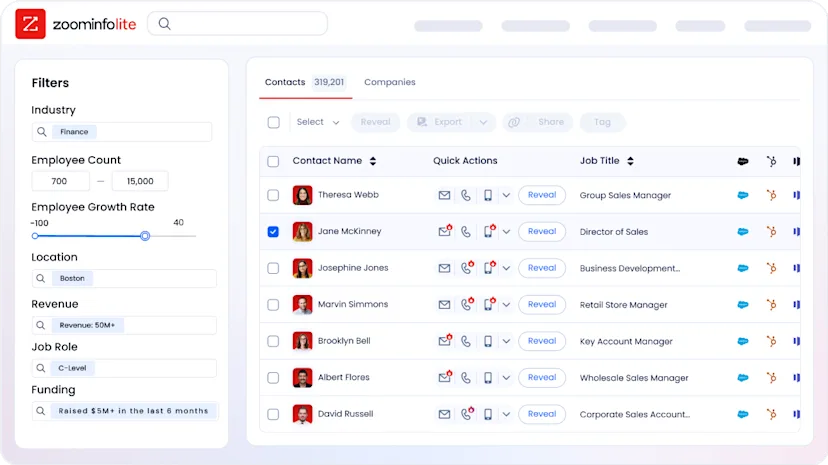
Paid pricing is custom-quoted. But ZoomInfo offers two free entry points that neither Act-On nor Marketo match: ZoomInfo Lite is a permanent free tier with access to 100M+ verified profiles and 10 monthly export credits, and a 7-day free trial provides access to core platform features. API access is included in all relevant plans.
Source: ZoomInfo
The pricing philosophies reveal each platform's priorities. Act-On optimizes for teams that email a fraction of their database. Marketo optimizes for enterprises that need depth and are willing to pay for it. ZoomInfo optimizes for teams that need intelligence before they start spending on campaign execution.
Lead scoring and data quality: different approaches to the same problem
Both Act-On and Marketo score leads based on behavioral and demographic signals within their own platforms. Act-On's multidimensional scoring engine scores prospects across multiple conversion goals simultaneously, with daily-refreshing predictive scores.

Source: Act-On
Marketo's scoring system supports unlimited models with complex decay logic, conditional branching, and multi-dimensional rules.
But both platforms score based on what they can see: email opens, form fills, page visits, and CRM data. They're blind to what happens outside their ecosystem.
A prospect might be actively researching your product category on industry forums, visiting competitor websites, or downloading analyst reports, and your MAP has no way to capture those signals.
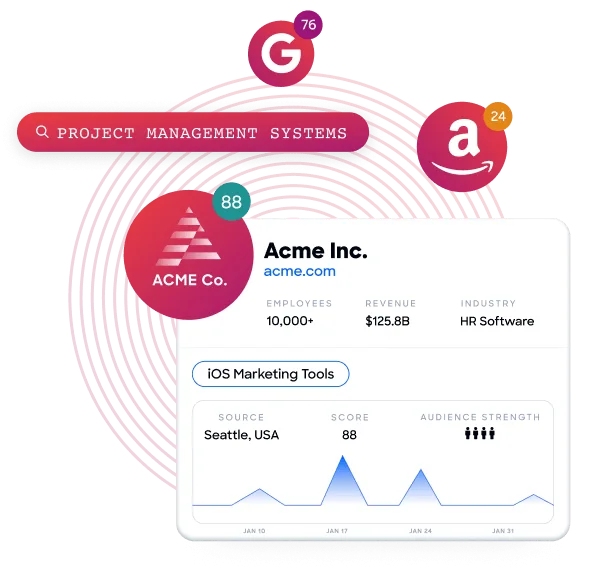
ZoomInfo's intent data tracks buying signals from 6 trillion+ keyword-to-device pairings sourced monthly across the open web.
Source: ZoomInfo
When a company starts researching topics relevant to your product, ZoomInfo detects that activity and surfaces the account with verified contact data for the relevant decision-makers. This intent data can feed directly into Act-On or Marketo to enrich their lead scoring with signals they can't generate on their own.
Data quality is another area where ZoomInfo changes the equation. Act-On offers email deliverability services and its True Open bot filtering cleans engagement metrics. Marketo provides database management tools and deduplication. But neither platform verifies whether the contact data in your database is accurate in the first place.
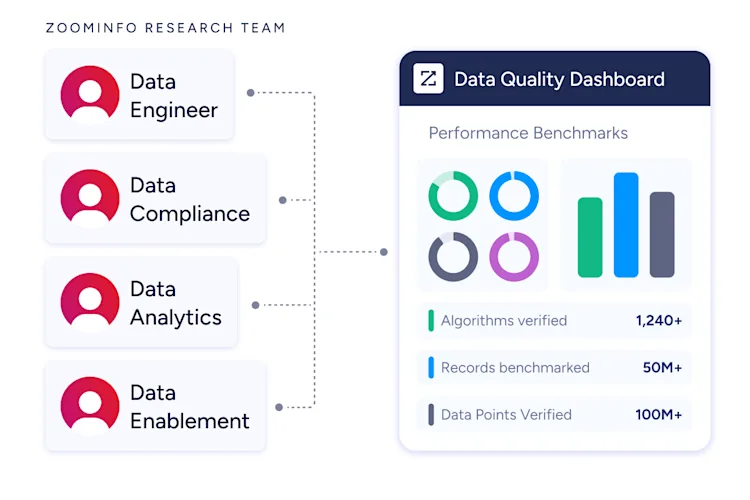
ZoomInfo's data verification pipeline, backed by 300+ human researchers and reaching up to 95% accuracy on first-party data, ensures that the contacts entering your MAP are real people with working email addresses and current job titles.
Source: ZoomInfo
"ZoomInfo gives us the information we need to execute. It's already there, so we can be three steps ahead." (William Kenimer, VP of Revenue Operations, Vensure)
Integration ecosystems reflect different strategic bets
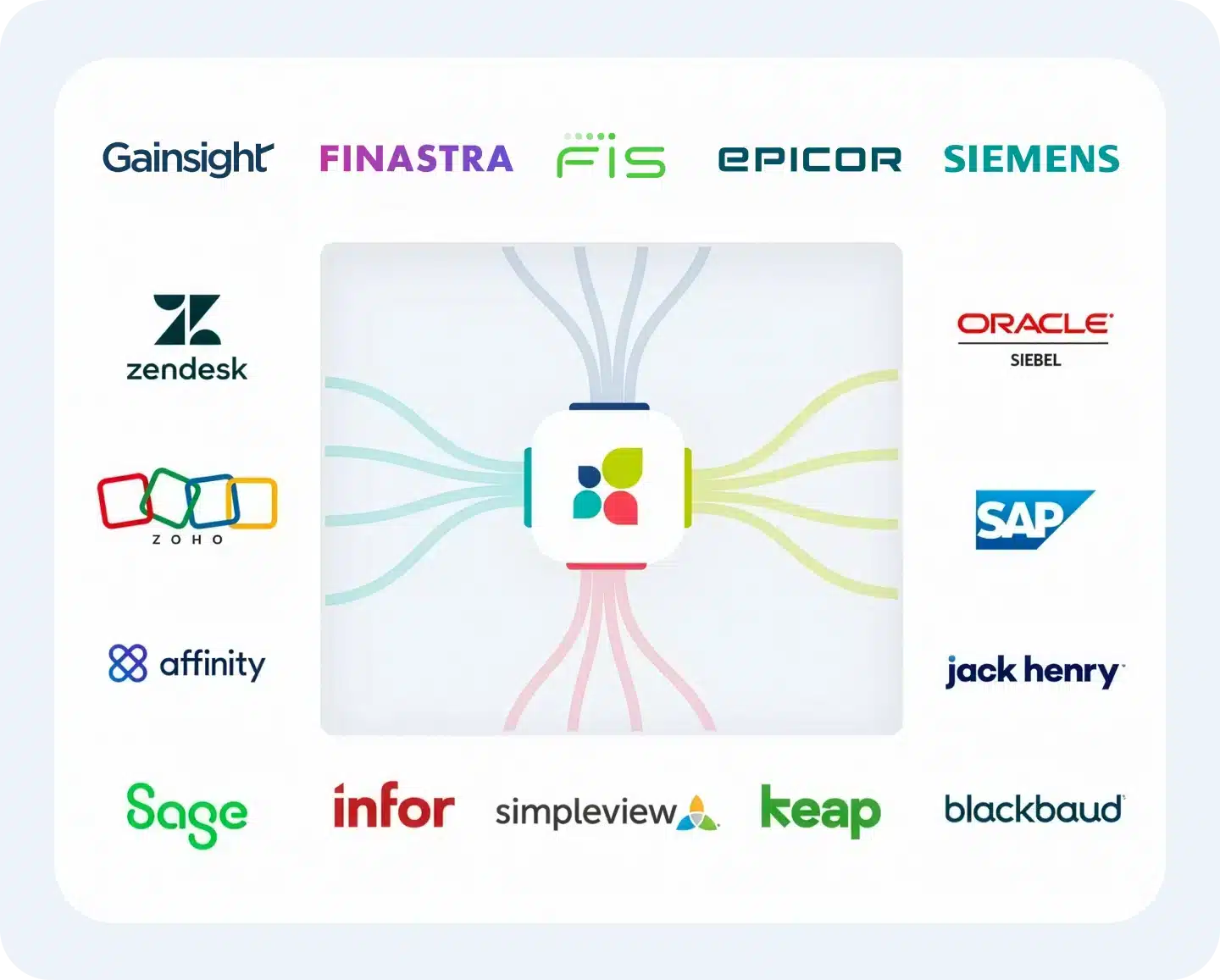
Act-On built its integration strategy around CRM independence. Native bidirectional integrations with Salesforce, Microsoft Dynamics, SugarCRM, NetSuite, and Zendesk mean Act-On embeds its UI directly in the CRM interface.
Source: Act-On
Beyond CRM, it connects to Zoom and Webex for webinar data sync, and supports Zapier and Integrately for broader workflow automation. The Data Bridge enables bidirectional data exchange with any API-enabled system.

Source: Act-On
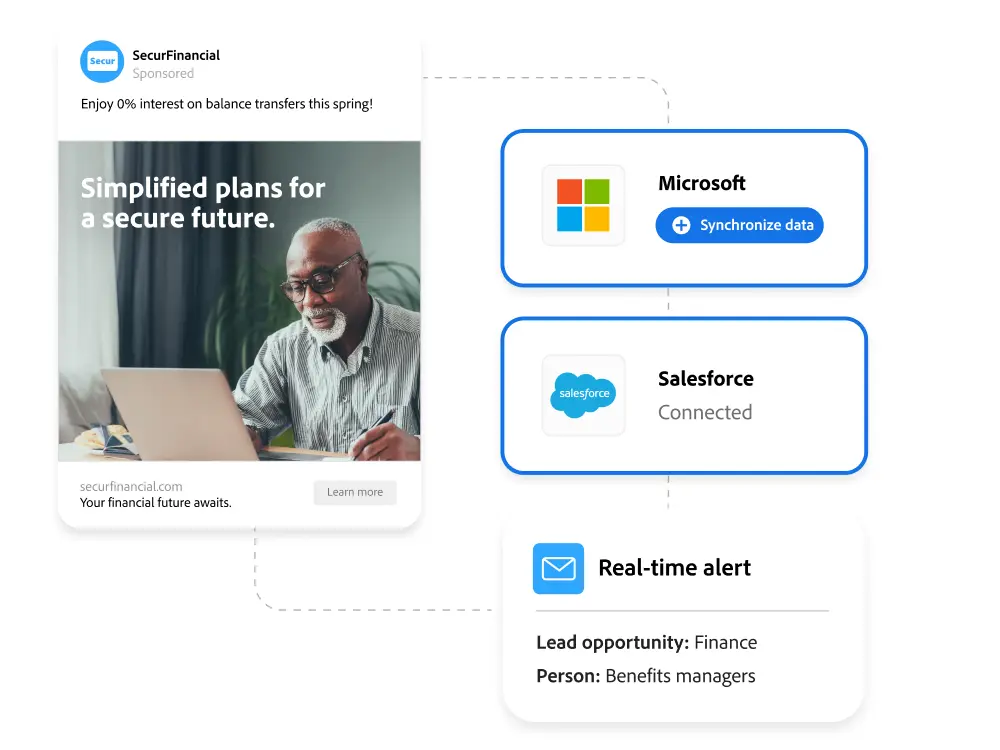
Marketo benefits from LaunchPoint, its integration marketplace with pre-built connectors across data platforms, advertising networks, webinar tools, and more. Native bidirectional sync with Salesforce and Microsoft Dynamics is a core strength.
Source: Marketo
Within the Adobe ecosystem, Marketo connects to Adobe Real-Time CDP, Adobe Experience Manager, and Adobe Journey Optimizer B2B Edition. The REST API provides programmatic access with 50,000 API calls per day (expandable).
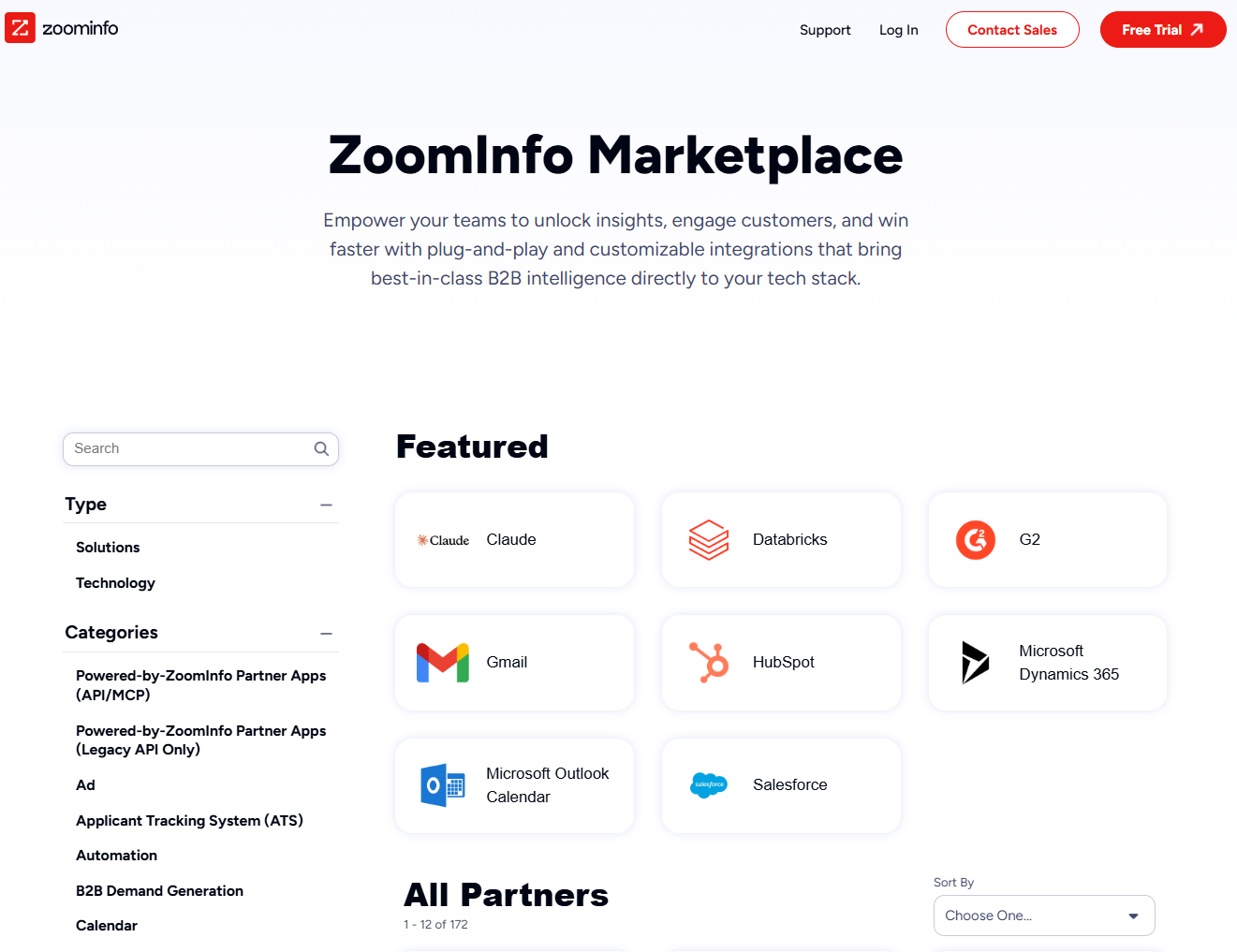
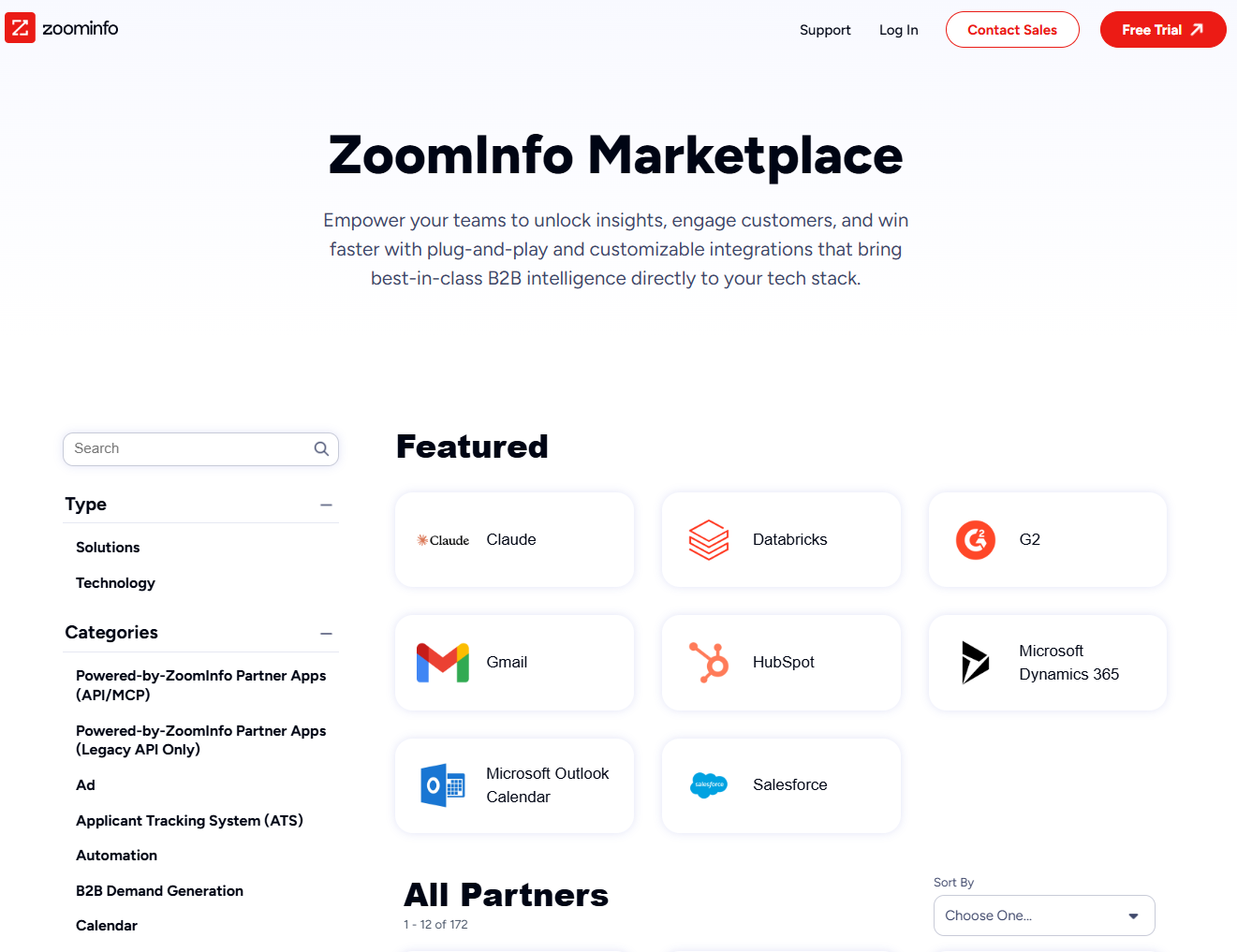
ZoomInfo integrates with both platforms, and with virtually everything else in the GTM stack. The ZoomInfo App Marketplace lists 120 partner integrations across CRM, marketing automation, sales engagement, data warehouses, and more.
Source: ZoomInfo
The Enterprise API and MCP server allow any AI agent or custom application to access ZoomInfo's data and GTM Context Graph programmatically.
Source: ZoomInfo
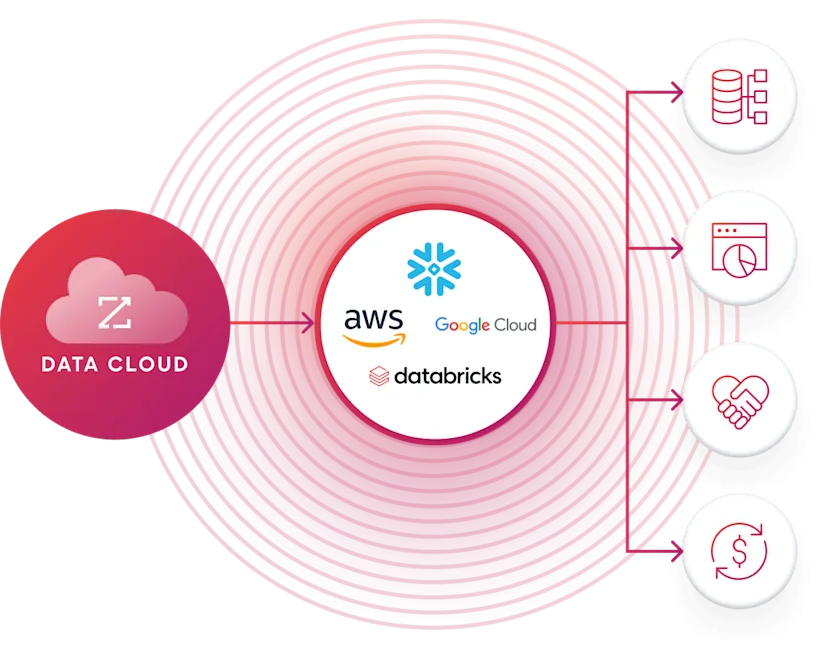
ZoomInfo also connects to cloud data platforms like Snowflake, AWS, and Databricks for direct data ingestion. This breadth means ZoomInfo functions as a data layer underneath your entire GTM stack, not just your MAP.
Source: ZoomInfo
Support and learning curve: who needs what
Act-On is the most accessible of the three. All plans include live technical support via chat, phone, Zoom, and a support portal. G2 reviewers consistently describe support as "best-in-class," and the platform holds G2 awards for Best Support.
Fast-Track Onboarding pairs new customers with a dedicated coach. That said, TrustRadius reviewers note that automation programs can be "confusing to set up" initially, and the UI is inconsistent across less-used sections.
Marketo requires the most investment. Adobe's own onboarding guidance acknowledges that enabling users "can feel overwhelming," and that untrained users routinely spend consulting hours on basic concepts.
The platform's proprietary constructs (Smart Lists, Smart Campaigns, Tokens, Engagement Streams) have no direct equivalent in competing tools, requiring a dedicated learning effort.
Support is tiered: P1 response times range from 1 hour (Online) to 15 minutes (Premier Elite), with upgraded support sold separately. Adobe Experience League provides extensive documentation and tutorials.
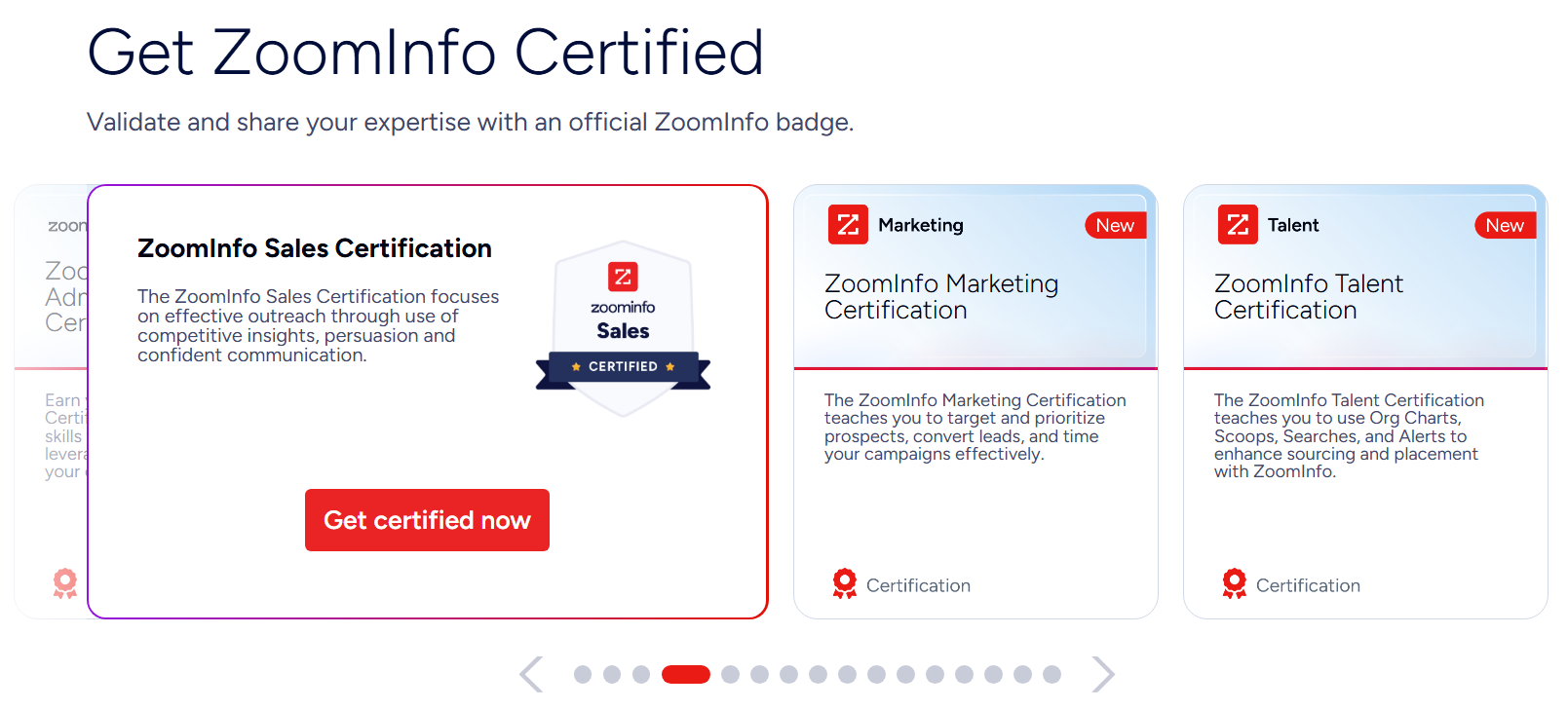
ZoomInfo redesigned its onboarding program to 90 days across planning, implementation, education, and adoption phases, producing a 25% improvement in customer satisfaction scores. ZoomInfo University provides role-specific learning paths and certifications.
Source: ZoomInfo
Direct support is available via phone and contact form, with professional services through ZoomInfo Labs. The platform's breadth requires onboarding investment, but the core prospecting and intelligence workflows are accessible quickly.
Security and compliance comparison
All three platforms take security seriously, but their certification profiles differ in ways that matter for regulated industries.
Act-On holds ISO 27001, HIPAA, and TX-RAMP certification (third-party verified). The HIPAA compliance makes Act-On usable for healthcare organizations handling protected health information, a meaningful differentiator in that vertical. Act-On is also certified under the EU-U.S. Data Privacy Framework.
Marketo carries SOC 2 Type II and ISO 27001:2022 through Adobe's enterprise certification stack. GDPR compliance tooling is built into Marketo Sales Connect. SOC 2 reports require an NDA with Adobe to access. Adobe's Trust Center maintains the complete compliance list.
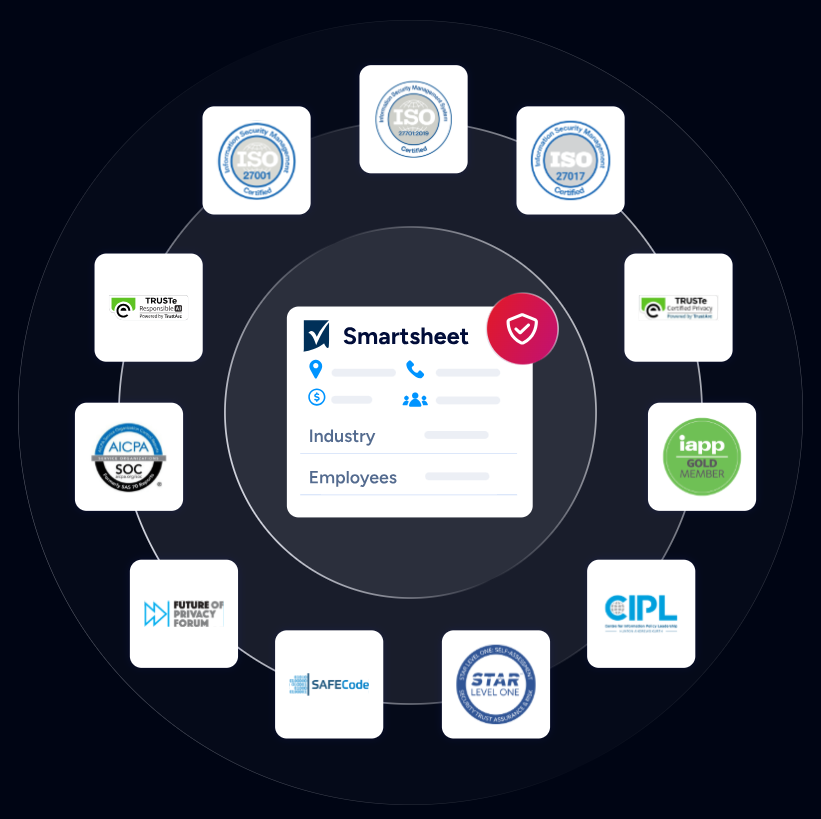
ZoomInfo holds the broadest certification portfolio: ISO 27001, ISO 27701, SOC 2 Type II, TRUSTe GDPR, and TRUSTe CCPA, all renewed annually. ZoomInfo is a registered data broker in California and Vermont.
Source: ZoomInfo
For enterprises in financial services or healthcare technology that need to demonstrate data governance rigor, ZoomInfo's compliance infrastructure is built into the data layer itself.
Act-On vs. Marketo vs. ZoomInfo: Which should you choose?
The decision depends on where your biggest gap is: campaign execution or go-to-market intelligence.
Choose Act-On if:
Your marketing team is small and needs to operate without dedicated technical staff
You market to existing customers as much as new prospects (retention, upsell, advocacy)
You use Salesforce, Dynamics, or another CRM and want MAP independence from any CRM vendor
Active contacts pricing aligns with how you email (a fraction of your database each month)
You need solid multichannel automation at a mid-market price point
Choose Marketo if:
You run complex, multi-touch B2B campaigns with long sales cycles and multiple stakeholders
You need enterprise-grade scoring, nurturing, and attribution capabilities
You have (or plan to hire) a dedicated marketing operations resource
You're invested in the Adobe ecosystem and want tight integration with Adobe Experience Cloud
Multi-touch revenue attribution is a priority for proving marketing's pipeline contribution
Add ZoomInfo to either platform if:
You need verified contact data and direct dials for the accounts you're targeting
You want to identify in-market accounts before they fill out a form or visit your website
Your campaigns would perform better if you knew which accounts are actively researching your category
You need ABM intelligence, including intent signals, technographics, and org charts, feeding your MAP
You want a data and intelligence layer that works across your entire GTM stack, not just marketing
Start your free ZoomInfo trial and see the data behind your target accounts.
The most effective B2B marketing stacks don't force a choice between campaign execution and intelligence. Act-On or Marketo handles the automation. ZoomInfo provides the data and signals that tell you where to aim. Used together, they solve both sides of the problem: knowing who to target and executing the campaigns that reach them.
"That combination of our internal CRM data, external signals, and AI that's given all that context has helped us craft very specific account- and persona-based messages. And people have responded to them right away." (Toby Carrington, Chief Business Officer, Seismic)
Act-On vs. Marketo vs. ZoomInfo FAQ
What is the core difference between Act-On, Marketo, and ZoomInfo?
Act-On is a mid-market marketing automation platform focused on full lifecycle engagement, from lead capture through customer retention.
Marketo is an enterprise-grade marketing automation platform with deep campaign orchestration, multi-touch attribution, and native integration with Adobe Experience Cloud.
ZoomInfo is an all-in-one AI GTM platform that provides verified contact data, buyer intent signals, and account insights. ZoomInfo complements either MAP by supplying the intelligence that tells you who to target and when.
Which marketing automation platform is easier to learn?
Act-On has the gentler learning curve. It wins G2 awards for Fastest Implementation and Easiest Admin at the Enterprise tier, and reviewers describe it as accessible to non-technical marketers.
Marketo requires substantially more investment. Adobe's own documentation acknowledges onboarding can feel overwhelming, and most organizations need a dedicated Marketo administrator to run the platform effectively.
How does pricing compare between Act-On and Marketo?
Act-On charges based on active contacts emailed each month, starting at $900/month for 2,500 active contacts. This means you only pay for contacts you actually email, which can save 30-50% compared to database-size pricing.
Marketo prices by total database size across four tiers, with no published prices. Marketo's total cost of ownership is higher when you factor in implementation costs and the need for a dedicated administrator.
Why would I need ZoomInfo if I already have Act-On or Marketo?
Act-On and Marketo execute campaigns against contacts already in your database. ZoomInfo identifies which accounts are actively in-market before they engage with you.
Its intent data tracks buying signals across the web, its database provides verified contact information for decision-makers, and its GTM Context Graph reveals which accounts match your proven win patterns. This intelligence feeds into your MAP so your campaigns target the right accounts at the right time.
Which platform is better for account-based marketing?
For ABM campaign execution, Marketo offers deeper native capabilities including lead-to-account mapping, predictive engagement scoring, and buying group orchestration through Adobe Journey Optimizer B2B Edition.
Act-On provides account-based scoring on its Enterprise tier but with less depth.
For ABM intelligence, ZoomInfo leads with intent data, technographics, org charts, and a native demand-side platform for targeted advertising. The strongest ABM programs use ZoomInfo for targeting intelligence and Marketo or Act-On for campaign execution.
Does ZoomInfo integrate with both Act-On and Marketo?
Yes. ZoomInfo integrates with Marketo through Adobe's LaunchPoint marketplace and with Act-On through API and iPaaS connectors like Zapier.
ZoomInfo's data and audiences can flow into either platform to enrich contact records, improve lead scoring, and power targeted campaigns. ZoomInfo also offers API and MCP access so any tool in your stack can consume its intelligence.
Which platform has better support?
Act-On's support is consistently the highest-rated, with all plans including live technical support via chat, phone, and Zoom. Reviewers describe it as best-in-class.
Marketo's support is tiered by plan, with response times ranging from 15 minutes to 1 hour for critical issues depending on your support subscription.
ZoomInfo provides phone and form-based support, with a 90-day structured onboarding program and ZoomInfo University for self-service learning.
Can I use all three platforms together?
Yes, and many enterprise marketing teams do. The typical stack works like this: ZoomInfo identifies in-market accounts and provides verified contact data. That intelligence flows into Marketo or Act-On, which handles campaign execution, nurturing, and scoring.
Sales teams access account intelligence through ZoomInfo's GTM Workspace, while marketing uses GTM Studio to build and activate plays. Each platform handles what it does best, and the integrations connect them.
