

If you're comparing Clari and Saner.AI, you're evaluating two different tools for two different problems. Clari is an enterprise revenue platform built for sales teams managing pipelines and forecasts. Saner.AI is a personal AI assistant for individual knowledge workers (particularly those with ADHD) who need help organizing notes, tasks, and daily priorities.
Both products use AI. That's about where the similarities end. The questions you should ask are:
Are you trying to improve revenue forecasting for a sales team, or organize your personal knowledge and tasks?
Do you need AI that predicts deal outcomes across an enterprise pipeline, or AI that helps you start your day without overwhelm?
Is your buying decision on behalf of a revenue organization, or for yourself?
How important is B2B data intelligence (contacts, companies, buyer signals) to your workflow?
Are you looking for a tool that replaces spreadsheets in your forecast process, or one that replaces scattered note apps?
In short, here's what we recommend:
Clari is built for enterprise revenue teams that need to see every deal, predict every quarter, and act on every signal across their pipeline. Following its December 2025 merger with Salesloft, Clari positions itself as a Predictive Revenue System, ingesting more than 10 billion revenue interactions and 1 trillion data signals to power AI-driven forecasting, deal inspection, and sales engagement.
If you're a VP of Sales trying to improve forecast accuracy or a RevOps leader consolidating your tech stack, Clari targets that problem. But it's enterprise software with enterprise complexity and enterprise pricing.
Saner.AI is an AI Personal Assistant for ADHD that unifies notes, tasks, email, and calendar in a single workspace with a built-in AI called Skai. If you're an entrepreneur or freelancer scattered across multiple apps, Saner.AI reduces that cognitive load through proactive daily planning, semantic search, and automatic organization.
It's affordable and individually focused, but it's a personal productivity tool, not a revenue platform, not a team tool, and not a source of B2B data.
These two platforms address different needs. But if you're a go-to-market professional evaluating AI tools to improve revenue outcomes, there's a third category worth considering: the data and intelligence foundation that powers effective prospecting, pipeline building, and deal execution.
ZoomInfo is an AI GTM platform built on a B2B dataset of 500M contacts, 100M companies, 135M+ verified phone numbers, and 200M+ verified business email addresses. Its GTM Context Graph processes 1.5B+ data points daily, fusing this data with your CRM records, conversation transcripts, and behavioral signals to reveal not just what happened in your deals, but why.
Whether you access this intelligence through GTM Workspace for sellers, GTM Studio for marketers and RevOps, or API and MCP in any front-end, ZoomInfo delivers the account intelligence and buyer signals that Clari's forecasting and Saner.AI's personal notes don't provide.
If B2B data intelligence and AI-powered GTM execution sound like what your revenue team needs, see how ZoomInfo works.
Clari vs. Saner.AI vs. ZoomInfo at a glance
Clari | Saner.AI | ZoomInfo | |
|---|---|---|---|
Primary function | Revenue orchestration & forecasting | Personal AI productivity assistant | B2B data intelligence & GTM execution |
Target user | Enterprise revenue teams (Sales, RevOps, Finance) | Individual knowledge workers, solopreneurs | Sales, marketing, and RevOps teams |
AI focus | Deal prediction, pipeline analytics, seller productivity | Personal knowledge management, daily planning | Account intelligence, buyer signals, GTM execution |
Company size fit | Enterprise and upper mid-market | Individual users and micro-teams | Enterprise and mid-market |
Data source | CRM + email + calendar + call recordings | Personal notes, email, calendar, Slack | 500M contacts, 100M companies, intent signals, technographics |
Pricing | Custom enterprise quotes | Free plan; paid from ~$8/month | Custom enterprise quotes; free tier available |
Learning curve | Moderate to steep | Low | Moderate |
Integrations | Salesforce, HubSpot, Slack, Zoom, 40+ tools | Gmail, Outlook, Google Calendar, Slack | 120+ marketplace integrations, API, MCP |
Free option | Copilot free trial; Align free tier (5 licenses) | Free plan (30 AI messages/month, 100 notes) | ZoomInfo Lite (permanent free tier) |
These platforms solve different problems
Before comparing features, it's worth stating plainly: Clari, Saner.AI, and ZoomInfo operate in different categories, serve different buyers, and measure success by different outcomes.
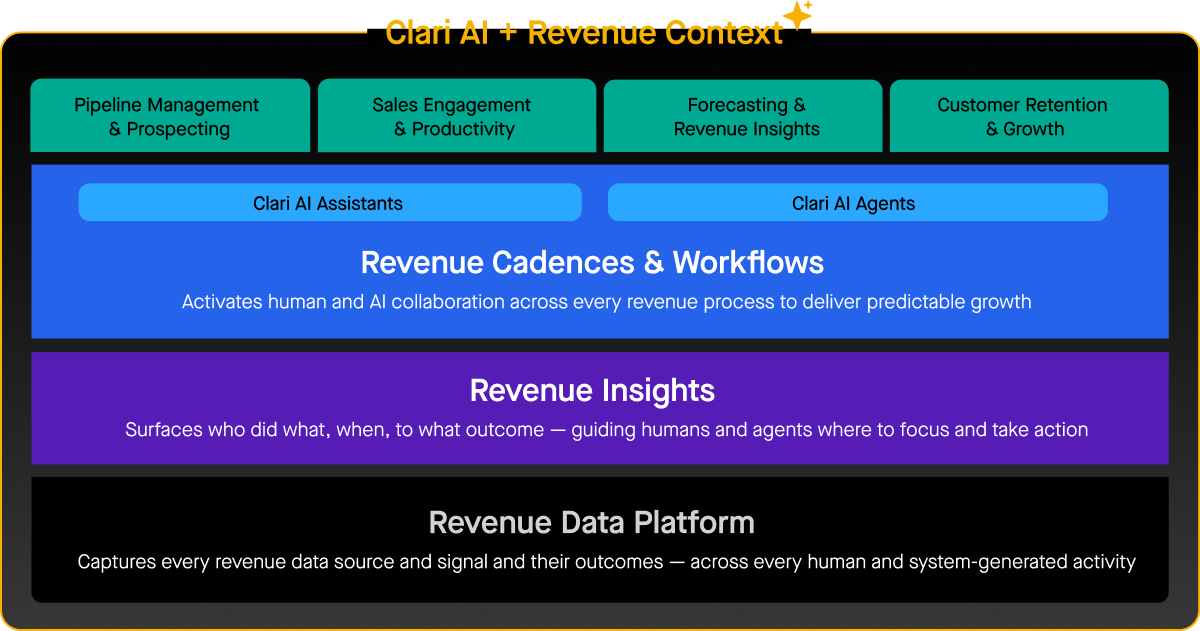
Clari answers the question: "Will we hit our number this quarter?"
Source: Clari
Its eight core products span forecasting, deal inspection, sales engagement, conversation intelligence, and buyer collaboration. After the Salesloft merger, Clari combined seller productivity tools with forecasting under one roof.
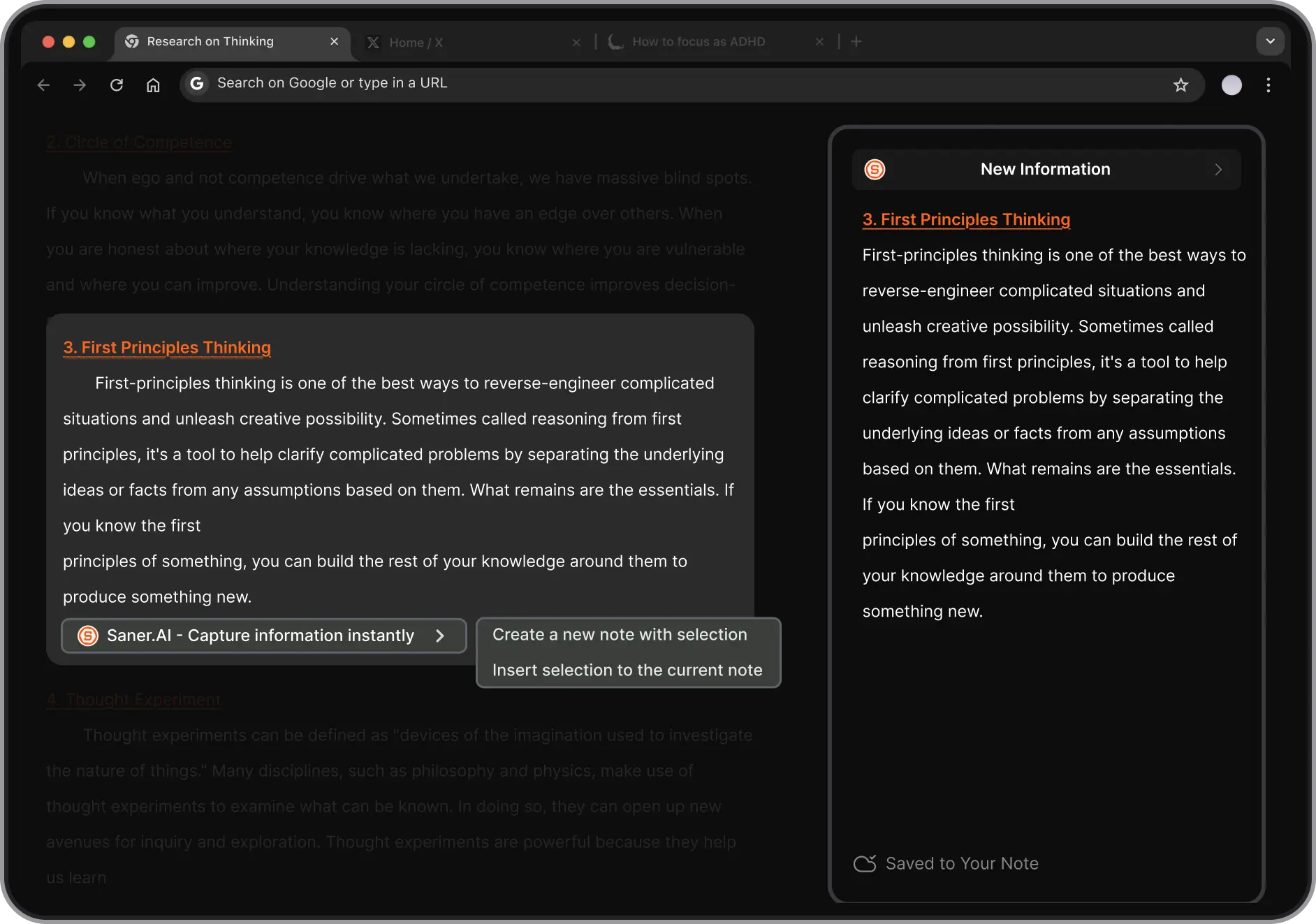
Saner.AI answers the question: "How do I stop losing ideas and start my day without paralysis?"
Source: Saner.AI
It's a personal workspace where notes, tasks, documents, emails, and calendar events live together, connected by an AI assistant called Skai that maintains persistent memory of the user's personal knowledge base. With a bootstrapped structure backed by Techstars '24, it's a startup targeting a niche most enterprise vendors ignore: cognitively overloaded individuals.
ZoomInfo answers the question: "Who should we sell to, when should we engage them, and what should we say?"
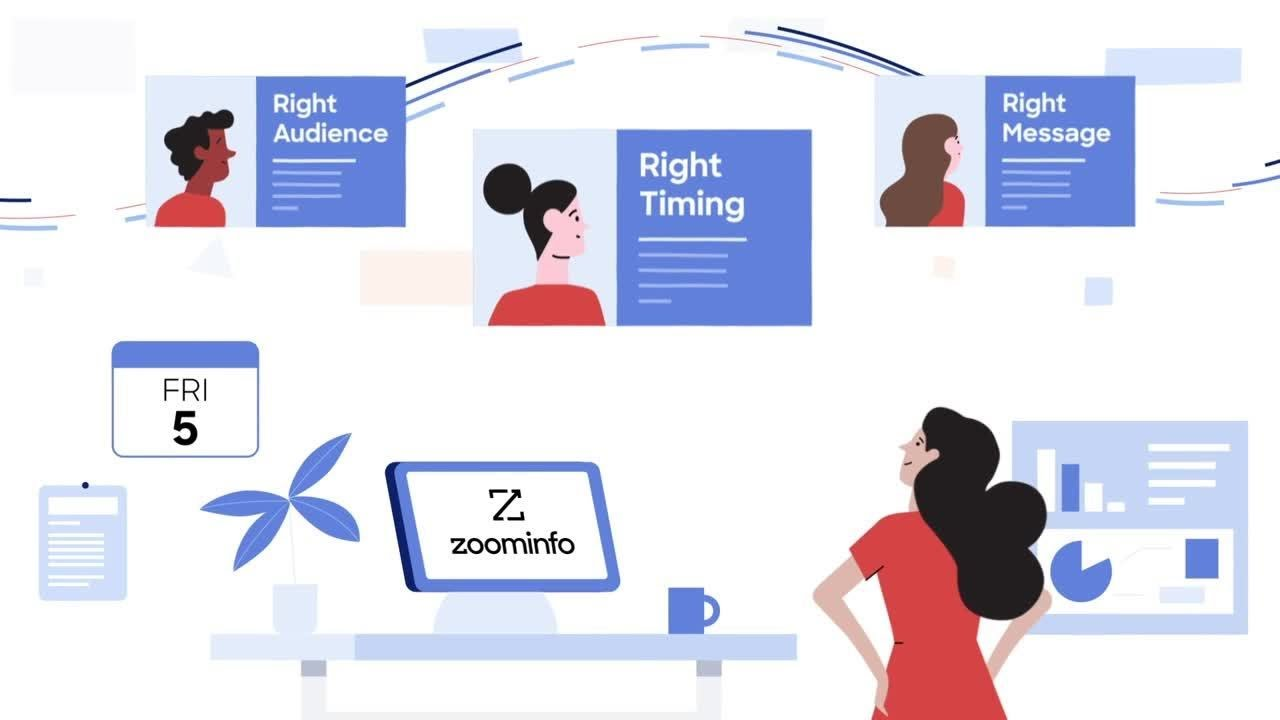
It provides the B2B data and intelligence that revenue teams need to find, win, and grow customers. With $1.25 billion in annual revenue and 35,000+ customers, ZoomInfo is the data foundation that platforms like Clari depend on for accurate pipeline inputs.
The comparison between Clari and Saner.AI is less "which one should I choose?" and more "which problem am I trying to solve?"
Clari excels at enterprise revenue forecasting
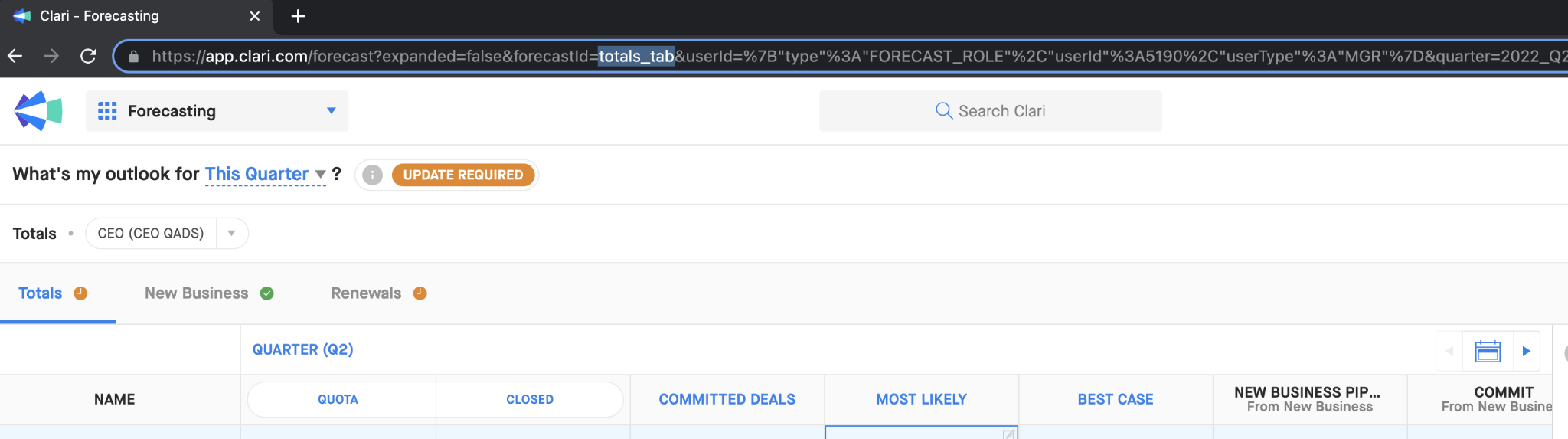
Clari's core strength is turning chaotic pipeline data into reliable revenue predictions.
The platform's Revenue Database (RevDB) captures historical snapshots of every revenue signal change, creating a time-series foundation for AI-driven forecasting.
Source: Clari
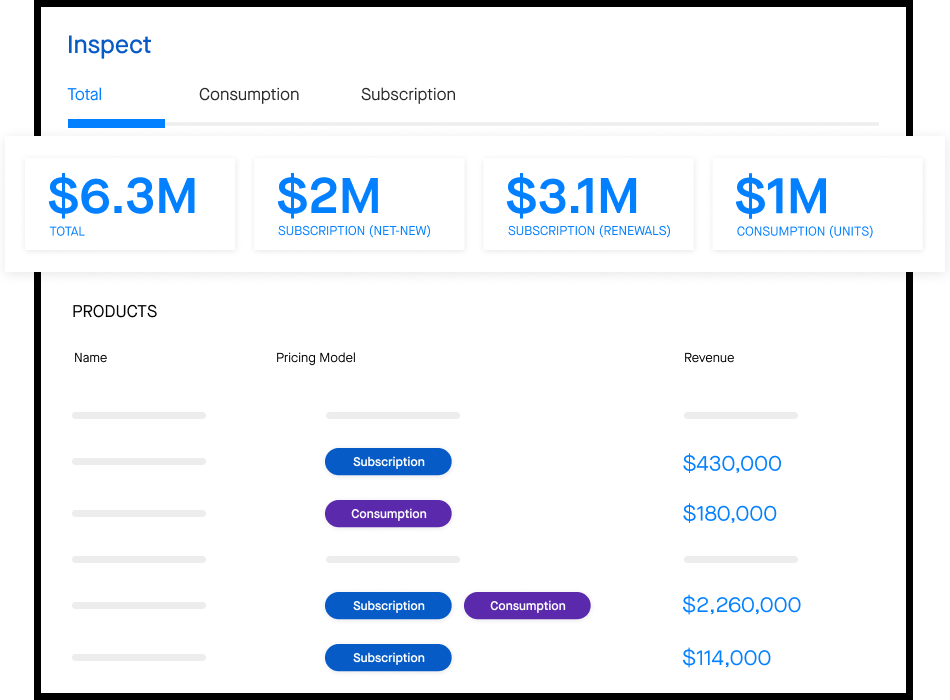
The deal inspection capabilities (Clari Inspect) give managers a real-time dashboard that highlights changes to critical CRM fields, provides AI-powered opportunity scores, and tracks buyer engagement. This replaces the typical 1:1 sales meeting where, according to Clari, managers spend 25 minutes interrogating reps about deal status and only 5 minutes coaching.
After the Salesloft merger, Clari added sales engagement (Groove, acquired in 2023), conversation intelligence (Copilot, acquired from Wingman in 2022), and buyer collaboration tools (Align). The ambition is a single platform covering the entire revenue lifecycle.
But there are trade-offs. Users consistently report the UI is not intuitive and feels clunky. New users need weeks to become proficient. And Clari's acquisition strategy has left integration gaps: the Groove acquisition in 2023 remained incompletely integrated two years later, and the Salesloft joint roadmap was still in development as of early 2026.
Saner.AI focuses on personal productivity, not revenue
Saner.AI operates at a different scale with a different purpose.
Where Clari manages billions of dollars in enterprise pipeline, Saner.AI manages the personal notes, tasks, and daily plans of individual users.
The product's core differentiator is Skai, the built-in AI that maintains persistent memory of the user's personal knowledge base. Unlike a chatbot that forgets between sessions, Skai knows everything the user has captured and uses that context to generate morning plans, suggest task priorities, and answer questions grounded in the user's own thinking.
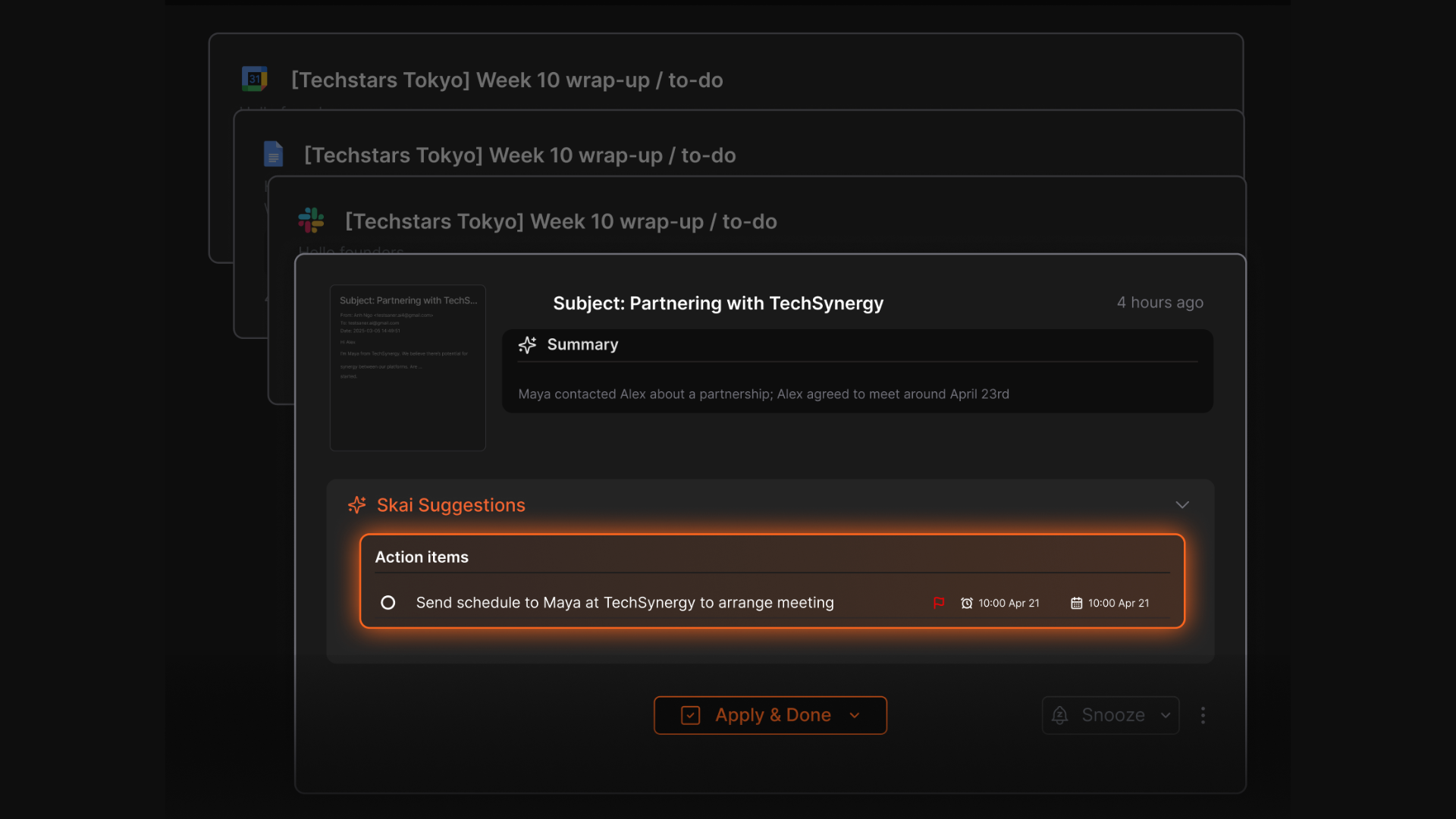
The proactive daily planning feature stands out. Each morning, Skai reviews the user's calendar, overdue tasks, and recent notes to generate a daily brief without the user needing to ask. For users with ADHD, where task initiation is a real hurdle, this addresses a gap that generic productivity tools overlook.
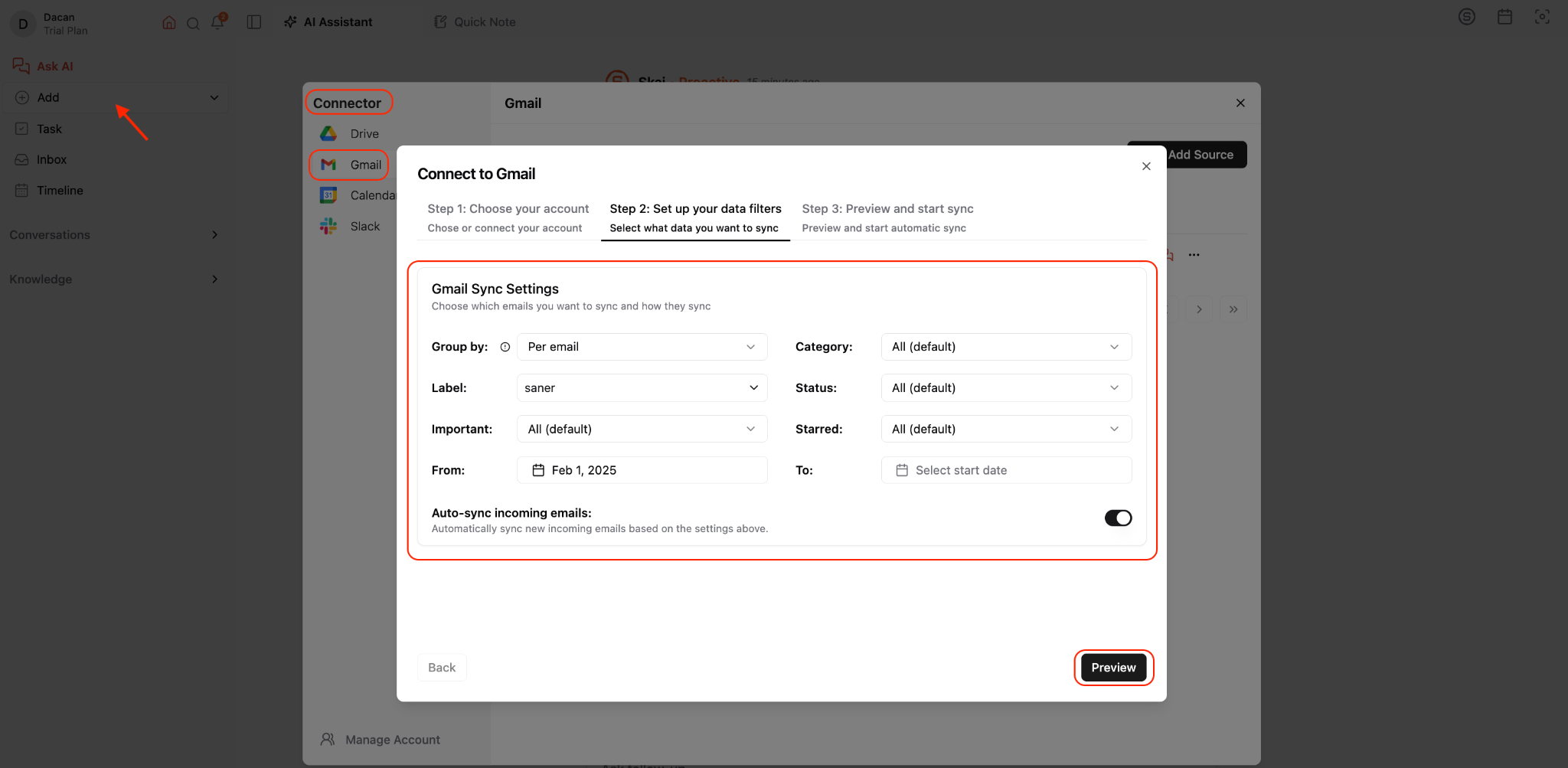
Saner.AI also offers semantic search across all notes and documents, multi-model AI access (GPT, Claude, Gemini, DeepSeek, Grok), and connectors for Gmail, Outlook, Google Calendar, and Slack that pull external content into the workspace.
Source: Saner.AI
The limitations matter for professional use.
Skai cannot send emails, post Slack messages, browse the web, or run automations in third-party tools. There's no API access, a 10MB file size cap, and no spreadsheet or CSV analysis. The iOS app holds a 3.2/5 rating versus a 4.8/5 on Product Hunt, suggesting the mobile experience lags the web product. These are the growing pains of an early-stage startup with fewer than ten employees.
Revenue teams need data intelligence, not just organization
Clari helps you forecast what's in your pipeline. Saner.AI helps you organize your personal notes. Neither tells you whether your pipeline has the right accounts in it to begin with.
This is the gap ZoomInfo fills.
ZoomInfo's data covers 500M contacts, 100M companies, 135M+ verified phone numbers, and 200M+ verified business email addresses, verified through a multi-source pipeline backed by 300+ human researchers with up to 95% accuracy on first-party data.
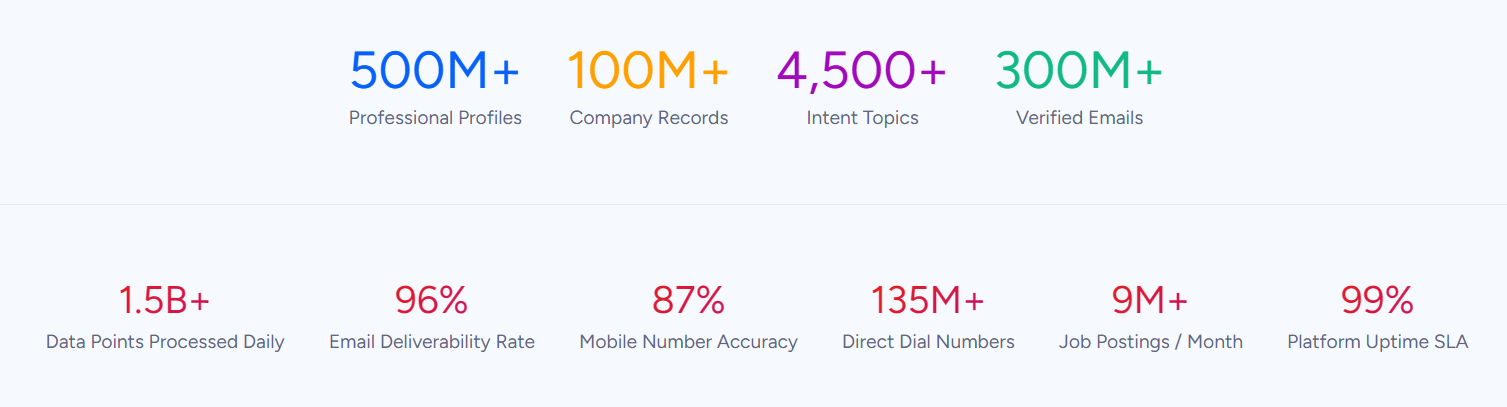
In a Fortune 500 competitive RFP analyzing 25 million contacts across vendors, the independent consultant concluded that "no other competitor came even close."
But raw data isn't the full story. ZoomInfo's GTM Context Graph unifies this third-party data with a customer's CRM records, conversation intelligence from calls and meetings, and behavioral signals.
The result is an intelligence layer that captures not just that a deal moved from Stage 3 to Stage 4, but why it moved: the CFO joined the last call and asked about ROI, a competitor was mentioned in a meeting, intent signals show the company researching your category.
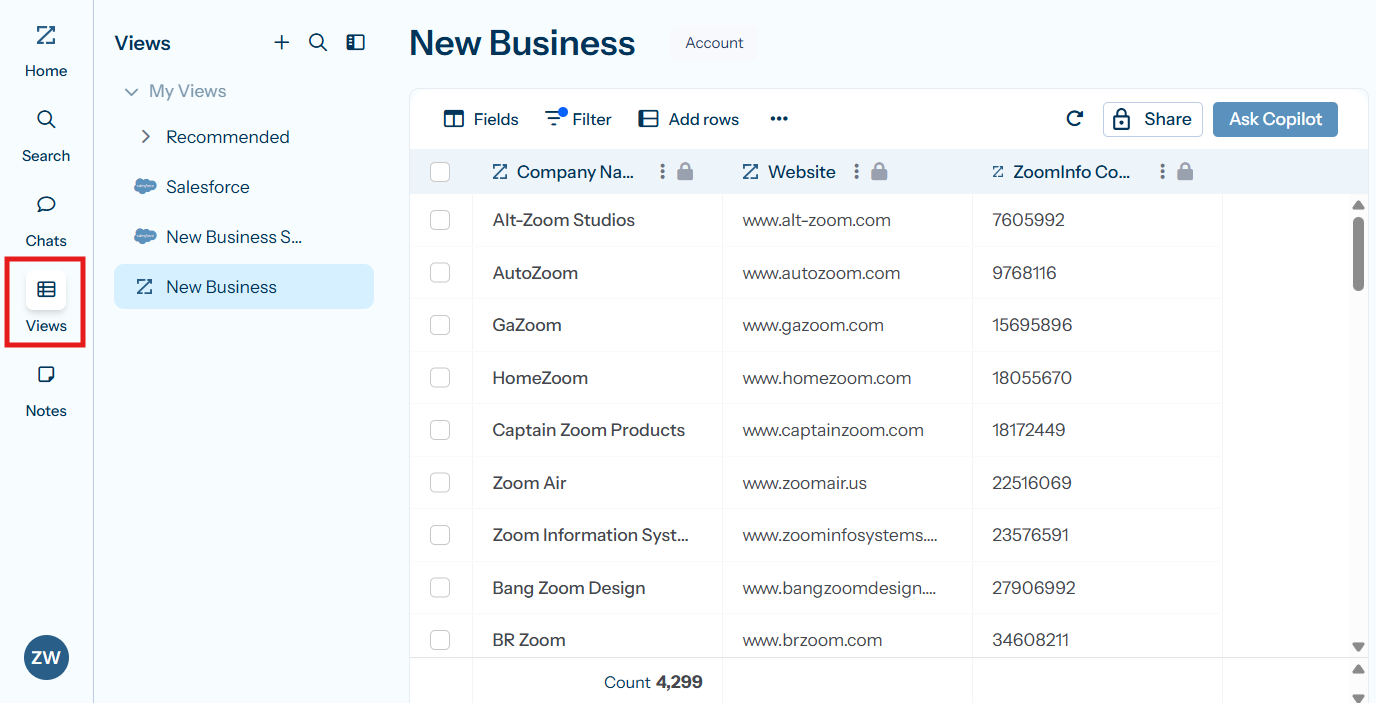
For sellers, this intelligence surfaces through GTM Workspace, where AI agents handle account research, draft outreach, monitor signals, and surface next-best actions.
Source: ZoomInfo
For marketers and RevOps, GTM Studio provides a canvas for building audiences, launching plays, and measuring pipeline impact. For teams building their own tools, API and MCP expose the same intelligence to any custom agent or application.
"ZoomInfo's not just a contact data company anymore. They've built a full system of execution. GTM Intelligence actually works the list, writes the outreach, triggers the play, and helps drive predictable growth." (Ian Brodie, CEO & Co-Founder, Levanta)
AI capabilities reflect each platform's mission
All three platforms use AI, but for different purposes and at different scales.
Clari's AI focuses on revenue prediction and seller productivity.
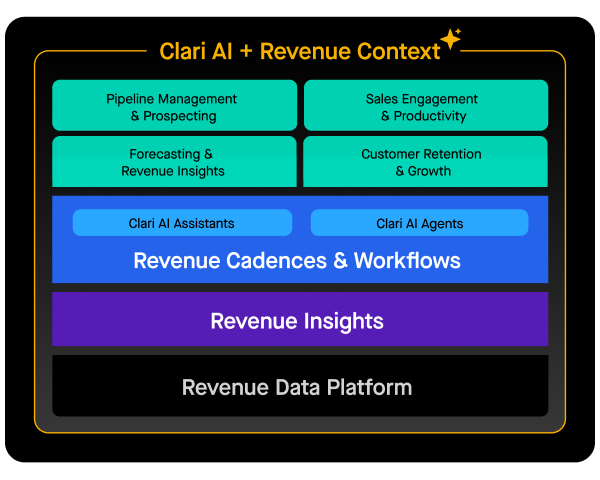
Its Revenue AI Agents inspect deals around the clock, reviewing open opportunities against best practices and custom rules. Smart Deal Summaries save reps 30 minutes per deal by aggregating emails, call transcripts, and notes. Clari Copilot coaches reps during live sales calls, surfacing battlecards that correlate with 10% more wins on average.
Source: Clari
The AI draws from Clari's proprietary Revenue Context, built on 10 billion revenue interactions. That said, users report a lack of transparency into the data driving certain analytics, making it hard to understand how insights are derived.
Saner.AI's AI focuses on personal cognitive support.
Skai uses semantic understanding rather than keyword matching to retrieve relevant content from a user's notes and documents. It generates daily plans, extracts action items from notes and emails, and suggests tags, folder placement, and summaries for new content.
Source: Saner.AI
ZoomInfo's AI focuses on account intelligence and GTM execution.
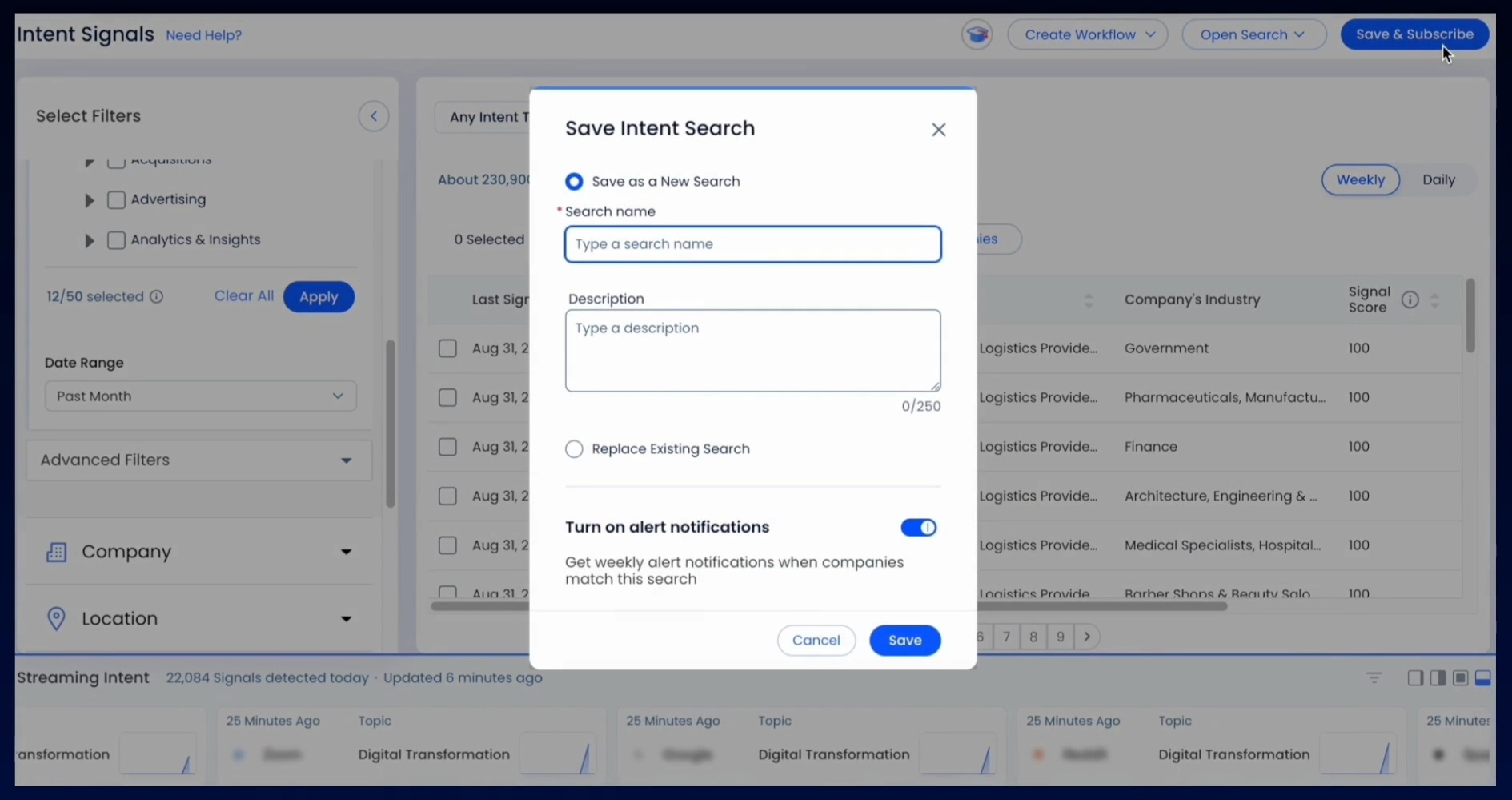
Built on Anthropic's Claude, ZoomInfo's AI agents in GTM Workspace answer three questions for every rep: who to contact, when to engage, and what to say. Buyer Intent data tracks signals from 210 million IP-to-Organization pairings and 6 trillion+ new keyword-to-device pairings sourced monthly.
Source: ZoomInfo
Guided Intent, exclusive to ZoomInfo, identifies topics historically correlated with deal success rather than requiring manual topic selection. The AI doesn't just analyze internal deal data; it brings external market intelligence into every recommendation.
"That combination of our internal CRM data, external signals, and AI that's given all that context has helped us craft very specific account- and persona-based messages. And people have responded to them right away." (Toby Carrington, CBO, Seismic)
Pricing reflects different markets
The pricing models underscore how different these platforms are.
Clari does not publicly disclose pricing.
The platform states there are no platform fees for integrations or ongoing support. Two free options exist: a Clari Copilot free trial and Align's free tier with five licenses. Annual contracts with 30-day renewal notice are standard.
Saner.AI is transparent about its structure if not exact dollar amounts.
Three tiers are available: a permanent Free Plan (30 AI messages/month, 100 notes, 100 MB storage), a Starter Plan (30 AI messages/day, 1,000 notes, 5 GB storage), and a Standard Plan (unlimited AI chats, unlimited notes, 100 GB storage, dedicated founders support).
Approximate reported prices are roughly $8/month and $16/month on annual billing, though these figures could not be confirmed from a first-party page. Users can also purchase external AI credits for access to GPT, Claude, Gemini, and other models on a per-token basis.
ZoomInfo uses a consumption-based pricing model with no publicly listed prices.
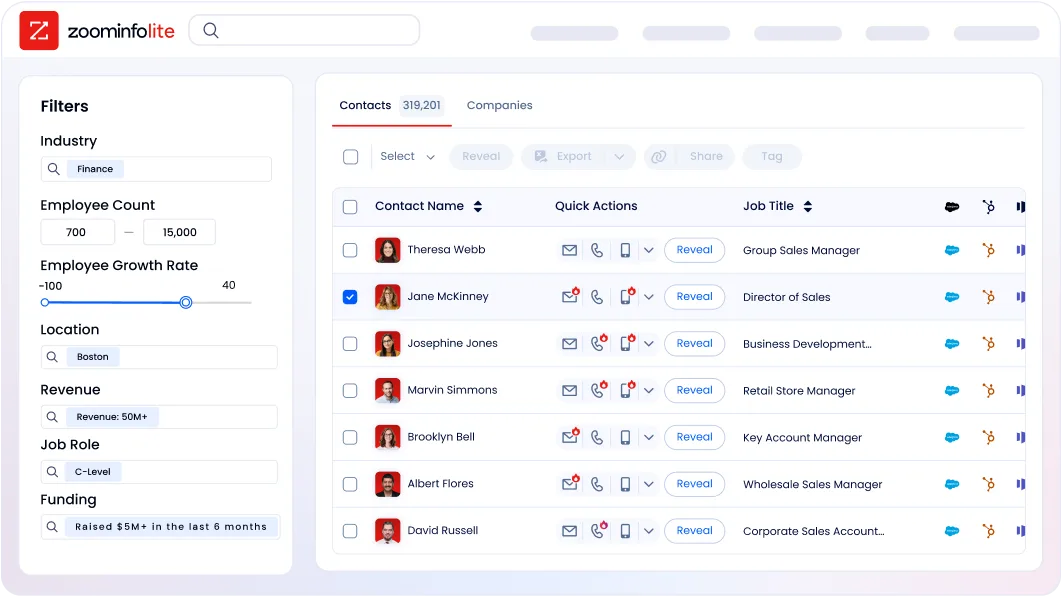
Three product lines (Sales, Marketing, and Chorus) divide into tiers with progressively deeper capabilities. ZoomInfo Lite offers permanent free access with 10 monthly export credits, individual and company searches, and the ReachOut Chrome Extension. A separate 7-day free trial provides broader feature access.
Integration ecosystems reveal each platform's priorities
Clari integrates broadly across the sales tech stack.
Native integrations span communication tools (Slack, Microsoft Teams, Zoom, Google Workspace), data platforms (Snowflake, BigQuery, Databricks), and sales tools (Salesforce, HubSpot, Outreach, Gong, ZoomInfo).
In April 2026, Clari + Salesloft announced an MCP server that lets external AI tools operate on live revenue data. Clari's public API provides access to forecasting, opportunity, activity, and audit data, though API access requires a CSM-enabled feature flag and is restricted to paid customers.
Source: Clari
Saner.AI integrates with a focused set of personal productivity tools.
The Connectors system supports Gmail, Google Calendar (bidirectional), Google Drive (Docs), Slack, Outlook Mail, and Outlook Calendar, with continuous sync every 30 minutes. There is no public API, no webhook support, and no developer portal. Import is available from Notion, Apple Notes, Evernote, and Obsidian, plus direct file uploads. A Chrome extension enables browser-based capture.
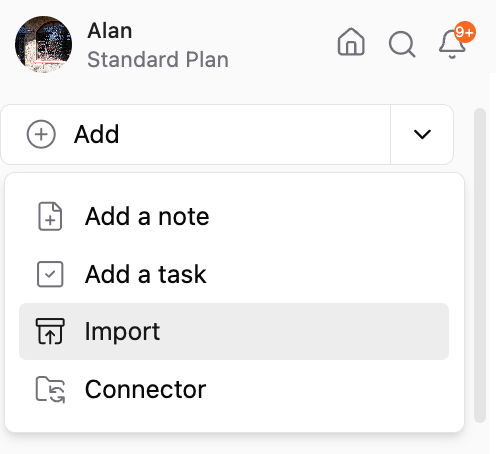
Source: Saner.AI
ZoomInfo operates the largest integration ecosystem of the three.
The App Marketplace lists 120+ partner integrations across CRM, marketing automation, sales engagement, data warehouses, and more. The Enterprise API provides programmatic access to search, enrich, intent, and AI intelligence endpoints. The ZoomInfo MCP server connects AI models directly to ZoomInfo's data, currently supporting Claude and ChatGPT.
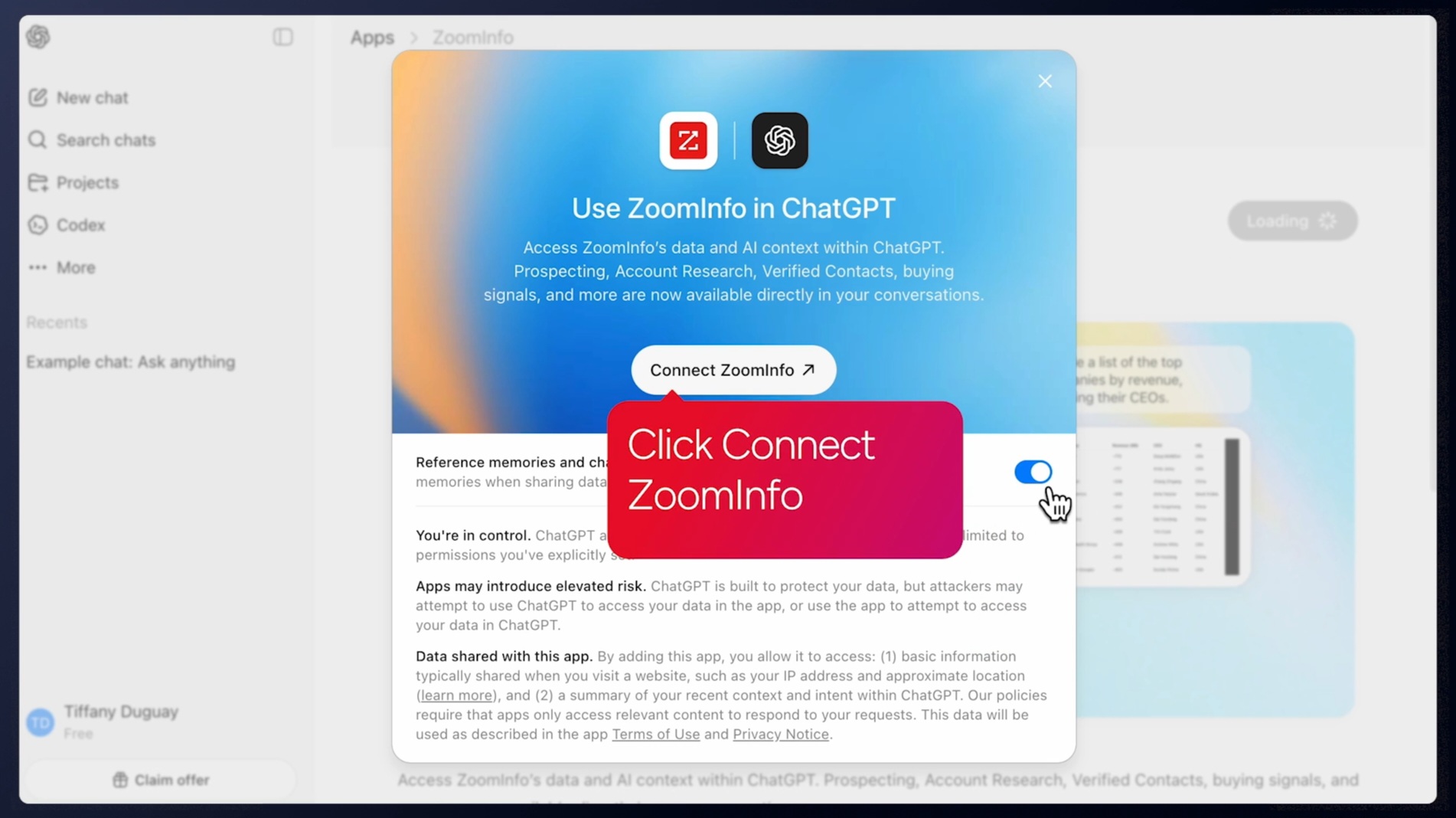
Source: ZoomInfo
Cloud Partners enables direct data ingestion into AWS, Google Cloud, Snowflake, and Databricks. API access has been added to all relevant plans, reinforcing ZoomInfo's position as the intelligence layer that works in any tool.
"The plug-and-play aspect of the API means I can integrate it very easily into any process and get information at a moment's notice." (Jerry Wilson, Senior Marketing Intelligence Analyst, BDO Canada)
Security and compliance diverge by audience
Enterprise buyers have different requirements than individual users, and each platform's security posture reflects this.
Clari holds ISO/IEC 27001, SOC 2 Type II, ISO/IEC 27701, CSA, and ADA certifications, with GDPR compliance documented separately.
The company undergoes independent third-party audits and maintains a public status page with real-time uptime monitoring across all platform components.
Saner.AI provides AES-256-GCM encryption for data at rest and in transit and maintains a no-training policy stating user data is not used to train AI models or shared with third parties for advertising.
However, formal compliance certifications (SOC 2, ISO 27001) are not referenced in public materials. For individual users, this may be acceptable. For organizations with regulatory requirements, it likely would not be.
ZoomInfo holds ISO 27001, ISO 27701, SOC 2 Type II, TRUSTe GDPR, and TRUSTe CCPA certifications, all renewed annually.
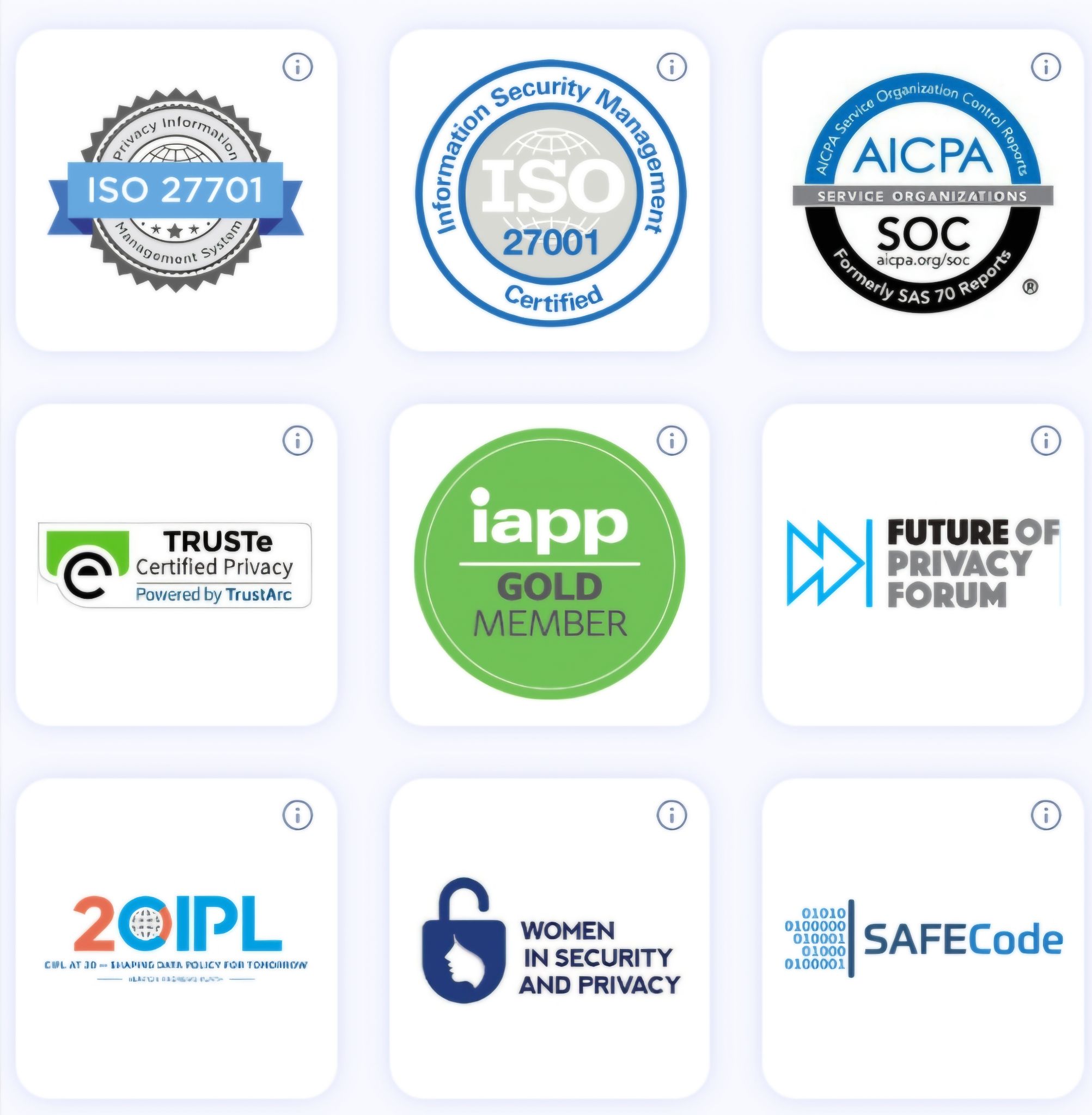
Source: ZoomInfo
ZoomInfo is a registered data broker in California and Vermont and maintains a dedicated Trust Center.
Clari vs. Saner.AI vs. ZoomInfo: Which should you choose?
The choice depends on which problem you're solving.
Choose Clari if:
You lead a revenue team and need AI-powered forecasting and pipeline management
You want to consolidate sales engagement, conversation intelligence, and forecasting into one platform
Your organization has the RevOps resources to manage a complex enterprise deployment
Improving forecast accuracy and reducing revenue leak is your priority
Enterprise security certifications are a requirement
Choose Saner.AI if:
You're an individual knowledge worker who needs help organizing notes, tasks, and daily priorities
You have ADHD or a work style where proactive AI-driven daily planning reduces overwhelm
You want to replace multiple personal productivity apps (notes, to-do, AI chatbot) with one workspace
Budget is a primary constraint and you need a tool under $20/month
You work independently and don't need team collaboration or enterprise integrations
Choose ZoomInfo if:
Your team needs B2B data intelligence to fuel prospecting, pipeline, and account insights
You want AI that tells sellers who to contact, when to engage, and what to say, backed by 500M contacts and real-time buyer signals
You need the data foundation that makes revenue forecasting, ABM, and outbound execution work
You want access to intelligence through native products, APIs, or MCP in any AI tool
You need a platform that integrates with your existing CRM, marketing automation, and sales engagement tools
See ZoomInfo in action with a free trial.
Clari and Saner.AI are both good at what they do, but what they do is different. Clari helps enterprise revenue teams predict and manage their pipeline. Saner.AI helps individuals organize their thinking.
ZoomInfo provides the B2B data and intelligence layer that makes go-to-market execution possible at scale: the contacts, the companies, the buyer signals, and the contextual reasoning that tells your team where to focus and why.
For revenue teams, the most important AI investment isn't the tool that organizes your notes or even the tool that forecasts your pipeline. It's the one that ensures your pipeline has the right accounts in it to begin with.
"Without ZoomInfo, it would be extremely difficult, if not impossible, to achieve our business objectives. Without it, we wouldn't be able to understand the market, have the right contact data, and make meaningful connections." (Thor Sanderson, Senior Manager of Sales Technology Enablement, Smartsheet)
Clari vs. Saner.AI vs. ZoomInfo FAQ
What is the fundamental difference between Clari, Saner.AI, and ZoomInfo?
Clari is an enterprise revenue platform for sales teams. It handles forecasting, pipeline management, deal inspection, and sales engagement across large organizations, drawing from more than 10 billion revenue interactions.
Saner.AI is a personal AI assistant for individual knowledge workers (especially those with ADHD), combining notes, tasks, email, and calendar in one workspace with proactive daily planning.
ZoomInfo is a B2B data intelligence and GTM platform providing 500M contacts, 100M companies, buyer intent signals, and AI-powered account intelligence for sales, marketing, and RevOps teams.
Can Clari and ZoomInfo work together?
Yes. Clari lists ZoomInfo among its native integrations in the Sales & Customer Engagement category. ZoomInfo provides the contact data, company intelligence, and buyer intent signals that feed into Clari's pipeline management and forecasting workflows. They complement each other: ZoomInfo identifies who to target and when to engage, while Clari manages and predicts how those deals will close.
Is Saner.AI a competitor to Clari or ZoomInfo?
No. Saner.AI is a personal productivity tool for individuals, not an enterprise revenue platform. It competes more directly with personal knowledge management tools like Notion, Obsidian, and Todoist than with enterprise sales or data intelligence platforms. Someone searching "Clari vs. Saner.AI" is likely comparing AI-powered tools broadly rather than evaluating direct alternatives for the same job.
Which platform is most affordable?
Saner.AI is the most affordable by a wide margin, with a permanent free plan and paid tiers reportedly starting around $8/month for individuals.
ZoomInfo offers a permanent free tier (ZoomInfo Lite) with 10 monthly export credits and a 7-day free trial for broader access.
Clari offers a free trial of Clari Copilot and a free tier for Align with five licenses. Both Clari and ZoomInfo's full platforms require custom enterprise pricing.
Which platform has the strongest AI capabilities?
Each platform's AI excels in its own domain. Clari's AI predicts deal outcomes and automates deal inspection using its proprietary Revenue Database and 10 billion revenue interactions.
Saner.AI's AI organizes personal knowledge and generates proactive daily plans from a user's notes and calendar.
ZoomInfo's AI provides account intelligence, buyer signal detection, and GTM execution powered by 500M contacts, intent data from 210 million IP-to-Organization pairings, and a GTM Context Graph that processes 1.5B+ data points daily.
Does Saner.AI provide B2B contact data or sales intelligence?
No. Saner.AI is a personal knowledge management tool. It does not provide B2B contact databases, company intelligence, buyer intent signals, or any sales prospecting data.
For B2B data intelligence, ZoomInfo is the relevant platform.
Which platform is best for a sales team evaluating AI tools?
For enterprise sales teams, both Clari and ZoomInfo address critical needs: Clari for revenue forecasting and pipeline management, ZoomInfo for B2B data intelligence and GTM execution. Many enterprise sales organizations use both platforms together.
Saner.AI is designed for individual use and does not offer team collaboration, enterprise integrations, or sales-specific functionality.
How do the platforms handle data security and compliance?
Clari and ZoomInfo both maintain enterprise certifications including ISO 27001, SOC 2 Type II, and GDPR compliance, renewed annually.
ZoomInfo adds TRUSTe CCPA validation and is a registered data broker in California and Vermont.
Saner.AI encrypts data with AES-256-GCM and maintains a no-training policy, but does not reference formal compliance certifications (SOC 2, ISO 27001) in its public documentation.
