
Choosing between Gainsight and Totango for customer success comes down to five questions:
Do you need the more complete post-sales platform, or a faster path to your first health score?
Is your CS team large enough to justify a dedicated Gainsight admin, or do you need pre-built programs you can deploy in days?
Are you managing complex enterprise account hierarchies with multiple products, or a more uniform customer book?
Do you want AI that runs renewal motions on its own, or AI that predicts churn risk across your portfolio?
Does your CS team have reliable intelligence on who to contact inside each account, or are you working with incomplete stakeholder data?
In short, here's what we recommend:
Gainsight is the leading enterprise CS platform. It created the modern customer success discipline and has held the Leader position in the Gartner Magic Quadrant for Customer Success Management Platforms for two consecutive years.
Its CustomerOS suite bundles six products (CS, Product Experience, Communities, Skilljar, Staircase AI, and Atlas AI Agents) under one roof, giving enterprise teams the most workflow automation and the widest post-sales coverage available. The trade-off: implementation typically runs three to six months, a dedicated admin is required, and pricing reportedly starts in six figures annually.
Totango deploys faster and has repositioned around customer-led growth and revenue accountability. It earned Forrester Wave Leader status in Q4 2025 with the highest Strategy score in the category. Its SuccessBLOC templates get health scoring running within days, the Catalyst merger added goal-tracking and expansion signal capabilities, and Unison AI provides standalone predictive churn intelligence.
Totango prices on contract value under management rather than seats, which can favor large teams. The weakness: post-merger UX friction and limited customization beyond the template framework.
Both platforms give CS teams a system of record for managing customer health, automating playbooks, and forecasting renewals. But neither generates the account intelligence your team needs to act on those signals.
When a health score drops, someone still has to find the right stakeholder, understand the org chart, and check whether the account is showing buying signals elsewhere. That gap is where a third layer becomes essential.
ZoomInfo is an AI-powered go-to-market platform that provides the data and signal intelligence CS teams need to act.
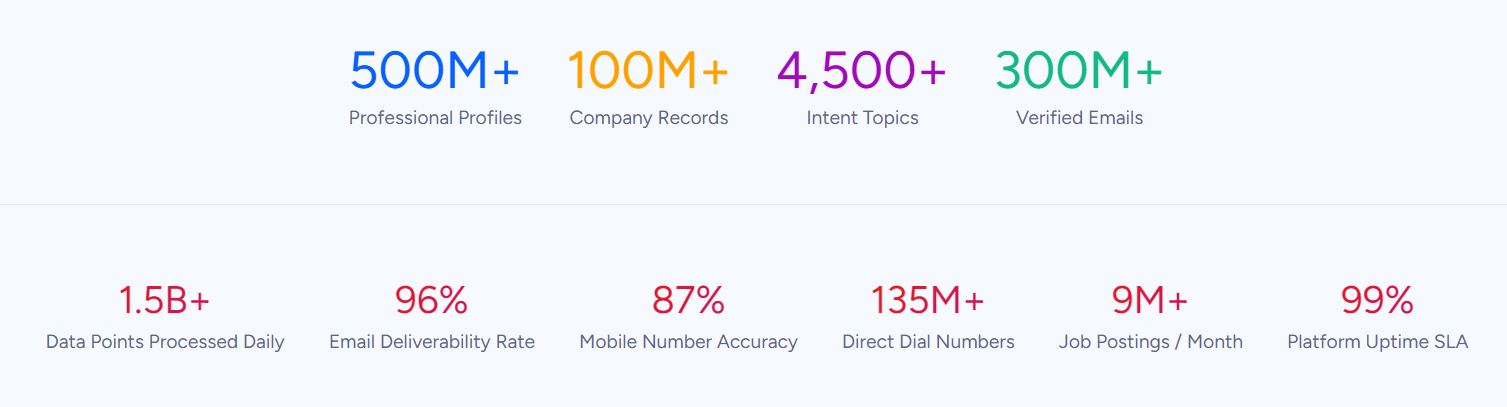
With 500M contacts, 100M companies, 135M+ verified phone numbers, and 200M+ verified business emails, ZoomInfo gives CSMs verified contact data for multi-threading into accounts, org charts for mapping decision-makers, and intent signals for spotting expansion opportunities or competitive threats.
The GTM Context Graph combines this data with your CRM records, conversation transcripts, and behavioral signals to reveal not just what is happening in an account, but why. CS teams access this intelligence through GTM Workspace (which includes customer health monitoring and churn risk detection), through GTM Studio for building retention and expansion plays, or through APIs and MCP that pipe intelligence directly into Gainsight, Totango, or any other tool in your stack.
If adding an intelligence layer to your CS operation sounds like the missing piece, see how ZoomInfo works with a free trial.
Gainsight vs. Totango vs. ZoomInfo at a glance
Gainsight | Totango | ZoomInfo | |
|---|---|---|---|
Primary function | Enterprise CS platform & CustomerOS | Customer Growth Platform & predictive AI | GTM intelligence & account signals |
Health scoring | Multi-dimensional Scorecards with Rules Engine | Multidimensional health with SuccessBLOC templates | Signal-based account health monitoring via GTM Workspace |
AI capabilities | Atlas AI Agents, Staircase AI, Copilot | Unison AI (standalone predictive churn engine) | GTM Context Graph, AI-powered account research and buying signals |
Implementation | 3–6 months typical | Days to weeks (SuccessBLOCs); 4–8 weeks full | Deploys in weeks |
Analyst recognition | Gartner MQ Leader (2024, 2025); Forrester Wave Leader | Forrester Wave Leader (Q4 2025); G2 Leader | Gartner MQ Leader (ABM); Forrester Wave Leader (Intent Data); 133 G2 No. 1 rankings |
Integrations | 110+ (Salesforce-native option, data warehouses) | 50+ (Salesforce, HubSpot, Snowflake, BigQuery) | 172+ marketplace partners, API/MCP access |
Pricing model | Quote-based, reportedly $100K+/year | Contract value under management (CVUM) | Consumption-based, custom-quoted |
Free tier | PX free trial only | No free plan or trial confirmed | ZoomInfo Lite (permanent free) + 7-day trial |
Best for | Large CS teams with complex account structures | Mid-to-enterprise teams scaling CS coverage | CS teams needing account intelligence, contact data, and expansion signals |
The CS platform vs. the intelligence layer: different problems
Gainsight and Totango both answer the question: How do we manage our existing customers at scale? They provide health scores, automated playbooks, renewal forecasting, and a system of record for CS activities.
ZoomInfo answers a different question: What do we actually know about the people inside these accounts?
That distinction matters because CS platforms can only act on the data they receive. A health score drops because product usage declined. The CSM opens the account record and sees the risk. But then what?
If the executive sponsor left, the CSM needs to know who replaced them and how to reach them. If the account is evaluating a competitor, the CSM needs that signal before the renewal conversation. If there is expansion potential, the CSM needs to know which departments are growing and who the new decision-makers are.
Gainsight's Staircase AI analyzes emails and meetings the CSM already has.
Totango's Unison AI grades sentiment from existing communications. Both help interpret signals within the relationship. Neither generates new intelligence about the account from outside it.
ZoomInfo fills that gap.
Its GTM Context Graph processes 1.5B+ data points daily to surface org chart changes, hiring patterns, intent signals, competitive research activity, and verified contact data for stakeholders the CSM has never spoken with. That intelligence flows into the CS workflow through native integrations or API/MCP connections.
Seismic's sales team attributed 39% of active pipeline to opportunities identified or influenced by ZoomInfo signals, boosted productivity by 54%, and saved 11.5 hours per week. As CBO Toby Carrington put it: "That combination of our internal CRM data, external signals, and AI that's given all that context has helped us craft very specific account- and persona-based messages." (Seismic)
Gainsight has the most developed CS workflow engine
Gainsight created the customer success software category and has spent 15 years refining its workflow automation.
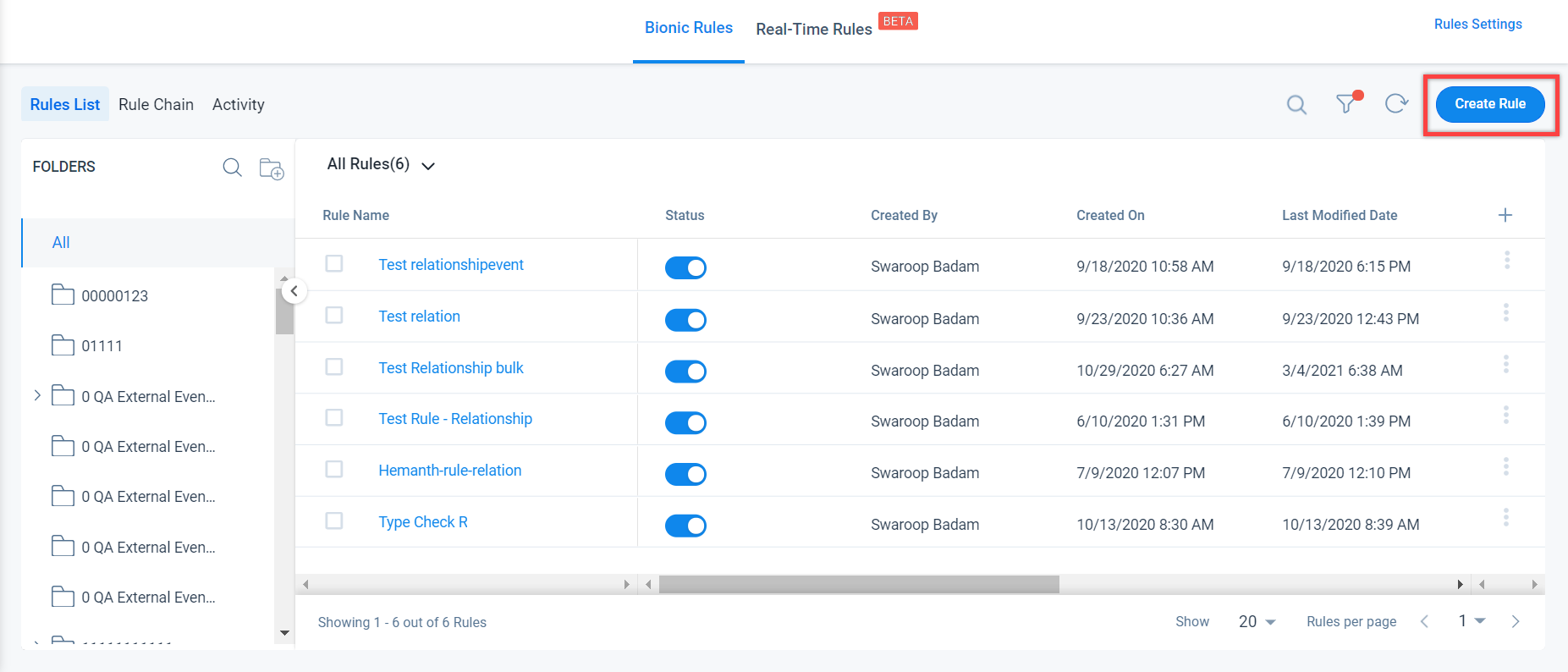
The Rules Engine runs multi-step data transformations across large datasets, automatically setting health scores and triggering Calls to Action when thresholds are crossed. Playbooks codify institutional knowledge so every CSM follows the same recovery sequence when a risk CTA fires.
Source: Gainsight
Journey Orchestrator automates multi-step email campaigns based on health scores, usage metrics, and survey results. The Relationships and R360 framework handles enterprise account complexity that flat, company-level tools cannot, tracking health and activities at each relationship level independently.
The CustomerOS platform bundles six products: the CS platform, Product Experience (in-app engagement and analytics), Customer Communities, Skilljar (customer education), Staircase AI (conversation intelligence), and Atlas AI Agents (autonomous retention agents).
No competitor covers the full post-sales surface this way. Customers like DocuSign and LinkedIn use three or more of these products together.
But this comes with administrative weight. The platform's C360 supports up to 50 layouts, the Rules Engine requires careful configuration, and Journey Orchestrator has been flagged by reviewers as complex and counterintuitive, requiring entire programs to be cloned to make a simple revision. G2 reviewers note that the platform requires excessive clicks and formal training.
For teams with 20+ CSMs and a dedicated admin, this complexity is a strength. For teams without those resources, it is a barrier.
Totango deploys faster with SuccessBLOCs
Where Gainsight asks you to build your CS operations from configurable primitives, Totango gives you pre-assembled programs.
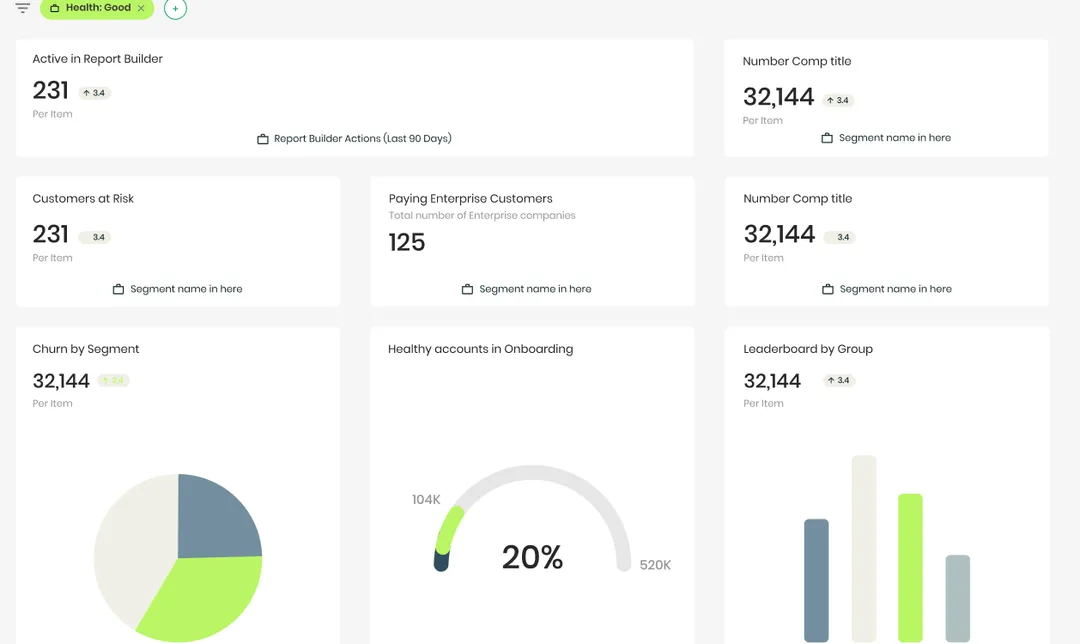
SuccessBLOCs are template-based modules that package scorecards, automated workflows, campaigns, and reporting for specific lifecycle stages.
Source: Totango
An onboarding SuccessBLOC arrives with the KPIs, automations, segment definitions, and communication templates already configured. A renewal SuccessBLOC includes the health profile, task triggers, and reporting views. Teams customize these templates rather than building from scratch.
This approach earned Totango the G2 Fastest Implementation badge for Enterprise and gets health scoring running within days.
The February 2024 Catalyst merger added a goal-attainment layer. Instead of tracking only whether customers are healthy, Catalyst tracks whether they are achieving the business outcomes they bought the product to get. Expansion Signals alert CS and account management teams when an account shows upsell or cross-sell readiness.
The limitations are real, though. G2 reviewers note that SuccessBLOCs are difficult to customize beyond their templates. Reviewers describe the interface as "slow and buggy" and "unintuitive and outdated" under heavy data loads. The post-merger integration left two separate application surfaces (app.totango.com and app.catalyst.io) still being unified.
AI approaches differ: autonomous agents vs. predictive intelligence vs. contextual signals
All three platforms have invested in AI, but they solve different problems with it.
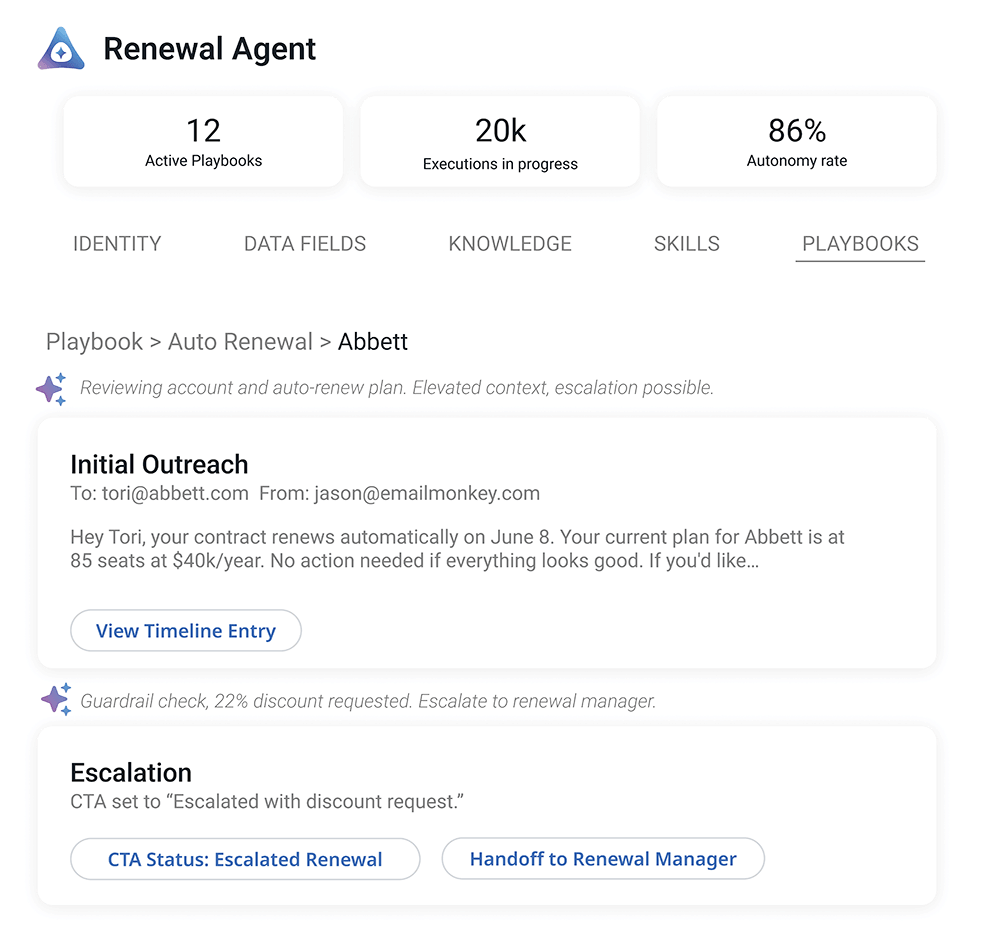
Gainsight's Atlas AI Agents handle CS workflows autonomously.
The Renewal AI Agent manages retention outreach across the long tail of accounts without dedicating a human to each one, with Gainsight citing 86% autonomy rates in agent-driven workflows.
Source: Gainsight
Staircase AI analyzes emails, meetings, Slack threads, and support tickets to surface sentiment and engagement changes, claiming to detect churn risk up to six weeks earlier than usage data alone. The Copilot conversational assistant answers natural-language questions about customer data, included at no extra cost.
The ambition is large: Gainsight positions Atlas as a managed outcome service where the vendor "owns the retention outcome completely." Whether those autonomy rates hold across different customer environments is worth validating.
Totango's Unison AI takes a narrower, prediction-focused approach.
Built on technology from the Parative AI acquisition, Unison uses NLP to generate four composite scores (Sentiment, Engagement, Relationship, Voice of Customer) from customer communications. Standard AI models deploy in one to two days; custom enterprise models train on a customer's own historical data, with claims of greater than 99% accuracy in churn forecasting.
The key differentiator: Unison is platform-agnostic. It works alongside any CS platform, including Gainsight. Teams can add Unison's predictions on top of their existing stack without migrating.
ZoomInfo's GTM Context Graph operates at a different layer.
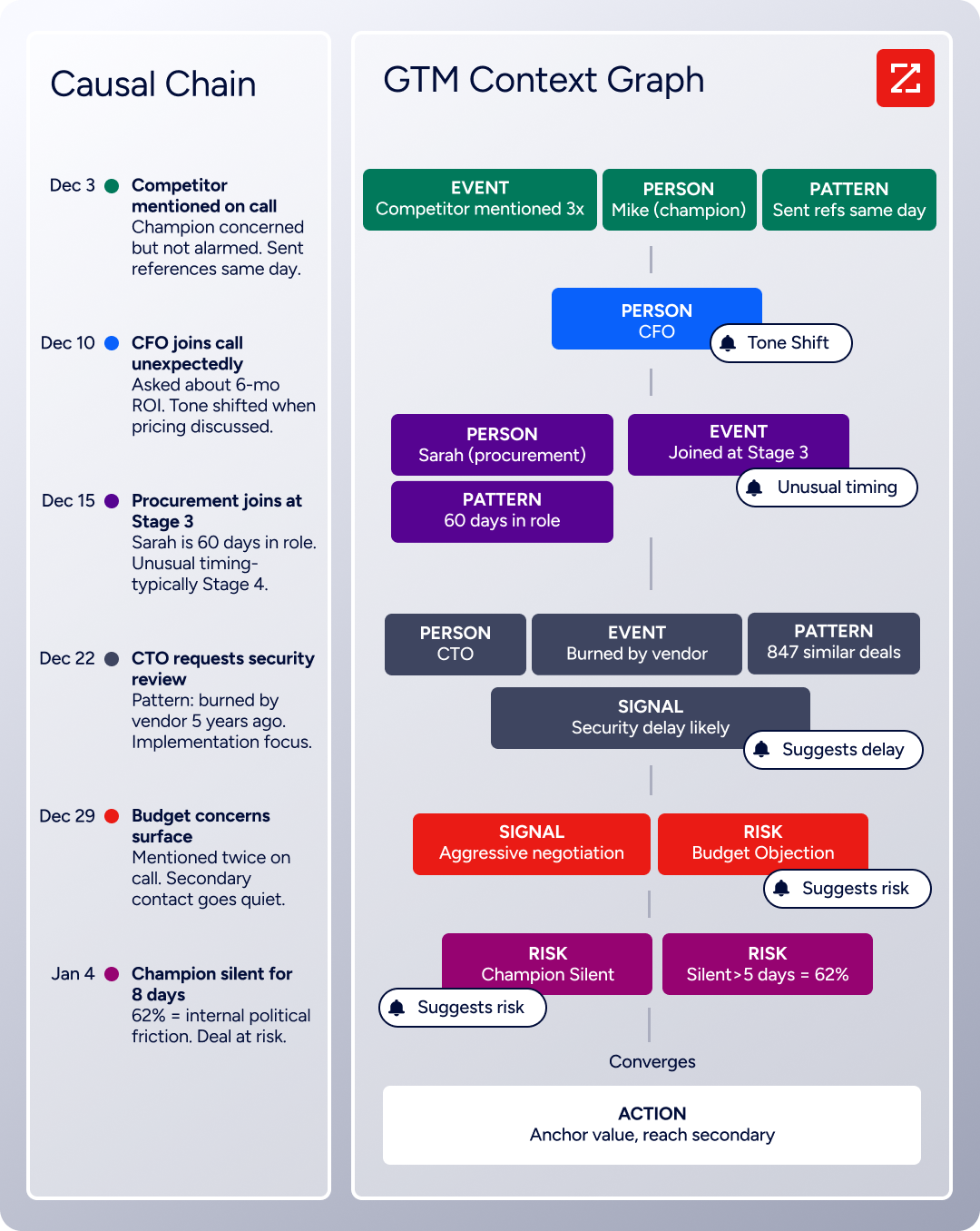
Instead of analyzing internal communications (like Staircase AI) or grading sentiment from existing interactions (like Unison), ZoomInfo combines its third-party B2B data with a customer's CRM records, conversation transcripts, and behavioral signals to show why deals and relationships move.
The AI identifies patterns across thousands of deals: when executive sponsorship entering at a specific stage predicts acceleration, when a competitor mention in a call predicts churn risk, when hiring patterns in a department signal expansion readiness.
This intelligence complements what CS platforms track internally. Gainsight knows the health score dropped. Totango knows the sentiment grade shifted. ZoomInfo knows the VP of Engineering just left, a competitor is being researched, and three new hires in the data team suggest an expansion window.
Palo Alto Networks uses ZoomInfo's company intelligence to clarify hierarchies and territory boundaries. "Company ID is transformational. It's a really clean approach to hierarchies and gives us a way to clearly communicate territory boundaries to our sellers," said Ashley Thoren Serita, Director of Sales Operations. (Palo Alto Networks)
Data and contact intelligence: where CS platforms hit a ceiling
CS platforms are systems of record. They store health scores, timeline entries, success plans, and renewal dates. They are not systems of intelligence about the people and companies in those accounts.
Gainsight builds its Customer 360 from data fed into it: CRM records, product usage via PX, support tickets via integrations, and communications via Staircase AI.
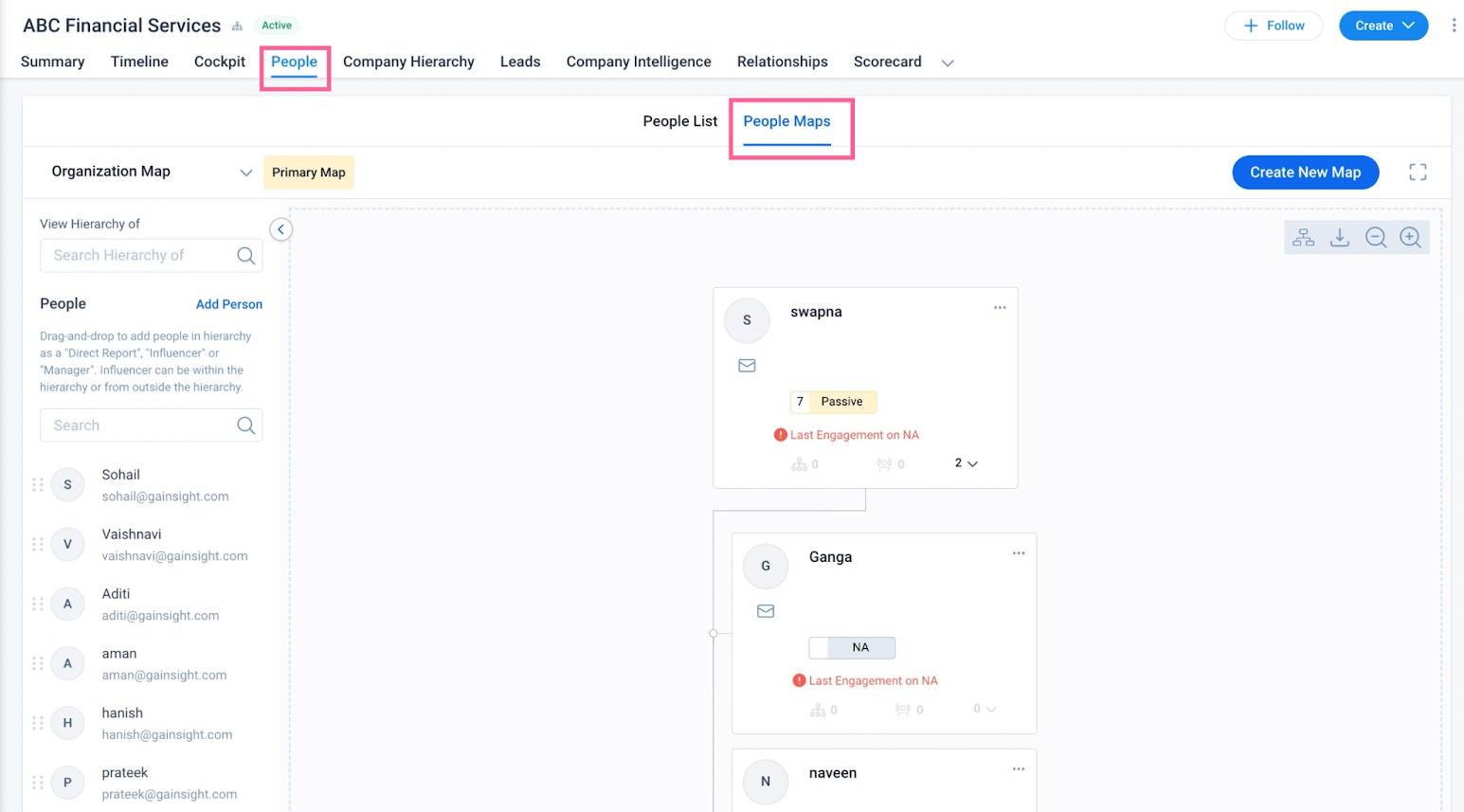
Sponsor Tracking monitors LinkedIn for title changes and departures, triggering a Playbook when it detects a change. The People Maps feature creates interactive org charts. But these maps are only as complete as the data CSMs manually enter or the system ingests from existing touchpoints.
Source: Gainsight
Totango similarly aggregates from connected systems.
Its Customer Data Hub ingests from CRMs, support tools, data warehouses, and product analytics. But it does not independently generate contact data, verify phone numbers, or track org changes outside the customer's existing data sources.
ZoomInfo starts from the other direction.
Its B2B data platform contains 120M direct-dial phone numbers, 200M+ verified business emails, and org charts for 100M companies, all verified through a pipeline backed by 300+ human researchers with up to 95% accuracy on first-party data.
When a CSM needs to multi-thread into an account after an executive departure, ZoomInfo provides the replacement's verified direct dial and email without waiting for an introduction. When a health score drops and the CSM needs to know who else to engage, ZoomInfo's org chart data shows the full stakeholder map.
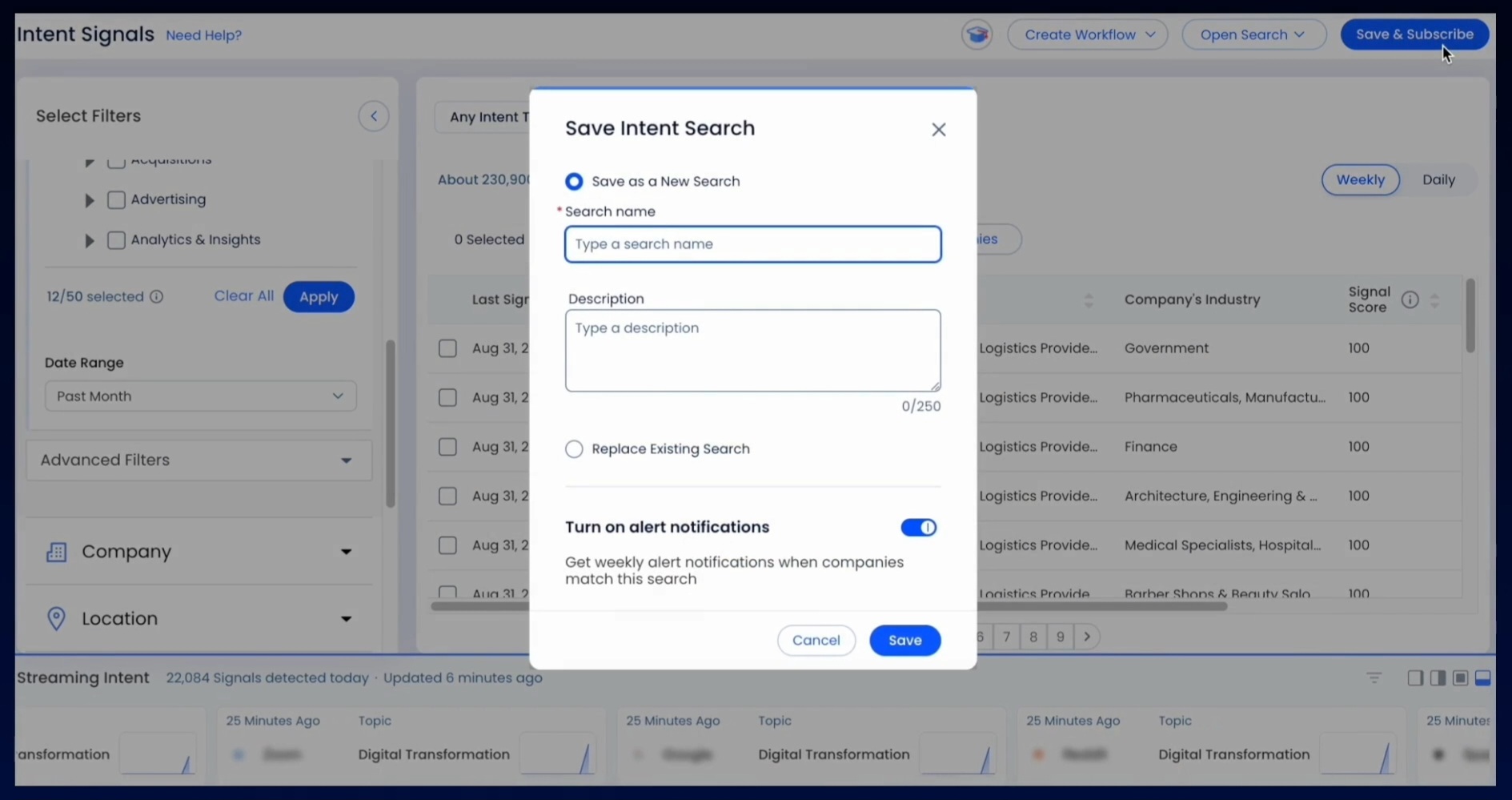
Intent signals add another dimension. ZoomInfo Intent tracks signals from 210 million IP-to-Organization pairings, revealing when accounts are researching competitors or evaluating alternatives. For CS teams, this is an early warning system that fires before any internal health metric changes.
Source: ZoomInfo
Snowflake uses ZoomInfo for at least one-third of the most critical data features in their Account Propensity Scoring model, feeding over 70 firmographic and technographic data fields. Accounts monitored using ZoomInfo-powered scores showed 90% higher opportunity open rates and 2x higher customer conversion rates. (Snowflake)
Pricing models reflect different go-to-market strategies
The three platforms price differently, each favoring a specific type of buyer.
Gainsight uses quote-based pricing across all products, with no published rates.
The CS platform offers two tiers: Essentials and Enterprise (Essentials: 10 full users, 1,000 customer records; Enterprise: 20 full users, 4,000 customer records). Third-party sources estimate total annual cost at $100,000+ for enterprise tiers when professional services are included.
Contracts are non-cancellable mid-term, with a three-month notice requirement for non-renewal. Journey Orchestrator, Renewal Center, and several other features are available only as paid add-ons or on the Enterprise tier.
This pricing excludes early-stage companies and smaller CS teams by design. Gainsight targets organizations where the ROI (churn reduction and expansion revenue on a large customer book) justifies the investment.
Totango prices on contract value under management (CVUM) rather than seats.
The Enterprise tier starts at 10 practitioner seats and 2,000 accounts; the Premier tier offers 20 practitioner seats, 10,000 accounts, and a dedicated account team. All prices require contacting sales. Forrester called the CVUM model a "differentiated pricing model based on revenue under management, reinforcing its customer-first approach."
For teams with large seat counts but concentrated ARR, this model is favorable. For teams managing many small accounts, it requires careful comparison.
ZoomInfo uses consumption-based pricing based on data access, API consumption, and AI activity.
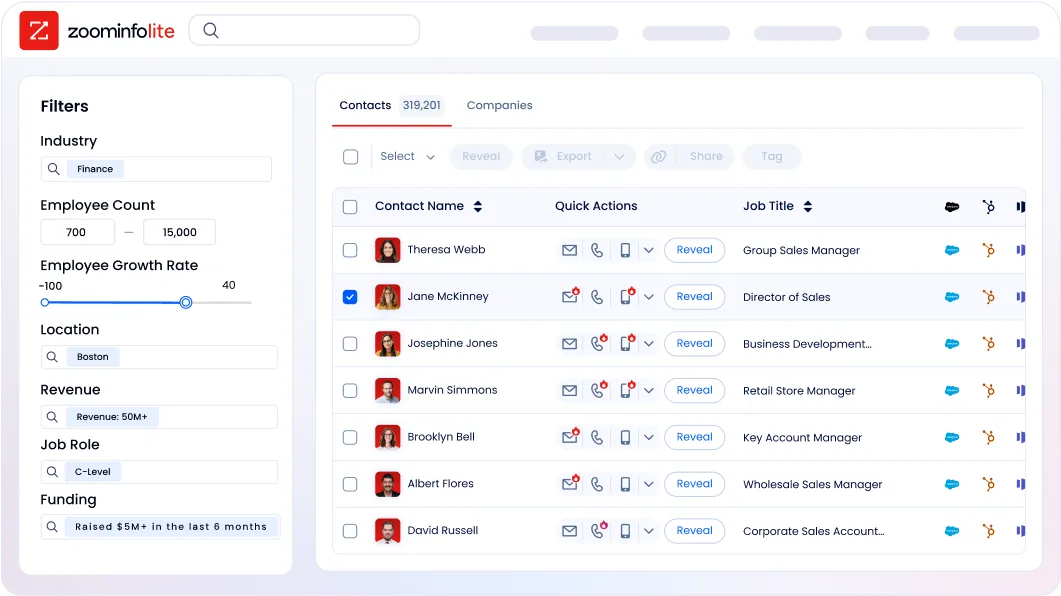
Pricing is custom-quoted across three product lines (Sales, Marketing, and Chorus), each with multiple tiers. The key difference: ZoomInfo offers ZoomInfo Lite, a permanent free tier with access to the B2B database, 10 monthly export credits, and basic features, plus a 7-day free trial of the full platform. Neither Gainsight nor Totango offers a comparable free entry point.
Integration ecosystems show where each platform fits
Here is how these platforms coexist in a real GTM stack.
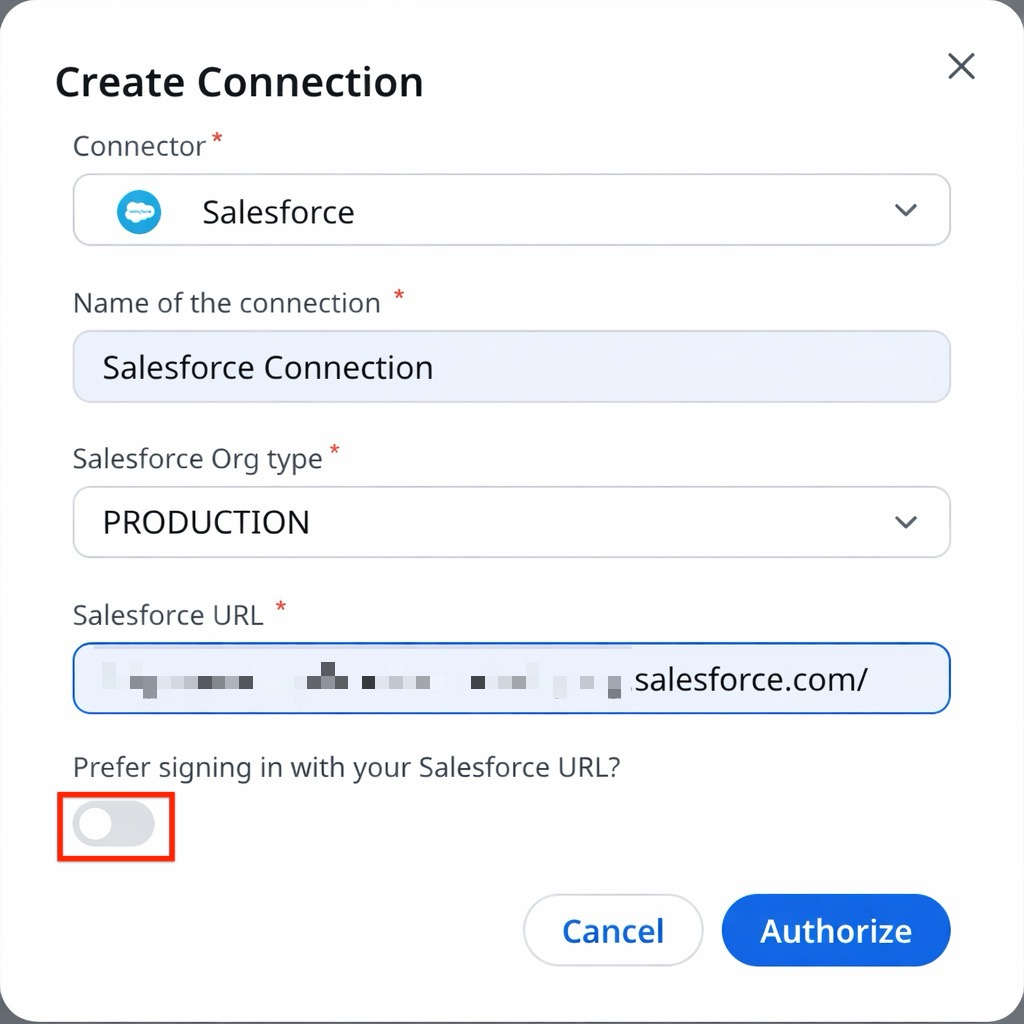
Gainsight maintains over 110 apps and integrations across CRM connectors (Salesforce as the primary, plus Microsoft Dynamics and Pipedrive), data warehouses (PostgreSQL, MySQL, Redshift, Snowflake, BigQuery), support systems (Zendesk, Freshdesk, ServiceNow, Jira, Intercom), and analytics platforms.
Source: Gainsight
Gainsight runs natively inside Salesforce as a managed package or as a standalone SaaS product (Gainsight NXT). The Connectors 2.0 framework supports file-based ingestion via Amazon S3 and cross-product data sync between CS, PX, Communities, and Skilljar.
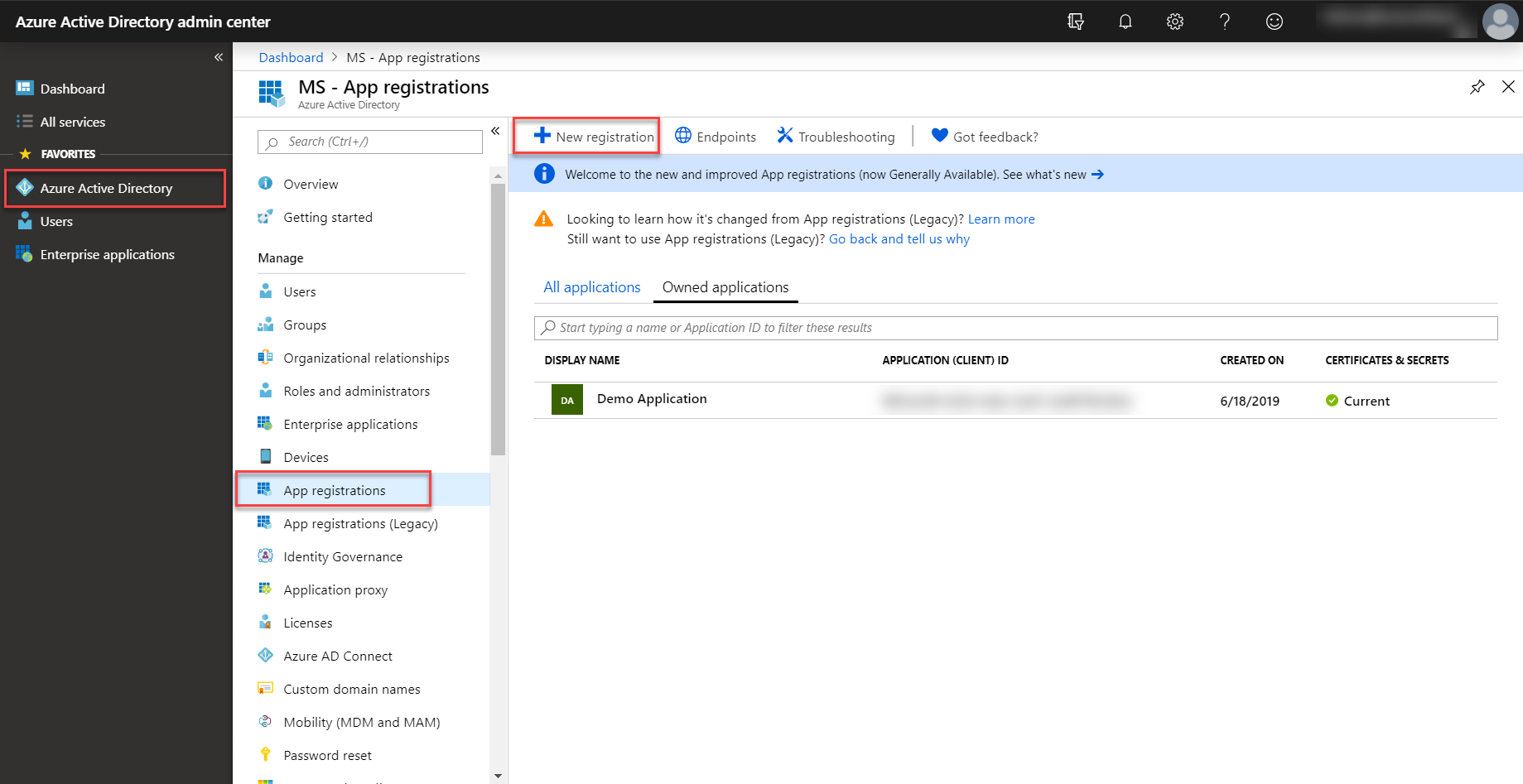
Totango lists 50+ integrations spanning CRMs (Salesforce, HubSpot, Microsoft Dynamics), data warehouses (Snowflake, BigQuery, Redshift), support tools (Zendesk, Intercom), communication platforms (Slack, Gmail, Outlook), financial systems (Stripe, Zuora), and product analytics (Mixpanel, Pendo).
Source: Totango
Conversation intelligence connections to Gong and Chorus are listed. iPaaS support includes Zapier, Pipedream, and Tray.ai.
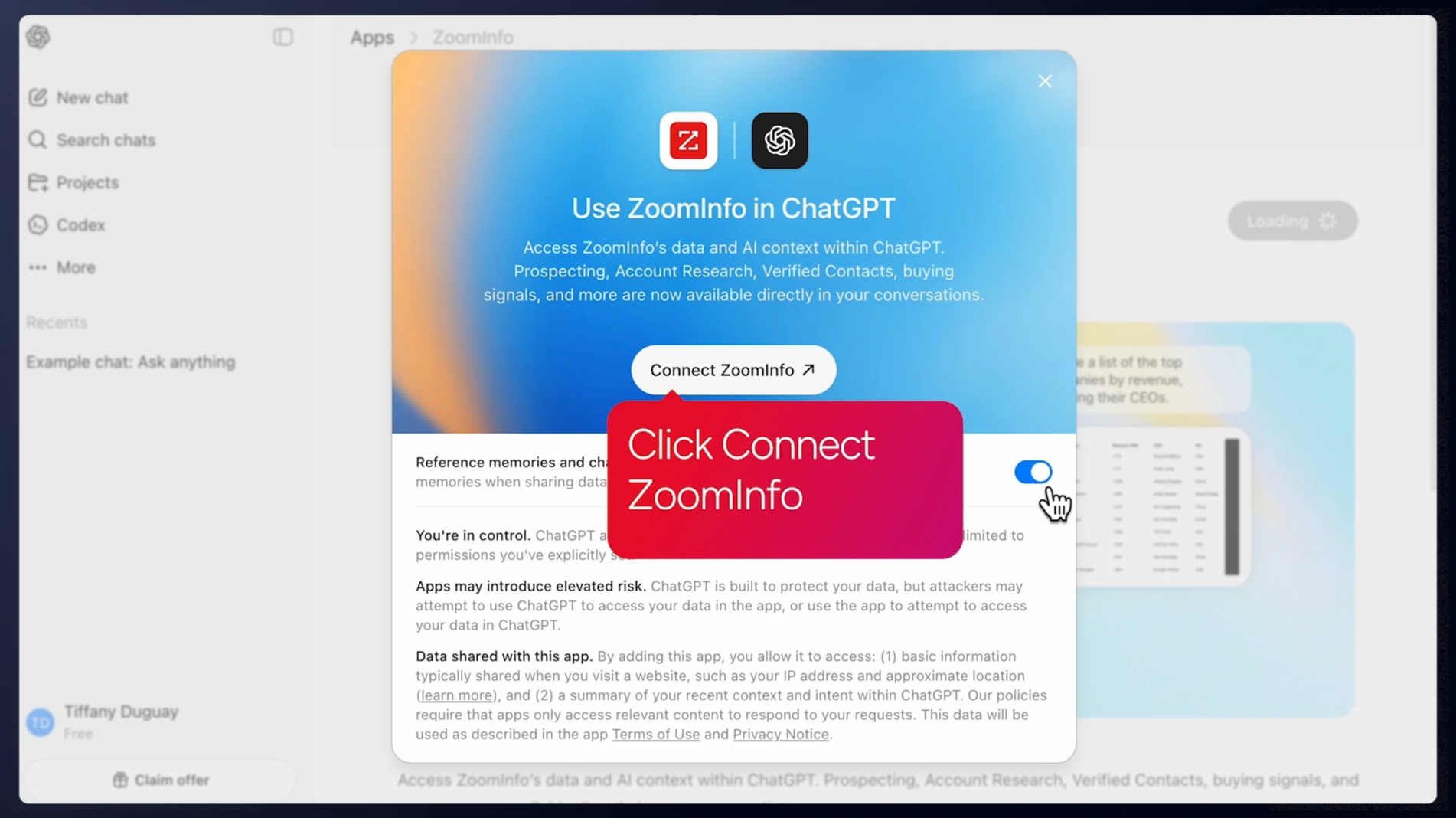
ZoomInfo runs the largest integration marketplace of the three, with 172+ partners across CRM, marketing automation, sales engagement, data warehouses, communications, and AI/LLM categories.
The Cloud Partners program delivers ZoomInfo data directly into AWS, Google Cloud, Snowflake, and Databricks. The MCP server connects ZoomInfo data to Claude, ChatGPT, and any MCP-compatible AI client. API access is included in all relevant plans.
Source: ZoomInfo
ZoomInfo feeds intelligence into whatever tools a CS team already uses. It does not replace Gainsight or Totango. It makes them better informed.
Implementation speed varies dramatically
Gainsight implementations typically run three to six months.
You must configure data models, set up permission bundles, establish data ingestion pipelines, and define health score logic before end users can work with the product. A structured onboarding process moves through application settings, business data loading, user management, and custom configuration. For teams willing to invest in this ramp, no competitor offers more customization.
Totango wins on speed.
SuccessBLOCs enable teams to deploy pre-configured lifecycle programs with health profiles, segments, playbooks, and campaigns within days. The company won G2's Fastest Implementation award and positions four to eight weeks as a typical full implementation window. For teams that need health scoring quickly and can work within the template framework, this speed matters.
ZoomInfo deploys in weeks, not months.
The onboarding program runs 30–90 days with planning, technical implementation, education, and adoption phases. ZoomInfo Lite requires no setup.
Gainsight vs. Totango vs. ZoomInfo: Which should you choose?
The choice is not between these three platforms. It is about matching each tool to the problem it solves.
Choose Gainsight if:
You have 20+ CSMs and a dedicated CS operations resource
Your account structure is complex (multi-product, parent-child hierarchies, multiple business units)
You want the most workflow automation and the most configurable health scoring engine
You are prepared for a three-to-six-month implementation
Your budget supports six-figure annual commitments
You want a single vendor covering CS, product experience, communities, and customer education
Choose Totango if:
You need health scoring operational in days, not months
SuccessBLOC templates align with your lifecycle stages and you can work within their framework
Your CS team is expected to own revenue, not just retention
You want predictive churn intelligence that can work alongside any CS platform (via Unison)
Pricing tied to contract value under management fits your team structure better than per-seat pricing
You value the Forrester Wave Leader designation for enterprise procurement validation
Add ZoomInfo if:
Your CSMs struggle with incomplete contact data, missing org charts, or stale stakeholder information
You want early warning signals that fire before internal health scores change (intent data, competitive research activity, executive departures)
You need verified direct dials and business emails for multi-threading into at-risk or expansion-ready accounts
You want account intelligence that feeds directly into your CS platform through API or MCP
Your CS and sales teams need to share a common intelligence layer for expansion plays
Start with ZoomInfo Lite for free or request a trial to see the intelligence layer in action.
Gainsight and Totango are both strong CS platforms, each built for a different kind of CS team. Gainsight gives enterprise teams the most depth and configurability. Totango gives growing teams faster deployment and a revenue-focused methodology.
But whichever CS platform you choose, your team's effectiveness depends on the quality of intelligence feeding it. A health score is only as useful as the action it enables. ZoomInfo provides the account context, verified contacts, and market signals that turn a red health score into a specific phone call to the right person at the right time.
That combination, a CS platform for the workflow and ZoomInfo for the intelligence, is what separates teams that detect churn from teams that prevent it.
Gainsight vs. Totango vs. ZoomInfo FAQ
What is the core difference between Gainsight, Totango, and ZoomInfo?
Gainsight is an enterprise customer success platform that provides health scoring, workflow automation, renewal forecasting, and a suite of post-sales tools (product experience, communities, customer education, AI agents).
Totango is a customer growth platform that combines pre-built program templates (SuccessBLOCs) with predictive AI churn intelligence (Unison) and expansion signal tracking (Catalyst).
ZoomInfo is an AI-powered go-to-market platform that provides the B2B data, account signals, and contact intelligence CS teams need to act on the insights their CS platform surfaces. ZoomInfo complements either CS platform rather than replacing it.
Which platform is fastest to implement?
Totango is the fastest, with SuccessBLOC templates enabling health scoring within days and full implementation in four to eight weeks.
ZoomInfo deploys in weeks with a structured 30-to-90-day onboarding program.
Gainsight typically requires three to six months for a full implementation, reflecting its depth of configuration and enterprise complexity.
How do the pricing models compare?
Gainsight uses quote-based pricing with no published rates; third-party estimates place enterprise-tier costs at $100,000 or more annually.
Totango prices on contract value under management (CVUM) rather than per-seat, which can favor teams with large headcounts managing concentrated revenue.
ZoomInfo uses consumption-based pricing and is the only platform offering a permanent free tier (ZoomInfo Lite) and a seven-day free trial.
Can ZoomInfo work alongside Gainsight or Totango?
Yes. ZoomInfo feeds intelligence into other tools. Its API and MCP server connect to any CS platform, CRM, or custom application.
ZoomInfo's contact data, org charts, intent signals, and account intelligence flow into the same Customer 360 or health score workflows that Gainsight and Totango manage. Several ZoomInfo customers use it alongside their CS platform to improve stakeholder coverage, detect competitive threats, and identify expansion opportunities.
Which platform has the best AI for preventing churn?
Each addresses churn from a different angle. Gainsight's Staircase AI analyzes internal communications to detect sentiment shifts up to six weeks before usage metrics reflect them, while Atlas AI Agents handle renewal outreach autonomously.
Totango's Unison AI uses NLP-driven predictive models trained on a customer's own historical data, claiming 99% or greater accuracy for custom models.
ZoomInfo detects external churn signals (executive departures, competitive research activity, hiring freezes) that internal communication analysis cannot capture. The most thorough churn prevention strategy uses all three signal types.
Does Gainsight or Totango include contact data or org charts?
Gainsight's People Maps feature lets CSMs build interactive org charts manually and its Sponsor Tracking monitors LinkedIn for executive changes.
Totango aggregates contact data from connected CRM and communication systems. Neither platform independently verifies phone numbers, generates business email addresses, or tracks org changes across companies the way ZoomInfo does.
ZoomInfo maintains 500M contacts with 135M+ verified phone numbers and 200M+ verified business emails across 100M companies.
Which platform has stronger analyst recognition?
Gainsight holds the highest position in the Gartner Magic Quadrant for Customer Success Management Platforms for two consecutive years (2024 and 2025) and earned Forrester Wave Leader status.
Totango earned Forrester Wave Leader status in Q4 2025 with the highest Strategy score in the category.
ZoomInfo is a Gartner Magic Quadrant Leader for ABM Platforms, a Forrester Wave Leader for Intent Data Providers, and holds 133 G2 No. 1 rankings across Sales Intelligence, Buyer Intent, and Data Quality categories.
Who is each platform NOT for?
Gainsight is not for early-stage startups or teams without dedicated CS operations resources (the implementation complexity and cost require organizational readiness).
Totango is not for teams needing deep workflow customization beyond its template framework or those without dedicated CS headcount.
ZoomInfo is not for B2C companies (it is exclusively B2B intelligence) or teams with no outbound or account expansion motion.
