
If you're searching for "HubSpot vs. Salesfusion," here's the first thing to know: Salesfusion rebranded. The product is now called Sugar Market, part of SugarAI (formerly SugarCRM). The platform still exists, still works, and still competes for the same buyers. Only the name changed.
The comparison comes down to a few questions most reviews skip:
Do you want your CRM and marketing automation in one platform, or are you willing to buy them as separate products that integrate?
Is your business in a relationship-driven, account-based industry (manufacturing, distribution, financial services), or do you sell across a broader market?
How important is it that your marketing platform connects to ERP data like order history and purchasing patterns?
Do you have a dedicated marketing ops team, or do you need something your general marketing staff can run without training?
Does your team have the B2B contact data and buying signals needed to make either platform effective?
In short, here's what we recommend:
HubSpot is the all-in-one platform for companies that want marketing, sales, service, and CRM under one roof. Its Marketing Hub connects to Sales Hub, Service Hub, Content Hub, and a Smart CRM, so every team works from shared data. A free tier, clean interface, and over 2,000 app integrations make it accessible to small teams and scalable to enterprises, with 288,706 customers worldwide.
The tradeoff: pricing gets complicated as you add Hubs and seats, and mandatory onboarding fees at Professional and Enterprise tiers add cost.
Sugar Market is a marketing automation platform built around CRM integration for mid-market B2B companies in account-based industries. It integrates with Sugar Sell and 180+ ERP systems, and handles lead nurturing, AI-powered lead scoring, and marketing-to-sales handoffs for businesses with long buying cycles and complex accounts. Contact-based pricing (no per-seat charges) suits teams where multiple people need access.
The tradeoff: a steep learning curve, limited value outside the SugarAI ecosystem, and a $1,000/month floor that prices out smaller teams.
Both platforms handle marketing automation well. But neither solves the underlying problem: the quality of B2B data feeding your campaigns, scoring models, and sales handoffs. An automation tool is only as effective as the data running through it. That's where ZoomInfo comes in.
ZoomInfo is a B2B data and go-to-market platform that provides the data layer under your marketing automation. Its B2B database covers 500M contacts, 100M companies, 135M+ verified phone numbers, and 200M+ verified business email addresses. ZoomInfo gives your team verified data, intent signals, and account insights that make HubSpot or Sugar Market produce results. Its Context Graph processes 1.5B+ data points daily, combining ZoomInfo data with your CRM records, conversation transcripts, and behavioral signals to show which accounts are in-market and why.
Teams act on this through Workspace for sellers, Studio for marketers and RevOps, or the API and MCP for custom integrations. ZoomInfo integrates with both HubSpot and Sugar Market, so whichever platform you choose, you can feed it verified data.
If accurate B2B data is the missing piece in your marketing automation, see how ZoomInfo works with your platform.
HubSpot vs. Sugar Market vs. ZoomInfo at a glance
HubSpot | Sugar Market | ZoomInfo | |
|---|---|---|---|
Primary function | All-in-one CRM + marketing automation | CRM-integrated marketing automation | B2B data intelligence + go-to-market execution |
Target buyer | Companies from SMB to enterprise | Mid-market B2B in account-based industries | B2B sales, marketing, and RevOps teams |
CRM | Built-in Smart CRM | Integrates with Sugar Sell, Salesforce, Dynamics | Integrates with HubSpot, Salesforce, Dynamics |
Marketing automation | Full suite (email, social, ads, content, workflows) | Full suite (email, nurtures, landing pages, events) | ABM, display ads, audience targeting, form optimization |
AI capabilities | Breeze agents across all Hubs | SugarPredict lead scoring, generative AI content | Context Graph, AI account intelligence |
B2B contact database | No native third-party data | No native third-party data | 500M contacts, 200M+ verified emails, 135M+ verified phones |
Intent signals | Not native | Not native | Native buyer intent from 210M IP-to-org pairings |
ERP integrations | Limited | 180+ | Not applicable |
Free plan | Yes (permanent) | No (demo only) | Yes (ZoomInfo Lite, permanent) |
Starting price | $20/seat/month (Starter) | ~$1,000/month (10,000 contacts) | Custom-quoted, consumption-based |
Two different philosophies for the same problem
HubSpot and Sugar Market both help B2B marketers generate, nurture, and qualify leads. But they approach the job from opposite directions.
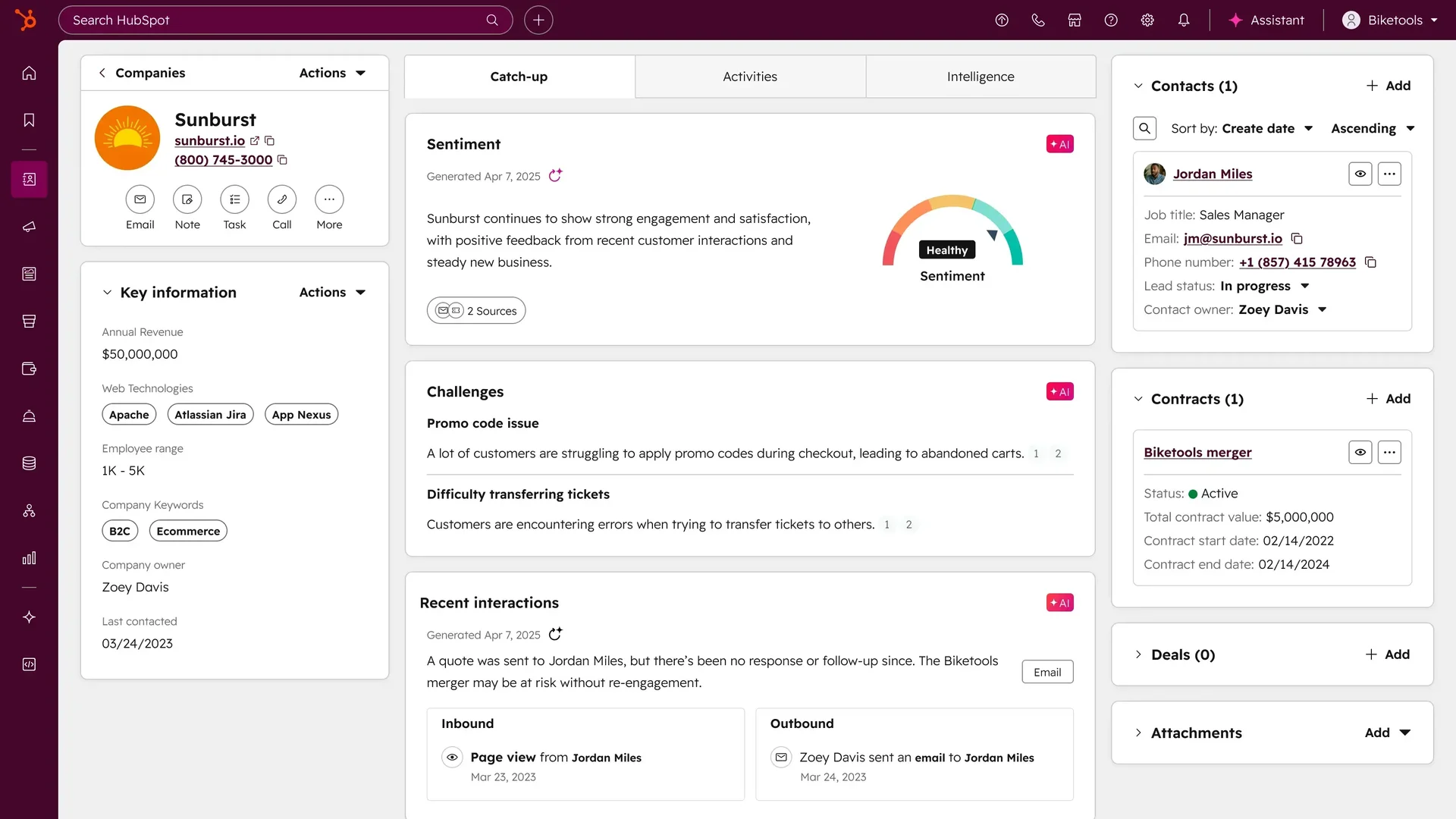
HubSpot is the platform itself. Its Smart CRM is the data layer that Marketing Hub, Sales Hub, Service Hub, and every other product shares. When a lead fills out a form, that interaction lives in the same database your sales team uses to manage deals and your service team uses to handle tickets. No sync to configure, no integration to maintain. HubSpot's pitch is that disconnected tools slow you down, and consolidating everything removes that problem.
Source: HubSpot
This works well for companies that want a single vendor. It works less well for companies committed to an existing CRM (Salesforce, Dynamics) that just need a marketing automation layer on top.
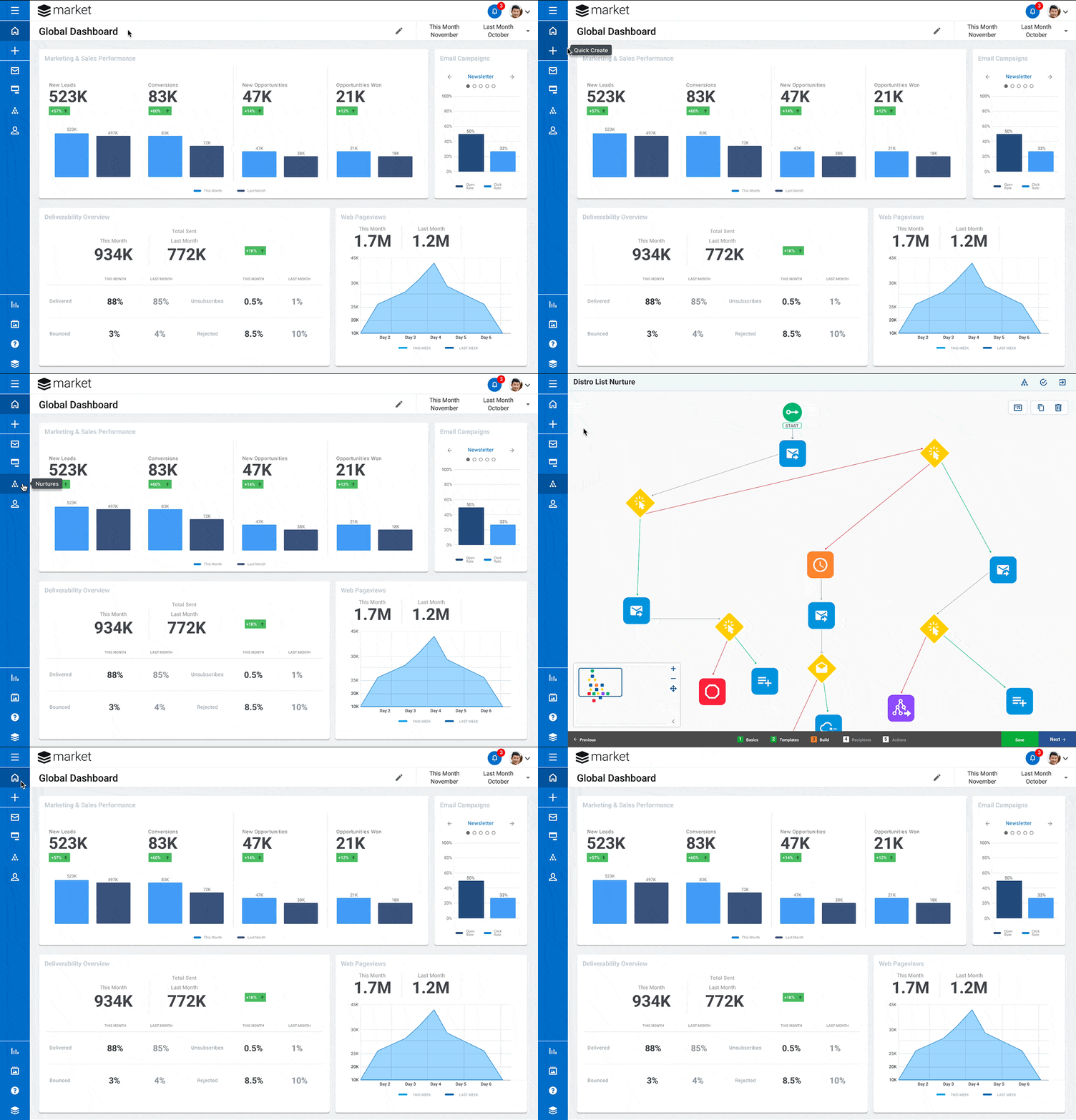
Sugar Market takes the opposite approach. It's the marketing module within a broader suite, built on a traditional CRM database that syncs with Sugar Sell, Salesforce, or Microsoft Dynamics at the lead, contact, account, and opportunity levels. For companies already running one of those CRMs, Sugar Market slots in without replacing anything.
Source: SugarAI
Where Sugar Market differentiates is industry focus. Its 180+ ERP integrations connect marketing automation to back-office data in ways HubSpot doesn't attempt. A food distributor can trigger re-engagement campaigns when a customer's ordering pattern changes. A manufacturer can score leads based on purchasing history, not just email clicks. That kind of ERP-connected marketing automation is rare at this price point.
Marketing automation: HubSpot goes wide, Sugar Market goes deep
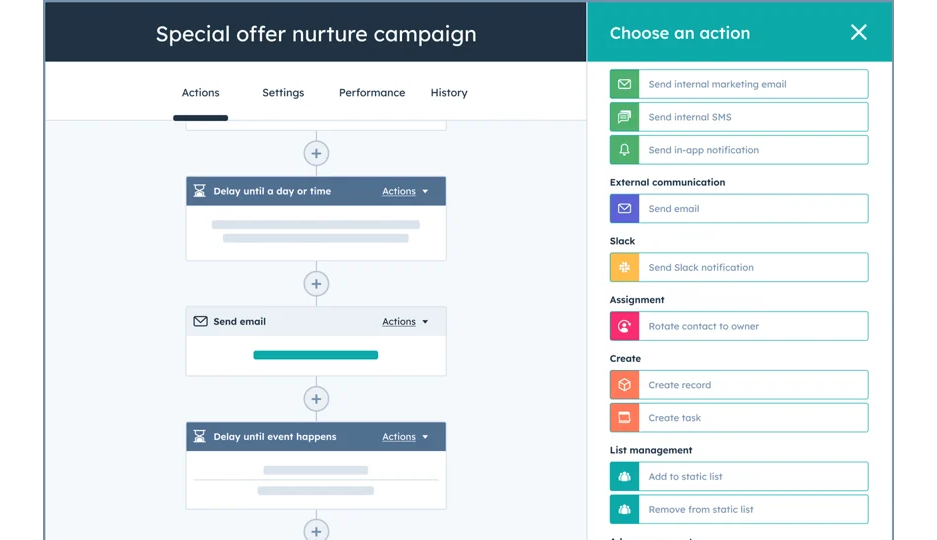
HubSpot's Marketing Hub covers more ground. You get email marketing, automation workflows, landing pages, social media management, ad management, a full CMS via Content Hub, and SEO tools. Content Remix turns a blog post into social posts, email copy, and video scripts. The platform even has podcast software in beta. For a marketing team that wants to run everything from one interface, HubSpot delivers.
Source: HubSpot
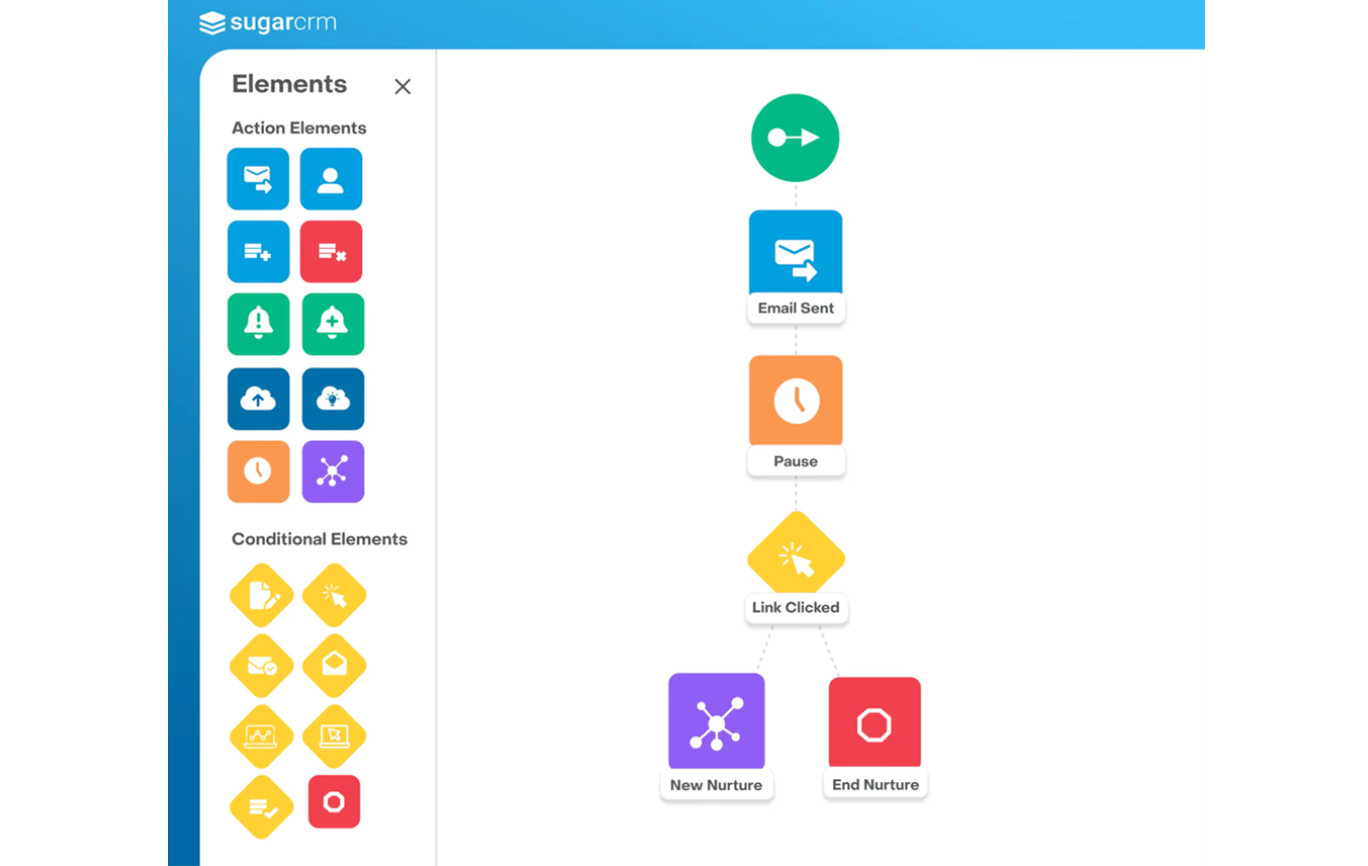
Sugar Market covers the core functions: email campaigns, nurture campaigns, landing pages, forms, webinar promotions, event management, social media, SEO, and ad management. It claims 95% faster campaign creation and 50% reduced team workload. What it lacks in breadth, it makes up for in CRM-connected depth.
Source: SugarAI
Sugar Market's Nurture Builder combines drip and trigger campaign logic on a single visual canvas, so you don't have to choose between campaign types before building. Its Listeners monitor CRM records in real time and fire marketing actions when a sales rep updates a deal stage or a contact field changes. This creates a two-way bridge between sales activity and marketing response that most platforms require a separate integration tool to achieve.
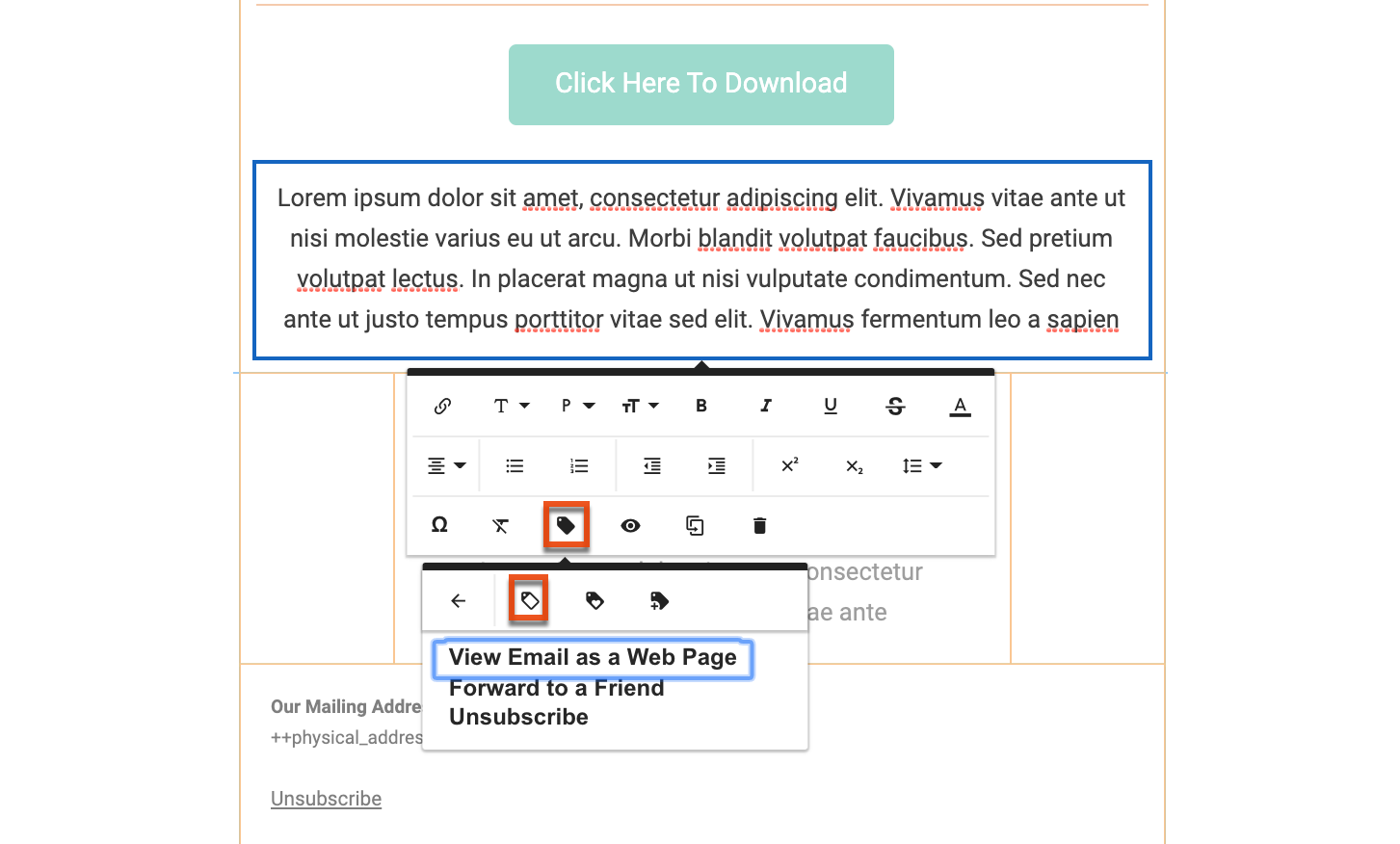
The email personalization runs deep. Sugar Market's custom merge tags pull from any CRM field, including related objects like opportunities. If a contact has multiple open deals, the merge tag system can resolve to the correct one. HubSpot's personalization tokens draw on CRM data too, but the multi-record matching Sugar Market offers requires more configuration in HubSpot.
Source: SugarAI
Where HubSpot pulls ahead is AI-assisted content creation. The Breeze AI layer runs across the platform: a Content Agent generates blog posts and email copy, a Social Agent automates posting, and the AI Blog Writer handles long-form content. Sugar Market has generative AI for content creation, but the capabilities appear more limited and, according to G2 reviewers, some AI tools are reserved for higher-priced packages.
Lead scoring: rules-based control vs. AI prediction
Both platforms offer lead scoring, but the architectures differ.
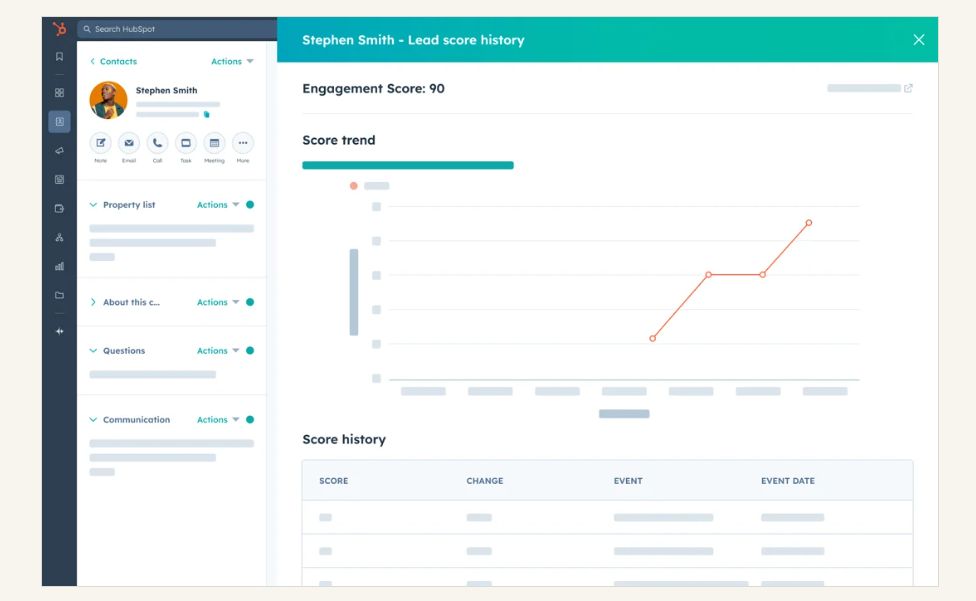
HubSpot provides predictive lead scoring powered by machine learning at the Enterprise tier, alongside manual scoring rules at Professional. The predictive model analyzes CRM data to find patterns in closed-won deals and applies those patterns to score new leads. Because it draws on the same database used by Sales Hub and Service Hub, the scoring covers the full customer lifecycle, not just marketing interactions.
Source: HubSpot
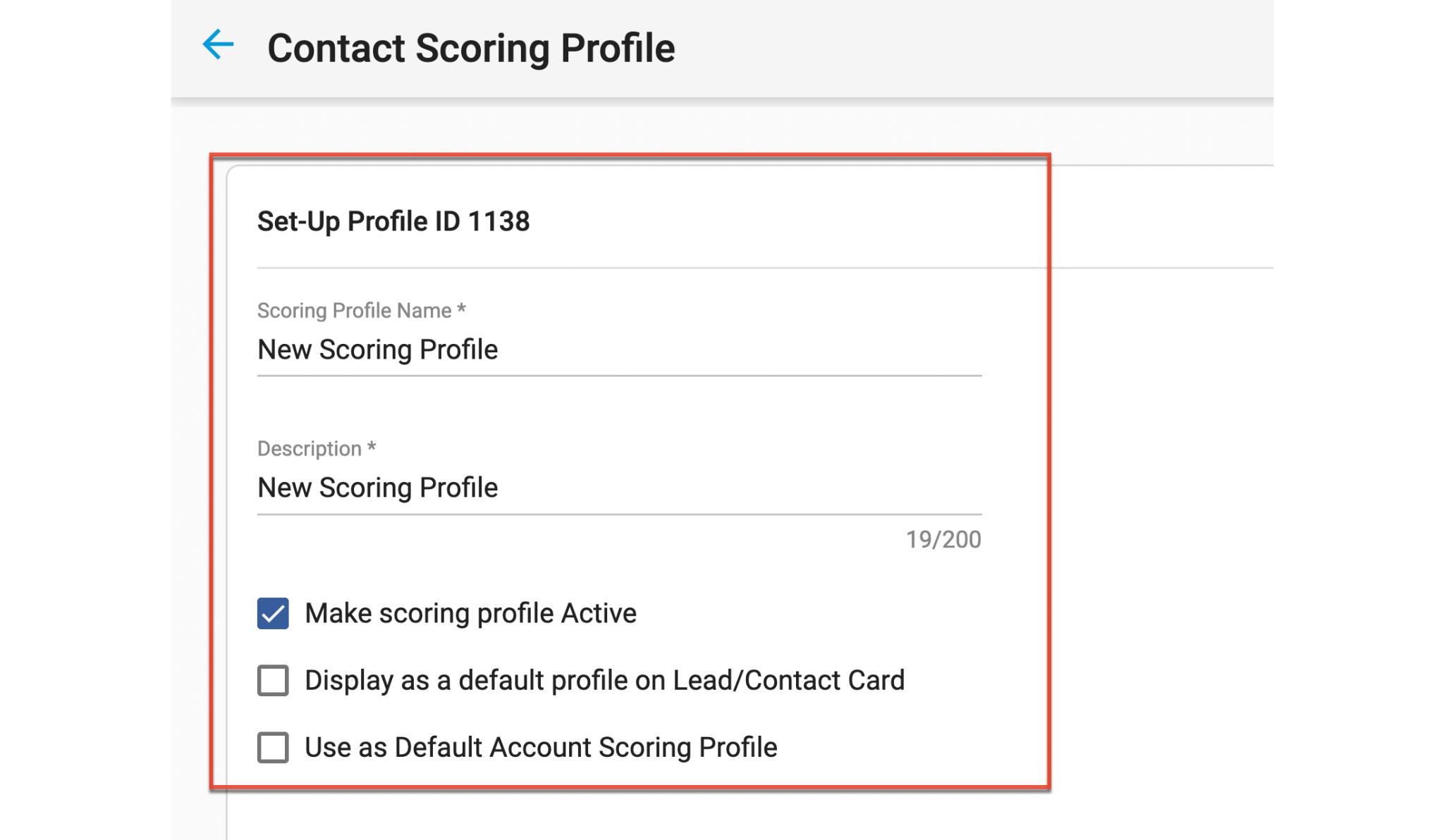
Sugar Market runs a dual-layer scoring system. The first layer is a rules-based engine where marketers assign point values across five activity categories: web visits, email engagement, landing page interactions, event participation, and demographic/CRM data. You can run unlimited scoring profiles simultaneously, each mapped to separate CRM fields, which is useful for tracking product interest and event engagement as independent signals.
Source: SugarAI
The second layer is SugarPredict, an AI model that trains on the customer's own historical MQL conversion data and updates scores every 15 minutes. Unlike HubSpot's predictive scoring (which requires Enterprise pricing), SugarPredict runs without manual model configuration and displays a color-coded conversion likelihood in the contact list view.
Sugar Market also includes Account-Based Scoring that rolls individual contact scores up to the account level every 30 minutes, with an outlier-removal algorithm to prevent skewed averages. HubSpot supports account-level views through its Smart CRM, but the automated rollup logic is less formalized.
Where both platforms hit a ceiling is the data feeding the scores. A lead scoring model is only as good as the signals it can see. Neither HubSpot nor Sugar Market includes native third-party buyer intent data, so scoring relies entirely on interactions with your own properties (website visits, email opens, form fills). Accounts researching your category on third-party sites remain invisible.
This is where ZoomInfo fills the gap. ZoomInfo Intent tracks signals from 210 million IP-to-Organization pairings and 6 trillion+ new keyword-to-device pairings monthly. Guided Intent identifies topics historically correlated with deal success, rather than requiring you to guess which keywords matter. When ZoomInfo intent data feeds into HubSpot or Sugar Market via native integrations, the scoring models get a signal neither platform can generate on its own: evidence that an account is in-market before they've visited your website or opened your email.
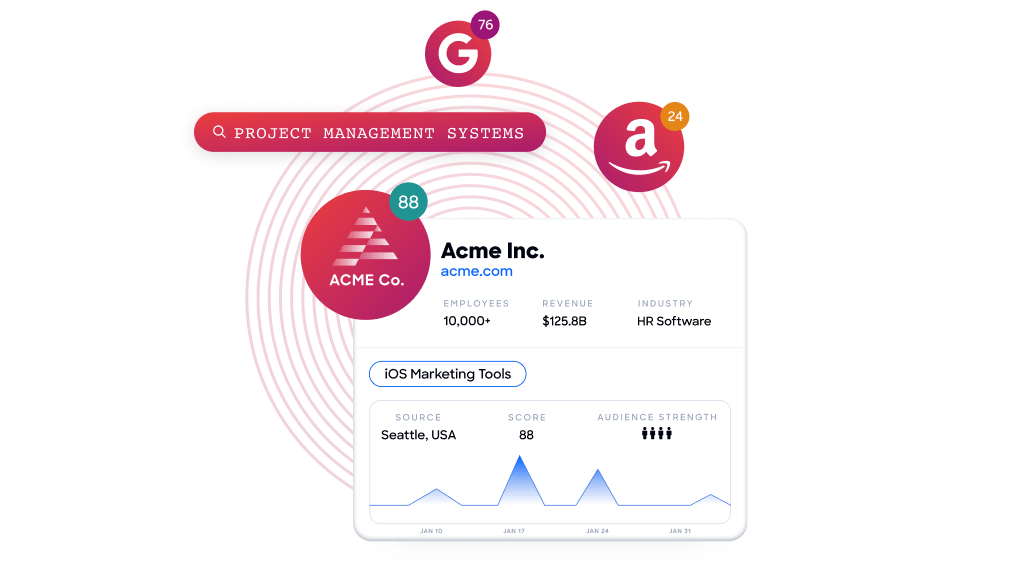
Seismic's sales team attributed 39% of active pipeline to opportunities identified or influenced by ZoomInfo signals, with a 54% productivity increase and 11.5 hours saved per week. (Seismic Case Study)
CRM integration and the sales-marketing handoff
The sales-marketing handoff is where platform architecture matters most.
With HubSpot, there's no handoff to configure. Marketing Hub and Sales Hub share the same Smart CRM. When a lead reaches a scoring threshold, the sales rep sees it in the same interface where they manage their pipeline. The deal record shows every marketing touchpoint, email interaction, and website visit.
The Breeze Prospecting Agent takes this further by drawing on the full customer history (won deals, support tickets, marketing engagement) to personalize outreach. A standalone prospecting tool can't access that history because it doesn't sit on the same database.
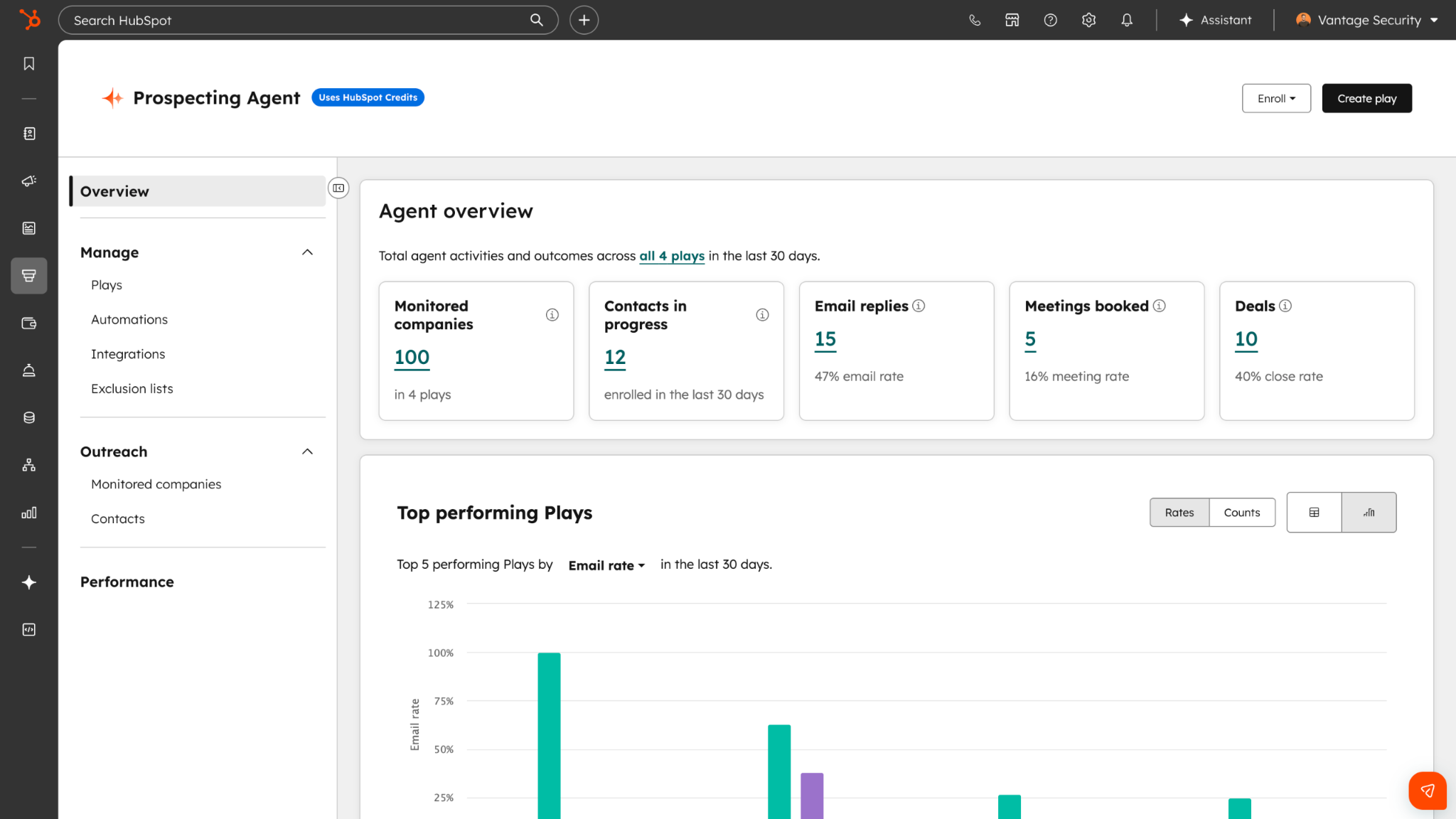
Source: HubSpot
Sugar Market handles the handoff through its CRM sync, which runs on a roughly 10-minute cadence for core tables. When a lead hits a scoring threshold, Sugar Market can automatically push the lead to the CRM, create a task, or create an opportunity from the scoring engine. The Buyer's Journey view embeds as an iframe inside the CRM, giving sales reps a full timeline of marketing interactions without leaving their deal workspace.
Sugar Market's Listener automation adds something HubSpot doesn't match. Listeners monitor CRM records for field changes in real time and trigger marketing actions when sales reps update records. If a rep changes a deal stage, a Listener can enroll the associated contacts in a relevant nurture campaign. This two-way bridge between CRM and marketing is valuable in organizations where marketing needs to respond to sales actions, not just the other way around.
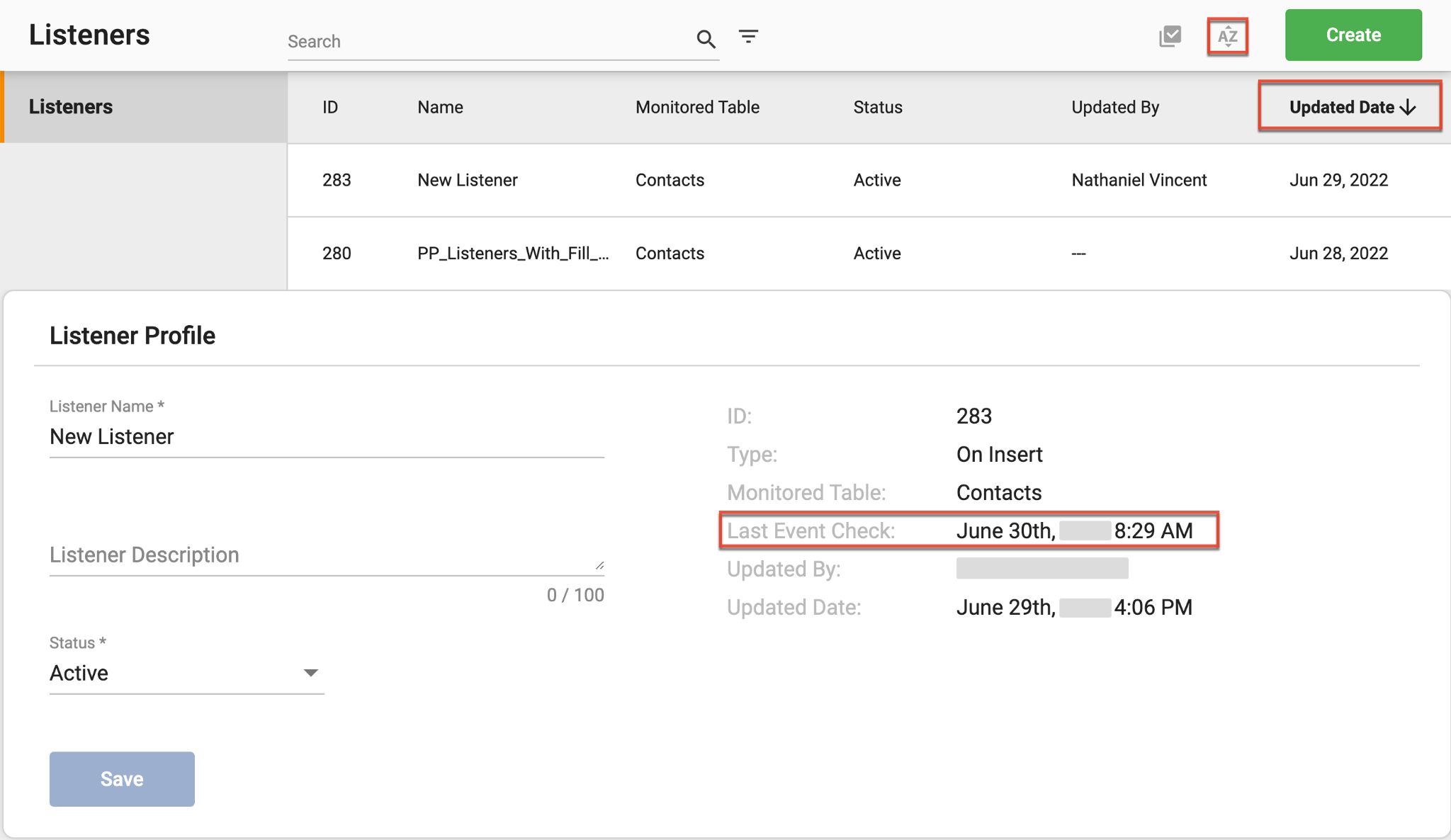
Source: SugarAI
The limitation for both: neither platform tells you who you should be talking to in the first place. They manage the leads that come in through your forms, your website, and your campaigns. Identifying the right accounts and contacts before they engage with you requires intelligence outside both platforms.
The data intelligence gap both platforms leave open
HubSpot and Sugar Market are execution platforms. They automate what you tell them to automate, nurture the leads you feed them, and score the contacts already in your database. What they don't do is tell you which of the 100 million B2B companies in the world are in your addressable market, which are showing buying signals now, and who within those companies makes the purchasing decision.
This is ZoomInfo's core function. Where HubSpot and Sugar Market start with your existing contacts, ZoomInfo starts with the market itself.
The ZoomInfo data platform covers 500M contacts and 100M companies, verified through automated ML scanning of 28 million site domains daily, a community of 200,000+ users who share data back, and a Data Training Lab of 300+ human researchers. First-party data reaches up to 95% accuracy. In a Fortune 500 competitive RFP analyzing 25 million contacts across vendors, the independent consultant concluded that "no other competitor came even close."
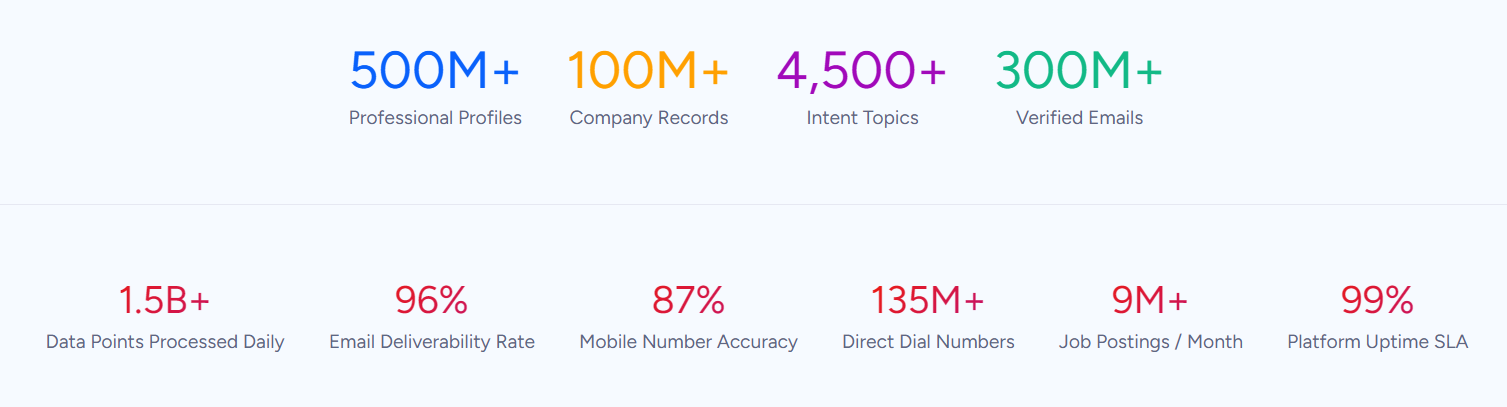
That data becomes intelligence through the Context Graph, which processes 1.5B+ data points daily by combining ZoomInfo's third-party data with your CRM records, conversation transcripts, and behavioral signals. The result is context that captures not just what happened in a deal, but why it happened, giving your marketing and sales teams information neither HubSpot nor Sugar Market can generate from their own data.
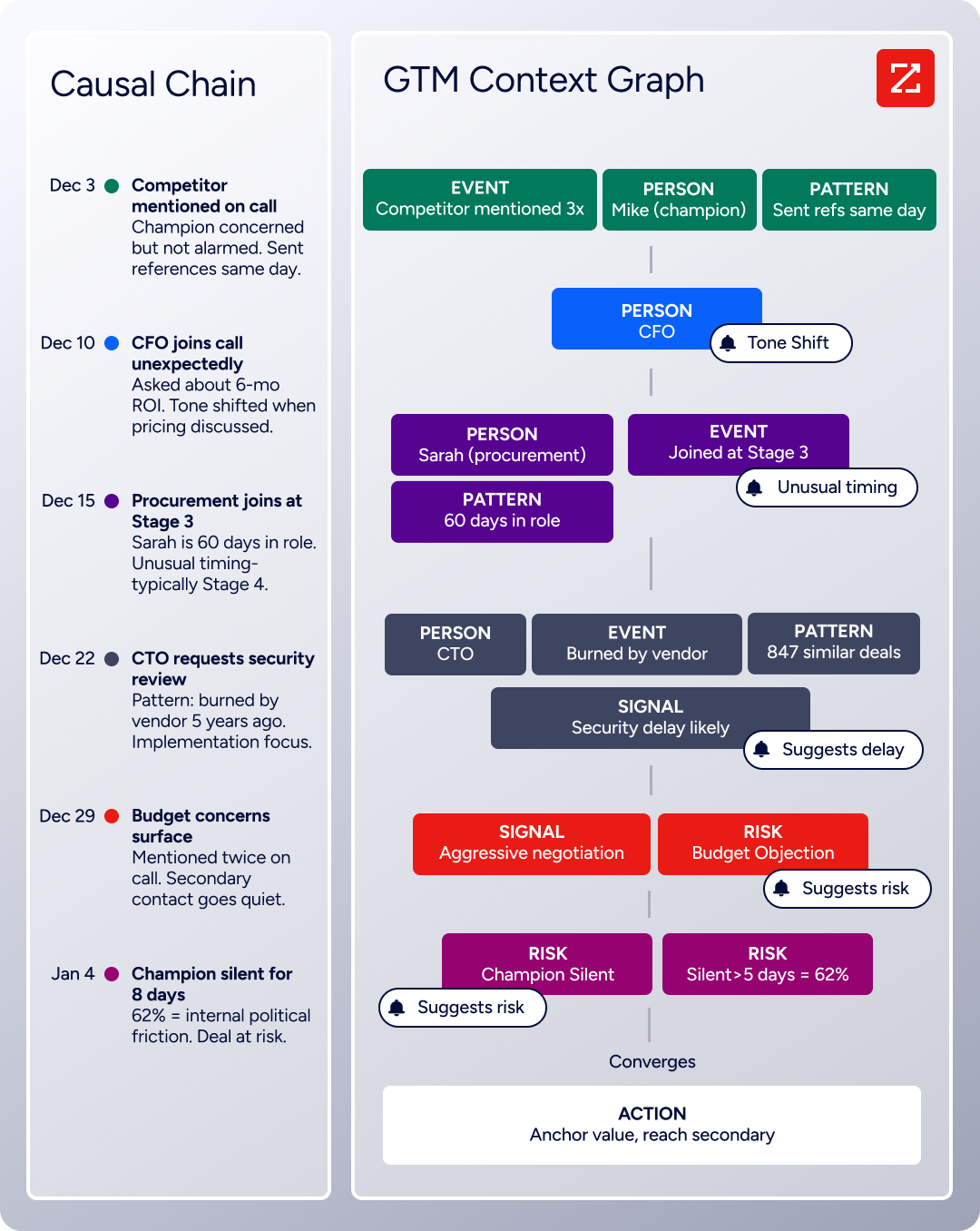
For marketing teams, ZoomInfo fills gaps in both platforms:
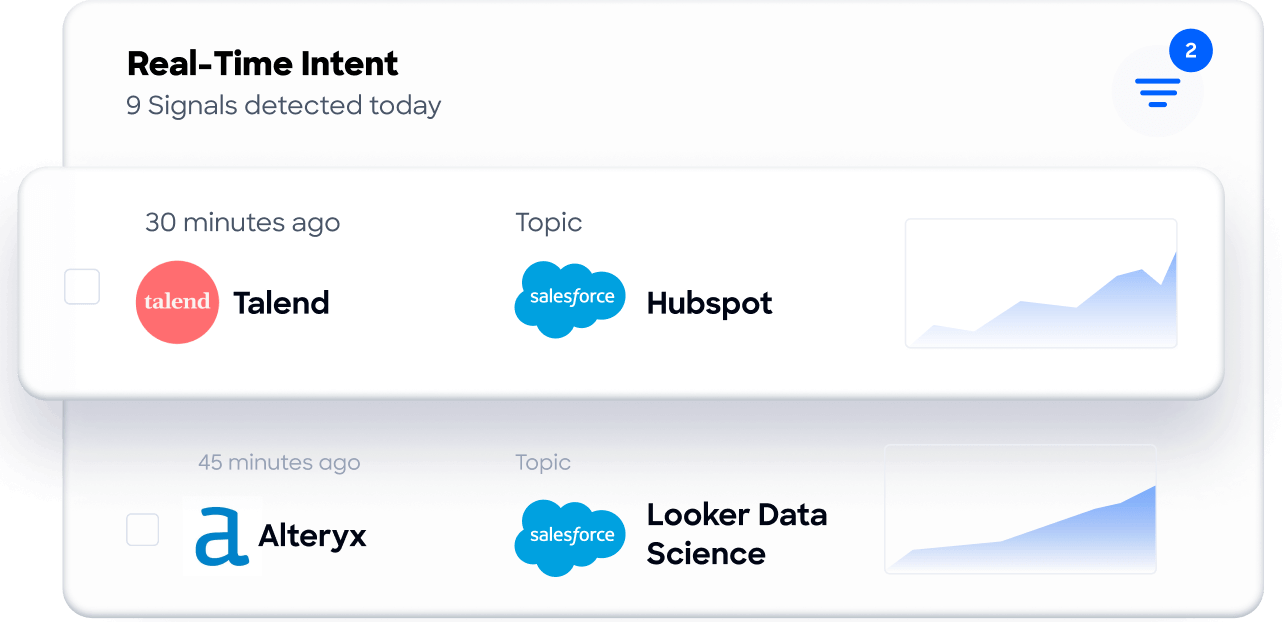
Buyer intent signals. ZoomInfo Intent identifies companies researching topics relevant to your business, so your nurture campaigns target accounts already in-market rather than cold lists. This data flows into both HubSpot and Sugar Market through native integrations.
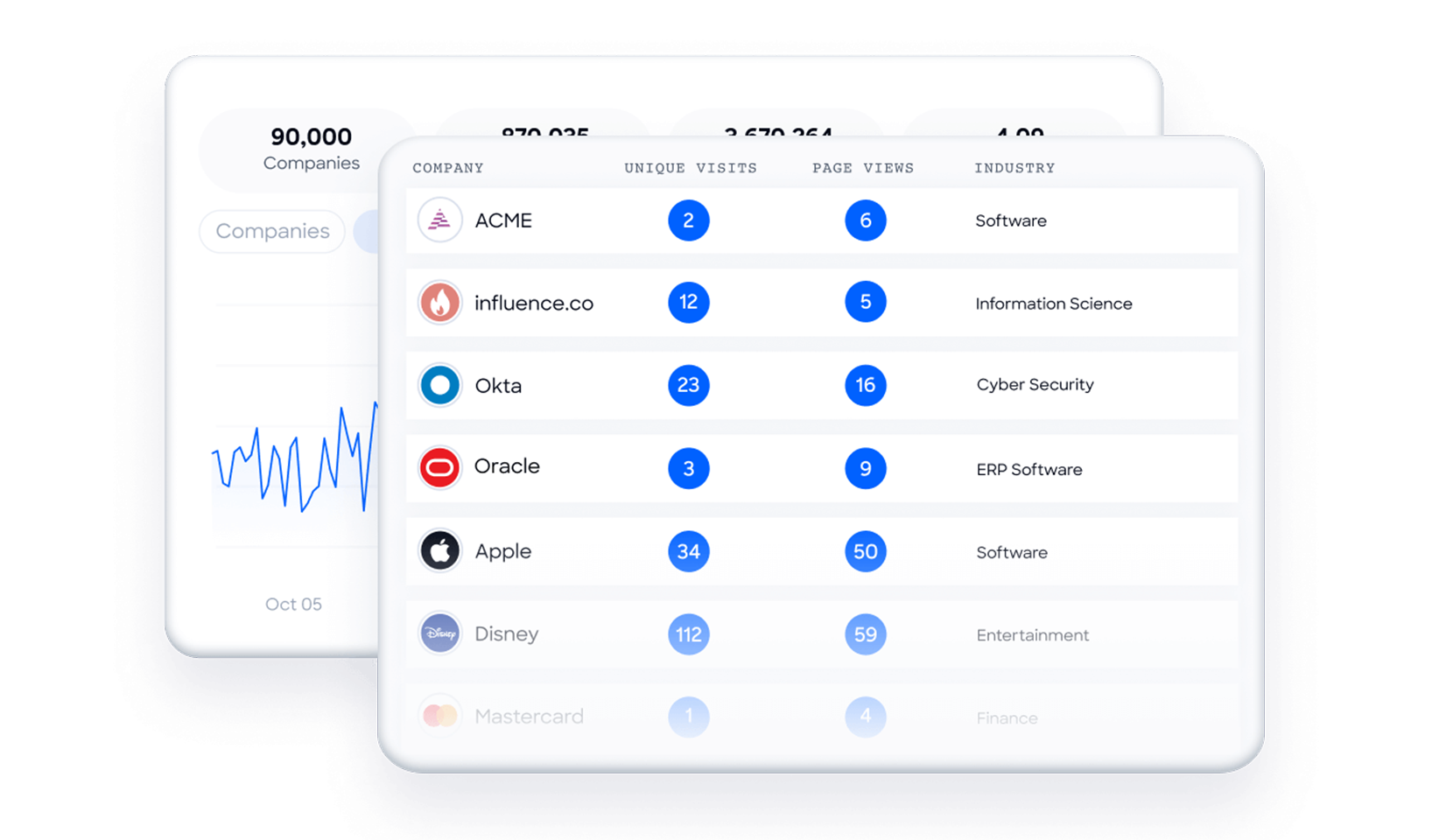
Website visitor identification. WebSights resolves anonymous website traffic to specific companies and surfaces the buying team's contact information, including direct dials and verified emails. Sugar Market's web tracking identifies anonymous visitors at the ISP or organization level; ZoomInfo resolves them to specific companies and contacts.
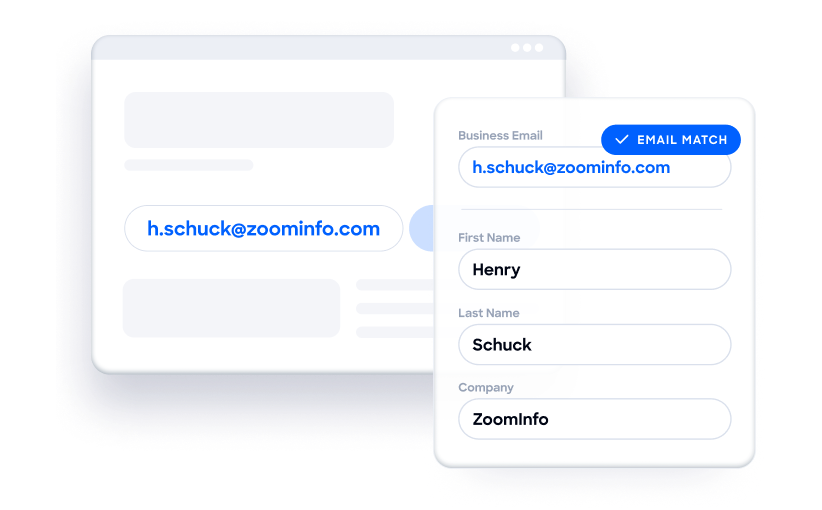
Form optimization. FormComplete reduces forms to a single field and auto-fills the rest from ZoomInfo's database. Smartsheet reported a 40%+ increase in form fills, 84% increase in MQLs, and 59% increase in win rate after implementing it.
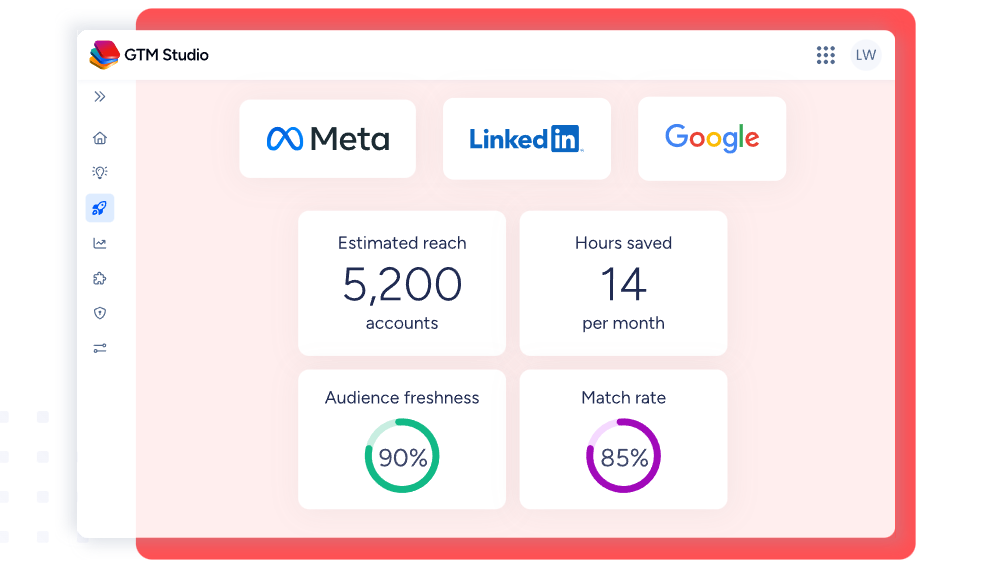
Account-based advertising. ZoomInfo's demand-side platform places display ads based on 300+ company attributes. Audiences update automatically as signals change, without manual list refreshes.
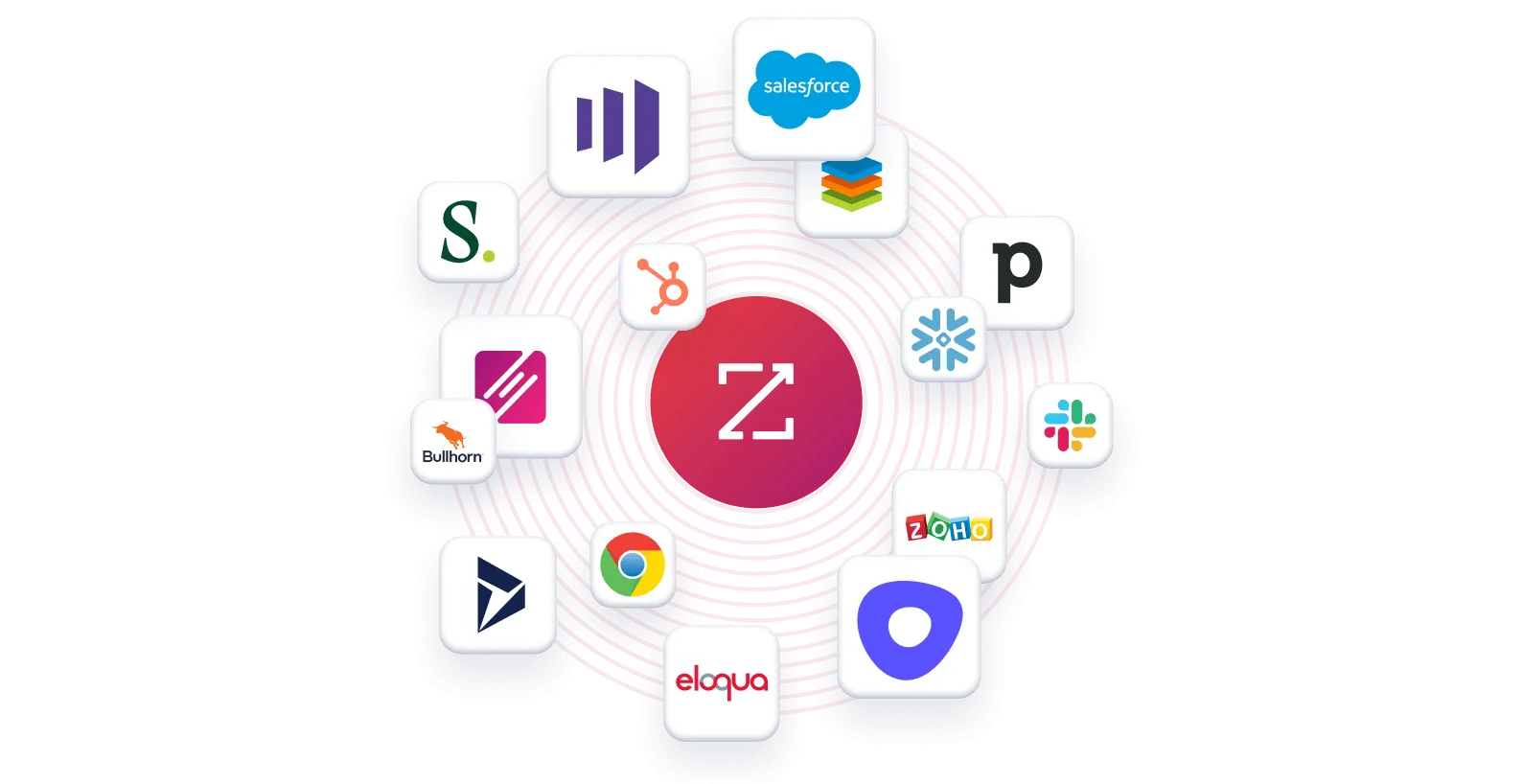
ZoomInfo integrates with both HubSpot and Sugar Market through its App Marketplace. The integration isn't an either/or choice against those platforms. It's a layer that makes whichever platform you run produce better results. For a detailed side-by-side comparison of HubSpot and ZoomInfo's capabilities, see our HubSpot vs. ZoomInfo guide.
Redwood Logistics achieved a 99% reduction in cost-per-click and a 310% increase in clickthrough rate by using ZoomInfo's data to reach the right accounts at the right time. (Redwood Logistics Case Study)
Pricing and total cost of ownership
The pricing structures reveal each platform's target market and how costs accumulate.
HubSpot uses a hybrid model combining per-seat and per-contact pricing. Marketing Hub starts at $20/seat/month for Starter, jumps to $800/month for Professional (includes 3 seats and 2,000 marketing contacts), and reaches $3,600/month for Enterprise (5 seats, 10,000 marketing contacts). Those prices look manageable until you add mandatory onboarding fees: $3,000 for Professional, $7,000 for Enterprise. Adding Sales Hub Professional costs another $90/seat/month plus a $1,500 onboarding fee.
There's a pricing trap worth knowing: when subscribing to multiple Hubs at different tiers, all Core Seats are billed at the highest tier's rate. A company running Marketing Hub Enterprise and Sales Hub Professional pays the Enterprise seat rate for every seat, not the Professional rate for sales users. This can inflate total costs for organizations mixing tiers across departments.
On the other hand, HubSpot's free tier is useful. Unlimited contacts (up to 1M records), basic email marketing, forms, landing pages, and CRM access, permanently free for up to 2 users. No other platform in this comparison offers that.
Sugar Market uses contact-based pricing with no per-seat charges. The entry-level package is $12,000/year (about $1,000/month) for up to 10,000 contacts. Contracts come in 12, 24, or 36-month terms. The advantage: adding users doesn't add cost, which matters when sales reps, regional managers, and executives all need to see campaign data. The disadvantage: the $1,000/month floor eliminates startups and small teams. Sugar Market's pricing is also opaque, not published on the main website, with all inquiries routed through sales.
For total cost of ownership, consider what each platform replaces. HubSpot can consolidate CRM, marketing automation, sales tools, service desk, and CMS into one bill, potentially replacing 5-10 separate subscriptions. Sugar Market covers marketing automation but requires Sugar Sell (separate purchase) for CRM and doesn't include a content management system.
ZoomInfo uses consumption-based pricing with no published prices. Costs depend on seats, credit volume, features, and contract length. ZoomInfo is an additional investment on top of your CRM and marketing automation platform, not a replacement. The ROI question is simple: if ZoomInfo's data and signals generate enough pipeline to justify the cost, it pays for itself. Documented outcomes include Snowflake achieving 200% higher conversion rates on top-scoring accounts and Thomson Reuters seeing a 40% increase in closed-won deals.
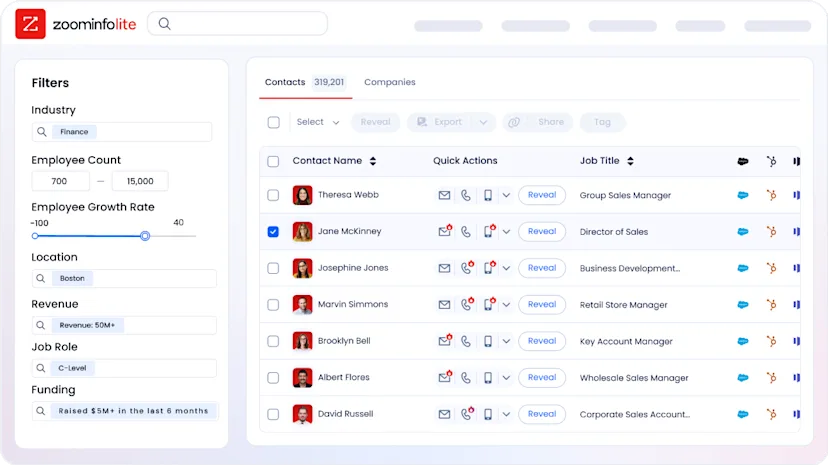
ZoomInfo Lite is a permanent free tier with access to the B2B database, 10 monthly export credits, and basic website visitor identification. It's a practical way to test whether ZoomInfo's data quality is better than what you're currently working with.
Learning curve and support
HubSpot is the easiest to start with. The free tier is the onboarding ramp, HubSpot Academy offers free certifications (over 200,000 professionals certified), and the interface is consistent across all Hubs. HubSpot's claim of being "customizable without being complicated" holds up for Starter and Professional tiers. Enterprise brings more complexity, but the foundation stays the same. Support scales with tier: community-only for free users, email and chat for Starter, phone support at Professional and Enterprise.

Source: HubSpot
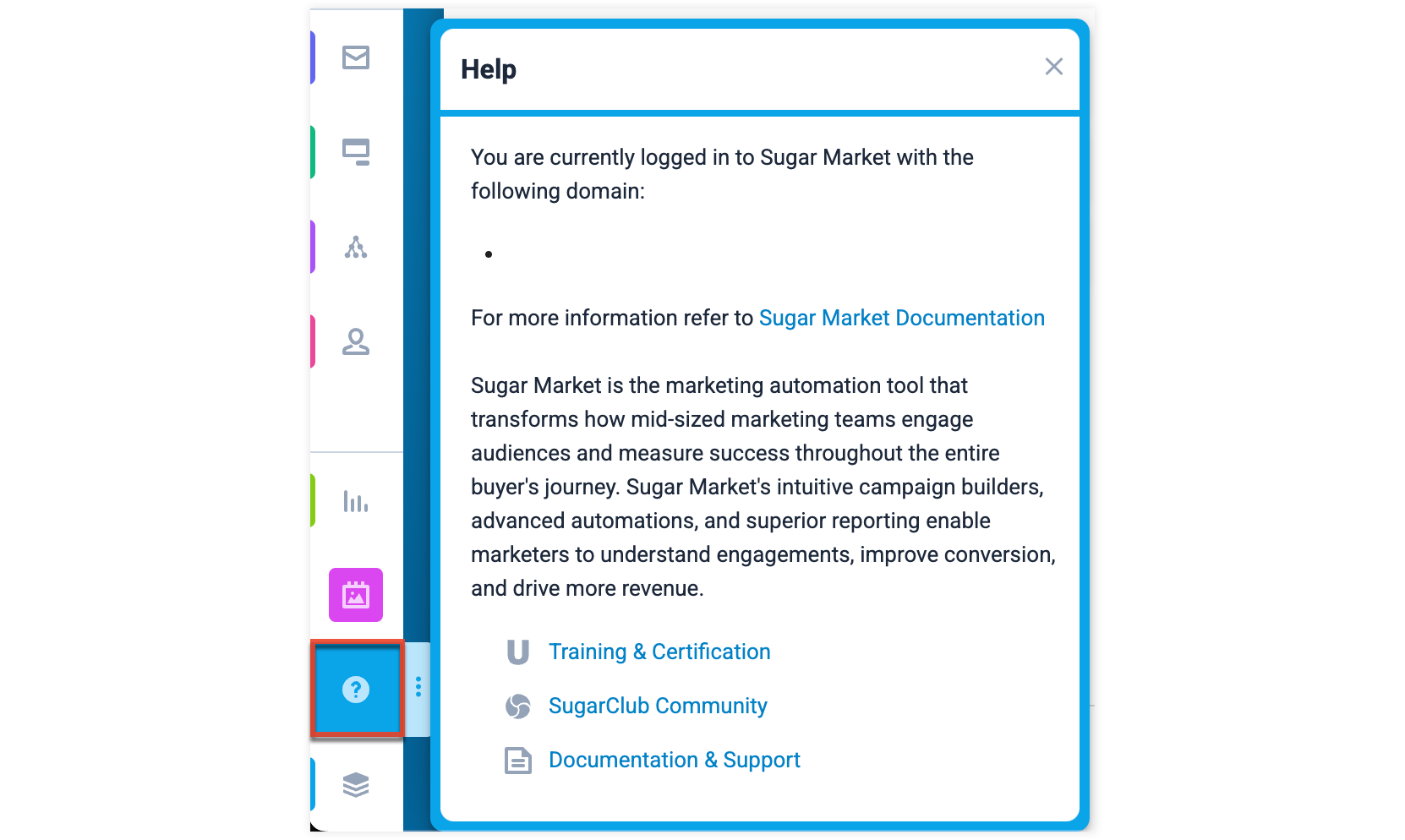
Sugar Market requires more upfront investment. New customers go through a formal technical setup with an onboarding team before gaining access, and the initial CRM sync requires coordination with an implementation consultant. SoftwareReviews users cite a steep learning curve for complex features. The platform is web-only with no mobile browser support. Standard support covers 12x5 regional hours; phone support requires a paid upgrade. Customers who bought through a partner are routed to that partner for all support, so the experience varies.
Source: SugarAI
ZoomInfo redesigned its onboarding from 30 to 90 days, which produced a 25% improvement in customer satisfaction scores. ZoomInfo University provides role-specific learning paths. The platform is broad (data search, intent signals, Workspace, Studio, API access), but individual features like contact search and intent monitoring are straightforward from day one.
HubSpot vs. Sugar Market vs. ZoomInfo: Which should you choose?
These three platforms solve different problems. The choice isn't about finding the "best" one. It's about matching the right tool to your situation.
Choose HubSpot if:
You want CRM, marketing automation, sales tools, and service in one platform
You don't have an existing CRM you're committed to (or you're willing to migrate)
Your marketing team values ease of use and quick setup
You need a free tier to start and room to scale
Your business spans multiple industries and go-to-market motions
Choose Sugar Market if:
You're in an account-based industry (manufacturing, distribution, financial services) with long sales cycles
You need marketing automation connected to ERP data like order history and purchasing patterns
You're already running Sugar Sell, Salesforce, or Microsoft Dynamics as your CRM
Your team needs unlimited-user access without per-seat cost escalation
You want AI lead scoring that trains on your own conversion data without manual model building
Add ZoomInfo to either platform if:
You need verified B2B contact data and direct dials to fuel outbound campaigns
You want to identify in-market accounts before they visit your website or fill out your forms
Your lead scoring would improve with third-party buying signals, not just first-party engagement
Your sales team needs account intelligence and buying committee data to close deals faster
You want your marketing automation fed by data that's verified, not just collected
Start with ZoomInfo Lite for free, or explore the full platform with a 7-day trial.
SpringDB saw 2-3x increases in campaign conversions, a 300% increase in database usability, and 30-50% uplift in average deal size using ZoomInfo. As founder John Kotsuros put it: "You'll get 10x the value if you think of ZoomInfo as a full platform and not just a tool for one team." (SpringDB Case Study)
HubSpot and Sugar Market are both capable marketing automation platforms. HubSpot wins on breadth and ease of use. Sugar Market wins on CRM depth and ERP connectivity for account-based industries. But regardless of which you choose, the data layer under your marketing stack determines whether your campaigns reach the right people at the right time, and that's the problem ZoomInfo solves.
HubSpot vs. Sugar Market vs. ZoomInfo FAQ
What is the main difference between HubSpot, Sugar Market, and ZoomInfo?
HubSpot is an all-in-one platform that bundles CRM, marketing automation, sales tools, and service. Sugar Market is a marketing automation platform designed to integrate with an existing CRM (primarily Sugar Sell, Salesforce, or Microsoft Dynamics) and 180+ ERP systems, targeting mid-market B2B companies in account-based industries. ZoomInfo is a B2B data intelligence platform that provides verified contact data, buyer intent signals, and account insights, feeding into either marketing automation platform through native integrations.
Is Salesfusion the same as Sugar Market?
Yes. Salesfusion was acquired by SugarCRM and rebranded as Sugar Market. In April 2026, SugarCRM itself rebranded to SugarAI. The product's core marketing automation capabilities remain, now positioned as the marketing module within SugarAI's "Precision Selling" suite alongside Sugar Sell and Sugar Serve.
Which platform is cheaper for a small team?
HubSpot is the most accessible for small teams, with a permanent free tier that includes CRM, basic email marketing, forms, and landing pages for up to 2 users. Sugar Market has no free plan and starts at about $1,000/month for 10,000 contacts, with no published pricing on its website. ZoomInfo offers a permanent free tier (ZoomInfo Lite) with 10 monthly export credits and a 7-day free trial of the full platform.
Can ZoomInfo replace HubSpot or Sugar Market?
No. ZoomInfo is not a CRM or marketing automation platform. It does not manage email campaigns, nurture sequences, or ticket workflows. ZoomInfo provides the B2B data, intent signals, and account intelligence that make those platforms more effective. It integrates with both HubSpot and Sugar Market, so the typical setup is ZoomInfo alongside your marketing automation platform, not instead of it.
Which platform has better lead scoring?
Sugar Market offers a dual-layer scoring system with unlimited rule-based scoring profiles and SugarPredict AI scoring that trains on your own conversion data, updating every 15 minutes. HubSpot offers predictive lead scoring at the Enterprise tier and manual scoring at Professional. Both platforms score based on first-party data only (your website, your emails, your forms). ZoomInfo adds third-party buyer intent signals from 210 million IP-to-Organization pairings, identifying accounts researching your category on external sites before they engage with your properties.
Which platform is better for manufacturing and distribution companies?
Sugar Market has a clear advantage for manufacturing and distribution. Its 180+ ERP integrations connect marketing automation to order history, purchasing patterns, and shop-floor data. The SugarAI suite is designed for account-based industries with long sales cycles and repeat-purchase relationships. HubSpot is industry-agnostic and lacks ERP connectivity at that depth.
How do the platforms handle CRM integration differently?
HubSpot has its own built-in Smart CRM, so there is no integration to configure. Marketing, sales, and service data all share one database. Sugar Market integrates with external CRMs (Sugar Sell, Salesforce, Microsoft Dynamics) through a sync that runs roughly every 10 minutes, plus near-real-time pushes for time-sensitive actions. ZoomInfo integrates with over 120 tools including all major CRMs and both HubSpot and Sugar Market, enriching contact and company records with verified data and buying signals.
Do I need all three platforms?
Not necessarily. If you're a small company starting out, HubSpot's free tier may be enough. If you're a mid-market B2B company in manufacturing or distribution with an existing Sugar Sell or Salesforce CRM, Sugar Market covers marketing automation. Adding ZoomInfo makes sense when your growth depends on reaching accounts and contacts beyond your existing database and inbound traffic, or when you need intent signals to prioritize outreach and improve lead scoring accuracy.
See how HubSpot measures up against other platforms:
