

MadKudu is a signal-based selling platform that helps B2B SaaS companies aggregate buying signals, score leads with predictive models, and surface intelligence inside tools like Gong, Salesforce, and Outreach. Now part of HG Insights' Revenue Growth Agentic Ecosystem, MadKudu serves revenue teams that prioritize accounts based on product usage data, third-party intent, and CRM activity.
But as your go-to-market strategy evolves, MadKudu's architecture may hold you back. Its scoring models do not automatically retrain as conversion patterns shift, requiring vendor collaboration to update. The platform only scores contacts and accounts already in your CRM, leaving net-new in-market accounts invisible. Setup demands dedicated RevOps resources. And pricing, while undisclosed publicly, is consistently described by G2 reviewers as "a big jump to get into" for teams not yet at enterprise scale.
That's where this guide comes in. We'll explore alternatives that excel where your team needs them most, whether you're looking to:
Unify comprehensive B2B data with AI intelligence that captures why deals move, not just that they moved
Discover in-market accounts from the dark funnel before they touch your CRM, and coordinate sales outreach with advertising against the same buying-stage intelligence
Convert anonymous website visitors into qualified pipeline in real time through AI chat and de-anonymization
Build CRM-native lead scoring without adding a separate scoring vendor to your stack
Construct a data-derived ICP model from your own closed-won history, with full transparency into every signal weight
Deploy a self-updating PQL scoring engine designed for product-led growth motions
This isn't about finding a "better" platform. It's about finding the right fit for your GTM motion as your requirements grow more complex. Some teams will use these tools alongside MadKudu to fill gaps; others may replace it entirely.
The Best MadKudu Alternatives |
|---|
Best Alternative for AI-Powered GTM Intelligence Built on Comprehensive B2B Data We chose ZoomInfo because it combines a large B2B dataset with a GTM Context Graph that captures why deals move, not just what happened, and delivers that intelligence through any tool via APIs, MCP, or its own front-ends. |
Best Alternative for Enterprise ABM with Dark-Funnel Intent and Native Advertising We chose 6sense because it surfaces in-market accounts from the dark funnel before they touch your CRM, and coordinates sales outreach with built-in programmatic advertising against the same buying-stage intelligence. |
Best Alternative for Real-Time Inbound Conversion from Anonymous Website Traffic We chose Warmly because it de-anonymizes website visitors at both the company and person level, then converts them through AI chat and real-time engagement, without the RevOps overhead MadKudu demands. |
Best Alternative for CRM-Native Lead Scoring Without a Separate Vendor We chose HubSpot because it builds lead scoring directly into the same CRM where contact and deal data already lives, eliminating the integration overhead and vendor dependency MadKudu requires. |
Best Alternative for Data-Derived ICP Modeling with Full Scoring Transparency We chose Keyplay because it derives your ideal customer profile from closed-won deal data, backtests the model before deployment, and gives your team full visibility into every signal weight driving each account's score. |
Best Alternative for PLG Teams Needing Self-Updating PQL Scoring We chose UserMotion because its self-learning scoring engine retrains automatically as conversion patterns shift, solving MadKudu's most cited frustration for product-led growth teams. |
What is MadKudu?
Source: HG Insights
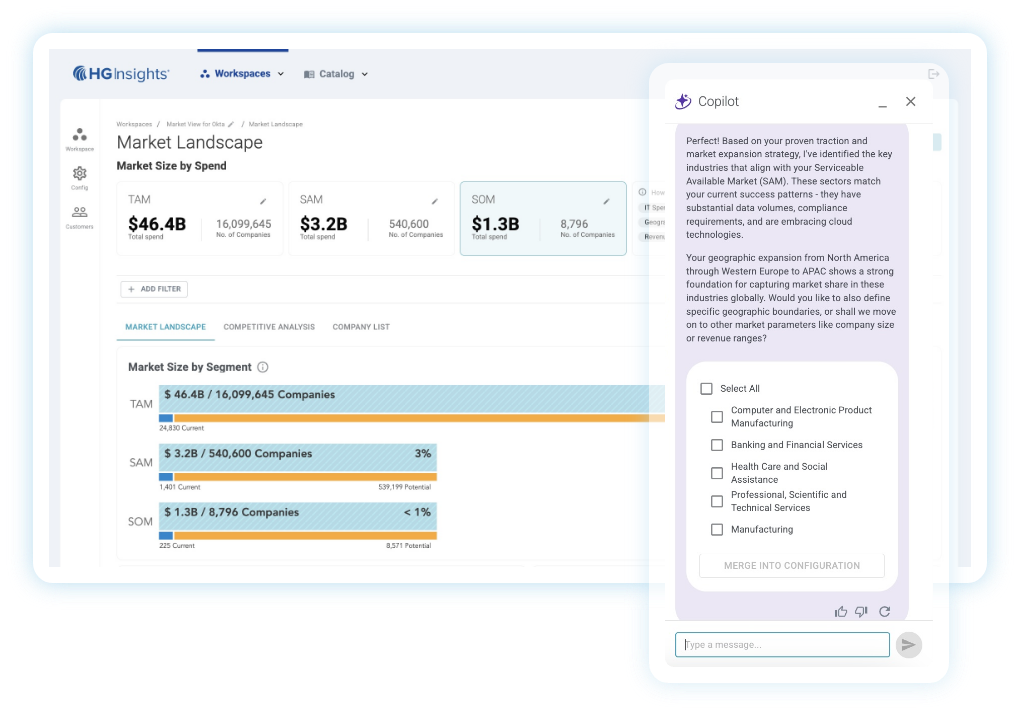
MadKudu is an AI-powered signal-based selling platform that helps B2B sales teams identify and act on buying signals across their tech stack. Now operating under HG Insights following an August 2025 acquisition, MadKudu positions itself as an agentic GTM platform for revenue teams prioritizing accounts and executing sales plays. Its key features include:
Signals: Aggregates first- and third-party intent signals from 30+ native integrations (CRM, marketing automation, product analytics, data warehouses, and intent providers) into one view
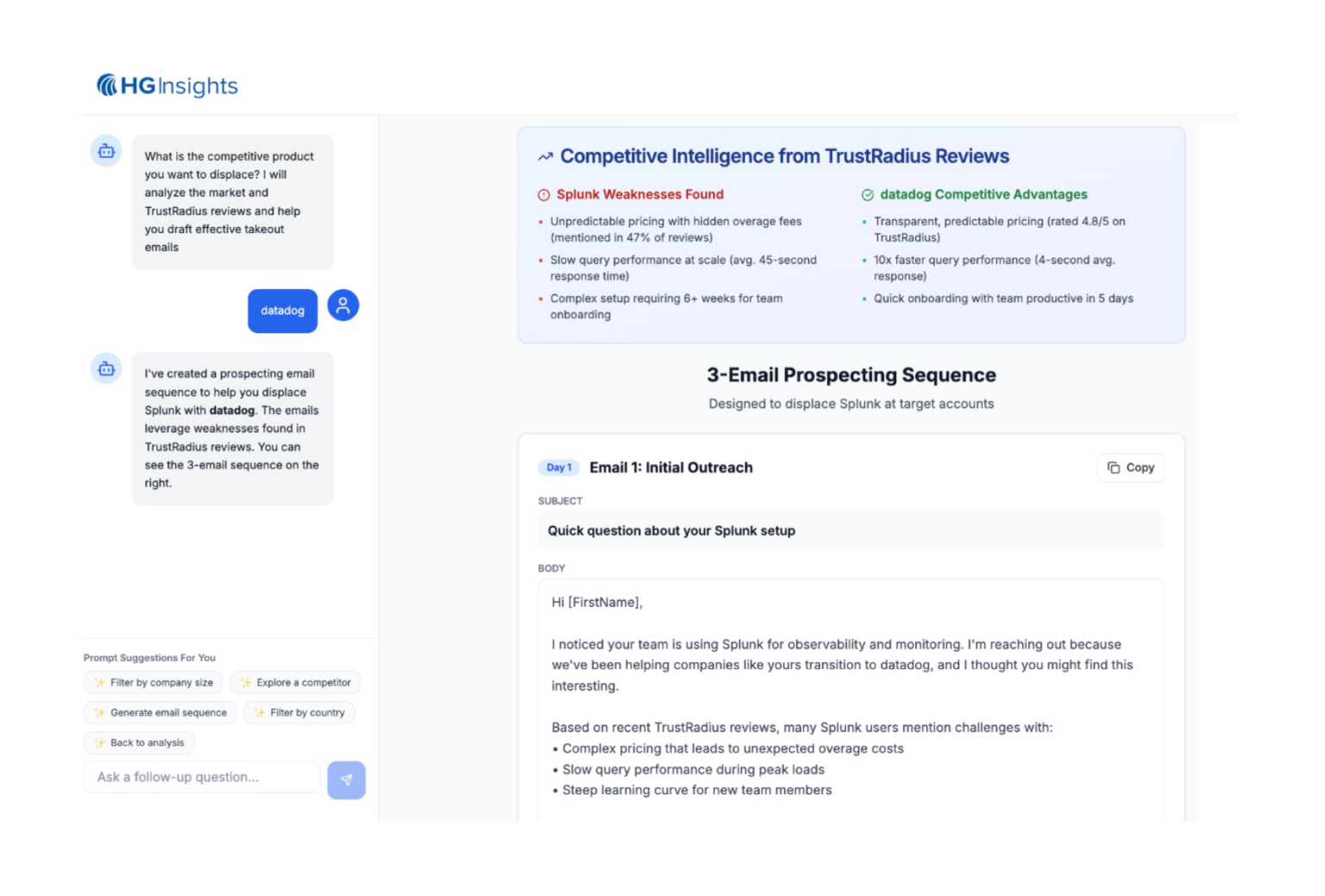
Intelligence (AI Copilot): Delivers AI-generated account briefs, dual scoring (Customer Fit and Engagement), 360-degree engagement views, and contact discovery, all embedded inside Gong, Salesforce, and Outreach
Automation Plays: 23 pre-built playbook templates across PLG, ABM, and Inbound motions that pair signal-triggered audiences with recommended actions and optional auto-enrollment into sales sequences
MCP connectivity: A native MCP server that lets AI agents in Claude, ChatGPT, and other platforms query MadKudu's data directly
MadKudu's strength is consolidating signals from fragmented tools into a single copilot that surfaces intelligence where reps already work.
Source: HG Insights
However, MadKudu has architectural limits that drive teams to seek alternatives. The platform only scores contacts and accounts already in your CRM, leaving net-new in-market accounts invisible. Scoring models do not automatically retrain, requiring vendor collaboration to update.
Setup demands dedicated RevOps resources, and the platform does not publish pricing, with all commercial terms handled through direct sales engagement.
For teams whose GTM motion demands deeper data coverage, proactive account discovery, self-updating models, or a lower barrier to entry, these are the alternatives we recommend.
How We Curated Our List of MadKudu Alternatives
After researching MadKudu and the broader signal-based selling market, we focused on platforms that address gaps where MadKudu falls short. While MadKudu excels at multi-source signal aggregation and playbook-driven selling for teams with existing CRM data, we found that businesses need more specialized tools for:
Combining comprehensive, verified B2B data with AI intelligence that reasons about why deals move, accessible through any tool or front-end
Discovering in-market accounts from the anonymous dark funnel and coordinating sales and advertising against the same buying-stage signals
Converting anonymous website visitors into qualified pipeline in real time, without standing up a full RevOps operation first
Building CRM-native lead scoring without the integration overhead of a separate scoring vendor
Constructing transparent, backtestable ICP models derived from actual closed-won deal history
Deploying self-updating PQL scoring for product-led growth motions without vendor retraining dependency
Each tool on this list leads in one of these areas. You might use them alongside MadKudu to fill capability gaps, or as a standalone replacement depending on your GTM motion.
DISCLAIMER: We aren't covering every tool in the market! Our focus is on highlighting alternatives that address MadKudu's limitations for specific use cases. |
|---|
1. ZoomInfo: Best Alternative for AI-Powered GTM Intelligence Built on Comprehensive B2B Data
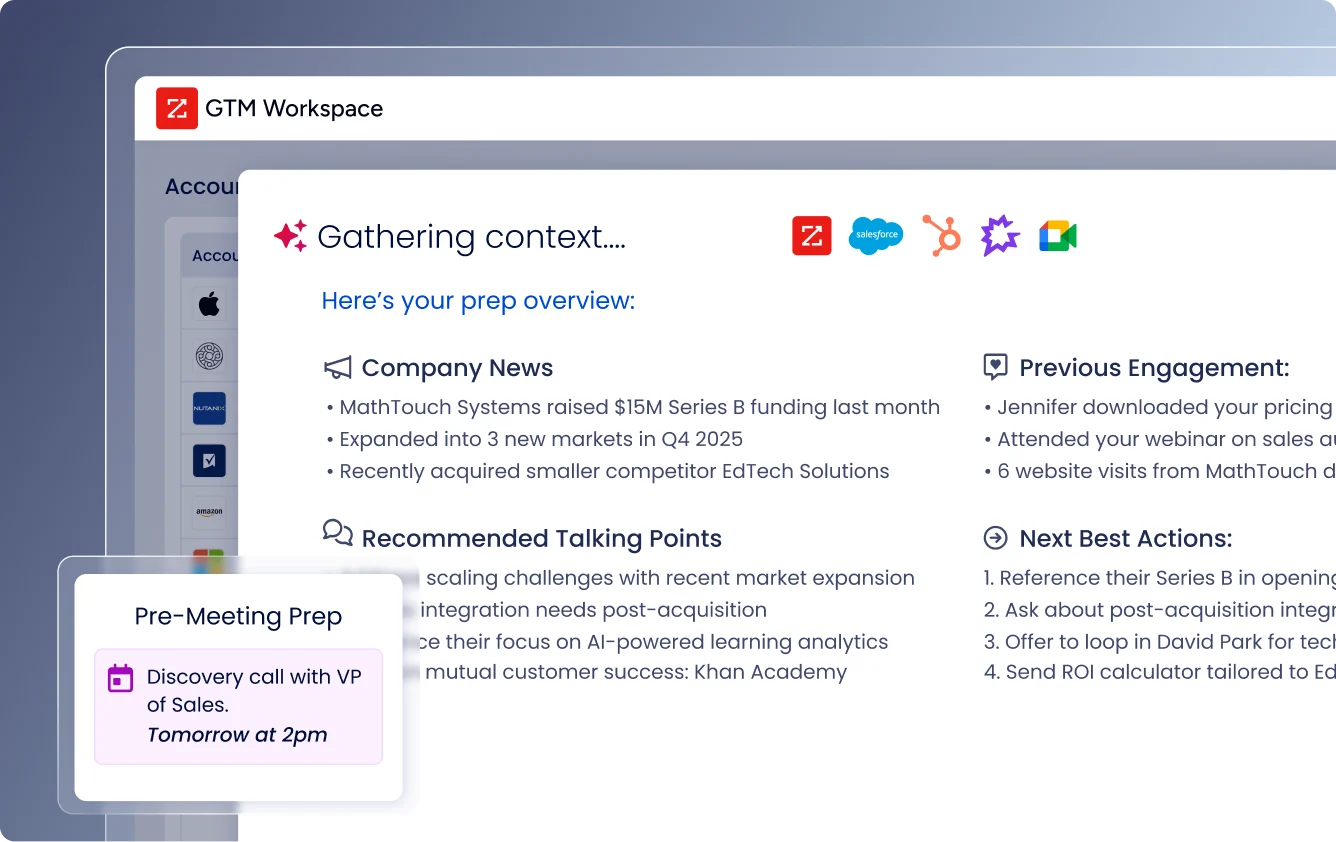
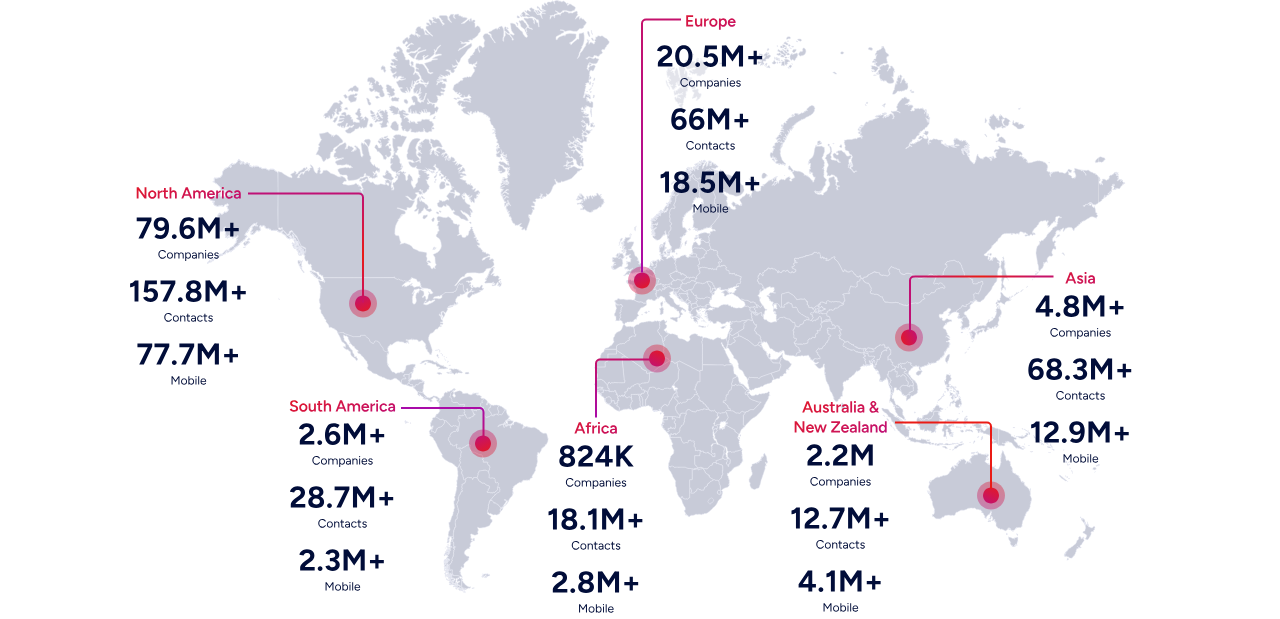
ZoomInfo is an AI GTM platform built on a large B2B data foundation: 500M contacts, 100M companies, 135M+ verified phone numbers, and 200M+ verified business email addresses.
Where MadKudu aggregates signals from your existing tech stack and scores accounts already in your CRM, ZoomInfo provides the data layer itself, the intelligence that reasons across it, and the execution surfaces to act on it. Its key features include:
Comprehensive B2B data: 500M contacts, 100M companies, 135M+ verified phone numbers, 120M direct-dial phone numbers, and 200M+ verified business email addresses, verified through a multi-source pipeline backed by 300+ human researchers with up to 95% accuracy on first-party data
GTM Context Graph: An intelligence layer processing 1.5B+ data points daily, fusing ZoomInfo's third-party data with your CRM records, conversation intelligence, and behavioral signals to capture not just what happened in a deal, but why it happened
Universal access: APIs and MCP for any tool or AI agent, GTM Workspace for sellers, and GTM Studio for marketers and RevOps
Buyer Intent Data: Tracks signals from 210 million IP-to-Organization pairings and 6 trillion+ new keyword-to-device pairings sourced monthly, with Guided Intent identifying topics correlated with deal success
ZoomInfo is the right MadKudu alternative for teams that need a broader GTM intelligence layer, one that provides verified contact data, discovers in-market accounts, reasons across first- and third-party signals, and delivers that intelligence through any tool the team already uses.
Why Choose ZoomInfo Over MadKudu for GTM Intelligence
While MadKudu aggregates signals from connected tools and scores existing CRM records, ZoomInfo provides the data foundation, the intelligence layer, and the execution surfaces that make signal-based selling work at scale.
Comprehensive, Verified Data vs. Scoring What's Already in Your CRM
MadKudu's core architectural constraint is that it only scores contacts and accounts already in your CRM or marketing automation system. If an account is researching your category but has never filled out a form or responded to outreach, MadKudu cannot detect it. G2 reviewers flag this as a gap for outbound-heavy teams. It reflects a design choice: MadKudu is a scoring layer, not a data layer.
ZoomInfo is the data layer. With 500M contacts, 100M companies, 135M+ verified phone numbers, and 200M+ verified business email addresses, ZoomInfo provides the verified contact and company data that MadKudu's models score but never generate.
When an account starts showing in-market signals, ZoomInfo surfaces the verified contacts within that buying committee (direct dials, business emails, org chart positions, and technographic context) regardless of whether those contacts existed in your CRM beforehand.
In a Fortune 500 competitive RFP analyzing 25 million contacts across vendors, the independent consultant concluded that "no other competitor came even close."
For sales reps, the difference shows at the point of action: the direct dial rings, the email lands. For RevOps teams, enrichment workflows don't require stitching together three vendors and a manual research layer to get a complete account picture. ZoomInfo combines contacts, company attributes, org charts, technographics, and intent signals in one platform.
ZoomInfo in Action: Your marketing team spots a surge in intent signals around your product category. With MadKudu, you'd only see this signal on accounts already in Salesforce.
With ZoomInfo, you see the signal, identify the company, pull up the full buying committee with verified direct dials and emails, understand their tech stack and hiring patterns, and launch a coordinated outreach sequence, all from one platform, including accounts that never existed in your CRM until this moment.
The GTM Context Graph: Understanding Why Deals Move, Not Just That They Moved
MadKudu produces a Customer Fit score (0-100) and an Engagement score based on behavioral signals over the trailing 90 days. These help with prioritization, but they tell you what is happening, not why. When a deal accelerates, MadKudu can show that engagement spiked.
It cannot show that the spike happened because the CFO joined the last call and asked about six-month ROI, a pattern that historically correlates with closed-won deals in your segment.
ZoomInfo's GTM Context Graph captures exactly this. By fusing ZoomInfo's third-party data with your CRM records, conversation intelligence from Chorus, email interactions, and behavioral signals, the GTM Context Graph builds an intelligence layer that processes 1.5B+ data points daily.
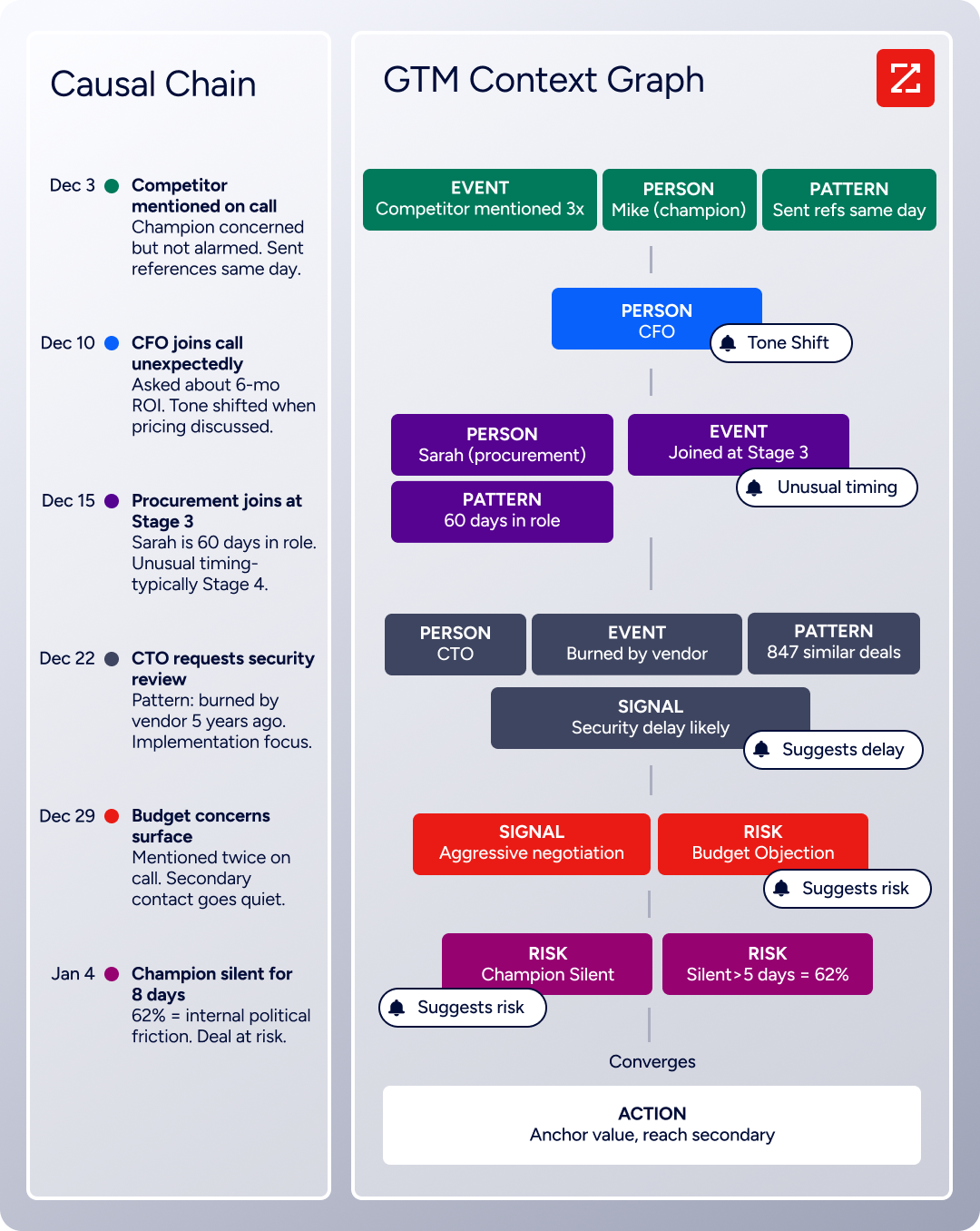
As CPO Dominik Facher writes: "The CRM recorded the state change. It has no record of why it happened." The GTM Context Graph makes that decision context machine-readable: people and their relationships, actions and their outcomes, patterns and predictions, exceptions and explanations.
This intelligence layer exists because of 20 years of data unification infrastructure that no single point solution can replicate.
ZoomInfo acquired Chorus for its context capture and analysis capabilities, which extract not just raw data from calls and meetings, but the underlying signals: why a deal accelerated, why a champion went quiet, what a competitive mention predicts about deal risk. That intelligence flows into every downstream action.
ZoomInfo in Action: A rep opens GTM Workspace and sees that a target account has moved from stage 3 to stage 4. Instead of just seeing the stage change, the AI brief explains that executive sponsorship entered during the last call with ROI-focused questions, matching the pattern behind closed-won deals in this segment.
Third-party signals show the company hired three new VPs and is researching your competitor. The follow-up email addresses the specific concern the CFO raised, because the system understands why it matters now.
Universal Access: Use the Intelligence Anywhere, Not Just in Three Embedded Surfaces
MadKudu delivers its intelligence through four surfaces: a Chrome extension, a Salesforce embedded panel, an Outreach embed, and a Gong Engage embed. These are well-designed integrations, but they are the only way to access MadKudu's intelligence. If your team builds custom tools, uses a different CRM, or wants to power AI agents with GTM data, MadKudu's architecture doesn't extend.
ZoomInfo provides three access paths, all drawing from the same GTM Context Graph: GTM Workspace gives sellers an AI-powered workspace. GTM Studio gives marketers and RevOps a builder environment where audience definition, campaign orchestration, and pipeline measurement happen in natural language.
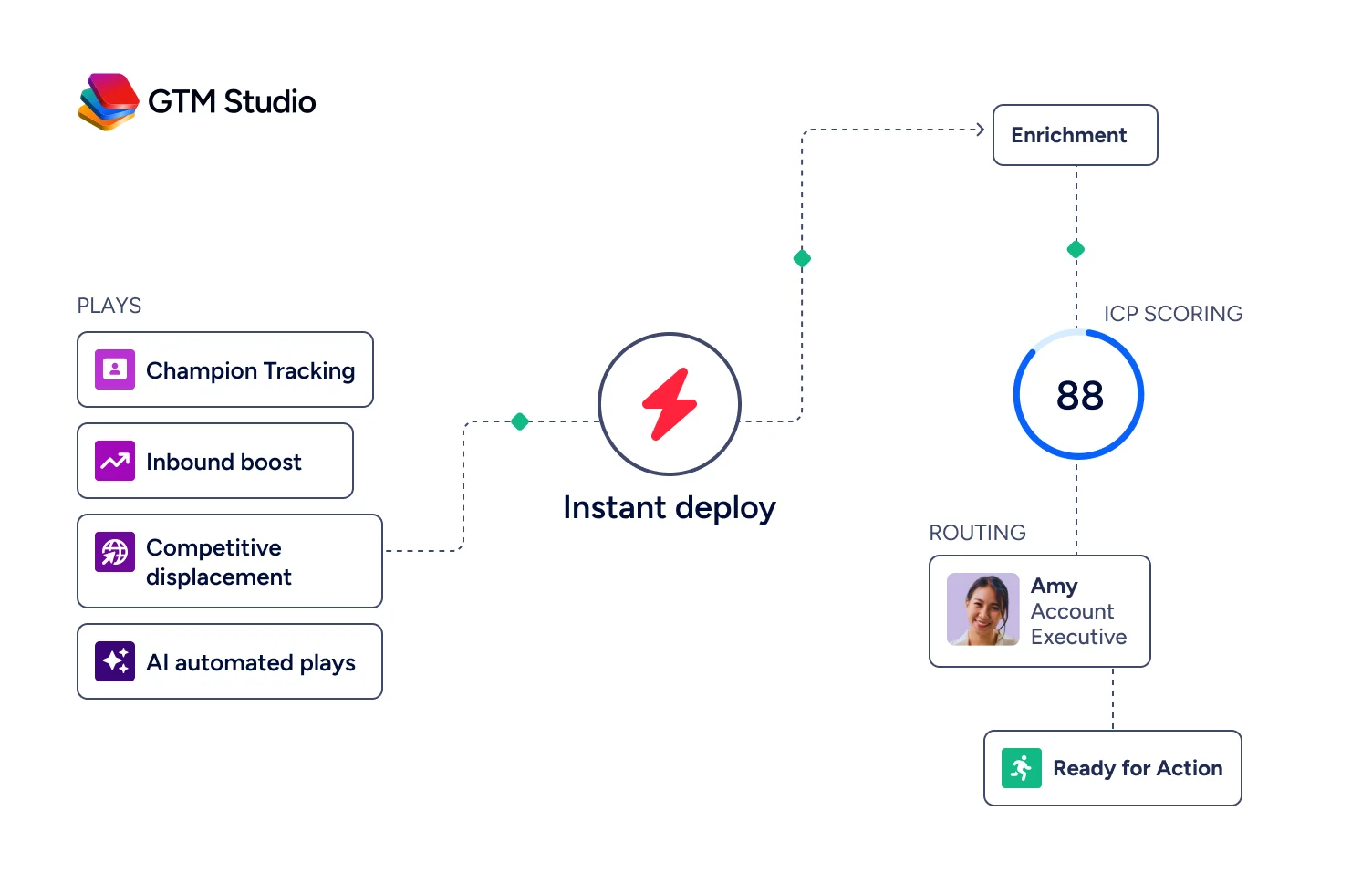
And APIs and MCP expose the same intelligence to any custom agent, internal tool, or partner platform. API access has been added to all relevant plans, and the MCP server is available through partners including Anthropic Claude and Google.
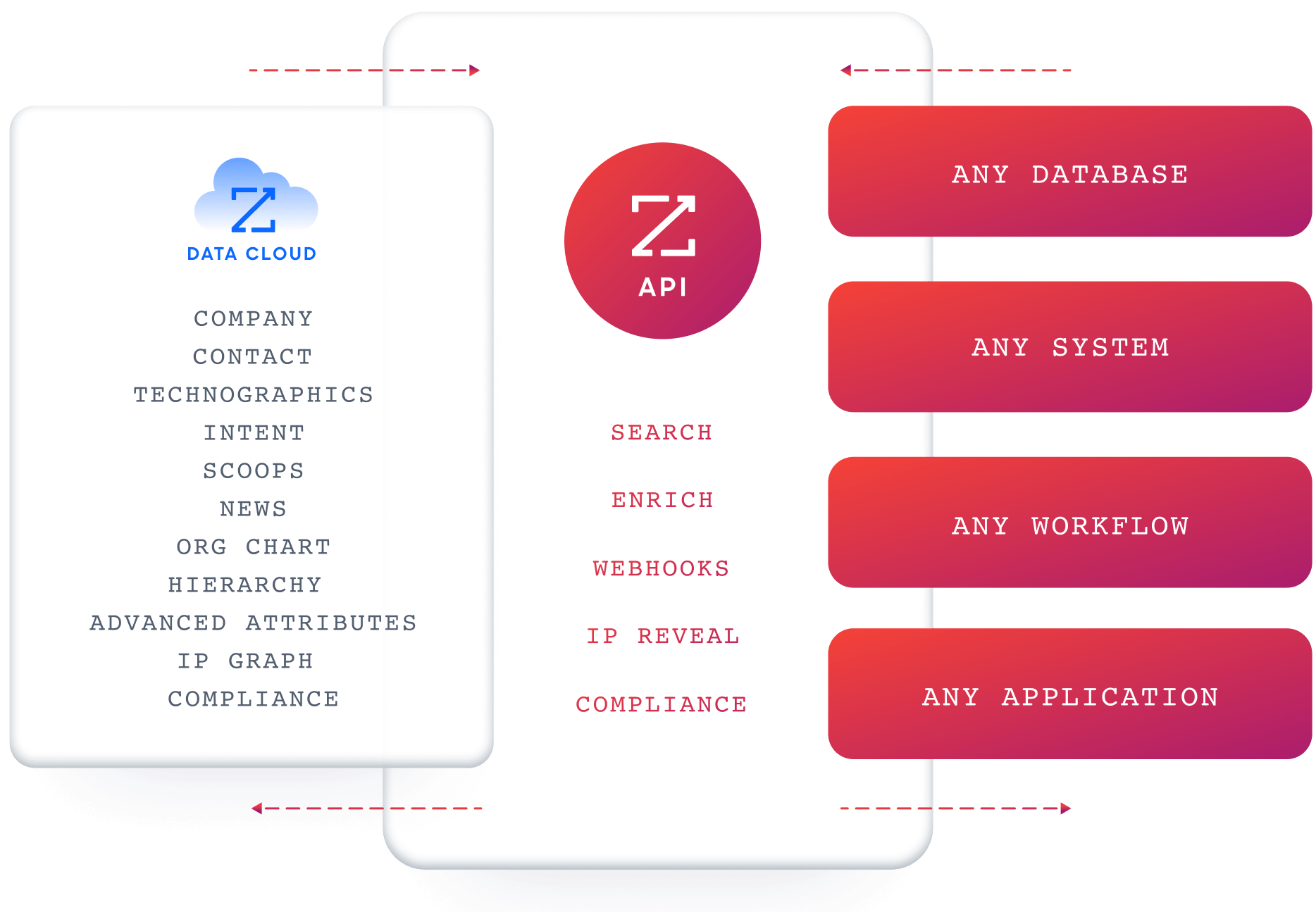
All three paths draw from one intelligence layer. The same data, the same intelligence, the same continuously learning model. Nothing is degraded or siloed by surface, which means the choice of where to work never constrains the quality of intelligence available.
CEO Henry Schuck described a large financial services firm building an internal app using ZoomInfo's MCP server: "That's a surface area we would never see before."
ZoomInfo in Action: A marketer in GTM Studio describes an audience in plain language and launches a multi-channel play targeting accounts that match proven win patterns. The same intelligence flows into GTM Workspace, where a seller sees the account in their prioritized feed with AI-drafted outreach already addressing the objection identified as the deal-moving moment.
An engineer plugs the same GTM Context Graph into a custom agent via MCP, and that build inherits identical intelligence. One intelligence layer, every surface.
Seismic attributed 39% of active pipeline to opportunities identified or influenced by ZoomInfo signals. As CBO Toby Carrington noted: "That combination of our internal CRM data, external signals, and AI that's given all that context has helped us craft very specific account- and persona-based messages. And people have responded to them right away."
NOTE: We also evaluated Apollo.io and Cognism for this position. While Apollo offers a large contact database with built-in sequencing for volume-first prospecting, and Cognism provides strong European mobile coverage for international teams, neither combines the depth of verified B2B data, a contextual intelligence layer like the GTM Context Graph, and universal access through APIs, MCP, and native front-ends. ZoomInfo provides the most comprehensive foundation for AI-powered GTM intelligence at scale.
ZoomInfo Pricing
ZoomInfo uses a custom-quoted, consumption-based pricing model with no publicly listed prices. Pricing scales around enterprise license agreements, data access, API consumption, and AI activity. Costs depend on usage patterns, number of users, monthly credit volume, features, company size, and contract length.
The platform offers three product lines:
Sales plans across Professional, Advanced, and Enterprise tiers, ranging from contact and company data to AI-driven account prioritization, real-time buyer intent signals, and automation workflows
Marketing plans across Marketing Demand, ABM Lite, and ABM Enterprise tiers, covering audience targeting, native advertising via ZoomInfo's Display Network, and full-funnel analytics
Chorus and Chat available as standalone conversation intelligence and data-powered website chat products
ZoomInfo Lite is a permanent free tier (no credit card, no time limit) with access to 100M+ verified profiles, 10 monthly export credits, WebSights Lite, HubSpot integration, and the ReachOut Chrome Extension. A separate 7-day free trial provides access to core platform features including intent signals and email outreach.
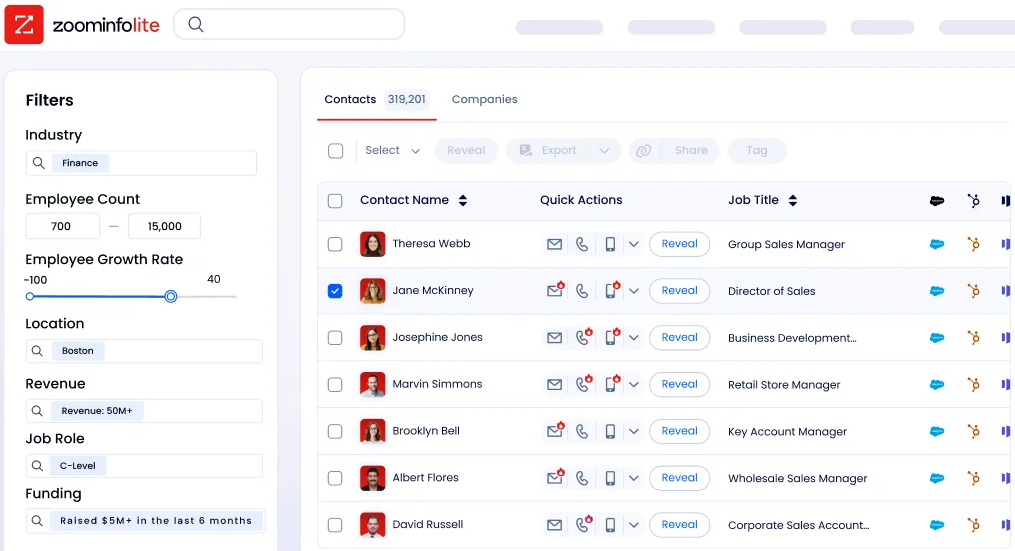
Credits work on a 1 credit = 1 export basis, consumed only when data is exported out of the platform. Searching and viewing within ZoomInfo does not consume credits.
Who Should Use ZoomInfo?
Choose ZoomInfo if:
You need comprehensive B2B contact and company data as the foundation for your GTM motion, not just a scoring layer on top of data you already own, and you want that data verified at up to 95% accuracy through a multi-source pipeline.
Your team needs intelligence that captures why deals move, not just what happened, and you want AI that can reason across CRM records, conversation transcripts, intent signals, and behavioral data through the GTM Context Graph.
You want the flexibility to access GTM intelligence through native front-ends (GTM Workspace for sellers, GTM Studio for marketers and RevOps) or through APIs and MCP in any custom tool, AI agent, or partner platform, without the intelligence being locked into a handful of embedded surfaces.
You're an enterprise or upper mid-market B2B company where data quality is the primary buying criterion, and where the ability to discover in-market accounts (not just score existing CRM records) determines whether your pipeline grows.
Ready to see what AI-powered GTM intelligence looks like when it's built on comprehensive B2B data? Start your free ZoomInfo trial and experience the GTM Context Graph firsthand.
2. 6sense: Best Alternative for Enterprise ABM with Dark-Funnel Intent and Native Advertising

Source: 6sense
6sense is an agent-powered revenue marketing platform that solves a structural problem MadKudu never fully addresses: most of the B2B buying journey happens anonymously, and MadKudu only scores accounts already in your CRM. 6sense surfaces accounts researching your category before they fill out a form or appear in your pipeline. Its key features include:
Signalverse dark-funnel intent engine processing over one trillion buying signals daily from keyword searches, content consumption, review-site comparisons, and web behavior across over 40 languages
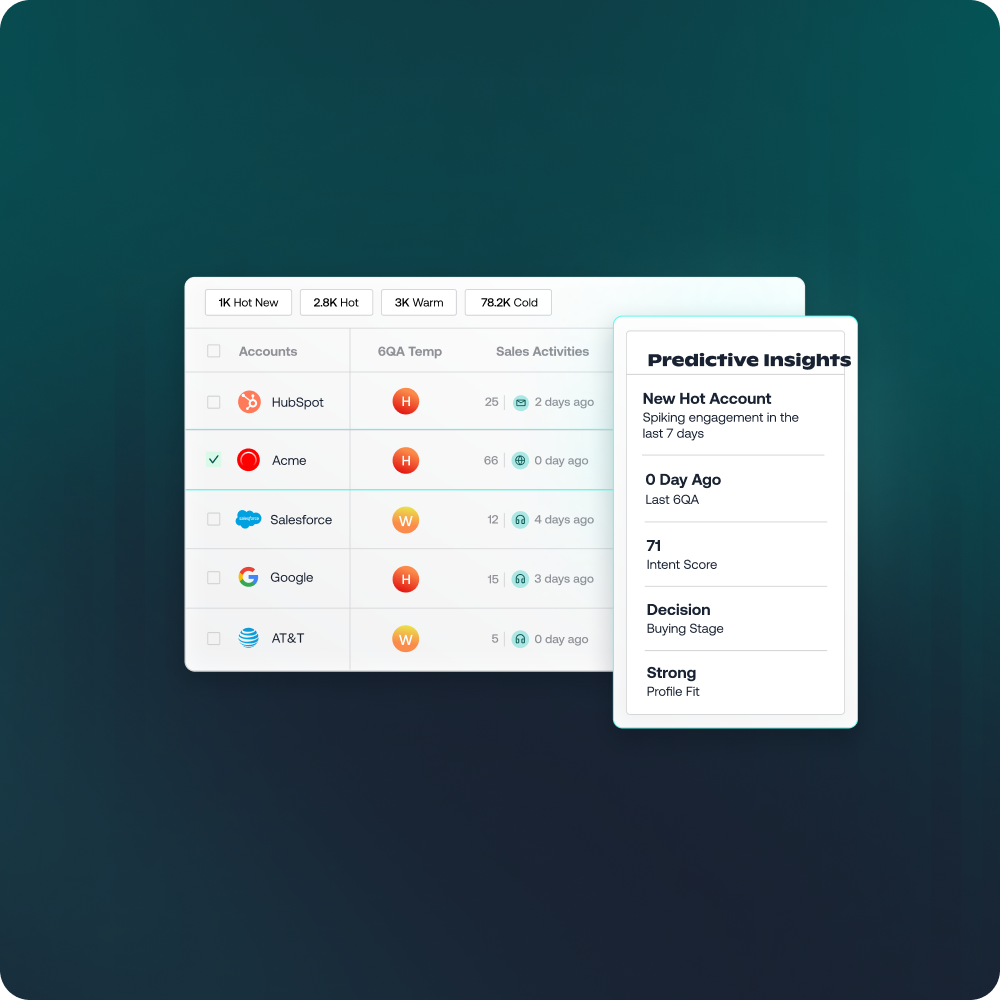
Predictive buying stage classification assigning every account to Awareness, Consideration, Decision, or Purchase based on signal intensity and historical closed-won patterns
Anonymous company-level de-anonymization analyzing over 25 billion signals to maintain 1.1 billion unique details about companies and their IP addresses
AI Email Agents that write, send, follow up, read replies, and route qualified conversations to human sellers
Native programmatic advertising DSP for display, LinkedIn, connected TV, Meta, and Google campaigns targeted at the same buying-stage intelligence driving sales sequences
6sense is the right choice for enterprise revenue teams running coordinated ABM motions where sales outreach and paid advertising need to target the same in-market account list from a single platform.
Why Choose 6sense Over MadKudu for Enterprise Dark-Funnel ABM
6sense stands out in the following areas:
Dark-Funnel Account Discovery at Scale
MadKudu's core architecture is CRM-first: it scores accounts that already exist in your system. If an account is researching your category on review sites, comparing vendors in keyword searches, or consuming content across the web, MadKudu won't surface it unless a record already exists. 6sense's Signalverse processes over one trillion buying signals daily across a database of 415M+ profiles and 65M+ companies, capturing in-market behavior from accounts that have no presence in your CRM. Its anonymous website de-anonymization matches anonymous site visitors to known account profiles without a form fill. For enterprise ABM programs, this means visibility into thousands of companies that are in-market right now but have never responded to an email or requested a demo.
Coordinated Sales and Advertising Against the Same Buying-Stage Intelligence
When MadKudu identifies a high-intent account, it routes the signal to a sales sequence in Gong, Outreach, or Salesloft. It cannot simultaneously activate paid advertising against that same account. 6sense's built-in demand-side platform supports display advertising, LinkedIn Sponsored Content with buying-stage targeting, connected TV, Meta, and Google, all targeting the same Signalverse-powered segments that drive outbound sequences. When an account moves from Consideration to Decision, both the outbound sequence and ad targeting update automatically.
Self-Calibrating Predictive Models Trained on Your Historical Data
MadKudu's most documented user complaint is that scoring models don't automatically retrain. 6sense's Predictive AI is trained for each customer using their historical closed-won and closed-lost opportunity data, and continuously recalibrates. Forrester's Q1 2025 evaluation awarded 6sense the highest scores possible in accuracy and noise filtering, buying cycle analysis, and insight generation.
Source: 6sense
NOTE: We also evaluated Apollo and Clearbit. While Apollo provides a large contact database and outbound sequencing for volume-first prospecting, and Clearbit offers real-time enrichment for web visitor identification, neither combines dark-funnel intent at 6sense's scale with a native advertising layer. 6sense offers the most complete solution for enterprise revenue teams where ABM orchestration and programmatic advertising are part of the same motion.
For a full assessment of 6sense's capabilities, strengths, and limitations, see our 6sense review.
6sense Pricing
6sense operates on a fully custom-quote pricing model with no published list prices for paid tiers.
Free Plan: $0, 50 credits per month. Includes company and people search, sales alerts, list builder, and Chrome Extension. Does not include intent data, predictive scoring, technographics, or CRM integration.
Paid Sales Intelligence tiers are consolidated into a single license model with three variants: Single License + Credits, Single License + Credits + Predictive, and Single License + Predictive (no Credits). One credit unlocks one person's email or phone data; credits do not carry over between contract periods.
ABM Intelligence and Advertising is an enterprise purchase. Advertising spend carries a 15-18% variable data/service fee with a minimum campaign budget of $100 and a minimum duration of seven days.
Buyers should expect a multi-week sales cycle to understand pricing specifics.
For a full breakdown of what's included at each tier and how the credit system works, see our 6sense pricing guide.
Who Should Use 6sense?
Choose 6sense if:
Your sales and marketing teams run coordinated ABM motions and need outbound sequences and paid advertising targeting the same in-market account list from a single platform.
You need visibility into companies researching your category that have never touched your CRM, and MadKudu's CRM-first architecture leaves that dark funnel invisible.
Your organization has a dedicated RevOps or Marketing Operations resource who can manage predictive models, segment logic, and workflow configuration. 6sense rewards operational investment with deeper intelligence, but it is not a self-serve tool.
You're targeting enterprise accounts with long sales cycles and multi-stakeholder buying committees, where knowing which buying stage an account occupies determines whether to run a brand awareness campaign or a direct sales sequence.
3. Warmly: Best Alternative for Real-Time Inbound Conversion from Anonymous Website Traffic
Source: Warmly
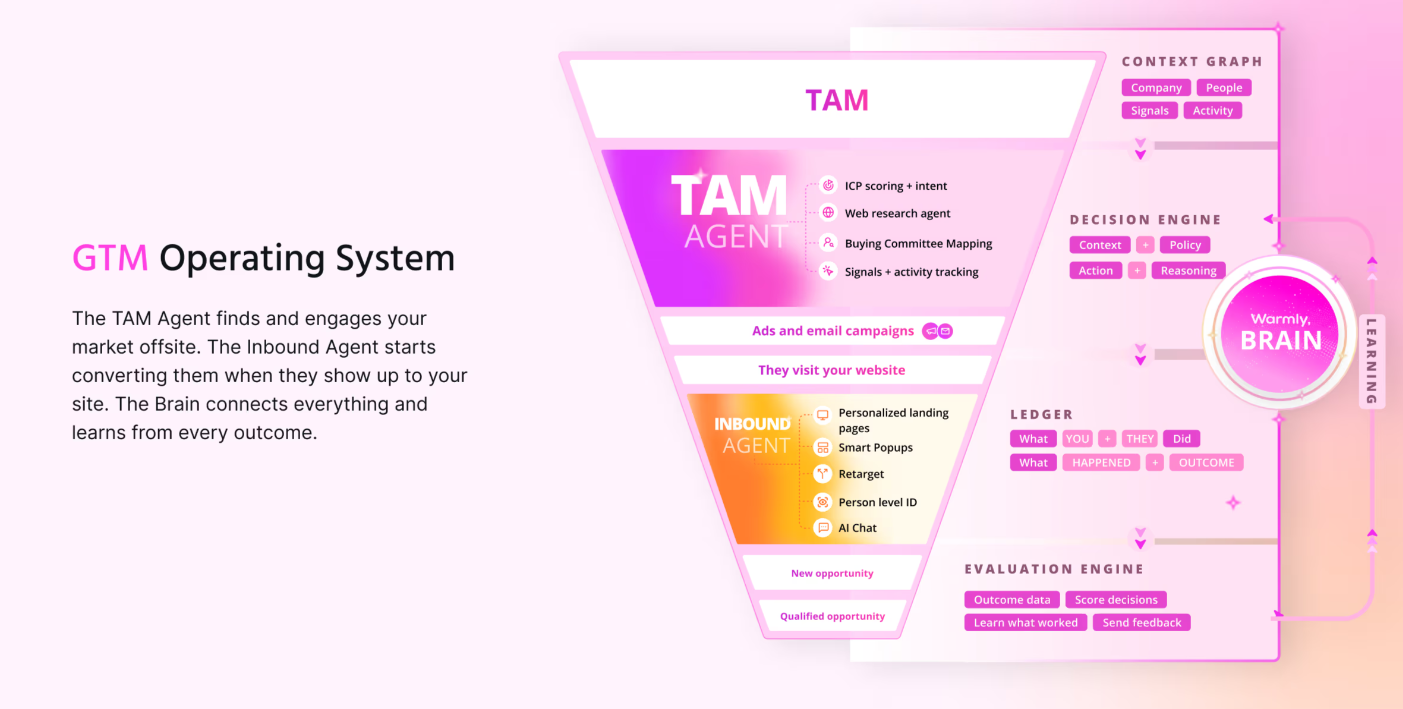
Warmly is a pipeline acceleration platform that de-anonymizes website visitors and converts them into qualified pipeline through AI agents, without the dedicated RevOps infrastructure MadKudu demands. Key features:
Person-level de-anonymization, resolving 20–40% of typical B2B traffic to a named individual
Dual AI Agents: an Inbound Agent converting on-site visitors, and a TAM Agent orchestrating outbound across your TAM
Real-time AI chatbot with Slack alerts carrying visitor identity, firmographics, and browsing history to the assigned rep
No-form meeting booking inside the chat, plus live rep takeover of any AI conversation
Warmly targets companies with 50–500 employees that want inbound revenue from website traffic without a full RevOps build-out.
Note: HubSpot agreed to acquire Warmly in June 2026; contracts and pricing are unchanged for now.
Why Choose Warmly Over MadKudu for Real-Time Inbound Conversion
Works on Visitors Who Have Never Entered Your CRM
MadKudu only scores contacts already in your CRM an anonymous company browsing your pricing page repeatedly stays invisible until it fills out a form. Warmly's multi-vendor waterfall identifies both the company and, per Warmly's own data, a named individual in roughly 20–40% of cases, surfacing name, title, and LinkedIn early.
Converts High-Intent Visitors at the Moment of Peak Intent
MadKudu's real-time layer stops at alerting reps or triggering a sequence — too slow for a visitor live on your pricing page right now. Warmly's AI Chatbot engages de-anonymized visitors immediately with CRM and chat history as context, fires a Slack alert with the full session, and lets a rep take over live without the visitor repeating themselves.
Setup in Days, Not Quarters
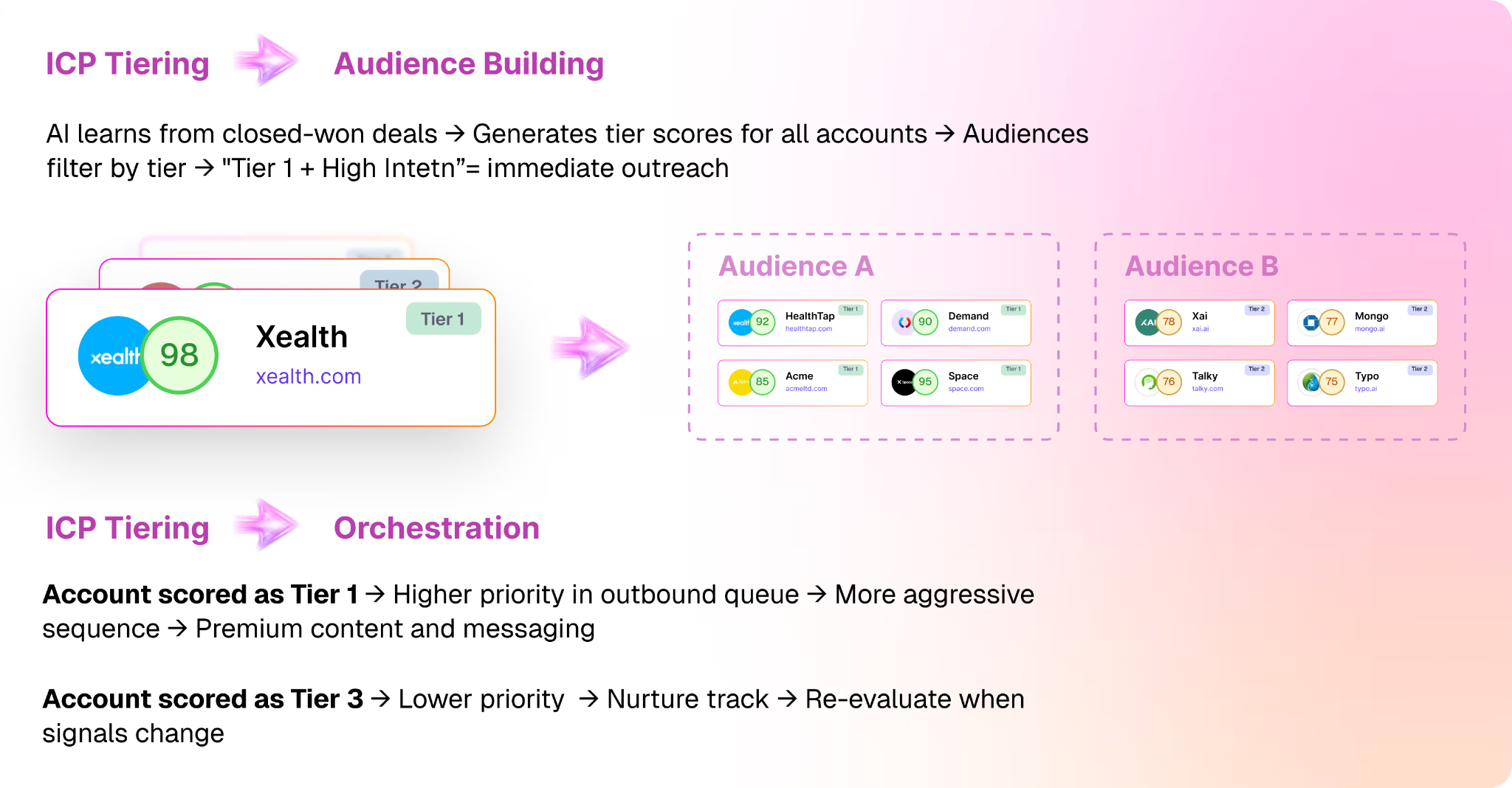
MadKudu needs an Architect or Admin role and integrations across your CRM, analytics, and sales engagement stack. Warmly's setup is a JavaScript pixel plus CRM/Slack authentication; Warmly calls it "signup to value in days, not months," with a Customer Success Manager on every plan. AI ICP Tiering trains on your own closed-won deals, no RevOps configuration required.
Source: Warmly
NOTE: We also evaluated Salespanel and RB2B. Salespanel suits smaller teams with lighter scoring needs, and RB2B focuses on person-level ID for LinkedIn outreach; Warmly offers the most complete coverage for a mid-market team, combining de-anonymization, dual AI agents, and real-time engagement in one platform.
Warmly Pricing
Warmly sells separate products on annual or quarterly billing (quarterly runs ~30% higher). Prices are from Warmly's pricing page; every tier is quote-based.
Free tier: No credit card required; basic visitor identification.
AI Web-Deanonymization: $10,000/year ($4,875/quarter). Visitor ID, ICP filtering, Slack alerts, lead routing, CRM sync, retargeting.
Inbound Chat: $20,000/year ($6,500/quarter). Adds AI Chatbot, live chat, Warm Offers, automated email follow-up.
AI Inbound Autopilot: $30,000/year ($9,750/quarter). Adds unlimited AI Studio Agents, AI qualification/decisioning, auto-learning chat.
TAM Agent: Not on the public pricing page; Warmly's own TAM Agent page cites $15,000/year, unconfirmed elsewhere.
Add-ons: GTM Signals Package and Warm Experiences, $10,000/year each; AI 24/7 Video Chat Agent by quote.
Who Should Use Warmly?
Choose Warmly if:
Your team gets meaningful inbound traffic but lacks SDR bandwidth to chase anonymous visitors, and needs infrastructure live in days, not quarters.
Real-time engagement at peak intent, not a delayed email sequence, is your pipeline bottleneck.
You want transparent, published starting prices before a sales conversation, even though contracts are quote-based.
You're comfortable with Warmly's pending acquisition by HubSpot, unchanged for now, but expected to fold into HubSpot's platform long-term.
4. HubSpot: Best Alternative for CRM-Native Lead Scoring Without a Separate Vendor
Source: HubSpot
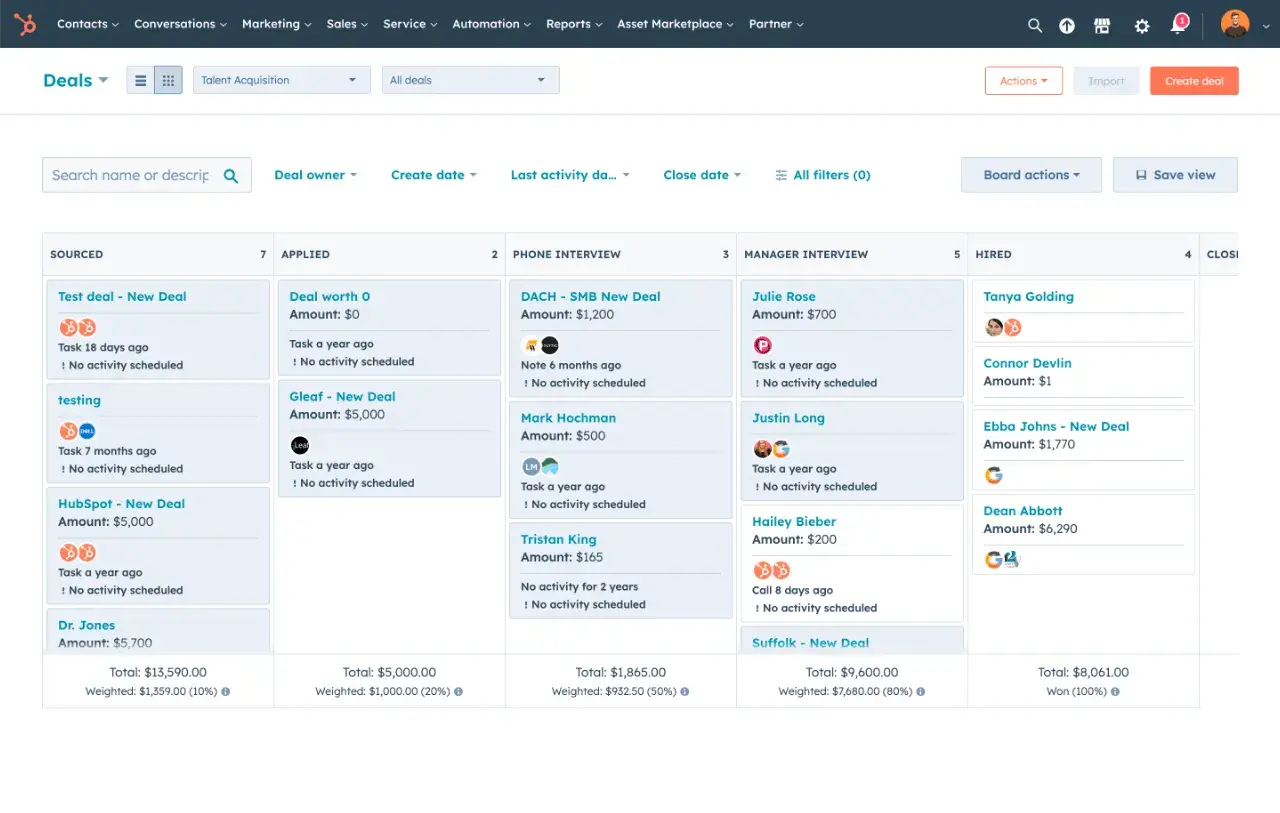
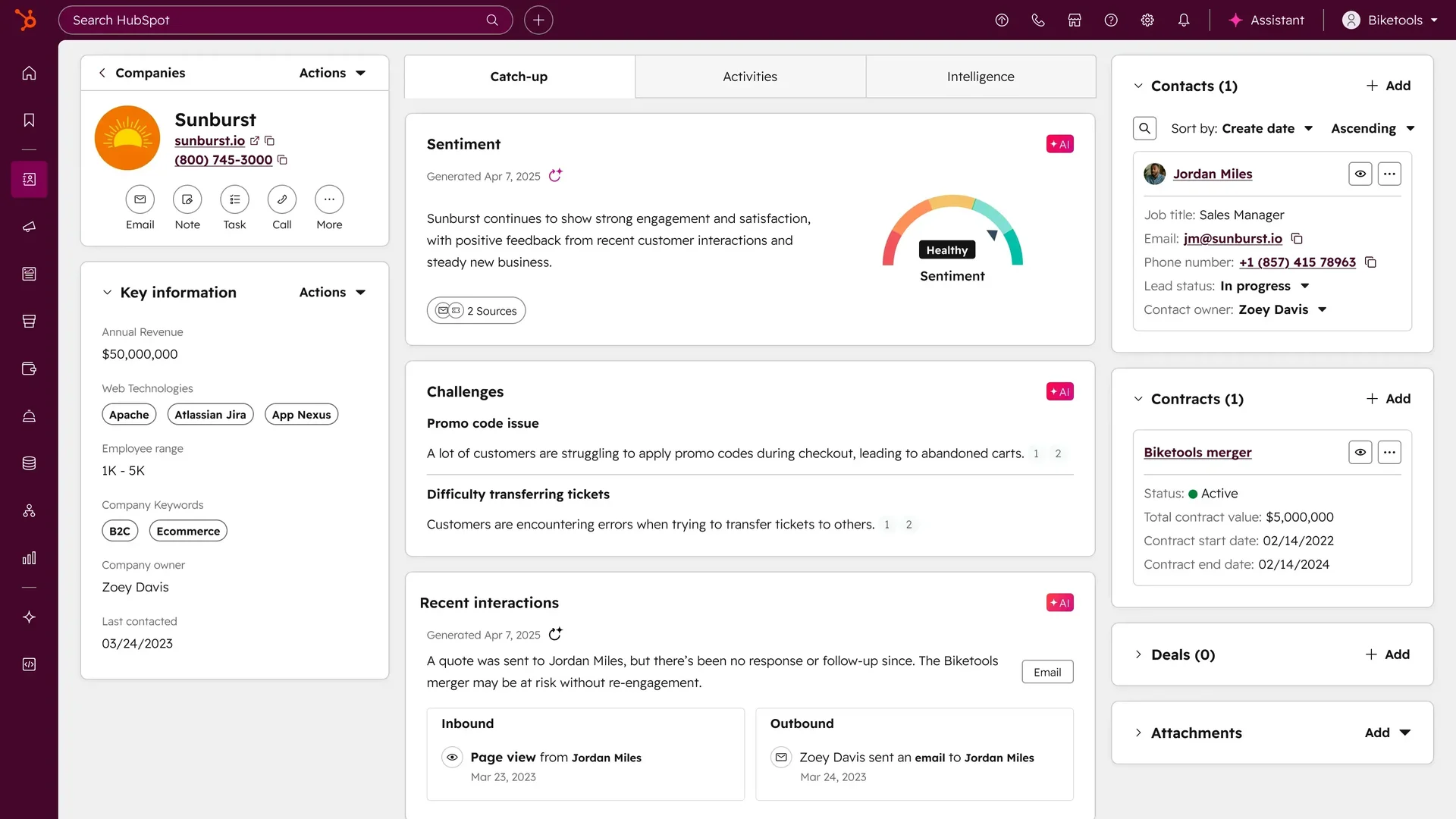
HubSpot is a CRM and customer platform that eliminates the need for a standalone scoring tool by building lead scoring directly into the same system where all contact, deal, and activity data already lives. Its key features include:
CRM-native lead scoring with no integration overhead or separate vendor dependency
Permanent free CRM tier with an incremental upgrade path to scoring features
Marketing automation, email nurture, and sales sequences native to the same platform as the CRM and scoring layer
AI predictive likelihood-to-close scoring at the Enterprise tier, powered by the account's own historical won deals
Over 2,000 app integrations with 2.5 million active installs
HubSpot is the natural MadKudu alternative for small and growing B2B teams where the RevOps overhead of configuring a dedicated scoring platform outweighs the accuracy gains.
Why Choose HubSpot Over MadKudu for CRM-Native Lead Scoring
HubSpot stands out in the following areas:
Scoring Lives Inside the CRM
MadKudu requires a dedicated RevOps resource to configure integrations between your CRM, marketing automation platform, product analytics tools, and data warehouse before scoring begins. G2 reviewers consistently cite this configuration complexity as a barrier. HubSpot's scoring is built into the Smart CRM, calculating fit scores and engagement scores from the same contact properties, activity logs, and deal records reps already enter daily. There is no separate platform to connect, no field mapping to maintain, and no risk of the scoring model falling out of sync with CRM records.
Source: HubSpot
Start for Free, Upgrade Incrementally
MadKudu does not publish pricing and has no free plan; G2 reviewers describe the cost as "a big jump" for teams not at enterprise scale. HubSpot's entry point is a permanently free CRM with unlimited contacts and companies, no time limit, and no credit card required. Manual scoring is available at the Professional tier, and AI predictive likelihood-to-close scoring is available at Enterprise. This predictive model generates a likelihood-to-close probability as a native contact property, maintained by HubSpot's machine learning without manual retraining sessions.
Marketing Automation, Sequences, and Scoring in One Platform
MadKudu scores and surfaces intelligence on contacts in your CRM but does not replace your marketing automation platform, sales sequencing tool, or email nurture infrastructure. MadKudu customers typically run HubSpot, Marketo, or Eloqua alongside MadKudu, connected through MadKudu's integration layer. HubSpot consolidates all of this. Marketing Hub's automation workflows trigger personalized sequences based on contact behavior and score thresholds. Sales Hub's Sequences support multi-step outreach combining automated emails, manual tasks, and LinkedIn tasks. The Breeze Prospecting Agent monitors buying signals, drafts personalized outreach from complete customer history, and supports both review-first and fully autonomous execution.
NOTE: We also evaluated Outfunnel and Salespanel. While Outfunnel excels at syncing marketing engagement data into CRMs with lightweight scoring on existing tools, and Salespanel offers website visitor identification and behavioral lead scoring for inbound-heavy teams, HubSpot offers the most complete platform for teams that want scoring, marketing automation, and sales sequences in a single system without maintaining a dedicated scoring vendor.
HubSpot Pricing
HubSpot uses a hybrid model combining seat-based and flat-fee pricing. Prices below are from HubSpot's product catalog.
Free Tier: $0, permanent. Up to 2 user seats. Includes contact and company management (up to 1M records), deal pipeline, activity logging, basic forms, 2,000 email sends/month, meeting scheduler, and live chat.
Starter Customer Platform: $9/seat/month (annual) or $15/seat/month (monthly). Bundles Starter editions of Marketing Hub, Sales Hub, Service Hub, Content Hub, and Data Hub.
Marketing Hub Professional: $800/month (annual) with 3 Core Seats and 2,000 marketing contacts included. Manual lead scoring included. Mandatory $3,000 one-time onboarding fee.
Marketing Hub Enterprise: $3,600/month (annual only) with 5 Core Seats and 10,000 marketing contacts. AI predictive scoring included. Mandatory $7,000 one-time onboarding fee.
Sales Hub Professional: $90/seat/month (annual). Includes sequences, call tracking, conversation intelligence. Mandatory $1,500 one-time onboarding fee.
Sales Hub Enterprise: $150/seat/month (annual only). Adds custom objects, predictive lead scoring, advanced permissions. Mandatory $3,500 one-time onboarding fee.
Note: when subscribing to multiple Hubs at different tiers, all Core Seats are billed at the rate of the highest subscription tier.
Who Should Use HubSpot?
Choose HubSpot if:
Your team is 10-500 people and cannot justify the RevOps overhead of configuring a dedicated scoring platform alongside a separate CRM and marketing automation tool.
You want scoring that is immediately visible and actionable inside the same CRM where reps manage their pipeline, with no field-mapping layer to keep in sync.
You are starting from scratch or have a basic CRM setup and want to build a scored contact database before committing to significant annual spend. HubSpot's permanent free tier makes this possible without a sales conversation.
Your sales cycle relies on multi-touch email nurture, sales sequences, and automated workflow routing rather than on product usage signals or real-time third-party intent data.
5. Keyplay: Best Alternative for Data-Derived ICP Modeling with Full Scoring Transparency
Source: Inflection
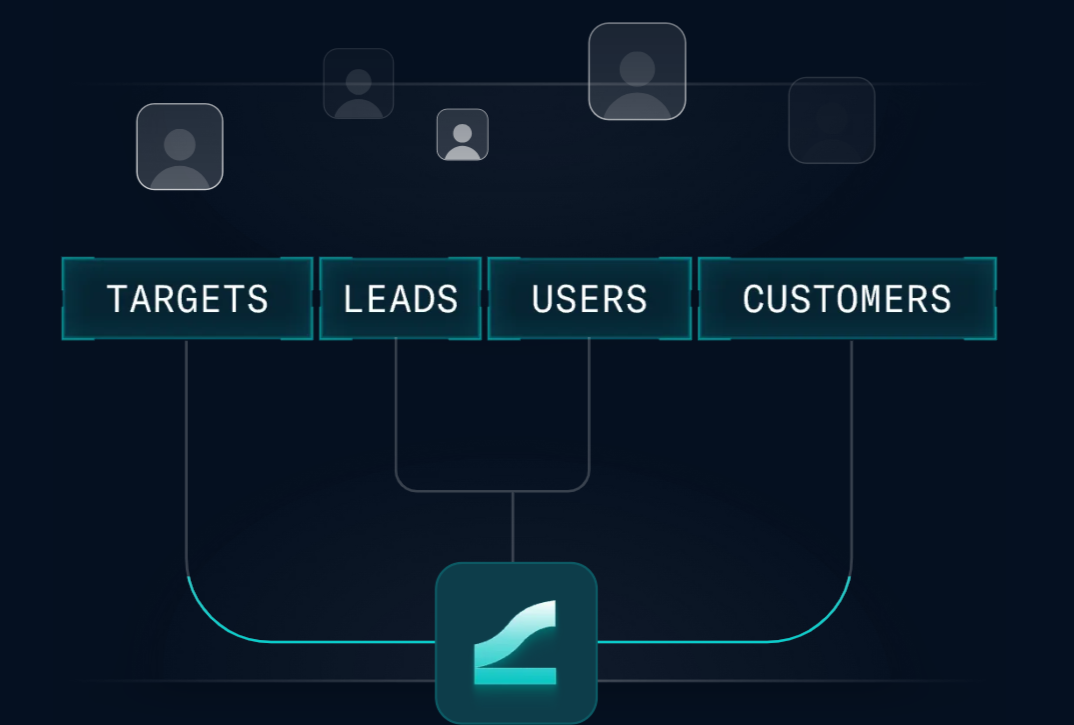
Keyplay (now merged with Inflection) is an account intelligence and ICP modeling platform that derives your ideal customer profile from historical closed-won data and scores every account in your total addressable market against it. Its key features include:
AI-derived ICP modeling from historical closed-won deal data connected via Salesforce or HubSpot
750+ scoring signals spanning hiring velocity, back-end tech stack, funding stage, growth trajectory, and AI-classified industry categories
Lookalike account discovery from a seed set of best-fit customers to surface net-new accounts not in your CRM
ICP model backtesting against historical conversion data before go-live deployment
Whitebox scoring where every signal weight is visible and adjustable in real time
2-way CRM sync to Salesforce or HubSpot, writing ICP tiers, scores, and signals directly onto account records
Keyplay is built for B2B SaaS companies at Series A through post-IPO with a sales-led motion, five or more AEs, and an established CRM.
Why Choose Keyplay Over MadKudu for ICP-Grounded Account Scoring
Keyplay stands out in the following areas:
Whitebox Scoring You Can Trust and Defend to Leadership
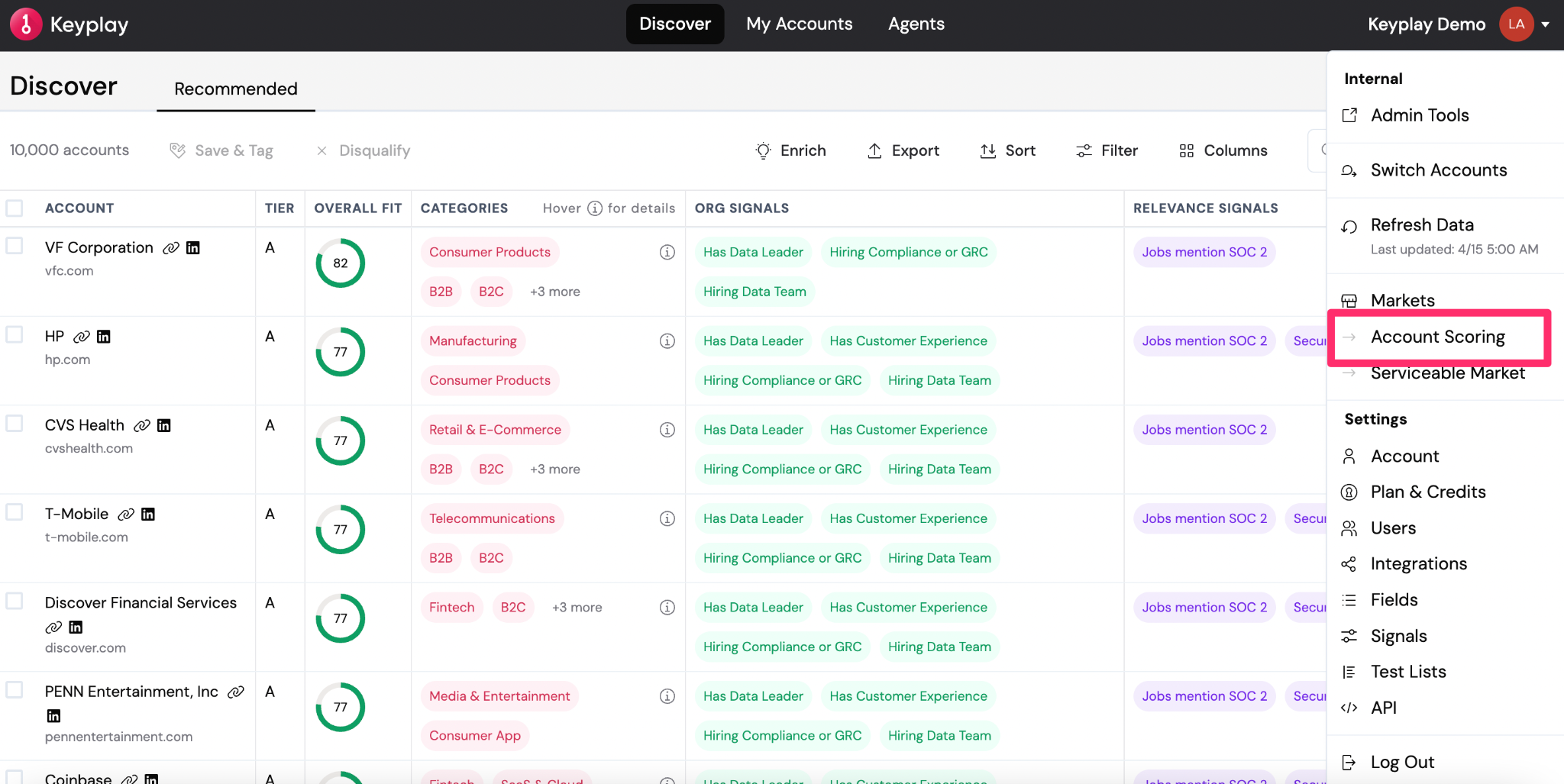
MadKudu's scoring operates as a predictive model that requires vendor collaboration to retrain, and signal weighting offers limited self-serve control. When a sales leader asks why an account was prioritized, the answer is often "the model says so." Keyplay takes the opposite approach: every signal's weight is visible and adjustable in real time through a drag-and-drop scoring builder. Users can click any account and see a complete breakdown of which signals contributed to its grade.
Backtesting Against Closed-Won History Before Deploying the Model
MadKudu teams often deploy a model and run it for months before discovering it was calibrated on stale conversion patterns. Keyplay's built-in Model Backtester lets teams upload closed-won, high-ACV, and disqualified-lead lists, then review how accurately the proposed signal weights separate the groups before committing to production. This compresses the trust-building cycle from months of live observation to days of pre-launch validation.
Lookalike Discovery for Net-New Accounts Outside Your CRM
MadKudu only scores accounts already in your CRM, leaving the broader market dark for outbound teams. Keyplay's AI Lookalike scoring works from as few as three seed accounts and generates a Similarity Score for every company in the target market, including accounts never in any CRM.
Source: Keyplay
NOTE: We also evaluated UserMotion and Factors.ai. While UserMotion provides strong account scoring for PLG companies and Factors.ai offers website visitor intelligence, Keyplay offers the most rigorous, data-derived ICP modeling for teams that already have signal sources and execution tools in place and need a more precise, transparent account prioritization layer. Note that Keyplay does not provide contact-level data; teams will need a separate prospecting tool (Apollo, ZoomInfo, etc.) for outreach.
Keyplay Pricing
Test Drive: $0/year (permanent free tier). Available self-serve at app.keyplay.io. Includes AI Lookalike Scoring, firmographic and profile signals, with a hard cap of 25 account previews. No AI Agents, CRM integration, or backtesting.
ICP Modeling: $20,000/year. Full AI Agents suite, 750+ scoring signals, backtested ICP Models with analyst onboarding, 75,000 continuously scored and enriched accounts, and 2-way CRM sync with Salesforce or HubSpot. Add-on credits available for additional enrichments.
Full-Service ICP + Intent: Custom pricing. Everything in ICP Modeling, plus multiple simultaneous ICP models, multi-source intent scoring, Intent and Enrichment API access, custom account volume, and dedicated CSM.
For a full breakdown of what's included at each Keyplay tier, see our Keyplay pricing guide.
Who Should Use Keyplay?
Choose Keyplay if:
Your team has already invested in a signal aggregation or execution platform and needs a more rigorous, data-derived ICP layer to decide which accounts get worked.
You need to prove your ICP model to skeptical sales leadership or investors before deploying it. Keyplay's backtesting validates scoring accuracy against historical data in days, not months.
You're expanding into new market segments and need to discover accounts that have never touched your CRM. Keyplay's lookalike scoring surfaces net-new companies matching your proven win pattern.
Your current scoring tool operates as a black box and you've lost sales team trust in account prioritization. Keyplay's whitebox scoring rebuilds that trust through full signal transparency.
6. UserMotion: Best Alternative for PLG Teams Needing Self-Updating PQL Scoring
Source: UserMotion
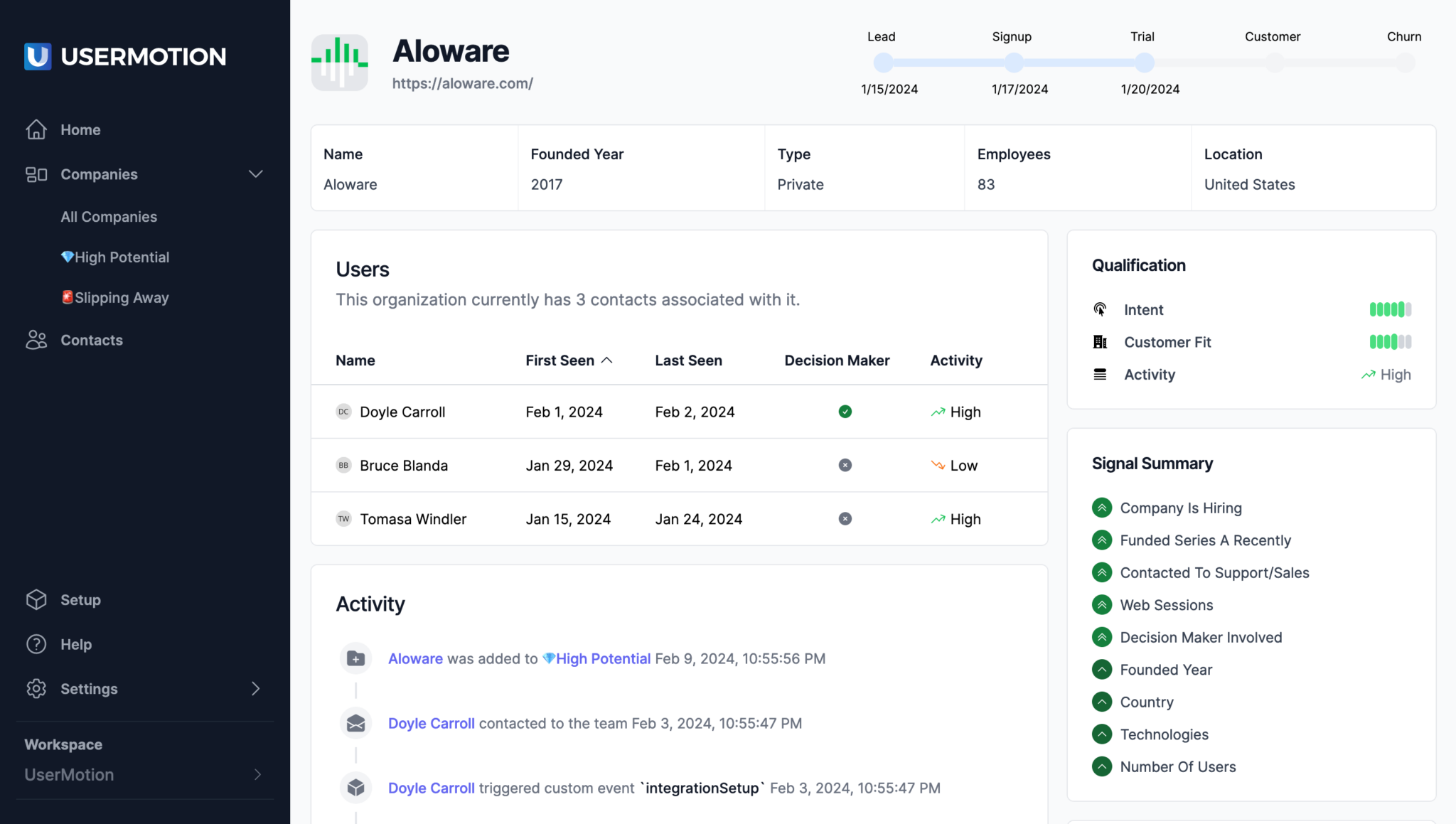
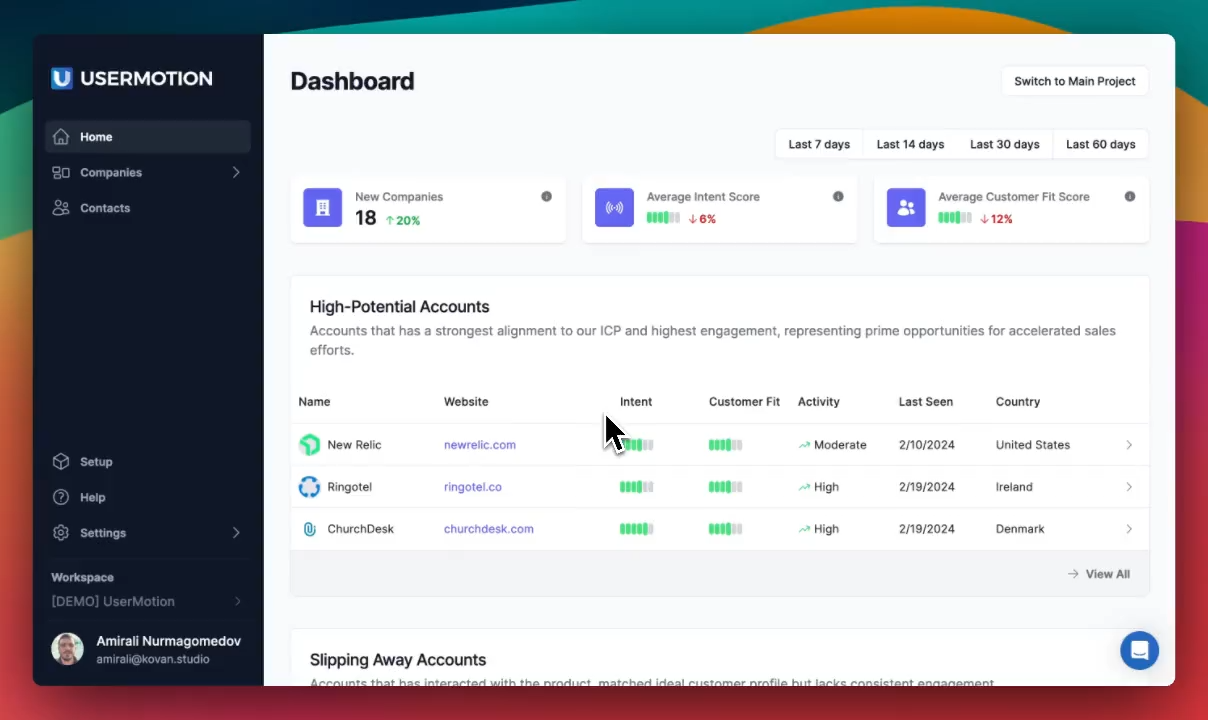
UserMotion is a predictive lead scoring platform for B2B SaaS that identifies high-potential free trial and freemium users by combining product usage signals, firmographic data, and multi-channel intent into a continuously self-updating score. Its key features include:
Self-learning AI scoring models that retrain automatically as conversion patterns shift, with no vendor-scheduled retraining sessions required
PQL scoring derived from in-product usage events: login frequency, feature adoption depth, team invitation activity, and in-app engagement milestones
Intent signal scoring across 50+ tracked signals combining firmographic ICP matching, behavioral product data, and third-party intent
Real-time revenue alerts to Slack the moment a contact crosses a defined scoring threshold, with signal context included
Customer health scoring and churn signal detection running on the same event stream as lead scoring
Expert-authored playbooks for Sales, Growth, and Customer Success available from the Free tier
UserMotion fits best at seed-to-Series A B2B SaaS companies running a self-serve or PLG motion where free trial or freemium volume has grown beyond what manual qualification can handle.
Why Choose UserMotion Over MadKudu for PLG Self-Updating Models
UserMotion stands out in the following areas:
The Scoring Model Updates Itself
The most documented frustration with MadKudu is that scoring models don't automatically retrain. When your market evolves, a new product tier launches, or a competitor shuts down and sends a wave of new signups, MadKudu's model is frozen at the last snapshot its team built. UserMotion's Predictive Lead Scoring engine uses self-learning algorithms that "constantly improve from user behavior," meaning every new deal closed, every churn event, and every signup pattern feeds back into the model without a customer-initiated retraining cycle. For PLG companies where conversion behavior shifts from quarter to quarter, this continuous adaptation is the difference between a score that reflects today's market and one that reflects three months ago.
PQL Scoring Built From the Ground Up for Product-Led Motions
MadKudu's PLG capabilities are real, but its architecture is designed for mid-market to enterprise teams running multi-motion GTM strategies across 30+ integrations. For a 10-person SaaS startup running on HubSpot, Segment, and Stripe, MadKudu's setup complexity and pricing are disproportionate. UserMotion's PQL scoring ingests first-party product usage events (login frequency, feature adoption, team invitation activity, usage limit thresholds) and fuses them with firmographic ICP matching and third-party intent into a single composite score.
Source: UserMotion
A Free Tier That Lets PLG Teams Prove ROI Before Spending
MadKudu has no self-serve trial signup. All access is gated behind a sales conversation. UserMotion offers a permanently free plan supporting up to 1,000 accounts with ICP Scoring, Intent Scoring, real-time signals, and native integrations with Stripe, Segment, Close, HubSpot, Intercom, and Slack. A 14-day free trial unlocks all paid features, including Customer Health Scoring, Churn Signals, and Automated Workflows, with no credit card required.
NOTE: We also evaluated Common Room and Factors.ai. While Common Room excels at community signal aggregation (surfacing Slack, Discord, and GitHub engagement alongside product signals), it is primarily a community-led growth platform rather than a PQL scoring engine. Factors.ai adds marketing attribution alongside scoring, making it stronger for teams that need to tie pipeline back to campaign spend. UserMotion offers the most direct response to the manual retraining dependency that frustrates MadKudu users, and is the most focused option for PLG teams whose primary buying signal is product behavior. Note that UserMotion does not offer Salesforce integration on any tier; native CRM integrations are limited to HubSpot and Close.
UserMotion Pricing
UserMotion uses an account-volume-based pricing model with unlimited users on all paid tiers.
Free: $0/month. Up to 1,000 accounts, unlimited users. Includes ICP Scoring, Intent Scoring, Real-time Signals, and Best Practice Playbooks. Native integrations with Stripe, Segment, Close, HubSpot, Intercom, and Slack. Email support only.
Starter: $199/month. Up to 25,000 accounts, unlimited users. Everything in Free, plus Customer 360, Customer Health Scoring, Churn Signals, Upsell and Cross-sell Signals, Automated Workflows, Customizable Reports, REST API access, and 10+ integrations. Chat support included. Startup Program available with 75% off the first year (eligibility requires contacting UserMotion).
Scale: Custom pricing. Unlimited accounts and users. Everything in Starter, plus Custom Playbooks, Sales Performance Evaluation, Revenue Growth Maximization, Efficiency Reports, shared Slack channel, Priority support, and Dedicated Account Manager.
Who Should Use UserMotion?
Choose UserMotion if:
Your sales motion is product-led and you generate meaningful free trial or freemium volume that needs scoring based on in-product behavior before users self-identify as buyers.
Your stack is built around HubSpot, Segment, Stripe, and Intercom rather than Salesforce. UserMotion's native integrations are designed for this toolset.
You are frustrated with scoring models that require vendor-scheduled retraining sessions and want a self-updating system that adapts as your conversion patterns change.
You are a seed-to-Series A team that cannot justify MadKudu's enterprise pricing and setup complexity, and need a working PQL scoring system you can stand up without dedicated RevOps headcount.
The Final Verdict
MadKudu offers a real solution for multi-source signal aggregation and playbook-driven selling, but different GTM motions and team sizes have requirements that call for specialized tools. Based on our research, here are the best alternatives:
ZoomInfo for teams that need comprehensive B2B data combined with AI intelligence that captures why deals move, accessible through any tool via APIs, MCP, or native front-ends
6sense for enterprise ABM programs that need to discover in-market accounts from the dark funnel and coordinate sales outreach with native programmatic advertising against the same buying-stage intelligence
Warmly for growing B2B teams that need to convert anonymous website visitors into pipeline in real time through AI chat and de-anonymization, without standing up a full RevOps operation
HubSpot for small and growing teams that want CRM-native lead scoring, marketing automation, and sales sequences in one platform without a separate scoring vendor
Keyplay for B2B SaaS companies that need a data-derived ICP model with full signal transparency, backtesting, and lookalike account discovery
UserMotion for PLG teams that need a self-updating PQL scoring engine designed for product-led motions with a free starting tier
You don't have to choose between MadKudu and these alternatives exclusively. Many teams use MadKudu alongside other tools to fill gaps in their GTM stack. Consider your motion, team size, and technical resources when deciding which solution fits.
Ready to see what AI-powered GTM intelligence looks like when it's built on comprehensive B2B data? Start your free ZoomInfo trial and experience the GTM Context Graph firsthand, or request a demo to see how ZoomInfo can power your go-to-market strategy.
MadKudu Alternatives FAQ
Why do businesses look for MadKudu alternatives?
MadKudu's most cited limitations include scoring models that do not retrain automatically as conversion patterns shift, requiring vendor collaboration for updates. The platform also only scores contacts and accounts already in your CRM, leaving net-new in-market accounts invisible. Setup demands dedicated RevOps resources, and pricing is undisclosed publicly, with G2 reviewers describing it as a significant investment for mid-market teams.
What is the best overall MadKudu alternative?
There is no single best alternative because MadKudu serves several distinct use cases. ZoomInfo is the top choice for teams needing comprehensive B2B data combined with contextual AI intelligence. 6sense leads for enterprise ABM with dark-funnel intent. HubSpot is the strongest option for small teams wanting CRM-native scoring without a separate vendor.
Is there a free alternative to MadKudu?
Yes. HubSpot offers a permanent free CRM with an incremental upgrade path to scoring features. UserMotion provides a free plan scoring up to 1,000 accounts with ICP and Intent Scoring included. Keyplay offers a free Test Drive with AI Lookalike Scoring and 25 account previews. 6sense has a free plan with 50 credits per month for company and people search.
ZoomInfo offers ZoomInfo Lite, a permanent free tier with access to 100M+ profiles and 10 monthly export credits.
Which MadKudu alternative is best for product-led growth companies?
UserMotion is built for PLG motions, offering PQL scoring derived from in-product usage events with self-learning models that retrain automatically. Its free tier supports up to 1,000 accounts with native integrations for the PLG stack (HubSpot, Segment, Stripe, Intercom).
For larger PLG companies that also run sales-assisted and ABM motions, ZoomInfo provides broader coverage combining intent data, verified contact data, and AI intelligence.
How does ZoomInfo compare to MadKudu for sales intelligence?
ZoomInfo provides the comprehensive B2B data layer that MadKudu scores against but never generates. With 500M contacts, 135M+ verified phone numbers, and 200M+ verified business email addresses, ZoomInfo can discover in-market accounts, provide verified contact data for the buying committee, and deliver contextual intelligence about why deals move through its GTM Context Graph.
MadKudu focuses on scoring and surfacing intelligence on accounts already in your CRM.
Which alternative is best for small teams on a limited budget?
HubSpot is the most accessible entry point, with a permanent free CRM and scoring features that unlock incrementally at the Professional tier ($800/month for Marketing Hub). UserMotion starts at $0 for up to 1,000 accounts and $199/month for its Starter plan with full scoring capabilities. Both are significantly more accessible than MadKudu's enterprise-oriented, quote-only pricing model.
Can I use these alternatives alongside MadKudu?
Yes. Many of these tools solve different problems than MadKudu and can complement it. ZoomInfo provides the underlying contact and company data that MadKudu's scoring depends on. Keyplay adds a dedicated ICP modeling layer with full transparency. Warmly handles real-time inbound conversion from anonymous traffic, a motion MadKudu's architecture does not address.
The right approach depends on which gaps you need to fill in your GTM stack.
Which MadKudu alternative offers the most transparent scoring?
Keyplay is built for scoring transparency. Every signal weight is visible and adjustable in real time through a drag-and-drop builder, and models can be backtested against historical closed-won data before deployment. This contrasts with MadKudu, where scoring model adjustments require vendor collaboration and G2 reviewers cite limited self-serve control over signal weighting.
