

Scrupp has built a following among outbound sales teams who need one thing done fast: turn a LinkedIn Sales Navigator search into a clean, emailable lead list. The pitch is simple. Paste a search URL into the Chrome extension, click Export, and receive a CSV with verified emails, direct phone numbers, and 15+ data fields. No API keys, no workflow builders, no developer involvement. For SDRs and agencies running high-volume cold outreach, that directness matters.
To create this Scrupp review, we analyzed it extensively. We believe it's the right choice if:
You need a fast way to export leads from LinkedIn Sales Navigator searches
You want verified emails and phone numbers attached to scraped profiles
You run credit-based outbound at low-to-moderate volume
You prefer pay-as-you-go pricing over annual contracts
Your primary lead source is LinkedIn or Apollo
However, Scrupp is not a good choice if:
You need a B2B database that goes beyond LinkedIn's reach
You require intent data, technographics, or buying signals to prioritize accounts
You manage multi-team go-to-market operations
Enterprise compliance certifications (ISO 27001, SOC 2) matter to your procurement team
You need conversation intelligence or AI-driven deal execution
In this case, you should consider ZoomInfo: an AI-powered GTM platform built on a B2B data foundation of 500M contacts, 100M companies, 135M+ verified phone numbers, and 200M+ verified business email addresses. Its GTM Context Graph captures not just what happened in your deals but why, and delivers that intelligence through seller and marketing tools or directly into any system via APIs and MCP.
We've included a detailed look at ZoomInfo later in this Scrupp review, as the natural next step for teams that have outgrown single-purpose scraping. If you're ready to explore B2B intelligence at scale, start with ZoomInfo's free trial here.
What is Scrupp?
Scrupp is a Chrome extension for sales teams that need to extract lead data from LinkedIn Sales Navigator, standard LinkedIn search, and Apollo. Founded in 2022 and based in Los Angeles, it calls itself the "#1 LinkedIn Sales Navigator Scraper", with data processed and stored on EU-based servers (Hetzner Online GmbH, Germany).
Source: Scrupp
The core function is straightforward: install the extension, run a Sales Navigator search, click Export, and download a CSV with job titles, verified business emails, direct phone numbers, and company data. Scrupp claims to have exported over 200 million leads for 5,000+ sales teams.
Over time, Scrupp has expanded beyond scraping. The current product covers three areas: lead generation (scraping from LinkedIn, Sales Navigator, and Apollo), data enrichment (upload a CSV and receive verified emails and phone numbers), and outreach automation (multi-step email sequences, a Sales Inbox, and Contact Signals that track job changes and funding events).
A REST API and pre-built Datasets product serve developers and data teams.
The target buyer is specific: SDRs, growth marketers, outbound agencies, and RevOps teams who hold a LinkedIn Sales Navigator subscription and need verified contact data flowing into tools like HubSpot, Salesforce, Instantly, or Clay.
Scrupp Pros & Cons
Pros | Cons |
|---|---|
- Fast Sales Navigator export via Chrome extension | - Support response times reported as slow |
- Multi-provider email waterfall with SMTP verification | - Credit system has changed frequently |
- Scrapes LinkedIn, Sales Navigator, and Apollo from one tool | - No intent data, technographics, or buying signals |
- Pay-as-you-go pricing with credits that never expire | - Geographic data quality inconsistent outside US/EU |
- 65% average verified email find rate | - No third-party security certifications (ISO, SOC 2) |
- Free plan with 100 credits/month, no credit card required | - API access locked to Pro plan ($59/mo) and above |
- Native integrations with HubSpot, Salesforce, and Clay | - Core product dependent on LinkedIn platform tolerance |
Scrupp Review: How it Works & Key Features
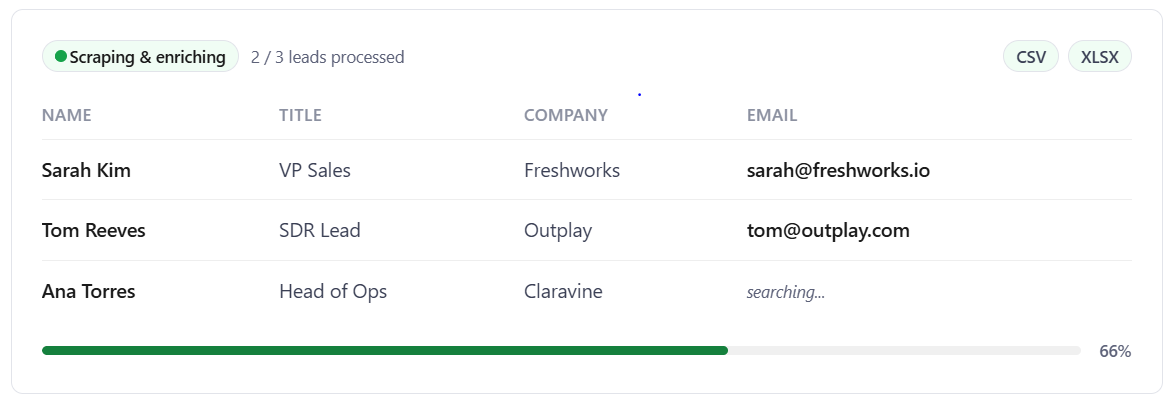
Lead Generation: Scrupp turns Sales Navigator searches into exportable lead lists through a Chrome extension.
Scrupp's lead generation works through a Chrome extension installed from the Chrome Web Store. The workflow has four steps: install the extension, run a Sales Navigator search, click "Export" in the sidebar, and download a CSV or push directly to a CRM.
Each export includes 15+ fields per record: full name, job title, seniority, headline, LinkedIn URL, company name, domain, industry, headcount, HQ location, verified business email (with verification status), and direct phone numbers. The extension runs inside the user's own logged-in browser session, reading only data visible at normal browsing speed without headless browsers or external proxies.
A single Sales Navigator search can export up to 2,500 leads (LinkedIn's UI cap), but Scrupp offers a workaround: it splits large searches into smaller filtered queries and merges results, enabling exports above 10,000 leads from a single search.
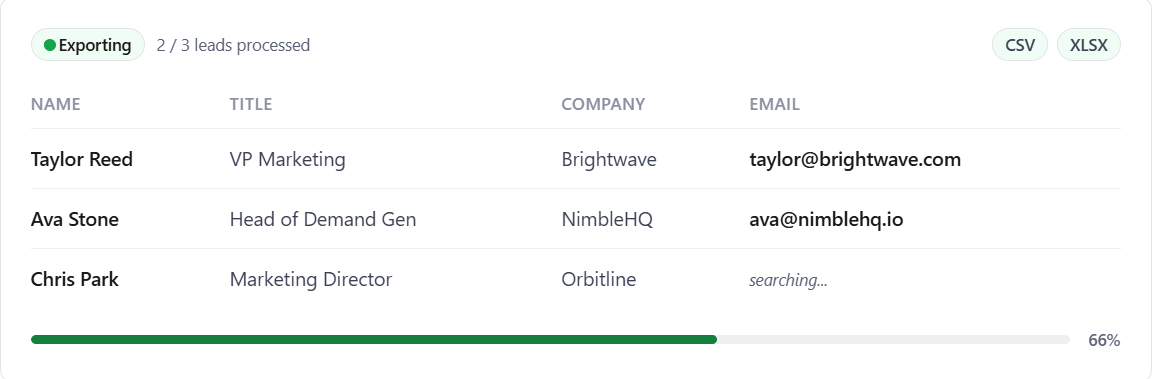
Beyond Sales Navigator, the same extension covers two more sources. The LinkedIn Scraper handles standard LinkedIn search and company pages for users without Sales Navigator subscriptions.
The Apollo Scraper exports contacts from Apollo.io search results, bypassing Apollo's per-plan export limits by scraping the page directly rather than consuming Apollo credits. On Pro plans, Apollo exports can reach up to 10,000 contacts per export.
Source: Scrupp
An AI Search mode accepts natural-language descriptions ("SaaS companies in tech, 50-500 employees, founded after 2015, US-based") and converts them into targeted lead lists, replacing the need for boolean search syntax.
Data Enrichment: Scrupp fills gaps in existing lead lists with verified emails, phones, and firmographics.
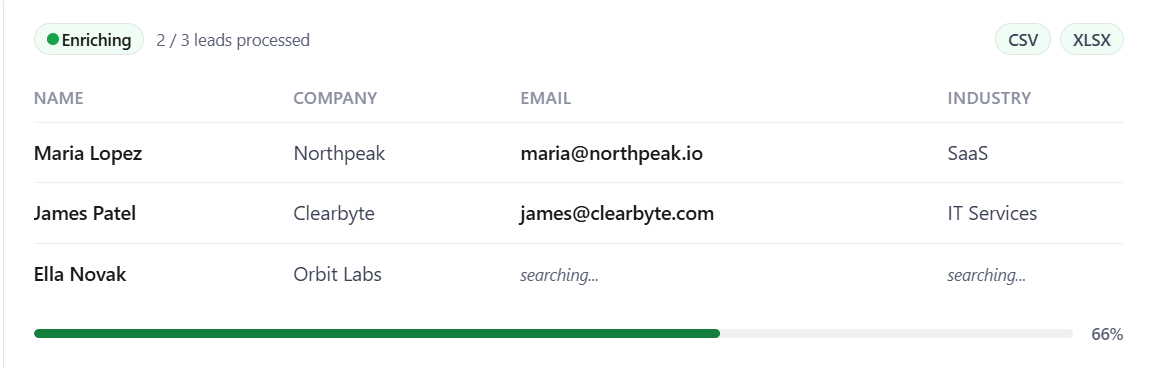
The data enrichment product solves a different problem than scraping: taking an incomplete list (a CRM export, an event attendee roster, a raw spreadsheet) and filling in missing fields.
Source: Scrupp
The workflow has three steps: upload a CSV or XLSX file with whatever columns you have, confirm the column mapping (Scrupp auto-detects field types), and start the enrichment run. The output returns with verified emails, phone numbers, job titles, company domains, industry, headcount, and tech stack appended to each matching row.
Email discovery runs a multi-provider waterfall across 5+ sources, checking each provider in sequence and returning the best verified result. Each address then passes through a five-layer verification pipeline: syntax check, MX record lookup, real-time SMTP handshake, catch-all detection, and disposable email filter. Scrupp reports a 65% average verified email find rate and under 5% bounce rate on enriched exports.
One credit covers one enrichment action (scraping a lead, finding an email, verifying an email, or finding a phone number). Failed enrichments are not charged.
For programmatic use, the Lead Enrichment API supports both real-time single-contact enrichment and batch processing. The API uses the same credit pool as the web app, with no separate API fees.
Outreach & AI: Scrupp adds email sequences, a unified inbox, and contact monitoring to the scraping core.
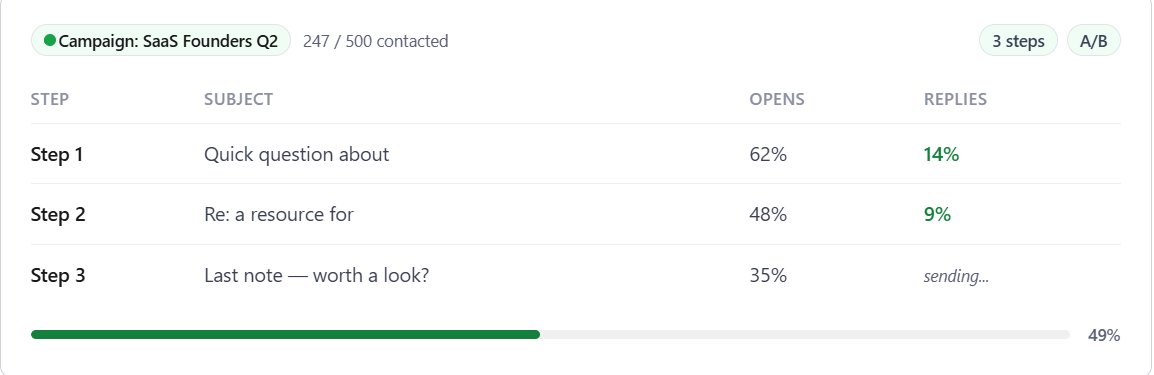
Scrupp's newest layer moves the platform from data sourcing into execution. Outreach Automation lets users import leads from a Scrupp export, describe their offer and target persona to an AI Campaign Builder, and launch multi-step email sequences with AI-written personalization, A/B testing, and automatic reply detection.
Source: Scrupp
The Sales Inbox pulls replies from Gmail, Outlook, LinkedIn, and SMS (via Twilio) into a single timeline per lead. AI reply suggestions draw on the full conversation thread and the prospect's profile data. Users can assign conversations to team members with auto-assignment rules based on territory or account ownership.
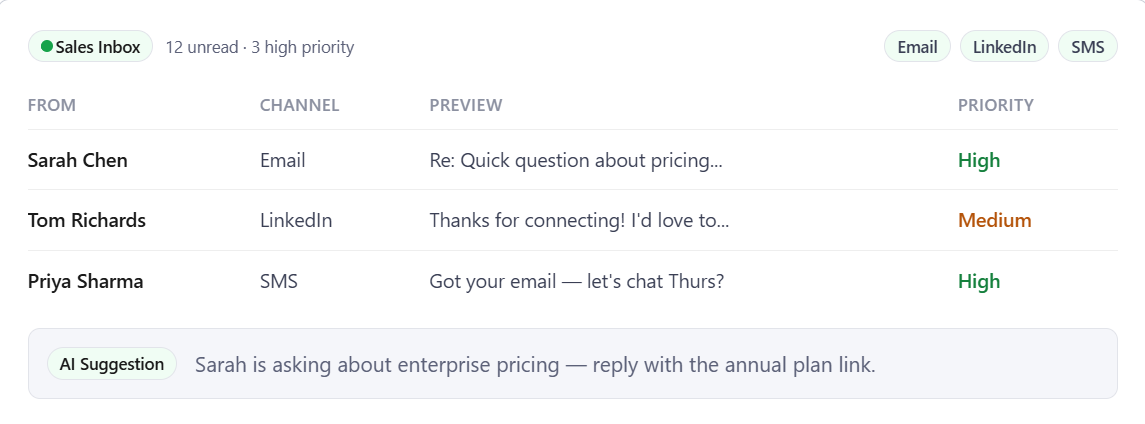
Source: Scrupp
Contact Signals monitors existing contact databases for triggers: job changes, promotions, funding rounds, and newly available email addresses. When a signal fires, Scrupp re-enriches the contact with current details and delivers the alert via dashboard, email, or webhook.
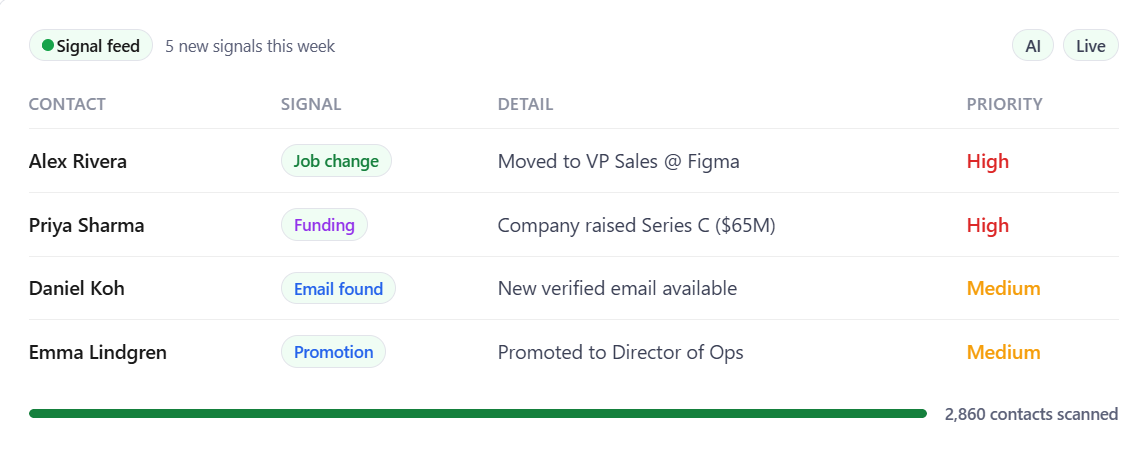
Source: Scrupp
An AI Variables feature lets users define custom personalization fields (icebreakers, pain points, CTAs) and preview AI-generated output against real lead profiles before sending. The system supports multiple AI models including GPT-4o and Claude, with reliability thresholds that flag low-confidence outputs for manual review.
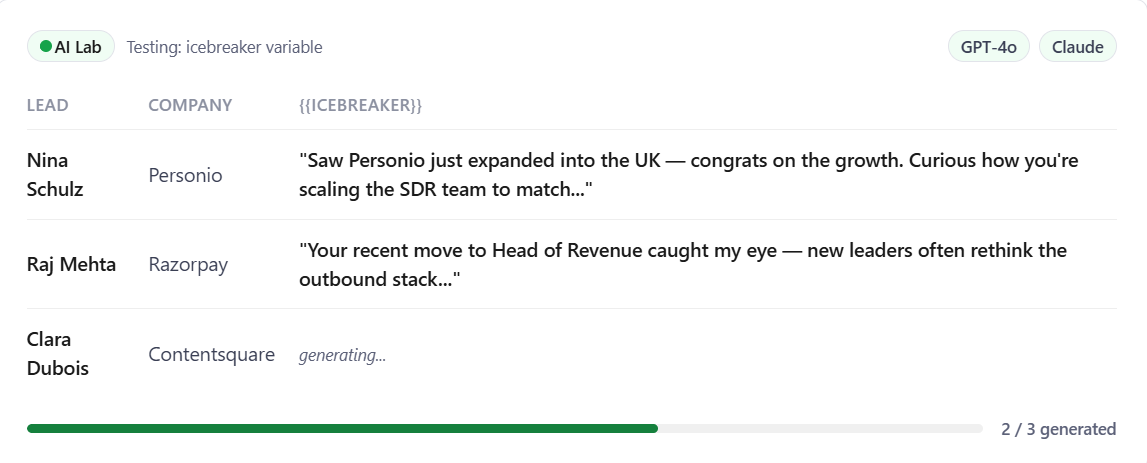
Source: Scrupp
Pricing: Scrupp uses credit-based pricing with a free tier and one-time packs that never expire.
Scrupp's pricing model centers on credits, where one credit equals one enrichment action.
Plan | Monthly Price | Credits/Month |
|---|---|---|
Free | $0 | 100 |
Starter | $29 | 1,000 |
Growth | $39 | 2,000 |
Pro | $59 | 5,000 |
Enterprise | $99+ | 10,000–100,000 |
Separately, one-time credit packs range from 1,000 credits ($35) to 100,000 credits ($599) and never expire. Annual billing saves up to 20%.
Feature access is tiered. The Free plan supports basic scraping but excludes email and phone enrichment, CSV export, and data cleaning. CSV file enrichment (bulk upload) starts at the Growth plan ($39/mo). REST API access requires the Pro plan ($59/mo) or above. Contact monitoring is Enterprise-only.
All plans operate under a cancel-anytime policy with no minimum commitment.
Where Scrupp Falls Short
Scrupp delivers on its core promise of fast LinkedIn scraping. But several limitations surface as teams scale.
LinkedIn Dependency: Scrupp's value depends on LinkedIn Sales Navigator. Without a Sales Navigator subscription, the main scraping workflow is unavailable. Any LinkedIn policy change or technical countermeasure threatens the product. Scrupp's knowledge base acknowledges users must comply with applicable laws when using exported data, but the platform dependency remains.
Data Scope Limited to What LinkedIn Shows: Scrupp pulls live data from LinkedIn profiles at export time, which keeps titles and companies current. But it captures only what LinkedIn displays: names, titles, companies, and locations.
There are no intent signals showing when a company is actively researching solutions. No technographic data revealing what software a prospect already uses. No organizational hierarchies mapping buying committees. No conversation intelligence capturing why deals move or stall. For teams that need to prioritize accounts by purchase readiness rather than profile attributes, this is a real gap.
Support and Operational Maturity: Reviews on AppSumo (3.85/5 across 40 reviews) surface recurring concerns: bugs that take weeks to resolve, slow support response, and scraping jobs that get stuck. G2 reviewers report billing issues including missing address and tax fields on EU invoices, a compliance concern for European businesses.
Support runs through a single email address with no phone support below Enterprise and no published SLA beyond a three-business-day target.
No Security Certifications: Scrupp describes its security practices through contractual commitments in its DPA (TLS 1.2+, AES-256 encryption, role-based access) but holds no third-party certifications such as ISO 27001, SOC 2, or ISO 27701. For enterprise procurement teams that require audited security evidence, this is a barrier.
Geographic Data Gaps: The 65% email find rate is a global average. G2 reviewers note results for GCC and Pakistan regions are not always consistent, and the product's strongest coverage appears concentrated in US and EU markets.
Evolving Credit System: Multiple reviewers have noted that the credit system changes frequently, creating confusion about what actions consume credits and at what rate. Combined with a strict no-refund policy, this can frustrate buyers who misjudge their credit needs.
These limitations reflect the constraints of a small startup optimizing for one workflow: scrape, enrich, send. They create a clear gap for teams that need B2B intelligence, enterprise compliance, and an execution platform that works across the full go-to-market operation.
Top Scrupp Alternative for Full-Scale B2B Intelligence: ZoomInfo
ZoomInfo addresses Scrupp's limitations by providing the data, intelligence, and execution infrastructure that go-to-market teams need. An AI-powered GTM platform serving 35,000+ companies worldwide (including Adobe, Snowflake, and Thomson Reuters), ZoomInfo is the GTM data layer trusted by over half the Fortune 500, operating at a different scale than scraping tools, covering verified contact data, AI-driven deal intelligence, and full campaign orchestration.
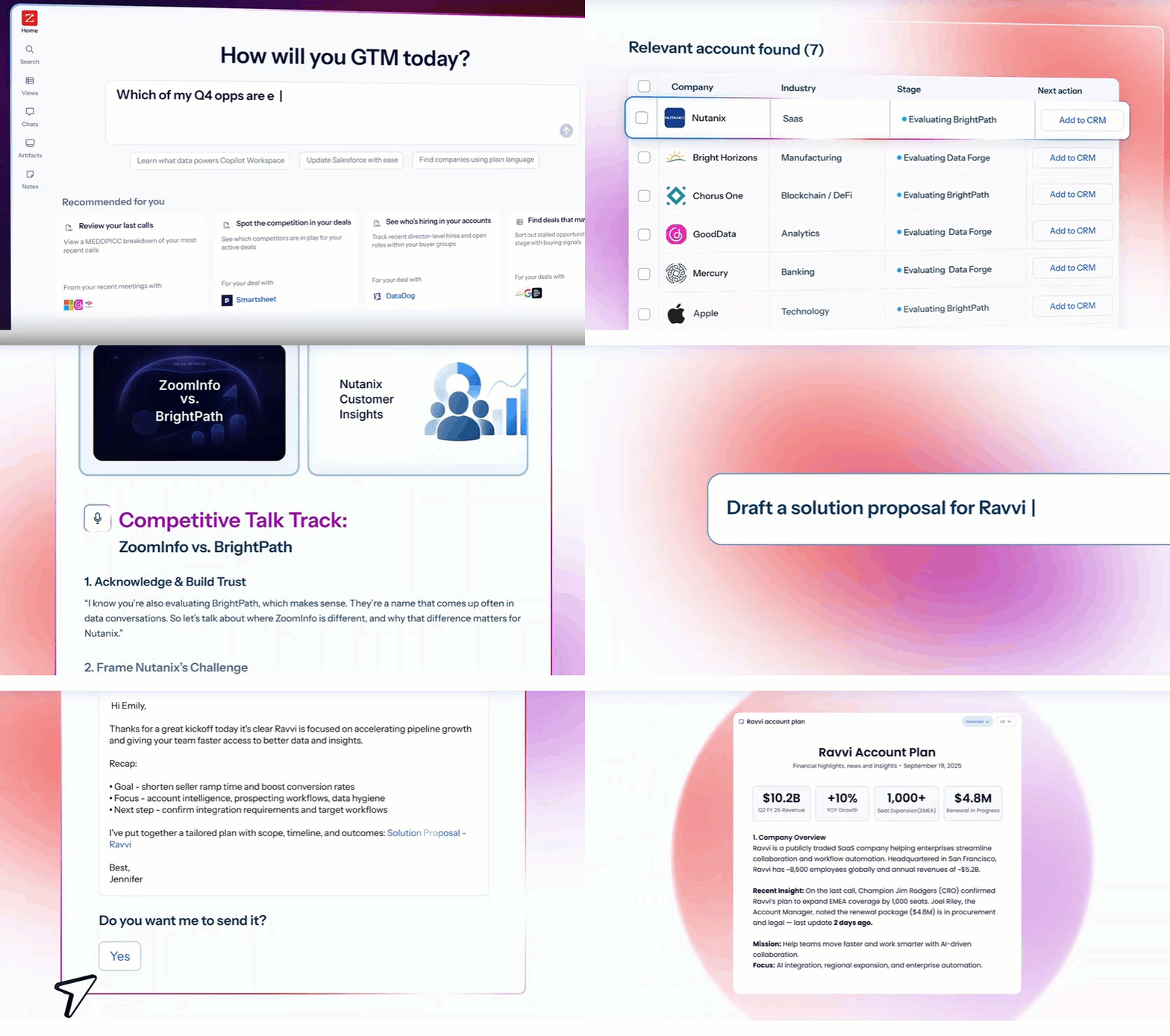
The Most Comprehensive B2B Data Platform: ZoomInfo's data goes far beyond what any LinkedIn scraper can access.
Where Scrupp captures what LinkedIn displays at export time, ZoomInfo maintains its own verified database: 500M contacts, 100M companies, 135M+ verified phone numbers, 120M direct-dial phone numbers, and 200M+ verified business email addresses.
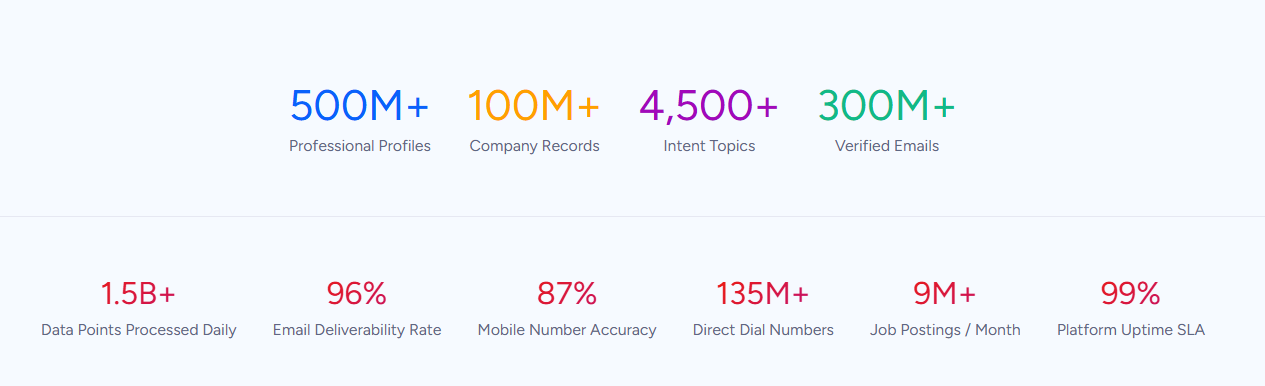
ZoomInfo builds and verifies this data through multiple sources: automated ML scanning of 28 million site domains daily, third-party partner data covering 95 million businesses, a community of 200,000+ ZoomInfo Lite users who share data back, and an in-house team of 300+ human researchers. First-party data reaches up to 95% accuracy.
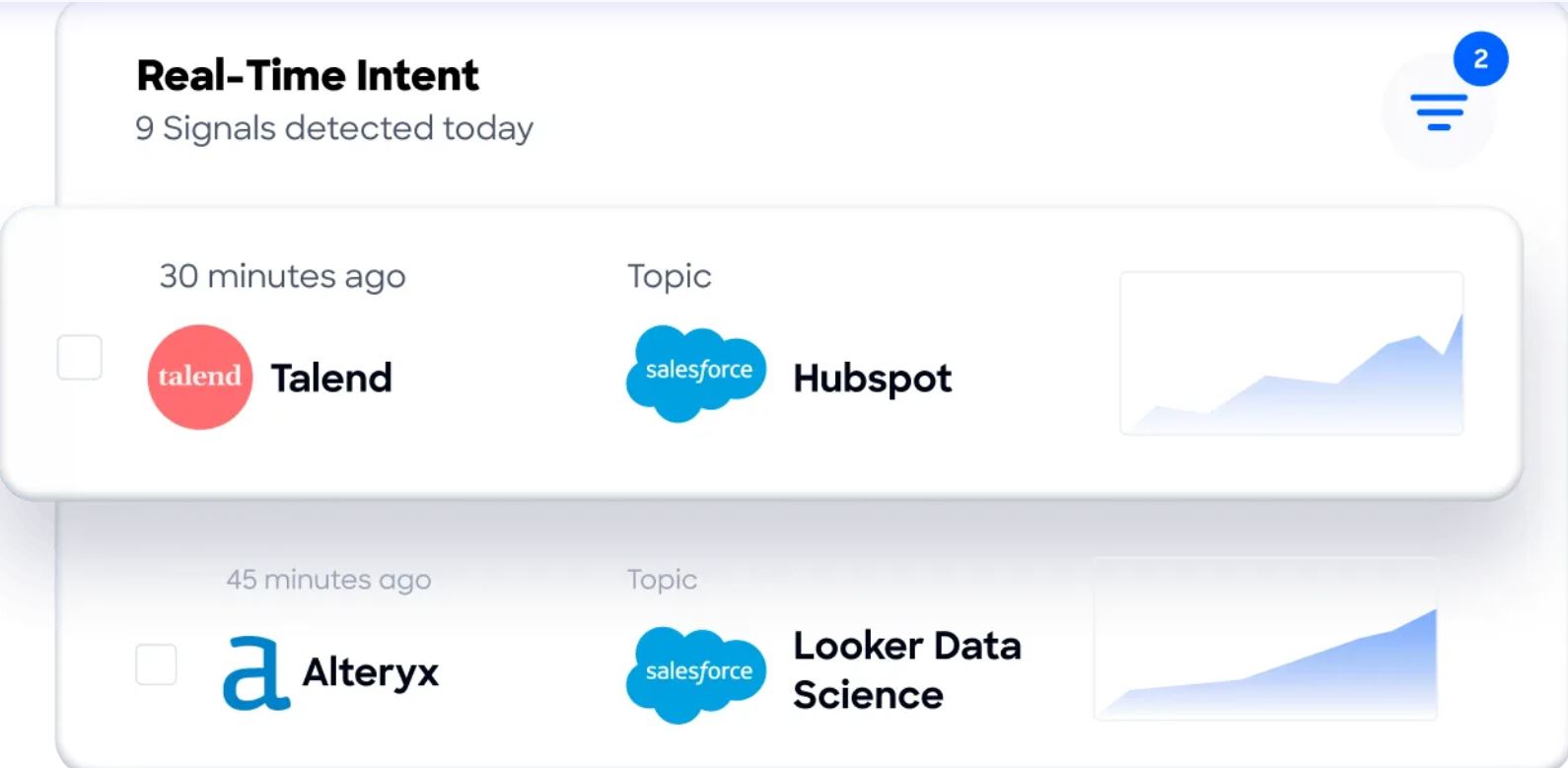
The data covers dimensions LinkedIn does not surface. Buyer Intent tracks signals from 210 million IP-to-Organization pairings and 6 trillion+ new keyword-to-device pairings monthly, showing which companies are actively researching solutions in your category. Technographic profiles cover the tech stacks of 30+ million companies across 30,000+ technologies.
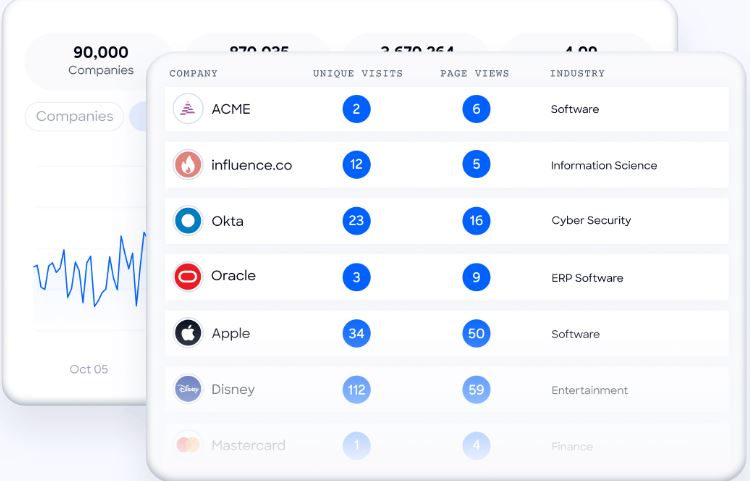
WebSights identifies anonymous website visitors by company and contact. Department org charts map buying committees with direct dials and verified emails for each member.
External results validate this data advantage. In a Fortune 500 competitive RFP analyzing 25 million contacts across vendors, the independent consultant concluded that "no other competitor came even close."
ZoomInfo holds Leader positions in the Gartner Magic Quadrant for ABM Platforms and the Forrester Wave for Intent Data Providers, along with 133 No. 1 rankings on G2. Its compliance certifications (ISO 27001, ISO 27701, SOC 2 Type II, TRUSTe GDPR and CCPA) are built into the data layer.
Vensure scaled prospecting with ZoomInfo's data and found that the information they needed was already there, eliminating weeks of manual research across multiple spreadsheets. (Vensure)
The GTM Context Graph: ZoomInfo connects data points into an intelligence layer that captures why deals move.
The data is the foundation. What sets ZoomInfo apart is the GTM Context Graph, an intelligence layer that processes 1.5B+ data points daily and fuses ZoomInfo's third-party data with a customer's own CRM records, conversation transcripts, email threads, and behavioral signals.
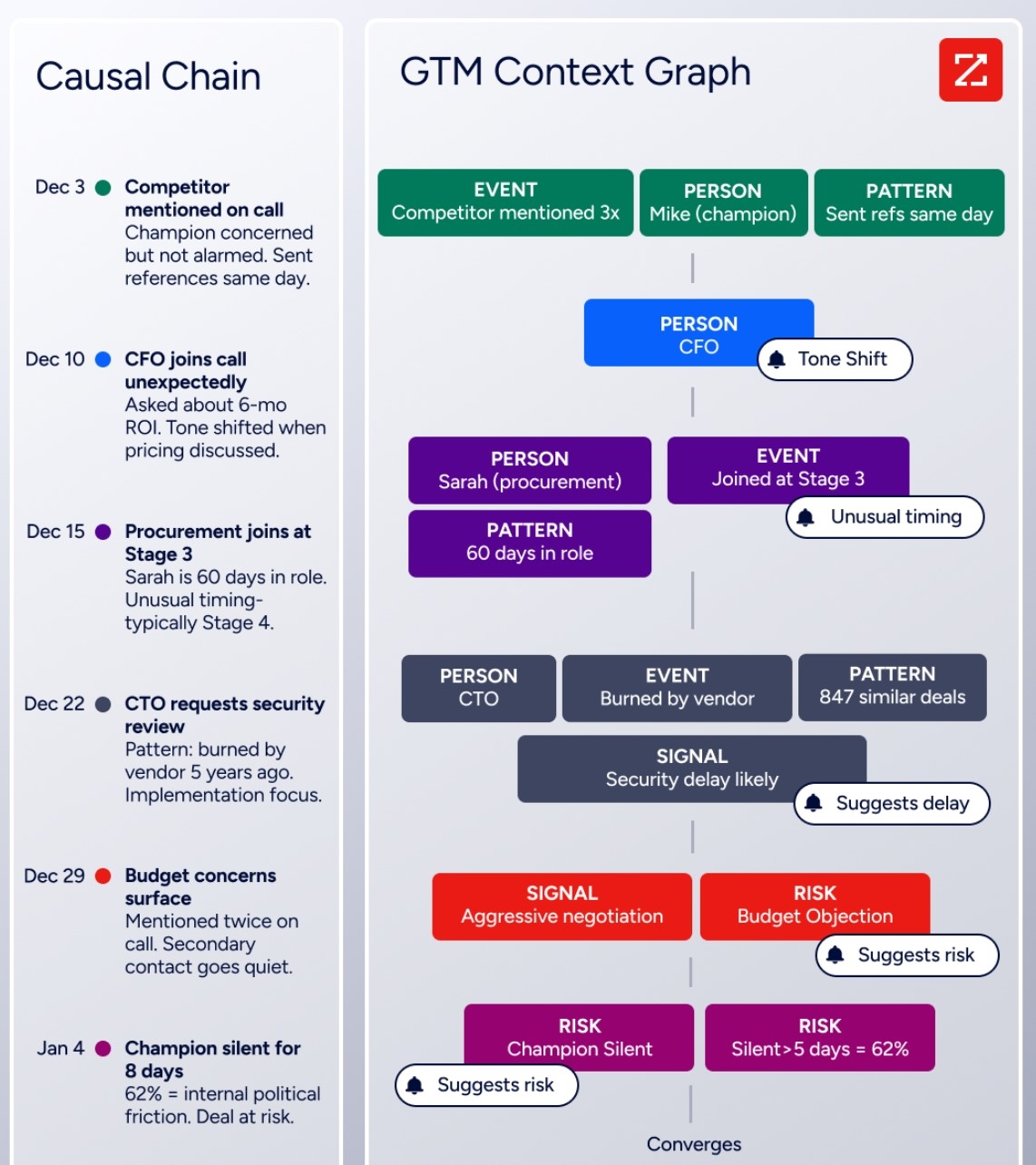
A CRM records that a deal moved from Stage 3 to Stage 4. Conversation intelligence transcribes what the VP of Finance said on the last call. Intent data logs a spike in research activity.
The GTM Context Graph connects all three to show why the deal moved, then feeds that context to every downstream action: the follow-up email addresses the specific concern from the call, the next play targets accounts whose signals match proven win patterns, and the forecast reflects buying evidence rather than stage labels.
This capability exists because ZoomInfo spent two decades building its B2B data platform, then integrated Chorus for conversation intelligence. No single point solution can replicate this combination because none has both the data breadth and the context layer required.
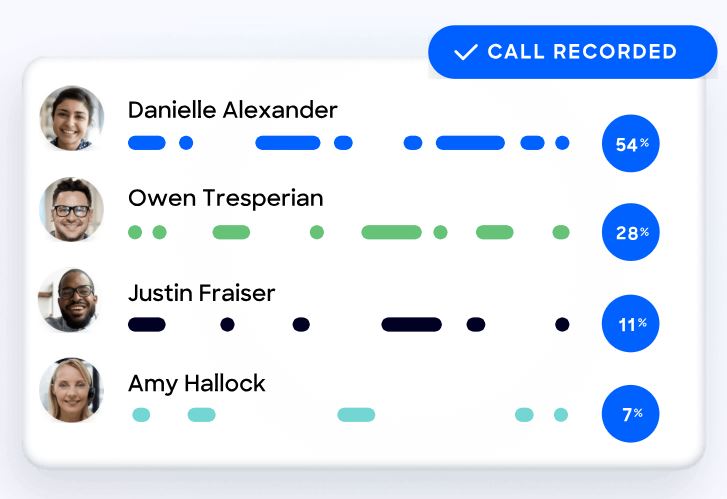
Seismic attributed 39% of active pipeline to opportunities identified or influenced by ZoomInfo signals and reported 54% productivity gains across the sales team. (Seismic)
Universal Access: ZoomInfo delivers its intelligence through dedicated surfaces for every team and into any external tool.
The intelligence layer reaches go-to-market teams three ways.
GTM Workspace is the seller's front end: a workspace where prioritized accounts, AI-drafted outreach, and deal context come together in one view. Built on Anthropic's Claude, AI agents handle account research, outreach drafting, CRM updates, and signal monitoring. Databricks reached prospects 50% faster. Thomson Reuters increased closed-won deals by 40%.
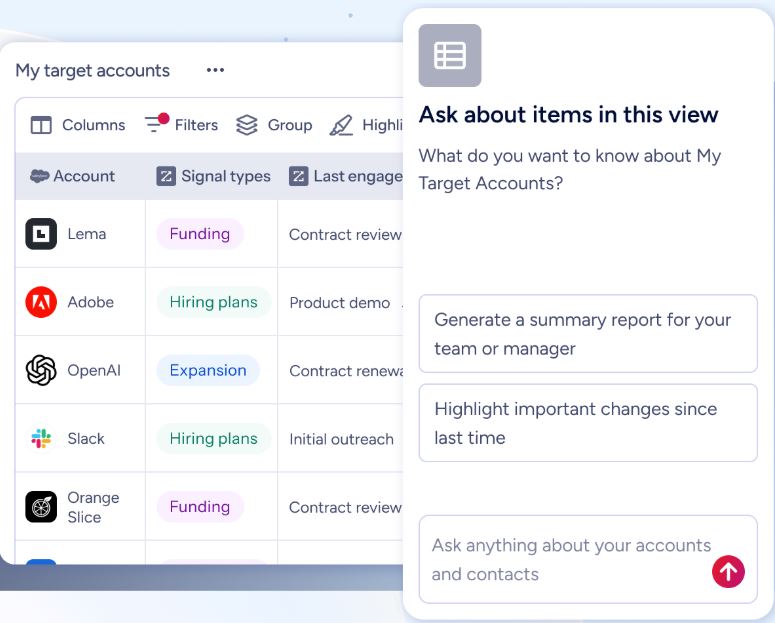
GTM Studio serves marketers, RevOps, and GTM engineers: describe an audience in natural language, launch multi-channel plays targeting accounts that match proven win patterns, and measure pipeline impact in real time, with no engineering tickets required. Expansion plays that used to take three weeks now launch in 30 minutes.
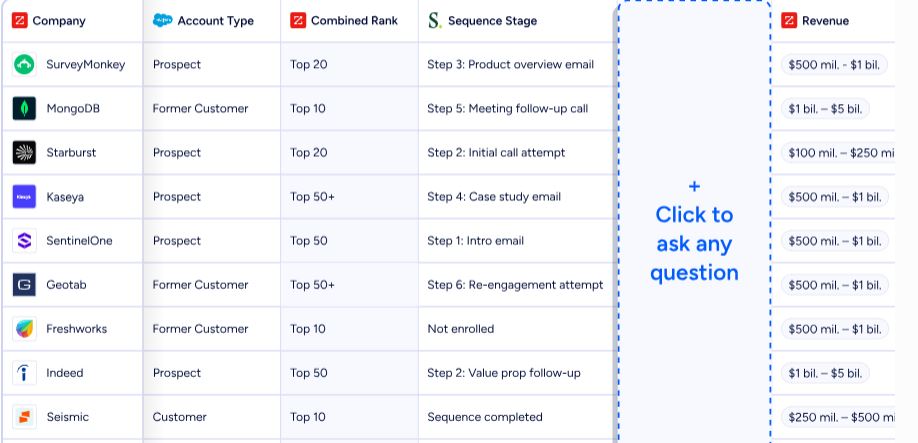
For teams building beyond ZoomInfo's own products, APIs and MCP expose the same intelligence to any custom agent, internal tool, or partner platform. API access is included in all relevant plans. The MCP server is listed in the Claude directory and currently supports Claude and ChatGPT.
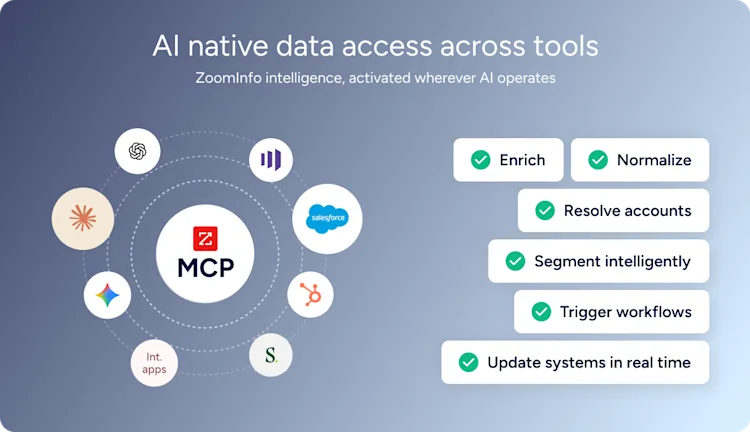
All three draw from one GTM Context Graph. The same data, the same context, the same intelligence, regardless of which tool a team uses.
BDO Canada's Senior Marketing Intelligence Analyst reported an 87% reduction in time spent on internal data dashboard updates using ZoomInfo's API, noting that "the plug-and-play aspect of the API means I can integrate it very easily into any process." (BDO Canada)
Pricing and Entry Points: ZoomInfo offers multiple ways to start, from a permanent free tier to custom enterprise agreements.
ZoomInfo uses a custom-quoted, seat-and-credit-based model with no publicly listed prices. It provides two free entry points.
ZoomInfo Lite is a permanent free tier (no credit card, no time limit) with access to ZoomInfo's B2B database, 10 monthly export credits, individual and company searches, the ReachOut Chrome Extension, and WebSights Lite for up to 10 website visitor reveals per day. A separate 7-day free trial provides broader access to the core platform features.
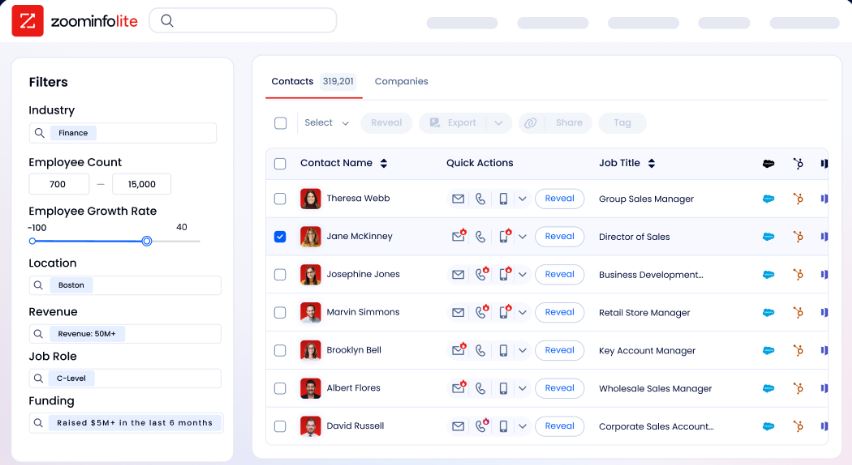
Paid plans divide into Sales, Marketing, and ABM product lines, each with tiered feature access. Sales tiers progress from Professional (contact and company data, CRM integrations, Chrome extension) through Advanced (intent signals, Account Fit Score, website visitors, automated workflows) to Enterprise (real-time intent, AI-generated account summaries, custom integrations, dedicated support).
Credits operate on a 1-credit-per-export model where searching and viewing data within ZoomInfo does not consume credits.
ZoomInfo costs more than Scrupp's $29-99/month range. The difference is what that investment covers: verified data at 500M-contact scale, intent signals, conversation intelligence, AI-driven execution, and enterprise compliance, all in one platform rather than assembled from multiple point solutions.
Note: ZoomInfo is transitioning toward a consumption-based pricing model.
Scrupp or ZoomInfo: Comparison Summary
Aspect | Scrupp | ZoomInfo |
|---|---|---|
Primary function | LinkedIn scraping + enrichment | AI-powered GTM platform |
Data source | Live LinkedIn/Apollo profiles at export time | Proprietary verified database (500M contacts, 100M companies) |
Verified emails | 65% find rate, under 5% bounce | 200M+ verified business emails, up to 95% accuracy |
Phone numbers | Direct dials via enrichment | 135M+ verified, 120M direct dials |
Intent data | Not available | Buyer Intent with 210M IP-to-org pairings |
Technographics | Not available | 30M+ companies, 30,000+ technologies |
Conversation intelligence | Not available | Chorus (recording, transcription, AI analysis) |
AI execution | AI-written email sequences, AI Variables | GTM Workspace AI agents (research, outreach, CRM updates) |
Campaign orchestration | Basic email sequences | GTM Studio (multi-channel plays, natural-language audiences) |
Website visitor tracking | Not available | WebSights (company and contact-level identification) |
Security certifications | DPA commitments only | ISO 27001, ISO 27701, SOC 2 Type II, TRUSTe GDPR/CCPA |
CRM integrations | HubSpot, Salesforce, Pipedrive | 120+ integrations via App Marketplace |
API access | Pro plan ($59/mo) and above | Included in all relevant plans |
Free option | 100 credits/month (permanent) | ZoomInfo Lite (permanent) + 7-day trial |
Best for | SDRs scraping LinkedIn at low-to-moderate volume | Full go-to-market teams needing data, intelligence, and execution |
Final Verdict
The choice between Scrupp and ZoomInfo depends on the scope of your go-to-market operation and the depth of intelligence you need.
Choose Scrupp if you run a focused outbound workflow built around LinkedIn Sales Navigator and need a fast, affordable way to turn search results into emailable lead lists. It works well for individual SDRs, small outbound agencies, and teams whose primary prospecting channel is LinkedIn.
Credit-based pricing keeps costs predictable at low volumes, and the Chrome extension removes the technical overhead of scraping infrastructure. If your workflow is "find leads on LinkedIn, get their emails, send cold outreach," Scrupp handles that well.
Choose ZoomInfo if your go-to-market needs go beyond scraping LinkedIn profiles. ZoomInfo is the right platform when you need to identify which accounts are in-market before you reach out, when you need org charts and buying committee mapping to reach multiple stakeholders in enterprise accounts, when sales and marketing need shared intelligence across the buyer journey, and when enterprise procurement requires certified security and compliance.
ZoomInfo provides the data, intelligence, and execution infrastructure that turns prospecting from a volume play into a precision operation, serving every team across the GTM motion from one platform.
Get started with ZoomInfo here.
Scrupp solves the extraction problem: getting contact data out of LinkedIn and into your outreach tools. ZoomInfo solves the intelligence problem: knowing who to contact, when to engage, why they are likely to buy, and what to say when you reach them. The right choice depends on which problem defines your current ceiling.
Scrupp FAQ
What is Scrupp used for?
Scrupp is a Chrome extension that exports lead data from LinkedIn Sales Navigator, standard LinkedIn search, and Apollo.io. Users paste a search URL, click Export, and receive a CSV with job titles, verified emails, direct phone numbers, and company data. It also offers CSV-based data enrichment, email verification, outreach automation, and a REST API for programmatic access.
Is Scrupp safe for my LinkedIn account?
Scrupp runs as a browser-based Chrome extension within the user's own logged-in session. It does not automate LinkedIn actions, use headless browsers, or store LinkedIn credentials. Scrupp positions this architecture as lower-risk than automation tools, and states that thousands of SDR teams use it daily without account restrictions.
However, the product is built on top of LinkedIn's platform, and LinkedIn's terms of service govern what third-party tools can do with its data.
How accurate are Scrupp's email results?
Scrupp reports a 65% average verified email find rate and under 5% bounce rate on verified business emails. Email discovery uses a multi-provider waterfall across 5+ sources, followed by a five-layer verification pipeline including syntax checks, MX record lookup, SMTP handshake, catch-all detection, and disposable email filtering.
Accuracy varies by region. Reviewers have noted inconsistent results in GCC and South Asian markets compared to US and EU coverage.
How much does Scrupp cost?
Scrupp uses credit-based pricing starting with a free plan (100 credits/month, no credit card). Paid subscriptions range from Starter at $29/month (1,000 credits) to Enterprise at $99+/month (10,000-100,000 credits). One-time credit packs that never expire are available from $35 (1,000 credits) to $599 (100,000 credits). Annual billing saves up to 20%.
ZoomInfo uses custom-quoted pricing but offers a permanent free tier (ZoomInfo Lite) and a 7-day free trial for evaluating the full platform.
Does Scrupp include intent data or buying signals?
Scrupp does not offer intent data, technographic profiles, or website visitor tracking. Its Contact Signals feature monitors existing contacts for job changes, promotions, and funding events, but does not identify companies actively researching solutions in a specific category.
ZoomInfo tracks buyer intent through 210 million IP-to-Organization pairings and 6 trillion+ keyword-to-device pairings monthly, and offers Guided Intent, which identifies topics historically correlated with deal success.
Does Scrupp have enterprise security certifications?
Scrupp does not hold ISO 27001, SOC 2, or other third-party security certifications. Its security practices are described through contractual commitments in its Data Processing Agreement, including TLS 1.2+ encryption in transit, AES-256 encryption at rest, and role-based access controls. ZoomInfo maintains ISO 27001, ISO 27701, SOC 2 Type II, and TRUSTe GDPR and CCPA validations, all renewed annually.
Can Scrupp replace a full B2B data platform?
Scrupp covers lead scraping, email and phone enrichment, and basic outreach automation. It does not provide a proprietary contact database, intent signals, technographics, org charts, conversation intelligence, website visitor identification, or AI-driven account prioritization. Teams whose go-to-market operations require these capabilities will find Scrupp insufficient as a standalone solution.
ZoomInfo combines all of these in one platform, serving the full spectrum from prospecting through deal execution and account management.
What integrations does Scrupp support?
Scrupp integrates natively with HubSpot, Salesforce, Pipedrive, Airtable, Notion, Google Sheets, and Slack. It also connects with automation platforms including Zapier, Make, and n8n. The REST API (available on Pro plans and above) supports custom integrations.
ZoomInfo's App Marketplace lists 120+ integrations, and its Enterprise API and MCP server enable programmatic access to ZoomInfo's data and intelligence from any application or AI agent.
