
If you're searching for DiscoverOrg vs. Lead411, the first thing you need to know is that DiscoverOrg no longer exists as a standalone company. In February 2019, DiscoverOrg acquired Zoom Information, Inc., and the combined entity rebranded as ZoomInfo. The DiscoverOrg website still operates, but it routes to a brand under ZoomInfo Technologies LLC.
That changes the comparison entirely. What was once a head-to-head between two contact databases is now a question with different stakes:
Do you need a focused B2B contact database at an affordable price, or a full go-to-market intelligence platform?
Is verified contact data enough, or do you also need intent signals, AI-powered outreach, and workflow automation?
Are you primarily prospecting in the US, or do you need global coverage across hundreds of millions of contacts?
Does your team need unlimited exports at low cost, or are you willing to invest more for deeper account intelligence?
How important is it that your sales intelligence tool connects to AI agents and fits into a broader GTM strategy?
Here's what we recommend:
DiscoverOrg built its reputation on human-verified B2B contact data with a 95% accuracy guarantee, complete department-level org charts, and a team of over 100 in-house researchers who refreshed every record at least once every 90 days.
For years, it was the gold standard for enterprise sales teams that needed accurate direct dials and organizational intelligence. Today, DiscoverOrg's data, verification methodology, and core capabilities live inside ZoomInfo's platform. If you're evaluating DiscoverOrg in 2026, you're effectively evaluating ZoomInfo.
Lead411 is the budget-friendly alternative built for sales teams that want verified contact data without enterprise-level pricing. Starting at $49/month, it offers triple-verified emails with 96% average deliverability, unlimited exports on annual plans, and a proprietary Growth Intent Algorithm that surfaces companies showing hiring surges, funding rounds, and executive changes.
For SMB and mid-market teams running US-focused outbound, Lead411 delivers solid data at a fraction of what enterprise platforms cost.
Both options serve the core need of finding verified B2B contacts. But DiscoverOrg didn't just disappear in 2019. It evolved. The human-verified data, the org charts, and the accuracy standards that made DiscoverOrg a market leader became the foundation of something much larger.
ZoomInfo is an all-in-one AI GTM platform that carries forward everything DiscoverOrg built and extends it across three dimensions: 500M contacts, 100M companies, 135M+ verified phone numbers, and 200M+ verified business email addresses form the industry's most comprehensive B2B data layer.
The GTM Context Graph, an intelligence layer that processes 1.5B+ data points daily, fuses that data with your CRM records, conversation intelligence, and behavioral signals to reveal not just who to contact, but why they're likely to buy right now.
And three access lanes, GTM Workspace for sellers, GTM Studio for marketers and RevOps, and APIs and MCP for any tool or AI agent, deliver that intelligence wherever your team works.
If you came here looking for DiscoverOrg, the platform you remember has grown into ZoomInfo. See how it works today with a free trial.
DiscoverOrg vs. Lead411 vs. ZoomInfo at a glance
DiscoverOrg (Legacy) | Lead411 | ZoomInfo | |
|---|---|---|---|
Status | Brand under ZoomInfo since 2019 | Independent, privately held since 2001 | Public (NASDAQ: GTM) |
Database size | Now part of ZoomInfo's database | Not publicly disclosed | 500M contacts, 100M companies |
Verified phone numbers | Included in ZoomInfo's data | Double-verified direct dials | 135M+ verified, 120M direct dials |
Email verification | Human-verified, 95% accuracy | Triple-verified, 96% deliverability | Multi-source verified, up to 95% accuracy |
Intent data | Bombora partnership (via ZoomInfo) | Bombora + proprietary Growth Intent | Proprietary + Bombora, Guided Intent (exclusive) |
Org charts | Department-level, human-verified | Not a core feature | Department-level with AI-powered buying groups |
AI capabilities | Now uses ZoomInfo's AI | A.I. Assistant for natural language search | GTM Context Graph, GTM Workspace (with built-in AI agent) |
CRM integrations | Via ZoomInfo marketplace | 25+ native integrations | 120+ marketplace integrations, API, MCP |
Pricing | Custom-quoted (via ZoomInfo) | Starts at $49/month | Custom-quoted, free Lite tier available |
Best for | (Evaluate ZoomInfo directly) | SMB/mid-market US-focused outbound | Enterprise and upper mid-market GTM teams |
DiscoverOrg became ZoomInfo, and the difference matters
The DiscoverOrg brand still has a website. You can still visit discoverorg.com and request pricing. But behind that page sits ZoomInfo Technologies LLC, with offices across the US and Israel.
What changed? Scope. DiscoverOrg was a contact database with org charts and buying signals. ZoomInfo is a go-to-market intelligence platform that includes everything DiscoverOrg offered and layers on AI-powered account prioritization, conversation intelligence (Chorus), website visitor tracking (WebSights), marketing automation, and workflow orchestration.

Source: ZoomInfo Chorus
The data foundation is the same. DiscoverOrg's team of 300+ human researchers and its proprietary cleaning process with more than 20 steps (checking each email contact up to 75 times) now operate within ZoomInfo's broader verification pipeline. The org charts that DiscoverOrg was known for are still there, now enhanced by GTM Workspace's AI agent, which surfaces the full buying group in seconds.
For anyone who valued DiscoverOrg's data quality, the question isn't whether that quality still exists. It does. The question is whether you want just the data, or the full intelligence platform built on top of it.
Lead411 competes on price and unlimited access
Lead411 occupies a specific niche in the B2B data market: verified contacts with transparent pricing and no export caps on top-tier plans.
The Spark plan starts at $49/month with 1,000 exports. The Ignite plan starts at $150/month and adds API access and team accounts. The Blaze plan (annual only, custom pricing) provides unlimited exports with dedicated account management. Lead411 also offers to match or beat most enterprise competitor pricing quotes and will buy out an existing B2B data provider contract in certain cases.

Source: Lead411 FAQ
The pricing advantage is real. A small sales team spending $49-150/month on Lead411 would spend thousands per year on ZoomInfo. For teams that need verified emails and phone numbers for US-focused outbound and don't require advanced intent data or AI-driven workflows, Lead411 delivers meaningful value at that price point.
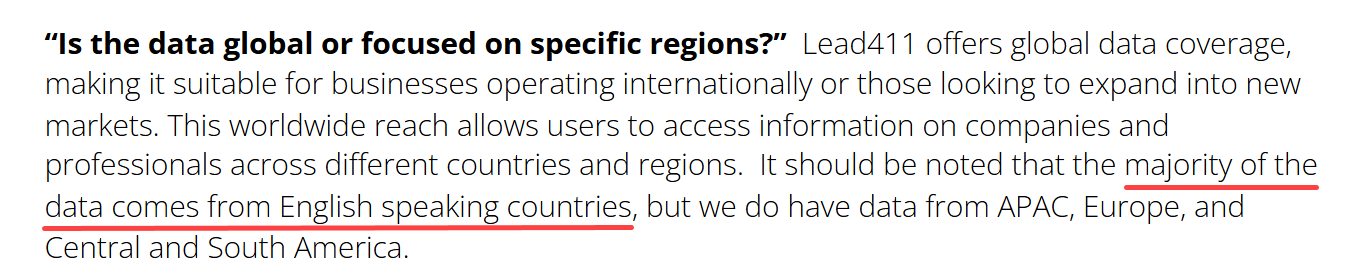
Where Lead411 falls short is scale and depth. The platform acknowledges that the majority of its data comes from English-speaking countries and that depth of data for niche sectors may vary. It has no conversation intelligence, no website visitor identification, no native advertising platform, and no org chart functionality comparable to what DiscoverOrg pioneered.
Source: Lead411 FAQ
For a closer look at Lead411's features, data coverage, and verification methods, see our Lead411 review.
Data verification approaches reflect different philosophies
All three platforms claim high accuracy. The methods behind those claims differ.
DiscoverOrg (now within ZoomInfo) pioneered the human-verification model. Each decision maker in the database was updated by a team of 100+ in-house researchers at least once every 90 days, producing research-verified profiles with 96% direct dial fill rates and 98% email fill rates. That methodology now powers ZoomInfo's broader data pipeline.
Lead411 uses an eight-step verification process that includes SMTP verification, human verification, and email open validation. The email open validation step goes further than standard SMTP pinging: emails are actually sent and, if opened by a real person, confirmed as valid.
Phone numbers are double-verified through human review and location matching. The entire database is re-verified every 90 days, matching DiscoverOrg's original refresh cycle.
Source: Lead411 Double Verified
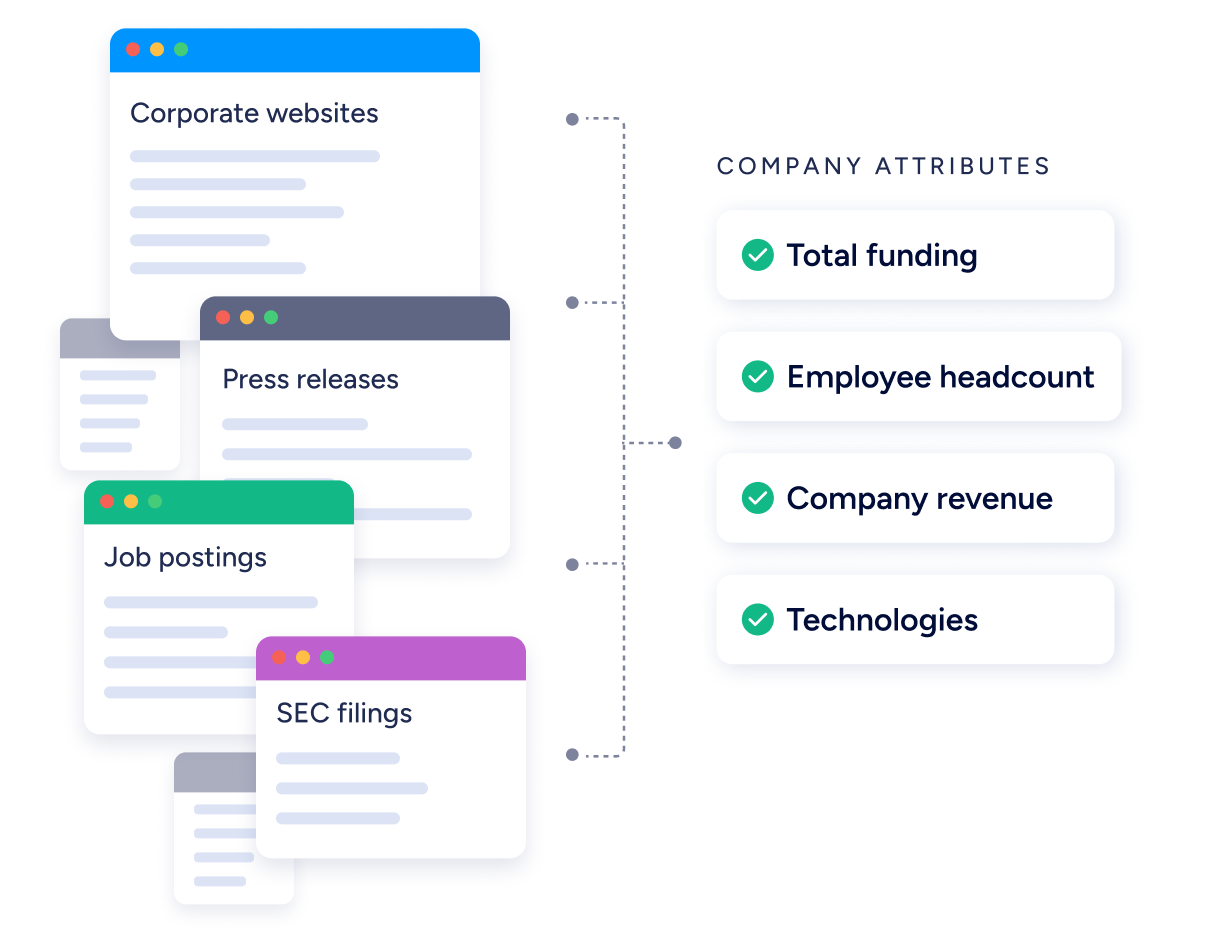
ZoomInfo combines automated and human verification at a much larger scale. Data flows through a pipeline of automated ML scanning 28 million site domains daily, third-party partner data covering 95 million businesses, a contributory community of 200,000+ ZoomInfo Lite users, and the Data Training Lab of 300+ human researchers. The result is up to 95% accuracy on first-party data across 500M contacts.
Source: ZoomInfo Scanning
The difference is coverage. Lead411's verification may be thorough, but it operates on a smaller database. ZoomInfo's verification runs across a database that is orders of magnitude larger, spanning 34M+ company profiles outside North America and 200M+ professional profiles outside NA.
In a Fortune 500 competitive RFP analyzing 25 million contacts across vendors, the independent consultant concluded that "no other competitor came even close."
Vensure scaled prospecting using ZoomInfo's data, with VP of Revenue Operations William Kenimer noting: "ZoomInfo gives us the information we need to execute. We don't have to go through and spend our time digging. It's already there, so we can be three steps ahead." (Vensure Case Study)
Intent data separates passive databases from active intelligence
Finding contacts is one problem. Knowing when those contacts are ready to buy is a different one.
DiscoverOrg offered intent signals through a Bombora partnership and its own Scoops feature, which delivered human-verified intelligence about leadership changes, spending initiatives, and technology adoption. These capabilities now live within ZoomInfo.
Lead411 takes a two-layer approach. Its proprietary Growth Intent Algorithm scores companies based on hiring activity, funding rounds, executive changes, and new location openings, surfacing companies that are actively spending.
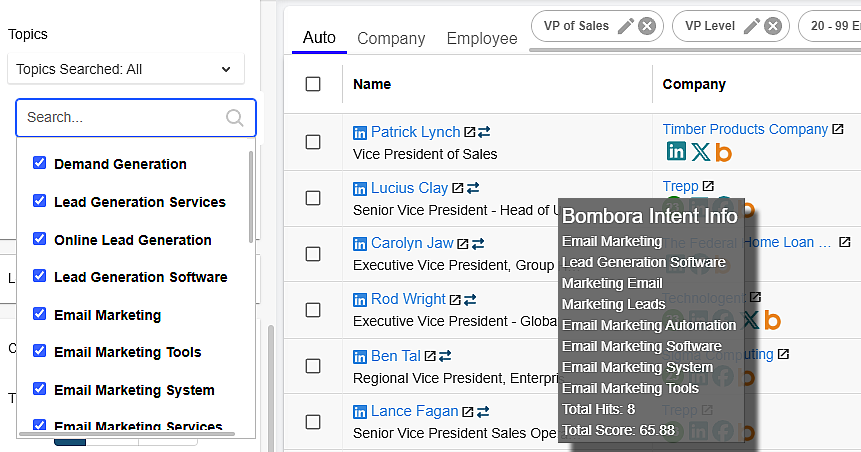
Source: Lead411 Growth Intent
Lead411 also integrates Bombora buyer intent data as an add-on on annual plans, letting users track 5 to 25 intent topics simultaneously. Lead411 positions Growth Intent as superior to content-consumption intent, arguing that "Growth Intent is the new Intent data. Intent data associated with content readership is not really intent data."
Growth Intent is a useful signal layer. Companies that are hiring, raising money, or opening new offices are often spending money. But it captures company-level activity, not individual research behavior.
ZoomInfo operates intent at a fundamentally different scale. The platform tracks signals from 210 million IP-to-Organization pairings and 6 trillion+ keyword-to-device pairings sourced monthly across 300,000+ publisher domains. Streaming Intent delivers signals every 10 minutes, so teams can reach prospects while they're actively researching rather than waiting for weekly batch updates.
What sets ZoomInfo apart is Guided Intent, an exclusive capability that uses predictive AI to analyze your CRM data and identify which intent topics are historically correlated with creating opportunities.

Source: ZoomInfo Intent Data
Instead of manually guessing which topics to track, the AI tells you which signals actually predict deals. High-propensity intent signals identified by Guided Intent are correlated with a qualified opportunity 7-10 times more often than a control group.
Seismic's sales team attributed 39% of active pipeline to opportunities identified or influenced by ZoomInfo signals, reported 54% productivity gains, and saved 11.5 hours per week per seller. CBO Toby Carrington said: "That combination of our internal CRM data, external signals, and AI that's given all that context has helped us craft very specific account- and persona-based messages. And people have responded to them right away." (Seismic Case Study)
AI capabilities define the gap between data and intelligence
This is where the comparison stops being about contact databases and becomes about fundamentally different products.
Lead411 recently launched an A.I. Assistant that lets users search the database using natural language queries instead of structured filters. It's a convenience feature that simplifies prospecting ("Find healthcare companies expanding their sales teams") but doesn't change what the platform delivers: contact records from the same database, now accessed through a conversational interface.
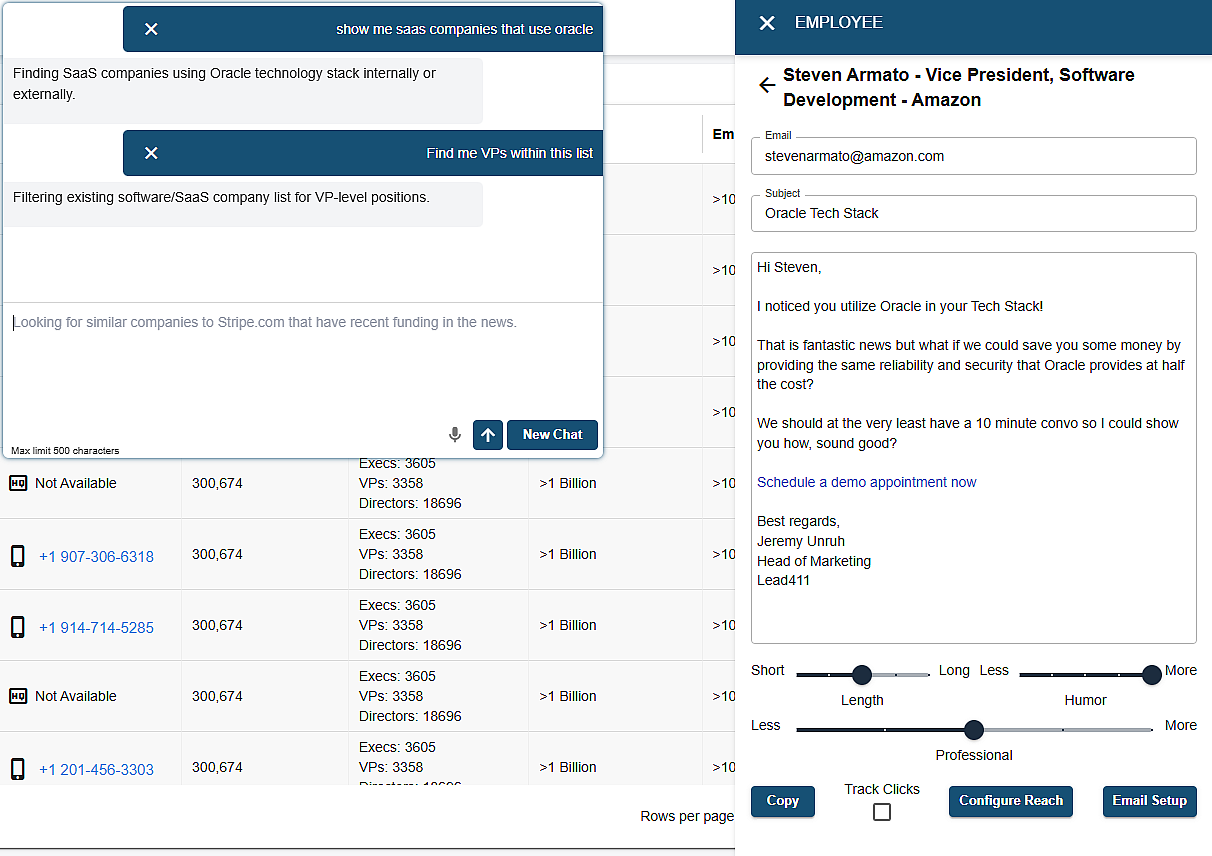
Source: Lead411 A.I. Assistant
ZoomInfo treats AI as the core operating layer of the platform, not a search shortcut. The GTM Context Graph processes 1.5B+ data points daily, fusing ZoomInfo's B2B data with customer CRM records, conversation transcripts from Chorus, email interactions, and behavioral signals into a unified intelligence layer.
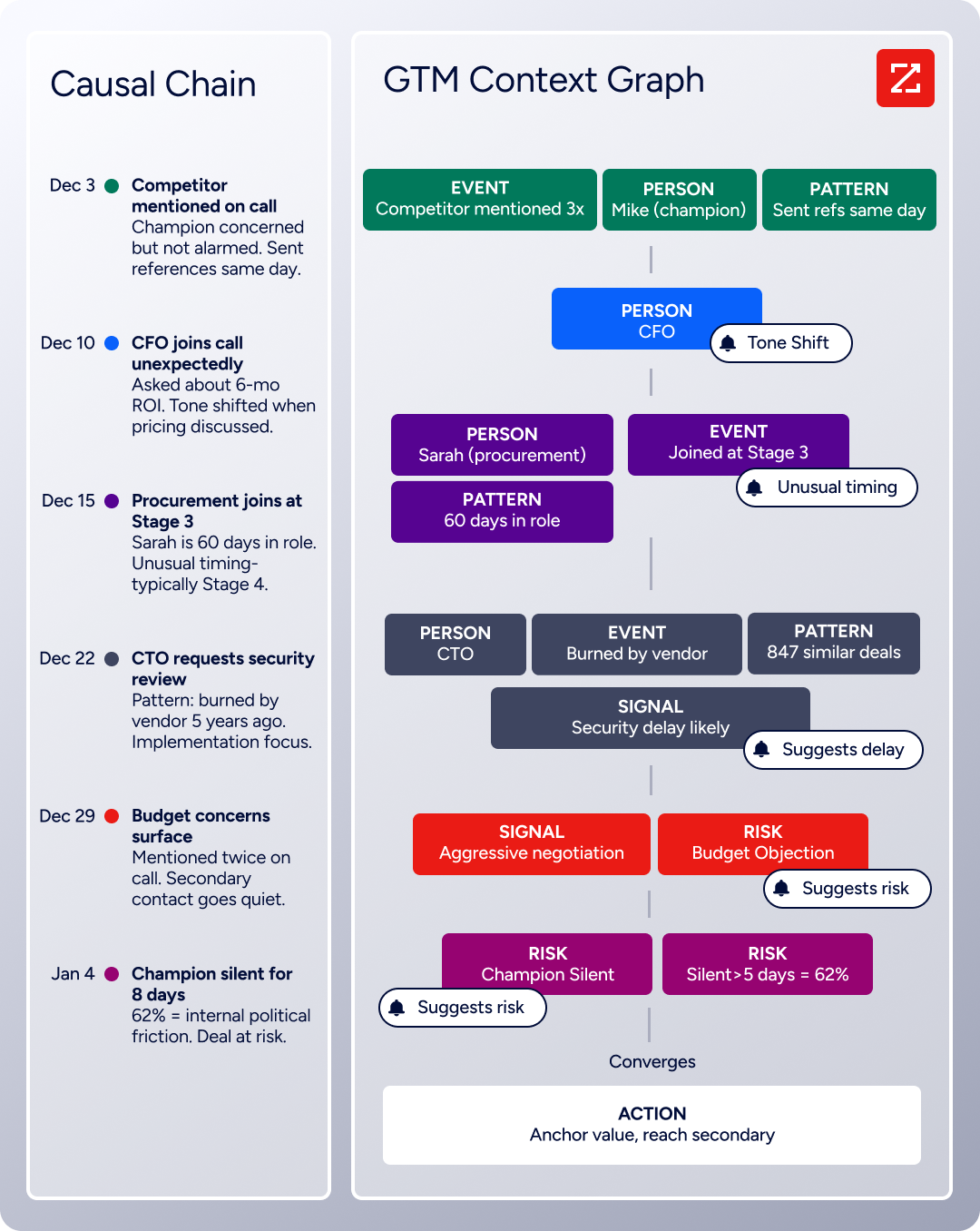
Source: ZoomInfo Context Graph
As ZoomInfo's Chief Product Officer Dominik Facher writes: "The CRM recorded the state change. It has no record of why it happened." The GTM Context Graph captures that "why."
In practice, GTM Workspace gives sellers an AI-powered execution surface where prioritized accounts, AI-drafted outreach, and deal context converge in one view. GTM Studio gives marketers and RevOps teams a canvas for building audience segments in natural language and launching multi-channel plays without engineering support. Expansion plays that used to take 3 weeks now launch in 30 minutes.
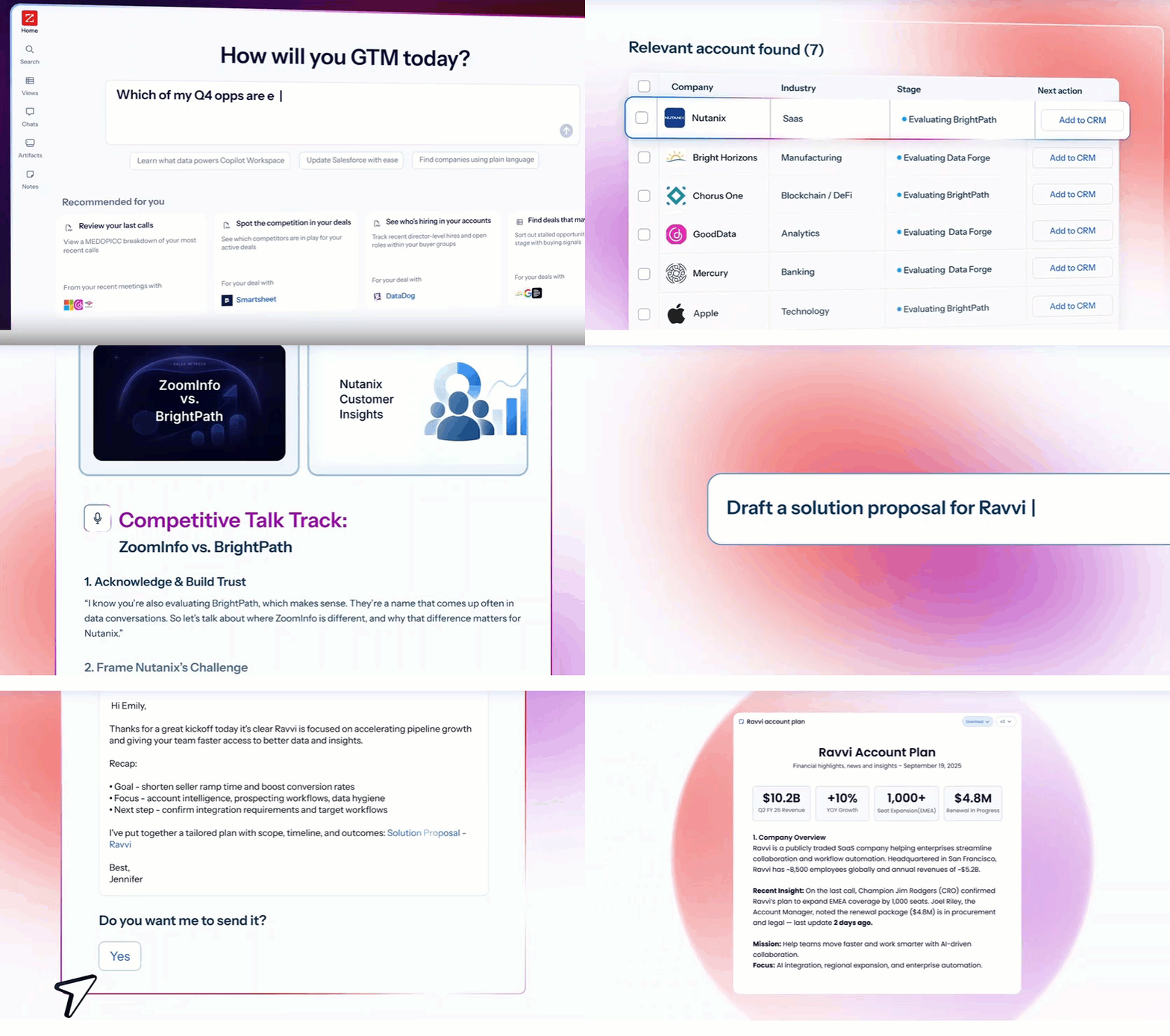
Source: ZoomInfo GTM Workspace
Lead411's AI helps you find contacts faster. ZoomInfo's AI tells you which contacts to prioritize, what to say to them, and when to reach out, based on patterns across thousands of deals.
Integration depth determines how much value you extract
Lead411 integrates with more than 25 CRM platforms, including Salesforce, HubSpot, Pipedrive, Outreach, and Microsoft Dynamics. The Chrome Extension surfaces contact data on LinkedIn profiles with one-click export. A REST API provides programmatic access from the Ignite tier. For teams with straightforward CRM-to-outbound workflows, these integrations cover the basics.
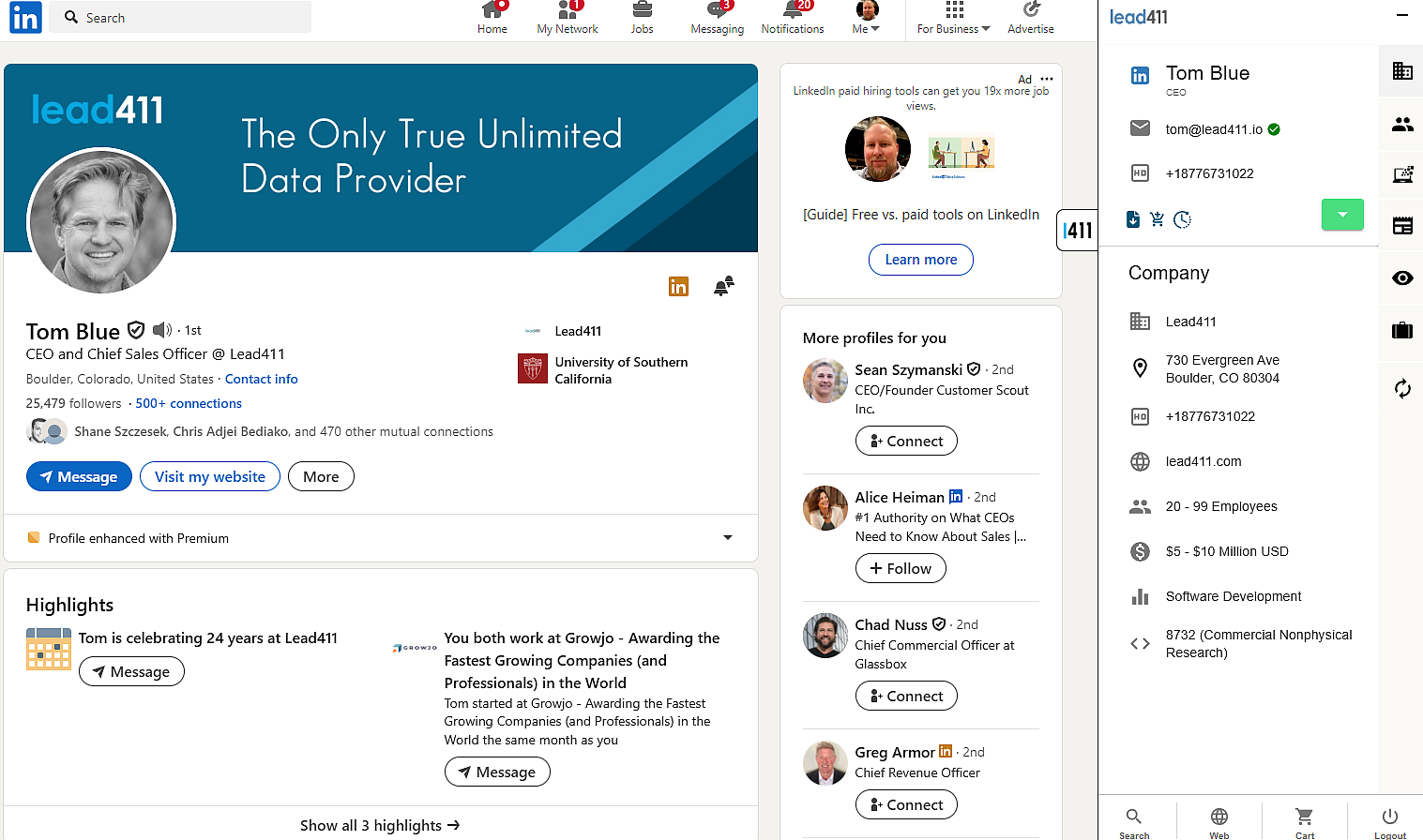
Source: Lead411 Chrome Extension
ZoomInfo operates at a different integration level. The ZoomInfo Marketplace lists 120+ partner integrations across CRM, marketing automation, sales engagement, revenue intelligence, data warehouses, and communications. Cloud Partners enable direct data ingestion into AWS, Google Cloud, Snowflake, and Databricks.
The bigger difference is programmatic access. ZoomInfo's Enterprise API covers four surface areas: Data API for search and enrichment, Copilot API for AI intelligence (account summaries, lookalikes, contact recommendations), Marketing API for audience management, and Platform API for engagement data.
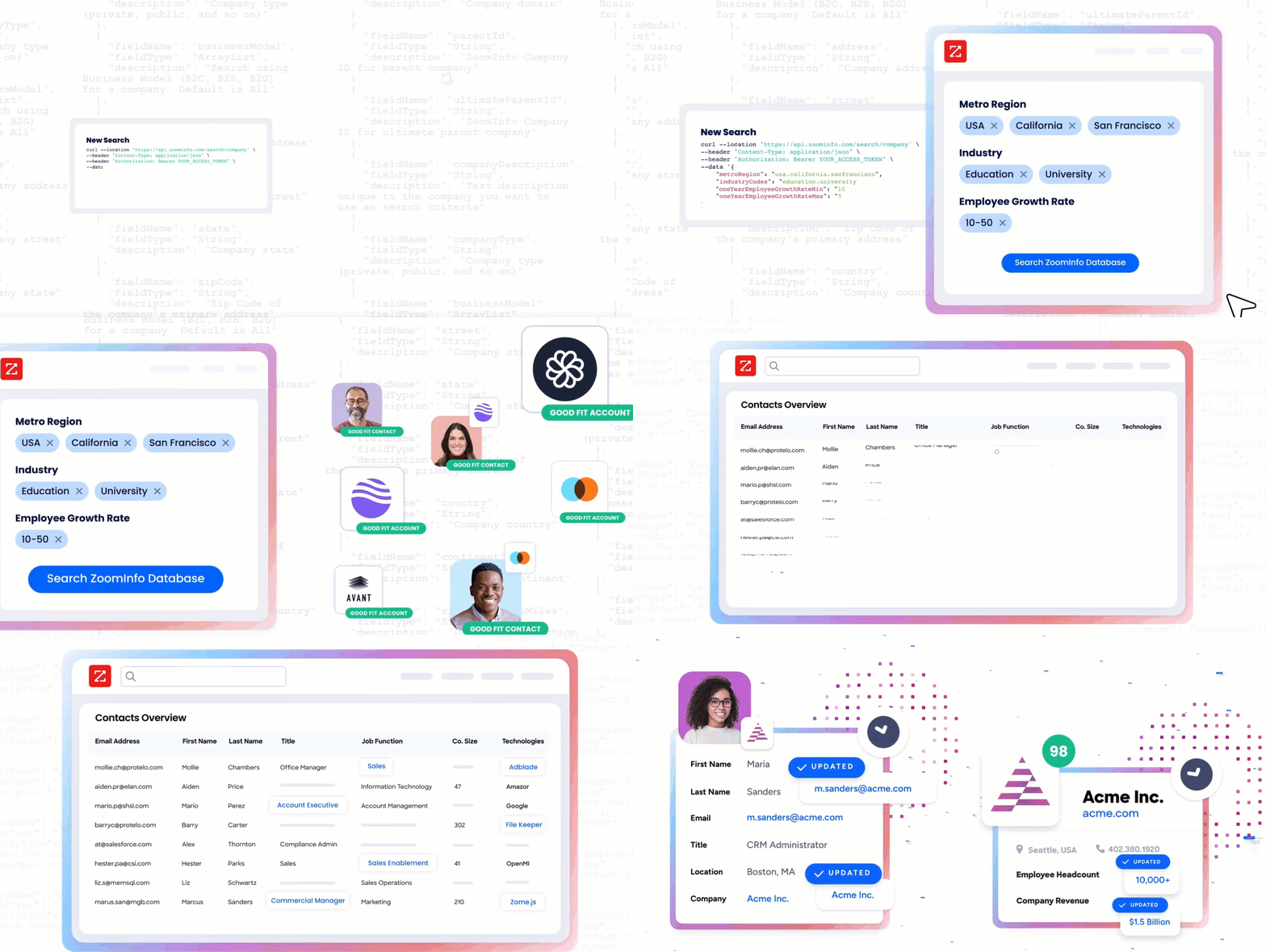
Source: ZoomInfo API
The ZoomInfo MCP server connects AI models directly to ZoomInfo's data as a native tool, currently supporting Claude and ChatGPT. API Access is included in all relevant plans.
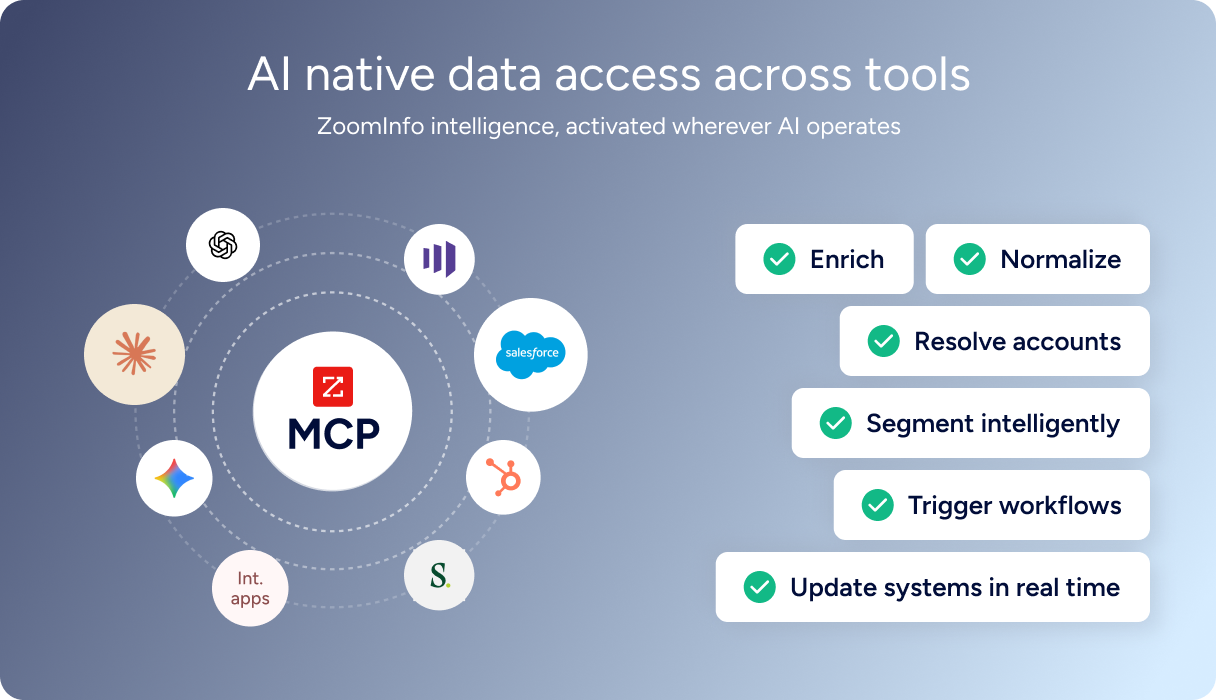
Source: ZoomInfo MCP
This matters because the future of sales intelligence isn't just about databases. It's about feeding verified data into AI agents, custom workflows, and automated pipelines. ZoomInfo is built for that world. Lead411 is still primarily a tool you search manually or push to a CRM.
BDO Canada's Jerry Wilson, Senior Marketing Intelligence Analyst, noted about ZoomInfo's API: "The plug-and-play aspect of the API means I can integrate it very easily into any process and get information at a moment's notice," achieving an 87% reduction in time spent updating internal data dashboards. (BDO Canada Case Study)
Pricing reflects fundamentally different markets
Lead411 is transparent about its pricing. The Spark plan costs $49/month (1,000 exports/month), the Ignite plan starts at $150/month with API access and team accounts, and the Blaze plan offers unlimited exports at custom pricing on annual commitments. Monthly plans can be cancelled at any time.
A 7-day free trial with 50 verified lead exports lets you test data quality before committing. Buyer Intent data through Bombora is available only on annual subscriptions.
For a full breakdown of Lead411's plans and what's included at each tier, see our Lead411 pricing guide.
DiscoverOrg (via ZoomInfo) does not publish pricing. The DiscoverOrg pricing page displays only a "Request Pricing" form. Historical context: DiscoverOrg contracts used seat-based pricing with automatic annual renewal at 10% increases and required 60 days' written notice to prevent auto-renewal.
ZoomInfo also uses custom-quoted pricing organized into Sales, Marketing, and standalone product tiers (Chorus, Chat). ZoomInfo does offer two free entry points: ZoomInfo Lite, a permanent free tier with 10 monthly export credits and access to the B2B database, and a 7-day free trial of the full platform. Neither requires a credit card.
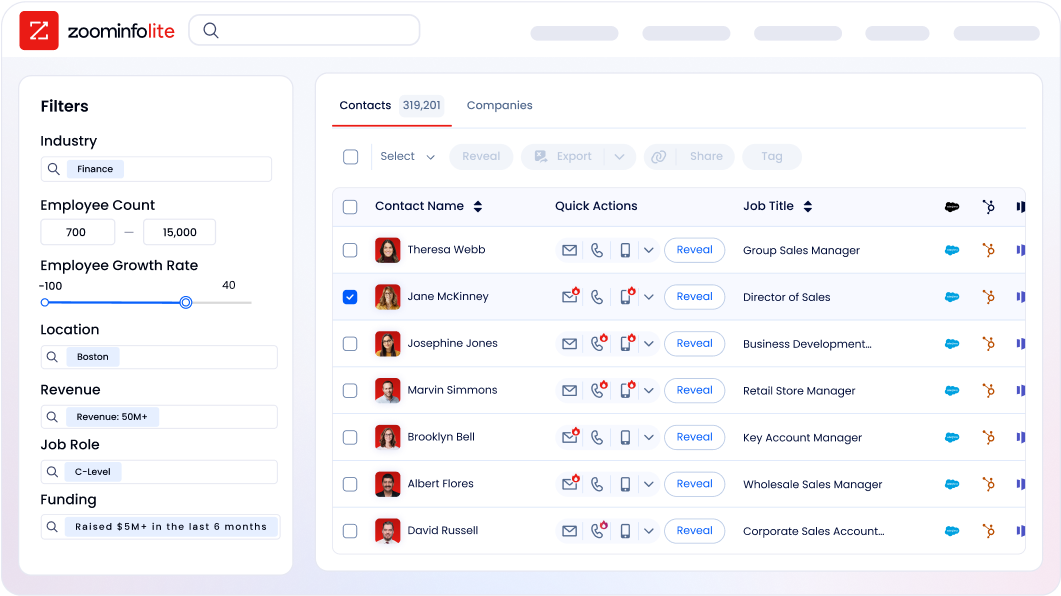
Source: ZoomInfo Lite
The pricing gap is significant. A five-person sales team could run Lead411's Spark plan for under $3,000 per year. ZoomInfo's enterprise contracts typically run into five figures annually, with buyers needing to justify the investment at $25,000+/year based on expected ROI.
But the comparison isn't apples-to-apples. Lead411 delivers contact data. ZoomInfo delivers contact data plus intent signals, AI-powered execution, conversation intelligence, website visitor tracking, marketing automation, and API infrastructure. The ROI calculation depends on how much of that broader platform your team actually uses.
Security and compliance matter for enterprise buyers
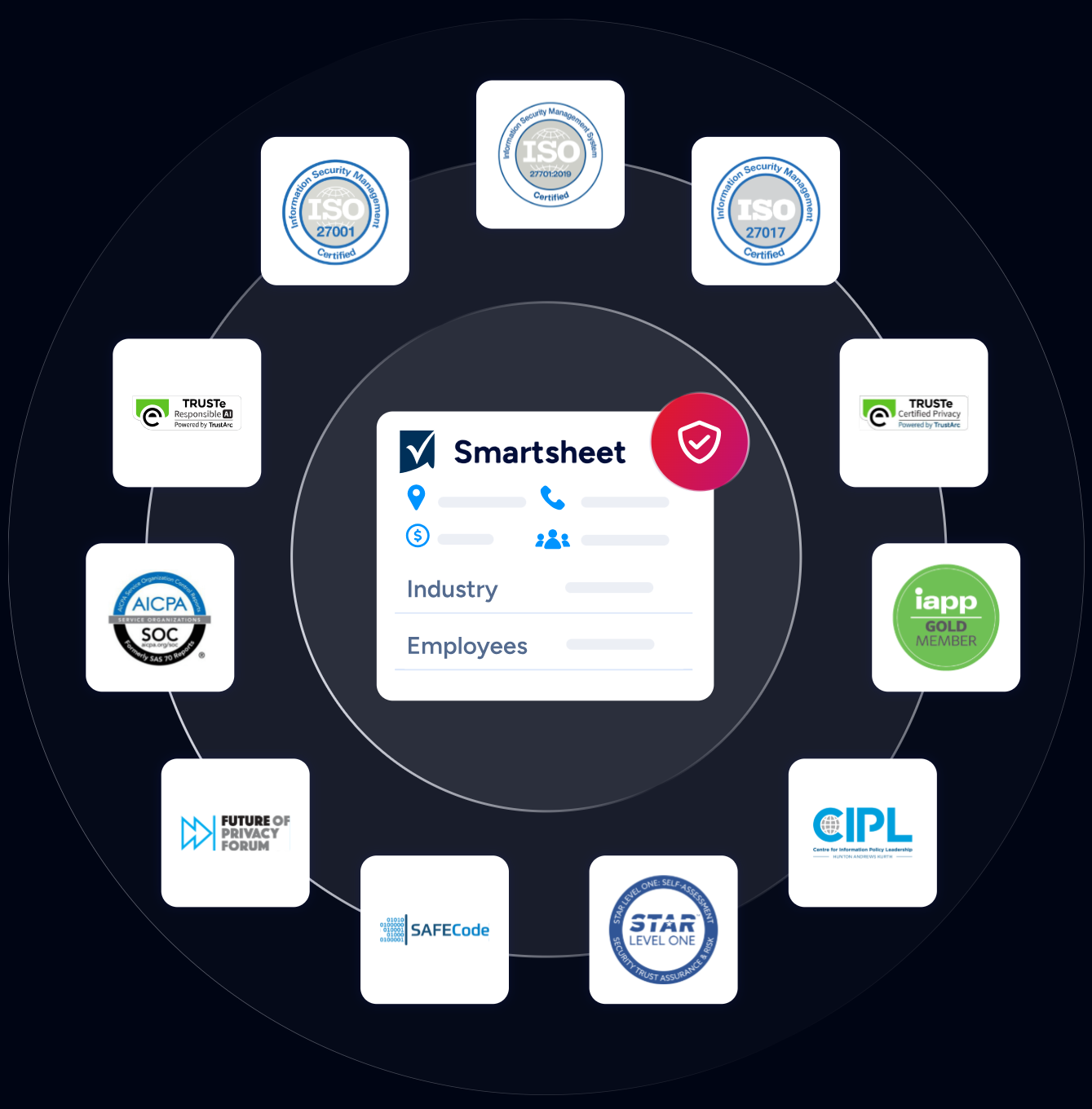
ZoomInfo maintains a comprehensive certification stack: ISO 27001, ISO 27701, SOC 2 Type II, TRUSTe GDPR, and TRUSTe CCPA validations, all renewed annually. The platform encrypts data at rest with AES256 and secures browser communications with TLS 1.2. A dedicated Trust Center provides transparency into security practices.
Source: ZoomInfo Data Sources
Lead411 acknowledges reasonable efforts to protect personal information and is registered as a data broker under applicable US state laws, including Texas. However, no SOC 2 Type II, ISO 27001, or comparable third-party security certifications are mentioned on the official site. For organizations in regulated industries (healthcare, financial services, government) that require vendor security certifications, this is a gap worth noting.
DiscoverOrg vs. Lead411 vs. ZoomInfo: Which should you choose?
The choice depends on what you need from a B2B data platform and how much you're prepared to invest.
Choose Lead411 if:
Your team runs US-focused outbound and needs verified contacts at low cost
You want transparent pricing starting at $49/month with no long-term commitment
Unlimited exports matter more than advanced intelligence features
Your workflow is straightforward: find contacts, export to CRM, run sequences
You're an SMB or early-stage team that doesn't need enterprise-grade compliance certifications
Choose ZoomInfo if:
You need the most comprehensive verified B2B database in the industry (500M contacts, 100M companies)
Intent data, AI-powered account prioritization, and buying group intelligence are part of your GTM strategy
You want a platform that connects to AI agents and custom workflows via API and MCP
Your team spans sales, marketing, and RevOps and needs a unified intelligence layer
Enterprise-grade security certifications (ISO 27001, SOC 2 Type II) are required
You valued what DiscoverOrg offered and want its capabilities enhanced by AI and broader data
See how ZoomInfo has evolved from DiscoverOrg's foundation with a free trial, or start with ZoomInfo Lite at no cost.
Levanta CEO Ian Brodie noted: "ZoomInfo's not just a contact data company anymore. They've built a full system of execution. GTM Intelligence actually works the list, writes the outreach, triggers the play, and helps drive predictable growth." (Levanta Case Study)
The story of DiscoverOrg vs. Lead411 is really two different stories.
Lead411 has spent 20+ years refining a focused B2B contact database with strong verification and accessible pricing. DiscoverOrg spent 12 years building the most comprehensive human-verified data in B2B, then merged into ZoomInfo and became the foundation of something much broader: an AI-powered GTM intelligence platform that turns data into action.
If contact data is all you need, Lead411 is a capable and affordable option. If you need the data, the intelligence, and the execution layer working together, ZoomInfo is where DiscoverOrg's legacy lives and continues to grow.
For a head-to-head look at how Lead411 stacks up against ZoomInfo specifically, see our Lead411 vs. ZoomInfo comparison.
DiscoverOrg vs. Lead411 vs. ZoomInfo FAQ
Is DiscoverOrg the same company as ZoomInfo?
Yes. DiscoverOrg acquired Zoom Information, Inc. in February 2019, and the combined entity rebranded as ZoomInfo. The DiscoverOrg website still exists, but it operates as a brand under ZoomInfo Technologies LLC. DiscoverOrg's human-verified data, org charts, and core capabilities are now part of ZoomInfo's broader platform.
How does Lead411's data accuracy compare to ZoomInfo's?
Lead411 claims 96% average email deliverability through its triple-verified process (SMTP checks, human verification, and email open validation), with the entire database re-verified every 90 days.
ZoomInfo claims up to 95% accuracy on first-party data through a multi-source pipeline backed by 300+ human researchers and automated ML scanning of 28 million domains daily. In an independent Fortune 500 competitive RFP analyzing 25 million contacts across vendors, the consultant concluded no other competitor came close to ZoomInfo.
Which platform is more affordable for small sales teams?
Lead411 is significantly cheaper. Its Spark plan costs $49/month for 1,000 exports with month-to-month cancellation. ZoomInfo's paid plans are custom-quoted and typically start at five-figure annual contracts. However, ZoomInfo offers a permanent free tier (ZoomInfo Lite) with 10 monthly export credits and access to its B2B database, which may be sufficient for very small teams or individual users.
Does Lead411 offer intent data?
Lead411 offers two layers of intent data. Its proprietary Growth Intent Algorithm scores companies based on hiring activity, funding rounds, executive changes, and other growth indicators, and is included on all paid plans. Bombora buyer intent data (topic-based research signals) is available as an add-on, but only on annual subscriptions.
ZoomInfo's intent data operates at larger scale, tracking signals from over 300,000 publisher domains and 6 trillion keyword-to-device pairings, with an exclusive Guided Intent feature that uses AI to identify which topics historically predict deals.
What happened to DiscoverOrg's org charts feature?
DiscoverOrg's department-level organizational charts are still available within ZoomInfo's platform. The feature has been enhanced with AI, and GTM Workspace's built-in AI agent can now surface the full buying group in seconds rather than requiring manual org chart navigation. The underlying data is still maintained by human researchers who verify reporting structures, roles, and contact information.
Can I use ZoomInfo's data inside my own tools or AI agents?
Yes. ZoomInfo provides API access included in all relevant plans, with an Enterprise API covering search, enrichment, AI intelligence, and audience management endpoints.
ZoomInfo also offers an MCP (Model Context Protocol) server that connects AI models (currently Claude and ChatGPT) directly to ZoomInfo's data. Lead411 offers API access from its Ignite tier ($150/month) with a documented REST API, but does not offer AI-native access protocols like MCP.
Is Lead411's data coverage strong outside the United States?
Lead411 acknowledges that the majority of its data comes from English-speaking countries and that APAC, European, and LATAM data is less comprehensive.
ZoomInfo has significantly broader international coverage, with 34 million company profiles outside North America, 200 million professional profiles outside North America, and 45 million mobile numbers outside North America. In 2025, ZoomInfo expanded international mobile coverage by 1.8 million numbers across six European markets.
Which platform has better contract flexibility?
Lead411 offers more flexibility at lower tiers. Monthly plans can be cancelled at any time, and a 7-day free trial with 50 exports lets you validate the data before committing. Annual plans require a one-year commitment.
ZoomInfo's standard contracts are annual, with multi-year commitments offering pricing advantages. ZoomInfo does provide a permanent free tier (ZoomInfo Lite) and a 7-day free trial, giving prospects two ways to evaluate the platform before committing to a paid contract.
More DiscoverOrg and Lead411 comparisons and alternatives:
