
Koala built a loyal following among product-led growth companies by surfacing buyer intent signals and helping sales reps prioritize outreach. Its combination of website visitor deanonymization, product usage tracking, and real-time Slack alerts made it the default intelligence layer for B2B SaaS teams from Vercel to Retool.
But Cursor (Anysphere) acquired Koala in July 2025 and shut it down on September 30, 2025, leaving thousands of teams without the signal layer they had built their pipeline around. Even before the shutdown, Koala had clear limitations: it was a signal layer only, requiring a separate Sales Engagement Platform to act on what it surfaced. Its first-party-only data model meant teams without strong PLG traffic saw lower identification rates. And its third-party enrichment left gaps for teams that needed complete contact and company data.
Whether you're rebuilding after Koala's shutdown or looking for a more complete solution that closes the gap between signal detection and execution, this guide covers alternatives that excel where you need them most:
Unify data, signals, and AI-driven execution into a single GTM platform
Identify in-market enterprise accounts through third-party dark funnel intelligence
Convert anonymous website visitors into pipeline through AI-agent-driven engagement
Combine prospecting, sequencing, and signal intelligence in one free-to-start platform
Aggregate community, open-source, and PLG signals for developer-tool companies
Get zero-cost website visitor identification with person-level LinkedIn profiles delivered to Slack
Automate signal-triggered warm outbound with managed email infrastructure
This is not about finding a single "better" tool. It is about finding the right fit for how your team generates and converts pipeline today. Let's explore the alternatives.
The Best Koala Alternatives |
|---|
Best Alternative for Comprehensive B2B Data & AI-Powered GTM Execution We chose ZoomInfo because it replaces Koala's signal-only layer with a complete AI GTM platform: large-scale B2B data, an intelligence layer that captures why deals move, and access through native products or any tool via API and MCP. |
Best Alternative for Enterprise ABM with Predictive Dark Funnel Intelligence We chose 6sense because its Signalverse processes over one trillion buying signals daily from third-party networks, predicting buying stages with AI models trained on your own win data, covering the dark funnel Koala's first-party pixel could never reach. |
Best Alternative for Converting Website Visitors Into Pipeline Through AI Agents We chose Warmly because its two AI agents handle both inbound visitor engagement and outbound prospecting, closing the gap between signals and execution that made Koala depend on a separate sequencing tool. |
Best Alternative for Teams That Need Execution Built Into Their Signal Layer We chose Apollo.io because it combines a 270M+ contact database, multichannel outreach sequencing, a built-in dialer, and buying signal intelligence in a single platform, eliminating the need for a separate signal tool alongside a sequencer. |
Best Alternative for PLG and Community-Led Teams We chose Common Room because it aggregates the community, open-source, and social signals that developer-tool companies depend on, with 50+ native integrations spanning GitHub, Slack, Discord, Reddit, and Stack Overflow. |
Best Alternative for Zero-Cost Website Visitor Identification via Slack We chose RB2B because it delivers person-level LinkedIn profile identification directly to Slack at the lowest cost in the category, replicating Koala's real-time alert workflow without requiring a new platform to learn. |
Best Alternative for End-to-End Signal-Triggered Warm Outbound We chose Unify because it detects intent signals, writes AI-personalized outreach, and sends it through managed Gmail mailboxes in one automated flow, replacing the Koala-plus-SEP combination with a single platform. |
What is Koala?
Koala was a sales-focused AI platform for go-to-market teams, designed to help reps prioritize signals, qualify accounts, and stay engaged from first contact to close. Built by three former Segment engineers, the platform combined website visitor deanonymization, product usage tracking, and CRM data into a single "Prospect 360" view that showed which accounts were gaining momentum.
Its key features included:
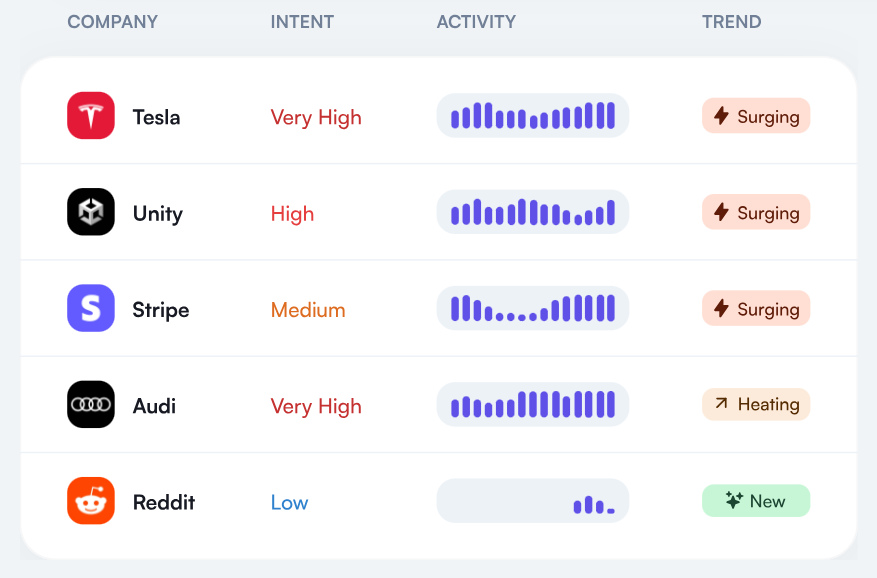
Identity resolution that deanonymized more than 75% of traffic for PLG customers and approximately 30% for non-PLG companies through first-party signal tracking
Intent scoring that analyzed 30+ signal sources and assigned account-level scores from 0 to 100
Automations for trigger-based plays that enrolled prospects in sequences through HubSpot, Salesforce, Apollo, and Outreach integrations
ICP scoring derived from a company's own Closed Won population, grounding fit analysis in actual win patterns
Real-time Slack alerts that pushed identified visitors to reps the moment a signal fired
Source: Koala
When a prospect visited your pricing page, started a product trial, or clicked through a sales email, Koala captured that behavior, scored the account, and alerted the relevant rep. The platform processed over 1 billion intent signals per year and reported $400M in pipeline accelerated across its customer base.
Cursor (Anysphere) acquired Koala in July 2025 and shut it down on September 30, 2025. The deal was an acqui-hire to build Cursor's enterprise team, and the Koala product was not folded into a new offering. Every former Koala customer needs an alternative, and that is what this guide covers: tools that match or exceed what Koala did while addressing its known limitations.
Looking for an AI GTM platform that goes beyond signal surfacing? ZoomInfo combines large-scale B2B data, an AI intelligence layer, and access through native products or any tool via API and MCP. Learn more about ZoomInfo.
How We Curated Our List of Koala Alternatives
After analyzing Koala's feature set and researching the market, we found that former Koala users want tools that address specific gaps in how they generate and convert pipeline. While Koala excelled at surfacing first-party intent signals for PLG companies, teams often need more from their stack:
Building a complete intelligence foundation with verified contact data, company firmographics, intent signals, and AI-driven execution, not just a signal layer
Identifying in-market accounts before they visit your website through third-party dark funnel intelligence
Converting website visitors into pipeline through AI agents that handle both inbound chat and outbound prospecting autonomously
Combining prospecting, sequencing, and signal intelligence in one platform without maintaining a separate SEP
Aggregating developer community signals from GitHub, Slack, Discord, and open-source channels alongside website and product data
Getting zero-cost, zero-friction website visitor identification delivered directly to Slack
Automating end-to-end warm outbound with managed email infrastructure and AI-generated personalization
Each tool on this list leads in one of these areas. Some teams will use them to build a focused stack; others will adopt a single platform.
DISCLAIMER: We are not covering every single tool in the market! Our focus is on highlighting the best alternatives that address Koala's limitations and cover the specific pipeline intelligence needs former Koala users are solving for. |
|---|
1. ZoomInfo: Best Alternative for Comprehensive B2B Data & AI-Powered GTM Execution
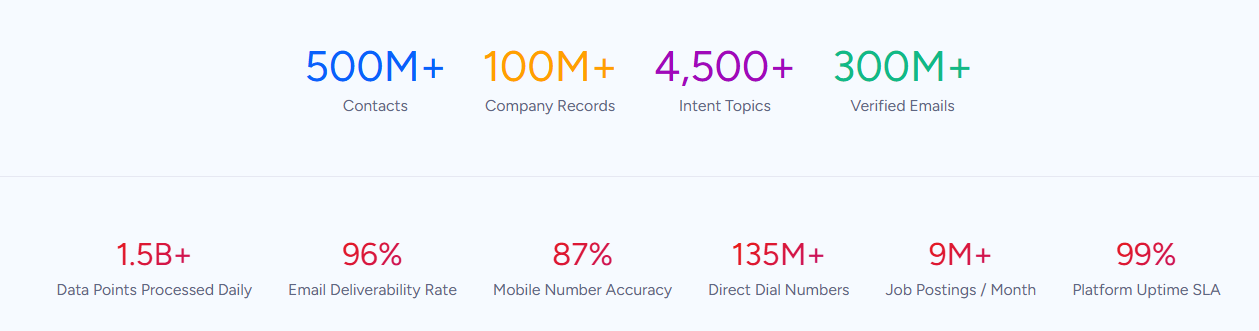
ZoomInfo is an all-in-one AI GTM platform built on a large B2B data foundation: 500M contacts, 100M companies, 135M+ verified phone numbers, and 200M+ verified business emails. Its GTM Context Graph processes 1.5B+ data points daily, combining this data with your CRM records, conversation transcripts, and behavioral signals to show not just what happened in a deal, but why.
Your team can work from GTM Workspace (for sellers), GTM Studio (for marketers and RevOps), or connect through the API and MCP to power any external tool. Its key features include:
B2B data: 500M contacts, 100M companies, 135M+ verified phone numbers, 120M direct dials, and 200M+ verified business emails, with up to 95% accuracy on first-party data
GTM Context Graph: Processes 1.5B+ data points daily, combining ZoomInfo's B2B data with CRM records, conversation transcripts, and behavioral signals to capture why deals move or stall
Buyer Intent Data: 210 million IP-to-Organization pairings and 6 trillion+ keyword-to-device pairings sourced monthly, with Guided Intent that identifies topics historically correlated with deal success
Universal access: GTM Workspace for sellers, GTM Studio for marketers and RevOps, and APIs and MCP for any custom tool or AI agent
Website visitor identification: WebSights resolves anonymous traffic to companies with contact-level identification, including automatic traffic filtering to separate real visitors from bots
Where Koala was a signal layer that required separate tools for execution, ZoomInfo is a complete platform: it provides the data Koala's enrichment partners supplied, the intent signals Koala surfaced, the execution Koala's Plays framework initiated, and the conversation intelligence Koala never offered.
Why Choose ZoomInfo Over Koala for AI-Powered GTM Execution
Koala excelled at surfacing first-party behavioral signals for PLG teams. ZoomInfo delivers a broader and deeper intelligence platform.
Data Foundation: Comprehensive, Verified B2B Intelligence vs. a Signal Layer
Koala was never a data provider. It depended on third-party enrichment vendors (including ZoomInfo and Clearbit) to fill in the firmographic and contact data its pixel could not capture. When Koala resolved an anonymous visitor to a company, the contact details, org chart, and firmographic context came from external sources.
For non-PLG companies, Koala's identification rates dropped to roughly 30%, and the third-party enrichment data was only as complete as the vendor supplying it.
ZoomInfo eliminates this dependency. It runs the largest B2B data platform in the category, covering three dimensions: identity data (who buyers are, where they work, and verified ways to reach them), company context (firmographics, org charts, technographics across 30,000+ technologies), and dynamic signals that reveal when accounts are in-market.
The data passes through a verification system backed by 300+ human researchers and automated ML scanning of 28 million site domains daily.
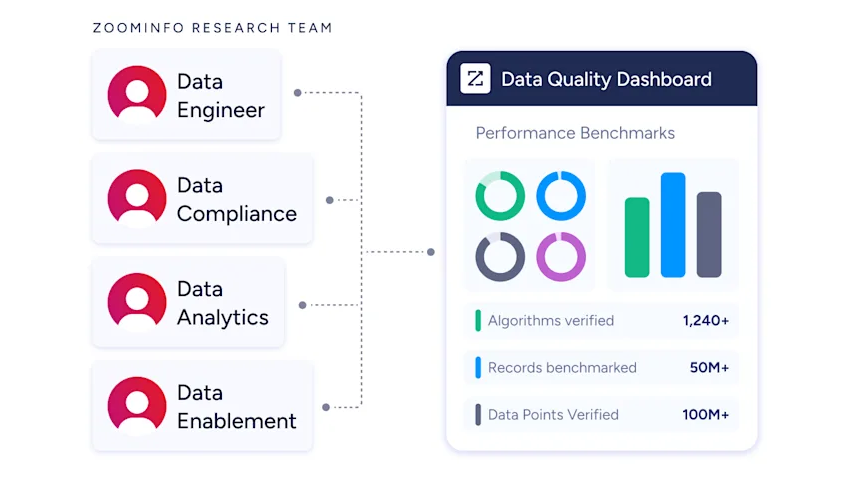
This is not a marginal improvement. In a Fortune 500 competitive RFP analyzing 25 million contacts across vendors, the independent consultant concluded that "no other competitor came even close." For sales reps, this means direct dials that actually ring and email addresses that actually land, not a 30% bounce rate that damages sender reputation.
For RevOps teams, enrichment workflows do not require stitching together three vendors and a manual research layer to build a complete account picture.
ZoomInfo in Action: When a target account shows interest, your rep does not need to switch to a separate enrichment tool to find the buying committee. ZoomInfo surfaces the full org chart with direct dials and verified emails, plus technographic data showing what tools the company already uses, intent signals showing which topics they are researching, and conversation intelligence capturing what was said in previous interactions.
A rep preparing for a call sees not just a "high intent" label but the specific concerns driving the evaluation, the decision-makers, and which approach has worked in similar deals.
GTM Context Graph: Intelligence That Captures Why Deals Move, Not Just What Happened
Koala's intent scoring produced a useful 0-100 account-level score, but its models were industry-generic, not calibrated to your company's win patterns. The system could tell you an account was "surging," but not why the deal was moving, whether the pattern matched your past wins, or what the rep should do next.
ZoomInfo's GTM Context Graph is a different kind of capability. It combines ZoomInfo's B2B data with CRM records, conversation transcripts from Chorus (ZoomInfo's conversation intelligence engine), email interactions, and product usage signals into one intelligence layer that captures the why behind deal movement.
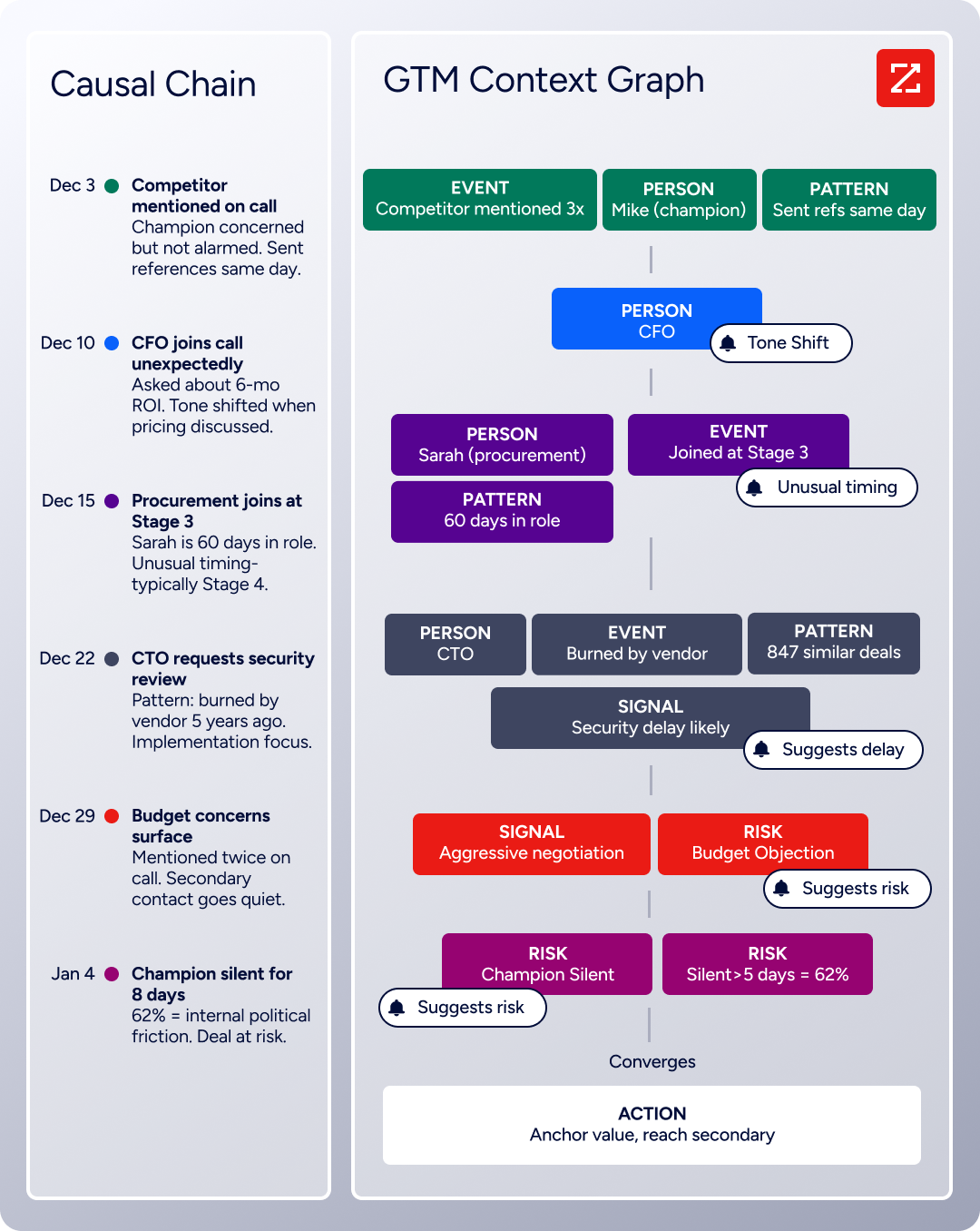
As ZoomInfo's CPO Dominik Facher wrote: "The CRM recorded the state change. It has no record of why it happened." The GTM Context Graph fills that gap.
This intelligence layer powers downstream actions: AI-drafted follow-ups address the specific concern a prospect raised because the system understands why it matters. GTM plays target accounts whose signals match your actual win patterns, not a generic intent threshold. Forecasts weight deals by buying evidence, not stage labels and rep optimism.
ZoomInfo in Action: Your best AE just closed a deal where the CFO joined mid-cycle and asked pointed ROI questions, accelerating the close.
The GTM Context Graph recognizes this pattern and, when a similar executive engagement signal appears in another deal, surfaces the connection: "Executive sponsorship entering at this stage, combined with ROI-focused questions, matches the pattern behind closed-won deals in your segment."
Your follow-up email addresses the CFO's specific concern because the system understands why that conversation matters, not because a template told you to mention ROI.
"That combination of our internal CRM data, external signals, and AI that's given all that context has helped us craft very specific account- and persona-based messages. And people have responded to them right away." (Toby Carrington, Chief Business Officer, Seismic)
Universal Access: Use the Intelligence Anywhere, Not Just in One UI
Koala delivered its intelligence through a web interface and Slack alerts, with webhook-based integrations for CRMs and SEPs. The intelligence lived inside Koala's ecosystem; you either logged in or waited for a Slack notification.
ZoomInfo takes the opposite approach. The same intelligence from the same GTM Context Graph is accessible three ways. GTM Workspace gives sellers one surface where prioritized accounts, AI-drafted outreach, and deal execution converge.
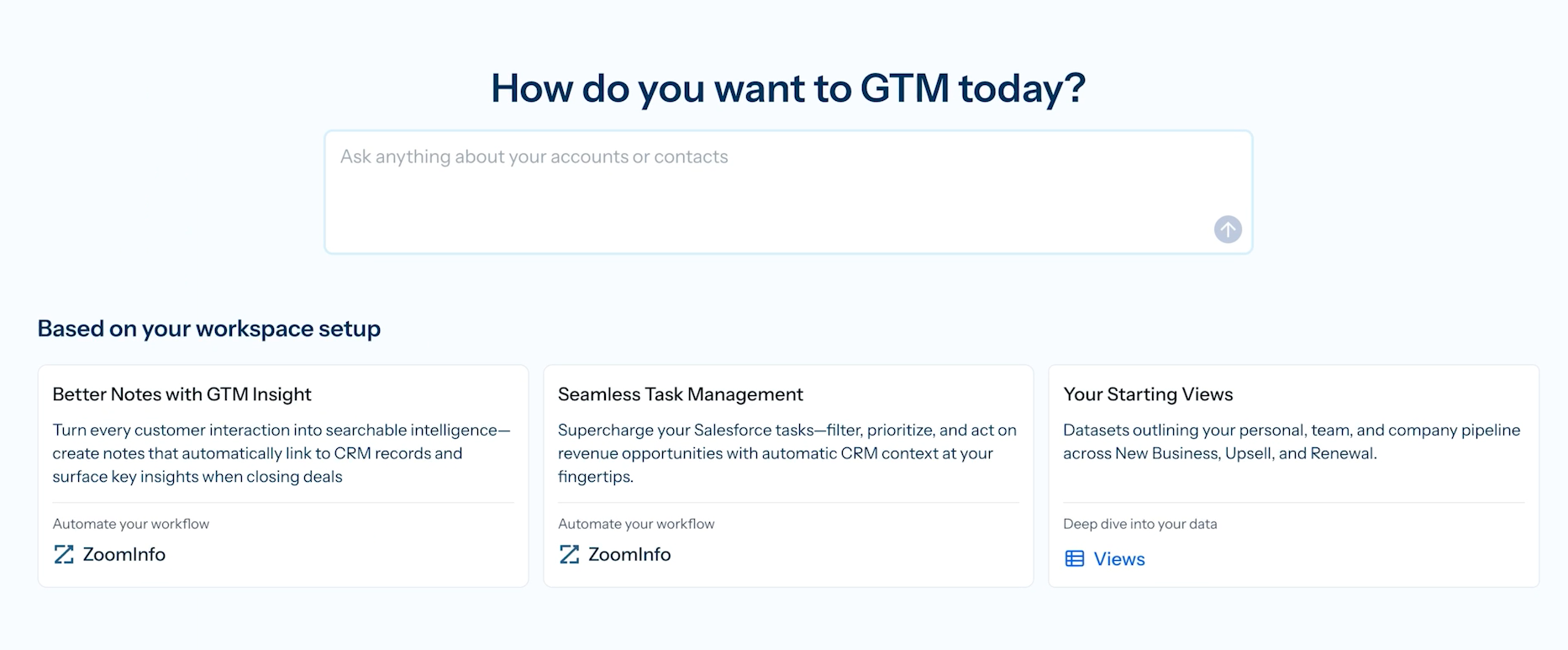
GTM Studio gives marketers, RevOps, and GTM engineers a builder environment for audience definition, campaign orchestration, and pipeline measurement in natural language. APIs and MCP expose the same intelligence to any custom agent, internal tool, or partner platform, whether Anthropic Claude, Google, or a proprietary system.
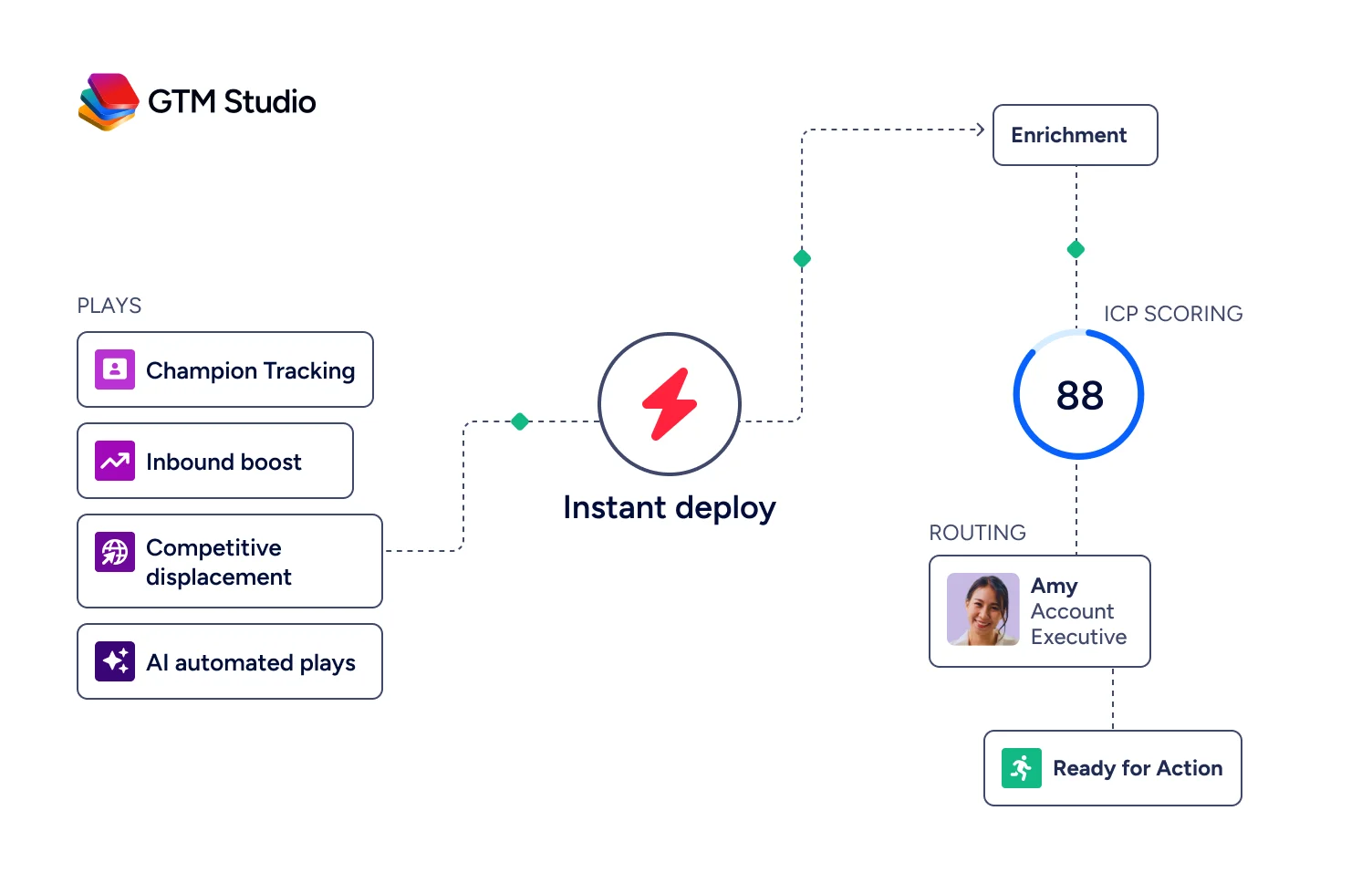
All three draw from the same GTM Context Graph: the same data, the same reasoning, the same learning model. The choice of where to work does not constrain the intelligence available.
ZoomInfo in Action: A marketer in GTM Studio describes an audience in plain language and launches a play targeting accounts matching win patterns. That play delivers accounts and recommended actions into GTM Workspace, where an AE opens a prioritized feed with AI-drafted outreach addressing the objections the system identified.
Meanwhile, an engineer connects the same GTM Context Graph to a custom internal tool via MCP, inheriting the same reasoning. A buying signal one team detects is immediately actionable by every other team.
"ZoomInfo is our one source of truth for account data, and even more so for contact data. There's no other provider in the market that provides you with that level of detail." (Thor Sanderson, Senior Manager of Sales Technology Enablement, Smartsheet)
NOTE: We also evaluated Cognism and Lusha. Both offer strong contact data in specific regions, but neither combines ZoomInfo's data breadth, contextual intelligence, and access model. The GTM Context Graph requires a data unification infrastructure, conversation intelligence engine, and two decades of B2B data at scale that no point solution has.
ZoomInfo Pricing
ZoomInfo uses a consumption-based pricing model with no public prices. Pricing scales with license agreements, data access, API consumption, and AI activity.
Three product lines, each with tiered plans:
Sales plans (Professional, Advanced, Enterprise): From contact and company data through AI-generated account summaries, buyer intent signals, and advanced workflows
Marketing plans (Marketing Demand, ABM Lite, ABM Enterprise): From B2B data and audience targeting through enterprise ABM with unlimited intent topics and AI insights
Standalone products: Chorus (conversation intelligence) and Chat (website chat) are priced separately
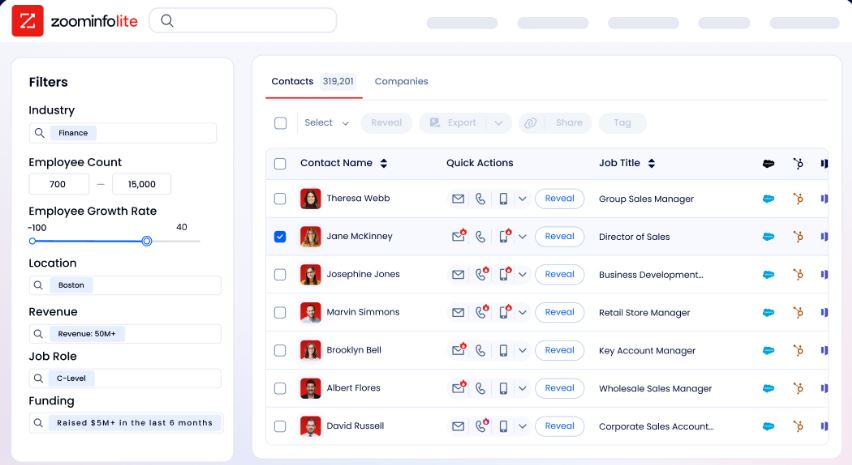
ZoomInfo also offers ZoomInfo Lite, a permanent free tier (not a trial) with B2B database access, 10 monthly export credits, individual and company searches, the Chrome Extension, and HubSpot integration. A separate 7-day free trial is available for testing core features. API access is included in all relevant plans.
Who Should Use ZoomInfo?
Choose ZoomInfo if:
You need a complete GTM intelligence platform that replaces multiple point solutions (contact database, intent signals, enrichment vendor, visitor identification, conversation intelligence) with one system.
Your sales team operates in enterprise or mid-market B2B environments where accurate contact data, org chart visibility, and direct-dial phone numbers are essential for multi-threaded selling, and where Koala's enrichment gaps left you supplementing with manual research.
You want AI that understands your specific deals, not just generic intent scores. The GTM Context Graph captures why deals move by combining your CRM data with conversation intelligence and external signals.
You need your intelligence accessible everywhere: in a seller workspace, a marketer's orchestration canvas, or programmatically through any tool via API and MCP.
See how ZoomInfo's data and AI GTM platform can improve your pipeline. Start your free trial or request a demo.
2. 6sense: Best Alternative for Enterprise ABM with Predictive Dark Funnel Intelligence
Source: 6sense
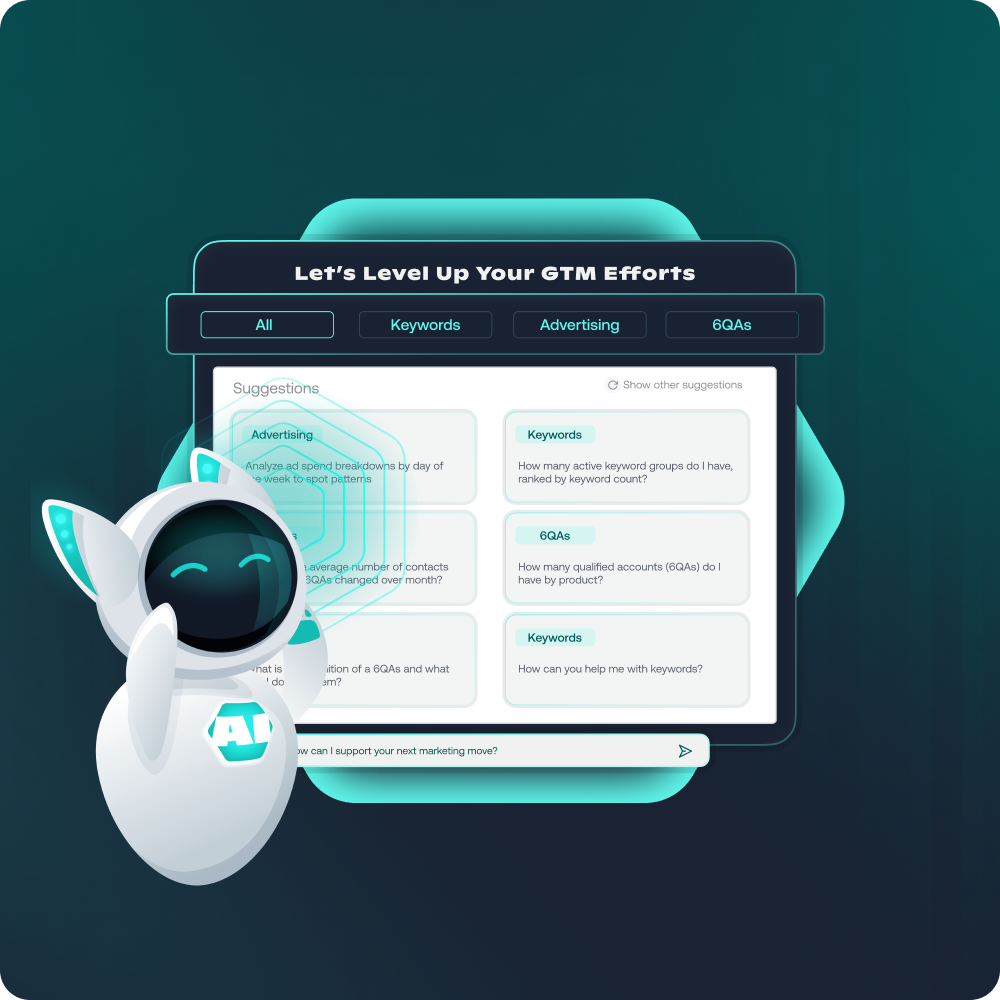
6sense is an enterprise agent-powered revenue intelligence platform that surfaces anonymous in-market accounts through third-party intent signals and scores them by predicted buying stage. Where Koala captured signals only after a prospect found you, 6sense is designed to find buyers researching solutions across the open web who have not yet visited your site. Its key capabilities include:
Predictive AI account scoring across five buying stages (Target, Awareness, Consideration, Decision, Purchase), trained on each customer's own historical won/lost data
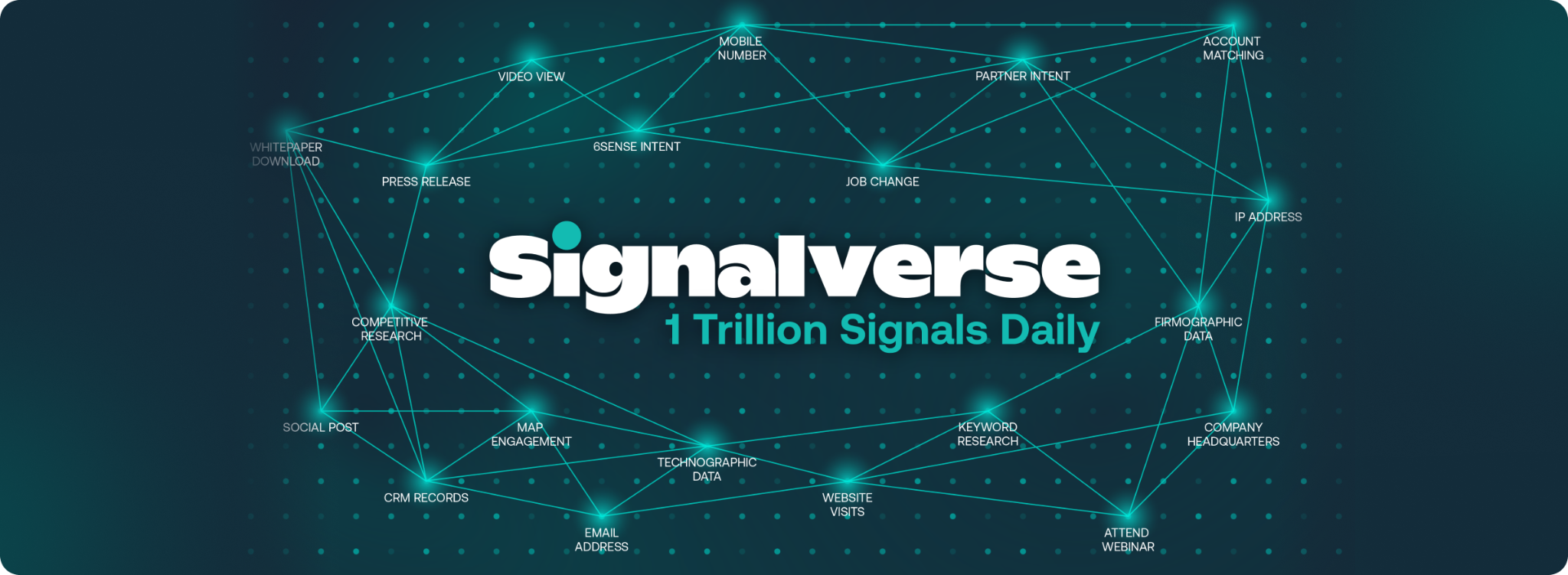
Dark funnel identification via the Signalverse, a proprietary intent network processing over one trillion buying signals daily from third-party B2B content networks, review platforms, and anonymous web research
Built-in multi-channel orchestration spanning display advertising, LinkedIn targeting, email automation, and CRM-connected sales prioritization from a single platform
Account-level intent aggregation with buying committee mapping across 415M+ profiles and 65M+ companies
Native CRM and MAP integrations with Salesforce, HubSpot, Microsoft Dynamics, Marketo, Eloqua, Pardot, Salesloft, Outreach, and Gong
Why Choose 6sense Over Koala for Enterprise ABM with Dark Funnel Intelligence
6sense stands out here:
Third-Party Dark Funnel Coverage vs. First-Party Signal Dependency
Koala's JavaScript pixel captured behavior only after a prospect arrived on your site or product. Accounts researching competitors, reading analyst content, or browsing third-party B2B publications were invisible unless they later crossed into your first-party orbit. 6sense's Signalverse draws from its proprietary B2B Network monitoring content consumption across millions of B2B publisher pages, plus native integrations with Bombora, G2, TrustRadius, TechTarget, PeerSpot, and Gartner Digital Markets. 6sense's own research quantifies the blind spot: only 3% of website visitors self-identify through form fills, meaning 97% of buyer research happens where Koala's pixel could never reach.
Source: 6sense
Predictive Buying Stage Model Trained on Your Win Data
Koala's intent scoring used industry-generic models rather than models calibrated to each customer's win patterns. 6sense's predictive buying stage model trains uniquely for each customer using their own won/lost opportunity data, producing a five-stage classification plus a Temperature score tracking whether activity is accelerating or decelerating. Forrester's Q1 2025 evaluation awarded 6sense highest scores in accuracy, noise filtering, buying cycle analysis, and insight generation among B2B intent data providers.
Native Built-In Advertising and Multi-Channel Orchestration
Koala was a signal layer, not an execution platform. 6sense takes the opposite approach: advertising is a native component, including a proprietary B2B DSP that targets accounts in the Decision buying stage automatically. Supported formats include banner, HTML5, video, and Connected TV across NBC, Fox, Roku, Hulu, and Paramount. Beyond display, 6sense coordinates LinkedIn Sponsored Content with buying stage targeting and activates the same audience across Salesloft, Outreach, Gong Engage, and major MAPs from a single workflow canvas.
For a complete look at 6sense's capabilities, strengths, and limitations, see our 6sense Review.
NOTE: We also evaluated Demandbase as an enterprise ABM alternative. While Demandbase offers strong account intelligence, 6sense provides stronger predictive account scoring, broader enterprise B2B SaaS adoption, and a more mature self-service onboarding path. Demandbase tends to require heavier professional services engagement, making 6sense the more accessible option for organizations building or scaling an ABM motion.
6sense Pricing
6sense operates on a custom-quote model with no public prices for paid tiers.
Free Plan: $0, no credit card required. Includes 50 credits per month, company and people search, sales alerts, list builder, and Chrome Extension. Does not include intent data, predictive scoring, technographics, or CRM integration.
Paid Plans: Custom pricing based on a single license model. Contact purchasing, export, and all non-predictive Sales Intelligence features are available on the base license. Adding predictive AI buying stage scoring and 6QAs (6sense Qualified Accounts) requires the predictive package. The full ABM/Advertising platform (Intelligent Workflows, display advertising, AI Email Agents, LinkedIn campaign management) requires a separate platform subscription.
Advertising: No contractual minimum spend; minimum campaign budget is $100 with a 7-day minimum duration; a 15-18% variable data/service fee applies to display spend.
For a complete breakdown of 6sense's plans and what's included at each tier, see our 6sense Pricing guide.
Who Should Use 6sense?
Choose 6sense if:
Your pipeline motion is enterprise or mid-market field sales where most in-market activity happens before prospects visit your site, and you need to identify and score accounts across the dark funnel.
You run coordinated account-based marketing programs and need a single platform for display advertising, LinkedIn targeting, email sequencing, and CRM sales prioritization.
Your revenue team includes both marketing ops and Sales/SDR functions that need to align around shared account intelligence, and you need cross-channel activation from one platform.
You have a dedicated RevOps or Marketing Ops resource who can own predictive model configuration and workflow setup. 6sense's depth requires this investment but delivers stronger pipeline targeting at enterprise scale.
3. Warmly: Best Alternative for Converting Website Visitors Into Pipeline Through AI Agents
Source: Warmly
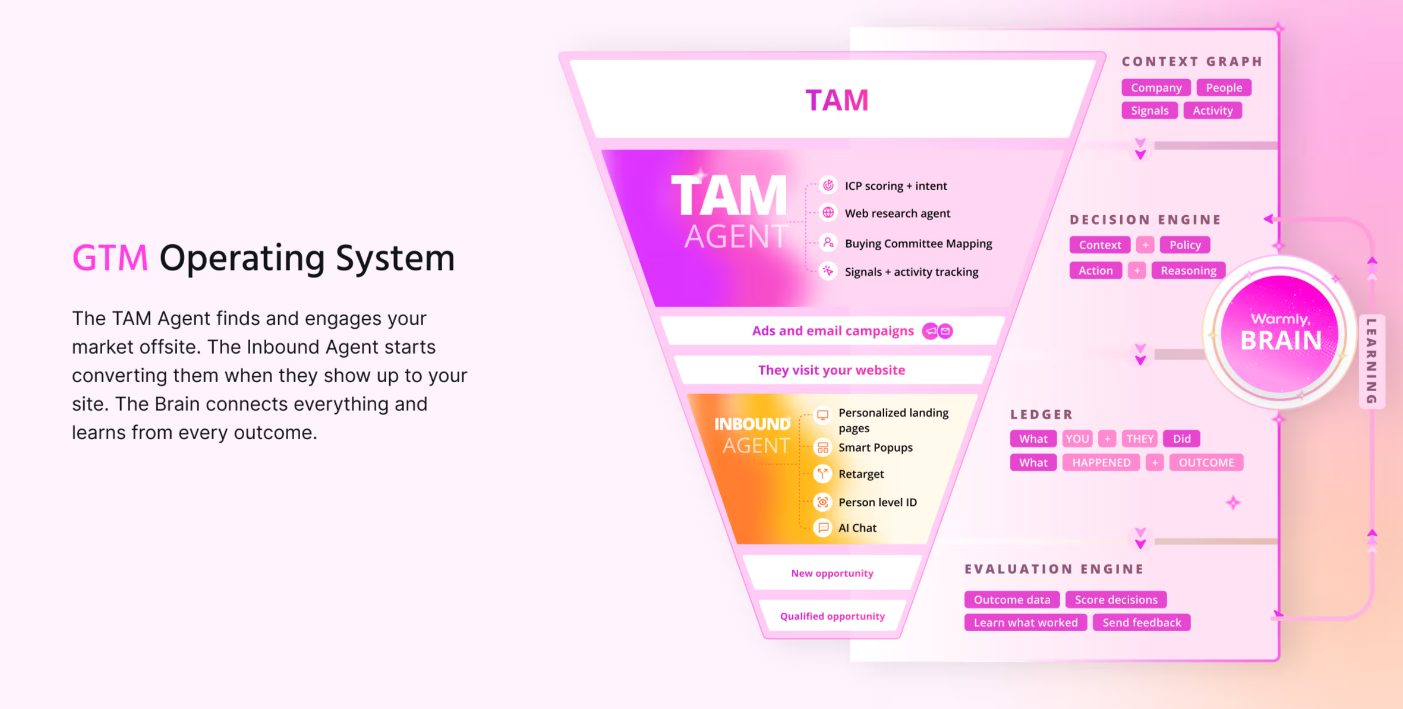
Warmly is a signal-based revenue orchestration platform that converts anonymous website visitor activity into qualified pipeline by combining visitor deanonymization, layered intent scoring, and two AI agents that automate both outbound prospecting and inbound visitor engagement. Its key capabilities include:
Person-level deanonymization, resolving 20–40% of typical B2B traffic to a named individual via a multi-vendor identity waterfall
Dual AI agent system: the TAM Agent runs automated outbound prospecting while the AI Inbound Agent qualifies and engages live website visitors through on-site chat
Real-time Slack alerting with rep routing based on CRM account ownership
Layered intent scoring combining first-party behavioral data with firmographic, technographic, and third-party signals via a native Bombora integration
Bidirectional CRM sync (HubSpot, Salesforce, and 40+ other integrations) that auto-creates and updates records as visitors are identified
Warmly targets companies with 50–500 employees.
Note: HubSpot agreed to acquire Warmly in June 2026; contracts and pricing are unchanged for now.
Why Choose Warmly Over Koala for Signal-Based Pipeline Orchestration
Two AI Agents Close the Gap Between Signals and Execution
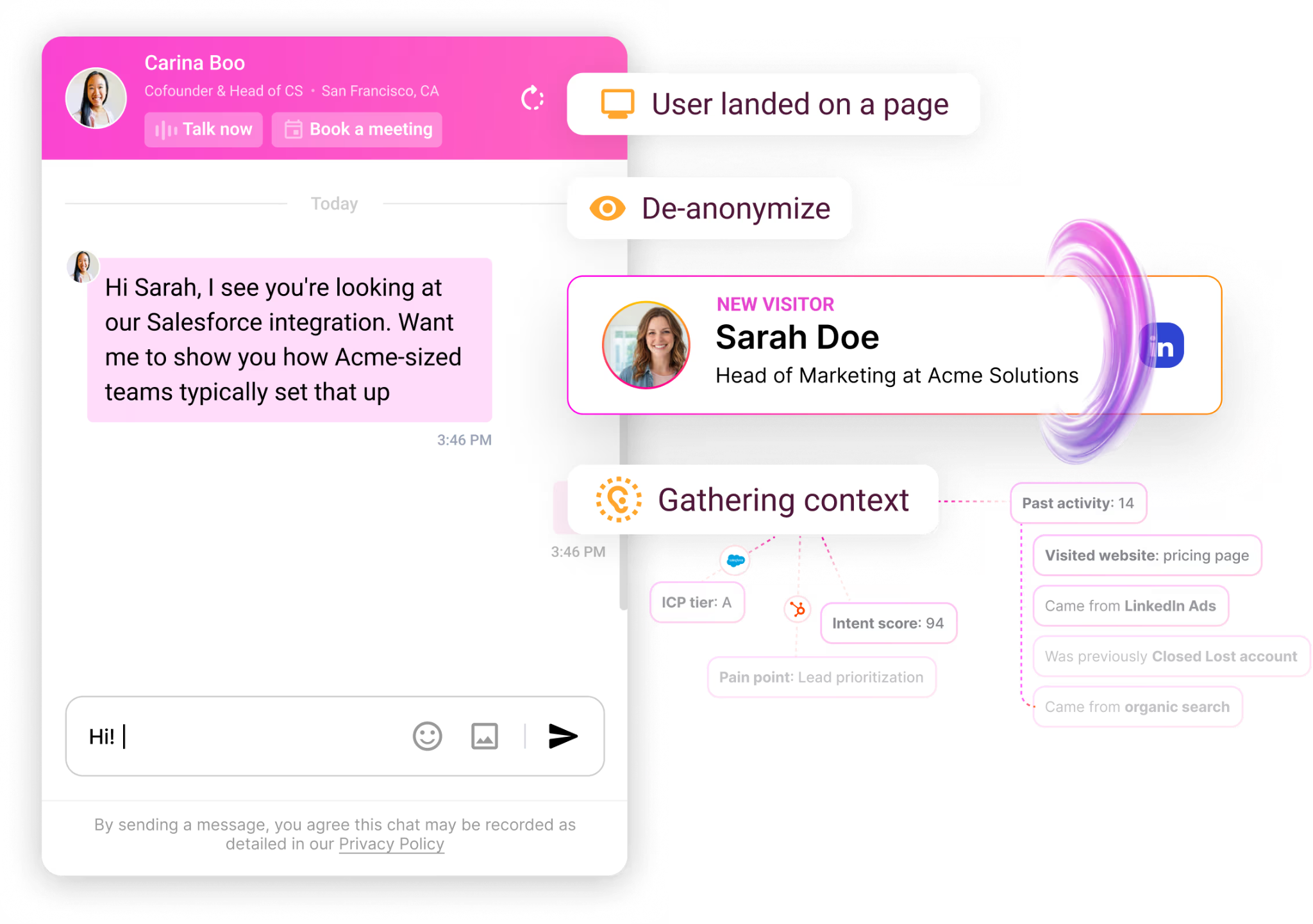
Koala required a separate SEP to act on the signals it surfaced. Warmly's TAM Agent handles outbound autonomously, ML-driven ICP tiering, buying committee mapping, and automatic enrollment into email and LinkedIn sequences, while the AI Inbound Agent engages visitors with full context (name, title, company, page history, intent score) because Warmly deanonymizes them before the first message. Both run continuously, looping in reps only at peak intent or a meeting request.
Source: Warmly
Person-Level Identification Designed for General B2B Websites
Koala's identification rates depended on dense PLG traffic, with non-PLG companies typically seeing around 30%. Warmly's multi-vendor identity waterfall is built for general B2B sites, resolving 20–40% of typical B2B traffic to a named individual with title, verified email, and LinkedIn profile.
Third-Party Intent Fused Into the Same Scoring Layer
Koala treated third-party intent as supplemental enrichment on top of first-party data. Warmly runs Bombora research intent through the same ML Intent Score (0–100 scale) as first-party behavioral signals, and that context surfaces in every Slack alert and CRM sync.
NOTE: We also evaluated Qualified and Clearbit. While Qualified excels at enterprise real-time sales rep intervention through a chatbot-forward infrastructure, and Clearbit provides strong company enrichment data, Warmly offers the most direct replication of Koala's automated engagement workflow for growing teams, combining visitor identification, dual-agent automation, and native CRM sync without the enterprise price floor of either alternative.
Warmly Pricing
Warmly sells separate products on annual or quarterly billing (quarterly runs ~30% higher). Prices are from Warmly's pricing page; every tier is quote-based.
Free tier: No credit card required; basic visitor identification via Warmly's free-access signup.
AI Web-Deanonymization: $10,000/year ($4,875/quarter). Visitor ID, ICP filtering, Slack alerts, lead routing, CRM sync, retargeting.
Inbound Chat: $20,000/year ($6,500/quarter). Adds AI Chatbot, live chat, Warm Offers, automated email follow-up.
AI Inbound Autopilot: $30,000/year ($9,750/quarter). Adds unlimited AI Studio Agents, AI qualification/decisioning, auto-learning chat.
TAM Agent: Not on the public pricing page; Warmly's own TAM Agent page cites $15,000/year, unconfirmed elsewhere.
Add-ons: GTM Signals Package and Warm Experiences, $10,000/year each; AI 24/7 Video Chat Agent by quote.
Who Should Use Warmly?
Choose Warmly if:
Your team needs to identify and act on website visitor intent without PLG traffic density: Warmly's waterfall performs consistently across general B2B marketing sites.
You want to replace a Koala-plus-SEP combination with one platform that surfaces intent and autonomously executes outreach via email and LinkedIn.
Inbound conversion matters alongside outbound: the AI Inbound Agent qualifies and books meetings with live visitors through on-site chat, with live rep takeover when needed.
You need third-party intent (Bombora) integrated into the same scoring layer as first-party behavioral data, not a separate subscription.
You're comfortable with Warmly's pending acquisition by HubSpot; unchanged for now, but expected to fold into HubSpot's platform long-term.
4. Apollo.io: Best Alternative for Teams That Need Execution Built Into Their Signal Layer
Source: Apollo.io
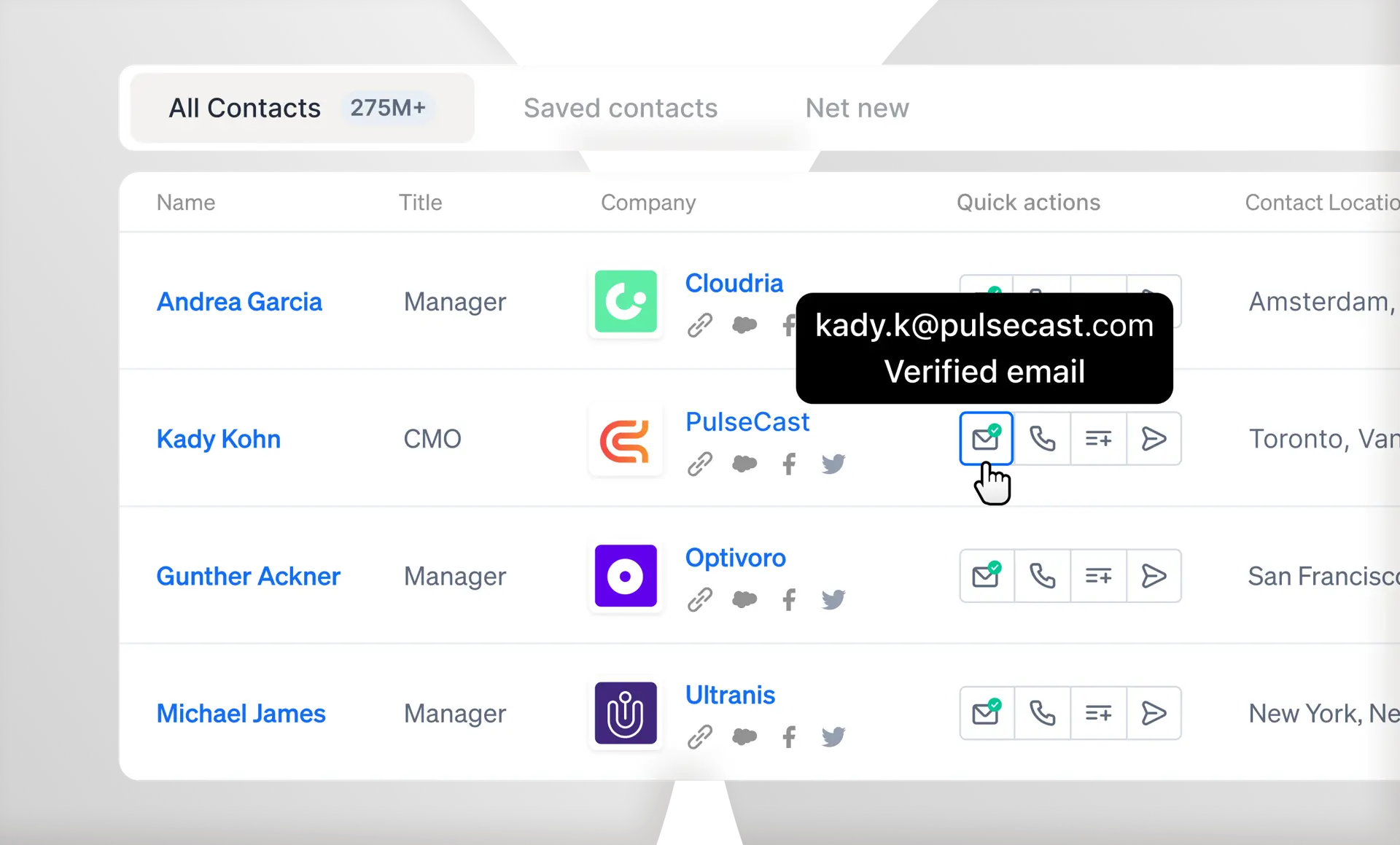
Apollo.io is a B2B AI sales platform that combines a 270M+ contact database, multichannel outreach sequencing, a built-in dialer, and buying signal intelligence in a single platform. For teams migrating off Koala, it closes the gap that made Koala incomplete on its own: the need to maintain a separate execution tool alongside a signal platform. Its key capabilities include:
270M+ contacts and 70M companies with a 91% email accuracy rate via a 7-step verification process
A free-forever Starter tier with full contact database access, including Buying Intent data on all plans
Built-in multichannel sequencing, Parallel Dialer, and native email deliverability infrastructure
AI-powered lead scoring across over 1,600 buying intent topics via a partnership with LeadSift (Foundry)
Inbound routing, website visitor identification, and form enrichment alongside outbound workflows
Why Choose Apollo.io Over Koala for All-in-One Pipeline Execution
Apollo.io stands out here:
Free-to-Start Access With No Time Limit
Koala's entry tier was $200/month before a team could evaluate whether the signal layer generated pipeline. Apollo's free-forever Starter plan provides the full contact database, basic search filters, 75 email credits per month, buying intent data, and the Chrome Extension, with no expiration and no credit card required. The cost gap widens at higher tiers: Koala's Growth plan at $1,000/month was required for CRM integration and ICP scoring. Apollo's Basic plan at $49/user/month billed annually unlocks multi-seat sequencing.
The Execution Layer Is Already Built In
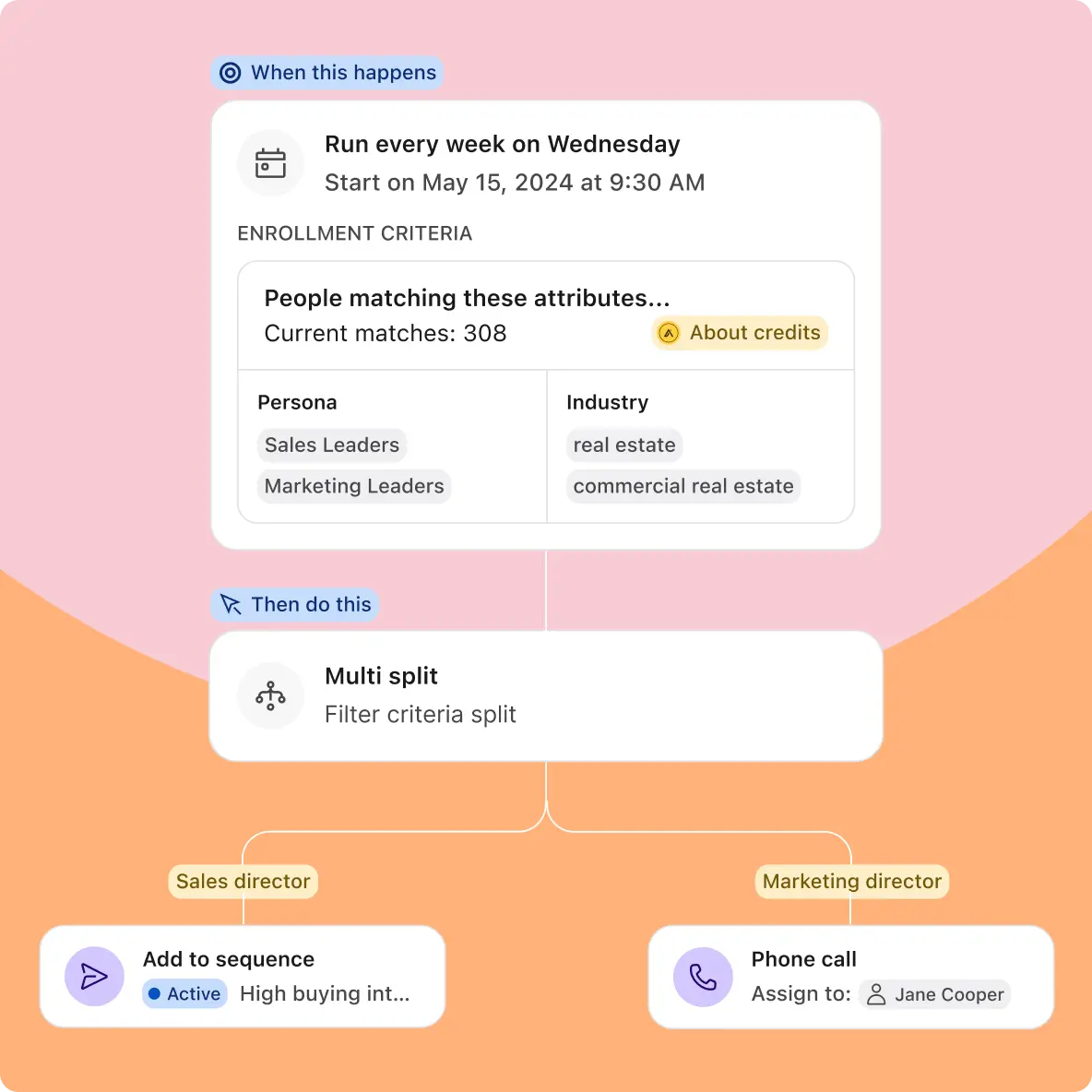
Koala required Apollo, Outreach, or Salesloft running alongside it. Apollo eliminates this duplication. The Outbound solution includes a sequence builder supporting emails, phone call steps, LinkedIn tasks, and custom tasks with A/B testing. The built-in Apollo Dialer includes Power Dialer and Parallel Dialer modes, local presence dialing, voicemail drops, and call transcription. Apollo also bundles domain purchase, automatic SPF/DKIM/DMARC authentication, mailbox warm-up, and a Deliverability Suite natively.
Buying Signal Intelligence Embedded Alongside the Prospecting Database
Apollo's Buying Intent data covers over 1,600 intent topics with a claimed 98% accuracy rate, and is available on all plans including free. The AI-powered lead scoring uses ICP fit, engagement history, and behavioral signals to surface high-priority accounts automatically. The Workflow Engine triggers automated sequence enrollment, CRM updates, and task creation, closing the loop from signal to action inside one platform.
Source: Apollo.io
NOTE: We also evaluated Hunter.io and Instantly. While Hunter.io is a strong choice for lightweight email finding at small scale, and Instantly is an effective cold email sequencing platform at low price points, Apollo.io offers the most direct all-in-one replacement for teams exiting Koala, combining signal intelligence, a contact database, and outreach execution in one platform.
For a complete look at Apollo.io's features, strengths, and limitations, see our Apollo.io Review.
Apollo.io Pricing
Free (Starter): $0 forever. 75 credits/month, 2 active sequences, buying intent data, Chrome Extension. Gmail only. Limited to 1 seat after 100 days.
Basic: $49/seat/month billed annually ($59 monthly). 2,500 credits/month on monthly billing; 30,000 credits/year on annual. Multiple seats; Microsoft Office supported. 14-day free trial available.
Professional: $79/seat/month billed annually ($99 monthly). 4,000 credits/month; unlimited active sequences; full data enrichment (CRM, CSV, job changes).
Organization: $119/seat/month billed annually, minimum 3 seats. 72,000 credits/year; SSO, custom reporting, advanced API access.
The Advanced Dialer (Power Dialer and Parallel Dialer) is a separate add-on at $149/month or $119/month billed annually.
Who Should Use Apollo.io?
Choose Apollo.io if:
Your team was already running Apollo for outbound alongside Koala for signals. The consolidated platform eliminates dual subscription costs for overlapping capabilities.
You need a free entry point before committing budget. Apollo's free plan gives a solo rep access to a real contact database and intent data with no monthly minimum.
Your SDR team runs multichannel outbound and needs sequencing, dialing, and enrichment tightly integrated with prospecting, eliminating context-switching between separate tools.
You are an SMB or early-stage team where Koala's $1,000/month Growth plan was disproportionate to your team size or pipeline volume.
5. Common Room: Best Alternative for PLG and Community-Led Teams
Source: Common Room
Common Room is a Customer Intelligence Platform built for go-to-market teams at software companies where pipeline comes from community momentum, open-source adoption, and product usage.
Where Koala tracked website pixels and product events, Common Room aggregates a broader range of signals that developer-tool companies depend on: GitHub stars, pull request activity, Slack community engagement, Discord server participation, LinkedIn social signals, and G2 review behavior, all unified alongside product usage and website visits. Its key capabilities include:
50+ native signal integrations spanning first-party, second-party (LinkedIn, GitHub, Reddit, Slack, Discord, Stack Overflow), and third-party sources
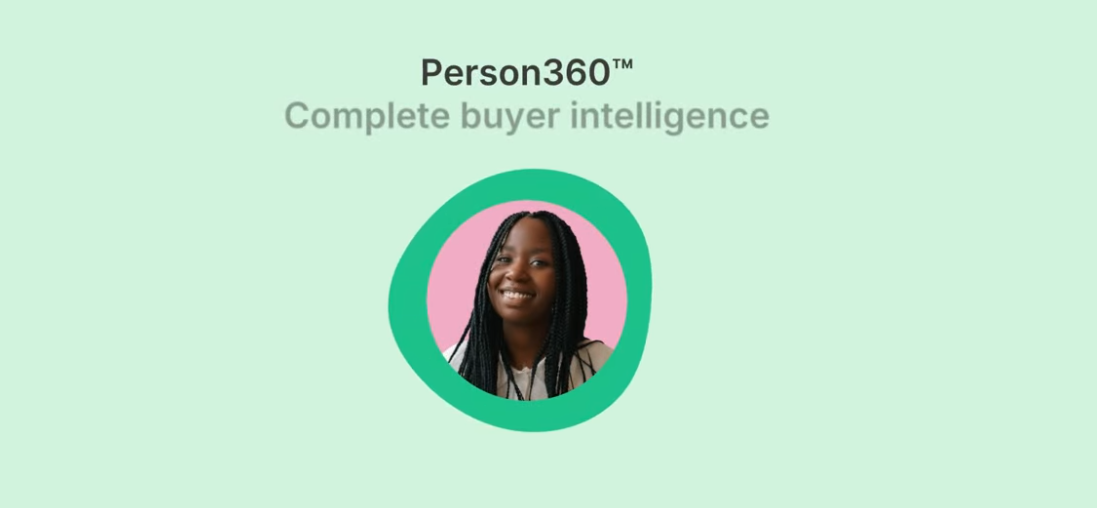
Person360 AI-powered waterfall enrichment with 30-50% higher match rates than competing tools and duplicate reduction of up to 79%
RoomieAI three-agent AI layer deployed at 500+ companies including Atlassian, Twilio Segment, Grammarly, and Vercel
Pre-built PLG signal templates for trial-to-paid conversion, champion tracking, expansion detection, and usage-based upsell moments
Native product usage ingestion from Snowflake, BigQuery, Redshift, S3, Census, and Hightouch
Why Choose Common Room Over Koala for PLG and Community-Led GTM
Common Room stands out here:
Community and Dark Funnel Signal Depth Koala Could Not Reach
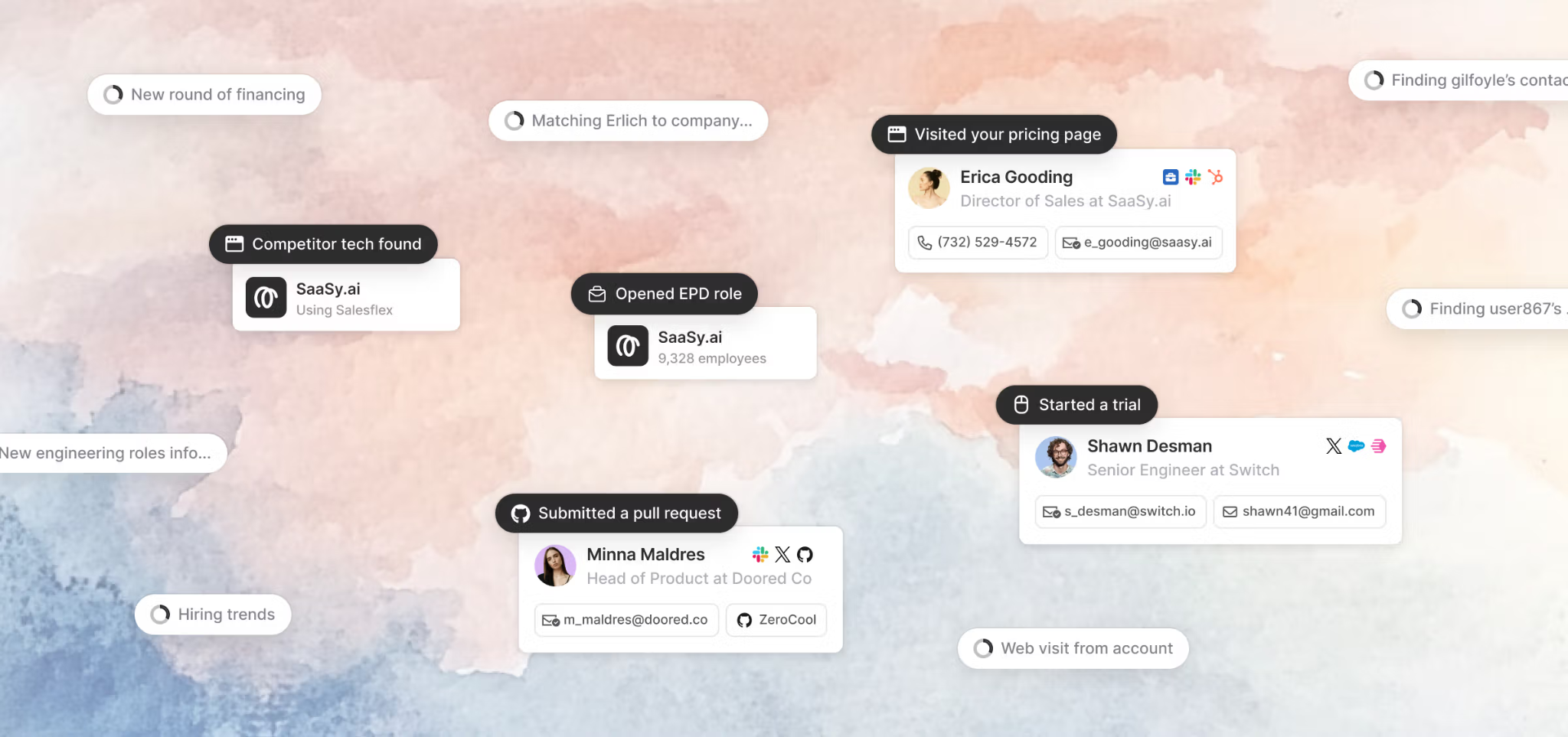
Koala's signal model was built from a single JavaScript pixel, limited to channels the buyer visits after they already know who you are. Common Room's dark funnel signal layer captures buying intent from channels that precede awareness entirely: GitHub stars, Slack community engagement, Discord participation, Reddit discussions, Stack Overflow questions, and LinkedIn posts. For developer-tool companies, these are often where the majority of qualified evaluation activity happens. Common Room aggregates 50+ native signal sources in a single view, covering the full spectrum of developer and technical buyer behavior.
Source: Common Room
Person360 Identity Resolution Connecting Community Activity to Pipeline
Koala's identity layer resolved anonymous visitors using first-party events (email clicks, form fills, product sign-ups). Common Room's Person360 uses AI-enhanced waterfall enrichment to construct unified profiles the moment a contact engages with any signal source, including community channels. When a developer stars your GitHub repository, Common Room resolves that handle to a known person with current title, employer, contact info, and firmographic context.
Pre-Built PLG Templates and CS Handoff Workflows
Koala required manual Play configuration. Common Room ships pre-built templates for trial-to-paid conversion, champion tracking, expansion signals, and usage-based upsell moments. Beyond pipeline generation, built-in workflows route warm accounts from initial PLG signals through CS-owned expansion plays.
NOTE: We also evaluated Pocus for this PLG/community-led archetype. Pocus was built for PLG sales motions, but Apollo.io acquired it, and it is no longer available as a standalone product. Common Room offers the strongest combination of community-signal depth and PLG-specific workflow templates for developer-tool and open-source-adjacent companies.
For a complete look at Common Room's capabilities, strengths, and limitations, see our Common Room Review.
Common Room Pricing
Common Room uses a hybrid annual subscription model combining flat monthly fees with usage limits across contacts, IP enrichments, and seats.
Starter: $1,000/month billed annually. Up to 35,000 contacts; 2 seats; 240,000 IP enrichments per year. Includes RoomieAI, community and social signals, intelligent scoring, Slack and email alerts, automated workflows, and Chrome extension. Product activity signals are an add-on at this tier. 6 Bombora topics.
Team: Custom pricing. Up to 100,000 contacts; 5 seats; 480,000 IP enrichments per year. Adds product activity signals, 12 Bombora topics, SSO.
Enterprise: Custom pricing. 200,000 contacts; up to 10 seats; 960,000 IP enrichments per year. SAML/SCIM, dedicated CSM, 25 Bombora topics.
Phone enrichment and data warehouse integrations are add-ons across all tiers. No self-serve free trial is publicly listed.
For a complete breakdown of Common Room's plans and what's included at each tier, see our Common Room Pricing guide.
Who Should Use Common Room?
Choose Common Room if:
Your company has a developer-tool, infrastructure SaaS, or open-source-adjacent product where GitHub activity, Slack communities, and documentation traffic are your highest-signal buyer intent channels.
You run a PLG motion and need pre-built templates for trial-to-paid conversion, expansion detection, and champion tracking without configuring every signal workflow from scratch.
Your sales and CS teams need a unified view of the full PLG customer journey with built-in handoff workflows between pipeline generation and expansion.
You prioritize enrichment accuracy and identity resolution quality, and need a platform that treats developer community channels as first-class signal sources.
6. RB2B: Best Alternative for Zero-Cost Website Visitor Identification with Person-Level LinkedIn Profiles via Slack
Source: RB2B
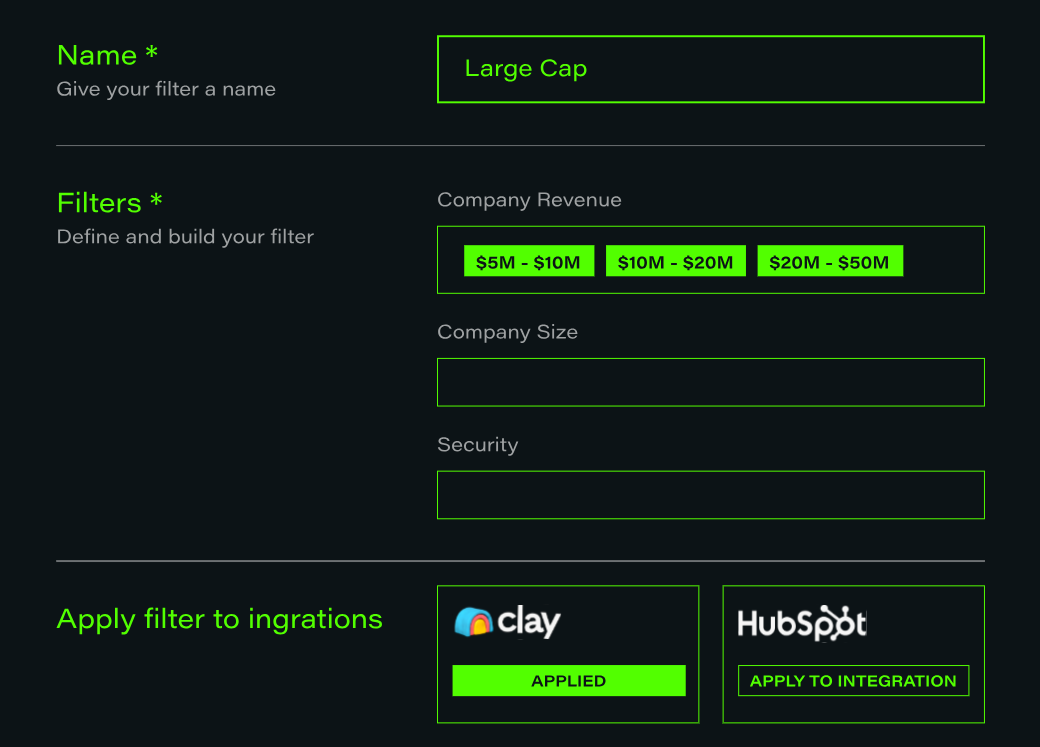
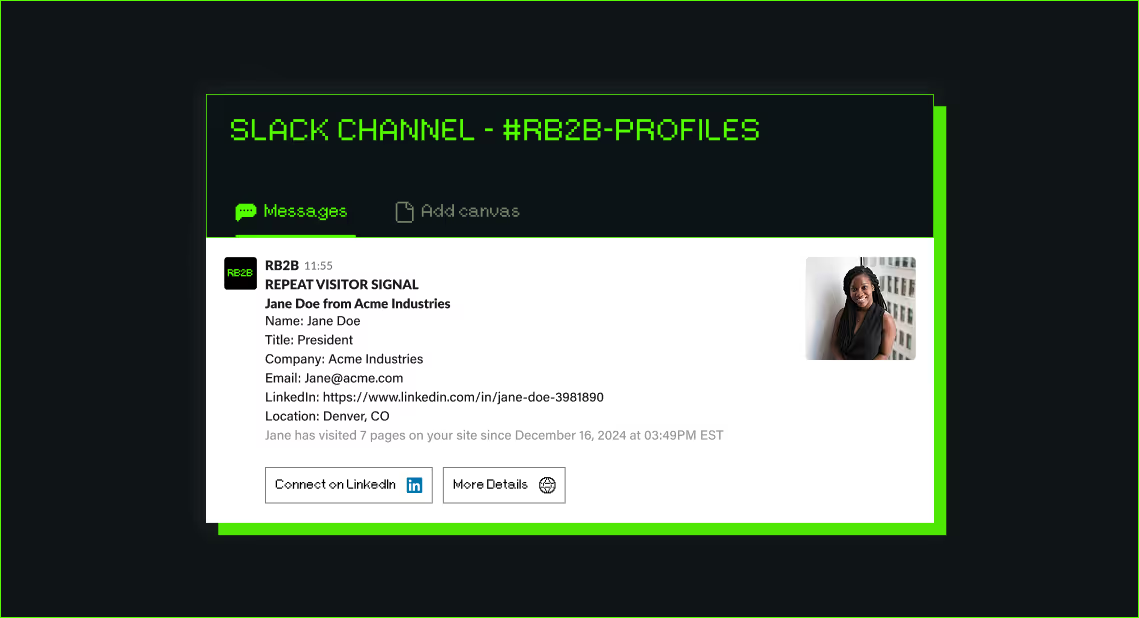
RB2B is a website visitor identification platform that resolves anonymous traffic into named individuals, delivering LinkedIn profiles, job titles, and business email addresses directly to a Slack channel the moment a visitor is identified. Its key capabilities include:
Free-forever plan providing 150 monthly company-level resolutions with Slack delivery at no cost
Person-level LinkedIn profile identification for U.S.-based visitors on paid tiers starting at $79/month
Real-time Slack delivery with no separate dashboard login required
Single JavaScript pixel installation completing in under five minutes
Hot Leads ICP filtering and Hot Pages tracking on Pro tiers
50+ native integrations including HubSpot, Salesforce, Clay, Apollo, and Zapier
Why Choose RB2B Over Koala for Zero-Cost Website Visitor Identification
RB2B stands out here:
Free Tier With No Time Limit
Koala's free plan required building context around a full PLG signal layer before generating meaningful output. RB2B's free tier provides 150 resolutions per month, pushed directly to Slack, with no credit card, no trial expiration, and no dashboard login required. As of January 2026, the free plan provides company-level (not person-level) identification. Teams that see value can upgrade to the $79/month Starter plan to unlock person-level LinkedIn profile delivery, a zero-risk path to testing the capability.
Slack-Native Delivery Requiring Zero Behavior Change
Koala pushed Slack alerts to reps when signals fired, and this was often the reason reps actually acted on visitor signals. RB2B was built around this exact insight. The entire product is designed so reps never open a new tab or log into anything. Identified visitors are pushed to a designated Slack channel the moment they are resolved. On Starter, reps receive LinkedIn profile URLs; on Pro and Pro+, they receive business email addresses and can route profiles into outbound tools automatically. This is not a notification from a product whose UX lives elsewhere. Slack delivery is the product.
Single-Purpose Focus That Adds Capability Without Disrupting the Stack
Koala wanted to be the intelligence layer between your CRM, product analytics, SEP, and reps. RB2B solves a narrower problem: it identifies who is on your website at the person level and gets that information to reps as quickly as possible. The single pixel installation identifies visitors, Slack delivers results, and everything else in the stack stays as it was.
Source: RB2B
NOTE: We also evaluated Leadfeeder (Dealfront) for the free-entry-point visitor identification use case. While Leadfeeder offers company-level identification on a free tier with a mature integration ecosystem, RB2B delivers person-level LinkedIn profile identification on paid tiers and offers a free-forever plan, more closely matching the individual-contact alerting behavior Koala's users relied on daily.
For a complete look at RB2B's capabilities and limitations, see our RB2B Review.
RB2B Pricing
RB2B uses a credit-based model where each unique visitor identified within a 30-day period consumes one credit.
Free Plan: $0/month. 150 monthly company-level resolutions. Slack delivery only. No person-level identification.
Starter: $79/month. 300 monthly credits. Person-level identification for U.S. visitors (15-20% coverage). LinkedIn URLs in Slack. Overages: $0.45 per resolution.
Pro: Starting at $149/month. 600+ credits. Business email addresses included. Full integration suite (HubSpot, Salesforce, Clay, Apollo, Zapier). Hot Pages and Hot Leads ICP filtering. Overages: $0.25 per resolution.
Pro+: Starting at $199/month. 35-45% person-level coverage via premium resolution waterfall (Demandbase partnership). All Pro features.
All paid plans include a 7-day complimentary trial of Pro features with no credit card required.
For a complete breakdown of RB2B's plans and what's included at each tier, see our RB2B Pricing guide.
Who Should Use RB2B?
Choose RB2B if:
Your primary Koala use case was the Slack alert workflow, and you want to replicate that behavior at the lowest possible cost without adopting a new platform.
You are a U.S.-focused B2B sales team where the visitors you most need to identify are based in the United States.
Your existing sales stack is set up and you want to add visitor identification on top without disrupting existing workflows or requiring reps to learn a new interface.
You are budget-constrained or want to test whether visitor identification generates ROI before committing. RB2B's free tier provides real identification with no time limit.
7. Unify: Best Alternative for End-to-End Signal-Triggered Warm Outbound
Source: Unify
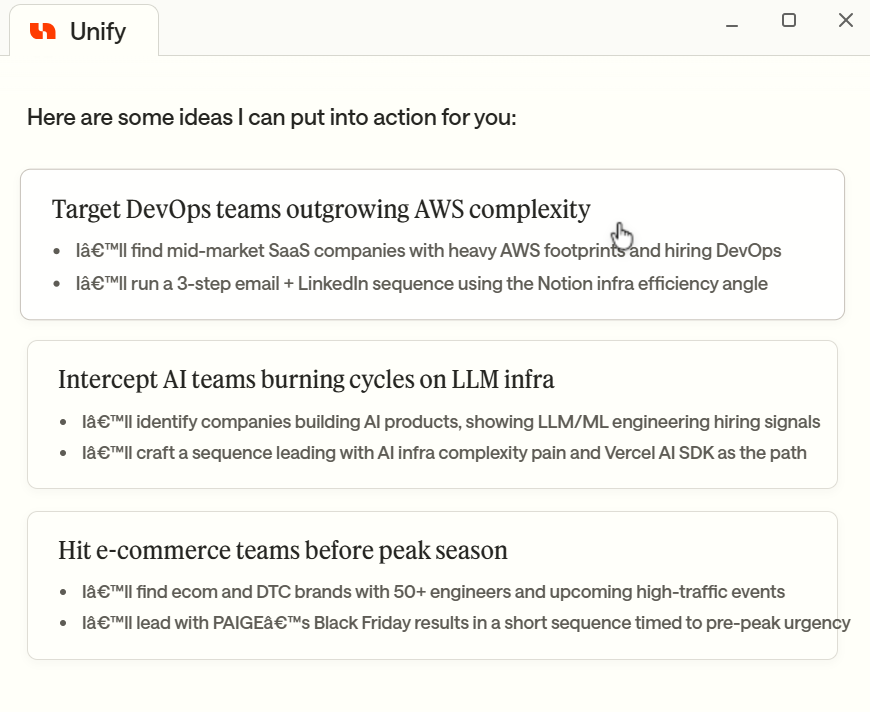
Unify is a warm outbound automation platform that aggregates 25+ intent signal types into a single prioritized feed and converts each signal into AI-drafted, personalized outreach through built-in managed email infrastructure.
Where Koala surfaced intent and left execution to the rep and their stack, Unify closes that gap: the same platform that detects a pricing-page visit or a champion job change also enriches the contact, writes the outreach, routes it through a managed Gmail mailbox, and logs the result back to the CRM. Its key capabilities include:
25+ intent signal types including website visitors, product milestones, G2 activity, email engagement, champion job changes, new executive hires, and AI Infinity Signals for custom signal definitions in natural language
AI research agents that auto-enrich accounts and generate personalized email drafts referenced to the specific signal event
Managed Gmail mailboxes with built-in bounce prevention, domain rotation, and 21-day warmup
Signal-to-Play mapping with AI-generated sequence copy via Smart Snippets
Closed-loop analytics tracking which signals and plays generate booked meetings and CRM opportunities
Customers including Perplexity, Cursor, Justworks, OpenPhone, and Spellbook use Unify as their primary outbound system, with the platform having powered over $431M in total customer pipeline.
Why Choose Unify Over Koala for Signal-Triggered Warm Outbound
Unify stands out here:
Signal Aggregation Replaces the Multi-Tool Intent Stack
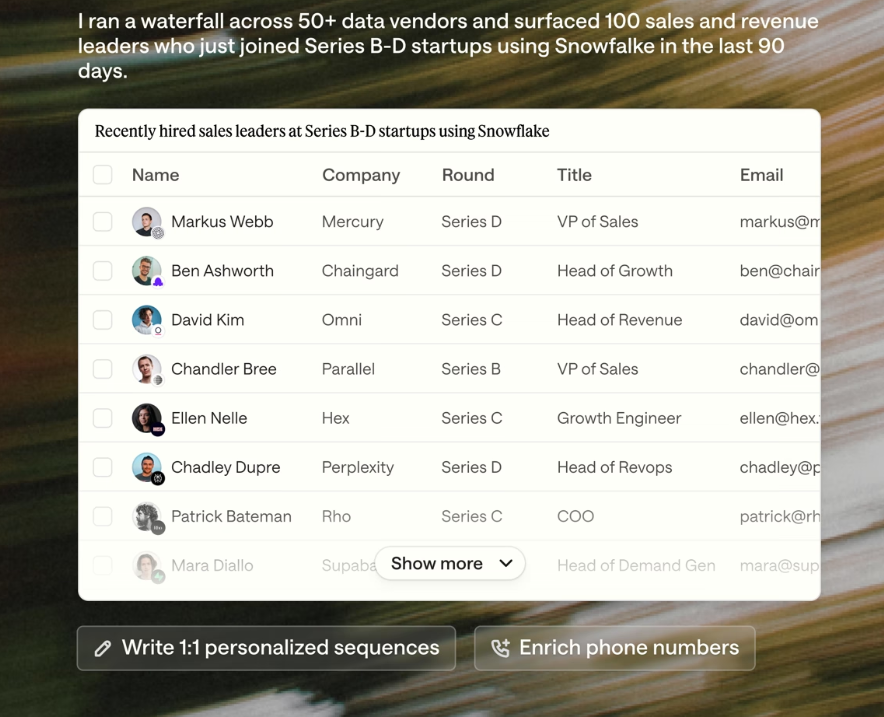
Koala pulled from roughly 30 signal sources, but many required separate subscriptions and independent configuration. Third-party signals like funding announcements and LinkedIn activity required webhook connections. Unify natively offers 25+ intent signal types in a single feed, including website intent via a multi-vendor waterfall (6sense, Clearbit, Demandbase, Snitcher), G2 activity, champion tracking, new hire detection, and AI Infinity Signals: define any intent condition in natural language and an AI agent continuously scans the web to surface matching activity. The website intent waterfall achieves a 75%+ company match rate, comparable to Koala's PLG-optimized identification rates.
Source: Unify
Managed Email Infrastructure Closes the Execution Gap
Koala was explicit about its boundaries: it was a signal layer, not an SEP. Every customer maintained Koala plus at least one sequencer. Unify's answer is managed Gmail mailboxes baked into the platform: Unify provisions mailboxes, runs a 21-day warmup with spam rescue, manages send volume and domain rotation, and validates emails before each send.
Fully Automated Plays vs. Rep-Assisted Follow-Up
Koala's Automations triggered Slack alerts, created CRM tasks, and enrolled prospects in SEP sequences. But the model assumed a rep would review and decide to act. Unify collapses that into a single automated Play: a visual canvas where a signal fires an AI qualification agent, filters for ICP fit, finds the right contact, generates AI-personalized copy, enrolls the prospect in a sequence, sends the email from a managed mailbox, and logs to CRM. All automated.
NOTE: We also evaluated Factors.ai for this category. While Factors.ai offers strong multi-touch attribution and campaign analytics, it is lighter on execution automation and does not include managed outbound email infrastructure or AI-agent-driven copy generation. Unify is the more direct replacement for teams wanting managed email delivery and AI personalization in the same platform as their intent signals.
Unify Pricing
Unify uses a credit-based hybrid model with annual commitment.
Growth: Starting from $1,740/month, billed annually. 50,000 credits per year. 1 user included (additional at $100/seat/month). 8 managed Gmail mailboxes included (additional at $25/mailbox/month). Onboarding and support included.
Pro: Annual commitment, custom pricing. Up to approximately 300,000 credits.
Enterprise: Custom pricing. Up to 600,000+ credits. SSO (SAML 2.0) via Okta or Azure AD. Add-ons include White Glove Onboarding and Dedicated Growth Consultants.
No free tier or self-serve trial is publicly listed.
Who Should Use Unify?
Choose Unify if:
Your team was using Koala for signal detection but still needed a separate sequencer. Unify replaces both with one platform that detects intent, writes copy, and sends through managed mailboxes.
You run a PLG motion and want to connect in-product signals directly to automated outbound sequences.
You want outbound plays that run 24/7 without rep intervention, handling enrichment, qualification, copy generation, and CRM logging in one automated workflow.
You need signal coverage beyond first-party intent. Unify's multi-vendor waterfall, G2 intent, champion tracking, and AI Infinity Signals provide broader coverage than Koala's integration-dependent library.
The Final Verdict
Koala's shutdown left thousands of B2B teams without the signal layer they had built their pipeline around. But it also created an opportunity to adopt tools that go beyond what Koala offered, closing the gap between signal detection and execution that was Koala's most cited limitation.
Based on our research, here are the best alternatives:
ZoomInfo for comprehensive B2B data, AI-driven contextual intelligence, and access through native products or any tool via API and MCP
6sense for enterprise ABM with predictive buying stage scoring and dark funnel intelligence across third-party networks
Warmly for converting anonymous website visitors into pipeline through dual AI agents handling both inbound chat and outbound prospecting
Apollo.io for teams that need execution (sequencing, dialing, enrichment) built directly into their signal and prospecting layer at a free-to-start price
Common Room for developer-tool and PLG companies where GitHub, Slack, Discord, and open-source community signals are the highest-quality buying intent
RB2B for zero-cost website visitor identification with person-level LinkedIn profiles delivered directly to Slack
Unify for end-to-end warm outbound automation with managed email infrastructure and AI-personalized copy generation
The right choice depends on your pipeline motion, team size, and where you need the most capability. Some teams will adopt one platform; others will combine a signal layer with a specialized execution tool. The key is choosing solutions that close the gap between signals and action rather than recreating it.
Want to build your pipeline on broad B2B data, AI intelligence, and access from any tool? Start your ZoomInfo free trial or explore ZoomInfo Lite to see the platform that powers 35,000+ companies.
Koala Alternatives FAQ
Why are teams looking for Koala alternatives?
Cursor (Anysphere) acquired Koala in July 2025 and shut it down on September 30, 2025, forcing all customers to migrate. Even before the shutdown, Koala had structural limitations: it was a signal layer only (requiring a separate SEP for execution), its first-party data model meant non-PLG companies saw approximately 30% identification rates, and its third-party enrichment had coverage gaps.
What is the best overall Koala alternative?
There is no single best alternative because the right choice depends on your pipeline motion. ZoomInfo is the most complete option, combining B2B data, AI intelligence, and universal access in one platform. Apollo.io is the strongest free-to-start option that includes execution. Common Room is the specialist pick for developer-tool and community-led companies.
Is there a free alternative to Koala?
Yes. Apollo.io offers a free-forever Starter plan with access to 270M+ contacts, 75 credits per month, buying intent data, and basic sequences. RB2B offers a free-forever plan with 150 monthly company-level visitor identifications delivered to Slack.
ZoomInfo offers ZoomInfo Lite, a permanent free tier with B2B database access and 10 monthly export credits. 6sense has a free plan with 50 credits per month for company and people search.
Which Koala alternative is best for PLG companies?
Common Room is built for PLG and community-led teams, aggregating 50+ signal sources including GitHub, Slack, Discord, Reddit, and Stack Overflow alongside product usage data. Its pre-built PLG signal templates and sales-to-CS handoff workflows make it the closest match for Koala's original PLG-focused design, with broader community-signal depth.
How does ZoomInfo compare to Koala for intent signals?
ZoomInfo provides a broader intelligence layer. Where Koala scored accounts based on first-party behavioral signals using industry-generic models, ZoomInfo's GTM Context Graph combines B2B data with CRM records, conversation intelligence, and behavioral signals to capture why deals move.
ZoomInfo's Buyer Intent Data tracks 210 million IP-to-Organization pairings and 6 trillion+ keyword-to-device pairings monthly, with Guided Intent that identifies topics historically correlated with deal success.
Which alternative replaces the Koala-plus-SEP workflow most directly?
Unify and Apollo.io both eliminate the need for a separate sequencer. Unify detects intent signals, generates AI-personalized copy, and sends through managed Gmail mailboxes in one automated Play. Apollo.io combines a contact database, multichannel sequencing (email, phone, LinkedIn), and buying intent data in a single platform at a lower price point.
What is the most affordable Koala alternative for small teams?
RB2B starts at $0 for company-level identification and $79/month for person-level LinkedIn profiles. Apollo.io starts at $0 for database access and intent data, with paid plans at $49/seat/month. Both cost less than Koala's $200/month entry point or $1,000/month Growth plan.
Which Koala alternative is best for enterprise sales teams?
6sense is designed for enterprise B2B environments with complex, multi-stakeholder sales cycles, offering predictive AI buying stage scoring trained on your own win data, built-in display advertising, and multi-channel orchestration.
ZoomInfo is the strongest choice for enterprise teams that need comprehensive data, AI deal intelligence, and access across sellers, marketers, and custom tools via API and MCP. For a direct comparison of how the two platforms stack up, see our 6sense vs ZoomInfo breakdown.
Looking beyond Koala? Compare the strongest alternatives side by side:
