

Koala built its name as a focused tool for product-led growth (PLG) sales teams. It sat on a company's website and product, captured first-party behavioral signals (page views, product usage, email click-throughs), and surfaced them to reps as prioritized leads.
For the developer-tool and API-first SaaS companies that made up its core customer base, the approach worked. Reps knew which free-trial user had just hit an onboarding milestone or which prospect was browsing the pricing page.
But one fact overrides every other consideration in this review: Koala has been acquired by Cursor (Anysphere) and is shutting down on September 30, 2026. The product still works today, but it cannot be evaluated as an ongoing vendor choice.
To write this Koala review, we analyzed the platform extensively. It would have been a reasonable choice if:
You run a PLG motion where product usage data is a primary sales signal
You need to identify and prioritize website visitors at the individual prospect level
You want a clean, rep-facing interface that drives daily adoption
Your team is small (2-3 seats) and your signal volume is modest
You value first-party behavioral data over broad third-party intent coverage
However, even before the shutdown announcement, Koala was not a good choice if:
You need B2B contact and company data alongside intent signals
You require multi-channel orchestration across email, ads, calls, and direct mail
Your sales motion extends beyond PLG into outbound prospecting at scale
You need enterprise compliance, audit trails, and fine-grained permissions
You want conversation intelligence integrated with your signal data
And now, with the platform shutting down, no new buyer should consider Koala.
For teams that need what Koala did well (first-party signal capture, account prioritization, rep-facing workflows) plus B2B data, multi-channel execution, and a platform that will exist next year, there is ZoomInfo: an all-in-one AI GTM platform built on 500M contacts, 100M companies, 135M+ verified phone numbers, and 200M+ verified business email addresses.
ZoomInfo's GTM Context Graph combines this data with your CRM records, conversation transcripts, and behavioral signals, then surfaces not just what happened in a deal, but why. That intelligence reaches your team through GTM Workspace for sellers, GTM Studio for marketers and RevOps, or APIs and MCP in any front-end.
We've included a detailed look at ZoomInfo later in this Koala review. If you're ready to explore a broader GTM platform, you can start with ZoomInfo's free trial here.
What is Koala?
Koala is a rep-first GTM engine for B2B sales teams, founded in January 2022 by three former Segment executives (the customer data platform Twilio acquired for $3.2B): Tido Carriero, Netto Farah, and Matthew Shwery. The legal entity is Konfetti, Inc., headquartered in San Francisco.
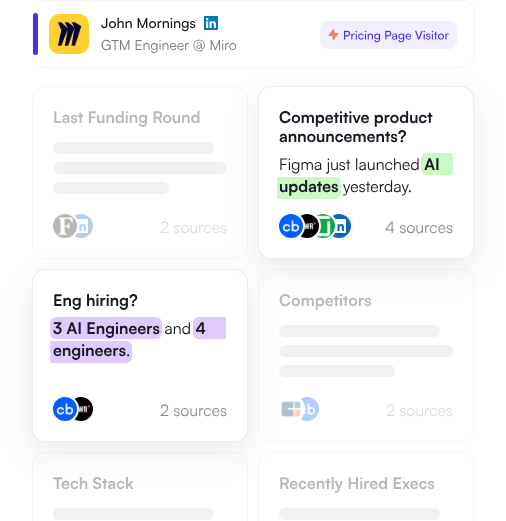
The founders had direct experience building enterprise data infrastructure. They set out to solve a specific problem: B2B sales teams had customer data scattered across multiple systems but no tooling to convert it into timely sales actions.
Koala's approach was to install a lightweight JavaScript pixel on a company's website, track visitor behavior, resolve anonymous traffic to named accounts and individuals, and present everything in a single rep-facing view.
The platform organized around three product pillars: Koala Data (a B2B CDP for identity resolution and enrichment), Intent Signals (multi-source signal aggregation), and Automations (workflows that convert signals into plays and outreach).
Koala's core audience was developer-tool companies and API-first SaaS businesses with PLG motions, where product usage data enriched the signal set. Named customers included Vercel, Retool, Hightouch, Sanity, Deepgram, Mintlify, and Render.
Koala raised approximately $20M in total funding, including a $15M Series A led by CRV in February 2025. Shortly after, Cursor (Anysphere) acquired the company, and the product is shutting down September 30, 2026. The founders joined Cursor to lead enterprise GTM strategy. Koala recommended Common Room as the migration path for existing customers.
Koala Pros & Cons
Pros | Cons |
|---|---|
First-party signal depth from website and product data | Shutting down September 30, 2026 |
Clean, rep-facing UX that drives daily adoption | No contact database or verified phone numbers |
Strong identity resolution for PLG companies (75%+ traffic) | Limited automation beyond signal alerting |
30+ signal source integrations | Small customer review corpus (29 G2 reviews) |
SOC 2 Type II certified | No conversation intelligence |
Free plan available for testing | Credit-based model constrains heavy AI usage |
ICP scoring based on Closed Won analysis | No enterprise compliance or audit trails |
Koala Review: How it Works & Key Features
Koala Data: A B2B CDP built for prospect identity resolution and enrichment.
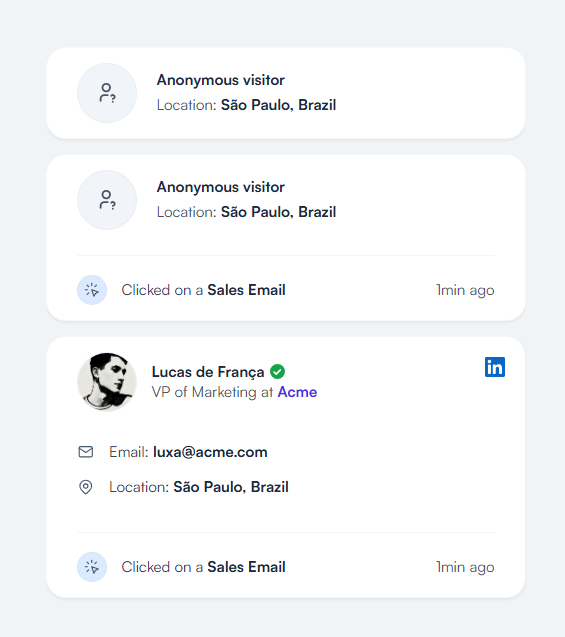
Koala Data is the platform's identity and enrichment layer. It runs a lightweight JavaScript pixel that tracks page views and active session time and handles identity resolution across devices and logged-out-to-logged-in transitions.
The system resolves identity in stages. Anonymous visitors are first identified at the account level through IP-to-company matching, then linked to named individuals as contact data becomes available.
Source: Koala
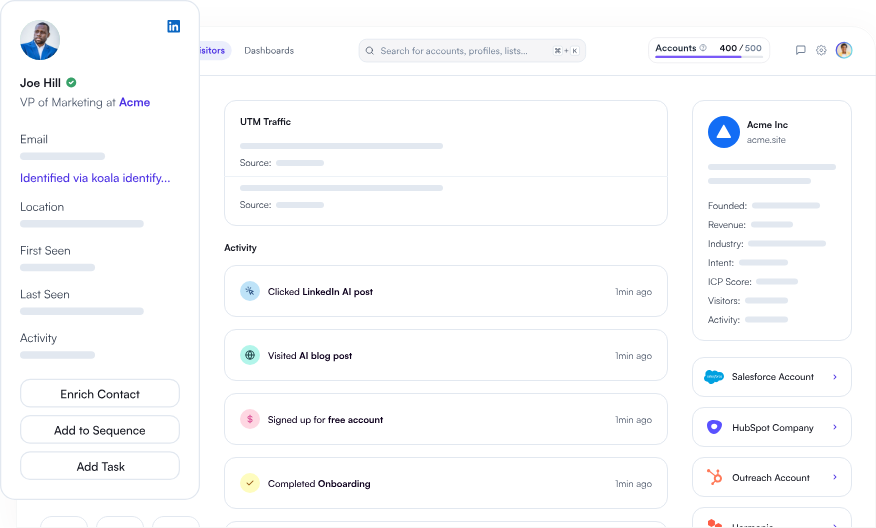
Once a visitor is identified, Koala enriches prospects and accounts with data from the customer's enrichment database and CRM, pulling everything into a single record alongside every historical pageview, event, and form-fill.
Source: Koala
The platform also supports waterfall enrichment across 20 data sources to maximize match rates.
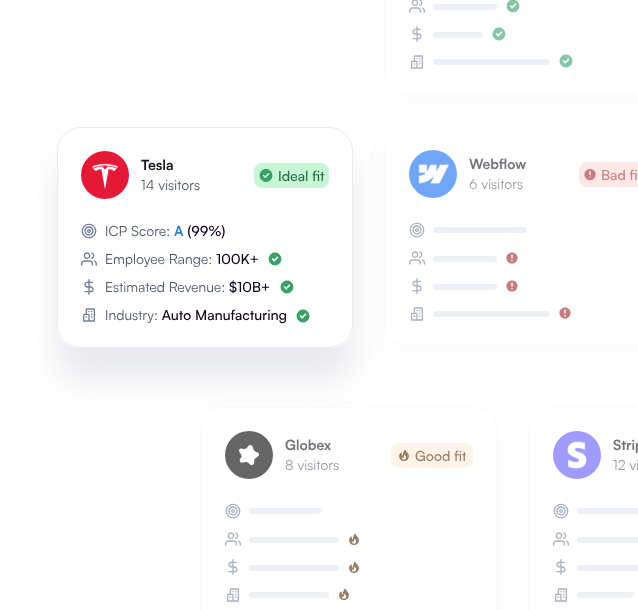
The ICP scoring feature analyzes Closed Won accounts to build a composite score across firmographic dimensions (employee size, ARR scale, industry, geography, and technographics), ranking every incoming account against proven fit. AI agents can perform custom research on every lead, configured by RevOps as a shared "Agent Swarm" that improves through rep feedback.
Source: Koala
For teams already running Segment, setup is fast: Koala can be instrumented without code changes by routing through an existing Segment pipeline. As Jon Eide Johnsen, Head of Growth & Data at Sanity, noted: "It gives our reps easy access to data that was siloed across different systems."
Intent Signals: Multi-source signal aggregation across first-party, second-party, and third-party data.
Intent Signals surfaces what prospects are doing and how active they are. It operates across four signal layers:
Website, email, and ads intent. Koala captures all page views and active session time from the installed pixel and tracks email click-throughs from sales outreach and marketing campaigns. Reps get real-time alerts when a prospect they've contacted returns to the site.

Source: Koala
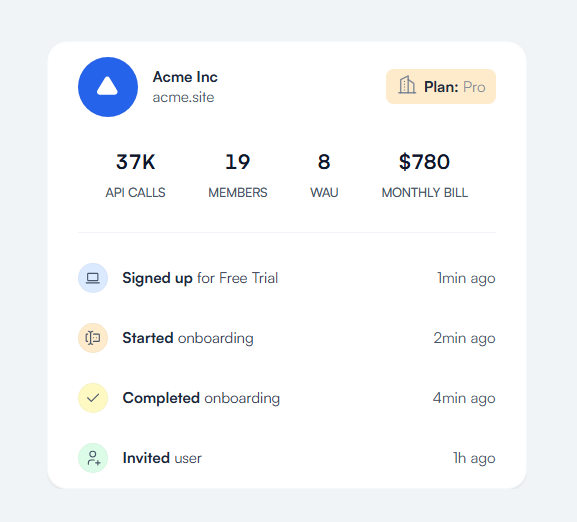
Product usage. For PLG companies, Koala can ingest product analytics data to surface onboarding status, milestones, and usage metrics: timestamped events like "Signed up for Free Trial," "Completed onboarding," and "Invited user," alongside plan type, API call volume, and weekly active users.
Source: Koala
Community, social, and third-party sources. Koala has 30+ signal source integrations spanning data warehouses (Snowflake, BigQuery), social engagement (GitHub, LinkedIn, Slack, Discord), and third-party intent platforms (G2, Arcade, Navattic).
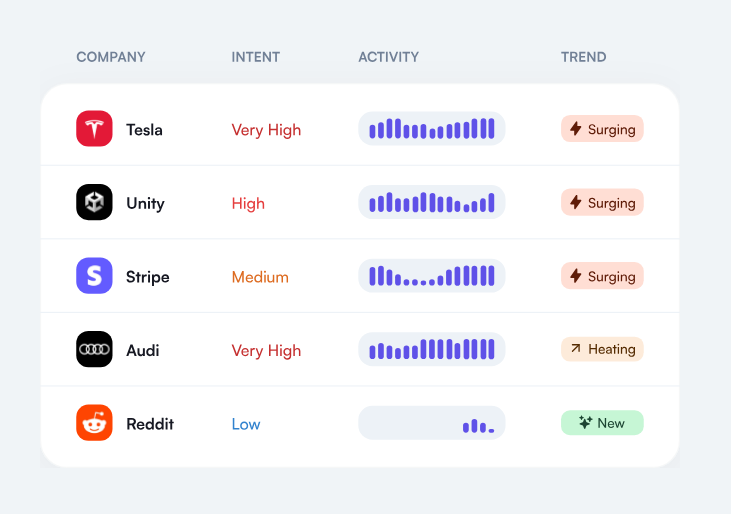
AI-powered scoring. The intent scoring system flags new accounts and accounts that are heating or surging, so reps don't need to scan activity feeds manually.
AI-powered Content Reports analyze which content patterns correlate with closed revenue and suggest new signal configurations.
Source: Koala
The main differentiator is first-party signal depth. Because Koala's pixel sits on the customer's own website and product, it captures higher-fidelity data than third-party intent providers that sell modeled signals to multiple competitors at once.
Automations: Signal-triggered workflows connecting intent to rep action.
Koala's Automations suite automates the signal-to-action loop. Every automation is built around a "Play," which encodes a signal-based sales strategy and routes it to the right reps. A Play defines a trigger (an intent signal or threshold), a routing rule, and an action.
The suite includes three activation paths:
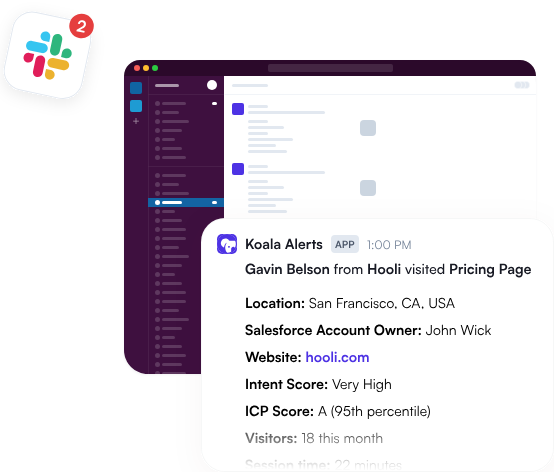
Slack Alerts push real-time intent notifications into Slack channels or DMs when target accounts show buying intent. Owned accounts go to the owning rep; unowned accounts can be round-robined.
Source: Koala
Actions trigger workflows in CRM, sales engagement platforms (Outreach, Apollo), or any webhook-enabled destination when an intent signal fires. Routing options on paid tiers include Territory assignment, CRM Owner, Round Robin, and Specific People.
Auto Outbound sends an email or enrolls a prospect in a sequence when a new intent signal fires.
A Clay integration adds enrichment before sending, pulling LinkedIn data, Clearbit data, or AI-generated signal summaries into the prospect record before outreach goes out.
All three paths run on Koala's CRM sync layer, which keeps accounts and contacts updated in HubSpot or Salesforce, applies scoring models as CRM fields, and routes high-intent leads through existing routing logic or Koala's own round-robin.
Pricing: A hybrid seat-plus-credit model with a free tier.
Koala uses a hybrid seat-plus-credit model. Credits are consumed for data enrichment, deanonymization, prospecting, and identity resolution.
Plan | Price | Seats | Credits/mo | Notable Features |
|---|---|---|---|---|
$0 | 2 | 100 | All features included; Round Robin routing | |
$200/mo | 2 + add-ons | 1,000 | 100 auto outbound/mo; 1,000 webhooks/mo | |
$1,000/mo | 3 + add-ons | 5,000 | Territory routing; CRM Owner with custom fields | |
Custom | Custom | Custom | Advanced customization and support |
Koala does not gate features by tier. Plans differ in seat count, credit volume, and automation throughput. The Free plan is permanent (not a trial), but 100 credits per month covers testing only, not production prospecting. The Growth plan includes a 14-day free trial.
Per the Terms of Service, fees are invoiced annually in advance by default. All fees are non-refundable. If usage exceeds limits, Koala invoices overages at rates on the Order Form. Given the shutdown deadline, any annual subscription started now carries real continuity risk.
Where Koala Falls Short
Even setting aside the shutdown, several structural limitations defined Koala's ceiling. These aren't failures; they're the natural result of building a focused, signal-first platform rather than a full GTM solution.
No Contact or Company Database. Koala identifies visitors and enriches them through third-party data sources, but it has no verified contact database of its own. No direct-dial phone numbers, no company data at scale, no technographic profiles.
Reps who need to prospect beyond their website traffic, build targeted account lists, or reach multiple contacts in a buying committee must source that data elsewhere. This creates a dependency on separate enrichment vendors for the foundational data outbound selling requires.
Shallow Automation. The founders acknowledged this gap. In their exit analysis, they noted the product was "more dependent on individual seller action" compared to platforms with automation that turns insights into action at scale.
Koala could alert a rep and draft an email, but it lacked multi-channel orchestration (email, ads, calls, direct mail) for full GTM execution.
Auto Outbound was capped at 100 messages per month on the Starter plan, and the Play builder supported linear workflows, not complex branching sequences.
PLG-Centric by Design. Koala's identity resolution advantage (75%+ traffic identification) depends on logged-in product users generating strong identity signals.
For companies without a self-serve product, the identification rate drops to roughly 30%, close to what generic web intelligence tools deliver.
Organizations running outbound or enterprise sales motions, where prospects don't visit the website before a first conversation, found less value in a signal-first architecture.
No Conversation Intelligence. Koala captured what prospects did (pages viewed, features used, emails clicked) but not what they said. Without call recording, transcription, or meeting analysis, the platform missed a critical context layer.
A rep could see that a VP visited the pricing page three times but couldn't know what questions that VP raised on the last call or what objections were blocking the deal.
Missing Enterprise Infrastructure. The founders cited the absence of audit trails, fine-grained permissions, and multi-region compliance as a reason for their pivot to Cursor.
For regulated industries or large organizations with strict data governance requirements, this was disqualifying.
The Shutdown. Koala is shutting down on September 30, 2026. This is now the deciding factor. No product roadmap exists. The technology may inform Cursor's internal GTM tooling but will not be publicly available.
For any team evaluating sales intelligence platforms, Koala is not a viable option.
These limitations, combined with the shutdown, point to a clear need: a platform that delivers first-party signal capture alongside B2B data, multi-channel execution, conversation intelligence, and enterprise infrastructure.
A Broader GTM Platform: ZoomInfo
ZoomInfo addresses Koala's limitations not by copying its approach, but by operating at a different scale. Where Koala specialized in first-party signal capture for PLG sales teams, ZoomInfo is an all-in-one AI GTM platform that combines B2B data, an intelligence layer connecting signals with outcomes, and access for every GTM team.
Comprehensive B2B Data: The foundation Koala never had.
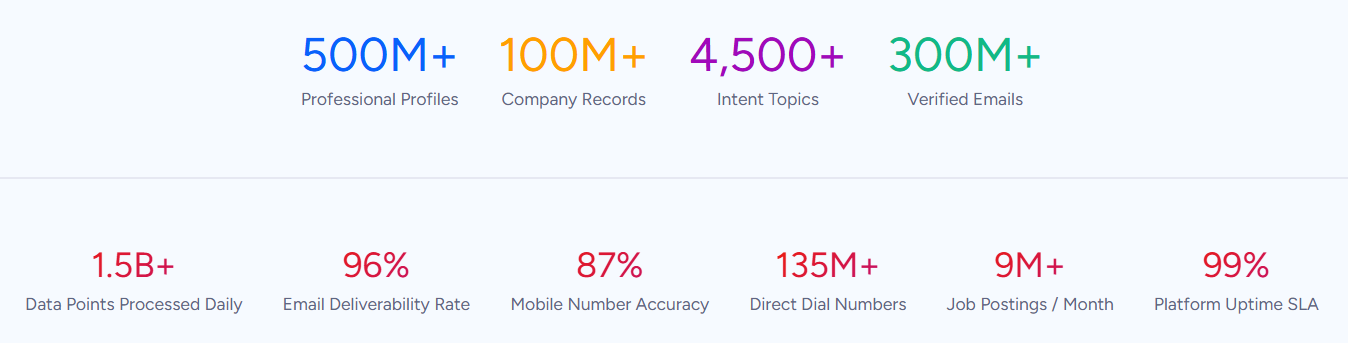
Koala depended on third-party enrichment vendors to fill gaps in its identity data. ZoomInfo eliminates that dependency. The platform maintains 500M contacts, 100M companies, 135M+ verified phone numbers, 120M direct-dial phone numbers, and 200M+ verified business email addresses, processed through a verification pipeline backed by 300+ human researchers and reaching up to 95% accuracy on first-party data.
Source: ZoomInfo
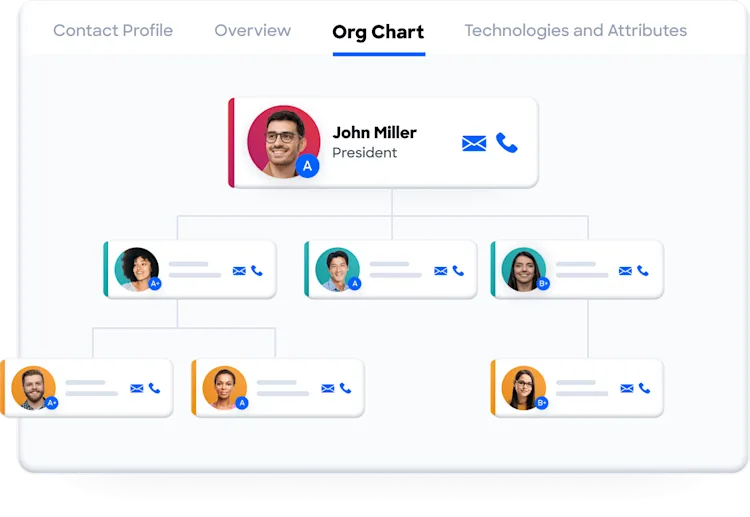
This data spans three dimensions: identity data (who buyers are and how to reach them), company context (firmographics, org charts, and technographics covering 30,000+ technologies across 30M+ companies), and signals that show when accounts are in-market.
Source: ZoomInfo
For reps, the difference is practical: the direct dial actually rings and the email actually lands. For RevOps, enrichment doesn't require stitching together multiple vendors to build a complete account picture.
The data advantage has outside validation. In a Fortune 500 competitive RFP analyzing 25 million contacts across vendors, the independent consultant concluded that "no other competitor came even close."
ZoomInfo has been named a Leader in the Forrester Wave for Intent Data Providers (Q1 2025) and a Leader in the Gartner Magic Quadrant for ABM Platforms for two consecutive years.
SpringDB saw 2x–3x increases in campaign conversions, a 300% increase in database usability, 30–50% uplift in average deal size, and 20–40% reductions in churn after using ZoomInfo's enriched data. (SpringDB)
The GTM Context Graph: Intelligence that captures why deals move, not just what happened.
Koala captured first-party signals well, but it could only tell reps that something happened (a prospect visited the pricing page, a user completed onboarding). It couldn't explain why a deal was accelerating or stalling because it lacked conversation data, CRM context, and cross-deal pattern recognition.
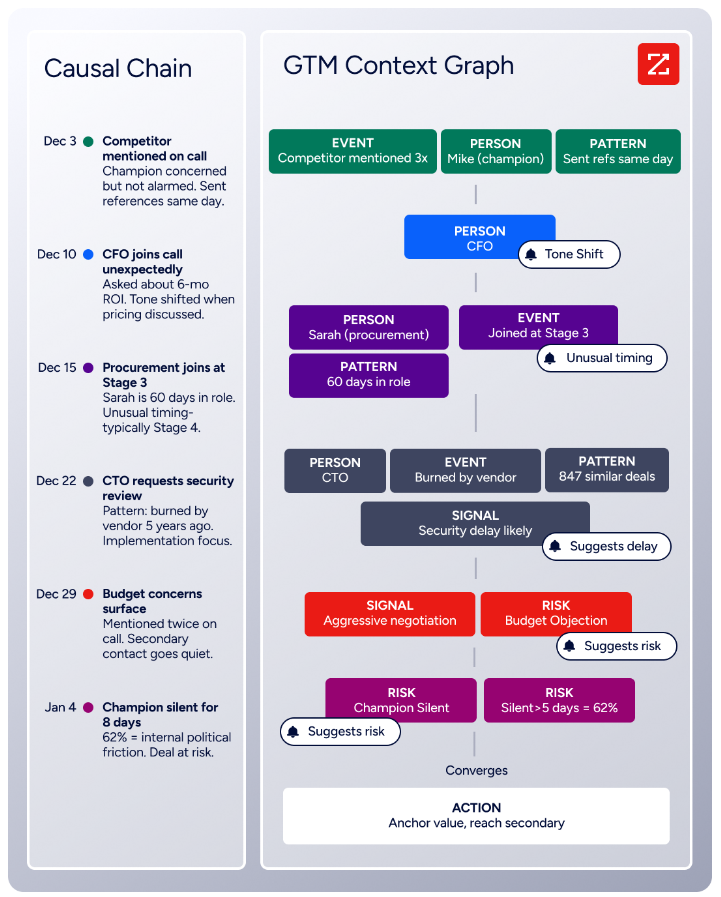
ZoomInfo's GTM Context Graph solves this by combining ZoomInfo's B2B data with a customer's CRM records, Chorus conversation transcripts, email interactions, and behavioral signals into a single intelligence layer that processes 1.5B+ data points daily. The result: AI that surfaces not just what happened, but why.
Source: ZoomInfo
A CRM records that a deal moved from Stage 3 to Stage 4. But as ZoomInfo's Chief Product Officer Dominik Facher writes: "The CRM recorded the state change. It has no record of why it happened." Maybe the CFO joined the last call and asked about six-month ROI. Maybe the VP went quiet for eight days during an internal budget battle.
The GTM Context Graph draws on CRM data, conversation intelligence, and third-party signals to surface these patterns, then connects them to actions: the follow-up email addresses the specific concern raised, the play targets accounts whose signal patterns match actual wins, and the forecast reflects buying evidence rather than stage labels.
This is what Koala's founders acknowledged they couldn't build. Their exit analysis noted that Koala needed "more" when "demand for AI in GTM peaked," and that the platform lacked automation to "turn insights into action at scale." The GTM Context Graph is that missing layer.
Seismic attributed 39% of active pipeline to opportunities identified or influenced by ZoomInfo signals, reported a 54% productivity gain, and saved 11.5 hours per week per seller. (Seismic)
Intent Signals and Website Visitor Tracking: Broader signal coverage without sacrificing depth.
Koala's intent layer was strong on first-party signals but limited in third-party breadth. ZoomInfo covers both.
ZoomInfo Intent tracks signals from 210 million IP-to-Organization pairings and 6 trillion+ keyword-to-device pairings monthly.
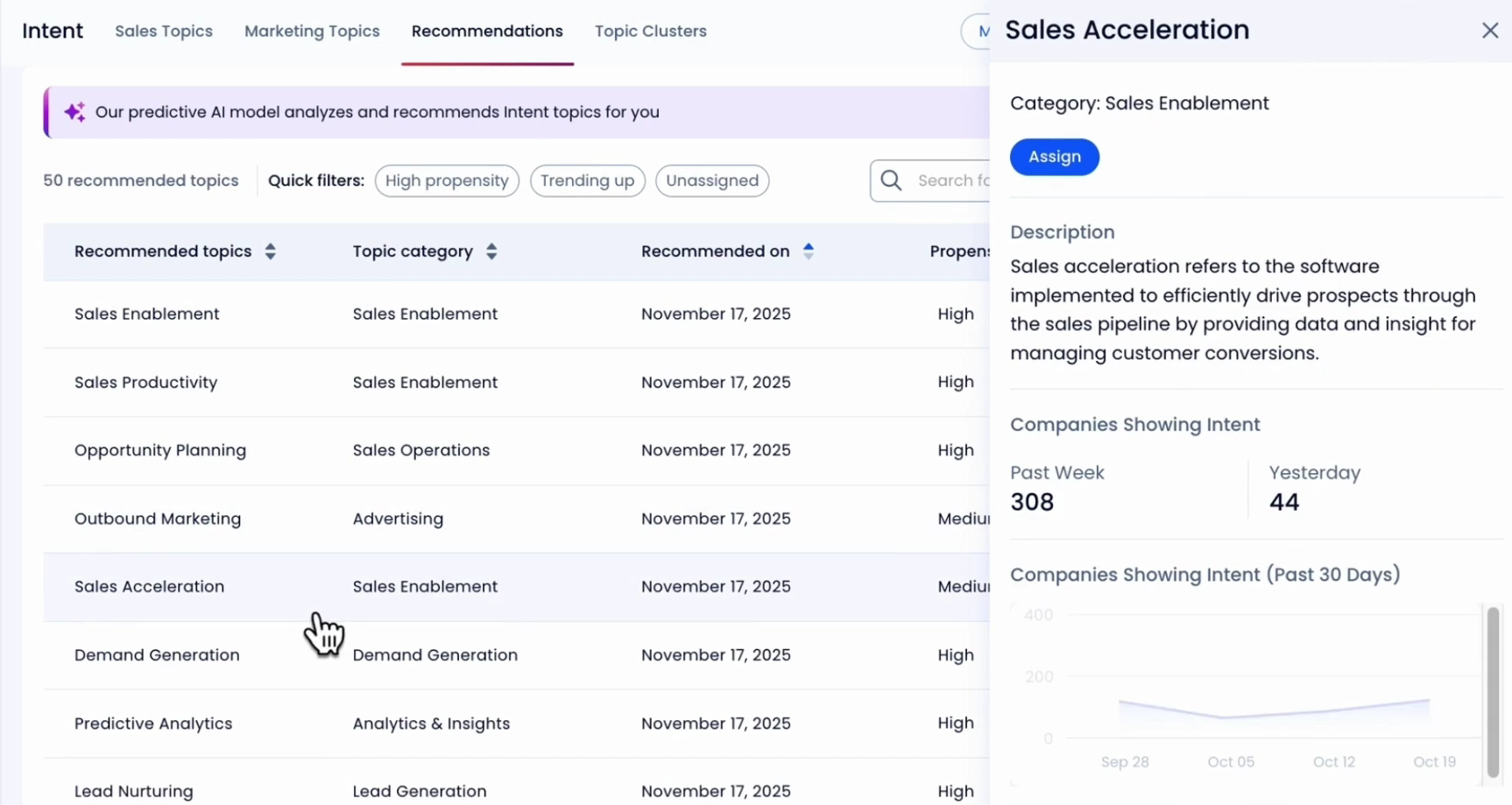
Guided Intent, exclusive to ZoomInfo, identifies topics historically correlated with deal success rather than requiring manual topic selection, removing guesswork from intent setup.
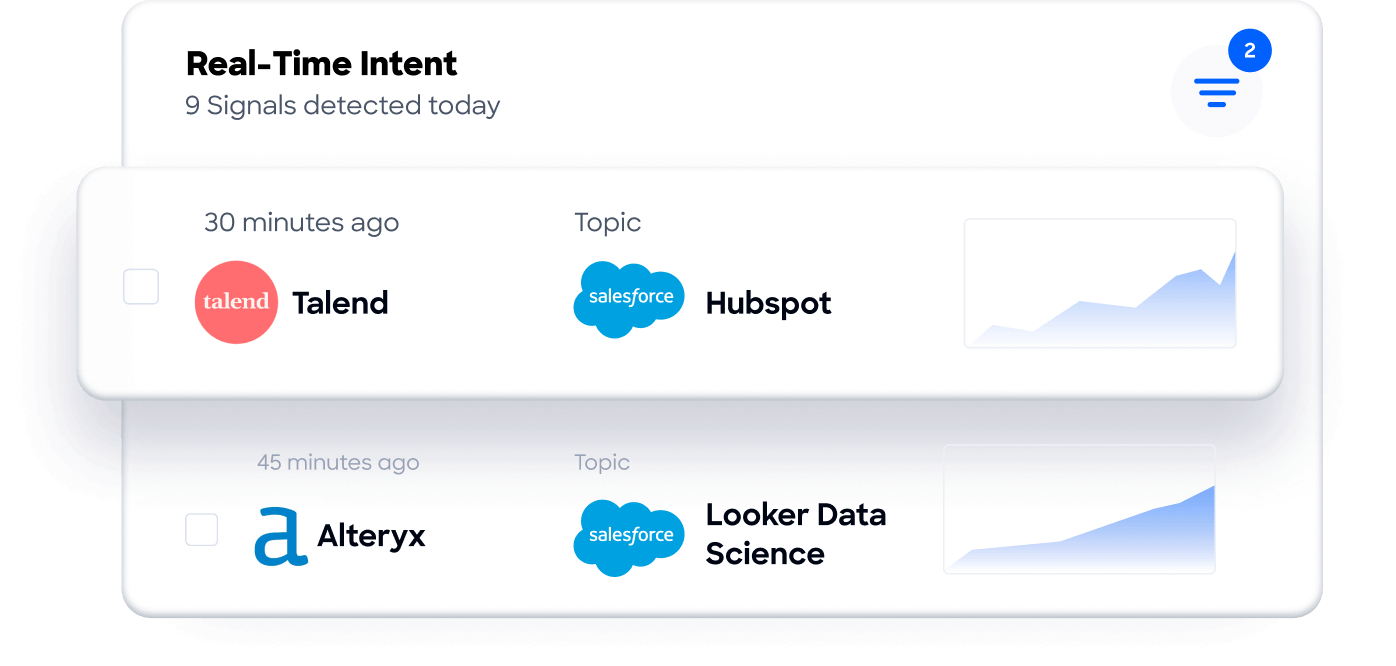
Source: ZoomInfo
WebSights resolves anonymous website traffic to companies, identifies buying team members with direct contact info, and includes Automatic Traffic Filtering that separates real visitors from bots.
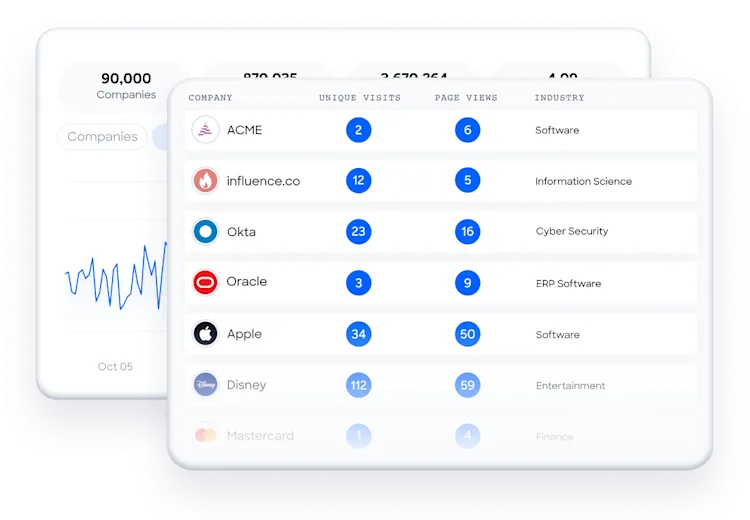
Source: ZoomInfo
Where Koala identified visitors but required separate tools to get contact information, ZoomInfo connects visitor signals with verified contacts, phone numbers, and email addresses in one platform.
Universal Access: The intelligence in any tool, any workflow.
Koala delivered signals through a single web app and Slack alerts. ZoomInfo offers three paths so its intelligence reaches every team and tool:
GTM Workspace gives sellers a single view where prioritized accounts, AI-drafted outreach, and deal execution converge. AI agents handle account research, outreach generation, CRM updates, and signal monitoring.
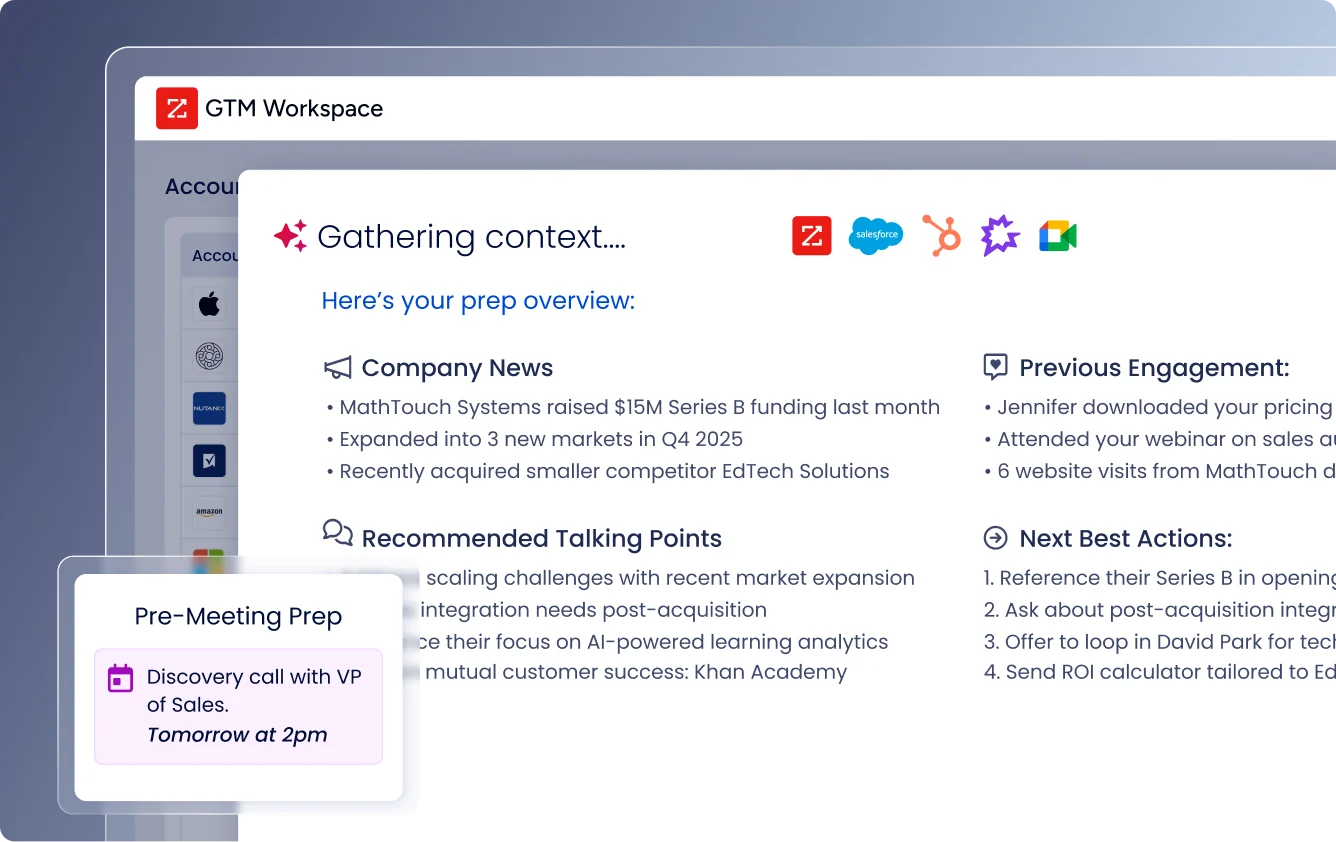
Source: ZoomInfo
Built on Anthropic's Claude, these agents answer who to contact, when to engage, and what to say by drawing on the full GTM Context Graph. Databricks reached prospects 50% faster; Thomson Reuters increased closed-won deals by 40%.
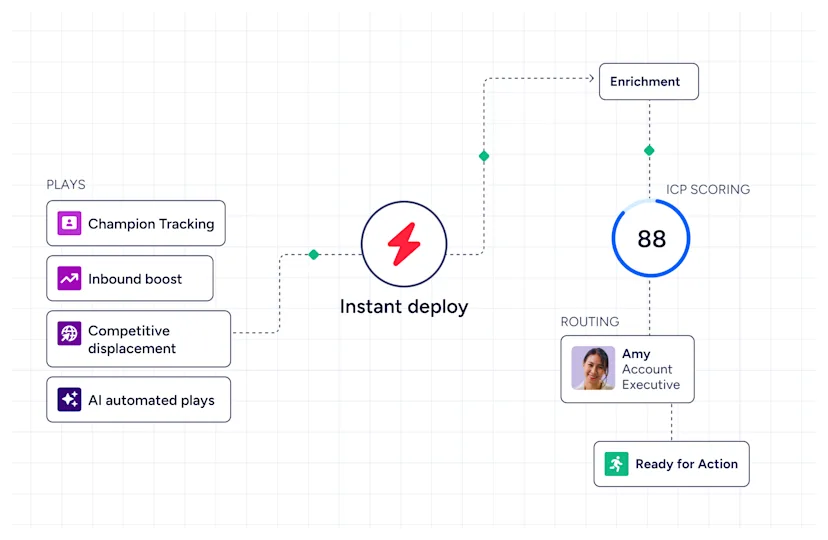
GTM Studio gives marketers, RevOps, and GTM engineers a builder where audience definition, campaign orchestration, and pipeline measurement happen in natural language. Expansion plays that used to take 3 weeks now launch in 30 minutes, without engineering support.
Source: ZoomInfo
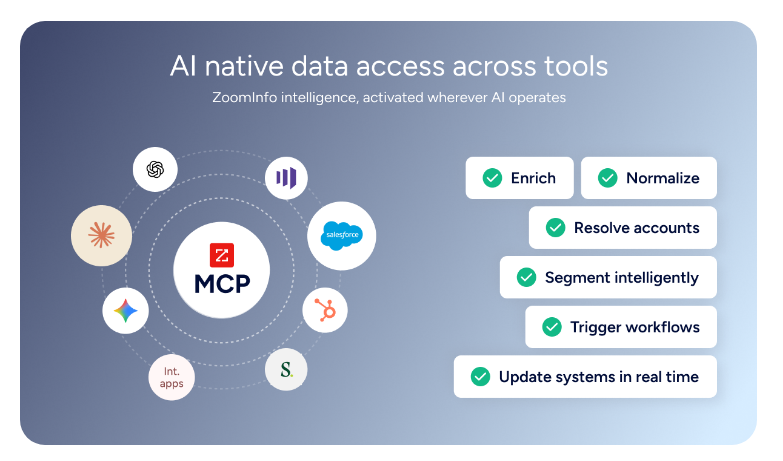
APIs and MCP expose the same intelligence to any custom agent, internal tool, or partner platform. API access is included in all relevant plans, and the MCP server is available through partners including Anthropic Claude and Google.
Source: ZoomInfo
All three paths draw from one GTM Context Graph: the same data, the same intelligence, the same continuously learning model.
BDO Canada's Senior Marketing Intelligence Analyst noted: "The plug-and-play aspect of the API means I can integrate it very easily into any process and get information at a moment's notice," with an 87% reduction in time spent on data dashboard updates. (BDO Canada)
Pricing: Custom-quoted with free entry points.
ZoomInfo uses a consumption-based pricing model with no public prices. Pricing scales with data access, API consumption, AI activity, and seat count, so customers pay for what they use.
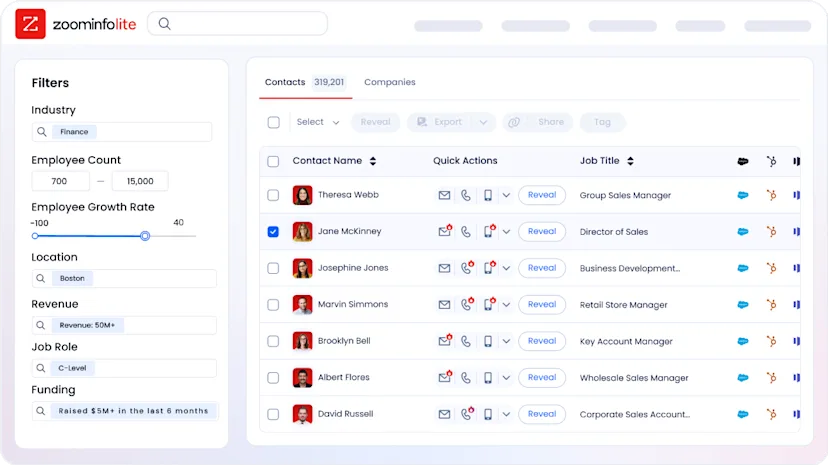
The platform offers two free entry points. ZoomInfo Lite is a permanent free tier (not a trial) that includes access to ZoomInfo's B2B database, 10 monthly export credits, individual and company search with filters, the ReachOut Chrome Extension, WebSights Lite (up to 10 website visitor reveals per day), built-in email sending, and HubSpot integration.
Source: ZoomInfo
A separate 7-day free trial provides access to core platform features with no credit card required.
Paid tiers are organized into Sales, Marketing, and standalone products (Chorus, Chat), each with multiple levels. Annual contracts are standard, with multi-year commitments offering better pricing. The credit system works on a 1-credit-per-export basis; searching and viewing data within ZoomInfo does not consume credits.
Koala or ZoomInfo: Comparison Summary
Koala | ZoomInfo | |
|---|---|---|
Platform status | Shutting down Sept 30, 2026 | Public company (NASDAQ: GTM); $1.25B annual revenue |
Primary focus | First-party signal capture for PLG sales teams | All-in-one AI GTM platform |
B2B contact database | None (relies on third-party enrichment) | 500M contacts, 135M+ verified phone numbers, 200M+ verified email addresses |
Company data | Basic enrichment via third-party sources | 100M companies with firmographics, org charts, technographics |
Intent signals | 30+ sources; strong first-party depth | 210M IP-to-Org pairings, 6T+ keyword-to-device pairings monthly; Guided Intent |
Website visitor tracking | Identity resolution (30%+ general, 75%+ PLG) | WebSights with company identification, contact info, and bot filtering |
Conversation intelligence | Not available | Chorus (call recording, transcription, AI analysis) |
AI capabilities | AI research agents, ICP scoring | GTM Context Graph, AI agents for research/outreach/CRM, GTM Workspace, GTM Studio |
Automation depth | Slack alerts, CRM actions, basic auto outbound | Multi-channel orchestration (email, ads, calls, direct mail), workflow automation |
CRM integrations | HubSpot, Salesforce | Salesforce, HubSpot, Microsoft Dynamics, 120+ marketplace integrations |
API/MCP access | Webhooks, SDK | Enterprise APIs, MCP server, Cloud Data Cubes |
Free tier | 2 seats, 100 credits/mo | ZoomInfo Lite (permanent) + 7-day free trial |
Paid pricing | $200/mo (Starter) to custom | Custom-quoted, consumption-based |
Security | SOC 2 Type II | ISO 27001, ISO 27701, SOC 2 Type II, TRUSTe GDPR/CCPA |
G2 rating | 5.0 (29 reviews) | 133 No. 1 rankings; Gartner Customers' Choice |
Best for | (No longer viable) PLG-focused signal capture | Full GTM execution across prospecting, engagement, marketing, and operations |
Final Verdict
Koala built something useful: a focused, well-designed tool that gave PLG sales teams clear visibility into first-party buying signals. The 5.0 G2 rating across 29 reviews, while a small sample, reflected real satisfaction from its niche. Customers like Retool, Vercel, and Deepgram used it daily and credited it with pipeline impact.
But Koala is no longer a viable choice. The platform shuts down September 30, 2026, with no product roadmap and no successor. The founders have moved to Cursor. Koala itself recommended Common Room as the migration path.
If you are currently using Koala, start planning your migration now. Identify what you relied on Koala for (signal capture, account prioritization, CRM sync) and find platforms that cover those needs alongside the capabilities Koala never had.
If you are evaluating sales intelligence platforms today, consider ZoomInfo. It covers what Koala did well (website visitor identification, intent signals, account scoring) while adding what Koala lacked: a verified database of 500M contacts and 100M companies, conversation intelligence through Chorus, the GTM Context Graph for contextual intelligence, multi-channel execution, and enterprise compliance. ZoomInfo is a public company with $1.25 billion in annual revenue and $455 million in free cash flow, so vendor stability is not a concern.
The gap between these two platforms was never just features. It was scope. Koala gave PLG sales reps a clear view of who was active on their site. ZoomInfo gives entire GTM organizations the data, intelligence, and execution infrastructure to find, win, and grow customers across every channel and workflow.
Get started with ZoomInfo here.
Koala FAQ
What is Koala and what does it do?
Koala is a sales intelligence platform for B2B sales teams, particularly those at product-led growth companies. It captures first-party behavioral signals from a company's website and product, resolves anonymous visitors to named accounts and individuals, layers in third-party intent data, and surfaces prioritized leads through a rep-facing interface. Former Segment executives founded the platform in 2022, and its customers included Vercel, Retool, and Deepgram.
Is Koala shutting down?
Yes. Cursor (Anysphere) acquired Koala, and the platform is shutting down on September 30, 2026. The product still works as of this writing, but there is no further product roadmap. The founders joined Cursor to lead enterprise GTM strategy. Koala has recommended Common Room as the migration path for existing customers.
How much does Koala cost?
Koala uses a hybrid seat-plus-credit model. The Free plan includes 2 seats and 100 credits per month. The Starter plan costs $200 per month with 2 seats and 1,000 credits. The Growth plan costs $1,000 per month with 3 seats and 5,000 credits. The Business plan is custom-priced.
All features are available on every tier; plans differ in seat count, credit volume, and automation throughput. Fees are invoiced annually by default and are non-refundable.
What makes Koala different from other sales intelligence tools?
Koala's primary differentiator is first-party behavioral signal depth. Because its JavaScript pixel sits on the customer's own website and product, it captures higher-fidelity intent data than third-party providers. For PLG companies, Koala claims to identify more than 75% of web traffic at the prospect level.
However, Koala has no B2B contact database of its own, lacks conversation intelligence, and has limited automation compared to broader platforms like ZoomInfo.
Does Koala have a free plan?
Yes, Koala offers a permanent free plan with 2 seats and 100 credits per month. All platform features are included. However, 100 credits per month is sufficient for testing only, not production prospecting. The Growth plan also offers a 14-day free trial.
ZoomInfo similarly offers a permanent free tier (ZoomInfo Lite) with 10 monthly export credits and access to its B2B database, plus a separate 7-day free trial.
Who is Koala best suited for?
Koala was designed for developer-tool companies and API-first SaaS businesses with product-led growth motions. Its ideal users were SDRs, AEs, and RevOps teams at growth-stage B2B SaaS companies (Series A through Series C) with dedicated sales teams and enough web or product traffic to generate meaningful behavioral signals.
It was not well-suited for traditional SMB sales teams, high-volume transactional sales, non-SaaS businesses, or enterprise buyers with strict compliance requirements.
What integrations does Koala support?
Koala integrates with HubSpot and Salesforce for CRM, Outreach and Apollo for sales engagement, Segment and Rudderstack for CDPs, Snowflake and BigQuery for data warehouses, and Slack for real-time alerts. It also connects with community and social signal sources including GitHub, LinkedIn, Discord, and third-party intent platforms like G2. Webhook support enables connections to Clay, Zapier, and other automation tools.
ZoomInfo offers a broader integration ecosystem with 120+ marketplace integrations, Enterprise APIs, and an MCP server for AI agent access.
How does Koala compare to ZoomInfo?
Koala specialized in first-party signal capture for PLG sales teams but lacked a B2B contact database, conversation intelligence, multi-channel orchestration, and enterprise compliance.
ZoomInfo is a broader all-in-one AI GTM platform with 500M contacts, 100M companies, the GTM Context Graph, Chorus for conversation intelligence, and access through GTM Workspace, GTM Studio, and APIs/MCP.
Koala is shutting down on September 30, 2026, while ZoomInfo is a public company with over a billion dollars in annual revenue.
Researching Koala.com? These comparisons and alternatives help you decide:
