
Choosing between LeadIn and Waalaxy for B2B prospecting comes down to five questions:
Do you need cloud-based LinkedIn automation that runs while your computer is off, or are you comfortable with a browser extension that requires Chrome to stay open?
Is multichannel sequencing with conditional logic important, or would you rather pick from a library of pre-built campaigns?
Are you an experienced outbound team scaling proven sequences, or a first-time prospector who needs the simplest setup?
Do you want unlimited email accounts and built-in warmup included in your plan, or are you willing to pay extra for email?
Does your outreach strategy stop at LinkedIn and email, or do you need intelligence about when and why to reach out?
In short, here's what we recommend:
LeadIn serves experienced B2B teams that want one platform for LinkedIn automation, cold email, email finding, warmup, and visual personalization. Its cloud-based architecture runs campaigns through dedicated proxies without requiring a browser, and its smart sequences support if/else conditional logic across LinkedIn and email in one flow. At €97/month per user, it costs more than Waalaxy, but bundles unlimited email accounts, built-in warmup through InboxFlare, and email verification at no extra cost. The trade-offs: no AI message writing, no native CRM integrations (everything routes through Zapier or Make), and a steeper learning curve.
Waalaxy is the starting point for teams and individuals who want to begin LinkedIn prospecting with little friction. Its Chrome extension installs in seconds, and with 99+ pre-built sequences, users can launch outreach the same day without configuring logic from scratch. A permanent free plan with 80 LinkedIn invitations per month lets you try it at no cost, and Waami AI generates outreach messages from four structured inputs. However, cold email requires the Business plan at €69/month, the Chrome extension needs your browser open, and extension-based automation carries higher LinkedIn detection risk.
LeadIn and Waalaxy solve the same problem: automating LinkedIn outreach and adding email as a second channel. But automation is only as good as the data behind it. If your sequences target the wrong people, or reach prospects outside a buying cycle, volume won't save you. That's where ZoomInfo changes the equation.
ZoomInfo is a go-to-market platform that provides data and intelligence that tools like LeadIn and Waalaxy don't offer. With 500M contacts, 100M companies, 135M+ verified phone numbers, and 200M+ verified business email addresses, ZoomInfo maintains the largest B2B dataset available, verified by 300+ human researchers and backed by 95% accuracy on first-party data. Beyond contact records, ZoomInfo's GTM Context Graph (processing 1.5B+ data points daily) combines your CRM records, conversation transcripts, and behavioral signals with third-party intelligence to show not just who to contact, but why they're worth contacting now. Sellers work from GTM Workspace, marketers and RevOps build plays in GTM Studio, and teams using other tools access the same intelligence through APIs and MCP.
If you want prospecting powered by verified data and buying signals rather than cold guesswork, see how ZoomInfo works.
LeadIn vs. Waalaxy vs. ZoomInfo at a glance
LeadIn | Waalaxy | ZoomInfo | |
|---|---|---|---|
Core approach | Cloud-based multichannel automation (LinkedIn + email) | Chrome extension-based LinkedIn automation + email | Go-to-market platform with data, intelligence, and execution |
Data foundation | 830M+ professional database for email discovery | 500M+ LinkedIn profiles via live search | 500M contacts, 100M companies, 135M+ verified phones, 200M+ verified emails |
LinkedIn automation | Cloud proxies with dedicated IPs | Chrome extension with human-like delays | Not a LinkedIn automation tool; provides the data and signals that power outreach |
Email capability | Unlimited accounts, built-in warmup, included | Business plan only (€69/mo); no native warmup | 200M+ verified emails; native email generation and sequencing via GTM Workspace |
AI features | No AI message writing | Waami AI message generation | GTM Context Graph, AI account research, AI-drafted outreach |
CRM integrations | Zapier/Make/webhook only | Native HubSpot & Pipedrive; 2,000+ via Zapier | Native Salesforce, HubSpot, Dynamics; 120+ marketplace integrations |
Intent signals | None | None | Buyer Intent from 210M IP-to-Org pairings |
Free plan | 14-day trial only | Permanent free plan (80 invitations/month) | ZoomInfo Lite (permanent free tier) + 7-day trial |
Starting price | €97/month per user | €0/month (free); €19/month (Pro) | Custom-quoted |
Chrome extension vs. cloud proxy vs. intelligence platform
The fundamental difference between these three tools is architectural, and it shapes everything else.
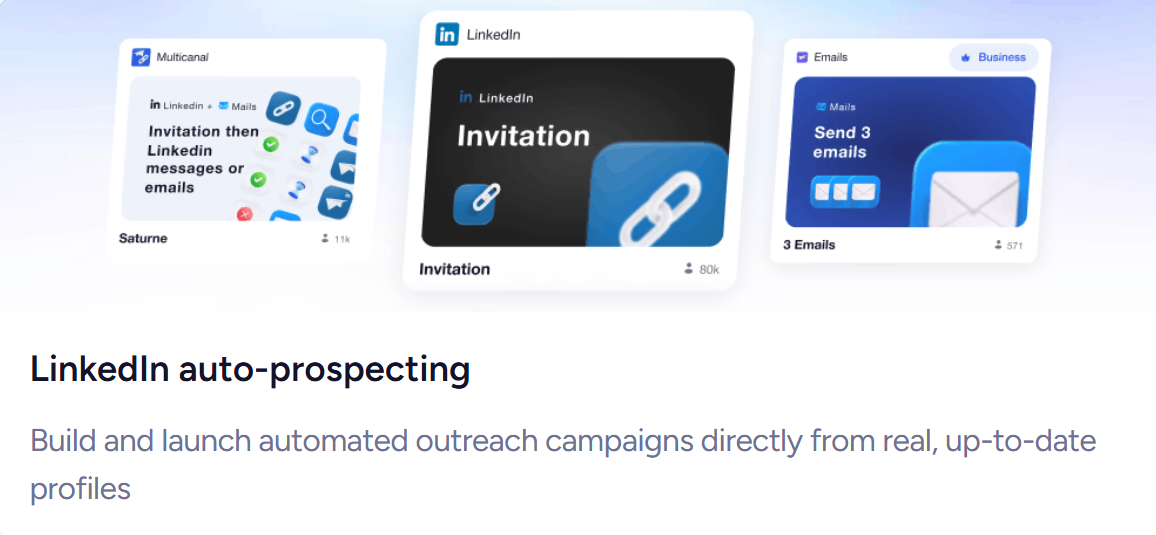
Waalaxy operates as a Chrome extension that sits inside your browser and executes LinkedIn actions from your session. The advantage is simplicity: install the extension, import prospects from any LinkedIn search, and launch a campaign in minutes.
Source: Waalaxy
The disadvantage is structural. Your browser must stay open for campaigns to run. If Chrome crashes, your laptop sleeps, or your internet drops, outreach pauses. Worse, Chrome extensions are the easiest detection vector for LinkedIn's anti-automation systems. Waalaxy mitigates this with randomized delays and an anti-detection script, but the risk is built into the architecture.
LeadIn runs from the cloud through dedicated proxies. Each user gets a dedicated IP address matched to their country, and campaigns run whether your computer is on or off. This eliminates the browser dependency and reduces LinkedIn detection risk, since LinkedIn sees traffic from a consistent, geographically appropriate IP rather than a browser extension modifying the interface.
For teams running campaigns across time zones or managing multiple sequences, cloud execution is a practical advantage.
ZoomInfo doesn't automate LinkedIn actions. It operates at a different layer: providing verified contact data, buyer intent signals, and AI intelligence that determine who is worth reaching and when.
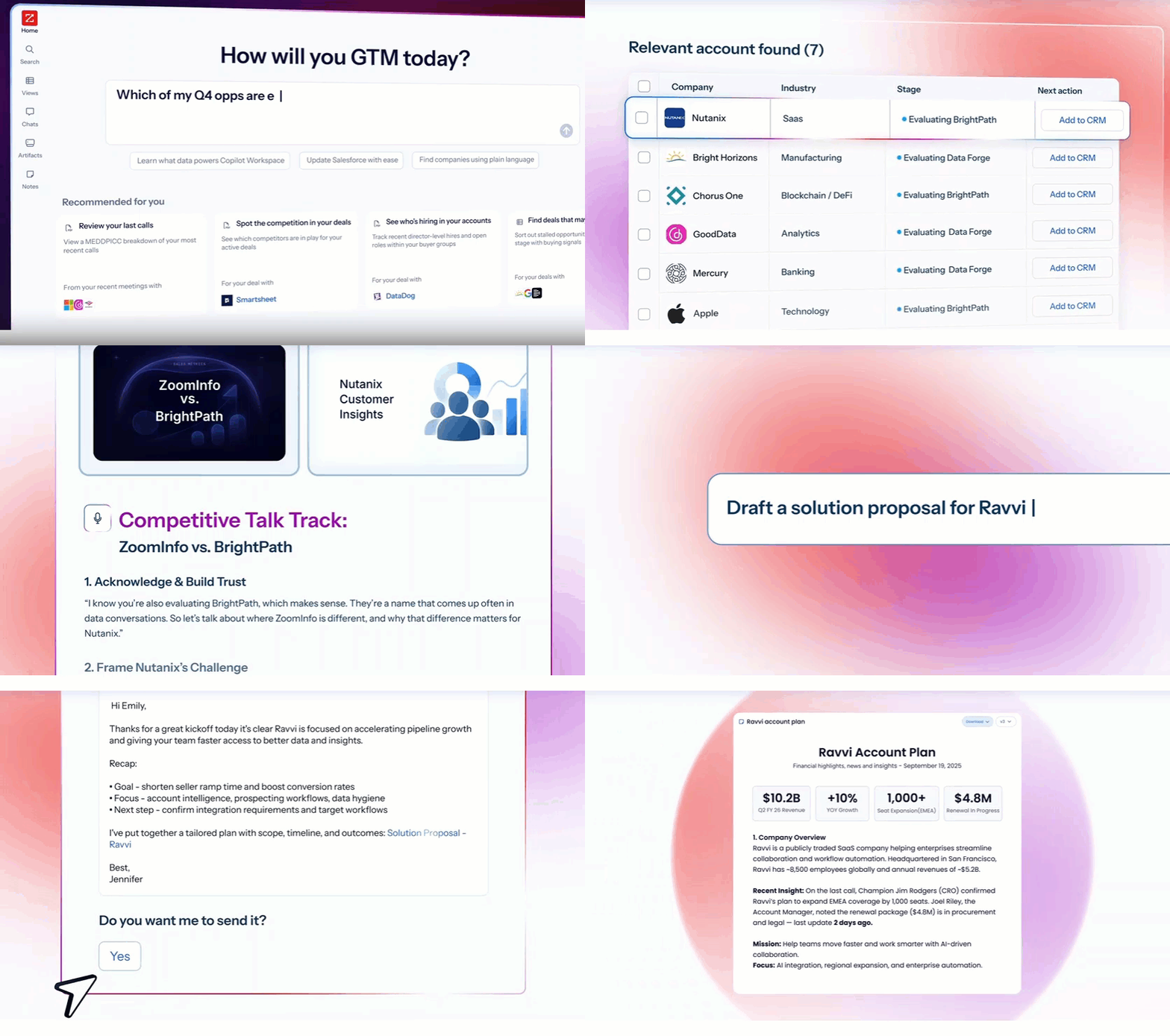
Where LeadIn and Waalaxy help you execute outreach faster, ZoomInfo helps you execute it smarter. And since ZoomInfo exposes its data through APIs and MCP, that intelligence can flow into whatever outreach tool your team already uses.
Data quality determines outreach quality
LeadIn and Waalaxy both include email discovery, but their data architectures differ.
Waalaxy's Email Finder uses a waterfall enrichment method, querying 20+ data sources with triple verification and a claimed 61%+ match rate. It reports less than 1% bounce rate on verified addresses.
Source: Waalaxy
But email finding runs on credits: free and Pro/Advanced plans include just 25 credits per month, and the Business plan includes 500. Additional credits cost €30-200/month depending on volume. Credits don't roll over.
LeadIn's email discovery draws from a database of 830+ million professionals with double verification and catch-all rejection. Unlike Waalaxy's credit system, discovery and verification come with the flat €97/month subscription at no per-lookup cost.
LeadIn also refuses to deliver addresses on catch-all domains (domains that accept all incoming mail), a stricter quality filter than most competitors apply.
ZoomInfo operates at a larger scale. The platform maintains 500M contacts with 200M+ verified business email addresses and 135M+ verified phone numbers. Its data pipeline scans 28 million site domains daily with automated ML, and 300+ human researchers verify the results.
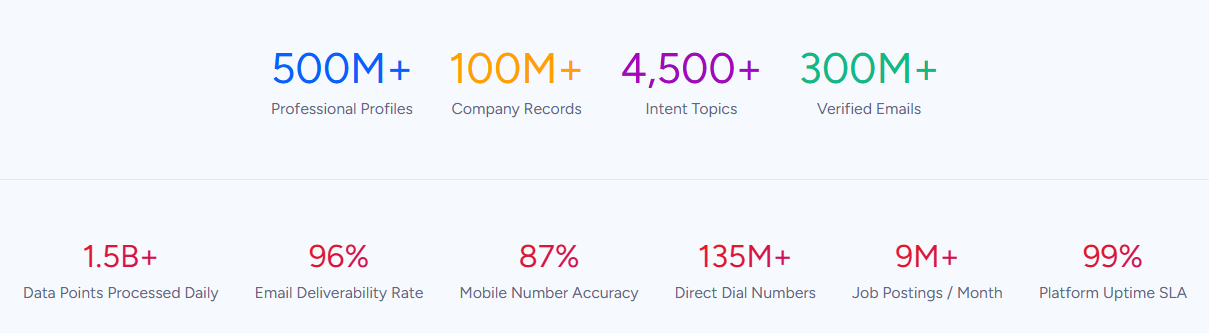
In a Fortune 500 competitive RFP analyzing 25 million contacts across vendors, an independent consultant concluded that "no other competitor came even close."
The practical difference: LeadIn and Waalaxy find email addresses reactively, discovering them during a campaign sequence. ZoomInfo provides verified contact data before you build a sequence, so you start with accurate information rather than hoping to discover it mid-campaign.
"ZoomInfo gives us the information we need to execute. We don't have to go through and spend our time digging. It's already there, so we can be three steps ahead." (Vensure)
Sequence building: templates vs. conditional logic vs. AI-driven plays
How each platform structures outreach campaigns shows who it's built for.
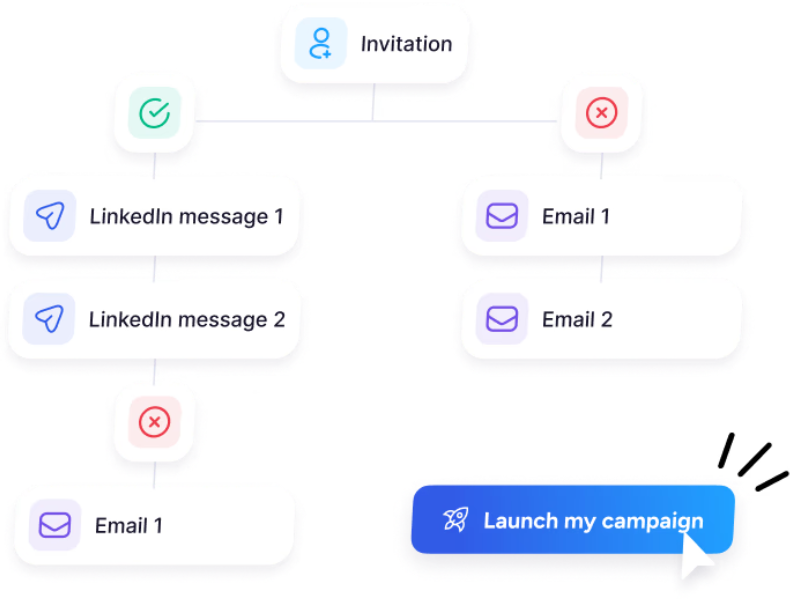
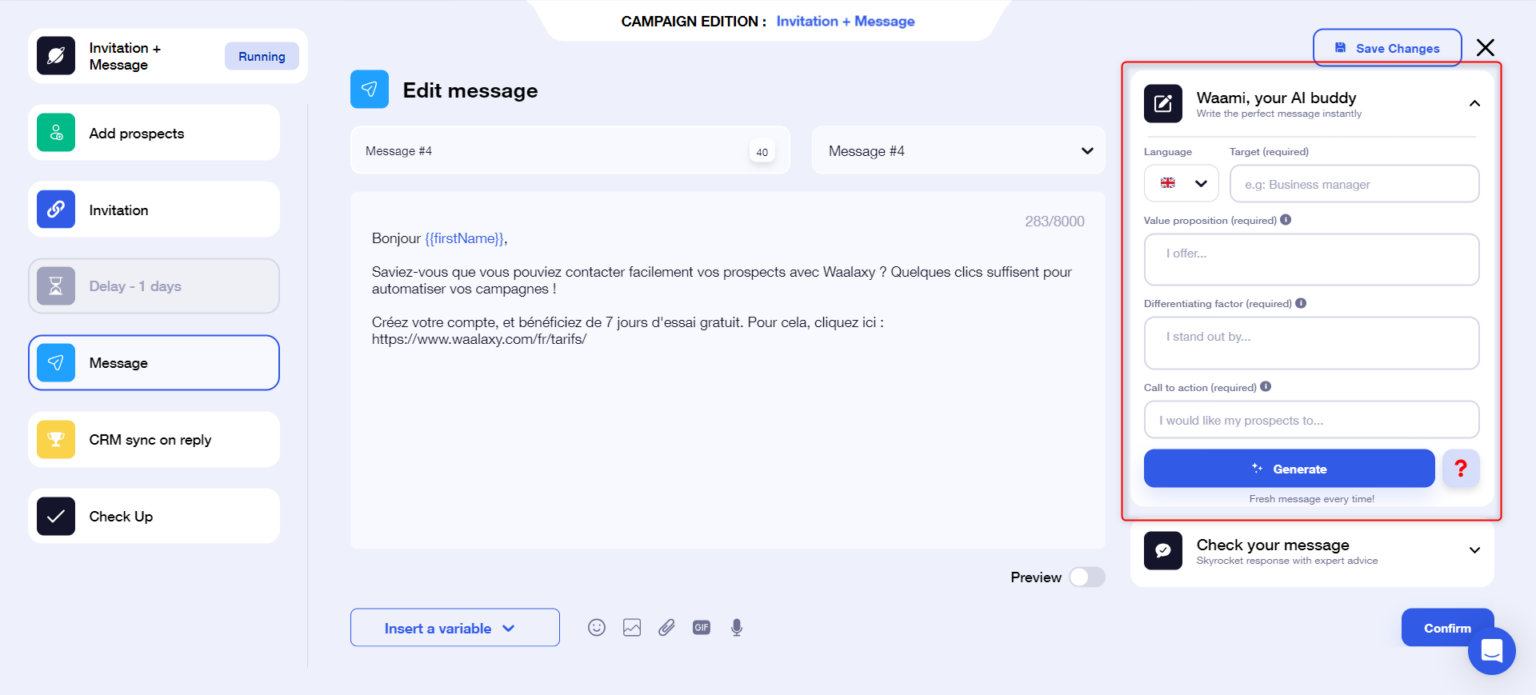
Waalaxy relies on pre-built templates. Users choose from 99+ campaign sequences covering LinkedIn-only, email-only, and multichannel combinations. The sequences support conditional branching based on connection status, reply status, and email availability, but users can't build fully custom flows from scratch.
This is deliberate: by constraining options, Waalaxy reduces decision paralysis for non-technical founders, solo reps, and first-time prospectors. Waami AI simplifies the process further by generating messages from four structured inputs.
Source: Waalaxy
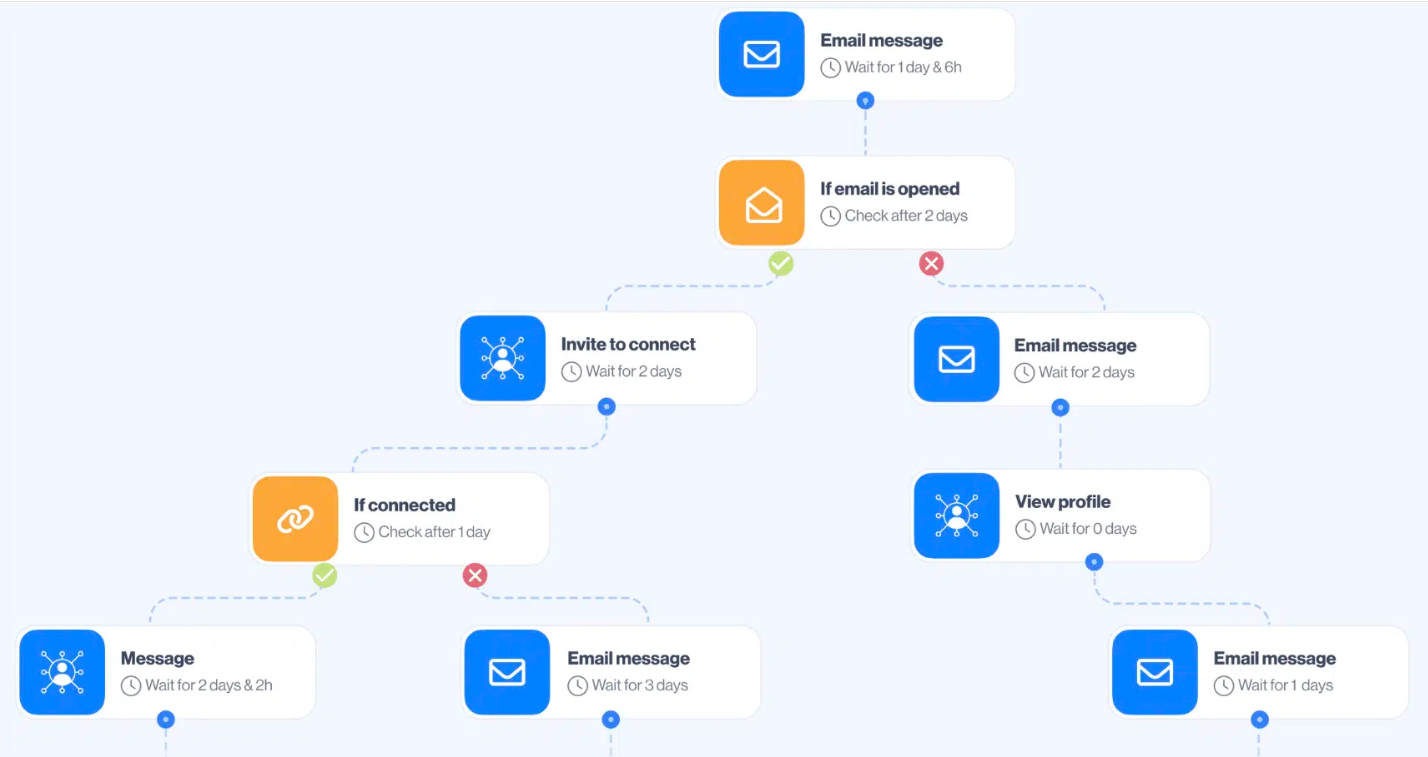
LeadIn gives experienced users more control. Its Smart Sequences builder offers 8 action types and 7 conditional branch types in a drag-and-drop canvas. A single sequence can check whether an email was found and verified, whether the prospect accepts free InMails, and whether a connection request was accepted, then route the prospect down different paths.
Source: LeadIn
The trade-off is a steeper configuration curve, which the platform acknowledges by positioning itself for more advanced users.
ZoomInfo approaches outreach from the intelligence layer, not the sequence layer. Instead of asking "what sequence should I run?", ZoomInfo's GTM Workspace answers "who should I contact, why, and what should I say?" AI agents research accounts, generate personalized outreach, and surface next-best actions by drawing on the GTM Context Graph, which processes 1.5B+ data points daily by combining CRM data, conversation intelligence, and third-party signals.
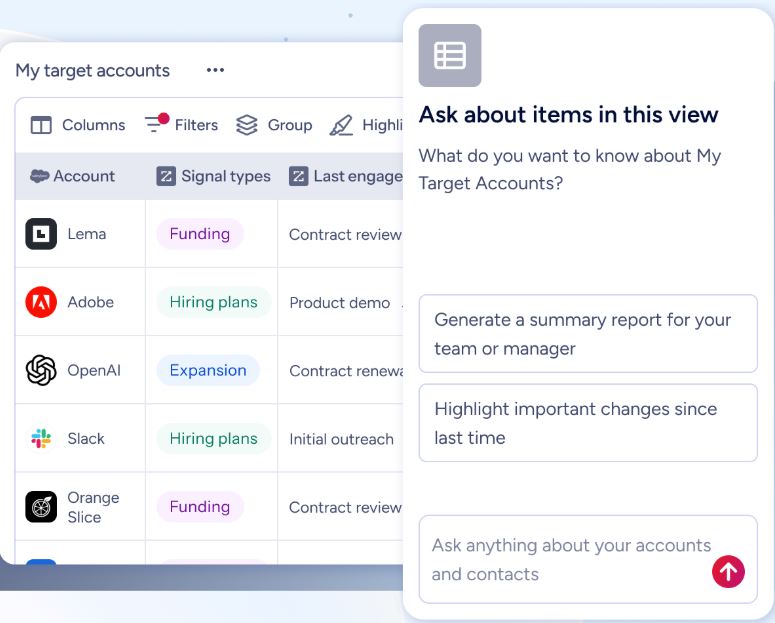
For marketers and RevOps, GTM Studio lets teams build and launch go-to-market plays in natural language, no engineering required. Expansion plays that used to take three weeks now launch in 30 minutes.
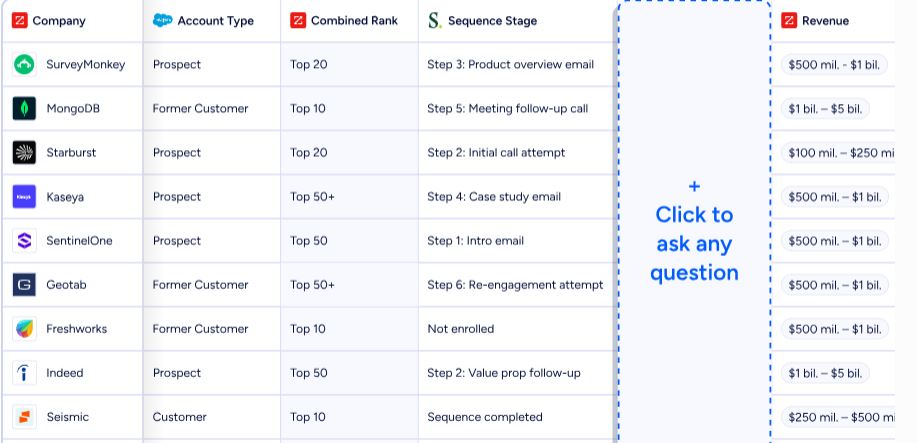
"That combination of our internal CRM data, external signals, and AI that's given all that context has helped us craft very specific account- and persona-based messages. And people have responded to them right away." (Seismic)
Intent signals: the gap that automation alone can't close
Neither LeadIn nor Waalaxy provides buyer intent data. Both tools help you reach prospects faster, but neither tells you which prospects are in a buying cycle right now. You're automating cold outreach at scale, hoping volume compensates for timing.
ZoomInfo fills this gap with Buyer Intent data tracked from 210 million IP-to-Organization pairings and 6 trillion+ new keyword-to-device pairings sourced monthly. Guided Intent, exclusive to ZoomInfo, identifies the research topics historically correlated with deal success rather than requiring manual topic selection.
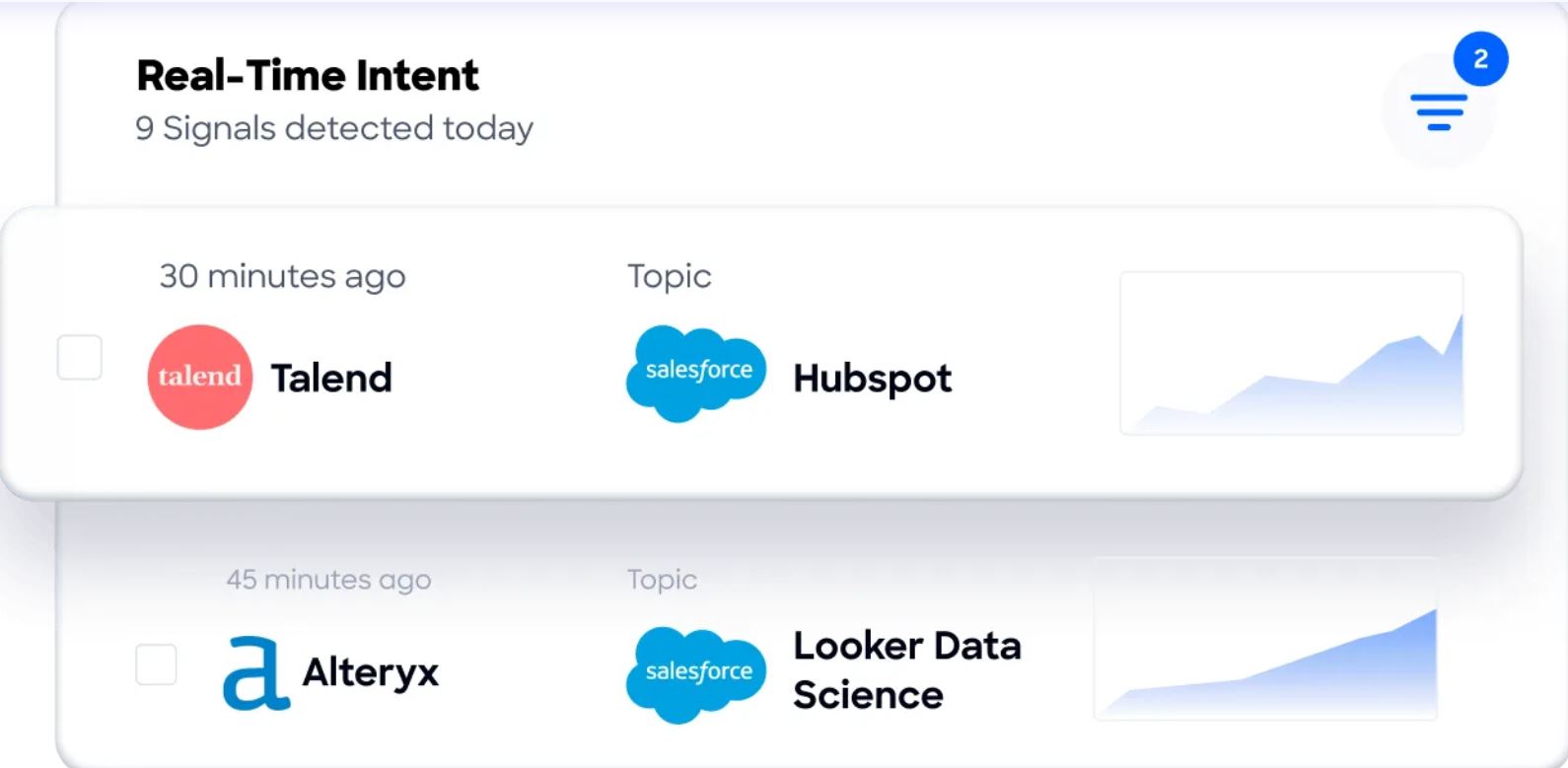
Combined with WebSights (which resolves anonymous website traffic to companies and individual contacts), ZoomInfo surfaces accounts showing active buying behavior before they've engaged with your outreach.
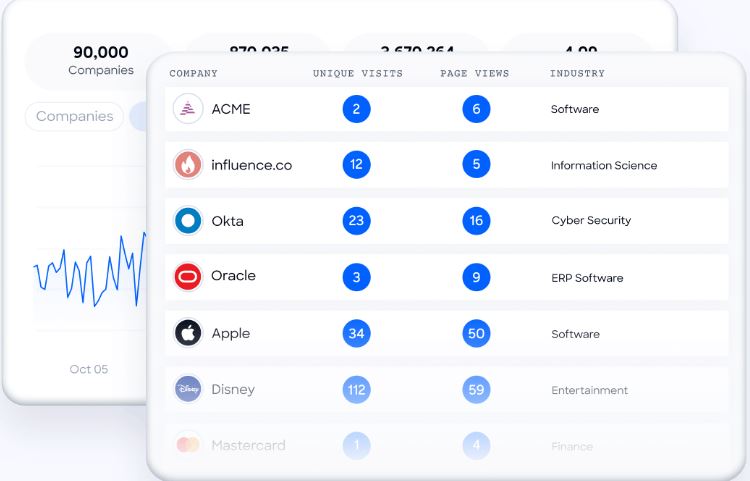
The difference is measurable. Seismic attributed 39% of active pipeline to opportunities identified or influenced by ZoomInfo signals, with sellers reporting 54% higher productivity.
For teams running LeadIn or Waalaxy sequences, ZoomInfo's data and intent signals can power smarter targeting through its APIs and MCP, feeding verified contacts and buying signals into any outreach tool.
CRM integration reveals platform maturity
CRM connectivity shows the operational reality of each platform.
LeadIn has no native CRM integrations. All syncing to HubSpot, Salesforce, or Pipedrive requires Zapier, Make, or webhooks. This adds middleware cost, introduces latency, and creates another point of failure. For teams with established CRM workflows, it's a friction point.
Waalaxy does better with native HubSpot and Pipedrive integrations, plus 2,000+ apps through Zapier and Make. Salesforce still requires Zapier. The native connectors give Waalaxy an advantage over LeadIn for teams already on HubSpot or Pipedrive.
ZoomInfo integrates natively with Salesforce, HubSpot, and Microsoft Dynamics along with 120+ partner integrations spanning CRM, marketing automation, sales engagement, and data warehouses. Beyond connectors, ZoomInfo's Operations product automates CRM data quality, deduplication, lead routing, and enrichment.
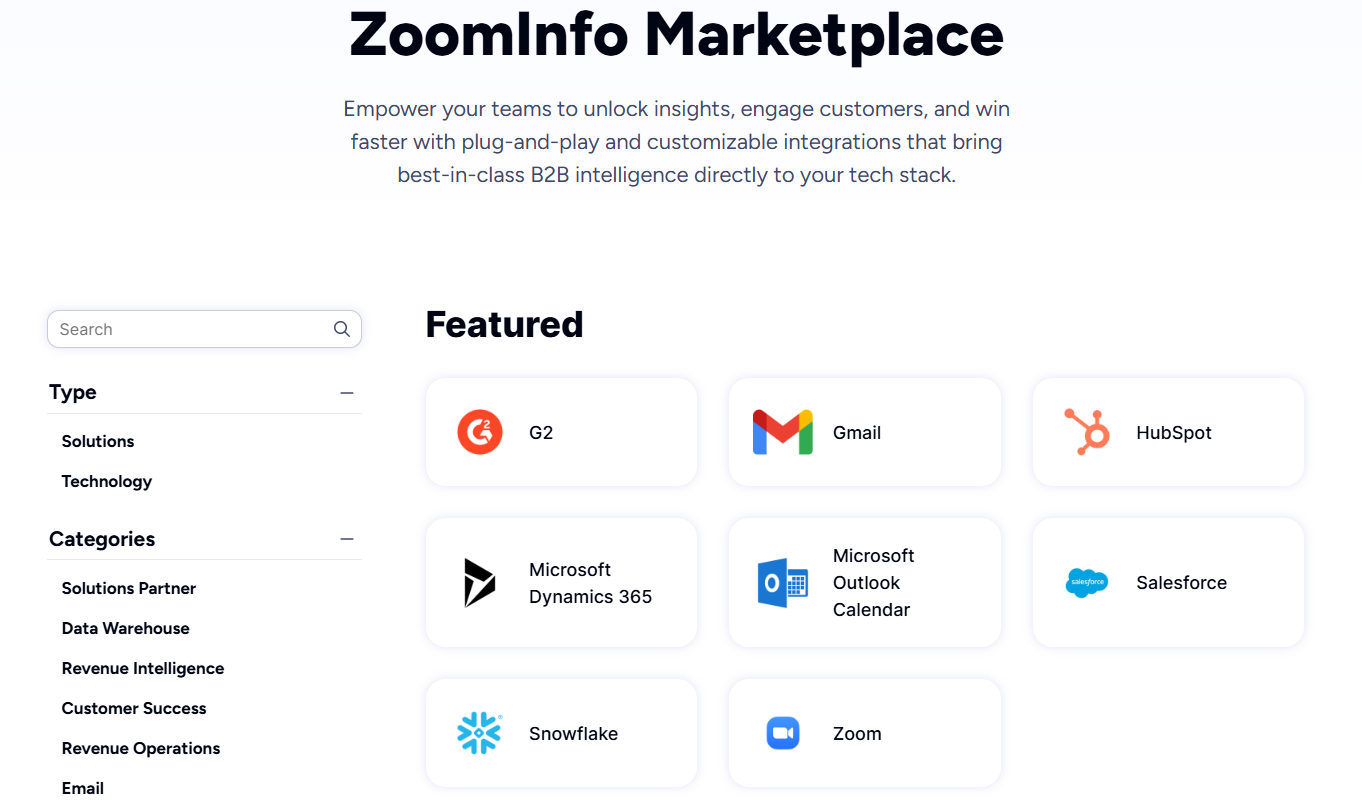
With API access included in all relevant plans, teams can build custom integrations for any workflow.
"The plug-and-play aspect of the API means I can integrate it very easily into any process and get information at a moment's notice." (BDO Canada)
Pricing models reflect different buyers
The pricing structures tell you who each platform is designed for.
Waalaxy has the lowest entry point. The permanent free plan gives you 80 LinkedIn invitations per month. The Pro plan at €19/month adds 300 invitations and CRM sync. The Advanced plan at €49/month brings 800 invitations and live chat support. Cold email, though, requires the Business plan at €69/month.
Want more than 25 email finder credits? That costs an additional €30-200/month, and credits don't roll over. The LinkedIn Inbox add-on is another €20/month. A fully-featured Waalaxy setup with meaningful email volume can exceed €100/month per user.
LeadIn takes a simpler approach: one plan at €97/month per user. Everything is included: unlimited email accounts, unlimited warmup, email discovery and verification, personalized images and GIFs, and the full sequence builder. No feature gating, no credit limits, no add-ons. The simplicity is appealing, though the 90-day minimum commitment after trial and a €97/month data retention fee during account pauses are worth noting.
ZoomInfo uses custom pricing with no published rates, reflecting its enterprise positioning. ZoomInfo isn't competing on price with LinkedIn automation tools; it provides a different capability (data, intelligence, and execution) at a different scale.
For teams evaluating ZoomInfo, the question isn't "is it cheaper than LeadIn?" but "does verified data, intent signals, and AI intelligence generate enough additional pipeline to justify the investment?" Snowflake reported 200% higher conversion rates on ZoomInfo-powered accounts, and Thomson Reuters increased closed-won deals by 40%.
A permanent free tier (ZoomInfo Lite) and a 7-day free trial let you evaluate the platform before committing.
Note: ZoomInfo is transitioning toward a consumption-based pricing model.
Personalization capabilities compared
Personalization is where LeadIn has a clear edge over Waalaxy, while ZoomInfo works at a different level.
Waalaxy supports basic dynamic message variables (first name, surname, company name) and Waami AI for message generation. But users consistently flag limited personalization variables as a weakness: no dynamic fields for industry, job title, or location. The cold email module also lacks rich text formatting compared to the LinkedIn messaging side.
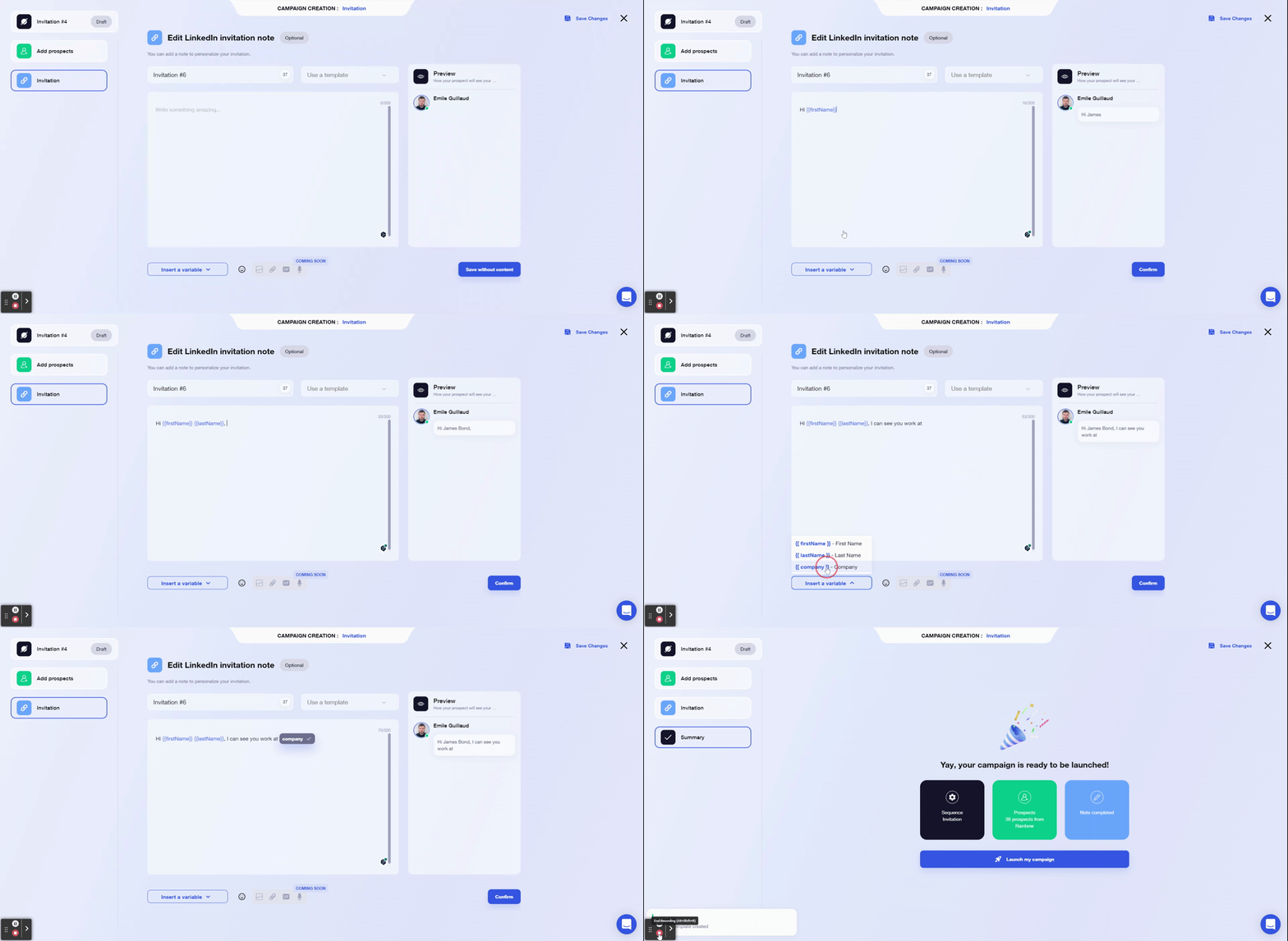
Source: Waalaxy
LeadIn goes further with a built-in image and GIF personalization engine that inserts prospect photos, company logos, and text variables into visual assets at send time. LeadIn claims images are 90x more effective than text at capturing attention and reports a 63% response rate with personalized visuals.

Source: LeadIn
This visual personalization, available across both LinkedIn and email from one builder, is a differentiator at the €97/month price point.
ZoomInfo personalizes through intelligence rather than visuals. GTM Workspace's AI agents generate outreach grounded in account-specific context: recent news, tech stack changes, hiring patterns, and competitive signals from the GTM Context Graph.
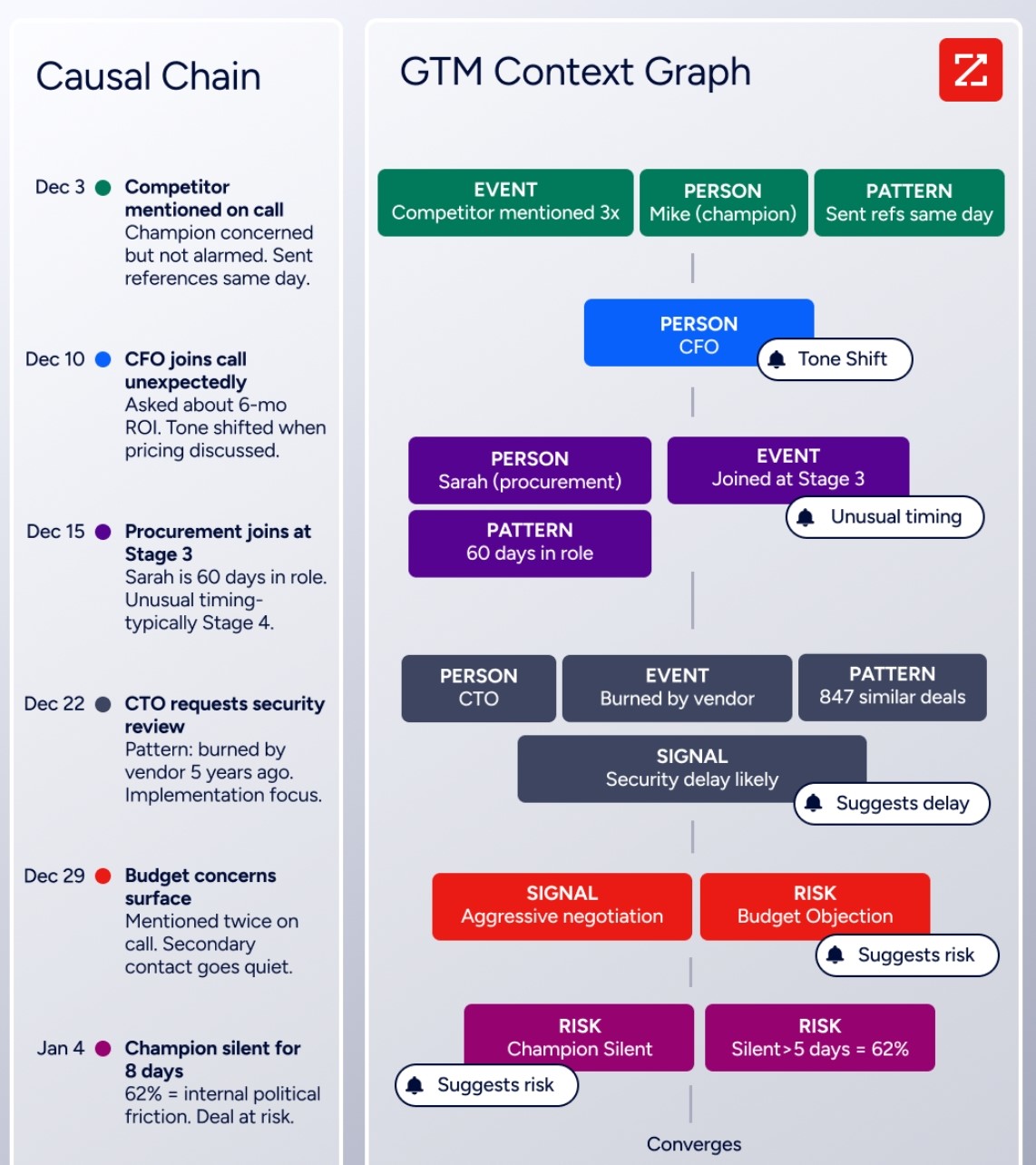
The personalization isn't a template variable or a generated image; it's an AI that understands why a specific account is worth engaging now and writes accordingly.
Support and documentation
LeadIn offers live chat 7 days a week, 8am to midnight on weekdays and 11am to 7pm on weekends, with an advertised average response time of 2 minutes. Multiple client testimonials cite the team's responsiveness. A help center on Zendesk is available, and the team includes deliverability managers for email issues.
Waalaxy tiers support by plan. Pro users get email and chat with a 48-hour response window. Advanced and Business users get live chat Monday through Friday. The help center has 130+ articles, and the company runs a YouTube channel, webinars, and a Facebook community. Users rate support 4.9/5.
ZoomInfo provides support through its Help Center, ZoomInfo University (role-specific learning paths and certifications), phone support, and professional services through ZoomInfo Labs. Enterprise customers get dedicated service managers. ZoomInfo's onboarding program, which won Rocketlane's Golden Comet award, produced a 25% improvement in customer satisfaction scores.
Security and compliance
LeadIn runs under GDPR compliance with EU hosting and TLS 1.3 encryption. LinkedIn account protection uses dedicated IP addresses with country-based routing. No SOC 2 or ISO certifications are publicly documented.
Waalaxy states GDPR and CCPA compliance. Stripe handles payment processing. LinkedIn safety features include randomized daily action quotas and anti-detection scripting. No third-party security certifications are publicly documented.
ZoomInfo holds ISO 27001, ISO 27701, SOC 2 Type II, TRUSTe GDPR, and TRUSTe CCPA certifications, renewed annually. It operates as a registered data broker in California and Vermont and maintains a dedicated Trust Center. For regulated industries and enterprise buyers, ZoomInfo's compliance infrastructure is more developed than either LeadIn's or Waalaxy's.
LeadIn vs. Waalaxy vs. ZoomInfo: Which should you choose?
The choice depends on where you are in your outbound journey and what your team needs.
Choose LeadIn if:
You're an experienced outbound team ready for multichannel sequences with conditional logic
Cloud-based LinkedIn automation and always-on campaigns matter to your workflow
You want unlimited email accounts, warmup, and email discovery in one flat price
Visual personalization with dynamic images and GIFs is part of your outreach strategy
You're comfortable routing CRM data through Zapier or Make
Choose Waalaxy if:
You're new to LinkedIn prospecting and want the fastest path to your first campaign
A free plan or low starting price matters while you validate outbound as a channel
You prefer picking from pre-built sequences over building custom flows
AI message writing (Waami) helps you get past the blank page
Native HubSpot or Pipedrive integration is a requirement
Choose ZoomInfo if:
You need verified contact data, direct dials, and business emails at scale, not just email discovery
Buyer intent signals and AI account prioritization would change how your team targets prospects
You want an intelligence platform that powers your entire go-to-market motion, from prospecting to pipeline to forecasting
CRM enrichment, lead routing, and data quality automation matter as much as outreach execution
Your organization is ready for a platform that delivers intelligence through any tool via APIs and MCP
See how ZoomInfo powers smarter go-to-market with a free trial.
LeadIn and Waalaxy both automate LinkedIn outreach. LeadIn does it with more power and fewer limits; Waalaxy does it with more simplicity and a lower entry price. But both rest on the same assumption: that enough automated messages will generate pipeline.
ZoomInfo challenges that assumption. By providing verified data, buying signals, and contextual intelligence that tell you who to reach and when they're ready, ZoomInfo turns prospecting from a volume game into a precision game.
And because that intelligence is accessible through GTM Workspace, GTM Studio, or any tool via API and MCP, the investment compounds across your entire go-to-market stack, not just one outreach channel.
LeadIn vs. Waalaxy vs. ZoomInfo FAQ
What is the core difference between LeadIn, Waalaxy, and ZoomInfo?
LeadIn is a cloud-based prospecting platform that automates LinkedIn outreach and cold email through conditional smart sequences, with built-in email warmup and visual personalization. Waalaxy is a Chrome extension-based LinkedIn automation tool focused on simplicity, with pre-built campaign templates and AI message writing.
ZoomInfo is a go-to-market platform that provides verified B2B data (500M contacts, 200M+ verified business email addresses, 135M+ verified phone numbers), buyer intent signals, and AI intelligence that support effective prospecting regardless of which outreach tool you use.
Which platform is cheapest to get started with?
Waalaxy has the lowest entry point with a permanent free plan (80 LinkedIn invitations/month, no email). Paid plans start at €19/month. LeadIn offers one plan at €97/month with everything included. ZoomInfo uses custom pricing but offers ZoomInfo Lite as a permanent free tier with database access and 10 monthly export credits, plus a 7-day free trial of paid features.
Does Waalaxy or LeadIn include email warmup?
LeadIn bundles unlimited email warmup through its InboxFlare partnership at no extra cost across all connected accounts. Waalaxy does not include email warmup; users manage deliverability separately. Both tools include email verification, though Waalaxy uses a credit system (25 credits/month on most plans) while LeadIn includes unlimited verification.
Which tool is safest for my LinkedIn account?
LeadIn's cloud architecture with dedicated IP addresses per user and country-level matching reduces detection risk compared to browser extensions. Waalaxy operates as a Chrome extension, which is more visible to LinkedIn's anti-automation detection, though it uses randomized delays and anti-detection scripting.
Neither tool eliminates LinkedIn account risk entirely, since both automate actions outside LinkedIn's terms of service.
Can ZoomInfo replace LeadIn or Waalaxy?
ZoomInfo and LinkedIn automation tools serve different functions. LeadIn and Waalaxy automate LinkedIn actions (connection requests, messages, follows). ZoomInfo provides the data and intelligence: verified contacts, direct-dial phone numbers, buyer intent signals, and AI insights.
Many teams use ZoomInfo alongside outreach tools, feeding ZoomInfo's verified data and signals into their execution platform through APIs and integrations.
Which platform has the best CRM integrations?
ZoomInfo has the deepest CRM ecosystem, with native connectors for Salesforce, HubSpot, and Microsoft Dynamics plus 120+ marketplace integrations. Waalaxy offers native integrations with HubSpot and Pipedrive. LeadIn has no native CRM integrations and routes all syncing through Zapier, Make, or webhooks.
Do any of these platforms provide buyer intent data?
Only ZoomInfo provides buyer intent data, tracked from 210 million IP-to-Organization pairings and 6 trillion+ new keyword-to-device pairings sourced monthly. Its Guided Intent feature identifies research topics historically correlated with deal success. Neither LeadIn nor Waalaxy offers intent data or any signal showing whether a prospect is actively researching solutions.
Which platform is best for a team new to outbound prospecting?
Waalaxy is the easiest starting point. Its free plan, pre-built campaign templates, and AI message writing remove most barriers to launching a first campaign. LeadIn suits teams that have validated outbound and want to scale with more sophisticated sequences. ZoomInfo is the strongest choice for teams that want to build outbound on a foundation of verified data and buying signals rather than cold automation.
More Waalaxy comparisons:
