
Choosing between useArtemis vs. Waalaxy for your outbound prospecting often comes down to these five questions:
Do you need an all-in-one tool that scrapes LinkedIn, finds emails, and runs outreach sequences, or would you rather separate those functions?
Is your primary workflow built around LinkedIn, or do you prospect across multiple channels and data sources?
Are you an agency managing outreach for multiple clients, or an individual rep focused on your own pipeline?
How important is email discovery rate versus campaign simplicity?
Do you need just contact data and sequences, or do you need intelligence that tells you which accounts are worth pursuing?
In short, here's what we recommend:
useArtemis is built for agencies and sales operators who need high email discovery rates from LinkedIn profiles. Its waterfall enrichment engine queries 15+ data vendors in sequence, claiming an 85% email discovery rate, and its multi-account unified inbox lets agencies manage outreach across up to 10 LinkedIn accounts from a single dashboard. At $69-$399/month, it bundles scraping, enrichment, and sequencing. However, the platform is run by a 1-2 person team, and user reviews consistently flag slow-to-nonexistent customer support and billing issues after cancellation.
Waalaxy is the simpler choice for non-technical users who want to launch LinkedIn outreach quickly. With 150,000+ users and a free plan that includes 80 LinkedIn invitations per month, it has the lowest barrier to entry. The 99+ pre-built sequences and Waami AI message writer let users launch campaigns in minutes. The trade-off: Waalaxy runs as a Chrome extension (your browser must stay open), personalization variables are limited to basics like first name and company, and cold email is only available on the €69/month Business plan.
Both platforms solve the same narrow problem: automating LinkedIn outreach and finding email addresses. They do it well for small teams and agencies. But they're point solutions, built around LinkedIn as the starting point and limited by what a Chrome extension or small data aggregator can see. For teams that need to understand which accounts are in-market, map buying committees, and act on intelligence rather than just contact data, neither tool was designed for that.
ZoomInfo is an all-in-one AI GTM platform built on a proprietary B2B database: 500M contacts, 100M companies, 135M+ verified phone numbers, and 200M+ verified business email addresses. Where useArtemis and Waalaxy start with LinkedIn profiles and work outward, ZoomInfo starts with your full addressable market. Its GTM Context Graph, which processes 1.5B+ data points daily, combines this data with your CRM records, conversation transcripts, and behavioral signals to reveal not just who to contact, but why they're worth contacting right now. Sales teams access this intelligence through GTM Workspace, marketers and RevOps through GTM Studio, and developers through APIs and MCP that connect to any tool or AI agent.
If you need intelligence that drives your go-to-market, not just another LinkedIn scraper, see how ZoomInfo works.
useArtemis vs. Waalaxy vs. ZoomInfo at a glance
useArtemis | Waalaxy | ZoomInfo | |
|---|---|---|---|
Core function | LinkedIn scraping + waterfall email enrichment + outreach | LinkedIn automation + cold email + email finder | All-in-one AI GTM platform (data, intelligence, execution) |
Data sources | 15+ vendors via waterfall | 20+ vendors via waterfall | Proprietary database of 500M contacts + 100M companies |
Email discovery rate | 85% claimed | 61%+ claimed | 200M+ verified business emails in database |
Phone numbers | Included (accuracy lags email) | Not a core feature | 135M+ verified, 120M direct dials |
Intent data | None | None | Buyer intent from 210M IP-to-Organization pairings |
Free plan | 50 trial credits | Free forever (80 invitations/month) | ZoomInfo Lite (free forever, 10 exports/month) |
Paid pricing | $69-$399/month | €19-€69/month | Custom-quoted (enterprise) |
LinkedIn accounts | 2-10 per plan | 1 per license | N/A (integrates with LinkedIn via Sales Navigator) |
CRM integrations | Zapier (1,000+ apps) | HubSpot, Pipedrive native; 2,000+ via Zapier/Make | Salesforce, HubSpot, Dynamics 365 + 120 marketplace integrations |
Architecture | Cloud-based | Chrome extension (browser must stay open) | Cloud platform with API/MCP access |
Support | Email only; priority on Agency plan | Live chat on Advanced+; rated 4.9/5 | Phone, web, knowledge center, dedicated CSM on Enterprise |
Compliance | GDPR (self-declared) | GDPR, CCPA | ISO 27001, ISO 27701, SOC 2 Type II, GDPR, CCPA |
Best for | Agencies running LinkedIn outreach for multiple clients | Non-technical users wanting simple LinkedIn automation | Revenue teams needing data, intelligence, and execution at scale |
LinkedIn scrapers solve one piece of the prospecting puzzle
useArtemis and Waalaxy both start from the same premise: your prospects are on LinkedIn, so you need a tool to extract their data and reach them automatically. That's a reasonable starting point for solopreneurs and small teams doing manual outbound. But it defines the ceiling of what these tools can do.
useArtemis approaches this as a data problem.
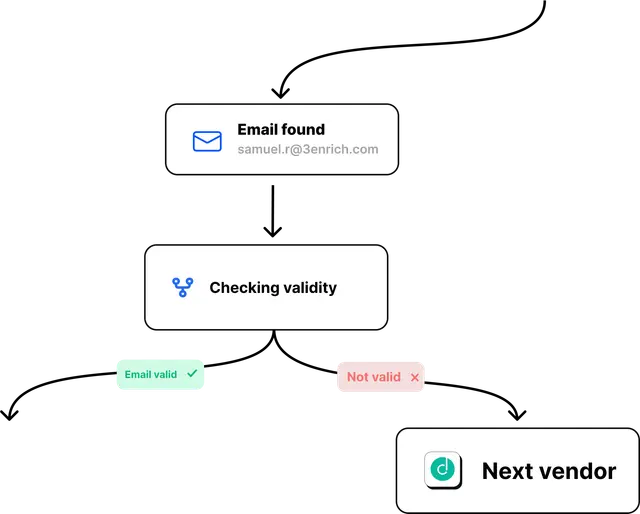
The waterfall enrichment engine is the product's backbone. When you import a LinkedIn profile, useArtemis queries its network of data vendors one by one until it finds a verified email. If the first vendor misses, the second tries, then the third, and so on through 15+ providers. The system also verifies each email before returning it, discarding undeliverable addresses and continuing the search. This produces a meaningfully higher hit rate than single-source tools.
Source: useArtemis
Waalaxy approaches the same problem as a workflow problem.
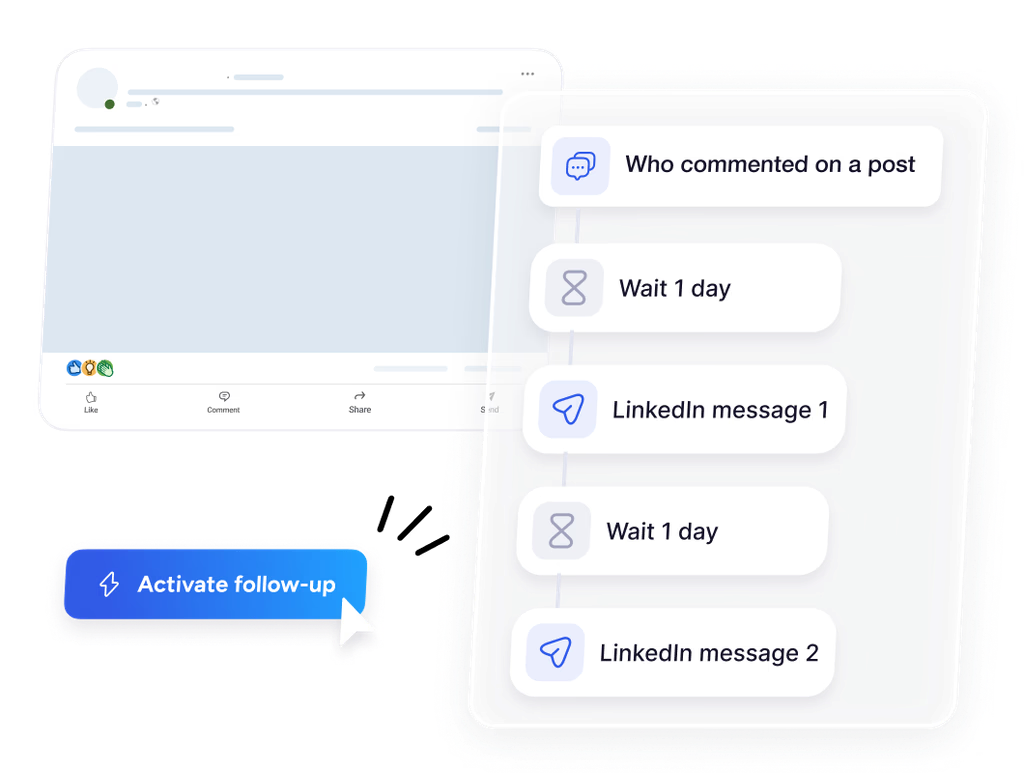
The product assumes you already know who you want to reach and focuses on making the outreach process as simple as possible. Import prospects from a LinkedIn search, pick one of 99+ pre-built sequences, let Waami AI write your message, and hit launch. Everything happens inside a Chrome extension without leaving LinkedIn.
Source: Waalaxy
Both tools are good at what they do. But neither can answer the harder question: are these the right accounts to pursue right now?
ZoomInfo answers that question before prospecting begins.
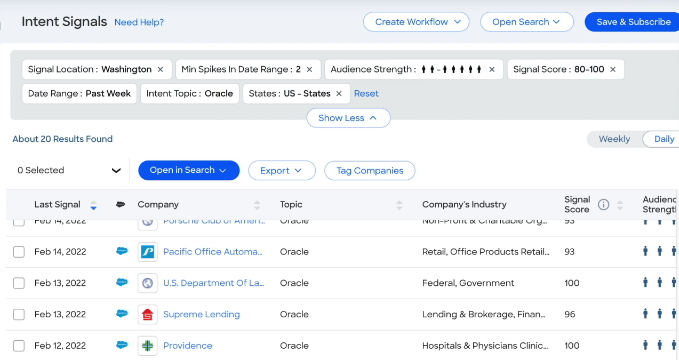
Instead of scraping LinkedIn and hoping the contacts you find are worth pursuing, ZoomInfo's Buyer Intent data tracks signals from 210 million IP-to-Organization pairings and 6 trillion+ keyword-to-device pairings monthly to identify companies actively researching solutions in your category.
Guided Intent, exclusive to ZoomInfo, identifies topics historically correlated with deal success rather than requiring manual topic selection. When your reps reach out, they're contacting accounts that are already in a buying cycle, not cold contacts scraped from a search result.
Source: ZoomInfo
"ZoomInfo's not just a contact data company anymore. They've built a full system of execution. GTM Intelligence actually works the list, writes the outreach, triggers the play, and helps drive predictable growth." (Ian Brodie, CEO & Co-Founder, Levanta)
Email discovery: waterfall enrichment compared
Both useArtemis and Waalaxy use waterfall enrichment, querying multiple data vendors in sequence until a verified email is found. The execution and results differ.
useArtemis claims an 85% email discovery rate across its 15+ vendor network. G2 reviewers confirm this rate holds across industries. The platform enriches each lead with 10+ data points beyond email, including company details, social profiles, tech stack, and SEO metrics. A ChatGPT feature lets users ask natural-language questions about leads in bulk to classify and qualify them.
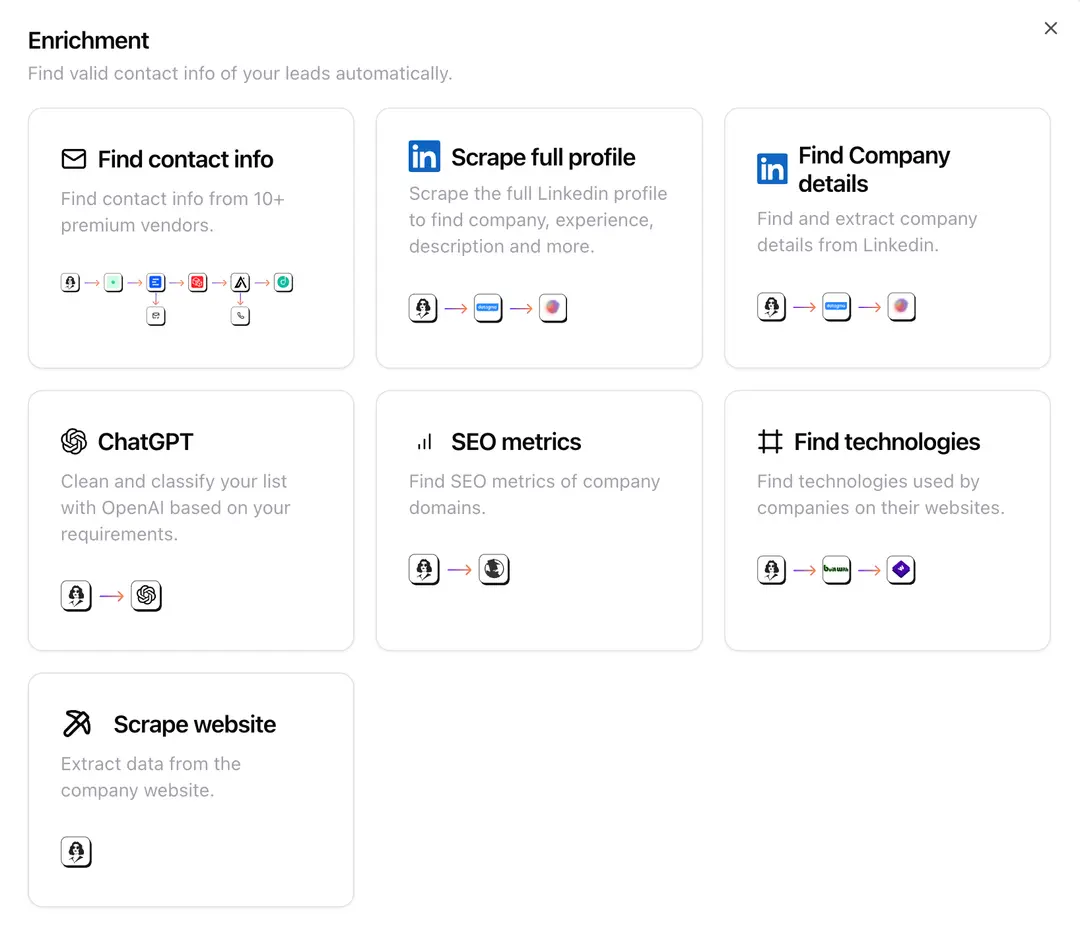
Source: useArtemis
Phone numbers are a different story. While useArtemis includes phone finding in its waterfall, reviewer Ankita T. noted directly that "direct dial numbers are found less". For teams where phone outreach matters, this is a meaningful gap.
Waalaxy uses a waterfall across 20+ data sources and runs a triple verification process on every returned address.
The claimed match rate is 61%+ for professional emails, with a bounce rate below 1%. Waalaxy's enrichment stack includes a Dropcontact integration and charges on a credit model where 1 credit equals 1 email found. You never pay for a failed search. The free and Pro plans include just 25 credits per month, though the Business plan bumps that to 500.
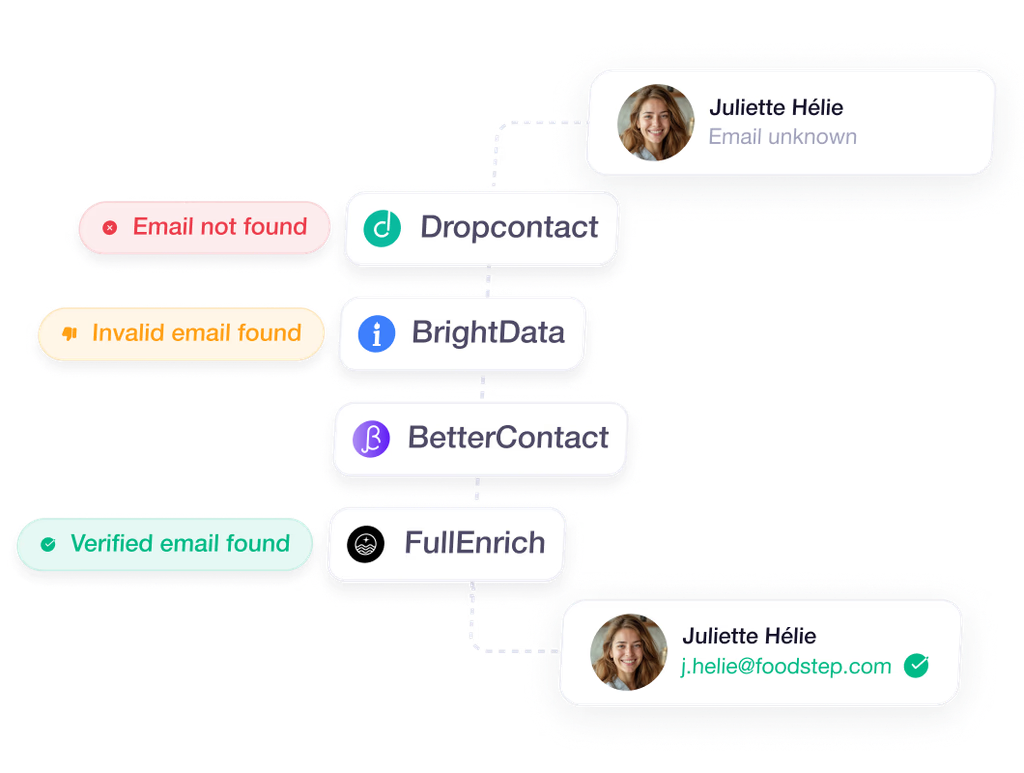
Source: Waalaxy
ZoomInfo doesn't rely on waterfall enrichment from third-party vendors because it owns the data.
The platform maintains 200M+ verified business email addresses and 135M+ verified phone numbers, built through a proprietary pipeline that includes automated ML scanning of 28 million domains daily, a contributory community of 200,000+ ZoomInfo Lite users, and a Data Training Lab of 300+ human researchers. First-party data reaches up to 95% accuracy. In a Fortune 500 competitive RFP analyzing 25 million contacts, an independent consultant concluded that "no other competitor came even close."
For teams needing phone numbers specifically, ZoomInfo's 120M direct-dial phone numbers represent a different order of magnitude than what either useArtemis or Waalaxy can provide.
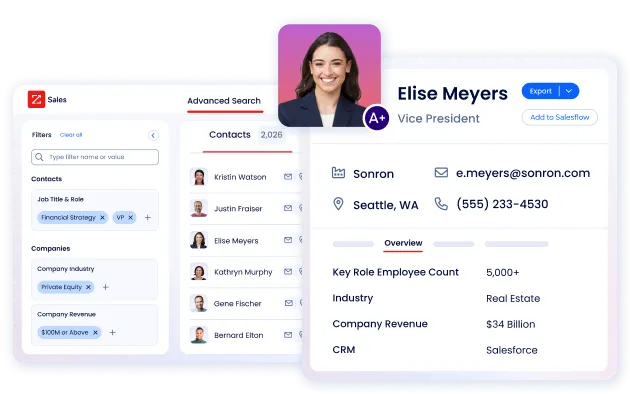
Source: ZoomInfo
"ZoomInfo gives us the information we need to execute. We don't have to go through and spend our time digging. It's already there, so we can be three steps ahead." (William Kenimer, VP of Revenue Operations, Vensure)
Outreach automation: simplicity versus intelligence
This is where useArtemis and Waalaxy compete most directly with each other, and where ZoomInfo operates at a different level.
Waalaxy wins on simplicity. 75% of Waalaxy customers had never run LinkedIn outreach before using the platform, and the product was designed with them in mind.
The 99+ pre-built sequences cover LinkedIn-only, email-only, and multichannel combinations, so users never need to design campaign logic from scratch. Waami AI generates outreach messages from four structured inputs (target, value proposition, differentiator, and call to action) and is trained on Waalaxy's campaign history to produce messages that match patterns behind successful outreach on the platform.
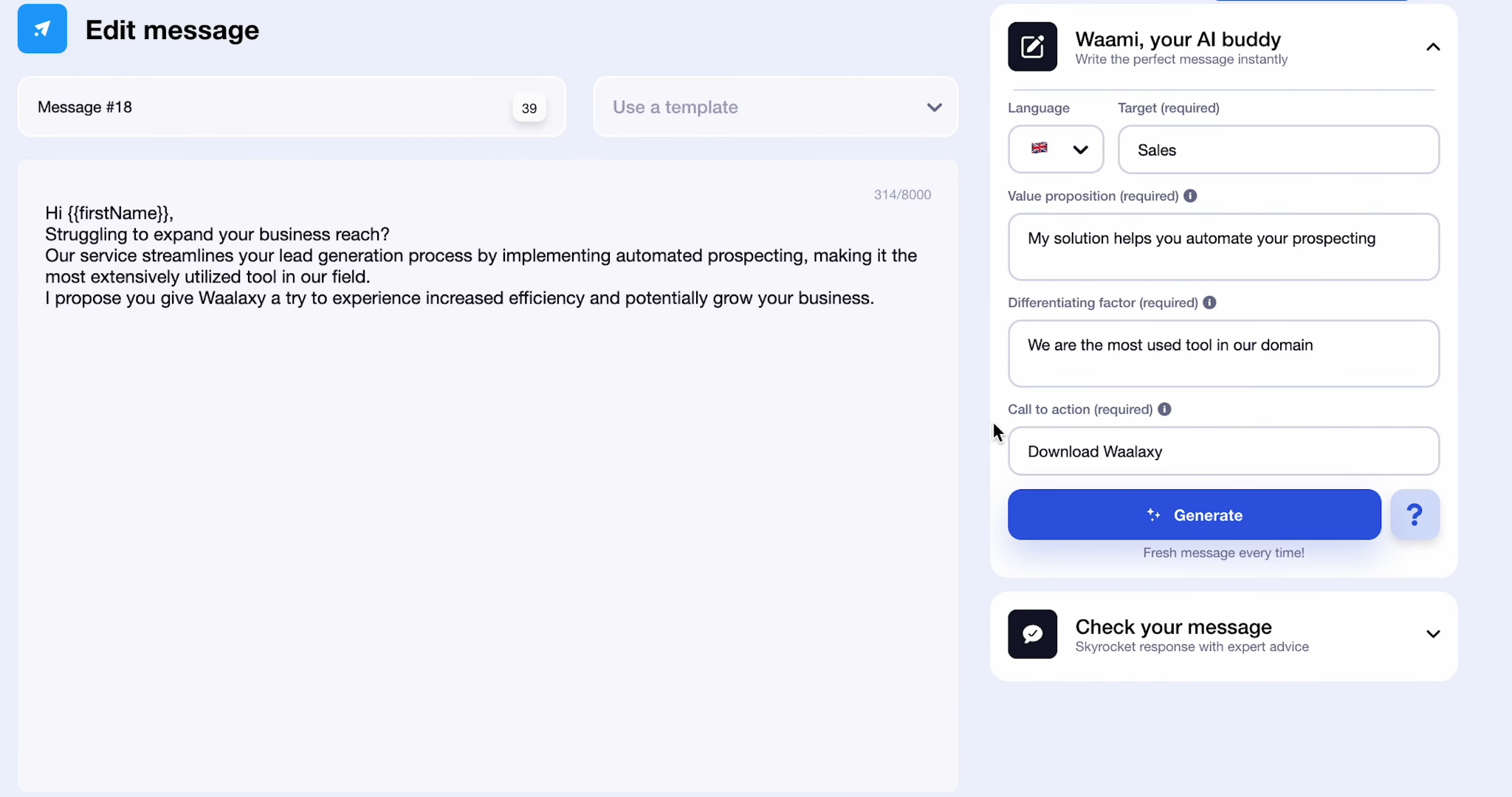
Source: Waalaxy
The limitation is personalization depth.
Message variables are restricted to basic fields like first name, surname, and company name. No dynamic fields for industry, job title, or location. Cold email formatting lacks rich text support, and even on the highest self-serve plan, LinkedIn invitations cap at 800 per month.
useArtemis pushes personalization further.
Instead of template variables, the platform analyzes each target's live LinkedIn profile, including experience, posts, and activity, at the moment of message generation. The AI uses this context alongside the campaign pitch to write a unique message for each prospect. An AI campaign builder can generate an entire sequence from a company URL, pitch description, and campaign goal, reducing setup from hours to minutes.
The multi-account unified inbox, designed for agencies managing up to 10 LinkedIn accounts in one view with tags, filters, reminders, and AI replies, is unusual at this price point.
ZoomInfo's outreach layer operates differently.
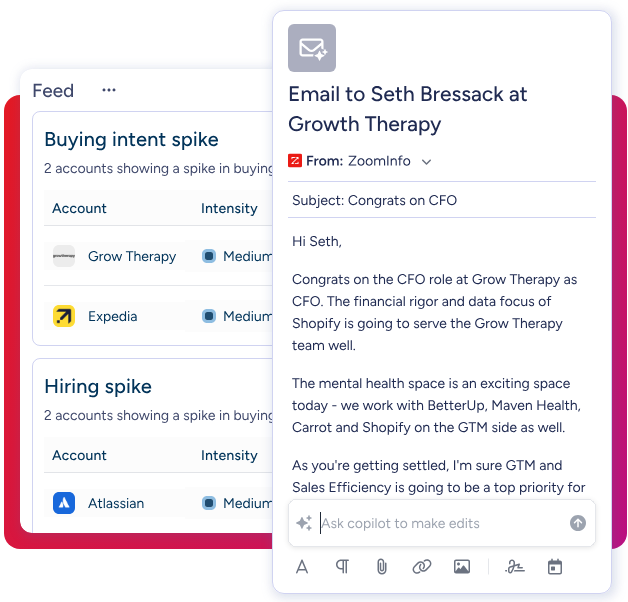
Rather than automating generic LinkedIn touches at volume, GTM Workspace uses AI agents to research accounts, identify the right contacts within buying committees, draft outreach that addresses specific deal signals, and update CRM without leaving the workspace.
The AI doesn't just personalize based on a LinkedIn profile; it draws on the full GTM Context Graph, including CRM history, past call transcripts, intent signals, and org chart data, to determine what to say and why it matters now.
Source: ZoomInfo
For multichannel execution, ZoomInfo's partnership with Salesloft connects buyer signals to personalized outreach, triggering sequences when a prospect starts researching, across phone, email, and other channels.
"That combination of our internal CRM data, external signals, and AI that's given all that context has helped us craft very specific account- and persona-based messages. And people have responded to them right away." (Toby Carrington, Chief Business Officer, Seismic)
The platform architecture difference matters more than you think
How each tool is built determines what it can and can't do.
Waalaxy runs entirely as a Chrome extension. Install it, and you're operational.
But your browser must stay open for campaigns to run. LinkedIn's anti-automation detection is a constant risk; Waalaxy implements randomized daily action quotas, 2-3 minute delays between actions, and a script that intercepts LinkedIn's extension-detection checks.
These measures help, but multiple reviewers still report account restrictions. If LinkedIn changes its detection methods, every Waalaxy user is exposed simultaneously.
useArtemis uses a hybrid approach. The Chrome extension handles LinkedIn scraping, but enrichment and sequences run as cloud functions, meaning you don't need to keep a browser tab open. This reduces LinkedIn detection risk compared to Waalaxy's fully browser-based model and makes the tool more reliable for always-on campaigns.
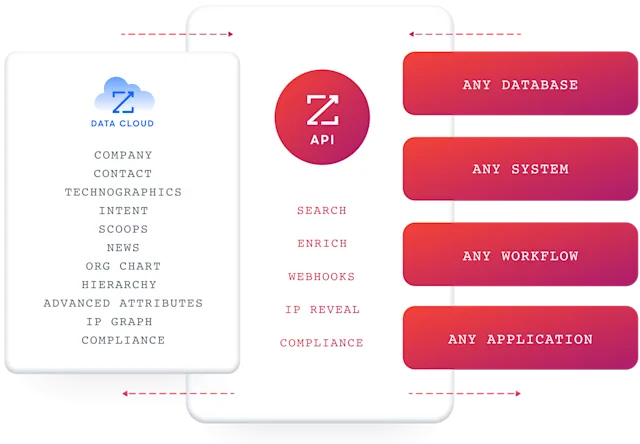
ZoomInfo is a cloud platform with no dependency on browser extensions for its core functionality. The data, intelligence, and execution layers all run server-side.
Integrations connect directly to Salesforce, HubSpot, and Microsoft Dynamics, and the Enterprise API and MCP server allow any AI agent or custom tool to access ZoomInfo's intelligence programmatically. The ReachOut Chrome Extension is an optional convenience layer, not a structural requirement.
Source: ZoomInfo
This architectural difference compounds over time. A Chrome extension is fast to set up but inherently fragile, dependent on a third-party platform's tolerance for automation. A cloud platform requires more setup but provides stability, compliance infrastructure, and room to build workflows on top.
Pricing structures reflect different markets
The three tools price themselves for three different buyers.
Waalaxy is the most affordable entry point.
The free plan offers 80 LinkedIn invitations per month indefinitely. Pro at €19/month adds 300 invitations, CRM sync, and CSV import/export. Advanced at €49/month raises the cap to 800 invitations and adds live chat support. Business at €69/month is the only plan with cold email sequences and 500 email finder credits. Annual billing saves 50%.
The LinkedIn Inbox add-on costs €20/month extra. Email finder credits beyond the included allotment cost €30-€200/month depending on volume, and credits do not roll over.
useArtemis bundles more features at each tier but starts higher.
Starter at $69/month includes 2,500 Apollo leads, 500 verified emails, 2 LinkedIn accounts, and a unified inbox. Scale at $159/month adds AI replies and 5 accounts. Agency at $399/month unlocks 100,000 Apollo leads, 10,000 verified emails, 10 accounts, and priority support. Credits roll over month to month, which Waalaxy does not offer. A 50-credit free trial is available without a credit card.
ZoomInfo uses custom-quoted, seat-and-credit-based pricing with no published dollar amounts.
Plans are organized across Sales, Marketing, and Operations product lines, each with Professional, Advanced, and Enterprise tiers that unlock more capabilities (intent signals, AI features, advanced integrations, dedicated support).
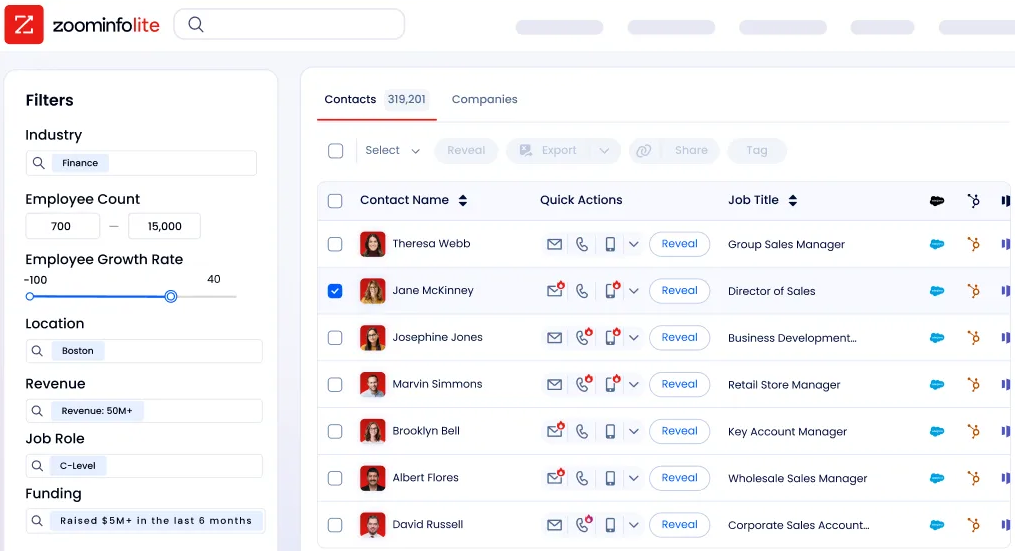
ZoomInfo Lite is a permanent free tier with access to the B2B database, 10 monthly export credits, and a Chrome extension, with no credit card required. A separate 7-day free trial provides broader access to core platform features.
Source: ZoomInfo
Note: ZoomInfo is transitioning toward a consumption-based pricing model.
The pricing gap reflects the scope gap.
useArtemis and Waalaxy charge for LinkedIn automation and email finding. ZoomInfo charges for a complete go-to-market intelligence platform.
For teams whose entire outbound process is "scrape LinkedIn, find emails, send sequences," the smaller tools deliver. For teams that need to identify in-market accounts, map buying committees, track intent signals, and coordinate sales and marketing efforts, ZoomInfo's pricing buys capabilities the other two don't have.
Support and trust: a critical difference for growing teams
Support quality matters, especially when campaigns are running and prospects are responding.
Waalaxy has the strongest support reputation among the two LinkedIn tools.
Support is rated 4.9/5 by users, with live chat available Monday to Friday on Advanced and Business plans. The company has 60+ employees and a structured help center with 130+ articles. Pro plan users receive email/chat support with a 48-hour reply window.
useArtemis is a different story.
The most consistent complaint across G2 and Capterra reviews is that support is extremely slow to nonexistent. Multiple reviewers describe being charged after cancellation with no response from support, ultimately having to cancel credit cards to stop charges. Priority support is limited to the $399/month Agency plan. The platform has 15,000+ users but reportedly 1-2 employees. For a tool handling billing and outreach automation, this creates real operational risk.
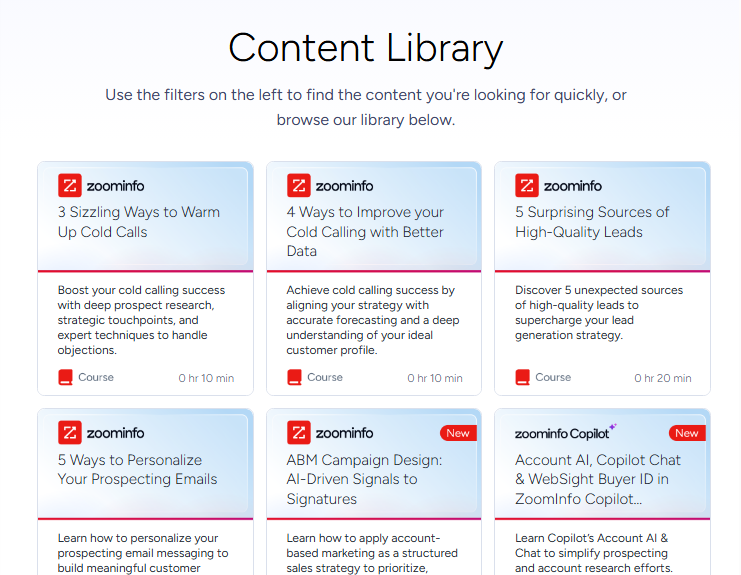
ZoomInfo provides full support through five resources: a Knowledge Center, ZoomInfo University, Release Notes Hub, Resource Center, and Modern GTM Community. Direct support is available via contact form and phone.
Enterprise plans include dedicated customer service managers. Professional services are available through ZoomInfo Labs. ZoomInfo's onboarding program was redesigned from 30 to 90 days, producing a 25% improvement in customer satisfaction scores and winning Rocketlane's Golden Comet award.
Source: ZoomInfo
Compliance and security at different scales
For teams handling prospect data, compliance matters.
useArtemis self-declares GDPR compliance and stores all data on servers within the European Union. The legal entity, Rocket Social, is incorporated in France. No third-party security certifications (SOC 2, ISO 27001) are documented.
Waalaxy is operated by SAS Waapi in Montpellier, France, with stated compliance with GDPR and CCPA. Payment processing runs through Stripe, and Waalaxy does not store card data. No third-party security certifications are publicly documented.
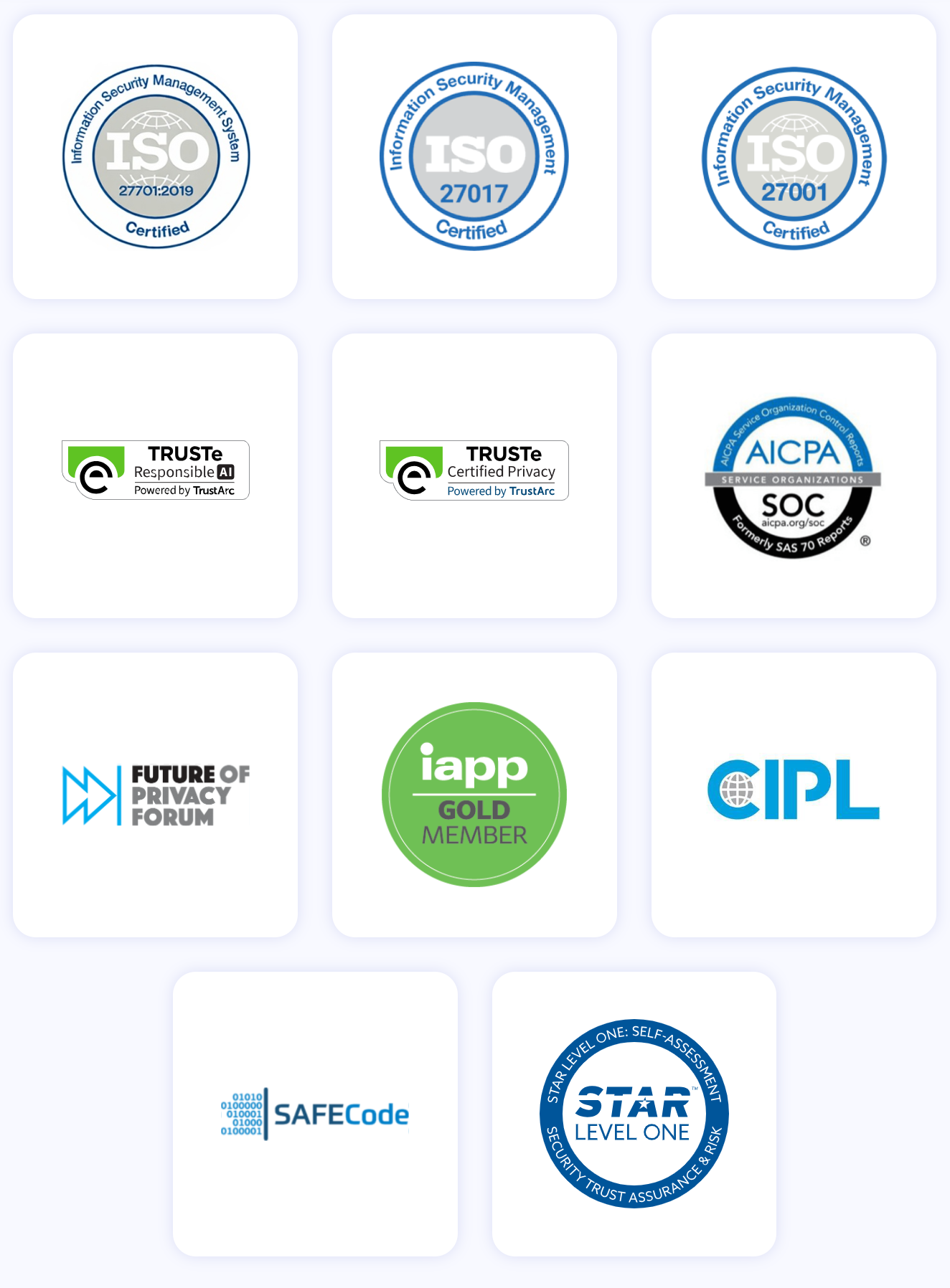
ZoomInfo holds certifications renewed annually: ISO 27001, ISO 27701, SOC 2 Type II, TRUSTe GDPR, and TRUSTe CCPA. The company is a registered data broker in California and Vermont and maintains a dedicated Trust Center. For organizations in regulated industries or with formal procurement processes, ZoomInfo's compliance infrastructure is a qualifying requirement that neither useArtemis nor Waalaxy meets.
useArtemis vs. Waalaxy vs. ZoomInfo: Which should you choose?
The right tool depends on what your sales process needs.
Choose useArtemis if:
You're an agency managing LinkedIn outreach for multiple clients
Email discovery rate is your highest priority
You need a unified inbox across several LinkedIn accounts
You want scraping, enrichment, and sequencing in one tool at a low price
You're comfortable with limited customer support
Choose Waalaxy if:
You're new to LinkedIn outreach and want the simplest possible tool
A free plan or low-cost entry matters
You value responsive customer support and a large user community
Your outreach is primarily LinkedIn messages with email as a secondary channel
You don't need phone numbers or deep data enrichment
Choose ZoomInfo if:
You need to know which accounts are in-market before you prospect
Your team requires verified direct dials and phone numbers at scale
Data quality, accuracy, and coverage are non-negotiable
You want intelligence that connects intent signals, CRM data, and conversation context into clear next steps
Compliance certifications (ISO 27001, SOC 2) are required by your procurement process
You need a platform that sales, marketing, and RevOps can all build on
See how ZoomInfo powers your go-to-market with a free trial.
useArtemis and Waalaxy are good tools for a specific job: automating LinkedIn outreach and finding email addresses. If that's the full extent of your sales process, either can work.
But for revenue teams that have outgrown the "scrape and spray" approach, ZoomInfo provides the data foundation, the intelligence layer, and the execution tools to run a go-to-market strategy informed by what's happening in your market, not just who shows up in a LinkedIn search.
"Without ZoomInfo, it would be extremely difficult, if not impossible, to achieve our business objectives. Without it, we wouldn't be able to understand the market, have the right contact data, and make meaningful connections." (Thor Sanderson, Senior Manager of Sales Technology Enablement, Smartsheet)
useArtemis vs. Waalaxy vs. ZoomInfo FAQ
What is the main difference between useArtemis, Waalaxy, and ZoomInfo?
useArtemis is a LinkedIn scraping and waterfall email enrichment tool built for agencies, combining data from 15+ vendors with outreach automation at $69-$399/month.
Waalaxy is a simpler LinkedIn automation tool with a free plan, 99+ pre-built sequences, and a focus on non-technical users at up to €69/month.
ZoomInfo is an all-in-one AI GTM platform with 500M contacts, 100M companies, buyer intent data, and execution tools for sales, marketing, and RevOps teams.
Which tool has the best email discovery rate?
useArtemis claims the highest discovery rate at 85% via waterfall enrichment across 15+ data vendors. Waalaxy reports a 61%+ professional email match rate with a sub-1% bounce rate using 20+ sources. ZoomInfo maintains a proprietary database of 200M+ verified business emails with up to 95% accuracy on first-party data, so the question shifts from "can it find the email" to "does it already have the email."
Which platform is best for phone-based outreach?
ZoomInfo is the clear choice, with 135M+ verified phone numbers including 120M direct dials. useArtemis includes phone finding in its enrichment but users report that direct dial accuracy significantly lags email discovery. Waalaxy does not prioritize phone numbers.
Can I use any of these tools for free?
All three offer free entry points. Waalaxy has the most generous free plan: 80 LinkedIn invitations per month, permanently, no credit card required. useArtemis offers 50 free trial credits.
ZoomInfo Lite provides permanent free access to the B2B database with 10 monthly export credits, plus a separate 7-day free trial with broader feature access.
Which tool is safest for my LinkedIn account?
useArtemis runs enrichment and sequences as cloud functions, reducing browser-based detection risk. Waalaxy runs entirely as a Chrome extension with safety measures like randomized delays and action caps, but LinkedIn detects browser-based automation more easily.
ZoomInfo does not automate LinkedIn directly; it integrates with LinkedIn through Sales Navigator and focuses on email, phone, and CRM-based outreach channels.
Which platform has the best customer support?
ZoomInfo offers the broadest support: phone, web, knowledge center, ZoomInfo University, and dedicated customer service managers on Enterprise plans.
Waalaxy provides live chat on Advanced and Business plans with a 4.9/5 support rating. useArtemis has the weakest support infrastructure, with priority support only on the $399/month Agency plan and multiple user reports of unresponsive support during billing disputes.
Do useArtemis and Waalaxy offer buyer intent data?
Neither useArtemis nor Waalaxy provides intent data. Both are focused on contact discovery and outreach execution. ZoomInfo tracks buyer intent from 210 million IP-to-Organization pairings and 6 trillion+ keyword-to-device pairings monthly, including a Guided Intent feature that identifies topics historically correlated with closed deals.
Which tool is best for a team of 5-10 sales reps?
For a team that only needs LinkedIn automation, Waalaxy's team features (shared lead lists, anti-duplicate protection, centralized dashboard) make it a practical choice. For agencies managing client LinkedIn accounts, useArtemis's multi-account inbox is better suited. For a team that needs prospecting, intelligence, CRM enrichment, and coordinated sales and marketing, ZoomInfo is built for that scope.
See how Waalaxy compares across other platforms:
