
Choosing between ActiveCampaign and iContact for email marketing comes down to five questions:
Do you need multi-branch automation workflows, or are simple email sequences enough?
Is your marketing team technical enough to handle a learning curve, or do you need something anyone can use in an afternoon?
Are you looking for a marketing platform with CRM, SMS, and WhatsApp, or just reliable email sending?
How fast is your contact list growing, and can you absorb rising costs as it scales?
Do you need your email marketing connected to verified B2B contact data and buyer intent signals?
Here's what we recommend:
ActiveCampaign is the automation-first platform for growing businesses that need advanced marketing workflows. Its visual automation builder handles branching logic, behavioral triggers, and cross-channel orchestration across email, SMS, and WhatsApp.
A built-in CRM with lead and deal scoring, 1,000+ integrations, and an AI system called Active Intelligence that builds campaigns from plain-language prompts round out the package.
The tradeoff: pricing climbs as your contact list grows, and learning the platform takes real time.
iContact is the email marketing platform built for small businesses that want to send professional campaigns without a learning curve. Its drag-and-drop builder and dedicated deliverability specialists have kept it running since 2003, now serving over 35,000 businesses.
Pricing starts at $9/month for 500 contacts. But its automation is basic compared to ActiveCampaign, and its editor has formatting quirks that frustrate users building complex designs.
Both platforms handle email marketing well for their audiences. But neither addresses a problem B2B teams face before every campaign: knowing who to target, when they're ready to buy, and what message will land. That's where a different kind of platform comes in.
ZoomInfo is a B2B data and go-to-market platform built on 500M contacts, 100M companies, 135M+ verified phone numbers, and 200M+ verified business emails.
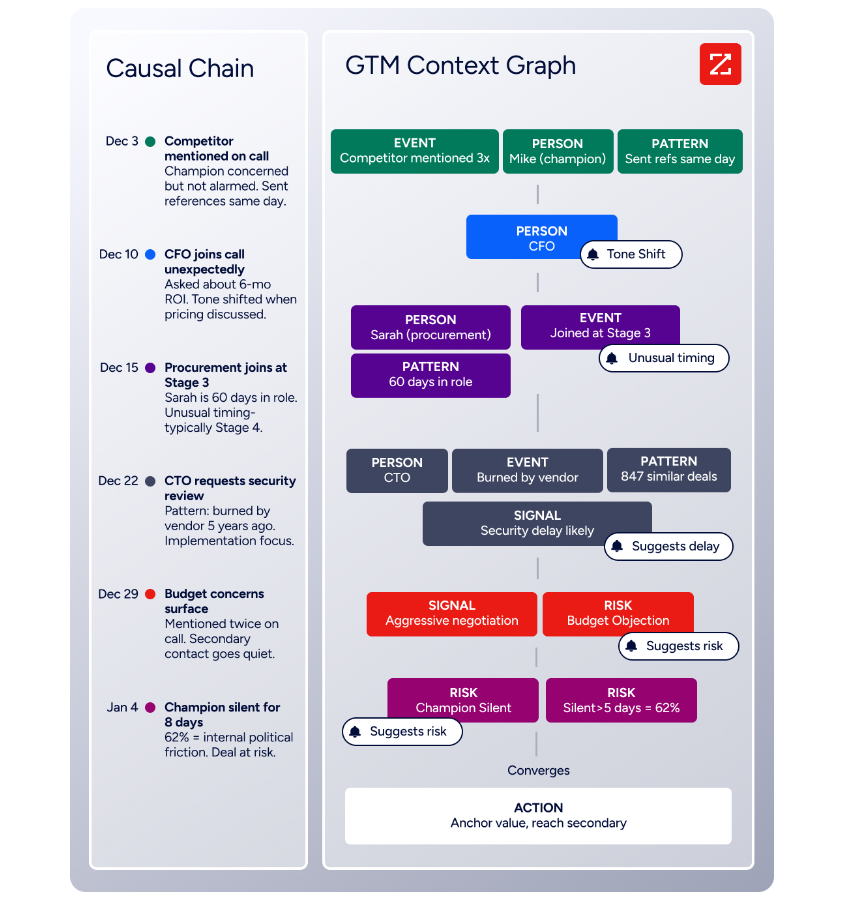
Its GTM Context Graph combines this data with your CRM records, conversation transcripts, and behavioral signals, processing 1.5B+ data points daily to reveal not just what happened in a deal, but why.
For B2B teams, ZoomInfo solves the problem that sits before every email send: identifying the right contacts, understanding buying intent, and enriching your marketing data so campaigns reach verified, in-market prospects.
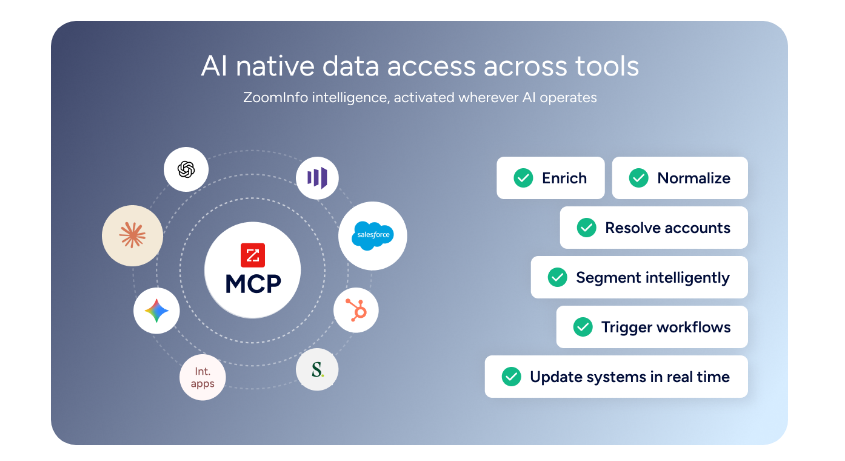
You can access this intelligence through GTM Workspace for sellers, GTM Studio for marketers and RevOps, or APIs and MCP in any front-end.
If your email marketing is only as good as the data behind it, see how ZoomInfo's B2B intelligence can power your campaigns.
ActiveCampaign vs. iContact at a glance
ActiveCampaign | iContact | ZoomInfo | |
|---|---|---|---|
Primary focus | Marketing automation + CRM | Simple email marketing | B2B data intelligence + GTM execution |
Automation depth | Advanced multi-branch visual builder | Basic triggers Premium unlocks more) | Signal-triggered GTM plays and workflows |
CRM included | Yes, built-in with deal scoring | No | GTM Workspace for sellers |
Channels | Email, SMS, WhatsApp | Email, social posting | Multi-channel orchestration (email, ads, calls, direct mail) |
Integrations | 1,000+ | 100+ (many via Zapier) | 120+ native marketplace + API/MCP |
AI capabilities | Active Intelligence (campaign builder, agents) | AI content assistant, AI subject lines | GTM Context Graph + AI-powered account research |
Support | Chat and ticket (all plans); priority on Pro | Phone, chat, email; dedicated deliverability team | Help center, university, dedicated CSM on enterprise |
Starting price | $15/month (1,000 contacts) | $9/month (500 contacts) | Free tier (ZoomInfo Lite); consumption-based pricing, custom-quoted |
Free plan | 14-day trial only | Free forever (500 contacts, 2,000 sends/month) | ZoomInfo Lite (permanent, 10 credits/month) |
Best for | Growth-stage SMBs needing automation depth | Small businesses wanting ease and support | B2B teams needing verified contacts and buyer intent |
Automation depth is the clearest dividing line
The gap between ActiveCampaign and iContact on automation is not a matter of degree. It's a different category of product.
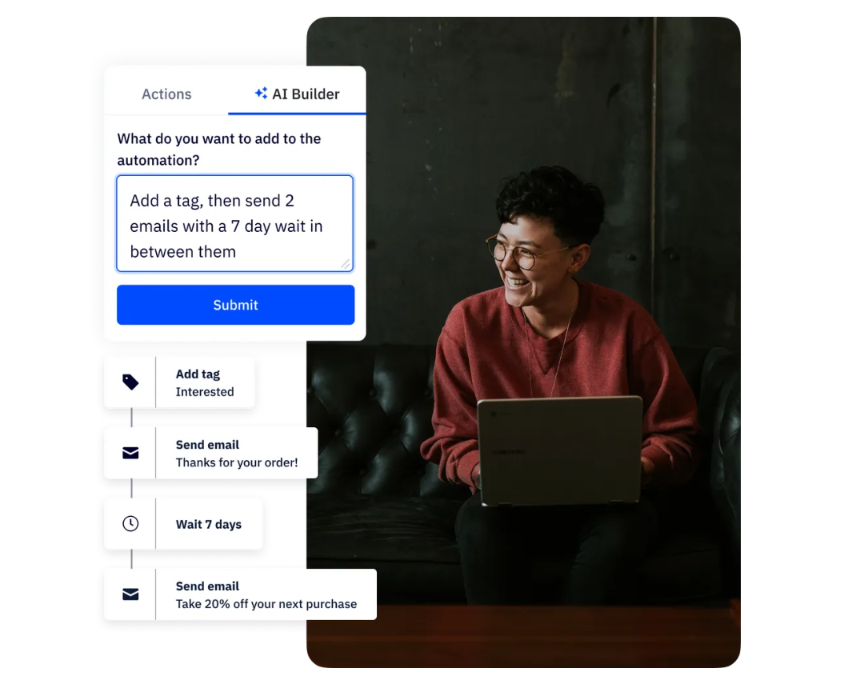
ActiveCampaign's visual automation builder supports unlimited actions per workflow (on Plus plans and above), conditional branching based on behavioral triggers, and cross-channel orchestration spanning email, SMS, and WhatsApp in the same flow.
Source: ActiveCampaign
A contact clicks a link in an email, visits a pricing page, and doesn't convert? ActiveCampaign can wait two days, check if they opened a follow-up, route them into an SMS sequence if they didn't, and update their lead score at the same time.
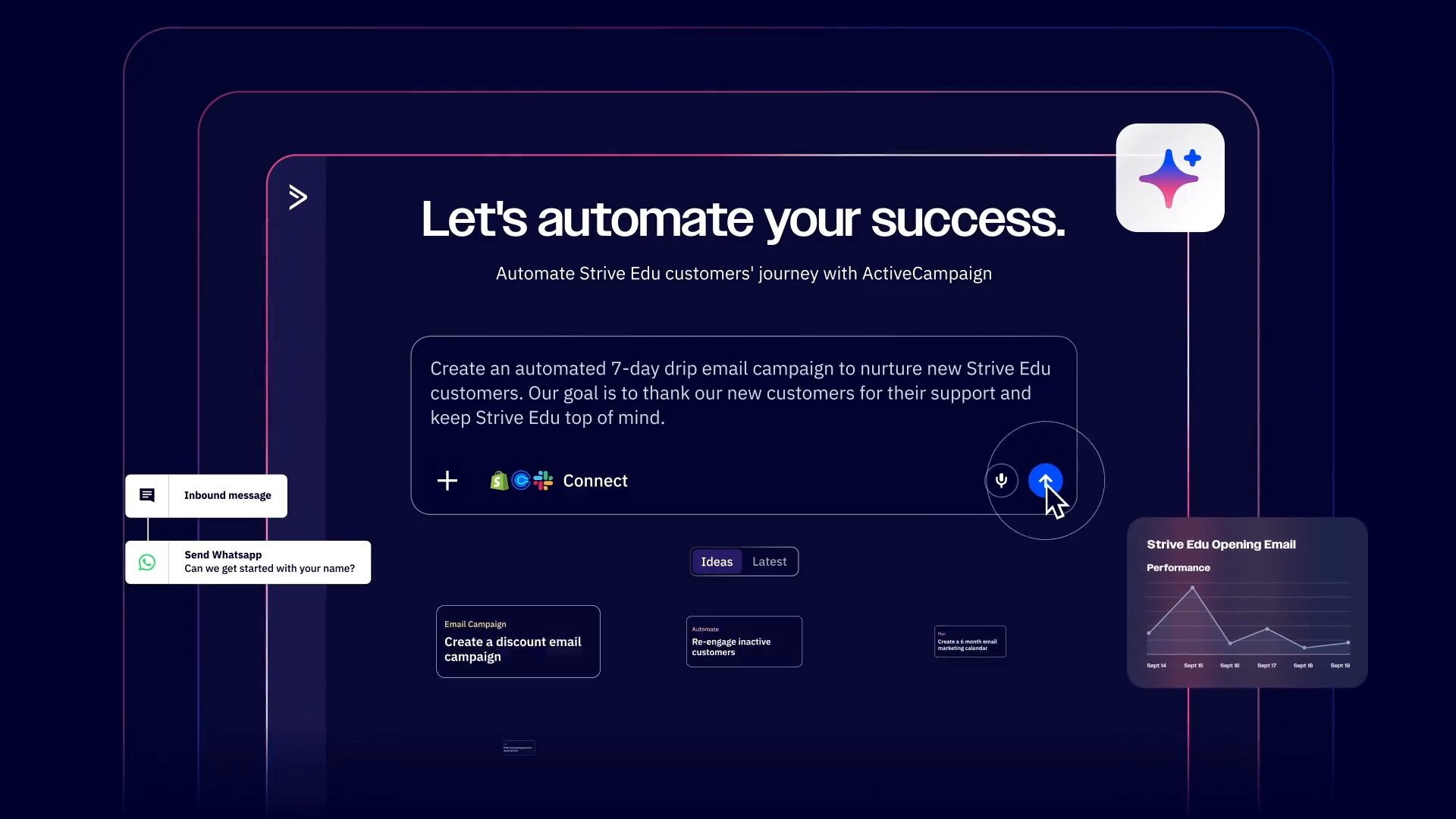
The builder also accepts plain-language prompts through Active Intelligence, generating complete workflows (including wait periods and branching paths) from a single description.
Source: ActiveCampaign
iContact's automation tools work but are far narrower. The Standard plan limits you to one automation using only the subscribe event trigger.
The Premium plan unlocks unlimited automations and adds segment qualification, specific date, and custom date field triggers. You can build welcome sequences, birthday emails, and re-engagement campaigns.

Source: iContact
But multi-branch conditional logic, behavioral scoring that feeds back into automation paths, and cross-channel coordination are not part of the toolkit.
For a restaurant sending weekly specials to 2,000 subscribers, iContact's automation is enough. For an e-commerce brand running abandoned cart recovery across email and SMS with behavioral segmentation, ActiveCampaign is the minimum viable tool.
iContact wins on approachability, ActiveCampaign wins on capability
iContact was designed so a small business owner with no marketing training can build and send a professional email campaign in under 30 minutes.
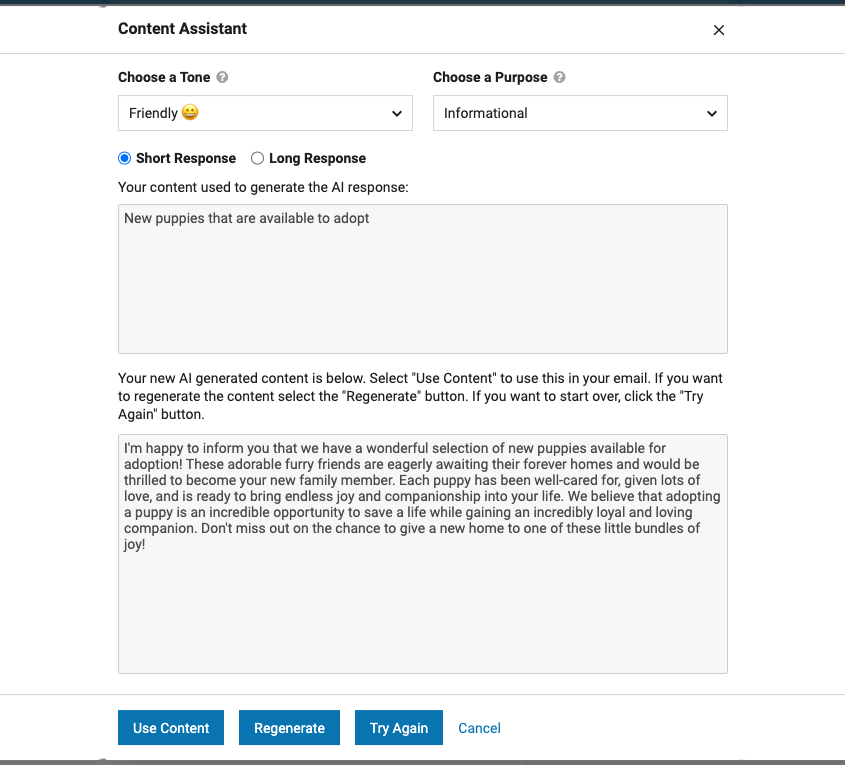
The drag-and-drop builder uses pre-built template themes, and the AI content assistant generates copy from simple inputs.

Source: iContact
Capterra rates it 4.4/5 for ease of use across 604 reviews, with users calling the interface "extremely thought-out and easy to navigate."
ActiveCampaign is more capable, but the capability comes with weight. The automation builder uses a concept-driven architecture (triggers, actions, conditions, branching) that requires familiarity with marketing automation logic.
The tag-based contact management system, while more flexible than traditional lists, takes time to set up well. Capterra reviewers note that while basic automations are accessible, mastering conditional logic, tagging systems, and custom reports demands a real learning investment.
ActiveCampaign addresses the ramp-up with free migration services, a 30-day money-back guarantee, and tiered onboarding support including one-on-one specialist sessions.
iContact counters with a 30-day free trial that gives full platform access and what users consistently call its strongest asset: responsive, knowledgeable customer support.
ActiveCampaign's AI pushes further, iContact's AI keeps it simple
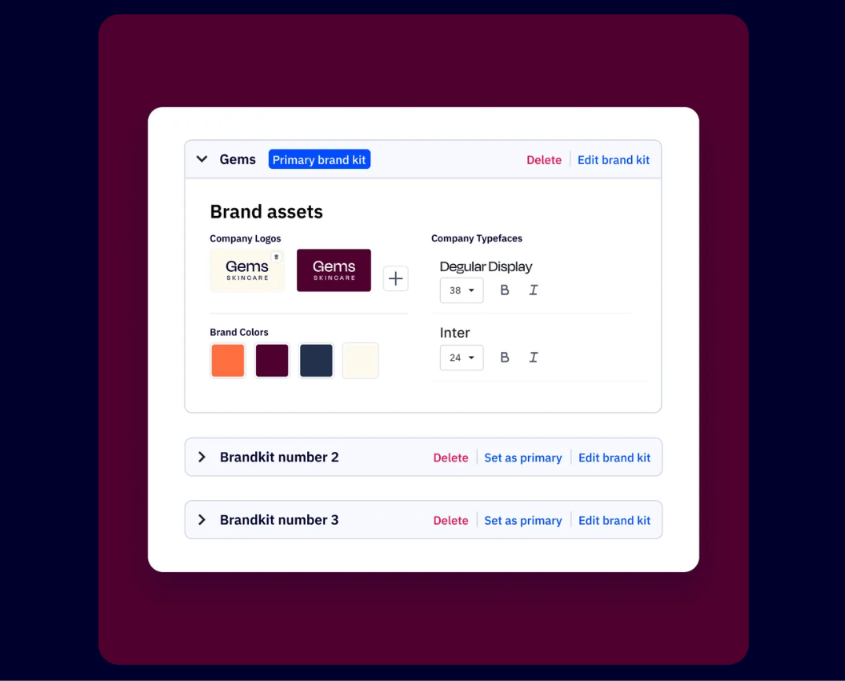
ActiveCampaign's Active Intelligence, launched in May 2025, is a set of AI agents that can build campaigns from plain-language prompts, suggest automations based on billions of anonymized data points, generate content in a brand's voice using an AI Brand Kit, and optimize send times per subscriber through Predictive Sending.
Source: ActiveCampaign
The company reports that AI users save 13+ hours per week. Several agents remain in beta as of early 2026, so reliability on newer features is still maturing.
iContact's AI focuses on the content creation bottleneck. The AI content assistant generates copy from simple inputs and suggests subject lines, both built into the email builder. It's practical for a small business owner who needs help writing a promotional email. It is not a strategic automation layer.
Source: iContact
The difference maps to each platform's audience. ActiveCampaign is building AI that acts as a marketing strategist. iContact is building AI that acts as a copywriting assistant.
Cross-channel reach is where ActiveCampaign pulls ahead
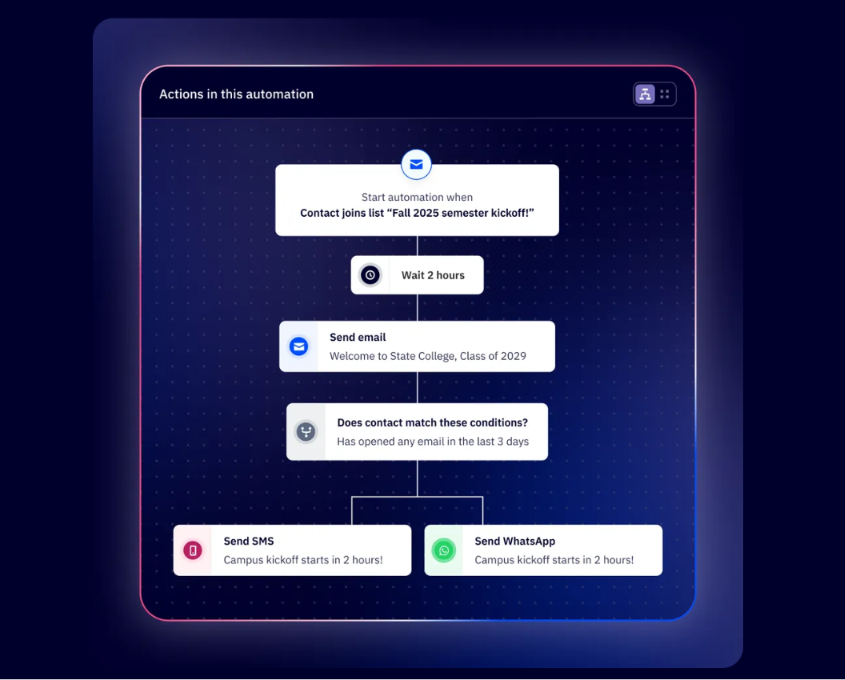
ActiveCampaign natively supports email, SMS, and WhatsApp, all coordinated from one automation builder with shared contact data.
Source: ActiveCampaign
A contact who receives an email but doesn't open it can automatically get an SMS follow-up two days later, and a WhatsApp message if they still haven't engaged.
SMS reaches 180+ countries with 98% open rates and 90% of messages read within 3 minutes. WhatsApp support (added through the Hilos acquisition in April 2025) includes broadcast messaging, a no-code Flows builder, and a shared inbox.
iContact sticks to two channels: email and social media. The Premium plan includes social platform posting across Facebook, Instagram, TikTok, LinkedIn, and X, with a Social Plus Send feature that publishes email content to social channels at the same time.
Social Blocks let you embed live social posts inside emails. It's useful for small businesses managing both channels, but it's social scheduling, not cross-channel automation tied to behavioral data.

Source: iContact
For businesses where SMS or WhatsApp are meaningful customer touchpoints, ActiveCampaign is the only option between these two.
The CRM question separates marketing tools from growth platforms
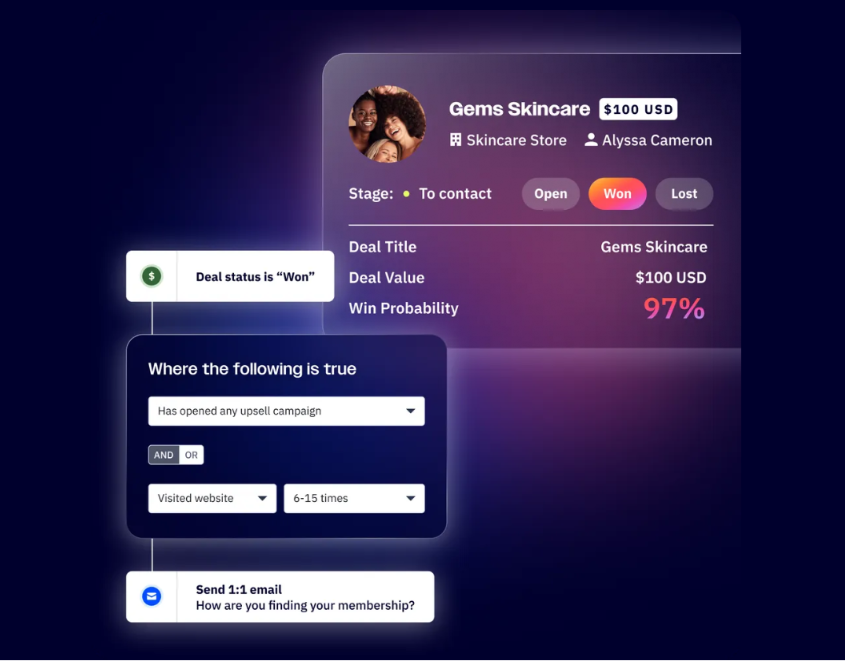
ActiveCampaign includes a built-in CRM with Kanban-style deal pipelines, customizable stages, and native sales automation.
Source: ActiveCampaign
Deals can be created automatically when a contact submits a form, and automations can trigger tasks, send 1:1 emails, and adjust lead scores based on deal stage changes.
The CRM also offers dual scoring: separate contact-level lead scores and deal-level scores, letting teams independently track "is this person a good lead?" and "is this deal likely to close?" Gmail and Outlook extensions let reps manage deals from their inbox.
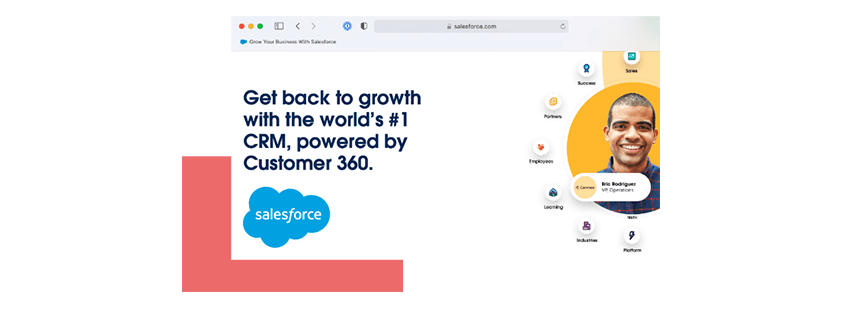
iContact has no CRM. Its closest option is iContact for Salesforce, a native integration rated 4.61 out of 5 from 282 Salesforce AppExchange reviews. It lets Salesforce users design, send, and track email campaigns without leaving their CRM.
Source: iContact
For businesses already on Salesforce that need affordable email marketing inside their existing workflow, this integration is strong. But it's a bridge to someone else's CRM, not a built-in capability.
For teams that need marketing and sales data in one system without a separate CRM subscription, ActiveCampaign is the self-contained option. For teams already on Salesforce, iContact's native integration may be the more practical path.
ZoomInfo solves the problem upstream of both platforms
ActiveCampaign and iContact help you send campaigns. ZoomInfo helps you know who to send them to.
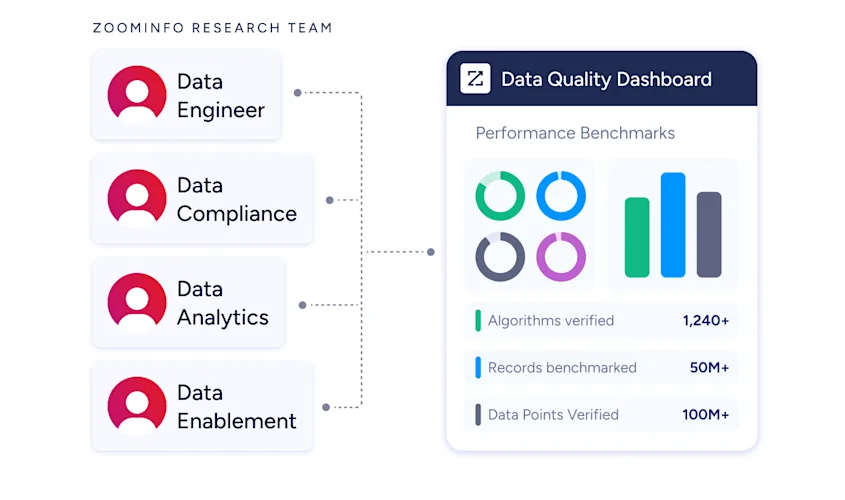
Every email campaign starts with a contact list. If that list is incomplete, outdated, or untargeted, even the best automation workflow underperforms. ZoomInfo addresses this at the data layer with a B2B database of 500M contacts, 100M companies, 135M+ verified phone numbers, and 200M+ verified business emails, maintained by 300+ human researchers with up to 95% accuracy on first-party data.
Source: ZoomInfo
The GTM Context Graph takes this further by unifying ZoomInfo's third-party data with a customer's CRM records, conversation transcripts, and behavioral signals.
Source: ZoomInfo
Instead of sending a generic nurture sequence to everyone in a segment, B2B teams can target accounts showing real buying signals, reach verified decision-makers with direct dials and confirmed email addresses, and prioritize outreach based on patterns that match their actual closed-won deals.
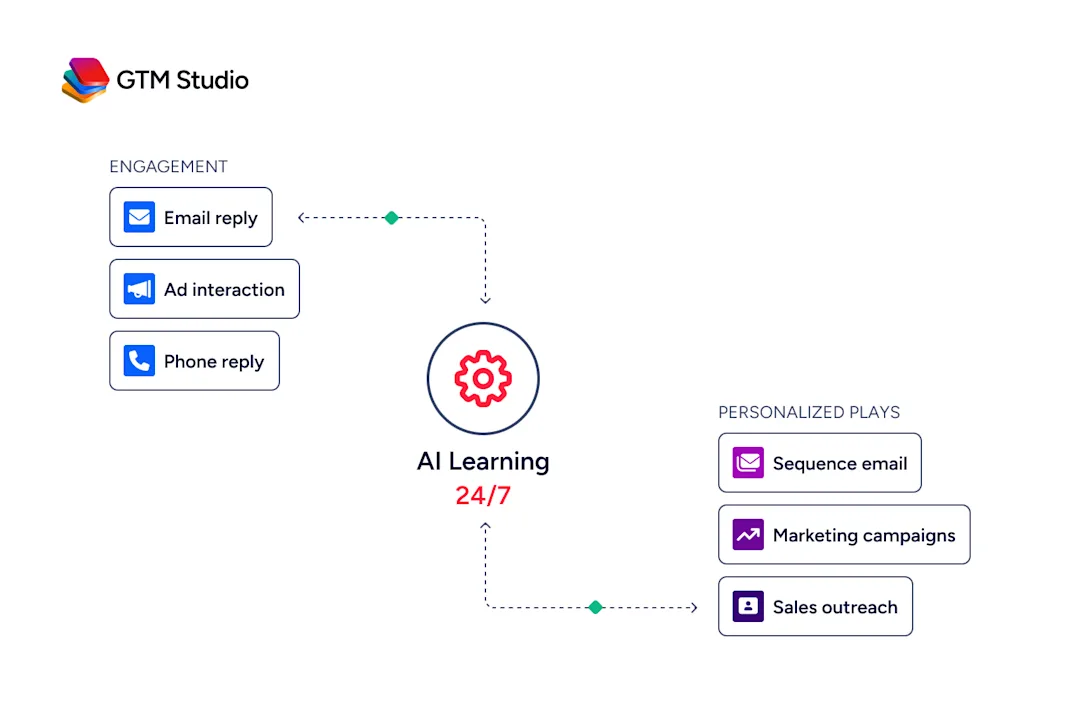
GTM Studio lets marketers describe audiences in natural language, enrich them with first- and third-party data, and launch multi-channel plays (email, ads, calls, direct mail) that improve as prospects respond.
Source: ZoomInfo
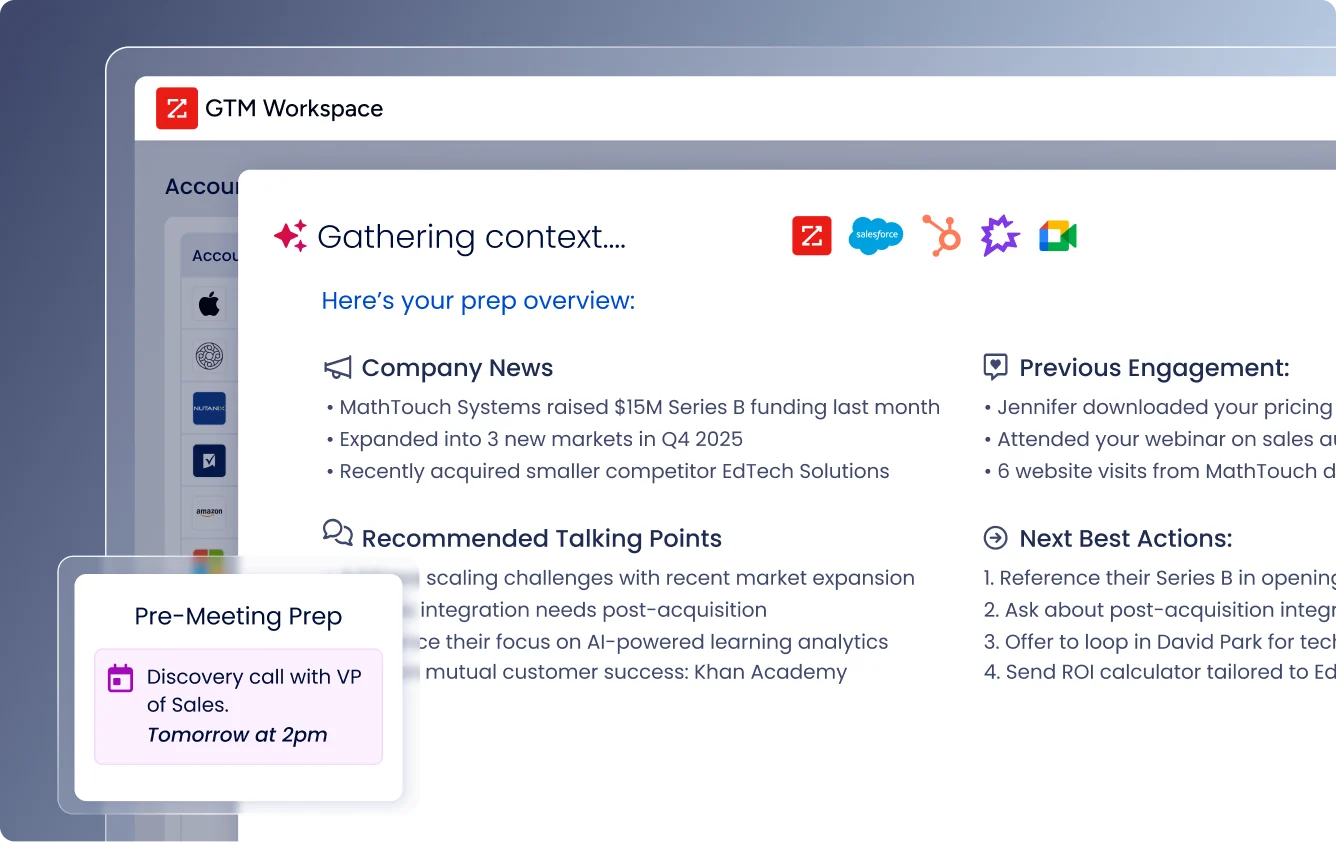
GTM Workspace gives sellers a single view of their accounts with AI-drafted outreach and real-time buying signals.
Source: ZoomInfo
For teams that want to push ZoomInfo's intelligence into ActiveCampaign, iContact, or any other tool, APIs and MCP make the same data available in any front-end.
Source: ZoomInfo
"ZoomInfo's not just a contact data company anymore. They've built a full system of execution. GTM Intelligence actually works the list, writes the outreach, triggers the play, and helps drive predictable growth." (Ian Brodie, CEO & Co-Founder, Levanta)
Deliverability infrastructure matters more than most buyers realize
ActiveCampaign invests heavily in deliverability. Emails route through a private network rather than the public internet, cutting average send time by 10x.
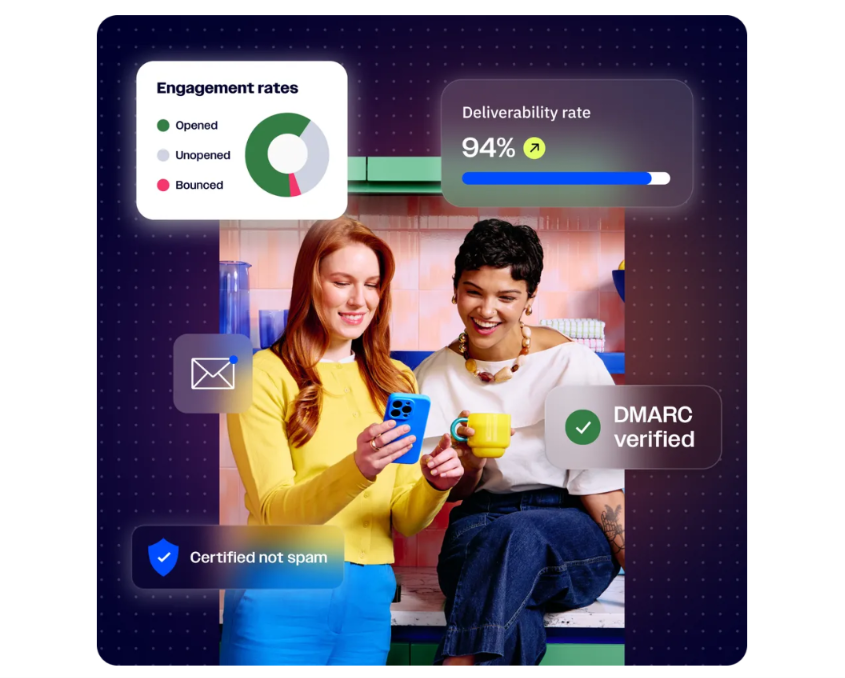
The platform supports DKIM and DMARC authentication, pre-warmed dedicated IPs, and an Apple MPP filter that strips inflated open metrics from Apple Mail Privacy Protection.
ActiveCampaign reports 99.88% deliverability internally and 94% in independent testing by EmailToolTester, which also named it the Best Email Marketing Tool of 2025.
Source: ActiveCampaign
iContact approaches deliverability through people rather than infrastructure. Its dedicated deliverability specialists are highlighted across multiple review platforms as a differentiator.
The platform includes email verification powered by Kickbox (included on Premium, available as an add-on starting at $1/month on Standard), classifying contacts into four tiers: Deliverable, Risky, Undeliverable, and Unknown.
For compliance-driven sends, the project-based emailing service provides managed delivery for data breach notifications, class action notices, and regulatory updates.
For high-volume senders who need infrastructure-level deliverability, ActiveCampaign's private network and authentication stack are stronger. For smaller senders who want someone monitoring deliverability for them, iContact's specialist team fills a gap that self-serve platforms leave open.
Integration ecosystems reflect platform maturity
ActiveCampaign's 1,000+ integrations span CRM, e-commerce, scheduling, advertising, and AI tools. Named connections include Shopify, Salesforce (Pro/Enterprise), WordPress, Stripe, Calendly, and Clay.
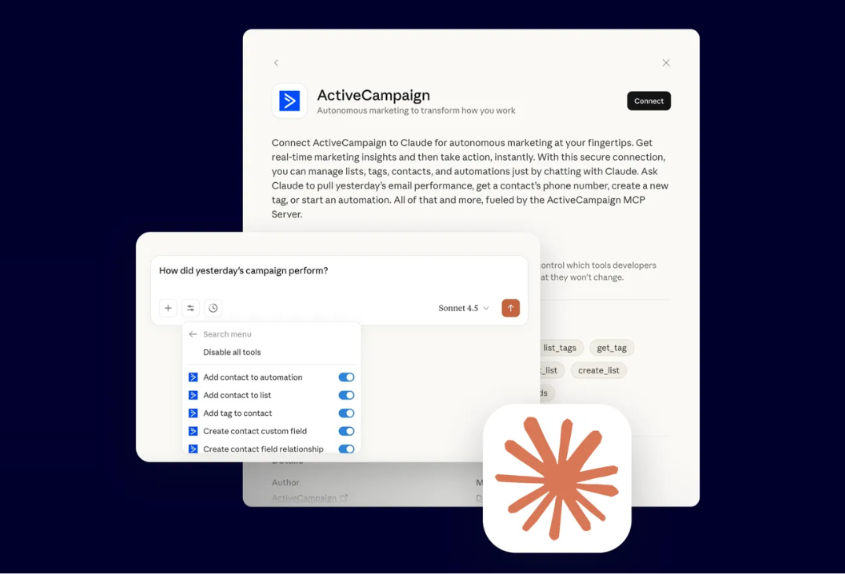
A REST API covers contacts, deals, campaigns, and automations. ActiveCampaign is also the first marketing platform in Claude's official connector directory via MCP, letting AI tools query campaign data and trigger actions through natural language.
Source: ActiveCampaign
iContact lists over 100 integrations, though most run through Zapier rather than being direct native connections. Direct integrations include WordPress (via plugin), BigCommerce (contact sync and purchase-based segmentation), and the Salesforce AppExchange package.

Source: iContact
The API exists but its developer portal requires authentication to browse, making pre-purchase evaluation difficult. No webhook support was found in publicly accessible documentation.
The difference is not just the number of integrations. ActiveCampaign's ecosystem is built for bidirectional data flow and automation triggers. iContact's ecosystem is built for contact sync and basic campaign coordination.
Pricing tells you who each platform is built for
iContact is transparent and affordable at entry:
Contacts | Standard (monthly) | Premium (monthly) |
|---|---|---|
500 | $9 | $16 |
2,500 | $28 | $41 |
5,000 | $45 | $73 |
10,000 | $73 | $109 |
25,000 | $180 | $229 |
50,000 | $350 | $399 |
iContact also offers a free forever plan with up to 500 contacts and 2,000 sends per month, though it's limited to 1 user, 1 list, and 1 landing page. Annual billing saves 15%.
ActiveCampaign starts at $15/month for 1,000 contacts on the Starter plan, with Starter reaching $149/month at 10,000 contacts.
Pricing scales across four tiers (Starter, Plus, Professional, Enterprise), with meaningful feature gates at each level.
Starter limits automations to 5 actions per workflow and excludes landing pages, predictive sending, and advanced segmentation. Plus unlocks unlimited automation actions and landing pages.
Professional adds conditional content, revenue attribution, and predictive sending. Enterprise adds SSO, HIPAA support, and premium CRM integrations.
The most consistent complaint about ActiveCampaign across G2 and TrustRadius is price escalation: pricing has reportedly doubled over the past three years and climbs steeply as contact lists grow. iContact users flag the same pattern at higher volumes, but the starting price is lower and the gap at 5,000 contacts is significant ($45 vs. a higher ActiveCampaign tier).
Neither platform is free to scale. But iContact is cheaper to start, and ActiveCampaign delivers more for what you pay.
ActiveCampaign vs. iContact vs. ZoomInfo: Which should you choose?
The right platform depends on what problem you're solving and where you are in your growth.
Choose ActiveCampaign if:
You need multi-branch automation workflows
Your marketing spans email, SMS, and WhatsApp
You want a built-in CRM without paying for a separate tool
You have the time and team to learn a complex platform
AI-powered campaign creation and optimization matter to your workflow
Choose iContact if:
You're a small business that needs professional email marketing fast
Ease of use and responsive human support are your top priorities
You're on a tight budget and need affordable, predictable pricing
You use Salesforce and want a native, well-rated email integration
You don't need advanced automation or cross-channel marketing
Choose ZoomInfo if:
You're a B2B team that needs verified contact data and buyer intent signals before you send a single email
Your campaigns underperform because your contact lists are incomplete or outdated
You want to target accounts based on real buying behavior, not just demographic filters
You need a single intelligence layer that powers marketing, sales, and RevOps
You want data and signals accessible through your existing tools via API or MCP
See how ZoomInfo's B2B intelligence transforms your go-to-market.
ActiveCampaign and iContact each serve their audiences well. ActiveCampaign delivers the automation depth and cross-channel reach that growing businesses need to scale personalized marketing. iContact delivers the simplicity and support that small businesses need to get professional campaigns out the door. But for B2B teams, the biggest bottleneck is rarely the email tool itself. It's knowing who to reach, when they're ready, and what they care about. ZoomInfo solves that problem at the data layer, and because it connects to any front-end through APIs and MCP, it can power whichever email platform you choose.
ActiveCampaign vs. iContact vs. ZoomInfo FAQ
What is the core difference between ActiveCampaign, iContact, and ZoomInfo?
ActiveCampaign is a marketing automation platform with a built-in CRM, supporting complex multi-branch workflows across email, SMS, and WhatsApp.
iContact is a straightforward email marketing platform designed for small businesses that prioritize ease of use and human support.
ZoomInfo is a B2B data intelligence platform that provides verified contact data, buyer intent signals, and AI-powered go-to-market execution, sitting upstream of both email tools.
Which platform is cheapest to get started with?
iContact starts at $9/month for 500 contacts on the Standard plan, with a free forever tier (500 contacts, 2,000 sends per month).
ActiveCampaign starts at $15/month for 1,000 contacts with a 14-day free trial.
ZoomInfo offers a permanent free tier called ZoomInfo Lite with 10 monthly export credits; paid plans use consumption-based pricing, custom-quoted for enterprise buyers.
Which platform has better automation capabilities?
ActiveCampaign, by a wide margin. Its visual automation builder supports unlimited actions, conditional branching, behavioral triggers, cross-channel orchestration, and AI-generated workflows from plain-language prompts.
iContact's Standard plan limits you to one automation with a single trigger type. The Premium plan unlocks unlimited automations and four trigger types, but multi-branch conditional logic and cross-channel automation are absent.
Does iContact have a CRM?
No. Its closest option is iContact for Salesforce, a native integration rated 4.61 out of 5 from 282 Salesforce AppExchange reviews, which lets users manage email campaigns directly inside Salesforce.
ActiveCampaign includes a built-in CRM with deal pipelines, lead and deal scoring, sales routing, and 1:1 tracked emails.
How does ZoomInfo work with ActiveCampaign or iContact?
ZoomInfo enriches the data layer that feeds any email marketing platform. B2B teams can use ZoomInfo to identify verified contacts, build targeted prospect lists with buyer intent data, and push enriched records into ActiveCampaign, iContact, or any other tool via APIs and MCP.
ActiveCampaign is listed in ZoomInfo's integration marketplace, and ZoomInfo's data can flow through Zapier or direct API connections to either platform.
Which platform is best for a small business with no marketing experience?
iContact. Its drag-and-drop builder, pre-built templates, and AI content assistant require no coding or marketing expertise. Capterra rates it 4.4 out of 5 for ease of use, and its customer support team (rated 4.6 out of 5) is consistently cited as responsive and knowledgeable. ActiveCampaign is more capable but demands a longer learning curve.
Which platform handles email deliverability best?
ActiveCampaign invests more in deliverability infrastructure: a private email network, DKIM and DMARC authentication, dedicated IP management, and Apple MPP filtering. EmailToolTester independently measured 94% deliverability and named it the Best Email Marketing Tool of 2025.
iContact differentiates through dedicated deliverability specialists who monitor sends and advise customers directly, plus built-in email verification powered by Kickbox.
Can I use ZoomInfo for email marketing directly?
ZoomInfo is not an email marketing platform. It does not send newsletters or manage subscriber lists. Its role is upstream: providing verified B2B contact data, buyer intent signals, and account intelligence that make your email campaigns more targeted.
Multi-channel orchestration through GTM Studio can trigger outreach across email, ads, calls, and direct mail, but for ongoing subscriber email marketing, you would use a platform like ActiveCampaign or iContact alongside ZoomInfo.
See how ActiveCampaign stacks up elsewhere:
