

Bureau van Dijk, now operating as Moody's Orbis, is the world's largest private company database. Its Orbis platform covers 625+ million entities from 170+ data sources, with standardized financials, beneficial ownership structures, and KYC/AML intelligence used by multinational banks, Big 4 firms, and tax authorities worldwide.
But when your needs go beyond compliance, risk assessment, and corporate research, Orbis's enterprise-only pricing, restrictive data licensing, and compliance-first design leave gaps. Its lack of verified contact data makes outbound sales impossible from within the platform. Its legacy SOAP API with 1 to 10 concurrent request limits frustrates data engineering teams building modern integrations. And its strict licensing agreements block integration into AI models, CRM platforms, or automation tools without additional approvals.
This guide covers alternatives that work where Bureau van Dijk falls short, whether you need to:
Find and engage B2B buyers with verified contact data, intent signals, and AI-driven GTM execution
Access standardized global business data with credit decisioning and trade payment intelligence
Conduct financial analysis, M&A deal screening, and investment research with native Excel modeling tools
Get credit risk intelligence and compliance screening without enterprise procurement overhead
Source registry-based company data on mid-market budgets with unrestricted API licensing
Discover suppliers with AI-powered, weekly-refreshed company intelligence
Verify entities through free, transparent, registry-sourced data with full audit trails
This isn't about finding a "better" platform. It's about finding the right fit for your use case. Some organizations will supplement Bureau van Dijk with a specialized tool for one function. Others will replace it with something better matched to their workflow.
The Best Bureau van Dijk Alternatives | |
|---|---|
Best Alternative for B2B Sales Intelligence and AI-Powered GTM Execution We chose ZoomInfo because it fills the go-to-market gap Bureau van Dijk leaves open, with 500M+ contacts, verified direct dials and emails, buyer intent signals, and a GTM platform that moves teams from data to action. | |
Best Alternative for Enterprise-Grade Global Business Data and Credit Decisioning We chose Dun & Bradstreet because the D-U-N-S Number is the global standard for business identification, and its trade payment data network powers credit risk scoring that Bureau van Dijk does not offer natively. | |
Best Alternative for Financial Analysis and M&A Research We chose S&P Capital IQ Pro because it provides financial modeling tools, live Excel integration, and analyst consensus estimates that investment professionals need for deal screening and valuation. | |
Best Alternative for Accessible Credit Risk Intelligence We chose Creditsafe because it provides credit reports on 430M+ businesses through a modern REST API at a mid-market price, with built-in compliance screening and no-code decisioning that Bureau van Dijk's enterprise model lacks. | |
Best Alternative for Mid-Sized Teams Needing Registry-Sourced Global Data We chose Global Database because it combines government-registry-sourced data with unrestricted API licensing and sales and compliance capabilities in one platform, at a price mid-market teams can reach. | |
Best Alternative for AI-Powered, Frequently Refreshed Company Intelligence We chose Veridion because its AI engine refreshes 134M+ company profiles weekly by crawling 800B+ web pages, providing current intelligence that Bureau van Dijk's periodic registry-update model cannot match. | |
Best Free Alternative for Registry-Based Entity Verification We chose OpenCorporates because it aggregates 230M+ company records from 140+ government registries at zero cost for public-benefit users, providing transparent, auditable entity verification without enterprise licensing. |
What is Bureau van Dijk?
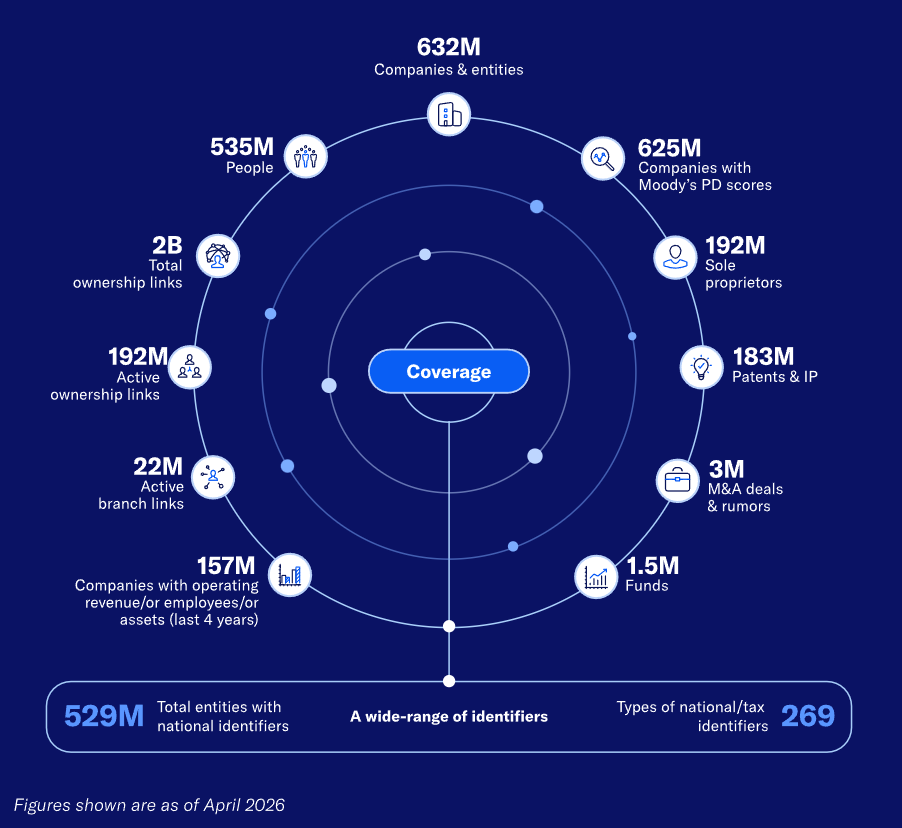
Bureau van Dijk, now operating under the Moody's Orbis brand, is the world's largest standardized private company database, built for enterprise compliance, credit risk, and corporate finance workflows. Unlike public-market platforms, Orbis was built to solve the opacity of private company data across jurisdictions. It captures data from 170+ providers, then treats, appends, and standardizes it so the output is consistent and comparable across borders.
Its key features include:
Coverage of 625+ million entities with standardized financials and company attributes
Ownership and corporate hierarchy mapping with 2+ billion ownership links and 218+ million active ownership links
KYC/AML/CDD compliance screening integrated with Moody's anti-financial crime ecosystem
M&A deal intelligence via Orbis M&A, covering 2.3 million deals and rumors
Transfer pricing benchmarking recognized by the OECD as its foundational data source
Risk scoring including Cyber Risk Ratings by Bitsight on 6+ million entities and supplier performance scores
Source: Moodys
Orbis serves as the reference-standard database for financial institutions, regulators, and professional services firms conducting due diligence, ownership analysis, and cross-border financial benchmarking. Moody's was named a leader in the KYC data category in the 2025 Chartis RiskTech Quadrant, and Orbis earned the Chartis RiskTech100 2024 Overall #1 ranking.
But Bureau van Dijk's enterprise-only pricing, restrictive data licensing, and compliance-first design leave gaps for organizations needing sales intelligence, modern API integrations, or operational decisioning tools. That's why we've focused on alternatives that address specific use cases where Orbis falls short.
Looking for a GTM platform with B2B contact and company data? ZoomInfo provides 500M+ contacts, buyer intent signals, and AI execution tools. See how it works.
How We Curated Our List of Bureau van Dijk Alternatives
After researching Orbis and the business intelligence market, we found organizations looking for alternatives that fill specific gaps:
Finding and engaging B2B buyers with verified contact data, intent signals, and AI-powered outreach
Accessing standardized global business data anchored by a recognized identifier
Conducting financial modeling, M&A deal screening, and investment analysis
Getting credit risk intelligence and compliance screening without enterprise procurement complexity
Sourcing registry-based company data on mid-market budgets with flexible licensing
Discovering suppliers and monitoring portfolios with frequently refreshed intelligence
Verifying entity legitimacy through transparent, registry-sourced data at low or no cost
Each tool on this list addresses one or more of these needs. Some replace Bureau van Dijk directly. Others complement it by filling a gap Orbis was never designed to address.
DISCLAIMER: We aren't covering every business intelligence tool on the market. We focused on the alternatives that best address Bureau van Dijk's limitations for specific use cases. |
|---|
1. ZoomInfo — Best Alternative for B2B Sales Intelligence and AI-Powered GTM Execution
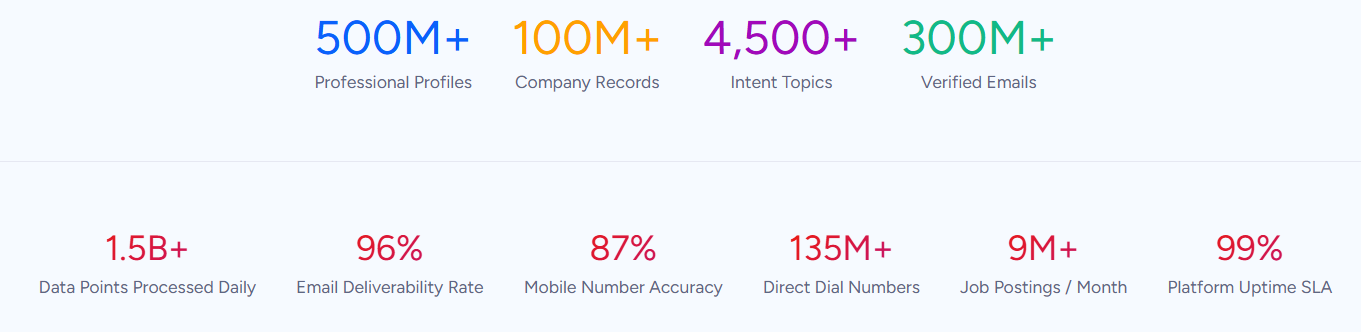
ZoomInfo is an AI GTM platform built on a B2B data foundation of 500M contacts and 100M companies: 135M+ verified phone numbers, 120M direct dials, and 200M+ verified business email addresses. Its key features include:
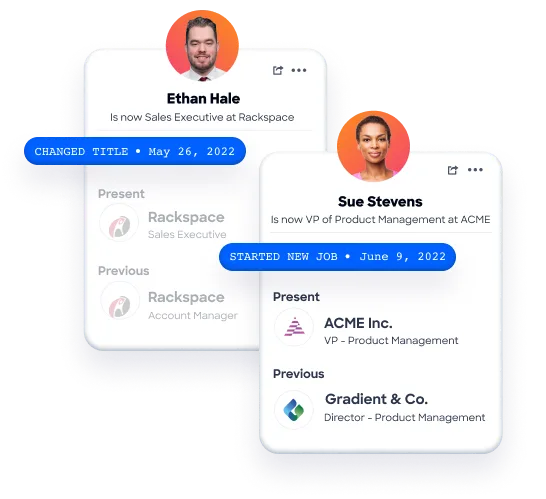
Verified contact data: Direct-dial phone numbers, verified business emails, org charts, and job-change tracking to engage multiple contacts across target accounts
Buyer intent signals: Intent data from 210 million IP-to-Organization pairings and 6 trillion+ keyword-to-device pairings sourced monthly, including Guided Intent that identifies topics correlated with deal success
GTM Context Graph: An intelligence layer that processes 1.5B+ data points daily, combining ZoomInfo's B2B data with CRM records, conversation intelligence, and behavioral signals to show not just what happened in a deal, but why
AI execution tools: GTM Workspace for sellers and GTM Studio for marketers and RevOps, plus APIs and MCP for custom tools or AI agents
Bureau van Dijk's Orbis covers entities but not the people within them. It lacks verified contact data, intent signals, and workflow tools that go-to-market teams need to find and engage buyers. For organizations that need B2B sales intelligence, ZoomInfo provides the contact-level data and execution tools Orbis was never designed to offer.
Why Choose ZoomInfo Over Bureau van Dijk for B2B Sales Intelligence
Bureau van Dijk excels at compliance entity data and ownership structures. ZoomInfo is built for the go-to-market workflow: identifying the right buyers, knowing when they're in-market, and engaging them with relevant outreach.
Verified Contact Data: Reach Decision-Makers Directly
Orbis covers companies at the entity level, including directors and key contacts from corporate filings, but it does not provide verified business emails, direct-dial phone numbers, or the contact depth that outbound sales teams need. For teams building targeted prospect lists, this creates a gap.
ZoomInfo fills that gap with 500M contacts, 135M+ verified phone numbers, 120M direct dials, and 200M+ verified business emails, all checked through a multi-source pipeline backed by 300+ human researchers with up to 95% accuracy on first-party data. The platform provides 300+ company attributes for segmentation, department org charts with direct contact information, and Contact Tracker alerts when key prospects change roles.
In a Fortune 500 competitive RFP analyzing 25 million contacts across vendors, the independent consultant concluded that "no other competitor came even close."
ZoomInfo in Action: Your team identifies a mid-market manufacturing company through due diligence. Instead of calling switchboard numbers or searching LinkedIn, you search ZoomInfo by department, seniority, and title to map the buying committee in seconds, then access verified direct dials and emails to start outreach immediately.
"ZoomInfo gives us the information we need to execute. We don't have to go through and spend our time digging. It's already there, so we can be three steps ahead." (Vensure)
Buyer Intent and GTM Intelligence: Know When Accounts Are In-Market
Bureau van Dijk provides financial data and ownership structures but does not surface buying signals. Orbis is a reference database for point-in-time lookups, not an intelligence platform that tells you when to engage.
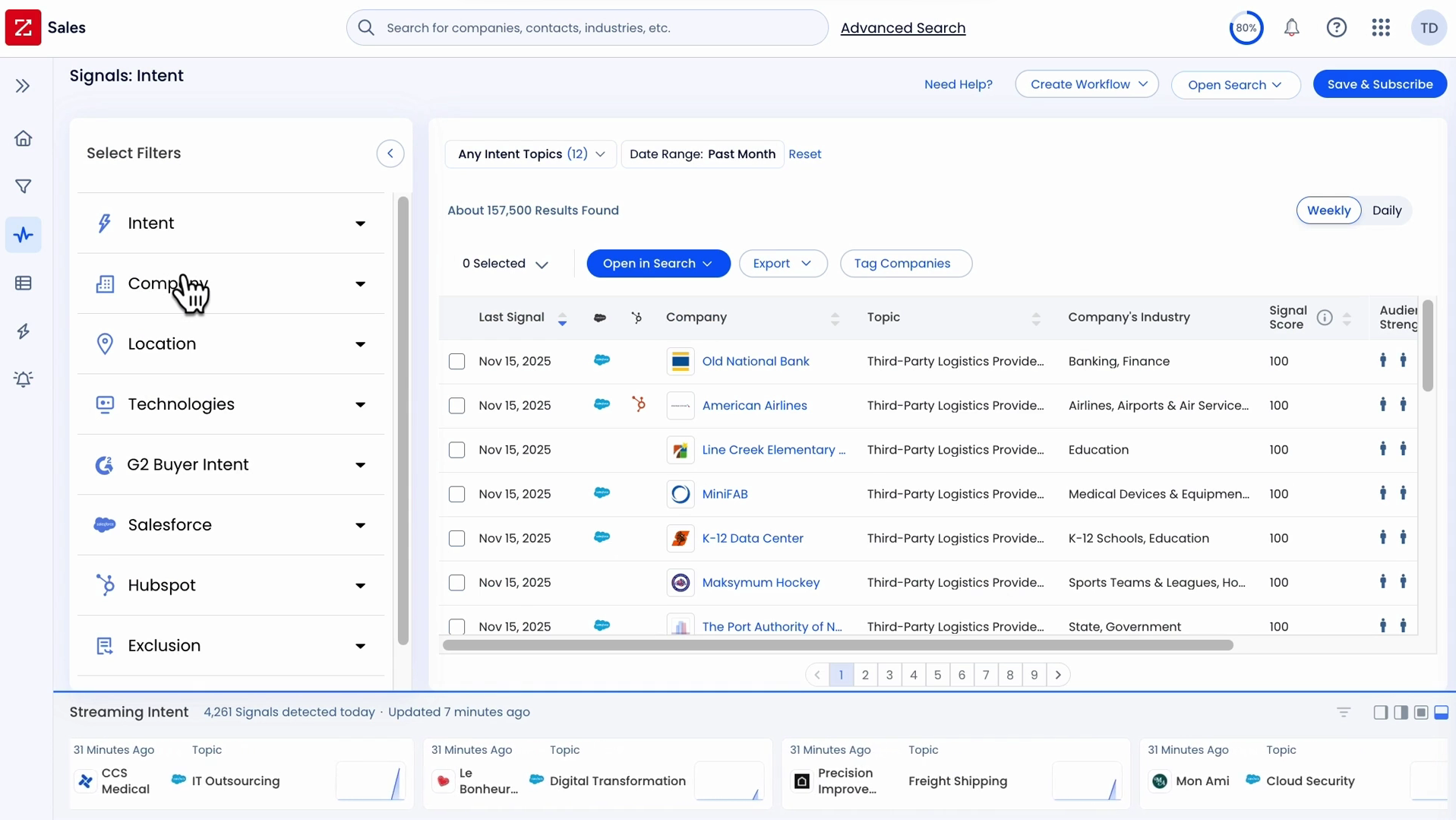
ZoomInfo's Intent data tracks signals from 210 million IP-to-Organization pairings and 6 trillion+ new keyword-to-device pairings each month. Guided Intent, exclusive to ZoomInfo, identifies topics correlated with closed deals instead of requiring manual topic selection.
The GTM Context Graph goes further. It combines ZoomInfo's B2B data with a customer's CRM records, conversation intelligence, and behavioral signals to capture the decision context behind each deal: who influences whom, what actions produced results, and what patterns from similar deals suggest will happen next. CRMs record that a deal moved stages. The Context Graph reveals why.
ZoomInfo in Action: Three companies in your target segment start researching supply chain optimization tools this week. Guided Intent surfaces them automatically, and the Context Graph connects these signals to patterns from similar closed-won deals in your CRM, recommending the outreach sequence that addresses the concerns these buyers typically raise.
"That combination of our internal CRM data, external signals, and AI that's given all that context has helped us craft very specific account- and persona-based messages. And people have responded to them right away." (Seismic)
AI-Powered GTM Execution: From Intelligence to Action in One Platform
Bureau van Dijk delivers data that customers integrate into their own systems. It provides no workflow tools for sales outreach, marketing orchestration, or deal execution. Organizations using Orbis for company research must still build or buy separate platforms for everything after the research phase.
ZoomInfo closes this gap with two native front-ends built on the GTM Context Graph:
GTM Workspace gives sellers one workspace where prioritized accounts, AI-drafted outreach, and deal execution converge. AI agents research accounts, generate follow-ups, monitor signals, draft outreach, and update CRM fields, answering three questions for every rep: who to contact, when to engage, and what to say.
GTM Studio gives marketers and RevOps a builder where they define audiences, orchestrate campaigns, and measure pipeline in natural language. Expansion plays that took 3 weeks now launch in 30 minutes, without engineering support.
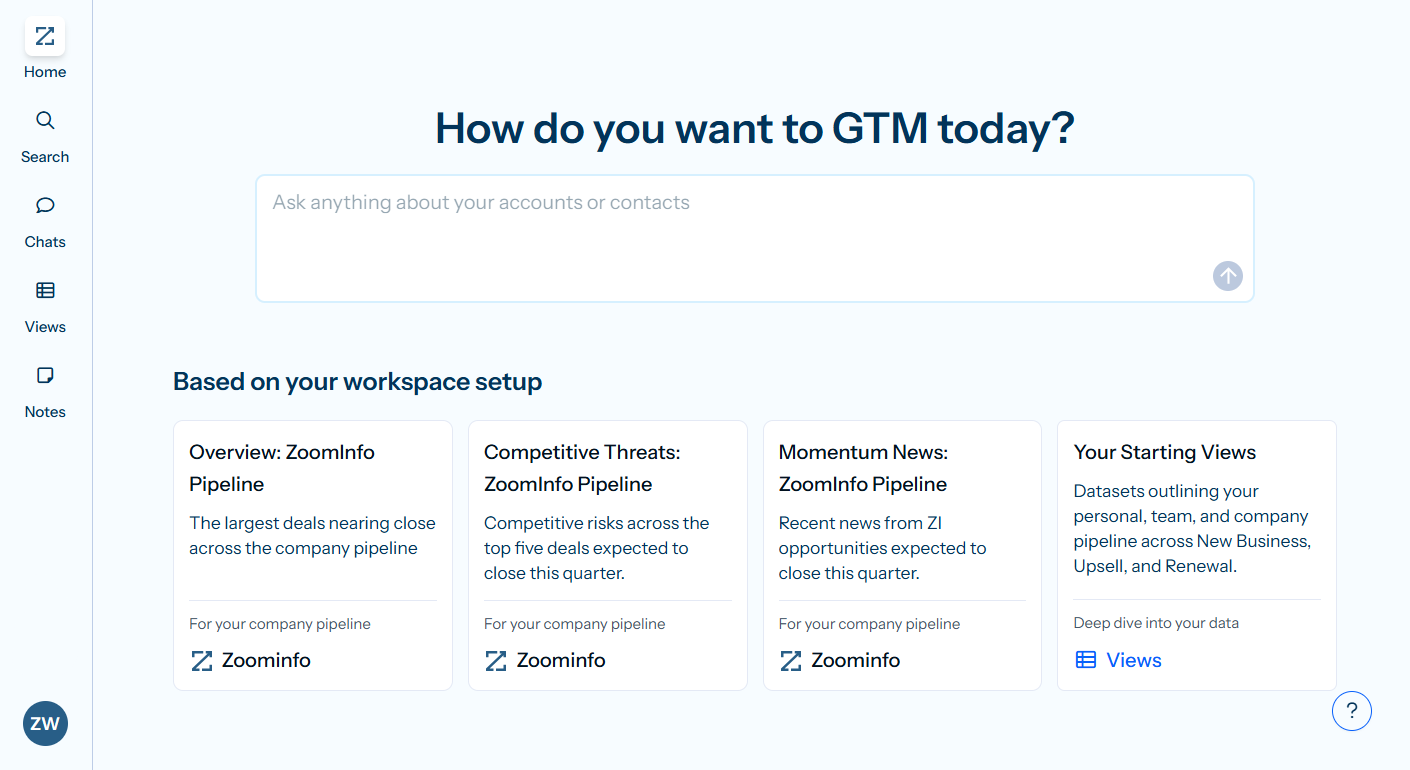
ZoomInfo in Action: A marketer describes an audience in GTM Studio, then launches a multi-channel play targeting accounts that match proven win patterns. Engaged accounts flow into GTM Workspace, where sellers see AI-drafted outreach addressing each account's context. No engineering tickets, no manual list building, no toggling between tools.
Universal Access: Intelligence in Any Tool via APIs and MCP
Bureau van Dijk's core Orbis API uses a SOAP Web Services interface with concurrent request limits typically 1 to 10 per license. The platform also imposes licensing restrictions that block integration into AI models or automation tools without additional approvals.
ZoomInfo takes the opposite approach. API access is included in all relevant plans, with rate limits up to 35 requests per second. The ZoomInfo MCP server connects AI models to ZoomInfo's data as a native tool, supporting Claude and ChatGPT. The App Marketplace lists 120 partner integrations, with native connectors for Salesforce, HubSpot, Microsoft Dynamics 365, Snowflake, and more.
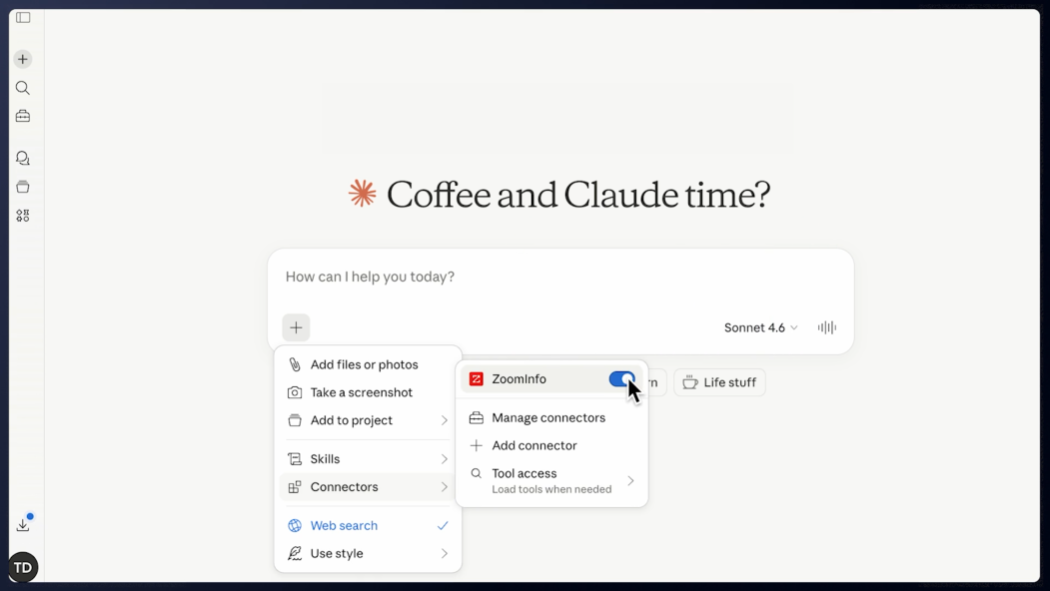
"The plug-and-play aspect of the API means I can integrate it very easily into any process and get information at a moment's notice." (BDO Canada)
ZoomInfo Pricing
ZoomInfo uses a custom-quoted, consumption-based pricing model based on seats, credits, and feature access. No prices are published. Costs depend on usage patterns, users, monthly credit volume, features, and contract length.
Sales plans come in three tiers: Professional (contact and company data), Advanced (account prioritization and intent signals), and Enterprise (AI-generated summaries and signals).
Marketing plans include Marketing Demand, ABM Lite, and ABM Enterprise, each with increasing intent signal capacity and advertising capabilities.
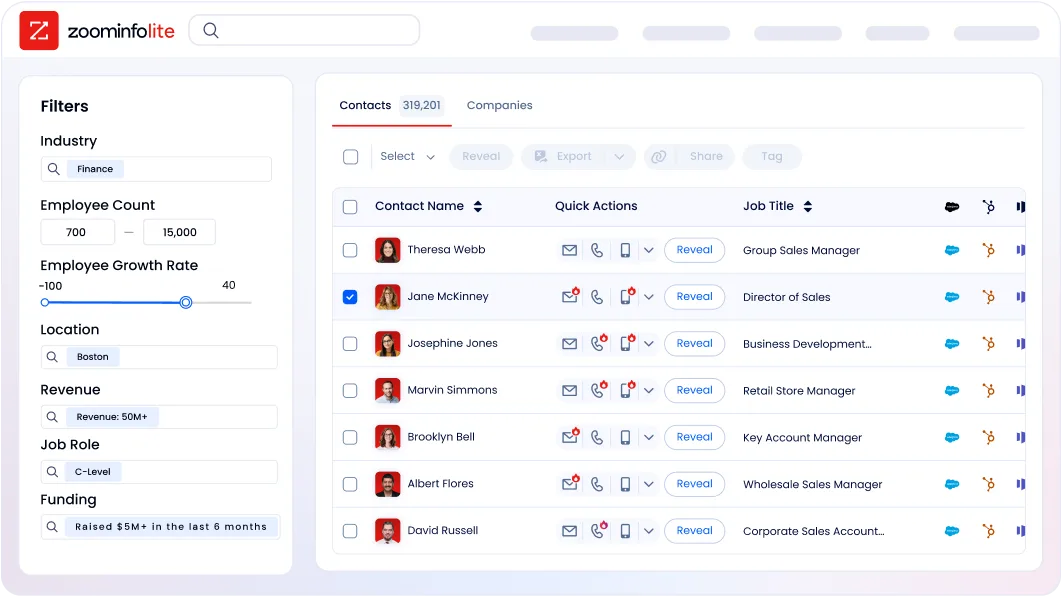
ZoomInfo Lite is a permanent free tier (not a trial) providing access to ZoomInfo's B2B database with 10 monthly export credits, individual and company searches, the ReachOut Chrome Extension, and HubSpot integration.
ZoomInfo also offers a 7-day free trial with access to core platform features, intent signals, and email outreach. No credit card required.
Who Should Use ZoomInfo?
Choose ZoomInfo if:
You need verified B2B contact data to prospect into accounts you've found through compliance or research workflows. Bureau van Dijk tells you about companies. ZoomInfo tells you who to call, how to reach them, and when they're ready to buy, with 500M contacts, 135M+ verified phone numbers, and 200M+ verified business emails.
You want to move beyond static company data to buyer intelligence. ZoomInfo's Guided Intent and GTM Context Graph surface in-market accounts and explain why deals move or stall.
Your sales, marketing, or RevOps team needs an execution platform, not a reference database. GTM Workspace and GTM Studio handle outreach, campaign orchestration, and pipeline management, while APIs and MCP deliver the same intelligence into any custom tool or AI agent.
Want to see your target accounts and reach the right buyers? Start with ZoomInfo Lite for free, or request a demo to try the full platform.
2. Dun & Bradstreet — Best Alternative for Enterprise-Grade Global Business Data and Credit Decisioning
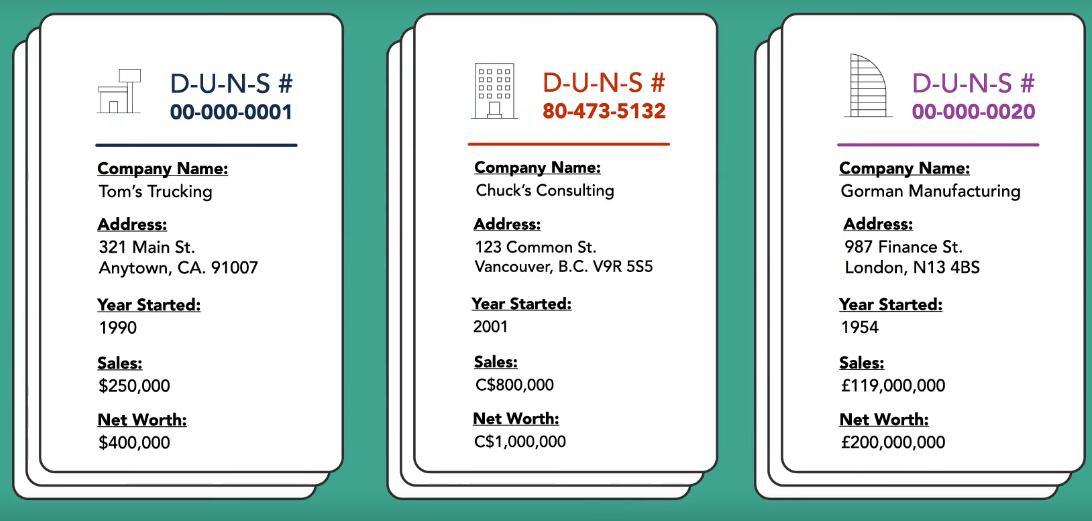
Dun & Bradstreet is a commercial data and analytics company serving 215,000+ clients worldwide, anchored by the D-U-N-S Number, a unique nine-digit business identifier covering 600M+ businesses across 200+ countries with 1,600+ data attributes per record. Its key features include:
D-U-N-S Number universal identifier recommended by 240+ global organizations including the UN, European Commission, and U.S. federal government
D&B Hoovers sales intelligence with 330M+ company profiles and 520M+ contacts including direct dials and LinkedIn profiles
Trade payment data and credit decisioning via approximately 200M trade experiences powering the PAYDEX Score, Failure Score, and Delinquency Score
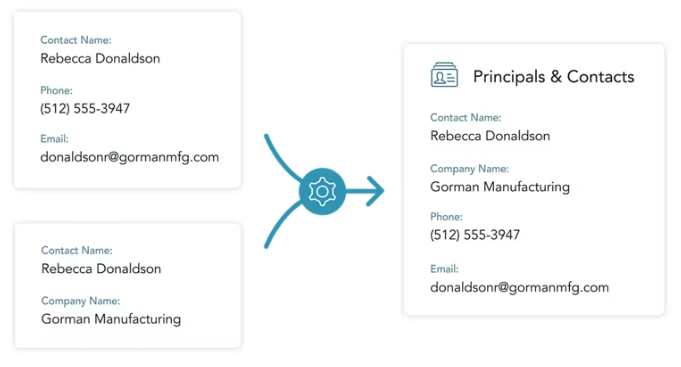
D&B Connect for automated CRM/ERP data quality, standardization, and enrichment
Source: Dun & Bradstreet
Why Choose Dun & Bradstreet Over Bureau van Dijk for Enterprise-Grade Global Data
Dun & Bradstreet stands out in the following areas:
The D-U-N-S Number Is the Global Standard; BvD ID Is Not
Bureau van Dijk's proprietary BvD ID exists only within the Orbis ecosystem. The D-U-N-S Number is recommended by 240+ organizations, encoded in ISO/IEC 6523, and required for U.S. federal contracting. It never changes and is never reassigned, making it a stable anchor for cross-system integration that proprietary identifiers cannot match.
Trade Data Powers Credit Decisioning
Bureau van Dijk provides standardized financial statements and financial strength indicators, but it does not aggregate trade payment experiences. D&B operates the world's largest commercial trade network, aggregating approximately 200M trade experiences from tens of thousands of contributing companies. These power predictive risk scores for credit decisions that Orbis's research-oriented platform does not deliver.
Embedded Master Data Management
Bureau van Dijk's strict licensing blocks CRM and automation integration without additional approvals. D&B Connect is built for automated data quality, with native Salesforce Lightning Data integration, SAP connectors, and a REST-based D&B Direct+ API with rate limits set per contract rather than hard-capped at low concurrency.
Source: Dun & Bradstreet
NOTE: We also evaluated S&P Capital IQ and Experian. While S&P Capital IQ excels at public company financial data and investment research, and Experian offers strong consumer and business credit capabilities, Dun & Bradstreet provides the strongest combination of standardized entity identification (D-U-N-S Number), trade-payment credit scoring, and sales intelligence through D&B Hoovers.
Dun & Bradstreet Pricing
D&B Hoovers Essentials (SMB): $49/month on the monthly plan, including 150 Company Credits and 150 Contact Credits per month, or $529/year on the annual plan, including 1,800 Company Credits and 1,800 Contact Credits annually.
Enterprise products (D&B Hoovers Enterprise, Finance Analytics, Rev.Up ABX, Supplier Risk Manager, Connect) are all quote-only.
Who Should Use Dun & Bradstreet?
Choose Dun & Bradstreet if:
You need a globally recognized business identifier that interoperates with government, regulatory, and enterprise systems without proprietary schema translation.
You need credit risk decisioning powered by trade payment data, not just static financial statements.
You need to embed business data into CRM enrichment workflows and master data pipelines, with flexible API delivery and native CRM connectors.
3. S&P Capital IQ Pro — Best Alternative for Financial Analysis and M&A Research
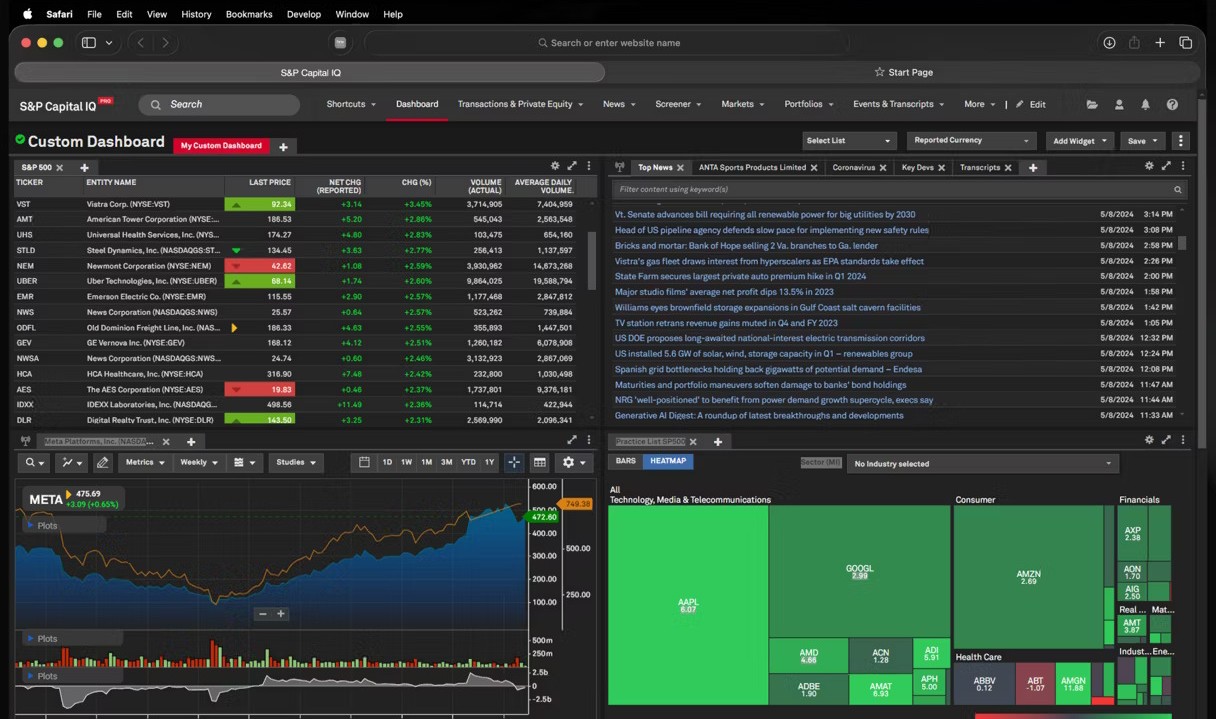
S&P Capital IQ Pro is a web-based financial intelligence platform built for investment analysis, credit assessment, and M&A dealmaking. Unlike Bureau van Dijk's compliance-first design, Capital IQ Pro treats financial modeling and valuation as core workflows, making it the natural alternative for deal screening or equity research. Its key features include:
Financial screening across 60M+ private companies, with 16M+ having recent financials, plus 110,000+ PE and VC funds
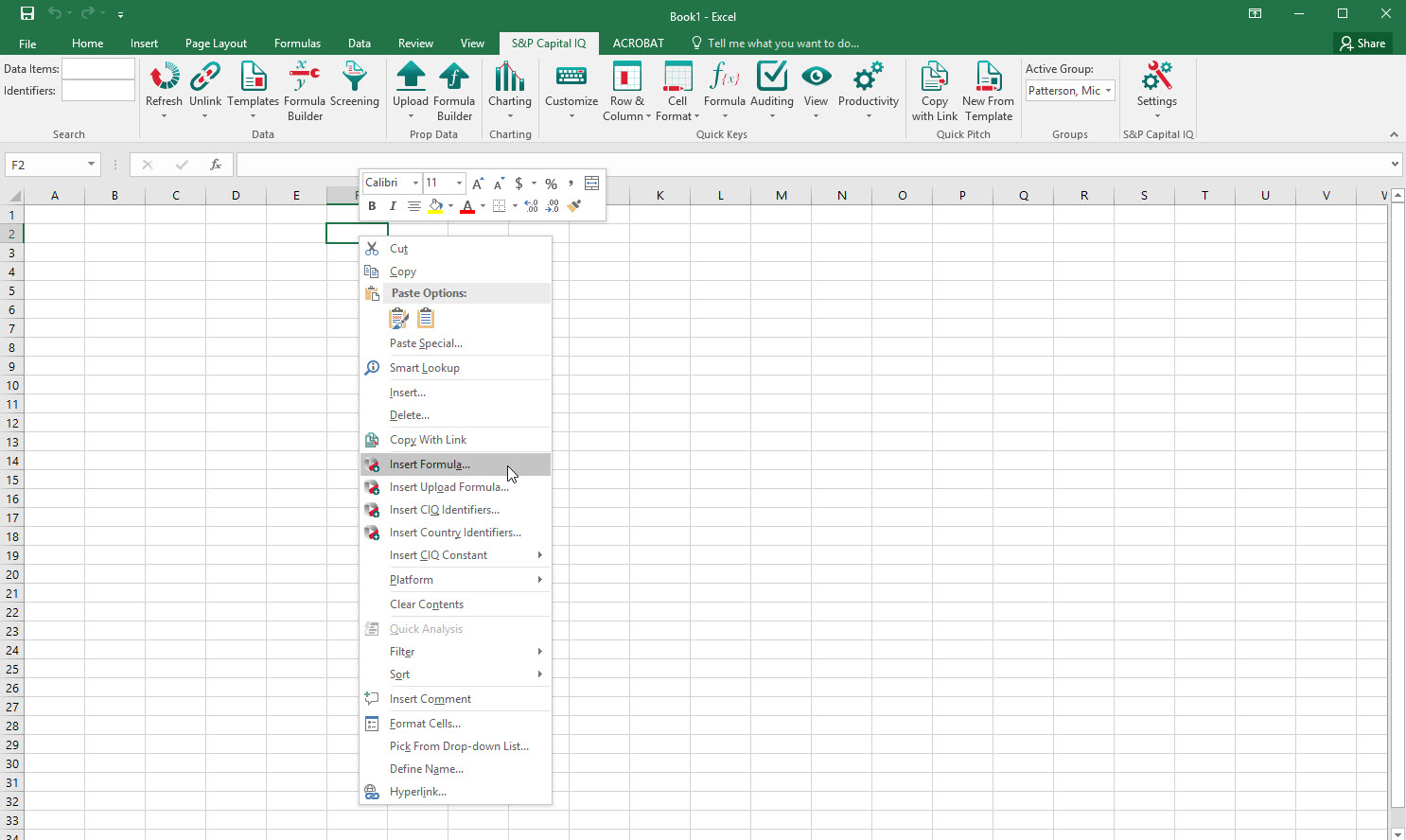
Live Excel integration via the Capital IQ Pro Office add-in with 250+ pre-built templates that auto-refresh with current data
S&P Capital IQ Estimates covering 140+ metrics across 19,800+ companies
GenAI Document Intelligence for AI-powered analysis of filings, earnings calls, and investment documents
Source: S&P Capital IQ Pro
Why Choose S&P Capital IQ Pro Over Bureau van Dijk for Financial Analysis
S&P Capital IQ Pro excels in the following areas:
Financial Modeling Native to the Investment Workflow
The Excel plugin embeds live financial, market, and transaction data directly into spreadsheets using proprietary formulas that refresh with a single click. Orbis requires manual export to Excel and does not maintain formula-level connectivity between the database and models. S&P Global's modeling team is available at no extra cost to convert existing spreadsheets into CIQ-linked models.
Integrated Consensus Estimates and Equity Research
Capital IQ Pro natively integrates forward earnings estimates, analyst price targets, and 200 million+ data points from Visible Alpha alongside historical financials. Orbis focuses on reported historical financials and does not surface the forward-looking equity research layer that investment analysts rely on.
GenAI Tuned for Investment Research
ChatIQ and Document Intelligence 2.0 answer natural-language questions about company strategy, competitive positioning, and deal rationale across multiple filings at once. Moody's AI capabilities focus on compliance; Capital IQ Pro's AI is tuned for deal analysis and equity research.
Source: S&P Capital IQ
NOTE: We also evaluated PitchBook and Refinitiv. PitchBook excels at PE/VC deal sourcing with deep startup coverage, while Refinitiv offers broad multi-asset-class market data. S&P Capital IQ Pro provides the strongest combination of private company financials, M&A deal data, and equity research for teams focused on financial modeling and dealmaking.
S&P Capital IQ Pro Pricing
S&P Capital IQ Pro uses a per-seat annual subscription model. Pricing is not publicly listed. Third-party estimates from CostBench (verified May 2026) suggest: Essentials at approximately $12,000/user/year, Standard at approximately $20,000/user/year (with Excel plugin and M&A data), Advanced at approximately $25,000/user/year (with real-time data and estimates), and Enterprise at custom pricing. Vendr procurement data shows a median contract value of $56,672/year across 54 purchases.
Who Should Use S&P Capital IQ Pro?
Choose S&P Capital IQ Pro if:
Your team's primary deliverables are Excel-based financial models (LBO, merger, DCF, comps) that need to auto-refresh with current financials.
You're conducting M&A deal sourcing or precedent transaction analysis and need deal multiples, advisor league tables, and comparable transaction screening.
Your use case is investment analysis, credit assessment, or equity research rather than KYC/AML compliance.
4. Creditsafe — Best Alternative for Accessible Credit Risk Intelligence
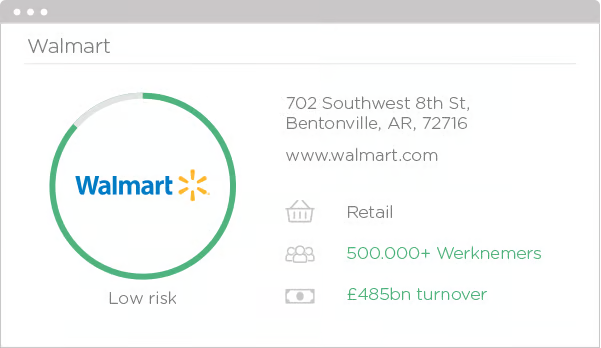
Creditsafe is a business credit intelligence platform that delivers instant credit reports on 430M+ businesses globally, refreshed daily from over 9,000 sources. It addresses the access gap Bureau van Dijk creates for mid-market organizations, providing credit reporting, compliance screening, and risk monitoring through a modern API at a price that doesn't require enterprise procurement cycles. Its key features include:
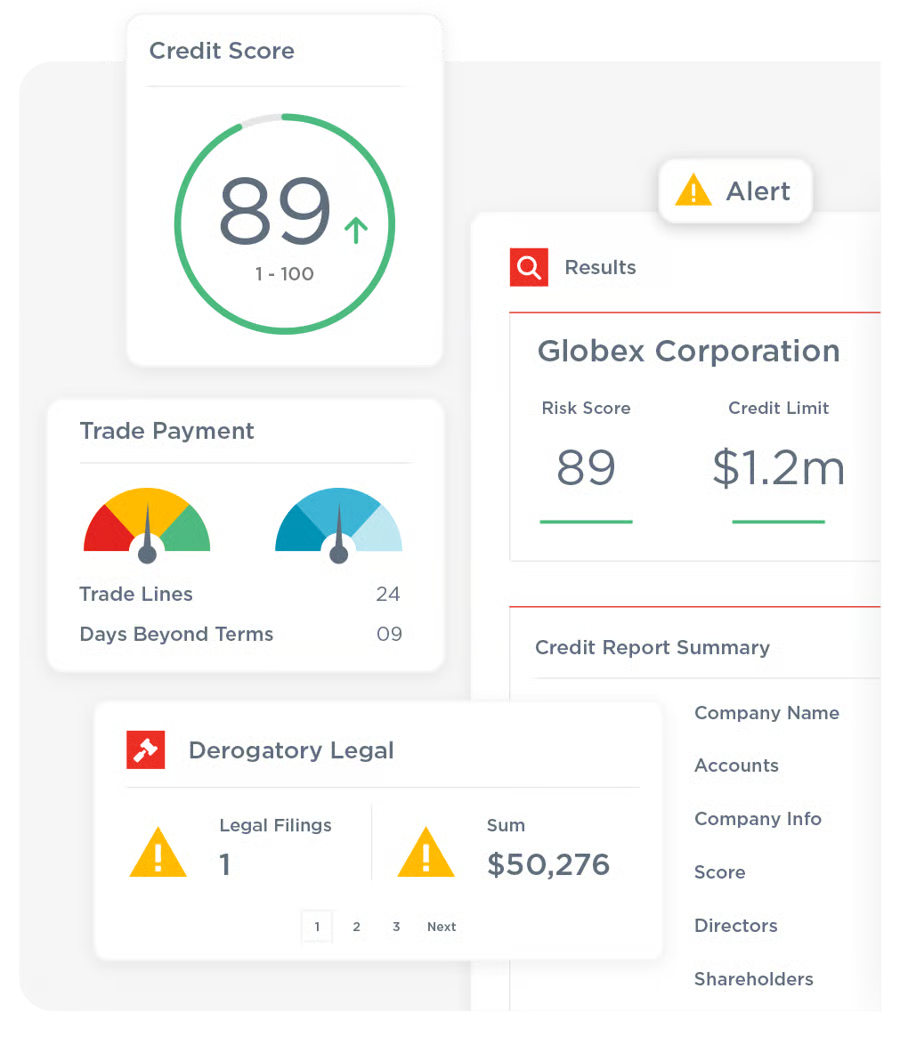
Instant credit reports on 430M+ businesses with credit scores, credit limits, and trade payment data, updated 5 million times per day
Modern REST API (Creditsafe Connect) with JWT authentication, full OpenAPI specifications, and structured error handling
KYB and AML compliance screening via integrated LexisNexis WorldCompliance data covering 4.8 million PEP profiles across 240+ territories
Real-time monitoring with 20+ customizable alert variables across 48 countries
Check & Decide no-code automation for credit decisioning
Source: Creditsafe
Why Choose Creditsafe Over Bureau van Dijk for Accessible Credit Risk
Creditsafe stands out in the following areas:
Modern REST API vs. Legacy SOAP Architecture
Bureau van Dijk's core Orbis API uses a SOAP Web Services interface with concurrency limits typically 1 to 10 requests per license. Creditsafe's Connect API provides REST endpoints with full OpenAPI specifications in YAML or JSON, letting data engineering teams embed credit intelligence into automated workflows without multi-day batch runtimes.
Embedded Compliance Screening Without Separate Enterprise Contracts
Bureau van Dijk markets Orbis for Compliance as a separate product line requiring distinct enterprise licensing. Creditsafe integrates KYC/AML screening directly into the base platform via Creditsafe Protect, with the Compliance Alerts API accepting a company ID and automatically screening all associated directors and UBOs in a single call.
Continuous Monitoring as Default, Not an Add-On
Once a user views a company report in Creditsafe, they can add that entity to a monitoring portfolio with a single click, tracking over 20 alert types (credit score changes, insolvencies, director changes, legal events) delivered via email, digest, or API webhook. This turns portfolio risk management from periodic manual reviews into automated monitoring.
No-Code Decisioning Embedded in the Platform
Check & Decide offers decision tree templates that encode credit policies into automated approval/refer/reject outcomes via API, reducing manual review time. Most deployments finish in under three days.
Source: Creditsafe
NOTE: We also evaluated Experian Business and CreditRiskMonitor. Creditsafe emerged as the strongest Bureau van Dijk alternative for mid-market teams because it combines credit reporting (430M+ entities), compliance screening, and a developer-friendly API at a subscription price based on usage allowances rather than custom enterprise negotiations.
Creditsafe Pricing
Creditsafe does not publish dollar figures publicly. Pricing is structured around three tiered subscription packages in the US: Standard (unlimited US credit reports, 5 international reports, 100 US companies monitored), Plus (50 international reports, 500 US companies monitored), and Premier (150 international reports, unlimited US monitoring, 5 Fresh Investigations). Connect API, automated decisioning (Check & Decide), and PEP/Sanctions screening are separately licensed add-ons. Default contracts are 12 months.
Who Should Use Creditsafe?
Choose Creditsafe if:
You're a mid-market B2B company extending trade credit and need credit intelligence without multi-year enterprise negotiations and restrictive licensing.
You need a modern REST API with high throughput for CRM enrichment, bulk ETL jobs, or AI agent integration, where Bureau van Dijk's SOAP API creates bottlenecks.
Your credit and compliance functions are managed by the same small team and you need both capabilities in one subscription rather than separate vendor contracts.
5. Global Database — Best Alternative for Mid-Sized Teams Needing Registry-Sourced Global Data
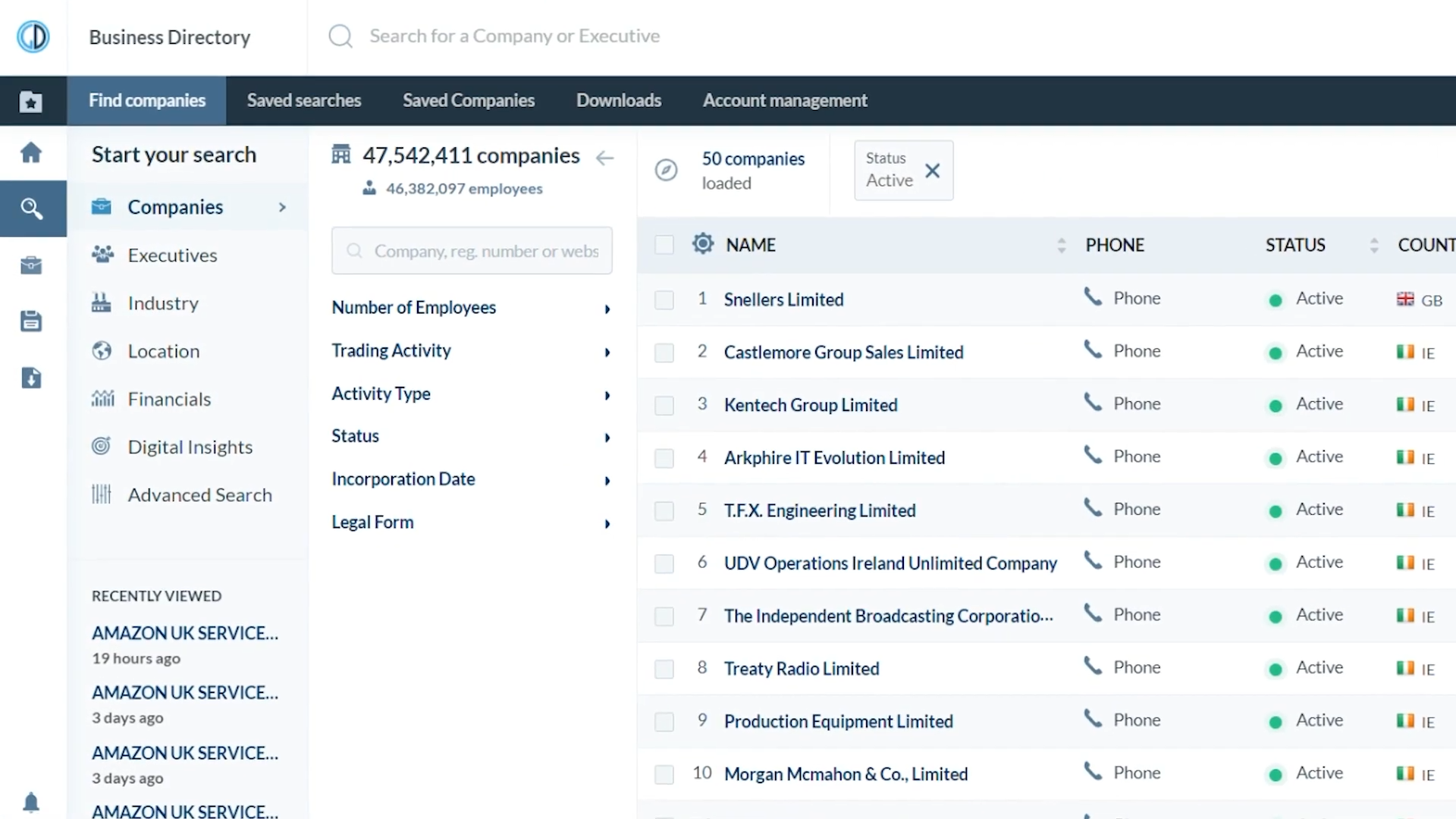
Global Database is a B2B company intelligence platform built around government-registry-first data collection, covering 600M+ companies sourced from 400+ government registries across 200+ countries. It addresses the access barrier Bureau van Dijk creates for smaller organizations, with registry-sourced data, modular pricing, unrestricted API licensing, and one interface for both sales prospecting and compliance. Its key features include:
Real-time data from government registries in 100+ countries, with registry changes captured within 24 hours of filing
Company financials with up to 20 years of history, credit scores, court judgments, and ownership trees
100+ search filters with key employee data including names, titles, phone numbers, verified emails, and social links within company profiles
Open API without licensing restrictions allowing embedding and redistribution, and AI model training without additional approvals
Source: Global Database
Why Choose Global Database Over Bureau van Dijk for Mid-Sized Teams
Global Database stands out in the following areas:
Accessible Entry Pricing
Bureau van Dijk uses a quote-based enterprise licensing model with no public pricing and multi-quarter procurement cycles. Global Database prices by coverage, users, and export queries, starting at approximately $1,000 per month for 100 users. You can scope licenses by industry, country, or region, paying only for the markets you need.
Unrestricted Commercial Data Rights
Bureau van Dijk's licensing agreements block integration into AI models, CRM platforms, or automation tools without additional approvals. Global Database offers full commercial licensing for redistribution and API integration, attracting data vendors like Experian and Statista who redistribute Global Database data.
Unified Sales and Compliance in One Platform
Bureau van Dijk is compliance-first. Using it for outbound sales requires licensing a second tool. Global Database collapses this into a single platform with a Sales Prospecting module alongside a Risk & Compliance module, both drawing from the same dataset. A free Chrome Extension enables prospecting on LinkedIn and company websites.
NOTE: We also evaluated Crunchbase and Dun & Bradstreet. Crunchbase excels at venture-backed startup intelligence with deep funding data, and D&B offers credit risk scoring with institutional trust. Global Database provides the best balance of registry-sourced data, global coverage, and flexible commercial licensing for teams needing both sales and compliance capabilities without enterprise-scale budgets.
Global Database Pricing
Pricing is custom-quoted based on geographic coverage, user count, and export volume. The Sales & Marketing module starts at approximately $1,000/month for 100 users. The Risk & Compliance module can be purchased separately or bundled. Contact discovery and credit reports carry per-unit charges. Annual licenses paid upfront; no monthly option. All fees are non-refundable, and cancellation requires 60 days' written notice before renewal.
Who Should Use Global Database?
Choose Global Database if:
You're a mid-market company expanding internationally and need auditable, registry-sourced company data without enterprise procurement complexity.
You're building a data-enriched SaaS product or compliance tool and need unrestricted API and resale rights.
You need both sales intelligence and compliance capabilities in one platform to avoid vendor fragmentation and duplicate procurement.
6. Veridion — Best Alternative for AI-Powered, Frequently Refreshed Company Intelligence
Veridion is an AI-driven business intelligence platform that delivers weekly-updated company profiles on 134 million+ businesses globally by scanning 800 billion+ web pages every week. Unlike Bureau van Dijk's periodic registry-update model, Veridion's ML engine crawls company websites, public filings, social media, and news feeds to build and refresh profiles without manual intervention. Its key features include:
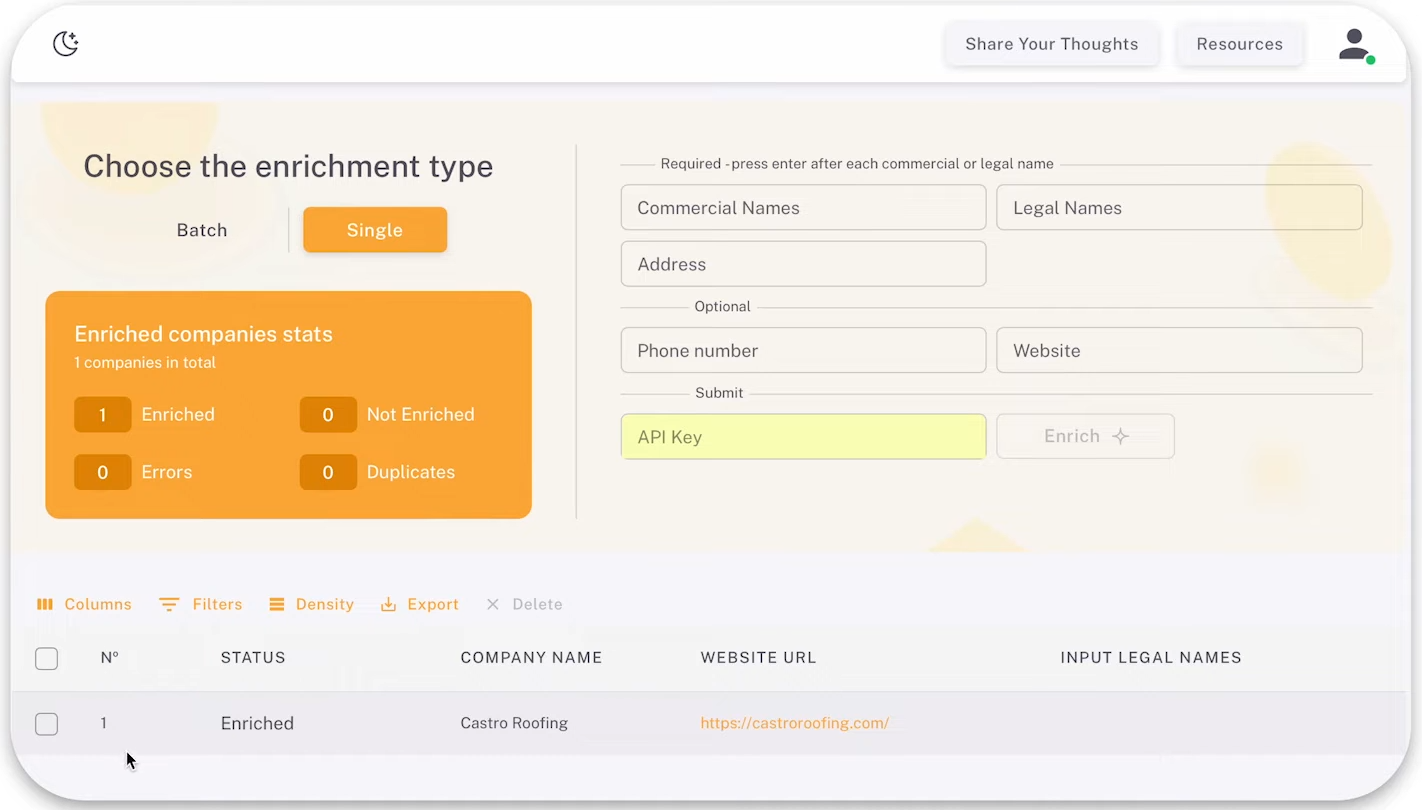
Weekly data refresh across all 134M+ companies, providing over 320 attributes per profile including company attributes, product catalogs, ESG signals, and operational data
Natural language search via Scout, where users type sourcing needs (like "fire-resistant cables for infrastructure") and AI translates them into precise search parameters
API-first architecture with Search and Enrich APIs designed for direct integration into procurement, insurance, and market intelligence workflows
Source: Veridion
Why Choose Veridion Over Bureau van Dijk for Frequently Refreshed Intelligence
Veridion excels in the following areas:
Weekly Refresh vs. Periodic Registry Updates
Bureau van Dijk's data supply chain depends on when businesses file with government registries, when registries release updates, and when vendors deliver feeds. A supplier's website might announce a new facility weeks before that change reaches Orbis records. Veridion eliminates this lag with weekly crawls that capture changes as they appear online.
Natural Language Search vs. Structured Query Complexity
Orbis exposes "hundreds of search criteria" through Boolean logic and structured query forms, with a learning curve requiring onsite training. Veridion's Scout accepts plain-language queries and uses AI to produce JSON-based filter models automatically.
API-First with Flexible Licensing
Veridion is built API-first with RESTful endpoints, documentation, and sandbox environments. The platform emphasizes "no artificial constraints and usage barriers" in its positioning, contrasting with Bureau van Dijk's restrictive data licensing and SOAP-based API.
NOTE: We also evaluated Dun & Bradstreet and Grata. D&B brings institutional credibility and regulatory recognition, and Grata offers specialized private company search for investment workflows. Veridion provides the best combination of data freshness (weekly refresh), accessibility (natural language search), and integration flexibility (API-first) for procurement, insurance, and market intelligence teams.
For a complete look at Veridion's capabilities, strengths, and real-world use cases, see our Veridion review.
Veridion Pricing
Veridion does not publish standard pricing. All pricing is custom-negotiated based on API volume, attribute requirements, and use case. A Startup Programme offers qualifying early-stage companies €30,000 in free credits covering up to three months of access, with personalized pricing after the trial period.
For more detail on what to expect when negotiating, see our Veridion pricing breakdown.
Who Should Use Veridion?
Choose Veridion if:
Your procurement team manages global supplier networks and needs to discover, qualify, and monitor vendors faster than traditional RFI processes allow.
You're a commercial insurance underwriter pricing policies on private companies and need operational data refreshed weekly to support quote-to-bind automation.
You're building a market intelligence product or compliance workflow and need company data you can embed programmatically without restrictive licensing agreements.
7. OpenCorporates — Best Free Alternative for Registry-Based Entity Verification
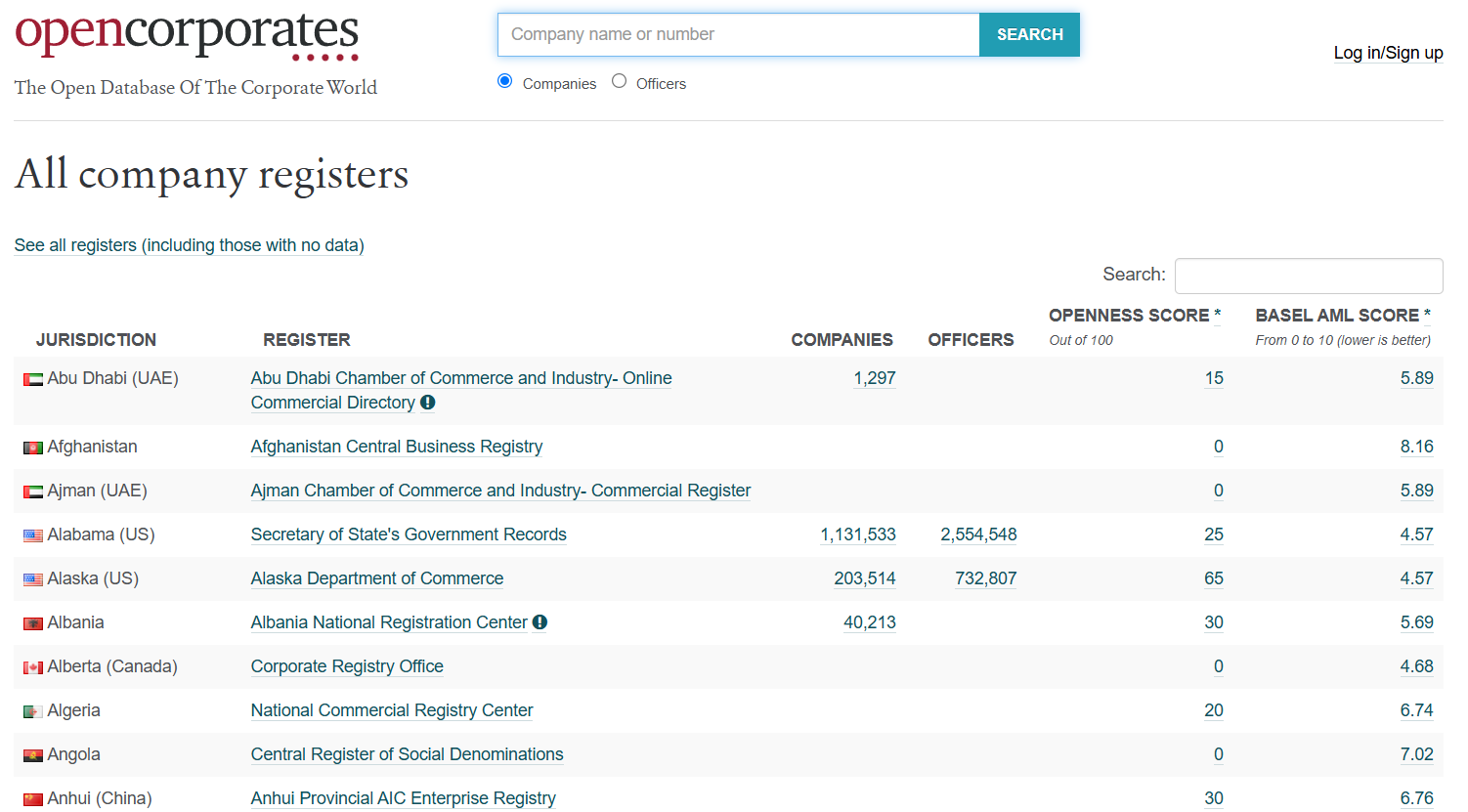
OpenCorporates is a legal-entity data platform aggregating official corporate registry filings from over 140 government registries worldwide into a single searchable interface, covering 230 million+ company records and 310 million+ officers. Every record links back to its originating government source. For compliance teams on tight budgets and investigative researchers who need auditable primary-source data, OpenCorporates delivers transparent entity verification at zero cost for qualifying users. Its key features include:
Free access to 230M+ company records for investigative journalists, NGOs, universities, and anti-corruption research groups
Full source transparency with every record linking to the official registry source and a complete audit trail
REST API with JSON and XML output, a free tier providing up to 200 requests per month, and paid plans starting at £2,250 per year
Open, non-proprietary identifiers using registry-native company numbers and open standards (BODS, ISO vLEIs, eIDAS 2.0)
Source: OpenCorporates
Why Choose OpenCorporates Over Bureau van Dijk for Entity Verification
OpenCorporates stands out in the following areas:
Zero-Cost Access for Public-Benefit Users
Bureau van Dijk operates on an enterprise licensing model widely described as expensive, with every engagement requiring a sales negotiation. OpenCorporates provides free at-scale access for investigative journalists, NGOs, universities, and anti-crime research groups, a commitment embedded in its B Corp certification.
Primary-Source Provenance Without Proprietary Curation
Bureau van Dijk treats, appends, and standardizes data from multiple sources, which adds analytical value but introduces a layer of interpretation. OpenCorporates' first Legal-Entity Data Principle is that foundational data must come from official primary sources, providing full provenance at the attribute level with direct links to originating registries and retrieval timestamps.
Open Identifiers, No Vendor Lock-In
Bureau van Dijk's proprietary BvD ID links entities within Orbis but is not portable to other systems. OpenCorporates uses open, non-proprietary identifiers based on ISO 3166-2 jurisdiction codes combined with registry-native company numbers, supporting interoperability with established standards including BODS v0.4, ISO vLEIs, and eIDAS 2.0.
NOTE: We also evaluated Companies House (UK registry, free but single-jurisdiction) and GLEIF's LEI database (global identifiers, free but limited to entities with an LEI). OpenCorporates offers the most comprehensive multi-jurisdictional registry aggregation at zero cost for public-benefit users, even though it lacks the financials, ownership depth, and compliance scoring that Bureau van Dijk provides.
OpenCorporates Pricing
Free public-benefit access: Investigative journalists, NGOs, universities, and anti-crime research groups receive permanent free access. Organizations must apply directly to qualify.
Self-serve API plans (commercial):
Essentials: £2,250/year, 500 calls/month, 200 calls/day
Starter: £6,600/year, 2,500 calls/month, 500 calls/day
Basic: £12,000/year, 5,000 calls/month, 1,000 calls/day
Enterprise: Custom pricing with bulk SFTP delivery and dedicated support. All plans are hard-limited to 5 queries per second.
Who Should Use OpenCorporates?
Choose OpenCorporates if:
Your organization qualifies for the free public-benefit tier and needs multi-jurisdictional entity verification without any budget.
You need entity verification with full audit trails and attribute-level source transparency for regulatory or legal documentation.
Your primary use case is confirming legal existence and active status rather than financial analysis or credit assessment.
You are building a legal-entity knowledge graph and need open, interoperable identifiers to avoid proprietary vendor lock-in.
The Final Verdict
Bureau van Dijk's Orbis remains the standard for private company ownership structures, KYC/AML intelligence, and standardized cross-border financials. But organizations with needs beyond compliance and corporate research will find stronger solutions in specialized tools. Here are the best alternatives:
ZoomInfo for B2B sales intelligence with verified contact data, buyer intent signals, and AI-powered GTM execution
Dun & Bradstreet for enterprise-grade global business data with institutional-standard identification and trade-payment credit decisioning
S&P Capital IQ Pro for financial analysis, M&A deal screening, and investment research with native Excel modeling
Creditsafe for accessible credit risk intelligence and compliance screening with a modern REST API and no-code decisioning
Global Database for mid-sized teams needing registry-sourced global data with unrestricted API licensing and combined sales/compliance capabilities
Veridion for AI-powered, weekly-refreshed company intelligence for procurement and insurance underwriting
OpenCorporates for free, transparent, registry-based entity verification with full audit trails and open identifiers
Many organizations use Bureau van Dijk alongside specialized tools to fill specific gaps. Consider your primary use case, budget, and integration requirements when deciding which solution fits.
Need to go beyond company-level data and reach the buyers behind the accounts? ZoomInfo provides 500M+ contacts, buyer intent signals, and execution tools that turn intelligence into action. Start with ZoomInfo Lite for free or request a demo to try the full platform.
Bureau van Dijk Alternatives FAQ
Why do businesses look for Bureau van Dijk alternatives?
The most common reasons: high cost and enterprise-only pricing that locks out mid-market organizations, restrictive data licensing that blocks AI or CRM integration, a legacy SOAP API with low concurrency limits that slows modern data engineering, and no contact-level sales intelligence for outbound prospecting. Organizations also seek alternatives when they need specialized capabilities like financial modeling, credit decisioning, or supplier discovery that Orbis was not built to deliver.
What is the best Bureau van Dijk alternative for sales prospecting?
ZoomInfo is built for B2B sales intelligence, offering 500M contacts, 135M+ verified phone numbers, 200M+ verified business emails, and buyer intent signals. Bureau van Dijk covers entities but not the individuals within them, making it unsuitable for outbound sales. ZoomInfo's GTM Workspace and GTM Studio add AI execution on top of the data, turning prospect intelligence into outreach and pipeline.
Is there a free alternative to Bureau van Dijk?
OpenCorporates provides free access to 230M+ company records from 140+ government registries for qualifying public-benefit users, including investigative journalists, NGOs, and universities. It covers entity verification and basic corporate structure but does not include enriched financials, ownership depth calculations, or compliance scoring. ZoomInfo also offers a permanent free tier (ZoomInfo Lite) with access to its B2B database and 10 monthly export credits.
Which Bureau van Dijk alternative is best for credit risk assessment?
Creditsafe is the strongest option for mid-market credit teams, offering instant credit reports on 430M+ businesses with a modern REST API, real-time monitoring, and no-code credit decisioning. For enterprise-grade credit needs with institutional trade payment data, Dun & Bradstreet provides the PAYDEX Score, Failure Score, and Delinquency Score derived from its trade data network of approximately 200M payment experiences.
Which alternative is best for financial analysis and M&A research?
S&P Capital IQ Pro is built for the investment banking workflow, with live Excel integration via 250+ pre-built templates, 60M+ private companies with financial data, consensus analyst estimates across 19,800+ companies, and GenAI document intelligence tuned for filings and earnings calls. Bureau van Dijk's Orbis M&A module covers 2.3 million deals, but Capital IQ Pro provides deeper valuation modeling and forward-looking equity research data.
How does Bureau van Dijk's API compare to modern alternatives?
Bureau van Dijk's core Orbis API uses a SOAP Web Services interface with concurrent request limits typically capped at 1 to 10 per license, which limits programmatic use cases. Creditsafe, Global Database, and Veridion all offer modern REST APIs with higher throughput and more flexible licensing. ZoomInfo provides tiered API rate limits supporting up to 35 requests per second, plus a Model Context Protocol (MCP) server that connects AI models directly to ZoomInfo's data.
Can these alternatives replace Bureau van Dijk for KYC/AML compliance?
For enterprise-grade KYC/AML with beneficial ownership mapping, perpetual monitoring, and integration with a full anti-financial crime ecosystem, Bureau van Dijk (Moody's Orbis) remains the market leader. Creditsafe provides embedded KYB/AML screening suitable for mid-market compliance teams via integrated LexisNexis WorldCompliance data. Dun & Bradstreet offers comparable compliance intelligence with broader commercial decisioning tools. OpenCorporates can supplement compliance workflows with free, auditable registry verification, though it lacks the ownership depth and screening capabilities of dedicated compliance platforms.
Which alternative works best for organizations with limited budgets?
OpenCorporates (free for public-benefit users, starting at £2,250/year for commercial API access) and ZoomInfo Lite (free, permanent) offer the lowest-cost entry points. Global Database starts at approximately $1,000/month for 100 users. Creditsafe offers tiered subscription packages with defined allowances. All provide lower entry costs than Bureau van Dijk's enterprise-only pricing model, which does not publish pricing and requires custom contract negotiation for every engagement.
Looking beyond Bureau van Dijk? Compare the strongest alternatives side by side:
