
Choosing between CaptivateIQ and Everstage for sales compensation management comes down to five questions:
Do you need a platform that handles commission calculations and sales planning in one system, or are you solving a commission automation problem?
Is your priority flexible plan design that your comp team owns, or faster implementation with guided support?
How important is it that your reps can forecast their own earnings through AI, not just view past statements?
Are you replacing spreadsheets for the first time, or migrating off a legacy system like Xactly or Varicent?
Does your organization also need CPQ capabilities alongside incentive compensation, or is that handled elsewhere?
In short, here's what we recommend:
CaptivateIQ is the platform for compensation teams that want full control over plan design. Its SmartGrid calculation engine processes 10 million source transactions in 12 seconds, and the no-code builder supports up to 7,000 unique plans simultaneously. Named a Leader in the Forrester Wave for Sales Performance Management (Q1 2025), CaptivateIQ now spans incentive compensation, sales planning, and predictive modeling in a single platform. The trade-off: its blank-canvas approach demands significant setup time and internal resources, and the lack of native iPaaS connectors frustrates teams that rely on Zapier or Workato.
Everstage is built for organizations that want commission management with the fastest go-live. Holding 4.9/5 ratings across G2, Gartner Peer Insights, and Capterra, Everstage earned the highest possible scores in reporting, time to value, and adoption in the Forrester Wave (Q1 2025). Its Crystal AI agent gives reps conversational commission forecasting, and the platform has expanded into CPQ and sales planning. The trade-off: both newer modules launched in 2025 and carry the maturity risk of first-year products, and a daily data sync window can block activity during peak hours.
Both platforms solve commission management well. But neither addresses whether your reps are pursuing the right accounts with the right intelligence in the first place.
ZoomInfo is a GTM intelligence platform that gives your revenue team the upstream intelligence that makes every commission dollar count. Built on a B2B dataset of 500M contacts, 100M companies, 135M+ verified phone numbers, and 200M+ verified business emails, ZoomInfo's GTM Context Graph combines this data with your CRM records, conversation transcripts, and behavioral signals to reveal not just what happened in a deal, but why. When your reps target the right accounts with the right messaging at the right time, the deals that close are higher-quality, commissions are earned on real revenue, and your incentive program drives the growth it was designed for.
If connecting GTM intelligence to your sales compensation strategy sounds like the missing piece, see how ZoomInfo works.
CaptivateIQ vs. Everstage at a glance
CaptivateIQ | Everstage | ZoomInfo | |
|---|---|---|---|
Primary function | Incentive compensation + sales planning | Incentive compensation + CPQ + planning | GTM intelligence + sales execution |
Founded | 2017 | 2020 | 2007 |
Customers | 800+ | 300+ | The GTM data layer trusted by over half the Fortune 500 |
Analyst recognition | Forrester Wave Leader (Q1 2025) | Forrester Wave Strong Performer (Q1 2025) | Gartner MQ Leader (ABM, 2024 & 2025); Forrester Wave Leader (Intent Data, Q1 2025) |
Plan design | No-code SmartGrid; up to 7,000 simultaneous plans | No-code visual builder with templates | N/A (complements ICM tools) |
AI capabilities | Comp Builder, Comp Ops, Rev Planning agents | Crystal AI Agent, Databook Assistant, Agent Core | GTM Context Graph, AI-powered GTM Workspace |
Sales planning | Territory, quota, capacity planning | Territory, quota, capacity planning | Account prioritization, territory intelligence |
Rep-facing experience | AI-generated statement explanations, what-if calculator | Crystal conversational forecasting, Connectivity Bundle | GTM Workspace with AI-drafted outreach |
Implementation | Weeks to months (complexity-dependent) | 4-6 weeks | Deploys in weeks |
Pricing model | Per-seat + setup fee (quote-based) | Per-payee (quote-based) | Consumption-based (quote-based) |
Free trial | No (product tours available) | No (free proof of concept) | ZoomInfo Lite (free, permanent) + 7-day trial |
Commission plan design: blank canvas vs. guided builder
CaptivateIQ and Everstage both let compensation teams build plans without writing code. The difference is in philosophy.
CaptivateIQ hands you a blank canvas.
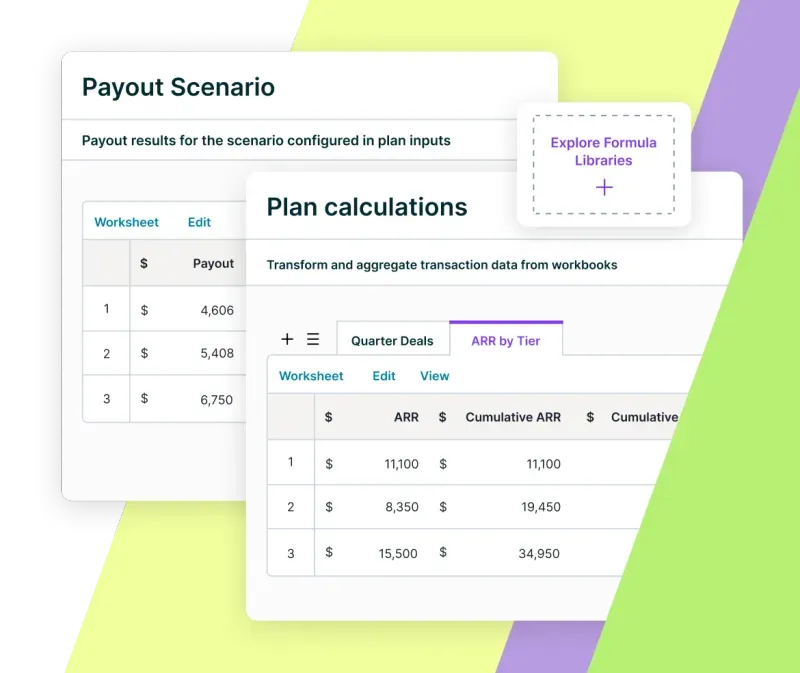
The SmartGrid engine is a programmable spreadsheet that ingests raw data from CRMs, ERPs, and data warehouses, transforms it in-platform, and runs calculations across thousands of payees at once.
Source: CaptivateIQ
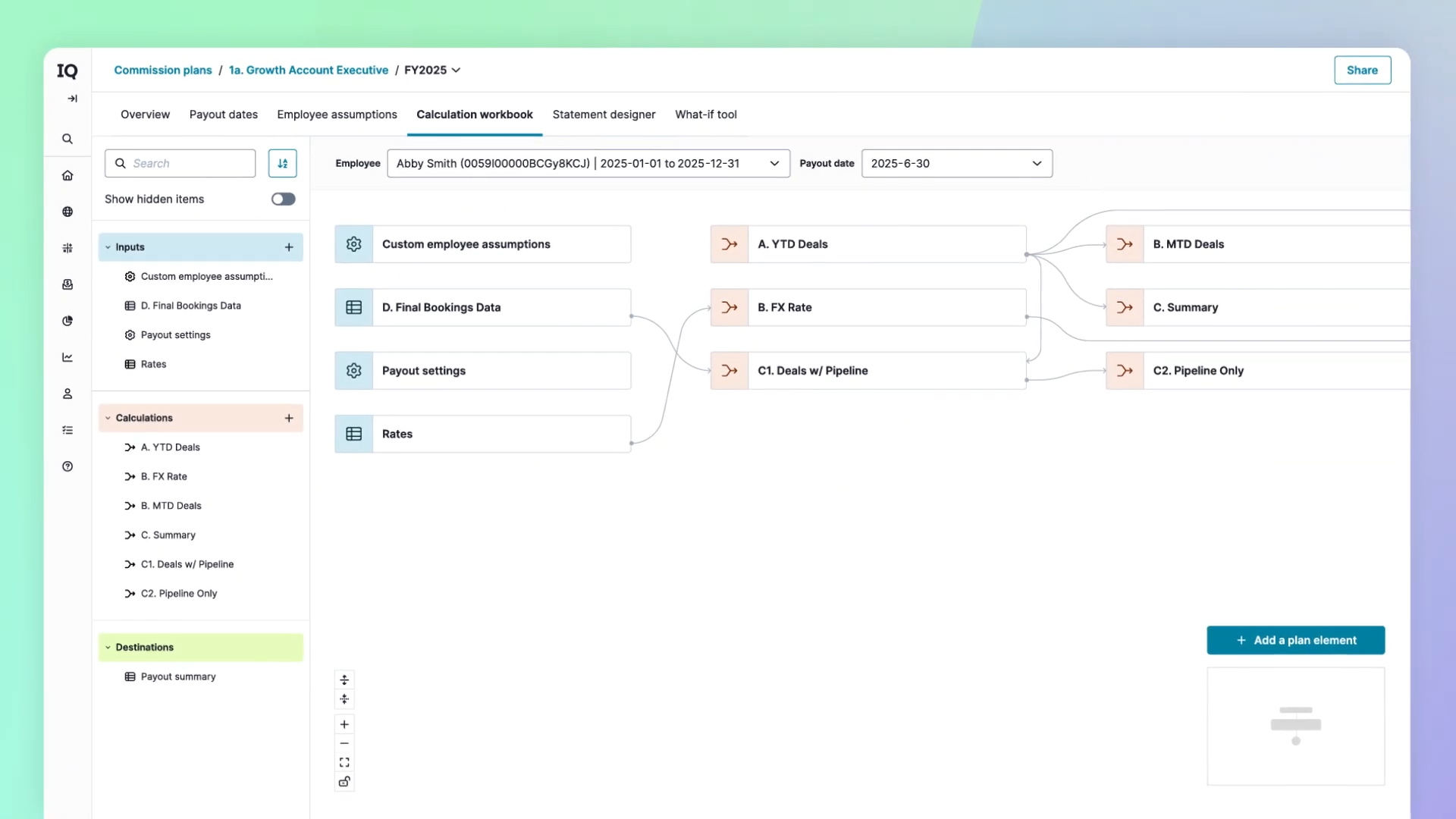
You can model multi-tier accelerators, split credits, overlapping territories, draws, clawbacks, and partner commissions through a Guided Plan Builder that walks you through setup step by step. The result handles virtually any compensation structure.
Source: CaptivateIQ
The cost of that flexibility is a steep learning curve. G2 reviewers note that initial setup requires a deep understanding of plan structure before the system becomes productive. You're not configuring a template; you're building a calculation engine from scratch.
For teams with complex, custom compensation structures, this is exactly what they want. For teams that just need to get commissions running, it can feel like being handed architecture blueprints when you asked for a house.
Everstage takes a more guided approach.
Its no-code plan designer supports the same core structures (multi-tier accelerators, SPIFs, split credits, draw-against-commission) but starts with templates and structured workflows rather than a blank grid.
Source: Everstage
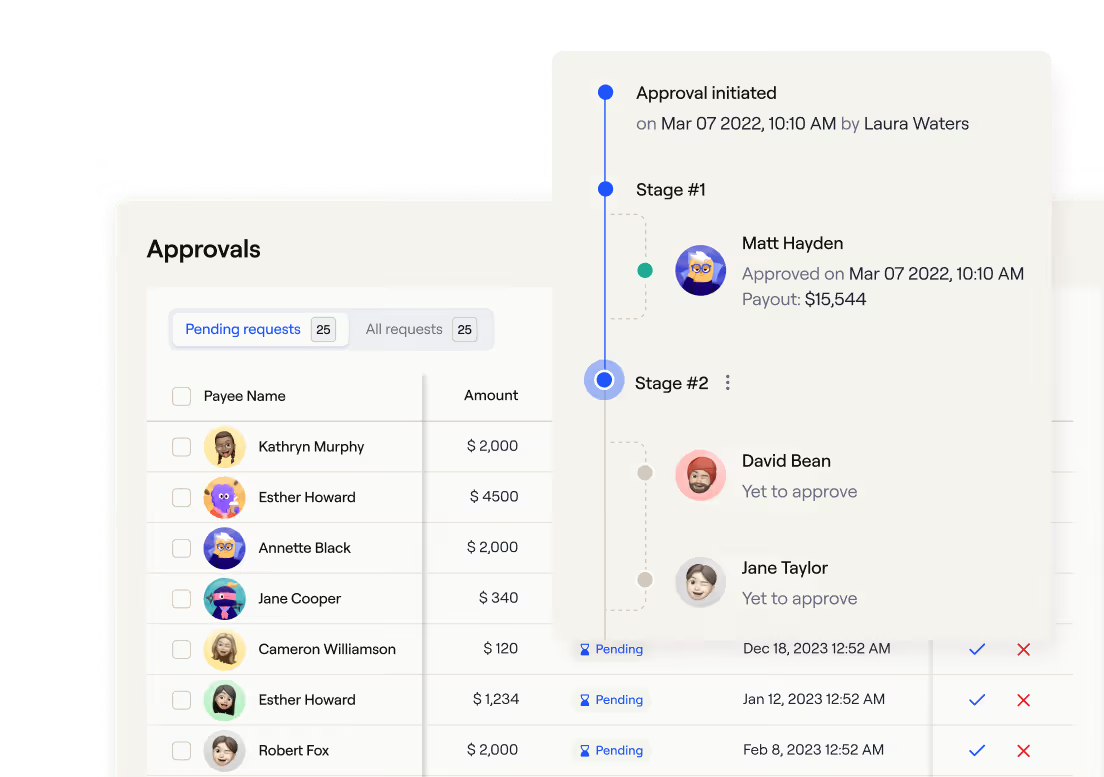
The Time Machine feature lets admins model a plan's financial impact against historical performance data before publishing it, giving CFOs confidence that a new plan won't create unbudgeted liabilities.
But some G2 reviewers note that certain complex plan modifications still require the Everstage support team rather than being self-service.
Calculation speed and data processing
This is where the platforms' engineering investments become tangible.
CaptivateIQ's SmartGrid processes worksheets with more than 10 million source transactions in 12 seconds and can load up to 50 million records per data sync. The platform runs over 6.25 trillion calculations per month across its customer base.
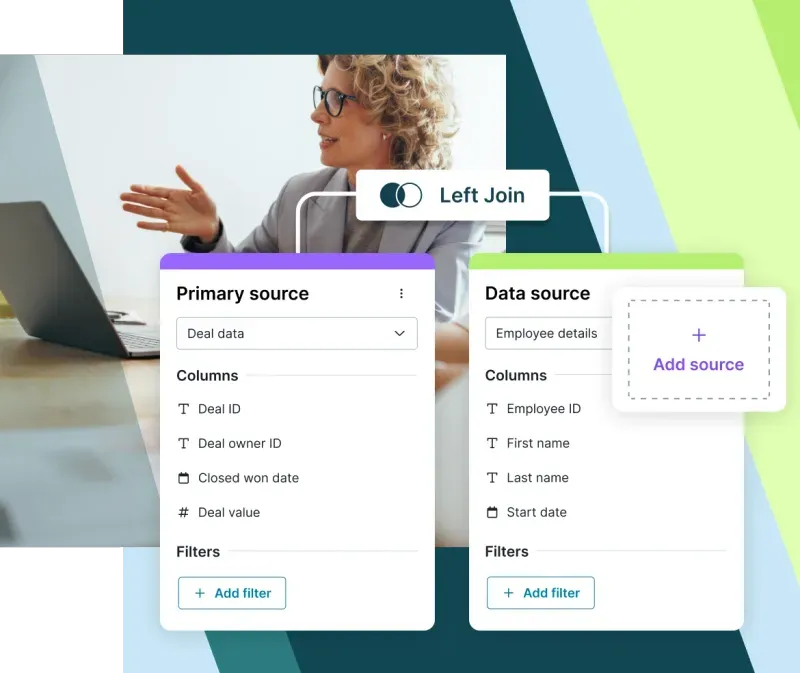
The in-app ELT (Extract, Load, Transform) engine lets compensation teams ingest and shape raw data without external pipelines or engineering support.
Source: CaptivateIQ
Everstage doesn't publish equivalent throughput benchmarks. Where it falls short is sync frequency. G2 and Capterra reviewers report that the daily data sync blocks plan changes, statement locking, and validation requests for several hours, which is disruptive during month-end close. CaptivateIQ's data refresh is also scheduled rather than real-time (the September 2025 release notes flag real-time syncs as upcoming), but reviewers don't report the same morning lockout.
For organizations processing millions of transactions across thousands of payees, CaptivateIQ's published benchmarks give it a measurable edge in calculation throughput. For mid-market teams with hundreds of payees, both platforms handle the volume without issues. The daily sync limitation in Everstage is the more practical concern for most buyers.
Rep-facing transparency and AI
Both platforms recognize that commission transparency reduces disputes, eliminates shadow accounting, and keeps reps focused on selling. Their approaches to delivering that transparency diverge.
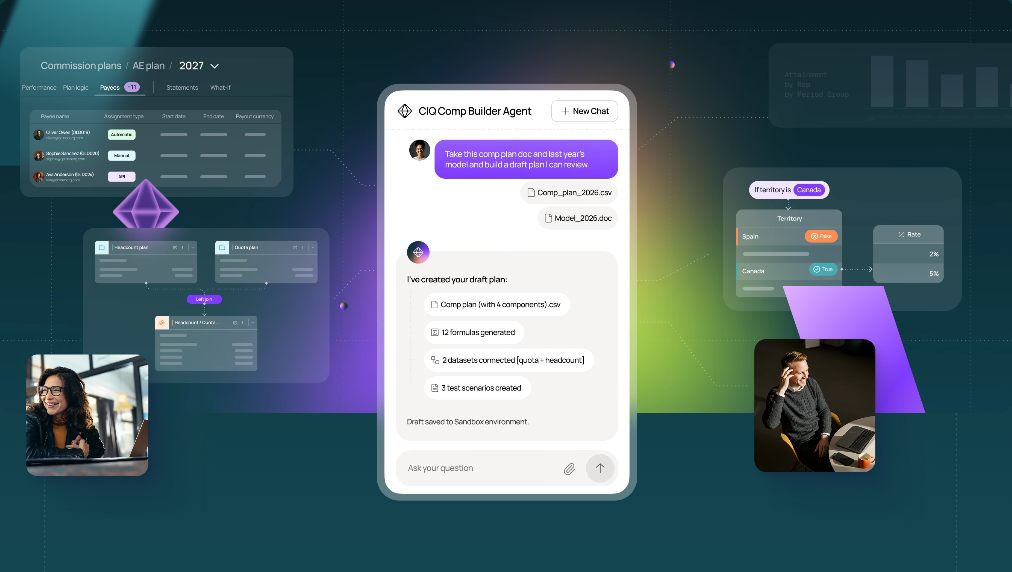
CaptivateIQ's AI Payee Agents generate plain-English narratives explaining every line item on a commission statement, citing the exact plan clauses and underlying transactions. Reps can ask natural-language questions about their earnings and run what-if scenarios.
Source: CaptivateIQ
The Statement Explainer agent validates calculations, highlights primary earnings drivers, and flags areas needing review.
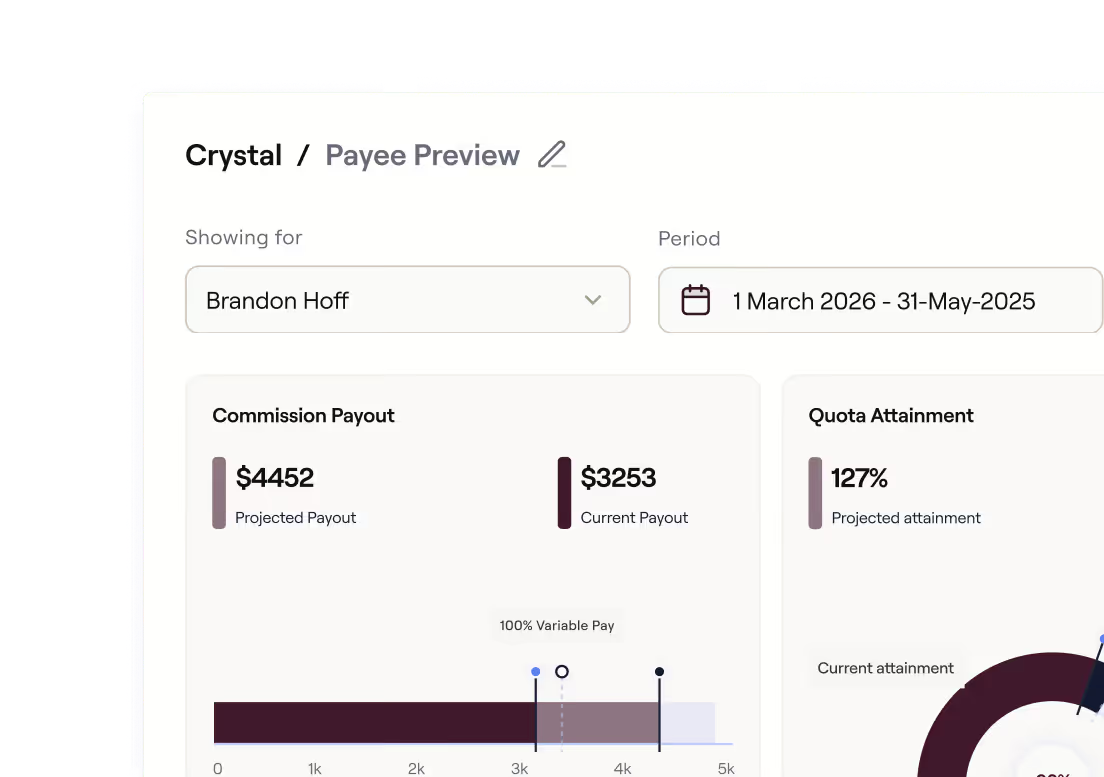
Everstage's Crystal AI Agent goes further on forecasting. Beyond showing reps their current statements, Crystal enables conversational payout forecasting: reps modify deal attributes (size, contract duration, product mix) and see projected commission impact in real time.
Source: Everstage
The idea is to change selling behavior. A rep who sees that closing a three-year deal instead of a one-year deal doubles their commission will negotiate differently.
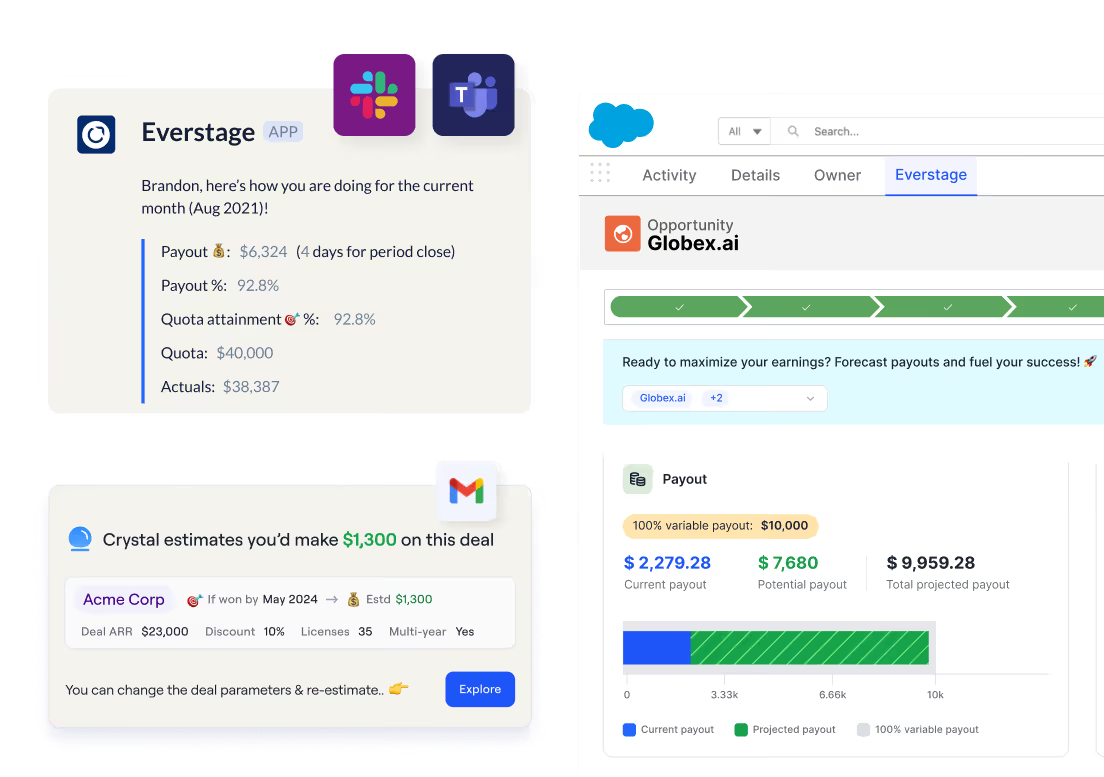
Everstage also delivers commission visibility inside Slack, Microsoft Teams, Gmail, and Salesforce, so reps never need to open a separate tool.
Source: Everstage
CaptivateIQ also announced a what-if calculator and payout forecasting, but Everstage's Crystal has a head start in natural-language deal simulation. CaptivateIQ's strength is traceability: the ability to trace every payout back to its source transaction through the calculation chain, which matters more for finance and audit teams than for reps.
Neither platform, however, answers a question that directly affects whether reps earn those commissions: are they pursuing the right accounts?
The intelligence gap upstream
CaptivateIQ and Everstage optimize what happens after a deal closes. They calculate commissions accurately, pay reps on time, and model incentive ROI. But the deals themselves (the quality of the pipeline, the accuracy of account targeting, the intelligence behind the outreach) all happen upstream.
This is where ZoomInfo fits. It's not an alternative to CaptivateIQ or Everstage. It's the intelligence layer that ensures the pipeline feeding your commission system is built on the right foundation.
ZoomInfo's GTM Context Graph processes 1.5 billion data points daily, combining its B2B dataset with your CRM records, conversation transcripts, and behavioral signals.
The result is AI that doesn't just know your contacts exist but understands why deals move or stall. When your reps walk into calls knowing the buying committee, the competitive landscape, and the signals that predict a close, the deals they win are higher-value and more defensible.
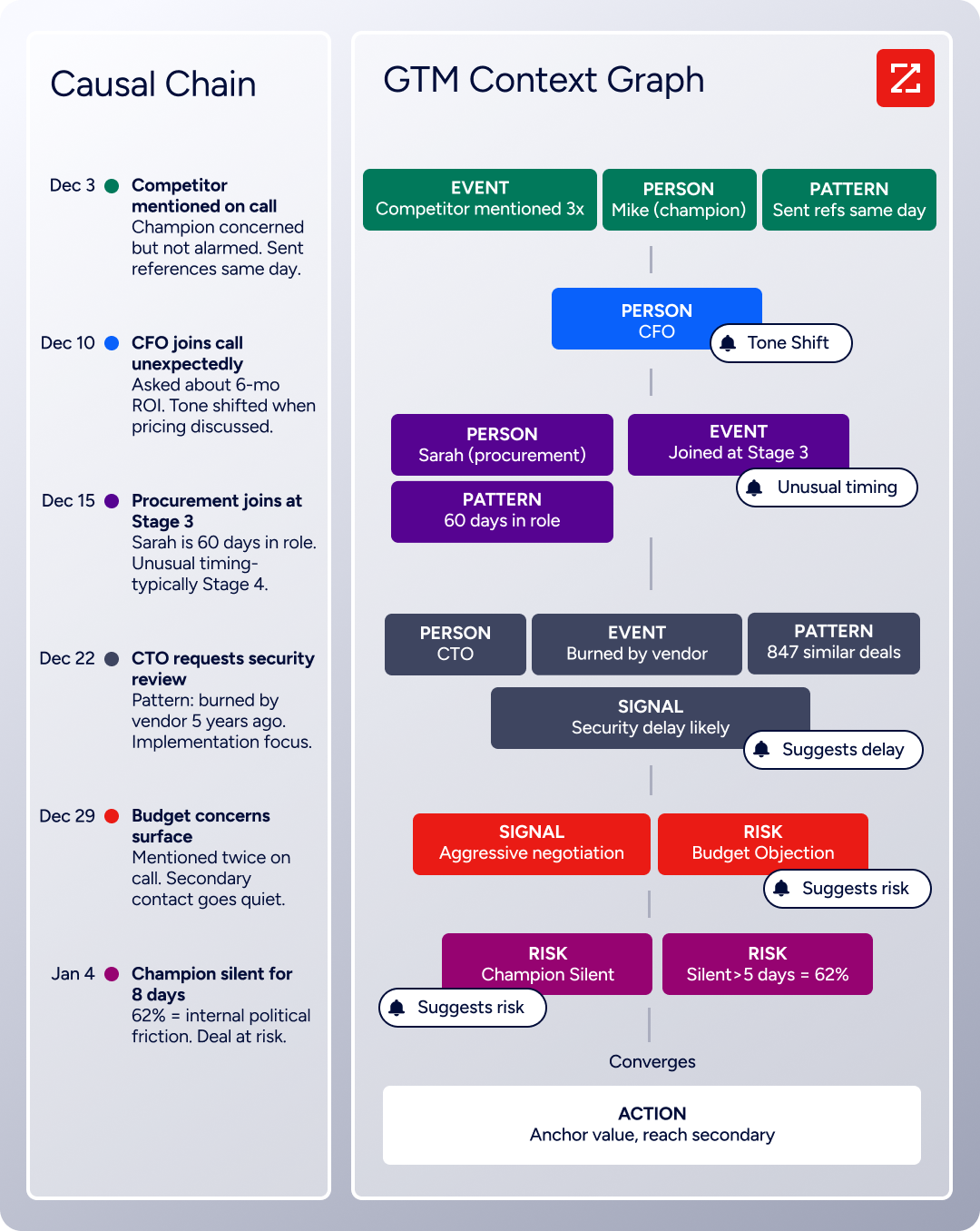
For revenue operations teams running CaptivateIQ or Everstage, the connection is direct. Better account targeting means higher win rates. Higher win rates mean more commissions calculated on real revenue, not wasted effort. Intent signals that identify in-market buyers before competitors reach them help your reps earn accelerators on deals that close faster. Territory intelligence that accounts for market potential (not just geography) means quotas are set against real opportunity.
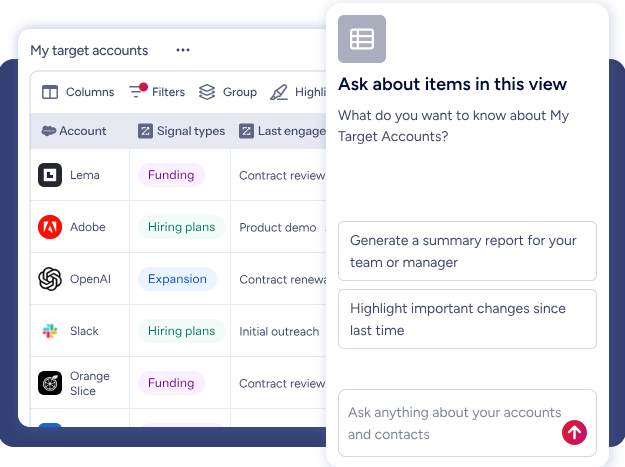
Through GTM Workspace, sellers get prioritized accounts, AI-drafted outreach, and deal intelligence in one view.
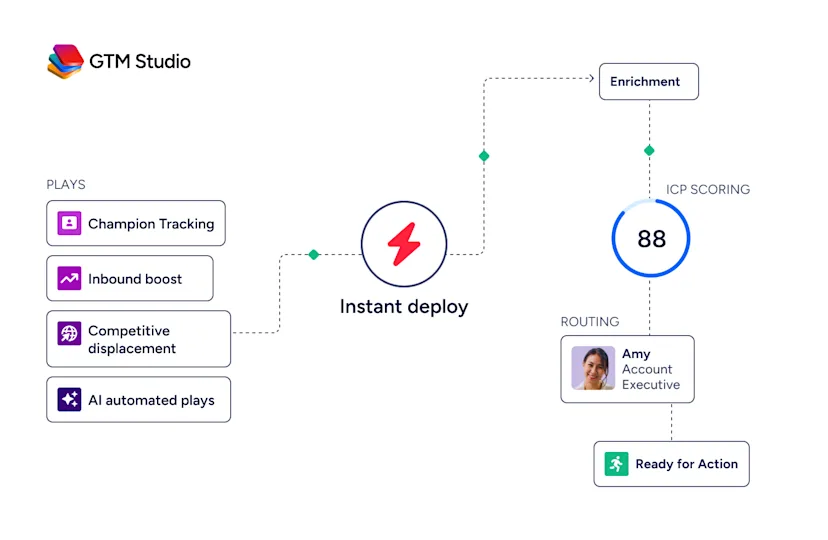
Through GTM Studio, RevOps teams build and activate GTM plays in natural language. And through APIs and MCP, the same intelligence flows into any tool in your stack, including your ICM platform.
"That combination of our internal CRM data, external signals, and AI that's given all that context has helped us craft very specific account- and persona-based messages. And people have responded to them right away." (Seismic)
Sales planning: territories, quotas, and capacity
Both CaptivateIQ and Everstage have expanded beyond commission management into sales planning. The logic is sound: if quota and territory decisions live in the same platform as commission calculations, changes propagate automatically instead of requiring manual reconciliation.
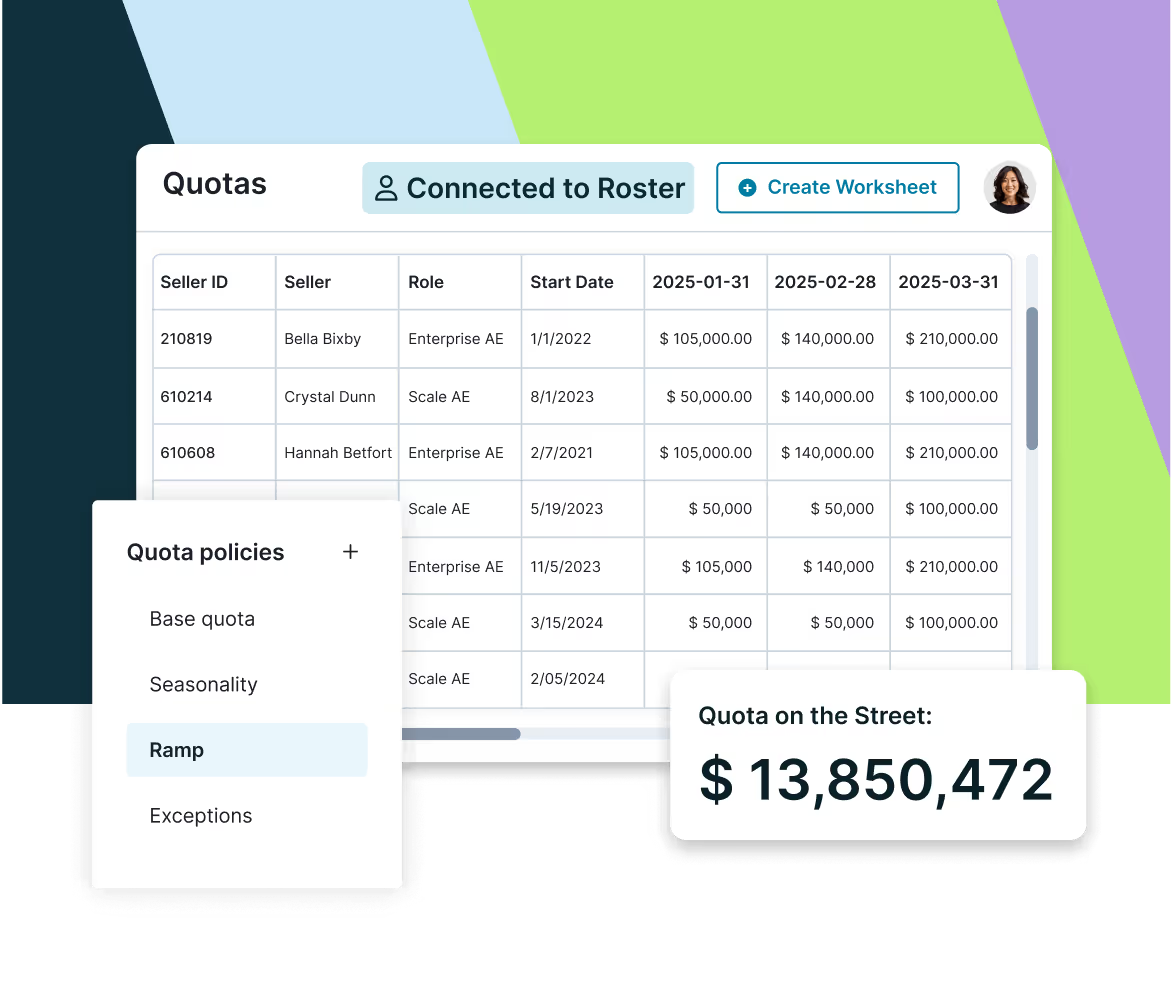
CaptivateIQ Planning covers territory management, quota setting, and sales capacity planning on the same SmartGrid engine that powers its incentive calculations.

Source: CaptivateIQ
Quota changes automatically sync to compensation plans, eliminating the reconciliation burden. The platform supports rule-based account assignment, AI-powered account scoring by conversion, expansion, and churn likelihood, and both top-down and bottom-up quota methodologies.
Source: CaptivateIQ
A Rev Planning Agent lets users describe territory goals in natural language and have the agent build the configuration for review.

Source: CaptivateIQ
Everstage Planning launched in June 2025 with similar scope: quota assignment, capacity modeling, territory segmentation, and scenario simulation.
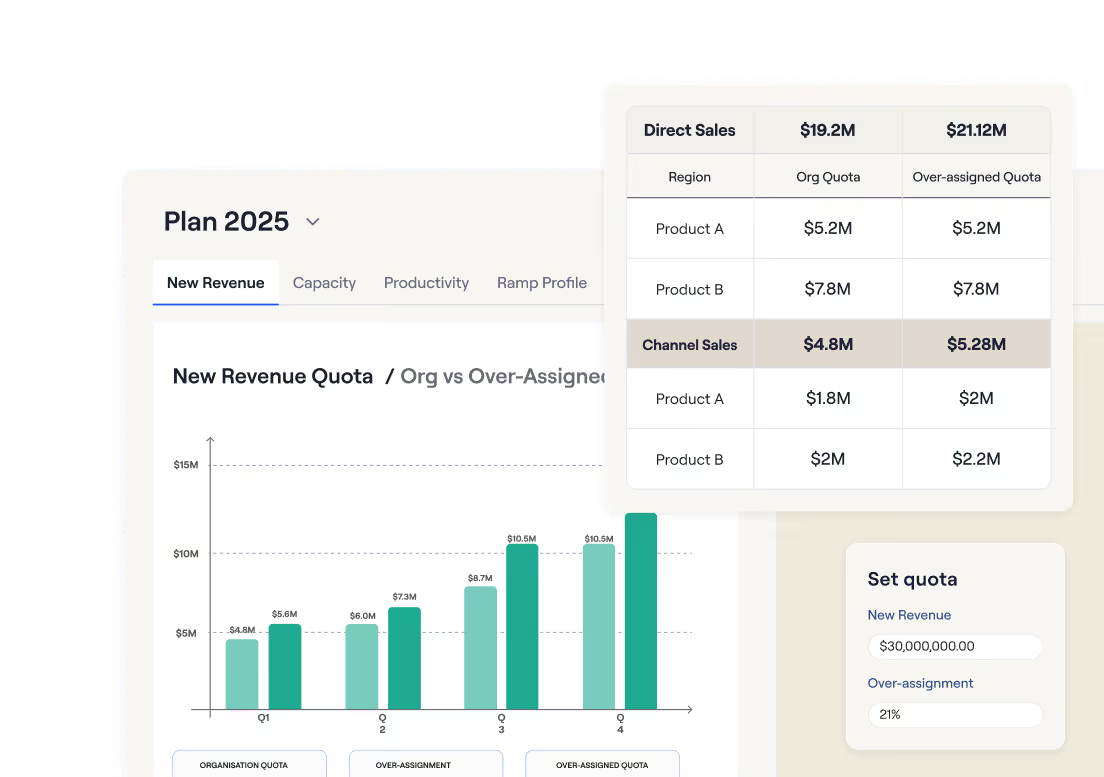
Source: Everstage
It includes a visual US map interface for account distribution and rep-to-territory matching based on role, ramp stage, and performance potential. Like CaptivateIQ, finalized quotas automatically push to compensation plans.
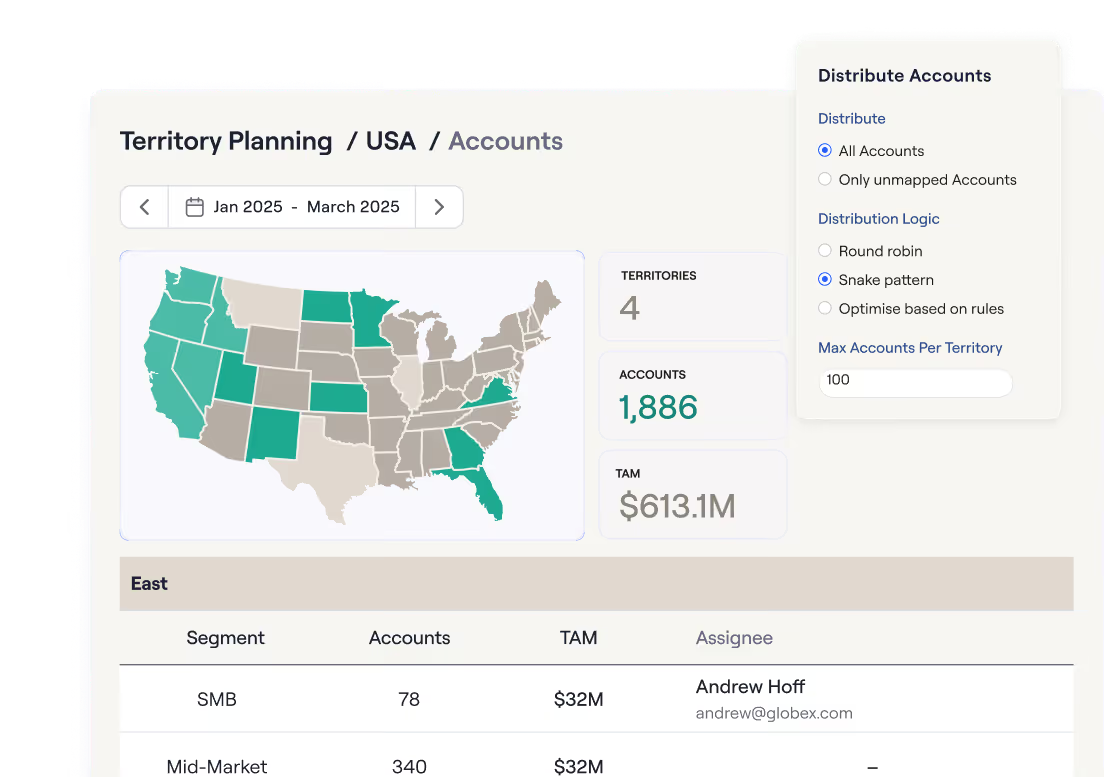
Source: Everstage
The maturity gap matters here. CaptivateIQ's planning capabilities have been in market longer, and the Forrester Wave recognized its planning and modeling depth. Everstage Planning is less than a year old. Both are credible for organizations that want planning and compensation in one system, but neither replaces dedicated planning tools like Anaplan for complex multi-variable modeling.
What neither platform provides is the external market intelligence that makes territory and quota decisions accurate. Setting quotas from historical attainment alone ignores market shifts, competitive dynamics, and buyer behavior.
ZoomInfo's 300+ company attributes, technographic data covering 30,000+ technologies across 30 million companies, and buyer intent signals give RevOps the external context to set quotas against real market opportunity and carve territories based on buyer density, not just geography.
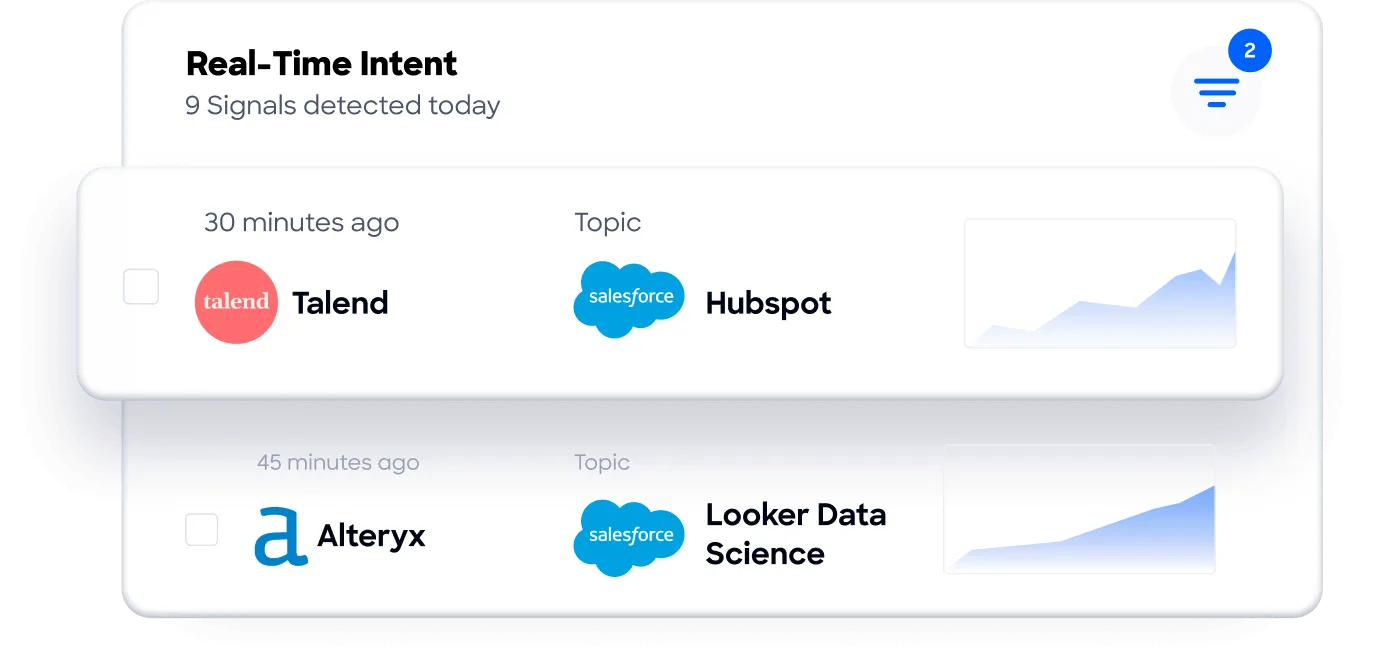
"We're right in the middle of re-architecting all of our data. ZoomInfo has been a major thought leader and partner in how we approach segmentation, territory planning, and hierarchy clarity." (Palo Alto Networks)
Everstage adds CPQ; CaptivateIQ does not
One meaningful product difference: Everstage launched a CPQ module (Configure, Price, Quote) in October 2025, calling it "the industry's first unified quote-to-commission engine." CaptivateIQ has no CPQ offering.
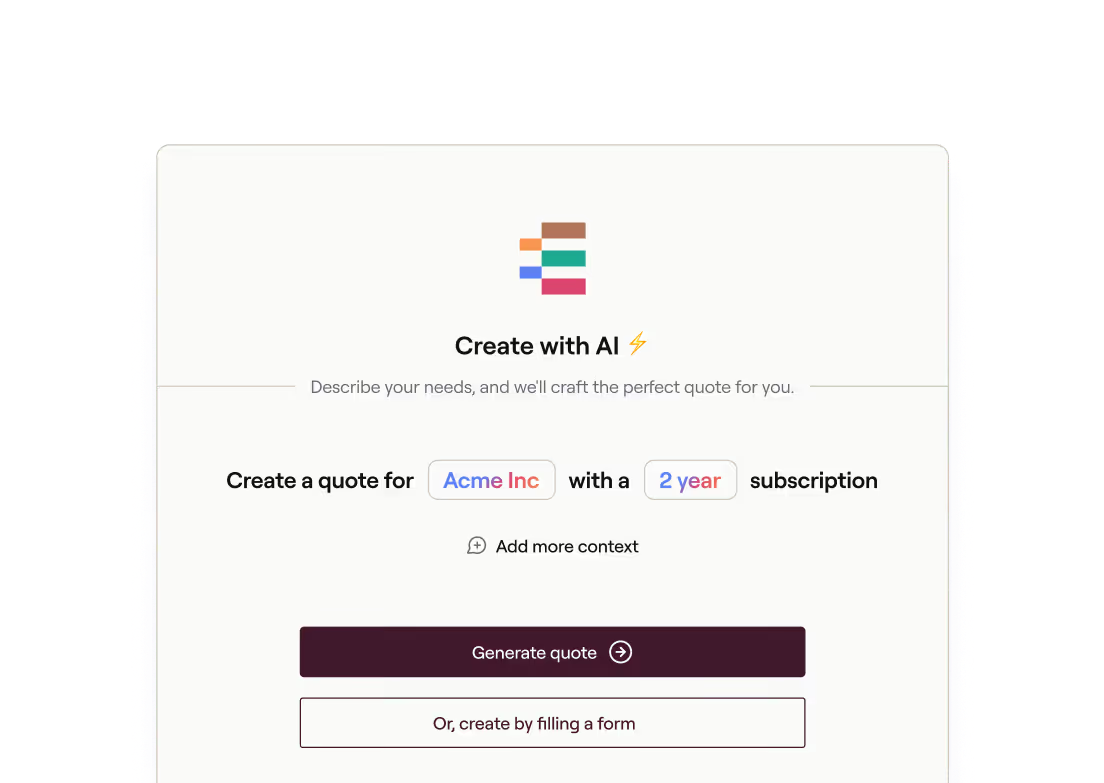
Everstage CPQ lets reps see their projected commission impact in real time as they configure a quote. The behavioral logic is straightforward: a rep who sees that a 15% discount cuts their commission by $2,000 will think twice about conceding on price.
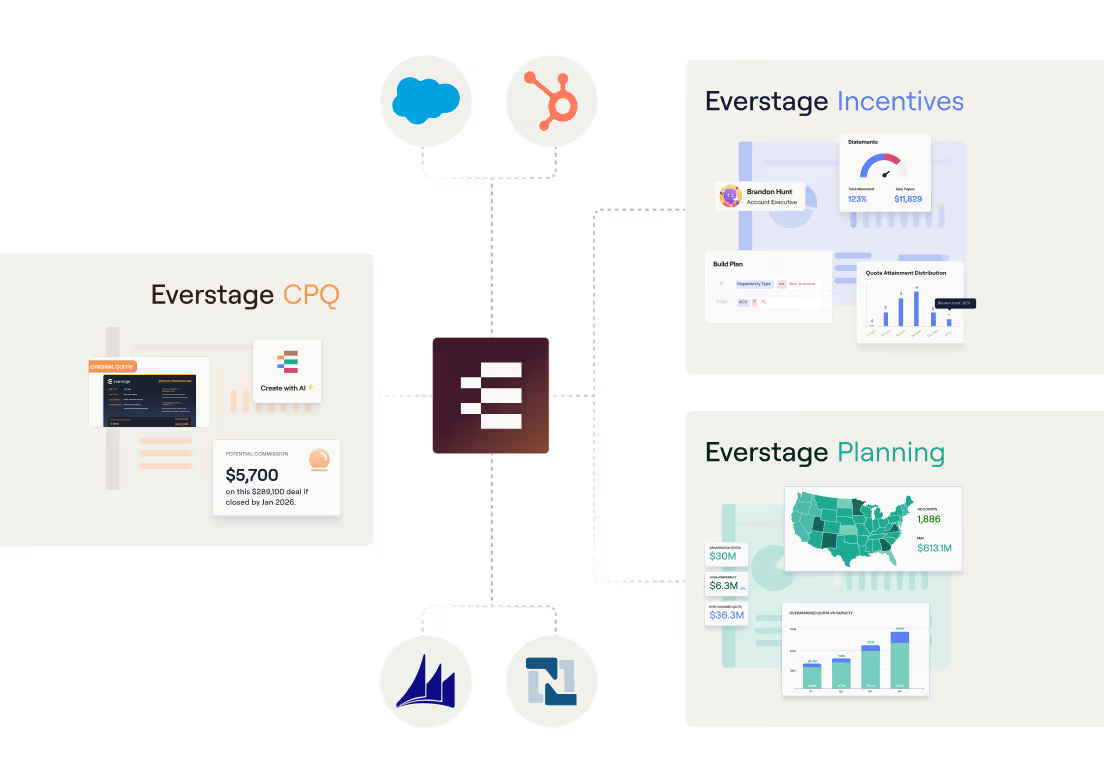
Source: Everstage
The module includes AI-powered quote generation from Slack, no-code pricing configuration, multi-stage approval routing, and Digital Sales Rooms for buyer-seller collaboration.
Source: Everstage
The risk is maturity. Everstage CPQ is a first-year product competing against established CPQ vendors with years of production hardening. Organizations buying it today are betting on the roadmap. For companies already running Salesforce CPQ or a standalone quoting tool, Everstage CPQ's value is the commission visibility it embeds in the quoting workflow, not a full CPQ replacement.
CaptivateIQ's absence from CPQ isn't necessarily a weakness. Many organizations already have CPQ handled and don't want their ICM vendor to also own their quoting process. But for companies building their revenue stack from scratch, Everstage's broader suite is worth considering.
Integrations and ecosystem
Both platforms connect to the core systems compensation teams depend on, with some notable differences.
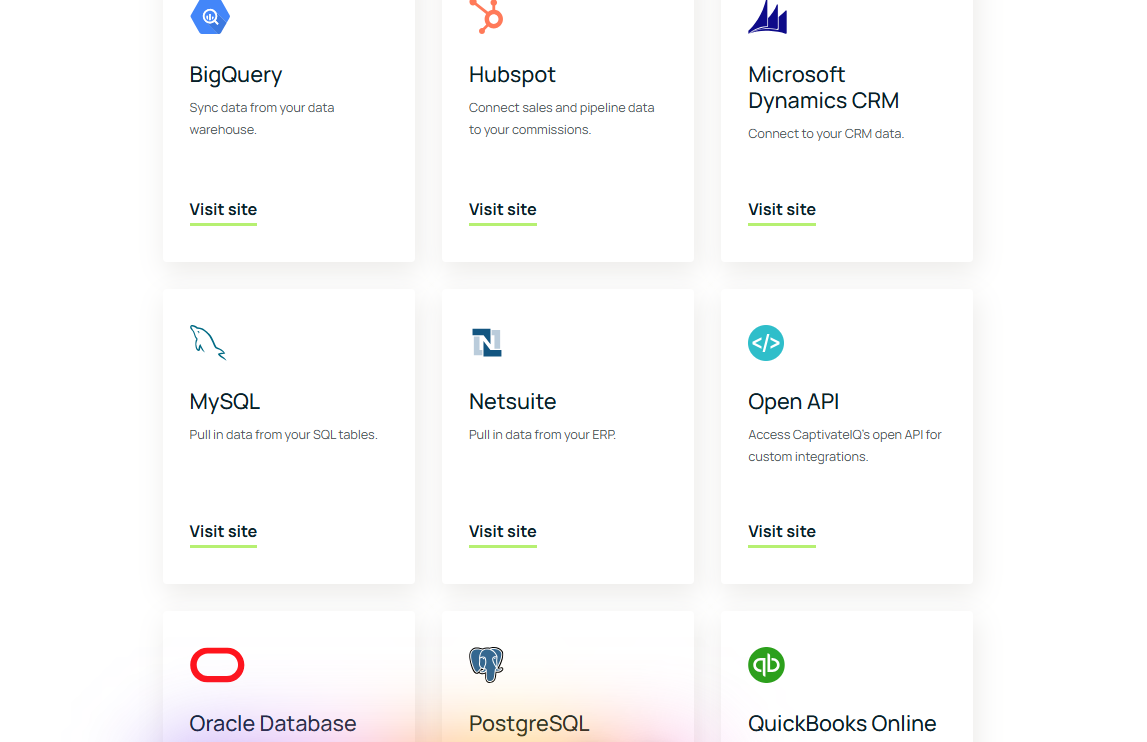
CaptivateIQ publishes a 19-connector integration directory: Salesforce, HubSpot, Microsoft Dynamics (CRM); Snowflake, Amazon Redshift, BigQuery (data warehouse); NetSuite (ERP); Workday, ADP, BambooHR (HRIS); Stripe, Zuora, Xero, QuickBooks (finance); plus MySQL, PostgreSQL, Oracle Database, and SFTP. All connectors are inbound data sources feeding SmartGrid.
Source: CaptivateIQ
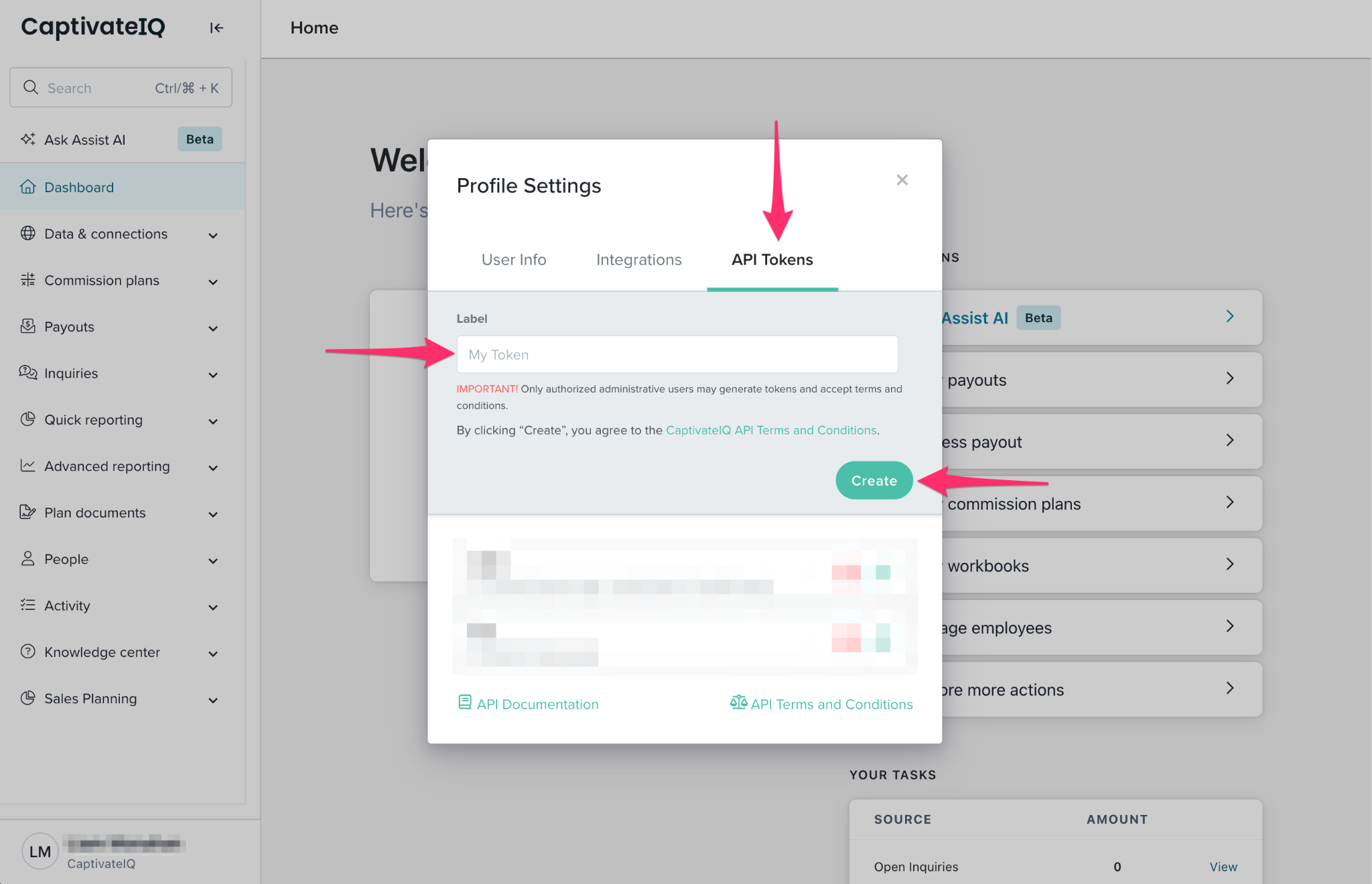
An Open API supports custom integrations, but CaptivateIQ is absent from Zapier, Workato, and Make, a recurring complaint in user reviews. Teams needing workflow automation outside the platform must use the raw API.
Source: CaptivateIQ
Everstage lists a broader integration catalog spanning CRM (Salesforce, HubSpot, Microsoft Dynamics, Zoho, Freshsales, Pipedrive, Close.io, ServiceTitan), accounting and ERP (NetSuite, Stripe, QuickBooks, Shopify, Sage Intacct, Chargebee, Maxio, Xero), databases (AWS S3, BigQuery, Redshift, Snowflake, MySQL, PostgreSQL, MS SQL Server, SFTP), HRIS (Workday, ADP, BambooHR, Personio, HiBob, Gusto, Ceridian Dayforce), and collaboration tools (Slack, Microsoft Teams, DocuSign).
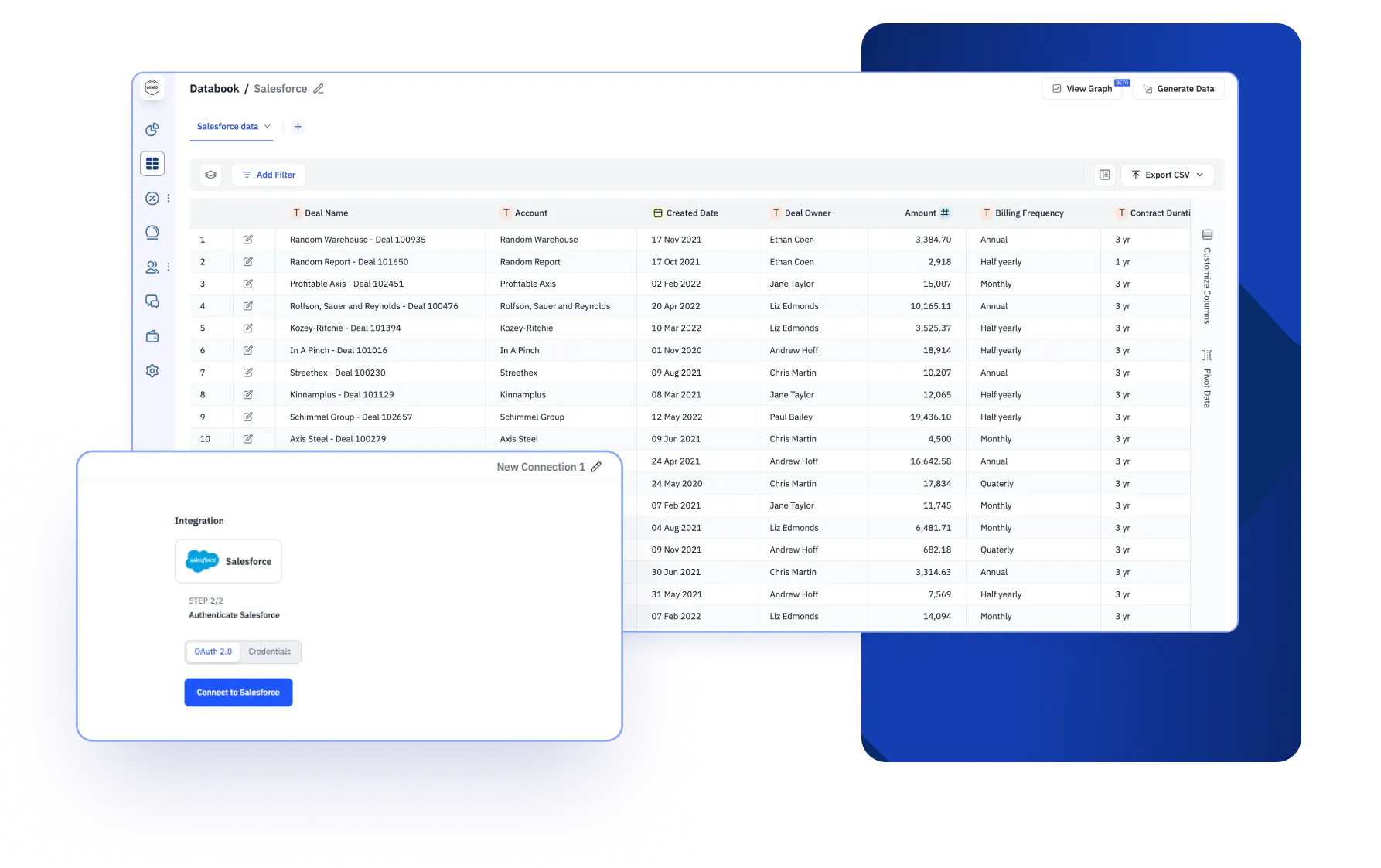
The Salesforce integration is particularly deep, with Everstage positioning itself as "the first configurable commission software on Salesforce" via a native embedded experience. However, Everstage's API documentation is not publicly available, and integrations are typically configured through the implementation team rather than self-serve.
Source: Everstage
ZoomInfo operates a Marketplace with 172+ integration partners and offers API access on all relevant plans. Its MCP server connects ZoomInfo's intelligence to any MCP-compatible AI agent, including Claude and ChatGPT. For compensation teams, ZoomInfo's data flows into the same CRMs (Salesforce, HubSpot, Dynamics) that feed CaptivateIQ and Everstage, enriching the deal and account data that commission calculations depend on.
Pricing: neither publishes, but the models differ
Neither CaptivateIQ nor Everstage publishes pricing. Both require custom quotes through sales.
CaptivateIQ charges per-seat pricing plus a one-time setup fee. Seats include both admin users and payees. Pricing also scales with plan complexity and the number of integrations required. Three separate products (Incentives, Planning, Catalyst) are presumably priced independently. Add-ons include ASC-606 reporting, Premier and Elite support tiers, and integration connector fees. Contracts auto-renew with 45 days' advance notice required for non-renewal, and all fees are non-refundable.
Everstage prices per payee, with implementation and support fees scoped separately. The company markets "no hidden costs", though the Terms of Service confirm separate implementation fees (non-refundable), out-of-scope charges for custom integrations and data migrations, and 1.5% monthly interest on overdue invoices. No named tiers are published. Contracts auto-renew unless 30 days' written notice is provided.
The practical difference: CaptivateIQ's pricing factors in plan complexity, so two companies with identical headcounts can receive materially different quotes. Everstage's per-payee model looks simpler, but separately priced implementation and support components make cost comparison difficult without talking to both sales teams.
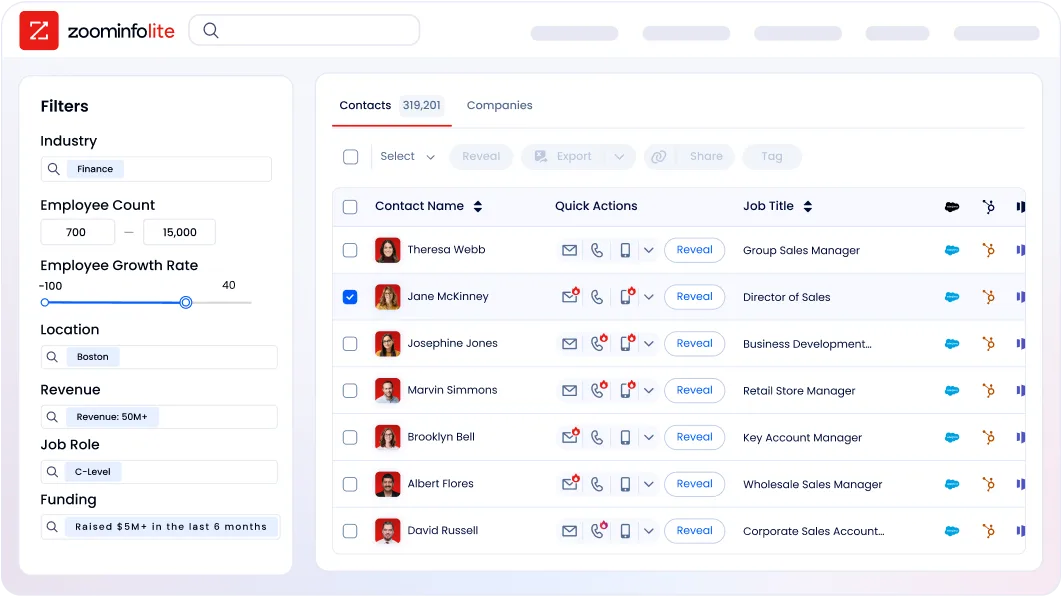
ZoomInfo uses consumption-based pricing with product-specific tiers across Sales, Marketing, and Operations. A permanent free tier, ZoomInfo Lite, provides access to the B2B database with 10 monthly export credits. A 7-day free trial is also available.
CaptivateIQ vs. Everstage vs. ZoomInfo: Which should you choose?
The best choice depends on where your biggest pain sits in the revenue cycle.
Choose CaptivateIQ if:
You have complex, custom compensation structures that demand flexibility
Your comp team can own plan design without heavy vendor involvement
You need enterprise-scale data processing across thousands of payees and millions of transactions
Unified planning-to-payout in a single platform is a priority
SOX compliance and audit traceability are requirements
Choose Everstage if:
Fast implementation is a priority and you want to be live in weeks, not months
You value rep-facing AI that enables conversational commission forecasting
You want CPQ and compensation on one platform to connect quoting behavior to commission outcomes
You're replacing a legacy system like Xactly and need lower total cost of ownership
Support quality and proactive customer success matter as much as the product itself
Use ZoomInfo alongside either platform if:
You want the deals flowing into your commission system to be higher-quality from the start
Your territory and quota planning needs external market intelligence, not just internal historical data
Your reps need upstream account intelligence to pursue the right opportunities and earn their accelerators
You want AI that connects buyer signals to seller actions, so commission-eligible pipeline grows
You believe the best commission strategy starts with the best go-to-market intelligence
Start with ZoomInfo Lite for free, or see ZoomInfo in action.
CaptivateIQ and Everstage both solve commission management well. CaptivateIQ gives comp teams more control; Everstage gets teams to value faster. But the largest opportunity in sales performance isn't calculating commissions more accurately. It's ensuring your reps sell to the right accounts, with the right intelligence, at the right time, so the deals they close are worth commissioning. That's the gap ZoomInfo fills, and it's the layer that makes everything downstream (including your ICM platform) work harder.
"ZoomInfo's not just a contact data company anymore. They've built a full system of execution. GTM Intelligence actually works the list, writes the outreach, triggers the play, and helps drive predictable growth." (Levanta)
CaptivateIQ vs. Everstage vs. ZoomInfo FAQ
What is the core difference between CaptivateIQ and Everstage?
CaptivateIQ is built around a flexible, blank-canvas calculation engine (SmartGrid) that gives compensation teams full control over plan design, supporting up to 7,000 unique plans simultaneously. Everstage takes a more guided approach with templates and structured workflows, prioritizing speed to value and rep-facing AI transparency through its Crystal agent. CaptivateIQ earned a Forrester Wave Leader designation in Q1 2025; Everstage earned Strong Performer in the same evaluation but received the highest possible scores in reporting, time to value, and adoption.
Which platform is faster to implement?
Everstage holds G2's "Fastest Implementation - Enterprise" badge and advertises a 4-6 week go-live. CaptivateIQ markets "weeks instead of months," but G2 reviewers report that complex deployments can take 4-6 months due to the blank-canvas setup requirements. For straightforward compensation structures, both can be live quickly. For complex multi-tier plans across thousands of payees, Everstage's guided approach typically reaches production faster.
How does ZoomInfo relate to CaptivateIQ and Everstage?
ZoomInfo is not an alternative to either platform. It is a complementary GTM intelligence layer that improves the quality of the pipeline feeding your commission system. ZoomInfo provides the B2B data, buyer intent signals, and account intelligence that help reps target the right opportunities, while CaptivateIQ or Everstage calculates and pays the commissions on the deals those reps close.
Which platform has better AI capabilities?
Both platforms have invested in AI, with different focuses. CaptivateIQ's agents handle the admin side: building plans from natural language, debugging compensation logic, and configuring territories. Everstage's Crystal AI Agent focuses on the rep side: conversational payout forecasting and deal-attribute simulation. CaptivateIQ received a perfect score on advanced AI capabilities in the Forrester Wave Q1 2025. Everstage's Agent Core launched in August 2025 with four ICM agents and additional agents planned for planning and territory design.
Do either CaptivateIQ or Everstage offer a free trial?
Neither offers a self-serve free trial. CaptivateIQ provides interactive product tours via Navattic for its Incentives and Planning products. Everstage offers a free proof of concept where the company builds out your most complex compensation plan in-platform before any purchase commitment. Both require engaging with sales for pricing.
Which platform handles CPQ alongside commission management?
Only Everstage offers a CPQ module, launched in October 2025. It connects quoting and commission management on one platform, letting reps see commission impact as they build quotes. CaptivateIQ does not offer CPQ. Organizations using CaptivateIQ handle quoting through a separate tool like Salesforce CPQ.
How do the platforms compare on integrations?
Everstage lists more native connectors, including eight CRM options and collaboration tools like Slack, Teams, and DocuSign. CaptivateIQ has 19 native connectors focused on CRM, data warehouse, ERP, and HRIS sources, plus an Open API with public documentation. A key gap for CaptivateIQ is the absence of iPaaS connectors (Zapier, Workato, Make), which is a recurring user complaint. Everstage's API documentation is not publicly accessible. ZoomInfo integrates with 172+ tools via its Marketplace and offers API and MCP access on all relevant plans.
What security certifications do the platforms hold?
CaptivateIQ holds SOC 1 and SOC 2 certifications with dedicated SOX compliance controls. Everstage holds SOC 2 Type II, SOC 1 Type II, ISO 27001, ISO 42001:2023, GDPR, and CCPA compliance. ZoomInfo holds ISO 27001, ISO 27701, SOC 2 Type II, TRUSTe GDPR, and TRUSTe CCPA certifications. All three meet the security requirements for regulated enterprise environments.
See how CaptivateIQ and Everstage compare to other platforms:
