

Crayon is a competitive intelligence platform for B2B companies. It automates competitor monitoring, creates battlecards, and enables sales teams with current insights, all backed by AI that analyzes data from hundreds of millions of web pages, sales calls, and internal messaging tools.
But as your go-to-market strategy matures, competitive intelligence alone may not address every challenge your revenue teams face. Crayon excels at tracking what competitors do publicly and turning those signals into sales-ready content. Some teams, however, need broader capabilities: buyer data to fuel outreach, native win-loss analysis without a third-party vendor, AI that interprets what competitor moves mean strategically, or a more accessible entry point for teams building their first CI program.
That's where this guide comes in. Whether you're looking to:
Go beyond competitor monitoring with B2B data, buyer intent signals, and AI-powered GTM execution
Consolidate competitive intelligence and win-loss analysis into a single enterprise platform
Automate CI workflows at mid-market scale without enterprise overhead or pricing
Understand exactly why deals are won or lost through direct buyer interviews
Get AI-generated strategic interpretation of competitor moves, not just raw activity feeds
Start tracking competitors for free with no commitment or CI program infrastructure
Run lightweight competitor monitoring for small SaaS teams without a dedicated CI manager
We'll explore Crayon alternatives that excel in each of these areas.
This isn't about finding a "better" platform than Crayon. It's about finding the right fit for your team's needs, whether that means complementing Crayon or replacing it with a tool that better matches your requirements.
The Best Crayon Alternatives |
|---|
Best Alternative for Comprehensive B2B GTM Intelligence We chose ZoomInfo because it goes beyond competitive monitoring to provide B2B data, buyer intent signals, and a GTM execution platform that covers every aspect of go-to-market strategy. |
Best Alternative for Enterprise CI with Native Win-Loss Analysis We chose Klue because it combines competitive intelligence and win-loss analysis natively in one platform, with proactive deal-time delivery via Compete Agent that pushes intel to reps automatically. |
Best Alternative for Mid-Market CI Automation We chose Kompyte because it combines automated CI workflows with Semrush's digital marketing intelligence, giving mid-market teams a structured compete program without enterprise overhead or pricing. |
Best Alternative for Win-Loss Analysis Through Direct Buyer Interviews We chose Clozd because it captures decision rationale directly from buyers through AI-powered and expert-led interviews, surfacing intelligence that external competitor monitoring cannot. |
Best Alternative for AI-Generated Strategic Competitor Interpretation We chose Parano.ai because it delivers strategic interpretation of competitor moves (not just raw activity feeds) with transparent self-serve pricing and no dedicated CI analyst required. |
Best Alternative for Free Competitor Tracking and Business Alerts We chose Owler because its permanently free Community tier and crowdsourced competitor graph provide competitive awareness without any budget commitment or CI program infrastructure. |
Best Alternative for Small SaaS Teams Needing Lightweight CI We chose Unkover because its Slack-first delivery and AI-curated alerts bring competitive monitoring to small teams without requiring a dedicated CI manager or enterprise procurement cycle. |
What is Crayon?
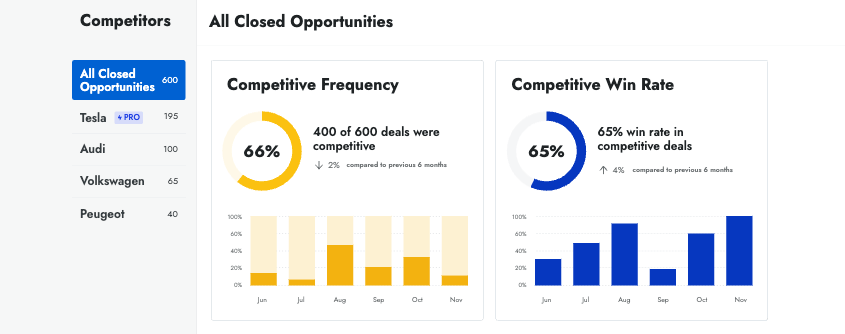
Source: Crayon
Crayon is an AI-powered competitive intelligence platform that helps B2B companies win and retain revenue by automating competitor monitoring, signal analysis, and sales enablement.
The platform monitors more than 300 million pages across 7.6 million domains and 2.4 million companies, using machine learning to extract and prioritize the insights that matter most.
Its key features include:
Crayon AI: Automated competitive signal mining, AI-generated battlecards via Sparks, and Crayon Answers for conversational competitive assistance
Aggregate: Multi-source intelligence collection from competitor websites, sales calls (Gong, Chorus), Slack/Teams conversations, and win-loss data
Organize: AI-powered analysis tools including automated research, call clips, saved searches, and labeling
Publish: Battlecard creation and distribution with Compete Hub for real-time updates across teams
Enable: Sales enablement integrations with Salesforce, Slack, Teams, Highspot, Seismic, and more
Measure: Analytics and ROI tracking including win/loss analysis, influenced revenue, and seller engagement metrics
When a competitor changes pricing, launches a product, or shifts messaging, Crayon captures the signal, classifies it, and surfaces it to the right stakeholders automatically.
The platform integrates with CRM suites, communication tools, and sales enablement platforms so competitive intelligence reaches reps where they already work.
Crayon is best suited for mid-market to enterprise B2B SaaS companies with dedicated competitive intelligence or product marketing functions. For organizations that need broader GTM intelligence, native win-loss capabilities, or a more accessible entry point, the alternatives below offer specialized strengths worth exploring.
Looking for more than competitive monitoring? ZoomInfo provides B2B data, buyer intent signals, and AI-powered execution tools that power your entire go-to-market strategy. Learn more about ZoomInfo.
How We Curated Our List of Crayon Alternatives
After testing Crayon and researching the competitive intelligence market, we found that Crayon's focus on competitor monitoring and sales enablement works well for teams with dedicated CI programs, but many organizations need tools that address different aspects of their go-to-market challenges. While Crayon excels at tracking what competitors do publicly, some teams need more:
Verified B2B buyer data and intent signals alongside competitive intelligence
Competitive intelligence and win-loss analysis from a single platform without third-party integrations
Automated CI workflows at mid-market scale without enterprise pricing or analyst dependencies
Deal outcome analysis through structured buyer interviews rather than external competitor monitoring alone
AI-generated strategic interpretation of competitor moves with recommended actions
Free competitor tracking with no CI program infrastructure or procurement cycle
Lightweight competitive monitoring for small teams via Slack without a dedicated CI manager
Each tool on this list leads in one of these areas. You might use them alongside Crayon or as a replacement; it depends on what your business needs most.
DISCLAIMER: We aren't covering every single tool in the market! Our focus is on highlighting the best alternatives that address some of Crayon's limitations for various use cases. The goal is to provide insights into tools that cater to specific business needs. |
|---|
1. ZoomInfo: Best Alternative for Comprehensive B2B GTM Intelligence
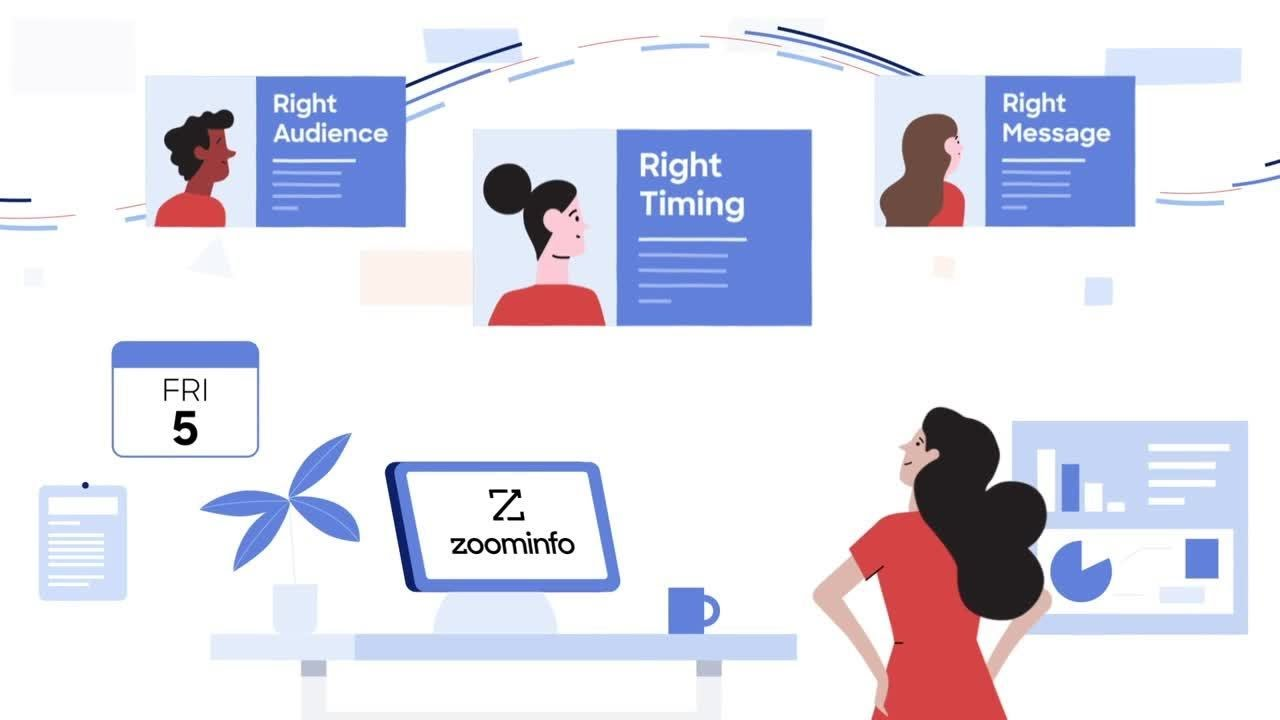
ZoomInfo is an AI GTM platform built on a large B2B data foundation: 500M contacts, 100M companies, 135M+ verified phone numbers, and 200M+ verified business emails. Its key capabilities include:
B2B data: 500M contacts, 100M companies, 120M direct-dial phone numbers, and 200M+ verified business email addresses with up to 95% accuracy on first-party data
Buyer intent signals: ZoomInfo Intent tracks signals from 210 million IP-to-Organization pairings and 6 trillion+ new keyword-to-device pairings sourced monthly, showing when accounts are actively in-market
GTM Context Graph: A single intelligence layer that processes 1.5B+ data points daily, fusing ZoomInfo's data with CRM records, conversation transcripts, and behavioral signals to reveal not just what happened in a deal, but why it happened
Universal access: Intelligence delivered through GTM Workspace for sellers, GTM Studio for marketers and RevOps, and APIs and MCP for any tool or AI agent
For teams that have outgrown competitive monitoring and need broader data, signals, and execution infrastructure to power an entire go-to-market strategy, ZoomInfo provides a different kind of intelligence than Crayon's competitor-focused approach.
Why Choose ZoomInfo Over Crayon for Comprehensive GTM Intelligence
Crayon excels at tracking what competitors publish and enabling sales reps with battlecards. ZoomInfo addresses the broader challenge: giving your entire GTM team the verified buyer data, in-market signals, and AI-powered execution tools they need to find, win, and grow customers. The following sections show where ZoomInfo goes further.
B2B Data Foundation: Know Your Buyers, Not Just Your Competitors
Crayon monitors what competitors publish externally: website changes, pricing updates, product announcements, and press releases. That intelligence is valuable for understanding the competitive landscape. But it does not tell you who the decision-makers are at your target accounts, how to reach them, or what their organization looks like.
ZoomInfo provides the foundational buyer data that powers targeted outreach. With 300+ company attributes for market segmentation, department org charts showing decision-makers' direct dials and emails, and contact tracking with job-change alerts, ZoomInfo equips your team to act on competitive intelligence rather than simply collect it.
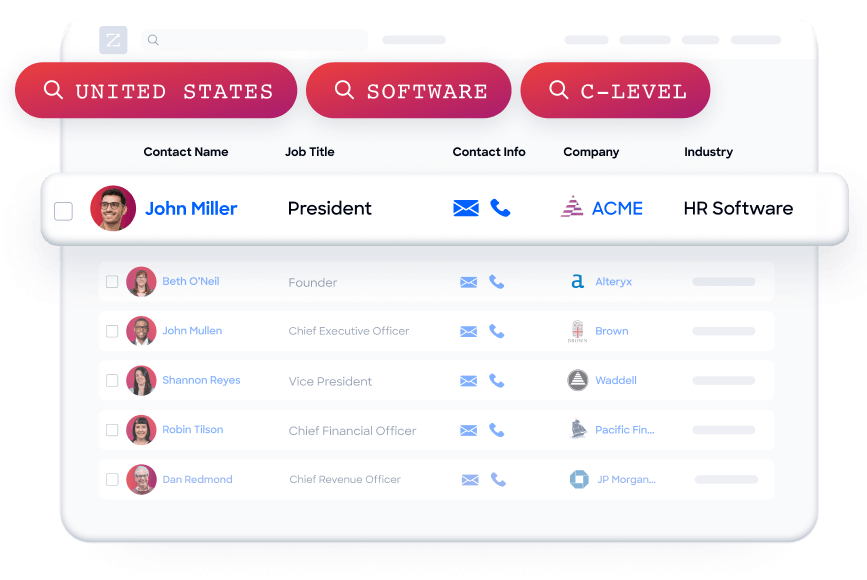
In a Fortune 500 competitive RFP analyzing 25 million contacts across vendors, the independent consultant concluded that "no other competitor came even close."
The practical result: when a CI alert tells you a competitor launched a new feature, ZoomInfo tells you which accounts in your pipeline use that competitor's technology, who the VP of Engineering is, their verified direct dial, and whether the company has been researching alternatives. That combination of competitive awareness and buyer access turns intelligence into action.
ZoomInfo in Action: Your product marketing manager flags a competitor's pricing increase via their CI tool. With ZoomInfo, the sales team pulls a list of accounts currently using that competitor's product (via technographic data), identifies the decision-makers at each account (with verified contact details), and sees which accounts show intent signals around "pricing alternatives." Instead of waiting for inbound inquiries, the team launches targeted outreach to the accounts most likely to switch, armed with the exact contact data to reach the right people.
ZoomInfo is our one source of truth for account data, and even more so for contact data. There's no other provider in the market that provides you with that level of detail. (Smartsheet)
Buyer Intent Signals: See Who's In-Market Before Competitors Do
Crayon tracks competitor activity: what they publish, how they position, and where they invest. ZoomInfo tracks buyer activity: which accounts are researching your category, what topics they care about, and how their research intensity compares to baseline behavior.
ZoomInfo Intent monitors signals from 210 million IP-to-Organization pairings and 6 trillion+ new keyword-to-device pairings sourced monthly.
Guided Intent, exclusive to ZoomInfo, identifies topics historically correlated with deal success rather than requiring manual topic selection.
WebSights resolves anonymous website traffic to companies (including buying team identification and direct contact info) with Automatic Traffic Filtering that distinguishes real company visits from bot traffic.
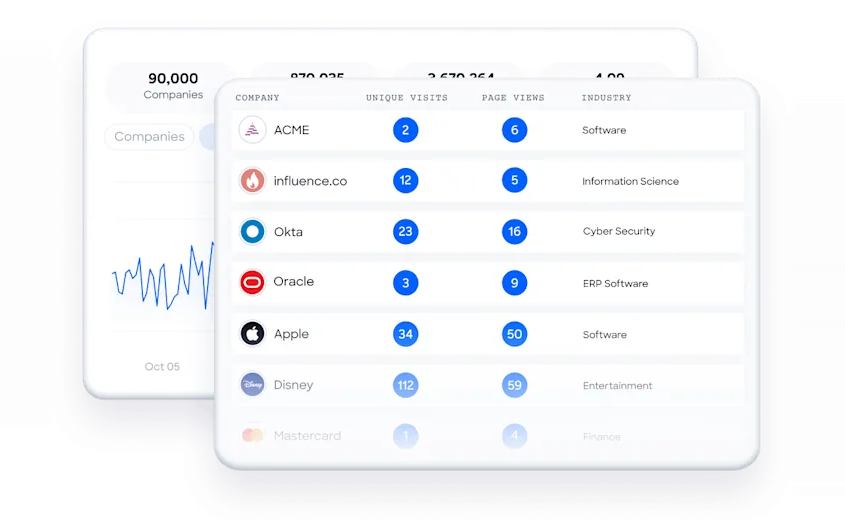
Source: ZoomInfo
This shifts the advantage from reaction to anticipation. Rather than learning that a competitor launched a feature and then wondering which accounts care, ZoomInfo shows you which accounts are researching that category right now, with the intent data to prioritize outreach.
ZoomInfo in Action: A mid-market SaaS company competing against several rivals uses ZoomInfo to monitor intent signals around "competitive intelligence software." When three enterprise accounts show spiking research activity, the team sees it before those accounts fill out a competitor's demo form. Sales reps receive pre-drafted outreach through GTM Workspace, personalized to each account's research patterns, and engage the buying committee while accounts are still evaluating options.
That combination of our internal CRM data, external signals, and AI that's given all that context has helped us craft very specific account- and persona-based messages. And people have responded to them right away. (Seismic)
GTM Context Graph and AI Execution: Understand Why Deals Move
Crayon captures what competitors do publicly and what your sales team reports from the field. ZoomInfo's GTM Context Graph captures the full context of your deals by fusing ZoomInfo's B2B data with your CRM records, conversation transcripts, email interactions, and behavioral signals into a single intelligence layer.
As ZoomInfo's CPO Dominik Facher writes: "The CRM recorded the state change." It has no record of why it happened. The GTM Context Graph makes decision context machine-readable: who influences whom, what each action responded to, what thousands of similar deals suggest happens next, and why things slipped.
This intelligence powers GTM Workspace, the seller's execution environment. AI agents research accounts, generate follow-ups, monitor signals, draft outreach, and update CRM fields, all from a single consolidated view.
For marketers and RevOps, GTM Studio provides an AI-powered orchestration canvas where audience definition, campaign orchestration, and pipeline measurement happen in natural language.
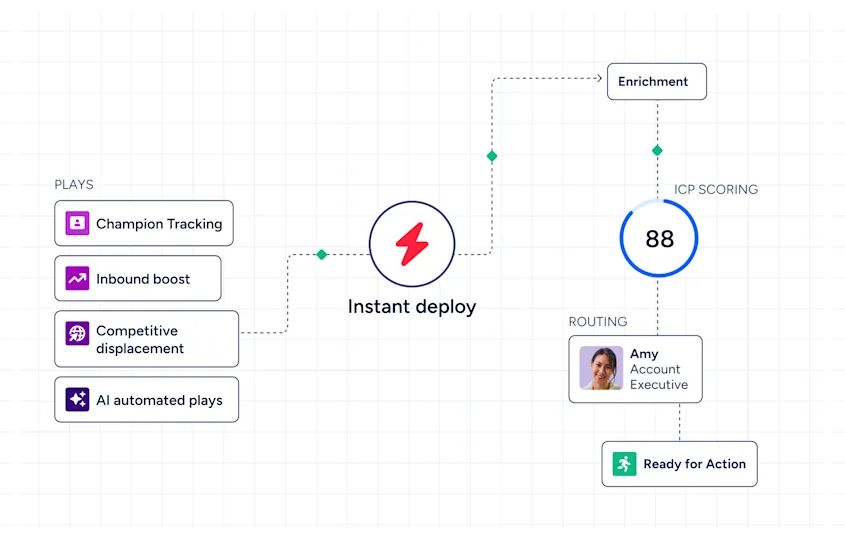
Source: ZoomInfo
For teams building beyond ZoomInfo's own products, APIs and MCP expose the same intelligence to any custom agent, internal tool, or partner platform.
ZoomInfo in Action: A seller opens GTM Workspace to a prioritized account feed where AI-drafted outreach already addresses the objection the reasoning engine identified from the last call. The system doesn't just know the CFO joined the meeting; it reasons that executive sponsorship entering at this stage, combined with ROI-focused questions, matches the pattern behind closed-won deals in your segment. That intelligence flows into every follow-up, every account plan, and every forecast, automatically.
ZoomInfo's not just a contact data company anymore. They've built a full system of execution. GTM Intelligence works the list, writes the outreach, triggers the play, and helps drive predictable growth. (Levanta)
ZoomInfo Pricing
ZoomInfo uses a consumption-based pricing model with custom quotes tailored to each organization's usage patterns, user count, and feature requirements.
The platform is organized into three product lines with tiered plans:
Sales Plans (Professional, Advanced, Enterprise): From contact and company data at the Professional tier through AI-driven account prioritization, buyer intent signals, and GTM plays at Advanced, to AI-generated summaries, advanced signals, and custom integrations at Enterprise.
Marketing Plans (Marketing Demand, ABM Lite, ABM Enterprise): From B2B data and audience targeting through dynamic audiences and intent-driven orchestration to enterprise ABM with AI-powered insights and full-funnel analytics.
Chorus and Chat: Conversation intelligence and data-powered website chat, priced as standalone products.
ZoomInfo Lite is a permanent free tier (no credit card, no time limit) offering access to ZoomInfo's B2B database with 10 monthly export credits, individual and company searches, the Chrome extension, mobile app, and HubSpot integration. A 7-day free trial of the full platform is also available with no credit card required.
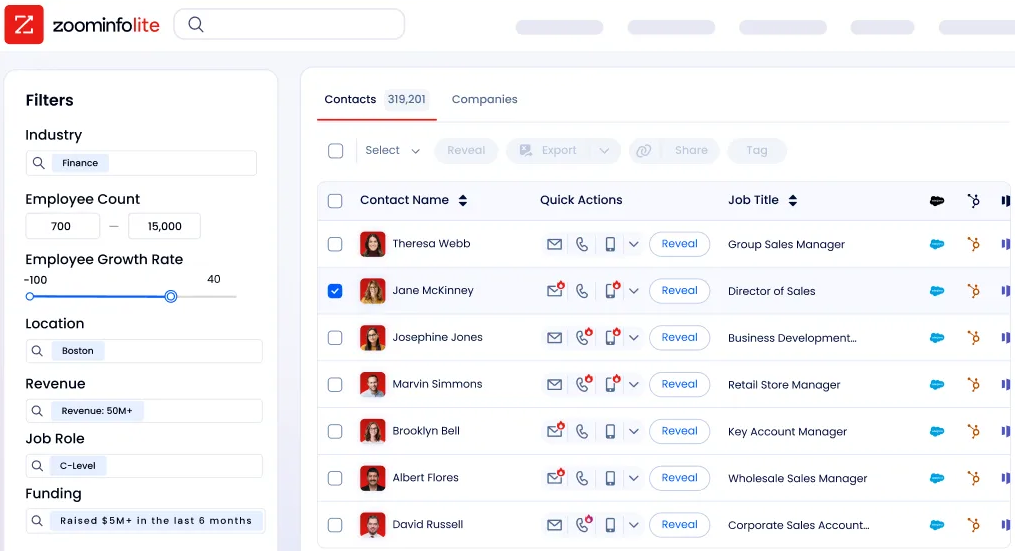
Source: ZoomInfo
API access is included in all relevant plans.
Who Should Use ZoomInfo?
Choose ZoomInfo if:
You need more than competitive monitoring: you want B2B data, buyer intent signals, and AI-powered execution tools that power your entire go-to-market strategy from a single platform.
Your sales team needs verified contact data (direct dials, business emails, org charts) alongside competitive insights to execute, rather than relying on battlecards alone to win deals.
You want to anticipate buyer behavior through intent signals and in-market detection rather than relying on reactive competitor monitoring.
Your organization spans sales, marketing, RevOps, and engineering teams that all need GTM intelligence delivered through their preferred surface: a workspace, an orchestration canvas, or APIs and MCP in any third-party tool.
Ready to go beyond competitive monitoring? ZoomInfo gives your entire GTM team the data, signals, and AI-powered execution they need to find, win, and grow customers. Start your free trial or explore ZoomInfo Lite to see the platform in action.
2. Klue: Best Alternative for Enterprise CI with Native Win-Loss Analysis
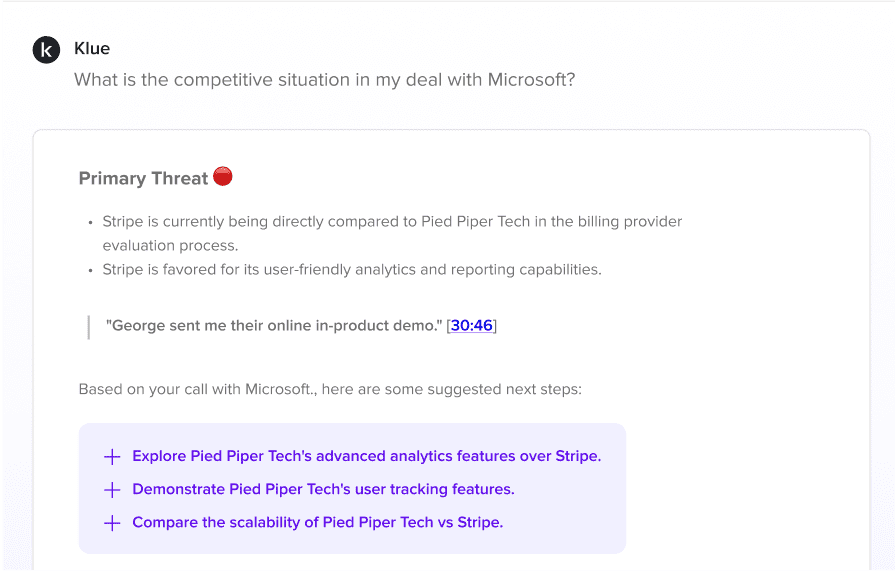
Source: Klue
Klue is a Competitive Enablement platform that combines real-time competitive intelligence collection and win-loss analysis in a single system.
Unlike Crayon, which partners with Clozd to bolt win-loss data onto its CI platform, Klue built win-loss natively through its acquisitions of DoubleCheck Research and Goldpan.ai. Its key capabilities include:
Native win-loss analysis integrated directly with competitive monitoring, no third-party stitching required
Compete Agent: an AI agent that pushes deal-specific battlecards and coaching to reps when competitors surface in live deals
Auto Insights: ten categories of continuously auto-generated competitive content built from call transcripts, public web data, and win-loss interviews
Embedded delivery inside Salesforce, Slack, Microsoft Teams, and Microsoft Copilot via MCP Server
Rep engagement analytics that correlate battlecard usage with competitive win rates
Why Choose Klue Over Crayon for Enterprise Competitive Intelligence
Klue stands out compared with Crayon in several ways:
Win-Loss Is Native, Not a Partner Integration. Crayon's win-loss capability depends on its Clozd integration, which means buyer interview data lives in a separate system and feeds back into Crayon as a synchronized data source.
Klue eliminated this split by acquiring DoubleCheck Research and Goldpan.ai, bringing win-loss methodology, AI interview technology, and experienced human interviewers inside the Klue platform.
The resulting product, Klue Win-Loss (expanded into Klue 360 Win-Loss in October 2024), operates through three capture methods in a single workspace: an AI Interviewer, live expert interviews, and a "Bring Your Own Interviews" import path.
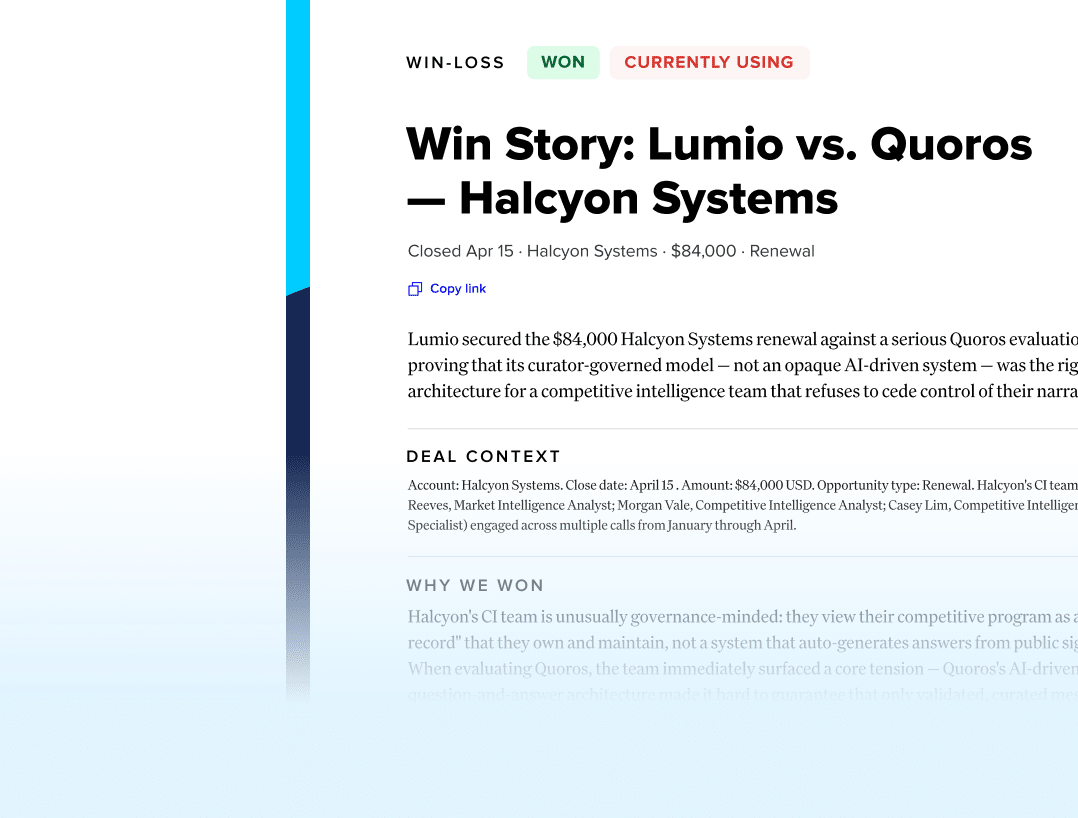
Source: Klue
Competitive mentions from win-loss interviews flow directly into the CI layer, populating battlecards and competitor profiles automatically.
Proactive Deal-Time Intelligence vs. Content Reps Have to Find. Crayon's sales enablement centers on Compete Hub, Sparks-generated battlecard updates, and Crayon Answers.
These are all pull-or-notify mechanisms: the rep either searches for intel, opens a notification, or asks a question. Compete Agent inverts this.
It monitors open CRM opportunities and connected call recordings to detect when a specific competitor surfaces in a deal, then generates a Deal Tip and delivers it to the rep's inbox or Slack. The rep receives what they need before their next call, without having to remember to look for it.
Verifiable Revenue Attribution. Klue's measurement infrastructure tracks which reps engage with battlecards and correlates engagement with competitive win rates via Klue Reports, connecting content usage to closed revenue in Salesforce and Dynamics without manual data matching.
This gives CI program managers a clear path from competitive content creation to revenue attribution.
For a detailed look at how Crayon and Klue compare across competitive intelligence features, see our Crayon vs. Klue comparison.
NOTE: We also evaluated Kompyte by Semrush for this slot. While Kompyte offers solid automated competitor tracking and benefits from Semrush's SEO data infrastructure, Klue offers a deeper enterprise CI platform, particularly for teams with dedicated CI owners who need native win-loss integration and proactive deal-time delivery via Compete Agent.
Klue Pricing
Klue does not publish pricing on its website; all commercial discussions begin through a demo request. The commercial structure is subscription-based with annual default terms.
Competitive Intelligence (Compete Agent) and Win-Loss are sold as separate modules. Subscriptions auto-renew for 12 months unless 90-day written non-renewal notice is provided. Implementation, onboarding, and consulting are purchased separately.
Who Should Use Klue?
Choose Klue if:
You want to run both a competitive intelligence program and a win-loss program from a single platform rather than stitching together a CI tool and a separate win-loss vendor.
You have a dedicated Product Marketing Manager or Competitive Intelligence professional who owns the CI program and can maximize the platform's potential.
Low rep adoption is a known problem with your current CI setup, and you need a delivery mechanism that pushes competitive intel to sellers at deal time rather than relying on reps to seek it out.
You are a large enterprise with Microsoft 365 as your primary productivity stack and want CI embedded in Teams, Dynamics 365, SharePoint, and Copilot.
3. Kompyte by Semrush: Best Alternative for Mid-Market CI Automation
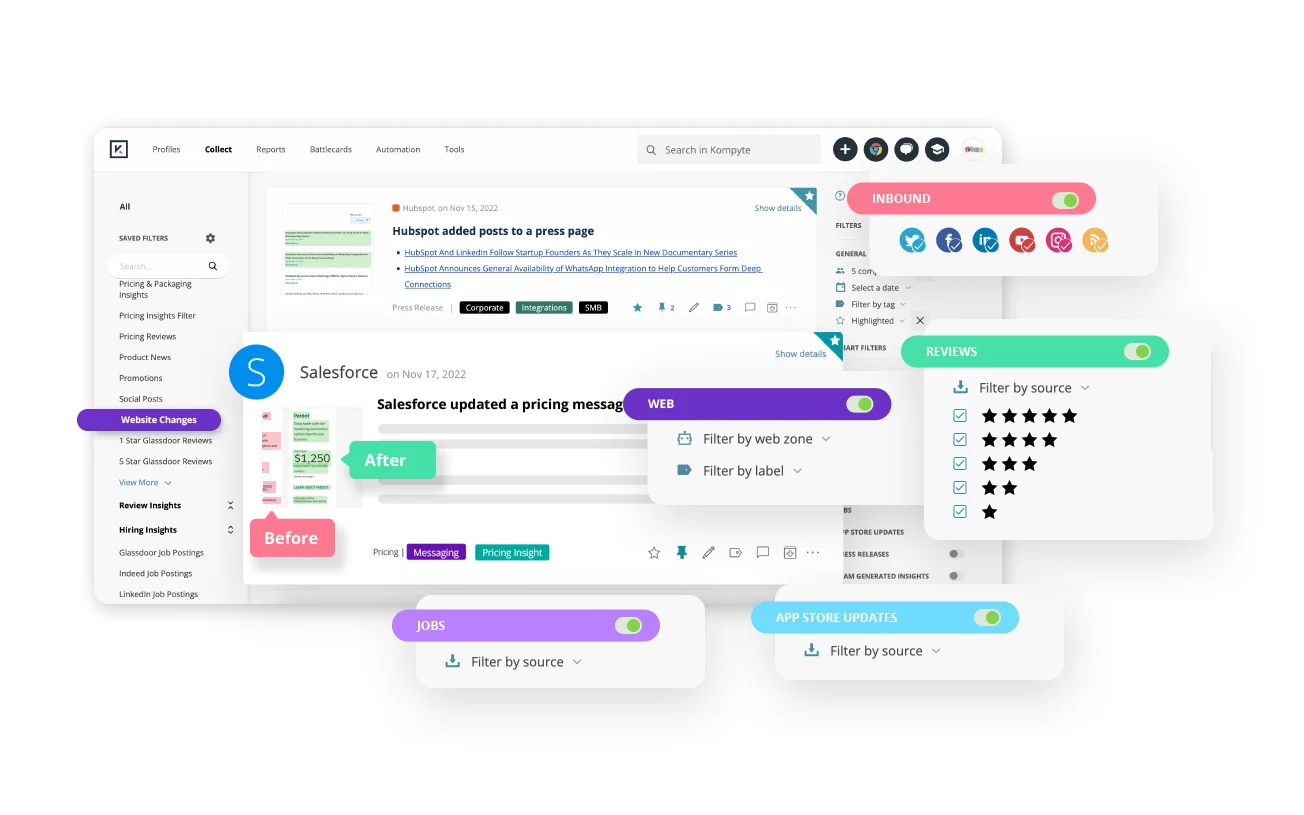
Source: Kompyte
Kompyte by Semrush is a competitive intelligence automation platform built for B2B sales teams, acquired by Semrush in February 2022.
It positions itself as a direct alternative to Crayon for mid-market and growing teams that need automated battlecard creation, real-time competitor monitoring, and structured win/loss analysis without analyst-heavy infrastructure. Its key capabilities include:
Daily AI-driven competitor website monitoring across 500 million data sources, automatically classifying changes by category
Native Semrush digital intelligence integration, layering SEO rankings, PPC spend, and content performance data alongside CI alerts
Bi-directional CRM battlecards syncing automatically to Salesforce and HubSpot
Win/loss analysis through a partnership with IcebergIQ
Rapid implementation with initial insights visible in 24-48 hours
Why Choose Kompyte by Semrush Over Crayon for Mid-Market CI Automation
Kompyte by Semrush stands out compared with Crayon in several ways:
Automation-First Architecture That Removes Analyst Dependency. One of the most cited weaknesses in Crayon's deployment model is its reliance on human analysts for data verification, which introduces delays when adding or modifying tracked competitors.
Kompyte's AI has been learning and refining since 2014 and filters actionable insights from raw data without requiring a human review layer. Users can label web pages and use machine learning to fine-tune results over time.
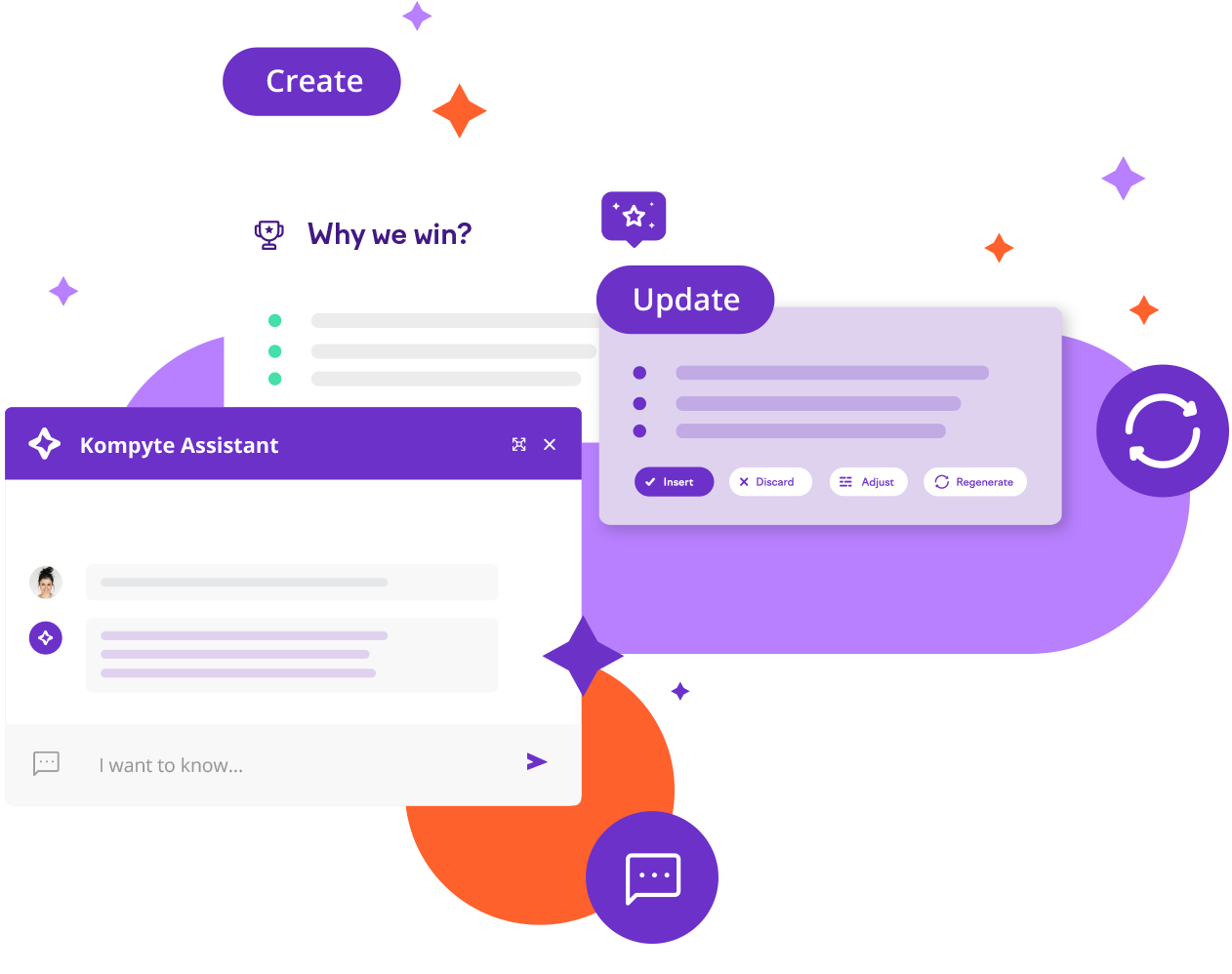
Source: Kompyte
New competitors can be added and begin returning data in 24-48 hours without analyst engagement.
Semrush Digital Intelligence Layer Extends CI Beyond Competitor Websites. As part of the Semrush ecosystem, Kompyte gives teams access to SEO and PPC data alongside CI alerts.
A team monitoring a competitor's pricing page change can simultaneously see whether that competitor increased paid search spend around pricing-related keywords, helping distinguish a strategic pivot from a cosmetic update.
This digital marketing context is absent from CI-only tools like Crayon.
Accessible Pricing Without Enterprise Overhead. All of Kompyte's integrations (Salesforce, HubSpot, Slack, Teams, Highspot, Showpad, Google Drive, OneDrive) are included at no additional charge across all tiers, and a dedicated Customer Success Manager with onboarding is included without a separate service fee.
For existing Semrush subscribers, a bundle discount applies.
NOTE: We also considered Klue and Crayon itself for this slot. While Klue has deep enterprise CI capabilities, its pricing and program maturity requirements are better matched to larger organizations. Kompyte by Semrush offers the most practical combination of automation depth, Semrush digital intelligence, and mid-market pricing for growing B2B teams building their first CI program.
Deciding between Kompyte and Klue? See our Kompyte vs. Klue comparison for a detailed breakdown.
Kompyte by Semrush Pricing
Kompyte does not publish pricing on its website; all plans require a demo request. The plans page displays three named tiers:
Essentials: Tracks up to 10 companies, 25 user licenses, 50 URLs per company, 25 search marketing keywords. Includes all core features: CI automation, AI insight curation, unlimited battlecards, Salesforce/HubSpot integration, and dedicated CSM.
Professional: Up to 20 companies, 100 user licenses, 100 URLs per company, 100 search marketing keywords. Adds the Unlimited Companies Database.
Unlimited: Unlimited companies and user licenses, 150 URLs per company, 200 search marketing keywords. Adds SSO and Advanced User Permission Management.
Who Should Use Kompyte by Semrush?
Choose Kompyte by Semrush if:
Your team needs a CI program that runs largely on autopilot, with an hour a week of oversight rather than a dedicated analyst function.
You already use Semrush for SEO or paid search and want to layer competitive intelligence into the same ecosystem.
Your sales organization relies on Salesforce or HubSpot and needs battlecards that update automatically inside those CRMs without requiring reps to switch to a separate platform.
Your competitive landscape has 10 to 60 tracked competitors and you need a structured program that scales without per-competitor analyst review.
4. Clozd: Best Alternative for Win-Loss Analysis Through Direct Buyer Interviews
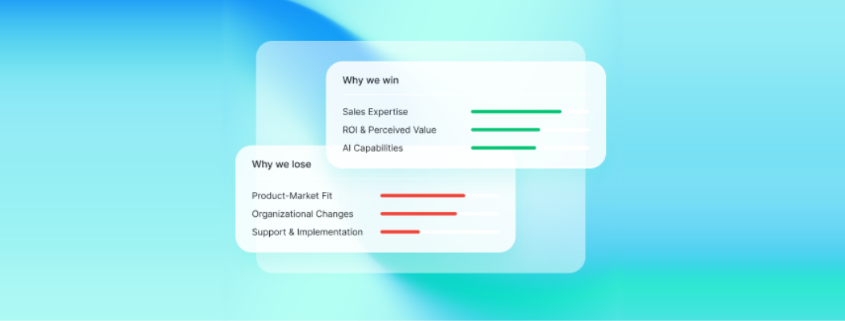
Source: Clozd
Clozd is a buyer intelligence and win-loss analysis platform that helps B2B revenue teams capture, structure, and act on feedback directly from buyers who evaluated their product.
While Crayon builds competitive intelligence from the outside in (monitoring what competitors publish), Clozd builds it from the inside out: sourcing intelligence from buyers themselves, after the deal closes. Its key capabilities include:
AI-powered and expert-led buyer interviews at scale through Live Interviews and Flex Interviews (asynchronous AI-driven conversations)
Automated insight categorization and trend visualization by competitor, product line, region, deal size, or sales rep
Ask Clozd: a conversational AI tool that lets stakeholders query the full interview database in natural language
Salesforce, HubSpot, and Slack distribution for competitive intelligence from closed deals
Clozd MCP: a Model Context Protocol integration for AI tools including Claude, ChatGPT, and Gemini
Why Choose Clozd Over Crayon for Win-Loss Intelligence
Clozd stands out compared with Crayon in several ways:
First-Hand Buyer Feedback vs. Inferred Competitive Activity. Crayon's intelligence is built from what competitors choose to make public.
This external monitoring is good for tracking competitive positioning shifts, but it cannot explain why a specific buyer chose a competitor over you.
Clozd's research shows that buyer and seller explanations for lost deals align only 15% of the time, meaning 85% of CRM win-loss data is inaccurate. Worse, nearly 70% of buyers name a different primary competitor than what is logged in the CRM.
Clozd corrects these inaccuracies by sourcing decision rationale directly from the buyers who made it.
AI Interview Scale Built on Real Buyer Conversations. Clozd's AI Interviewer, shaped by more than 50,000 live interviews, enables asynchronous buyer conversations that adapt based on what the interviewee says.

Source: Clozd
The AI analyzes the full conversation and asks contextual follow-ups grounded in everything the buyer has shared.
This differs from survey tools: Flex Interviews adapt to what the buyer says, capturing detailed reasoning through open-ended conversation rather than fixed response frameworks.
CRM Accuracy Correction Compounds Over Time. Because 70% of buyers identify a different primary competitor than what's in the CRM, competitive programs built on CRM win-loss data alone are fighting phantom battles.
Clozd's third-party interview approach captures the actual competitor the buyer evaluated, giving product marketing and sales strategy teams accurate competitive frequency data they cannot derive from internal records.
Every battlecard update built on inaccurate competitive attribution is misdirected; Clozd fixes that foundation.
NOTE: We also evaluated Primary Intelligence and Anova Consulting Group for this slot. While both offer managed win-loss research with strong analyst depth, Clozd offers the most focused combination of AI-powered interview scale, structured analytics, and modern CRM/Slack distribution for revenue teams that need a continuous win-loss program rather than periodic research engagements.
Clozd Pricing
Clozd does not publish pricing publicly; all commercial inquiries route to a "Talk with us" demo request. Pricing combines a platform subscription (access to Workflows, Flex Interviews, AI analysis, dashboards, Ask Clozd, and integrations) with an optional Expert Services layer (dedicated MBA-level program managers, interview guide creation, and access to the Expert Network of certified interviewers).
A revenue ROI calculator helps buyers model win-rate improvement before engaging sales.
Who Should Use Clozd?
Choose Clozd if:
Your primary competitive intelligence gap is understanding closed-deal decisions, not monitoring competitor activity. If you can't explain why your win rate against a specific rival has declined, Clozd's buyer interview model addresses that blind spot.
Your CRM win-loss data is unreliable and competitive battlecards may be built on inaccurate loss attribution.
You sell complex B2B solutions with deal sizes large enough that understanding a single loss has real ROI and enough closed-lost volume to generate meaningful interview samples.
You need cross-functional alignment around a shared source of buyer truth, replacing internal debate about why deals are won or lost with documented buyer evidence.
5. Parano.ai: Best Alternative for AI-Generated Strategic Competitor Interpretation
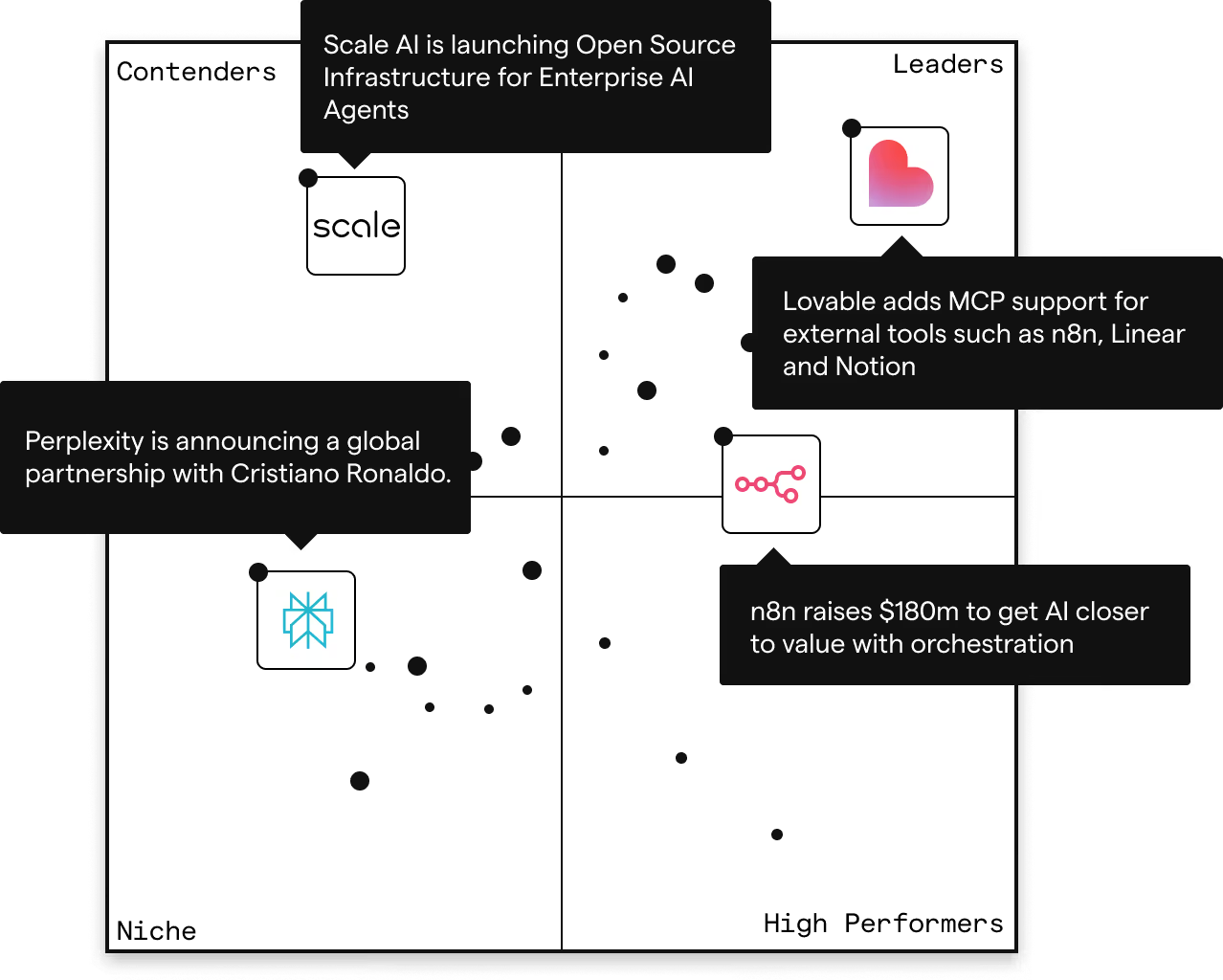
Source: Parano.ai
Parano.ai is an AI-native competitive intelligence platform that replaces manual competitor research with continuous automated monitoring, then synthesizes what it finds into strategic recommendations rather than raw activity feeds. Its key capabilities include:
Hourly multi-source competitor monitoring across websites, blogs, pricing pages, job listings, product changelogs, ad libraries, press releases, and review sites
AI-generated synthesis that interprets detected signals, telling teams not just what changed but what the change means for their positioning
Visual before-and-after change detection with AI-written significance assessments
Cross-functional Slack and Microsoft Teams delivery without requiring a separate platform login
A strategic analysis layer including a Competitive Landscape quadrant, Investment Benchmark, and Strategic Timeline organized by Pricing, Product, People, and Funding lanes
Transparent self-serve pricing starting at €79/month (annual), with a 14-day free trial on Pro requiring no credit card
Why Choose Parano.ai Over Crayon for AI-Interpreted Competitive Strategy
Parano.ai stands out compared with Crayon in several ways:
Interpretation Arrives Alongside Every Alert. Crayon's core workflow is a monitoring-and-feed model: the platform captures signals, scores them for importance, and delivers a feed that a CI analyst reviews and contextualizes.
Parano.ai starts from a different premise. As the platform states: "The existing competitive-intelligence tools are expensive, slow to implement, and stop at the activity feed. We start where they stop."
Every detected change receives an AI-generated summary that classifies whether the change matters strategically, explains what it means relative to the team's positioning, and surfaces a recommended action.
The monitoring engine processes approximately 12,400 signals per week and surfaces roughly 18 moves that matter, using perceptual and normalized hashing to collapse near-duplicate signals before they reach the user.
Self-Serve Pricing With No Discovery Call. Crayon's pricing is not publicly disclosed; all buyers are directed to a quote-based inquiry form.
Parano.ai publishes complete pricing on its pricing page: Starter at €79/month (annual) for up to 3 competitors, and Pro at €269/month (annual) for up to 10 competitors. Both tiers offer unlimited seats with no per-user cost.
The Pro plan includes a 14-day free trial with no credit card required, and teams typically receive their first synthesized competitive read within the first day.
Built to Run Without a CI Owner. Crayon requires ongoing ownership to sustain adoption, with the platform's own resources acknowledging that without a committed owner, adoption drops quickly.
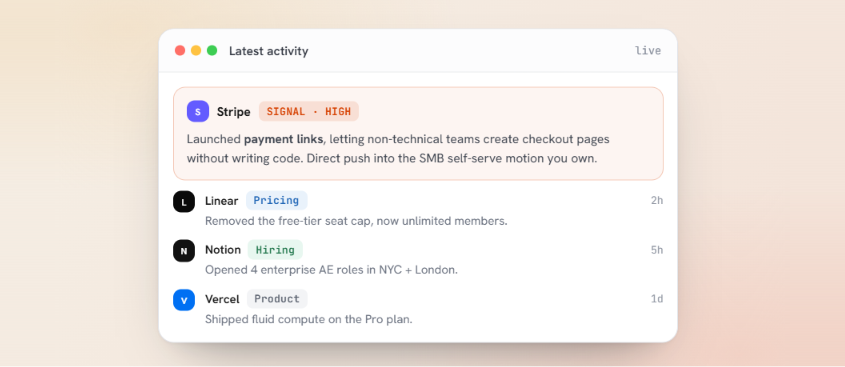
Parano.ai is designed to run without a dedicated owner. Monitoring happens automatically and continuously, AI performs synthesis before delivery, and intelligence arrives in Slack and email on a push basis.
Source: Parano.ai
The weekly narrative digest, built with AI narrative generation and inline citations, is designed for leadership consumption.
NOTE: We also evaluated Klue and Kompyte for this slot. While Klue excels at CRM-embedded battlecard programs for large sales organizations, and Kompyte is a strong fit for teams in the Semrush ecosystem, Parano.ai offers the most accessible entry point for teams that need strategic interpretation of competitor moves without a dedicated CI analyst or an enterprise procurement cycle.
Parano.ai Pricing
Starter at €79/month (annual): Track up to 3 competitors, unlimited seats. Includes activity feed, email digests, and change detection with before/after diffs.
Pro at €269/month (annual): Track up to 10 competitors (+€15/month per additional), unlimited seats. Adds the full Analysis suite (Strategic Timeline, Competitive Landscape quadrant, Investment Benchmark), auto-refreshed battlecards, Intel Chat (Beta), Slack and Teams delivery, webhooks, API keys, and MCP server. 14-day free trial, no credit card required.
Enterprise at custom pricing: Unlimited competitors, SSO/SAML, role-based access control, EU data residency, dedicated CSM, and custom CRM integrations.
Who Should Use Parano.ai?
Choose Parano.ai if:
Your team needs competitive intelligence to run without a dedicated CI analyst, with strategic reads delivered in Slack rather than a dashboard someone has to maintain.
You are evaluating CI tools for the first time and want to start tracking competitors and receiving synthesized intel within a day, not after a multi-week procurement cycle.
You are a growth-stage B2B SaaS company (20-300 employees) where transparent self-serve pricing with a free trial fits your procurement process.
You need strategic interpretation of competitor moves (what a pricing change means for your positioning, what you should do in response), not just a feed of what happened.
6. Owler: Best Alternative for Free Competitor Tracking and Business Alerts

Source: Owler
Owler is a business intelligence platform built on a community of over 5 million business professionals who crowdsource company data, competitive relationships, and business event signals across a database of 20M+ company profiles.
Where Crayon requires CI program ownership, battlecard infrastructure, and continuous stakeholder management, Owler delivers competitive awareness through company profiles, a proprietary competitor graph, and event-based news alerts without any of that overhead. Its key capabilities include:
Competitor Graph mapping 45M+ competitive relationships across 20M companies, letting users discover direct and indirect competitors
Real-time news monitoring matching over 180,000 news events each week across 25+ Instant Insight types
Crowdsourced firmographic data covering private company revenue estimates, CEO approval ratings, employee headcounts, and competitive relationships
Permanently free Community tier with no credit card required
Why Choose Owler Over Crayon for Free Competitor Tracking
Owler stands out compared with Crayon in several ways:
Zero-Cost Entry with a Permanently Free Tier. Crayon does not offer a free trial or free plan; every evaluation goes through a sales demo.
Owler's Community tier is permanently free with no credit card and no time limit. Users can follow up to 5 companies, access basic profiles, receive daily email alerts, and get real-time notifications on funding, acquisitions, and leadership changes.

Source: Owler
For teams that need to demonstrate CI value before securing budget for a dedicated platform, Owler's free tier serves as a practical starting point that any individual contributor can set up in minutes.
Crowdsourced Competitive Relationship Mapping. Crayon monitors competitors' digital footprint but doesn't map competitive relationships at scale.
Owler's Competitor Graph maps 45 million+ competitive relationships across 20 million companies, built by a community of 5 million+ business professionals.
The graph lets users discover indirect competitors and lookalike companies without deep industry knowledge, a research method complementary to Crayon's web-crawling approach.
No CI Program Infrastructure Required. There's no battlecard infrastructure to maintain, no signal triage workflow to design, no adoption metrics to evangelize. Users log in, follow competitors, and receive alerts.
For companies that want competitive awareness without building a compete program, Owler's model fits how most sales and marketing teams actually operate day to day.
NOTE: We also evaluated Unkover as a potential entry for this slot. While Unkover targets small teams with a lightweight competitor monitoring approach, its $79/month starting price places it in a different category. Owler's permanently free tier better serves teams at the very start of building competitive awareness with no committed budget.
Owler Pricing
Community (Free): Permanently free with no credit card required. Follow up to 5 companies, access basic profiles, Daily Snapshot email, and real-time alerts on 3 trigger types.
Pro ($39/user/month): Unlimited company follows, 25+ Instant Insight alert types, advanced search filtering, full Competitor Graph access, and 7+ years of historical newsfeed.
Max (Custom pricing): All Pro features plus 150M+ contact records, native Salesforce and HubSpot CRM integration, Slack and Teams integration, 21 curated sales trigger event types, and Owler AI for personalized outreach.
Who Should Use Owler?
Choose Owler if:
Your team needs basic competitor tracking and trigger alerts but has no CI budget; Owler's free tier covers the essential use case with no credit card required and no time limit.
You're mapping a competitive landscape across a broad market and need to discover indirect competitors without already knowing who they are.
You're a sales team that wants quick account research before client calls (company revenue, headcount, recent news, key competitors) without building a dedicated CI program.
You're evaluating whether competitive intelligence has enough impact at your organization to justify a dedicated platform, and you want to run that experiment with no procurement approval.
7. Unkover: Best Alternative for Small SaaS Teams Needing Lightweight Competitor Monitoring
Source: Unkover
Unkover is a lightweight AI competitive monitoring platform designed to replace the manual, fragmented CI effort that typically spreads across every team in a small SaaS company.
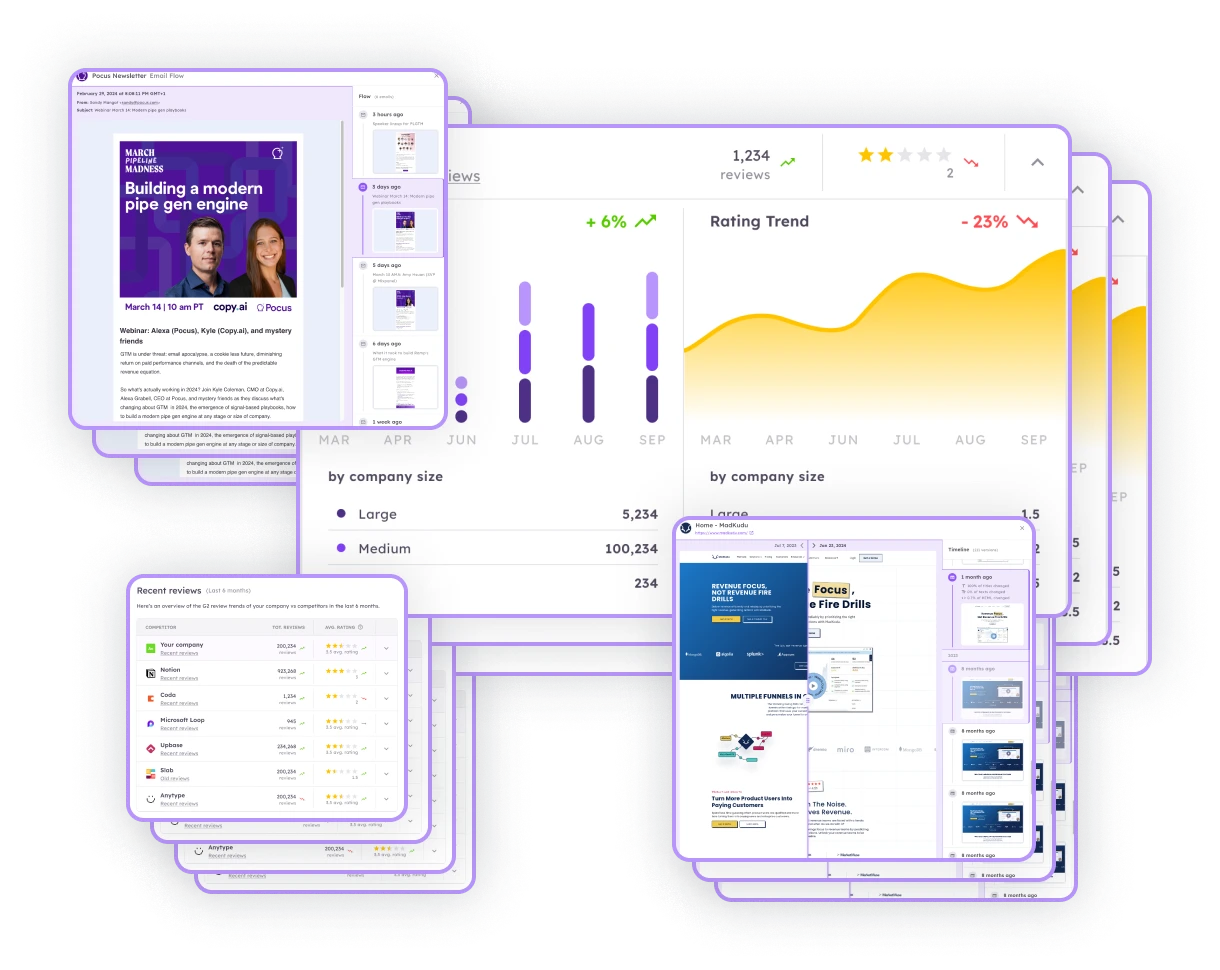
Built by the founders of Breadcrumbs.io (YC S21), Unkover aggregates competitive intelligence from competitor websites, email campaigns, G2 reviews, and content activity, then routes AI-filtered signals to the relevant team. Its core capabilities include:
AI-curated competitor website change detection with visual before-and-after diffs
Competitor email sequence capture and shared team archive
G2 review intelligence with AI-driven sentiment analysis
Content strategy monitoring across competitor publishing activity
Funding round, acquisition, and executive trigger event alerts
Slack-native alert delivery with no dedicated CI platform login required
Self-serve onboarding at $79/month (annual) with a 14-day free trial and no credit card required
Note: Unkover's homepage currently states that the platform is being reimagined. Buyers should confirm current availability and product form before committing. The positioning and pricing documented here reflect the last publicly available state of the platform.
Why Choose Unkover Over Crayon for Small-Team Competitive Intelligence
Unkover stands out compared with Crayon in several ways for teams that lack the headcount or budget to run a formal CI program:
Accessible Pricing Without a Dedicated CI Budget Line. Crayon operates on custom enterprise pricing with no self-serve trial and a demo-gated sales process.
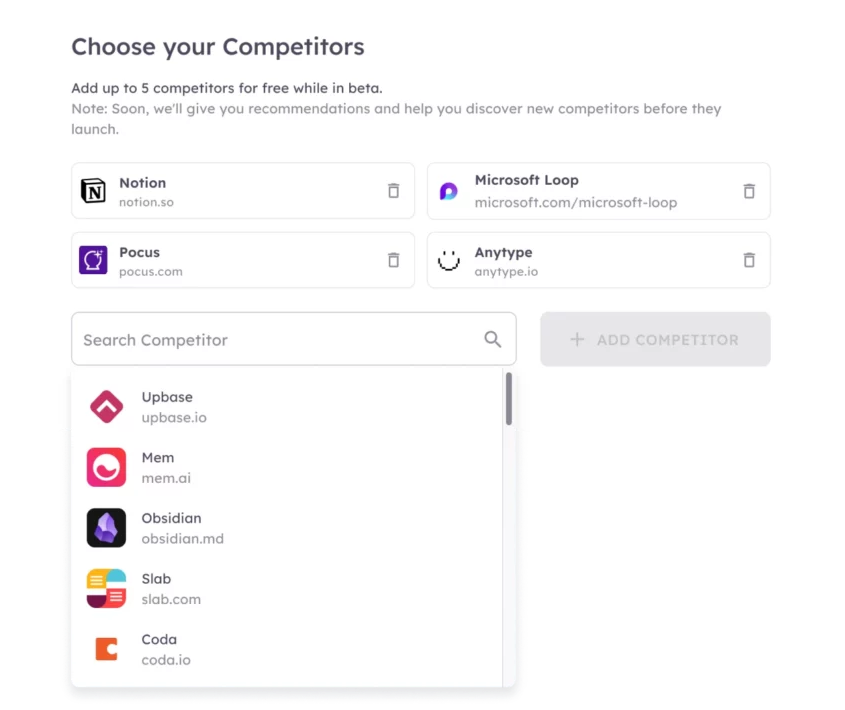
Unkover's pricing starts at $79/month billed annually, and signup is fully self-serve with a 14-day free trial and no credit card required. A product marketing manager can evaluate the platform and reach a working CI environment without scheduling a discovery call.
AI Curation That Addresses the Noise Problem. One of the most frequently cited weaknesses in Crayon reviews is noise from AI deduplication and relevance filtering falling short, requiring manual effort to extract useful signals.
Unkover positions itself as delivering "100% signal" via AI curation. The page monitoring feature can also infer whether a competitor is running an A/B test versus making a committed rollout.
Source: Unkover
For teams that want actionable alerts without a CI analyst to triage the feed, that noise reduction is the core value.
Slack-First Delivery Without a Dedicated CI Program Owner. Competitive updates are pushed directly into team Slack channels as they happen. No separate platform login, no weekly digest to remember to open, no CI program to maintain.
A pricing change from a competitor surfaces in the #competitive Slack channel where the sales team already lives.
For teams that cannot afford the operational overhead of a formal CI program, that delivery model is a real advantage.
NOTE: We also evaluated Owler and Kompyte for this slot. While Owler covers a broad range of company signals, its AI summarization is shallower and it lacks email sequence intelligence and G2 review analysis. Kompyte moves into Crayon's functional territory at a higher price tier. Unkover offers the most direct combination of accessible pricing, AI-curated alerts, and Slack-native delivery for teams wanting competitive monitoring without CI program infrastructure.
Unkover Pricing
Unkover uses a three-tier subscription model with annual plans carrying a 20% discount. A 14-day free trial with no credit card required is available.
Base at $79/month billed annually: Up to 5 competitors, 50 pages monitored, 10 email workflows, 3-day data refresh.
Professional at $159/month billed annually: Up to 10 competitors, 100 pages monitored, 20 email workflows, 1-day data refresh.
Enterprise at custom pricing: Custom competitor count, custom email workflows, hourly data refresh.
Who Should Use Unkover?
Choose Unkover if:
Your team is 10-200 people and you lack a dedicated competitive intelligence manager, but everyone still needs reliable competitor context.
You want competitive updates delivered directly into Slack channels where your team works, rather than maintaining a separate CI platform.
You're tracking 5-10 direct SaaS competitors and need alerts on pricing changes, messaging shifts, competitor email sequences, and G2 review trends.
Your CI budget is in the $80-$200/month range and Crayon's enterprise pricing is out of reach without a formal procurement cycle.
The Final Verdict
Crayon excels as a competitive intelligence platform for mid-market and enterprise B2B companies with dedicated CI programs, but different team sizes, budgets, and competitive challenges call for specialized solutions. Based on our research, here are the best alternatives:
ZoomInfo for B2B data, buyer intent signals, and AI-powered GTM execution that goes beyond competitive monitoring
Klue for enterprise competitive intelligence with native win-loss analysis and proactive deal-time delivery via Compete Agent
Kompyte by Semrush for automated CI workflows at mid-market scale with Semrush digital marketing intelligence
Clozd for structured win-loss analysis through direct buyer interviews that reveal why deals are won or lost
Parano.ai for AI-generated strategic interpretation of competitor moves with transparent self-serve pricing
Owler for free competitor tracking and business alerts with no CI program infrastructure required
Unkover for lightweight, Slack-first competitor monitoring designed for small SaaS teams
You don't have to choose between Crayon and these alternatives exclusively. Many B2B organizations combine tools (a broad GTM intelligence platform like ZoomInfo alongside a specialized CI or win-loss tool, for example). Consider your team's needs, budget, and growth plans when deciding which solution fits best.
Ready to power your go-to-market strategy with more than competitive monitoring? ZoomInfo gives your team the B2B data, buyer intent signals, and AI-powered execution they need. Start your free trial or explore ZoomInfo Lite to see what the platform can do for your business.
Crayon Alternatives FAQ
Why do businesses look for Crayon alternatives?
Crayon works well as a competitive intelligence platform for B2B companies with dedicated CI programs, but businesses often need capabilities beyond competitor monitoring.
Common reasons include needing buyer data and intent signals (not just competitive content), wanting native win-loss analysis without a third-party integration, requiring more accessible pricing for smaller teams, dealing with data noise in feeds that require significant manual triage, or finding that the platform's effectiveness depends on having a dedicated CI program owner to drive adoption.
What is the best overall Crayon alternative?
There is no single best alternative because Crayon covers a specific function that different teams may want to expand in different directions.
ZoomInfo is the strongest choice for teams that need B2B data, buyer intent signals, and GTM execution beyond competitive monitoring.
Klue is the top enterprise CI option for teams that want native win-loss analysis alongside competitor tracking.
Parano.ai offers the best AI-interpreted competitive intelligence for teams without a dedicated CI analyst.
Is there a free alternative to Crayon?
Owler offers a permanently free Community tier with no credit card required, covering up to 5 company follows, basic profiles, daily email alerts, and access to the competitive relationship graph.
ZoomInfo Lite is also permanently free and provides access to the B2B database with 10 monthly export credits, company and contact search, and a Chrome extension.
Several other alternatives offer free trials: Parano.ai provides 14 days on Pro with no credit card, Unkover offers a 14-day free trial, and ZoomInfo has a 7-day free trial of its full platform.
Which Crayon alternative is best for enterprise teams?
Klue is the strongest enterprise CI alternative, offering native win-loss analysis, proactive deal-time delivery via Compete Agent, Microsoft 365 integration (including Copilot via MCP Server), and measurement infrastructure that correlates battlecard usage with competitive win rates.
For enterprise teams that need data and GTM intelligence beyond competitive monitoring, ZoomInfo provides the broadest platform, serving 35,000+ companies worldwide including Adobe, Microsoft, Snowflake, and Databricks.
How does ZoomInfo compare to Crayon?
Crayon is a specialized competitive intelligence platform focused on monitoring competitors and enabling sales with battlecards.
ZoomInfo is an AI GTM platform that addresses a broader set of go-to-market needs. Where Crayon tracks what competitors publish, ZoomInfo provides 500M contacts, 100M companies, verified direct dials, buyer intent signals, and AI-powered execution tools.
Teams using ZoomInfo can identify which accounts use a competitor's technology, see when those accounts start researching alternatives, and engage the right decision-makers with verified contact data, all from a single platform.
Which alternative is best for understanding why deals are lost?
Clozd is built for this use case. Its AI-powered and expert-led buyer interviews capture decision rationale directly from buyers after deals close, surfacing intelligence that external competitor monitoring cannot.
Clozd's research shows that buyer and seller explanations for lost deals align only 15% of the time, meaning most CRM win-loss data is inaccurate.
Klue also addresses this need through its native win-loss module, though with a broader CI focus.
Which Crayon alternative has the most transparent pricing?
Parano.ai and Unkover both publish complete pricing on their websites. Parano.ai starts at approximately €79/month (annual) for 3 competitors, with all features unlocked at the Pro tier for approximately €269/month. Unkover starts at $79/month (annual) for 5 competitors.
Owler's Pro tier is priced at $39/user/month. Crayon, Klue, Kompyte, and Clozd all use custom, quote-based pricing requiring a sales conversation.
Which Crayon alternative is easiest to set up?
Parano.ai and Unkover offer the fastest setup, with self-serve signup and first competitive insights typically arriving within 24 hours.
Owler's free tier requires no setup beyond creating an account and following companies. Kompyte by Semrush reports initial insights in 24-48 hours with full deployment in one to two weeks.
Klue and Clozd, as enterprise platforms, involve longer implementation cycles with dedicated onboarding support.
ZoomInfo's GTM Workspace deploys in weeks rather than months, and ZoomInfo Lite provides instant access to the B2B database with no setup required.
Looking beyond Crayon? Compare the strongest alternatives side by side:
