
If you're searching for "Desk.com vs Salesforce," here's the most important thing to know: Desk.com no longer exists.
Salesforce shut down Desk.com on March 13, 2020, two years after announcing its end-of-life. The product, which Salesforce acquired in 2011 for about $80 million, was replaced by Salesforce Essentials and Service Cloud. If you're still referencing Desk.com in your evaluation, you're comparing a discontinued product against its own successor.
But the fact that people still search this comparison tells us something: real questions remain.
Did Salesforce actually replace what made Desk.com valuable for small teams?
Is Service Cloud worth the price jump for businesses that loved Desk.com's simplicity?
Has the move from an SMB tool to an enterprise platform left gaps?
What do small and mid-size support teams actually need today that neither product delivered?
Is there a data intelligence layer missing from your customer support stack?
Here's what we found:
Desk.com was a cloud-based help desk for small and mid-size businesses. It unified email, phone, Twitter, Facebook, and live chat into a single agent desktop, with a setup simple enough that teams could be operational over a weekend.
Its flexible pricing (including $1/hour for part-time agents) and social-first design made it popular with startups like Instagram, Spotify, and Square.
But it ran on a separate codebase from Salesforce's main platform, so customers who outgrew it faced a full reimplementation rather than an upgrade.
Salesforce Service Cloud is the enterprise customer service platform that absorbed Desk.com's customer base.
It offers more depth: AI-powered case resolution through Agentforce, omnichannel routing across chat, SMS, WhatsApp, Facebook Messenger, and more, and native integration with Salesforce's CRM, marketing, and commerce tools. A Forrester TEI study found customers achieved 125% ROI.
The trade-off is complexity. Service Cloud requires dedicated administrators, and pricing starts at $25/user/month for the Starter Suite but climbs to $175–$550/user/month for the features most teams actually need.
Both products manage support interactions after customers reach out. But neither tells your support team who those customers are, what their company is doing, or why they might be calling. That gap is where ZoomInfo fits.
ZoomInfo is a GTM platform that provides the data and intelligence layer your support and revenue teams lack.
With 500M contacts, 100M companies, 135M+ verified phone numbers, and 200M+ verified business email addresses, ZoomInfo gives your team context about who they're talking to before the conversation starts.
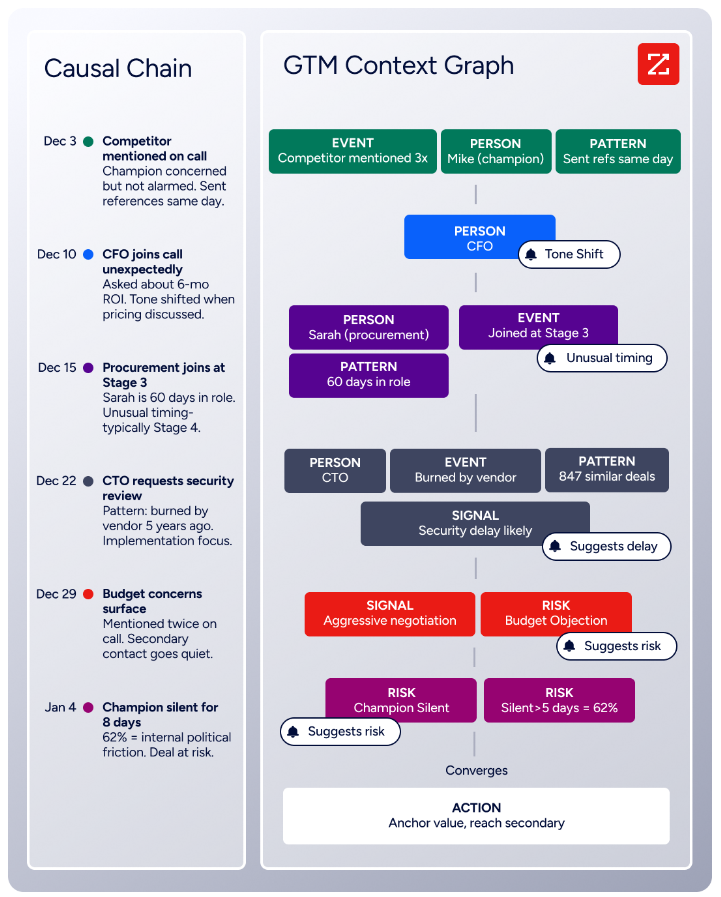
Its GTM Context Graph processes 1.5B+ data points daily, combining B2B data with your CRM records, conversation intelligence, and behavioral signals to show not just what's happening in an account, but why.
For teams using Salesforce, ZoomInfo integrates natively, enriching customer records, surfacing buying signals, and informing support and sales conversations inside the CRM.
If enriching your Salesforce data with verified contacts, company intelligence, and buying signals sounds like the missing piece, see how ZoomInfo works with your CRM.
Desk.com vs. Salesforce Service Cloud vs. ZoomInfo at a glance
Desk.com | Salesforce Service Cloud | ZoomInfo | |
|---|---|---|---|
Status | Discontinued (March 2020) | Active, flagship product | Active, growing |
Pricing | $3–$100/agent/month (historical) | $25–$550/user/month | Custom-quoted, consumption-based |
Core function | SMB help desk | Enterprise customer service platform | B2B data intelligence and GTM platform |
Target buyer | Startups and small businesses | Mid-market to enterprise | Enterprise and upper mid-market B2B teams |
Setup time | Hours (same-day deployment) | Weeks to months | |
AI capabilities | None | Agentforce (autonomous case resolution) | GTM Context Graph, AI-powered prospecting and outreach |
CRM integration | Salesforce only (via Desk Connect) | Native (it is the CRM) | |
Data enrichment | None | Limited to CRM data | intent signals |
Support platform vs intelligence platform: different problems, different solutions
It helps to be specific about what each tool does and doesn't do.
Desk.com solved ticket management for small teams. It unified channels, automated routing, and let lean teams handle volume. It did not provide customer intelligence, sales data, or account context beyond what agents manually entered.
Salesforce Service Cloud solves enterprise customer service. It adds AI resolution, field service management, knowledge management, and analytics. It provides CRM data to agents but depends on the quality of that data, which is often poor.
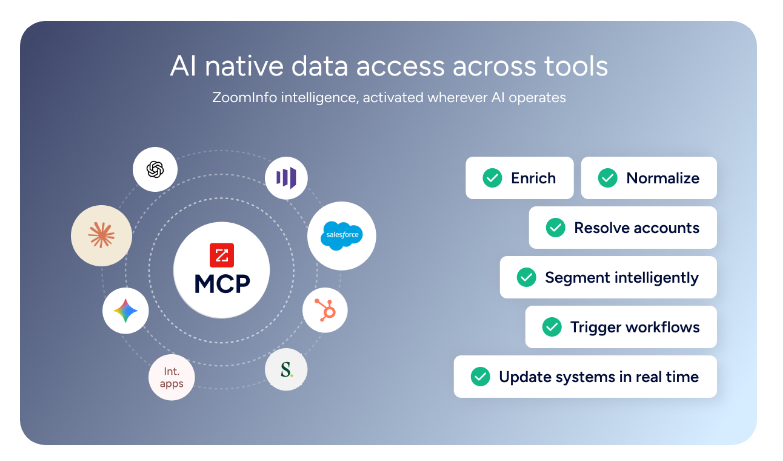
ZoomInfo solves the intelligence problem. It provides 500M contacts and 100M companies of verified B2B data, processes 1.5B+ data points daily through its GTM Context Graph, and delivers that intelligence into any tool through APIs and MCP.
Source: ZoomInfo
It doesn't manage tickets or route cases. It makes every interaction more informed.
The three aren't alternatives to each other. Salesforce Service Cloud handles customer service operations. ZoomInfo provides the data intelligence that makes those operations more effective. They work together.
"ZoomInfo is our one source of truth for account data, and even more so for contact data. There's no other provider in the market that provides you with that level of detail." (Thor Sanderson, Senior Manager of Sales Technology Enablement, Smartsheet)
Why Salesforce killed Desk.com
Desk.com didn't fail as a product. It hit an architectural dead end.
When Salesforce acquired Assistly in 2011 and relaunched it as Desk.com, the product ran on its own codebase, separate from Salesforce's Lightning Platform. Desk.com customers who outgrew SMB-level support had to reimplement on Service Cloud rather than upgrade within the same system.
As analyst Laurie McCabe of SMB Group noted, Salesforce Essentials "takes Salesforce back to its small business roots" by building the SMB product on the same codebase as the enterprise platform.
Maintaining two parallel codebases for the same market made no sense. In March 2018, Salesforce stopped selling Desk.com to new customers and gave existing users two years to migrate.
The practical impact for former Desk.com customers: they gained access to a more capable platform but lost the simplicity that drew them to Desk.com.
What Desk.com did well (and what Service Cloud inherited)
Desk.com earned its reputation on three things: speed of deployment, social-first support, and pricing flexibility.
Same-day setup. Desk.com required only four fields to register, and teams could handle live cases the same day. Bonobos had agents productive within a weekend.
The agent interface used a familiar inbox layout with pre-defined filters that required no helpdesk experience to navigate.
Social channels as equals. Assistly was the first help desk to offer Facebook wall support in February 2011, more than a year before most competitors.
Under Desk.com, Twitter and Facebook integrations came standard, treated as equals to email and phone in the same case queue.
Flex pricing for lean teams. The $1/hour part-time agent rate let product managers, founders, and seasonal staff handle support tickets without a full seat license.
For startups with variable support loads, this was a real cost advantage.
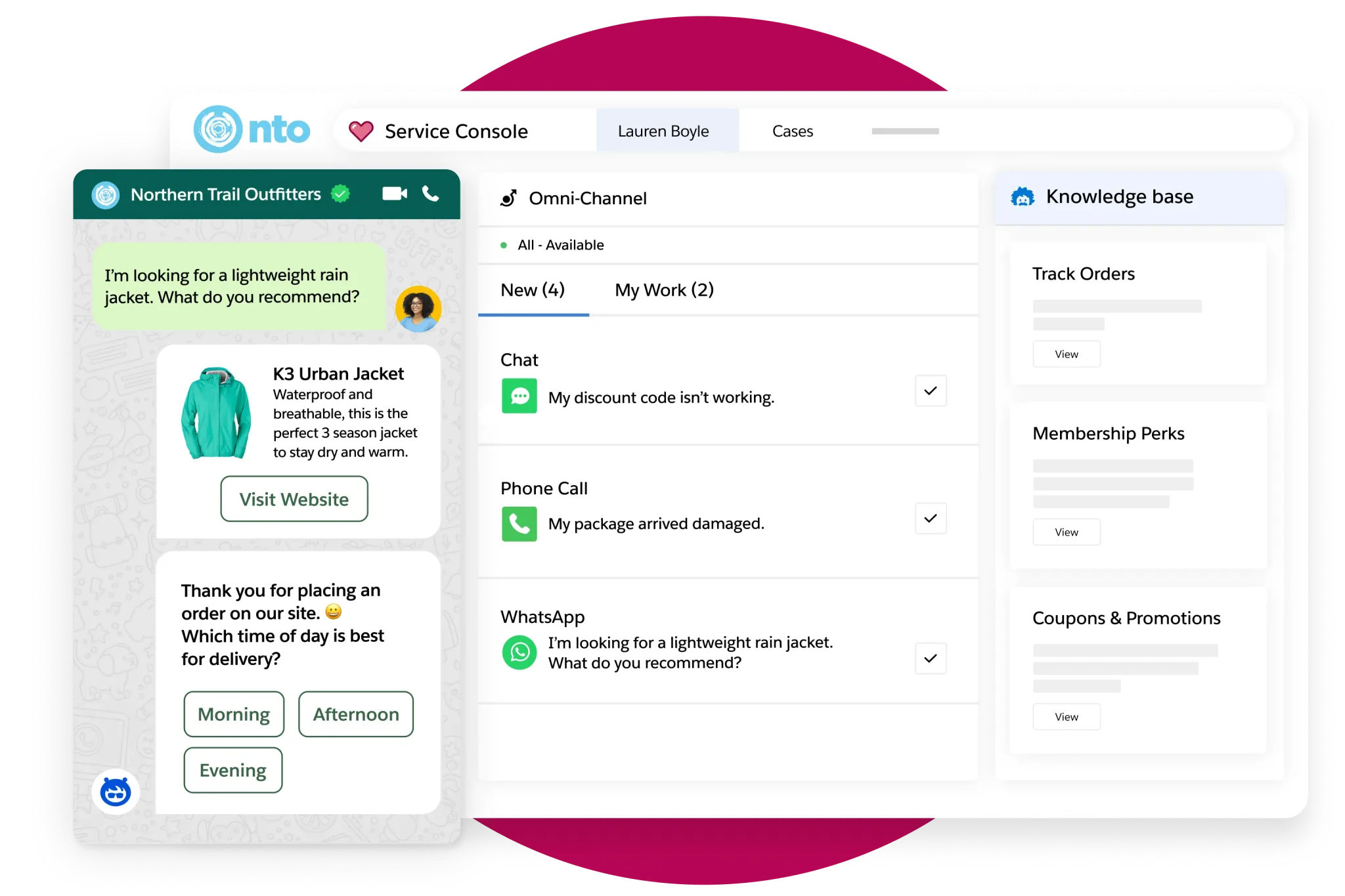
Salesforce Service Cloud inherited the omnichannel concept but rebuilt it for enterprise scale. Where Desk.com offered five channels, Service Cloud now supports chat, SMS, WhatsApp, Facebook Messenger, Apple Messages, LINE, and custom channels.
Source: Salesforce
The social-first approach Desk.com pioneered has been absorbed into a broader digital engagement strategy.
What Service Cloud did not inherit: Desk.com's simplicity and speed. You won't set up Service Cloud over a weekend.
Service Cloud is more capable but demands more investment
Salesforce Service Cloud operates at a different scale than Desk.com ever attempted.
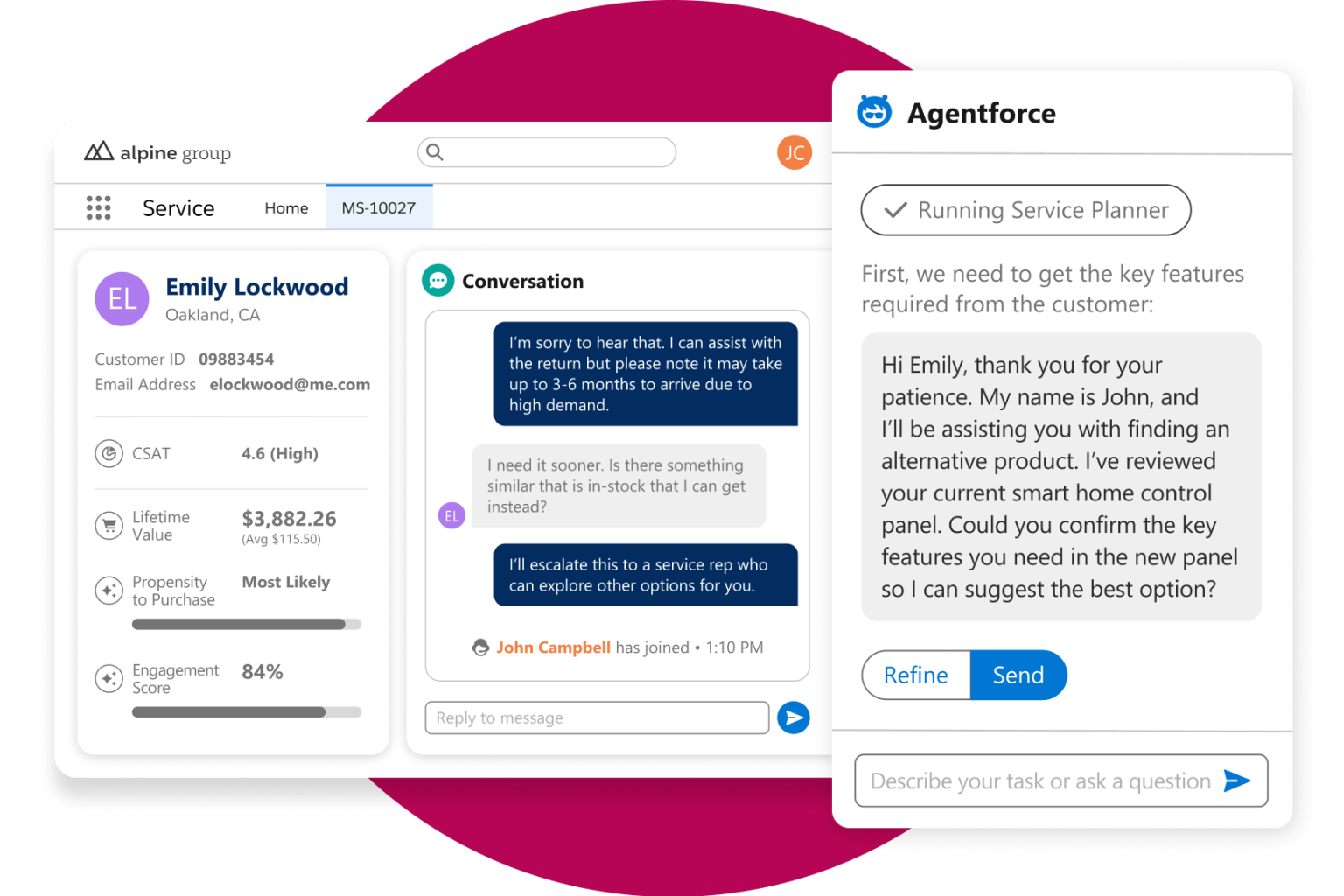
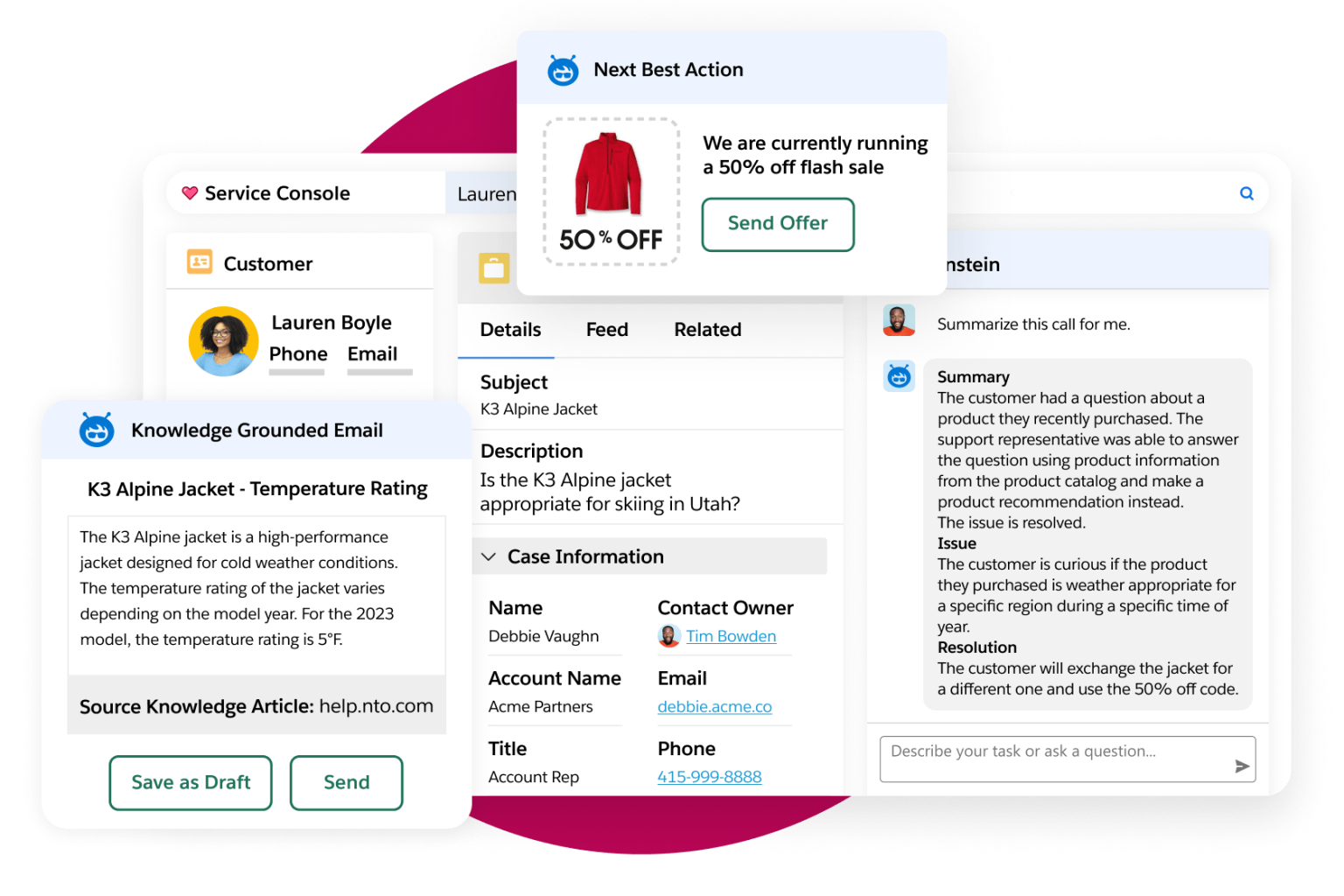
The Service Console gives agents a workspace with AI action plans, conversation summaries, and team swarming via Slack. Knowledge Management includes AI-powered search, article recommendations, and AI-generated content.
Source: Salesforce
Agentforce for Service deploys autonomous AI agents across any channel. Salesforce reports that Agentforce resolves 85% of its own support requests without human escalation.
Source: Salesforce
That capability comes with complexity. Configuration requires trained administrators. Over 70% of Salesforce implementations are partner-led, adding cost beyond the license.
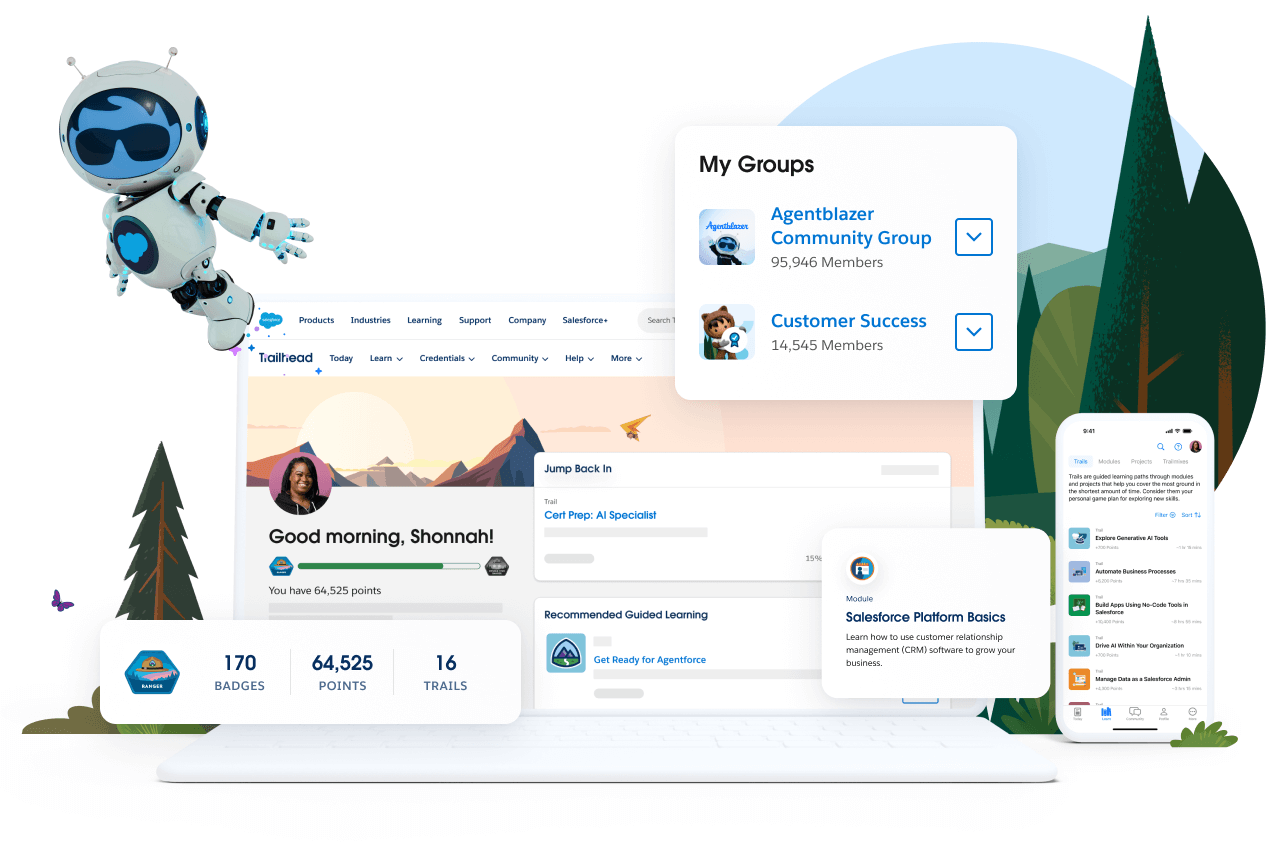
The platform's full value requires investment across multiple clouds, and the learning curve is steep enough that Salesforce built Trailhead (with 1,500+ badges and 6+ million learners) largely to address it.
Source: Salesforce
For a five-person support team that ran Desk.com Standard at $20/agent/month, the jump to Service Cloud Enterprise at $175/user/month (plus add-ons, implementation, and potentially a Premier Success Plan at 30% of net license fees) is a different class of investment.
The pricing gap between them is wider than it looks
Desk.com's pricing was built for businesses counting every dollar.
The Starter plan cost $3/month flat for up to three agents. Standard was $20/agent/month annually. Even the top-tier Business Plus, which launched at $125/agent/month before dropping to $100, included custom dashboards, SSO, and mobile SDK access.
Salesforce Service Cloud starts at $25/user/month for the Starter Suite, but useful service features require at least the Enterprise tier at $175/user/month. AI capabilities through Agentforce add $125/user/month.
Digital engagement channels (WhatsApp, SMS, Messenger) cost $75/user/month extra. Contact center features with voice add $150/user/month.
A ten-agent team on Desk.com Standard paid roughly $200/month. That same team on Service Cloud Enterprise with digital engagement and Agentforce would pay $3,750/month or more, before implementation costs.
The features justify the price for organizations that use them. But for small teams that mainly need to answer tickets across email and social media, much of that capability sits unused.
Neither platform solves the data intelligence gap
Here's the problem both Desk.com and Service Cloud share: they manage interactions, but they don't tell you who you're interacting with beyond what's already in your CRM.
A support agent sees a ticket from "Sarah Chen at Acme Corp." The CRM might show past tickets and a phone number. But it won't tell you that Acme Corp just raised a Series C, that Sarah was promoted to VP of Operations last month, that the company is evaluating three of your competitors, or that their tech stack signals expansion readiness.
That context changes the conversation. A renewal question from a VP at a company researching competitors is a different situation than the same question from a standard user at a stable account. Without data intelligence, every ticket looks the same.
ZoomInfo fills this gap. As a GTM platform built on broad B2B data, ZoomInfo provides the intelligence layer that CRM and support platforms lack.
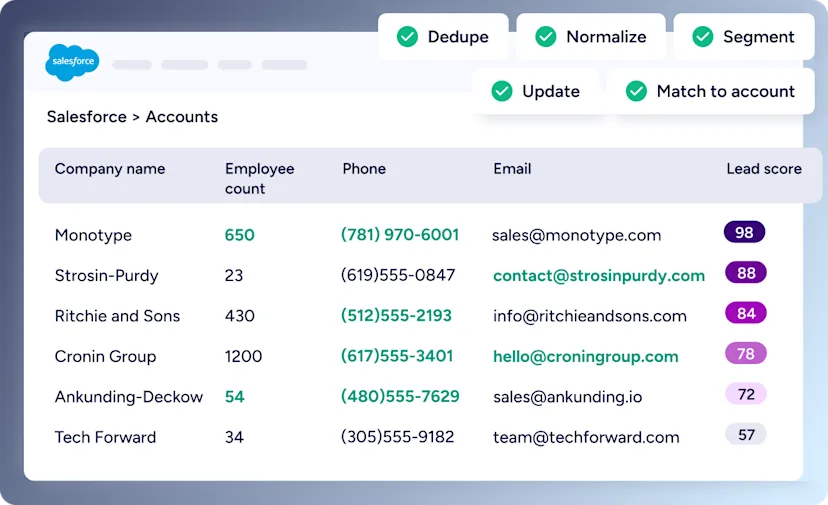
Its native Salesforce integration enriches customer records with verified contact data, company attributes, technographics, org charts, and intent signals, so your team understands account context before responding.
Source: ZoomInfo
The GTM Context Graph processes 1.5B+ data points daily and goes further. It combines ZoomInfo's B2B data with your CRM records, conversation intelligence, and behavioral signals to capture not just what happened in an account, but why.
Source: ZoomInfo
When a support ticket signals churn risk, ZoomInfo helps your team understand the account dynamics behind it.
Seismic's sales team attributed 39% of active pipeline to opportunities identified or influenced by ZoomInfo signals and became 54% more productive. (Seismic Case Study)
For a full breakdown of how Salesforce and ZoomInfo compare as platforms, see our Salesforce vs. ZoomInfo comparison.
Where ZoomInfo strengthens your Salesforce investment
ZoomInfo isn't a replacement for your support platform. It's the intelligence layer that makes your support platform more effective.
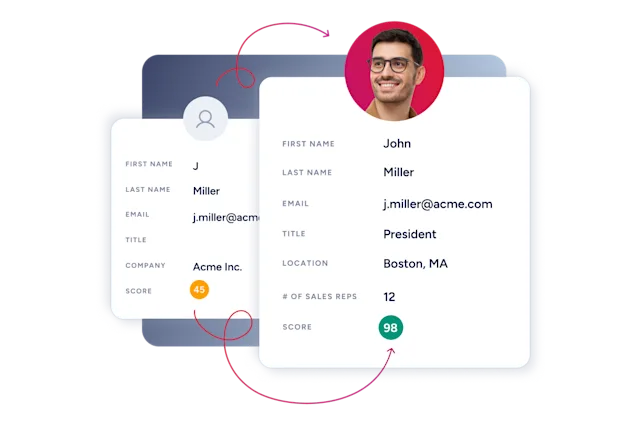
CRM enrichment. Forbes estimates 91% of CRM data is incomplete. ZoomInfo's Operations product automates data enrichment from about 60 vendors via a no-code interface, with data quality controls that block bad data at entry.
Source: ZoomInfo
Support agents see complete, current records instead of stale fragments.
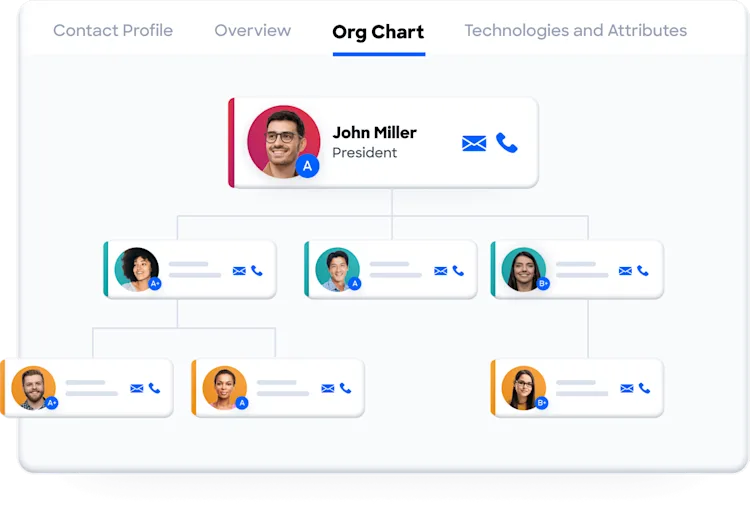
Account intelligence in Salesforce. Through the native integration, ZoomInfo surfaces company attributes, org charts, technographics, and buying signals inside Salesforce records.
Source: ZoomInfo
Service teams can see whether an account is expanding, contracting, or shopping competitors, giving them context that changes how they handle escalations.
Intent signals for proactive support. ZoomInfo Intent tracks signals from 210 million IP-to-Organization pairings and 6 trillion+ keyword-to-device pairings monthly.
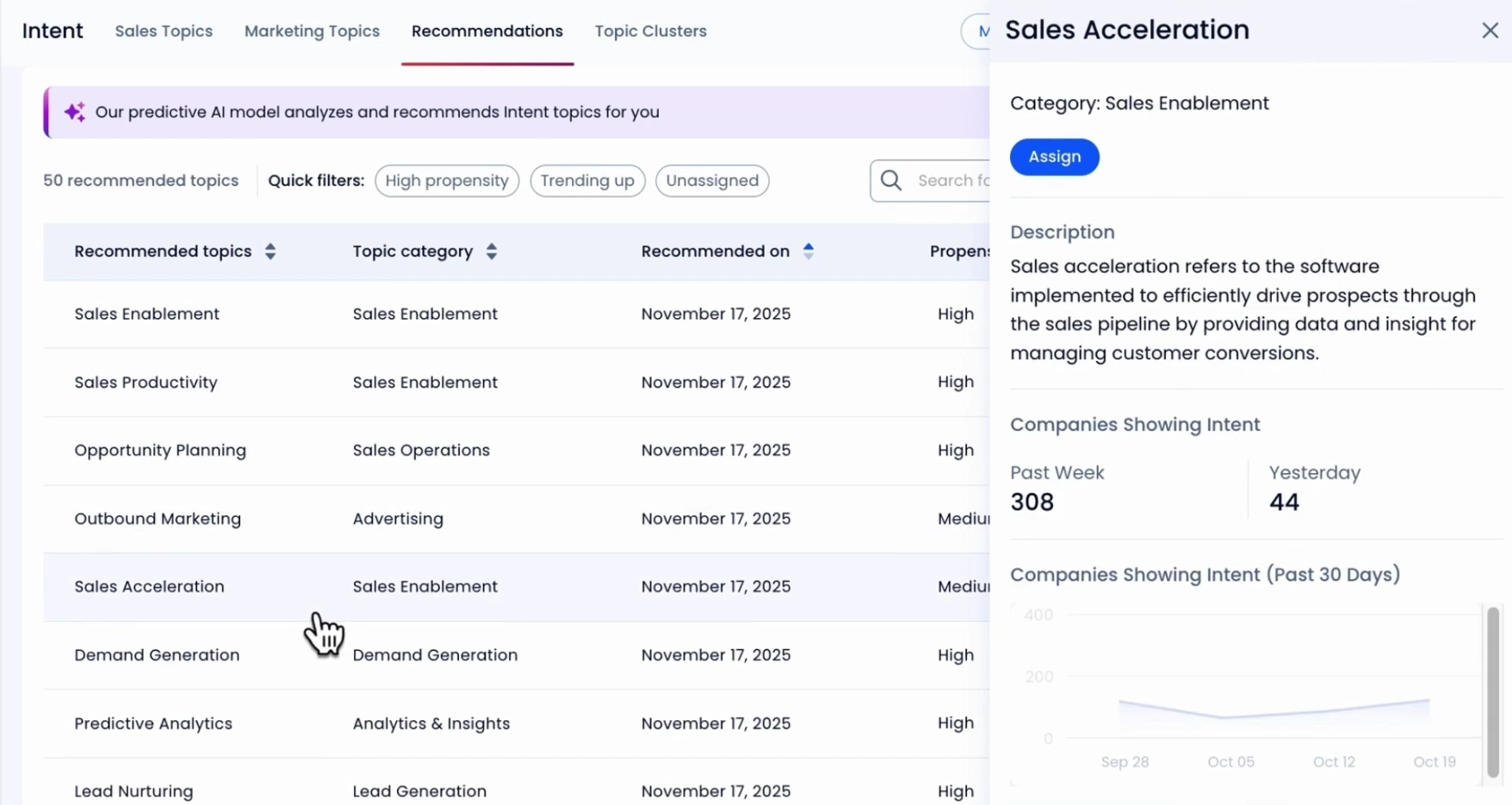
When a customer starts researching competitors, your CS team can intervene before the cancellation email arrives.
Buyer intelligence for support-to-sales handoffs. When a support interaction reveals an upsell opportunity, ZoomInfo provides the contact data and account context to act on it.
The same intelligence powers GTM Workspace for sales execution and GTM Studio for marketing orchestration.
Snowflake uses ZoomInfo for at least one-third of the most critical data features in their Account Propensity Scoring model, feeding over 70 company and technographic data fields. Accounts monitored with ZoomInfo-powered scores showed 90% higher opportunity open rates and 2x higher customer conversion rates. (Snowflake Case Study)
For former Desk.com users: the realistic options in 2026
If you're a former Desk.com customer or a small business evaluating support tools, the landscape has changed since Desk.com shut down.
Salesforce Essentials (now Starter Suite at $25/user/month) was designed as the migration path for Desk.com customers. It runs on the same platform as Sales Cloud and Service Cloud, so you get a real upgrade path as you grow, something Desk.com never offered.
Salesforce even provided a dedicated migration tool on AppExchange during the transition period.
The Starter Suite keeps some of Desk.com's SMB focus: unlimited users, basic case management, and email routing. But it lacks the social-first architecture that defined Desk.com. Twitter and Facebook support at the level Desk.com provided requires higher Service Cloud tiers.
The broader market has shifted too. Competitors Desk.com once faced (Zendesk, Freshdesk) have matured into full platforms. The flex pricing model Desk.com pioneered ($1/hour for part-time agents) has not been replicated by Service Cloud or most competitors.
What hasn't changed: every support tool is only as good as the data behind it. Whether you're on Salesforce's Starter Suite or Service Cloud Enterprise, incomplete customer records mean incomplete customer understanding.
Desk.com vs. Salesforce vs. ZoomInfo: Which should you choose?
These three tools serve different functions, and for most B2B organizations, the answer involves more than one.
Desk.com is no longer an option. If you're evaluating help desk software, look at Salesforce Essentials (Starter Suite), Service Cloud, or competing platforms. Desk.com was shut down in March 2020 and cannot be purchased or deployed.
Choose Salesforce Service Cloud if:
You need enterprise customer service with AI-powered case resolution
Your organization can invest in dedicated Salesforce administration
You want a single platform connecting service, sales, marketing, and commerce
You're willing to pay $175+/user/month for the features that matter
Scalability and a long-term platform bet matter more than simplicity
Choose Salesforce Starter Suite if:
You're a small team that needs basic CRM and service functionality
You want the Salesforce ecosystem without enterprise commitment
You're migrating from Desk.com or another SMB help desk
$25/user/month fits your budget
You want a clear upgrade path as your needs grow
Add ZoomInfo if:
Your CRM data is incomplete and your team lacks account context
You want to know who your customers are, not just what tickets they've filed
Intent signals and buying behavior data would change how you prioritize accounts
You need verified B2B contact data (500M contacts, 135M+ verified phone numbers, 200M+ verified emails) enriching your Salesforce records
You want the same intelligence powering support, sales, and marketing through one platform
See how ZoomInfo integrates with Salesforce to enrich your customer data
Vensure's revenue operations team uses ZoomInfo to scale prospecting. "ZoomInfo gives us the information we need to execute. We don't have to go through and spend our time digging. It's already there, so we can be three steps ahead." (William Kenimer, VP of Revenue Operations, Vensure)
The comparison between Desk.com and Salesforce is a story about evolution. Desk.com solved the SMB help desk problem in 2012. Salesforce absorbed that mission into a broader platform. But the shift from managing tickets to understanding customers requires a data intelligence layer that neither Desk.com nor Service Cloud provides on its own. ZoomInfo fills that gap by giving your team verified data, account context, and buying signals to make every customer interaction an informed one.
Keep comparing. Other Salesforce face-offs:
• Oracle Service Cloud vs. Salesforce • MindTouch vs. Salesforce • Front vs. Salesforce • Amazon Connect vs. Salesforce
Desk.com vs. Salesforce vs. ZoomInfo FAQ
What happened to Desk.com?
Desk.com was a cloud-based help desk for small businesses, originally founded as Assistly in 2009 and acquired by Salesforce in 2011 for about $80 million.
Salesforce announced its end-of-life on March 13, 2018, stopped selling it to new customers, and shut it down on March 13, 2020. Existing customers were migrated to Salesforce Essentials or Service Cloud.
The decision came down to the fact that Desk.com ran on a separate codebase from Salesforce's main platform, making it impractical to maintain alongside Salesforce Essentials, which was built natively on the Lightning Platform.
What replaced Desk.com?
Salesforce Essentials (now called Starter Suite, at $25/user/month) was designed as the direct replacement. It runs on the same platform as Salesforce's enterprise products, giving small businesses a real upgrade path to Service Cloud and Sales Cloud as they grow. Salesforce provided a dedicated migration tool and a two-year transition period for existing Desk.com customers.
How does Salesforce Service Cloud compare to Desk.com in terms of complexity?
Service Cloud is far more complex. Desk.com could be set up in a single day with no IT staff, while Service Cloud typically requires weeks to months for implementation and a trained administrator for ongoing management. Over 70% of Salesforce implementations are partner-led.
The trade-off is capability: Service Cloud offers AI-powered case resolution, omnichannel support across a dozen channels, field service management, and native integration with the Salesforce ecosystem.
Is Salesforce Service Cloud worth it for small businesses?
For small teams, the Starter Suite at $25/user/month offers basic CRM and service functionality without enterprise overhead.
However, the features that make Service Cloud capable (AI case resolution, digital engagement channels, advanced analytics) require the Enterprise tier at $175/user/month or higher, plus add-ons that can push costs past $350/user/month.
Small businesses should evaluate whether they need those capabilities or whether a simpler tool would suffice.
What does ZoomInfo do that Salesforce Service Cloud doesn't?
ZoomInfo provides B2B data intelligence: 500 million contact profiles, 100 million company records, verified phone numbers and email addresses, intent signals, technographics, and org charts.
Service Cloud manages customer service interactions but depends on whatever data already exists in your CRM.
ZoomInfo enriches that CRM data with verified, current information and adds buying signals that tell you when an account is researching competitors or showing expansion intent, giving support and success teams context they would not otherwise have.
Can ZoomInfo integrate directly with Salesforce?
Yes. ZoomInfo has a native Salesforce integration available through the ZoomInfo App Marketplace. It enriches contact and account records with verified B2B data, surfaces intent signals inside Salesforce, and powers automated workflows based on buying behavior.
ZoomInfo also offers API and MCP access for teams that want to use the same intelligence in custom applications or other tools.
Who were Desk.com's main customers?
Desk.com was used primarily by consumer-facing startups and SMBs with high support volume across social channels. Named customers included Instagram, Spotify, Pandora, Vimeo, Square, Yelp, Bonobos, and Fitbit.
Its ideal customer was a fast-growing company with 2 to 50 support agents that needed omnichannel support without enterprise complexity or pricing.
Is there still a "Desk.com-like" option for small business support?
No current product replicates Desk.com's combination of same-day setup, social-first architecture, and $1/hour flex agent pricing.
Salesforce Starter Suite is the closest within the Salesforce ecosystem, but it lacks the social-native features and simple interface that defined Desk.com.
Other help desk tools (Zendesk, Freshdesk, HubSpot Service Hub) serve the SMB market with varying approaches to simplicity and pricing.
