
lemlist is an AI-powered outbound sales platform serving 20,000+ customers with a single tool that combines lead sourcing, multichannel sequencing, deliverability infrastructure, and AI personalization. Its 650M+ contact database, waterfall enrichment, and native support for email, LinkedIn, phone, SMS, and WhatsApp give sales teams a complete outbound engine from one dashboard.
But even lemlist has limits.
It captures what happens inside its sequences: emails sent, LinkedIn messages delivered, calls placed. What it cannot do on its own is verify whether every direct dial in your list still rings, detect which target accounts are researching your product category this week, keep your CRM synchronized with every outreach touchpoint, or route engagement signals to team channels so reps can follow up while interest is fresh.
The right integrations close those gaps. They feed your campaigns verified data lemlist cannot generate on its own, sync activity across your CRM and sales tools, automate workflows between disconnected platforms, and surface signals so your team acts on the best opportunities first.
This guide covers the strongest integration for each of the jobs lemlist users most commonly need done:
Enrich campaign lists with verified B2B contact data, buyer intent signals, and company intelligence
Sync outreach activity and lead data with your CRM bidirectionally
Build detailed lead profiles across 150+ data providers before campaign enrollment
Log outreach history to enterprise CRM records with rep-level attribution
Embed live call steps inside multichannel sequences with outcome-driven branching
Connect lemlist to 8,000+ apps without writing code
Surface reply signals and engagement alerts in team communication channels
Each section covers how the integration connects with lemlist, what data flows between the platforms, pricing, and who benefits most.
Best lemlist Integrations at a Glance
Best lemlist Integration for B2B Data Enrichment and Go-to-Market Intelligence Enriches lemlist campaigns with verified contact data, buyer intent signals, and company intelligence from ZoomInfo's B2B database, giving your team accurate data to prospect with and the signals to time outreach when accounts are actively in-market. |
|---|
Best lemlist Integration for CRM Record Sync and Sales Workflow Automation Syncs contacts and outreach activity bidirectionally between lemlist and HubSpot, with per-field direction control, lifecycle-triggered lead pausing, and reply-to-task automation that keeps both systems in agreement without manual data entry. |
Best lemlist Integration for Multi-Source Enrichment Pipeline and AI-Powered Campaign Personalization Runs waterfall enrichment across 150+ data providers and generates AI personalization variables that push directly into lemlist campaigns with native column-to-variable mapping, no middleware required. |
Best lemlist Integration for Enterprise CRM Activity Logging and Automated Campaign Enrollment Logs every lemlist touchpoint to Salesforce records with rep-level attribution and lets Salesforce criteria trigger direct lemlist campaign enrollment, keeping the enterprise system of record complete without manual activity logging. |
Best lemlist Integration for VoIP Calling Inside Multichannel Sequences Embeds live call steps directly inside lemlist sequences with automatic outcome logging and conditional branching, so the sequence responds to call results without manual status updates. |
Best lemlist Integration for No-Code Automation Across 8,000+ Tools Extends lemlist's reach to 8,000+ apps with bidirectional triggers and actions, routing inbound leads into campaigns and outreach signals to CRMs, Slack, and project tools without writing code. |
Best lemlist Integration for Real-Time Reply Alerts and Team Follow-Up Coordination Routes reply signals, link clicks, and task creation events from lemlist into shared Slack channels so the entire sales team can act on prospect engagement while interest is fresh. |
What Is lemlist?
Source: lemlist
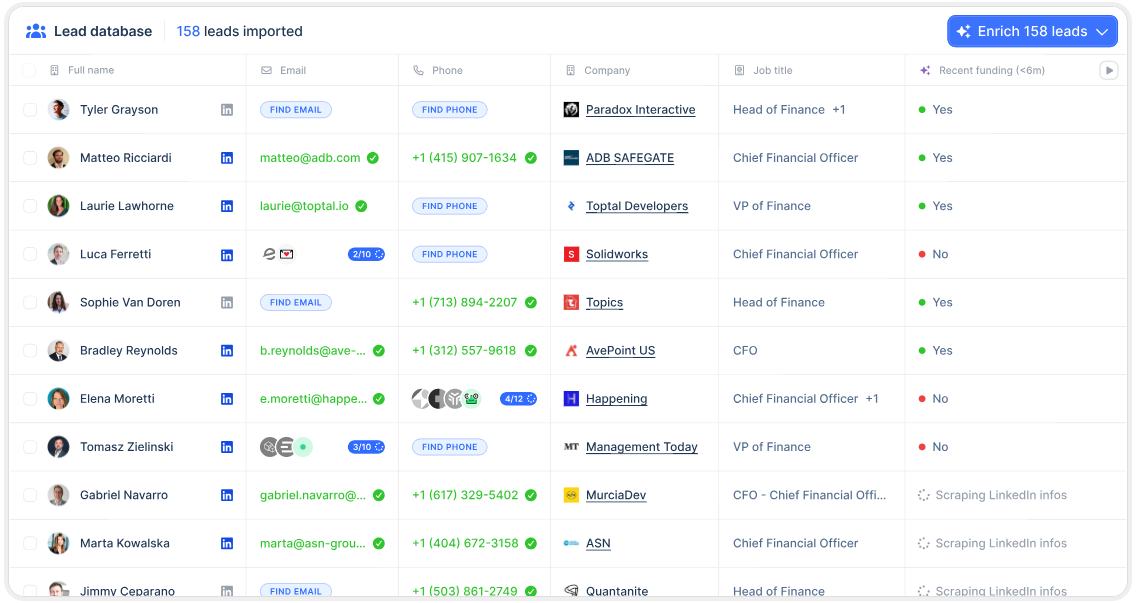
lemlist is an AI-powered outbound sales platform that combines lead sourcing, multichannel sequencing, email deliverability infrastructure, and AI-driven personalization into a single tool for B2B sales teams.
The company was founded in 2018 in Paris, bootstrapped from $1,000 in starting capital, and has grown to $50M ARR while staying profitable and independent. lemlist ranks #1 among sales engagement platforms on G2 and serves customers including ElevenLabs, Pennylane, Spendesk, and CB Insights.
lemlist's integration ecosystem sets it apart.
The platform connects to 500+ integrations spanning CRM sync, data enrichment, calling, workflow automation, intent signals, and team collaboration. lemlist offers native CRM integrations with HubSpot, Salesforce, and Pipedrive for bidirectional activity and lead sync, a REST API covering campaigns, leads, enrichment, webhooks, and signal agents, and an MCP server that exposes the full platform to AI assistants like Claude and ChatGPT. On the data side, lemlist's built-in waterfall enrichment queries 10+ email providers and 14 phone providers, and its AI Data Enrichment Agents pull context from websites, LinkedIn, CRM records, and recorded sales calls.
The integration categories available to lemlist users include:
CRM and pipeline management: HubSpot, Salesforce, Pipedrive, Attio, Close, Zoho CRM
Data enrichment and prospecting: Clay, Apollo, Lusha, Uplead, Clearout, Pharow
Calling and VoIP: built-in dialer, Aircall, Ringover, Trellus
Workflow automation: Zapier, Make, n8n, Pabbly, Pipedream
Intent signals: Snitcher, Albacross, Leadfeeder, Lonescale, Trigify
Team communication: Slack, Airtable, Notion, Monday, ClickUp
AI and MCP: Claude, ChatGPT, Cursor via the lemlist MCP server
With that ecosystem as context, here are the seven integrations we selected as the best options for extending lemlist's capabilities across the categories that matter most to outbound sales teams.
1. ZoomInfo: Best lemlist Integration for B2B Data Enrichment and Go-to-Market Intelligence
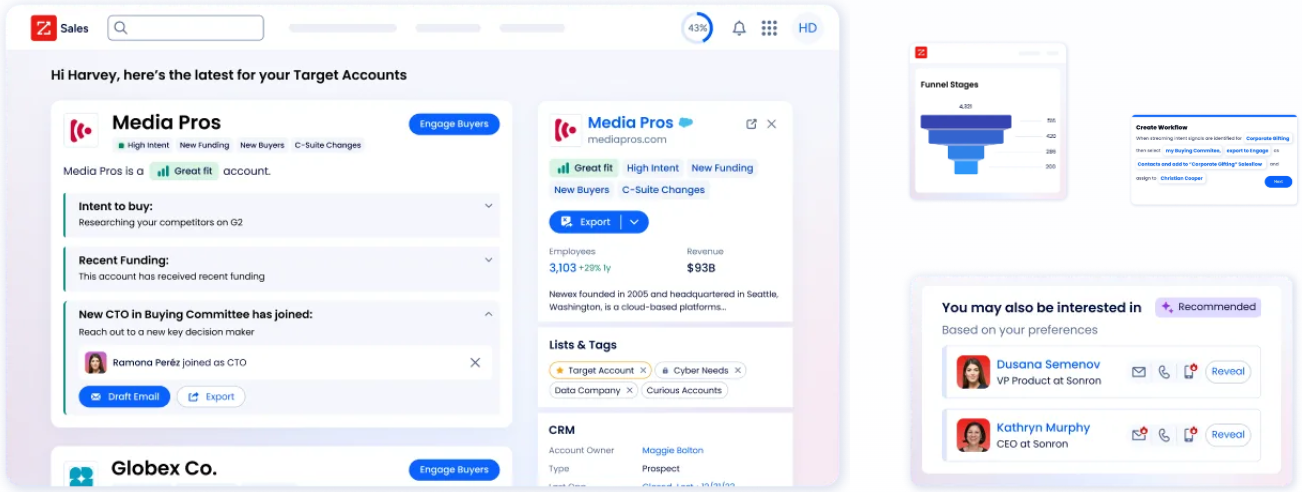
ZoomInfo is a B2B data and go-to-market platform built on 500M contacts, 100M companies, 135M+ verified phone numbers, and 200M+ verified business email addresses. Its GTM Context Graph processes 1.5B+ data points daily, combining that foundation with your CRM records and behavioral signals to show which accounts to target and why. It integrates with lemlist through APIs and workflow automation platforms like Zapier and Make, feeding your outbound campaigns with verified contact data, buyer intent signals, and company intelligence before your sequences fire.
Connecting the two platforms gives you:
Outbound campaigns backed by verified direct dials and business emails from a database no other single provider matches in breadth or accuracy
Buying signals that tell your team when to launch a lemlist sequence, not just who to target
Company intelligence and technographic data flowing into lemlist's personalization variables for more relevant outreach
Continuous verification, backed by 300+ human researchers, that keeps your lemlist contact lists accurate and your deliverability scores healthy
How ZoomInfo Integrates with lemlist
ZoomInfo connects to lemlist through API-based data delivery and workflow automation middleware including Zapier and Make. There is no direct native connector between the two platforms. The integration operates through two complementary paths.
The first path uses workflow automation: ZoomInfo contact exports and intent signals trigger Zapier Zaps or Make scenarios that push verified leads directly into lemlist campaigns via lemlist's REST API.
The second path uses ZoomInfo's Enterprise API for teams building custom enrichment pipelines, where ZoomInfo's search and enrich endpoints feed data programmatically into lemlist campaigns.
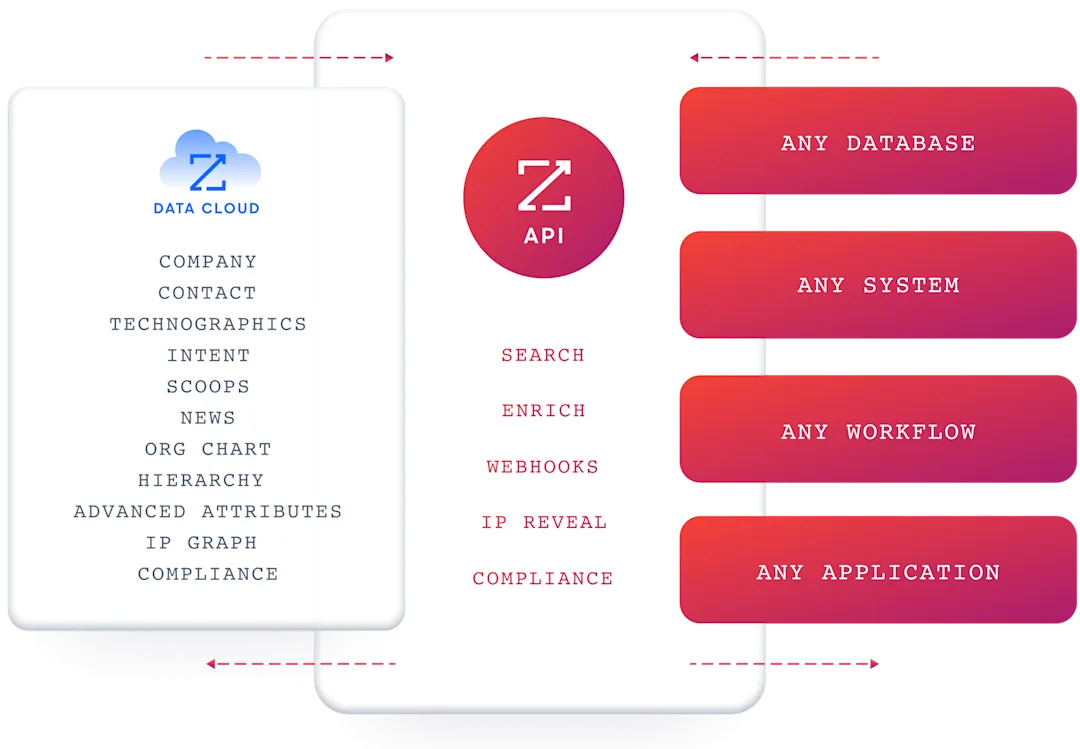
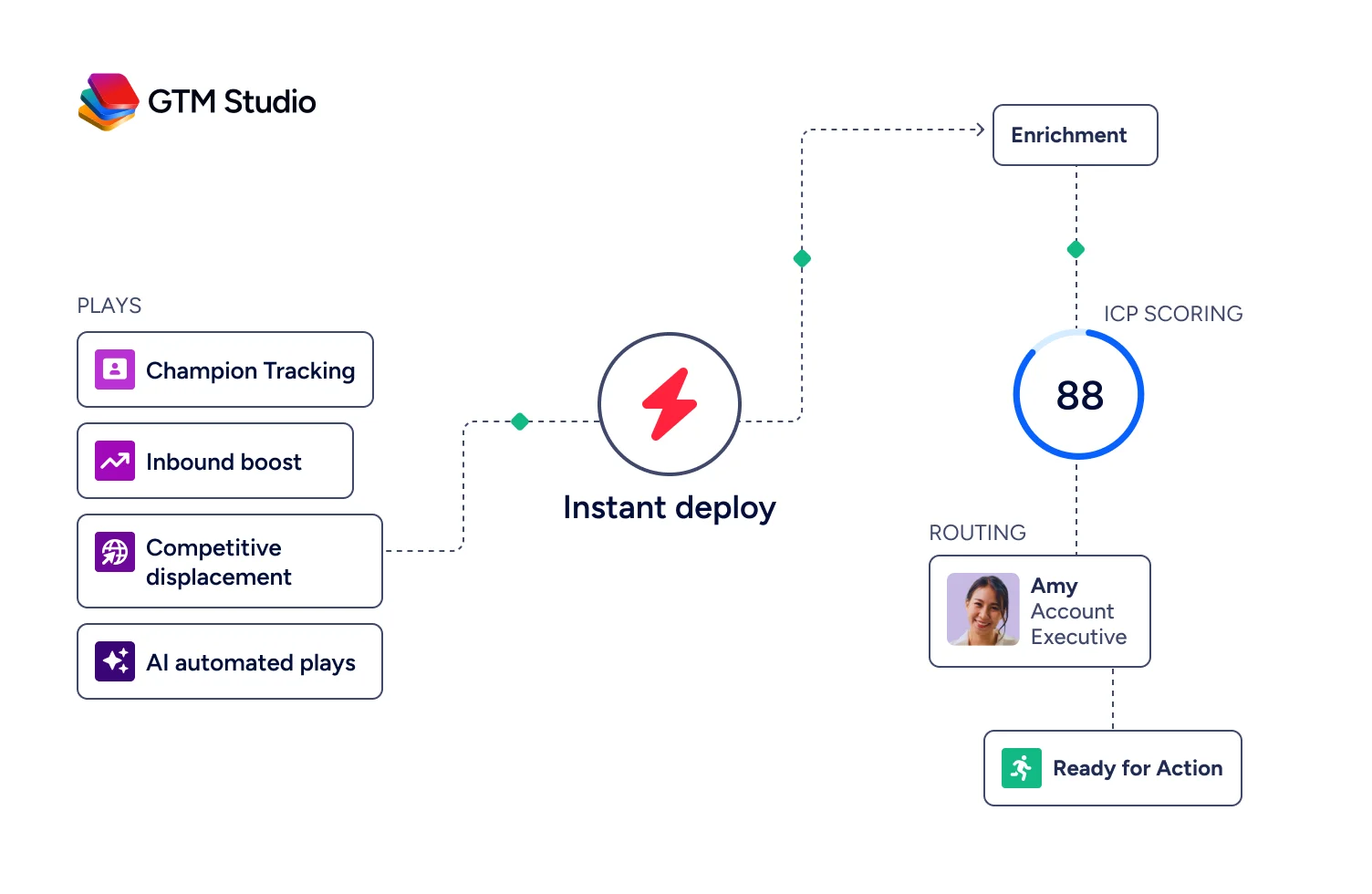
ZoomInfo's GTM Studio can also orchestrate enrichment workflows that feed lemlist for teams using both platforms. All paths deliver the same verified data; the choice depends on whether a team prefers no-code automation or programmatic control.
Contact and Company Data Enrichment: Feed Your Campaigns Verified Data That Actually Converts
lemlist's built-in waterfall enrichment delivers approximately 80% email find rates across 10+ providers. ZoomInfo adds a deeper data layer that goes beyond email addresses: verified direct dials, job titles, seniority levels, department information, and company attributes spanning 100M companies with revenue, employee count, industry, headquarters, and parent-child corporate hierarchy.
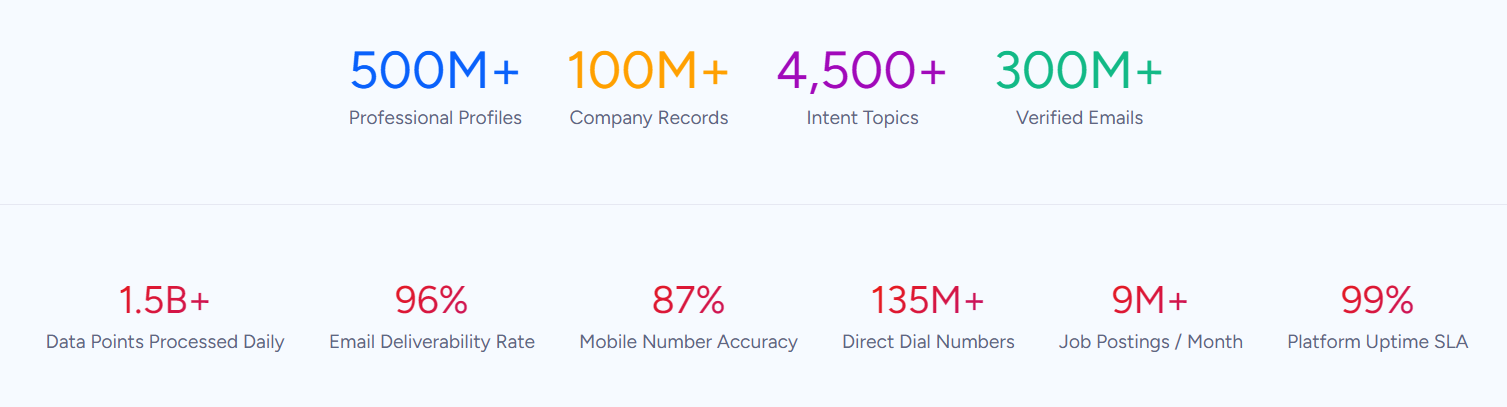
The data flows through a verification pipeline backed by 300+ human researchers, reaching up to 95% accuracy on first-party data. In a Fortune 500 competitive RFP analyzing 25 million contacts across vendors, the independent consultant concluded that "no other competitor came even close."
For lemlist users, this matters at two points: list building and calling. Verified direct dials from ZoomInfo feed lemlist's built-in VoIP dialer and Aircall integration with numbers that actually connect. Verified business emails reduce bounce rates that would otherwise damage the sender reputation lemlist's Deliverability Hub protects.
ZoomInfo in action: A sales team builds a target account list of 500 mid-market SaaS companies. ZoomInfo enriches each account with verified direct dials and business emails for VP-level decision-makers, plus company data (revenue band, employee count, tech stack). The team loads the enriched contacts into a lemlist multichannel sequence. The first email step fires to verified addresses, and the call step three days later dials numbers that actually ring.
Buyer Intent Data: Time Your Sequences to When Accounts Are Actively In-Market
ZoomInfo's Buyer Intent tracks signals from 210 million IP-to-Organization pairings and 6 trillion+ new keyword-to-device pairings monthly, revealing which companies are actively researching topics relevant to your product.
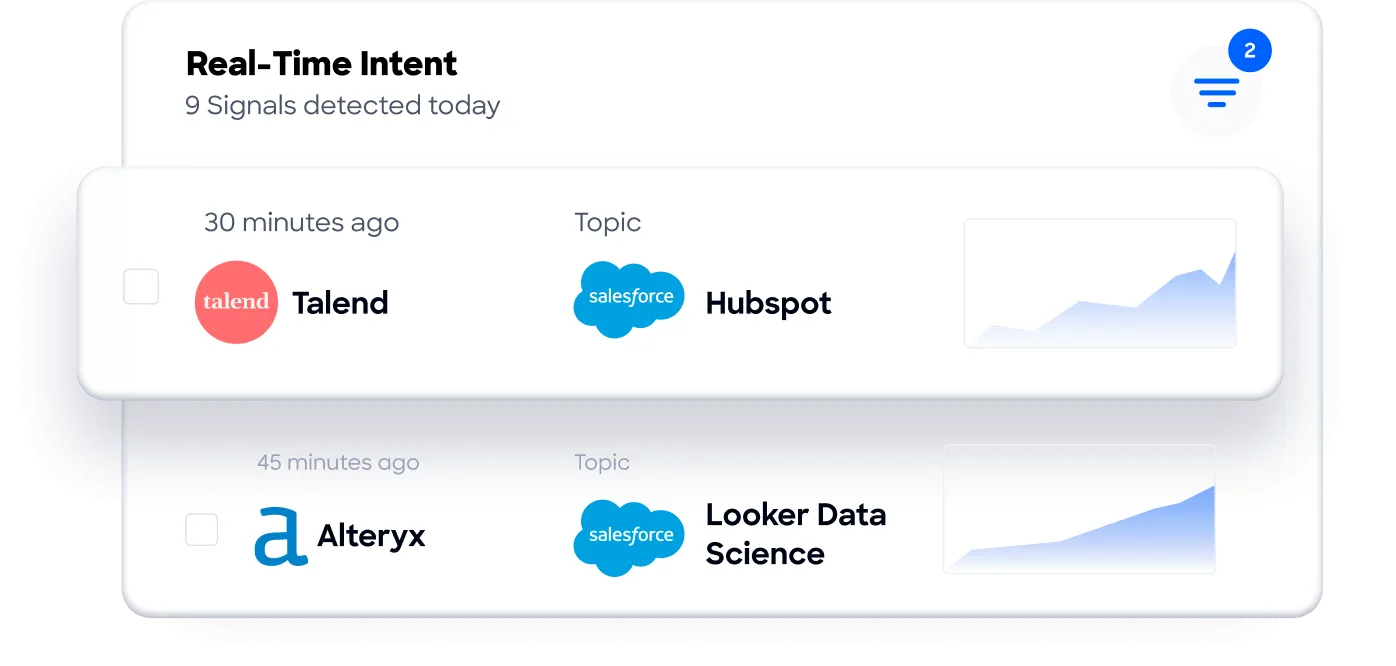
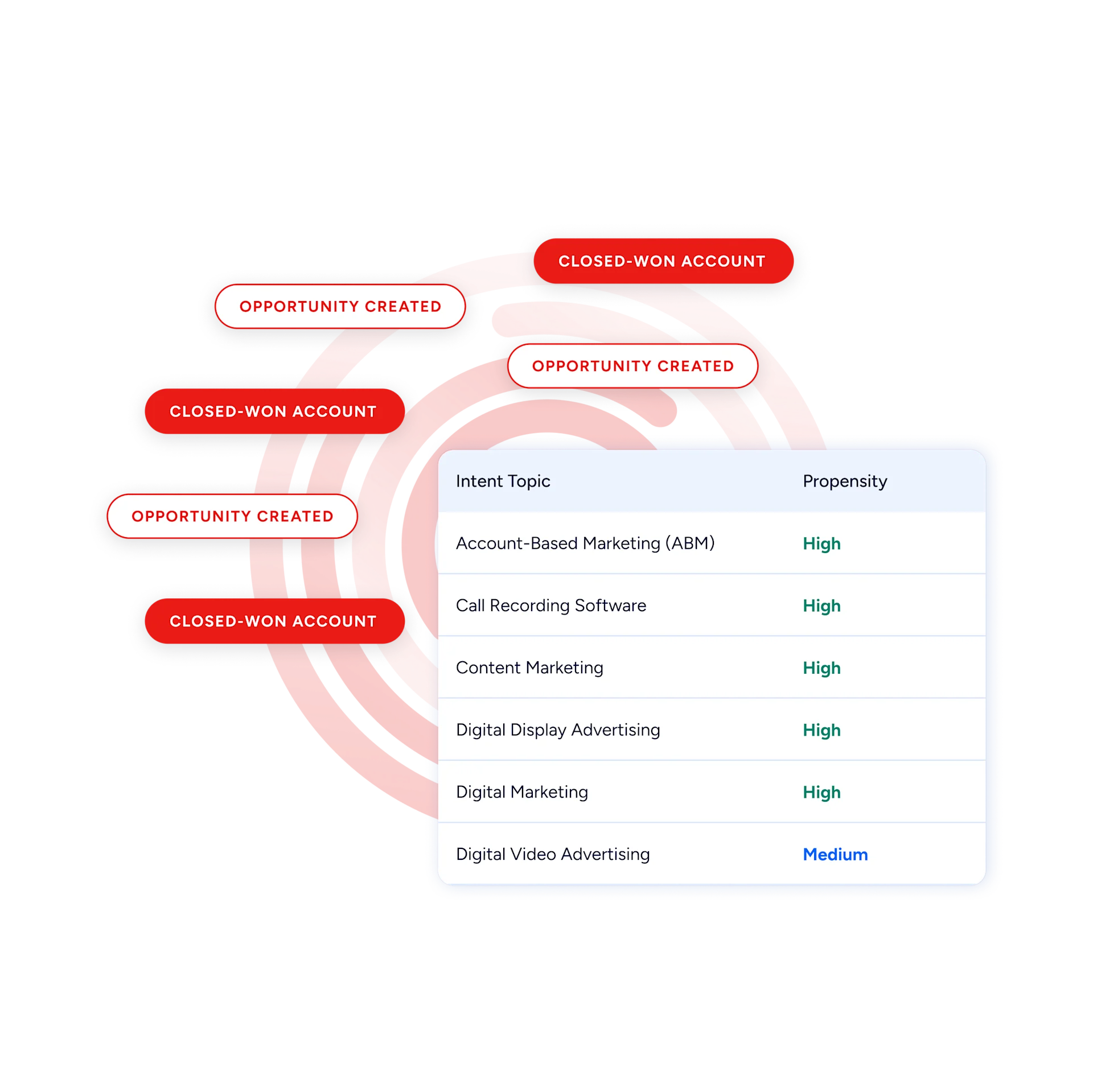
Guided Intent, exclusive to ZoomInfo, identifies the research topics historically correlated with deal success in your business, so signals are calibrated to your actual win patterns rather than generic keyword thresholds.
Through Zapier or Make, intent signals can automatically trigger lemlist campaign enrollment: when ZoomInfo detects a target account researching "outbound sales automation" or "sales engagement platforms," a workflow adds the account's decision-makers to a lemlist sequence tailored to that buying signal. The result is outreach that arrives while the prospect is actively evaluating, not weeks after their research window has closed.
ZoomInfo in action: ZoomInfo detects a target account researching "cold email deliverability" for two weeks. A Zapier Zap fires, pulls the VP of Sales and Director of Revenue Operations from ZoomInfo's contact database, pushes both into a lemlist multichannel sequence with personalized messaging referencing their category research, and the first touchpoint lands while the buying committee is still comparing vendors.
Technographic Intelligence: Personalize Outreach Based on Technology Stack
ZoomInfo profiles the tech stack of 30+ million companies, tracking 30,000+ technologies across 200+ categories. For lemlist campaigns, technographic data becomes a personalization and qualification input: enrich your prospect list with each company's technology stack, then use that data in lemlist's AI Copilot or custom variable fields to reference specific tools the prospect already uses.
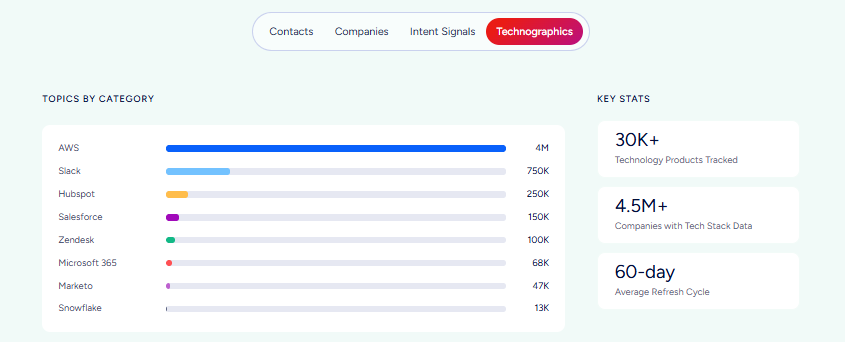
A sequence targeting companies running Salesforce but lacking a data enrichment tool tells a different story than one targeting HubSpot shops already invested in intent data. Technographic data makes that distinction possible at scale, feeding lemlist's personalization engine with context that goes beyond name and company. This data updates continuously, with nearly 90% of active pairings refreshed within three months, so lemlist campaigns built on technographic filters stay current without manual refresh.
Seismic's sales team attributed 39% of active pipeline to opportunities identified or influenced by ZoomInfo signals, reporting 54% productivity gains and saving 11.5 hours per week per seller. (Seismic Case Study)
ZoomInfo Pricing
ZoomInfo uses a consumption-based pricing model with custom quotes based on usage, users, credit volume, and features.
It is organized into Sales, Marketing, and standalone product lines, each in Professional, Advanced, and Enterprise tiers. Advanced and above include buyer intent signals and website visitor tracking; Enterprise adds real-time intent, custom intent topics, and AI-generated account summaries.
For lemlist users connecting via Zapier or Make, no specific ZoomInfo plan requirement exists beyond an active subscription with the data access and automation features the workflow needs. Teams building custom API integrations need an Enterprise API or GTM Workspace package.
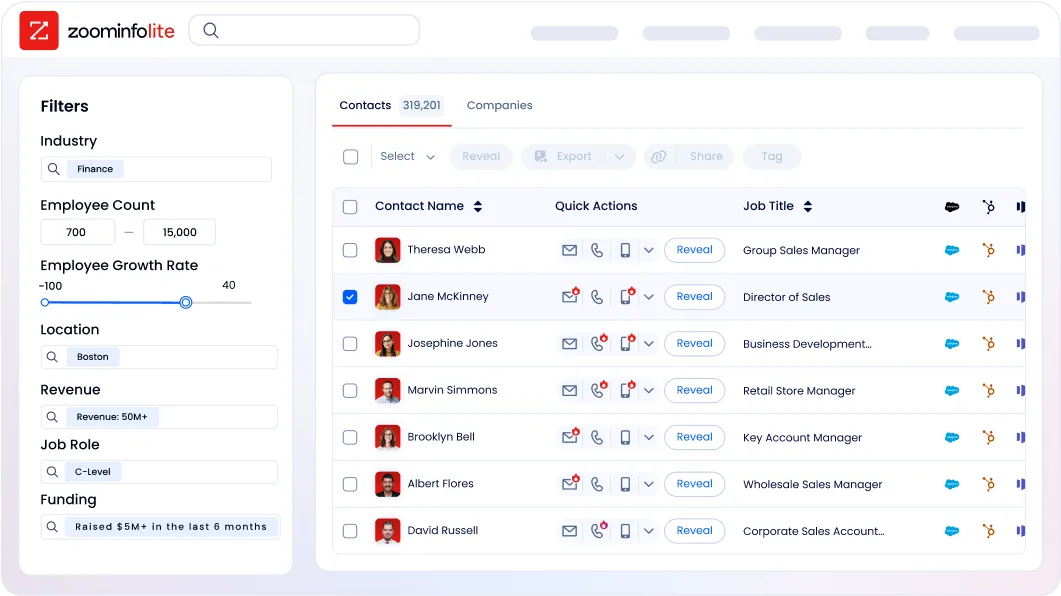
ZoomInfo Lite is a permanent free tier (no credit card, no time limit) with 10 monthly export credits, searches, the Chrome extension, and CRM integrations. A separate 7-day free trial covers paid features including intent data and AI capabilities.
Who Should Use the ZoomInfo Integration?
Outbound teams whose lemlist campaigns depend on direct dials that actually connect: ZoomInfo's 135M+ verified phone numbers feed lemlist's calling steps with numbers that ring, not switchboard lines that end calls before they start.
Revenue operations teams that need intent signals to time lemlist sequences: buyer intent data calibrated to your actual win patterns ensures sequences fire when accounts are in-market, not on a static schedule.
Teams personalizing lemlist campaigns by technology stack, company size, or funding stage that need deeper company and technographic data than lemlist's built-in database provides.
2. HubSpot: Best lemlist Integration for CRM Record Sync and Sales Workflow Automation
Source: HubSpot
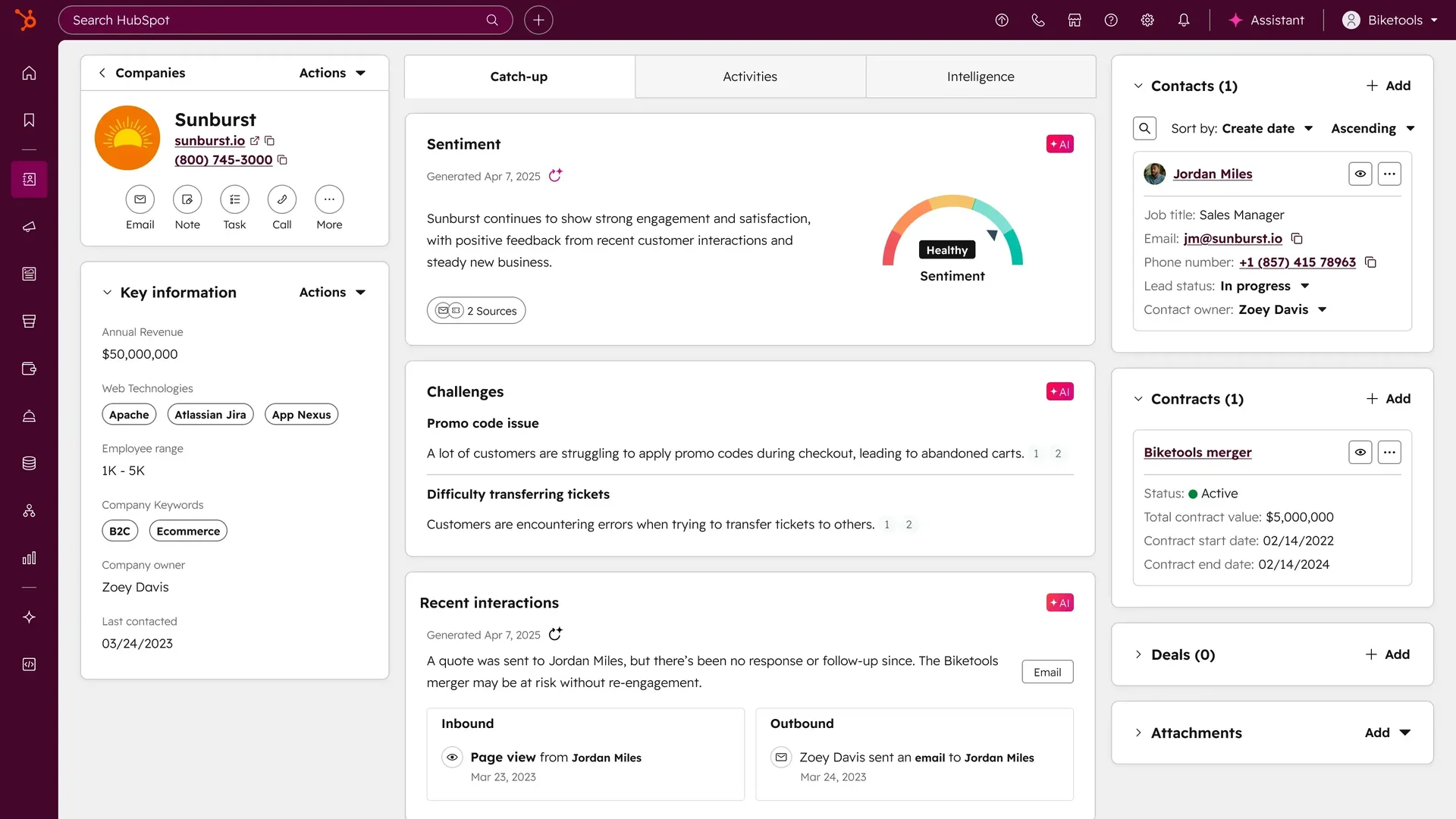
HubSpot is a customer platform that integrates with lemlist through a native OAuth-based connector for bidirectional contact sync, activity logging, and workflow-triggered campaign enrollment. The integration keeps outreach history unified across both systems without manual data entry, and HubSpot lifecycle changes can automatically pause lemlist sequences to prevent cold outreach from reaching prospects already in active sales conversations. It is a native first-party integration available on all lemlist paid plans.
Key integration capabilities include:
Two-way contact sync using email as the deduplication key, preventing duplicate records across systems
Automatic logging of every lemlist touchpoint (emails, LinkedIn steps, calls) to HubSpot contact timelines
Per-field sync direction control, making HubSpot authoritative for some fields while lemlist writes others
Lifecycle-triggered lead pausing that stops sequences when a contact converts inbound or enters active pipeline
How HubSpot Integrates with lemlist
The integration connects through an OAuth authorization flow inside lemlist's settings panel. Once connected, it operates on a shared contact model using email as the deduplication key. lemlist's Enterprise plan adds the ability to launch sequences from within HubSpot's interface.
1. Two-Way Contact Sync with Deduplication.
HubSpot contacts matching smart list criteria can automatically enroll in lemlist campaigns, and leads sourced from lemlist's 650M+ contact database sync back to HubSpot with email-based matching to prevent duplicates. If a match exists, lemlist links to the existing record; if not, it creates a new HubSpot contact with available lead properties populated.
2. Full Outreach Activity Logging to HubSpot Timelines.
Every lemlist action (email sends, opens, clicks, replies, LinkedIn steps, call outcomes from lemlist's built-in dialer) logs automatically to the corresponding HubSpot contact timeline. An AE picking up a conversation from a BDR sees the complete outreach history in HubSpot without opening lemlist, so deal handoffs carry full context.
3. Per-Field Sync Direction Control.
Teams configure each field independently: HubSpot overwrites lemlist for fields like lifecycle stage, lemlist overwrites HubSpot for fields like last contacted date, or bidirectional sync where the most recently updated value wins. This prevents one system's sync from clobbering curated data in the other.
4. Lifecycle-Triggered Lead Pausing.
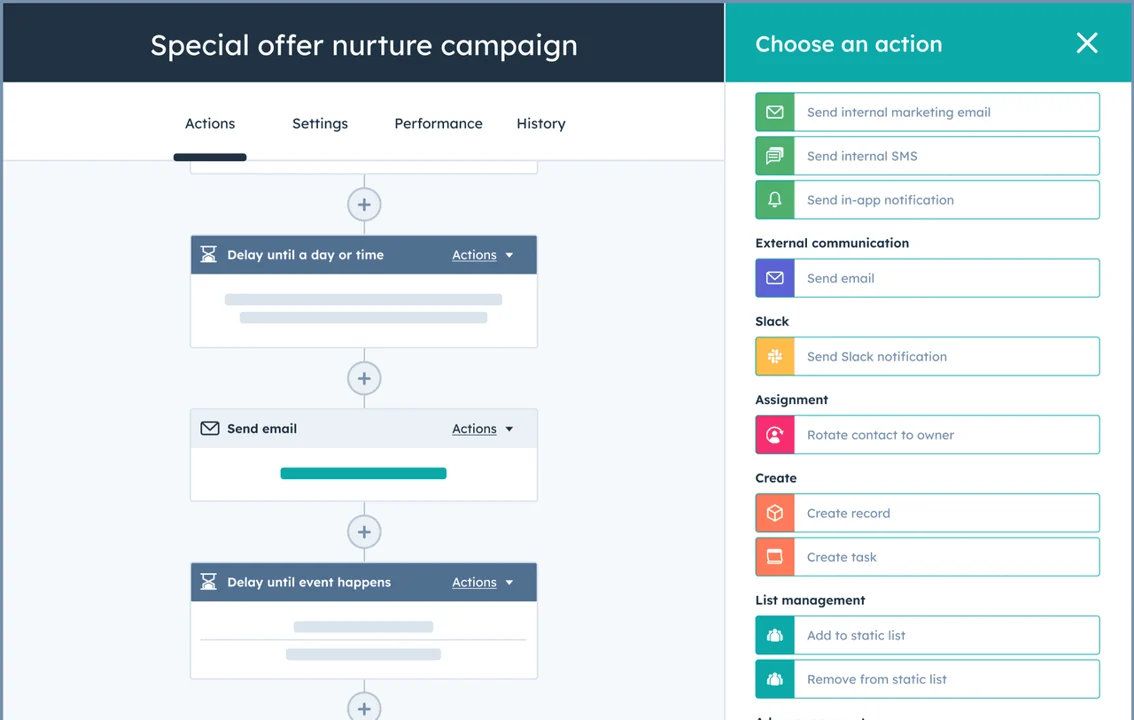
When a HubSpot contact changes lifecycle stage, creates a deal, or unsubscribes, lemlist automatically pauses the active sequence. A prospect who converts via an inbound form and moves to MQL inside HubSpot won't receive the next automated cold email, protecting both the relationship and the sender reputation lemlist's Deliverability Hub manages.
5. Reply-to-CRM Task Creation.
A prospect's reply in lemlist can automatically create a follow-up task in HubSpot, update deal stages, or trigger HubSpot workflow actions without manual logging, closing the loop between sequence engagement and pipeline progression.
Source: HubSpot
HubSpot Pricing
HubSpot offers a free CRM tier that supports basic contact sync. The workflow features that make the integration most valuable (enrollment triggers, lifecycle-based pausing, reply-to-task automation) require Sales Hub Professional or above:
Free: $0, basic CRM with contact sync support
Sales Hub Starter: $10/seat/month, email tracking and basic sequences
Sales Hub Professional: $100/seat/month, full Workflows access (recommended minimum for the integration)
Sales Hub Enterprise: $150/seat/month (annual), custom objects and advanced reporting
Who Should Use the HubSpot Integration?
Teams running outbound in lemlist and managing pipeline in HubSpot that need both systems synchronized without manual exports or CRM data entry
Organizations running inbound and outbound simultaneously that need lifecycle-triggered pausing to prevent cold sequences from reaching prospects who have already converted
Sales leaders relying on HubSpot dashboards for outreach activity visibility who need every lemlist touchpoint on the contact timeline automatically
3. Clay: Best lemlist Integration for Multi-Source Enrichment Pipeline and AI-Powered Campaign Personalization
Source: Clay
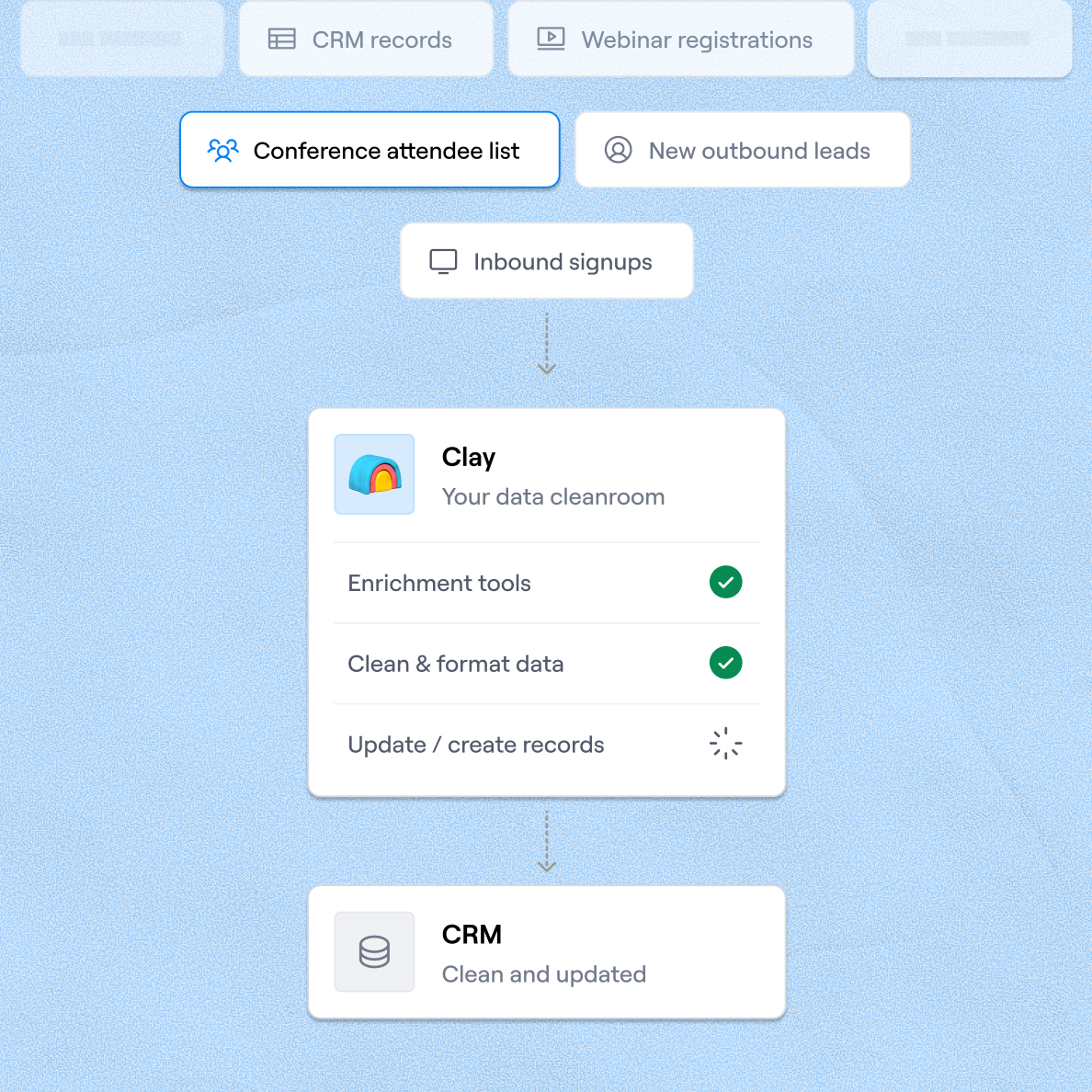
Clay is a data enrichment and workflow platform that integrates with lemlist through a native API connector to push enriched lead profiles directly into lemlist campaigns with column-to-custom-variable mapping. Clay's waterfall enrichment queries 150+ data providers in sequence, and its AI columns generate per-lead personalization variables that arrive in lemlist as immediately usable template fields. The integration is a native connector requiring no middleware.
Key integration capabilities include:
Native push from Clay tables into lemlist campaigns with direct column-to-variable mapping
Waterfall enrichment across 150+ providers delivering higher coverage than any single-source database
AI-generated personalization variables (icebreakers, company summaries, pain-point descriptions) mapped directly to lemlist custom fields
ICP qualification filtering that gates lemlist enrollment to qualified prospects only
How Clay Integrates with lemlist
Clay connects to lemlist as a native integration configured within Clay's interface. Users add a campaign column to their table, select the target lemlist campaign, and map Clay columns to lemlist custom variables by name.
1. Direct Column-to-Variable Mapping.
Clay columns map to lemlist custom variable names, so a column called ai_icebreaker becomes {{ai_icebreaker}} in lemlist templates without additional configuration. Every enriched field (AI-generated text, waterfall-sourced contact attributes, structured research outputs) arrives as a usable variable in email and LinkedIn message templates. A single Clay table can route leads to multiple lemlist campaigns by adding multiple campaign columns, each targeting a different campaign for persona or industry segmentation.
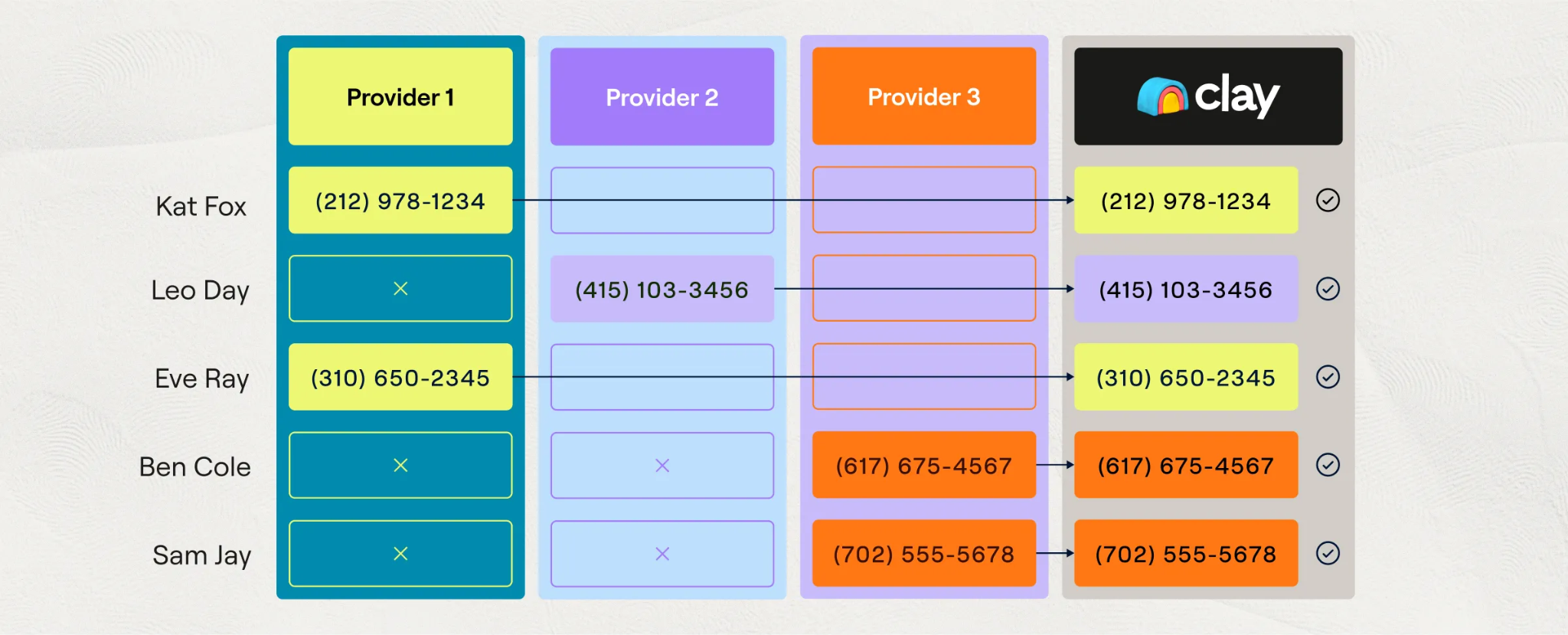
2. 150+ Provider Waterfall Enrichment.
Clay's waterfall queries providers including Prospeo, DropContact, Datagma, Hunter, PeopleDataLabs, Apollo, and Lusha in sequence until it finds a verified result.
Source: Clay
Credits are charged only when a provider returns a result, not for every provider attempted. Running a Clay waterfall before lemlist enrollment means a higher percentage of enrolled leads have verified, deliverable email addresses before the first sequence step fires, protecting the sender reputation lemlist's Deliverability Hub manages.
3. AI-Generated Personalization Variables.
Clay's AI columns connect to GPT-4o, Claude, Gemini, and other models to generate structured text per row: icebreakers from recent company news researched by Claygent, pain-point descriptions by industry, or summaries of LinkedIn profiles. These columns map directly to lemlist variables, producing per-lead content that populates sequence templates. The distinction from lemlist's own AI Copilot matters: Clay's AI columns produce the per-lead content that populates templates, while lemlist's AI Copilot generates the templates themselves. They operate at different levels of the personalization stack and complement each other.
4. ICP Qualification Gate.
Clay's AI formulas and conditional logic build an ICP gate that runs before any lead pushes to lemlist: verified email required, company size thresholds, target tech stack, minimum seniority level. Leads that fail the gate stay in the Clay table for review; only qualified prospects enter lemlist campaigns, keeping engagement rates high and deliverability clean.
Clay Pricing
Clay uses a dual-currency model with Actions (platform orchestration) and Data Credits (marketplace data purchases):
Free: $0/month, 500 Actions, 100 Data Credits
Launch: from $185/month, minimum tier required for the lemlist integration
Growth: from $495/month, adds CRM integrations, webhooks, and HTTP API
Enterprise: custom pricing, adds SSO, RBAC, and bulk enrichment
Who Should Use the Clay Integration?
Teams whose outbound campaigns have contact coverage gaps and need a multi-provider waterfall that goes beyond lemlist's built-in 10-provider enrichment to maximize verified email reach before campaign launch
RevOps teams wanting per-lead AI-generated personalization (icebreakers, research summaries, contextual hooks) fed directly into lemlist templates without building a separate enrichment workflow
GTM Engineering teams already using Clay as their central enrichment hub that want to drive lemlist campaign enrollment directly from Clay tables without a Zapier or Make intermediary
4. Salesforce: Best lemlist Integration for Enterprise CRM Activity Logging and Automated Campaign Enrollment
Source: Salesforce
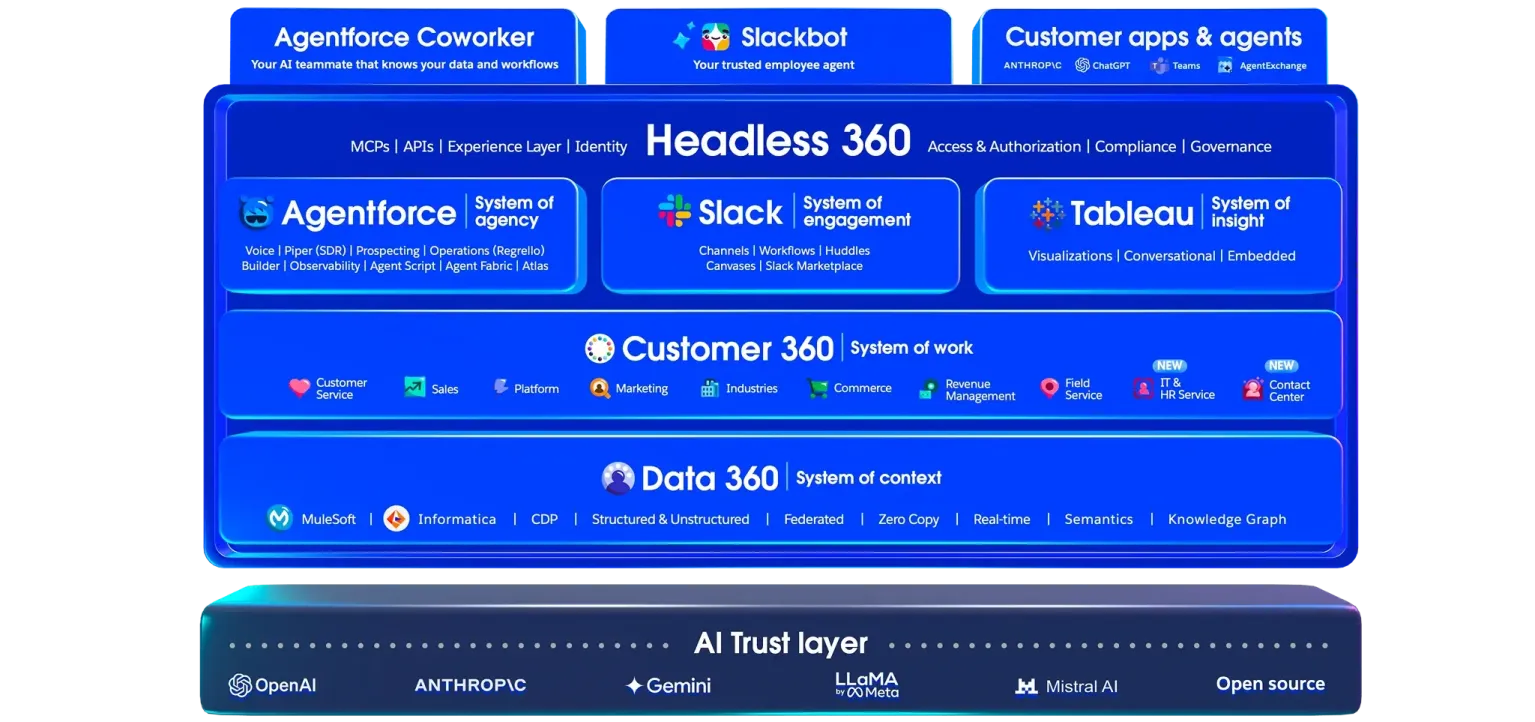
Salesforce is the world's #1 CRM by IDC revenue market share, and it integrates with lemlist through a native bidirectional connector to keep outreach history synchronized across both systems. Every lemlist sequence touchpoint logs to Salesforce records automatically with rep-level attribution, and Salesforce list criteria can trigger direct lemlist campaign enrollment without manual exports or rep data entry.
Key integration capabilities include:
Automatic activity logging of every lemlist touchpoint (sent, opened, replied, bounced, call outcomes) to Salesforce lead and contact timelines
Bidirectional field sync with Salesforce user ownership mapping for accurate rep-level attribution
Salesforce-triggered automatic campaign enrollment based on field values, list membership, or stage changes
Contact-level sync that consolidates activity from multiple simultaneous lemlist campaigns onto a single Salesforce record
How Salesforce Integrates with lemlist
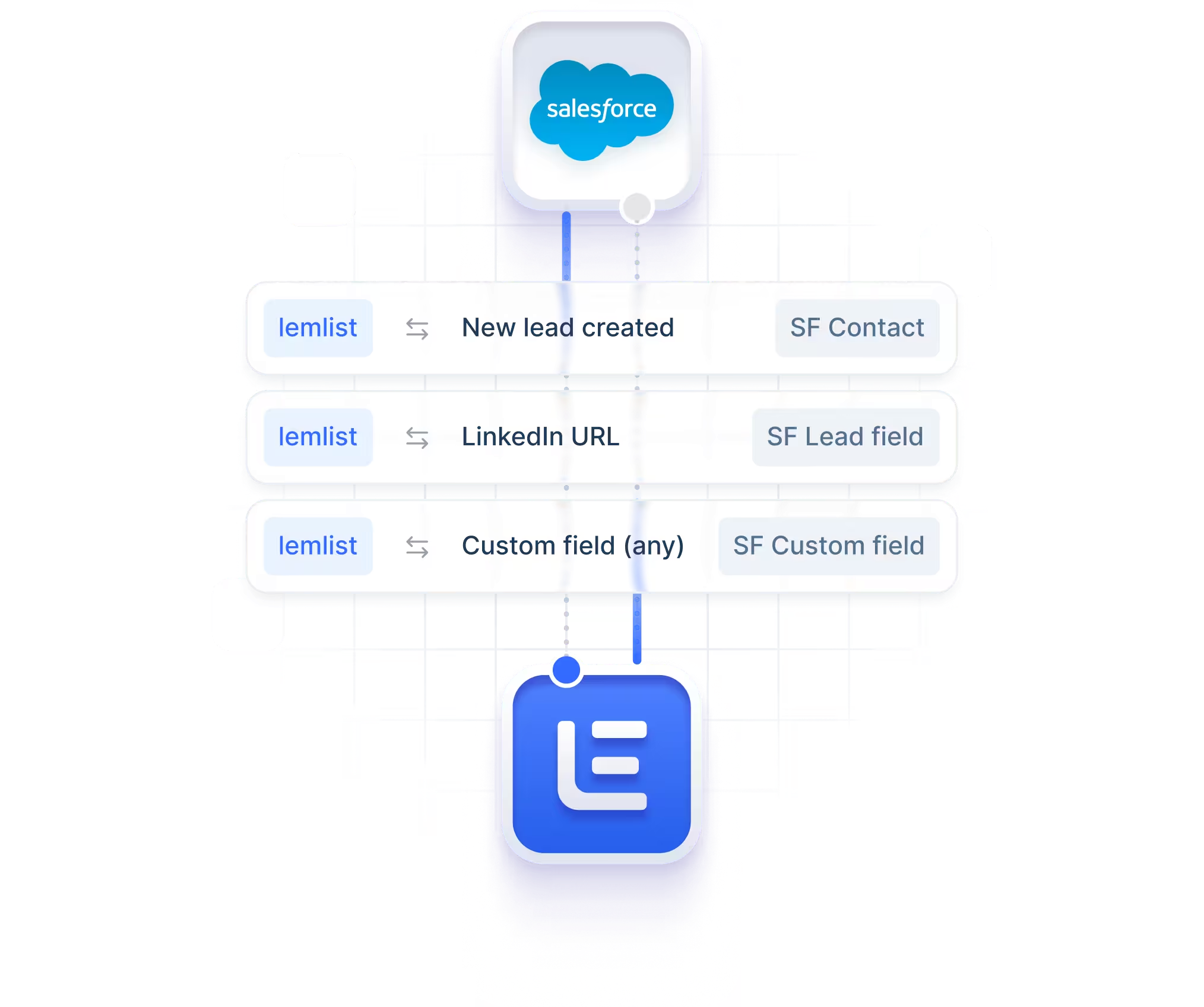
lemlist lists Salesforce as a native CRM integration with bidirectional activity and lead sync, no third-party connector required. The Enterprise plan adds the ability to launch lemlist sequences directly from within the Salesforce interface. Setup connects through lemlist's CRM settings using Salesforce OAuth credentials.
Source: Salesforce
1. Automatic Activity Logging to Salesforce Timelines.
Every lemlist action (email sends, opens, replies, bounces, call duration and outcomes) writes automatically to the timeline of the matching Salesforce lead or contact record. A manager reviewing a Salesforce contact sees the full lemlist sequence lifecycle without leaving the CRM. This keeps Salesforce reliable as a system of record even while lemlist handles outreach execution, and ensures pipeline reports and dashboards reflect the complete outreach picture.
2. Bidirectional Field Sync with User Ownership.
The integration maps lemlist users to Salesforce users, so logged activities carry correct record ownership in Salesforce reporting. Reports breaking down outreach volume, reply rates, or conversion by individual rep stay accurate because the lemlist-to-Salesforce handoff preserves user identity rather than attributing everything to a generic integration account.
3. Salesforce-Triggered Campaign Enrollment.
Field values, list membership changes, or deal stage updates inside Salesforce can automatically add contacts to the designated lemlist campaign. A deal moving from Discovery to Proposal can trigger enrollment into a stage-specific lemlist sequence without manual intervention, eliminating the CSV export cycle between Salesforce segmentation and lemlist execution.
4. Contact-Level Sync for Multi-Campaign Scenarios.
The sync operates at the contact level, not the campaign level. A single Salesforce record serves as the canonical reference point, and all lemlist campaign activity consolidates onto that record. This prevents duplicate entries when a contact participates in multiple simultaneous sequences, keeping the Salesforce timeline coherent across parallel outreach.
Salesforce Pricing
Salesforce uses per-user annual contracts:
Starter Suite: $25/user/month, basic lead and contact management
Pro Suite: $100/user/month, adds AppExchange and customization
Enterprise: $175/user/month, full workflow automation (recommended for Salesforce-triggered lemlist enrollment)
Unlimited: $350/user/month, full AI suite and Premier Success support
On the lemlist side, Salesforce sync is available on all paid plans starting at $39/month. Launching lemlist from within Salesforce requires lemlist's Enterprise plan (custom pricing for teams of 5+).
Who Should Use the Salesforce Integration?
Teams running Salesforce as their system of record that cannot sustain gaps in outreach history when lemlist handles sequence execution
Organizations needing rep-level attribution for lemlist-driven outreach in Salesforce reports, particularly with territory splits or team selling where ownership accuracy matters
RevOps teams managing segmented lists inside Salesforce that need those decisions to propagate automatically to the right lemlist campaigns without manual exports
5. Aircall: Best lemlist Integration for VoIP Calling Inside Multichannel Sequences
Source: Aircall
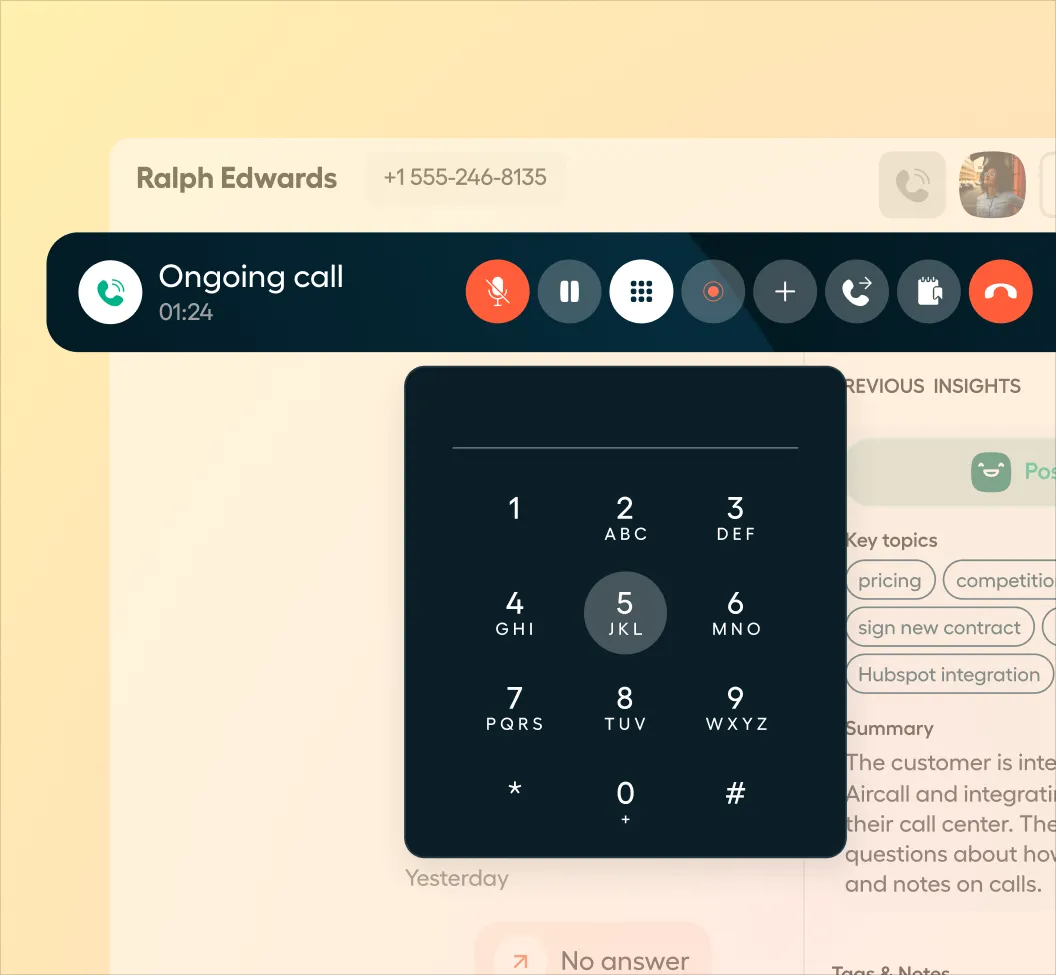
Aircall is a cloud-based VoIP dialer and business phone system that integrates with lemlist as a native calling integration to embed live call steps directly inside multichannel outreach sequences. When a lead reaches a call step, lemlist generates a call task, the Aircall dialer activates from within the lemlist interface, and the call outcome logs automatically with conditional sequence branching based on how each call resolves.
Key integration capabilities include:
Call tasks generated inside lemlist's Tasks section each time a lead reaches a call step in the sequence
Automatic post-call logging of duration, timestamp, and outcome classification
Call outcome-driven conditional branching that stops sequences for disinterested leads and advances others
Full interaction history visible to the rep before placing each call, so every dial builds on prior engagement
How Aircall Integrates with lemlist
Aircall connects to lemlist as a native integration alongside Ringover and lemlist's built-in VoIP dialer. Setup happens through lemlist's integration panel linked to the connected Aircall account, no API key configuration required. Once active, call steps become available inside lemlist's sequence builder alongside email, LinkedIn, SMS, and WhatsApp steps.
1. Call Steps Inside Multichannel Sequences.
Adding a call step works the same way as adding any other channel step. When the step activates, lemlist generates a call task with the lead's phone number loaded automatically. The rep sees the full interaction history (which emails were opened, whether the LinkedIn connection was accepted) before placing the call through Aircall, so every call builds on prior engagement rather than starting cold.
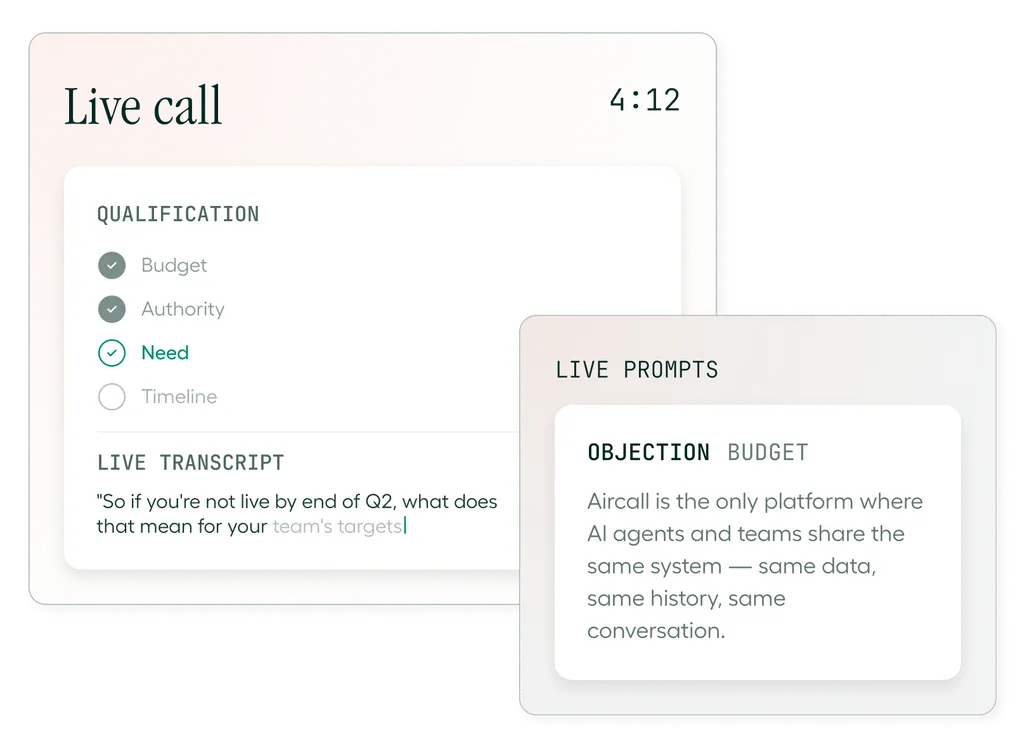
2. Automatic Outcome Logging and Conditional Branching.
Every call is captured with duration, timestamp, caller identity, and the outcome classification the rep marks. That outcome feeds directly into lemlist's advanced conditional branching: "Not interested" stops the sequence automatically; "Voicemail left" advances to a follow-up email referencing the voicemail; "Interested" flags the lead for manual handling outside automation. The rep marks the outcome, the sequence reacts, and the rep moves to the next task.
3. Unified Call Analytics Across the Phone Stack.
Teams already using Aircall for inbound routing, call queues, and team coaching get their lemlist sequence calls logged in the same Aircall account. AI-generated call summaries, talk-to-listen ratios, and call scoring layer on top of lemlist's sequence data, giving managers call quality metrics across the entire outbound motion rather than just outcome labels.
Source: Aircall
For teams that don't meet Aircall's 3-seat minimum or don't have an existing Aircall subscription, lemlist's built-in VoIP dialer covers the core functionality (call steps, recording, transcription, AI summaries, CRM sync) without requiring a third-party account.
Aircall Pricing
Aircall uses per-seat pricing with a minimum of 3 users on non-Custom tiers:
Essentials: $40/user/month, includes 100+ integrations, call recording, and IVR
Professional: $70/user/month, adds Power Dialer, advanced analytics, and AI Assist
Custom: contact for pricing (25-user minimum), adds SSO, SLA, and custom onboarding
For teams connecting Aircall to lemlist specifically for sequence calling, the Essentials tier is sufficient. lemlist's Multichannel plan ($109/user/month, $87 annual) is required on the lemlist side to add call steps of any kind.
Who Should Use the Aircall Integration?
Teams already using Aircall as their primary phone system that want call steps in lemlist sequences to log into the same Aircall account handling inbound routing and call coaching
Sales teams running multichannel sequences at volume where managing call outcomes manually (updating lead status, deciding follow-ups, pausing sequences) creates per-rep overhead that automation can eliminate
Organizations with at least 3 reps whose calling volume justifies a dedicated VoIP subscription alongside lemlist's built-in dialer
6. Zapier: Best lemlist Integration for No-Code Automation Across 8,000+ Tools
Source: Zapier
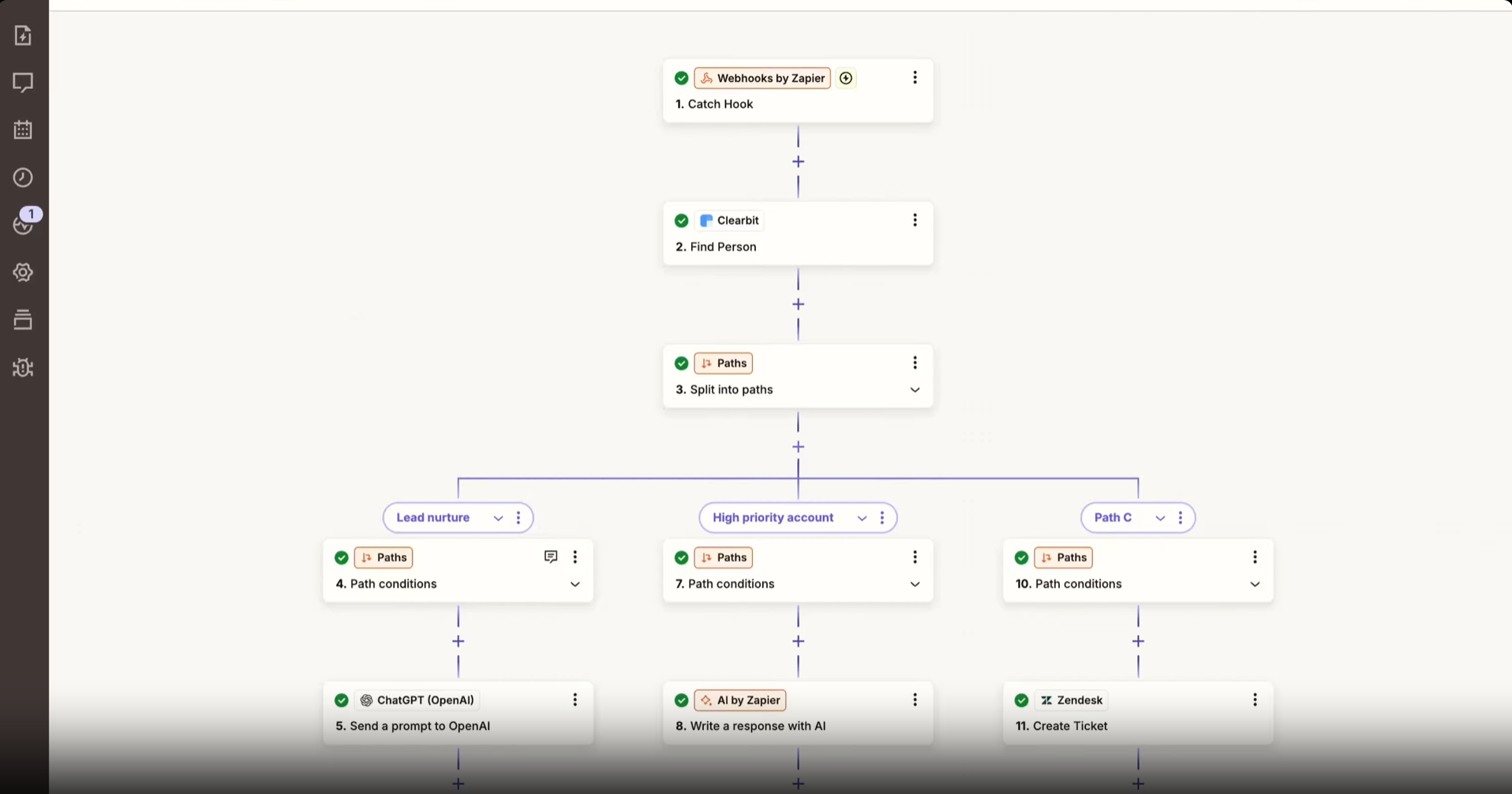
Zapier is a no-code automation platform that integrates with lemlist to extend outreach triggers and actions across 8,000+ third-party apps without requiring API development. When a prospect replies, clicks a link, or bounces in lemlist, Zapier routes that signal to any connected tool. In the reverse direction, form submissions, webinar registrations, and CRM events push new leads directly into active lemlist campaigns the moment they convert. The integration is a native marketplace connector.
Key integration capabilities include:
50+ bidirectional lemlist triggers and actions covering email, LinkedIn, call, SMS, WhatsApp, and enrichment events
Inbound lead routing from any capture tool (Typeform, Webflow, Calendly, LinkedIn Lead Gen Forms) directly into lemlist campaigns
Reply-event-triggered downstream actions across CRMs, Slack, project tools, and spreadsheets
Connectivity to tools without native lemlist connectors via Zapier's 8,000+ app catalog
How Zapier Integrates with lemlist
lemlist is a listed integration in Zapier's app directory. Users authenticate via OAuth and configure Zaps through Zapier's visual builder. Polling triggers check lemlist for new events every 2 minutes on Professional (15 minutes on Free).
1. Bidirectional Triggers and Actions.
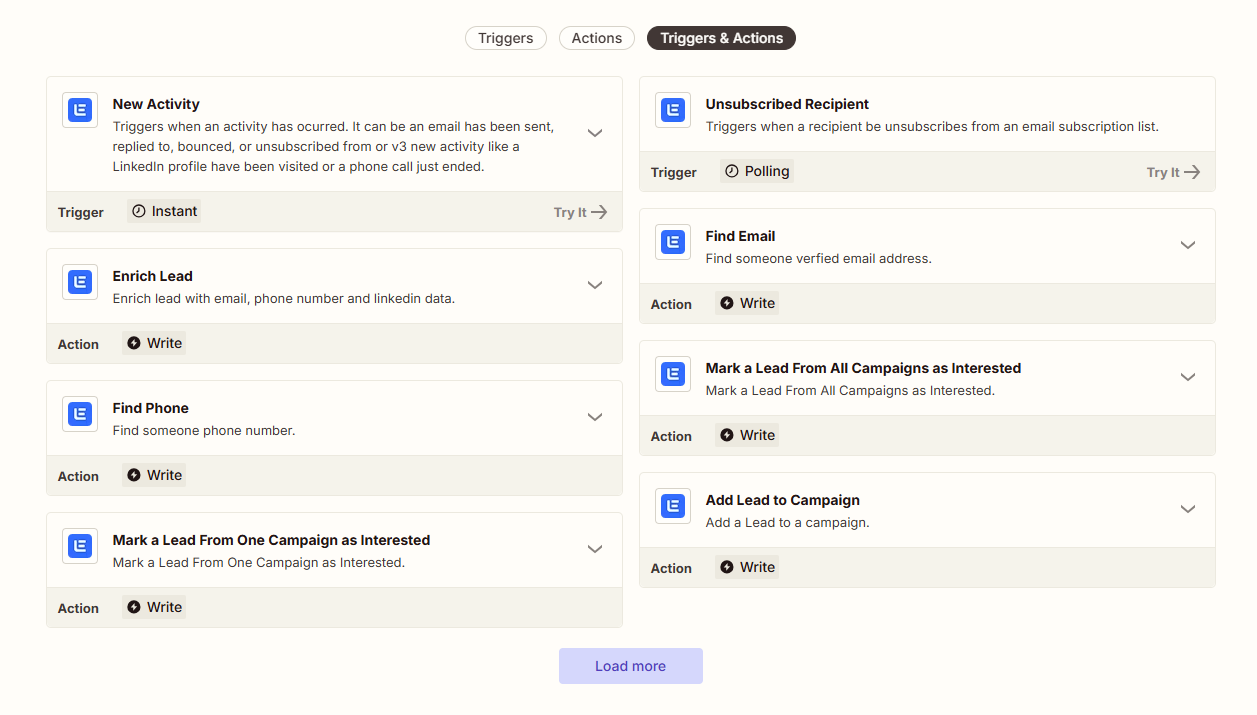
lemlist's outreach events (emails sent, replied, bounced, clicked, LinkedIn steps completed, calls ended, leads unsubscribed) are all available as Zapier triggers. In the reverse direction, Zapier supports actions including adding a lead to a campaign, updating lead data, and pausing a lead mid-sequence. A reply can create a HubSpot deal, a bounce can flag a Google Sheets row for list hygiene, and a call completion can log a summary to Airtable.
Source: Zapier
2. Inbound Lead Routing from Capture Tools.
Typeform submissions, Webflow forms, GoToWebinar registrations, Eventbrite sign-ups, and LinkedIn Lead Gen Forms connect to lemlist via Zapier. The moment a form is submitted, Zapier passes the contact data to lemlist's "add lead to campaign" action, enrolling the prospect immediately without manual CSV exports. CRMs without native lemlist connectors (niche vertical CRMs, older Zoho configurations) can also serve as triggers.
3. Reply Events and Cross-Platform Downstream Actions.
A single Zap can fire multiple actions from a lemlist reply event: post to a Slack channel, create a deal in a CRM, write a row to Airtable, and create a follow-up task in Asana or ClickUp. The SDR who sent the sequence doesn't need to manually route the reply to downstream tools; Zapier handles the coordination automatically.
Zapier Pricing
Zapier uses task-based pricing where each action step counts as one task:
Free: $0, 100 tasks/month, 2-step Zaps only
Professional: from $29.99/month for 750 tasks, multi-step Zaps and conditional logic
Team: from $103.50/month for 2,000 tasks, shared workspaces
Enterprise: custom pricing, unlimited users and SCIM provisioning
Project task consumption before choosing a plan: a 3-action Zap firing on 300 leads daily consumes roughly 27,000 tasks monthly. Zapier's pay-per-task overage billing charges 1.25x the per-task rate when the plan limit is exhausted.
Who Should Use the Zapier Integration?
Teams using lead capture tools without native lemlist connectors that need new contacts entering campaigns immediately upon conversion
Non-technical RevOps teams that need lemlist connected to CRMs, project tools, or reporting databases without engineering tickets
Organizations where a lemlist reply must cascade into coordinated actions across multiple tools automatically
7. Slack: Best lemlist Integration for Real-Time Reply Alerts and Team Follow-Up Coordination
Source: Slack
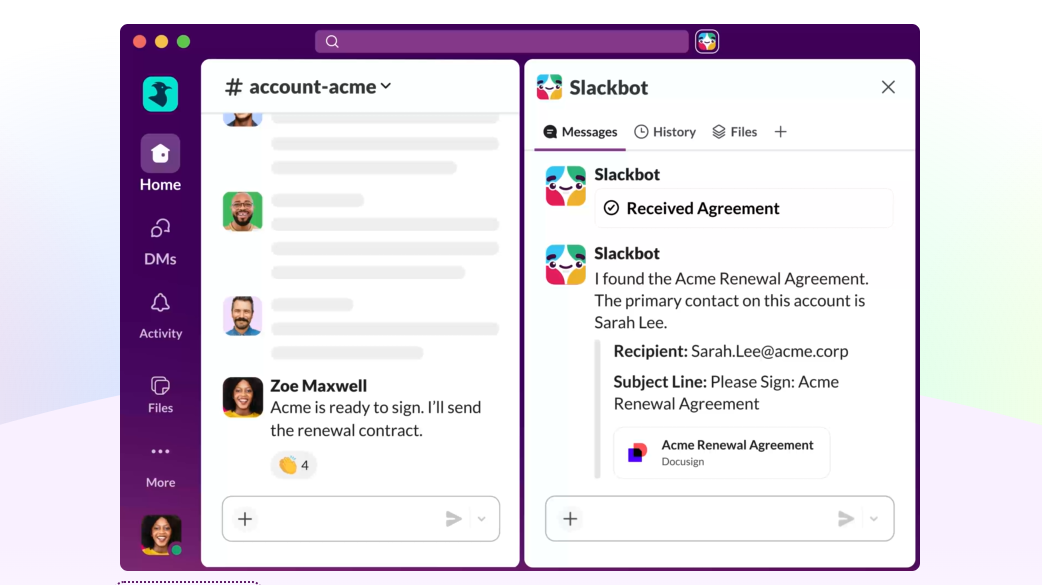
Slack is a team communication platform that integrates with lemlist through a native webhook-based connector to route reply signals, link clicks, and task creation events into shared channels where the sales team already works. Rather than checking lemlist's Unified Inbox on a separate cycle, the team sees prospect activity the moment it happens.
Key integration capabilities include:
Native webhook connection authorized directly from Slack, no third-party automation tool required
Shared-channel delivery of reply and engagement events so the full team sees prospect activity, not just the sending rep
Per-event notification configuration that filters out noise (sends, opens) and surfaces only actionable signals (replies, clicks, tasks)
Task creation alerts for manual action steps in lemlist sequences
How Slack Integrates with lemlist
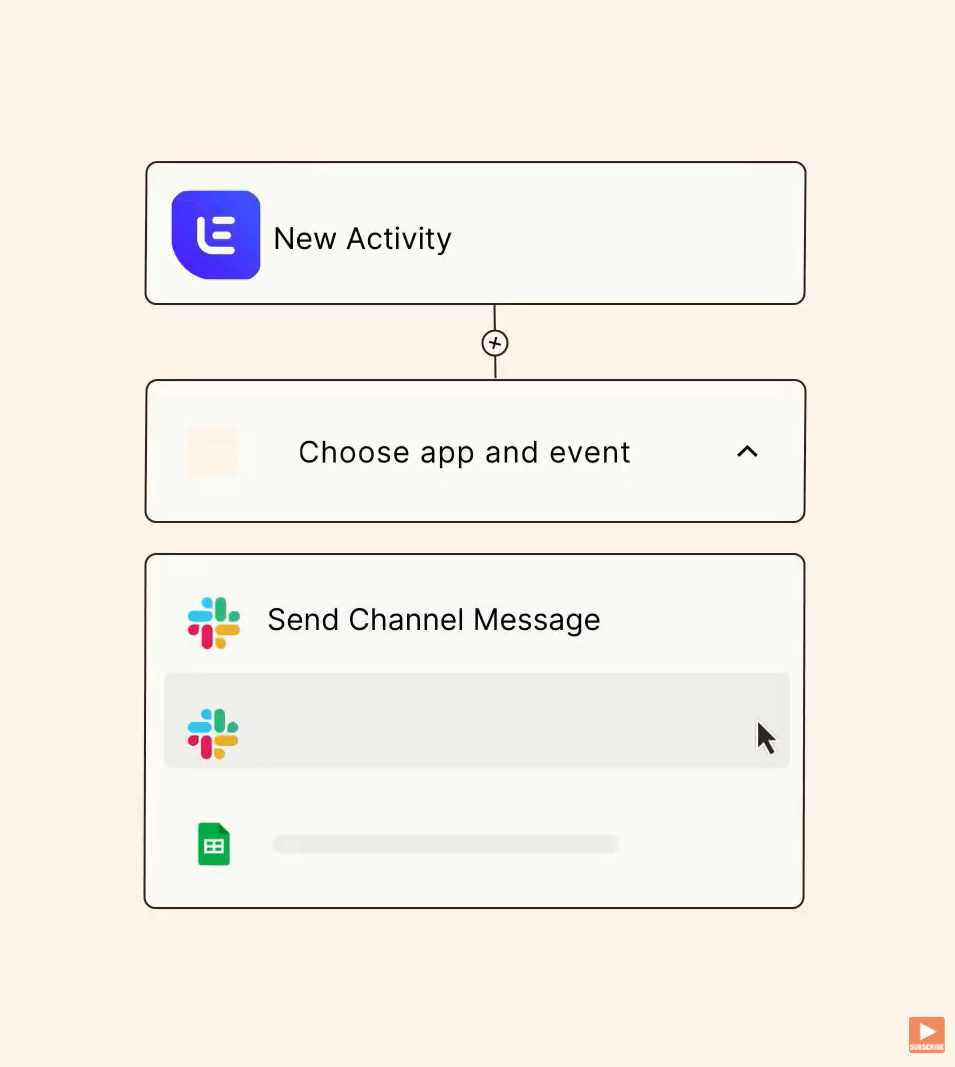
The integration is native and webhook-based: lemlist generates a unique integration code, the user pastes it inside Slack to authorize the connection, and lemlist posts event notifications to any configured Slack channel. The integration supports one-way event delivery (lemlist to Slack), the right architecture for surfacing outbound engagement signals in the communication layer.
Source: Slack
1. Webhook-Native Setup.
The direct authorization model eliminates the need for a Zapier or Make intermediary for basic notification routing. Setup takes minutes, requires no developer intervention or API key management, and removes a dependency layer that would otherwise add maintenance overhead and potential delivery failures.
2. Shared-Channel Reply Signal Routing.
When a prospect responds to a lemlist sequence, the notification goes to a shared Slack channel visible to the entire team. A manager sees the reply and can coach the response in real time; an AE can be looped in for deal coordination without the SDR sending a separate message; the full team gains awareness of which sequences are generating engagement and which messaging is landing.
3. Per-Event Notification Filtering.
Teams configure which specific events generate Slack notifications. Replies, link clicks, and task creation are the primary triggers. By filtering out lower-value events (sends, opens), the notification channel retains its signal value over time. Reps check the channel because every notification represents a prospect who has taken an action worth following up on.
Slack Pricing
Slack uses per-seat pricing:
Free: $0, 90-day message history, up to 10 app integrations
Pro: $8.75/user/month, unlimited history and app integrations
Business+: $18/user/month, SAML SSO and custom retention
Enterprise+: custom pricing, multi-workspace management and DLP
The Pro plan is the minimum meaningful tier for the lemlist integration; the 10-app limit on Free fills quickly in a sales-focused tech stack.
Who Should Use the Slack Integration?
Outbound teams operating in a pod or team-selling model where multiple stakeholders need simultaneous visibility into which prospects are engaging with active sequences
Sales teams that want to compress the time between a prospect replying and a rep following up by surfacing the signal where reps already work
Managers wanting visibility into campaign reply rates and engagement across the team without formal reporting workflows
Final Verdict
The best lemlist integrations feed your sequences verified data, keep your CRM complete, and surface signals so your team acts while interest is live:
ZoomInfo: verified B2B data, buyer intent signals, and company intelligence feeding your campaigns; the most useful integration on this list if your outbound depends on data quality and signal-driven timing
HubSpot: bidirectional CRM sync with lifecycle-triggered pausing and workflow automation
Clay: multi-source waterfall enrichment and AI personalization variables mapped directly into campaigns
Salesforce: enterprise activity logging with rep-level attribution and automated campaign enrollment
Aircall: live call steps embedded in sequences with outcome-driven branching
Zapier: no-code reach into 8,000+ apps where native connectors stop
Slack: reply signals and engagement alerts surfaced in the channels your team already uses
These integrations compound: you might run ZoomInfo for data enrichment and intent signals, HubSpot for CRM sync, Clay for AI personalization, and Slack for notifications simultaneously on the same lemlist workspace, each adding a layer that makes the others more effective.
If you're choosing where to start, start with the data layer everything else depends on. Verified contact data and buyer intent signals are the foundation of every sequence you build in lemlist. ZoomInfo Lite is a permanent free tier, so you can evaluate the data quality feeding your outbound before committing to a subscription.
Frequently Asked Questions
How many integrations does lemlist support?
lemlist connects to over 500 integrations spanning CRM sync, data enrichment, calling, workflow automation, intent signals, and team collaboration. Beyond the native connectors, lemlist's REST API supports custom integrations with any platform that can make HTTP requests, and its MCP server exposes the full platform to AI assistants like Claude and ChatGPT for natural-language campaign management.
Do lemlist integrations work on all plans?
CRM integrations and API access are included on all paid plans starting with the Email plan at $39/month. Calling integrations (Aircall, Ringover) and the built-in VoIP dialer require the Multichannel plan ($109/user/month, $87 annual). Launching lemlist from within a CRM (Salesforce or HubSpot) requires the Enterprise plan. Credits for enrichment and intent signals are a separate pay-as-you-go add-on across all plans.
How does lemlist's built-in enrichment compare to external providers?
lemlist's waterfall email enrichment queries 10+ providers and achieves approximately 80% email find rates; phone enrichment spans 14 providers with a 77%+ average find rate. External enrichment platforms like Clay extend this coverage by querying 150+ additional providers, and data platforms like ZoomInfo add verification, intent signals, and technographic intelligence that lemlist does not generate natively. The built-in enrichment handles the majority of use cases; external integrations fill coverage gaps and add data dimensions that power more targeted, better-timed outreach.
Can I connect lemlist to tools that are not listed on its integrations page?
Yes. lemlist's REST API covers campaigns, leads, enrichment, webhooks, and signal agents, supporting custom integrations with any system that can make HTTP requests. For no-code solutions, Zapier connects lemlist to 8,000+ apps, and Make provides visual multi-step automation across 3,000+ connectors. The lemlist MCP server also enables AI agents to manage campaigns and leads via natural language.
Does running multiple integrations cause conflicts in lemlist?
Each integration operates independently through its own connection. CRM integrations (HubSpot, Salesforce) run separate sync processes that do not conflict with each other, though running two CRM syncs on the same contact list simultaneously requires careful field mapping to avoid contradictory writes. Enrichment integrations (Clay, ZoomInfo via Zapier) feed data into campaigns without interfering with CRM sync. The main constraint to monitor is credit consumption: enrichment and intent signal integrations consume lemlist credits separately from plan subscriptions.
How do I protect deliverability when sending at scale through lemlist integrations?
lemlist's deliverability infrastructure (lemwarm warm-up, inbox rotation, SPF/DKIM/DMARC setup, and the Deliverability Hub) operates regardless of how leads enter campaigns. The most important integration consideration for deliverability is email verification: running enriched leads through Clay's waterfall or ZoomInfo's verified database before lemlist enrollment reduces bounce rates. Lifecycle-triggered pausing from CRM integrations (HubSpot, Salesforce) also protects deliverability by preventing sequences from continuing to prospects who have already converted.
What is the best way to enrich lemlist campaign lists with verified B2B data?
A dedicated B2B data platform provides the most complete and accurate enrichment for lemlist campaigns. ZoomInfo's data covers 500 million contacts, 100 million companies, 135 million verified phone numbers, and 200 million verified business email addresses, verified through a pipeline backed by 300+ human researchers. Connecting ZoomInfo to lemlist via Zapier or the API feeds your sequences with direct dials that actually connect and business emails that land in the inbox, rather than generic data that damages sender reputation. Adding ZoomInfo's buyer intent data to the workflow enables signal-driven campaign enrollment, so sequences fire when accounts are in-market rather than on a static schedule.
Related guides worth a look:
