
If you're comparing Lessonly vs. WorkRamp, the first thing to know is that Lessonly no longer exists as a standalone product. Seismic acquired it in 2021 and rebranded it as Seismic Learning, folding it into a revenue enablement platform. That changes what you're actually choosing between.
The real questions are:
Do you need a standalone training platform, or should training live inside a larger sales enablement suite?
Are you training only internal teams, or do you also need to educate customers and partners?
How important is AI-powered coaching and role-play in your sales training?
Do you have a dedicated enablement team to manage a complex platform, or is your L&D function lean?
Once your reps are trained, do they have the data and intelligence to apply those skills?
In short, here's what we recommend:
Seismic Learning is the training engine inside the Seismic Enablement Cloud, a platform that combines content management, learning, coaching, meeting intelligence, and digital sales rooms. For enterprise sales organizations with dedicated enablement teams, it offers AI-powered role-play through the Aura engine, structured skills assessments, and integration between training content and the collateral reps use. The trade-off is complexity. Seismic Learning is built for midsized to large enterprises, and teams without a dedicated enablement function will find the platform hard to run.
WorkRamp is a dedicated LMS built for both employee and customer learning. Its dual-cloud design (an Employee Learning Cloud for internal training and a Customer Learning Cloud for external academies) means companies can run sales onboarding, compliance, and customer education from one platform. WorkRamp's AI features include file-to-course generation, voice and text role-play simulations, and automated pitch certification. The trade-off is depth. Reporting has been a persistent complaint among reviewers, and the mobile experience needs work.
Both platforms develop your sales team's skills. But neither fills this gap: trained reps still need to know who to call, when to engage, and what matters to each prospect. Skills without intelligence leave revenue on the table.
ZoomInfo is a GTM platform that provides the data and intelligence trained reps need to act. Its B2B data (500M contacts, 100M companies, 135M+ verified phone numbers, and 200M+ verified business email addresses) gives reps verified buyer contact information where the direct dial actually rings and the email actually lands. The GTM Context Graph processes 1.5B+ data points daily, fusing this data with your CRM records, conversation transcripts, and behavioral signals to surface not just who to contact, but why now. Sellers access this intelligence through GTM Workspace, marketers and RevOps teams use GTM Studio, and teams building custom tools can tap in through APIs and MCP. ZoomInfo doesn't replace Seismic Learning or WorkRamp. It's the intelligence layer that makes either platform's training translate into pipeline.
If pairing training with GTM intelligence sounds like the missing piece, see how ZoomInfo works.
Seismic Learning vs. WorkRamp vs. ZoomInfo at a glance
Seismic Learning | WorkRamp | ZoomInfo | |
|---|---|---|---|
Primary function | Sales training & coaching within a revenue enablement suite | Standalone LMS for employee and customer learning | B2B data and GTM intelligence |
AI capabilities | Aura Role-Play Agent, AI-powered feedback, coaching plans | AI Simulations, AI content creation, AI pitch certification | GTM Context Graph, AI account research and outreach |
Customer education | Not a primary focus | Dedicated Customer Learning Cloud with branded academies | N/A (provides data, not training content) |
Prebuilt content library | Internal content + Seismic content integration | 90,000+ courses via Go1 | N/A |
CRM integration | Salesforce | Salesforce | Salesforce, HubSpot, Microsoft Dynamics |
Pricing | Custom enterprise quotes only | Custom quotes only | Custom quotes; free tier available |
Implementation time | 4+ months (full platform) | 2–4 weeks typical | Weeks |
Analyst recognition | Forrester, Gartner, IDC Leader | G2 Leader, #1 LMS ranking | Gartner, Forrester Leader |
Best for | Enterprise sales teams with dedicated enablement functions | Mid-market L&D and customer education teams | Sales, marketing, and RevOps teams needing buyer intelligence |
Seismic Learning is an enablement suite; WorkRamp is an LMS
This is the most important distinction, and it shapes everything else.
Seismic Learning is one capability inside the Seismic Enablement Cloud, a platform that also includes content management, program strategy, meeting intelligence, and digital sales rooms. Training content links directly to the sales collateral reps use in deals. When a product marketer updates a battle card in Seismic's content library, that update flows into the training lessons that reference it.
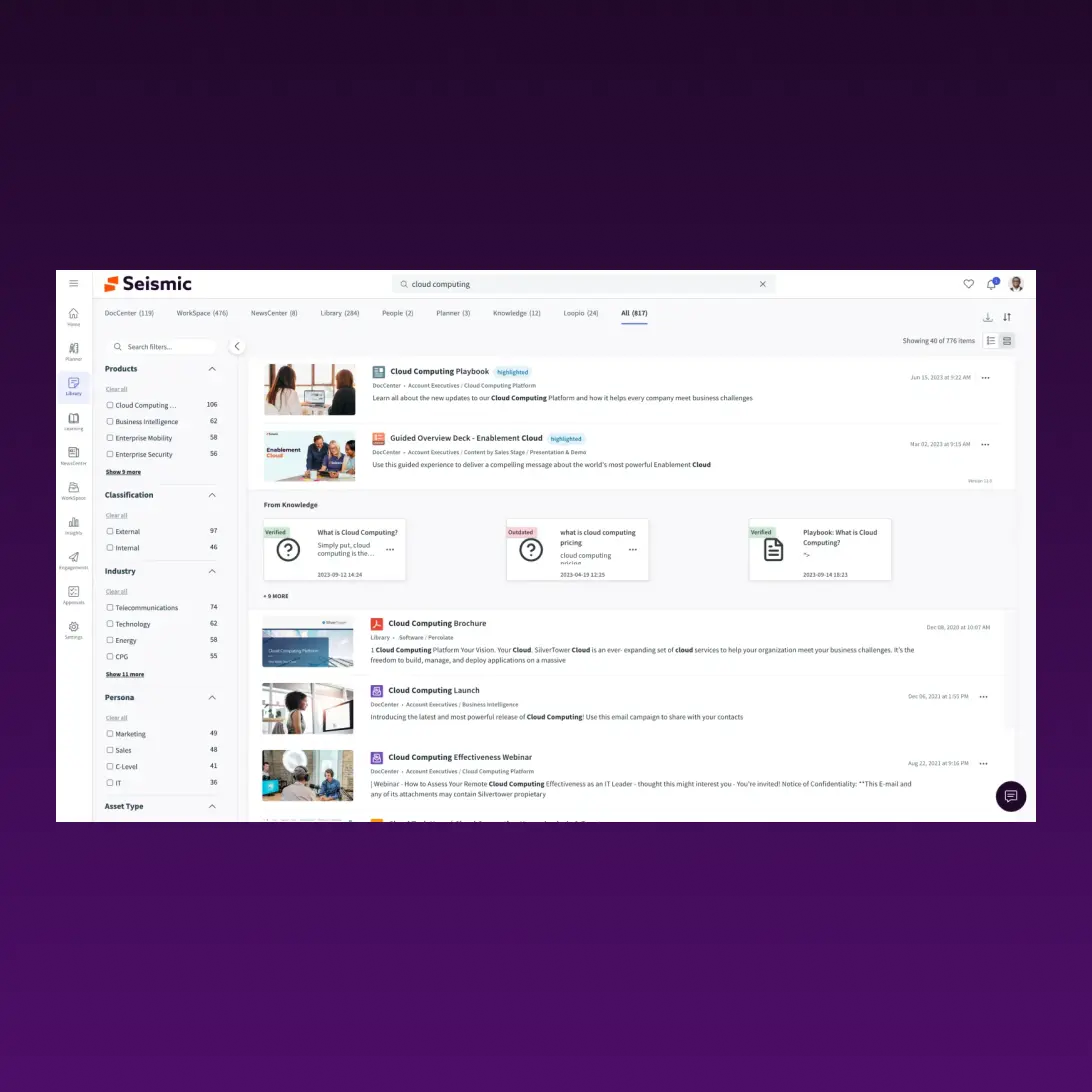
Source: Seismic Learning
This coupling between learning and execution is Seismic's core argument for why training should live inside an enablement platform, not alongside it.
The Enablement Cloud serves approximately 2,000 organizations worldwide, including 85 customers paying over $1M in annual recurring revenue. Nine of the top 10 U.S. banks use Seismic. Forrester named it a Leader in Revenue Enablement Platforms in Q3 2024, earning the highest possible scores in 26 of 32 criteria. That enterprise credibility is earned, but it comes with enterprise complexity.
WorkRamp takes the opposite approach. It's a dedicated learning management system built for creating and delivering training without the overhead of a full enablement platform. The Employee Learning Cloud handles sales onboarding, compliance, and professional development.
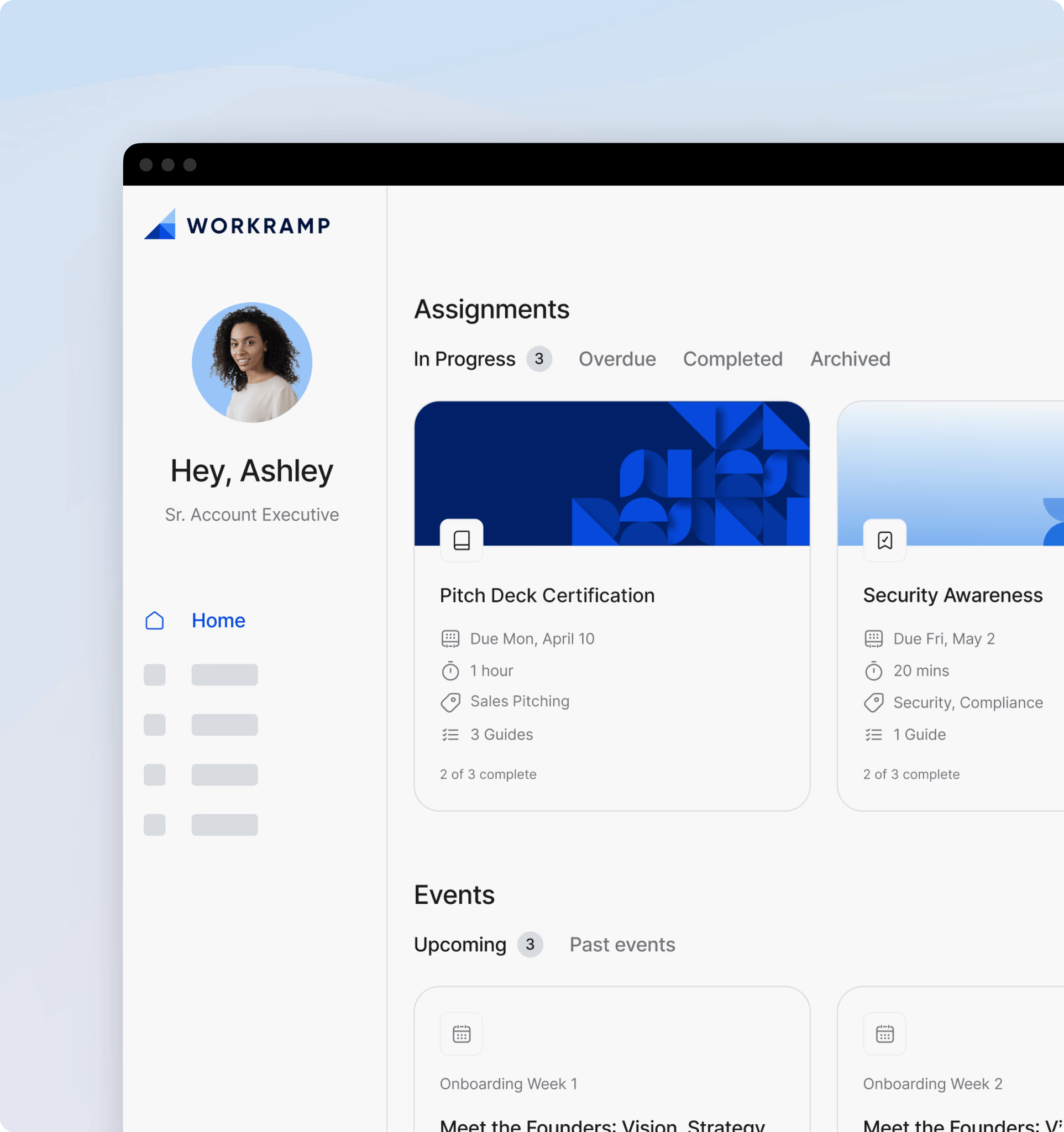
Source: WorkRamp
The Customer Learning Cloud lets companies build branded external academies for customer and partner education. Both clouds share one admin interface, one content creation workflow, and one analytics layer.
WorkRamp serves over 3 million learners at companies including Reddit, Sprout Social, Canva, and Lattice, and holds the #1 LMS ranking on G2 with 600+ reviews. That ranking reflects the platform's greatest strength: ease of use. Reviewers consistently cite how quickly teams build and launch training without technical expertise.
The practical question is whether your organization needs training embedded in a broader enablement workflow, or training as a standalone capability. If your enablement team already manages content libraries, sales plays, and coaching programs, Seismic Learning fits naturally. If your L&D team needs to stand up training quickly without a months-long deployment, WorkRamp gets you there faster.
Content creation: speed vs. integration
WorkRamp's AI Assist lets admins upload a PDF, slide deck, or document and receive a structured course draft (including titles, quizzes, interactive blocks, and AI-generated imagery) in under a minute. For teams without instructional designers, this collapses content creation from days to minutes.
Source: WorkRamp
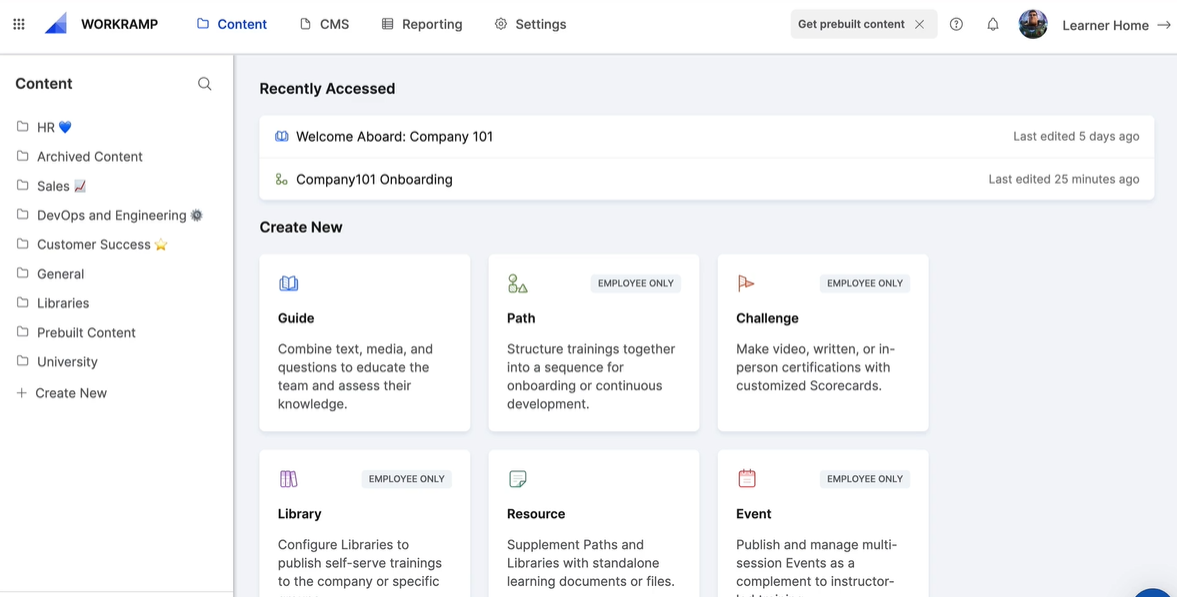
Admins can also build manually using a drag-and-drop Guide builder, or import SCORM courses from a prebuilt library of up to 90,000 courses from 250+ providers including Skillsoft, Pluralsight, and LinkedIn Learning.
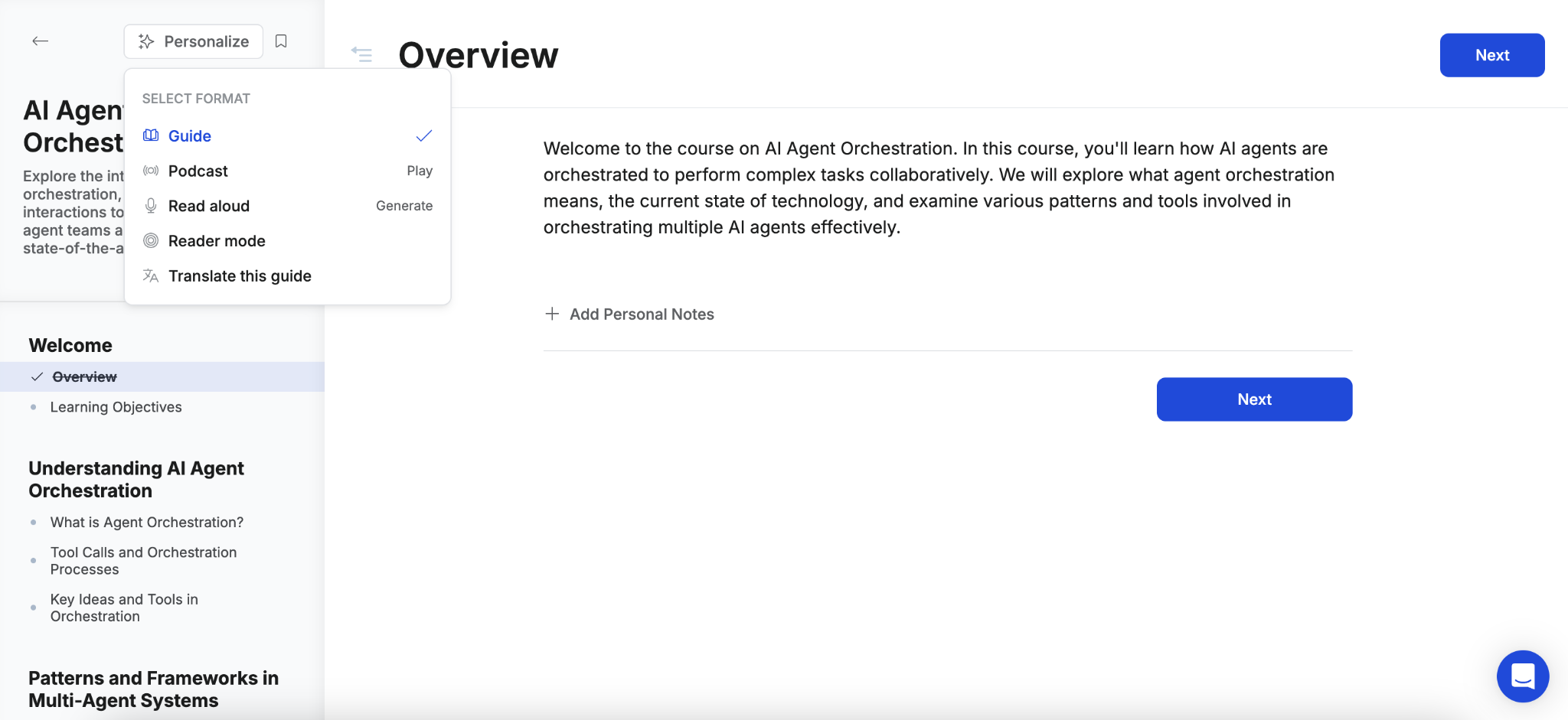
WorkRamp also offers five consumption modes per Guide: standard interactive, AI-translated (49 languages), AI podcast audio, text-to-speech narration, and reader mode. Learners choose how they consume content. An AI Assistant embedded in Guides acts as an in-lesson tutor, generating summaries and practice questions on demand. It disables automatically during graded assessments.
Source: WorkRamp
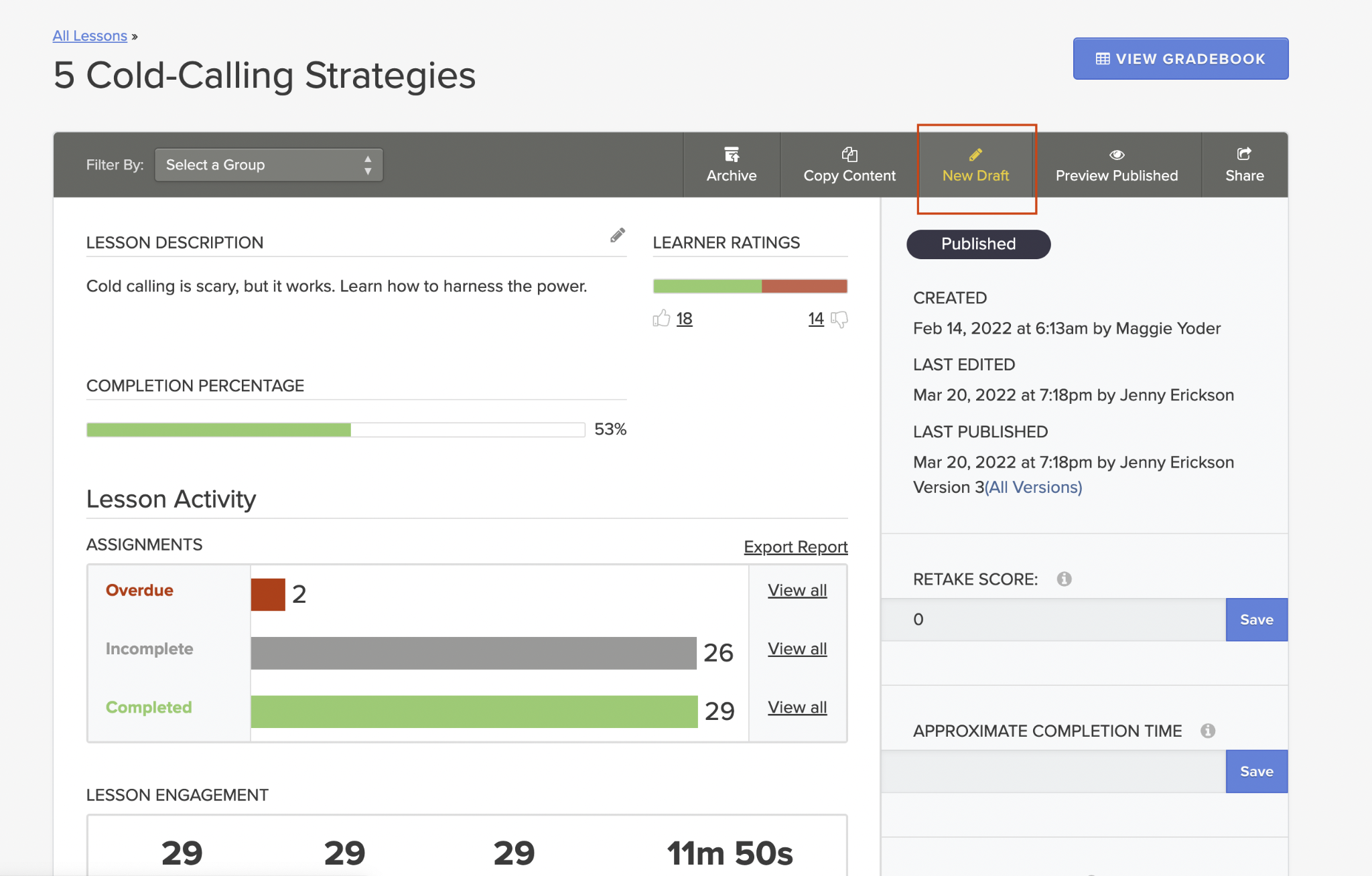
Seismic Learning's Lesson Builder takes a different approach. Rather than speed-first AI generation, it emphasizes content depth and maintenance. Creators assemble lessons from modular elements (text, images, video, audio, quizzes, role-play activities, and embedded documents). Content moves through a three-stage lifecycle: Draft, Published with Unpublished Draft, and Published. Version control lets editors work on updates without affecting what learners currently see.
Source: Seismic Learning
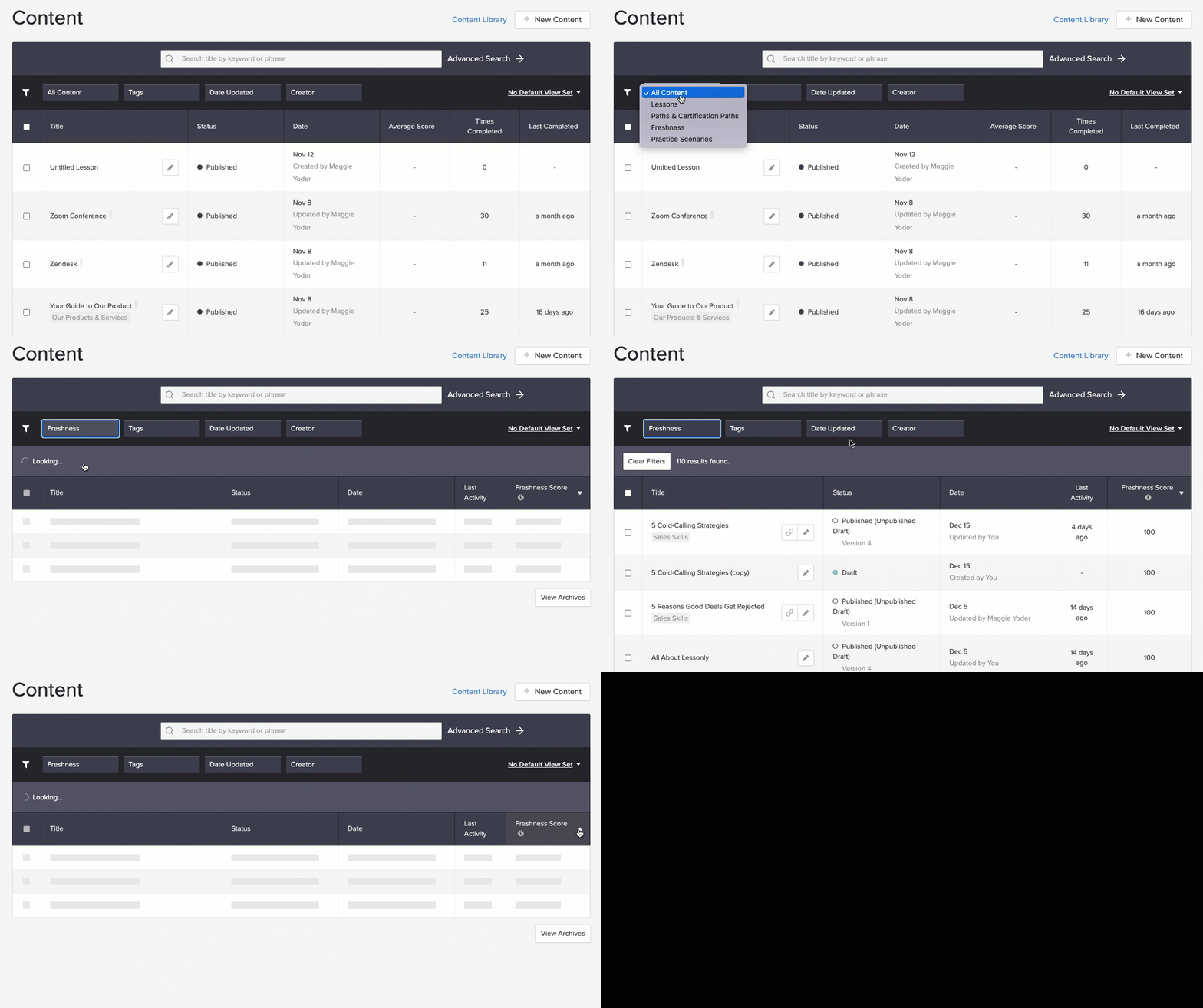
Seismic's distinguishing content feature is Content Freshness scoring: each lesson receives a score from 0 to 100 based on how recently it was edited and how often learners engage with it. Scores degrade after 60 days of inactivity and reach zero after 180 days, giving content owners a clear signal to update stale training before it hurts rep performance.
Source: Seismic Learning
The deeper structural advantage is content-to-collateral integration. Because Seismic Learning sits inside the Enablement Cloud, creators can embed Seismic content pages directly into lessons. When the underlying sales content changes, the training lesson reflects it automatically.
This solves a problem that plagues standalone LMS platforms: training content drifting from the materials reps actually use with customers.
AI coaching and practice
Both platforms now offer AI-powered practice, but the implementations reflect their different architectures.
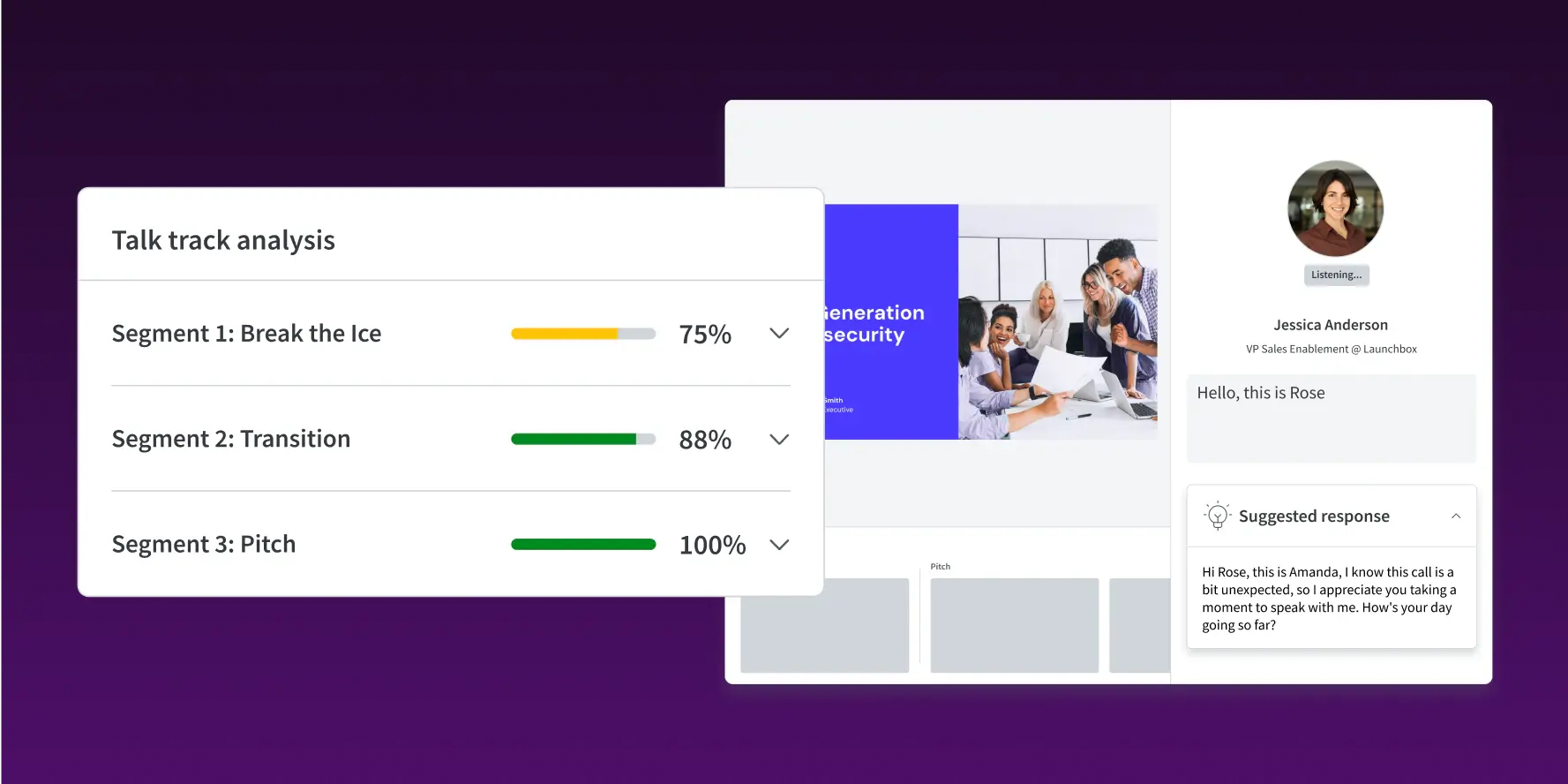
Seismic's Aura Role-Play Agent, launched in Spring 2025, simulates customer conversations using the organization's own approved messaging and product content. The AI buyer persona draws on whatever content lives in the Seismic library (battle cards, messaging guides, product sheets), making practice scenarios relevant to actual deals.
Source: Seismic Learning
After each session, reps get feedback on pacing, keyword usage, and confidence, while managers get aggregated scoring and gap analysis across the team.
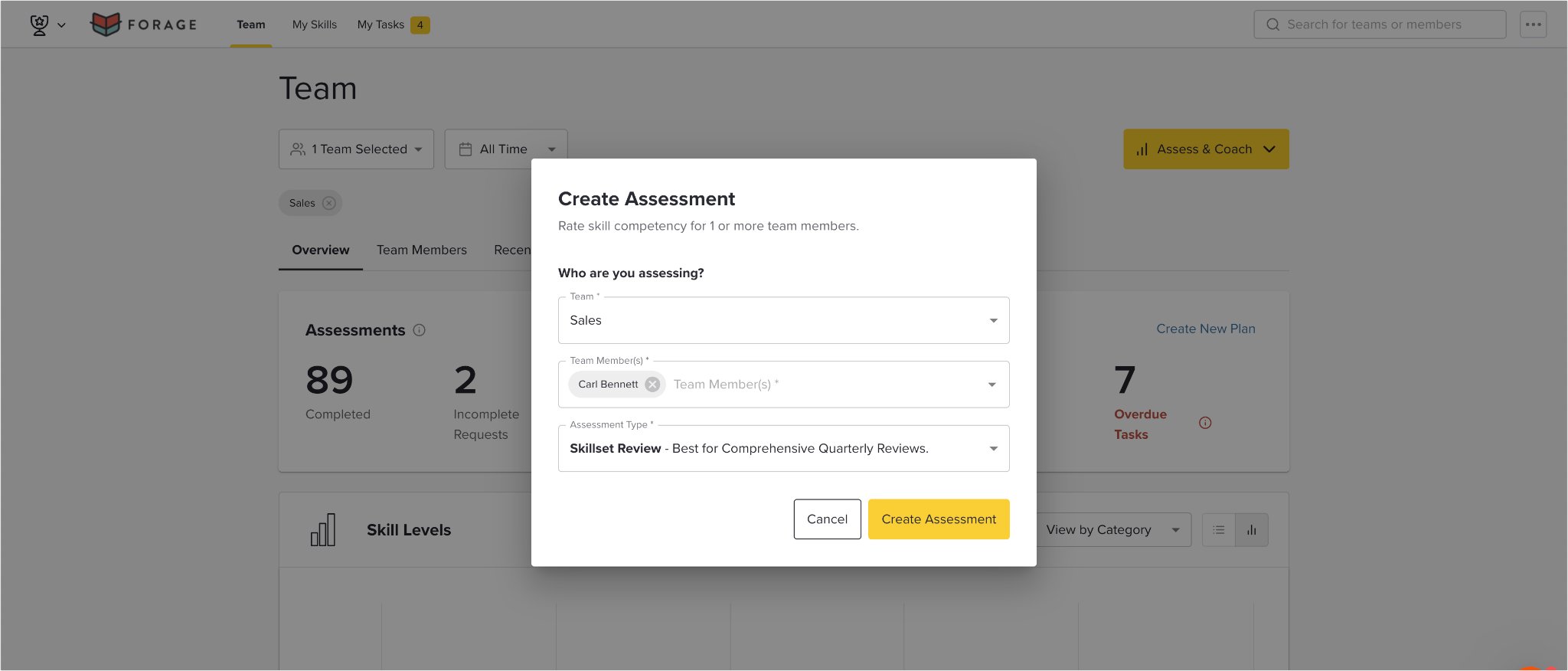
The coaching layer goes beyond practice. The Skills App gives managers a structured system for defining, assessing, and developing competencies through four assessment types: manager-led skill reviews, live observations, performance metrics, and self-reflections.
Source: Seismic Learning
Scores combine into a weighted average that surfaces specific gaps, and coaching plans assign targeted content tied to each deficiency. For enterprise sales organizations with layers of management, this structured approach creates consistency that ad-hoc feedback cannot.
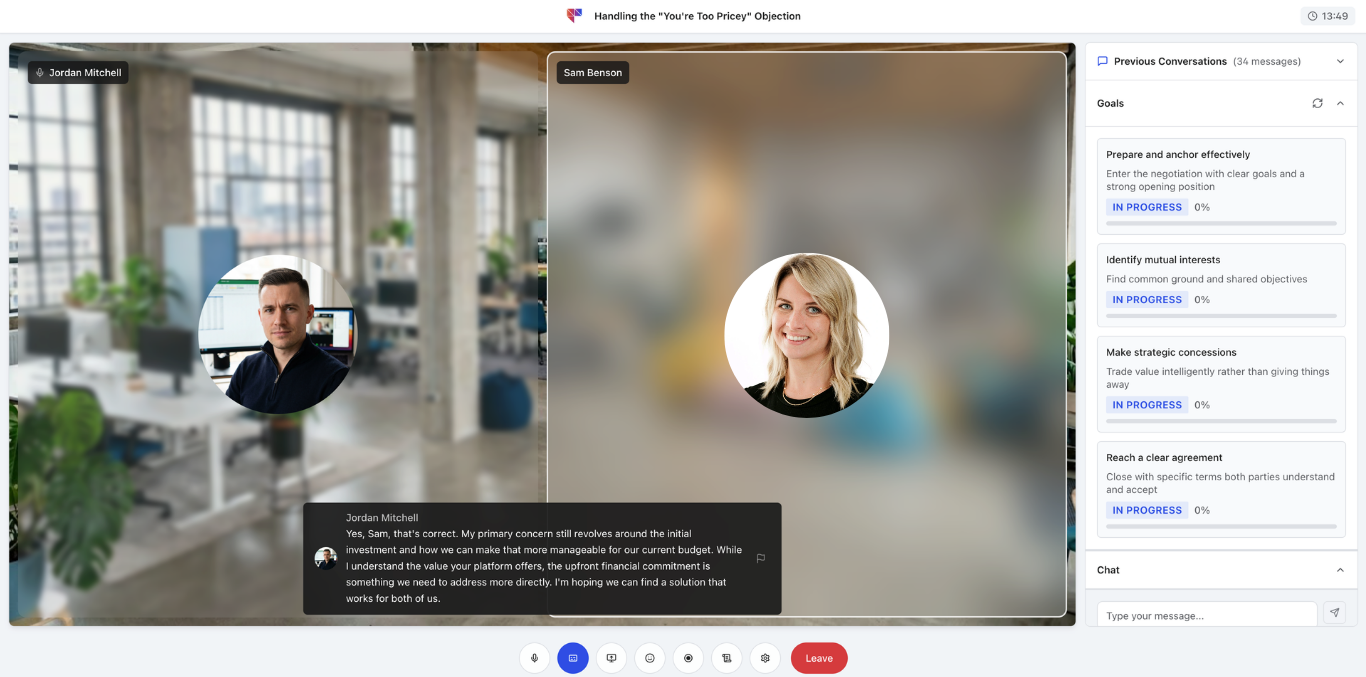
WorkRamp's AI Simulations, shipped in April 2026, offer voice and text conversations with configurable AI personas. Admins build scenarios through a five-step wizard: name the simulation, write a prompt, set difficulty (Easy through Expert), review the AI draft, and publish.
Source: WorkRamp
Learners hold real-time conversations with the AI character while a Goals panel tracks criteria in real time. Post-session feedback includes scored summaries, per-goal breakdowns, and improvement areas.
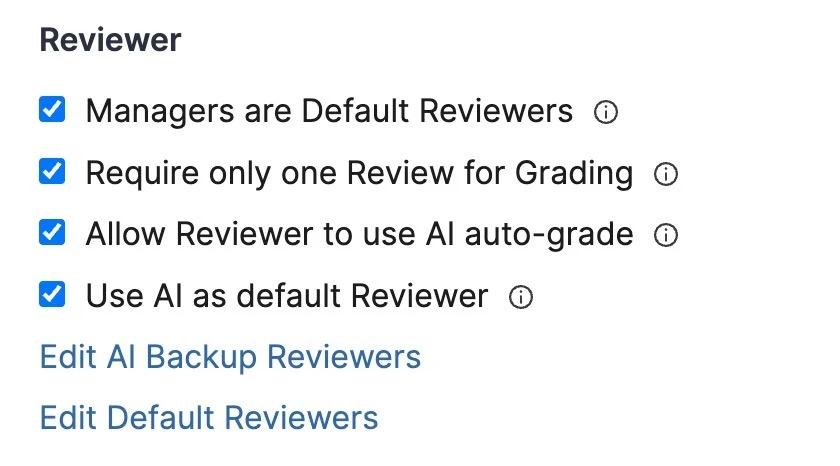
WorkRamp's AI Reviewers add a second layer: automated pitch certification at scale. Enablement leaders define custom rubrics and choose one of three scoring modes (manager-only, hybrid where AI suggests and a human approves, or fully automated).
Source: WorkRamp
This lets organizations scale certifications without sacrificing quality oversight on high-stakes assessments.
As of May 2026, WorkRamp's AI Simulations integrate with the platform's automation, certification, Salesforce sync, and analytics systems. Simulation scores flow into the same reporting pipelines as all other content types.
Both platforms protect sensitive data. Seismic's Aura AI holds ISO 42001 certification for AI management systems. WorkRamp commits that conversation data from AI Simulations is not used to train AI models.
Customer education: WorkRamp's second cloud
If your evaluation includes customer and partner training, WorkRamp has a structural advantage Seismic Learning does not match.
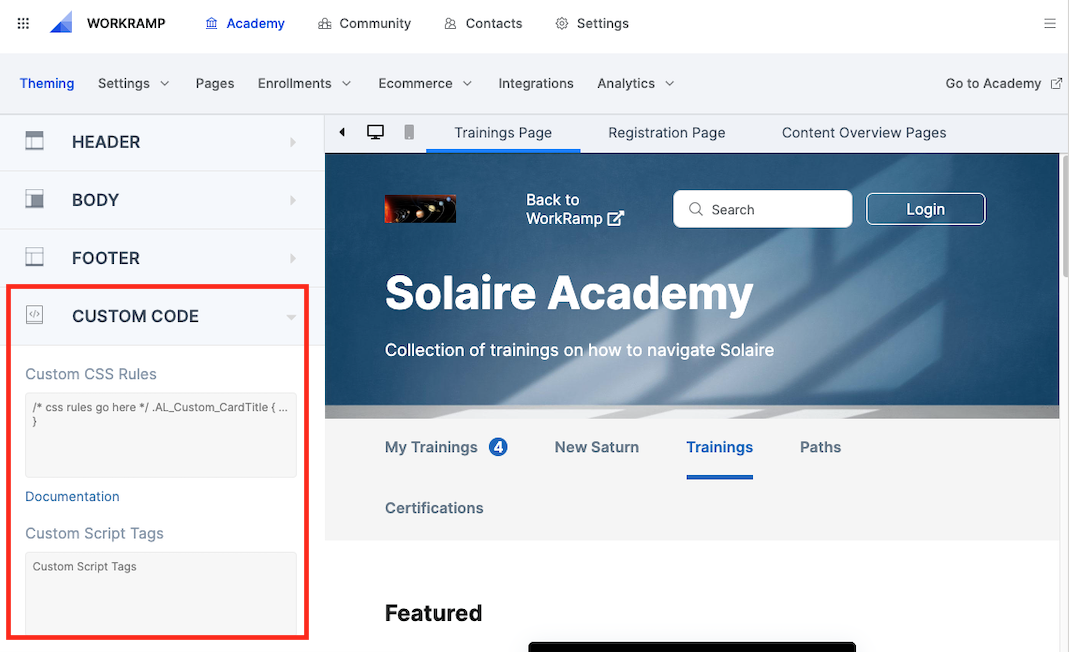
WorkRamp's Customer Learning Cloud is a dedicated platform for external education. Companies create branded academies hosted on their own domains, with their own SSO, custom styling, and custom CSS and JavaScript. Content lives in the same system as internal training, but the learner-facing experience is fully white-labeled.
Source: WorkRamp
The feature set goes beyond content delivery. Certifications include LinkedIn publishing, so certified customers and partners can add credentials to their LinkedIn profiles.
An e-commerce layer powered by Stripe lets organizations charge for courses, with promotion codes, refund management, and tax handling.
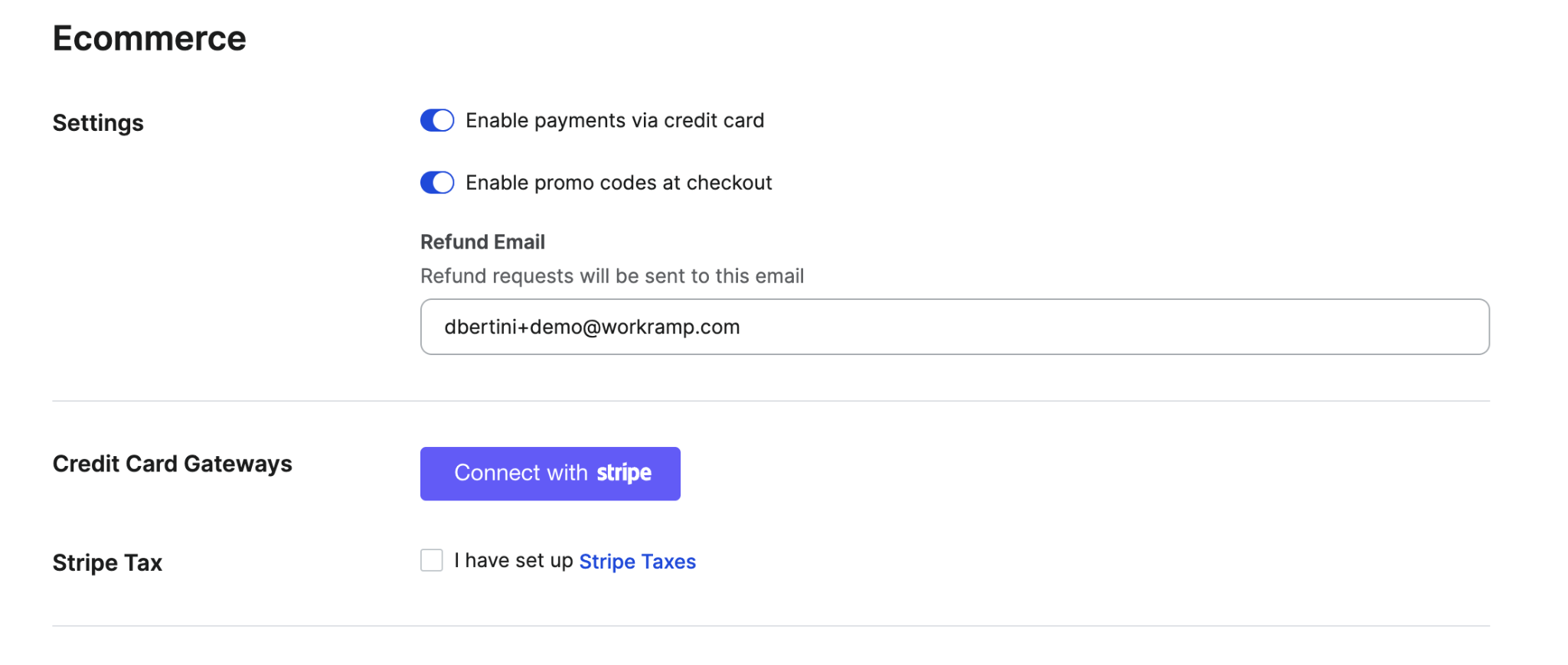
Source: WorkRamp
A Communities add-on creates peer discussion forums linked to each academy.
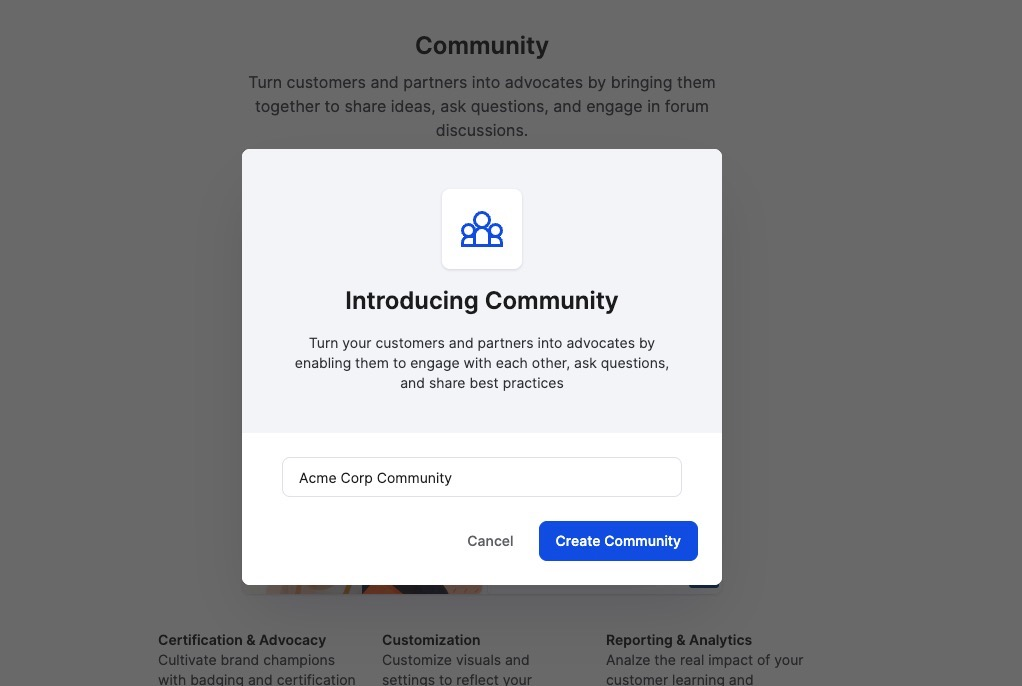
Source: WorkRamp
Seismic Learning does not compete in this space. Its training capabilities serve internal revenue teams (sales, customer success, and support), not external customer education. Organizations evaluating Seismic for customer training would need a separate platform.
Training makes reps skilled. Intelligence makes them effective.
A sales rep who has completed every onboarding module, passed every certification, and practiced every objection still faces the same daily questions: Which accounts should I prioritize? Who are the decision-makers? When is the right moment to engage?
Neither Seismic Learning nor WorkRamp answers these questions. They're training platforms, not intelligence platforms. This is where ZoomInfo fits.
ZoomInfo's data covers 500M contacts, 100M companies, 135M+ verified phone numbers, and 200M+ verified business email addresses, verified by 300+ human researchers with up to 95% accuracy on first-party data.
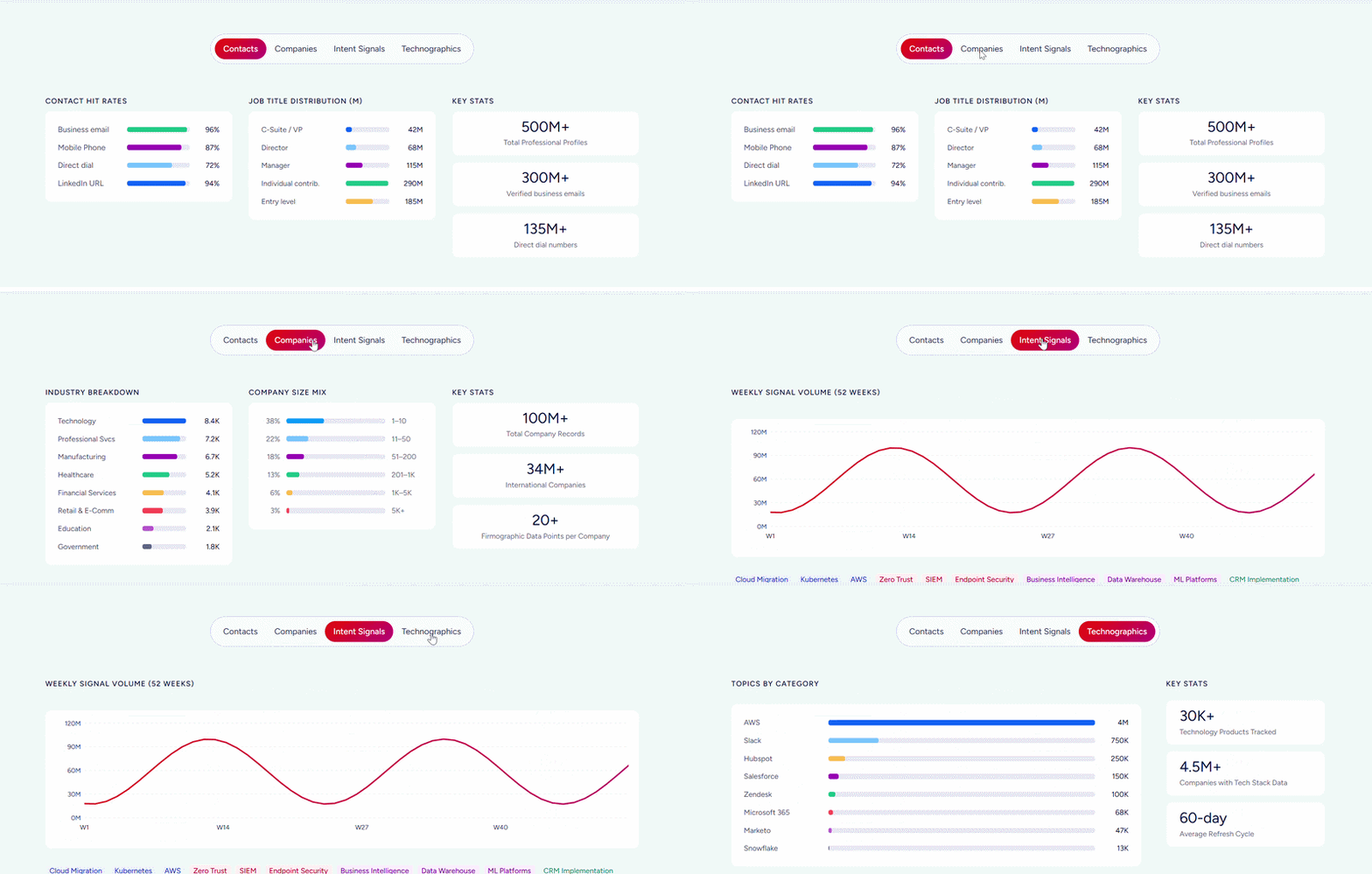
For sales reps, the practical result: the direct dial actually rings and the email actually lands, instead of a high bounce rate that buries sequences in spam folders.
But data alone is only the starting point. The GTM Context Graph processes 1.5B+ data points daily, fusing this third-party intelligence with a customer's own CRM records, conversation transcripts, and behavioral signals to capture not just what happened, but why. A CRM records that a deal moved to Stage 4.
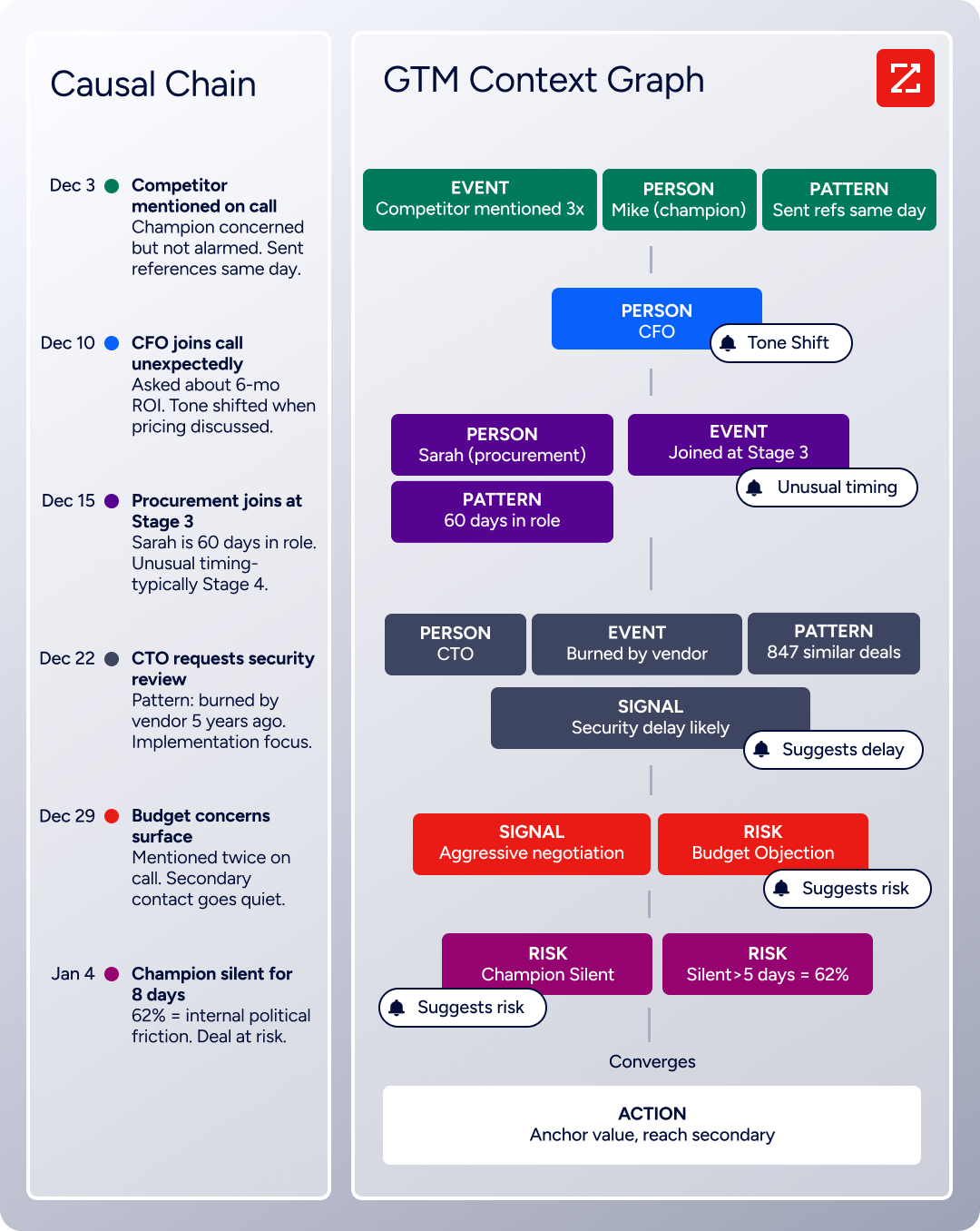
The Context Graph reveals that the CFO joined the last call and asked about six-month ROI, which (based on patterns across thousands of similar deals) correlates with accelerated close timelines.
That context flows into every downstream action: the follow-up email addresses the CFO's specific concern, the account gets reprioritized based on buying evidence rather than gut feel, and the forecast reflects deal momentum rather than stage labels.
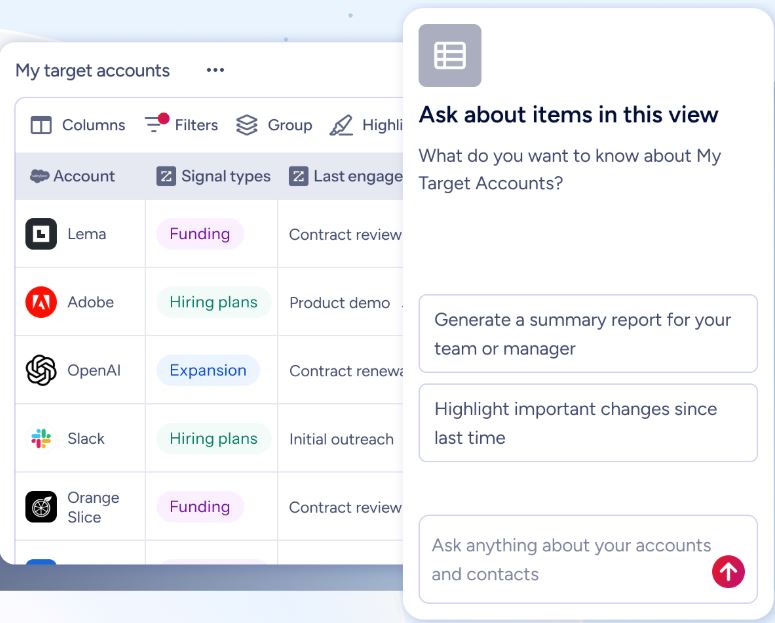
Sellers access this intelligence through GTM Workspace, which combines account research, AI-drafted outreach, signal monitoring, and CRM updates in one view.
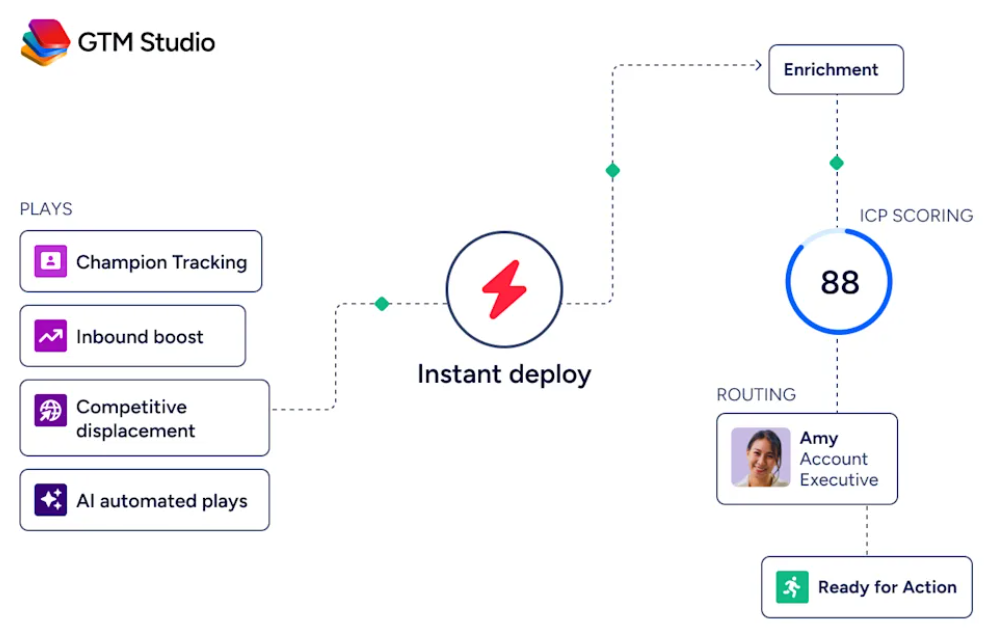
Marketers and RevOps teams use GTM Studio to build audience segments, launch multi-channel plays, and measure pipeline impact without engineering tickets.
Teams building custom tools or AI agents can access the same intelligence through APIs and MCP.
The connection between training and intelligence isn't theoretical. Seismic itself, the parent company of Seismic Learning, is a ZoomInfo customer.
Seismic's sales team attributed 39% of active pipeline to ZoomInfo-identified opportunities, reported 54% productivity gains, and saved 11.5 hours per week per seller by combining enablement with GTM intelligence. (Seismic Case Study)
The point isn't that ZoomInfo replaces training. Training and intelligence are two halves of the same equation. A well-trained rep with bad data wastes skills on wrong numbers and outdated contacts. A rep with good data but no training fumbles the conversation when it counts. The combination drives pipeline.
Pricing and contracts
Neither training platform publishes pricing. Both require contacting sales for a custom quote. Both lock customers into annual contracts with non-cancellable, non-refundable terms.
Seismic sells Seismic Learning as a module within the broader Enablement Cloud. There is no documented standalone "Seismic Learning" tier separate from the platform. Implementation, configuration, and consulting services are scoped separately through Statements of Work.
Gartner flagged premium pricing and less predictable long-term costs as a caution. The median deployment timeline is 4+ months for the full platform. Buyers should also account for the pending Highspot merger, which creates uncertainty about future pricing and product direction.
WorkRamp sells the Employee Learning Cloud and Customer Learning Cloud independently. The Employee Cloud offers an Enterprise tier; the Customer Cloud offers Professional and Enterprise tiers. Add-ons (including the prebuilt course library, AI Practice, data warehouse connectors, and an EU-only data center) cost extra.
Contracts auto-renew for 12-month terms unless either party gives 30 days' notice. The Learning Pool acquisition in October 2025 expanded WorkRamp's global reach but raised its own questions about long-term direction.
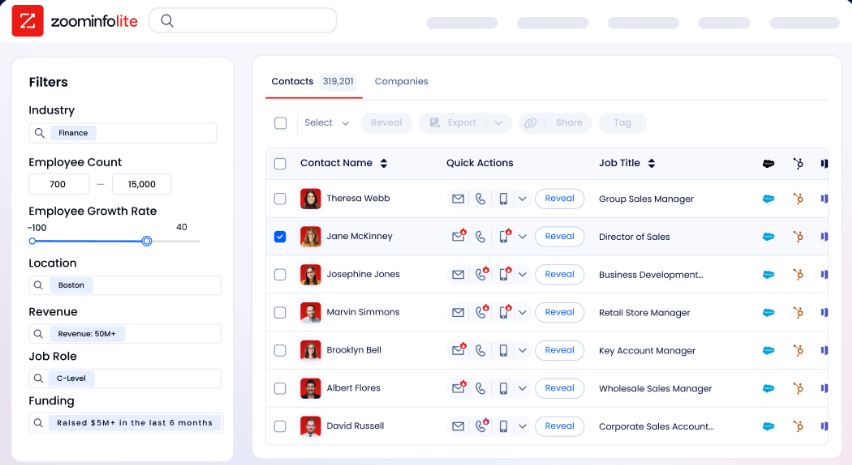
ZoomInfo uses consumption-based pricing with no published dollar amounts. For teams evaluating intelligence alongside their training platform, ZoomInfo offers two free entry points: ZoomInfo Lite (a permanent free tier with 10 monthly export credits and access to the B2B database) and a 7-day free trial of the full platform. Neither Seismic Learning nor WorkRamp offers any form of free access.
Lessonly vs. WorkRamp vs. ZoomInfo: Which should you choose?
The choice depends on what you're solving for and how your organization operates.
Choose Seismic Learning if:
You have a dedicated sales enablement team managing content, training, and coaching
Training needs to connect directly to the sales collateral reps use in deals
Your organization is midsized to large enterprise with mature enablement processes
You want analyst-validated capabilities (Forrester, Gartner, and IDC Leader)
You're willing to invest in a longer deployment for deeper platform integration
Choose WorkRamp if:
You need to train both internal employees and external customers from one platform
Speed of implementation matters (weeks, not months)
Your L&D team is lean and needs to create training without instructional designers
Customer education, branded academies, and certification programs are priorities
AI-powered content creation and role-play simulations matter to your workflow
Add ZoomInfo to either if:
Your trained reps need verified contact data to reach the right buyers
You want account intelligence that surfaces who to contact, when, and why
Your sales team spends too much time researching accounts instead of selling
You need buyer intent signals that reveal which accounts are actively in-market
You want one platform powering prospecting, outreach, and pipeline intelligence
See ZoomInfo in action with a free trial, or start with ZoomInfo Lite at no cost.
Training and intelligence work best together. Seismic Learning or WorkRamp gives your reps the knowledge and skills to sell. ZoomInfo ensures those skills reach the right accounts, the right contacts, and the right moments. The most effective sales organizations invest in both.
Lessonly vs. WorkRamp vs. ZoomInfo FAQ
Is Lessonly still available as a standalone product?
No. Seismic acquired Lessonly in August 2021 and rebranded it as Seismic Learning. It now exists as the learning and coaching capability within the Seismic Enablement Cloud, a platform that also includes content management, meeting intelligence, and digital sales rooms.
The standalone simplicity Lessonly was known for has given way to a broader, enterprise-oriented suite.
Which platform is better for sales enablement specifically?
Seismic Learning is designed for sales enablement. Its training content integrates with the Seismic content library that reps use in deals, and the Skills App provides structured assessment and coaching workflows built for sales managers. WorkRamp covers sales enablement as one of several use cases alongside compliance training, professional development, and customer education.
If sales enablement is your primary need and you have a dedicated enablement team, Seismic Learning goes deeper. If sales enablement is one of many training needs, WorkRamp's breadth may be more practical.
Which platform supports customer and partner education?
WorkRamp. Its Customer Learning Cloud offers branded academies, certification programs with LinkedIn integration, e-commerce, communities, and multi-audience support, all built for external education. Seismic Learning serves internal revenue teams and does not offer a customer-facing education product.
How do the AI coaching features compare?
Both platforms offer AI-powered role-play and feedback, but they differ in approach. Seismic's Aura Role-Play Agent grounds practice conversations in the organization's own approved sales content, making scenarios relevant to actual deals. WorkRamp's AI Simulations offer configurable personas with adjustable difficulty levels, and AI Reviewers provide three-mode pitch certification scoring (manager-only, hybrid, or fully automated).
Seismic's coaching layer includes a structured Skills App with multi-source assessments; WorkRamp's AI focuses more on content creation speed and learner personalization across five modes.
Which platform is faster to implement?
WorkRamp typically deploys in two to four weeks. Sprout Social completed full implementation in one month versus a projected nine-month timeline. Seismic's full Enablement Cloud has a median deployment of four or more months, reflecting its broader scope and configuration requirements. If you need training running quickly, WorkRamp has a clear advantage.
How does ZoomInfo complement a training platform like Seismic Learning or WorkRamp?
ZoomInfo provides the B2B data and intelligence that trained reps need to execute. While Seismic Learning and WorkRamp develop skills and product knowledge, ZoomInfo gives reps verified contact information, account insights, and buyer intent signals so they know who to target and when to engage. Seismic's own sales team uses ZoomInfo, attributing 39% of active pipeline to ZoomInfo signals. Training platforms build capability; ZoomInfo directs it toward results.
Do either Seismic Learning or WorkRamp publish pricing?
Neither publishes pricing. Both require contacting sales for a custom quote, and both use annual contracts with non-cancellable, non-refundable terms. ZoomInfo also uses custom pricing for paid tiers but offers two free entry points (ZoomInfo Lite as a permanent free tier, and a 7-day full-platform trial) that neither training platform matches.
What should I consider if I'm evaluating these platforms for a smaller team?
WorkRamp is the more accessible option for smaller teams. Ease of use is the most consistently praised attribute in reviews, and the faster implementation timeline reduces the resource burden. Seismic Learning is positioned for midsized to large enterprises with dedicated enablement teams; the Forrester Wave describes it as a fit for those organizations.
Teams without that internal function will find Seismic's platform hard to run well. For intelligence, ZoomInfo Lite provides free access to B2B data that even small teams can use for prospecting.
See how Lessonly compares to other platforms:
