
If you're comparing Trainual and Lessonly, the first thing to know is that Lessonly no longer exists as a standalone product. Seismic acquired Lessonly in August 2021 and rebranded it as Seismic Learning, folding it into the Seismic Enablement Cloud. That rebrand tells you how far the two platforms have diverged.
The real questions you should be asking are:
Do you need to train your entire organization or specifically your revenue-facing teams?
Are you a 50-person company documenting processes for the first time, or a 5,000-person enterprise scaling sales readiness?
How important is AI sales coaching and role-play versus SOP documentation and onboarding?
Should your training platform stand alone, or does it need to integrate with content management, CRM, and sales workflows?
Beyond training, do your sales reps have the data they need to find, reach, and close the right buyers?
In short, here's what we recommend:
Trainual is built for growing businesses that need one place for SOPs, onboarding, company policies, org charts, and team training. A non-technical admin can build a training module in under an hour using AI content generation, 500+ templates, and a built-in screen recorder. But Trainual is not built for enterprise sales enablement, and it won't give you AI coaching that simulates buyer conversations or scores rep performance.
Lessonly (now Seismic Learning) targets a different buyer. It's the training and coaching engine inside the Seismic Enablement Cloud, designed for revenue teams at mid-market and large enterprises. The Aura Role-Play Agent simulates buyer conversations using your company's own content. The Skills App combines manager reviews, live observations, performance metrics, and self-reflections into a single proficiency score per rep. Training content lives alongside sales collateral, playbooks, and digital sales rooms in one platform. But this capability comes with enterprise pricing, implementation timelines that Gartner estimates at 4+ months, and a product that assumes you have a dedicated enablement team to run it.
Both platforms train your team. But the best-trained sales rep still needs to know who to call, when to call them, and what's happening inside the account before they pick up the phone. That's where ZoomInfo comes in.
ZoomInfo is a GTM platform that gives trained reps the intelligence to sell. With 500M contacts, 100M companies, 135M+ verified phone numbers, and 200M+ verified business email addresses, ZoomInfo gives reps the data to reach buyers directly. The GTM Context Graph combines this data with your CRM records, conversation transcripts, and behavioral signals to show not just what's happening in your pipeline, but why deals move or stall. Reps access this intelligence through GTM Workspace for account research and outreach, while marketers and RevOps teams use GTM Studio to design and launch plays in natural language. For teams that build their own tools, APIs and MCP deliver the same intelligence into any application. Training teaches the skill. ZoomInfo provides the data that makes the skill productive.
If giving your trained sales team the intelligence to reach the right buyers sounds like the missing piece, see how ZoomInfo works.
Trainual vs. Lessonly vs. ZoomInfo at a glance
Trainual | Lessonly (Seismic Learning) | ZoomInfo | |
|---|---|---|---|
Primary function | SOP documentation, onboarding, team training | Sales training, AI coaching, rep readiness | B2B data intelligence and GTM execution |
AI capabilities | Content drafting, quiz generation, knowledge search | AI role-play, coaching plans, skills assessment | GTM Context Graph, outreach, intent signals |
Content creation | Drag-and-drop editor, screen recording, AI writer, 500+ templates | Lesson builder, video, SCORM, embedded Seismic content | N/A (provides buyer data, not training content) |
Pricing | Custom-quoted annual subscription + $1,000 implementation | Custom-quoted enterprise contracts | Custom-quoted, consumption-based |
Free option | No public free trial | Guided product tour only | ZoomInfo Lite (free forever) + 7-day free trial |
Key integrations | 20+ HRIS/payroll, Slack, Zapier | Salesforce, Gong, Slack, 150+ via Seismic Exchange | 172+ marketplace partners, API, MCP |
Security | SOC 2 Type 2 | SOC 2 Type II, ISO 27001, ISO 27701, ISO 42001 | ISO 27001, ISO 27701, SOC 2 Type II, GDPR, CCPA |
Best for | Growing businesses (25–500 employees) | Mid-market to enterprise sales teams | Sales, marketing, and RevOps teams needing buyer data |
Different tools for different problems
Trainual and Seismic Learning look like competitors until you examine who actually buys them.
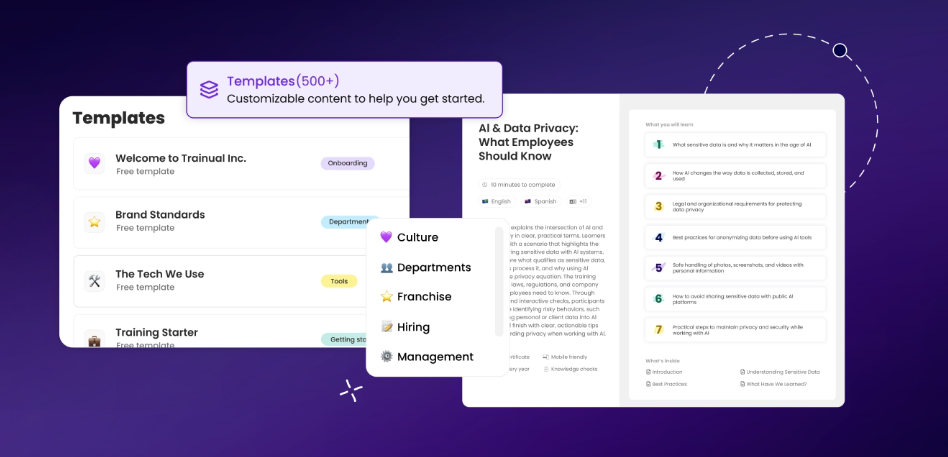
Trainual serves operations leaders at growing businesses drowning in tribal knowledge. Founder Chris Ronzio built a consulting agency helping small business owners systematize their operations before turning the internal tool into a SaaS product.
That origin shows in every feature: 500+ templates for common business processes, a built-in screen recorder for documenting workflows, an AI writer that generates SOPs from a brief description, and an org chart that doubles as a workforce planning tool. Trainual fits the company with 25 to 250 employees where the founder or operations manager is still the de facto trainer for every new hire.
Source: Trainual
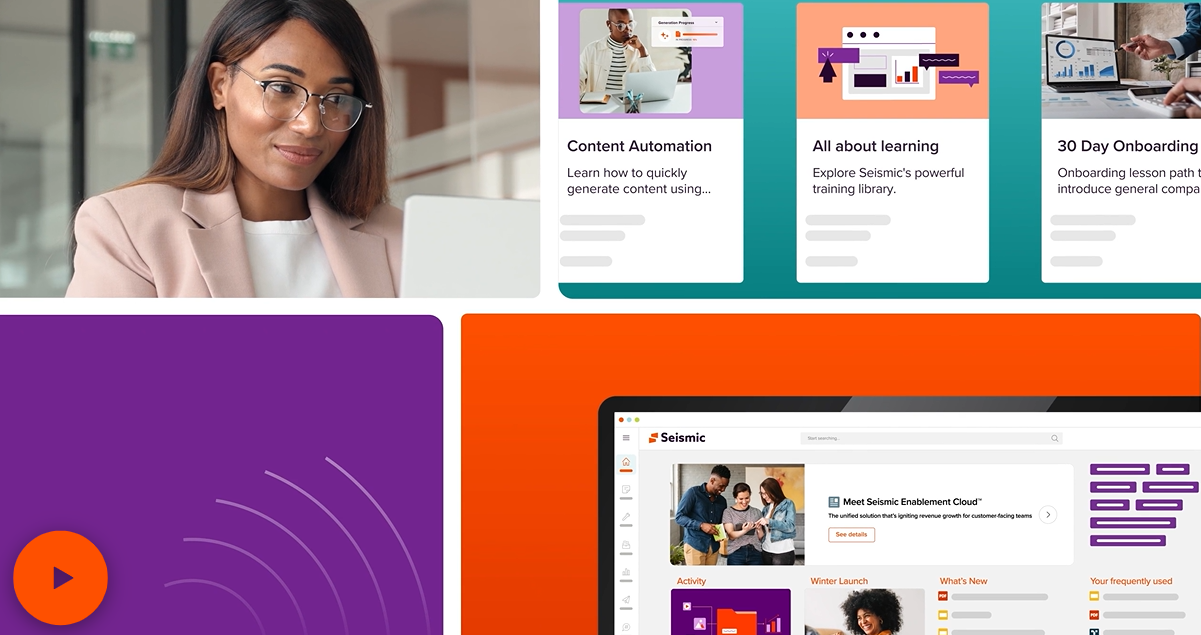
Seismic Learning serves sales enablement leaders at enterprises that already have dedicated training functions. Lessonly was founded in 2012 in Indianapolis, grew to over 1,200 companies, and was acquired by Seismic as part of a $170M Series G that valued Seismic at $3 billion.
The integration was deliberate: training content now lives alongside sales collateral, digital sales rooms, and program management in the Seismic Enablement Cloud. The target buyer isn't the operations manager wearing six hats. It's the VP of Revenue Enablement at a company with hundreds of sellers who need certification on new messaging before a product launch.
Source: Seismic
ZoomInfo serves the same revenue teams that Seismic Learning trains, but solves a different problem. Training teaches reps what to say. ZoomInfo tells them who to say it to, when to say it, and what's happening inside the account before they make the call. These are complementary investments. The proof: Seismic itself uses ZoomInfo, attributing 39% of its active pipeline to opportunities identified or influenced by ZoomInfo signals.
Source: ZoomInfo
Content creation: speed versus structure
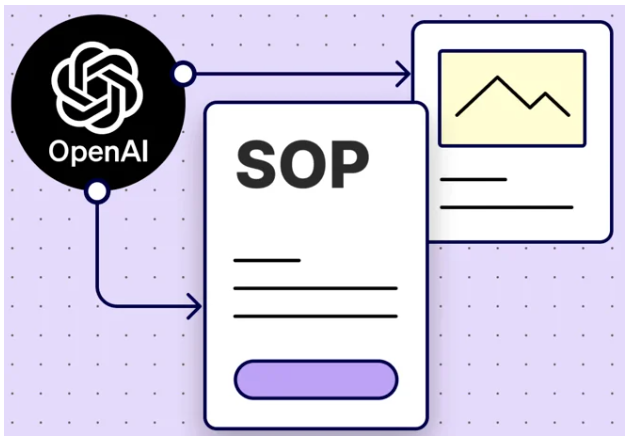
Trainual wins on speed to first lesson. The editor supports step-by-step guides, video embeds, screen recording, and AI-generated content that drafts from a prompt with audience and tone controls.
Source: Trainual
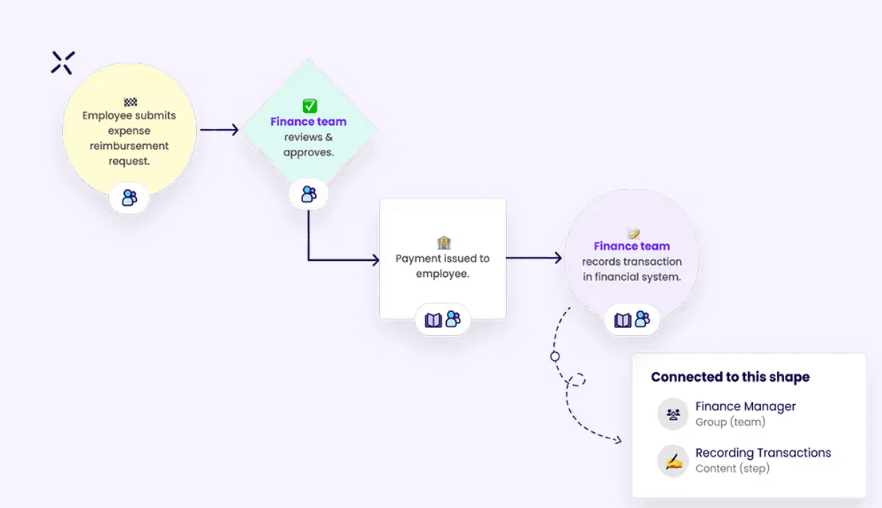
Import a Google Doc or PDF, and the platform converts it into an editable, assignable training module. Interactive flowcharts are built into the content editor on all plans, with nodes that link to other Trainual content, people profiles, and groups. For an operations manager who needs a new-hire onboarding path live by Friday, this speed matters.
Source: Trainual
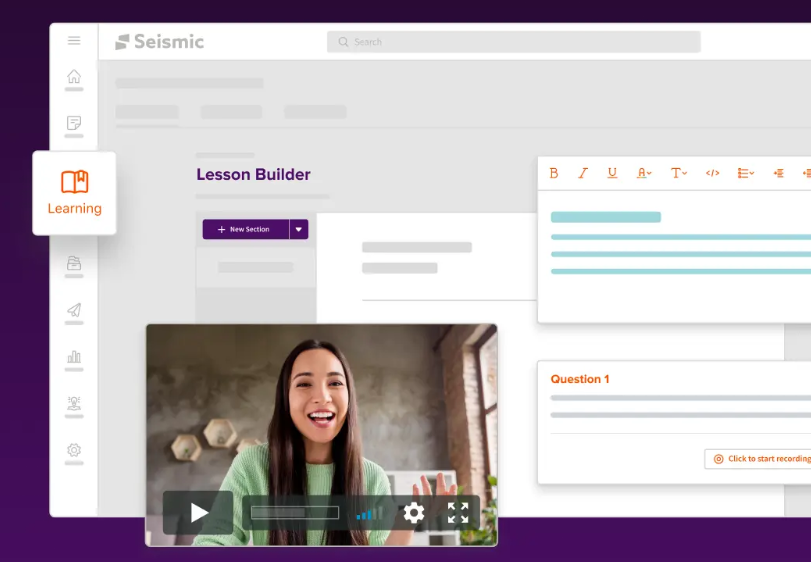
Seismic Learning's Lesson Builder trades speed for depth. Five content types (lessons, paths, certification paths, SCORM uploads, and practice scenarios) give enablement teams precise control over how reps learn. Knowledge checks include multiple-choice, matching, and sorting formats. Role-play practice activities embed inside lessons with structured partner feedback and gating conditions. A Content Freshness scoring system rates every lesson from 0 to 100 based on recency and engagement, flagging stale material after 60 days of inactivity.
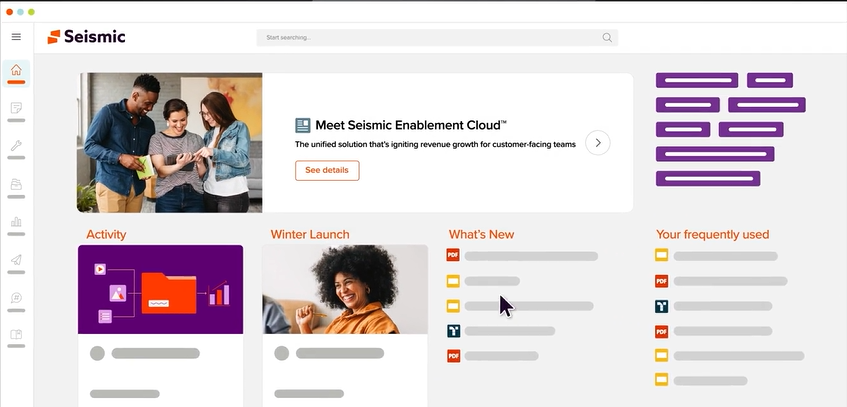
Where Seismic Learning pulls ahead is content integration. Because the learning module sits inside the Enablement Cloud, creators can embed live Seismic content pages into lessons. When the underlying sales collateral gets updated, the lesson reflects it automatically. This solves a problem specific to enterprise sales: training content and the materials reps actually use in the field drifting apart over time.
Source: Seismic
The authoring philosophy reflects the audience. Trainual assumes the person building the training is also the subject-matter expert with limited time. Seismic Learning assumes a dedicated enablement team that will invest in building structured, multi-modal learning experiences.
AI coaching separates the two platforms
This is where Seismic Learning pulls ahead decisively.
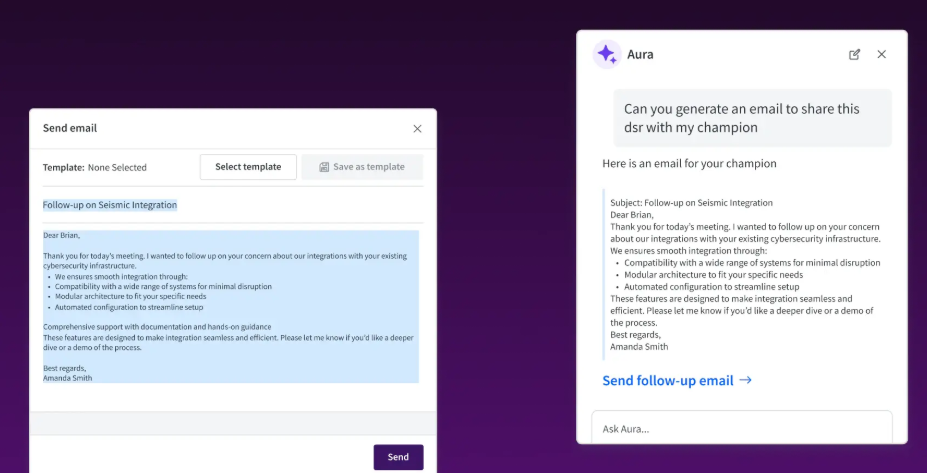
The Aura Role-Play Agent simulates buyer conversations using the organization's own approved messaging, product content, and buyer personas.
Source: Seismic
Reps practice discovery calls, objection handling, and demos against an AI buyer that knows their company's products. After each session, the system delivers scoring and recommendations across dimensions like pacing, keyword adherence, and confidence, then surfaces aggregated skill gaps to enablement managers.
The Skills App goes deeper. It combines four assessment types (manager reviews, live observations, performance metrics, and self-reflections) into a single proficiency score per rep using a documented weighted averaging formula. When a gap surfaces, managers create coaching plans that link to the specific training content designed to close it.
Source: Seismic
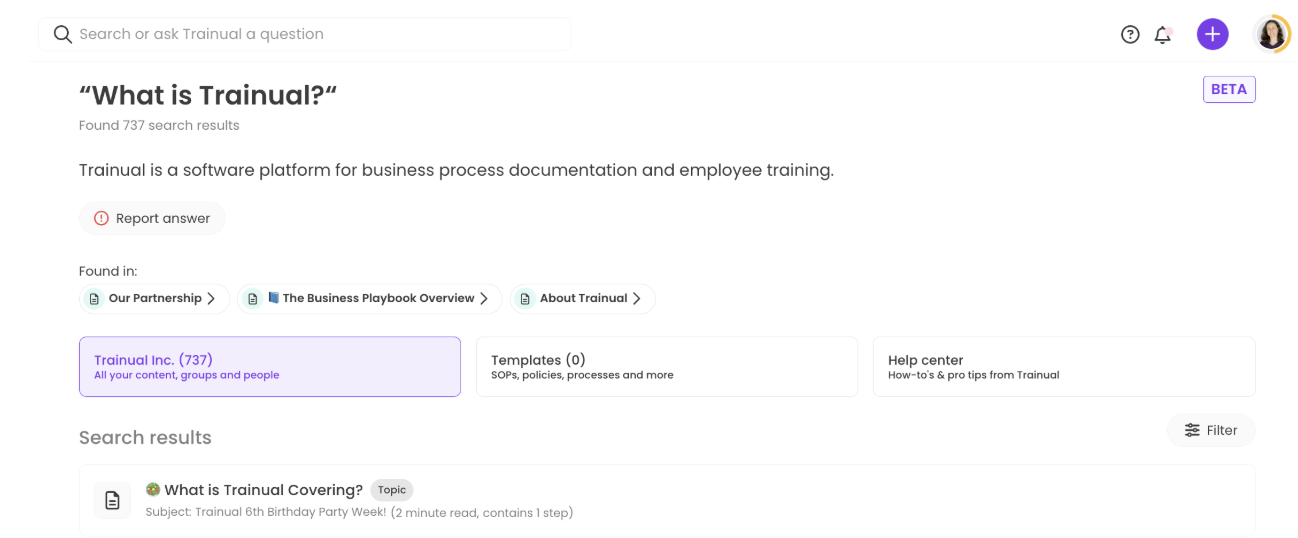
Trainual's AI is built for content creation and knowledge retrieval, not coaching. The AI-powered search answers employee questions by synthesizing answers from published company content (not the open internet).
Source: Trainual
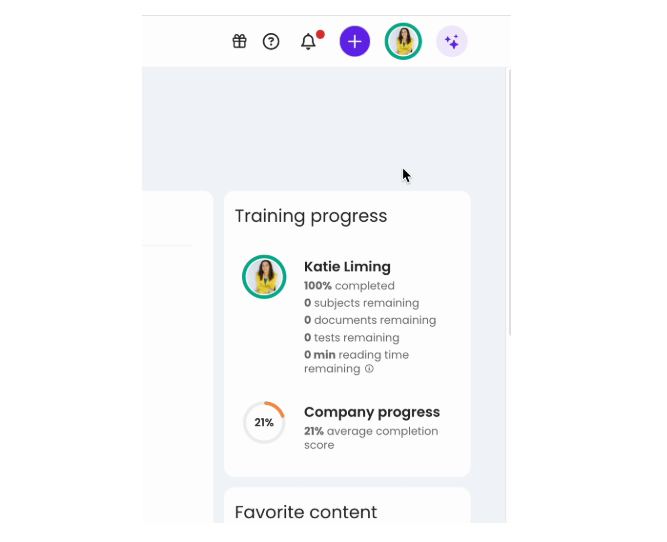
The AI Assistant provides a conversational interface for finding information on mobile and desktop. These are useful for day-to-day knowledge access, but they don't coach a rep through a pricing conversation or score their objection-handling skills.
Source: Trainual
If AI sales coaching is a buying criterion, Seismic Learning is the clear choice. If your team needs AI to help create and find training content rather than practice selling, Trainual delivers.
Knowledge management takes opposite approaches
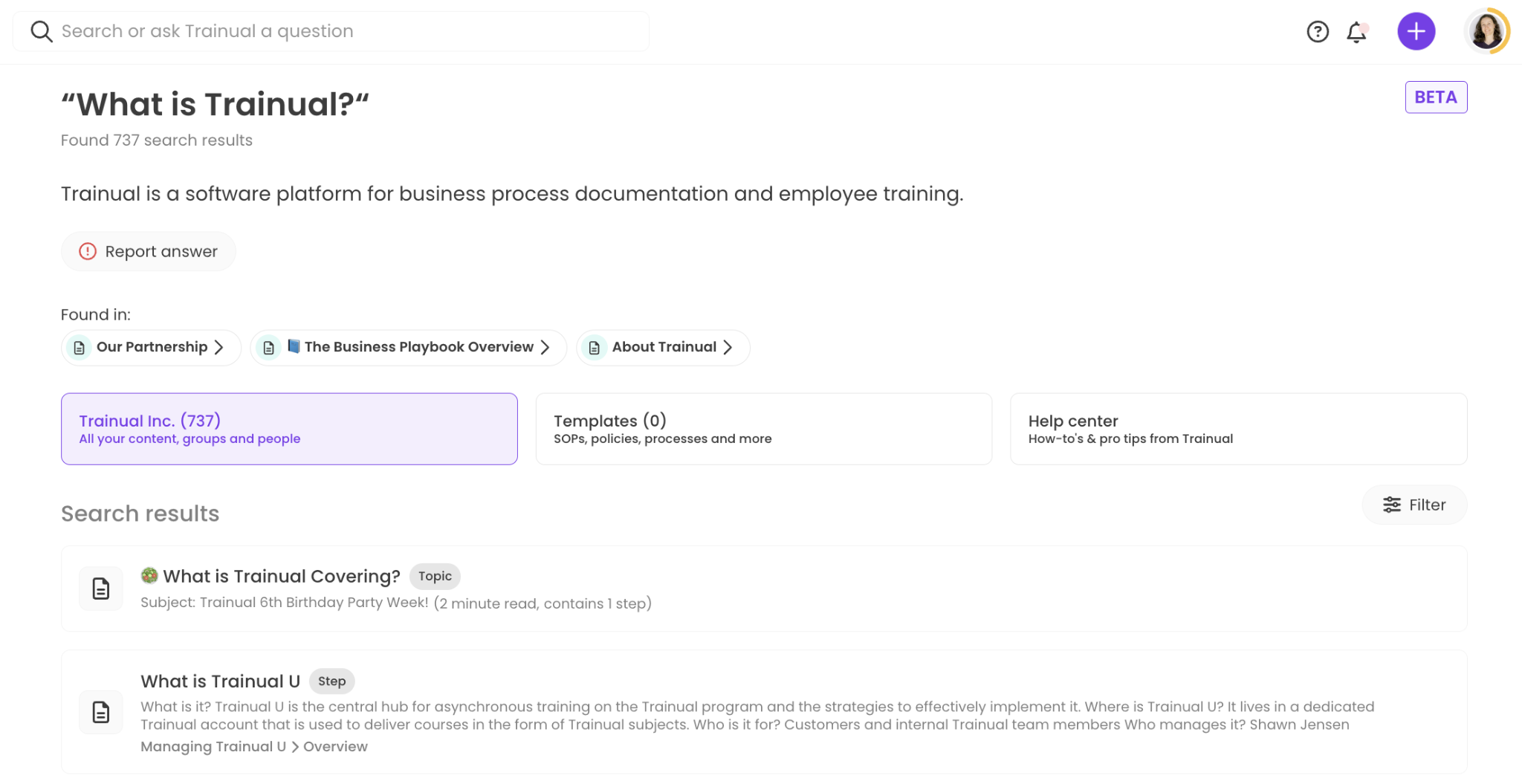
Trainual treats documentation and training as one system. The same content that documents a process can be assigned, tracked for completion, and tested on. Subjects, topics, and steps organize everything from the company's founding story to the step-by-step guide for processing a refund. The AI-powered knowledge base turns all of it into a searchable Q&A system that respects the same access rules already in place, so employees only see content they're authorized to view.
Source: Trainual
This approach works because Trainual's audience needs a single source of truth for how the company operates. The dental office, the franchise operation, the construction company with nine locations: these businesses need every employee to find the same answer to the same question, regardless of who trained them.
Seismic Learning takes a different approach. Knowledge isn't stored in lessons. It's stored in the Seismic content management system and embedded into training. Sales playbooks, product sheets, and competitive battlecards live in the content library, and training modules reference them directly.
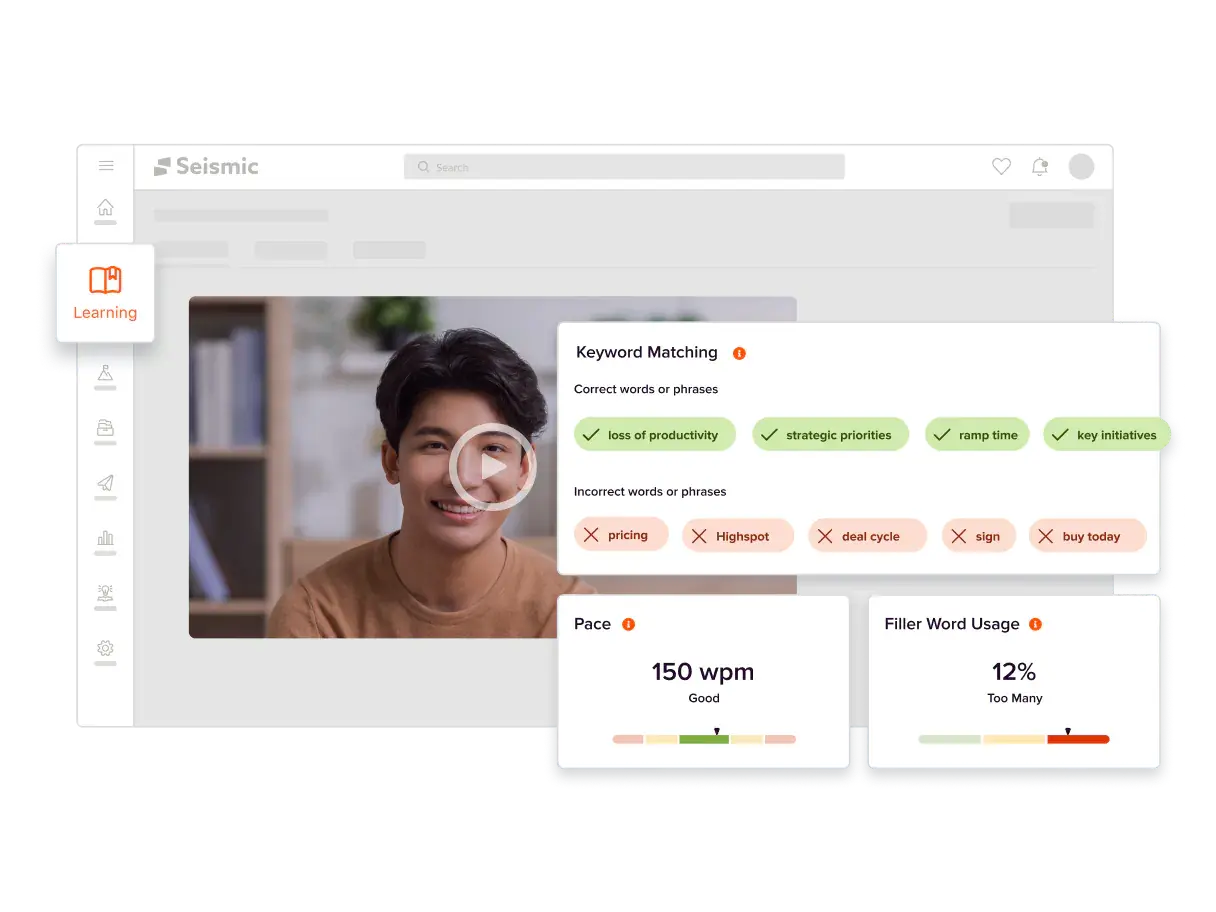
Source: Seismic
The distinction matters. Trainual is a knowledge base that doubles as a training system. Seismic Learning is a training system that draws from an enterprise content platform. If your employees need to look up how to process a return or reset a router, Trainual is the better fit. If your sellers need training that stays synchronized with the collateral they present to buyers, Seismic Learning handles that natively.
Trained reps still need intelligence to sell
Training closes the capability gap. It teaches reps how to run a discovery call, handle pricing objections, and position against competitors. But capability without intelligence is effort without direction.
A rep who has completed every training module still needs to know which accounts are researching solutions. They need verified direct dials that connect. They need to understand the org chart, the tech stack, and the recent funding round before walking into a meeting.
This is the problem ZoomInfo solves. The GTM Context Graph processes 1.5B+ data points daily, combining ZoomInfo's B2B data with CRM records, conversation intelligence, and behavioral signals. A CRM records that a deal moved stages.
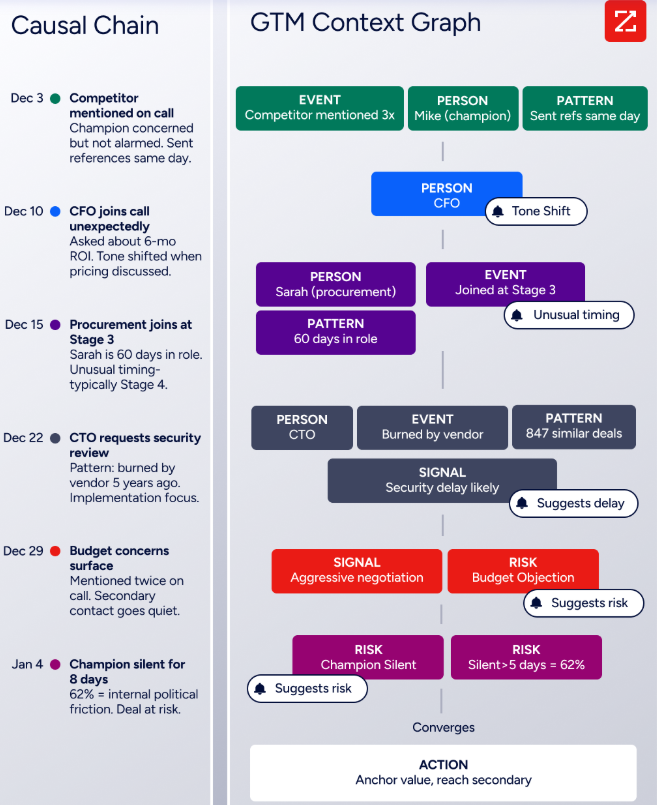
Source: ZoomInfo
ZoomInfo reveals that the CFO joined the last call and asked about ROI, that the company just received new funding, and that three competitors are being evaluated simultaneously. As ZoomInfo CPO Dominik Facher writes: "The CRM recorded the state change. It has no record of why it happened."
For sales teams already investing in training through Trainual or Seismic Learning, ZoomInfo completes the stack. GTM Workspace gives reps prioritized accounts, AI-drafted outreach, and deal context in one place.
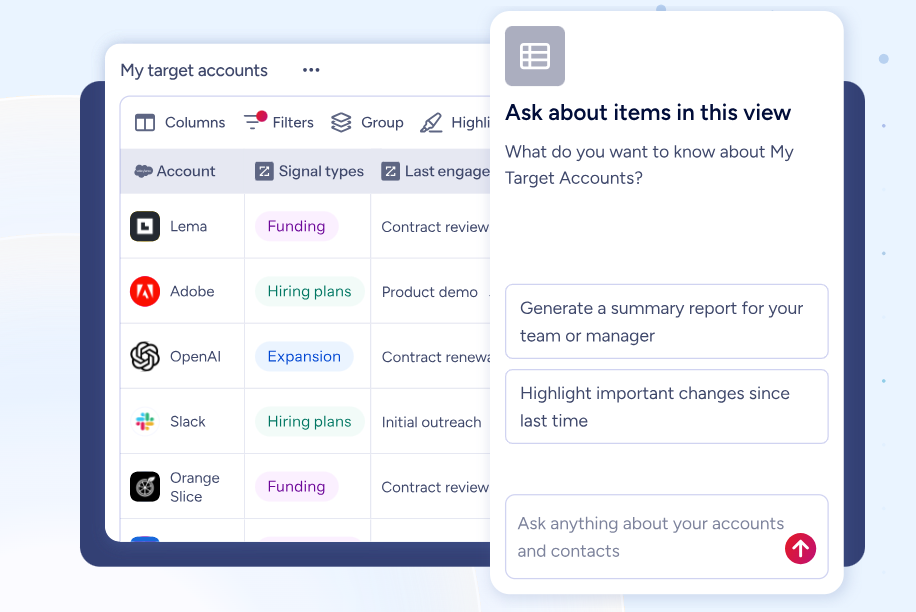
Source: ZoomInfo
GTM Studio lets marketing and RevOps teams design and launch plays in natural language. And APIs and MCP deliver the same intelligence into any tool your team already uses, including AI assistants like Claude and ChatGPT.
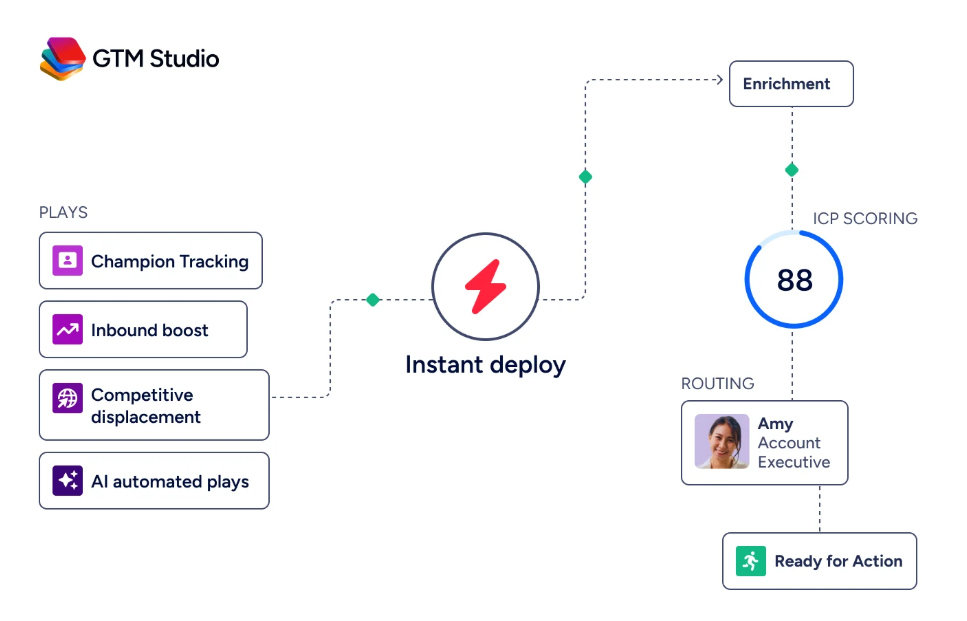
Source: ZoomInfo
Seismic's sales team boosted productivity by 54%, saved 11.5 hours per week, and attributed 39% of active pipeline to opportunities identified or influenced by ZoomInfo signals. (Seismic Case Study)
The combination isn't theoretical. Seismic, the company behind Seismic Learning, uses ZoomInfo alongside its own training platform because training alone doesn't fill the pipeline.
Pricing: all three require a conversation
Both Trainual and Seismic Learning require a sales conversation to get pricing. Neither publishes dollar amounts.
Trainual offers four tiers (Core, Pro, Premium, Enterprise) with annual subscriptions and a one-time $1,000 implementation fee covering 4-6 weeks of onboarding support. Key features are gated by tier: individual training paths, e-signatures, and the org chart require Pro. SSO and custom branding require Premium. API access requires Enterprise. Video storage scales from 2 GB on Core to 15 GB on Pro to unlimited on Premium. A separate 400+ course compliance library is available as a paid add-on. For seasonal businesses, an account hold option at $20/month for three months preserves content without a full subscription.
Seismic Learning does not publish pricing. The product is sold as part of the Seismic Enablement Cloud under negotiated enterprise contracts. The MSA specifies that all fees are non-refundable, seat quantities cannot be reduced mid-term, and order commitments are non-cancellable. Professional Services for implementation, configuration, and consulting are scoped and priced separately.
ZoomInfo uses consumption-based pricing with custom quotes, but unlike either training platform, it offers two free entry points: ZoomInfo Lite (a permanent free tier with 10 monthly export credits and access to 100M+ verified profiles) and a 7-day free trial of the full platform. Teams can test the data before committing.
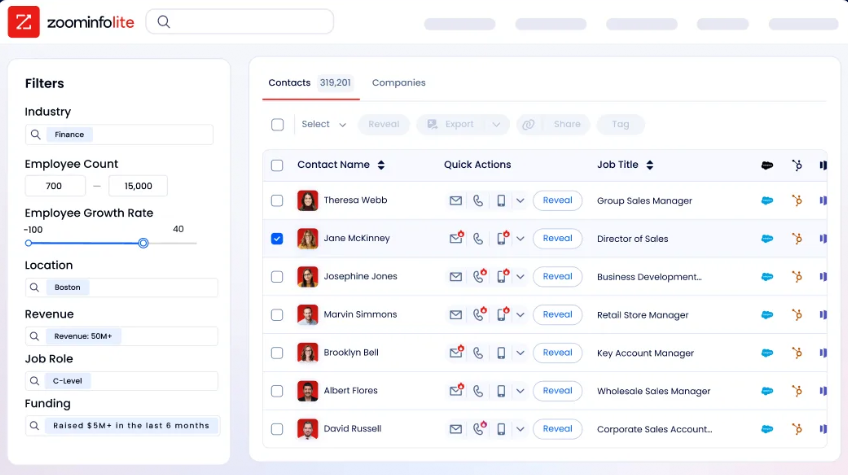
Source: ZoomInfo
The buying decision differs for each platform. Trainual and Seismic Learning compete for the training budget, while ZoomInfo draws from the sales intelligence budget. For organizations building a complete sales stack, these are complementary line items, not either/or choices.
"ZoomInfo gives us the information we need to execute. It's already there, so we can be three steps ahead." (Vensure Case Study)
Integration ecosystems reflect different worlds
Trainual integrates with the systems growing businesses use to manage people. 20+ HRIS and payroll integrations (ADP Run, Gusto, BambooHR, Paycom, Dayforce, and others) automatically add and remove employees when HR records change.
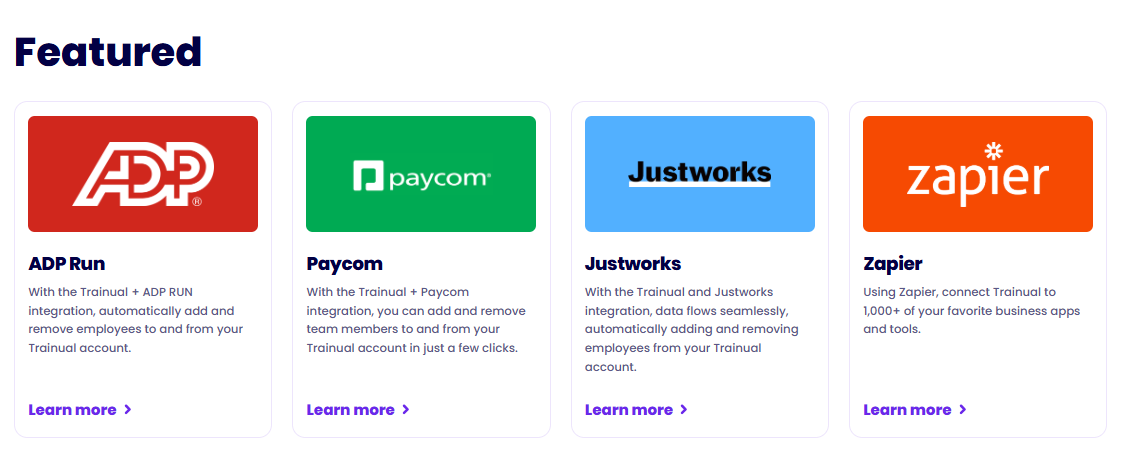
Source: Trainual
Slack integration lets users create training content and access company knowledge without leaving the channel.
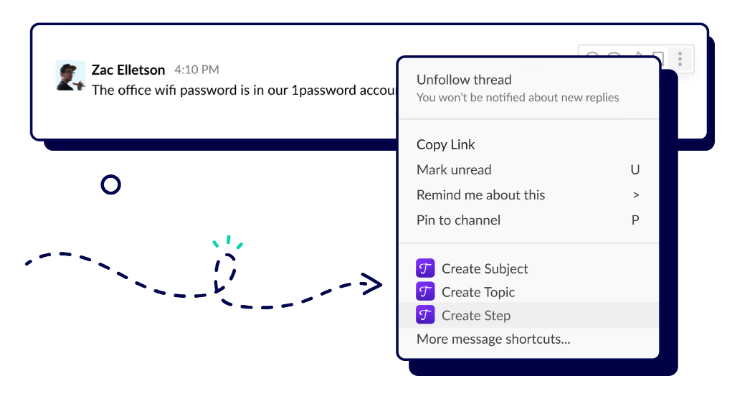
Source: Trainual
Zapier connects Trainual to 1,000+ apps for workflow automation. Content from Loom, Vimeo, YouTube, Figma, and 700+ services can be embedded in training steps.
Seismic Learning integrates with the systems enterprise sales teams use to sell. Salesforce enables bi-directional data sync. Gong and Chorus embed real call recordings into training. Snowflake provides data warehouse connectivity. A reporting webhook pushes completion data to third-party endpoints in real time. The broader Seismic Exchange lists 150+ integrations spanning CRM, communications, sales engagement, and content management.
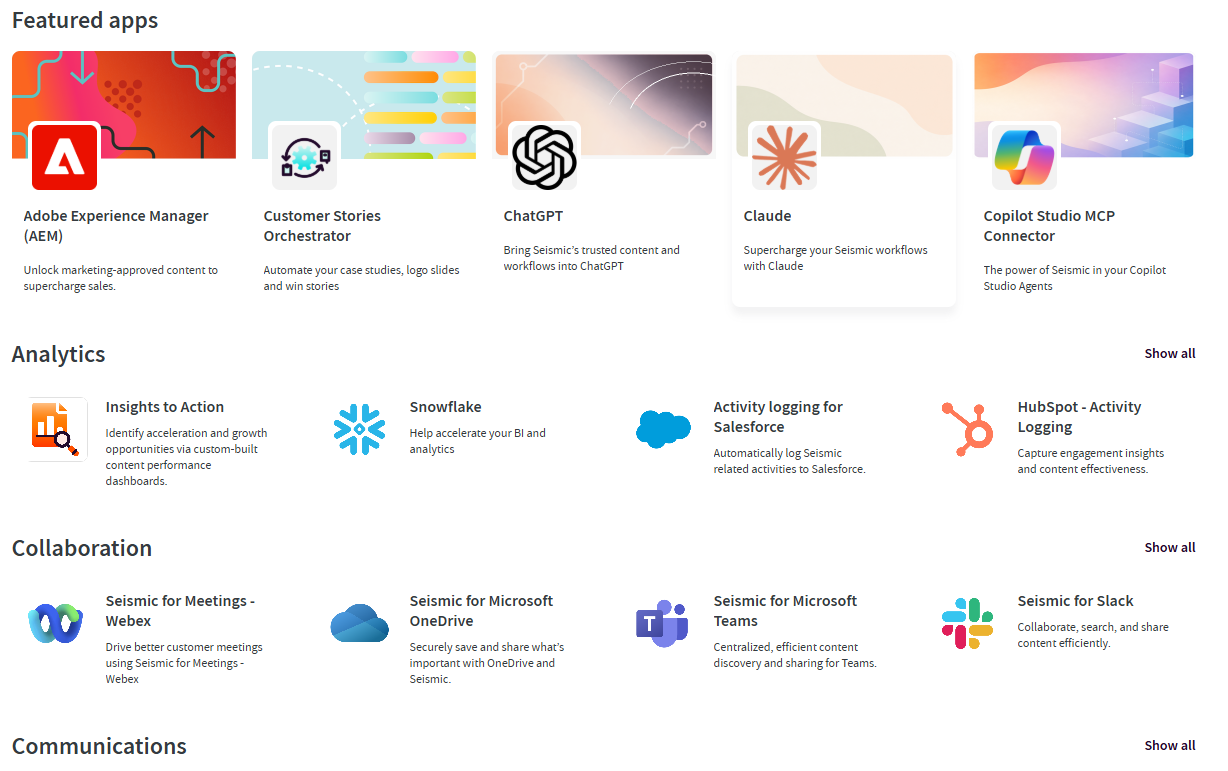
Source: Seismic
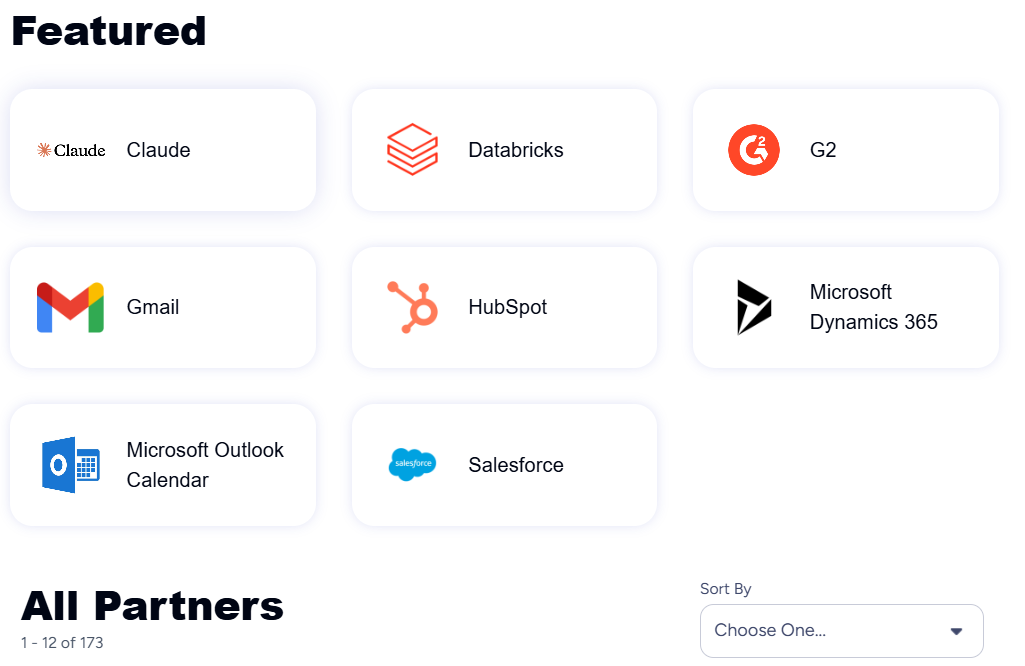
ZoomInfo's Marketplace lists 172+ partners across CRM, marketing automation, sales engagement, data warehouses, and AI tools. Native integrations with Salesforce, HubSpot, and Microsoft Dynamics connect buyer intelligence to CRM workflows.
Source: ZoomInfo
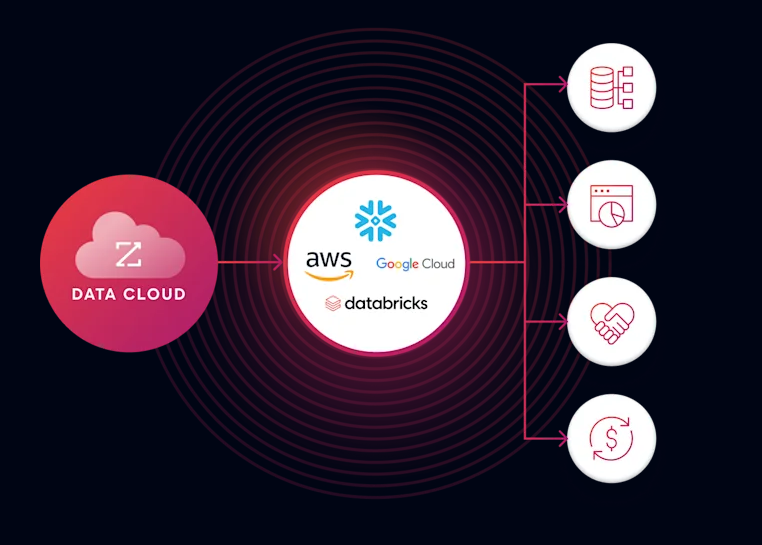
The MCP server connects ZoomInfo data to AI assistants including Claude and ChatGPT. Cloud partnerships deliver data into AWS, Google Cloud, Snowflake, and Databricks.
Source: ZoomInfo
The integration patterns tell you how these platforms fit together. Trainual connects to HRIS to manage learners. Seismic Learning connects to CRM and call recording to make training relevant to actual deals. ZoomInfo connects to the full GTM stack because its data powers every step of the sales process.
Compliance and security considerations
All three platforms hold SOC 2 Type II certification, but their security profiles diverge from there.
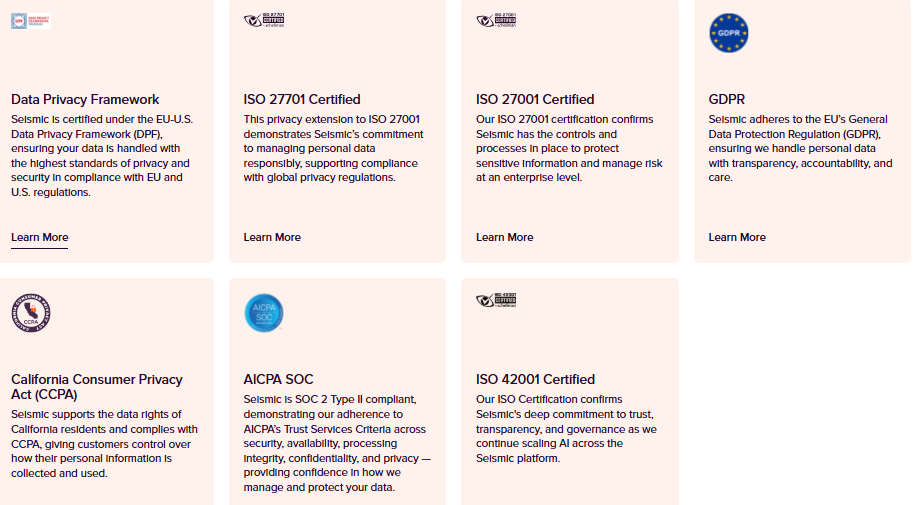
Seismic Learning has the broadest compliance portfolio: SOC 2 Type II, ISO 27001, ISO 27701, and ISO 42001 (an AI management system standard covering the Aura AI features). This matters for regulated industries like financial services, where Seismic serves 9 of the top 10 U.S. banks.
Source: Seismic
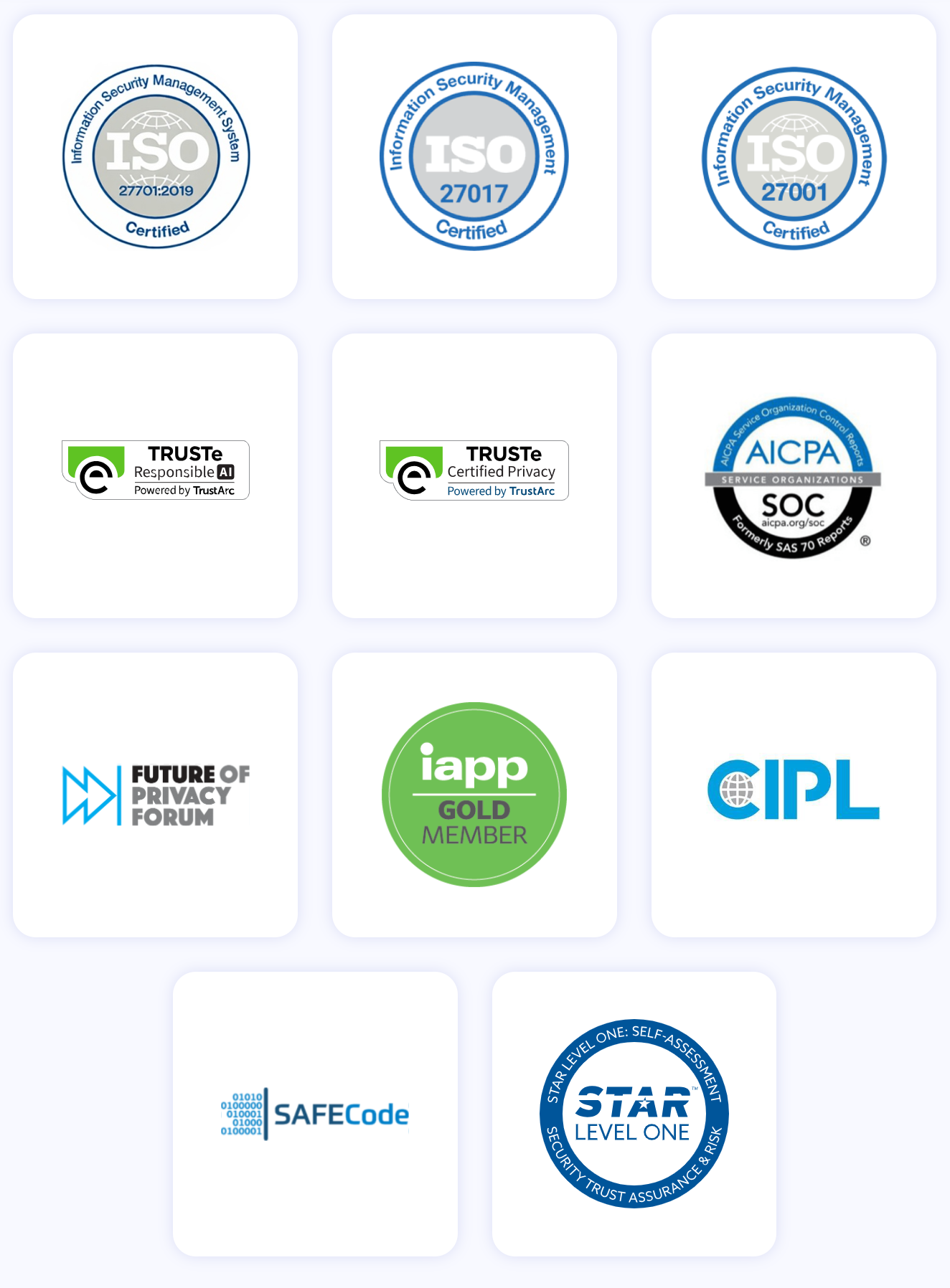
ZoomInfo holds ISO 27001, ISO 27701, SOC 2 Type II, TRUSTe GDPR, and TRUSTe CCPA certifications, all renewed annually. As a registered data broker in California and Vermont, ZoomInfo maintains a dedicated Trust Center and privacy infrastructure built for enterprise data governance.
Trainual holds SOC 2 Type 2 certification with a zero trust architecture, data encryption in transit and at rest, and Cloudflare for DDoS protection. However, Trainual is not HIPAA compliant and has no plans to become so. Healthcare organizations can use it for operational training but must not store Protected Health Information. SOC 2 documentation is available only to Enterprise plan subscribers.

Source: Trainual
Trainual vs. Lessonly vs. ZoomInfo: Which should you choose?
The choice depends on what problem you're solving and how large your organization is.
Choose Trainual if:
You have 25 to 500 employees and need a single system for SOPs, onboarding, and team training
Your priority is documenting tribal knowledge before it walks out the door
You want non-technical staff to build and maintain training content quickly
Fast implementation matters more than enterprise coaching features
You need built-in compliance courses without a separate LMS
Choose Lessonly (Seismic Learning) if:
You have a dedicated sales enablement team and hundreds of customer-facing reps
AI coaching, role-play, and skills assessment are priorities
Training needs to connect to sales content, playbooks, and CRM data
You want analyst-validated enterprise enablement (Forrester Leader, Gartner Leader)
You're willing to invest in implementation for a platform that scales globally
Add ZoomInfo to either stack if:
Your trained reps need verified contact data and 120M direct-dial phone numbers to reach buyers
You want intent signals that show which accounts are researching solutions
Account research and outreach would accelerate your team's pipeline
You want buyer intelligence accessible through your CRM, AI assistant, or any tool via API and MCP
You're building a complete sales stack, not just a training program
See how ZoomInfo gives your trained reps the intelligence to sell.
"ZoomInfo's not just a contact data company anymore. They've built a full system of execution." — Ian Brodie, CEO & Co-Founder, Levanta. (Levanta Case Study)
Training builds the skill. Intelligence provides the target. The organizations that invest in both outperform those that invest in only one.
Trainual vs. Lessonly vs. ZoomInfo FAQ
Is Lessonly still available as a standalone product?
No. Lessonly was acquired by Seismic in August 2021 and rebranded as Seismic Learning. It now exists as the learning and coaching module within the Seismic Enablement Cloud, a platform that also includes content management, meeting intelligence, digital sales rooms, and program management. The original Lessonly URL redirects to Seismic's learning product page. Buyers evaluating Lessonly today should know that Seismic announced its intent to merge with Highspot in February 2026, which may affect the product roadmap.
Which platform is better for small businesses under 200 employees?
Trainual is designed for businesses with 25 to 1,000 employees and earns G2 badges for Fastest Implementation, Best Support, and Best ROI. Seismic Learning is built for mid-market and large enterprises with dedicated enablement teams and carries enterprise pricing to match. For a company under 200 employees without a full-time training manager, Trainual will deliver faster results with less overhead and lower cost.
Can Trainual replace Seismic Learning for sales training?
Trainual covers onboarding, SOP documentation, and basic training with quizzes, completion tracking, and e-signatures. It does not offer AI sales role-play, multi-source skills assessment, or the CRM and call-recording integrations that Seismic Learning provides. For organizations where sales coaching and rep readiness are the primary use case, Seismic Learning is designed for that job. For organizations that need to train the whole company on operational processes with some sales training mixed in, Trainual covers more ground at lower complexity.
How does ZoomInfo relate to training platforms like Trainual and Seismic Learning?
ZoomInfo is not a training platform. It provides B2B data and intelligence that trained sales reps use to find, reach, and close buyers. The relationship is complementary: training platforms teach reps how to sell, while ZoomInfo provides the data on who to sell to and when. Seismic, the parent company of Seismic Learning, uses ZoomInfo itself and attributes 39% of its active pipeline to ZoomInfo signals.
Do any of these platforms publish pricing?
None of the three publish specific dollar amounts. Trainual discloses its tier names (Core, Pro, Premium, Enterprise), a feature breakdown per tier, and a $1,000 one-time implementation fee. Seismic Learning provides no public pricing at all. ZoomInfo provides tier names and feature breakdowns on its pricing page, plus a permanent free tier (ZoomInfo Lite with 10 monthly export credits) and a 7-day free trial.
Which platform has better AI features?
It depends on the use case. Trainual's AI generates training content from prompts, creates quizzes from existing content, builds role charts, and powers a knowledge search that answers employee questions from published company content. Seismic Learning's AI simulates buyer conversations for practice via the Aura Role-Play Agent, scores rep performance across multiple dimensions, and identifies skill gaps across teams. ZoomInfo's AI powers account research, outreach generation, intent signal analysis, and buying group recommendations through the GTM Context Graph, processing 1.5 billion data points daily.
What happens to Seismic Learning after the Highspot merger?
Seismic announced its intent to merge with Highspot in February 2026, with the combined entity operating under the Seismic name and CEO Rob Tarkoff leading. Buyers evaluating Seismic Learning today face roadmap uncertainty, as it is not yet clear which overlapping features will be retained, deprecated, or merged. This is worth discussing with Seismic during the evaluation process to understand how the learning and coaching module will evolve post-close.
Can these platforms integrate with each other?
Trainual and Seismic Learning don't integrate with each other, which makes sense given they serve different markets. Both connect to overlapping systems: Trainual integrates with BambooHR, Slack, and Zapier; Seismic Learning integrates with Salesforce, Gong, and Slack. ZoomInfo data flows natively into Salesforce, HubSpot, and Dynamics, meaning buyer intelligence from ZoomInfo can surface in the same CRM that Seismic Learning references for training context. For teams using Trainual, ZoomInfo data can be accessed through the CRM, GTM Workspace, or via API and MCP.
More Lessonly comparisons:
